

via
Getty)
Whether
we
appreciate
it
or
not,
each
of
us
has
a
personal
brand,
and
everything
we
do
affects
it.
It’s
more
than
your
reputation,
win/loss
record,
or
what
you’re
most
known
for.
It’s
everything
we
do,
say,
post,
share,
write,
and
present.
It’s
the
cases
we
handle
(and
the
ones
we
don’t),
it’s
how
we
help
others
(or
don’t),
how
we
develop
our
expertise,
and
how
we
share
it
with
others.
It’s
about
how
we
pay
it
forward,
how
we
lead,
how
we
act,
how
we
network,
how
we
listen,
how
we
speak,
and
how
we
share
our
authentic
selves
(and
what
comprises
our
authentic
selves).
It’s
essential
to
understand
and
appreciate
that
building
a
reliable,
effective
brand
takes
time,
energy,
and
effort.
And
it’s
relatively
easy
to
undermine,
especially
in
our
culture,
where
social
media
and
clickbait
drive
attention
to
missteps,
mistakes,
and
personal
failures
and
shortcomings.
So
how
do
you
build
your
brand?
First,
you
must
define
it.
Perhaps
you
want
to
be
known
as
the
go-to
cybersecurity
lawyer
in
South
Florida
or
the
premier
trial
lawyer
for
asbestos
matters
in
Atlanta.
To
do
so,
obviously,
you
must
do
great
work
in
those
areas
in
your
jurisdiction.
Beyond
that,
you
want
to
write,
speak,
and
lead
in
that
field.
You
want
to
be
a
leader
in
AI?
If
so,
do
you
belong
to
organizations
with
an
AI
focus?
Do
you
speak,
write,
and
post
about
AI?
Do
journalists
quote
you
in
articles
about
AI?
If
you
want
to
own
a
space
and
have
your
brand
reflect
that,
then
you
flood
the
zone
in
that
space,
so
anyone
interested,
involved,
and
curious
about
it
inevitably
learns
about
you
and
is
exposed
to
you.
What
happens
to
some
of
us
(including
me)
is
losing
focus
on
our
brand
and
doing
too
much
in
too
many
areas,
diluting
our
voice
and
message.
Some
of
the
best
lawyers
I
know
maintain
a
consistent,
focused
theme
across
all
social
media
platforms,
in
their
writing,
speaking
engagements,
and
their
work.
They
focus
on
their
primary
practice
area
and
own
that
space
through
everything
they
do,
which
positions
them
as
experts,
and
that
perceived
expertise
leads
to
referrals,
clients,
and
cases.
And
when
I
say
perceived
expertise,
I’m
not
suggesting
these
lawyers
are
not
in
fact
experts.
Still,
their
ability
to
get
others
to
see
them
as
experts
—
create
a
perception
of
expertise
—
is
what
enables
them
to
develop
a
brand
that
supports
their
professional
and
career
development.
So,
not
only
do
you
want
to
define
your
brand
and
do
what
you
can
to
contribute
to
it,
but
you
also
want
to
focus
your
efforts
like
a
laser
on
hitting
the
bullseye
of
that
brand,
rather
than
coloring
outside
the
lines.
Building
your
brand
is
something
you
do
every
day
in
small
and
big
ways,
in
loud
and
quiet
ways,
and
the
saying
that
everything
you
do
defines
you
applies
to
your
brand
as
well.
So
that’s
how
you
build
your
brand.
How
do
you
avoid
damaging
it?
Avoid
being
a
troll,
picking
fights,
or
being
unnecessarily
controversial
in
person
or
online.
I
see
so
many
people
online
confuse
popularity
with
a
positive
brand.
They
look
at
their
analytics
and
reference
high
click
numbers
as
positive,
but
they’re
little
more
than
a
human
car
accident
with
everyone
rubbernecking
to
see
what
happened.
I
know
several
lawyers
on
LinkedIn
with
a
large
number
of
followers,
but
who
are
human
flame
throwers,
and
though
it
may
work
for
them,
I
recommend
against
that
approach.
Unless
you
have
your
own
firm,
most
firms
and
employers
would
not
be
thrilled
with
that
approach
(and
I’ve
seen
lawyers
fired
over
online
antics).
My
final
thought
is
that
your
brand
is
your
brand
and
travels
with
you
from
one
position
to
the
next
and
from
one
job
to
the
next.
A
strong,
powerful
brand
will
provide
you
with
autonomy,
clients,
cases,
and
control
over
your
destiny.
Every
company
has
a
brand.
Every
firm
has
a
brand.
And
every
lawyer
has
a
brand
that
will
be
your
support,
crutch,
and
resource
for
professional
growth.
And
chances
are
your
perfect
workplace
is
a
firm
or
company
whose
brand
fits
hand
in
glove
with
yours.
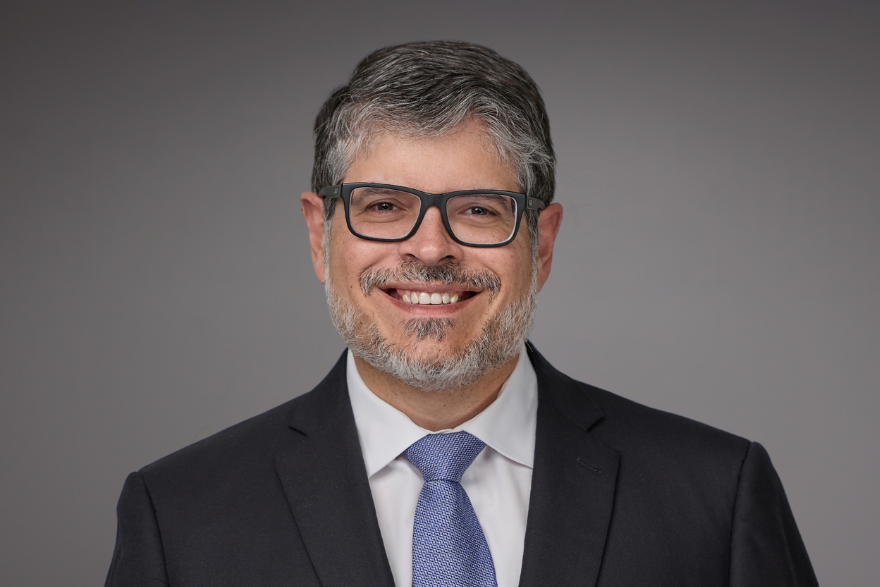
Frank
Ramos
is
a
partner
at
Goldberg
Segalla
in
Miami,
where
he
practices
commercial
litigation,
products,
and
catastrophic
personal
injury. You
can
follow
him
on LinkedIn,
where
he
has
about
80,000
followers.