Say Hello To The Next Top 20 Firm: Partners Approve Transatlantic Biglaw Merger – Above the Law


Ed.
note
:
Welcome
to
our
daily
feature, Quote
of
the
Day
.


Our
partnership’s
approval
reflects
a
shared
belief
that
combining
to
form
Ashurst
Perkins
Coie
will
create
a
truly
differentiated
global
legal
platform.
One
with
the
scale,
sector
depth,
and
technological
leadership
to
meet
our
clients’
increasingly
complex,
cross-border
needs.


— 

Bill
Malley
,
managing
partner
of
Perkins
Coie,
in
a

statement
announcing
partnership
approval

of
the

transatlantic
merger

of
Ashurst
and
Perkins
Coie.
As
noted
by
the

American
Lawyer
,
partners
at
both
firms
voted
“overwhelmingly”
to
approve
the
combination,
surpassing
the
two-thirds
majority
needed
to
push
through
the
Biglaw
tie-up.
“This
vote
confirms
the
strong
alignment
between
our
firms
and
our
joint
ambition
for
the
future,”
said
Ashurst
CEO

Paul
Jenkins
.
“Our
complementary
expertise
across
sectors
and
practice
areas,
together
with
our
shared
commitment
to
innovation,
will
deliver
greater
scale
and
global
reach
for
our
clients.”
When
the
merger
closes
on
July
1,
2026,
the
combined
firm
will
have
~3,000
lawyers
(including
800
partners)
spread
across
more
than
50
offices,
with
a
revenue
of
about
$2.8
billion.
Malley
and
Jenkins
will
serve
as
global
co-CEOs
of
Ashurst
Perkins
Coie.


Staci
Zaretsky
 is
the
managing
editor
of
Above
the
Law,
where
she’s
worked
since
2011.
She’d
love
to
hear
from
you,
so
please
feel
free
to email her
with
any
tips,
questions,
comments,
or
critiques.
You
can
follow
her
on BlueskyX/Twitter,
and Threads, or
connect
with
her
on LinkedIn.

Two Chinese firms granted lithium export quotas from Zimbabwe, state media reports


14.4.2026


19:59

BEIJING
(Reuters)

Zimbabwe
has
granted
two
Chinese
mining
firms
export
quotas
for
​lithium
concentrates,
state
media
China
Securities
Journal
reported
on
‌Monday,
two
months
after
Africa’s
top
lithium
producer
suspended
exports
of
the
key
battery
material.


The
quotas
were
granted
to
Chengxin
Lithium (002240.SZ),
opens
new
tab
 and
Sinomine
Resource (002738.SZ),
opens
new
tab
,
​which
operate
lithium
mining
projects
in
Zimbabwe,
according
to
the
​report.

Post
published
in:

Business

$35 Million Racial Discrimination Suit Against Troutman Pepper Ends In Settlement – Above the Law

Troutman
Pepper

has
settled

the
racial
discrimination
lawsuit
brought
by
former
associate
Gita
Sankano,
who
alleged
she
was
the
firm’s
only
Black
female
attorney
in
its
D.C.
office,
subjected
to
a
“dehumanizing”
email
from
a
partner,
and
then
fired
after
she
complained
about
it.
Trial
had
been
scheduled
to
begin
next
month.

Terms
were
not
disclosed
.

“Both
we
and
Ms.
Sankano
are
pleased
that
a
settlement
of
this
matter
has
been
reached,”
said
Michael
Willemin,
a
partner
at
Wigdor
LLP
who
represented
Sankano.

Sankano
had
sought
at
least
$35
million
in
economic
and
punitive
damages.

To

recap
the
background
,
because
it
is
worth
recapping

Sankano
filed
suit
in
January
2024,
alleging
that
after
a
senior
partner
retired
and
she
was
reassigned
to
work
under
partner
Matthew
Bowsher,
things
went
sideways
fast.
The
complaint
describes
“aggressive
emails
questioning
her
cognitive
ability,”
culminating
in
one
that
the
filing
characterized
as
“outrageously
demeaning,
dehumanizing,
and
demoralizing.”
The
email
itself,
included
in
the
complaint,
features
Bowsher,
ahem,

generously

donating
20
minutes
of
his
morning
to
inform
Sankano
that
her
communication
skills
were
“elementary”
and
that
he
simply
did
not
know
“what
more
I
can
say
here.”
(He
had
more
to
say.
It
went
on.)

When
Sankano
complained
to
HR,
the
firm’s
response
was
interesting.
According
to
the
complaint,
it
took
the
firm
77
days
to
investigate.
The
conclusion
of
that
investigation?
Bowsher’s
email
was
“inappropriate”
but
not
racist
because,
the
firm
argued,
he
treated
people
at
his
prior
job
the
same
way.
As
I
noted
at
the
time,
arguing
your
partner
is
a
generalized
equal-opportunity
menace
is
certainly

one

defense.

This
case
has
been
percolating
since
early
2024,
and
it
reaches
its
conclusion
in
a
legal
landscape
where
Biglaw
firms
have
spent
the
past
year
dismantling
DEI
programs


cutting
affinity
groups,
scrubbing
websites,
and
signing
executive
order
deals


under
pressure
from
an
administration
that
has
made
DEI
its
favorite
piñata.
The
optics
of
settling
a
$35
million
racial
discrimination
suit
in
that
environment
says
enough
(even
though
Troutman
Pepper
has
not
commented
on
the
settlement).

Sankano,
for
her
part,
gets
to
move
on
while
the
firm
gets
to
avoid
a
trial.
The
partner
whose
emails
apparently
needed
77
days
of
investigation
to
be
deemed
merely
“inappropriate”
presumably
continues

his
career

uninterrupted.


Earlier:


Former
Associate
Hits
Biglaw
Firm
With
Racial
Discrimination
Case
After
‘Dehumanizing’
Email


Kathryn
Rubino
is
a
Senior
Editor
at
Above
the
Law,
host
of

The
Jabot
podcast
,
and
co-host
of

Thinking
Like
A
Lawyer
.
AtL
tipsters
are
the
best,
so
please
connect
with
her.
Feel
free
to
email

her

with
any
tips,
questions,
or
comments
and
follow
her
on
Twitter

@Kathryn1
 or
Mastodon

@[email protected].

Jury Decides Mother-To-Be’s Discrimination Case In DLA Piper’s Favor – Above the Law

If
you’re
headed
to
a
jury
trial
against
a
sympathy-garnering
plaintiff,
you’d
better
bring
your
A
game.
DLA
Piper
rose
to
the
occasion!
They’ve
been
fighting
a
discrimination
suit
from
former
employee
Anisha
Mehta
for
over
a
year,

alleging
that
she
was
fired
because
she
took
parental
leave
.
The
firm
justified
the
firing
by
characterizing
her
work
product
as
“sloppy”
and
“catastrophic”;
Mehta
answered
by
saying
the
firm’s
words
didn’t
match
up
with
their
actions

she
received
positive
work
reviews,
a
bonus,
and
was
placed
on
an
important
matter.
After
hearing
the
evidence,
the
jury
came
out
in
DLA’s
favor.
The

New
York
Law
Journal

has
coverage:

A
Manhattan
federal
jury
on
Monday
found
that
DLA
Piper
did
not
discriminate
against
a
pregnant
ex-associate
who
claimed
she’d
been
fired
for
requesting
maternity
leave.

The
jury
found
that
Anisha
Mehta
failed
to
prove
that
the
firm
was
liable
for
discrimination
under
the
New
York
City
Human
Rights
Law.
The
panel
also
said
the
firm
was
not
liable
for
interfering
with
Mehta’s
Family
and
Medical
Leave
Act
rights
and
had
not
committed
retaliation.

In
opening
statements,
[DLA
partner
Brett]
Ingerman
said
Mehta
had
made
numerous
mistakes
while
at
the
firm,
including
beginning
a
trademark
infringement
action
in
Singapore
when
it
was
supposed
to
be
filed
in
Switzerland.

You
win
some,
you
lose
some.
Even
if
there
was
some
incongruity
between
the
firm’s
words
and
their
actions,
winning
a
discrimination
suit
against
an
at-will
employer
is
usually
an
uphill
battle.

Partner
and
lead
attorney
on
the
case,
Brett
Ingerman,
commented
on
the
verdict:
“I
was
proud
to
represent
the
law
firm
I’ve
called
home
for
the
last
32
years.
DLA
Piper
and
its
lawyers
are
committed
to
fostering
an
environment
that
promotes
the
family
journey.
I
believe
the
jury
saw
and
understood
that,
and
we
are
grateful
for
their
verdict.”

The
jury
might
have
bought
DLA’s
family
fostering
in
the
courtroom,
but
I’m
sure
the
parents

who
had
their
parental
leave
cut
by
six
weeks
have
some
choice
words
.
I
guess
the
real
takeaway
from
this
is
that
it
isn’t
enough
to
just
mind
your
Ps
and
Qs

you
also
have
to
mind
your
Singapores
and
Switzerlands.


DLA
Piper
Did
Not
Discriminate
Against
Pregnant
Associate,
Jury
Finds

[New
York
Law
Journal]


Earlier
:

DLA
Piper
Headed
To
Trial
Over
Firing
Of
Mom-To-Be


Major
Biglaw
Firm
Slashes
Parental
Leave


Chris
Williams
became
a
social
media
manager
and
assistant
editor
for
Above
the
Law
in
June
2021.
Prior
to
joining
the
staff,
he
moonlighted
as
a
minor
Memelord™
in
the
Facebook
group Law
School
Memes
for
Edgy
T14s
.
 He
endured
Missouri
long
enough
to
graduate
from
Washington
University
in
St.
Louis
School
of
Law.
He
is
a
former
boat
builder
who
is
learning
to
swim
and
is
interested
in
rhetoric,
Spinozists
and
humor.
Getting
back
in
to
cycling
wouldn’t
hurt
either.
You
can
reach
him
by
email
at


[email protected]

and
by
Tweet/Bluesky
at @WritesForRent.

The Top Biglaw Firms In California (2027) – Above the Law

California
has
a
certain
kind
of
easy-going
vibe
that’ll
make
you
appreciate
that
business
casual
lifestyle.
Depending
on
where
your
office
is
located,
you
may
even
be
able
to
see
the
beach
from
your
window.
In
fact,
we
wouldn’t
be
surprised
if
your
firm
handed
out
flip-flops
emblazoned
with
their
logo
(we
see
you,
Quinn
Emanuel).
Whether
you’re
into
tech,
litigation,
or
representing
celebrities,
there
really
is
something
for
everyone.
California
really
is
top
notch,
but
which
firms
are
considered
the
best
in
the
Golden
State?

Thanks
to
Vault’s
recently
released regional
rankings
,
we
now
know
which
Biglaw
firms
are
dominating
the
legal
scene
in
California.
This
ranking
is
based
on
votes
tabulated
from
associates
who
were
asked
to
rate
firms
on
a
1
to
10
scale
based
on
their
prestige
within
the
region.

Here
are
the
top
10
most
prestigious
firms
in
Northern
California
(you
can
see
the
full
list
from
Vault
by
clicking here):

1.
Cooley
1.
Latham
&
Watkins
3.
Morrison
Foerster
4.
Wilson
Sonsini
5.
Kirkland
&
Ellis
6.
Skadden
7.
Gibson
Dunn
8.
Fenwick
(+1)
9.
Orrick
(-1)
10.
Perkins
Coie
(+8)

Much
like
WilmerHale
saw
in
the
DC
ranking,
Perkins
Coie,
another
firm
that’s
fighting
against
Trump’s
executive
order,
is
taking
a
star
turn
in
the
ranking,
moving
up
by
quite
a
bit.
There’s
nothing
more
prestigious
than
standing
up
for
justice
and
the
rule
of
law.

And
here
are
the
top
10
most
prestigious
firms
in
Southern
California
(you
can
see
the
full
list
from
Vault
by
clicking here):

1.
Latham
&
Watkins
2.
Gibson
Dunn
3.
Kirkland
&
Ellis
4.
O’Melveny
&
Myers
5.
Skadden
6.
Munger
Tolles
&
Olson
7.
Paul
Hastings
8.
Quinn
Emanuel
(+1)
9.
Sidley
Austin
(-1)
10.
Morrison
Foerster
(+1)

Congrats
to
all
of
the
Biglaw
firms
that
made
the
latest
edition
of
Vault’s
California
rankings.
How
did
your
firm
do
this
time
around? Email
us
,
text
us
at
(646)
820-8477,
or
tweet
us @atlblog to
let
us
know
how
you
feel.


2027
Best
Law
Firms
in
Northern
California
 [Vault]

2027
Best
Law
Firms
in
Southern
California
 [Vault]


Staci
Zaretsky
 is
the
managing
editor
of
Above
the
Law,
where
she’s
worked
since
2011.
She’d
love
to
hear
from
you,
so
please
feel
free
to email her
with
any
tips,
questions,
comments,
or
critiques.
You
can
follow
her
on BlueskyX/Twitter,
and Threads, or
connect
with
her
on Linke

In-House Professionals: Did You Take Our Compensation Survey Yet? – Above the Law

We’re
wrapping
up
our
compensation
survey
for
in-house
law
departments,
so
if
you
haven’t
already
taken
part,
now’s
your
chance.

If
you
work
in-house
as
an
attorney
or
a
legal
ops
professional,
please
take
our brief
survey
 and
tell
us
about
your
compensation. 

The
survey
is completely
anonymous 
and
won’t
take
more
than
a
few
minutes
of
your
time.
We’ll
share
the
results
later
this
year.


No Parking, No Plan: The Hidden Liability Behind World Cup 26 – Above the Law

When
the
world
comes
to
New
Jersey
for
the
FIFA
World
Cup
in
2026,
the
focus
will
be
on
the
matches.
It
always
is.
The
crowds.
The
spectacle.
The
global
spotlight.

But
if
you
want
to
understand
where
the
real
risk
lies,
don’t
look
at
the
field.
Look
at
the
parking
plan.

Because
right
now,
there
isn’t
one.

Fans
attending
matches
at
MetLife
Stadium
are
being
told
there
will
be
no
on-site
parking
due
to
security
(the
perceived
need
to
create
a
large
security
perimeter)
and
logistical
constraints.
Instead,
they
will
be
pushed
to
public
transit
or
limited
off-site
options

including
roughly
5,000
parking
spots
at
the
nearby
American
Dream
complex,
reportedly
priced
at
$225
per
vehicle.
For
some
marquee
events,
even
those
options
are
already
gone.

On
paper,
this
may
sound
like
an
inconvenience.
In
practice,
it
is
something
else
entirely:
a
large-scale
redistribution
of
risk.

When
you
eliminate
parking
for
tens
of
thousands
of
attendees,
you
are
not
eliminating
demand.
You
are
forcing
behavior.
People
will
still
come

they
will
just
arrive
differently.
They
will
rely
on
trains,
buses,
rideshare
services,
and
long
pedestrian
routes.
They
will
converge
in
unfamiliar
areas,
at
the
same
times,
under
pressure
to
get
in
and
out
quickly.

Another
issue
with
this,
of
course,
is
whether
public
transit
and
all
of
these
alternatives
can
even
come
close
to
handling
the
expected
volume
of
people
for
each
of
these
events.

All
of
this
is
entirely
guesswork
at
this
point.
And
this
kind
of
forced
convergence
creates
predictable
conditions:
overcrowding,
bottlenecks,
confusion,
and
delay.
And
those
conditions
are
where
injuries
happen.

We
have
seen
this
before.
Not
just
at
international
sporting
events,
but
at
concerts,
festivals,
and
major
games
across
the
country.
The
danger
is
rarely
inside
the
venue.
It
is
at
the
edges

on
the
walk
in,
the
wait
for
transportation,
the
surge
after
the
final
whistle.
It
is
where
planning
meets
reality,
and
reality
wins.

From
a
legal
standpoint,
none
of
this
is
abstract.

Event
organizers
and
operators
have
a
duty
to
anticipate
reasonably
foreseeable
risks.
When
you
know
that
tens
of
thousands
of
people
will
be
funneled
into
limited
transit
options,
you
are
on
notice.
When
you
price
the
most
controlled
parking
option
at
a
level
that
effectively
restricts
access,
you
are
shaping
how
the
crowd
behaves.
And
when
that
behavior
leads
to
overcrowded
platforms,
chaotic
pickup
zones,
or
unsafe
pedestrian
conditions,
the
question
is
not
whether
it
was
foreseeable.
It
is
whether
it
was
preventable.

Responsibility
in
these
situations
does
not
fall
on
a
single
entity.
It
rarely
does.
FIFA
may
be
the
global
organizer,
but
local
stadium
operators,
municipalities,
transit
agencies,
and
private
contractors
all
play
a
role
in
how
people
move
safely
to
and
from
the
event.
When
something
goes
wrong

and
history
tells
us
that,
at
this
scale,
something
eventually
does

liability
will
be
shared,
examined,
and
contested.

New
Jersey
adds
another
layer
of
complexity.
Claims
involving
public
entities,
such
as
transit
systems,
are
governed
by
the
New
Jersey
Tort
Claims
Act,
which
imposes
strict
notice
requirements
and
limitations.
For
injured
individuals,
that
means
the
window
to
act
is
short,
and
the
legal
terrain
is
anything
but
simple.

All
of
this
underscores
a
point
that
should
not
be
controversial:
transportation
is
not
a
side
issue.
It
is
a
core
safety
issue.

If
the
plan
is
to
move
tens
of
thousands
of
people
without
giving
them
a
clear,
accessible,
and
reasonably
safe
way
to
arrive
and
leave,
then
what
we
are
looking
at
is
not
a
solved
logistics
problem.
It
is
an
unmanaged
risk.

The
World
Cup
will
bring
energy,
attention,
and
opportunity.
It
should
also
bring
serious,
transparent
planning
around
how
fans
will
move
through
the
environment
safely.
Not
just
inside
the
stadium,
but
well
beyond
it.

Because
when
you
design
an
event
where
80,000
people
have
no
clear
place
to
park
and
no
seamless
way
to
disperse,
you
are
not
just
testing
infrastructure.

You
are
testing
the
limits
of
responsibility.

And
those
limits
tend
to
get
defined
the
hard
way.


Michael
J.
Epstein
,
a
Harvard
Law
School
graduate,
is
a
trial
lawyer
and
managing
partner
of 
The
Epstein
Law
Firm,
P.A.,
 a
law
firm
based
in
New
Jersey.

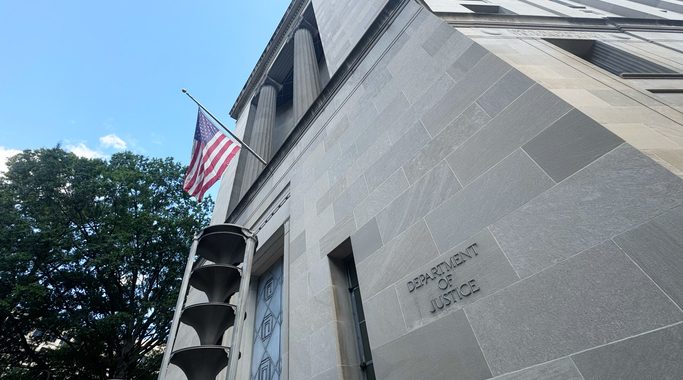
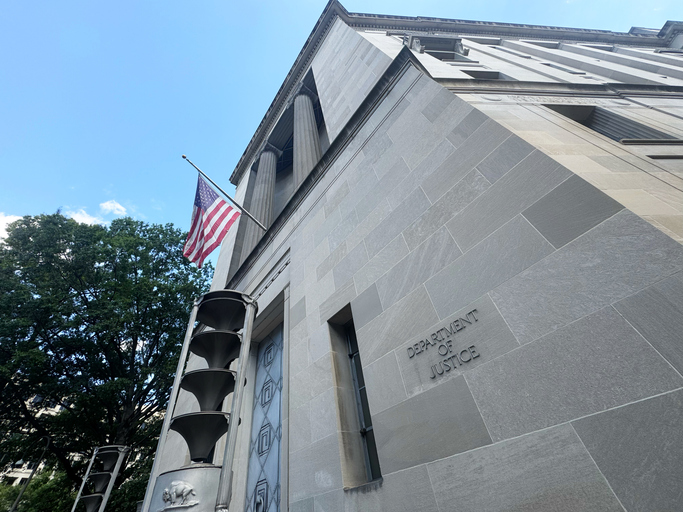
Inside The DOJ’s Hospital Contracting Crackdown: What Message Are the Feds Sending? – MedCity News

The
Department
of
Justice
is
taking
aim
at
two
large
health
systems
over
contracts
that
the
agency
says
stifle
competition
and
keep
patients
from
receiving
affordable
care.
The
lawsuits,
both
filed
earlier
this
year,
signal
a
broader
crackdown
on
how
hospitals
use
contracting
practices
to
shape
their
market
positioning. 

The
complaints
claim
that

OhioHealth

and

NewYork-Presbyterian
Hospital

forced
payers
to
contract
with
their
entire
health
systems,
rather
than
allowing
them
to
pick
and
choose
individual
facilities.
The
Justice
Department
argues
that
these
“all-or-nothing”
contracting
tactics
block
payers
from
steering
patients
to
lower-cost
providers.

Federal
regulators
launched
the

first
antitrust
lawsuit

in
February
against
OhioHealth,
and
followed
with
a

second
one

in
March
against
NewYork-Presbyterian.
OhioHealth
is
one
of
the
largest
health
systems
in
Ohio,
spanning
16
hospitals,
three
joint
venture
hospitals
and
more
than
200
ambulatory
care
sites.
NewYork-Presbyterian
is
the
largest
health
system
in
New
York
City,
operating
eight
hospitals
and
dozens
of
outpatient
care
sites.

Essentially,
the
agency
is
saying
that
this
allegedly
anticompetitive
conduct
insulates
these
health
systems
from
price
competition
and
allows
them
to
maintain
high
prices. 

The
Justice
Department
claims
that
payers
would
have
designed
narrower,
lower-cost
networks
if
they
had
the
option.
These
affordable
providers
are
not
identified
explicitly
in
the
complaints,
but
the
agency
generally
refers
to
alternative,
non-system
providers
and
independent
practices.

OhioHealth
and
NewYork-Presbyterian
are
cooperating
with
the
reviews
of
their
managed
care
agreements,
but
they
both
maintain
that
their
contracting
practices
are
lawful
and
benefit
patients
by
ensuring
broad
access
to
care.

However,
experts

including
an
antitrust
lawyer,
healthcare
economist,
patient
advocate
and
frontline
physician

believe
that
these
types
of
contracting
practices
do
drive
up
healthcare
costs
and
squeeze
independent
doctors,
as
well
as
leave
patients
with
fewer
choices.
And
they
say
the
stakes
go
far
beyond
New
York
and
Ohio.


Inside
the
complaints

These
cases
are
about
competition
suppression,
not
just
high
prices,
said
attorney
Cory
Talbot,
a
partner
at

Holland
&
Hart

specializing
in
healthcare
antitrust
law. 

The
Justice
Department
is
arguing
that
all-or-nothing
contracts
prevent
patients
from
seeing
cheaper
or
higher-quality
providers,
alleging
that
this
practice
decreases
competition
on
both
the
price
and
quality
fronts.

Contrast
that
with
health
systems,
who
think
such
contracting
practices
could
expand
patient
access
across
facilities,
Talbot
noted.

“Somebody
doesn’t
have
to,
for
instance,
bypass
multiple
NewYork-Presbyterian
facilities
to
get
to
a
facility
where
they
have
coverage.
They
can
go
to
any
one
that
provides
the
services
that
they
need.
So
from
the
health
system
perspective,
that
provides
them
with
a
good
ability
to
provide
a
broad
range
of
services
at
a
number
of
facilities,
and
that
provides
a
benefit
to
the
patient,”
he
explained.

He
added
that
he
thinks
this
contracting
behavior
is
“pretty
common”
among
large
health
systems.

“This
is
not
something
that
NewYork-Presbyterian
and
OhioHealth
just
came
up
with

a
lot
of
health
systems
are
negotiating
like
this,”
Talbot
remarked.

While
these
practices
are
common,
he
and
the
other
experts
still
believe
that
the
tactic
does
in
fact
raise
costs
and
lower
competition.

In
order
to
prove
that
these
arrangements
can
violate
antitrust
law,
the
Justice
Department
will
have
to
show
that
the
health
system
defendants
have
enough
market
power
to
meaningfully
influence
local
prices
and
limit
competition,
he
said.

The
agency
has
already
begun
this
effort
in
its
two
initial
complaints.

The
first
lawsuit

stated
that
OhioHealth
accounts
for
more
than
35%
of
general
acute
care
hospital
stays
in
the
Columbus
area,
and

the
second
lawsuit

said
NewYork-Presbyterian’s
handles
more
than
25%
of
such
admissions
across
Manhattan,
Brooklyn,
Queens,
and
the
Bronx.

Talbot
said
those
figures
are
central
to
the
Justice
Department’s
argument,
but
not
sufficient
on
their
own
without
showing
they
translate
into
real-world
pricing
power.

“Is
that
enough
of
a
market
that
a
patient
would
be
able
to
say,
‘Can
I
go
elsewhere?’
At
the
same
time,
is
a
patient
limited
by
what
the
payer
can
do
or
what
the
payer
can
negotiate?
Can
a
patient
get
services
more
cheaply,
or
is
the
patient
stuck
with
what
the
payer
negotiated
with?
I
think
the
first
thing
[the
Justice
Department]
needs
to
prove
is
how
[the
defendants]
fit
in
the
market,”
Talbot
declared.

Beyond
proving
the
health
system’s
market
dominance,
the
Justice
Department
will
also
need
to
provide
evidence
that
the
all-or-nothing
contracts
actually
result
in
higher
prices
and
severed
access
to
better
and
cheaper
care,
he
stated.


Sending
a
message

The
lawsuits
against
OhioHealth
and
NewYork
Presbyterian
signify
a
shift
in
the
nation’s
healthcare
antitrust
enforcement.
Historically,
the
focus
has
been
on
hospital
mergers,
but
these
two
cases
are
scrutinizing
contracting
behavior.

Health
systems
have
adapted
to
merger
scrutiny,
so
regulators
are
now
targeting
what
happens
after
consolidation,
Talbot
said.

He
thinks
both
the
lawsuits
will
likely
end
up
in
some
kind
of
a
settlement. 

“I
think
that
you’ll
probably
see
both
OhioHealth
and
NewYork-Presbyterian
take
a
shot
at
getting
these
cases
dismissed
early
on.
And
if
that
fails,
I
think
you’ll
see
them
negotiate
with
the
DOJ
and
with
the
state
to
try
to
come
up
with
a
resolution,”
Talbot
remarked.

He
said
the
lawsuits
are
“designed
to
send
a
message”
and
are
likely
to
push
health
systems
to
rethink
or
abandon
their
all-or-nothing
tactics
in
negotiations.

Another
expert

Katie
Keith,
founding
director
at
Georgetown
University’s

Center
for
Health
Policy
and
the
Law
at
the
O’Neill
Institute


agreed,
saying
that
hospitals
using
these
tactics
“should
be
on
notice
that
this
might
not
be
a
sustainable
strategy
under
this
Department
of
Justice.”

Keith
thinks
the
back-to-back
cases
signal
a
serious
focus
on
contracting
practices
at
the
Justice
Department.
She
noted
that
this
is
especially
true
in
New
York,
allegations
have
been
public
for
years
and

complaints
from
union
health
plans

have
helped
drive
scrutiny.

For
years,
union
health
plans
have

raised
concerns

that
dominant
health
systems
force
them
into
all-or-nothing
contracts,
making
it
difficult
to
steer
their
members
to
affordable
providers

a
dynamic
they
say
contributes
to
rising
premiums
and

out-of-pocket
costs

for
workers.

Keith
also
pointed
out
that
there’s
a
notable
amount
of
internal
documents
and
communications
in
the
Justice
Department’s
lawsuits,
pulling
back
the
opaque
veil
of
contract
negotiations.

“I
feel
like
we
don’t
normally
see
that
stuff
in
a
complaint.
Normally
you
see
it
after
discovery,
for
example,
but
it
seemed
like
the
department
already
had
its
hands
on
a
bunch
of
inside
information
to
make
its
case,”
Keith
said.

For
instance,
one
lawsuit
cited
data
showing
that
preventing
one
payer
from
shifting
colonoscopy
procedures
to
another
provider
could
be
worth
about
$250,000
in
retained
revenue
for
NewYork-Presbyterian.

Citing
this
data
shows
that
hospitals
are
financially
motivated
to
restrict
patient
movement
and
that
the
Justice
Department
is
building
a
data-driven
case,
Keith
explained.

More
importantly,
the
Justice
Department
is
likely
expanding
investigations
beyond
these
two
health
systems,
she
added.

Like
Talbot,
Keith
thinks
OhioHealth
and
NewYork-Presbyterian
will
file
motions
to
dismiss,
and
then
settlement
is
likely
after
that.
This
follows
a
pattern
present
in
the
other
two
high-profile
lawsuits
challenging
all-or-nothing
contracting
in
the
past
decade:

Atrium
Health’s
case
in
2018

and

Sutter
Health’s
case
in
2021

Atrium
settled
its
lawsuit
with
the
Justice
Department
with
no
financial
penalty.
Sutter,
on
the
other
hand,
had
to
pay
the
state
of
California
$575
million.


Consolidation
leads
to
higher
costs

The
lawsuits
come
as
part
of
a
larger
affordability
push
by
the
presidential
administration.
Dr.
David
Eagle,
a
hematologist-oncologist
at

New
York
Cancer
&
Blood
Specialists
,
applauded
these
efforts
for
going
after
hospital
consolidation
and
contracting
practices,
which
he
said
are
directly
raising
costs
and
diminishing
patient
access
every
day.

Dr.
Eagle
noted
that
independent
practices
are
being
pushed
out
or
absorbed,
which
reshapes
the
market
in
ways
that
hurt
patients.

He
described
a
before-and-after
scenario
from
his
oncology
practice.
It
involved
the
same
doctor,
same
location
and
same
care.

Before
joining
a
large
health
system,
the
doctor’s
patients
typically
paid
$50
to
$70
per
visit

but
after
the
practice
was
acquired,
those
same
visits
often
came
with
$300
co-pays
and
additional
facility
fees.
Despite
receiving
care
from
the
same
doctor
in
the
same
location,
some
patients
could
no
longer
afford
to
return
and
were
forced
to
seek
care
elsewhere
or
go
without. 

Dr.
Eagle
pointed
out
that
independent
practices
typically
have
lower
co-pays
and
often
accept
more
insurance
plans.
His
independent
physician
group
accepts
all
insurance,
unlike
many
large
systems.
Yet,
it
lacks
hospital
negotiating
leverage
and
financial
advantages.

“We
don’t
get
the
benefit
of

340B
.
We
don’t
have
the
same
commercial
contracts.
We
don’t
get
programs
like

Medicaid
1115
waivers
.
But
we’re
the
only
major
cancer
provider
[in
the
area]
that
accepts
all
Medicaid
plans
and
accepts
all
insurance
plans.
I
think
that’s
part
of
the
perspective
too,”
Dr.
Eagle
remarked.

He
said
the
disparity
shows
how
market
dynamics

not
differences
in
care

are
what
is
causing
costs
to
climb
and
hurting
access
for
patients.


Chipping
away
at
the
affordability
crisis

These
cost
pressures
ultimately
land
on
patients
navigating
an
increasingly
restricted
and
confusing
insurance
landscape,
pointed
out
Caitlin
Donovan,
senior
director
of
the

Patient
Advocate
Foundation
.
She
said
all-or-nothing
contracting
adds
another
layer
to
an
already
constrained
system.

Donovan
thinks
the
lawsuits
target
one
piece
of
a
broader
affordability
problem.

“There’s
a
lot
of
factors
that
go
into
this,
but
the
average
American
isn’t
aware
of
them.
They’re
aware
of
the
repercussions.
And
if
this
lawsuit
can
go
after
one
of
those
factors
that
make
things
so
unworkable
for
the
average
American,
then
I
will
consider
it
a
good,”
she
declared.

While
she
doesn’t
foresee
these
cases
being
able
to
lower
prices
on
their
own,
she
thinks
they
could
result
in
broader,
more
flexible
networks
for
patients,
with
better
chances
for
them
to
see
their
preferred
doctors
and
afford
care.

Donovan
also
noted
that
patients
are
increasingly
being
used
as
bargaining
chips.
It’s
becoming
increasingly
common
for
patients
to
receive
letters
from
hospitals
or
payers
asking
them
to
pressure
the
other
side
during
contract
disputes,
she
said.

“Constantly
patients
are
being
put
in
the
middle
of
these
struggles
between
providers
and
insurers,
and
yet,
somehow
I
doubt
that
either
of
them
are
really
looking
out
for
patients.
They’re
mostly
looking
out
for
their
own
bottom
line,”
Donovan
remarked.

For
patients,
the
impact
of
these
contracting
disputes
can
be
very
real

it
shows
up
in
narrower
networks,
higher
bills
and
fewer
real
choices
when
care
is
needed,
she
stated.

The
Justice
Department’s
cases
won’t
solve
these
problems
completely,
but
they
could
mark
another
step
in
increasing
how
much
control
patients
actually
have
in
a
consolidated
system.


Photo:
Westy72,
Getty
Images

Morning Docket: 04.14.26 – Above the Law

*
DLA
Piper
prevails
in
former
associate’s
pregnancy
discrimination
case.
[New
York
Law
Journal
]

*
Perkins
Coie
and
Ashurst
partners
approve
merger.
[Bloomberg
Law
News
]

*
Client
AI
use
could
drive
up
legal
fees.
[Financial
Times
]

*
Anthropic
GC
predicts
that
AI
will
finally
defeat
the
billable
hour.
[Corporate
Counsel
]

*
Biglaw
tax
lawyer
pursues
Guinness
record
by
completing
marathon
dressed
as
Captain
Underpants.
[Legal
Cheek
]

*
D.C.
Circuit
tells
government
they’ve
got
some
‘splaining
to
do
about
how
the
FTC’s
probe
into
Media
Matters
amounts
to
anything
but
a
political
attack.
[Law360]

*
Court
tosses
Trump’s
defamation
suit
against

Wall
Street
Journal
.
[Reuters]