The Most Innovative Law Schools (2025) – Above the Law

Innovation
in
legal
education
isn’t
just
a
buzzword,
it’s
fast
becoming
a
benchmark.
With
rapid
shifts
in
technology,
including
the
lightning-fast
rise
of
artificial
intelligence,
the
practice
of
law
demands
more
than
black-letter
doctrine;
it
demands
tools,
ethics,
and
adaptability.
That’s
why
the
National
Jurist
preLaw
Magazine’s
most
recent
ranking
of
the
most
innovative
law
schools
holds
real
weight:
it
highlights
those
institutions
that
are
doing
more
than
just
talking

they’re
actually
doing
what
needs
to
be
done
for
law
students
to
learn
in
new
ways
and
to
succeed
in
their
future
practice
of
law.

At
its
core,
the
preLaw
ranking
asks
which
law
schools
are
breaking
outside
of
traditional
molds
to
integrate
technology
and
real-world
skills
into
the
fabric
of
their
curricula.
With
a
real
emphasis
on
relevant
tech
skills,
this
ranking
brings
attention
to
the
law
schools
that
are
preparing
graduates
to
do
good
and
do
well
in
a
legal
environment
that’s
evolving
on
a
daily
basis.

“[F]rom
AI
labs
and
interdisciplinary
centers
to
data-driven
reform
and
bold
new
approaches
to
design
and
client
service,”
according
to
National
Jurist’s

preLaw
Magazine
,
these
are
the
law
schools
that
“exemplify
innovation
in
action.”

  1. North
    Carolina
    Central
    University
    School
    of
    Law
  2. Suffolk
    University
    Law
    School
  3. UC
    Berkeley
    School
    of
    Law
  4. Nova
    Southeastern
    University
    Shepard
    Broad
    College
    of
    Law
  5. Northeastern
    University
    School
    of
    Law
  6. Maurice
    A.
    Dean
    School
    of
    Law
    at
    Hofstra
    University
  7. Seattle
    University
    School
    of
    Law
  8. Case
    Western
    Reserve
    University
    School
    of
    Law
  9. University
    of
    Miami
    School
    of
    Law
  10. Benjamin
    N.
    Cardozo
    School
    of
    Law
    at
    Yeshiva
    University
  11. Vanderbilt
    University
    Law
    School
  12. Southwestern
    Law
    School

Click

here

to
read
short
summaries
of
why
each
school
made
this
year’s
list
of
top
innovators.

The
law
isn’t
moving
backwards,
and
all
sectors
of
the
legal
industry
are
being
reshaped
by
digital
tools,
AI,
remote
practice,
and
societal
demands
for
access
and
fairness.
Schools
that
ignore
these
forces
risk
graduating
students
who
are
less
prepared
for
what
the
profession
is
now
and
what
it
will
be
in
the
future.
Institutions
that
lean
into
innovation

like
the
schools
listed
above

can
help
drive
even
more
changes
to
benefit
the
public
good

If
you’re
weighing
law
school
options,
pay
close
attention
to
how
schools
define
innovation.
Are
they
integrating
it
structurally
or
just
marketing
it?
The
schools
found
on
this
ranking
are
reshaping
legal
education
so
that
graduating
means
being
ready

not
just
academically,
but
technically
and
practically

for
the
world
lawyers
actually
live
in.


Suffolk,
NCCU
lead
list
of
this
year’s
most
innovative
law
schools

[preLaw
Magazine
/
National
Jurist]


Staci Zaretsky


Staci
Zaretsky
 is
the
managing
editor
of
Above
the
Law,
where
she’s
worked
since
2011.
She’d
love
to
hear
from
you,
so
please
feel
free
to

email

her
with
any
tips,
questions,
comments,
or
critiques.
You
can
follow
her
on BlueskyX/Twitter,
and Threads, or
connect
with
her
on LinkedIn.

John Bolton Plays Stupid Games, Wins Stupid Prizes – Above the Law

(Photo
by
Alex
Wong/Getty
Images)

For
a
smart
guy,
John
Bolton
is
kind
of
an
idiot.

If
the

indictment

that
dropped
yesterday
is
correct,
he
sent
regular
emails
to
his
wife
and
daughter
for
more
than
a
year
detailing
every
interesting
thing
that
happened
to
him
as
National
Security
Advisor
“For
Diary
in
the
future!!!”
And
by
“diary”
he
meant
the
book
that
he
pitched
to
publishers
five
seconds
after
being
fired
in
September
of
2019.

Lots
of
the
interesting
things
that
he
was
chitchatting
about
on
his
AOL
and
Gmail
accounts
allegedly
involved
national
defense
information:

On
or
about
July
23,
2018,
BOLTON
sent
Individuals
1
and
2
a
message
that
stated,
“More
stuff
coming!!!”
A
few
minutes
later,
BOLTON
sent
Individuals
1
and
2
a
24-page
document
which
described
information
that
BOLTON
learned
while
National
Security
Advisor.
Less
than
three
hours
later,
BOLTON
sent
Individuals
1
and
2
a
follow-up
message
that
stated,
“None
of
which
we
talk
about!!!”
In
response,
Individual
1
sent
a
message
that
stated,
“Shhhhh.”

According
to
the
indictment,
Iranian
hackers
accessed
these
emails
and
even
taunted
Bolton,
saying
“This
could
be
the
biggest
scandal
since
Hillary’s
emails
were
leaked,
but
this
time
on
the
GOP
side!”

Joke’s
on
you,
Iranian
hackers!

The
entire
premise
of
Bolton’s
book
is
that
Trump
is
vengeful
and
stupid.
His
LiveJournal
coincides
with
Trump’s
shakedown
of
Ukrainian
President
Volodymyr
Zelensky
for
dirt
on
Joe
Biden.
And
yet
Bolton
seems
to
have
been
remarkably
unconcerned
about
blowback
as
he
prepared
to
embarrass
the
shit
out
of
the
guy
willing
to
leave
thousands
of
human
beings
vulnerable
to
Russian
attacks
for
political
advantage.
Bolton
was,
as
he
said,
in

The
Room
Where
It
Happened
 (affiliate
link),
and
yet
it
seems
not
to
have
occurred
to
him
that
it
could
happen

to
him
.
Which
is
even
weirder,
since

it

had
just
happened
to
former
CIA
Director
David
Patraeus,
who
detailed
his
adventures
in
real
time
to
his
biographer
(with
whom
he
was
having
an
affair),
and
later
pleaded
to
mishandling
classified
information.

Did
it
not
occur
to
Bolton
that
he
was
handing
Trump
a
giant
stick
to
beat
him
with?

Back
in
2020,
Trump
contented
himself
with

boning
the
prepublication
review

of
Bolton’s
book,
bottling
it
up
until
Bolton
abandoned
the
process
and
went
to
press
without
the
government’s
blessing.

Now
Trump
is
back
in
the
White
House,
and
weaponizing
the
DOJ
against
all
his
enemies.
And
the
fact
that

everyone
does
it
this
way

will
not
protect
you
from
an
18-count
indictment
for
violating
the
Espionage
Act.

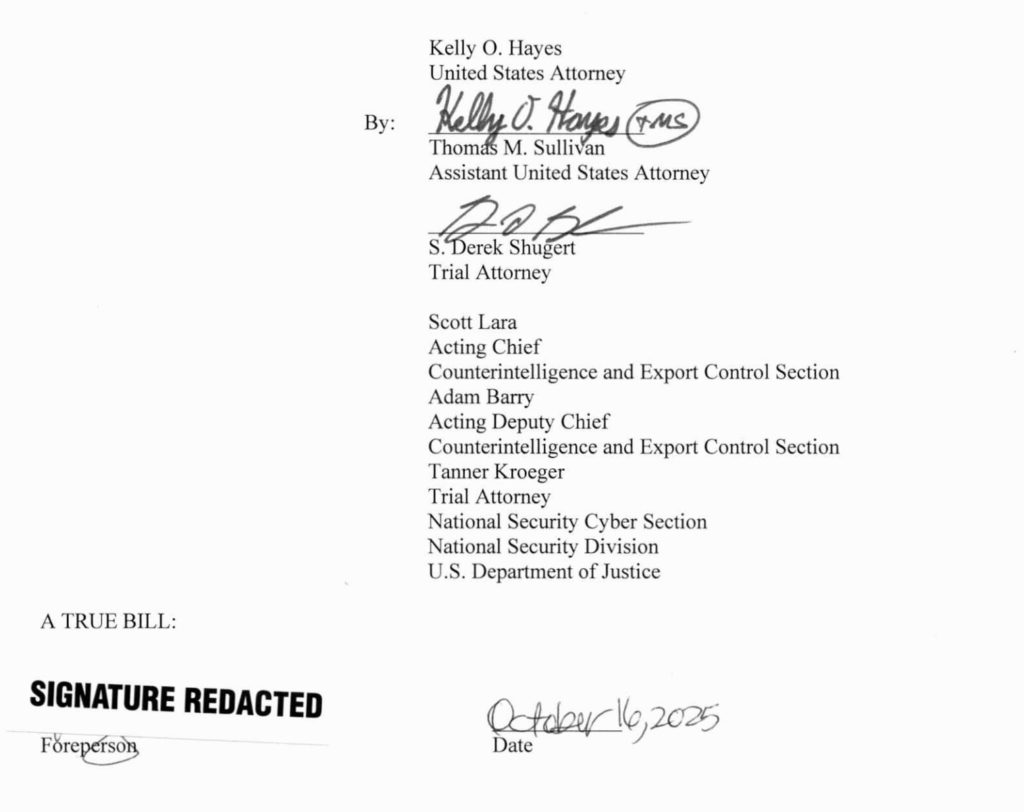
A
quick
glance
at
the
signature
blocks
makes
it
clear
that
this
is
not
some

bullshit
charge

brought
by
an
insurance
lawyer
because
Tish
James
let
her
niece
live
in
a
tiny
house
in
Norfolk.

Bolton’s
indictment
is
signed
by
the
highly
competent
US
Attorney
for
Maryland,
Kelly
Hayes,
Thomas
Sullivan,
Chief
of
the
District’s
National
Security
and
Cybercrime
Section,
plus
four
more
lawyers:

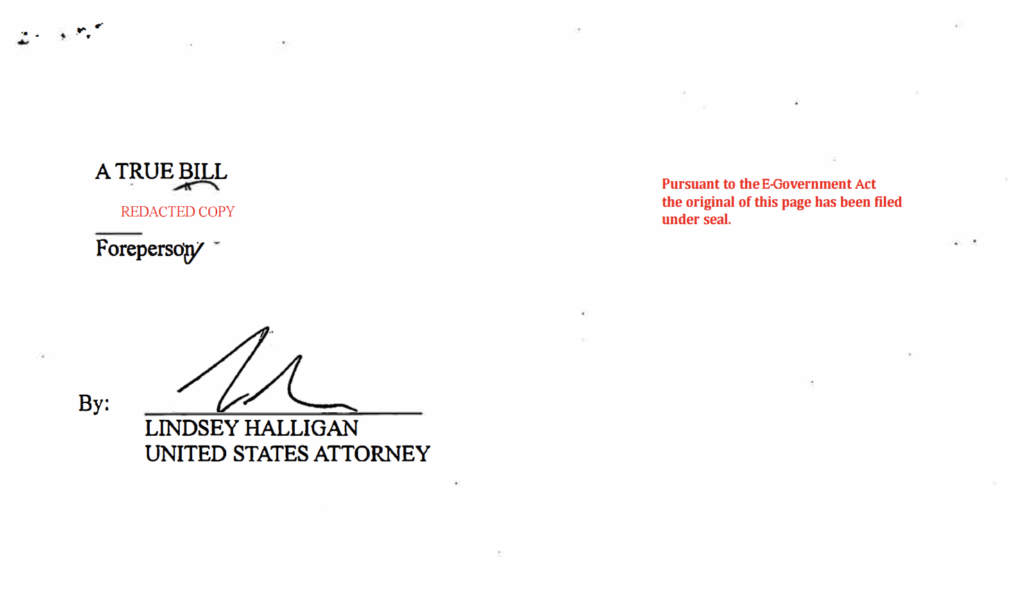
James’s
indictment
sig
block:

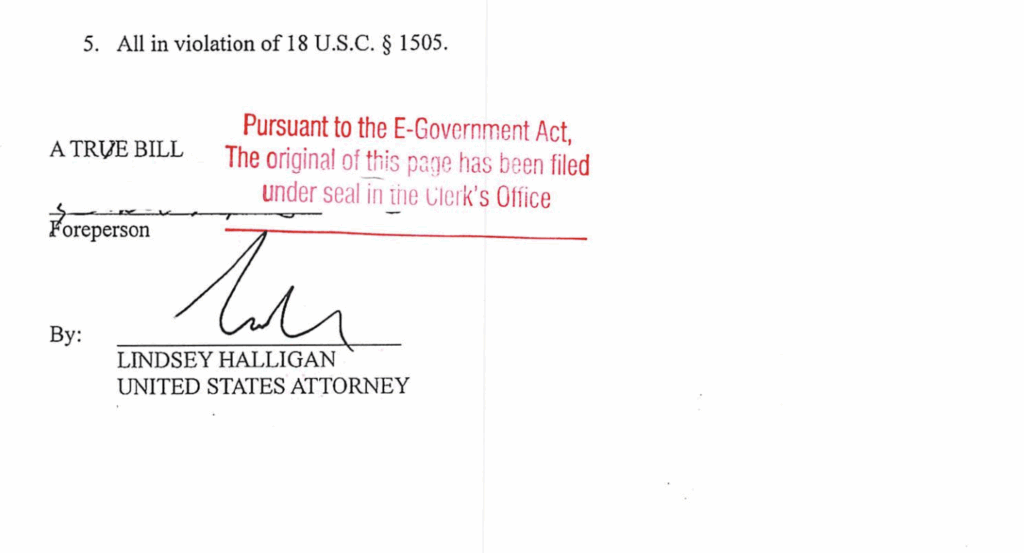
Comey’s
indictment
sig
block:

Abbe
Lowell,
who
is
representing
Bolton,
scoffs
that
there
is
nothing
here.

“These
charges
stem
from
portions
of
Amb.
Bolton’s
personal
diaries
over
his
45-year
career

records
that
are
unclassified,
shared
only
with
his
immediate
family,
and
known
to
the
FBI
as
far
back
as
2021,”
he
told
the

Washington
Post
.

And
that
may
be
true!
But
fact
that
a
whole
passel
of
lawyers
were
willing
to
put
their
names
on
it,
when
no
one
at
EDVA
would
touch
the
Comey
and
James
indictments
with
a
10-foot
pole,
suggests
that
Bolton
is
going
to
be
in
for
a
rough
ride.


US
v.
Bolton

[Docket
via
Court
Listener]


Liz
Dye
 lives
in
Baltimore
where
she
produces
the
Law
and
Chaos substack and podcast.

Clio Unveils Plan To Become An Everything App For Lawyers – Above the Law

“That
was
a
lot,”
muttered
someone
behind
me
as
we
shuffled,
along
with
2,700
other
attendees,
out
of
the
Hynes
Convention
Center’s
cavernous
main
stage.

It
was
an
apt
way
to
describe
Jack
Newton’s
opening
address
kicking
off
the
13th
annual
ClioCon.
Newton
came
out
in
a
trademark
blazer-on-t-shirt
look
and
proceeded
to
serve
the
audience
a
fire
hose
in
the
face
worth
of
information.
Looking
both
forward
and
backward,
Newton
walked
through
the
company’s
moves
over
the
last
year

and
its
pending
acquisition
of
vLex

Newton
stringing
everything
together
into
a
fairly
overwhelming
vision.
In
a
space
where
tech
providers
like
to
stake
out
a
cozy
niche,
Clio
is
going
to
do…
everything.

Well,
not

everything
,
but
most
everything.
Small
law
firm
practice
management
remains
at
the
core,
but
now
they
have
a
completely
separate
unit
working
on
Biglaw
and
large
corporate
legal
departments.
Business
of
law
remains
their
legacy,
but
now
they’re
a
practice
of
law
provider.
Legal
research?
Sure!
Law
firm
AI?
Why
not?
CRM?
Of
course!
One
clever
joke
at
8am’s
rebranding
aside,
by
the
end
of
the
presentation,
it
felt
as
though
Clio
isn’t
competing
against
other
practice
management
providers
anymore,
but
everyone
from
Thomson
Reuters
to
Harvey.

Legal
tech
doesn’t
have
a
history
of
anyone
being
all
things
to
all
people,
Newton
explained
that
we’ve
reached
a
crossroads
where
it’s
not
only
a
possible
approach,
but
an
essential
one.

Artificial
intelligence
runs
on
context.
Without
context,
it’s
just
hurling
words
at
a
dartboard
while
assuring
the
user
that
their
query
was
very
smart.
With
context,
the
algorithm
can
provide
better
responses
and
make
connections
across
the
workflow.
So
tear
down
the
silos
between
business
of
law
and
practice
of
law.
Allow
the
system
to
understand
the
calendar
and
exactly
what
that
means
for
drafting.

“With
Clio
Work,
we’re
launching
a
new
era
of
legal
productivity,”
Newton
explained.
“By
integrating
vLex’s
world-class
legal
research
library
and
Vincent
AI
directly
into
the
Clio
platform,
we’re
giving
legal
professionals
one
intelligent
workspace
to
manage
cases
and
execute
AI-powered
workflows,
all
without
switching
systems.
Clio
Work
leverages
more
context
than
any
legal
AI
in
the
world,
combining
your
matter
and
practice
data,
together
with
the
world’s
most
comprehensive
database
of
legal
data,
to
deliver
the
highest
quality
outcomes.
It’s
everything
a
lawyer
needs
to
think,
write,
and
win,
all
in
one
place.”
The
Intelligent
Legal
Work
Platform,
as
Clio
brands
it,
brings
Clio’s
core
products

Manage,
Grow,
Draft,
and
the
new
Work

into
a
single
AI
nervous
system.

But
this
horizontal
expansion
of
what
Clio’s
offering
its
small
and
solo
customers,
organically
inspired
the
vertical
expansion
into
Biglaw.
Getting
Clio
to
this
point
required
key
acquisitions.
Good
thing
the
company
had

gobs
of
money
.
Specifically,
Clio
went
out
and
picked
up
ShareDo
(revamped
as
Clio
Operate),
which
provided
an
operational
spine
for
massive
firms
built
to
make
managing
2,000
lawyers
feel
less
like
herding
cats
through
Outlook.
And
very
soon,
Clio
will
have
acquired
vLex
and
its
Vincent
AI
offering
that
rests
on
a
billion-plus
legal
document
archive
(becoming
Clio
Library).
The
thing
is,
these
were
already
enterprise-grade
tools
with
homes
in
Biglaw,
so
Clio
might
as
well
join
that
market
too.

Legal
tech
doesn’t
scale
up
from
small
law
to
Biglaw
very
often.
On
the
other
hand,
Clio
has
the
advantage
of
integrating
products
with
existing
Biglaw
relationships.
It’s
easier
to
close
the
deal
when
you’re
already
inside
the
door.

All
this
Biglaw
talk
could
have
alienated
the
small
law
crowd,
but
Newton
made
sure
to
assuage
those
fears.
Enterprise
won’t
steal
zero-sum
resources
from
Clio’s
small
law
work,
it’s
going
to
be
a
completely
separate
unit.
It’s
also,
he
explained,
going
to
funnel
key
insights
back
to
the
small
law
product.
By
solving
Biglaw’s
toughest
operational
puzzles,
Clio
plans
to
effectively
level
the
entire
profession.
When
a
2,000-lawyer
shop
demands
bulletproof
features,
the
same
code
improves
billing
for
the
10-lawyer
firm
down
the
street
who
otherwise
might
have
just
developed
its
own
nimble
workaround.

This
all
felt
a
bit
like
a
moonshot.
Legal
tech
vendors
don’t
generally
talk
like
this.
There’s
always
talk
of
exciting
updates
and
expansions,
but
Newton’s
vision
involves
fundamentally
rethinking
how
law
firms
divide
their
work.
It’s
all
about
the
execution,
of
course,
but
looking
around
the
convention
center
and
remembering
my
first
ClioCon
in
the
basement
of
a
Chicago
hotel
with
a
few
hundred
attendees,
it’s
difficult
to
bet
against
Clio’s
capacity
to
convert
on
its
ambitions.

Some Law Firms Punish Associates With Tough Assignments – Above the Law

Most
law
firms
typically
have
vast
portfolios
of
work
that
keep
associates
and
staff
busy. This
can
include
matters
that
extend
across
different
practice
areas
as
well
as
various
state
and
federal
courts. Sometimes,
associates
can
choose
the
types
of
matters
they
work
on,
but
most
of
the
time,
associates
are
assigned
matters
and
practice
areas
depending
on
the
needs
of
a
law
firm. In
some
circumstances,
law
firms
may
assign
unpleasant
work
assignments
to
associates
to
get
them
to
leave
a
law
firm
or
to
punish
them
for
not
meeting
expectations.

Pretty
much
every
law
firm
has
unpleasant
matter
that
the
firm
accepts
to
generate
revenue
and
keep
the
lights
on
at
a
shop. For
instance,
there
are
often
sexual
assault
cases
on
which
law
firms
work
involving
religious
organizations,
civic
groups,
and
other
types
of
defendants. These
types
of
matters
are
often
filed
in
waves,
so
at
any
given
time,
a
law
firm
hired
to
defend
these
types
of
cases
might
have
numerous
matters
connected
with
a
tragic
subject
matter. As
everyone
deserves
a
defense,
a
law
firm
usually
should
not
be
faulted
for
accepting
such
work.

However,
working
on
such
matters
might
be
much
more
unpleasant
than
working
on
other
types
of
cases. Sexual
abuse
cases
or
other
types
of
unappealing
matters
might
involve
difficult
topics,
uncomfortable
questions,
and
may
be
more
emotionally
draining
than
other
kinds
of
work.
One
way
law
firms
can
handle
the
emotional
load
of
such
matters
is
to
evenly
distribute
such
cases
so
that
no
one
associate
needs
to
spend
an
inordinate
time
on
such
matters.

However,
I
have
heard
stories
of
some
associates
being
assigned
to
handle
such
unpleasant
matters
as
their
primary
source
of
work. Since
associates
typically
have
billable
hour
requirements,
they
might
not
be
in
a
position
to
reject
such
matters
and
request
other
assignments
since
such
matters
might
be
the
only
way
they
can
meet
expectations. I
have
heard
several
stories
about
associates
who
were
assigned
such
unpleasant
matters
since
partners
hoped
this
would
compel
an
associate
to
depart
a
firm. Of
course,
this
is
difficult
to
confirm,
but
anyone
who
watches
“Seinfeld”
should
know
that
employers
might

make
life
difficult
for
employees
they
want
to
quit
.

This
strategy
seems
crass
and
irresponsible. Lawyers
often
have
mental
health
issues
at
baseline
since
the
conflict,
stress,
and
emotions
already
make
it
difficult
to
handle
legal
work. Adding
in
difficult
assignments
that
touch
upon
emotional
issues
might
have
a
significant
impact
on
the
mental
health
of
associates. Also,
not
giving
associates
a
choice
about
whether
they
will
have
to
work
on
unappealing
matters
can
eliminate
agency
of
associates
and
negatively
impact
morale.

Law
firms
also
typically
assign
better
matters
to
associates
who
are
more
favored
by
management
of
a
shop. For
instance,
I
once
worked
at
a
law
firm
that
did
not
pay
as
much
as
other
shops,
but
partners
at
the
firm
liked
me
and
seemingly
wanted
me
to
stay. They
assigned
more
interesting
assignments
to
me
than
the
average
associate
was
given.
I
also
argued
appeals,
handled
interesting
matters
in
federal
court,
and
completed
additional
tasks
that
other
associates
did
not. This
practice
might
also
be
pernicious
since
associates
might
not
be
happy
that
other
associates
are
being
given
privileges
that
are
not
available
to
everyone
at
a
shop.

All
told,
most
law
firms
have
unpleasant
matters
that
need
to
be
handled
so
that
the
firm
can
generate
money. However,
it
is
not
fair
in
most
circumstances
to
assign
such
matters
disproportionately
to
one
group
of
associates,
especially
if
it
is
being
done
to
punish
associates
or
get
them
to
quit. Law
firms
should
implement
safeguards
to
ensure
work
is
doled
out
equitably
to
all
associates.


Jordan
Rothman
is
a
partner
of 
The
Rothman
Law
Firm
,
a
full-service
New
York
and
New
Jersey
law
firm.
He
is
also
the
founder
of 
Student
Debt
Diaries
,
a
website
discussing
how
he
paid
off
his
student
loans.
You
can
reach
Jordan
through
email
at 
jordan@rothman.law.

Nonprofit Beefs Up Staff To Take The Legal Fight To Trump – Above the Law

(Photo
by
Win
McNamee/Getty
Images)

The
Trump
II
reign
has
been
characterized
by
repeated attacks
on
the
rule
of
law 
and
blatant

power
grabs
.
And
Biglaw
has
proven…
it
is

not
up
to
the
task
.
When

directly
confronted 
with unconstitutional Executive
Orders
targeting
firms
on
Trump’s
list
for
retribution,
more
than
twice
as
many
major
law
firms
were
willing
to
promise
the
president
nearly
a
billion
dollars
in pro
bono
payola
 for conservative
causes
or
clients
 as
were
willing
to
fight
the
EOs
in
court.
Not
a
great
look
for
the
supposed
best
in
the
legal
industry.

But,
that
doesn’t
mean
we’re
completely
screwed
as
a
society.
Small
law
and
boutiques

have
stepped
up
,
and
these
small
but
mighty
firms
are
poised
to
take
on
some
of
the
biggest
cases.
And
that
includes
the
Washington
Litigation
Group,
a
nonprofit
firm
created
earlier
this
year.
As Nathaniel
Zelinsky,
senior
counsel
at
the
Washington
Litigation
Group,
said,
“Every
day,
we
have
incoming
requests
of
people
who
need
representation,
and
we
can
take
on
some,
and
we
try
to
identify
the
ones
that
fit
within
our
core
mission…but
there
is
an
extraordinary
need
right
now
for
qualified
representation
and
to
make
sure
that
we’re
putting
forward
the
best
representation
in
the
most
important
cases.”

“We
take
on
cases
that
are
sort
of
core
to
the
rule
of
law.
So
we
defend
individuals,
institutions
who
are
under
attack,
and
we
combat
government
overreach,
but
we
are
at
our
core
lawyers,”
said
Zelinsky.
“Our
pedigree
is
really
people
from
[the]
government
and
people
in
private
practice.”

The
firm
was
created
by
a
mix
a
Biglaw
partners,
former
judges,
and
government
attorneys.
The
firm’s

website

touts
the
unique
pedigree
of
its
attorneys:

  • A
    former
    Acting
    Attorney
    General
    of
    the
    United
    States,
    and
    two
    former
    Deputy
    Assistant
    Attorneys
    General.
  • Multiple
    former
    Assistant
    United
    States
    Attorneys.
  • Defense
    attorneys
    who
    have
    represented
    clients
    from
    Watergate
    onward.
  • Multiple
    former
    law
    firm
    partners,
    including
    the
    head
    of
    a
    national
    white-collar
    defense
    practice,
    the
    head
    of
    a
    prominent
    Supreme
    Court
    and
    Appellate
    Practice,
    and
    the
    head
    of
    a
    national
    law
    firm’s
    D.C.
    office.
  • Former
    judges
    who
    served
    on
    the
    United
    States
    District
    Court
    for
    the
    District
    of
    Columbia
    and
    the
    District
    of
    Columbia
    Superior
    Court.
  • Lawyers
    who
    have
    argued
    at
    every
    level
    of
    the
    federal
    judiciary,
    including
    before
    the
    Supreme
    Court.

And
the
firm
is
growing.
It
recently
added
Kyle
Freeny,
a
Greenberg
Traurig
partner
who
previously
worked
on
Special
Counsel
Robert
Mueller’s
team

and
prosecuted
Paul
Manafort
in
that
role.
Her
experience
jives
well
with
the
high-profile
cases
its
taking
on,
as

reported
by

Law.com:

The
firm
has
already
taken
on
several
high-profile
cases,
including
representing
former
Merit
Systems
Protection
Board
member
Cathy
Harris,
who
was
fired
by
Trump
earlier
this
year,
serving
as
co-counsel
with
Milbank.
The
firm
also represents three
members
of
the
Federal
Oversight
and
Management
Board
for
Puerto
Rico
that
were
fired
by
Trump,
along
with
Cooley
and
Democracy
Defenders
Fund
as
co-counsel.

Zelinsky
notes
the
firm
will
continue
its
growth
in
the
“near-term
future.”
Which
checks
out

there’s
certainly
not
a
lack
of
work
fighting
the
Trump
administration.


Kathryn
Rubino
is
a
Senior
Editor
at
Above
the
Law,
host
of

The
Jabot
podcast
,
and
co-host
of

Thinking
Like
A
Lawyer
.
AtL
tipsters
are
the
best,
so
please
connect
with
her.
Feel
free
to
email

her

with
any
tips,
questions,
or
comments
and
follow
her
on
Twitter

@Kathryn1
 or
Mastodon

@[email protected].

Trump Sued Again For Illegally Destroying The Digital Equity Act (And A Bunch Of Useful Programs That Helped His Own Supporters) – Above the Law

(Photo
by
MANDEL
NGAN/AFP
via
Getty
Images)

Back
in
May we
noted
how
 Trump
illegally
declared
he
was
unilaterally
destroying
the
$2.75
billion Digital
Equity
Act
,
lying
repeatedly
that
the
law
was
“racist”
and
“unconstitutional.”
The law,
passed
as
part
of
the
infrastructure
bill,
was
slated
to
bring
millions
in
new
broadband
grants
and
digital
literacy
tools,
education,
and
training
to
Americans
(of
all
kinds).

The
bill
helped
everybody
(including
Trump-supporting
rural
veterans
and
rural
residents),
but
because
Trump’s
team
seemed
to
assume
that
the
word
equity
meant
“help
minorities,”
the
program
was
the
brutal
victim
of
our
mad,
incoherent,
con
man
king
and
his
army
of
mindless
earlobe
nibblers.

Back
in
June,
a
coalition
of
20
states sued
the
Trump
administration
,
correctly
stating
that
it’s
illegal
for
the
administration
to
unilaterally
dismantle
an
act
of
Congress
and
freeze
and
repurpose
funding
that
had
already
been
allotted.
That
case
is
winding
through
the
court
system,
but
the
damage
has
already
been
done
to
countless
traditionally
underfunded
programs
and
organizations
that
had been
told
they
were
getting
the
money
.

This
week
the
National
Digital
Inclusivity
Alliance
(NDIA) filed
another
lawsuit
against
the
government
,
again
(correctly) noting that
the
freezing
of
the
funds
is
illegal
and
violates
the
separation
of
powers
between
the
executive
and
legislative
branches
as
outlined
in
the
Constitution. 

The
NDIA
was
poised
to
receive
one
of
the
biggest
chunks
of
Act
funding;
a
$25.7
million
grant
it
was
going
to
use
to
help
connect
people
to
the
Internet
via
13
programs
across
11
states.
Not
only
via
direct
access
to
affordable
physical
equipment,
but
digital
literacy
training
for
seniors
and
vets
to
gain
access
to
online
education,
health
care,
and
other
essential
services:


“NDIA
is
taking
the
extraordinary
step
of
suing
the
federal
government
for
the
30,000
people
who
were
counting
on
our
Digital
Navigator
+
program
to
help
guide
them
through
submitting
job
applications,
accessing
telehealth,
attending
classes,
and
staying
safe
online.
Thousands
more
across
the
country
stood
to
benefit
from
Digital
Equity
Act
grants
through
other
trusted
community
organizations.
Let’s
be
very
clear,
the
Digital
Equity
Act
is
not
unconstitutional
nor
racist,
it
passed
with
overwhelming
bipartisan
support
to
ensure
the
United
States
can
compete
in
today’s
modern
economy.”

There’s
a
long
list
of
groups
that
were
also
planning
to
use
this
funding
to
help
their
communities
navigate
things
like
the
rising
number
of
online
scams
that tend
to
disproportionately
target
the
elderly
.
They’re
all
now
shit
out
of
luck
because
of
a
bunch
of
weird
racist
zealots
(who
like
to
pretend
they’re
saving
taxpayer
money
with
one
hand,
while setting
it
on
fire
with
the
other
).

A
driving
motivation
behind
these
attacks
on
online
equity
isn’t
“saving
money,”
it’s
dismantling
government
efforts
to
do
anything
about
the
problems
created
by consolidated
corporate
power
.
That
means lobotomizing
the
FCC
.
It
means killing
programs
that
gave
school
kids
free
Wi-Fi
.
It
means
undermining
efforts
to
protect
U.S.
citizens
(in
red
or
blue
states
alike)
from fraud
and
robocall
hell
.

Meanwhile,
Trump
continues
to
insist
his
random-ass
butchery
of
government
is
only
“impacting
Democrats”:

I’m
not
sure
whose
going
to
correct
the
misconceptions
of
freshly-fucked
Trump
supporters
in
red
states,
since Republicans
also
effectively
lobotomized
whatever
was
left
of
local
news
 via
a
frontal
assault
on
media
consolidation
limits.

I
was
not
previously
aware
that
the
President
of
the
United
States
could
unilaterally
destroy
an
act
of
Congress,
freeze
funding
for
beneficial
bipartisan
programs,
lie
about
the
impact
repeatedly,
and
face
absolutely
zero
repercussions
whatsoever.
Consider
me
properly
informed.


Trump
Sued
Again
For
Illegally
Destroying
The
Digital
Equity
Act
(And
A
Bunch
Of
Useful
Programs
That
Helped
His
Own
Supporters)


More
Law-Related
Stories
From
Techdirt:


Against
The
New
Feudalism
Of
Algorithms
And
Oligarchs


Vance’s
Double
Standard:
Nazi
Jokes
Are
“Kids
Being
Kids,”
But
Mocking
Charlie
Kirk
Gets
Your
Visa
Revoked


New
York
City
Sues
Instagram
Rather
Than
Teach
Kids
Filters
Aren’t
Real

Morning Docket: 10.17.25 – Above the Law

*
The
government
doesn’t
keep
track
of
its
“Kavanaugh
stops.”
Pro
Publica
decided
to
do
it
for
them.
[Pro
Publica
]

*
John
Bolton
got
indicted.
So
that
happened.
[National
Law
Journal
]

*
Supreme
Court’s
next
assault
on
voting
rights
is
definitely
happening.
[The
Nation
]

*
Steve
Bannon
throws
lawyer
under
the
bus
in
effort
to
get
out
of
the
whole
“breaking
the
law”
thing.
[Law360]

*
Bipartisan
judges
agree
that
Trump
can’t
randomly
send
troops
into
Chicago.
[Reuters]

*
Little
League
suspension
goes
to
court.
[ABA
Journal
]

Show Us The Money! – See Also – Above the Law

Ever
Wondered
How
Much
Small
And
Midsize
Practitioners
Make?:
We
wonder
too!
Let
us
know
so
we
can
share.
Coverage
From
The
Other
Side:
SCOTUSBlog
founder
is
headed
to
trial.
It’s
A
Matter
Of
Value:
See
which
law
schools
carry
the
most!
San
Francisco
Sends
Warnings
To
The
National
Guard:
You
can’t
beat
up
on
their
citizens
and
not
expect
the
law
to
get
you.

New regional school will ease access for rural students

A
nationalist
leader
and
Zimbabwe’s
first
black
United
Methodist
Church
pastor,
Muzorewa
was
a
leading
figure
in
the
country’s
struggle
for
majority
rule,
serving
as
the
head
of
the
United
African
National
Council
political
party.
He
engaged
in
peace
talks
with
Ian
Smith,
Rhodesia’s
last
white
prime
minister,
as
the
country
transitioned
to
majority
rule.

In
1979,
Muzorewa
was
elected
prime
minister
of
the
short-lived
Republic
of
Zimbabwe-Rhodesia.
He
held
this
role
for
less
than
a
year
before
Robert
Mugabe
was
swept
to
power
in
elections
that
led
to
the
country’s
independence.

Educated
at
Central
Methodist
University
in
Fayette,
Missouri,
in
the
United
States
(US),
he
is
seen
by
some
as
a
national
hero
but
was
sidelined
by
Mugabe,
who
regarded
him
as
an
opportunist
and
a
sell-out
for
having
reached
an
“internal
settlement”
with
Smith,
as
others
continued
to
wage
an
armed
struggle
which
led
to
Zimbabwe’s
independence.

The
Bishop
Abel
Tendekai
Muzorewa
University
is
a
private
institution
run
by
the
Bishop
AT
Muzorewa
Evangelism
Foundation
(BATMEF),
which
was
founded
in
2005.
The
construction
project
is
set
to
start
in
December
2025
on
land
donated
by
the
local
community
in
which
the
late
Muzorewa
conducted
some
of
his
evangelism
work.


Greater
access
to
education

Misheck
Mugadza,
the
provincial
affairs
minister
for
Manicaland
province,
told University
World
News
 that
the
government
had
cleared
the
establishment
of
the
university
in
his
province.

“We
are
having
this
university,
and
this
will
take
the
number
of
universities
in
the
province
to
five.
Two
more
universities
are
being
established
by
churches
in
Manicaland:
Africa
University
and
Manicaland
State
University
of
Applied
Sciences,”
he
said.

When
asked
about
employment
in
a
province
with
five
universities,
he
mentioned
that
the
province
has
414
secondary
schools
releasing
thousands
of
students
each
year
who
seek
tertiary
education.
“Our
economy
is
booming
with
new
investment
like
value-adding
factories
and
plants.
These
and
the
tourism
boom
all
create
employment,”
Mugadza
said.


Logistical
challenges

Ernest
Muzorewa,
the
new
university’s
board
chair
and
the
late
bishop’s
younger
brother,
told
Zimbabwe’s
state-run
newspaper The
Herald
 that
the
first
group
of
students
will
enrol
in
August
2026.
Short
courses
will
be
offered
from
January,
the
newspaper reported.

He
said
the
university
will
start
with
five
faculties:
agriculture
and
environmental
sciences,
business
development
studies,
theology
and
community
engagements,
healing
and
allied
sciences,
and
computer
sciences
and
information
systems.

While
the
main
campus
is
under
construction,
temporary
facilities,
such
as
the
United
Methodist
Church
offices,
will
be
used.
The
university
will
be
affiliated
with
Muzorewa’s
former
church.

“One
of
the
most
immediate
and
profound
benefits
of
the
university
is
the
expansion
of
access
to
higher
education.
For
decades,
students
from
Rusape
and
Makoni
districts
have
had
to
travel
to
distant
cities
such
as
Mutare,
Harare,
or
Bulawayo
to
pursue
university
studies,
often
at
great
financial
and
emotional
cost.

“The
Bishop
Abel
Tendekai
Muzorewa
University
will
eliminate
this
barrier
by
offering
local
access
to
tertiary
education,
thereby
increasing
enrolment
rates
and
reducing
dropout
rates
caused
by
logistical
challenges,”
Muzorewa
said.


Focus
on
regional
needs,
strengths

“The
university
is
expected
to
tailor
its
academic
programmes
to
reflect
the
needs
and
strengths
of
the
region,
with
a
focus
on
agriculture,
education,
business
and
environmental
sciences.
This
alignment
will
ensure
that
graduates
are
equipped
with
practical
skills
that
directly
contribute
to
the
development
of
their
communities.”

The
paper
also
quoted
the
country’s
defence
minister,
Oppah
Muchinguri-Kashiri,
as
saying
that
Muzorewa
facilitated
her
first
trip
to
the
US.
“His
generosity
provided
me
with
a
scholarship
to
obtain
a
bachelor
degree
in
America,”
she
said.

In
2021,
Central
Methodist
University
posthumously
honoured
Muzorewa
in
its Hall
of
Honor
 for
alumni:
“Muzorewa
was
a
peacemaker,
national
unifier,
politician,
author,
and
preacher.
He
was
popularly
elected
in
1979
to
lead
his
nation
of
Zimbabwe
(formerly
the
British
colony
called
Rhodesia)
through
the
nation’s
political
struggle
for
independence.”

Due
to
his
leadership,
Muzorewa
preferred
to
relinquish
his
premiership
after
only
six
months
rather
than
prolong
the
guerrilla
war
that
ravaged
the
country.

Source:


New
regional
school
will
ease
access
for
rural
students

Post
published
in:

Featured

Doctor barred over blood transfusion beliefs fails in appeal

HARARE

The
High
Court
has
struck
off
the
roll
a
constitutional
challenge
by
Harare-based
medical
practitioner
Dr
Seleman
Saidi,
who
was
banned
from
general
practice
because
his
faith
forbids
him
from
administering
blood
transfusions.

Justice
Samuel
Deme
ruled
that
Saidi’s
application
was
“premature”
and
that
he
should
have
first
pursued
the
normal
appeal
process
provided
under
the
Health
Professions
Act
before
turning
to
constitutional
litigation.

“The
applicant
ought
to
have
exhausted
the
appeal
procedure
before
resorting
to
the
constitutional
remedy,”
Justice
Deme
said.
“The
present
application
was
prematurely
instituted
before
exhausting
other
legal
remedies.”

Dr
Saidi
had
sued
three
respondents

the
Medical
and
Dental
Practitioners’
Council,
the
Health
Professions
Authority
of
Zimbabwe,
and
the
Minister
of
Health
and
Child
Care.


He
was
represented
by
Professor
Lovemore
Madhuku,
while
Advocate
Tawanda
Zhuwarara
appeared
for
the
first
and
second
respondents.
The
third
respondent
did
not
participate
in
the
proceedings.

Dr
Saidi,
a
registered
doctor,
was
disciplined
by
the
Medical
and
Dental
Practitioners’
Council
and
the
Health
Professions
Authority
after
refusing
to
perform
or
authorise
blood
transfusions
on
religious
grounds.

Following
a
disciplinary
hearing,
the
two
bodies
found
him
guilty
of
unprofessional
conduct
and
restricted
his
work
to
public
health,
forensic
pathology
and
histopathology.

Saidi
then
turned
to
the
High
Court,
arguing
that
the
decision
infringed
his
constitutional
rights
to
freedom
of
conscience
(Section
60)
and
freedom
to
choose
and
carry
on
a
profession
(Section
64).

Through
his
lawyer,
Professor
Madhuku,
Saidi
argued
that
his
beliefs
about
the
sanctity
of
blood
were
protected
by
the
Constitution
and
that
he
should
be
allowed
to
continue
general
medical
practice
as
long
as
he
referred
patients
needing
transfusions
to
other
doctors.

“The
applicant
maintains
his
belief
that
blood
is
sacred
and
therefore
he
would
not
order
or
administer
blood
transfusions,”
Madhuku
argued,
insisting
his
client’s
stance
should
not
cost
him
his
licence.

Justice
Deme
agreed
with
Advocate
Zhuwarara,
who
argued
that
Saidi
should
have
appealed
the
council’s
decision
under
Section
128
of
the
Health
Professions
Act
instead
of
immediately
filing
a
constitutional
application.

Zhuwarara
invoked
the
principle
of
subsidiarity,
which
holds
that
a
litigant
must
use
existing
legal
remedies
before
invoking
constitutional
provisions.

“It
is
the
settled
position
of
our
law
that
where
there
exist
other
remedies,
a
litigant
may
not
approach
a
court
on
a
constitutional
basis
and
ignore
the
remedies
at
his
disposal,”
the
judge
quoted
from
a
previous
Constitutional
Court
ruling.

Justice
Deme
said
the
appeal
route
was
“more
effective”
because
it
allowed
the
court
to
directly
review
the
disciplinary
authority’s
decision,
while
still
preserving
Saidi’s
right
to
escalate
the
matter
later
if
necessary.

“The
appeal
procedure
is
more
effective
in
my
view,
as
it
allows
the
court
to
directly
deal
with
the
issues
which
arose
from
the
second
respondent’s
decision,”
the
judge
said.
“After
exhausting
all
appeal
mechanisms,
he
may
then
lodge
a
constitutional
application
with
the
Constitutional
Court.”

The
court
also
criticised
Saidi’s
unexplained
decision
to
withdraw
an
earlier
appeal,
noting
that
his
reasons
were
vague
and
unconvincing.

“The
reason
for
his
abandonment
of
the
appeal
mechanism
remains
a
mystery,”
Justice
Deme
said.
“In
the
absence
of
further
amplification,
one
wonders
why
the
appeal
procedure
was
abandoned
in
favour
of
the
constitutional
remedy
which
is
more
rigorous.”

Ultimately,
the
court
found
that
Section
85(2)
of
the
Constitution,
which
guarantees
access
to
courts,
could
not
override
the
subsidiarity
principle,
and
that
the
matter
must
first
be
handled
through
existing
statutory
channels.

The
application
was
therefore
struck
from
the
roll,
with
no
order
as
to
costs,
as
the
judge
noted
the
case
involved
constitutional
issues
of
public
interest.

“This
is
a
constitutional
matter
which
does
have
a
bearing
on
the
public
interest.
An
order
that
there
shall
be
no
order
as
to
costs
is
appropriate
in
the
circumstances,”
he
ruled.

The
ruling
means
Dr
Saidi
remains
barred
from
general
medical
practice
and
must
first
challenge
the
disciplinary
decision
through
the
Health
Professions
Authority’s
appeal
process
before
pursuing
constitutional
remedies.