

The
next
time
the
FDA
turns
down
a
drug
application,
the
letter
outlining
the
decision
and
the
regulator’s
reasoning
will
become
public
record.
The
agency
said
it
will
release
future
complete
response
letters
(CRLs)
“promptly
after
they
are
issued
to
sponsors.”
The
Thursday
announcement
follows
the
FDA’s
July
move
to
publish
more
than
200
letters
from
2000
to
2024
as
part
of
its
pledge
for
greater
transparency.
Along
with
pledging
to
publish
all
CRLs
going
forward,
the
FDA
said
in
its
latest
announcement
that
89
previously
unpublished
letters
issued
from
2024
to
the
present
have
been
published.
The
agency
said
each
letter
details
specific
safety
and
efficacy
deficiencies
that
prevented
an
FDA
approval.
Companies
have
generally
opposed
publishing
of
CRLs.
Besides
not
wanting
a
public
airing
of
bad
news
about
their
drugs,
they
also
do
not
want
proprietary
information
disclosed.
The
FDA
said
published
letters
will
be
redacted
to
remove
confidential
commercial
information,
trade
secrets,
and
personal
private
information.
But
company
names
will
be
made
public.
There’s
more.
When
the
FDA
approves
a
drug,
it
will
also
release
all
CRLs
associated
with
that
drug’s
application.
The
agency
said
it
will
also
publish
batches
of
previously
issued
CRLs
associated
with
drug
applications
that
were
withdrawn
or
abandoned.
The
agency
said
publishing
the
letters
benefits
the
public
and
industry.
Information
about
what
happened
to
a
drug
helps
other
companies
avoid
the
same
missteps
while
also
providing
insights
for
patients
and
their
physicians.
The
FDA
added
that
the
investment
community
benefits
from
information
about
a
drug
in
the
proper
context.
“By
embracing
radical
transparency
—
one
of
the
guiding
principles
of
this
administration
—
we’re
giving
invaluable
insights
to
help
speed
therapies
and
cures
to
market,
providing
complete
context
to
investors
and
shareholders,
and
above
all,
restoring
public
trust,”
FDA
Commissioner
Marty
Makary
said
in
the
FDA
announcement.
The
CRL
announcement
comes
two
weeks
after
the
FDA
announced
that
new
reports
to
the
FDA
Adverse
Event
Reporting
System
(FAERS)
would
be
published
daily.
The
database
—
a
repository
of
drug
complications
reported
by
the
members
of
the
public,
physicians,
and
product
manufacturers
—
was
previously
updated
on
a
quarterly
basis.
In
the
July
announcement,
Makary
said
people
should
not
have
to
wait
months
for
adverse
event
reports
to
become
public.
He
called
the
change
part
of
the
FDA’s
data
modernization
strategy.
It’s
important
to
note
that
adverse
event
reports
in
FAERS
have
not
been
vetted
and
a
report
of
a
complication
listed
in
the
database
does
not
definitively
mean
a
drug
was
the
cause.
The
FDA’s
CRL
announcement
said
publication
of
the
letters
complies
with
an
executive
order
issued
by
President
Trump
in
May
for
“restoring
gold
standard
science.”
In
a
section
regarding
the
communication
of
scientific
data,
the
order
directs
agencies
to
release
“data,
analyses,
and
conclusions
associated
with
scientific
and
technological
information
produced
or
used
by
the
agency
that
the
agency
reasonably
assesses
will
have
a
clear
and
substantial
and
substantial
effect
on
important
public
policies
or
important
private
sector
decisions
(influential
scientific
information),
including
data
cited
in
peer-review
literature.”
The
CRL
database
may
be
freely
accessed
here.
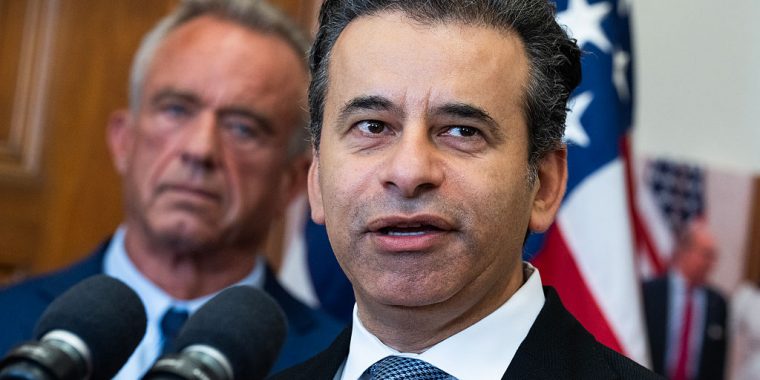
Photo:
Tom
Williams/CQ-Roll
Call,
Inc,
via
Getty
Images