
Images
Ed.
note:
Latest
in
a
series.
Read
the
prior
installment
here.
As
we
continue
our
journey
through
“Lights,
Camera,
CLE:
Making
Your
Presentation
a
Blockbuster,”
we’ve
covered
the
essentials
of
preparing
for
a
successful
CLE
presentation
and
engaging
your
audience
like
a
pro.
In
Part
3,
we’ve
focused
on
how
meticulous
preparation
and
dynamic
audience
engagement
can
set
the
stage
for
a
memorable
and
impactful
presentation.
But
even
the
most
well-prepared
presenter
will
face
challenges
—
whether
it’s
the
nerves
that
surface
before
stepping
onto
the
stage
or
the
unexpected
technical
hiccups
that
can
throw
off
your
rhythm.
In
this
article,
we’ll
tackle
how
to
manage
these
inevitable
obstacles
with
grace
and
professionalism.
From
staying
calm
under
pressure
to
dealing
with
difficult
audience
members,
we’ll
equip
you
with
strategies
to
keep
your
presentation
on
track
and
ensure
that
your
CLE
remains
a
standout
performance,
no
matter
what
challenges
arise.
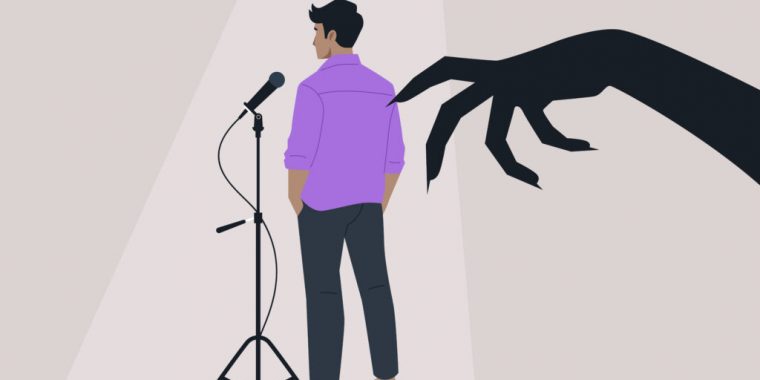
Turning
Stage
Fright
Into
Stage
Might
Even
the
most
seasoned
presenters
experience
nerves.
It’s
natural
to
feel
a
rush
of
adrenaline
before
speaking,
but
the
key
is
to
channel
that
energy
into
a
confident,
compelling
delivery.
Remember,
you’ve
prepared
meticulously,
and
your
audience
is
here
to
learn
from
you.
You
are
the
Expert!
Staying
Calm
Under
Pressure
•
Preparation
is
Power:
The
more
prepared
you
are,
the
more
confident
you’ll
feel.
Rehearse
your
presentation
multiple
times,
focusing
on
the
flow,
transitions,
and
key
points.
Familiarity
with
your
material
is
your
best
defense
against
nerves.
•
Visualization
Techniques:
Before
stepping
up
to
present,
take
a
few
moments
to
visualize
success.
Imagine
the
room
filled
with
engaged,
attentive
listeners.
Visualization
can
help
calm
your
mind
and
boost
your
confidence.
•
Controlled
Breathing:
Practice
deep
breathing
exercises
to
calm
your
nerves.
Inhale
slowly
for
four
counts,
hold
for
four,
and
exhale
for
four.
This
simple
technique
can
lower
your
heart
rate
and
help
you
feel
more
centered.
When
Technology
Takes
Center
Stage
In
our
tech-driven
world,
even
the
best-laid
plans
can
go
awry.
Whether
it’s
a
malfunctioning
microphone,
a
glitchy
slideshow,
or
a
lost
connection,
technical
issues
can
disrupt
your
flow
and
rattle
your
nerves.
But
remember,
it’s
not
about
avoiding
problems
—
it’s
about
how
you
handle
them.
Strategies
for
Managing
Tech
Glitches
•
Tech
Rehearsal:
Always
do
a
full
run-through
of
your
presentation
with
all
the
equipment
you’ll
be
using.
This
includes
testing
microphones,
projectors,
slides,
and
any
other
tech
you
plan
to
incorporate.
Identify
potential
issues
ahead
of
time
and
have
a
backup
plan.
•
Stay
Composed:
If
something
goes
wrong,
stay
calm.
Acknowledge
the
issue
without
letting
it
derail
your
presentation.
For
example,
if
your
slides
stop
working,
continue
speaking
while
the
issue
is
being
resolved,
or
invite
your
audience
to
discuss
the
topic
at
hand.
•
Backup
Plan:
Always
have
a
contingency
plan.
This
could
mean
having
printed
handouts
of
your
slides,
a
backup
device
with
your
presentation,
or
being
prepared
to
switch
to
a
discussion
format
if
tech
fails
entirely.
When
the
Audience
Becomes
the
Challenge
Not
every
audience
member
will
be
on
your
side,
and
sometimes,
you’ll
face
interruptions,
challenging
questions,
or
even
disruptive
behavior.
The
key
to
handling
these
situations
is
to
remain
professional,
composed,
and
assertive.
But
beyond
just
managing
difficult
interactions,
your
authenticity
can
be
a
powerful
tool
in
creating
a
genuine
connection
with
your
audience.
Handling
Difficult
Interactions
with
Professionalism
•
Set
the
Tone
Early:
At
the
beginning
of
your
presentation,
establish
ground
rules
for
participation.
This
sets
expectations
for
behavior
and
shows
that
you’re
in
control
of
the
room.
•
Acknowledge,
Don’t
Argue:
If
a
difficult
question
or
comment
arises,
acknowledge
the
person’s
point,
and
then
steer
the
conversation
back
to
your
main
topic.
For
example,
“That’s
an
interesting
perspective,
and
while
it’s
not
the
focus
of
today’s
discussion,
I’d
be
happy
to
chat
about
it
afterward.”
•
Be
Authentically
You—Always:
Authenticity
isn’t
just
a
fallback
when
you
don’t
know
the
answer;
it’s
a
strength
that
can
enhance
your
entire
presentation.
From
the
moment
you
step
in
front
of
your
audience,
being
genuine
builds
trust
and
rapport.
If
a
question
stumps
you,
it’s
perfectly
fine
to
say:
“That’s
a
great
question.
I
don’t
have
the
answer
right
now,
but
let’s
take
it
offline,
and
I’ll
get
back
to
you.”
This
not
only
shows
humility
but
also
opens
the
door
for
continued
conversation
after
the
CLE.
More
importantly,
being
authentically
you
throughout
the
presentation
fosters
a
connection
that
makes
your
audience
more
receptive
and
engaged,
turning
potential
challenges
into
opportunities
for
deeper
interaction.
Keep
Cool
and
CLE
On
Mastering
the
art
of
staying
calm
and
handling
challenges
not
only
ensures
that
your
presentation
runs
smoothly
but
also
leaves
a
lasting
impression
on
your
audience.
Your
ability
to
navigate
obstacles
with
grace
and
professionalism
sets
you
apart
as
a
speaker
who
can
handle
any
situation
with
poise.
In
our
final
article
of
this
series,
we’ll
focus
on
the
importance
of
closing
your
CLE
with
a
compelling
conclusion
that
leaves
your
audience
with
clear
takeaways
and
a
desire
to
engage
with
you
further.
We’ll
also
explore
how
to
maintain
momentum
after
the
presentation
ends,
ensuring
that
your
impact
continues
long
after
the
session
is
over.
Managing
Nerves
Like
a
Pro:
✔️ Prepare
Thoroughly:
Rehearse
your
presentation
multiple
times
to
build
confidence
and
familiarity.
✔️ Visualize
Success:
Use
visualization
techniques
to
calm
your
mind
and
boost
confidence.
✔️ Practice
Controlled
Breathing:
Use
deep
breathing
exercises
to
manage
anxiety
before
presenting.
Handling
Technical
Issues:
✔️ Conduct
a
Tech
Rehearsal:
Test
all
equipment
ahead
of
time
and
have
a
backup
plan
in
place.
✔️ Stay
Composed
During
Glitches:
Address
the
issue
calmly
and
keep
the
presentation
moving.
✔️ Prepare
for
the
Worst:
Have
contingency
plans
ready,
such
as
printed
materials
or
backup
devices.
Dealing
with
Difficult
Audience
Members:
✔️ Set
Ground
Rules:
Establish
expectations
for
audience
behavior
at
the
start
of
your
presentation.
✔️ Acknowledge
and
Redirect:
Address
challenging
questions
or
comments
without
getting
sidetracked.
✔️ Be
Authentically
You:
If
you
don’t
know
the
answer,
admit
it,
and
suggest
following
up
after
the
CLE
to
continue
the
conversation.
By
mastering
these
techniques,
you’ll
not
only
overcome
challenges
but
also
deliver
a
CLE
presentation
that’s
memorable
for
all
the
right
reasons.

Sejal
Bhasker
Patel is
a
Rainmaking
Consultant
and
Author
of Rainmaker:
Unleashed
—
a
sharp,
strategic
playbook
for
attorneys
who
don’t
fit
the
traditional
mold.
She’s
the
founder
of
Sage
Ivy,
a
consulting
firm
that
works
directly
with
law
firms
and
attorneys
to
turn
relationships
into
revenue
—
without
selling
their
soul.
Her
work
is
blunt,
tailored,
and
built
on
one
core
belief:
Authenticity
isn’t
a
liability
—
it’s
your
strongest
competitive
edge.
www.sageivyconsulting.com