
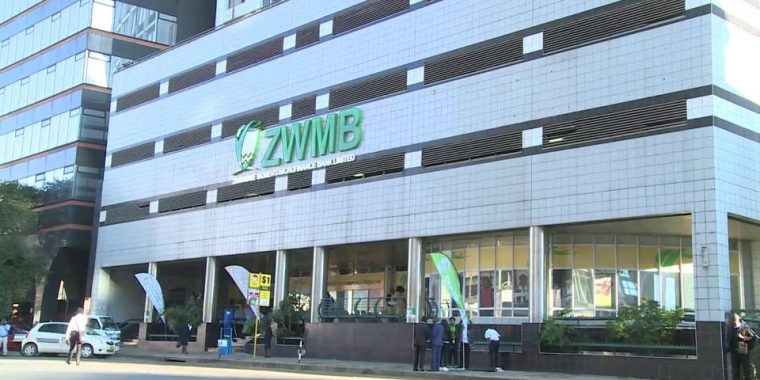

However,
the
same
report
reveals
the
bank’s
visibility
and
accessibility
remain
consistently
low
across
most
districts,
with
about
60
percent
of
women
consulted
during
field
visits
unaware
of
the
bank’s
existence
or
its
products,
seven
years
after
its
launch.
These
findings
are
contained
in
the
Report
of
the
Portfolio
Committee
on
Women’s
Affairs,
Community,
Small
and
Medium
Enterprises
Development
on
the
operations
of
the
Zimbabwe
Women’s
Microfinance
Bank,
which
evaluated
the
institution’s
impact
on
women’s
economic
empowerment
since
its
inception.
According
to
the
committee’s
analysis
of
cumulative
loan
beneficiaries
from
2018
to
December
31,
2024,
a
total
of
49
353
beneficiaries
received
loans
through
the
bank
across
Zimbabwe’s
ten
provinces.
Cumulative
Beneficiaries
by
Province
(2018
–
2024)
|
Province |
2018 |
2019 |
2020 |
2021 |
2022 |
2023 |
2024 |
|
Harare |
33 | 1,275 | 449 | 1,381 | 975 | 145 | 212 |
|
Bulawayo |
214 | 1,345 | 467 | 668 | 841 | 312 | 603 |
|
Manicaland |
532 | 387 | 864 | 788 | 962 | 252 | 322 |
|
Mashonaland Central |
266 | 315 | 323 | 225 | 324 | 181 | 563 |
|
Mashonaland East |
96 | 689 | 522 | 420 | 618 | 432 | 640 |
|
Mashonaland West |
168 | 702 | 361 | 833 | 2,270 | 131 | 530 |
|
Matabeleland North |
3 | 181 | 289 | 570 | 619 | 107 | 71 |
|
Matabeleland South |
2 | 164 | 341 | 338 | 288 | 97 | 49 |
|
Midlands |
5,681 | 6,537 | 336 | 1,006 | 1,055 | 161 | 398 |
|
Masvingo |
78 | 3,096 | 489 | 586 | 2,109 | 319 | 747 |
|
Grand Total |
7,073 |
14,691 |
4,441 |
6,815 |
10,061 |
2,137 |
4,135 |
The
data
shows
the
number
of
beneficiaries
fluctuated
significantly
over
the
years,
peaking
in
2019
before
declining
sharply
in
later
years.
In
2018,
the
bank
reached
7
073
beneficiaries,
followed
by
a
significant
expansion
to
14
691
beneficiaries
in
2019,
the
highest
number
recorded
since
the
institution
was
launched.
However,
the
number
dropped
sharply
in
subsequent
years,
with
4
441
beneficiaries
in
2020,
6
815
in
2021,
and
10
061
in
2022.
The
decline
continued
in
the
most
recent
years,
with
2
137
beneficiaries
in
2023
and
4
135
beneficiaries
in
2024,
highlighting
what
the
committee
described
as
“inconsistent
reach
and
operational
challenges”
affecting
the
bank’s
ability
to
sustain
lending
programmes.
A
breakdown
by
province
shows
Midlands
province
recorded
the
highest
number
of
beneficiaries
in
the
early
years,
particularly
in
2018
and
2019.
In
2018
alone,
Midlands
accounted
for
5
681
beneficiaries,
making
up
the
majority
of
that
year’s
recipients.
The
province
continued
to
record
high
numbers
in
2019
with
6
537
beneficiaries,
before
declining
in
later
years.
Other
provinces
such
as
Masvingo,
Mashonaland
West
and
Manicaland
also
recorded
relatively
high
numbers
during
some
years,
reflecting
sporadic
expansion
of
the
bank’s
lending
programmes.
For
instance,
Masvingo
recorded
3
096
beneficiaries
in
2019,
while
Mashonaland
West
registered
2
270
beneficiaries
in
2022,
one
of
the
highest
provincial
figures
recorded
in
the
dataset.
Urban
provinces
such
as
Harare
and
Bulawayo
had
more
moderate
numbers
throughout
the
period.
Harare
recorded
33
beneficiaries
in
2018,
increasing
to
1
275
in
2019,
before
fluctuating
between
449
and
1
381
beneficiaries
in
subsequent
years.
Bulawayo
followed
a
similar
pattern,
beginning
with
214
beneficiaries
in
2018
and
peaking
at
1
345
in
2019,
before
gradually
declining.
Matabeleland
provinces
generally
recorded
the
lowest
beneficiary
numbers,
particularly
Matabeleland
South
and
Matabeleland
North,
reflecting
broader
challenges
in
reaching
remote
rural
communities.
Matabeleland
South
recorded
only
two
beneficiaries
in
2018,
while
Matabeleland
North
recorded
three
beneficiaries
that
same
year.
The
Zimbabwe
Women’s
Microfinance
Bank
was
established
in
2018
to
promote
financial
inclusion
among
marginalised
women,
particularly
those
in
rural
areas,
young
women
and
women
with
disabilities.
The
bank
provides
small
loans,
group
financing
and
business
development
services
aimed
at
helping
women
establish
income-generating
projects
and
expand
small
enterprises.
It
operates
as
a
deposit-taking
microfinance
institution
licensed
by
the
Reserve
Bank
of
Zimbabwe
and
is
wholly
owned
by
the
Government
through
the
Ministry
of
Women
Affairs,
Community,
Small
and
Medium
Enterprises
Development.
The
institution
was
created
following
decades
of
advocacy
for
a
women-focused
financial
institution.
According
to
the
parliamentary
report,
the
idea
of
establishing
a
women’s
bank
in
Zimbabwe
dates
back
to
1982,
when
policymakers
first
proposed
creating
a
financial
institution
to
address
the
lack
of
credit
access
for
rural
women.
Despite
the
number
of
beneficiaries
reached,
the
parliamentary
committee
found
the
bank
remains
largely
invisible
in
many
rural
communities.
During
consultations
and
field
visits
across
several
provinces,
the
committee
discovered
that
awareness
of
the
bank
was
generally
limited
to
urban
centres
and
central
business
districts.
“During
the
consultations,
the
Committee
noted
that
the
bank’s
visibility
and
accessibility
remained
consistently
low
across
most
districts,”
the
report
said.
Distribution
Network
of
ZWMB
Branches
in
Zimbabwe
|
Province |
Office Locations |
|
Bulawayo |
Bulawayo Branch |
|
Manicaland |
Mutare Office, Rusape Office, Chipinge Office |
|
Mashonaland Central |
Bindura, Guruve Office |
|
Mashonaland East |
Marondera, Chivhu Office, Murehwa |
|
Mashonaland West |
Chinhoyi, Karoi, Kadoma |
|
Masvingo |
Masvingo Office, Zaka Office, Chiredzi Office, Mwenezi |
|
Matabeleland North |
Lupane Office, Binga Office, Nkayi Office |
|
Matabeleland South |
Gwanda Office, Beitbridge, Plumtree Office |
|
Midlands |
Gweru Office, Gokwe Office, Zvishavane Office |
The
committee
noted
many
women
had
only
heard
about
the
bank
through
early
awareness
campaigns
conducted
by
the
Ministry
of
Women
Affairs
between
2018
and
2020,
with
little
follow-up
engagement
afterwards.
In
some
areas,
awareness
of
the
institution
emerged
only
recently.
For
example,
women
in
Mazvihwa
district
in
Zvishavane
reportedly
only
learned
about
the
bank
in
April
2025,
seven
years
after
it
had
been
established.
The
committee
found
approximately
60
percent
of
women
consulted
across
the
visited
provinces
had
no
knowledge
of
the
bank
or
its
services.
Where
awareness
existed,
it
was
often
limited
to
radio
advertisements
that
did
not
clearly
explain
eligibility
criteria
or
the
process
for
accessing
loans.
Physical
access
to
the
bank’s
services
also
remained
a
major
challenge,
particularly
for
women
living
in
rural
districts.
Although
the
bank
has
offices
in
several
provinces,
the
committee
said
most
branches
were
located
in
central
business
districts,
forcing
rural
women
to
travel
long
distances
to
access
services.
For
instance,
women
from
Mwenezi
district
were
required
to
travel
to
Masvingo
town
to
access
banking
services,
sometimes
covering
distances
of
up
to
100
kilometres.
Similarly,
Zvishavane
district
lacked
a
permanent
office,
relying
instead
on
an
intermittent
mobile
agent.
In
Nkayi
and
Chivhu,
the
committee
found
that
services
were
often
provided
by
a
single
officer
without
vehicles
or
motorbikes,
making
it
difficult
to
reach
remote
communities.
The
report
also
highlighted
cases
where
offices
closed
abruptly
without
notice,
leaving
loan
applicants
uncertain
about
the
status
of
their
applications.
“Several
offices,
for
example
Zvishavane,
closed
down
abruptly
without
communication,
leaving
applicants
stranded,”
the
report
said.
Even
in
locations
where
offices
existed,
the
committee
found
they
were
often
poorly
identified.
“Branches
generally
lacked
adequate
signage,
making
it
difficult
for
the
public
to
know
they
existed,”
the
report
noted.
The
Mutare
branch
was
identified
as
the
only
office
that
was
properly
branded
and
well
presented,
while
other
offices
were
poorly
maintained.
In
Nkayi,
the
committee
observed
that
long
grass
had
grown
around
the
office
building,
obscuring
the
bank’s
only
promotional
banner.
The
committee
concluded
the
bank’s
limited
decentralisation
was
a
major
barrier
to
access,
especially
for
rural
communities.
Many
rural
wards
lacked
the
community
coordinators
meant
to
facilitate
outreach
programmes
and
provide
information
to
women
entrepreneurs.
For
example,
in
Nkayi
district,
12
out
of
19
wards
reportedly
had
no
coordinators,
leaving
large
sections
of
the
population
without
information
about
the
bank’s
services.
Similarly,
communities
such
as
Mataga
and
Mapanzure
in
Zvishavane
and
rural
wards
in
Chivhu
were
not
receiving
consistent
information
or
services
from
the
bank.
Beyond
awareness
challenges,
women
reported
several
obstacles
when
trying
to
access
the
bank’s
services.
These
included
complex
application
procedures,
lengthy
loan
processing
times
and
requirements
for
collateral
or
guarantors
that
many
rural
women
could
not
meet.
Women
also
complained
about
fees
and
transport
costs,
with
some
paying
US$5
to
open
accounts
or
apply
for
loans
without
ever
receiving
funding.
Others
reported
travelling
long
distances
to
collect
approved
loans,
sometimes
from
offices
in
Harare
or
Bulawayo.
The
report
further
highlighted
concerns
over
interest
rates
and
short
repayment
periods,
which
some
women
said
made
it
difficult
to
run
sustainable
businesses.
Despite
these
challenges,
the
parliamentary
committee
acknowledged
the
Zimbabwe
Women’s
Microfinance
Bank
has
played
a
role
in
improving
access
to
finance
for
thousands
of
women.
However,
it
concluded
that
significant
improvements
in
visibility,
decentralisation
and
operational
efficiency
are
necessary
for
the
bank
to
fulfil
its
mandate
of
empowering
women
across
the
country.
Post
published
in:
Business