

HARARE
–
The
government
is
preparing
sweeping
constitutional
amendments
that
would
extend
presidential
terms
to
seven
years,
end
direct
presidential
elections
and
fundamentally
reshape
the
country’s
succession
framework.
Justice
minister
Ziyambi
Ziyambi
is
expected
to
table
a
memorandum
to
cabinet
on
Tuesday
outlining
the
proposed
Constitution
of
Zimbabwe
Amendment
Bill,
2026,
which
introduces
far-reaching
changes
to
the
country’s
governance
system
and
institutional
architecture.
One
of
the
most
significant
proposals
is
the
repeal
of
Section
92
of
the
constitution
to
allow
the
president
to
be
elected
by
a
joint
sitting
of
parliament
instead
of
through
a
direct
popular
vote.
Under
the
leaked
draft,
seen
by
ZimLive,
members
of
the
National
Assembly
and
Senate
would
elect
the
president
by
majority
vote
following
general
elections
or
whenever
a
vacancy
arises.
The
bill
also
seeks
to
extend
the
term
of
office
for
both
the
president
and
parliament
from
five
years
to
seven
years,
a
move
which
could
allow
President
Emmerson
Mnangagwa
–
currently
serving
his
second
and
final
term
under
existing
constitutional
limits
–
to
remain
in
office
for
an
additional
two
years,
from
2028
to
2030.
The
memorandum
argues
that
longer
terms
would
reduce
what
it
describes
as
“election
mode
toxicity”
and
allow
more
time
for
government
programmes
to
be
implemented,
framing
the
change
as
necessary
for
stability
and
policy
continuity.
Lawyers
have
argued
that
such
constitutional
amendments
may
require
approval
through
a
public
referendum,
but
Ziyambi
has
publicly
declared
that
a
referendum
will
not
be
necessary.
A
Constitutional
Court
application
allegedly
sponsored
by
Zanu
PF
and
fronted
by
the
Matabeleland
pressure
group
Ibhetshu
LikaZulu
and
its
secretary
general
Mbuso
Fuzwayo
is
set
to
be
heard
after
the
group
was
granted
direct
access
in
an
unopposed
application
on
Monday.
The
question
of
whether
a
referendum
is
required
to
pass
the
amendments
is
expected
to
be
central
to
the
case,
which
could
be
determined
before
Chief
Justice
Luke
Malaba
retires
on
May
14.
The
government’s
proposals
are
expected
to
trigger
intense
political
debate,
with
critics
warning
that
removing
direct
presidential
elections
could
dilute
citizens’
role
in
choosing
their
leader
and
further
centralise
power
within
parliament,
where
Zanu
PF
holds
a
dominant
majority.
The
amendment
opens
up
the
possibility
of
an
unpopular
but
wealthy
politician
becoming
president
by
buying
MPs’
loyalty.
The
draft
amendments
also
significantly
alter
presidential
succession
rules,
potentially
reshaping
internal
political
dynamics
within
the
ruling
party.
Instead
of
a
vice
president
automatically
assuming
office
following
a
vacancy,
the
bill
proposes
that
parliament
elect
a
new
president
within
a
specified
period
after
the
death,
resignation
or
removal
of
an
incumbent.
Analysts
say
the
change
could
undercut
the
traditional
advantage
enjoyed
by
a
sitting
vice
president
and
open
succession
to
broader
political
contestation,
a
shift
likely
to
fuel
speculation
about
succession
politics
within
Zanu
PF,
where
Vice
President
Constantino
Chiwenga
has
frequently
been
viewed
as
a
potential
successor
to
Mnangagwa.
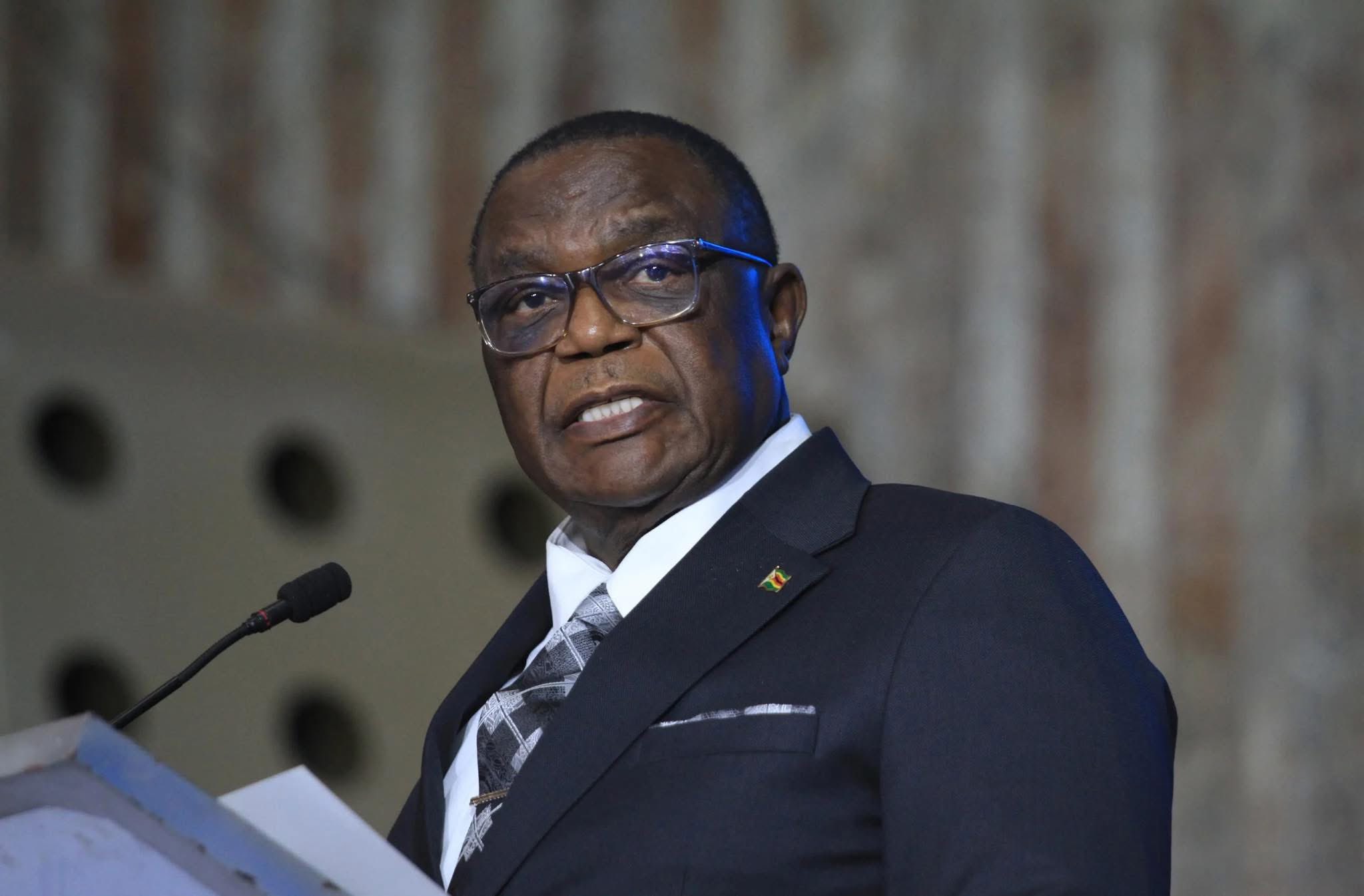
President
Constantino
Chiwenga
In
another
controversial
provision,
the
bill
proposes
increasing
the
size
of
the
Senate
by
allowing
the
president
to
appoint
an
additional
10
senators
chosen
for
their
professional
skills
and
competencies,
further
expanding
presidential
influence
within
parliament.
The
draft
legislation
also
proposes
abolishing
the
Zimbabwe
Gender
Commission
and
transferring
its
functions
to
the
Zimbabwe
Human
Rights
Commission
“since
the
latter
is
already
mandated
to
protect
all
human
rights.”
The
bill
would
also
repeal
constitutional
provisions
establishing
the
National
Peace
and
Reconciliation
Commission.
Additional
changes
include
transferring
responsibility
for
voter
registration
and
custody
of
the
voters’
roll
from
the
Zimbabwe
Electoral
Commission
(ZEC)
to
the
Registrar
General,
and
allowing
traditional
leaders
to
participate
in
partisan
politics
by
repealing
existing
constitutional
restrictions.
Requiring
traditional
leaders
not
to
engage
in
partisan
politics
“violates
their
political
rights,”
Ziyambi
argues
in
the
memorandum.
The
government
also
plans
to
amend
the
functions
of
the
Zimbabwe
Defence
Forces
by
replacing
their
duty
“to
uphold
this
Constitution”
with
wording
requiring
them
to
act
“in
accordance
with
the
Constitution.”
Ziyambi
argues
in
the
memorandum
that
the
constitutional
amendments
will
“reinforce
constitutional
governance,
strengthen
democratic
structures,
clarify
institutional
mandates,
and
harmonise
Zimbabwe’s
constitutional
order
with
tested
and
successful
practices
in
other
progressive
jurisdictions.”
If
adopted,
the
proposals
would
represent
the
most
extensive
overhaul
of
Zimbabwe’s
constitutional
framework
since
the
current
constitution
was
enacted
in
2013.