
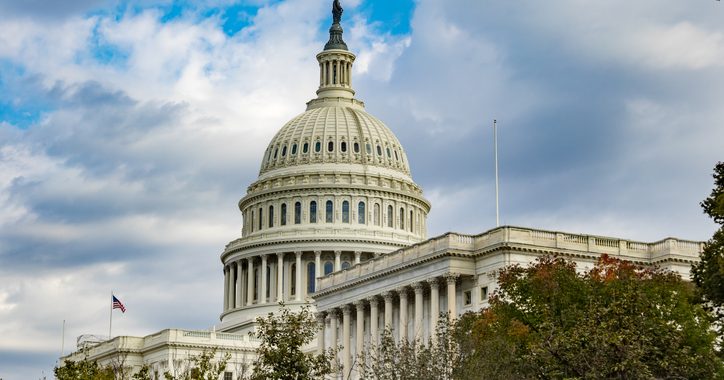
On
Wednesday,
lawmakers
and
health
policy
experts
gathered
in
Washington
D.C.
for
the
House
health
subcommittee’s
hearing
on
the
use
of
AI
in
healthcare.
Below
are
three
of
the
main
topics
they
discussed
during
the
hearing.
Expanding
practical
uses
of
AI
in
healthcare
In
his
opening
remarks,
Representative
Morgan
Griffith
(R-Virginia),
who
chairs
the
House
health
subcommittee,
focused
on
the
importance
of
supporting
providers
and
reducing
red
tape.
He
mentioned
several
areas
where
AI
is
already
demonstrating
promise
in
healthcare.
On
the
research
side
of
things,
Griffith
noted
that
AI
can
accelerate
drug
discovery
and
speed
up
clinical
trial
recruitment,
which
could
help
patients
gain
access
to
new
therapies
more
quickly.
As
for
administrative
use
cases,
he
highlighted
tools
that
allow
for
more
accurate
claims
processing
for
payers
and
reduce
the
paperwork
burden
on
clinicians.
Griffith
argued
that
these
types
of
improvements
could
free
up
clinicians
to
spend
more
time
focusing
on
their
patients
rather
than
being
mired
in
back-office
tasks.
Representative
Nick
Langworthy
(R-New
York)
also
emphasized
AI’s
potential
to
close
care
gaps
in
rural
communities.
He
noted
that
the
technology
is
starting
to
expand
diagnostic
capabilities
in
these
areas,
as
well
as
give
patients
access
to
specialty
expertise
without
having
to
drive
for
hours.
Additionally,
Representative
Diana
Harshbarger
(R-Tennessee)
discussed
how
AI
could
improve
care
coordination
between
pharmacists
and
physicians,
particularly
in
rural
areas
where
pharmacists
are
people’s
most
accessible
providers.
She
argued
that
better
data
sharing,
powered
by
AI,
could
help
pharmacists
play
a
larger
role
in
managing
chronic
disease
and
ensuring
patients’
medication
adherence.
Concerns
about
oversight
Several
members
of
Congress
were
adamant
about
the
idea
that
AI
should
augment
the
work
done
by
clinicians
rather
than
replace
it.
They
stressed
that
healthcare
organizations
need
better
oversight
to
ensure
a
human
is
always
in
the
loop
when
it
comes
to
clinical
AI
tools.
Representative
Brett
Guthrie
(R-Kentucky)
—
who
chairs
the
House
Energy
and
Commerce
Committee,
which
oversees
the
health
subcommittee
—
framed
this
issue
as
a
matter
of
patient
trust,
saying
that
“human
judgment
must
remain
at
the
center
of
care.”
Representative
Diana
DeGette
(D-Colorado)
echoed
Guthrie’s
remarks,
warning
that
an
overreliance
on
AI
could
erode
the
physician–patient
relationship
if
the
correct
oversight
mechanisms
aren’t
established.
Some
leaders
also
raised
doubts
about
whether
the
FDA
currently
has
sufficient
authority
to
effectively
regulate
AI-powered
medical
products.
Michelle
Mello,
a
health
policy
scholar
at
Stanford
University,
pointed
out
that
the
FDA’s
existing
frameworks
were
designed
for
static
technologies
—
not
algorithms
that
continuously
learn
and
evolve.
Without
stronger
post-market
surveillance,
she
said
the
industry
risks
“putting
products
into
practice
that
drift
away
from
their
intended
safety
and
effectiveness
profiles.”
Worries
about
AI’s
use
in
prior
authorization
Lawmakers
expressed
caution
about
AI-powered
prior
authorization
systems,
especially
within
Medicare
Advantage
plans.
Payers
are
increasingly
using
AI
to
automate
claims
reviews,
which
boosts
their
profits
through
predictive
denials
but
often
limits
patients’
access
to
care.
CMS
has
initiated
a
pilot
program
to
introduce
AI
into
prior
authorization
for
traditional
Medicare
services
that
have
been
identified
as
high-risk
for
abuse.
However,
Mello
warned
that
requiring
a
human
reviewer
isn’t
enough
—
she
said
“they
could
be
‘primed’
by
AI
to
accept
denials,”
essentially
just
rubber-stamping
machine
decisions.
Representative
Greg
Landsman
(D-Ohio)
strongly
criticized
the
pilot
and
called
for
it
to
be
shut
down
until
better
guardrails
are
in
place.
He
highlighted
the
perverse
incentive
for
companies
to
deny
more
claims.
“You
get
more
money
if
you’re
that
AI
tech
company
if
you’re
able
to
deny
more
and
more
claims.
That
is
going
to
lead
to
people
getting
hurt,”
Landsman
declared.
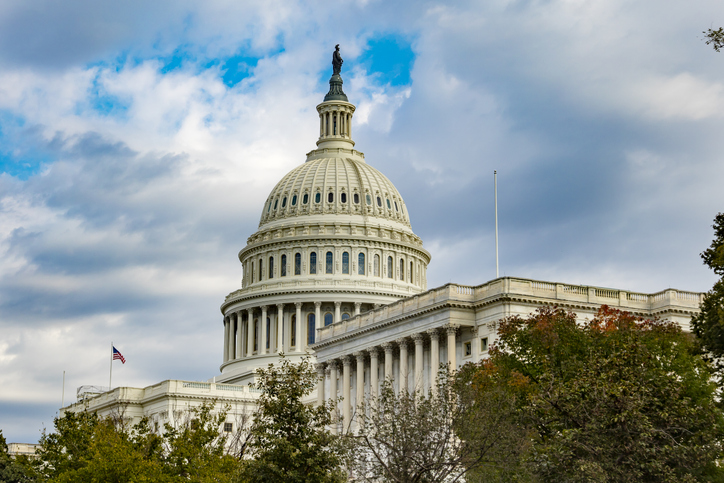
Photo:
Mike
Kline,
Getty
Images