Ed.
Note:
A
weekly
roundup
of
just
a
few
items
from
Howard
Bashman’s
How
Appealing
blog,
the
Web’s
first
blog
devoted
to
appellate
litigation.
Check
out
these
stories
and
more
at
How
Appealing.
“How
a
supplier
of
nuts
and
bolts
could
curb
Trump’s
tariff
overreach;
A
new
lawsuit
reveals
how
businesses
are
forced
to
navigate
an
opaque
and
arbitrary
system”: Scott
Lincicome
and
Inu
Manak
have this
essay online
at
The
Washington
Post.
“On
Trump’s
Tariffs,
Supreme
Court
Hurries
Up
and
Waits;
The
justices
put
the
case
on
a
fast
track
at
the
administration’s
urging;
But
they
don’t
seem
in
a
rush
to
rule
on
the
president’s
signature
economic
program”: You
can
access
the
first
installment
of
Adam
Liptak’s
weekly
“The
Docket”
newsletter
online
at
The
New
York
Times at
this
link.
“Judge
halts
transfer
of
former
federal
death
row
inmates
to
‘supermax’
prison;
Attorney
General
Pam
Bondi
had
vowed
to
transfer
the
prisoners”: Kyle
Cheney
and
Josh
Gerstein
of
Politico
have this
report.
“‘If
We
Don’t
Have
Free
Speech,
Then
We
Just
Don’t
Have
a
Free
Country’;
Donald
Trump’s
attempt
to
criminalize
political
expression
is
crossing
a
line
that’s
held
since
1798”: Susan
B.
Glasser
has this
essay online
at
The
New
Yorker.
“Pam
Bondi’s
Contempt
for
Congress;
The
Attorney
General
treats
oversight
like
roller
derby”: Ruth
Marcus
has this
essay online
at
The
New
Yorker.
“A
Justice
Alito-Authored
Majority
Opinion
in
Callais
Effectively
Killing
Off
the
Voting
Rights
Act
Might
Not
Get
5
Votes;
What
Choices
Do
the
Court’s
Conservatives
Have?” Rick
Hasen
has this
post at
his
“Election
Law
Blog.”
The
Trump
Department
of
Justice
(DOJ)
says
it
has initiated
a
broad
investigation of
Netflix’s
business
practices
and
it’s
planned
$82.7
billion
merger
with
Warner
Brothers.
The
Trump
DOJ’s
pretense
is
that
they’re
just
suddenly really
concerned
about
media
consolidation
and
monopoly
power (you’re
to
ignore
the
U.S.
right
wing’s
generational
and
indisputable
quest
to
coddle
and
protect
monopoly
power
across
telecom,
energy,
air
travel,
banking,
and
countless
other
industries):
“Questioning
how
Netflix
competes
with
rivals
suggests
the
department
is
looking
at
whether
its
planned
Warner
deal
could
entrench
its
market
power,
or
lead
to
a
monopoly
in
the
future.
U.S.
law
gives
enforcers
broad
power
to
oppose
mergers
that
could
lead
to
a
monopoly.”
In
reality,
the
Trump
administration
has
made
it
extremely
clear
they’re
hoping
to
scuttle
the
Netflix
deal
to help
Larry
Ellison
acquire
Warner
Brothers,
CNN,
and
HBO. If
they
can’t
kill
the
deal,
they
aspire
to
at
least
leverage
the
merger
approval
process
to
force
Netflix
executives
to
further
debase
themselves
before
the
Trump
administration,
which
I
suspect
they’ll
all
be
happy
to
do.
It’s
part
of
a
longstanding
trend
by
Trumpism
to pretend
that
they’re
engaged
in
populist
antitrust
reform,
claims
historically
propped
up
by
a long
list
of
useful
idiots across
the
partisan
spectrum,
and
parroted
by
a
growing
coalition
of
right
wing
propaganda
outlets.
This
bogus
populism
helps
obfuscate
what’s
really
just
some
of
the
worst
corruption
America
has
ever
seen
(which
is
really
saying
something).
The
original
(paywalled)
Wall
Street
Journal report (and
this aggregated
Reuters
recap)
dutifully
help
sell
the
claim
that
the
DOJ
is also “investigating”
Ellison’s
Paramount/Skydance,
whose
Warner
Brothers
acquisition
bid
was
repeatedly
rejected
by
the
Warner
board
over
worries
about
dodgy
financing
and
Saudi
money
involvement:
“The
WSJ
reported
that
the
DOJ
is
also
reviewing
Paramount’s
proposed
acquisition
bid,
which
Warner
Bros’
board
unanimously
rejected
by
labeling
it
“inadequate”
and
“not
in
the
best
interests”
of
shareholders.”
After
Warner
Brothers
balked
at
Larry’s
competing
bid
and
a hostile
takeover
attempt,
Larry tried
to
sue
Warner
Brothers.
With
that
not
going
anywhere,
Larry,
MAGA,
and
the
Heritage
Foundation
(of
Project
2025
fame)
have
since
joined
forces
to
try
and
attack
the
Netflix
merger
across
right
wing
media,
falsely
claiming
that
“woke”
Netflix
is
attempting
a
“cultural
takeover”
that
must
be
stopped
for
the
good
of
humanity:
As
we
keep
noting,
ideally
a
functional
regulator
would
block all additional
media
consolidation,
since
these
megadeals
are
consistently
terrible
for
labor,
consumers,
and
product
quality
(see:
Warner
Brothers
entire
corporate
history
since
2000).
That’s
clearly
not
happening
under
a
Trump
administration
that
has
lobotomized
all
key
regulators.
So
ideally,
while
not
great,
Netflix
acquiring
Warner
Brothers
is
the
best
of
a
bunch
of
bad
options.
It’s
arguably
notably
better
than
furthering
Larry
Ellison’s
obvious
plan
to
gobble
up
CBS,
TikTok,
and
CNN,
and
turn
what’s
left
of
America’s
already
dodgy
corporate
media
into Hungary-esque
state
television that
lavishes
hollow
praise
on
our
mad
idiot
king.
Because
we’ve
already
let
media
consolidation
run
amok
(thanks
to
the Trump
administration’s
attack
on
bipartisan
media
consolidation
limits),
our
shitty
corporate
press
is
incapable
of
explaining
to
the
public
that
the
Trump
DOJ
inquiry
into
Netflix
isn’t
being
conducted
in
good
faith.
It’s
a
perfect
circle
of
greed,
regulatory
capture,
and
corruption
that
will
ramp
up
in
the
weeks
to
come.
*
Kirkland
ends
its
concierge
service
that
acted
as
personal
assistants
for
associates.
[Legal
Cheek]
*
Donald
Trump
takes
the
position
that
he’s
too
busy
as
president
to
be
sued.
He
also
takes
the
position
that
he
has
plenty
of
time
to
file
lawsuits
against
others.
[Reuters]
*
AI
won’t
automatically
make
legal
services
cheaper.
I’ll
go
one
better…
it
won’t
make
them
cheaper
in
any
event.
[Lawfare]
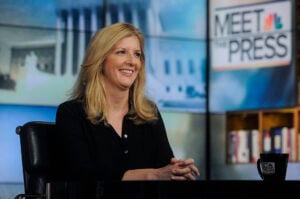
Kathryn
Ruemmler
(Photo
by
William
B.
Plowman/NBC/NBC
Newswire/NBCUniversal
via
Getty
Images)
At
some
point,
screaming
“this
is
fine!”
into
the
void
stops
being
aspirational
and
starts
being
delusional.
For
Kathryn
Ruemmler,
that
point
appears
to
have
arrived.
Ruemmler
announced
she’s
resigning
from
her
role
as
Chief
Legal
Officer
and
General
Counsel
of
Goldman
Sachs,
effective
June
30,
2026,
following
renewed
scrutiny
over
her
extensive
communications
with
Jeffrey
Epstein.
“Since
I
joined
Goldman
Sachs
six
years
ago,
it
has
been
my
privilege
to
help
oversee
the
firm’s
legal,
reputational,
and
regulatory
matters;
to
enhance
our
strong
risk
management
processes;
and
to
ensure
that
we
live
by
our
core
value
of
integrity
in
everything
we
do,”
Ruemmler
said
in
a
statement.
“My
responsibility
is
to
put
Goldman
Sachs’
interests
first.
Earlier
today,
I
regretfully
informed
David
Solomon
of
my
intention
to
step
down
as
Chief
Legal
Officer
and
General
Counsel
of
Goldman
Sachs
as
of
June
30,
2026.”
…Yeah
Goldman’s
“core
value
of
integrity”
was
about
stretched
to
its
limits
to
accommodate
thousands
of
emails
with
one
of
the
most
notorious
criminals
of
our
time.
And
the
communications
went
far
beyond
a
routine
professional
relationship.
Career
coaching.
Gift
exchanges.
Cringe-inducing
jokes
that
land
even
worse
in
hindsight.
And
all
of
it
unfolding
while
Ruemmler
later
occupied
one
of
the
most
powerful
roles
in
corporate
America.
Ruemmler’s
statement
frames
her
resignation
as
an
act
of
loyalty
to
the
institution…
but
let’s
not
kid
ourselves.
This
was
the
inevitable
conclusion
of
a
situation
that
became
untenable
the
moment
the
public
was
allowed
to
read
the
receipts.
Goldman,
for
its
part,
is
sticking
to
the
Greatest
Hits
album
of
corporate
exits.
David
Solomon,
CEO
of
Goldman
Sachs,
said
“Throughout
her
tenure,
Kathy
has
been
an
extraordinary
general
counsel,
and
we
are
grateful
for
her
contributions
and
sound
advice
on
a
wide
range
of
consequential
legal
matters
for
the
firm.
As
one
of
the
most
accomplished
professionals
in
her
field,
Kathy
has
also
been
a
mentor
and
friend
to
many
of
our
people,
and
she
will
be
missed.
I
accepted
her
resignation,
and
I
respect
her
decision.”
For
years,
powerful
people
and
institutions
convinced
themselves
that
silence
was
risk
management
and
that
distancing
statements
could
substitute
for
accountability.
They
can’t.
As
more
records
surface
and
more
names
are
dragged
into
the
light,
the
Epstein
fallout
is
only
getting
started.
Kathryn
Rubino
is
a
Senior
Editor
at
Above
the
Law,
host
of
The
Jabot
podcast,
and
co-host
of
Thinking
Like
A
Lawyer.
AtL
tipsters
are
the
best,
so
please
connect
with
her.
Feel
free
to
email
her
with
any
tips,
questions,
or
comments
and
follow
her
on
Twitter
@Kathryn1 or
Mastodon
@[email protected].
Trump’s
Bad
Legal
Takes
Still
Have
Efficacy:
Legal
losses
haven’t
stopped
the
bullying
from
working
on
some
firms.
Pose!
Prosecute!
Pose!:
Jeanine
Pirro
hired
her
photographer
buddy
for
a
very
prestigious
side
hustle.
Pam
Bondi
Brings
Up
The
Dow
Jones
Instead
Of
Her
Job:
Here
are
the
highlights
from
the
shameful
bait
and
switch.
Pour
One
Out
For
Mansfield:
Biglaw
would
rather
give
up
on
diversity
than
court
the
Trump
administration’s
ire.
Small
Firm
Leans
In
To
AI:
Costs
are
down
and
profits
are
up!
According
to
the Thomson
Reuters
Institute’s
latest
Law
Firm
Financial
Index,
the
5
point
decline
in
demand
from
the
third
quarter
of
2025
in
what
practice
area
could
be
a
“real
warning
sign[]
going
into
2026”?
Hint:
There’s
also
the
demand
for
bankruptcy
spiking
in
December.
Punxsutawney
Phil
poked
his
head
out,
as
he
does
every
February
2,
aka
Groundhog
Day,
saw
his
shadow,
and
declared
that
we
would
have
six
more
weeks
of
winter.
Well,
at
least
part
of
the
country,
freezing
and
snowing
as
it
has
been,
would
have
six
more
weeks.
In
California,
not
so
much.
Does
anyone
think
that
ICE’s
tactics
in
Minnesota
(and
elsewhere)
are
reminiscent
of
the
Gestapo
in
Nazi
Germany
in
the
1930s?
I
do,
and
even
Joe
Rogan
(not
exactly
on
my
wavelength)
does.
For
those
of
you
Gen
Xers,
Millennials,
and
others
so
young
that
you
don’t
remember
9/11,
please
take
a
few
minutes
to
read
up
on
Nazi
Germany
and
the
Gestapo.
Even
better,
read
Erik
Larson’s
nonfiction
book,
“In
the
Garden
of
Beasts,”
about
how
Nazi
Germany,
both
blatantly
and
insidiously,
infiltrated
the
German
psyche
in
the
1930s.
Fair
warning.
No
one
is
above
the
law.
(Pun
not
intended.)
Some
people
disagree.
The
judicial
system
is
the
last
remaining
bulwark
against
what
47
and
his
merry
band
of
pranksters
(not
of
the
Ken
Kesey
variety)
would
like
to
do
if
they
could
have
their
way
unimpeded
by
anyone
or
anything.
Habeas
corpus
and
all
those
pesky
little
amendments
to
the
Constitution
thankfully
stand
in
47’s
way
to
impose
even
more
authoritarian
measures
than
what
we
already
experience.
The
Supreme
Court
seems
to
look
askance
at
precedents,
ghosting
it
like
a
bad
online
date.
And
I
would
be
remiss
if
I
didn’t
mention
the
latest
installment
of
the
Epstein
files,
which
seems
to
have
something
for
everyone,
that
is,
everyone
who
is
rich
and
famous,
or
if
not,
then
rich
and
famous
adjacent.
Some
lawyers
have
been
caught
in
Epstein’s
net,
whether
intentionally
or
not.
We’ve
all
admonished
our
clients
over
the
years
to
not
put
anything
in
emails
and
texts
that
we
wouldn’t
want
to
see
on
the
front
page
of
any
newspaper,
digital,
print,
or
in
any
social
media.
Unfortunately
the
latest
DOJ
data
dump
of
Epstein
files
has
done
exactly
that,
and
not
just
everyday
lawyers,
but
big
“machers”
(Yiddish
for
doer,
a
wheeler-dealer,
someone
with
connections.)
The
first
to
suffer
the
consequences
of
any
connection
with
Epstein
is
Brad
Karp,
until
very
recently
the
chair
of
the
Paul
Weiss
firm.
Karp
has
been
too
much
in
legal
news
in
the
past
year.
As
the
then-chair
of
Paul
Weiss,
he
was
one
of
the
first,
if
not
the
first,
to
bend
a
knee
to
47’s
executive
order
addressed
to
Biglaw.
Karp
feared
the
firm
would
sink
if
it
didn’t
agree.
How
ironic
that
less
than
a
year
later,
Karp
is
no
longer
chair,
not
because
of
his
deal
with
47,
but
because
of
his
relationship
with
Epstein,
a
former
friend
of
47
until
a
purported
falling-out
some
years
ago.
Meanwhile,
consider
the
language
that
some
firms
use
when
laying
off
business
professionals
to
be
replaced
by
AI.
The
phrase
“we
do
not
take
these
changes
lightly”
does
not
pass
the
“straight
face”
test.
Just
wait
until
AI
reduces
lawyer
headcount.
We
know
that
may
be
coming.
AI
in
its
various
current
iterations
does
not
require
compliance
with
wage
and
hour
laws,
FMLA,
ADA,
and
a
host
of
other
employer-employee
laws.
Robots
work
24/7,
they
don’t
need
vacation
or
sick
time
or
time
off
for
the
myriad
human
responsibilities.
They
don’t
complain
about
too
much
work,
and
they
don’t
have
interpersonal
conflicts
with
coworkers.
They
just
work
and
work
and
work,
unlike
humans,
even
if
some
fancy
themselves
robotic
in
their
work
habits.
However,
if
you
are
seeking
any
emotional
intelligence
in
AI,
you
are
barking
up
the
wrong
large
language
model.
Lastly,
I
would
be
remiss
if
I
don’t
tell
anyone
in
the
legal
world
who
doesn’t
already
know
that
the
DOJ
is
hiring.
Yes,
that
DOJ,
which,
for
some
reason
(ahem)
is
having
trouble
recruiting
lawyers
to
join
what
used
to
be
a
prestigious
office
and
often
a
stepping
stone
for
Biglaw
partnerships,
judgeships,
and
political
careers.
Instead
of
swearing
to
uphold
the
Constitution
of
the
United
States,
these
new
recruits
must
now
swear
allegiance,
not
to
the
Constitution,
but
personally
to
the
president,
who
believes
that
the
DOJ
is
his
personal
law
firm.
No
wonder
why
the
DOJ
will
probably
need
to
scrape
the
barrel’s
bottom
to
find
lawyers
willing
to
sacrifice
their
ethics
and
reputations.
Since
47
likes
his
name
on
everything
and
he
always
wants
his
name
first
(don’t
get
me
started),
perhaps
the
more
appropriate
name
would
be
Trump’s
Department
of
Justice.
Res
ipsa
loquitur.
Jill
Switzer
has
been
an
active
member
of
the
State
Bar
of
California
for
over
40
years.
She
remembers
practicing
law
in
a
kinder,
gentler
time.
She’s
had
a
diverse
legal
career,
including
stints
as
a
deputy
district
attorney,
a
solo
practice,
and
several
senior
in-house
gigs.
She
now
mediates
full-time,
which
gives
her
the
opportunity
to
see
dinosaurs,
millennials,
and
those
in-between
interact
—
it’s
not
always
civil.
You
can
reach
her
by
email
at [email protected].
One
of
the
big
worries
in
the
age
of
AI
is
training
younger
lawyers,
as
I
and
others
have
discussed
before.
But
a
new
LexisNexis
study
suggests
we’ve
been
focusing
on
the
wrong
thing:
the
more
critical
training
may
need
to
be
of
experienced
lawyers
instead.
Training
the
trainers.
Key
Findings
LexisNexis
surveyed
873
legal
professionals
in
the
U.K.
in
January
of
this
year.
Like
many
things
with
GenAI,
the
resulting
study
was
long
on
questions
but
short
on
answers.
That’s
not
necessarily
a
criticism.
The
truth
is
we
just
don’t
know
a
lot
of
the
answers
yet.
Which
makes
the
notion
of
training
the
trainers
perhaps
key.
Here’s
some
key
statistics
from
the
study:
65%
say
legal
AI
tools
allow
them
to
work
faster.
72%
believe
that
younger
lawyers
using
GenAI
will
have
trouble
developing
reasoning
and
critical
thinking
skills.
69%
worry
that
new
lawyers
lack
“verification
and
source-checking
skills.”
Okay.
Not
terribly
surprising
although
one
would
think
verification
and
cite-checking
skills
would
be
one
thing
beginning
lawyers
ought
to
be
able
to
do.
Perhaps
the
concern
is
not
that
they
don’t
have
the
skills,
it’s
that
they
won’t
use
them.
These
findings
align
with
expectations.
Indeed,
they
are
remarkably
consistent
with
a
white
paper
by
one
of
LexisNexis’
main
competitors,
Thomson
Reuters,
about
which
I
wrote
back
in
December
of
last
year.
But
the
study
revealed
something
more
troubling.
But
Wait,
There’s
More
Here’s
one
surprising
finding:
only
29%
believe
that
AI
helps
them
produce
higher
quality
work
and
only
2%
—
2%!
—
believes
AI
strengthens
their
learning.
Think
about
what
this
suggests:
it
suggests
the
main
value
of
AI
is
that
it
helps
us
produce
work
faster,
not
necessarily
better.
And
almost
all
agree
that
its
use
doesn’t
help
them
learn.
Meaning
it
doesn’t
help
them
be
better
lawyers.
The
study
identifies
the
problem:
“pouring
over
lengthy
contracts,
interrogating
every
cause,
and
immersing
yourself
in
case
law
may
not
be
glamourous,
but
these
tasks
have
traditionally
been
how
legal
judgement
is
formed.”
And
if
this
means
AI
will
do
a
lot
of
this
work
and
those
skills
aren’t
developed,
the
long-term
result,
assuming
these
statistics
reflect
reality
not
just
impressions,
can
only
mean
one
thing:
lower
quality
lawyering.
A
Thinking
Partner?
The
study
does
propose
a
solution:
getting
young
lawyers
to
treat
GenAI
as
a
“thinking
partner”
in
doing
legal
work.
Like
a
lot
of
platitudes,
it’s
a
catchy
phrase
but
the
study
is
a
little
short
on
how
we
get
harried
associates
under
time
stress
to
do
just
that.
Indeed,
it
will
be
too
easy
to
let
a
“thinking
partner”
do
thinking
for
you
especially
when
pressed
for
time.
And
if
you
don’t
have
critical
thinking
skills
already
and
confidence
in
your
own
thinking,
it’s
likely
you
will
just
accept
what
a
bot
tells
you
as
right.
Over
reliance
and
lack
of
learning.
As
one
of
the
study
participants
put
it,
“No
critical
reasoning,
no
belief
in
themselves
and
no
confidence.”
So,
What’s
the
Answer?
As
one
of
my
mentors
once
put
it,
the
problem
is
the
problem.
And
as
reflected
by
the
alignment
of
the
LexisNexis
and
Thomson
Reuters
studies,
certain
realties
are
clear.
For
example,
young
lawyers
are
going
to
use
GenAI
no
matter
what
we
do.
Another
reality,
as
one
of
the
LexisNexis
participants
put
it,
“we
need
to
be
deliberate
about
how
we
build
judgment
and
strategic
thinking
alongside
technical
capability.”
Certainly,
true
but
how
do
we
do
that:
“How
do
firms
redesign
early
legal
careers
so
judgment
is
built
not
bypassed?
How
do
they
embed
verification,
accuracy
and
critical
reasoning
in
an
AI-enabled
workflow?”
Reading
through
the
comments
from
the
participants,
I
couldn’t
help
but
think
there
is
no
consensus.
Some
say
more
collaboration.
Some
say
being
clear
on
objectives
and
providing
context.
Some
say
teaching
how
to
prompt.
Some
say
guided
decision
making
and
structured
feedback.
Some
say
embed
the
right
mindset.
I
even
know
a
lawyer
who
runs
a
small
firm
who
once
told
me
we
could
just
ban
the
use
of
GenAI
until
a
lawyer
has
two
or
three
years
of
experience.
Nice
idea,
not
very
enforceable
or
practical
as
client
demands
for
use
of
time
saving
GenAI
tools
ratchet
up.
All
good
ideas
but
they
all
assume
that
more
experienced
lawyers
can
provide
just
these
kinds
of
skills.
And
that
assumption
may
not
necessarily
be
correct.
Sure,
more
experienced
lawyers
who
are
familiar
with
GenAI
tools
and
know
how
to
use
them
can
formulate
better
prompts
and
spot
AI
slop
when
they
see
it.
But
how
many
experienced
lawyers
have
that
underlying
familiarity?
And
if
they
don’t
have
it,
how
can
they
mentor
younger
lawyers
correctly?
So,
we
need
to
start
with
the
notion
that
older,
more
experienced
lawyers
need
AI
training
just
as
much
if
not
more
than
younger
lawyers.
“They
need
to
understand
the
strengths
and
limitations
of
AI,
feel
confident
using
it
responsibly,
and
know
how
to
review
and
refine
outputs.”
Armed
with
these
skills,
then
and
only
then
can
they
mentor
young
lawyers
using
GenAI
tools
to
develop
the
critical
thinking
skills
and
abilities
they
will
need
to
perform
well
in
the
future.
Moreover,
firms
will
need
to
realize
that
mentoring
takes
time
and
investment
in
the
future
that
let’s
face
it,
a
lot
of
firms
are
not
known
for.
A
Real
Life
Example
How
could
this
work
in
real
life?
In
today’s
world,
an
associate
is
asked
to
do
a
first
draft
of
a
brief.
They
take
it
to
the
partner
who
marks
it
up
with
a
red
pen
and
sends
it
back.
But
in
the
future
what
will
be
needed
is
more
from
the
partner.
The
partner
will
need
to
be
able
to
spot
if
it
looks
like
the
associate
over
relied
on
GenAI
or
that
the
cites
don’t
look
or
sound
right.
The
partner
will
need
to
sit
down
with
the
associates
and
explain
how
they
caught
that
overuse,
why
it
didn’t
look
right,
and
the
consequences
of
that
both
with
the
client
and
the
courts.
The
Commitment
That
takes
a
commitment
that’s
not
there
right
now.
The
study
points
out
an
interesting
gap
in
this
regard
about
technology
perceptions:
51%
of
the
associates
say
keeping
pace
with
technological
developments
is
a
top
challenge
while
only
34%
of
the
leaders
do
so.
In
other
words,
while
associates
see
technology
as
a
top
challenge,
their
leaders
don’t
share
that
concern.
How
can
they
lead
and
train
if
they
aren’t
equally
invested
in
understanding
what’s
coming?”
So,
let’s
start
there:
instead
of
looking
at
what
we
need
to
do
to
train
young
lawyers
about
technology
that’s
changing
weekly
if
not
daily,
let’s
develop
a
mindset
among
more
experienced
lawyers
about
technology
and
its
impact.
To
get
there
we
need
an
attitudinal
change:
more
experienced
lawyers
need
to
commit
to
learning
and
keeping
up
with
technology.
They
need
to
commit
to
mentoring
new
lawyers
in
different
and
more
intense
ways.
It
means
they
need
to
seek
to
define
what
good
lawyering
is
on
a
more
consistent
basis
as
Jordan
Furlong,
one
of
the
most
astute
observers
of
the
legal
scene
recently
talked
about.
(Furlong
will
be
a
Keynote
speaker
at
the
upcoming
ABA
TechShow
in
March.
His
topic:
The
Lawyers
We’ll
Need:
Preparing
the
Legal
Profession
for
a
Post-AI
World).
They
need
to
commit
to
their
own
training,
something
that
they
heretofore
have
not
spent
much
time
or
energy
on.
Law
firms
will
have
to
recognize
that
future
lawyers
aren’t
going
to
learn
to
be
good
lawyers
in
traditional
ways.
They
have
to
recognize
that
young
lawyers
are
going
to
use
GenAI
tools
and
that
that
doesn’t
mean
they
are
necessarily
going
to
produce
better
work
faster.
In
fact,
it
may
mean
just
the
opposite.
And
they
have
to
know
that
young
lawyers
are
going
to
make
mistakes,
mistakes
that
may
be
different
than
the
past
that
need
to
be
spotted
and
fixed.
That
takes
an
investment
in
the
long-term
development
of
lawyers
in
a
hands-on
way.
If
we
want
young
lawyers
to
develop
the
skills
experienced
lawyers
have,
let’s
start
with
training
the
trainers.
Stephen
Embry
is
a
lawyer,
speaker,
blogger,
and
writer.
He
publishes TechLaw
Crossroads,
a
blog
devoted
to
the
examination
of
the
tension
between
technology,
the
law,
and
the
practice
of
law.
When
it
comes
to
standalone
editing
software
for
legal
professionals,
there
have
been
basically
three
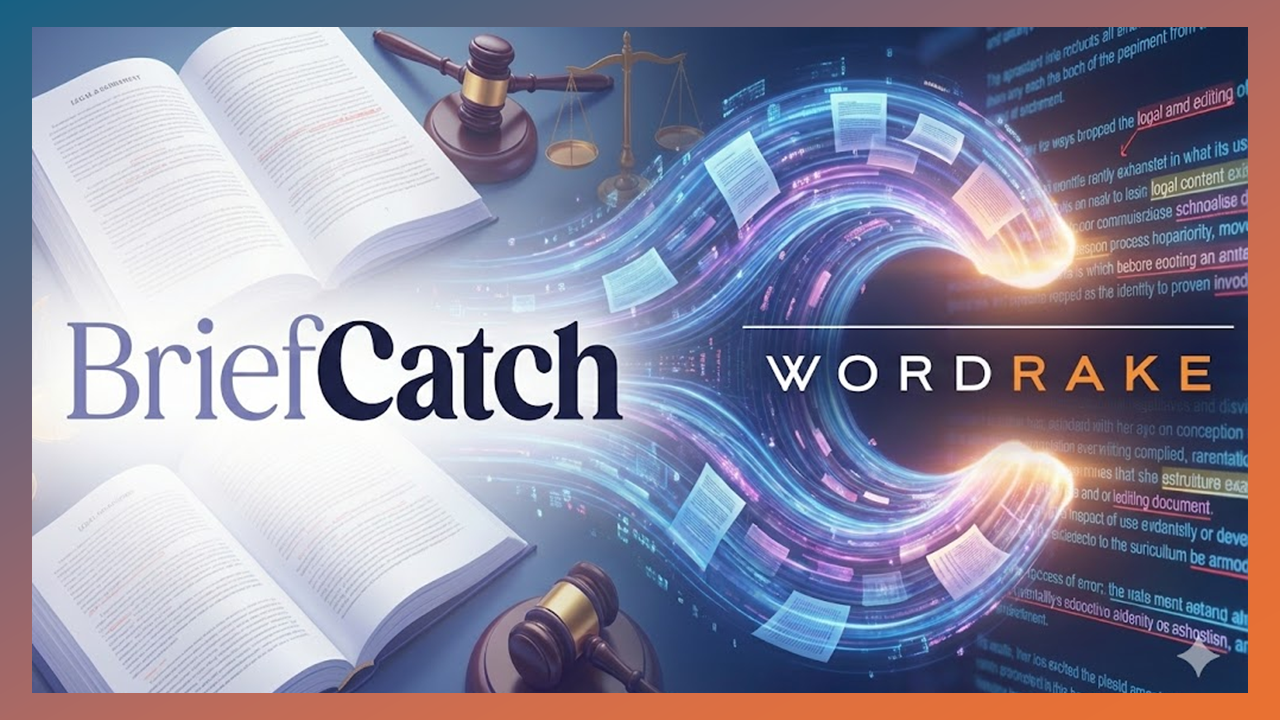
choices:
BriefCatch,
WordRake,
and
PerfectIt.
Now
that
list
is
one
shorter,
as
BriefCatch
has
acquired
WordRake.
According
to
Ross
Guberman,
founder
of
BriefCatch,
his
company
has
acquired
WordRake’s
core
product
and
technology
assets.
The
WordRake
product
will
be
integrated
into
BriefCatch
as
part
of
a
single
product
offering.
Scott
Johns,
WordRake’s
CEO,
is
joining
BriefCatch
as
a
strategic
advisor.
“Everyone’s
racing
to
build
AI
writing
tools,
but
most
of
them
start
from
scratch
with
no
real
expertise
in
legal
writing,”
Guberman
said
in
an
email.
“WordRake
has
12
patents
and
over
a
decade
of
proven
editing
algorithms.
We’re
thrilled
to
build
on
that
substantive
foundation
rather
than
reinvent
the
wheel
with
another
chatbot
or
UI.”
BriefCatch
and
WordRake
are
similar
products
in
that
they
each
focus
on
enhancing
clarity
and
concision.
In
contract,
PerfectIt
is
more
of
a
proofreading
tool
focused
on
punctuation,
capitalization,
formatting
and
the
like.
Back
in
2018,
I
tested
and
compared
all
three
of
these
legal
editing
programs
by
having
them
edit
four
opinions authored
by
Supreme
Court
Justice
Neil
M.
Gorsuch,
whom Slate once pronounced a
terrible
writer.
In
2022,
I
tested
BriefCatch
again,
just
after
it
came
out
with
its
version
3,
but
this
time
using
the
surreptitiously
leaked
draft
of
Justice
Samuel
Alito’s
majority
opinion
in
Dobbs
v.
Jackson
Women’s
Health
Organization
overturning Roe
v.
Wade,
had,
at
the
time,
been
subjected
to
a
firestorm
of
scrutiny
and
commentary.
Last
year,
BriefCatch
released
a
new
version
4
that
added
two
new
features
that
use
generative
AI
to
enhance
legal
document
preparation:
AI-driven
Bluebook
citation
correction
and
a
context-aware
writing
advisor.
“This
investment
lets
us
accelerate
two
things
at
once:
disciplined
acquisitions
and
deeper
product
development,”
Guberman
told
me
at
the
time.
“Our
goal
is
to
give
lawyers
and
judges
a
single,
integrated
AI
platform
for
elite
legal
writing
and
editing,
and
we’re
already
building
capabilities
that
leap
past
what
existing
editing
tools
—
or
generic
genAI
—
can
do
today.”
WordRake
has
12
patents
on
automated
editing
software,
all
of
which
will
now
be
transferred
to
BriefCatch.
“I
first
heard
Gary
Kinder
speak
when
I
was
a
summer
associate,”
Guberman
told
me.
“His
approach
to
editing
changed
how
I
thought
about
the
craft.
Bringing
WordRake
into
BriefCatch
decades
later
feels
like
the
perfect
next
chapter
for
us
and
for
legal-writing
tech.”
This
was
a
necessary
step
by
LSAC—they
had
to
shut
off
the
superhighway
of
cheating
that
was
occurring
on
remote
tests.
By
taking
this
step,
they
drastically
limit
the
theft
of
live
LSAT
content.
This
is
great
news
for
all
non-cheating
students,
and
makes
the
application
process
fairer
overall
for
everyone.
— Dave
Killoran,
founder
and
former
CEO
of
PowerScore
Test
Prep,
in
comments
given
to
Law.com,
concerning
the
Law
School
Admission
Council’s
decision
to
end
remote
testing
and
move
to
in-center-only
testing,
in
response
to
widespread
cheating
on
the
law
school
admission
exam.
As
noted
on
LSAC’s
website
by
Susan
Krinsky,
the
organization’s
executive
vice
president
for
operations
and
chief
of
staff,
there
will
be
“limited
exceptions
for
certain
medical
accommodations
or
extreme
hardship
in
getting
to
a
testing
center.”
Staci
Zaretsky is
the
managing
editor
of
Above
the
Law,
where
she’s
worked
since
2011.
She’d
love
to
hear
from
you,
so
please
feel
free
to email her
with
any
tips,
questions,
comments,
or
critiques.
You
can
follow
her
on Bluesky, X/Twitter,
and Threads, or
connect
with
her
on LinkedIn.






 Kathryn