Jeffrey Epstein: Biglaw Career Counselor? – Above the Law

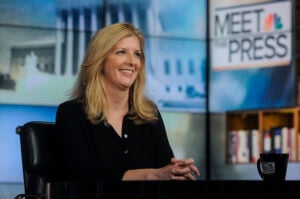
Kathryn
Ruemmler
(Photo
by
William
B.
Plowman/NBC/NBC
Newswire/NBCUniversal
via
Getty
Images)

The
3
million
pages
of
materials
in
the
latest
government
dump
of
Epstein
files

“organized,”
such
as
it
is,
in
a
clunky
database

contain
a
dark
look
into
the

machinations
of
the
ultra
wealthy
.
The
legal
industry
has

not
escaped
scrutiny

in
the
files,
and
it
turns
out
the
infamous
Jeffrey
Epstein
was
weirdly
involved
in
the
career
choices
of
a
prominent
attorney.

Kathryn
Ruemmler’s
legal
career
is
noteworthy
by
any
measure.
The
former White
House
counsel
 under
President
Barack
Obama,
she
was
a
partner
at
Latham
&
Watkins
and
co-chair
of
its
white-collar
defense
group.
In
2020
Ruemmler
left
Biglaw
for
the
in-house
world
at
Goldman
Sachs,
where
she
currently
serves
as
Chief
Legal
Officer
and
General
Counsel. But
her
relationship
with
Epstein
has
put

quite
the
spotlight

on
her.

The
Epstein
files
reveal
thousands
of
communications
between
the
pair.
Ruemmler
said
of
their
connection,
“I
was
a
defense
attorney
when
I
dealt
with
Jeffrey
Epstein.
I
got
to
know
him
as
a
lawyer
and
that
was
the
foundation
of
my
relationship
with
him.
I
had
no
knowledge
of
any
ongoing
criminal
conduct
on
his
part,
and
I
did
not
know
him
as
the
monster
he
has
been
revealed
to
be.”
But
their
relationship
went
beyond
the
typical
attorney/client
one.

Ruemmler

called
Epstein

“Uncle
Jeffrey”
when
she
thanked
him
for
the
“boots,
handbag,
and
watch”
he
gifted
her.
And
she
also
turned
to
Epstein
for
career
advice.

In
2015
Ruemmler

reached
ou
t
to
Epstein
when
she
was
considering
leaving
Latham
and
heading
to
Hogan
Lovells

forwarding
him
the
“latest state of play”
and
the
potential
economics
of
a
lateral
move.
And
Epstein
shared
that
intel
with

Paul,
Weiss’s
chair,
Brad
Karp.

Epstein
emailed
Karp
in
December
2015,
telling
Karp,
“if
you
are
really
interested
in
Ruemmler
we
should
t=lk
sooner
rather
than
later.” 

Karp
replied,
“I’m
certain
we
are.”

Epstein
dished

on
the
details

of
HoLove’s
then-CEO Steve
Immelt’s
pitch
to
Ruemmler,
“re
the
future

all
major
litigation
will
be
global
in
scope.
International
regulators
and
regulation.
He
said
he
would
build
a
dept
around
her.
.
blah
blah.”

Ruemmler
stayed
at
Latham,
but
it
wasn’t
the
end
of
Epstein’s
interest
in
Ruemmler’s
career.
In
2018,
after
Latham
chair
Bill
Voge stepped
down over
a
sexting
scandal,
Epstein

emailed

Karp
asking
“should
ruemmler
be
chairman
of
the
firm?”

Karp
responded
that
the
move would
be
“perceived
very
positively
by
the
marketplace.”
But
there
would
be
a
downside,
“Kathy
taking
this
on
would
be
a
real
mitzvah
for
Latham,
but
at
a
huge
personal/professional
cost
to
Kathy.”

Epstein
was
also
involved
in
Ruemmler’s
move
in-house.
Between
2018
and
2019
she
sought
a
position
at
Facebook,
something
Epstein
coached
Ruemmler
over.
As

reported
by

the
Financial
Times
Epstein
attempted
to
use
his
influence
with
Larry
Summers

then-chief
operating
officer
Sheryl
Sandberg’s
mentor

on
Ruemmler’s
behalf:

“I
suggest
you
prep
for
your
meeting
as
a
case.
Read
up
mark,
sheryl,
prepare
an
opening
and
summary.
Along
with
a
case
strategy.
III
help,”
he
wrote
to
her,
days
after
the
initial
approach.

The
emails
also
show
Epstein
lobbying
Summers,
who
was
close
to
Sandberg,
at
the
time
Facebook’s
chief
operating
officer.
“your
friend
sheryl
could
use
ruemmlers
help,”
Epstein
wrote
to
Summers
in
January
2019.
Weeks
later
he
wrote
to
Summers
again,
saying:
“sheryl
needs
ruemmler.”

Ruemmler
also
shared
with
Epstein
her
concurrent
job
search
at
Google
and
her
eventual
job
at
Goldman.

Karp
and
Ruemmler

both
say

they

regret

their
relationship
with
Epstein.



Kathryn
Rubino
is
a
Senior
Editor
at
Above
the
Law,
host
of

The
Jabot
podcast
,
and
co-host
of

Thinking
Like
A
Lawyer
.
AtL
tipsters
are
the
best,
so
please
connect
with
her.
Feel
free
to
email

her

with
any
tips,
questions,
or
comments
and
follow
her
on
Twitter

@Kathryn1
 or
Mastodon

@[email protected].

With Two Weeks Left to Vote, Here Are the Standings for ABA Techshow’s Startup Alley

With
just
two
weeks
left
to
pick
the
15 legal
tech
startups
that
will
get
to
compete
at
the
10th-annual
Startup
Alley
at
 ABA
TECHSHOW
,
below
are
the
standings
so
far,
ranked
by
total
votes
received.

Remember,
your
votes
determine
the
15
companies
that
get
the
oppor
tunity
to
face
off
in
a
live
pitch
competition
on
the
opening-night
of
this
year’s
TECHSHOW,
which
takes
place
in
Chicago
March
25-28.
They
also
get
to
exhibit
in
a
special
Startup
Alley
portion
of
the
exhibit
hall.


DEADLINE
FOR
VOTING
IS
FRIDAY,
FEB.
13,
AT
11:45
P.M.
ET.

Voting
is
easy:

Here
are
the
current
standings.
Only
15
of
the
25
startups
will
make
the
cut.

  1. Candle
    AI
  2. Immediator
  3. EstateScribe
  4. Bradwell
  5. Sonar
    Legal
  6. Litmas
    AI
  7. CollBox
  8. Lawdify
  9. CounselPro
  10. StreamSettle
  11. SecureSplit
  12. Trailmate
  13. LawFi
  14. SayWell
  15. TwinCounsel
  16. EstateMin
  17. ZODR
    Ai
  18. CaseCreate
  19. PowerPatent
  20. DraftyAI
  21. Simone
  22. LegalBridge
  23. LawQi
    Global
  24. AutoScript,
    AutoScriptOne,
    Deposition-AI
  25. ChronoTracer

AI Tools Are A Starting Point – Not A Substitute – For Legal Research – Above the Law

In
2026,
generative
artificial
intelligence
(AI)
use
in
law
firms
is
becoming
commonplace.
Data
from
the
soon-to-be-released

8am

2026
Legal
Industry
Report
shows
that
the
majority
of
legal
professionals
have
personally
used
generative
AI
for
work-related
purposes. 

If
you’re
one
of
those
lawyers,
you’ve
undoubtedly
discovered
that
AI
tools,
both
legal-specific
and
general-purpose
versions,
can
rapidly
draft
legal
briefs
that,
at
first
glance,
are
thorough
and
convincing.
But
look
closer,
and
you’ll
discover
that
the
output
often
includes
inaccurate
information,
including
fake
case
citations,
misquotes,
and
misstated
legal
principles. 

Unfortunately,
not
all
lawyers
take
that
step,
ultimately
failing
to
realize
that
what
appears
to
be
a
high-quality
legal
document
is,
in
fact,
a
house
of
hallucinated
cards.
Overwhelmed
by
looming
deadlines
and
full
caseloads,
they’ve
conducted
cursory
reviews
of
AI-drafted,
mistake-ridden
briefs
and
unknowingly
submitted
them
to
the
courts.

Don’t
make
that
mistake!
AI
can
assist
with
traditional
legal
research,
but
does
not
replace
the
need
to
verify
all
cited
authoritative
sources.
You
must
review
the
cases,
laws,
and
regulations
to
confirm
their
accuracy
and
applicability
to
the
issues
at
hand.

But
don’t
take
my
word
for
it.
Let’s
see
what
the
judges
have
to
say
about
your
ethical
obligations
when
using
AI
tools
as
part
of
the
legal
research
process. 

First,
there’s
Special
Master
Michael
R.
Wilner,
former
United
States
Magistrate
Judge
for
the
Central
District
of
California.
He
recently
expressed
his
frustration
with
briefs
submitted
to
the
court
that
included
“bogus
AI-generated
research.”
In

Lacey
v.
State
Farm
General
Ins.
Co.,

Case
No.
CV
24-5205
FMO
(C.D.
Cal.
May
5,
2025),
he
granted
the
motion
to
strike
the
offending
attorneys’
supplemental
briefs,
denied
their
discovery
motion,
and
imposed
sanctions
in
the
amount
of
$26,100
to
reimburse
the
court
for
its
time
and
$5,000
in
fees
for
opposing
counsel. 

The
Special
Master
explained
the
rationale
for
his
decision:
“The
initial,
undisclosed
use
of
AI
products
to
generate
the
first
draft
of
the
brief
was
flat-out
wrong.
Even
with
recent
advances,
no
reasonably
competent
attorney
should
out-source
research
and
writing
to
this
technology

particularly
without
any
attempt
to
verify
the
accuracy
of
that
material.
And
sending
that
material
to
other
lawyers
without
disclosing
its
sketchy
AI
origins
realistically
put
those
professionals
in
harm’s
way.”

Similarly,
United
States
Magistrate
Judge
for
the
Southern
District
of
Indiana,
Mark
J.
Dinsmore,
was
equally
displeased
in

Mid
Cent.
Operating
Eng’rs
Health
&
Welfare
Fund
v.
HoosierVac
LLC
,
No.
2:24-cv-00326-JPH-MJD
(S.D.
Ind.
Feb.
21,
2025).
He
recommended
that
the
attorney
before
the
court

who,
on
three
occasions,
submitted
hallucinated
briefs

should
be
personally
sanctioned
in
the
amount
of
$15,000.

According
to
Judge
Dinsmore,
“It
is
one
thing
to
use
AI
to
assist
with
initial
research,
and
even
non-legal
AI
programs
may
provide
a
helpful
30,000-foot
view.
It
is
an
entirely
different
thing,
however,
to
rely
on
the
output
of
a
generative
AI
program
without
verifying
the
current
treatment
or
validity

or,
indeed,
the
very
existence

of
the
case
presented.
Confirming
a
case
is
good
law
is
a
basic,
routine
matter
and
something
to
be
expected
from
a
practicing
attorney.”

The
need
to
carefully
review
material
cited
in
AI-generated
legal
documents
was
also
emphasized
in

N.Z.
v.
Fenix
Int’l
Ltd.,

8:24-cv-01655-FWS-SSC
(C.D.
Cal.
December
25,
2025).
The
court
determined
that
sanctions
were
appropriate
because
the
attorney
“used
ChatGPT
to
assist
in
drafting
the
opposition
briefs
but
failed
to
verify
the
validity
of
the
AI-generated
material

and
failed
to
realize
when,
and
to
what
event,
ChatGPT
was
modifying
her
research/writing

supplementing
and/or
cross-pollinating
concepts
and
authorities.”

Courts
and
ethics
committees
have
made
one
point
unmistakably
clear:
using
AI
does
not
change
your
duties
or
lower
the
standard
of
competence.
Every
case,
citation,
and
legal
proposition
must
still
be
read,
checked,
and
confirmed
as
part
of
your
professional
and
ethical
obligations. 

Generative
AI
does
not
exercise
legal
judgment,
and
it
cannot
tell
you
what
the
law
is,
whether
a
case
exists,
or
whether
it
applies
to
your
facts.
That
responsibility
remains
with
the
lawyer.
You
bear
responsibility
for
the
finished
work
product,
and
AI
has
not
changed
that
fact.
The
buck
stops
with
you.


Nicole
Black
 is
a
Rochester,
New
York
attorney
and
Principal
Legal
Insight
Strategist
at 
8am,
the
team
behind
8am
MyCase,
LawPay,
CasePeer,
and
DocketWise.
She’s
been 
blogging since
2005,
has
written
weekly
column
 for
the
Daily
Record
since
2007,
is
the
author
of 
Cloud
Computing
for
Lawyers
,
co-authors 
Social
Media
for
Lawyers:
the
Next
Frontier
,
and
co-authors 
Criminal
Law
in
New
York
.
She’s
easily
distracted
by
the
potential
of
bright
and
shiny
tech
gadgets,
along
with
good
food
and
wine.
You
can
follow
her
on
Twitter
at 
@nikiblack and
she
can
be
reached
at 
[email protected].

So What Does Brad Karp Think About The Latest Epstein File Revelations? – Above the Law


Mr.
Karp
attended
two
group
dinners
in
New
York
City
and
had
a
small
number
of
social
interactions
by
email,
all
of
which
he
regrets.


-After
the
latest
release
of
Epstein
files
revealed

a
more
fulsome
depiction

of
the
relationship
between
Jeffrey
Epstein
and
Paul,
Weiss
chair
Brad
Karp,
a
spokesperson
for
the
firm

provided
the
above
statement
,
also
noting,
“Mr.
Karp
never
witnessed
or
participated
in
any
misconduct.”

3 Questions For A Litigation Funding Startup Founder (Part I) – Above the Law

(Image
via
Getty)

It
has
been
a
while
since
we
profiled
someone
working
at
a
litigation
funder
on
these
pages,
by
my
count
since
the
summer
of
2020,
when
I
interviewed
Legalist’s

Eva
Shang
,
right
on
the
heels
of
Longford’s

John
Garda
.
A
lot
has
changed
in
the
industry
since
then,
with
both
Legalist
and
Longford
seeing
tremendous
growth
in
terms
of
exposure
and
assets
under
management
in
that
time.
At
the
same
time,
the
intervening
years
have
also
seen
some
challenging
developments
in
the
litigation
funding
space,
including
some
high-profile
fund
closures
and
periods
where
attracting
new
capital
has
been
very
difficult.
Still,
the
industry’s
trajectory
remains
on
a
favorable
upward
curve
and
in
a
sign
of
continued
health,
new
funds
piloted
by
experienced
industry
hands
have
been
launched.
This
week,
we
will
hear
from
one
of
the
co-founders
of
a
newly-launched
fund,
which
has
already
attracted
serious
interest
both
for
its
funding
capability,
as
well
as
a
gala
industry
event
it
will
be
putting
on
at
the
end
of
February. 

Let’s
meet
our
interviewee,
who
was
gracious
enough
to
agree
to
this
interview
even
as
she
is
hard
at
work
getting
her
new
venture
off
to
a
flying
start.

Lauren
Harrison

is
the
co-founder
and
managing
partner
of
Signal
Peak
Partners,
where
she
brings
more
than
25
years
of
front-line
commercial
litigation
experience
to
legal
finance.
A
former
trial
partner
at
Vinson
&
Elkins
and
Jones
Walker,
Harrison
spent
her
career
litigating
complex
antitrust,
IP
and
other
commercial
disputes
before
serving
as
a
vice
president
at
Law
Finance
Group
and
later
launching
Signal
Peak.
She
attended
Dartmouth
College
and
Cornell
Law
School,
clerked
on
both
the
Ninth
Circuit
and
the
Western
District
of
Washington,
and
has
been
professionally
recognized
by
Lawdragon,
Chambers,
Texas
Super
Lawyers,
and
Best
Lawyers
in
America.

Lauren’s
new
venture

Signal
Peak
Partners
,
co-launched
with
industry
veteran
and
fellow
litigator,
Mani
Walia,
is
a
litigation
finance
firm
specializing
in
early-stage
funding
of
complex
matters

where
the
partners like
to
say
the
more
complicated,
the
better.
Signal
Peak
is
currently
raising
its
inaugural
fund
with
a
first
close
on
March
1
and
intended
cap
of
$125
million.
As
of
today,
it
has
reviewed
over
100
leads
and
has
several
matters
under
term
sheet
or
funded.
On
February
26,
Signal
Peak
will
host
an
invitation-only
symposium
at
the
Post
Oak
Hotel
in
Houston,
convening
members
of
Congress,
state
and
federal
judges,
and
senior
in-house
counsel
for
candid
conversations
about
the
future
of
legal
finance.
The
event
will
feature
a
tribute
to
legendary
trial
lawyer
H.
Lee
Godfrey.
Confirmed
attendance
currently
exceeds
capacity,
underscoring
the
depth
of
interest
in
the
dialogue
Signal
Peak
is
helping
to
shape.
On
a
personal
note,
I
very
much
appreciate
the
invite
I
received
to
the
event,
and
very
much
look
forward
to
attending.

Now
to
the
interview.
As
usual,
I
have
added
some
brief
commentary
to
Lauren’s
answer
below
but
have
otherwise
presented
her
answer
to
my
first
question
as
she
provided
it.


Gaston
Kroub:
As
a
former
practicing
litigator
turned
funder,
what
are
the
lessons
you
learned
at
Biglaw
that
you
apply
to
your
current
practice
most
regularly?


Lauren
Harrison:

The
first
thing
that
comes
to
mind
is
teambuilding.
When
you
work
in
a
sprawling
practice
section
at
a
multi-office
law
firm,
you
learn
that
great
outcomes
are
the
products
of
great
teams,
and
teambuilding
is
both
a
mindset
and
a
skill
set.
Complex
litigation
is
not
a
solo
exercise.
It
requires
assembling
the
right
mix
of
experience,
judgment,
creativity,
and
execution,
and
it
requires
using
the
right
mix
of
top-down
direction
and
active
listening.
As
a
partner
and
mentor
at
two
large
firms,
I
learned
the
importance
of
including
diverse
viewpoints
and
experience
levels
in
all
aspects
of
the
process
but
without
losing
the
structure
that
ensures
efficiency. And
most
importantly,
never
hoard
credit. What
you
put
out
to
your
community
comes
back
to
you;
I
believe
this
across
contexts
and
disciplines.
These
principles
guide
us
at
Signal
Peak.
We
partner
with
lawyers
we
respect.
We
trust
their
judgment,
and
we
structure
our
investments
to
support,
not
interfere
with,
their
ability
to
try
cases
well.

Another
critical
lesson
from
Biglaw
is
to
respect
client
resources.
Client
work
is
relationship-based,
and
I
was
mindful
of
how
my
decisions
affected
a
client’s
legal
spend.
As
a
funder,
that
translates
to
responsible
stewardship
of
investor
capital.
We
are
disciplined
about
underwriting,
thoughtful
about
capital
deployment,
and
focused
on
efficiency
at
every
stage
of
a
matter.
It
also
informs
our
views
on
investing
and
the
ways
that
incentives
shape
behavior.
Hourly
billing
has
an
important
place
in
the
legal
marketplace.
Expertise
and
counseling
deserve
to
be
valued.
But
hourly
billing
creates
obviously
counterintuitive
incentives,
where
more
time
spent
equates
to
greater
“value.”
At
Signal
Peak,
alignment
is
central.
We
seek
partnerships
with
attorneys
who
are
willing
to
bet
on
themselves
and
whose
interests
are
aligned
with
our
own. Our
funding
structures
are
designed
to
reward
efficiency,
to
value
outcomes
over
process,
and
to
ensure
that
everyone
pulls
in
the
same
direction
toward
a
successful
result.

On
a
more
macro
level,
being
a
Biglaw
alum
and
specifically
a
Vinson
&
Elkins
alum
in
Texas
is
to
be
part
of
a
large
but
very
specific
group.
National
and
international
law
firms
invest
heavily
in
brand
recognition
and
building
a
culture
that
adheres
across
far-flung
offices.
While
Signal
Peak
is
small
by
comparison,
that
focus
on
culture
and
identity
is
part
of
our
ethos.
Our
name
conveys
the
role
we
expect
to
play
in
Texas
and
beyond.
We
are
building
a
culture
of
reliability
and
disciplined
execution,
where
trust
is
earned
through
consistency
and
results.


GK
:
The
importance
of
teamwork
in
driving
successful
litigation
results
can’t
be
overstated

and
that
is
especially
true
in
complex
IP
litigation.
And
when
a
funder
is
introduced
into
the
mix
of
client
and
their
trial
team,
the
importance
of
trying
to
maintain
alignment
across
each
stage
of
the
matter
is
of
critical
importance,
as
Lauren
rightly
recognizes.
That
focus,
as
well
as
the
tremendous
litigation
experience
that
Lauren
brings
to
bear
on
behalf
of
Signal
Peak’s
investors
and
funded
clients,
makes
it
no
surprise
to
me
that
the
firm
is
off
to
such
a
strong
start
in
terms
of
its
capital
raising
and
deployment
efforts.
Likewise,
the
strength
of
the
relationships
that
Lauren
and
her
colleagues
have
built
over
their
own
litigation
careers
have
surely
helped
shape
the
star-studded
lineup
that
is
set
to
gather
at
Signal
Peak’s
upcoming
symposium. 

We
will
continue
with
Lauren’s
answers
to
questions
2
and
3
next
time,
which
will
center
on
her
thoughts
about
the
critical
need
for
battle-tested
trial
lawyers,
as
well
as
the
role
litigation
funding
can
play
in
advancing
the
objectives
of
corporate
legal
departments. 
In
the
meantime,
feel
free
to
reach
out
to
Lauren
and
her
Signal
Peak
colleagues
if
you
have
meritorious
cases
that
could
benefit
from
litigation
funding.

Please
feel
free
to
send
comments
or
questions
to
me
at

[email protected]

or
via
Twitter:

@gkroub
.
Any
topic
suggestions
or
thoughts
are
most
welcome.


Gaston
Kroub
lives
in
Brooklyn
and
is
a
founding
partner
of 
Kroub,
Silbersher
&
Kolmykov
PLLC
,
an
intellectual
property
litigation
boutique,
and 
Markman
Advisors
LLC
,
a
leading
consultancy
on
patent
issues
for
the
investment
community.
Gaston’s
practice
focuses
on
intellectual
property
litigation
and
related
counseling,
with
a
strong
focus
on
patent
matters.
You
can
reach
him
at 
[email protected] or
follow
him
on
Twitter: 
@gkroub.

The 4 Biotech Companies on Track to IPO this Week Despite the Government Shutdown – MedCity News

This
could
be
the
biggest
week
for
biotech
IPOs
in
years

even
if
the
government
remains
shuttered
temporarily.

Government
funding
lapsed
this
past
Saturday,
sparking
a
partial
government
shutdown
that
has
closed
agencies
not
deemed
essential
for
public
safety
and
national
security.
The
list
of
closed
agencies
includes
the
Securities
and
Exchange
Commission,
which
must
sign
off
on
an
IPO
filing
before
a
company
can
go
public.

The
shutdown
could
be
brief.
House
Speaker
Mike
Johnson

said
on
Meet
the
Press

that
he
expects
the
Senate-passed
funding
bill
will
go
to
a
vote
in
the
House
of
Representatives
by
Tuesday.
But
until
the
government
reopens,
the

SEC’s
operations
plan

states
the
agency
will
not
process
new
or
pending
registration
statements.

Across
all
sectors,
as
many
as
eight
companies
are
lined
up
for
IPOs
this
week,
according
to
IPO
research
firm
Renaissance
Capital.
If
all
eight
price
their
offerings
this
week,
it
would
mark
the
most
active
week
for
IPOs
since
2021,
Renaissance
said.
Four
on
this
list
are
biotech
companies:

Eikon
Therapeutics
,

Veradermics
,

AgomAb
Therapeutics
,

Spyglass
Pharma
.
These
biotechs
could
still
go
public
even
with
the
SEC
closed.
Before
the
government
shut
down,
the
agency
late
Friday
filed
a
notice
of
effectiveness
for
each
one.
The
filing
is
an
SEC
declaration
that
a
registration
statement
has
met
all
of
the
agency’s
legal
and
regulatory
requirements,
clearing
the
company
to
proceed
with
an
IPO.

Though
2025
IPO
activity
did
not
reach
the
heights
many
had
hoped,
the
total
number
of
new
public
companies
still
marked
a
four-year
high,
according
to
Renaissance’s

2026
IPO
outlook
report
.
The
firm
counted
202
companies
that
went
public
in
2025,
raising
$44
billion.
Those
figures
continue
the
upward
trend
in
IPOs
since
a
drop-off
after
the
2021
peak,
when
397
IPOs
raised
$142.4
billion,
according
to
the
report.

Stabilizing
macroeconomic
conditions
after
tariff
volatility
in
2025
along
with
cooling
inflation
and
declining
interest
rates
are
among
the
factors
that
Renaissance
sees
driving
IPO
activity
this
year.
The
firm
also
said
there’s
a
robust
backlog
of
companies
waiting
to
go
public,
many
of
them
near-term
IPO
candidates.
Renaissance
projects
200
to
230
IPOs
across
all
sectors
this
year
will
raise
between
$40
billion
and
$60
billion.

Rich
Segal,
a
partner
at
Cooley,
said
the
robust
IPO
markets
of
2020
and
2021
were
not
normal,
and
he
doesn’t
think
the
expectation
should
be
that
activity
will
return
to
those
levels.
Cooley
sees
a
progressive
increase
in
IPOs
for
2026.
Segal
added
that
there
is
often
IPO
activity
around
the
J.P.
Morgan
Healthcare
Conference
each
January.

Aktis
Oncology
had
the
first
biotech
IPO
of
2026
,
debuting
on
the
Nasdaq
just
ahead
of
the
conference.

Eikon,
Veradermics,
SpyGlass,
and
AgomAb
all
timed
the
filings
of
their
registration
statements
to
coincide
with
the
JPM
conference.
Last
week,
those
companies
updated
their
filings
with
preliminary
financial
terms
for
their
planned
IPOs.
Segal
said
that
once
the
new
year
starts,
many
investors
want
to
see
the
immediate
prior
year
financials.
Some
companies
may
push
out
an
IPO
date
further
so
they
can
provide
those
data.

There’s
another
way
to
go
public
during
a
government
shutdown.
Under
Section
8(a)
of
the
Securities
Act,
a
registration
statement
becomes
effective
20
days
after
it
is
filed.
Shashi
Khiani,
shareholder
in
the
securities
and
corporate
finance
practice
at
Polsinelli,
notes
that
most
companies
do
not
want
to
go
public
this
way
so
they
include
an
amendment
to
the
filing
that
delays
effectiveness
until
the
company
is
notified
by
the
SEC.
That’s
because
if
a
company
starts
selling
shares
and
the
SEC
later
finds
a
problem
with
the
prospectus,
the
company
could
face
enforcement
action
from
the
regulator
and
lawsuits
from
shareholders.
Companies
that
pursue
this
path
to
the
public
markets
are
likely
further
along
in
the
SEC
review
of
the
prospectus,
Khiani
said.

“Companies
who’ve
been
through
a
couple
of
rounds
with
the
SEC
now,
where
they
have
a
modicum
of
comfort
that
they’ve
addressed
the
SEC’s
comments
and
there’s
no
issue,
I
think
they
might
be
stronger
candidates
or
more
likely
to
use
this
option,”
he
explained.

Because
of
the
legal
risks,
Khiani
has
been
advising
clients
not
to
go
public
using
the
Section
8(a)
rule.
But
two
biotechs
did
use
this
rule
to
go
public
during
the
43-day
government
shutdown
last
fall:

MapLight
Therapeutics

and

Evommune
.
Cooley
advised
both
biotechs
on
their
IPOs,
though
Segal
was
not
involved
in
either
one.
Speaking
generally,
Segal
said
using
Section
8(a)
to
go
public
is
not
something
a
company
would
do
when
the
government
is
open.

“It’s
definitely
a
tactic
of
last
resort,”
he
said.
“I
don’t
think
anybody’s
doing
it
as
the
first
option,
but
if
the
government
continues
to
shut
down,
we
will
likely
continue
to
see
other
companies
do
this.
But
I
think
it’s
going
to
be
small
numbers.
If
the
government’s
open
and
functioning,
people
will
do
it
the
regular
way.”

At
least
one
biotech
company
has
joined
the
public
markets
during
the
current
government
shutdown.

Polaryx
Therapeutics
went
public

Monday
via
a
direct
listing,
in
which
company
insiders
sell
their
shares
directly
to
the
public
without
involving
underwriters.
Going
public
this
way
still
requires
the
SEC
to
sign
off
on
the
registration
statement.
The
SEC
gave
the
green
light
to
the
Polaryx
filing
and
issued
a

notice
of
effectiveness

last
week,
before
the
shutdown.

Unlike
a
traditional
IPO,
a
direct
listing
does
not
raise
new
money
for
a
company.
That
means
Polaryx
still
needs
to
find
capital
for
its
clinical
trial
plans.
Lead
Polaryx
drug
candidate
PLX-200
is
on
track
to
enter
a
Phase
2
study
in
the
first
half
of
this
year
testing
the
drug
in
rare
lysosomal
storage
disorders.
According
to

Polaryx’s
prospectus
,
the
company’s
cash
position
was
$5.7
million
at
the
end
of
the
third
quarter
of
2025.
The
filing
does
not
offer
estimates
for
the
clinical
trial
costs,
but
states
that
Polyaryx
expects
its
capital
will
last
only
through
the
third
quarter
of
this
year.


Photo:
Angela
Weiss/AFP,
via
Getty
Images

Morning Docket: 02.03.26 – Above the Law

*
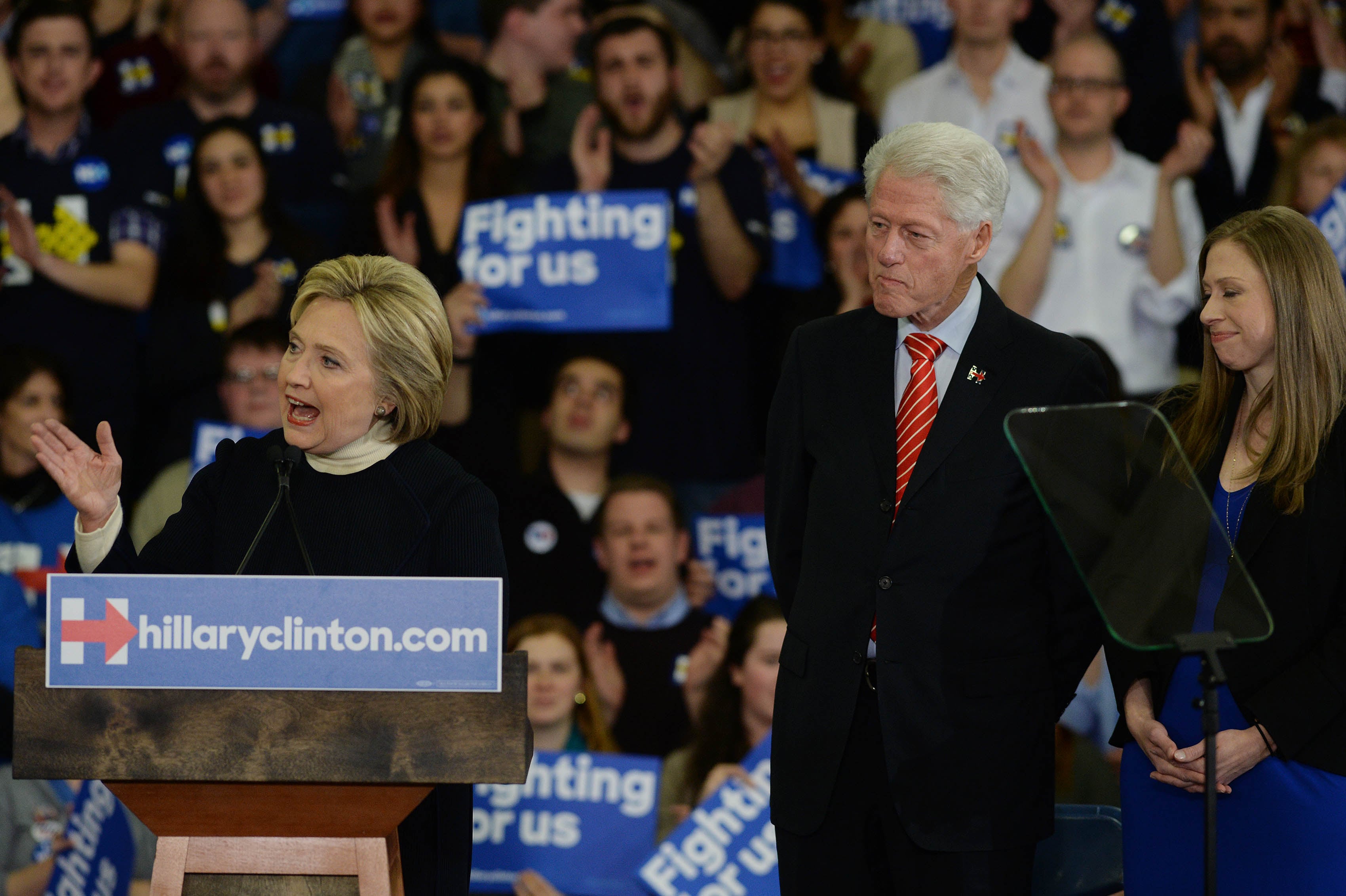
Clintons
agree
to
congressional
testimony
about
Epstein
while
the
guy

who
met
his
wife
through
Epstein

is
nowhere
to
be
found.
[Reuters]

*
King
&
Spalding
accused
of
undermining
former
client.
[American
Lawyer
]

*
Law
opens
door
to
more
crypto
fraud.
[CNN]

*
Former
Biglaw
attorney
charges
law
students
for
interview
tips.
[Legal
Cheek
]

*
Gibson
Dunn
and
S&C
working
on
xAI
and
SpaceX
merger.
[Law360]

*
Eagle
Ed
has
wings
clipped.
[ABA
Journal
]

*
The
government
might
have
deceived
judge
in
Washington
Post
case.
[NY
Times
]

Brad Karp Draws Paul Weiss In To The Epstein Universe – See Also – Above the Law

Judge
Rufe
Says
You
Can’t
Erase
History:
In
a
sane
world,
this
would
be
obvious.
The
Cost
Of
Wrongful
Detainment
Just
Went
Up:
If
you
can’t
hit
’em
in
their
morals,
hit
’em
in
their
pockets!
DOJ
Resorting
To
Word
Of
Tweet
For
Jobs:
LinkedIn
just
not
pulling
like
it
used
to,
huh?
Still
Hope
For
The
Rule
Of
Law:
Judge
Biery
releases
a
father
and
son
from
an
immigrant
processing
center.
Hastings
No
More,
Forever:
UC
Law
San
Francisco
gets
to
keep
its
name!
Again!

Defunct Law School Is Gone, But Not (Necessarily) Forgotten – Above the Law

(Image
via
Getty)

(Image
via
Getty)


Ed.
Note:

Welcome
to
our
daily
feature

Trivia
Question
of
the
Day!


What
was
the
second
law
school
founded
in
the
United
States,
five
years
after
William
&
Mary
School
of
Law?


Hint:
Though
the
school
has
been
defunct
since
1833,
it
counts
two
U.S.
Vice
Presidents,
101
congressmen,
28
senators,
six
cabinet
secretaries,
three
justices
of
the United
States
Supreme
Court,
14
state
governors,
and
13
state
supreme
court
chief
justices
among
its
alumni.


See
the
answer
on
the
next
page.

Brad Karp’s Fawning Epstein Emails Drags Paul, Weiss Into The Fray – Above the Law

Jeffrey
Epstein

We’ve

known
for
a
while

that
Biglaw
firm
Paul,
Weiss
and
its
chair
Brad
Karp
appear
in
the
Epstein
files.
The
firm
represents
Apollo
and
its
CEO
Leon
Black
who
worked
extensively
with
Jeffrey
Epstein.
Black
and
Epstein
had
a
fee
dispute,
and
Paul,
Weiss
was
involved
in
that
negotiation.

And
the
firm’s
statement
about
the
the
overlap
between
the
prestigious
firm
and
one
of
the
most
notorious
pedophiles
of
all
time
has
toed
this
line
of
“Hey!
We’re
just
repping
a
client!”

“Paul
Weiss
was
retained
by
Leon
Black,
then
the
CEO
of
the
firm’s
longtime
client
Apollo,
to
negotiate
a
series
of
fee
disputes
with
Jeffrey
Epstein
that
spanned
several
years,”
Paul
Weiss
said
in
a
statement.
“The
firm
was
adverse
to
Epstein,
and
at
no
point
did
Paul
Weiss
or
Brad
Karp
ever
represent
him.”

And
yet…
The
most
recent
release
of
files
from
the
Epstein
case
reveals
something
more.
From
the
snippets
of
the
relationship
contained
in
the
Epstein
files,
the
relationship
doesn’t

seem

adversarial.
“I
can’t
thank
you
enough
for
including
me
in
an
evening
I’ll
never
forget,”
Karp
said
to
Epstein
in
a

July
2015
email
. “It
was
truly
‘once
in
a
lifetime’
in
every
way,
though
I
hope
to
be
invited
again.”

“You
are
always
welcome,”
Epstein
responded.
“There
are
many
many
nights
of
unique
talents.
You
will
be
invited
often.”

And
Karp
responds
by
calling
Epstein
“Amazing.”

Just
a
quick
timeline
check

at
this
point
Epstein
had
already
served
time
for
procuring
a child
for
prostitution and
for soliciting a
prostitute.

Bloomberg

also
reports

on
a
July
2016 email in
which
Karp
asks
Epstein
for
help
getting

his
son

a
job
working
on
a
Woody
Allen
film
production.
Indeed,
the
controversial
director,
who
was
accused
of

sexual
abuse
by
Dylan
Farrow

(which
he
denies),
played
a
repeated
role
in
the
Karp/Epstein
relationship.
As
Daily
Beast

reports
:

The
documents
also
show
that
Allen
played
a
prominent
role
in
Karp’s
relationship
with
Epstein.

Epstein’s
assistant
arranged
for
Karp
and
his
children
to
attend
a
small
film
screening
in
New
York
in
2014,
and
for
Karp’s
son
to
attend
screenings
in
2016
and
2018.

That
an…
uncomfortable
common
interest
to
have
had
with
Jeffrey
Epstein.

Another
July
2015 email shows
Epstein
asking
Karp
about
revoking
a
woman’s
visa.
“Is
it
possible
for
your
contacts
to
1
get
her
current
visa
status
?
2.
Is
there
a
way,
for
us
to
file
something
that
would
revoke
a
tourist
visa.”

Karp
responded,
“Both
good
ideas;
will
work
on
this.”

It
is
unclear
who
Epstein
and
Karp
are
referring
to.
However,
the
pair

again
discuss

the
deportation
of
a
woman
in
August
2015,
and
connect
it
with
alleged
extortion
attempts
of
Black.
In
2015
extortion
was
again
on
the
mind
of
Epstein,
when
partner
Alan
Halperin

forwarded
Epstein

an
article
“Extortion
Payments
as
Deductible
Losses
(and
Not
Gifts).”
Epstein
replied,
“I
know
it
well.”

And
there
are
more
Paul,
Weiss
attorneys
in
the
latest
trove
of
documents.
Tax
attorneys,
estate
planning
attorneys…
the
work
the
firm
did
on
behalf
of
Black
seems
to
have
overlapped
with
Epstein’s
work
quite
a
bit
before
the
parties
were
on
opposite
sides.

That
overlapping
relationship
between
Epstein
and
Paul,
Weiss
means
there
are
also
documents
that
undercut
the
line
that
PW
and
Epstein
were
only
ever
adverse
parties.
There’s
a

2014
email
labeled
privileged

(in
the
subject
line
no
less)
by
Halperin
to
Epstein.
There’s
another

2014
email

between
Epstein
and
Eileen
Alexanderson
of
Black’s
family
office
where
Epstein
asks
who
are
“we”
using
to
advise
on
a
tax
structure
and
Alexanderson
responds
with
the
names
of
two
Paul
Weiss
attorneys
Colin
Kelly
and
Brad
Okun.

While
Epstein
never
directly
hired
Paul,
Weiss,
these
emails
show
how
slippery
the
relationship
was.


Kathryn
Rubino
is
a
Senior
Editor
at
Above
the
Law,
host
of

The
Jabot
podcast
,
and
co-host
of

Thinking
Like
A
Lawyer
.
AtL
tipsters
are
the
best,
so
please
connect
with
her.
Feel
free
to
email

her

with
any
tips,
questions,
or
comments
and
follow
her
on
Twitter

@Kathryn1
 or
Mastodon

@[email protected].