Any
litigation
could
be
very
expensive,
and
it
also
is
not
a
good
look
to
be
sued
by
the
FTC,
if
you’re
a
law
firm
and
you
do
a
lot
of
business
representing
people
in
front
of
the
FTC.
There
are
real
costs
to
these
law
firms
for
not
going
along.
In
other
words,
it’s
a
bullying
move
that
might
work.
—Vanderbilt
Law
School
antitrust
professor
Rebecca
Haw
Allensworth
speaking
about
the
Federal
Trade
Commission’s
warning
letters
to
42
Biglaw
firms
about
their
participation
in
Diversity
Lab’s
Mansfield
Certification
program.
Though
it
is
highly
unlikely
participation
is
such
a
program
is
anticompetitive
under
antitrust
laws
(as
U.S.
District
Judge
Beryl
Howell
said,
“The
Mansfield
Rule
expressly
does
not
establish
any
hiring
quotas
or
other
illegally
discriminatory
practices,
requiring
only
that
participating
law
firms
consider
attorneys
from
diverse
backgrounds
for
certain
positions.”),
Allensworth
notes
that
it
could
still
scare
off
Biglaw.
Good
products
move
fast.
Great
products
move
fast
with
the
right
lawyer
at
the
table.
Why
Product
Teams
Need
a
Different
Kind
of
Lawyer
Now Every
in-house
lawyer
has
felt
the
shift.
Product
cycles
are
shorter.
Launch
pressure
is
higher.
AI
is
everywhere.
Engineering
leaders
expect
legal
to
keep
pace
with
changing
architectures,
new
data
flows,
and
features
that
update
weekly.
Yet
most
companies
hire
product
counsel
the
same
way
they
hired
them
ten
years
ago.
They
look
for
a
privacy
expert,
or
a
commercial
generalist,
or
someone
who
has
worked
at
a
tech
company
before.
They
hope
this
combination
will
magically
translate
into
strong
product
instincts.
It
rarely
does.
The
truth
is
that
most
product
counsel
job
descriptions
miss
the
work
that
actually
determines
whether
a
lawyer
will
thrive
in
this
role.
They
focus
on
static
experience,
not
dynamic
capability.
They
describe
responsibilities,
not
the
behaviors
that
drive
good
judgment.
They
emphasize
subject
matter
expertise,
even
though
the
hardest
part
of
product
counseling
is
not
knowing
the
law
but
applying
it
to
ambiguous,
fast-moving
systems.
Product
counsel
is
no
longer
a
reactive
role.
It
is
a
design
role.
When
you
hire
the
wrong
person,
problems
do
not
appear
immediately.
They
build
quietly
inside
product
decisions,
accumulating
debt
that
eventually
surfaces
as
risk,
delay,
or
misalignment.
That
is
why
writing
the
right
job
description
is
not
an
HR
exercise.
It
is
a
product
risk
management
strategy.
The
Hidden
Cost
of
Hiring
on
Traditional
Legal
Credentials Most
job
descriptions
still
reward
the
familiar
pattern.
Strong
law
school.
Prestigious
firm.
Attractive
titles.
Maybe
a
line
about
“partnering
cross-functionally.”
Nothing
in
this
description
tells
you
whether
the
candidate
can
sit
in
a
design
meeting
and
help
product
managers
evaluate
a
feature’s
purpose,
user
value,
edge
cases,
and
operational
dependencies.
Nothing
tells
you
whether
they
can
make
a
call
when
documentation
is
incomplete,
data
is
messy,
or
the
team
is
under
pressure
to
ship.
Traditional
signals
do
not
predict
product
judgment.
They
do
not
measure
how
effectively
someone
can
translate
engineering
choices
into
legal
implications
or
map
business
goals
to
compliance
constraints.
They
do
not
speak
to
how
a
lawyer
handles
ambiguity,
disagreement,
or
high-velocity
decision
cycles.
This
gap
is
why
product
leaders
often
feel
like
legal
is
slowing
them
down.
It
is
also
why
many
lawyers
feel
unsupported
or
misunderstood
in
product-led
environments.
The
mismatch
starts
at
the
job
description
stage.
Why
Most
Product
Counsel
Job
Descriptions
Fail A
typical
product
counsel
description
reads
like
it
was
copied
from
a
generic
in-house
role
with
a
few
product
words
sprinkled
in.
These
descriptions
create
three
practical
problems.
First,
they
attract
candidates
who
excel
at
analysis
but
not
at
the
counseling
side
of
the
job.
They
signal
that
the
company
values
precision
over
momentum.
Second,
they
fail
to
identify
whether
a
candidate
understands
product
lifecycle
thinking.
A
strong
product
counsel
must
be
able
to
forecast
risk
before
it
materializes
and
guide
teams
before
decisions
lock
in.
Third,
they
say
nothing
about
how
a
lawyer
should
reason
about
emerging
technology.
Many
products
now
integrate
AI,
automated
decision
systems,
dynamic
data
flows,
and
global
user
bases.
A
job
description
that
does
not
capture
this
complexity
sets
both
the
attorney
and
the
company
up
for
misalignment.
The
result
is
predictable.
Companies
hire
someone
capable
and
well
intentioned,
yet
the
relationship
between
product
and
legal
becomes
strained,
reactive,
and
slow.
It
feels
like
a
personality
issue.
It
is
usually
a
structural
one.
A
Better
Approach:
Describe
the
Work
the
Lawyer
Will
Actually
Do When
you
shift
the
job
description
to
match
the
actual
work,
everything
changes.
You
stop
screening
for
résumés
that
look
impressive
on
paper
and
start
screening
for
judgment,
adaptability,
and
communication.
You
attract
lawyers
who
understand
that
their
job
is
to
help
build
the
product,
not
only
protect
the
company
from
the
product.
A
strong
product
counsel
job
description
highlights
how
the
lawyer
collaborates
with
product
managers,
engineers,
security,
and
design
teams.
It
describes
how
they
will
make
decisions
when
the
facts
are
incomplete
and
when
timelines
are
tight.
It
articulates
the
mental
models
they
will
need
to
apply
across
privacy,
safety,
ethics,
compliance,
and
business
strategy.
It
sets
expectations
not
for
perfection
but
for
principled,
repeatable
reasoning.
This
shift
seems
simple.
It
changes
everything.
Why
This
Matters
Even
More
in
the
Age
of
AI
Products AI
has
amplified
the
gap
between
traditional
legal
hiring
and
modern
product
counseling.
When
features
rely
on
models
that
evolve
over
time,
generate
new
data
types,
behave
unpredictably,
or
integrate
with
external
systems,
the
legal
questions
cannot
be
answered
with
static
checklists.
The
lawyer
must
understand
how
the
feature
works,
how
it
will
be
used,
how
it
could
fail,
and
how
those
failures
map
to
regulatory,
operational,
and
reputational
exposure.
That
kind
of
work
requires
different
capabilities
than
those
described
in
most
legal
job
descriptions.
It
requires
the
ability
to
reason
through
uncertainty
and
help
product
teams
navigate
tradeoffs,
not
only
identify
risks.
It
requires
comfort
with
technical
detail
without
being
intimidated
by
it.
It
requires
the
ability
to
ask
good
questions
early
enough
to
influence
design,
not
after
the
fact.
If
your
job
description
does
not
reflect
these
expectations,
your
hiring
process
will
not
find
the
lawyer
who
can
meet
them.
Shaping
the
Next
Generation
of
Product
Lawyers
Starts
With
Better
Specs The
white
paper
resource
you
shared,
the
Free
Customizable
Product
Counsel
Job
Description
Template,
does
something
most
job
descriptions
rarely
do.
It
focuses
on
product
judgment,
lifecycle
thinking,
and
cross-functional
decision
making.
It
treats
the
role
as
strategic,
not
administrative.
It
translates
product
realities
into
legal
expectations
so
companies
hire
for
capability,
not
convenience.
You
can
find
the
customizable
version
here.
This
template
helps
teams
avoid
the
unforced
errors
that
come
from
misaligned
expectations,
vague
responsibilities,
or
static
models
of
what
product
counsel
should
look
like.
While
the
resource
goes
deep
into
structure,
language,
and
hiring
criteria,
the
central
idea
is
simple.
If
you
want
a
lawyer
who
can
influence
how
products
are
built,
your
job
description
must
reflect
the
work
of
building.
If
You
Want
Better
Product
Judgment,
Invest
in
Better
Product
Training Hiring
well
is
only
one
part
of
the
equation.
Developing
the
skill
set
is
the
other.
Product
law
is
not
something
most
lawyers
learn
in
school
or
practice.
Even
experienced
attorneys
often
need
support
developing
the
instincts
required
to
work
at
the
speed
and
complexity
of
modern
product
development.
If
you
are
hiring
or
training
product
counsel,
you
can
explore
additional
tools
for
developing
these
skills,
including
early
access
to
Coach
Frankie,
the
Product
Law
beta.
Frankie
is
designed
to
help
lawyers
build
real
product
judgment
through
practical
scenarios,
decision
cycles,
and
structured
coaching.
You
can
sign
up
here.
Done
well,
this
combination
of
clear
expectations
and
targeted
skill
building
strengthens
your
entire
product
organization.
It
reduces
friction.
It
accelerates
launches.
It
builds
trust.
Most
importantly,
it
ensures
your
legal
team
is
equipped
to
guide
the
business
through
the
next
wave
of
product
and
technology
shifts.
Great
product
counsel
is
not
an
accident.
It
starts
with
knowing
what
the
job
really
is
and
hiring
for
the
capability
to
do
it.
Olga
V.
Mack
is
the
CEO
of
TermScout,
where
she
builds
legal
systems
that
make
contracts
faster
to
understand,
easier
to
operate,
and
more
trustworthy
in
real
business
conditions.
Her
work
focuses
on
how
legal
rules
allocate
power,
manage
risk,
and
shape
decisions
under
uncertainty.A
serial
CEO
and
former
General
Counsel,
Olga
previously
led
a
legal
technology
company
through
acquisition
by
LexisNexis.
She
teaches
at
Berkeley
Law
and
is
a
Fellow
at
CodeX,
the
Stanford
Center
for
Legal
Informatics.She
has
authored
several
books
on
legal
innovation
and
technology,
delivered
six
TEDx
talks,
and
her
insights
regularly
appear
in
Forbes,
Bloomberg
Law,
VentureBeat,
TechCrunch,
and
Above
the
Law.
Her
work
treats
law
as
essential
infrastructure,
designed
for
how
organizations
actually
operate.
It’s
easy
to
get
disheartened
watching
the
Trump
administration
losing
these
habeas
cases
and
yet
nothing
actually
changing.
The
government
seems
content
to
take
its
lumps
at
the
margins
while
continuing
to
tear
ass
around
the
country.
For
Homeland
Security,
it’s
a
numbers
game,
and
instilling
a
culture
of
permanent
fear
is
worth
a
judicial
scolding
every
couple
days.
But
this
strategy
might
get
expensive
if
the
Third
Circuit’s
view
takes
hold.
Because
according
to
an
appellate
decision
earlier
today,
the
Equal
Access
to
Justice
Act
would
cover
successful
habeas
petitions,
giving
the
victims
of
ICE’s
harassment
access
to
fees
and
costs.
The
case,
Michelin
v.
Warden
Moshannon
Valley
Correctional
Center,
consolidated
two
appeals
involving
immigrants
detained
for
extended
periods
—
one
for
over
a
year
and
the
other
for
over
16
months
—
without
bond
hearings.
Both
won
their
habeas
petitions
and
sought
attorney’s
fees
under
the
Equal
Access
to
Justice
Act.
The
government,
in
a
move
that
should
surprise
absolutely
no
one,
decided
to
fight
that
too.
The
government
argued
that
habeas
corpus
isn’t
really
a
“civil
action”
under
the
EAJA
because
it’s
some
kind
of
“hybrid”
proceeding.
This
went
about
as
well
as
you’d
expect
when
the
court
is
sitting
on
literal
centuries
of
established
law.
“A
petition
for
a
writ
of
habeas
corpus
has
been
a
civil
action
since
before
our
law
was
our
law,”
begins
the
opinion.
Even
if
the
court
were
to
indulge
the
government’s
argument
as
it
applies
to
releasing
people
from
criminal
detention,
“we
are
not
reviewing
habeas
petitions
for
release
from
criminal
detention.
We
are
reviewing
them
for
release
from
immigration
detention.
In
that
context,
every
element
is
civil.”
A
hybrid
of
a
civil
action
and
a
civil
action
is
a
civil
action.
The
opinion
systematically
dismantled
the
government’s
attempts
to
read
exceptions
into
the
statute’s
plain
language.
The
EAJA
covers
“any
civil
action
(other
than
cases
sounding
in
tort).”
The
court
took
the
revolutionary
stance
that
“any”
means…
“any.”
Congress
knew
how
to
exclude
categories
when
it
wanted
to
because
it
explicitly
carved
out
torts.
If
Congress
had
wanted
to
exclude
habeas,
it
could
have
said
so.
That’s
the
sort
of
ruling
that
should
make
immigration
enforcement
officials
think
twice
before
opposing
habeas
petitions
in
cases
where
they’ve
locked
someone
up
for
over
a
year
without
so
much
as
a
bond
hearing.
It
won’t,
because
they’ll
just
move
even
more
quickly
to
whisk
people
away
to
the
Fifth
Circuit
where
that
body’s
deep
respect
for
“textualism”
has
already
decided
that
“any”
means
Congress
probably
had
a
secret
list
of
exceptions
that
only
the
Fifth
Circuit
can
divine.
But
it
definitely,
probably
included
not
applying
to
immigrants
they
reckon.
Though
a
win
is
still
a
win.
The
financial
stakes
aren’t
huge
—
Tom
Homan
could
theoretically
fit
several
in
a
single
Cava
bag
—
but
the
thing
about
the
government
playing
a
numbers
game
is
that
volume
adds
up
fast.
Every
successful
immigration
detainee
in
the
Third
Circuit
forcing
the
government
to
pony
up
fees
costs
the
government
both
money
and
time.
And
with
a
circuit
split,
the
Supreme
Court
faces
pressure
to
resolve
the
matter,
something
the
Third
Circuit
opinion
takes
into
account,
concluding
with
a
direct
challenge
to
the
justices:
We
close
by
echoing
the
Supreme
Court’s
recent
reflections
on
the
historic
role
of
the
writ
of
habeas
corpus.
“When
English
monarchs
jailed
their
subjects
summarily
and
indefinitely,
common-law
courts
employed
the
writ
as
a
way
to
compel
the
crown
to
explain
its
actions—and,
if
necessary,
ensure
adequate
process
.
.
.
before
allowing
any
further
detention.
The
Great
Writ
was,
in
this
way,
no
less
than
‘the
instrument
by
which
due
process
could
be
insisted
upon.’”
Brown
v.
Davenport,
596
U.S.
118,
128
(2022)
(citation
omitted)
(quoting
Hamdi
v.
Rumsfeld,
542
U.S.
507,
555
(2004)
(Scalia,
J.,
dissenting)).
It
remains
so
today.
With
this
history
in
mind,
we
affirm.
Will
this
shame
the
Supreme
Court
into
respecting
its
own
recent
history,
or
will
the
majority
embrace
hypocrisy?
This
weekend
Chad
Mizelle,
the
(former?)
chief
of
staff
at
the
Justice
Department,
invited
anyone
with
a
bar
card
to
hit
him
up
on
Twitter
if
they
want
to
be
a
federal
prosecutor.
All
you
have
to
do
is
“support
President
Trump”
and
his
“anti-crime
agenda.”
If
you
are
a
lawyer,
are
interested
in
being
an
AUSA,
and
support
President
Trump
and
anti-crime
agenda,
DM
me.
We
need
good
prosecutors.
And
DOJ
is
hiring
across
the
country.
Now
is
your
chance
to
join
the
mission
and
do
good
for
our
country.
The
least
weird
thing
about
this
is
that
Mizelle
(theoretically?)
left
the
DOJ
last
year
to
become
general
counsel
at
the
Department
of
Homeland
Security.
Kristi
Noem’s
crackpot
legal
memos
aren’t
gonna
write
themselves!
Serving
as
a
federal
prosecutor
was
once
a
prestigious
position,
open
only
to
high
achievers
with
strong
academic
and
professional
records.
Now
the
agency’s
reputation
is
in
shambles,
it’s
bleeding
experienced
lawyers,
and
they’re
so
desperate
for
bodies
they’re
begging
randos
to
slide
into
their
DMs.
And
it
shows!
Putting
the
nation’s
prosecutorial
apparatus
in
the
hands
of
a
bunch
of
meme-brained
hacks
has
produced
some
spectacularly
bad
lawyering
in
the
past
year.
In
one
episode,
the
DOJ
filed
a
judicial
misconduct
complaint
against
Chief
Judge
James
Boasberg
of
the
US
District
Court
in
DC
over
comments
he
made
in
March
at
a
closed-door
meeting
of
the
Judicial
Conference.
Today
at
my
direction,
@TheJusticeDept
filed
a
misconduct
complaint
against
U.S.
District
Court
Chief
Judge
James
Boasberg
for
making
improper
public
comments
about
President
Trump
and
his
Administration.
These
comments
have
undermined
the
integrity
of
the
judiciary,
and
we
will…
—
Attorney
General
Pamela
Bondi
(@AGPamBondi)
July
28,
2025
“Judge Boasberg
attempted
to
improperly
influence
Chief
Justice
Roberts
and
roughly
two
dozen
other
federal
judges
by
straying
from
the
traditional
topics
to
express
his
belief
that
the
Trump
Administration
would
‘disregard
rulings
of
federal
courts’
and
trigger
‘a
constitutional
crisis,’”
huffed
Mizelle,
who
hand-delivered
the
nastygram
to
Chief
Judge
Sri
Srinivasan
of
the
DC
Circuit.
The
DOJ
insisted
that
Judge
Boasberg
had
violated
his
ethical
obligation
of
impartiality
and
demanded
that
he
be
removed
from
all
cases
involving
the
Trump
administration.
Of
course,
the
administration
has
disregarded
hundreds
of
rulings
of
federal
courts
since
then
—
96
in
January
alone,
just
in
the
District
of
Minnesota.
But
the
only
evidence
offered
by
the
DOJ
of
Boasberg
intimidating
poor,
defenseless
Chief
Justice
Roberts
was
a
footnote
referring
to
“Attachment
A
at
16,”
which
appears
to
be
a
summary
of
the
comments
recorded
by
an
attendee.
The
complaint
slipped
to
reporters
in
July
contained
no
such
attachment,
and
for
good
reason.
As
Law
and
Chaos
was
first
to
report,
“Attachment
A”
was
never
there
at
all,
and
the
government
ignored
Judge
Srinivasan’s
request
to
hand
it
over.
In
July,
my
website
filed
a
FOIA
request
and
then
a
lawsuit
with
the
help
of
National
Security
Counselors’
Kel
McClanahan.
The
DOJ’s
Office
of
Information
Policy
(OIP)
first
insisted
that
it
needed
more
time
because
our
request
for
a
single
document
was
“complex.”
Then
they
simply
denied
it,
claiming
that
“Attachment
A”
is
a
judicial
record,
not
an
executive
one,
and
thus
not
subject
to
FOIA.
In
the
meantime,
the
actual
ethics
complaint
was
working
its
way
through
the
judicial
system,
alongside
a
similar
one
lodged
by
the
Center
to
Advance
Security
in
America,
a
rightwing
astroturf
group.
The
wingnut
welfare
dudebros
based
their
complaint
on
a
story
at
The
Federalist
by
the
OG
agent
of
agitprop,
Margot
Cleveland,
who
first
reported
Judge
Boasberg’s
supposed
perfidy
— but
at
least
they
didn’t
fake
an
attachment.
Judge
Srinivasan
promptly
picked
up
the
two
flaming
sacks
of
dogshit
that
had
been
dropped
on
his
doorstep
—
metaphorically,
of
course!
—
and
handed
them
off
to
Chief
Justice
Roberts.
That’s
how
they
wound
up
dumped
on
Chief
Judge
Jeffrey
Sutton
of
the
Sixth
Circuit,
who
dutifully
held
his
nose
and
dumped
cold
water
on
the
putrid
flames.
“One
does
not
lightly
launch
a
misconduct
investigation
based
on
vague
allegations
premised
on
an
anonymous
source
in
a
news
article,”
Judge
Sutton
scoffed
at
the
conservative
turf-surfers.
“Stripped
of
its
conclusory
accusations,
this
attack
comes
down
to
a
critique
of
the
judge’s
rulings
on
the
merits”
he
warned.
“But
complainants,
to
repeat,
may
not
use
the
judicial-misconduct
process
to
relitigate
the
results
of
hearings
and
investigations.”
Naturally
the
dudebros
appealed,
racing
to
the
Daily
Caller
to
collect
their
earned
media
winnings.
Judge
Sutton
also
dismissed
the
DOJ’s
complaint,
confirming
Law
and
Chaos’s
reporting:
The
Department
identified
one
source
of
evidence,
Attachment
A,
for
the
judge’s
statement
and
for
the
setting
in
which
it
occurred.
The
complaint,
however,
did
not
include
the
attachment.
The
D.C.
Circuit
contacted
the
Department
about
the
missing
attachment
and
explained
that,
if
it
failed
to
submit
the
attachment,
the
circuit
would
consider
the
complaint
as
submitted.
The
Department
did
not
supply
the
attachment.
He
added
that,
even
if
the
government’s
characterization
of
Boasberg’s
comments
was
accurate,
“a
judge’s
expression
of
anxiety
about
executive-branch
compliance
with
judicial
orders,
whether
rightly
feared
or
not,
is
not
so
far
afield
from
customary
topics
at
these
meetings—judicial
independence,
judicial
security,
and
inter-branch
relations—as
to
violate
the
Codes
of
Judicial
Conduct.”
And,
not
for
nothing,
but
judicial
councils
“do
not
have
authority
to
reassign
specific
cases
to
other
judges.”
If
the
DOJ
wants
Boasberg
out,
the
appropriate
remedy
is
to
file
a
motion
for
recusal,
not
to
tweet
out
a
press
release
disguised
as
a
misconduct
complaint.
(As
they
bloody
well
ought
to
know.)
Thus
endeth
the
DOJ’s
big
takedown
of
Judge
Boasberg.
But
that’s
not
the
end
of
the
matter,
since
we
at
Law
and
Chaos
are
still
trying
to
kick
loose
“Attachment
A.”
The
DOJ’s
motion
to
dismiss
warns
darkly
that
“If
the
Court
accepts
Plaintiff’s
novel
conclusion
that
Attachment
A
is
an
‘agency
record,’
then
FOIA
would
be
transformed
from
a
tool
to
shed
light
on
the
activities,
operations,
and
structure
of
federal
executive
branch
agencies
into
a
device
to
circumvent
the
independence
of
the
judiciary
and
its
ability
to
safeguard
its
confidential
information.”
Vanessa
Brinkmann,
senior
counsel
at
OIP,
attests
that
the
Administrative
Office
of
United
States
Courts
“conveyed
to
OIP,
in
no
uncertain
terms,
the
Federal
Judiciary’s
strenuous
objection
to
the
Department’s
release
of
‘Attachment
A.’”
Gosh,
you
wouldn’t
want
those
nasty
podcasters
pawing
through
your
emails,
would
you,
Judge
Abelson?
But
we’re
not
asking
the
judiciary
for
anything.
We’re
asking
the
Justice
Department
to
turn
over
a
document
Attorney
General
Bondi
herself
trumpeted
as
proof
of
judicial
misconduct.
And
her
office
is
working
overtime
to
hide
where
it
got
this
supposedly
smoking
gun.
Brinkmann
pinky
swears
that
“Searches
conducted
of
DOJ
leadership
office
officials’
Departmental
email
accounts
using
e-discovery
software
revealed
no
electronic
trail
indicating
transmission
of
‘Attachment
A’
into
the
Department,
nor
has
OIP’s
point
of
contact
within
OAG
been
able
to
identify
how
‘Attachment
A’
was
received
by
the
Department.”
Shocker!
The
Signalgate
administration
has
no
record
of
receiving
this
document
and
won’t
say
where
it
came
from.
It
just
spontaneously
appeared
on
DOJ’s
servers!
But
Chad
Mizelle
certainly
knows
how
it
fell
into
his
hands
…
or
his
DMs.
Someone
in
the
judicial
branch
leaked
this
to
the
Trump
administration,
which
weaponized
it
to
attack
a
sitting
federal
judge.
Understandably,
the
judiciary
would
like
to
mitigate
the
fallout
by
ensuring
that
those
confidential
minutes
never
see
the
light
of
day.
But
that’s
not
the
law.
Chad
Mizelle
and
Pam
Bondi
and
Margot
Cleveland
and
God
knows
who
else
got
to
see
those
records,
and
so
should
everyone
else.
Oh,
and
PS,
Mizelle’s
wife
is
a
sitting
federal
judge
in
the
Middle
District
of
Florida.
Zimbabwe’s
economy
has
more
than
tripled
in
size
in
US
dollar
terms
over
the
past
15
years,
while
South
Africa’s
has
largely
stagnated.
While
Zimbabwe’s
growth
is
off
a
much
lower
base,
it
came
despite
the
country
being
considered
an
economic
basket
case
after
decades
of
hyperinflation,
poor
government
policies,
and
a
controversial
land
reform
programme.
South
Africa,
the
largest
and
most
developed
economy
in
Africa,
has
stagnated
over
the
past
15
years
due
to
widespread
corruption,
load-shedding,
inefficient
logistics,
and
an
increasingly
onerous
regulatory
environment.
This
lacklustre
performance
has
been
celebrated
by
the
country’s
leaders,
with
President
Cyril
Ramaphosa
using
the
30th
anniversary
of
South
Africa’s
first
democratic
elections
to
laud
the
ANC’s
efforts
to
grow
the
economy.
Ramaphosa
said
the
ANC
has
ensured
the
economy
has
tripled
in
size
since
1994,
with
this
prosperity
felt
by
a
growing
share
of
the
population.
“Although
there
have
been
setbacks,
although
we
have
faced
challenges
both
beyond
our
borders
and
at
home,
our
economy
has
tripled
in
size
since
1994,”
he
said.
He
emphasised
that
this
has
led
to
job
creation
for
millions
of
South
Africans,
with
employment
increasing
from
8
million
in
1994
to
over
16.7
million
today.
There
was
no
mention
of
the
surge
in
unemployment
over
the
same
period,
as
South
Africa’s
economy
did
not
grow
fast
enough
to
absorb
a
growing
labour
force.
Ramaphosa
has
emphasised
the
ANC’s
accomplishments
in
recent
years,
saying
it
has
been
working
hard
to
overcome
a
decade
of
economic
stagnation.
“Over
the
past
five
years,
we
have
worked
to
revive
our
economy
from
a
decade
of
stagnation
and
protect
it
from
domestic
and
global
shocks,”
Ramaphosa
said.
“We
have
made
progress.
Our
economy
is
today
three
times
larger
than
it
was
30
years
ago.”
However,
when
comparing
South
Africa’s
economic
growth
rate
with
its
African
peers,
the
country’s
performance
becomes
far
less
impressive.
In
2010,
South
Africa’s
GDP
was
$417.36
billion
according
to
the World
Bank.
By
the
end
of
2024,
the
country’s
economy
was
smaller
at
$401.14
billion.
This
marks
a decline
of
3.89%.
From
these
figures,
it
appears
as
though
South
Africa’s
decade
of
stagnation
has
extended
into
15
years
of
flat
economic
growth.
In
contrast,
over
the
same
period,
Zimbabwe’s
economy
has
more
than
tripled
from
$12.05
billion
to
$41.54
billion.
This
signifies growth
of
over
244%.
This
is
despite
the
country
being
considered
an
economic
basket
case
after
it
entered
a
decades-long
downward
economic
spiral
in
2000,
following
the
government’s
controversial
land
reform
programme.
Zimbabwe’s
expropriation
of
white-owned
farms
was
followed
by
involvement
in
a
war
in
the
Democratic
Republic
of
Congo.
This
collapsed
the
state’s
finances
and
led
to
international
sanctions
against
the
country.
Inflation
skyrocketed,
reaching
a
peak
of
231
million
per
cent
in
2008,
rendering
the
Zimbabwean
dollar
essentially
worthless.
Basic
necessities
became
scarce,
leading
to
widespread
poverty
and
hunger.
This
economic
meltdown
continues
to
cast
a
long
shadow
over
Zimbabwe’s
present
and
future.
Despite
this,
the
Zimbabwean
economy
has
grown
much
more
strongly
than
South
Africa’s
over
the
past
15
years,
indicating
how
poorly
the
local
economy
has
performed.
South
Africa’s
economic
stagnation
There
are
many
reasons
why
South
Africa’s
economy
has
stagnated
over
the
past
15
years,
with
the
main
contributors
being
widespread
corruption,
load-shedding,
deteriorating
infrastructure,
and
inefficient
ports
and
railways.
More
recently,
this
has
culminated
in
private
businesses
losing
confidence
in
the
local
economy,
leading
to
declining
fixed
investment.
This
type
of
investment
is
key
to
sustained
economic
growth
over
the
long
run,
as
it
improves
the
workforce’s
productivity.
Fixed
investment
refers
to
capital
used
to
purchase
land,
equipment,
machinery,
and
build
infrastructure,
as
opposed
to
financial
assets
and
consumption.
South
Africa’s
fixed
investment,
typically
measured
as
gross
fixed
capital
formation,
has
declined
from
around
30%
in
the
1970s
to
15%
today.
This
has
translated
into
poor
economic
growth,
with
fixed
investment
hovering
around
15%
for
the
past
15
years
after
the
boom
that
preceded
the
2010
FIFA
World
Cup.
Investec
Wealth
&
Investment
International
investment
strategist
Osagyefo
Mazwai
pointed
to
this
as
the
main
reason
the
country’s
economic
growth
has
lagged
that
of
its
peers.
Had
South
Africa
merely
maintained
the
emerging
market
average
of
4.5%
since
2010,
its
economy
would
be
around
R4.1
trillion
larger.
However,
while
South
Africa’s
emerging-market
peers
have
fixed
investment
rates
of
around
25%
of
GDP,
its
share
is
only
15%.
“Our
fundamental
proposition
is
that
South
Africa
needs
to
get
back
to
business,
and
by
that,
we
mean
get
back
to
the
basics
of
business
confidence,”
Mazwai
said.
He
explained
that
the
cheapest
form
of
economic
stimulus
is
the
restoration
of
confidence,
as
that
directly
translates
into
increased
investment
and
job
creation.
This
has
been
the
case
in
South
Africa’s
past,
with
a
high
correlation
between
business
confidence
and
various
economic
indicators
since
1994.
Mazwai
explained
that
this
is
not
a
one-way
street,
as
business
confidence
is
both
a
driver
and
a
result
of
GDP
growth.
Improved
confidence
and
growth
create
a
powerful
feedback
loop.
“The
key
is
that
business
confidence
should
be
the
main
focus
of
the
current
government
when
solving
for
economic
and
employment
growth,
in
turn
solving
for
the
poverty,
unemployment
and
inequality
problem
in
South
Africa,”
Mazwai
said.
The
direct
impact
of
this
is
that
South
Africa’s
fixed
investment
rate
in
comparison
is
much
lower
than
its
peers.
This
can
be
seen
in
the
graph
below,
courtesy
of
Melville
Douglas.
Note
that
“PDP”
in
the
graph
above
should
be
“GDP”
Judge
Fred
Biery
of
the
Western
District
of
Texas
issued
an
order
releasing
five-year-old
Liam
Conejo
Ramos
and
his
father
Adrian
Conejo
Arias
from
the
Dilley
Immigration
Processing
Center.
Liam
became
a
symbol
of
the
human
cost
of
the
Trump
administration’s
occupying
surge
in
Minnesota
when
a
camera
caught
him
standing
in
the
cold
with
a
blue
bunny
hat
and
backpack
while
government
agents
arrested
the
child.
Judge
Biery’s
short,
poignant
order
delivers
a
comprehensive
civics
lesson
laced
with
contempt
for
what
the
judge
calls
“the
perfidious
lust
for
unbridled
power.”
Trump
supporters
quickly
launched
into
mocking
the
judge.
That
said,
the
order
is
“SIGNED
this
31st
day
of
February,
2026.”
Which
is,
of
course,
not
a
date.
But
it’s
also
a
pretty
easy
error
to
understand.
The
judge
probably
expected
to
drop
the
order
on
February
1
(or
the
2nd),
perhaps
after
padding
the
sparse
document
with
some
additional
facts
and
analysis,
but
ultimately
decided
there’s
no
time
like
the
present
to
free
a
five-year-old
from
an
internment
camp.
He
slapped
a
“31”
into
the
date
slot
and
forgot
to
change
the
month.
It
doesn’t
change
the
substance
of
the
ruling,
but
it
does
give
the
administration’s
boosters
—
for
whom
“substantive
legal
reasoning”
might
be
the
only
foreign
concept
they
hate
more
than
immigrants
—
a
sad
artifact
to
hang
their
criticism
upon.
Judge
Biery
may
have
fired
off
a
bare
bones
opinion,
but
it
only
takes
a
handful
of
sentences
to
lay
out
the
legal
issue:
Civics
lesson
to
the
government:
Administrative
warrants
issued
by
the
executive
branch
to
itself
do
not
pass
probable
cause
muster.
That
is
called
the
fox
guarding
the
henhouse.
The
Constitution
requires
an
independent
judicial
officer.
This
is,
of
course,
exactly
right.
ICE
has
been
conducting
enforcement
actions
based
on
administrative
warrants
—
essentially
permission
slips
the
executive
branch
writes
for
itself
—
rather
than
judicial
warrants
supported
by
probable
cause.
The
Fourth
Amendment
requires
the
latter.
This
has
always
been
the
case,
and
the
administration
keeps
lying
about
it.
Judge
Biery
notes
that
Liam
may
ultimately
end
up
being
thrown
out
of
the
country,
but
it
not
without
due
process.
Ultimately,
Petitioners
may,
because
of
the
arcane
United
States
immigration
system,
return
to
their
home
country,
involuntarily
or
by
self-deportation.
But
that
result
should
occur
through
a
more
orderly
and
humane
policy
than
currently
in
place.
And
that’s
the
most
important
takeaway.
As
conservatives
sneer
at
this
opinion,
they
aren’t
angry
about
this
family’s
immigration
status,
they’re
angry
at
the
premise
that
the
administration
has
to
follow
rules
at
all.
Is
the
opinion
a
little
self-indulgent?
Sure.
Quoting
the
Magna
Carta
and
the
Declaration
of
Independence
and
Ben
Franklin’s
“a
republic,
if
you
can
keep
it”
might
be
over
the
top,
but
no
one
benefits
from
normalizing
the
abnormal.
When
the
government
takes
the
position
that
it
writes
its
own
warrants,
there
aren’t
a
lot
of
relevant
analogs
beyond
the
founding.
But
it’s
hard
to
convey
how
utterly
bleak
this
is.
A
78-year-old
judge,
the
oldest
active
judge
in
his
district,
casts
himself
as
the
“judicial
finger
in
the
constitutional
dike.”
It’s
both
an
acknowledgement
that
the
federal
district
courts
remain
the
tenuous
check
against
authoritarianism
and
an
implicit
prediction
that
the
waves
will
crash
through
once
the
Fifth
Circuit
gets
involved.
Most
of
all,
it’s
a
level
of
dire
coming
from
a
veteran
jurist
that
sums
up
the
nihilistic
abyss
of
2026
America.
Harare,
Zimbabwe
– Ngoni
Mutambararo’s
uncle,
Steward
Ganda,
60,
spent
the
last
months
of
his
life
at
home,
trying
to
recover
from
a
severe
ailment
on
his
own.
Ganda
suffered
from
severe
pain
in
his
legs
that
left
him
confined
to
bed
and
unable
to
tend
the
small
tuck
shop
he
ran
in
Kambuzuma,
a
low-income
suburb
in
Harare.
Like
millions
of
Zimbabweans
without
health
insurance
and
unable
to
cover
hospital
expenses,
he
had
hoped
to
soldier
through
and
get
well
without
medical
attention.
But
as
the
weeks
and
months
passed,
his
condition
deteriorated.
Eventually,
family
members
convinced
him
to
consult
a
physician,
and
he
was
first
admitted
to
Sally
Mugabe
Central
Hospital.
Doctors
initially
suspected
he’d
suffered
a
stroke.
But
on
further
inspection,
they
told
the
family
he
may
have
a
kidney-related
issue
and
needed
to
see
a
specialist,
a
nephrologist
whose
consultation
fee
was
$600.
With
no
savings,
Ganda’s
family
spent
a
month
late
last
year
trying
to
gather
the
money,
hoping
it
would
save
his
life.
But
it
was
too
late.
“We
couldn’t
raise
that
amount,”
Mutambararo,
39,
told
Al
Jazeera. “He
died
barely
a
month
after
the
admission.”
Soon
after,
the
funeral
was
held.
And
while
Ganda
had
spent
his
last
months
in
pain
and
relative
poverty,
the
service
that
bid
him
farewell
was
enviable:
a
casket,
a
hearse,
burial
equipment
and
a
65-seat
bus
to
carry
mourners
on
the
135km
(85-mile)
journey
from
Harare
to
his
hometown
of
Wedza.
While
Ganda
could
not
afford
health
insurance,
which
averages
about
$200
per
month
and
would
have
covered
his
diagnosis
and
treatment,
he
never
missed
his
$11
monthly
payment
to
a
funeral
services
company,
Nyaradzo
Group,
which
paid
his
post-death
costs.
Advertisement
Ganda
is
no
exception.
In
Zimbabwe,
data
show
more
people
are
preparing
for
death
than
for
survival
as
funeral
insurance
has
eclipsed
medical
cover
to
become
the
most
widely
held
financial
product
in
the
country.
Ngoni
Mutambararo
sprinkles
water
on
his
uncle’s
grave
in
Wedza
shortly
after
his
burial
[Tafadzwa
Mwanengureni/Al
Jazeera]
Although
health
insurance
is
accessible
through
employers
and
monthly
premiums
are
deducted
automatically
from
salaries, fewer
than
900,000
Zimbabweans are
formally
employed.
About 16
million
people,
or
roughly
90
percent
of
the
population,
have
no
health
insurance
and
must
fund
medical
care
out
of
their
own
pockets,
according
to
2023-2024
data
from
Zimbabwe’s
National
Statistics
Agency.
At
the
same
time,
experts
said
funeral
policies
offer
a
cheaper,
culturally
resonant
form
of
support,
especially
in
a
society
in
which
dignity
in
death
often
takes
precedence
over
safeguarding
life
itself.
Of
all
insured
Zimbabweans, 72
percent hold
funeral
insurance
policies
while
30
percent
have
health
insurance,
according
to
a
2022
report
from
the
financial
inclusion
nonprofit
FinMark
Trust.
‘Life
after
death
is
important’
For
most
Zimbabweans,
medical
cover
is
a
luxury
they
cannot
afford,
so
they
forgo
private
healthcare
for
government
services.
Public
health
fees
can
start
at
about
$5
per
month,
but
government-run
facilities
suffer
from
poor
infrastructure,
limited
drug
supplies
and
staff
shortages
caused
by
the
migration
of
healthcare
professionals,
which
many
said
lead
to
low-quality
care.
Although
some
private
insurance
premiums
start
at
about
$10
per
month,
others
run
into
tens
and
even
a
few
hundred
dollars,
putting
plans
beyond
the
reach
of
many
households
in
a
country
where 60
percent of
the
population
lives
on
less
than
$3.65
a
day.
In
comparison,
funeral
insurance
plans
are
widely
accessible
and
relatively
low
cost.
The
funeral
cover
provider
Ecosure,
for
instance,
offers
plans
starting
at
$0.75
while
Zimnat’s
policies
begin
at
$1.
“Funerals
are
immediate,
unavoidable
events
that
come
with
significant
financial
and
communal
expectations,”
said
Innocent
Tshuma,
the
public
relations
manager
at
Doves
Holdings
Group,
a
funeral
services
provider.
“In
contrast,
access
to
comprehensive
medical
aid
remains
limited
due
to
affordability
challenges,
exclusions
and
unpredictable
out-of-pocket
costs.”
He
argued
that
Zimbabweans
place
deep
importance
on
dignity,
respect
and
collective
responsibility
at
times
of
death
and
funeral
insurance
offers
certainty
in
cost
and
service
delivery,
“which
explains
its
strong
appeal
in
an
environment
of
constrained
household
incomes”.
Representatives
for
Doves
Holdings,
a
funeral
services
provider,
meet
prospective
policyholders
in
Harare,
Zimbabwe
[Tafadzwa
Mwanengureni/
Al
Jazeera]
Vivek
Solanki,
a
physician
and
member
of
the
Zimbabwe
Medical
Association,
agreed.
Advertisement
“In
Zimbabwean
culture,
the
aspect
of
life
after
death
is
very
much
important,
and
it’s
actually
not
a
financial
one,”
he
told
Al
Jazeera.
On
the
other
hand,
he
added,
“it’s
almost
a
taboo
to
think
about
how
and
when
[someone
is]
going
to
get
sick
…
because
it’s
like
you
are
attracting
bad
things
to
happen.”
Solanki
also
attributed
the
low
numbers
of
people
with
health
insurance
to
a
legacy
of
post-independence
policies
when
citizens
relied
on
government-funded
healthcare
and
rarely
worried
about
costs.
But
things
have
been
deteriorating
since
the
public
system
began
collapsing
in
the
2000s
after
Western sanctions were
imposed.
“But
today,
even
to
receive
proper
healthcare
in
public
hospitals,
private
funds
are
required,”
Solanki
said.
“For
many
people
in
Zimbabwe,
covering
the
financial
burden
of
emergencies,
chronic
illnesses
and
noncommunicable
diseases
has
become
extremely
challenging.”
Low
prioritisation
of
medical
insurance
remains
a
significant
hurdle
in
Zimbabwe,
where 25
percent lack
access
to
basics
like
food,
healthcare
and
education.
To
address
this,
the
country
plans
to
launch
a
national
health
insurance
scheme
in
June
as
it
aims
to
expand
access
to
quality
healthcare
for
all.
Itai
Rusike
–
the
director
of
the
Community
Working
Group
on
Health,
a
network
of
civic
organisations,
and
a
public
health
activist
–
said
the
initiative
“affirms
the
government’s
commitment
to
ensure
universal
health
coverage”.
However,
he
expressed
concerns
about
the
government’s
capacity
to
sustain
the
programme,
given
the
current
challenges
of
high
public
debt,
currency
fragility
and
persistent
inflation
facing
Zimbabwe.
“To
fully
achieve
the
full
potential
of
a
National
Health
Insurance
scheme,
actions
to
address
the
social
determinants
of
health
must
be
implemented,”
he
said.
“These
include
economic
stability,
community
and
physical
environment,
education
and
social
context,
and
the
healthcare
system.”
A
coffin
maker
displays
a
coffin
for
sale
while
working
on
another
one
on
the
streets
of
Harare
[File:
Tsvangirayi
Mukwazhi/AP]
Death
insurance:
A
‘commercialisation
of
life’?
The
public
health
system
currently
is
in
a
state
of
collapse
after
years
of
chronic
underfunding.
With
just
1.7
hospital
beds
per
1,000
people
and
a
maternal
mortality
rate
of
462
per
100,000
live
births
compared
with
a
global
rate
of
197
deaths
per
100,000
live
births,
thousands
are
locked
out
of
essential
care.
According
to
EcoSure,
funerals
typically
cost
$800
to
$3,000
in
Zimbabwe
depending
on
the
city,
number
of
attendees
and
type
of
service.
For
many,
this
makes
funeral
insurance
a
worthwhile
investment.
However,
African
spiritualist
and
traditionalist
Pearson
Takaingei
Marinda
calls
the
trend
a
“commercialisation
of
life”.
“Culturally,
we
appreciate
and
celebrate
life
and
transition
[death],
but
in
the
modern
day,
we
are
forced
to
prepare
for
death
more
than
life,”
Marinda
told
Al
Jazeera.
“Traditionally,
funerals
and
burials
are
facilitated
by
the
society
and
the
deceased
would
be
buried
covered
in
animal
skin,
but
due
to
commercialisation,
people
are
forced
to
pay
for
coffins.”
Advertisement
In
line
with
newer
traditions,
those
who
cannot
afford
formal
funeral
policies
are
turning
to
informal,
community-based
burial
schemes,
joining
grassroots
efforts
to
ensure
their
families
can
preserve
dignity
in
death.
Ellie
Mlambo,
whose
father
died
last
year
after
a
long
battle
with
a
heart
condition,
spent
nearly
a
year
consulting
traditional
healers
and
prophets
because
their
services
were
far
cheaper
than
medical
insurance
and
hospital
bills.
When
he
passed,
two
burial
savings
groups
–
Chirongwa
Chemadzimai
Chekuviga
and
Tashinga
Burial
–
attended
Mlambo’s
father’s
funeral
in
Machavangu,
100km
(62
miles)
southeast
of
Harare,
supporting
her
bereaved
mother.
The
former
collects
$1
per
member
per
month
and
helps
contribute
to
eventual
funeral
costs
while
the
latter
collects
$2
per
member
monthly
and
contributes
$120
towards
a
coffin.
“My
mother
paid
up
for
two
burial
savings,
but
since
my
father
was
on
my
funeral
policy,
the
money
was
given
to
my
mother
for
other
uses,”
Mlambo
told
Al
Jazeera.
Doves
Holdings
representatives
speak
to
potential
customers
in
Harare
[Tafadzwa
Mwanengureni/Al
Jazeera]
Some
informal
burial
groups
often
go
beyond
covering
funeral
costs
and
provide
mealie-meal,
a
traditional
corn-based
dish,
vegetables
and
cooking
utensils
to
support
the
bereaved.
In
Jegede
village,
a
rural
area
in
Zaka,
community
members
established
the
Jegede
Burial
Society
last
year
after
an
elderly
woman
died
without
the
means
to
afford
a
coffin,
a
proper
burial
or
food
for
those
attending
her
funeral.
Traditionally,
the
bereaved
family
would
provide
for
the
funeral,
and
neighbours
would
simply
gather
to
offer
moral
support,
but
the
community
now
helps
ensure
basic
needs
are
met.
The
chairperson
of
the
Jegede
Burial
Society,
Chomudisa
Jegede,
said
the
incident
reminded
the
community
of
the
importance
of
having
a
contingency
plan
for
funerals.
“Our
community
responded
well,
and
we
are
now
made
up
of
44
members
and
each
is
obliged
to
contribute
$10
when
a
member
dies,”
he
told
Al
Jazeera.
“It
is
working
very
well
because
so
far
we
have
managed
to
assist
some
five
members
during
funerals
of
their
immediate
families.”
However,
Jegede
noted
that
the
community
needs
to
go
beyond
death
and
also
focus
on
the
need
for
health
insurance.
His
sentiments
were
echoed
by
Solanki
from
the
Zimbabwe
Medical
Association.
“Education
and
public
awareness
on
the
importance
of
medical
insurance
and
providing
funds
towards
healthcare
is
the
way
to
go
in
an
era
where
health
is
no
longer
free,”
he
said.
He
also
urged
Zimbabweans
in
the
diaspora
to
contribute
to
the
initiative,
noting
that
their
experience
with
health
insurance
in
the
countries
where
they
work
gives
them
a
clearer
understanding
of
its
benefits.
“Perhaps
the
diasporians
could
fund
or
pay
towards
health
insurance
of
their
families
in
Zimbabwe,”
he
said,
“I
think
that’ll
be
one
of
the
ways
to
encourage
people,
educate
them
and
create
awareness
of
the
essential
need
for
health
funding
in
case
of
any
emergency
or
health
ailments.”
Law
school
name
changes
can
be
a
big
deal.
Donate
to
a
prestigious
school
to
get
the
name
changed
and
you
risk
nobody
taking
it
seriously.
Sorry
Penn
Carey.
If
you
really
want
to
make
the
most
of
it,
you’ve
got
to
be
there
at
the
inception.
When
Serranus
Clinton
Hastings
put
down
some
cash
to
have
a
law
school
named
after
himself
for
the
duration
of
forever,
it
seemed
like
a
pretty
good
investment.
And
it
was!
For
about
145
years.
At
that
point
UC
Law
School
San
Francisco
decided
to
ditch
its
previous
name
to
shake
off
being
associated
with
indigenous
genocide.
Surviving
Hastings
were
so
tilted
by
the
name
change
that
they
took
the
school
to
court
over
it.
And
after
run
ins
and
losses
with
court
cases,
they’ve
been
handed
another
L.
Law.com
has
coverage:
California’s
Supreme
Court
on
Wednesday
declined
to
review
a
state
law
renaming
the
San
Francisco
law
school
known
for
more
than
a
century
as
the
University
of
California
Hastings
College
of
the
Law.
The
court
without
comment
let
stand
a
First
District
Court
of
Appeal
ruling
last
year
that
rejected
claims
by
alumni
and
descendants
of
namesake
Serranus
Hastings
that
the
Legislature
and
the
school’s
board
of
directors
had
no
authority
to
remove
Hastings’
name.
The
unanimous
appellate
panel
also
found
that
the
state
was
not
bound
by
an
1878
law
requiring
the
school
to
provide
a
seat
on
the
board
to
the
Hastings
family
in
perpetuity.
Womp
Womp.
Quite
a
heavy
loss
for
a
family
expecting
$1.7B
in
breach
of
contract
damages.
Legacy
and
huge
windfall
on
the
line,
the
losing
party
is
hoping
that
the
Supreme
Court
will
give
them
the
ruling
they’re
looking
for.
Chris
Williams
became
a
social
media
manager
and
assistant
editor
for
Above
the
Law
in
June
2021.
Prior
to
joining
the
staff,
he
moonlighted
as
a
minor
Memelord™
in
the
Facebook
group Law
School
Memes
for
Edgy
T14s
.
He
endured
Missouri
long
enough
to
graduate
from
Washington
University
in
St.
Louis
School
of
Law.
He
is
a
former
boatbuilder
who
is
learning
to
swim, is
interested
in
critical
race
theory,
philosophy,
and
humor,
and
has
a
love
for
cycling
that
occasionally
annoys
his
peers.
You
can
reach
him
by
email
at [email protected]
and
by
tweet
at @WritesForRent.
A
long-time
client
has
asked
Kinney
to
help
identify
a
private
equity/finance
attorney
to
join
as
a
partner
in
the
firm’s
lucrative
group.
No
book
required.
The
client
is
a
top
Am
Law
firm.
The
partner
leading
the
charge
is
well-liked
and
admired
by
colleagues
and
clients
alike
and
has
an
impressive
and
growing
portfolio
of
private
equity
clients
whose
work
entails
a
variety
of
complex
transactions
including
acquisition/debt
financings
and
more.
The
names
of
enslaved
people
who
lived
in
the
President’s
House
(Photo
by
Matthew
Hatcher/Getty
Images)
The
Trump
administration
is
trying
to
memory-hole
slavery,
and
a
federal
judge
is
running
out
of
patience
with
their
shenanigans.
At
a
hearing
last
week
over
the
Trump
administration’s
decision
to
rip
out
materials
discussing
slavery
at
George
Washington’s
former
Philadelphia
residence
Senior
U.S.
District
Judge
Cynthia
Rufe
—
a
George
W.
Bush
appointee!
—
delivered
a
sharp
rebuke
to
the
DOJ
lawyers
defending
the
government’s
actions.
The
exhibit
in
question,
located
on
Independence
Mall,
was
created
by
the
City
of
Philadelphia
in
partnership
with
the
National
Park
Service
and
tells
the
story
of
the
nine
enslaved
people
who
lived
and
labored
in
Washington’s
home.
Earlier
this
year,
federal
workers
reportedly
took
a
crowbar
to
the
plaques,
citing
President
Donald
Trump’s
executive
order
purporting
to
“restore
truth
and
sanity
to
American
history.”
But
let’s
be
so
fucking
for
real
right
now,
it’s
a
literal
whitewashing
of
it.
Judge
Rufe
was
not
impressed.
“You
can’t
erase
history
once
you’ve
learned
it,”
she
said.
“It
doesn’t
work
that
way.”
That
theme
only
sharpened
as
the
hearing
went
on.
Assistant
U.S.
Attorney
Gregory
in
den
Berken
attempted
to
defend
the
removals
by
gesturing
vaguely
at
disagreement
and
discretion.
“Although
many
people
feel
strongly
about
this
one
way,
other
people
may
disagree
or
feel
strongly
another
way,”
he
said,
adding,
“Ultimately,
the
government
gets
to
choose
the
message
it
wants
to
convey.”
Danger,
Will
Robinson.
Though
appearing
before
a
Republican-appointed
judge,
it
does
NOT
mean
they’re
cool
with
the
current
administration’s
we-get-to-rewrite-history
plan.
Judge
Rufe
cut
off
the
AUSA,
according
to
reports,
saying,
“That
is
a
dangerous
statement
you
are
making.
It
is
horrifying
to
listen
to,”
she
said.
“It
changes
on
the
whims
of
someone
in
charge?
I’m
sorry,
that
is
not
what
we
elected
anybody
for.”
“Dangerous.”
“Horrifying.”
A
federal
judge
is
characterizing
statements
made
by
the
DOJ
with
this
language.
That’s
what
it
is
like
to
be
an
AUSA
in
the
year
of
our
lord
2026.
No
wonder
they’re
taking
to
social
media
to
recruit
saps
like
fraudulent
telemarketers.
At
present,
the
government
has
stripped
the
site
of
all
substantive
discussion
of
the
enslaved
people
who
lived
there,
leaving
only
their
names
—
Austin,
Paris,
Hercules,
Christopher
Sheels,
Richmond,
Giles,
Oney
Judge,
Moll,
and
Joe
—
engraved
into
a
cement
wall.
Plaintiffs
are
asking
the
court
to
order
the
exhibit
restored,
and
Judge
Rufe
instructed
DOJ
to
ensure
that
the
remaining
materials
are
not
damaged
any
further,
and
she
intends
to
personally
inspect
the
removed
materials.
She
also
indicated
she
intends
to
rule
swiftly,
particularly
with
the
nation’s
250th
birthday
celebration
looming
and
a
surge
of
visitors
expected
at
Independence
Mall.
Kathryn
Rubino
is
a
Senior
Editor
at
Above
the
Law,
host
of
The
Jabot
podcast,
and
co-host
of
Thinking
Like
A
Lawyer.
AtL
tipsters
are
the
best,
so
please
connect
with
her.
Feel
free
to
email
her
with
any
tips,
questions,
or
comments
and
follow
her
on
Twitter
@Kathryn1 or
Mastodon
@[email protected].






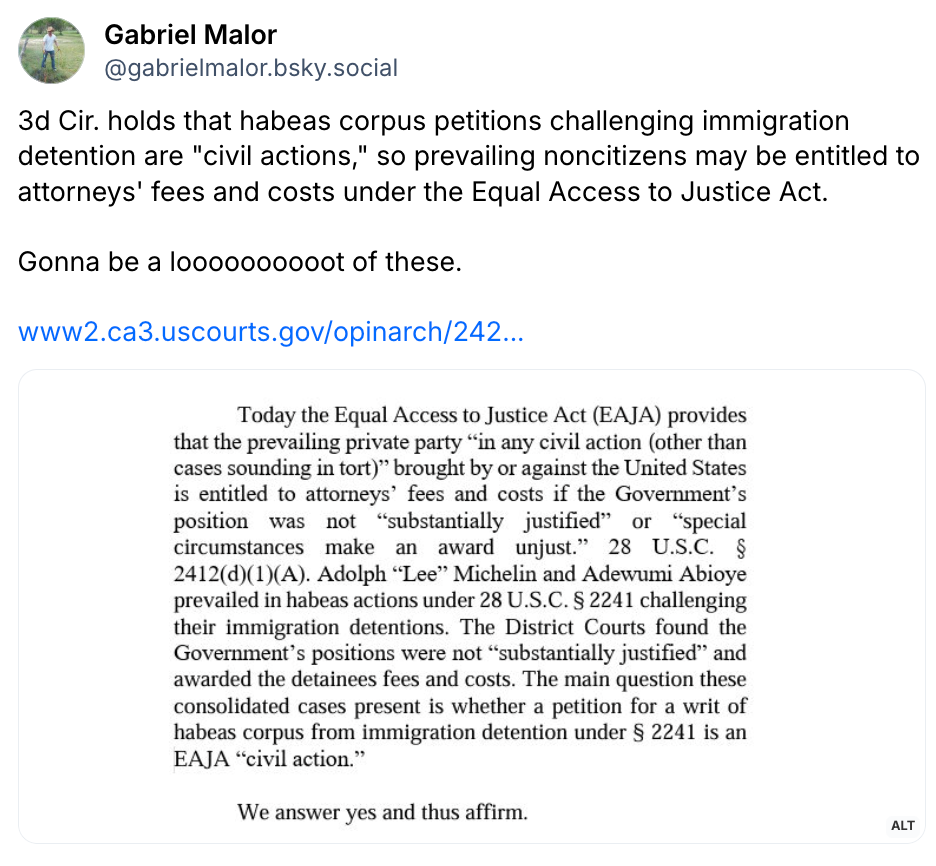



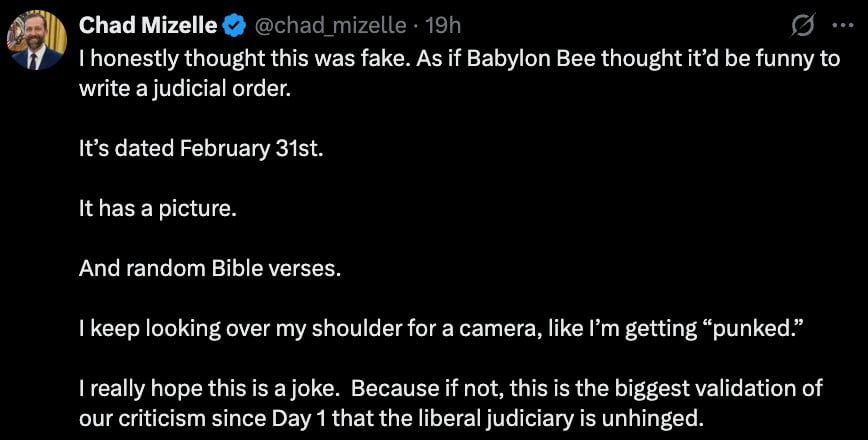









 Kathryn