Why Solo And Small Firm Lawyers Should Make Voice Their Choice For AI – Above the Law

If
you’re
as
old
as
I
am,
you
remember
when
drafting
a
document
meant
scribbling
illegibly
on
a
yellow
legal
pad,
then
typing
your
chicken
scratch
up
on
an
electric
typewriter
and
eventually
a
PC
or
Mac. 
Over
time,
as
most
of
us
acclimated
to
technology,
we
slowly
and
sometimes
reluctantly
trained
ourselves
to
draft
directly
at
the
keyboard
which
became
the
default
mechanism
to
create
work
product.

This
isn’t
a
nostalgia
play
but
rather,
an
example
of
how
technology
rewires
how
we
work. 
And
we’re
on
the
cusp
of
the
same
shift
again. 
Only
this
time
the
jump
isn’t
from
paper
to
keyboard
but
keyboard
to
voice. 
And
while
you
may
be
thinking
that
you’ll
never
surrender
the
written
word,
there
are
compelling
reasons
why
solos
and
smalls
should
make
voice
their
drafting
tool
of
choice
in
an
AI
age. 


Voice
Has
Come
a
Long
Way

Although
dictation
has
been
around
for
at
least
a
century
(first
through
human
scribes,
then
through
more
rudimentary
tools
like
Dragon
Dictation),
it
wasn’t
until
recently
that
AI-powered
transcription
was
truly
ready
for
prime
time. 
Modern
speech
recognition
systems
routinely
hit

90%
accuracy
in
quiet
conditions

with
decent
microphones,
and
newer
models
continue
to
improve.
At
the
same
time,
the
underlying
voice
AI
market
is
expected
to
climb
from
about

$3.14
billion
in
2024
to
a
projected
$47.5
billion
by
2034
,
which
reflects
the
fact
that
businesses
are
actually
deploying
these
tools
at
scale.
So
if
your
last
experience
with
dictation
was
a
clunky
desktop
program
that
mangled
half
your
sentences,
it’s
time
to
take
a
second
look.


The
Speed
Advantage
Everyone
Already
Knows
About

Let’s
start
with
the
obvious
advantage
of
voice:
it’s
faster
than
typing.

A

Stanford
study

found
that
speaking
is
3x
faster
than
typing
-or
150
words
per
minute
for
speech
versus
40
words
per
minute
for
the
average
typist.
Even
professional
typists
cap
out
around
65-75
words
per
minute.
Do
the
math:
A
500-word
client
email
takes

12.5
minutes
to
type
but
only
4
minutes
to
dictate

which
represents
a
68%
time
savings.
For
busy
solo
and
small
firm
practitioners,
the
time
saved
can
add
up
to

10+
hours
back
per
week.

Voice
also
saves
time
by
letting
you
work
while
you’re
doing
something
else.
Instead
of
leaving
court,
climbing
into
your
car,
and
trying
to
thumb
out
a
few
cryptic
notes
on
your
phone
in
the
parking
lot,
you
can
hit
record
and
dictate
a
full
summary
of
the
hearing
while
you
drive.
By
the
time
you
walk
back
into
your
office,
that
stream-of-consciousness
recap
has
already
been
transcribed
into
a
written
summary,
ready
to
drop
into
your
file,
your
practice
management
system,
or
a
draft
motion.
For
solos
and
small
firms,
that
kind
of
“found
time”
between
locations
is
often
the
only
place
you
can
reclaim
an
hour
from
an
already
overscheduled
day.


A
Better
Way
to
Tackle
the
Blank
Page

Speech
is
also
more
effective
in
tackling
the
blank-page
problem. 
I
don’t
know
about
you
but
for
me,
the
conventional
advice
to
“just
write
anything”
to
overcome
writer’s
block
never
worked. 
Even
a
minute
of
staring
at
the
resulting
clunky
text
was
too
demoralizing.
But
when
you
talk
instead
of
type,
you
can
freely
think
out
loud,
wander,
and
circle
back.
AI
can
capture
your
ramblings,
clean
up
the
tangents,
and
tighten
the
structure
so
that
by
the
time
you
see
it
on
the
screen,
it
already
looks
like
a
real
draft
instead
of
a
mess
you
have
to
rescue.


Voice
Preserves
Authenticity

Voice
also
preserves
authenticity. 
It
can
also
help
us
communicate
our
clients’
position
more
effectively.
Increasingly,
clients
are
relying
on
AI
to
summarize
their
case
when
they
reach
out
for
help


which
can
flatten
their
unique
voice.
 
But
giving
clients
a
tool

like
an
AI
chatbot
or
a
transcribed
intake
interview

can
capture
your
clients’
exact
language
verbatim,
and
make
their
story
more
authentic. 
As
for
lawyers,
you
can
deploy
the
idioms
and
cadence
you
want
to
preserve
in
your
writing
and
instruct
AI
to
retain
your
unique
voice
even
as
it
cleans
up
the
grammatical
errors
and
verbal
tics.

For
all
of
its
benefits,
voice
won’t
work
for
every
scenario

particularly
for
the
kind
of
complicated
precision
writing
required
for
an
appellate
brief,
a
multi-footnote
law
review
article,
or
a
contract
for
a
billion-dollar
transaction. 
Still,
there
are
a
myriad
of
other
use
cases
such
as 
demand
letters
and
settlement
negotiation
narratives,
internal
memos,
and
case
strategy
and
client
communications. 
And
yes,
you’ll
need
to
edit
and
refine

but
you
have
to
do
that
with
any
writing.


Tips
to
Implement
Voice

So,
if
you’ve
made
the
decision
to
use
voice,
the
next
question
is:
what
should
you
use
to
capture
it?


Wispr
Flow

has
emerged
as
a
quiet
gold
standard
among
AI‑savvy
lawyers,
thanks
to
its
powerful
engine,
strong
accuracy,
and
seamless
integrations
into
legal
workflows.

Google
Docs
Voice
Typing

is
also
surprisingly
good
for
something
that’s
free
and
already
sitting
in
most
lawyers’
toolkits.
And
nearly
every
major
AI
platform
you’re
already
using

Perplexity,
Claude,
ChatGPT

now
offers
some
kind
of
built-in
voice
recording
mode,
so
you
can
talk
through
an
issue
and
get
a
cleaned-up
transcript
or
draft
back
instead
of
staring
down
a
blank
page.

The
same
ethics
cautions
that
apply
to
every
other
use
of
AI
govern
here.
Choose
a
platform
that
doesn’t
train
on
your
recordings,
uses
strong
security,
and
gives
you
control
over
retention.
If
you’re
recording
or
transcribing
client
conversations,

always
obtain
informed
consent
.

Voice
is
not
just
a
new
input
method;
it’s
a
way
for
solos
and
small
firms
to
move
faster
while
still
retaining
authenticity.
When
you
combine
modern
transcription
with
light
AI
cleanup,
you
get
drafts
that
keep
your
authentic
voice
and
your
clients’
real
stories,
while
reclaiming
hours
you
can’t
afford
to
waste
at
the
keyboard.
If
you’re
serious
about
staying
human
in
an
AI-driven
market,
making
voice
your
choice
is
one
of
the
simplest,
highest-leverage
moves
you
can
make.


Carolyn
Elefant
is
one
of
the
country’s
most
recognized
advocates
for
solo
and
small
firm
lawyers.
She
founded
MyShingle.com
in
2002,
the
longest-running
blog
for
solo
practitioners,
where
she
has
published
thousands
of
articles,
resources,
and
guides
on
starting,
running,
and
growing
independent
law
practices.
She
is
the
author
of
Solo
by
Choice,
widely
regarded
as
the
definitive
handbook
for
launching
and
sustaining
a
law
practice,
and
has
spoken
at
countless
bar
events
and
legal
conferences
on
technology,
innovation,
and
regulatory
reform
that
impacts
solos
and
smalls.
Elefant
also
develops
practical
tools
like
the AI
Teach-In
 to
help
small
firms
adopt
AI
and
she
consistently
champions
reforms
to
level
the
playing
field
for
independent
lawyers.
Alongside
this
work,
she
runs
the
Law
Offices
of
Carolyn
Elefant,
a
national
energy
and
regulatory
practice
that
handles
selective
complex,
high-stakes
matters.
National Guard deployments to US cities cost almost half a billion dollars, says CBO – Breaking Defense

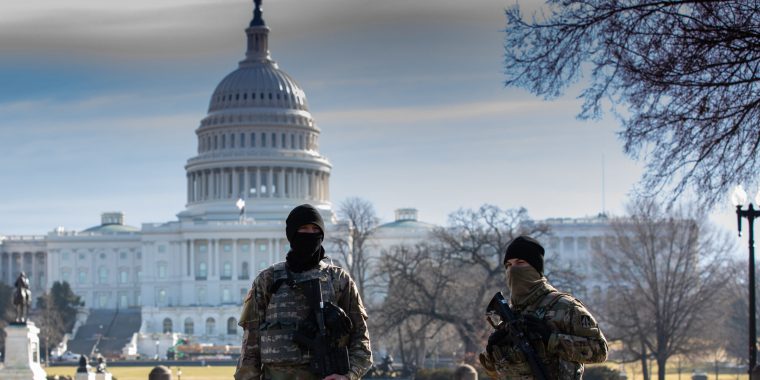
WASHINGTON

The
deployment
of
National
Guard
and
active-duty
Marine
forces
to
several
US
cities
cost
American
taxpayers
around
$496
million
in
the
last
six
months
of
2025,
according
to
an
official
government
estimate.

And
if
those
deployments
were
to
continue
at
end-of-2025
sizes,
it
would
cost
approximately
$93
million
per
month,
according
to
a
new
estimate
by
Congressional
Budget
Office
(CBO)
Director
Phillip
Swagel.

The
information
was
revealed
in
a

letter
sent

in
response
to
an
inquiry
by
Sen.
Jeff
Merkley,
D-
Ore.,
the
ranking
member
of
the
Senate
Committee
on
the
Budget. 

Furthermore,
Swagel
gave
a
general
cost
estimate
of
$18
million
to
$21
million
per
month
for
a
1,000
member
National
Guard
deployment,
stating
that
the
exact
cost
depends
on
the
cost-of-living
in
the
city
in
which
they
are
deployed
to. 

Expenses
were
estimated
based
on
factors
such
as
pay
and
benefits
when
Guardsmen
are
deployed,
lodging
away
from
home
stations,
cost
of
food,
and
transportation
for
personnel. 

Over
the
second
half
of
2025,
the
Trump
administration
deployed
the
National
Guard
and
Marines
to
six
US
cities:
Los
Angeles,
California;
Washington,
D.C.;
Memphis,
Tennessee;
Portland,
Oregon;
Chicago,
Illinois;
and
New
Orleans,
Louisiana.
The
New
Orleans
deployment
was
not
factored
into
the
June-December
estimate
as
it
“occurred
at
the
end
of
the
year.” 

The
future
of
domestic
deployments
was
also
left
uncertain
in
the
letter,
with
Swagel
acknowledging
legal
barriers
the
Trump
administration
has
faced
in
regard
to
the
Guard
presence
in
US
cities. 

Morning Docket: 01.29.26 – Above the Law

*
Trump
accuses
Minneapolis
mayor
of
“very
serious
violation
of
the
law”
because
the
mayor
is
obeying
a
Supreme
Court
precedent
written
by
well-known
leftist…
Antonin
Scalia.
[Time]

*
Meanwhile,
a
Minnesota
federal
judge
blocked
Homeland
Security’s
current
indiscriminate
sweep
and
ordered
the
release
of
those
recently
detained.
[Courthouse
News
Service
]

*
Seventh
Circuit
digs
into
AI
privacy
settlement
that
gave
plaintiffs
a
cut
of
the
defendant.
[National
Law
Journal
]

*
Judges
will
come
together
to
better
understand
AI
and
its
implications
for
the
justice
system.
[Legaltech
News
]

*
Spider-Man
testifies
in
Goldstein
trial.
[Law360]

*
Lawsuit
hopes
to
block
FEMA
staffing
cuts.
[Reuters]

*
Inter
American
back
in
ABA
compliance.
Congrats.
[ABA
Journal
]

Grown Adults Fighting Over Twitter – See Also – Above the Law

Harmeet
Dhillon
and
Ed
Whelan
Go
At
It:
I’m
not
saying
they
had
nothing
better
to
do
with
their
lives,
but
I’m
also
not
not
saying
it.
Judges
Are
Fed
Up
With
The
DOJ:
If
you’re
going
to
make
a
goofy
argument,
at
least
do
the
work
of
supporting
it.
Regional
Law
Schools
Weighs
Merits
Of
Merging:
Is
making
more
money
worth
leaving
the
community?
Open
Racism
As
Networking
Tool:
The
“I
HATE
BLACK
PEOPLE”
lady
works
for
America
First
Legal
Foundation
now.
Never
Too
Late
To
Gamble:
Tom
Goldstein
called
the
government’s
bluff.
Pocket
Watching
Is
Okay
When
We
Do
It!:
Answer
our
survey,
please
and
thanks.

Is It Still Too Early To Declare The Billable Hour Dead? – Above the Law

(Image
via
Getty)


Ed.
Note:

Welcome
to
our
daily
feature

Trivia
Question
of
the
Day!


According
to
the
2026
BigHand
Finance
Report,
which
surveyed
more
than
800
senior
finance
and
legal
professionals
in
large
law
firms,
what
percentage
of
respondents
saw
an
increase
in
client
demand
for
alternative
fee
arrangements
(AFAs)
last
year?


Hint:
BigHand’s
global
legal
market
president
Eric
Wangler
said,
“Which
remains
to
be
seen
is,
are
although
they’re
being
requested
more
often,
are
they
(AFAs)
actually
being
deployed
more
often.
As
firms
become
more
efficient,
start
using
AI
more
effectively,
the
pressure
on
them
to
pass
those
efficiency
savings
on
to
their
clients
will
definitely
be
there.”


See
the
answer
on
the
next
page.

What, Exactly, Is ‘Disruption,’ And How Does This Affect Lawyers? – Above the Law

From
law
firms
to
in-house
legal
teams,
the
rules
of
value
are
being
rewritten.
The
question
is:
Who’s
ready
to
lead
the
change?

In
the
first
episode
of
2026
for
the
UpLevel
View
podcast,
Stephanie
Corey
and
Ken
Callander
sit
down
with
Rita
Gunther
McGrath,
Columbia
Business
School
professor
and
Wall
Street
Journal
columnist,
to
talk
about
how
AI
is
forcing
professional
services
to
price
outcomes
instead
of
hours.


‘SDSS
Times
2’
for
Change
Mangement

A
simple
acronym
can
guide
a
successful
change
program.
Here,
Rita
explains.


Defining
‘Disruption’

It’s
long
been
a
business
buzzword
in
tech,
but
what,
exactly,
do
people
mean
when
they
say
“disruption”?
Here,
Rita
provides
some
detail.


Disruption
in
the
Law

Will
regulation
preserve
the
status
quo
for
legal
services?
Probably
not,
Rita
says.
Here’s
why.


Hear
the
Full
Conversation

Curious
to
learn
more?
Check
out
this
episode
below.

Attorney Infamous For Texting ‘I HATE BLACK PEOPLE’ Lands At Stephen Miller–Linked Law Shop, Because Of Course She Did – Above the Law

It’s
time
for
an
update
on
Above
the
Law’s
favorite
famous-for-the-wrong-reasons
attorney:
Crystal
Clanton!

Clanton
is,
on
paper,
exactly
the
kind
of
young
lawyer
who
is
supposed
to
represent
the
best
of
the
profession.
She
landed
a
series
of
extraordinarily
prestigious
clerkships:
first
with
Judge
Corey
Maze
of
the
Northern
District
of
Alabama,
then
with
Eleventh
Circuit
Judge
William
Pryor,
and
ultimately
with
Supreme
Court
Justice
Clarence
Thomas.
That’s
a
golden
ticket
path
most
law
students
would
kill
for.

The
only
problem
is,
Clanton
was
very
famously
fired
from
the
far-right
Turning
Point
USA
when
a
racist
text
she
sent
coworkers
became
public.

That’s
right,
Clanton
used
to
work
at
conservative
student
group
Turning
Point
USA.
But
in
2017, reports
surfaced

that
she
texted
coworkers,
“I
HATE
BLACK
PEOPLE.
Like
fuck
them
all
. . .
I
hate
blacks.
End
of
story.”
Despite
this
notoriety,
this
was
far
from
the
end
of
Clanton’s
story.
She
bounced
back
with a
job
with
Ginni
Thomas
 (Clarence’s
wife),
even
moving
in
with
the
Thomases
for
a
time. She
then
was
admitted
to
 George
Mason
University’s
ASS
Law,
then
onto

those
clerkships

(and,
of
course,
the
formal
investigation
for
hiring
someone
with
such
a
questionable
reputation,
which
ultimately
found
there
was no
misconduct
 on
the
part
of
the
judges
who
hired
Clanton).

Now
that
Clanton’s
Supreme
Court
clerkship
with
Justice
Thomas
has
wrapped
up,
curiosity
has
turned
to
the
obvious
question:
where
does
someone
like
this
land
next?

David
Lat

found
the
answer
,
and
it
is
exactly
what
you’d
expect.

Crystal
Clanton
is
now
an
attorney
at
the
America
First
Legal
Foundation
(AFL),
the
aggressively
partisan
conservative
nonprofit
law
firm
co-founded
in
2021
by
Gene
Hamilton
and
Stephen
Miller
shortly
after
the
end
of
the
first
Trump
administration.
Hamilton
is
back
at
AFL
after
a
six-month
White
House
stint
and
serves
as
its
president.
Miller,
meanwhile,
has
returned
to
the
White
House
(at
least
for
now
),
where
he
continues
his
specialty
of
turning
President
Trump’s
worst
impulses
into
reality.

AFL
prides
itself
on
being
combative,
provocative,
and
unapologetically
ideological.
As
Lat
noted,
it’s
an
organization
that
“delights
in
triggering
or
trolling
the
left.”
And
one
of
the
cases
that
Clanton
has
already
appeared
in
on
behalf
of
AFL
is
an
anti-trans
rights
case,
because
of
course.

The
trajectory
here
is
depressingly
coherent.
Fired
for
offensive
texts.
Rehired
into
the
Thomas
orbit.
Ushered
through
elite
clerkships.
Landed
at
an
outfit
built
by
the
architects
of
some
of
the
most
punitive
immigration
and
civil
rights
rollbacks
of
the
Trump
era.

Clanton’s
career
is
a
reminder
that,
in
some
corners
of
the
conservative
legal
movement,
far
from
being
a
dealbreaker,
a
racist
scandal
can
actually
be
a
résumé
enhancer.


Kathryn
Rubino
is
a
Senior
Editor
at
Above
the
Law,
host
of

The
Jabot
podcast
,
and
co-host
of

Thinking
Like
A
Lawyer
.
AtL
tipsters
are
the
best,
so
please
connect
with
her.
Feel
free
to
email

her

with
any
tips,
questions,
or
comments
and
follow
her
on
Twitter

@Kathryn1
 or
Mastodon

@[email protected].

Tom Goldstein Called Government’s Bluff And Now Jeffrey Toobin Has To Litigate It – Above the Law

Tom
Goldstein’s
life
was

almost
a
TV
show
.
Now,
with
his

wild

trial
is
in
its
second
week,
the
drama
just
unveiled
a
First
Amendment
subplot.

As

Politico’s
Josh
Gerstein
flagged
,
the
government
apparently
subpoenaed
Jeffrey
Toobin
and
fact-checker
Rudy
Lee
seeking
testimony
about
their
December


New
York
Times
Magazine

article

about
the
SCOTUSblog
founder-turned-defendant.
Toobin
and
Lee,
through
Ballard
Spahr,
moved
to
quash.


The
motion

makes
the
straightforward
case
that
dragging
journalists
onto
the
stand
accomplishes
nothing
beyond
chilling
future
journalism.
Which,
to
be
fair,
probably
suits
this
Department
of
Justice
just
fine.
The
DOJ
is

already
raiding
reporters’
homes
,
so
courtroom
testimony
is
comparatively
mild.

But
it’s
still
unnecessary
and
constitutionally
dubious.

Why
did
Goldstein
sit
down
for
an
on-the-record
interview
while
facing
trial?
It
didn’t
seem
like
a
wise
decision,
but
anyone
who
read
the
original
indictment
knows
wise
decisions
might
not
be
Goldstein’s
strong
suit.
Earlier
this
month,
the
government
tried
to
admit
Toobin’s
article
into
evidence
because
it
contains
statements,
attributed
to
Goldstein,
relevant
to
the
Justice
Department’s
false
statements
charges.
Which,
again,
is
why
it’s
ill-advised
to
give
news
interviews
while
facing
trial.

Goldstein
argued,
correctly,
that
the
quotes
in
the
article
amount
to
inadmissible
hearsay
and
are,
in
any
event,
irrelevant
given
the
government’s
assertion
that
it
already
has
all
the
evidence
it
needs
to
prove
its
case.
When
the

Times
Magazine

piece
dropped
on
December
28,
Goldstein’s
whole

Rounders
II:
Mike’s
Relapse

saga
was
already
a
matter
of
public
record.

And
then

unable
to
quit
while
he
was
ahead

“Defendant
thus
argued
that,
because
of
these
potential
hearsay
issues
and
the
Confrontation
Clause,
‘[i]f
the
government
wishes
to
present
Mr.
Toobin’s
statements
as
evidence,
it
must
call
Mr.
Toobin
to
the
stand’
so
that
Defendant
could
cross-examine
him.”

The
court
took
Goldstein
up
on
this,
stating
at
the
hearing
“a
fair
question
about
whether
the
reporter
should
simply
be
called,
and
the
government
both
have
the
obligation
of
getting
the
evidence
in
that
way
and
also
giving
Mr.
Goldstein
the
chance
to
cross-examine
that
witness.”
And
the
government
apparently
wasn’t
actually
bluffing,
firing
off
the
requisite
subpoenas.

And
now
Toobin
and
Lee
have
to
litigate
this.

The
motion
to
quash
raises
legitimate
concerns
about
press
freedom.
While
the
law
in
the
Fourth
Circuit
doesn’t
set
up
a
formal
First
Amendment
privilege
for
the
journalists,
the
Circuit
has
recognized
the
need
to
consider
“interests

outside

of
the
scope
of
a
recognized
privilege.”
Judge
Wilkinson
observed
one
such
significant
interest
in
an
earlier
opinion,
noting
that
“reporters
facing
the
prospect
of
becoming
prosecution
witnesses
if
they
report
a
defendant’s
statement
may
think
twice
about
conducting
exclusive
interviews.”
The
Second
Circuit
likewise
noted
that
making
journalists
“appear
to
be
an
investigative
arm
of
the
judicial
system”
undermines
the
press’s
independence.

While
the
free
press
concerns
rightly
take
precedence,
don’t
sleep
on
the
sheer
irrelevance
of
these
requests.
What’s
in
the
article
that
the
government
doesn’t
already
have?
Other
than
Toobin’s

link
to
our
podcast
,
of
course.

Indeed,
the
government’s
redacted
version
of
the
Article
includes,

inter
alia
,
photographs
of
Defendant,
ECF
No.
327-2
at
4,
11,
15,
Defendant’s
descriptions
of
unnamed
other
poker
players’
demeanor,

id.

at
10
(“They’re
not
chatting.”),
and
a
parenthetical
aside
about
a
celebrity
who
stopped
by
one
of
Defendant’s
poker
games
in
Beverly
Hills,

id.

at
14
(“Al
Pacino
came
by
to
watch,
but
he
didn’t
play.”)
It
is
not
clear
how
any
of
that
material
could
be
relevant
to
the
government’s
case
or
whether
the
government
seeks
to
question
the
Journalists
on
these
points.

This
case
certainly
doesn’t
turn
on
whether
Al
Pacino
showed
up
or
not.

If
anything,
the
motion
notes
that
the
material
the
government
seeks
to
admit
could

undermine

its
case:

As
to
the
mortgage
fraud
counts…
“the
essential
elements
of
[that]
crime…
clearly
requir[e]
the
jury
to
convict
[defendant]
only
if
he
acted
with
the
specific
intent
to
influence

the
bank’s

action
on
his
loan.”…
Yet
the
government
has
sought
to
admit
into
evidence
Defendant’s
statement
in
the
Article
that
he
omitted
information
on
the
mortgage
applications
“because
he
wanted
to
keep
that
debt
secret
from
[his
wife],
as
he
had
kept
her
in
the
dark
about
most
of
his
poker
activity.”…
The
Journalists’
testimony
on
that
point
would
therefore
amount
to
evidence
that
Goldstein
potentially

lacked

the
specific
intent
necessary
to
convict
him
under
18
U.S.C.
§
1014.

Which
seems
stupid
for
a
prosecution,
but
this
DOJ
has
been
playing
on
tilt
since
the
beginning
of
the
administration.


(Motion
to
quash
on
the
next
page…)


HeadshotJoe
Patrice
 is
a
senior
editor
at
Above
the
Law
and
co-host
of

Thinking
Like
A
Lawyer
.
Feel
free
to email
any
tips,
questions,
or
comments.
Follow
him
on Twitter or

Bluesky

if
you’re
interested
in
law,
politics,
and
a
healthy
dose
of
college
sports
news.
Joe
also
serves
as
a

Managing
Director
at
RPN
Executive
Search
.

‘Don’t Hide the Ball,’ Judge Puts DOJ’s Lawyers on Blast – Above the Law

2026
is
not
a
great
time
to
be
a
government
lawyer.
They’re
just
getting

HAMMERED

by
judges


over

and

over

and

over

and

over

and

over

again

for

shoddy
litigation
practices

and

outlandish
legal
arguments
.
And
maybe
this
is
hard
to
believe,
but
it’s
happening
again!

Judge
Roy
Dalton
Jr.
of
the
Middle
District
of
Florida
is
making
it
abundantly
clear
that
lawyers
pretending
inconvenient
law
simply
doesn’t
exist
just
doesn’t
cut
it
in
federal
court.
Dalton
issued
a
snippy
order

warning
U.S.
Attorney
Gregory
Kehoe
and
Assistant
U.S.
Attorney
Joy
Warner
that
sanctions
may
be
coming
their
way.

The
underlying
case
involves
one
of
the
many
habeas
petitions
challenging
the
Trump
administration’s
aggressive
position
that
nearly
all
noncitizens
are
subject
to
mandatory
detention
with
no
bond
hearing.
Dalton
made
clear
that
the
government
is
allowed
to
push
an
unpopular
legal
theory.
What
they
can’t
do
is
wish
away
contrary
authority.

“The
government
is
free
to
advance
an
unpopular
legal
theory,”
Dalton
wrote,
“but
its
lawyers
must
make
those
arguments
in
a
way
that
comports
with
their
professional
obligations.”

“Cite
the
contrary
binding
authority
and
argue
why
it’s
wrong.
Don’t
hide
the
ball.
Don’t
ignore
the
overwhelming
weight
of
persuasive
authority
as
if
it
won’t
be
found,”
he
admonished.
He
continued
with
this
bodyblow
of
a
line,
“And
don’t
send
a
sacrificial
lamb
to
stand
before
this
Court
with
a
fistful
of
cases
that
don’t
apply
and
no
cogent
argument
for
why
they
should.”

That’s…
gotta
smart.

The
government
has
until
by
February
9th
to
explain
why
they
shouldn’t
be
sanctioned,
maybe
they
can
argue
this
scathing
order
was
punishment
enough.


Kathryn
Rubino
is
a
Senior
Editor
at
Above
the
Law,
host
of

The
Jabot
podcast
,
and
co-host
of

Thinking
Like
A
Lawyer
.
AtL
tipsters
are
the
best,
so
please
connect
with
her.
Feel
free
to
email

her

with
any
tips,
questions,
or
comments
and
follow
her
on
Twitter

@Kathryn1
 or
Mastodon

@[email protected].

Regional Law School Explores Long-Distance Merger – Above the Law

Law
school
closures
are
a
sad
thing.
Even
when
they
have

low
bar
passage
rates
,
seeing
them
close
their
doors
is
a

somber
occasion
.
One
way
for
a
struggling
law
school
to
save
face
is
to
merge
with
another
school
to
alleviate
their
need
for
funding,
student
head
counts,
and
the
like.
The
Appalachian
School
of
Law
is
in
a
rough
spot

low
enrollment
and
funding
issues
are
pushing
them
to
merge
with
another
school.
There
is
a
small
issue:
the
school
they’re
considering
merging
with
is
about
three
hours
away.

VA
Lawyers
Weekly

has
coverage:

[An]
emergency
meeting
called
into
question
the
future
of
Virginia’s
smallest
law
school,
which
Appalachian
School
of
Law
President
and
Dean
David
Western
told
the
board
has
184
current
students

short
of
the
300
he
said
the
school
needs
to
be
“fully
sustainable.”
The
law
school
also
employs
approximately
47
people.

In
a
statement
to
Virginia
Lawyers
Weekly,
Roanoke
College
spokesperson
Alicia
Petska
confirmed
the
college
“has
been
involved
in
confidential
conversations
with
the
Appalachian
School
of
Law.

We
believe
in
their
mission,
and
although
there
are
many
details
to
consider,
we
remain
eager
about
what
could
be
possible
together.
At
this
time,
no
formal
agreement
has
been
met.”

Merging
could
help
the
school
remain
open,
but
it
wouldn’t
be
a
fix
all.
The
school
was
founded
in
part
to
help
out
the
area’s
economy.
If
the
school
decides
to
stick
to
its
roots
and
stay
there,
they’d
have
to
figure
out
what
their
income
stream
would
be.
Not
only
is
the
school
short
about
the
120
students
they’d
need
to
be
fully
sustainable,
the
Trump
administration’s
recent
attack
on
grad
school
loans

makes
it
harder
for
the
average
American
to
even
afford
investing
in
a
law
degree
.
Not
the
best
time
to
shrink
an
already
small
pool
of
potential
students.

Legal
deserts
in
places
like

Virginia

have
needed
attention
for
a
long
time
now.
Law
school
isn’t
just
the
hazing
entity
you
survive
before
you
get
your
Biglaw
gig.
Places
need

public
defenders

and
other
legal
assistance.
Piggybacking
on
Roanoke
may
keep
the
doors
open,
but
traveling
that
far
away
could
betray
some
of
the
school’s
founding
purposes.
Whatever
the
Appalachian
School
of
Law
decides
on,
I
hope
that
it
meets
their
community’s
legal
and
financial
needs.


Appalachian
School
Of
Law,
Roanoke
College
Explore
Merger

[VA
Lawyers
Weekly]


Chris
Williams
became
a
social
media
manager
and
assistant
editor
for
Above
the
Law
in
June
2021.
Prior
to
joining
the
staff,
he
moonlighted
as
a
minor
Memelord™
in
the
Facebook
group Law
School
Memes
for
Edgy
T14s
.
 He
endured
Missouri
long
enough
to
graduate
from
Washington
University
in
St.
Louis
School
of
Law.
He
is
a
former
boatbuilder
who
is
learning
to
swim, is
interested
in
critical
race
theory,
philosophy,
and
humor,
and
has
a
love
for
cycling
that
occasionally
annoys
his
peers.
You
can
reach
him
by
email
at [email protected]
and
by
tweet
at @WritesForRent.