Your earphones could cost you your life, Byo police warn

On
Friday
afternoon,
police
officers
conducted
an
awareness
campaign
in
the
CBD,
rounding
up
pedestrians
who
were
wearing
earphones
or
using
cellphones
while
crossing
the
road
and
cautioning
them
about
the
dangers
associated
with
distracted
walking.

Bulawayo
provincial
police
spokesperson,
Inspector
Nomalanga
Msebele,
said
police
are
recording
at
least
five
cases
daily
of
pedestrians
being
hit
by
vehicles
in
the
CBD,
with
most
incidents
linked
to
distraction.

“There
has
been
a
worrying
trend
in
terms
of
the
number
of
cases
that
we
are
receiving
about
pedestrians
who
are
hit
by
cars
because
they
were
distracted
by
earphones,”
said
Insp
Msebele
during
the
campaign.

“At
least
five
people
are
hit
by
cars
every
day,
and
in
most
cases
it
is
because
of
earphones.
If
such
behaviour
continues,
pedestrians
will
end
up
being
fined
for
such
conduct.”

Inspector
Msebele
said
police
have
a
constitutional
mandate
to
ensure
the
safety
and
protection
of
all
residents,
hence
the
decision
to
publicly
educate
pedestrians
on
the
risks
of
distracted
road
use.

“We
cannot,
as
a
city,
have
such
high
cases
of
pedestrians
being
hit
by
cars
every
day.
We
arrest
motorists
for
hitting
pedestrians,
but
in
some
cases
we
find
that
it
is
the
pedestrians
who
are
in
the
wrong,”
she
said.

“It
is
our
constitutional
mandate
to
ensure
the
safety
of
the
people.
If
you
are
failing
to
take
care
of
yourselves
responsibly,
we
will
take
care
of
you.
Can
we
all
be
more
careful
when
using
the
roads.”

She
explained
that
pedestrians
using
earphones
often
fail
to
hear
warning
signals
from
motorists,
cyclists,
or
fellow
pedestrians.

“You
find
that
a
person
fails
to
hear
a
car
hooting,
a
bicycle
ringing
a
bell,
or
fellow
pedestrians
and
onlookers
who
are
trying
to
warn
them
of
looming
danger
because
they
are
listening
to
music,”
said
Insp
Msebele.

Meanwhile,
Bulawayo
United
Passenger
Transport
Association
(BUPTA)
chief
rank
marshal
Israel
Mabuza
commended
police
for
the
campaign,
noting
that
several
drivers
have
been
charged
in
accidents
where
pedestrians
were
at
fault.

“This
is
a
great
challenge
that
we
have
been
facing
as
drivers.
Some
drivers
have
been
arrested
for
knocking
down
pedestrians,
yet
these
people
would
be
plugging
earphones
while
crossing
the
road,”
said
Mabuza.

He
added
that
the
situation
is
worsened
by
the
rainy
season,
which
affects
road
conditions
and
visibility.

“Especially
now
during
the
rainy
season,
the
state
of
the
roads
is
even
worse.
A
driver
will
be
trying
to
navigate,
but
pedestrians
will
be
disconnected
from
what
is
happening
around
them,”
he
said.

“Even
if
you
hoot,
that
person
won’t
hear
you.
In
the
end,
cars
may
bump
into
each
other
as
drivers
try
to
avoid
hitting
a
pedestrian,
leading
to
costs
that
could
have
been
avoided.”


Malaba era politicised the courts, experts say

The
observations
were
made
during
a
CITE
X
Space
discussion
held
on
Friday
titled
“The
Future
of
Zimbabwe’s
Judiciary:
Lessons
from
the
Malaba
Era”,
as
legal
practitioners
reflected
on
the
tenure
of Chief
Justice
Luke
Malaba,
who
is
set
to
retire
in
May
this
year
 after
his
term
was
controversially
extended.

These
legal
minds
said
Malaba’s
time
at
the
helm
of
the
judiciary
revealed
how
courts
can
become
instruments
of
political
power
through
selective
application
of
the
law,
constitutional
avoidance
and
lawfare,
undermining
the
rule
of
law.

Human
rights
lawyer.
Doug
Coltart,
said
Malaba’s
legacy
was
deeply
conflicted,
marked
by
early
judicial
courage
but
later
overshadowed
by
decisions
and
administrative
conduct
that
weakened
constitutional
principles.

“If
we
look
back
at
Malaba’s
tenure,
not
just
as
Chief
Justice
but
as
a
judge,
we
see
someone
with
real
intellect
who
understood
the
law,”
Coltart
said.

He
cited
landmark
judgments
such
as
the Mudzuru
ruling
,
which
ended
child
marriage
and
was
widely
praised
internationally,
as
well
as
Malaba’s
dissenting
opinion
in
the
Jealousy
Mawarire
case,
where
he
stood
against
the
majority
and
defended
constitutionalism
by
opposing
an
early
election
in
2013.

“That
dissent
showed
courage
and
independence,”
Coltart
said.

However,
he
said
the
controversial
extension
of
Malaba’s
tenure
as
Chief
Justice
fundamentally
undermined
those
achievements.

“I
am
partly
pained
that
his
legacy
will
be
defined
by
the
extension,
which
violated
core
constitutional
principles,
particularly
that
incumbents
should
not
benefit
from
changes
to
tenure,”
he
said.

Coltart
said
Malaba
risked
being
remembered
not
for
his
jurisprudence,
but
for
refusing
to
leave
office
when
his
term
ended,
a
fate
that
befell
none
of
his
respected
regional
peers.

“South
African
judges
like
Pius
Langa
knew
when
it
was
time
to
go,
and
they
went.
The
fact
that
we
are
still
debating
Malaba’s
retirement
even
after
announcements
were
made
tells
you
something
has
gone
wrong,”
he
said.

Constitutional
lawyer,
Dr
Musa
Kika,
said
Malaba’s
rise
through
the
judicial
ranks
meant
his
later
conduct
could
not
be
blamed
on
ignorance
of
the
law.

“He
knew
the
law.
What
happened
was
not
out
of
ignorance,”
Kika
said.

Kika
said
the
Malaba
era
demonstrated
that
courts
are
not
neutral
spaces,
but
are
vulnerable
to
political
agendas
and
manipulation.

“We
learn
that
the
law
and
the
courts
are
not
innocent
of
politics,”
he
said.
“Much
of
the
misgovernance
and
misrule
we
have
seen
in
Zimbabwe
has
been
enabled
and
facilitated
by
the
courts.”

He
said
judges
showed
selective
independence,
delivering
sound
rulings
in
“softer”
cases
while
ruling
politically
in
constitutional,
electoral
and
human
rights
matters.

“You
could
see
that
political
and
human
rights
cases
were
ruled
on
in
a
political
manner,
while
other
cases
received
good
judgments.
That
is
not
how
the
rule
of
law
works,”
Kika
said.

According
to
Kika,
this
pattern
amounted
to
selective
constitutional
avoidance,
where
courts
relied
on
technicalities
to
avoid
making
substantive
rulings
on
politically
sensitive
issues.

“This
has
normalised
an
abnormal
situation,
where
technicalities
trump
substance,
despite
the
Constitution
expressly
saying
they
should
not,”
he
said.

Kika
said
Zimbabwe
experienced
lawfare
during
Malaba’s
tenure,
the
use
of
the
legal
system
to
fight
political
battles.

“The
judiciary
has
been
used
to
capture
Parliament,
dismantle
political
opponents
and
legitimise
executive
power,”
he
said.

He
borrowed
a
metaphor
from
a
Nigerian
human
rights
lawyer
to
describe
the
period.

“Some
rulers
are
drunk
on
power,
and
some
judges
have
handed
them
the
bottle,”
Kika
said.
“When
one
reflects
on
this
tenure,
that
description
fits
uncomfortably
well.”

He
cited
several
incidents
that
raised
concerns
about
judicial
independence,
including
a
2020
practice
directive
requiring
judges
to
submit
judgments
to
heads
of
courts
for
approval,
which
was
only
withdrawn
after
public
outcry,
and
a
2025
proposal
to
send
judges
to
the
Chitepo
School
of
Ideology,
which
was
also
reversed
following
backlash.

Kika
also
criticised
the Liberal
Democrats
v
President
of
Zimbabwe
 ruling,
delivered
by
Malaba
after
the
2017
military
coup,
in
which
the
court
held
that
former
president
Robert
Mugabe
had
resigned
voluntarily.

“That
judgment
effectively
legitimised
the
coup
and
reflects
dubious
jurisprudence
common
in
jurisdictions
where
courts
bend
to
executive
whims,”
he
said.

Legal
practitioner
and
political
analyst,
Dr
Vusumuzi
Sibanda,
offered
a
harsher
assessment,
saying
Malaba’s
tenure
had
left
lasting
institutional
damage.

“I
am
not
even
willing
to
acknowledge
what
he
did
right,”
Sibanda
said.

Sibanda
said
he
was
personally
affected
by
the
Liberal
Democrats
case,
having
been
the
applicant.

“To
have
costs
awarded
on
a
matter
that
was
clandestinely
withdrawn,
and
then
be
told
nothing
can
be
done,
that
leaves
scars,”
he
said.

He
argued
that
presiding
over
a
judiciary
that
fails
to
uphold
the
Constitution
raises
fundamental
ethical
questions.

“If
you
perpetuate
suffering
through
the
system
you
lead,
there
is
nothing
ethical
about
that,”
Sibanda
said.

He
questioned
whether
Malaba
met
the
‘fit
and
proper’
test
for
judicial
leadership,
particularly
in
light
of
the
term
extension.

“This
will
be
debated
for
years:
was
Malaba
ever
fit
and
proper
to
be
Chief
Justice?”
he
said.

Sibanda
accused
the
judiciary
under
Malaba
of
rubber-stamping
Executive
decisions,
rather
than
acting
as
a
check
on
state
power.

“The
judiciary
is
supposed
to
reduce
the
ability
of
the
executive
to
abuse
authority,
not
assist
it,”
he
said.

“For
me,
Malaba’s
tenure
has
been
a
nightmare.”

Sibanda
said
Malaba’s
tenure
offers
critical
lessons
for
the
future
of
Zimbabwe’s
judiciary, 
particularly
the
importance
of
individual
judicial
independence,
transparency
and
timely
exit
from
power,
warning
that
without
structural
and
cultural
reforms,
courts
risk
continuing
to
serve
political
interests
rather
than
constitutionalism,
further
eroding
public
trust
in
the
justice
system.

Biglaw’s Return-To-Office Push Is Showing Up In Law Firm Real Estate Deals – Above the Law

Businessman
On
Arrow
Over
Manhattan

New
York

Success
and
Achievement
Concept

Biglaw
isn’t
just
talking
about
getting
lawyers
back
to
the
office

firms
are
leasing
space
like
they
mean
it.

Law
firms
took
nearly
800,000
square
feet
of
New
York
City
office
space
in
Q4
2025,
according
to
data
provided
to

Law.com
,
with
firms
including
Kirkland
&
Ellis,
Goodwin
Procter,
and
McGuireWoods
expanding
their
Manhattan
footprints.
Gibson
Dunn
and
Baker
Hostetler
renewed
in
place,
underscoring
that
firms
are
holding
onto

and
adding
to

their
office
space,
not
shedding
it.

Kirkland
and
Goodwin,
already
among
the
year’s
biggest
New
York
lessees,
added
tens
of
thousands
of
square
feet
in
the
fourth
quarter
alone.
The
expansions
come
as
more
firms
move
to
four-day-a-week
in-office
requirements,
a
trend
that
has
picked
up
steam
across
the
Am
Law
50.

Commercial
real
estate
executives
say
the
link
between
space
and
attendance
is
no
accident.

“Law
firms,
especially
the
high-quality
firms,
are
leading
the
market
in
growth
in
large
measure
because
they
all
came
to
the
realization,
at
about
the
same
time,
that
when
they
are
physically
together,
they
are
far
more
productive
and
creative,”
[Cushman
&
Wakefield
executive
vice
chair
Mark]
Weiss
said.
“Their
recent
growth
reflects
this
sudden
reversal
in
their
attitudes
towards
the
workplace.”

After
years
of
hybrid
hedging,
Biglaw’s
real
estate
strategy
is
sending
a
clear
message:
if
firms
are
requiring
lawyers
to
show
up,
they’re
going
to
make
sure
there’s
room
for
them.


Law
Firms
in
‘Space
Race’
for
NYC
Office
Leases

[Law.com]


Staci
Zaretsky
 is
the
managing
editor
of
Above
the
Law,
where
she’s
worked
since
2011.
She’d
love
to
hear
from
you,
so
please
feel
free
to email her
with
any
tips,
questions,
comments,
or
critiques.
You
can
follow
her
on BlueskyX/Twitter,
and Threads, or
connect
with
her
on LinkedIn.

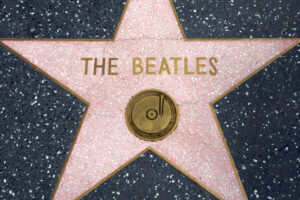
DOJ Tells Court They Could Deport The Beatles Because It Was Called The ‘British Invasion’ – Above the Law

In
the
1960s,
an
onslaught
of
rock
bands
from
the
UK
found
their
way
into
America’s
jukeboxes.
So
many
artists
crossed
the
Pond
that
the
media
playfully
dubbed
it
the
“British
Invasion.”
While
a
vocal
subset
of
old
people
would
rant
that
the
country
would
lapse
into
moral
peril
because
Ringo’s
hair
was
too
long,
the
moniker
was
just
a
headline-friendly
way
to
talk
about
an
unfolding
cultural
phenomenon.

According
to
the
Trump
administration,
the
term
“British
Invasion”
is
all
a
president
needed
to
hear
to
justify
throwing
Paul
McCartney
into
a
foreign
gulag.

A
couple
years
ago,
that
sentence
would

rightly

be
dismissed
as
unfair
hyperbole.
In
2026,
it’s
a
routine
Thursday
for
the
Department
of
Justice.

To
set
the
stage,
the
Trump
administration
persists
in
its
assertion
of
broad
power
under
the

Alien
Enemies
Act
of
1798
.
The
18th
century
law
grants
the
executive
branch
authority
to
expel
foreign
nationals
during
an
invasion.
That’s
not
in
dispute.
The
Trump
DOJ’s
new,
deliciously
ahistorical
twist
contends
that
presidents
have
exclusive,
unquestioned
power
to
define
whatever
they
want
as
an
“invasion.”
If
a
dementia-addled
president
decides
that
foreign-born
members
of
a
street
gang
are
an
“invasion,”
he
can
round
up
and
expel
anyone
they
claim
has
ties
to
that
group.

And
no
judicial
process
can
question
them.

Despite
getting

a
back
of
the
hand
from
the
Supreme
Court
,
the
government
continues
to
take
this
stance.
During
yesterday’s
Fifth
Circuit

en
banc

hearing,
Chief
Judge
Jennifer
Walker
Elrod
asked
if
the
administration
took
the
position
that
a
president
could
decide
the
“British
Invasion”
was
an
“invasion”
under
the
Alien
Enemies
Act
and
start
deporting
the
Beatles.
She
described
the
hypothetical
as
“fanciful,”
but
a
better
description
is
“the
ultimate
softball.”
When
a
sympathetic
judge

say,
a
deeply
conservative
George
W.
Bush
appointee

lays
out
a
facially
absurd
scenario,
it’s
an
invitation
to
articulate
limits.
“No,
what
the
silly
liberals
don’t
understand
is
that

of
course

the
president
couldn’t
deport
a
music
group
just
because
parents
don’t
like
their
music,
but
here’s
why
this
vicious
gang
is
different….”
It’s
a
disingenuous
straw
argument
being
hand-delivered
by
a
judge.

Assistant
Attorney
General
Drew
Ensign

rejected
this
gift
:

“These
sort
of
questions
of
foreign
affairs
and
the
security
of
the
nation
are
specifically
political
issues,”
said
Drew
Ensign,
an
assistant
attorney
general
who
was
arguing
the
administration’s
case
before
the
full
5th
Circuit
Court
of
Appeals.

In
other
words:

yeah,
we
could
throw
John
Lennon
into
CECOT
and
fuck
you
for
daring
to
question
us.
They’ve
got
a
military
command
structure
under
this
“Sgt.
Pepper”
and
our
intelligence
suggests
that
the
may
already
have
access
to
a
yellow
submarine.

Is
Ensign
secretly
attempting
to
undermine
the
administration
from
within?
Because,
as
an
act
of
sabotage,
it
could
be
brilliant.
As
an
act
of
straightforward
appellate
advocacy,
it’s
comically
inept.
Then
again,
his
hands
might
be
tied.
The
powers-that-be
within
this
administration
appear
committed
to
taking
maximalist
positions
on
every
question
of
executive
power.
You
can’t
build
an
authoritarian
regime
on
sensible
takes.

The
Alien
Enemies
Act
has
only
been
invoked
three
times
before.
Twice
during
world
wars

including
the
internment
of
Japanese
Americans
in
a
shameful
episode
that
everyone
to
the
left
of
the
skinheads
agree
was
a
horrific
policy

and
once
during
the
War
of
1812…
when
the
U.S.
was

actually
invaded
.
Attempting
to
use
the
statute
against
a
criminal
gang

even
when
clinging
to
a
fig
leaf
assertion
that
gang
members
were
intentionally
sent
here
by
a
Venezuelan
regime
running
a
drug
cartel
that

the
DOJ
has
already
acknowledged
doesn’t
really
exist


already
stretched
the
text
to
the
preposterous.
Taking
the
position
that
it
could
extend
to
musical
groups
crosses
into
the
surreal.

ACLU
attorney
Lee
Gelernt
pointed
out:

Tren
de
Aragua
is
committing
ordinary
crimes
that
are
being
dealt
with
by
law
enforcement.
The
Alien
Enemies
Act
is
about
wartime
and
it’s
about
the
military.

That
should
be
obvious
to
anyone
who’s
read
the
statute.
But
this
is
2026,
and
“obvious”
left
the
building
a
while
ago.

However
the
Fifth
Circuit
rules,
this
matter
rests
on
a
collision
course
with
the
Supreme
Court.
In
another
midnight
special
from
the
shadow
docket
factory,
the
Supreme
Court
already
rejected
the
idea
that
the
administration
can
use
this
law
to
deport
people
without
any
due
process.
That
said,
the
majority
limited
the
rights
of
deportees
to
challenge
their
foreign
imprisonment
through
the

habeas

process.
It
was
another
gift
to
the
administration
from
conservative
judges,
giving
the
government
freedom
to
engage
in
its
most
egregious
actions
as
long
as
it
conceded
to
minimal

if
not
functionally
non-existent

legal
safeguards.
But
there
is
no
legal
bar
too
low
that
this
DOJ
won’t
demand
that
courts
push
lower.

And
so,
it
would
seem,
the
administration
is
uninterested
in
accepting
that
gift
too.


Could
a
president
deploy
wartime
law
against
the
Beatles?
Trump
administration
says
“Yes”

[AP
via
ABC
News]


HeadshotJoe
Patrice
 is
a
senior
editor
at
Above
the
Law
and
co-host
of

Thinking
Like
A
Lawyer
.
Feel
free
to email
any
tips,
questions,
or
comments.
Follow
him
on Twitter or

Bluesky

if
you’re
interested
in
law,
politics,
and
a
healthy
dose
of
college
sports
news.
Joe
also
serves
as
a

Managing
Director
at
RPN
Executive
Search
.

Trump Sues JP Morgan For ‘Nice Bank You Got There, Be A Shame If Something Happened To It’ – Above the Law

The
president
and
his
lawyers
have
emerged
from
under
the
bridge
and
announced
the
target
of
the
next
shakedown
trollsuit.

JAMIE
DIMON,
COME
ON
DOWN!

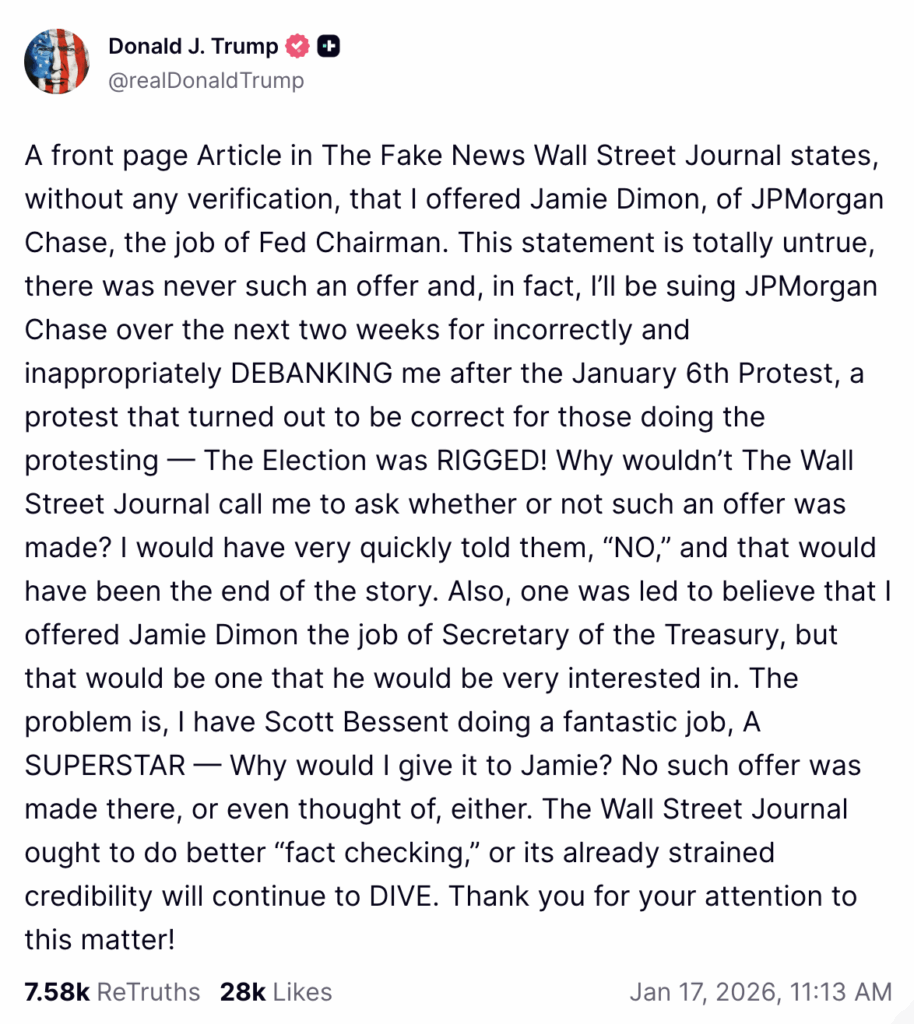
Trump
announced
the
litigation
last
week
on
Truth
Social,
insisting
that
he
would
never
consider
a
loser
like
Dimon,
the
CEO
of
JP
Morgan
Chase,
to
lead
the
Fed
or
Treasury.
And
yesterday
he
actually

filed
the
thing

(h/t
Reuters)
in
local
court
in
Miami-Dade.

It’s
real,
and
it’s
spectacularly
bonkers.

The
gravamen
of
the
claim
is
that
the
bank
sent
Trump
a
letter
on
February
19,
2021,
six
weeks
after
he
sent
a
mob
to
lay
siege
to
the
seat
of
government,
giving
him
and
his
associated
businesses
60
days
to
find
someone
else
to
hold
their
money.
This
violates
Florida’s
consumer
protection
statute


don’t
ask
how
.
And
then
JPMC
put
Trump’s
name
on
a
“blacklist”
of
customers
that
it
wouldn’t
do
business
with,
which
is
trade
libel,
despite
being
true.

“Plaintiffs
are
confident
that
JPMC’s
unilateral
decision
came
about
as
a
result
of
political
and
social
motivations,
and
JPMC’s
unsubstantiated,
‘woke’
beliefs
that
it
needed
to
distance
itself
from
President
Trump
and
his
conservative
political
views,”
he
claims.
This
is
rather
undercut
by
his
own

social
media
post

in
which
he
directly
links
the
“debanking”
to
“the
January
6th
Protest,”
not
his
“conservative
political
views.”
And
anyway,
“conservative
political
views”
is
not
a
protected
class,
a
point
the
complaint
tacitly
concedes
by
pointing
to
Trump’s
executive
order
purporting
to
make
it
one
in
August
of
2025
and
Republican
Senator
Kevin
Cramer’s
reintroduction
of
a
law
banning
it
last
year.
Florida
made
a

hamfisted
attempt

to
bar
it
in
2023
when
it
outlawed
ESG,
but
that
was
along
after
the
bank
gave
Trump
the
boot.
Also,
the
statute
provides
no
private
right
of
action,
as
Trump
helpfully
concedes
in
his
complaint.

But
Trump
is
undeterred!
He
and
his
libeltroll
lawyer
Alejandro
Brito
demand
$5
billion
for
the
embarrassment
of
having
to
move
all
that
cash
“given
that
Plaintiffs
have
always
complied
with
all
applicable
banking
rules.”
AHEM.

But
why
bother
with
the
niceties
of
pleading
an
actual
cause
of
action
when
you
have
the
entire
regulatory
apparatus
of
the
federal
government
at
your
disposal
and
you’ve
made
clear
you’re
willing
to
deploy
it
against
any
entity
that
fails
to
pay
you
tribute?
The
only
paragraph
that
matters
is
the
one
where
Trump
notes
that
JPMC
is
“under
federal
investigation
due
to
its
prior
history
of
political
debanking
and
other
viewpoint-based
debanking.”

Translation:

Get
out
your
checkbook,
or
prepare
to
be
harassed
at
every
turn
by
an
alphabet
soup
of
federal
agencies.

Time
for
another
eight-figure
donation
to
the
Trump
presidential
library.
Those
Qatari
bribe
jets
require
a
lot
of
expensive
maintenance!


Liz
Dye
 produces
the
Law
and
Chaos Substack and podcast.
 You
can
subscribe
by
clicking
the
logo:


Biglaw Defamation Fight Escalates As Ex–Baker McKenzie Associate Fires Back With Her Own Lawsuit – Above the Law

Late
last
year, Biglaw
firm
Baker
McKenzie filed
a
defamation
lawsuit
 against
a
former
tax
associate,
Brooke
Radford,
alleging
Radford
made
repeated
allegations
on
social
media
and
Reddit

some
100+
of
them
—–falsely
accusing
a
partner
of
sexually
assaulting
her
and
accusing
the
firm
of
covering
it
up.
According
to
that
complaint,
Radford
said
she
was
assaulted
by
Maurice
Bellan
(also
a
plaintiff
in
the
lawsuit)
and
was
terminated
by
the
firm
when
she
turned
down
the
partner’s
advances.

According
to
the

amended
complaint,

Radford
had
a
relationship
with Bellan’s
son,
Maurice
“Reece”
Alexander
Bellan.
Reece
ended
the
two-year
relationship
shortly
before
Radford
was
fired
from
the
firm

Baker
McKenzie
alleges
Radford
was
fired
for
misusing
the
firm
credit
card,
among
other
issues

and,
according
to
the
complaint,
that
confluence
of
events
led
Radford
to
target
Bellan
Sr.
with
her
false
accusations.

But
litigation
has
a
way
of
boomeranging,
and
Radford
has
now
responded
with
a
lawsuit
of
her
own.

This
latest
complaint,
available
below,
has
a
decidedly
different
spin.
Radford
alleges
Bellan
Sr.
engaged
in
a
pattern
of
sexually
inappropriate
conduct,
including
pulling
her
onto
him
on
a
couch
and
forcefully
hugging
her
on
another
occasion.
She
also
describes
an
incident
in
which
Bellan
Sr.
allegedly
left
his
hotel
room
door
open
so
colleagues
could
find
him
naked
on
the
bed,
not
exactly
the
kind
of
team-building
exercise
HR
recommends.

Radford,
representing
herself
in
both
actions,
goes
on
to
allege
Bellan
Sr.
posted
her
home
address
online,
stalked
her,
and
sent
people
to
her
residence
and
places
she
frequented.

Radford’s
complaint
also
alleges
Baker
McKenzie
“knew
of
this
sexually
harassing
conduct
and
failed
to
take
prompt,
effective,
or
reasonable
steps
to
stop
it,
prevent
it
from
reoccurring,
or
protect”
her.
She
claims
Bellan
Sr.
made
unwanted
sexual
advances,
chastised
her
after
she
told
him
she
and
his
son
“were
not
romantically
compatible,”
and
that
her
refusal
ultimately
cost
her
her
job.

Baker
McKenzie
has
not
commented
on
the
new
lawsuit,
but
previously
said
there
is”no
merit
to
Ms.
Radford’s
allegations.”
A
spokesperson
continued,
“We’ve
attempted
to
pursue
a
dialogue
to
try
to
address
her
purported
concerns,
but
she
has
not
engaged
with
these
efforts.
The
firm
takes
all
allegations
of
harassment
very
seriously
and
is
committed
to
providing
a
safe
and
inclusive
working
environment
for
all
of
our
people.”

Radford
reiterated
a
prior
statement
when
asked
for
comment,
“My
family
and
I
are
concerned
about
our
safety
and
we
are
disgusted
by
how
far
Baker
McKenzie
is
willing
to
stoop
to
protect
a
predator.”

These
very
different
stories
and
dueling
lawsuits
ensure
one
thing:
this
fight
isn’t
staying
quiet.


Earlier:


Top
Biglaw
Firm
Files
Defamation
Lawsuit
Against
Former
Associate
After
She
Made
Sexual
Assault
Allegations


Biglaw
Lawsuit
Against
Former
Associate
Is
Actually
Messy
As
Hell


Kathryn
Rubino
is
a
Senior
Editor
at
Above
the
Law,
host
of

The
Jabot
podcast
,
and
co-host
of

Thinking
Like
A
Lawyer
.
AtL
tipsters
are
the
best,
so
please
connect
with
her.
Feel
free
to
email

her

with
any
tips,
questions,
or
comments
and
follow
her
on
Twitter

@Kathryn1
 or
Mastodon

@[email protected].

Drake Still Trying To Squabble Up After Career-Denting Court Loss – Above the Law

Two
joke
rappers
will
go
down
in
history
for
the
way
they’ve
changed
rap
history:
Weird
Al
Yankovic
for
his
Amish-themed
reinterpretation
of
Gangsta’s
Paradise
and
Aubrey
“Drake”
Graham’s
repeated
attempts
to
crawl
out
of
the
career
hole
he
landed
himself
in
after
he


asked

a
Pulitzer
Prize-winning
rapper
to
call
him
a
pedophile
and
his
opponent
obliged.

Drake,
known
mostly
for
a
phenomenal
2009
mixtape,
hijacking
DRAM’s
Cha-Cha
to

morphing
it
into
hurtboy
anthem
Hotline
Bling

and
getting

charged
with
RICO
over
gambling
and
the
play
counts
of
his
songs
,
wants
the
case
to
be
revisited
because
he
believes
that
the
outcome
prevents
rap
lyrics
from
ever
being
used
in
court.

Stereogum

has
coverage:

According
to
his
legal
team’s
60-page
document,
Kendrick’s
lyrics
state
as
an
“unambiguous
matter
of
fact”
that
Drake
is
a
“certified
pedophile,”
and
Universal
“relentlessly”
promoted
the
song,
causing
Drake
significant
harm.
“The
court
effectively
created
an
unprecedented
and
overbroad
categorical
rule
that
statements
in
rap
diss
tracks
can
never
constitute
statements
of
fact,”
his
attorney
writes.
UMG’s
response
to
the
brief
is
due
March
27.

Imagine
doing
all
of
this
legal
work
to
get
a
ruling
that’s
something
like
“Yeah,
it
probably
is
a
little
broad
to
suggest
that
rap
lyrics
can
never
be
used
in
court.
That
said,
you
still
weren’t
defamed
and

that
video
of
you
openly
lusting
over
and
kissing
a
girl
you


knew

was
17
on
stage
when
you
were
24

is
still
cringe
as
hell.”
I’m
sure
there’s
a
more
judicious
way
to
state
this,
like
when
Judge
Jeannette
Vargas

described
the
allegedly
defamatory
statements
as
being
“nonactionable
opinion”

instead
of
the
far
less
judge-like
assessment
that
“The
Boy”
got
his
feelings
hurt
in
a
poem
competition
where
determining
that
a
thing
rhymes
is
more
important
than
determining
if
a
thing
is
true.
For
the
sake
of
argument,
imagine
the
legal
hellscape
the
rap
community
would
be
in
if
a
case
held
that
the
lyrics
were
presumed
truthful?
Each
and
every
artist
would
have
to
put
out
a

Lil
Tecca-styled
Verified

to
confirm
that
they
were
actually
just
joshing.
Mention
your
Audemars
one
too
many
times?
The
IRS
might
come
a-knocking.
Is
that
world
really
preferable
to
admitting
you
lost,
Drake?

Not
sure
which
is
the
crazier
gamble:
whatever
he’s
doing
with

Anita
Max
Win

or
his
repeated
double
or
nothing
bet
on
this
lawsuit.


Drake
Appeals
Dismissal
Of
Not
Like
Us
Lawsuit

[Stereogum]


Earlier
:

Kendrick
Really
Is
What
The
Culture
Feeling:
Drake
Lost
The
Rap
Battle
AND
The
Court
Battle


Chris
Williams
became
a
social
media
manager
and
assistant
editor
for
Above
the
Law
in
June
2021.
Prior
to
joining
the
staff,
he
moonlighted
as
a
minor
Memelord™
in
the
Facebook
group Law
School
Memes
for
Edgy
T14s
.
 He
endured
Missouri
long
enough
to
graduate
from
Washington
University
in
St.
Louis
School
of
Law.
He
is
a
former
boatbuilder
who
is
learning
to
swim, is
interested
in
critical
race
theory,
philosophy,
and
humor,
and
has
a
love
for
cycling
that
occasionally
annoys
his
peers.
You
can
reach
him
by
email
at [email protected]
and
by
tweet
at @WritesForRent.

‘You Are Not Your Grades’ – Above the Law

I
give
a
speech
every
semester
to
my
1Ls,
and
I
know
other
professors
do
as
well.
 You
are
not
your
grades.
  I
inform
my
students
that
they
do
not
need
to
pass
by me in
the
hall and
hang
their
head
in
shame
if
they
did
not
get
an
A.
They
are
more
than
their
grade.
 They
are
a
whole
person,
and
that
grade,
based
upon
one
data
point,
does
not
draw
a
unique
picture
of
who
that
student
is
as
a
human
being.
 I’ve
written
many
letters
of
recommendation to the
point.

Chances
are,
I
don’t
know my
students’ grades.
 Unless
the
students
come
to
review
their
exams
with
me,
I
choose
not
to
look.
 If
they
do
review
their
exams,
I
focus
on
what
is
important:
 Not
the
grade
itself.
 Rather,
what
were
the
weaknesses
of
the
exam,
what
can
be
done
to
improve,
and
the
student
knowing
that
this
is
a
single
data
point,
not
their
whole
existence.
 

So,
let’s
review
some
basics
of
grading
and
what
I
mean
(I
presume
not
to
speak
for
others)
when
I say “you
are
not
your
grades.”  TLDR:
Your
grade
is
a
temporary
marker
of
the
information
you
conveyed
from
your
brain
to
the
exam.
 That
conveyance
isn’t
necessarily
what
is
in
your
head.
 And
what
is
in
your
head
at
the
time
of
exam
may
increase
over
time
as
you
continue
to
learn. 


Your
grade
is
one
data
point.
 Nothing
more.
  One
of
my
coauthors
(may
he
rest
in
peace)
expressed
it
as
follows:
“An
exam
is
an
indication
of
how
you
did
that
day.”
 There
is
much
noise
to
an
exam
that
has nothing
to
do
with
your
knowledge
as
to
a
body
of
law.
 Did
you
have
a
fight
with
your
romantic
partner?
 Was
someone
you
care
about
in
the
hospital?
 Did
you
have
indigestion?
 Did
you
lack
sleep?
 Were
you
having
a
panic
attack
for
the
first
hour
of
the
exam?
 Were
you
worried
about
money
or
how
to
pay
rent?
 Were
you
able
to
afford
to
eat
before
the
exam?
 Are
you
a
slow
typist?
 There
are
many
factors
that
go
into
exam
writing
that
have
nothing
to
do
with
knowledge.
 

Even
under
perfect
conditions,
what
you
know
may
not
transfer
to
the
paper.
 You
may
have
absorbed
all
that
knowledge
but
are
unable
to
convey
it
in
an
efficient
manner
under
time
constraints.
 That
is
an
additional
step
in
learning
that
sometimes
comes
too
late
for
the
exam.


Your
grade
does
not
reflect
your
future
career
trajectory.
 
I
often
tell
the
stories
of
students
who
did
not
excel
in
law
school
who
turned
out
to
be
excellent
attorneys.
 I
have
referred
people
who
I
care
about
to
those
attorneys.
 They
work
hard.
 They
have
empathy.
 In
many
cases,
the
lack
of
a
good
grade
was
an
impetus
to
be
better.
 

I’m
not
saying
that
students
with
great
grades
are
bad
lawyers.
They
can
be,
just
as
those
with
bad
grades
can
be
bad
lawyers.
 I’m
suggesting
that
the
correlation
between
great
grades
and
great
lawyering
isn’t
clear
cut.


Your
grade
does
not
reflect
the 
purpose
of
the
exam
.   The
goal
of
any
exam
worth
its
salt,
in
my
opinion, is
to
continue
the learning process.
 What has
the
student learned,
and
can the
professor
make
the
student extend
it in
an
exam
format?
 An
exam
is
teaching
and
learning.

For
that
reason,
I
encourage
students
to
meet
with
their
professors
about
their
exams,
regardless
of
whether
they
got
an
“A”
or
a
“D+.”
 
The
exam
is
a
basis
to
learn
and
build
strengths
from
where
you
were
weak.
 Meeting
with
your
professors
and
finding
consistent
themes
of
weaknesses
means
remedying
a
problem
going
forward.

Sure,
some professors
actively
discourage
students
from
meeting
with
them
about
exams.
They
hide.
They
reschedule
appointments.
They say “look
at
the
sample
answer
and
figure
it
out.”
Those
are
guaranteed
ways
to
do
great
disservice
when
an
opportunity
exists
to
teach.  As
you
pay
the
overhead
for
the
place,
it’s
important
to
acquire
the
knowledge
from
the
exam
experience
you
deserve.


Your
professor
potentially
didn’t
experience
grades
like
you 
do.  It’s
easy
to
say
“you
are
not
your
grades”
if
you’ve
never
actually
received
any.
 For
example,
Yale
offers
the
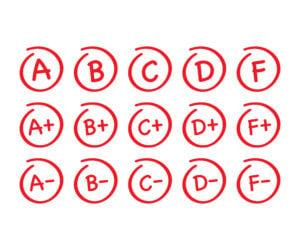
following grading
system
.
 Honors
and
Pass
are
the
most
common.
 In
most
law
schools,
grades
create
invidious
distinctions
based
upon
mandatory
grade
curves
and
caps.
 The
difference
between
an
A
and
an
A-
gets
accentuated.
 Perhaps
Yale
is
right
and
we
give
too
many
grades,
and
that
creates
fetishism
about
the
difference
between
an
A
and
an
A- and
distorts
the
purpose
of
learning.


Your
grade
does
not
reflect
who
you
are
as
a
human.
 
 There
are
many
more
components
to
being
a
member
of
this
profession
than
your
grade.
 Are you kind?
 Did
you
help
colleagues
when
they
needed
notes?
 Or
were
you
selfish?
 Were
you
hiding
resources
from
colleagues
instead
of
sharing?
 Did
you
constantly
talk
smack
about
your
colleagues
or
the
professor?
Did
you
blame
the
professor
for
your
grade?
 Were
you
more
interested
in
the
grade
than
understanding
and
learning?

The
answers
to
those
questions
say
more
about
you
than
your
grades
ever
will.


LawProfBlawg
 is
an
anonymous law professor.
Follow
him
on X/Twitter/whatever (
@lawprofblawg).
He’s
also
on
BlueSky,
Mastodon,
and
Threads
depending
on
his
mood. Email
him
at 
[email protected]
The
views
of
this
blog
post
do
not
represent
the
views
of
his
employer,
his
employer’s
government,
his
Dean,
his
colleagues,
his
family,
or
himself. 

How Artificial Intelligence Is Quickly Changing Case Strategy Development – Above the Law

Law
firm
litigators
are
facing
a
pivotal
moment.
Caseloads
are
growing
in
complexity
and
volume
while
client
expectations
are
shifting.

Between
July
and
August
of
2025,
Ari
Kaplan
Advisors
interviewed
partners
and
attorneys
at
large
law
firms
across
the
United
States.

The
objective
of
the
research
was
to
understand
how
litigators
and
trial
lawyers
are
leveraging
technology
to
stay
ahead
in
a
rapidly
evolving
legal
environment.
It
focused
on
market
trends,
case
strategy
approaches,
the
impact
of
case
management
software,
and
AI
use
cases.

Opus2 Report

In

The
Emergence
of
Case
Strategy
Technology
as
a
Competitive
Advantage
in
an
Evolving
Litigation
Landscape,

our
friends
at
Opus
2
share
the
findings
of
this
research. 

Download
it
to
explore:

  • How
    you
    can
    overcome
    challenges
    in
    developing
    a
    successful
    case
    strategy
  • How
    AI
    is
    quickly
    changing
    case
    strategy
    development
  • The
    emergence
    of
    case
    strategy
    technology
    as
    a
    catalyst
    for
    transformation 
  • Other
    litigation
    and
    market
    trends

Get
the
report
here!


How Appealing Weekly Roundup – Above the Law


Ed.
Note
:

A
weekly
roundup
of
just
a
few
items
from
Howard
Bashman’s

How
Appealing
blog
,
the
Web’s
first
blog
devoted
to
appellate
litigation.
Check
out
these
stories
and
more
at
How
Appealing.


“A
Year
Inside
Kash
Patel’s
F.B.I.:
Forty-five
current
and
former
employees
on
the
changes
they
say
are
undermining
the
agency
and
making
America
less
safe.”
 Emily
Bazelon
and
Rachel
Poser
have this
article
 online
at
The
New
York
Times
Magazine.


“Fifth
Circuit
split
on
Trump’s
use
of
Alien
Enemies
Act
to
remove
Venezuelans;
Judges
questioned
the
extent
to
which
courts
have
the
power
to
second-guess
the
president’s
invocation
of
the
18th-century
law”:
 Christina
van
Waasbergen
of
Courthouse
News
Service
has this
report
.


“IRS
Told
Goldstein
to
Keep
Better
Gambling
Records,
Jury
Hears”:
 Holly
Barker
of
Bloomberg
Law
has this
report
 (subscription
required
for
full
access).


“‘The
Justices
Might
Actually
Have
to
Say
No,
Even
to
the
President’”:
 Law
professors Kate
Shaw
William
Baude
,
and Stephen
I.
Vladeck
 have this
written
discussion
 online
at
The
New
York
Times.


“Race
looms
large
in
gun-rights
arguments
at
Supreme
Court;
The
justices
debated
post-Civil
War
‘Black
codes’
as
they
mulled
a
Hawaii
law
limiting
guns
in
public
places”:
 Josh
Gerstein
of
Politico
has this
report
.


“Supreme
Court
conservatives
have
downplayed
Trump’s
conduct.
The
Fed
case
may
change
that.”
 Joan
Biskupic
of
CNN
has this
news
analysis
.