Yesterday,
Judge
Mark
L.
Wolf
penned
an
open
letter
in
the
pages
of
The
Atlantic
announcing
his
retirement.
The
Reagan
appointee
has
been
on
the
bench
for
40
years,
28
of
which
were
as
an
active
status
judge
—
in
2013,
he
took
senior
status
—
and
before
that,
he
worked
at
the
Department
of
Justice.
But
Judge
Wolf
is
unable
to
continue
his
life
of
service
for
one
basic
reason:
Donald
Trump.
My
reason
is
simple:
I
no
longer
can
bear
to
be
restrained
by
what
judges
can
say
publicly
or
do
outside
the
courtroom.
President
Donald
Trump
is
using
the
law
for
partisan
purposes,
targeting
his
adversaries
while
sparing
his
friends
and
donors
from
investigation,
prosecution,
and
possible
punishment.
This
is
contrary
to
everything
that
I
have
stood
for
in
my
more
than
50
years
in
the
Department
of
Justice
and
on
the
bench.
The
White
House’s
assault
on
the
rule
of
law
is
so
deeply
disturbing
to
me
that
I
feel
compelled
to
speak
out.
Silence,
for
me,
is
now
intolerable.
Judge
Wolf
continues,
noting
Trump
is
an
“existential
threat
to
democracy
and
the
rule
of
law,”
and
“what
Nixon
did
episodically
and
covertly,
knowing
it
was
illegal
or
improper,
Trump
now
does
routinely
and
overtly.”
Soon
after
he
was
inaugurated,
Trump
fired,
possibly
unlawfully,
18
inspectors
general
who
were
responsible
for
detecting
and
deterring
fraud
and
misconduct
in
major
federal
agencies.
The
FBI’s
public-corruption
squad
has
also
been
eliminated.
The
Department
of
Justice’s
public-integrity
section
has
been
eviscerated,
reduced
from
30
lawyers
to
only
five,
and
its
authority
to
investigate
election
fraud
has
been
revoked.
Plus
there’s
Trump’s
about
face
on
crypto
—
just
in
time
for
him
to
launch
his
own
currency.
And
now
that
Trump’s
hawking
$TRUMP,
whaddya
know
—
Trump
disbanded
the
DOJ’s
cryptocurrency-enforcement
unit.
Talk
about
the
“unlawful
influence
of
money
on
official
decisions.”
As
Wolf
notes,
since
he
was
already
on
senior
status,
replaced
on
the
District
of
Massachusetts
by
Obama-appointee
Indira
Talwani,
this
doesn’t
mean
another
vacancy
for
Trump
to
fill.
Which
seems
like
it’s
news
to
at
least
one
ASS
Law
professor.
Wolf
told
the
New
York
Times
he
hopes
to
use
his
time
away
from
the
bench
to
continue
to
speak
out
against
the
Trump
administration’s
erosion
of
constitutional
protections
and
“I
hope
to
be
a
spokesperson
for
embattled
judges
who,
consistent
with
the
code
of
conduct,
feel
they
cannot
speak
candidly
to
the
American
people.”
Kathryn
Rubino
is
a
Senior
Editor
at
Above
the
Law,
host
of
The
Jabot
podcast,
and
co-host
of
Thinking
Like
A
Lawyer.
AtL
tipsters
are
the
best,
so
please
connect
with
her.
Feel
free
to
email
her
with
any
tips,
questions,
or
comments
and
follow
her
on
Twitter
@Kathryn1 or
Mastodon
@[email protected].
Law
school
career
services
offices
have
historically
been
clerkship
gatekeepers
and
facilitators
—
hoarding
information,
providing
incomplete
resources,
and
hosting
one-sided
programming
to
facilitate
clerkship
opportunities
for
students.
Yet
schools’
overwhelmingly
positive
and
misleading
messaging
provides
a
dangerously
rosy
and
overly
optimistic
picture
of
clerking. Biased
advising
fail
to
highlight
potential
downsides,
let
alone
negative
experiences
that
are
all
too
common
in
hierarchical,
unregulated
work
environments.
By
creating
unrealistic
expectations,
schools
set
students
up
for
failure:
if
clerks
are
mistreated,
they
self-internalize
criticism
and
assume
they’re
to
blame.
So,
they
keep
their
heads
down
and
stay
silent,
perpetuating
the
problem
by
failing
to
warn
others.
Beyond
this,
law
schools
have
misaligned
incentives:
they
don’t
always
have
students’
best
interests
at
heart.
They’re
far
more
interested
in
placing
as
many
students
as
possible
into
prestigious
clerkships,
and
maintaining
relationships
with
judges
(even
abusive
ones).
They
care
about
prestige
over
positive
experience:
clerks’
well-being
barely
makes
the
priority
list.
Seeing
their
students
flock
to
LAP’s
Database,
some
schools
tried
to
prevent
them
from
accessing
it,
fearing
it
would
dissuade
them
from
clerking
for
abusive
and
prestigious
judges.
Yale
Law
School
(YLS)
and
Maryland
Law
barred
student
organizations
from
subscribing
to
the
Database
on
behalf
of
members
using
student
organization
funds.
This
backfired,
galvanizing
eight
donors
to
cover
Database
subscriptions
for
students
at
YLS
and
seven
other
schools,
and
inspiring
more
law
journals
to
subscribe.
LAP’s
Database
has
only
grown
in
popularity
since
then:
students
saw
through
these
nakedly
malicious
efforts
and
were
undeterred
from
subscribing.
How
common
are
the
negative
experiences
schools
worked
so
hard
to
prevent
students
from
learning
about?
According
to
LAP’s
data
—
nearly
2,000
surveys
about
more
than
1,200
judges
—
around
30%
of
experiences
are
negative.
And
more
than
100
out
of
around
1,700
currently
serving
federal
judges
are
“do
not
clerk
for”
jurists.
That
means
federal
clerkship
applicants
have
around
a
1
in
17
chance
of
being
mistreated
while
clerking
—
perhaps
the
most
dangerous
white-collar
workplace
in
America.
Many
2Ls
don’t
realize
schools
—
even
highly
ranked
ones
—
provide
incomplete
and
misleading
information.
Unless
students
can
name
all
100
federal
judges
to
avoid,
they
need
LAP’s
Database.
And
even
if
they
can,
they
should
probably
still
research
them,
rather
than
gamble
their
futures
on
someone’s
word.
A
handful
of
primarily
T14
schools
maintain
internal
clerkship
databases
containing
post-interview
and
post-clerkship
surveys.
Even
under
the
best
circumstances,
no
school
has
information
about
all
the
judges
students
will
apply
to.
New
judges
are
appointed
and
elected
each
year.
Schools’
information
is
restricted
by
whom
alumni
have
clerked
for
and
clerks’
willingness
to
share
it
—
in
contrast
to
LAP’s
Database,
which
is
constantly
growing,
thanks
to
clerks’
trust
in
LAP’s
safeguards
and
security
protocols,
which
far
exceed
schools’.
Out
of
several
hundred
post-clerkship
surveys
populating
the
most
robust
school
databases,
typically
fewer
than
10
are
negative
—
not
reflective
of
clerks’
actual
experiences.
Where
are
the
negative
surveys?
Clerks
are
instructed,
including
by
their
schools,
not
to
say
anything
negative
about
judges
—
certainly
not
in
writing.
And
at
most
schools,
unlike
LAP’s
Database,
clerks
cannot
submit
anonymously:
mistreated
clerks
fear
retaliation
by
judges
and
career
repercussions.
School
databases
also
contain
misleading
positive
surveys
about
known
abusive
judges.
Schools
either
know
or
should
know
the
contents
of
their
databases,
since
they
signal
to
students
that
theirs
is
a
school-approved
resource
while
LAP’s
is
not.
Schools
should
be
held
accountable
if
students
end
up
in
abusive
clerkships
after
relying
on
their
school’s
database.
I
don’t
expect
schools
to
know
about
all
the
judges.
But
they’re
not
working
very
hard
to
inform
themselves.
On
the
contrary,
they
seem
to
be
working
hard
not
to
obtain
any
negative
information
about
judges,
so
they
won’t
have
to
confront
the
cognitive
dissonance
of
knowing
judges
mistreat
their
clerks
while
failing
to
warn
students.
To
the
extent
schools
have
some
negative
information
about
judges,
they
withhold
it
from
students
who
need
it.
Schools
could
maintain
internal
“do
not
clerk”
lists.
They
could
actively
warn
students
not
to
apply
when
reviewing
students’
judge
lists.
Clerkship
advisors
refuse:
they
tell
students
“we’ve
heard
mixed
things”
to
cover
their
butts,
disclaim
responsibility,
and
perpetuate
a
status
quo
that
benefits
them.
Schools
could
also
note
in
their
databases
to
“contact
us
before
applying
to
this
judge.”
Yet
I’ve
only
heard
of
one
instance
like
that,
in
a
database
with
no
other
warnings.
Schools’
misbehavior
is
particularly
outrageous,
since
they
benefit
from
clerks’
negative
experiences
—
the
number
of
clerkship
placements
they
announce
annually
improves
their
ranking,
reputation,
and
applicant
recruitment.
It’s
not
complicated,
though
some
claim
it
is:
the
status
quo
is
just
wrong.
Advisors
know
far
more
about
judges
than
students
who
don’t
subscribe
to
LAP’s
Database.
Students
rely
on
them
for
information:
not
warning
students
is
malpractice,
given
the
information
asymmetry
and
enormous
pressure
to
clerk.
Law
schools
have
a
duty
of
care
to
students:
they’ve
failed.
Some
schools
also
maintain
historical
alumni
clerk
lists.
But
while
schools
instruct
students
to
research
judges
before
applying,
they
don’t
equip
them
with
sufficient
tools.
It’s
too
onerous
for
applicants
to
email
dozens
of
clerks
and
schedule
calls
with
each
before
applying.
Students
don’t.
They
apply
indiscriminately
to
as
many
as
100
judges
and
only
contact
former
clerks
if
they’re
invited
to
interview.
Several
top
schools
make
things
even
harder,
gatekeeping
lists
and
making
introductions
themselves
only
after
students
get
interviews.
But
by
then
it’s
often
too
late.
When
students
can’t
research
judges
before
applying,
they
may
find
themselves
in
dangerous
bird-in-the-hand
situations.
Upon
receiving
an
interview,
clerks
warn
them
about
the
judge.
But
it’s
their
only
interview.
Do
they
turn
it
down,
leaving
them
with
no
clerkship
at
all,
in
this
tough
job
market?
Or
do
they
decide
they
can
handle
it?
Every
mistreated
clerk
I’ve
spoken
with
said
they
wished
they’d
turned
the
clerkship
down.
Students
applying
via
OSCAR’s
Law
Clerk
Hiring
Plan
may
receive
interview
offers
with
as
little
as
48
hours’
notice,
without
time
to
speak
with
clerks.
Importantly,
many
mistreated
clerks
are
untruthful
when
students
reach
out,
fearing
career
repercussions
for
speaking
ill
of
a
powerful
judge.
The
frequently
offered,
tone-deaf
advice,
“talk
to
clerks
before
applying”
fails
to
recognize
that
students
don’t
have
access
to
those
networks,
nor
bandwidth
for
voluminous
outreach
before
applying
—
and
that
mistreated
clerks
may
not
be
truthful
when
contacted.
Many
schools
instruct
students
never
to
turn
down
a
clerkship
interview,
let
alone
an
offer.
It’s
not
just
friendly
advice:
they
won’t
assist
further.
Some
schools
even
intervene
in
students’
bar
applications
as
retribution
for
turning
down
clerkship
offers.
And,
of
course,
only
a
few
schools
maintain
such
resources.
Most
students
are
on
their
own:
since
it’s
more
difficult
to
get
a
clerkship,
especially
a
federal
clerkship,
if
you
attended
a
less
prestigious
school,
these
students
may
be
even
more
vulnerable
to
abuse
and
willing
to
endure
it
to
obtain
this
coveted
credential.
Let’s
be
clear:
law
schools,
who’ve
fought
hard
to
ensure
clerkships
were
their
express
purview,
and
insisted
they
didn’t
need
LAP’s
Database,
punish
students
for
turning
down
clerkship
offers
but
refuse
to
provide
information
to
help
them
avoid
those
clerkships
in
the
first
place.
It’s
quite
a
conundrum
—
telling
students
to
“do
their
research”
while
not
empowering
them
with
tools
to
do
it;
and
instructing
students
never
to
turn
down
an
offer
without
providing
information
to
decide
whether
to
apply.
These
practices
benefit
two
groups
—
abusive
judges,
who
benefit
from
applicants
not
knowing
about
their
misconduct
until
it’s
too
late;
and
law
schools
obsessed
with
prestige
over
positive
experiences.
LAP’s
Database
solves
all
these
problems.
Clerks
can
submit
surveys
anonymously
(they’re
not
anonymous
to
LAP,
but
they’re
anonymous
to
users
reading
reviews),
ensuring
honest
reviews.
Hundreds
of
clerks
say
they’ve
never
had
a
platform
to
share
candidly
and
warn
applicants.
Importantly,
students
can
start
their
research
now,
long
before
applying,
so
they’re
confident
every
judge
they
apply
to
is
a
good
boss.
And
the
nationwide
scope
of
LAP’s
Database
makes
it
far
superior
to
any
school’s
limited
information.
That’s
why
LAP
hoped
some
schools
would
want
to
broaden
their
information
by
subscribing.
Students
who
choose
not
to
subscribe
to
LAP’s
Database
before
applying,
or
who
read
negative
reviews
and
pursue
those
clerkships
anyway,
may
not
realize
how
treacherous
some
clerkships
are.
I
receive
at
least
weekly
outreach
from
incoming
clerks
trying
to
withdraw
from
clerkships
they
subsequently
learned
are
abusive;
or
from
mistreated
clerks
who’ve
quit,
been
fired,
or
need
to
extract
themselves
from
hostile
work
environments.
You
shouldn’t
need
therapy
after
your
clerkship:
yet
whole
generations
of
young
lawyers
are
traumatized
by
abusive,
imperious
judges.
They
take
that
trauma
to
their
next
jobs
—
afraid
to
ask
for
extensions,
for
example,
because
the
judge
they
clerked
for
berated
them
for
asking;
or
paranoid
that
turning
in
an
assignment
automatically
means
being
called
into
an
office
and
excoriated,
because
that’s
how
the
judge
conducted
themselves.
Traumatized
clerks
make
bad
lawyers,
or
become
abusive
managers
themselves,
because
hurt
people,
hurt
people.
It’s
a
difficult
time
for
law
students.
Government
jobs
vanished,
the
rug
pulled
out
from
under
aspiring
public
servants.
But
at
a
time
when
students
are
even
more
desperate
to
clerk,
given
the
lack
of
federal
jobs
(last
year
was
a
particularly
competitive
clerkship
application
cycle),
it’s
even
more
important
to
be
informed
decision-makers
and
avoid
career-
and
life-altering
experiences.
Law
students
must
take
responsibility
for
their
careers:
seek
out
candid
clerkship
information
and
pay
to
access
it.
Frankly,
the
$50
they’ll
spend
to
subscribe
per
school
year
is
a
drop
in
the
bucket
compared
to
the
hundreds
of
dollars
(or
more)
they’ll
spend
on
wardrobe,
travel,
and
lodging
for
clerkship
interviews,
let
alone
the
massive
pay
cut
to
clerk.
They’ll
uproot
their
entire
lives,
take
out
a
one-year
lease,
and
move
somewhere
random
—
only
to
risk
having
their
lives
and
careers
destroyed
by
abusive
clerkships
and
retaliatory
judges.
Thousands
of
students
and
recent
graduates
apply
for
clerkships
annually:
if
everyone
subscribed
to
LAP’s
Database,
far
fewer
would
be
mistreated.
Law
schools
steering
students
toward
their
incomplete
and
misleading
resources
rather
than
to
LAP’s,
and
funneling
students
into
clerkships
with
little
regard
for
the
quality
of
the
work
environment,
should
be
ashamed
of
themselves:
it
costs
them
nothing
to
direct
students
to
truthful
information.
Instead,
they’re
perpetuating
a
significant
civil
rights
abuse
—
harassment,
discrimination,
and
retaliation
committed
by
federal
judges
who
interpret
our
anti-discrimination
laws
while
exempt
from
those
same
laws.
Aliza
Shatzman
is
the
President
and
Founder
of The
Legal
Accountability
Project,
a
nonprofit
aimed
at
ensuring
that
law
clerks
have
positive
clerkship
experiences,
while
extending
support
and
resources
to
those
who
do
not.
She
regularly
writes
and
speaks
about
judicial
accountability
and
clerkships.
Reach
out
to
her
via
email
at [email protected] and
follow
her
on
Twitter
@AlizaShatzman.
America
has
no
shortage
of
attorneys
who
are,
in
fact,
petty-ass
bitches.
Most
of
them
don’t
talk
about
it
on
social
media.
Which
is
how
most
of
those
petty-ass
bitches
avoid
having
to
drag
in
a
federal
magistrate
to
adjudicate
their
contextual
level
of
petty.
So
if
you
know
me
in
real
life,
you
probably
know
that
I
am
a
petty-ass
bitch.
And
one
of
my
favorite
things
to
do
is
drop
a
bunch
of
bullshit
on
opposing
counsel’s
desk
at
like
4:45
on
a
Friday
afternoon,
and
then
be
like,
thanks
so
much.
Have
a
great
weekend!
Attorney
Katie
Panzer
posted
a
video
explaining
all
this
moments
after
zipping
over
some
discovery
requests
in
a
discrimination
dispute
brought
by
her
client
against
his
former
employer.
Those
requests
did,
in
fact,
arrive
under
a
cover
email
that
concluded,
“Have
a
great
weekend!”
prompting
defense
counsel
—
who
also
know
how
Instagram
works
—
to
demand
that
she
withdraw
the
discovery
requests
as
promulgated
for
an
“improper
purpose”
under
Rule
26(g).
Well,
technically,
they
called
Panzer’s
co-counsel
to
demand
the
discovery
requests
withdrawn.
Methinks
there
may
be
multiple
petty-ass
bitches
involved.
After
the
issue
was
appropriately
returned
to
Panzer,
she
refused
to
withdraw.
At
that
point,
the
defendant
moved
for
sanctions
and
then
Panzer
moved
for
sanctions
citing
the
frivolity
of
defendant
moving
for
sanctions
just
to
get
out
of
responding
to
discovery
and
an
“attempt
to
embarrass,
bully,
and
harass
Ms.
Panzer
into
withdrawing
proper
discovery
requests.”
Magistrate
Judge
Daphne
Oberg
entered
the
chat
and
managed
to
produce
20
pages
of
content
that
boiled
down
to
“y’all
need
to
chill
out.”
Does
posting
about
being
a
“petty-ass
bitch”
who
serves
“a
bunch
of
bullshit”
make
those
discovery
requests
objectively
improper
under
Rule
26(g)?
No.
Of
course
not.
Because
if
“a
bunch
of
bullshit”
rendered
something
presumptively
improper,
the
whole
enterprise
of
American
litigation
would
collapse.
There
is
no
question
Ms.
Panzer’s
Instagram
post
was
unprofessional
and
imprudent.
But
Ms.
Panzer’s
reference
to
the
requests
as
“a
bunch
of
bullshit”
does
not,
on
its
own,
establish
the
requests
themselves
are
objectively
improper
or
propounded
for
an
improper
purpose.
Although
it
calls
into
question
the
subjective
purpose
of
the
discovery
requests,
it
does
not
automatically
establish
an
improper
purpose
under
an
objective
standard
of
reasonableness.
While
the
video
must
be
considered
in
the
totality
of
the
circumstances,
if
the
requests
are
relevant
and
proportional,
it
would
be
illogical
to
find
them
objectively
improper
on
the
grounds
that
counsel
made
ill-advised
statements
on
social
media
calling
them
“bullshit.”
While
the
court
correctly
evaluated
the
requests
on
their
own
merits,
any
honest
textualist
also
understands
that
“a
bunch
of
bullshit”
does
not
necessarily
make
a
qualitative
claim.
It’s
can
be
a
bunch
of
stuff.
Perhaps
a
bunch
of
annoying
stuff
to
deal
with.
But
not
necessarily
unimportant
stuff.
In
this
way,
bullshit
functions
as
the
“smurfy”
of
our
times.
The
court
also
wondered
why
complaining
about
discovery
requests
on
a
Friday
afternoon
amounts
to
anything
but
performative
pearl-clutching:
Where
a
party
has
thirty
days
to
respond
to
such
requests,
the
time
of
day
and
day
of
the
week
on
which
they
are
served
has
no
practical
effect
on
the
burden
or
expense
of
responding.
The
fact
that
Ms.
Panzer
served
these
requests
on
a
Friday
afternoon
did
not
objectively
constitute
harassment,
cause
unnecessary
delay,
or
increase
the
cost
of
litigation—even
if
Ms.
Panzer
intended
them
to.
Lodging
requests
doesn’t
mess
with
the
litigation…
it
messes
with
litigators
who
can’t
compartmentalize.
If
a
lawyer
can’t
get
a
document
on
the
way
out
the
door
and
tell
the
difference
between
an
emergency
and
a
“wait
for
Monday,”
that’s
on
them.
And
if
the
purpose
of
sending
these
specific
requests
on
a
Friday
was
to
needle
lawyers
known
for
that
level
of
obsession-compulsion…
it
may
be
petty,
but
it’s
also
very
funny.
That
said,
Judge
Oberg
did
clarify
that
the
Instagram
post
was
sufficiently
dumb
that
the
defendant
was
justified
in
raising
the
objection,
even
if
the
objection
was
ultimately
fruitless.
And
with
that,
both
sanctions
motions
fell.
However,
Judge
Oberg
notified
Panzer
at
the
hearing
that
the
court
is
“considering
imposing
sanctions
on
her
sua
sponte
under
the
District
of
Utah’s
local
rules
and
the
Utah
Standards
of
Professionalism
and
Civility.”
Panzer
has
until
November
4
to
show
cause
why
she
shouldn’t
be
sanctioned
“for
the
reasons
stated
on
the
record.”
In
other
words,
the
post
didn’t
make
the
discovery
improper,
but
might
still
constitute
sanctionable
unprofessional
conduct.
As
they
say,
the
first
rule
of
being
a
petty-ass
bitch
is: you
do
not
talk
about
being
a
petty-ass
bitch.
Which
is
also
the
second
rule.
The
oft-forgotten
third
rule
is
do
not
let
your
appetite
for
petty
drag
your
client
into
litigation
over
it.
For
the
record,
the
rule
for
being
on
the
other
side
of
such
behavior,
is
not
to
let
it
turn
you
into
one
too.
Neither
side
seemed
to
follow
their
assigned
rules
here.
Zenzo
Nkomo,
from
the
National
Democratic
Working
Group
(NDWG)
led
by
Sikhala,
claimed
a
sequence
of
events,
including
a
disrupted
book
tour,
a
house
bombing
and
the
bombing
of
a
conference
venue,
points
to
a
systematic
effort
to
silence
the
prominent
opposition
figure.
Nkomo’s
comments
were
made
during
a
solidarity
speech
at
the
“Red
October”
event,
organised
by
the
Zimbabwe
Communist
Party
(ZCP)
in
Bulawayo
over
the
weekend.
His
comments
come
as
53-year-old
Sikhala
reportedly
remains
in
custody
at
a
Pretoria
police
station
following
his
arrest
last
week
after
South
African
police
allegedly
found
explosives
in
his
vehicle.
“Police
received
a
tip
off
that
in
Sikhala’s
car
they
were
carrying
explosives.
Some
of
you
might
have
seen
that
on
social
media,
it
is
all
over,”
Nkomo
told
the
gathering.
“We
don’t
know
what
kind
of
explosives
those
are,
whether
industrial
or
military
explosives.
We
don’t
know
how
those
explosives
were
in
the
car.
All
those
are
million
dollar
questions
that
we
are
asking
ourselves.”
Nkomo
urged
the
audience
to
view
the
arrest
not
as
an
isolated
incident,
but
as
the
culmination
of
a
deliberate
pattern
of
intimidation
and
detailed
a
series
of
prior
events
that
he
believes
form
a
clear
sequence
of
targeting.
“But
before
this
latest
event,
there
is
a
sequence
of
events
that
have
been
developing.
One
of
them
is
we
start
with
the
book
launch,”
Nkomo
stated.
“Job
produced
his
biography
and
we
have
been
going
to
the
country
launching
that
book.
In
Masvingo,
our
launch
was
interrupted
by
agents
of
Zanu
PF
and
it
was
cancelled.”
The
campaign
of
disruption,
Nkomo
alleged,
then
extended
beyond
Zimbabwe’s
borders.
“After
that
disruption,
we
went
to
Johannesburg,
again
we
found
a
CIO
agent
or
whether
it
was
a
security
agent
amongst
us,
who
was
also
sent
by
the
system.
Our
security
managed
to
apprehend
him,”
he
said.
The
situation
escalated
dramatically
on
the
same
day
as
the
Johannesburg
incident.
“On
that
very
same
day
in
Harare,
Job’s
house
in
Harare
was
bombed,”
Nkomo
said.
He
further
connected
Sikhala’s
targeting
to
the
broader
political
context,
specifically
the
opposition
to
Zanu
PF’s
proposed
2030
presidential
term
extension.
Nkomo
cited
the
petrol
bombing
of
the
Southern
Africa
Political
Economy
Series
(SAPES)
Trust
in
Harare
on
October
28,
which
was
intended
to
host
a
press
conference
against
the
“2030
agenda.”
“Here
in
Bulawayo,
we
were
prevented
from
having
the
press
conference,”
Nkomo
added.
“You
can
see
that
there
is
a
campaign
by
the
system
comrades,
and
this
is
an
indictment
to
all
of
us
as
democratic
and
progressive
forces
in
this
country
that
how
do
we
respond,
tackle
and
organise
ourselves
to
face
this
onslaught
by
the
system
on
the
democratic
forces
and
forces
of
change
in
this
country
as
we
are
under
siege.”
Concluding
his
speech,
Nkomo
called
for
unity
among
opposition
forces.
“We
wish
the
communists
the
best,
we
are
all
looking
for
change,
the
communists
are
known
for
their
commitment
and
fighting
that’s
what
they
are
known
for
across
the
world.
Let’s
work
together
and
at
the
end
of
day,
we
must
bring
change
in
our
country
and
make
it
a
better
Zimbabwe
for
future
generations.”
According
to
reports,
friends
of
Sikhala
believe
he
was
the
victim
of
a
set-up,
possibly
involving
Zimbabwean
intelligence
operatives.
It
is
reported
that
Sikhala
received
a
call
from
individuals
presenting
themselves
as
members
of
former
DRC
President
Joseph
Kabila’s
party,
who
offered
financial
support
for
his
pro-democracy
efforts.
The
explosives
allegedly
found
in
Job
Sikhala’s
vehicle
by
South
African
police
Sikhala
was
arrested
after
leaving
a
meeting
with
these
individuals.
Pictures
circulating
online
show
Sikhala
handcuffed
and
sitting
by
the
roadside
next
to
an
elderly
man
believed
to
have
been
in
the
vehicle,
alongside
an
image
of
what
appears
to
be
explosives
in
a
yellow
plastic
bag.
You
came,
you
saw,
you
voted,
and
one
submission
stole
the
show
in
this
year’s
legally
themed
Halloween
costume
contest.
Our
winner
took
home
65%
of
the
vote
this
year.
Making
legally
themed
Halloween
costumes
isn’t
an
easy
feat,
and
this
year’s
submissions
were
quite
creative.
As
usual,
we
applaud
the
brave
souls
who
subjected
themselves
to
our
judgment.
And
now,
the
moment
you’ve
been
waiting
for.
Who
won
our
annual
costume
contest?
It’s
none
other
than
a
depiction
of
the
battered,
beaten,
and
bruised
Justicia,
better
known
as
Lady
Justice,
2025
A.D..
Check
out
the
amazing
costume,
below.
Congrats
on
winning
our
annual
contest!
It’s
our
hope
that
the
rule
of
law
in
America
will
survive
all
of
the
many
ordeals
that
it’s
currently
being
put
through. Email
us to
collect
your
prize.
Thanks
to
everyone
for
submitting
costumes
and
for
voting.
We
sincerely
hope
you’ll
submit
a
costume
again
for
next
year’s
competition.
Our
readers
are
part
of
what
makes
Above
the
Law
such
a
great
website.
Staci
Zaretsky is
the
managing
editor
of
Above
the
Law,
where
she’s
worked
since
2011.
She’d
love
to
hear
from
you,
so
please
feel
free
to
email
her
with
any
tips,
questions,
comments,
or
critiques.
You
can
follow
her
on Bluesky, X/Twitter,
and Threads, or
connect
with
her
on LinkedIn.
Ed.
note:
Please
welcome
Renee
Knake
Jefferson
back
to
the
pages
of
Above
the
Law.
Subscribe
to
her
Substack,
Legal
Ethics
Roundup,here.
Welcome
to
what
captivates,
haunts,
inspires,
and
surprises
me
every
week
in
the
world
of
legal
ethics.
Happy
Monday!
Here
are
your
headlines.
Highlights
from
Last
Week –
Top
Ten
Headlines
#1
“Vigilante
Lawyers
Expose
the
Rising
Tide
of
A.I.
Slop
in
Court
Filings.” From
the New
York
Times: “Mr.
Freund is
part
of
a
growing
network
of
lawyers
who
track
down
A.I.
abuses
committed
by
their
peers,
collecting
the
most
egregious
examples
and
posting
them
online.
The
group
hopes
that
by
tracking
down
the
A.I.
slop,
it
can
help
draw
attention
to
the
problem
and
put
an
end
to
it.
…
‘These
cases
are
damaging
the
reputation
of
the
bar,’
said Stephen
Gillers,
an
ethics
professor
at
New
York
University
School
of
Law.
‘Lawyers
everywhere
should
be
ashamed
of
what
members
of
their
profession
are
doing.’
…
The
problem,
though,
keeps
getting
worse.
That’s
why Damien
Charlotin,
a
lawyer
and
researcher
in
France,
started an online
database in
April
to
track
it.”
Read
more here (gift
link).
#2
“Law
Firm
Ownership
Could
Be
Opened
to
Non-Lawyers
in
Tennessee.” From Bloomberg
Law: “Tennessee
is
looking
at
non-lawyer
ownership
of
law
firms,
a
possibility
that
would
create
rare
access
to
the
profession
for
investors
and
corporations.
The
state
Supreme
Court,
which
says
it
is
worried
about
an
insufficient
supply
of
legal
services,
is
taking
comments
on
whether
it
should
loosen
ownership
rules.
The
goal
is
‘to
ensure
that
all
Tennesseans
have
access
to
affordable
quality
legal
services,’
the
court
said in
an
order last
month.
If
a
change
moves
forward,
the
state
will
join
Arizona
and
Utah
in
liberalizing
rules
to
let
a
broad
array
of
new
players
put
money
into
firms.
A
range
of
participants—KPMG,
Fortress
Investment
Group,
Rocket
Lawyer,
and
LegalZoom—have
jumped
into
the
fray
in
those
states
and
proponents
see
similar
possibilities
in
Tennessee.”
Read
more here.
#3
“Dems’
Bill
Would
Give
DHS
Detainees
Right
To
Talk
To
Atty.” From Law360: “Democratic
lawmakers
unveiled
a
bill
Friday
that
would
guarantee
immigrant
detainees
the
right
to
contact
their
families
and
speak
to
legal
counsel
in
custody,
amid
the
Trump
administration’s
push
to
ramp
up
major
enforcement
efforts
that
have
led
to
arrests
of
people
while
dropping
off
children
at
school
or
grocery
shopping. U.S.
Senator
Chris
Murphy,
D-Conn.,
and U.S.
Rep.
Maxine
Dexter,
D-Ore.,
are
leading
the
charge
with
the
backing
of
58
U.S.
Senate
and
House
of
Representatives
lawmakers
in
their
introduction
of
the
bicameral
legislation,
‘Restoring
Access
to
Detainees
Act,’
which
would
ensure
that
noncitizen
detainees
are
provided
limited,
free
telephone
services
to
speak
with
their
legal
counsel
and
stay
in
contact
with
their
families.”
Read
more here.
#4
“Lawmakers
Seek
Investigation
of
Judges
Who
Criticized
Supreme
Court.” From
the New
York
Times: “The
Republican
chairmen
of
the
Senate
and
House
Judiciary
Committees
appealed
to Chief
Justice
John
G.
Roberts
Jr. on
Wednesday
to
look
into
whether
federal
judges
who
responded
to
a
New
York
Times
questionnaire
with
criticism
of
the
Supreme
Court
had
violated
their
ethics
obligations.
…
The
letter
comes
weeks
after
The
Times published
an
article in
which
dozens
of
federal
judges
accused
the
Supreme
Court
of
mishandling
its
emergency
docket,
complaining
that
its
orders
were
too
brief,
opaque
and
vague
for
the
lower
courts
to
follow
—
particularly
in
the
many
cases
where
the
justices
issued
emergency
orders,
but
offered
no
reasoning
for
their
decision.”
Read
more here(gift
link).
#5
“Ex-NJ
Lawyer
Disciplined
For
Sharing
Fees
With
Non-Attys.” From Law360: “The
New
Jersey
Supreme
Court
has
handed
down
a
deferred
two-year
suspension
to
a
retired
attorney
for
improperly
sharing
more
than
$650,000
in
fees
with
nonattorneys
over
several
years
after
he
had
been
censured
for
similar
misconduct.”
Read
more here.
#6
“Brad
Karp
Heckled
at
Gala
as
He
Defends
Paul
Weiss
Pro
Bono.” From Bloomberg
Law: “Paul
Weiss
chairman
Brad
Karp
defended
the
firm’s
pro
bono
work
in
the
wake
of
its
deal
with President
Donald
Trump,
as
he
was
heckled
and
protested
at
a
bar
association
event.
In
a
nearly
30-minute
speech
Friday
night
at
the
New
York
Bar
Foundation
gala
honoring
Paul
Weiss
partner Loretta
Lynch,
Karp
listed
the
firm’s
past
and
present
pro
bono
work
for
liberal
causes.”
Read
more here.
#7
“Federal
Judge
Accused
of
Misconduct
Disbarred
by
Alaska
Supreme
Court.” From Alaska’s
News
Source: “The
Alaska
Supreme
Court
has
ordered
former
federal
judge Joshua
Kindred to
be
disbarred
from
the
practice
of
law
in
Alaska.
Kindred
is
the
first
ever
judge
to
be
disbarred
in
Alaska.
This
comes
after
investigators
found
that
Kindred
had
a
‘sexualized
relationship’
with
a
clerk
who
became
a
prosecutor
and
lied
about
it
to
a
senior
judge
and
investigators
and
maintained
a
hostile
workplace
for
law
clerks.
He
resigned
in
2024.”
Read
more here.
#8
“US
Attorneys
Beware:
Acting
Outside
Ethical
Boundaries
May
Cause
Irreparable
Damage.” From The
Law
Journal
Editorial
Board: “It
is
disappointing
to
read
that
federal
judges
across
the
country
have
expressed
displeasure
with
representations
and
arguments
of
lawyers
from
what
was
the
previously
highly
regarded
United
States
Department
of
Justice.
Judges
have
become
skeptical
and
critical
of
their
arguments,
despite
the
historical
presumption
that
they
act
in
good
faith
and
with
a
‘presumption
of
regularity.’
According
to
U.S.
Senior
District
Judge
Paul
L.
Friedman
of
the
District
of
Columbia (himself
a
former
assistant
United
States
attorney
and
assistant
to
the
solicitor
general
of
the
United
States),
federal
‘courts
have
seen
instance
after
instance
of
departure
from
this
tradition.’”
Read
more here.
#9
“Too
Sick
to
Practice?
Ethics
Rules
Still
Apply
to
Attorneys.” From
the Daily
Journal: “As
flu
season
sets
in,
even
the
most
tireless
lawyer
must
recognize
when
illness
demands
a
pause
—
because
ethical
duties
don’t
take
sick
days.”
Read
more here.
#10
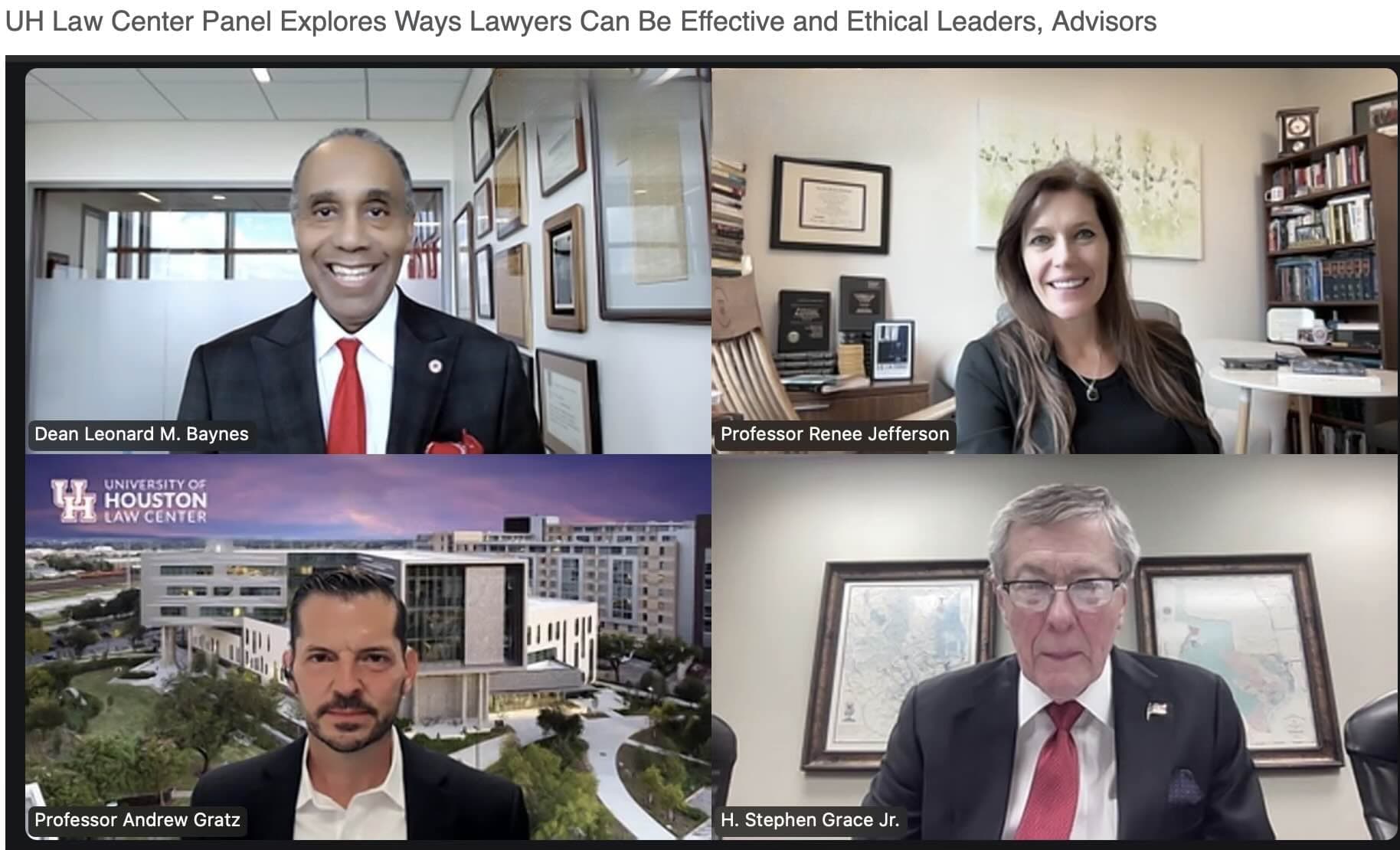
“UH
Law
Center
Panel
Explores
Ways
Lawyers
Can
Be
Effective
and
Ethical
Leaders,
Advisors.” From
the University
of
Houston: “Lawyers
play
pivotal
roles
across
the
wide
spectrum
of
American
centers
of
power
–
from
the
White
House
to
local
governments,
from
corporate
boardrooms
to
nonprofit
organizations.
A
recent
online
webinar
hosted
by
the
University
of
Houston
Law
Center,
‘Lawyers
Who
Lead:
Ethics,
Influence,
and
Impact,’
examined
the
significant
influence
lawyers
can
hold
and
how
to
exercise
it
responsibly.”
Read
more
and
watch here.
Get
Hired
Usually
I
include
job
postings
only
with “First
Monday”
editions of
the
LER
at
the
start
of
the
month,
but
I
had
a
special
request
for
this
one
from
the
American
Bar
Association.
Here’s
the
opportunity:
Lead
Senior
Counsel,
ABA
Center
for
Professional
Responsibility
–
Flexible
or
hybrid
work
arrangements
may
be
available
for
residents
of
CA,
DC,
IL,
IN,
IA,
MD,
MI,
MN,
TX,
VA,
and
WI. From
the
posting:
“Serves
as
primary
legal
counsel
and
provides
legal
policy
guidance
to
ABA
entities
and
exercises
department
management
duties
within
Division.
Serves
as
national
legal
expert
in
the
field
of
legal
and
judicial
ethics
and
professional
responsibility
law.
Provides
expertise
to
ABA
governance,
ABA
entities,
state,
local,
national
and
international
legal
community.
Develops
controlling
legal
policy
and
substantive
legal
resources
to
ensure
and
enhance
the
Association’s
continued
status
as
the
preeminent
leader
and
legal
authority
in
professional
responsibility
law.”
Learn
more
and
apply here.
Did
you
miss
the
350+
job
postings
from
previous
weeks? Find
them
all here,
including another
opportunity at
the
ABA
Center
for
Professional
Responsibility
—
Associate
Counsel.
Upcoming
Ethics
Events
&
Other
Announcements
Did
you
miss
an
announcement
from
previous
weeks?
Find
them
all here.
Keep
in
Touch
News
tips?
Announcements?
Events?A
job
to
post?Reading
recommendations? Email [email protected] –
but
be
sure
to
subscribe
first,
otherwise
the
email
won’t
be
delivered.
Renee
Knake
Jefferson
holds
the
endowed
Doherty
Chair
in
Legal
Ethics
and
is
a
Professor
of
Law
at
the
University
of
Houston.
Check
out
more
of
her
writing
at
the Legal
Ethics
Roundup.
Find
her
on
X
(formerly
Twitter)
at @reneeknake or
Bluesky
at legalethics.bsky.social.
Protesters
at
an
earlier
event.
(Photo
by
Michael
M.
Santiago/Getty
Images)
The
New
York
Bar
Foundation
gala
typically
boasts
a
country
club
vibe
with
golf
claps,
rubber
chicken,
and
everyone
pretending
they’re
not
checking
their
phones
under
the
table.
It’s
a
crowd
whose
idea
of
rebellion
is
leaving
before
dessert.
So
when
a
crowd
gathered
outside
Gotham
Hall
sporting
signs
calling
out
elite
Biglaw
firms
for
prostrating
themselves
before
the
Trump
administration,
and
someone
inside
started
heckling
Paul
Weiss
chair
Brad
Karp
like
he
was
bombing
at
the
Apollo,
it
became
abundantly
clear
that
the
legal
industry’s
self-inflicted
rot
spread
all
the
way
to
its
mahogany-paneled
core.
The
75th
edition
of
the
New
York
State
Bar
Association’s
event
described
itself
as
“honoring
extraordinary
leadership
and
lasting
impact.”
With
Paul
Weiss
taking
a
prominent
role
on
this
night,
marrying
that
tagline
to
the
very
first
firm
to
wave
the
white
flag
in
Trump’s
illegal
bullying
campaign,
inspiring
eight
other
copycats
and
ushering
in
the
significant
chilling
of
social
justice
work
across
the
legal
industry
likely
to
continue
for
the
rest
of
the
administration’s
tenure
elevated
the
event
to
Needful
Things
territory.
Paul
Weiss
enjoys
an
impressive
pro
bono
track
record
dating
back
decades.
At
Friday’s
event,
Karp
stressed
that
history
and
the
firm’s
ongoing
efforts
to
fight
for
reproductive
freedom
and
pushing
back
against
gun
manufacturers…
but
the
pledge
to
provide
free
legal
services
to
satisfy
Trump
loomed
over
everything
as
the
Ghost
of
Legal
Ethics
Present.
“One
lone
heckler
in
the
ballroom
also
voiced
their
distaste
with
Karp’s
decision,”
wrote
American
Lawyer,
“and
continuously
yelled
‘for
Trump?’
as
Karp
listed
the
firm’s
pro
bono
accomplishments,
such
as
its
pledge
to
devote
$175
million
toward
pro
bono
work
in
2025.”
“For
Trump?”
—
striking
the
ear
like
a
2025
Biglaw
equivalent
of
“Got
Milk?”
—
highlights
the
gravity
of
Biglaw’s
error
in
signing
on
to
these
deals.
For
a
firm
with
$175
million
in
pro
bono
work
annually,
a
one-time
commitment
of
$40
million
to
a
handful
of
vaguely
conservative-friendly
charities
is
not
much
of
an
imposition.
Even
the
firms
following
Paul
Weiss’s
lead,
all
of
whom
ended
up
committing
more
free
work,
must
have
walked
away
quietly
excited
that
Trump
doesn’t
understand
how
quickly
tens
of
millions
of
dollars
adds
up
in
Biglaw
billing.
While
Trump
ranted
to
the
public
about
having
a
billion
in
free
legal
services
to
use
after
he
left
office,
the
firms
themselves
will
probably
close
the
book
on
these
deals
by
the
end
on
the
year.
Because
they
fundamentally
don’t
grasp
the
damage
that
they’ve
done.
Their
deals
might
be
cheap
on
paper
—
or
in
Truth
Social’s
digital
crayon
as
the
case
may
be
—
but
Faustian
bargains
aren’t
measured
by
the
four
squares
of
the
document.
Trump
has
made
clear
he
believes
these
deals
are
more
expansive
than
the
firms
claim,
seeing
them
more
as
vassalage
oaths
than
settlements.
“They’re
all
bending
and
saying,
‘Sir,
thank
you
very
much,’”
Trump
said.
“Nobody
can
believe
it.
Law
firms
are
just
saying,
‘Where
do
I
sign?
Where
do
I
sign?’”
The
fact
that
the
firms
seem
terrified
to
respond
plainly
when
lawmakers
ask
basic
questions
about
the
deals,
shows
just
how
much
the
firms
still
FEAR
reprisal
if
they
push
back
on
that
claim.
They
continue
to
operate
under
the
belief
that
Trump
can
throw
out
the
deal
and
ask
for
more
at
any
moment.
And
this
makes
everything
they
do
suspect,
presumptively
a
product
of
a
quid
pro
quo
with
bad
faith
actors.
But
the
collateral
damage
extends
far
beyond
the
firms
themselves.
In
a
perverse
way,
Paul
Weiss
and
the
other
capitulators
have
enjoyed
more
freedom
of
action
this
year,
willing
to
cross
the
administration
on
some
matters
with
limited
confidence
that
their
deals
will
hold.
The
decline
in
social
justice
work
across
the
industry
is
a
direct
byproduct
of
these
deals
—
Trump
asserted
the
power
to
punish
firms
for
pro
bono
work,
and
the
surrendering
firms
told
the
market,
“we
agree.”
Once
you
establish
“collaboration
with
authoritarianism”
as
an
acceptable
business
development
strategy,
every
other
firm
takes
judicial
notice.
Any
firm
that
hadn’t
already
earned
Trump’s
ire
knew
the
biggest,
deepest
pockets
in
law
had
abandoned
the
fight.
By
settling,
the
top
of
Biglaw
left
the
rest
of
the
industry
exposed.
The
result
is
the
tragic
human
cost
of
an
industry
that’s
mostly
abandoned
the
field,
even
if
the
individual
firms
managed
to
pat
themselves
on
the
back
for
staying
committed
to
matters
that
amount
to
drops
in
the
bucket.
Paul
Weiss
partner
Loretta
Lynch
picked
up
one
of
the
event’s
Champion
of
Justice
awards.
As
recounted
by
American
Lawyer:
“We
must
never
forget
that
our
greatest
progress
at
many
times
in
this
country
has
often
come
after
our
greatest
trials
and
tribulations,”
Lynch
said.
“We
also
have
to
remember
as
we
deal
with
the
trials
and
tribulations
of
the
day,
this
has
actually
never
been
missing.
As
we
look
back
on
our
country’s
250
years,
it’s
clear
that
our
path
towards
justice
and
equality
has
always
had
twists
and
turns
and
sometimes
outright
reversals,
but
we
have
always
pushed
on.
And
with
every
challenge
met,
we
get
a
little
bit
closer
to
our
ideas
and
at
every
turn,
when
our
own
struggles
have
threatened
to
tear
us
apart,
and
yes
that
has
happened,
we
turn
to
the
law.”
And
when
turning
to
the
law
might
present
short-term
difficulties,
we
can
always
just
make
a
deal
with
those
acting
illegally,
she
pointedly
did
not
add.
Today’s
in-house
legal
teams
must
be
a
strategic
value
driver,
not
just
a
risk
manager.
The
rise
of
agentic
AI
presents
an
opportunity
to
transform
contracting
and
deliver
powerful
business
intelligence,
but
building
an
AI
strategy
can
be
daunting.
What
are
the
potential
points
of
failure,
and
what
tactics
lead
to
success?
Tune
in
to
legal
and
technology
leaders
including
Stephanie
Corey,
CEO
&
Founder
of
UpLevelOps
and
Anthony
Tacker,
Director
of
Risk
&
Procurement
at
FlexGen,
and
Memme
Onwudiwe,
AI
Evangelist
&
Evisort
Founding
Team
at
Workday,
for
a
CLE-approved
webinar
that
moves
beyond
the
hype.
We’ll
explore
the
state
of
AI
adoption
in
corporate
legal
departments
and
share
practical
strategies
for
responsible
AI
use
cases
that
deliver
proven
ROI.
In
this
session,
you’ll
learn
how
to:
Harness
AI
to
automate
contract
and
document
analysis
and
free
your
team
from
tedious
manual
work.
Automatically
derive
custom
insights
that
shape
business
strategy
and
drive
growth.
Deliver
critical
contract
data
to
a
wide
range
of
business
stakeholders.
Plan
a
successful
AI
deployment
and
accelerate
your
time-to-value.
Watch
this
session
to
learn
how
to
build
an
AI-powered
legal
department
that
drives
tangible
business
results!
AI
innovation
often
depends
on
partnerships.
Whether
it
is
a
cloud
provider
offering
infrastructure,
a
niche
developer
supplying
a
specialized
model,
or
a
data
vendor
providing
essential
inputs,
these
relationships
move
products
forward.
They
also
carry
risk.
If
a
vendor’s
system
malfunctions,
violates
a
regulation,
or
misuses
data,
the
consequences
land
at
your
company’s
door.
For
in-house
counsel,
the
vendor
agreement
is
the
tool
to
turn
uncertainty
into
clear,
enforceable
expectations.
It
is
not
just
about
legal
protection.
It
is
about
setting
the
tone
for
how
the
AI
will
be
developed,
maintained,
and
governed
throughout
the
life
of
the
relationship.
Defining
Responsibility
Clearly
Every
AI
contract
should
start
with
an
unambiguous
allocation
of
responsibility.
If
the
system
produces
harmful
results,
fails
accuracy
tests,
or
violates
applicable
laws,
the
agreement
should
state
who
is
accountable.
This
includes
performance
standards,
quality
controls,
and
obligations
to
fix
problems
promptly.
Regulatory
compliance
cannot
be
assumed.
Vendors
should
commit
to
meeting
relevant
laws
and
notify
you
immediately
if
legal
changes
require
updates
to
the
system
or
its
deployment.
Demanding
Operational
Transparency
To
manage
risk,
you
need
visibility
into
the
AI
system.
That
means
contractual
rights
to
documentation
that
explains
how
it
works,
where
its
data
originates,
and
how
it
reaches
its
conclusions.
This
might
take
the
form
of
technical
summaries,
training
data
disclosures,
and
change
logs
for
updates.
Without
this
information,
you
may
be
left
unprepared
when
a
regulator
asks
for
details
or
when
a
customer
challenges
the
product’s
decisions.
Clarifying
Ownership
And
Use
Rights
In
AI
projects,
intellectual
property
rights
are
rarely
straightforward.
The
contract
should
specify
who
owns
the
model,
who
owns
the
outputs,
and
whether
the
vendor
can
use
your
data
to
improve
its
technology
for
other
clients.
Clear
terms
prevent
misunderstandings
about
licensing
scope,
exclusivity,
and
the
limits
on
reusing
your
proprietary
information
or
derived
datasets.
Without
this
clarity,
disputes
can
arise
long
after
the
product
is
in
market.
Setting
Data
Governance
Standards
Data
is
the
lifeblood
of
AI
and
the
source
of
many
legal
risks.
Contracts
should
set
explicit
rules
for
how
the
vendor
will
handle
your
data,
from
storage
security
to
deletion
protocols.
Decide
in
advance
whether
production
data
can
be
used
for
further
training
or
testing
and
under
what
safeguards.
Strong
governance
clauses
help
maintain
compliance
with
privacy
regulations
and
align
with
your
company’s
own
data
policies.
Managing
Change
Over
Time
AI
systems
are
not
static.
Vendors
may
update
models,
integrate
new
datasets,
or
alter
processing
methods.
The
contract
should
require
notice
of
any
significant
changes
and
your
right
to
approve
them
before
deployment.
Termination
rights
are
also
critical.
You
should
be
able
to
exit
the
relationship
if
changes
compromise
compliance,
safety,
or
business
fit.
These
protections
are
far
easier
to
secure
at
the
start
than
in
the
middle
of
a
problem.
Contracts
As
Strategic
Tools
An
AI
vendor
contract
is
more
than
a
risk-allocation
exercise.
Done
well,
it
ensures
that
the
vendor’s
operations
support
your
regulatory
obligations,
ethical
commitments,
and
business
priorities.
It
gives
you
the
insight
and
control
needed
to
deploy
AI
responsibly,
even
when
the
core
technology
comes
from
outside
your
organization.
For
in-house
counsel,
moving
from
standard
boilerplate
to
tailored
AI
clauses
means
building
agreements
that
safeguard
trust
and
foster
collaboration.
A
strong
contract
does
not
just
protect
the
company
from
harm.
It
helps
the
partnership
deliver
AI
that
is
reliable,
compliant,
and
aligned
with
the
goals
of
the
business.
Olga
V.
Mack is
the
CEO
of TermScout,
an
AI-powered
contract
certification
platform
that
accelerates
revenue
and
eliminates
friction
by
certifying
contracts
as
fair,
balanced,
and
market-ready.
A
serial
CEO
and
legal
tech
executive,
she
previously
led
a
company
through
a
successful
acquisition
by
LexisNexis.
Olga
is
also
a Fellow
at
CodeX,
The
Stanford
Center
for
Legal
Informatics,
and
the
Generative
AI
Editor
at
law.MIT.
She
is
a
visionary
executive
reshaping
how
we
law—how
legal
systems
are
built,
experienced,
and
trusted.
Olga teaches
at
Berkeley
Law,
lectures
widely,
and
advises
companies
of
all
sizes,
as
well
as
boards
and
institutions.
An
award-winning
general
counsel
turned
builder,
she
also
leads
early-stage
ventures
including Virtual
Gabby
(Better
Parenting
Plan), Product
Law
Hub, ESI
Flow,
and Notes
to
My
(Legal)
Self,
each
rethinking
the
practice
and
business
of
law
through
technology,
data,
and
human-centered
design.
She
has
authored The
Rise
of
Product
Lawyers, Legal
Operations
in
the
Age
of
AI
and
Data, Blockchain
Value,
and Get
on
Board,
with Visual
IQ
for
Lawyers (ABA)
forthcoming.
Olga
is
a
6x
TEDx
speaker
and
has
been
recognized
as
a
Silicon
Valley
Woman
of
Influence
and
an
ABA
Woman
in
Legal
Tech.
Her
work
reimagines
people’s
relationship
with
law—making
it
more
accessible,
inclusive,
data-driven,
and
aligned
with
how
the
world
actually
works.
She
is
also
the
host
of
the
Notes
to
My
(Legal)
Self
podcast
(streaming
on Spotify, Apple
Podcasts,
and YouTube),
and
her
insights
regularly
appear
in
Forbes,
Bloomberg
Law,
Newsweek,
VentureBeat,
ACC
Docket,
and
Above
the
Law.
She
earned
her
B.A.
and
J.D.
from
UC
Berkeley.
Follow
her
on LinkedIn and
X
@olgavmack.
(Photo
by
Stephane
Cardinale
–
Corbis/Corbis
via
Getty
Images)
The
results
of
the
California
bar
exam
are
in,
and
after
years
of studying
to
become
a
lawyerwithout going
to
law
school,
reality
star
turned
business
mogul
and
actress
Kim
Kardashian
has finally
learned
her
fate.
Did
she
pass?
Unfortunately,
not
this
time,
but
her
announcement
about
it
was
refreshingly
honest.
“Six
years
into
this
law
journey,
and
I’m
still
all
in
until
I
pass
the
bar,”
she
wrote
on
Instagram.
“No
shortcuts,
no
giving
up
—
just
more
studying
and
even
more
determination.”
See
her
full
Instagram
post,
below.
(Image
via
Instagram)
Kardashian
is
in
good
company
when
it
comes
to
the
California
bar
exam,
which
is
widely
regarded
as
one
of
the
toughest
in
the
nation.
According
to
a
press
release
from
the
State
Bar
of
California,
only
54.8%
of
those
who
took
the
July
2025
test
passed.
While
69.7%
of
all
first-time
takers
passed,
just
12.4%
of
repeat
takers
were
able
to
so
do
—
numbers
that
underscore
just
how
difficult
the
exam
can
be.
But
this
isn’t
a
story
about
celebrity
failure.
It’s
about
perseverance,
grit,
and
the
willingness
to
take
on
something
incredibly
hard
—
all
while
balancing
work
and
family
in
the
court
of
public
opinion.
By
sharing
her
results
openly,
Kardashian
showed
a
kind
of
vulnerability
that
made
her
feel
genuinely
relatable.
“Falling
short
isn’t
failure
—
it’s
fuel,”
she
said.
“I
was
so
close
to
passing
the
exam
and
that
only
motivates
me
even
more.”
Kardashian
began
her
studies
in
2018,
officially
announcing
the
following
year
that
she
was studying
to
become
a
lawyer through
the
law
office
study
program,
which
allows
aspiring
lawyers
in
California
to
apprentice
under
practicing
attorneys
rather
than
attend
law
school.
Though
the
program
is
typically
four
years
long,
the
pandemic
and
her
demanding
schedule
stretched
the
process
a
little
longer
than
expected.
Today,
Kardashian
plays
a
lawyer
on
Hulu’s
legal
drama
All’s
Fair,
but
she’s
still
chasing
her
dream
of
becoming
one
in
real
life.
For
Kardashian,
the
law
isn’t
just
a
role,
it’s
a
mission
—
and
she’s
clearly
not
done
yet.
The
next
California
bar
exam
is
set
for
February
24-25,
2026.
Here’s
hoping
the
future
brings
us
Kim
Kardashian,
Esq.
Staci
Zaretsky is
the
managing
editor
of
Above
the
Law,
where
she’s
worked
since
2011.
She’d
love
to
hear
from
you,
so
please
feel
free
to
email
her
with
any
tips,
questions,
comments,
or
critiques.
You
can
follow
her
on Bluesky, X/Twitter,
and Threads, or
connect
with
her
on LinkedIn.

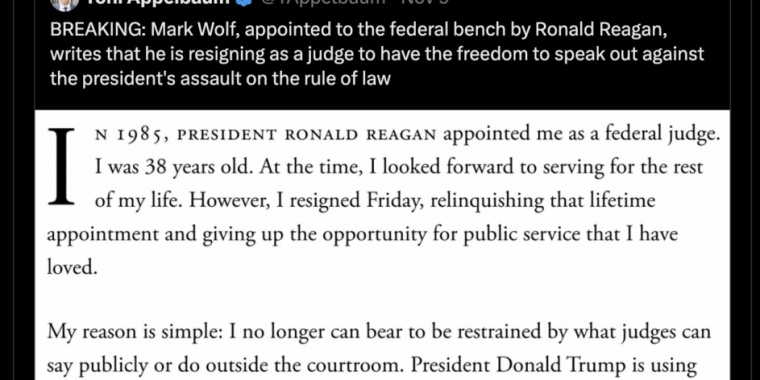
Kathryn