Can You Make Biglaw Money At A Plaintiffs Firm? – Above the Law


Ed.
note
:
Welcome
to
our
daily
feature,

Quote
of
the
Day
.


What
we
understand
is
that
the
firms
that
are
paying
the
most
also
often
give
the
highest
bonuses,
and
there
are
reasons
for
that.
Those
are
the
firms
that
are
really
competing
with
[Biglaw]
for
talent,
that’s
why
their
salaries
are
the
same
or
reaching
towards
[Biglaw],
and
the
bonuses
tend
to
be
significantly
higher
than
in
[Biglaw].


Jay
Edelson
,
founder
of
plaintiffs
firm
Edelson
PC,
in
comments
given
to
the

American
Lawyer
,
concerning
compensation
transparency
at
plaintiffs
firms.
“It’s
only
been
more
recent
where
plaintiffs
firms
have
been
going
to
[on
campus
interviews],
especially
at
the
top
schools,
and
part
of
that
was
that
the
career
services
department
didn’t
really
support
plaintiffs
work,”
Edelson
continued.
“When
we
started
going
there
years
ago,
we’ve
been
going
for
about
15
years,
we
had
to
explain
that
no,
we
don’t
pay
$30,000
a
year.
That’s
just
not
how
it
works,
but
that’s
the
messaging
they
gave
to
their
students
because
frankly
they
just
didn’t
know.”
The
National
Plaintiffs
Law
Association
is
currently
conducting
an anonymous
survey
 to
gather
pay
data
from
plaintiffs
firms,
while
Edelson
has
compiled
his
own

tiered
list
 of
starting
salaries
at
more
than
a
dozen
of
the
largest
plaintiffs
firms
in
the
country. 


Staci Zaretsky


Staci
Zaretsky
 is
a
senior
editor
at
Above
the
Law,
where
she’s
worked
since
2011.
She’d
love
to
hear
from
you,
so
please
feel
free
to

email

her
with
any
tips,
questions,
comments,
or
critiques.
You
can
follow
her
on BlueskyX/Twitter,
and Threads, or
connect
with
her
on LinkedIn.

Former Biglaw Partner Disbarred After Pleading Guilty To Attempting To Sext A Minor – Above the Law

In
2023,
Daniel
Waxman
was
a
partner
at
Bryan
Cave
Leighton
Paisner,
leading
their
torts
practice
in
the
New
York
office.
But
his
legal
career
came
screeching
to
a
halt
in
June
2023,
when

Waxman
was
arrested

for
attempting
to
meet
up
with
a
14-year-old
girl
he
was
texting
for
a
month,
when
in
reality
he
was
communicating
with
an
undercover
cop.

In
April
2024,
Waxman
pleaded
guilty
to
attempted
dissemination
of
indecent
materials
to
minors,
and
was
sentenced
to
five
years
probation.
But
that
slap
on
the
wrist
has
a
much
more
devastating
impact
on
his
legal
career.
The
guilty
plea
to
a
felony
automatically
triggered
his
disbarment,

which
was
entered

by
the
Appellate
Division’s
First
Judicial
Department
of
the
New
York
Supreme
Court,
retroactive
to
Waxman’s
conviction.

The
firm
provided
the
following
statement
on
their
former
partner
to

ABA
Journal
,
“When
we
learned
of
the
allegations,
Daniel
Waxman
was
immediately
suspended
from
the
firm,
never
worked
since
the
suspension
and
is
no
longer
a
partner
or
otherwise
associated
with
the
firm.”

According
to

RollOnFriday
,
when
it
became
clear
that
Waxman’s
suspension
was
going
to
be
of
the
permanent
variety,
he
“exited
the
firm,
not
entirely
willingly.”
You
have
to
wonder
what,
precisely,
he
thought
would
happen
after
his
arrest
in
a
sexual
predator
investigation.


Earlier:


Biglaw
Partner
Arrested
In
Sexual
Predator
Investigation


Kathryn
Rubino
is
a
Senior
Editor
at
Above
the
Law,
host
of

The
Jabot
podcast
,
and
co-host
of

Thinking
Like
A
Lawyer
.
AtL
tipsters
are
the
best,
so
please
connect
with
her.
Feel
free
to
email

her

with
any
tips,
questions,
or
comments
and
follow
her
on
Twitter

@Kathryn1
 or
Mastodon

@[email protected].

Trump Administration Strong-arms ~$200M Out Of Columbia During His Worst Time To Ever Hustle Someone Out Of Millions – Above the Law

(image
via
iStock)

Let’s
be
honest

this
is
one
of
those
stories
where
I’m
going
to
tell
you
to
not
fall
for
the
red
herring.
The
title
is
true
enough,

BBC

has
coverage
on
Columbia’s
recent
agreement
to
pay
$200M
over
accusations
that
it
failed
to
protect
Jewish
students.
However,
it
is
not
the
real
story.
If
this
happened
back
in
March,
back
when

Paul
Weiss
caved
to
The
Orange
One
,
it
would
have
been
the
real
story.
Alas,
we
are
here

and
the
real
story
is
actually
in
dialogue
with
this:

We’ve
hit
point
of
the
American
public
being
tired
of
too
much
winning,
but
it’s
not
for
the
reason
that
he
predicted.
They’re
tired
of
the
winning
because
he
is
completing
side
missions
as
a
way
to
stave
off
dealing
with
the
actual
plot.
Put
simply,
people
won’t
care
nearly
as
much
as
they
would
have
about
the
$200M
Columbia
settlement
because
they’re
more
preoccupied
with
the
brazen
concentration
of
power
required
to
incentivise
CBS
to
drop
one
of
its
most
successful
programs
over
the
last
30
years
for
fear
of
hurting
Trump’s
feelings
so
that
their

$8
billion
Skydance
merger
could
go
through


at
least,
that’s
what
John
Stewart
said
on
the
Daily
Show:

Oh,
and
John
made
a
“penis
insuffiency”
joke
at
the
president’s
expense
that
the
writers
over
at
South
Park,
maybe
independently
like
Leibniz
and
Newton’s
discovery
of
calculus,
ran
with
at
the
same
time.
And
they
ran
HARD:

Not
to
be
accused
of
falling
behind
the
tech
of
the
times,
South
Park
doubled
down
on
the
Orange
Menace’s
Member
using
some
state-of-the-art
deepfaking:

There’s
something
poetic
about
the
backlash
to
corporate
bending
backward
to
appease
and
lax
AI
regulation
rules
coming
together
to
rob
Trump
of
the
PR
stunts
that
would
regularly
rile
the
base.
Oh,
that
and
all
of
the
Epstein
Files
backlash.
Josh
Johnson
did
a
great
job
of
pointing
out
that
Trump
is
so
desperate
for
a
win
that
he’s
resorted
to
trying
to
get
people
distracted
by
Black
history
of
all
things:

And
have
these
sideshow
distractions
been
successful?
Hell
no

even
the
Jan
6th
loonies
he’s
pardoned
won’t
give
Trump
a
moment
to
breathe:

In
summary,
here’s
the
question
I
pose
to
you.
Does
a
$200M
legal
win
at
a
prestigious
Ivy
League
school
that
gave
up
the
fight
months
ago
even
register
as
a
win
with
the
overwhelming
amount
of
bad
press
Trump
is
getting
everywhere
else?
It
doesn’t

and
that’s
the
real
story.


Columbia
University
To
Pay
$200m
In
Settlement
With
Trump
Administration

[BBC
News]


Chris
Williams
became
a
social
media
manager
and
assistant
editor
for
Above
the
Law
in
June
2021.
Prior
to
joining
the
staff,
he
moonlighted
as
a
minor
Memelord™
in
the
Facebook
group Law
School
Memes
for
Edgy
T14s
.
 He
endured
Missouri
long
enough
to
graduate
from
Washington
University
in
St.
Louis
School
of
Law.
He
is
a
former
boatbuilder
who
is
learning
to
swim, is
interested
in
critical
race
theory,
philosophy,
and
humor,
and
has
a
love
for
cycling
that
occasionally
annoys
his
peers.
You
can
reach
him
by
email
at [email protected]
and
by
tweet
at @WritesForRent.

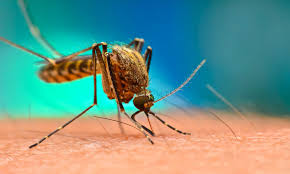
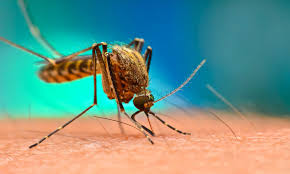
Malaria Surge in Southern Africa


Data
from
the
Surveillance
and
Disease
Intelligence
Division
of
the
Africa
Centres
for
Disease
Control
and
Prevention
(Africa
CDC)
reveals
a
dramatic
spike
in
Zimbabwe,
where
suspected
cases
have
increased
in
2025.
As
of
epidemiological
week
23,
of
2025,
Zimbabwe
has
reported
111,998
cases
and
310
deaths
(case
fatality
rate
[CFR]:
0.27%)
as
compared
to
29,031
cases
with
49
deaths
(CFR:
0.17%)
in
the
same
period
in
2024.

“This
surge
is
no
coincidence,”
says
Dr
Memory
Mapfumo,
an
epidemiologist
at
the
Africa
CDC.
“Prolonged
rains
have
fuelled
mosquito
breeding,
while
activities
like
gold
panning,
fishing
and
artisanal
mining
are
exposing
more
individuals
to
risk,
especially
during
peak
mosquito
activity
hours.”
A
contributing
factor
is
the
interconnectedness
of
the
countries,
which
drives
transmission.

Across
Zimbabwe,
115
out
of
1,705
health
facilities
have
been
affected,
highlighting
the
widespread
impact
of
the
disease
on
healthcare
infrastructure.
Since
the
start
of
2025,
Mashonaland
Central
Province
has
accounted
for
32%
of
all
malaria
cases,
while
Manicaland
reported
25%
of
the
malaria-related
deaths.

The
situation
is
worsened
by
the
low
use
of
insecticide-treated
bed
nets
(ITNs),
leaving
communities
exposed
and
placing
further
strain
on
already
stretched
health
systems.
This
reflects
a
broader
challenge
across
southern
Africa,
where
shifting
climate
patterns
and
expanding
high-risk
livelihoods
are
driving
a
growing
malaria
threat,
necessitating
quicker,
more
targeted
and
sustained
responses.

However,
malaria
is
endemic
across
sub-Saharan
Africa,
particularly
in
regions
with
high
temperatures
and
rainfall,
which
create
ideal
breeding
grounds
for
Anopheles
mosquitoes,
the
vector
that
transmits
the
malaria
parasite.
The
central
part
of
the
continent

both
north
and
south
of
the
equator

experiences
the
highest
malaria
incidence.
Other
factors
include
the
tropical
climate,
as
well
as
displacement
and
limited
access
to
preventive
measures.

Southern
Africa,
although
comparatively
less
affected,
remains
vulnerable
to
the
disease
due
to
climatic
conditions
that
favour
mosquito
breeding,
cross-border
population
movements
and
localised
outbreaks
in
high-risk
areas.
The
region’s
malaria
burden
fluctuates
with
rainfall
patterns,
human
activities
such
as
mining
and
agriculture,
and
gaps
in
healthcare
access,
making
sustained
intervention
crucial
for
reducing
transmission.

“As
climate
change
accelerates,
we
are
witnessing
shifts
in
temperature
and
rainfall
that
are
expanding
the
range
of
malaria-carrying
mosquitoes,
introducing
vectors
into
previously
unaffected
regions,”
said
Dr
Merawi
Aragaw,
head
of
Africa
CDC’s
Surveillance
and
Disease
Intelligence.

He
emphasised
that
this
is
not
only
a
regional
issue
but
a
global
challenge
that
calls
for
coordinated
international
efforts.
“Sustained
vector
control
measures

including
environmental
management,
strengthening
surveillance,
drug
and
diagnostic
resistance
monitoring,
and
fostering
cross-border
collaboration

will
be
critical
in
mitigating
the
growing
threat
of
vector-borne
diseases,
especially
malaria,”
said
Dr
Merawi.

The
regional
surge
underscores
a
broader
global
trend,
with
malaria
cases
worldwide
climbing
to
263
million
in
2023,
up
from
252
million
the
previous
year,
and
Africa
accounting
for
95%
of
all
malaria-related
deaths.
Despite
these
alarming
figures,
there
have
been
significant
successes:
Cabo
Verde
was
certified
malaria-free
in
2023,
and
Egypt
is
poised
to
achieve
the
same
in
2024.

Yet
for
many
countries
in
southern
Africa,
the
road
to
elimination
remains
steep,
with
outbreaks
threatening
to
reverse
years
of
progress.

Take
Botswana,
which
since
epidemiological
weeks
1–23
of
2025
has
recorded
2,223
cases
and
11
deaths,
compared
to
218
cases
and
no
deaths
in
the
same
period
in
2024.
Okavango
has
been
hit
hardest,
accounting
for
69%
of
the
cases.
Since
the
outbreak
began
in
November
2024,
a
total
of
2,344
cases
have
been
reported,
with
sporadic
outbreaks
appearing
in
non-endemic
districts.

Flooding
caused
by
heavy
rains
has
contributed
significantly
to
the
outbreak
by
creating
favourable
conditions
for
mosquito
breeding.
Furthermore,
many
local
residents
remain
unaware
of
the
risks,
contributing
to
delayed
responses
when
symptoms
first
appear.
To
counter
this,
Botswana’s
Ministry
of
Health
has
intensified
case
management
and
surveillance,
launched
community
engagement
campaigns,
and
distributed
ITNs.
However,
efforts
have
been
hindered
by
inadequate
funding
and
community
resistance
to
the
interventions.

Although
the
Kingdom
of
eSwatini
is
in
the
malaria
elimination
phase,
eSwatini,
too,
is
grappling
with
an
upsurge
in
malaria
cases.
The
Ministry
of
Health
recently
issued
a
press
notice
to
draw
attention
to
the
issue.
From
July
2024
to
March
2025,
the
kingdom
has
recorded
187
malaria
cases.
Children
under
15
years
account
for
15%
of
the
reported
cases,
which
has
led
to
increased
school
absenteeism.

Twenty
per
cent
of
cases
have
been
among
farmers,
especially
those
involved
in
illegal
farming
activities
in
the
mountains.
These
farmers
often
work
at
night,
guarding
their
crops
without
any
protective
measures,
leaving
them
exposed
to
mosquito
bites.
The
majority
of
cases
are
concentrated
in
the
Hhohho
and
Lubombo
regions,
prompting
the
Ministry
of
Health
to
increase
its
response
efforts,
including
indoor
residual
spraying
(IRS)
and
the
distribution
of
ITNs.

Despite
these
interventions,
eSwatini’s
malaria
elimination
programme
faces
significant
hurdles.
There
are
challenges
in
achieving
complete
coverage
of
IRS
and
ITN
distribution,
and
many
individuals
still
fail
to
adopt
protective
behaviours.
Nonetheless,
the
government
remains
committed
to
eliminating
malaria
and
addressing
the
underlying
causes,
such
as
illegal
farming
and
inadequate
community
awareness.

Namibia
is
another
country
witnessing
a
significant
rise
in
malaria
cases,
with
over
89,959
cases
and
146
deaths
reported
since
November
2024
from
37
of
121
districts.
Of
these
cases,
18%
(15,954
cases)
are
imported
from
neighbouring
countries
experiencing
malaria
outbreaks,
and
82%
are
local.

The
hardest-hit
districts
in
Namibia
include
Katima
Mulilo,
Nkurenkuru,
Andara,
Outapi
and
Rundu.
Malaria
continues
to
have
a
severe
impact
on
children
above
five
years
and
pregnant
women,
who
represent
11%
and
3%
of
the
reported
cases,
respectively.
Most
cases
reported
were
among
males
(58%).

Of
major
significance
is
the
interconnectedness
of
southern
Africa,
which
complicates
malaria
control
efforts,
especially
in
border
regions.

In
Botswana,
districts
bordering
Namibia
and
Zimbabwe
are
particularly
vulnerable
to
cross-border
transmission,
with
malaria
spreading
easily
between
neighbouring
countries
with
ongoing
outbreaks.
This
highlights
the
importance
of
regional
cooperation
and
cross-border
surveillance
in
combating
the
disease.
Efforts
to
enhance
case
management,
improve
surveillance
and
increase
the
use
of
ITNs
are
critical
in
curbing
transmission
in
these
high-risk
areas.

According
to
Africa
CDC,
the
increase
in
malaria
cases
in
the
region
highlights
the
pressing
need
for
continued
vigilance
and
investment
in
malaria
control.
Governments
need
to
enhance
their
efforts
to
improve
the
use
of
ITNs,
strengthen
community
engagement,
and
address
the
environmental
and
social
factors
driving
the
outbreaks,
such
as
illegal
farming
and
exposure
to
mosquito
breeding
grounds.

Equally
important
is
the
need
for
a
concerted
effort
to
address
delays
in
reporting,
ensuring
the
timely
and
accurate
collection
of
data
to
inform
public
health
interventions.
Yet,
while
the
fight
against
malaria
remains
an
uphill
battle,
the
successes
in
Cabo
Verde
and
Egypt
offer
hope
that
with
the
right
strategies,
the
elimination
of
malaria
in
southern
Africa
is
possible.

Post
published
in:

Featured

Outcry as Mafakela learners barred from exams for failing to pay bus levy

There
are
claims
that
several
learners
were
excluded
from
tests
this
week
after
failing
to
pay
the
busy
levy,
despite
having
paid
their
tuition
fees.

A
parent,
who
spoke
to
CITE
on
condition
of
anonymity,
said
the
issue
came
to
light
on
Monday.

She
said
her
daughter
in
Grade
Five
had
returned
home
to
report
that
she
had
not
been
allowed
to
sit
her
exams
because
of
non-payment
of
the
bus
levy.

“I
have
got
my
daughter,
she
is
in
Grade
Five.
She
came
on
Monday
saying
she
did
not
write
the
tests,
and
the
reason
was
that
she
had
not
paid
for
the
bus,
although
her
fees
have
been
paid,”
said
the
parent.

She
said
further
inquiries
with
neighbours
and
other
children
confirmed
the
situation.
Learners
who
had
not
paid
the
levy
were
reportedly
placed
in
home
economics
classes,
while
others
sat
for
examinations.

When
contacted
for
comment,
the
Ministry
of
Primary
and
Secondary
Education’s
Director
of
Communications
and
Advocacy,
Taungana
Ndoro,
confirmed
the
matter
and
said
the
government
had
taken
swift
action.

“We
wish
to
reassure
the
nation
that
the
Government
of
Zimbabwe
takes
such
allegations
seriously
and
is
acting
decisively
to
address
this
matter.
The
Ministry
confirms
it
is
now
fully
apprised
of
the
situation
at
Mafakela
Primary
school,”
said
Ndoro.

He
cited
Section
75
of
the
Constitution,
which
guarantees
every
child
the
right
to
education,
and
the
Education
Act
(Chapter
25:04),
as
well
as
Ministry
circulars
such
as
Secretary’s
Minute
Number
2
of
2024,
which
reinforce
this
position.
Ndoro
stressed
that
no
child
should
be
excluded
from
examinations
because
of
socio-economic
circumstances.

Ndoro
confirmed
that
the
affected
pupils
at
Mafakela
Primary
School
were
to
be
immediately
reinstated
to
sit
their
mid-term
examinations
with
effect
from
Wednesday.
He
said
any
school
officials
found
to
have
violated
this
policy
would
face
disciplinary
action
in
accordance
with
civil
service
procedures.

He
also
explained
that
the
school
administration,
working
with
the
School
Development
Association
and
district
officials,
had
been
instructed
to
resolve
any
issues
of
outstanding
fees
through
lawful
and
non-punitive
means.
This
includes
engaging
parents
or
guardians
through
mutual
payment
agreements,
ensuring
that
no
learner
is
victimised
or
penalised
for
non-payment.

He
further
stated
that
to
prevent
the
recurrence
nationwide,
the
Ministry
will
immediately
reissue
a
circular
to
all
Provincial
District
Education
Offices,as
well
as
school
heads,
reinforcing
the
absolute
prohibition
on
excluding
learners
from
examinations
or
core
activities
due
to
non-payment.
District
schools
inspectors
have
been
directed
to
conduct
urgent
compliance
audits
within
their
jurisdictions.

Furthermore,
sensitisation
programmes
for
school
authorities,
SDAs,
and
parents
on
lawful
debt-recovery
processes
will
be
intensified.

“Corrective
action
is
underway,
and
the
Ministry
will
ensure
accountability.
We
urge
the
public
to
report
any
similar
violations
immediately
to
their
Provincial
Education
Director,”
Ndoro
said.

Byo residents accuse council of failing to act on corruption

The
concerns
were
raised
during
a
public
dialogue
on
accountability
held
on
Wednesday
at
the
Bulawayo
Club.
The
meeting,
themed Enhancing
Integrity
in
Local
Governance
,
was
organised
by
the
Centre
for
Innovation
and
Technology
(CITEZW),
in
partnership
with
the
Bulawayo
Progressive
Residents
Association
(BPRA)
and
the
Public
Policy
Research
Institute
of
Zimbabwe
(PPRIZ).

Journalist
Makhosi
Sibanda
questioned
the
city
council’s
relationship
with
the
Zimbabwe
Anti-Corruption
Commission
(ZACC),
saying
residents
had
yet
to
see
any
arrests
linked
to
corruption
within
the
municipality.

“What’s
your
relationship
with
the
Zimbabwe
Anti-Corruption
Commission?
Because
we
have
never
seen
anyone
arrested
for
corruption.
Are
you
intentional
about
ending
corruption
in
Bulawayo?
If
you
were
intentional,
today
you
would
have
told
us
that
we
have
arrested
15
people
for
corruption
in
2025.
Therefore,
there
should
be
measures
or
progress
towards
ending
corruption.
If
you
don’t
do
that
as
council,
we
are
always
going
to
ask
the
council
what
are
you
doing
to
stop
corruption,”
said
Sibanda

BPRA
representative
Thembalani
Dube
alleged
the
disappearance
of
council
resources
pointed
to
internal
collusion.

“There
is
no
way
drums
(285
drums
with
tar
for
roda
maintainance
were
stolen
in
June)
can
vanish
without
anyone
noticing.
This
appears
to
be
systematic
corruption,”
Dube
said.

He
also
criticised
the
council
for
not
specifying
locations
of
planned
service
delivery,
such
as
roadworks
or
school
improvements,
making
it
difficult
for
residents
to
monitor
implementation.

Fellow
BPRA
member
Nicholas
Ngwenya
said
the
council
had
failed
to
provide
clear
information
on
development
projects.
He
cited
a
case
involving
the
proposed
Glassblock
Dam,
where
residents
were
initially
told
was
a
council
project
but
later
told
a
private
contractor
was
in
charge
of
construction
and
contributions
of
16
cents
per
household
would
be
needed.

“If
the
council
had
communicated
all
the
details
from
the
start,
residents
would
have
had
time
to
prepare
or
suggest
alternatives,”
he
said.

In
response,
acting
director
of
the
audit
department
Sizo
Sithole
encouraged
residents
to
report
suspected
corruption
through
councillors
or
directly
to
the
audit
department.
He
said
plans
were
underway
to
set
up
hotlines
for
anonymous
reporting.

“Residents
can
also
report
to
the
Mayor,
Town
Clerk
or
through
City
Hall’s
reporting
desk,”
Sithole
said.

Bulawayo
City
Council’s
Corporate
Communications
Manager,
Nesisa
Mpofu
said
residents
should
engage
their
ward
councillors
to
access
accurate
information.
She
added
that
the
council
was
livestreaming
full
council
meetings
and
community
consultations
to
improve
transparency.

As Wetlands COP15 opens in Zimbabwe, it’s time to rethink how we value wetlands


Hon.
Dr
Evelyn
Ndlovu
(center),
Minister
of
Environment,
Climate
and
Wildlife,
Republic
of
Zimbabwe
and
Secretary
General
Musonda
Mumba
(right)
speak
at
a
press
conference
ahead
of
the
#WetlandsCOP15,
which
officially
kicks
off
today
in
Victoria
Falls.
The
Convention
on
Wetlands


As
Zimbabwe
hosts
the
15th
meeting
of
the
Conference
of
the
Contracting
Parties
to
the
Convention
on
Wetlands
(COP15),
this
location
invites
a
closer
look
at
the
role
wetlands
play
in
sustaining
life,
and
the
decisions
now
needed
to
ensure
they
continue
to
do
so.


COP15
arrives
at
a
moment
when
wetlands—essential
for
climate
resilience,
food
production,
water
supply,
and
biodiversity—are
being
lost
and
degraded
at
a
rate
that
outpaces
our
responses.
According
to
the
Convention’s
recently
released
flagship
publication,
the 
Global
Wetland
Outlook
2025
,
global
wetland
extent
has
declined
by 22%
since
1970
,
with
losses
continuing
at
an
average
rate
of 0.52%
per
year
.
Degradation
is
accelerating: one
in
four
remaining
wetlands
 is
now
in
poor
ecological
condition,
with
that
proportion
rising.


Despite
these
figures,
wetlands
still
provide
some
of
the
most
valuable
and
cost-effective
solutions
to
the
world’s
most
pressing
challenges.
They
support
water
security
for
billions
of
people,
absorb
carbon
more
efficiently
than
most
other
ecosystems,
and
deliver
an
estimated $7.98
to
$39.01
trillion
 in
annual
ecosystem
services.
Yet
these
contributions
remain
undervalued
in
decision-making
and
underfunded
in
public
and
private
investment.


Zimbabwe
knows
better
than
many
others
just
how
important
wetlands
are.
Wetlands
provide
water
to
more
than
two-thirds
of
the
population,
allowing
for
agriculture
and
tourism
while
buffering
against
floods
and
droughts.
In
response
to
growing
pressures,
the
Government
has
implemented
stronger
legal
protections,
advanced
local
restoration
initiatives,
and
deepened
public
engagement
on
wetland
issues.
The
recent
recognition
of
Victoria
Falls
as
a
Wetland
City
reflects
both
local
commitment
and
the
kind
of
urban
ecological
leadership
that
can
be
replicated
elsewhere.


But
national
ambition—however
strong—cannot
substitute
for
global
coordination.
Wetlands
are
shared
systems.
They
cross
borders
and
connect
sectors.
Protecting
them
requires
cooperation,
consistent
investment,
and
a
shift
in
how
they
are
understood:
as
strategic
infrastructure
that
protects
the
stability
of
our
economies,
health
systems,
and
food
supply.


The 
Global
Wetland
Outlook
2025
,
sets
out
the
scale
of
action
needed: at
least
123
million
hectares
 must
be
restored
to
account
for
past
loss,
and 428
million
hectares
 of
remaining
wetlands
must
be
conserved.
Doing
so
will
require
a
major
increase
in
global
financing—somewhere
between $275
and
$550
billion
per
year
—yet
current
investments
fall
far
below
that
range.
In
fact,
biodiversity
conservation
across
all
ecosystems
receives
just 0.25%
of
global
GDP
.


Zimbabwe’s
hosting
of
COP15
is
both
timely
and
significant.
It
brings
global
attention
to
a
region
where
wetlands
are
still
deeply
embedded
in
the
landscape
and
culture,
but
also
increasingly
vulnerable.
The
conference
presents
a
unique
opportunity
to
prioritise
wetlands
in
the
biodiversity
and
climate
agendas,
and
to
align
technical,
political,
and
financial
systems
behind
that
goal.


Africa,
home
to
approximately 40%
of
the
world’s
remaining
wetlands
,
is
well
positioned
to
lead
this
shift.
Many
of
the
continent’s
wetlands
remain
ecologically
functional,
and
traditional
knowledge
of
sustainable
management
practices
endures.
But
external
pressures—driven
by
extractive
industries,
land-use
change,
and
climate
stress—are
growing
rapidly.
Without
targeted
support,
we
risk
losing
these
ecosystems
for
good.


COP15
can
help
turn
that
tide.
The
Convention
provides
a
platform
for
negotiation,
as
well
as
strategies,
data,
policies,
and
innovations.
It
is
also
a
place
to
elevate
voices
that
are
often
underrepresented—local
communities,
Indigenous
groups,
cities,
and
young
people—who
are
already
shaping
the
future
of
wetland
stewardship
on
the
ground.


This
meeting
in
Victoria
Falls
will
not
solve
every
problem.
But
it
can
set
a
new
trajectory.
Decisions
made
here
have
the
potential
to
ripple
outward,
shaping
how
wetlands
are
valued
and
governed
across
continents.


Rivers
rarely
follow
straight
lines,
and
neither
does
meaningful
change.
But
when
enough
tributaries
converge,
that
momentum
can
become
difficult
to
ignore.
It’s
a
life
lesson
that
wetlands
have
taught
us,
and
perhaps
now
the
world
is
finally
ready
to
listen.

The Client Service A-Team: Ranking The Biglaw Superheroes Of Client Service (2025) – Above the Law

Which
Biglaw
firms
are
most
beloved
by
general
counsel
for
their
superior
client
service?
In
2024,
with
few
rough
waters
for
firms,
it
was
generally
smooth
sailing
until
early
2025,
when
Trump
came
roaring
in
with
enough
executive
orders
and
policy
changes
to
make
lawyers’
heads
spin.
This
was
the
perfect
time
for
outside
counsel
to
show
their
corporate
clients
that
they
were
still
tops
when
it
came
to
client
service.
That
said,
the
BTI
Consulting
Group
recently
set
out
to
find
which
firms
handled
the
task
with
ease
in
its
latest
ranking,
the
Client
Service
A-Team.
In
case
you’re
unfamiliar
with
this
ranking,
it
measures
the
top
30
law
firms
corporate
counsel
identify
as
delivering
the
very
best
in
terms
of
client
service.

To
compile
the
ranking,
BTI
Consulting
spoke
with
more
than
300
in-house
decision-makers
who
were
asked
to
name
firms
that
excelled
in
17
different
client-service-related
activities,
including
important
things
like:
mobilizing
resources
quickly,
fielding
the
absolute
best
team,
quickly
assessing
the
situation,
a
commitment
to
help,
delivering
value
for
the
dollar,
client
focus,
and
understanding
the
client’s
business.

So,
which
firms
are
considered
the
best
of
the
best
when
it
comes
to
client
service?
Per
BTI
Consulting,
the
firms
that
made
the
latest
top
30
ranking
performed
9
to
15
times
better
than
the
typical
law
firm
in
terms
of
client
service.
As
the
report
notes,
“This
isn’t
just
about
good
work

it’s
about
building
trust
in
the
most
unpredictable
environment
in
decades.”

Here
are
the
30
firms
that
made
the Client
Service
A-Team
,
whose
names
were
mentioned
most
often
across
all
categories:

1.
DLA
Piper
2.
Littler
3.
Kirkland
&
Ellis
4.
Ogletree
Deakins
5.
Cooley
6.
Baker
McKenzie
7.
McGuireWoods
8.
Morgan
Lewis
9.
Reed
Smith
10.
Troutman
Pepper
Locke
11.
Faegre
Drinker
12.
Morrison
&
Foerster
13.
Jones
Day
14.
Sidley
15.
Hogan
Lovells
16.
Skadden
17.
Duane
Morris
18.
Dentons
19.
King
&
Spalding
20.
Latham
&
Watkins
21.
Ropes
&
Gray
22.
Gibson
Dunn
23.
Greenberg
Traurig
24.
Arnold
&
Porter
25.
ArentFox
Schiff
26.
Fox
Rothschild
27.
Baker
Donelson
28.
Davis
Polk
29.
Maynard
Nexsen
30.
McDermott
Will
&
Emery

DLA
Piper
is
now
the
leader
of
the
Client
Service
30
for
the
first
time
ever,
after
kicking
Kirkland
&
Ellis
out
of
the
top
spot.
Meanwhile,
four
firms

Jones
Day,
McGuireWoods,
Morgan
Lewis,
and
Skadden

are
celebrating
being
in
the
Client
Service
30
for
a
decade
running.
Excellent
work
on
a
job
well
done
for
years
on
end.

If
attorneys
at
your
firm
make
more
of
an
effort
to
better
understand
your
clients’
businesses,
then
you
may
find
your
place
of
work
on
this
list
next
time
around.
Congratulations
to
all
30
firms
that
made
it
to
the
highest
ranks
of
the
Client
Service
A-Team.
You’ve
proven
yourselves
to
be
outstanding
when
it
comes
to
making
corporate
clients
happy,
and
that’s
worth
celebrating.


Clients
Single
Out
the
Law
Firms
Best
at
Client
Service
Performance

[Mad
Clientist
/
BTI
Consulting
Group]


Staci Zaretsky


Staci
Zaretsky
 is
a
senior
editor
at
Above
the
Law,
where
she’s
worked
since
2011.
She’d
love
to
hear
from
you,
so
please
feel
free
to

email

her
with
any
tips,
questions,
comments,
or
critiques.
You
can
follow
her
on BlueskyX/Twitter,
and Threads, or
connect
with
her
on LinkedIn.

Let’s Grab Coffee: How Investing $1,000 A Year In Yourself Will Supercharge Your Career – Above the Law

Your
career
is
yours.
It’s
not
your
firm’s.
It’s
not
your
boss’s.
It’s
yours.
And
because
it’s
yours,
it’s
your
responsibility
to
invest
in
it.
Some
of
you
are
fortunate
to
have
firms
that
will
cover
the
costs
of
your
marketing
efforts.
Some
may
provide
you
with
a
marketing
budget.
Many
don’t.
And
with
all
your
expenses,
including
student
loans,
it’s
hard
to
imagine
reaching
into
your
pocket
to
pay
for
marketing
efforts
you
believe
your
firm
should.
And
yes,
if
your
firm
doesn’t
pay
for
your
marketing
efforts,
it’s
unfortunate,
but
it
doesn’t
excuse
you
from
paying
for
it
yourself. 
And
what
I
suggest
is
setting
aside
$1,000
a
year
for
coffee.
You
heard
me
right. 
Coffee.

One
of
the
most
inexpensive
in-person
business
development
activities
you
can
do
is
meet
someone
for
coffee
at
your
local
coffee
shop.
It’s
also
the
least
disruptive
to
your
schedule
and
others.
This
is
what
I
recommend
when
I
speak
to
lawyers
about
business
development:

Twice
a
week,
50
weeks
of
the
year,
meet
someone
for
coffee
near
your
offices. 
That’s
a
hundred
coffee
meetings
a
year.
Order
a
small
black
coffee
or
tea
and
offer
to
pay
for
the
other
person’s
coffee.
Sometimes
they’ll
pay
for
their
coffee. 
Sometimes
they’ll
insist
on
paying
for
yours,
too. 
With
the
tip,
you’ll
average
about
$10
per
coffee
meet
for
two
cups
of
coffee. 
For
100
coffee
meetings,
that’s
about
$1,000
a
year.
Meeting
for
coffee
twice
weekly
over
a
year
results
in
more
one-on-one
sessions
than
most
lawyers
have
annually.

A
common
retort
to
my
proposal
is,
“I
don’t
know
100
people
to
have
coffee
with
in
my
area.”
My
response
is
that
you
would
be
surprised.
Think
about
law
school
classmates.
Lawyers
from
the
bar
associations
to
which
you
belong. 
Co-counsel. 
Opposing
counsel.
Folks
you’ve
met
on
LinkedIn
or
Facebook.
 You
will
easily
have
enough
coffee
partners
to
meet
throughout
the
year. 
And
you’ll
continue
to
know
enough
people
to
keep
doing
this
exercise
year
after
year
(and,
yes,
from
time
to
time,
you’ll
meet
the
same
person
more
than
once
to
maintain
that
relationship).

In
10
years,
that
is
a
thousand
coffee
meetings.
A
thousand
times
you
shared
with
others
what
your
firm
does. 
A
thousand
times
to
get
to
know
someone
so
they
see
you
as
someone
they
know,
like,
and
trust. 
A
thousand
times
to
develop
your
interpersonal
skills

speaking
with
others,
listening,
maintaining
eye
contact,
and
making
a
connection. 
This
will
lead
to
dividends. 
How
can
it
not?

The
rainmakers,
those
at
firms
who
bring
in
the
most
business,
take
the
time
to
meet
with
others,
get
to
know
them,
listen
to
them,
and
develop
bonds
with
them.
That
will
never
happen
simply
by
sitting
at
your
desk
working
on
your
matters.
Online
contacts
and
relationships
are
fine,
but
take
the
time
to
meet
others
in
person
for
coffee
and
build
your
network,
which
will
lead
to
valuable
referrals.


Frank
Ramos
is
a
partner
at
Goldberg
Segalla
in
Miami,
where
he
practices
commercial
litigation,
products,
and
catastrophic
personal
injury. You
can
follow
him
on

LinkedIn
,
where
he
has
about
80,000
followers.

Federal Judge Pulls Opinion With Fake Quotes And YOU KNOW WHAT THAT MEANS! – Above the Law

Ready
to
cross
another
milestone
on
the
legal
profession’s
march
into
slop?
Too
bad!
Because
we’re
already
here.
We’ve
had
lawyers

citing
fake
cases
excreted
from
generative
AI

without
ever

learning
their
lesson

for
a
while
now,
but
these
errors
get
quickly
caught
by
opposing
counsel.
The
problem
jumped
the
firebreak
when
a

Georgia
judge
signed
off
on
an
order
based
on
fake
cases

that
didn’t
get
fixed
until
it
reached
a
very
grumpy
appellate
court.
Now,
for
the
first
time,
we
have
a
federal
judge
clawing
back
his
own
opinion
over
fake
citations.

The
words
“AI”
aren’t
being
used,
but…
you
know.


Bloomberg
Law’s
Justin
Henry
reported
yesterday

that
Judge
Julien
Xavier
Neals
of
the
District
of
New
Jersey

fresh
off

replacing
Alina
Habba
and
triggering
a
nascent
constitutional
crisis


withdrew
his
June
30
order
in
the
CorMedix
securities
lawsuit
after
lawyers
pointed
out
a
few
case
cites
that
were
just
plain
wrong:

Willkie
Farr
&
Gallagher
partner
Andrew
Lichtman,
who
represents
CorMedix,
wrote
Neals
on
Tuesday,
telling
the
judge
he
may
want
to
“consider
whether
amendment
or
any
other
action
should
be
taken”
in
regard
to
errors
he
made
in
his
June
30
decision.
Lawyers
in
separate
case
 earlier
this
month
also
pointed
out
flaws
in
Neals’
CorMedix
opinion,
saying
it
“contains
pervasive
and
material
inaccuracies.”

It
doesn’t
seem
as
though
there
are
any
fake
cases
or
even
necessarily
wrong
conclusions
of
law.
But
there
are
mistakes
and
misquotes.
The
judge
quoted

Dang
v.
Amarin
Corp.

calling
executives’
behavior
“classic
evidence
of
scienter.”
And
while
that
case
does
delve
into
scienter,
the
precise
quote
isn’t
there.
Same
with
a
quote
about
an
Intelligroup
case,
citing
“false
statements
in
their
own
right”
despite
that
line
not
being
present
either.

Stichting
Pensioenfonds
Metaal
en
Techniek
v.
Verizon

is
cited
as
a
Southern
District
of
New
York
case
even
though
it’s
from
New
Jersey.

Ah,
Jersey
people…
always
trying
to
pretend
they’re
from
New
York.

Lichtman’s
letter
also
noted
that
the
opinion
attributes
two
quotes
to
CorMedix
the
company
is
not
alleged
to
have
made.
He
noted
in
his
letter
to
Neals,
however,
that
he
was
not
requesting
reconsideration
of
the
opinion.

But,
like,
he
was
requesting
reconsideration
of
the
opinion.

Unfortunately,
the
mistakes
have
already
broken
contain.
Outlook
Therapeutics
shareholders
litigating
a
different,
related
case
already
cited
the
now-withdrawn
order
as
persuasive
precedent.
The
hallucinations
are
burrowing
their
way
into
the
record.
Common
law
gets
messy
when
mistakes
are
allowed
to
compound
across
the
system.
We
can’t
have
district
court
judges
just
making
up
fake
stuff…

that’s
expressly
reserved
for
the
Supreme
Court
.


Judge
Withdraws
Pharma
Opinion
After
Lawyer
Flags
Made-Up
Quotes

[Bloomberg
Law
News]


Earlier
:

For
The
Love
Of
All
That
Is
Holy,
Stop
Blaming
ChatGPT
For
This
Bad
Brief


Trial
Court
Decides
Case
Based
On
AI-Hallucinated
Caselaw


Mike
Lindell
Lawyers
Earn
Pillow-Soft
Sanction
After
Letting
AI
Do
The
Thinking