Let’s Grab Coffee: How Investing $1,000 A Year In Yourself Will Supercharge Your Career – Above the Law

Your
career
is
yours.
It’s
not
your
firm’s.
It’s
not
your
boss’s.
It’s
yours.
And
because
it’s
yours,
it’s
your
responsibility
to
invest
in
it.
Some
of
you
are
fortunate
to
have
firms
that
will
cover
the
costs
of
your
marketing
efforts.
Some
may
provide
you
with
a
marketing
budget.
Many
don’t.
And
with
all
your
expenses,
including
student
loans,
it’s
hard
to
imagine
reaching
into
your
pocket
to
pay
for
marketing
efforts
you
believe
your
firm
should.
And
yes,
if
your
firm
doesn’t
pay
for
your
marketing
efforts,
it’s
unfortunate,
but
it
doesn’t
excuse
you
from
paying
for
it
yourself. 
And
what
I
suggest
is
setting
aside
$1,000
a
year
for
coffee.
You
heard
me
right. 
Coffee.

One
of
the
most
inexpensive
in-person
business
development
activities
you
can
do
is
meet
someone
for
coffee
at
your
local
coffee
shop.
It’s
also
the
least
disruptive
to
your
schedule
and
others.
This
is
what
I
recommend
when
I
speak
to
lawyers
about
business
development:

Twice
a
week,
50
weeks
of
the
year,
meet
someone
for
coffee
near
your
offices. 
That’s
a
hundred
coffee
meetings
a
year.
Order
a
small
black
coffee
or
tea
and
offer
to
pay
for
the
other
person’s
coffee.
Sometimes
they’ll
pay
for
their
coffee. 
Sometimes
they’ll
insist
on
paying
for
yours,
too. 
With
the
tip,
you’ll
average
about
$10
per
coffee
meet
for
two
cups
of
coffee. 
For
100
coffee
meetings,
that’s
about
$1,000
a
year.
Meeting
for
coffee
twice
weekly
over
a
year
results
in
more
one-on-one
sessions
than
most
lawyers
have
annually.

A
common
retort
to
my
proposal
is,
“I
don’t
know
100
people
to
have
coffee
with
in
my
area.”
My
response
is
that
you
would
be
surprised.
Think
about
law
school
classmates.
Lawyers
from
the
bar
associations
to
which
you
belong. 
Co-counsel. 
Opposing
counsel.
Folks
you’ve
met
on
LinkedIn
or
Facebook.
 You
will
easily
have
enough
coffee
partners
to
meet
throughout
the
year. 
And
you’ll
continue
to
know
enough
people
to
keep
doing
this
exercise
year
after
year
(and,
yes,
from
time
to
time,
you’ll
meet
the
same
person
more
than
once
to
maintain
that
relationship).

In
10
years,
that
is
a
thousand
coffee
meetings.
A
thousand
times
you
shared
with
others
what
your
firm
does. 
A
thousand
times
to
get
to
know
someone
so
they
see
you
as
someone
they
know,
like,
and
trust. 
A
thousand
times
to
develop
your
interpersonal
skills

speaking
with
others,
listening,
maintaining
eye
contact,
and
making
a
connection. 
This
will
lead
to
dividends. 
How
can
it
not?

The
rainmakers,
those
at
firms
who
bring
in
the
most
business,
take
the
time
to
meet
with
others,
get
to
know
them,
listen
to
them,
and
develop
bonds
with
them.
That
will
never
happen
simply
by
sitting
at
your
desk
working
on
your
matters.
Online
contacts
and
relationships
are
fine,
but
take
the
time
to
meet
others
in
person
for
coffee
and
build
your
network,
which
will
lead
to
valuable
referrals.


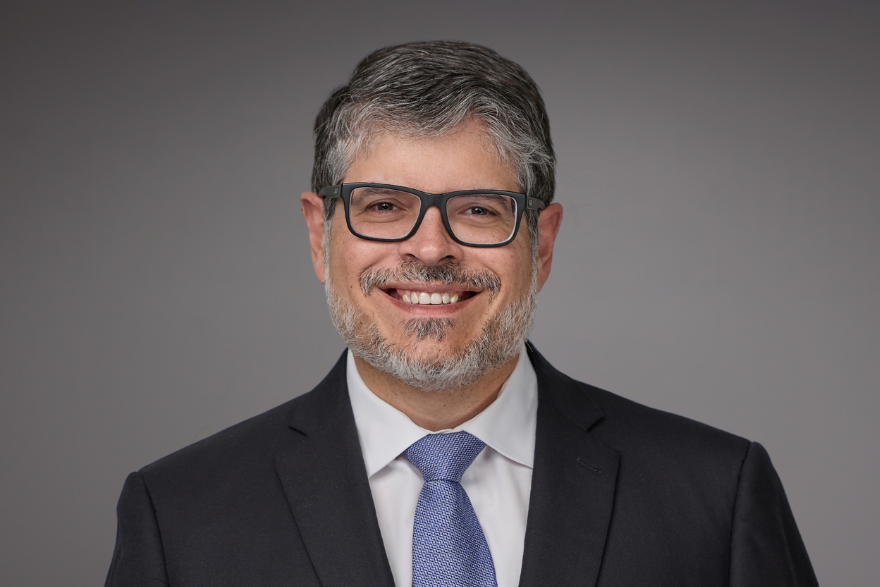
Frank
Ramos
is
a
partner
at
Goldberg
Segalla
in
Miami,
where
he
practices
commercial
litigation,
products,
and
catastrophic
personal
injury. You
can
follow
him
on

LinkedIn
,
where
he
has
about
80,000
followers.

Federal Judge Pulls Opinion With Fake Quotes And YOU KNOW WHAT THAT MEANS! – Above the Law

Ready
to
cross
another
milestone
on
the
legal
profession’s
march
into
slop?
Too
bad!
Because
we’re
already
here.
We’ve
had
lawyers

citing
fake
cases
excreted
from
generative
AI

without
ever

learning
their
lesson

for
a
while
now,
but
these
errors
get
quickly
caught
by
opposing
counsel.
The
problem
jumped
the
firebreak
when
a

Georgia
judge
signed
off
on
an
order
based
on
fake
cases

that
didn’t
get
fixed
until
it
reached
a
very
grumpy
appellate
court.
Now,
for
the
first
time,
we
have
a
federal
judge
clawing
back
his
own
opinion
over
fake
citations.

The
words
“AI”
aren’t
being
used,
but…
you
know.


Bloomberg
Law’s
Justin
Henry
reported
yesterday

that
Judge
Julien
Xavier
Neals
of
the
District
of
New
Jersey

fresh
off

replacing
Alina
Habba
and
triggering
a
nascent
constitutional
crisis


withdrew
his
June
30
order
in
the
CorMedix
securities
lawsuit
after
lawyers
pointed
out
a
few
case
cites
that
were
just
plain
wrong:

Willkie
Farr
&
Gallagher
partner
Andrew
Lichtman,
who
represents
CorMedix,
wrote
Neals
on
Tuesday,
telling
the
judge
he
may
want
to
“consider
whether
amendment
or
any
other
action
should
be
taken”
in
regard
to
errors
he
made
in
his
June
30
decision.
Lawyers
in
separate
case
 earlier
this
month
also
pointed
out
flaws
in
Neals’
CorMedix
opinion,
saying
it
“contains
pervasive
and
material
inaccuracies.”

It
doesn’t
seem
as
though
there
are
any
fake
cases
or
even
necessarily
wrong
conclusions
of
law.
But
there
are
mistakes
and
misquotes.
The
judge
quoted

Dang
v.
Amarin
Corp.

calling
executives’
behavior
“classic
evidence
of
scienter.”
And
while
that
case
does
delve
into
scienter,
the
precise
quote
isn’t
there.
Same
with
a
quote
about
an
Intelligroup
case,
citing
“false
statements
in
their
own
right”
despite
that
line
not
being
present
either.

Stichting
Pensioenfonds
Metaal
en
Techniek
v.
Verizon

is
cited
as
a
Southern
District
of
New
York
case
even
though
it’s
from
New
Jersey.

Ah,
Jersey
people…
always
trying
to
pretend
they’re
from
New
York.

Lichtman’s
letter
also
noted
that
the
opinion
attributes
two
quotes
to
CorMedix
the
company
is
not
alleged
to
have
made.
He
noted
in
his
letter
to
Neals,
however,
that
he
was
not
requesting
reconsideration
of
the
opinion.

But,
like,
he
was
requesting
reconsideration
of
the
opinion.

Unfortunately,
the
mistakes
have
already
broken
contain.
Outlook
Therapeutics
shareholders
litigating
a
different,
related
case
already
cited
the
now-withdrawn
order
as
persuasive
precedent.
The
hallucinations
are
burrowing
their
way
into
the
record.
Common
law
gets
messy
when
mistakes
are
allowed
to
compound
across
the
system.
We
can’t
have
district
court
judges
just
making
up
fake
stuff…

that’s
expressly
reserved
for
the
Supreme
Court
.


Judge
Withdraws
Pharma
Opinion
After
Lawyer
Flags
Made-Up
Quotes

[Bloomberg
Law
News]


Earlier
:

For
The
Love
Of
All
That
Is
Holy,
Stop
Blaming
ChatGPT
For
This
Bad
Brief


Trial
Court
Decides
Case
Based
On
AI-Hallucinated
Caselaw


Mike
Lindell
Lawyers
Earn
Pillow-Soft
Sanction
After
Letting
AI
Do
The
Thinking

LegalOn Closes $50M Series E, Partners with OpenAI to Develop Advanced AI Agents


LegalOn
Technologies
,
a
global
company
that
provides
AI-driven
software
for
contract
review
and
matter
management,
has
closed
a
$50
million
Series
E
funding
round
led
by
Goldman
Sachs
Growth
Equity,
bringing
the
company’s
total
funding
to
$200
million
since
its
founding
in
2017.

The
company
also
today
announced
a
strategic
collaboration
with
OpenAI,
the
company
behind
ChatGPT,
that
gives
LegalOn
access
to
OpenAI’s
latest
models
and
brings
together
engineers
from
both
companies
to
work
on
developing
advanced
legal
AI
agents.

Also
participating
in
the
funding
round
was
existing
investor
World
Innovation
Lab
(WiL),
along
with
new
participation
from
prominent
Japanese
financial
institutions
including
Mori
Hamada,
Mizuho
Bank,
and
Shoko
Chukin.

LegalOn
says
it
will
use
the
capital
to
scale
its
agentic
AI
product
development
and
its
sales
and
marketing
efforts.

“Legal
teams
are
buried
in
time-consuming
work
that
slows
them
and
their
businesses
down,”
said
Daniel
Lewis,
Global
CEO
of
LegalOn
(pictured
above
with
cofounder
Nozomu
Tsunoda).
“This
funding
helps
us
build
and
scale
AI
that
eliminates
tedious
contracting
work,
streamlining
workflows
and
freeing
people
to
think,
decide
and
lead.”


More
than
7,000
Customers

The
Series
E
raise
comes
as
LegalOn
continues
to
show
notable
growth
across
its
global
operations.
The
company
says
it
now
supports
more
than
7,000
customers

a
40%
increase
year-over-year.
In
the
U.S.
and
U.K.,
its
business
quadrupled
over
the
past
year.

LegalOn’s
market
position
is
perhaps
most
pronounced
in
its
home
base
of
Japan,
where
the
company
serves
25%
of
the
nation’s
public
companies
and
87%
of
its
Fortune
500,
including
40
global
Fortune
500
companies.

Earlier
this
month,

the
company
announced
major
upgrades

to
its
user
interface
and
legal
AI
tools
and
expansion
into
matter
management,
marking
its
evolution
from
a
specialized
contract
review
platform
to
a
more
comprehensive
legal
workflow
solution.


Founded
in
Japan

LegalOn
was
founded
in
Japan
in
2017
by
Nozomu
Tsunoda
and
Masataka
Ogasawara,
both
former
corporate
attorneys,
who
set
out
to
solve
the
inefficiencies
they
experienced
in
contract
review.
Tsunoda,
who
previously
practiced
corporate
law
at
the
Japanese
firm
Mori
Hamada
&
Matsumoto,
became
frustrated
with
the
frequency
of
mistakes
and
time
consumed
in
reviewing
contracts.

The
company
initially
operated
under
the
name
LegalForce
in
Japan,
where
it
quickly
gained
traction
among
corporations
and
law
firms.
By
the
time
it

expanded
to
the
U.S.
in
2022
,
LegalOn
had
already
established
itself
as
one
of
Japan’s
largest
providers
of
AI
contract
review
technology,
serving
over
3,000
customers
with
a
team
of
400
employees.

When
it
launched
in
the
U.S.
the
company
named
Lewis
as
U.S.
CEO,
later
promoting
him
to
global
CEO.
 Lewis
previously
co-founded
and
led
the
legal
research
platform
Ravel
Law
before
its
acquisition
by
LexisNexis
in
2017.
Lewis
has
been
instrumental
in
spearheading
the
company’s
growth
in
English-speaking
markets.


Combining
AI
with
Legal
Expertise

LegalOn’s
approach
to
legal
AI
distinguishes
it
from
many
competitors
in
the
market.
Rather
than
simply
automating
contract
processes,
the
company
combines
advanced
AI
with
legal
expertise
developed
by
its
in-house
team
of
attorneys.
This
hybrid
approach,
it
says,
ensures
that
AI
recommendations
are
both
accurate
and
also
grounded
in
practical
legal
knowledge.

LegalOn’s
AI
contract
review
tool,
Review,
identifies
contract
risks
and
suggests
revisions
based
on
attorney-built
playbooks
and
each
organization’s
unique
legal
standards.
The
company
says
it
can
reduce
contract
review
time
by
up
to
85%.

The
company
says
its
recent
expansion
into
matter
management
represents
a
natural
evolution
of
its
platform.
“Contract
pain
is
acute
when
reviewing
agreements,
but
it
includes
steps
before
and
after,
which
is
why
we’ve
expanded
to
matter
management,”
Lewis
said
at
the
time.
“Now
we
can
help
legal
teams
intake,
respond
to
and
track
all
sorts
of
requests
from
the
business,
not
just
contracts.”


Partnership
with
OpenAI

Regarding
the
strategic
collaboration
with
OpenAI
it
announced
today,
LegalOn
says
that
the
partnership
gives
it
access
to
OpenAI’s
cutting-edge
models,
enabling
faster
and
better
product
development
using
the
most
advanced
AI
technologies.

As
part
of
the
collaboration,
engineers
from
both
companies
will
work
together
to
develop
advanced
legal
AI
agents.

“From
day
one,
we’ve
focused
on
building
solutions
that
help
in-house
legal
teams
move
faster,
reduce
risk
and
drive
greater
business
impact,”
said
LegalOn
cofounder
Nozomu
Tsunoda,
now
the
company’s
group
CEO.
“Collaborating
with
OpenAI
puts
us
at
the
forefront
of
innovation
and
accelerates
our
mission
to
transform
legal
work
with
trustworthy
AI,
enabling
us
to
bring
even
more
advanced
tools
that
meet
the
high
standards
our
customers
expect.” 


Product
Development

LegalOn
was
among
the
first
to
introduce
generative
AI
features
for
contract
review
when
it
launched
AI
Revise
in
April
2023,
which
it
described
as
“the
first
AI
contract
editing
tool
enhanced
by
expert
legal
knowledge.”

Last
year,
it released
its
generative
AI
assistant
,
LegalOn
Assistant,
and
earlier
this
year,
it
expanded
its
contract
review
platform
with
feature
to
create
custom
playbooks
.

Its
platform
updates
earlier
this
month
represented
some
of
its
most
comprehensive
developments
yet,
introducing
matter
management
capabilities
alongside
significant
enhancements
to
existing
features.

Among
the
new
capabilities
were
review
of
redlines
to
first-party
paper,
translation
across
28
languages,
AI
knowledge
management,
and
an
expanded
AI
assistant
that
works
across
the
entire
platform.


Goldman
Sachs’
Investment

Goldman
Sachs
said
that
its
leadership
of
the
round
reflects
its
continuing
commitment
to
legal
technology
innovation
for
corporate
legal
departments.

“By
combining
advanced
AI
with
deep
legal
expertise,
LegalOn
is
reinventing
the
contracting
process
and
empowering
legal
departments
to
work
faster
and
more
strategically,”
said
Stephanie
Hui,
global
co-head
of
growth
equity
at
Goldman
Sachs
Alternatives.
“As
they
rapidly
gain
traction
across
global
markets,
we
believe
LegalOn
is
uniquely
positioned
to
define
the
future
of
AI-powered
legal
technology.”

Goldman
Sachs
had
previously
participated
in
LegalOn’s
$101
million
Series
D
round
in
2022,
which
was
led
by
SoftBank
Vision
Fund
2
and
included
participation
from
Sequoia
China.

The Law Schools With The Most Conservative And Liberal Students (2025) – Above the Law

The
country
has
never
been
more
divided
politically,
and
whether
they’re
strongly
in
favor
of
President
Trump’s
policies
or
adamantly
opposed
to
them,
with
a
battle
for
the
rule
of
law
at
stake,
people
have
been
inspired
to
go
to
law
school
as
a
means
to
somehow
change
our
country’s
future.

As
our
readers
know,
the
latest
Princeton
Review
law
school
rankings
are
out,
and
today,
we’ll
be
focusing
on
what
are
perhaps
the
most
important
rankings
of
them
all:
the
law
schools
with
the
most
conservative
students
and
the
law
schools
with
the
most
liberal
students.
During
these
times
of
political
division
and
strife,
why
not
attend
a
law
school
where
there’s
a
high
likelihood
that
your
classmates
will
share
your
political
ideology?

Which
law
schools
do
you
think
came
out
on
top
of
these
lists?

First,
we’ll
begin
with
the
methodology
Princeton
Review
used
to
determine
which
law
schools
had
the
most
conservative
and
liberal
students.
A
single
question
was
asked
of
respondents
to
determine
the
political
bent
of
each
school’s
student
body:
“If
there
is
a
prevailing
political
bent
among
students
at
your
school,
how
would
you
characterize
it?”
Answer
choices
were:
“Very
Liberal,
Liberal,
Middle
of
the
Road,
Somewhat
Conservative,
Very
Conservative.”

Per
Princeton
Review,
these
are
the
law
schools
with
the

most
conservative
students
:

  1. Ave
    Maria
    School
    of
    Law
    (no
    change)
  2. Regent
    University
    School
    of
    Law
    (no
    change)
  3. Brigham
    Young
    University
    J.
    Reuben
    Clark
    Law
    School
    (no
    change)
  4. George
    Mason
    University
    Antonin
    Scalia
    Law
    School
    (no
    change)
  5. Faulkner
    University
    Thomas
    Goode
    Jones
    School
    of
    Law
    (no
    change)
  6. Baylor
    University
    School
    of
    Law
    (unranked
    last
    year)
  7. Louisiana
    State
    University
    Paul
    M.
    Hebert
    Law
    Center
    (no
    change)
  8. Mississippi
    College
    School
    of
    Law
    (ranked
    #10
    last
    year)
  9. University
    of
    Idaho
    School
    of
    Law
    (ranked
    #7
    last
    year)
  10. University
    of
    Mississippi
    School
    of
    Law
    (ranked
    #8
    last
    year)

It’s
worth
noting
that
the
majority
of
these
law
schools
are
in
Southern
states.

According
to
Princeton
Review,
these
are
the
law
schools
with
the

most
liberal
students
:

  1. Northeastern
    University
    School
    of
    Law
    (no
    change)
  2. City
    University
    of
    New
    York
    School
    of
    Law
    (no
    change)
  3. University
    of
    California
    Davis
    School
    of
    Law
    (unranked
    last
    year)
  4. American
    University
    Washington
    College
    of
    Law
    (ranked
    #7
    last
    year)
  5. Vermont
    Law
    and
    Graduate
    School
    Law
    Program
    (unranked
    last
    year)
  6. New
    York
    University
    School
    of
    Law
    (ranked
    #3
    last
    year)
  7. University
    of
    California
    Berkeley
    School
    of
    Law
    (ranked
    #4
    last
    year)
  8. University
    of
    California
    Los
    Angeles
    School
    of
    Law
    (ranked
    #10
    last
    year)
  9. Boston
    University
    School
    of
    Law
    (ranked
    #8
    last
    year)
  10. University
    of
    Colorado
    School
    of
    Law
    (ranked
    #7
    last
    year)

It’s
worth
noting
here
that
the
majority
of
these
law
schools
are
on
either
the
East
or
West
coasts,
and
three
of
them
are
T14
institutions.

Did
your
law
school
make
the
cut?
If
it
did,
do
you
think
it
was
ranked
fairly?
If
it
didn’t
make
the
list
for
having
the
most
conservative
or
liberal
students,
do
you
agree
with
that
assessment?
Please email
us
 (Opens
in
a
new
window) 
or
text
us
(646-820-8477)
with
your
thoughts.


Best
Law
Schools
2025
 [Princeton
Review]

Most
Conservative
Students
2025
 [Princeton
Review]

Most
Liberal
Students
2025
 [Princeton
Review]


Staci Zaretsky


Staci
Zaretsky
 is
a
senior
editor
at
Above
the
Law,
where
she’s
worked
since
2011.
She’d
love
to
hear
from
you,
so
please
feel
free
to

email

her
with
any
tips,
questions,
comments,
or
critiques.
You
can
follow
her
on BlueskyX/Twitter,
and Threads, or
connect
with
her
on LinkedIn.

Why Some Lawyers Succeed And Others Don’t: It’s Not What You Think – Above the Law

From
time
to
time,
I
come
up
with
what
I
call
“FRETZINISMS.”
These
are
unique
quotes
that
pop
into
my
head
and
need
to
be
written
down
immediately,
because
sometimes
they’re
gold.
Here’s
one
I
think
we
can
all
agree
is
true:


“Procrastination
gives
you
a
pass
for
today
but
hands
you
a
problem
for
tomorrow.
Action
today
clears
a
path
for
a
smoother,
easier
future.”

This
FRETZINISM
resonates
with
me
deeply,
both
personally
and
from
over
20
years
of
coaching
lawyers
in
business
development.
You
see,
procrastination
used
to
be
my
jam.
Whether
it
was
an
overdue
research
paper
or
laundry
piling
up,
“I’ll
get
to
it
later”
was
a
regular
phrase
in
my
vocabulary.
As
a
chubby
teen,
I
often
imagined
getting
fit,
hitting
the
gym,
or
honing
an
athletic
skill,
but
rarely
followed
through.

Now
I
see
the
same
habits
in
my
teenage
son,
and
I
catch
myself
sounding
like
my
dad.
We
all
know
better,
but
let’s
face
it,
change
and
effort
are
hard.
Most
of
us
take
the
easy
route
today,
hoping
to
dodge
the
consequences
tomorrow.

So,
what’s
the
point?
You
can’t
reclaim
that
time.
At
some
point,
we
all
must
draw
a
line
in
the
sand
and
decide
what
we
want
from
life
and
what
we’re
willing
to
do
to
get
it.
Here
are
three
actionable
ways
to
stop
deferring
and
start
doing.


Tip
#1:
Start
small.

Don’t
overwhelm
yourself
by
committing
to
a
huge
change
out
of
the
gate.
Losing
50
pounds
sounds
great
but
feels
impossible.
Break
it
down.
Two
pounds
a
week
over
25
weeks
is
manageable.
Use
calorie
tracking
or
other
tools
to
stay
on
target,
and
you’ll
see
results.

The
same
principle
applies
to
business
development.
Don’t
set
out
to
land
10
new
clients
this
month.
Start
by
emailing
three
to
five
past
clients
to
ask
for
introductions.
By
lowering
the
bar
and
making
it
achievable,
you’re
more
likely
to
follow
through
and
build
momentum
from
there.


Tip
#2:
Find
support.

Whether
it’s
a
mentor,
coach,
or
spouse,
find
someone
who
will
hold
you
accountable.
Many
of
my
clients
set
up
accountability
buddies,
small
groups
of
three
to
five
motivated
lawyers
who
meet
weekly
over
Zoom.
They
commit
to
goals,
report
back,
and
celebrate
wins.

This
works
for
fitness,
weight
loss,
and
yes,
business
development.
As
a
coach,
I
ask
my
clients
to
submit
a
weekly
success
journal
so
I
can
hold
them
to
their
goals.
Whatever
form
it
takes,
accountability
turns
intention
into
action
and
results.


Tip
#3:
Behavior
drives
attitude.

Here’s
a
lesser-known
truth:
when
you
break
a
commitment
to
someone
else,
there’s
a
clear
consequence.
But
when
you
break
a
commitment
to
yourself,
the
damage
happens
silently.
It
chips
away
at
your
confidence
and
reinforces
the
idea
that
you
can’t
follow
through.

That
creates
a
self-sabotaging
loop
that
kills
progress.
On
the
flip
side,
crossing
something
off
your
to-do
list
feels
amazing.
All
lawyers
know
that
rush.
If
you’re
constantly
falling
short,
you
may
be
overcommitted.
Delegate,
automate,
or
drop
the
tasks
that
don’t
serve
your
goals
so
you
can
focus
on
the
ones
that
do.

We
all
need
to
sacrifice
time,
money,
or
energy
today
to
prepare
for
the
challenges
of
tomorrow.
The
world
is
unpredictable,
and
if
you’re
not
ready,
now
is
the
time
to
get
there.
That
might
mean
learning
business
development,
improving
your
health,
or
fine-tuning
your
internal
systems.

Don’t
be
that
angsty
teenager,
like
I
once
was.
Get
on
it
today.

Whatever
“it”
is
for
you,
you’ll
thank
yourself
later.
And
if
building
your
book
of
business
is
one
of
those
“I’ll
get
to
it
eventually”
goals,
shoot
me
an
email.
Working
with
a
coach
helps
with
accountability
which
leads
to
better
habits.
Better
habits
create
a
winning
attitude
that
will
help
you
build
the
successful
practice
you
actually
want.


Steve
Fretzin
is
a
bestselling
author,
host
of
the
“Be
That
Lawyer”
podcast,
and
business
development
coach
exclusively
for
attorneys.
Steve
has
committed
his
career
to
helping
lawyers
learn
key
growth
skills
not
currently
taught
in
law
school.
His
clients
soon
become
top
rainmakers
and
credit
Steve’s
program
and
coaching
for
their
success.
He
can
be
reached
directly
by
email
at 
[email protected] (Opens
in
a
new
window).
Or
you
can
easily
find
him
on
his
website
at 
www.fretzin.com (Opens
in
a
new
window) or
LinkedIn
at 
https://www.linkedin.com/in/stevefretzin (Opens
in
a
new
window).


Join
Steve
and
three
of
the
top
contributors
to
his
latest
book,
“Be
That
Lawyer:
101
Top
Rainmaker
Secrets
to
Growing
a
Successful
Law
Practice,”
for
a
live
virtual
event
 at
1
p.m.
EST
on
July
24. Register
here.

The Myth of All-American Drugs and What Trump’s Tariffs Miss About Pharma Supply Chains – MedCity News

It
could
be
years
before
a
cell
therapy
from
Nkarta
reaches
autoimmune
disease
patients
in
the
market,
but
CEO
Paul
Hastings
still
thinks
about
the
impact
of
pharmaceutical
tariffs
here
and
now.
With
blood
from
healthy
donors,
Nkarta
isolates
immune
cells
called
natural
killer
cells,
then
engineers
them
for
a
new
therapeutic
purpose.
The
donor
material
comes
from
the
U.S.
and
Nkarta
manufactures
its
therapies
at
its
own
site
in
South
San
Francisco,
but
it’s
misleading
to
call
these
biologic
medicines
all-American
products.

Nkarta
relies
on
chemicals
and
other
materials
from
global
suppliers.
One
key
vendor,
based
in
Germany,
is
the
sole
source
of
a
particular
instrument
and
related
chemicals
for
Nkarta’s
manufacturing
process.
Some
of
these
chemicals
expire
after
four
to
six
months,
making
it
difficult
to
stock
up
as
a
safeguard
against
supply
chain
disruption.
Tariffs
could
make
these
items
more
expensive
for
the
clinical-stage
company.

“All
of
those
pieces
are
in
the
supply
chain,
and
many
of
those
pieces
are
not
coming
from
here,
they’re
coming
from
other
places,”
Hastings
said.
“What
you’re
doing
[with
tariffs]
is
you’re
minimizing
the
opportunity
to
get
good
raw
materials.”

It’s
no
longer
a
question
of
whether
tariffs
are
coming,
it’s
how
much
they’ll
cost.
Pharmaceutical
tariffs
are
now
set
to
begin
at
the
end
of
the
month,
putting
them
on
a
similar
timeline
as
the
so-called

reciprocal
tariffs

for
countries.
President
Trump
has
said
a
goal
of
pharma
tariffs
is
to
get
drugmakers
to
bring
manufacturing
back
to
the
U.S.
But
the
supply
chain
in
place
today
developed
into
a
global
network
over
decades,
so
untangling
it
and
relocating
it
will
be
difficult
and
expensive.

Some
pharmaceutical
giants
are

responding
with
new
manufacturing

announcements.
Those
moves
belie
the
fact
that
for
many
companies,
big
and
small,
there
are
pieces
of
the
sprawling
supply
chain
beyond
their
control.
The
challenges
facing
Nkarta
offer
just
one
example
of
the
economic
and
technical
complexities
of
a
policy
that
calls
for
drugs
made
in
America.


The
WTO
Pharma
Agreement
and
the
Rise
of
Globalization

The
federal
government
settled
pharmaceutical
tariff
policy
more
than
30
years
ago.
The
U.S.
is
one
of
the
countries
party
to
a

1994
World
Trade
Organization
(WTO)
agreement

that
eliminated
tariffs
on
finished
pharmaceuticals
and
active
pharmaceutical
ingredients
(APIs).
The
agreement
is
renewed
periodically
to
update
the
items
covered.
As
of
the

last
update

in
2010,
more
than
10,000
APIs
are
covered.

With
the
WTO
pharma
agreement
in
place,
some
local
taxes
and
customs
duties
still
must
be
paid,
but
gone
were
the
tariffs
on
the
cross-border
movement
of
drugs,
said
Ed
Buthusiem,
managing
director
in
the
healthcare
practice
at
BRG,
a
consulting
firm.
The
agreement
has
been
in
place
for
so
long
many
people
in
the
industry
take
it
for
granted
that
pharmaceuticals
have
not
been
subject
to
tariffs.

“Because
of
the
WTO
agreements,
tariffs
really
aren’t
something
that
companies
have
had
to
deal
with
for
a
long
time,
it
simply
was
really
not
an
issue,”
Buthusiem
said.

In
1994,
the
prevailing
view
was
that
China
would
grow
into
a
major
economy,
and
having
good
economic
relations
with
the
country
was
economically
smart,
said
Rob
Andrews,
who
is
now
CEO
of
the
Health
Transformation
Alliance
but
was
a
Democratic
congressman
from
New
Jersey
in
the
1990s.
Congress
gave
the
WTO
agreement
overwhelming
bipartisan
support,
but
Andrews
voted
against
it.
He
said
he
agreed
with
many
of
his
colleagues
that
good
trade
relations
with
China
were
important,
but
he
wanted
more
protections
for
the
environment
and
intellectual
property.
Andrews
added
that
his
personal
belief
is
Trump
is
now
using
tariffs
as
a
negotiating
tactic,
but
in
a
way
that
goes
against
years
of
broad
bipartisan
consensus
that
tariffs
are
appropriate
only
in
situations
of
extreme
economic
unfairness.

“Trump
is
disrupting
that
consensus,”
Andrews
said.
“It
is
kind
of
amazing
to
see
the
tables
turn
to
see
a
Republican
doing
this.
This
wouldn’t
have
been
[President
Ronald]
Reagan’s
position,
but
it
is
Trump’s
position.”


Uncle
Sam
Wants
You…
to
Reshore
Manufacturing

Concerns
about
the
location
of
manufacturing
came
to
a
head
during
the
Covid-19
pandemic,
when
the
lack
of
domestic
production
manifest
in
shortages
of
key
healthcare
products.
Drug
manufacturing
had
left
the
mainland
U.S.
over
the
course
of
decades.
In
the
1970s,
drug
production
moved
first
to
Puerto
Rico
for
tax
advantages,
then
to
Europe,
former
FDA
Commissioner
Janet
Woodcock
said
in

2019
testimony

to
Congress.
Eventually,
China
and
India
became
major
markets
for
drug
and
API
production
because
of
their
significantly
lower
costs,
she
said.

The
first
Trump
administration
addressed
manufacturing
issues
and
drug
shortages
from
the
standpoint
of
emergency
preparedness.
The

Coronavirus
Aid,
Relief,
and
Economic
Security
(CARES)
Act

signed
in
2020
includes
a
provision
requiring
drug
and
API
makers
to
develop
and
maintain
risk
management
plans.
But
legislation
alone
has
not
brought
manufacturing
back
from
abroad.

Whether
a
manufacturing
plant
produces
API
or
finished
drug
product,
the
decision
about
where
to
locate
production
is
economic,
Buthusiem
said.
Ireland
grew
into
a
pharmaceutical
production
hub
because
of
tax
advantages.
If
tariffs
make
overseas
production
economically
disadvantageous,
Buthusiem
said
companies
might
bring
more
production
back
to
the
U.S.
But
tax
burden
is
just
one
of
several
factors
that
go
into
site
selection.
Labor,
geopolitics,
climate,
and
environmental
factors
are
also
considerations,
he
said.

The
specter
of
tariffs
has
sparked
a
parade
of
pharma
company
announcements
this
year
touting
investment
plans
for
U.S.-based
manufacturing.
This
week,
Biogen
announced
plans
to

spend
$2
billion

to
expand
its
existing
manufacturing
presence
in
Research
Triangle
Park,
North
Carolina.
AstraZeneca
followed
by
pledging
to

invest
$50
billion

over
the
next
five
years
at
sites
across
the
country.
But
it’s
worth
noting
that
big
pharma
companies
were
already
rolling
out
major
manufacturing
announcements
before
tariff
talk
started
heating
up.
For
example,
Eli
Lilly
and

Novo
Nordisk
already
had
manufacturing
initiatives

well
underway,
both
of
them
aiming
to

meet
the
overwhelming
demand
of
their
obesity
and
diabetes
drugs

that
contributed
to
shortages
that
resolved
only
in
the
past
year.

Even
if
a
pharma
company
manufactures
a
drug
in
a
U.S.
facility,
pinning
down
what
could
be
subject
to
tariff
is
not
straightforward.
Well
before
a
drug
enters
distribution
channels,
its
various
components
move
along
a
global
supply
chain

just
like
the
materials
for
Nkarta’s
cell
therapies.
Big
pharmaceutical
companies
maintain
overseas
plants
that
make
and
supply
bulk
substance,
the
API
in
drugs,
said
Buthusiem,
a
GSK
veteran.
For
drugs
destined
for
the
U.S.
market,
these
ingredients
are
shipped
to
U.S.
facilities
for
the
final
stage
of
manufacturing.
Some
of
the
new
manufacturing
facilities
that
big
pharma
companies
have
been
announcing
could
be
such
fill
and
finish
sites,
he
said.

In
addition
to
API,
drugs
have
inactive
components
called
excipients,
whose
production
is
also
global.
A
tariff
could
apply
to
the
final
drug
product
or
its
separate
components.
But
even
if
the
U.S.
makes
more
excipients,
APIs,
and
finished
drugs,
that
does
not
necessarily
spare
Americans
from
pharmaceutical
tariffs.
The
new
U.S.
drug
manufacturing
announcements
rolling
out
have
been
for
branded
pharmaceuticals.
Across
all
therapeutic
areas,
90%
of
prescription
drugs
in
the
U.S.
are
for
generics,

according
to
IQVIA.

Generic
drugmakers
have
not
been
hosting
ribbon
cuttings
for
multi-billion-dollar
manufacturing
plants
in
the
U.S.


Challenges
for
Bringing
Back
Drug
Production

While
the
U.S.
has
some
generic
drug
manufacturing,
most
pharmaceutical
products
made
in
America
are
branded
drugs,
which
have
higher
margins,
said
Diederik
Stadig,
an
economist
at
the
Netherlands-based
bank
ING.
The
lower
costs
of
China
and
India
make
these
markets
a
better
match
for
the
low
margins
of
generics
and
their
APIs.
As
an
example,
he
pointed
to
doxycycline,
a
frequently
prescribed
antibiotic.
Even
though
that
generic
drug
is
marketed
by
several
U.S.
companies,
the
API
in
that
product
comes
from
China.

The
oral
small
molecules
market
has
been
a
race
to
the
bottom
in
pricing,
said
Stephen
Farrelly,
ING’s
global
lead
of
pharma
and
healthcare.
Consequently,
the
low
cost
of
these
pills
means
a
manufacturer
has
little
room
to
maneuver
to
adjust
to
costs
increases

from
tariffs
or
construction
of
U.S.
manufacturing
plants.
By
pursuing
tariffs,
the
Trump
administration
may
find
itself
competing
against
its
policy
goals
of
lowering
prices
and
easing
shortages,
Farrelly
said.
While
new
U.S.
drug
manufacturing
will
create
jobs,
those
jobs
will
require
higher
salaries.
A
company
would
need
to
raise
drug
prices
to
cover
construction
and
employment
costs,
making
tariffs
inflationary,
he
explained.

Many
biologic
drugs
on
the
market
are
still
protected
by
patents,
so
their
higher
prices
still
leave
room
for
drugmakers
to
make
money
even
if
manufacturing
moves
to
the
U.S.
But
the
specialization
of
biologic
manufacturing
creates
higher
barriers
of
entry
for
vendors,
making
it
hard
for
drugmakers
to
find
substitutes,
Farrelly
said.
That
affects
companies
like
Nkarta.
While
some
raw
materials
and
consumable
items
in
Nkarta’s
manufacturing
process
are
available
from
more
than
one
commercial
supplier,
the
company
hasn’t
confirmed
their
suitability,
it
said
in
its

last
quarterly
report.

Substitutes
might
cost
more,
be
subject
to
delays,
or
require
changes
in
the
manufacturing
process

which
in
turn
delay
clinical
testing
or
force
Nkarta
to
repeat
a
clinical
trial.

Drug
shortages
were
a
problem
before
Trump
proposed
pharmaceutical
tariffs,
but
tariffs
could
exacerbate
them.
The
shortage
risk
is
much
higher
for
generic
drugs
versus
branded
products,
said
Bill
Coyle,
global
head
of
biopharma
at
consultancy
ZS.
With
such
low
prices,
manufacturers
for
some
generic
medicines
have
dwindled
to
a
few.
For
some
generic
products
that
sell
in
low
volumes,
there
may
only
be
a
single
source.
Furthermore,
the
API
might
be
in
one
or
two
sources,
Coyle
said.

The
low
prices
of
generic
medicines
diminishes
economic
incentive
to
keep
a
product
on
the
market,
U.S.
Pharmacopeia
(USP)
said
in
its

annual
drug
shortage
report.

If
additional
costs
eat
too
much
of
the
already
thin
margin,
a
company
may
just
stop
making
a
drug.
By
USP’s
count,
46%
of
oral
drugs
discontinued
last
year
had
a
price
of
less
than
$1
per
pill.


Who
Pays
for
Tariffs,
and
When?

Companies
pass
on
the
cost
of
tariffs
in
the
form
of
higher
prices
for
goods
and
services.
But
just
as
it’s
not
yet
clear
which
part
or
parts
of
the
pharma
supply
chain
will
be
tariffed,
it’s
also
unclear
how
and
when
patients
will
feel
the
impact.
A
drug’s
price
in
the
U.S.
varies
depending
on
what’s
negotiated
for
a
health
plan.
Coyle
said
some
agreements
are
multi-year
and
may
have
clauses
that
limit
price
changes,
which
means
passing
on
a
drug
price
increase
from
tariffs
might
not
be
possible
until
the
next
contract
negotiation.

“That
makes
it
meaningfully
harder
to
recoup
those
costs
for
contracted
products

which
is
a
lot
of
the
products
in
the
marketplace,”
Coyle
said.

The
Health
Transformation
Alliance
negotiates
drug
prices
on
behalf
of
member
companies
with
self-insured
employer
health
plans,
firms
such
as
Foot
Locker,
The
Coca-Cola
Company,
and
Marriott.
Andrews
said
alliance
members
are
concerned
about
increases
to
healthcare
costs
from
tariffs,
but
their
main
worry
is
the
broader
economic
impact.
If
tariffs
lead
consumers
to
cut
back
on
purchases
and
travel,
that’s
bad
for
business.
The
agreements
the
alliance
negotiates
are
typically
annual.
Andrews
said
if
something
happens
during
the
contract
term,
such
as
a
tariff,
some
contracts
have
provisions
to
permit
a
price
increase.

Payers

private
insurance
companies
and
national
healthcare
systems

are
price
driven,
ING’s
Stadig
said.
If
the
Trump
policy
is
to
bring
more
generic
drug
production
into
the
U.S.,
that
requires
rethinking
of
how
much
society
is
willing
to
pay
for
these
medicines.

“I
think
that’s
a
good
discussion
to
have
in
general,
but
it’s
also
a
complex
one,”
Stadig
said.
“That
creates
uncertainty
for
generic
manufacturers
where
if
they
invest
in
the
U.S.,
prices
would
have
to
go
up.
But
are
you
going
to
get
reimbursed?
And
I
think
that’s
sort
of
the
fundamental
discussion
that
underlies
this.”

Firms
may
try
to
push
some
tariff
cost
on
to
consumers,
said
James
Gellert,
executive
chair
and
former
CEO
of
RapidRatings
International,
a
financial
technology
company
that
assesses
supply
chain
risk
of
public
and
private
companies,
including
pharma
companies.
But
Gellert
also
expects
costs
will
be
shared
across
the
supply
chain,
which
will
test
business
relationships.
The
companies
best
suited
to
weather
tariffs
are
those
that
collaborate
with
their
suppliers,
sharing
financial
information
to
figure
out
what
a
tariff
means
for
a
supplier’s
ability
to
maintain
inventory
and
deliver
a
good.

Tariffs
mean
a
supplier
must
direct
more
capital
toward
covering
the
additional
costs,
Gellert
said.
That
makes
the
supplier
a
weaker
partner,
not
just
because
it’s
financially
weaker,
but
also
because
it
might
not
be
able
to
deliver
goods
on
time

potentially
contributing
to
shortages.
Gellert
added
that
reshoring
manufacturing
does
not
necessarily
avoid
tariffs.
Even
when
a
U.S.
manufacturing
plant
uses
U.S.-based
suppliers,
those
suppliers
might
still
source
materials
from
abroad.

“You
don’t
necessarily
know
which
of
your
new
suppliers
have
tariff
exposure,
and
that’s
an
irony
here,”
Gellert
said.
“In
a
perfect
world,
the
administration
would
like
to
have
all
companies
manufacturing
in
the
U.S.
But
if
that’s
the
case,
every
one
of
those
companies
is
going
to
have
less
visibility
into
where
their
suppliers
have
foreign
exposure.”


Changing
Decades
of
Trade
Policy
in
a
Matter
of
Months

Trump
has
been
offering
snippets
of
detail
about
what
pharmaceutical
tariffs
will
look
like.
Earlier
this
month,
he
said
they
could
be

as
high
as
200%

for
certain
pharmaceutical
products.
He
also
said
drugmakers
would
have
a
grace
period
to
shift
their
supply
chains.
Last
week,
the

president
said

pharma
tariffs
would
begin
at
the
end
of
July
with
a
low
tariff
to
give
companies
“a
year
or
so
to
build,”
then
they
would
rise
to
“a
very
high
tariff.”

“The
pharmaceutical
companies
are
moving
back
to
America,
where
they
should
be,”
Trump
said.

While
a
year
or
more
gives
companies
time
to
build
up
inventory,
that
is
not
enough
time
to
relocate
an
entire
supply
chain.
New
manufacturing,
for
both
small
molecules
and
biologics,
is
neither
a
short-term
decision
or
a
short-term
fix,
BRG’s
Buthusiem
said.
It
can
take
several
years
to
bring
a
plant
online.
Beyond
construction,
the
plant
itself
and
the
product
produced
at
the
site
need
to
be
cleared
by
the
FDA
before
production
starts.
The
FDA
was
already
short-staffed
to
handle
plant
inspections
before
the

Trump
administration’s
cuts
to
the
agency,

Buthusiem
said.
Now
the
agency
is
struggling
to
retain
staffers
who
remain.

The
WTO
pharma
agreement
is
still
in
place.
Buthusiem
said
it’s
unclear
whether
the
Trump
administration
will
renegotiate
the
pact
or
just
ignore
it.
To
Jonathan
Todd,
vice
chair
of
the
transportation
&
logistics
practice
group
at
the
law
firm
Benesch,
Friedlanders,
Coplan
&
Arnoff,
it’s
an
open
question
about
what
tariffs
mean
for
historic
trade
treaties.
But
the
basis
for
circumventing
the
WTO
agreement
and
other
trade
pacts
is
coming
from
multiple
inquiries
underway
by
the
U.S.
Department
of
Commerce.

Under
Section
232
of
the
Trade
Expansion
Act
of
1962,
the
department
may
investigate
the
effects
of
imports
on
national
security.
The

pharmaceuticals
inquiry

began
April
1
and
encompasses
finished
drugs,
APIs,
critical
starting
materials,
and
products
derived
from
these
items.
A
Section
232
investigation
can
take
up
to
270
days.
But
Trump’s
timeline
for
imposing
tariffs
suggests
the
results
are
coming
sooner.
It’s
a
playbook
Trump
used
for
other
industries
during
his
first
term.

In
2018,
Section
232
investigations
resulted
in
a

25%
tariff
on
steel

imports
and
a

10%
tariff
on
aluminum

imports.
While
some
exemptions
were
granted
at
the
time,
product-specific
exemptions
were

revoked
last
month

and
the
tariff
rate
was
increased
to
50%.
Todd
said
the
president
is
continuing
to
carry
out
his
own
America-first
trade
policy.

“Many
of
the
actions
of
this
Trump
administration
are
continuations
of
the
Trump
45
administration,”
Todd
said.
“There’s
much
more
activity
now
and
the
policy
objectives
are
much
more
ambitious.
But
the
trend
line
is
similar
to
eight
years
ago.”


Photo:
Getty
Images

Morning Docket: 07.24.25 – Above the Law

Citizenship
and
14th
Amendment
newspaper
headlines
on
the
US
Constitution

immigration
law

*
Ninth
Circuit
able
to
read
the
plain
text
of
the
14th
Amendment,
which
is
news
in
2025.
[Reuters]

*
Trump
administration
trying
to
do
the
opposite
of
that
old,
look
for
the
union
label

ad.
Fails,
again.
For
now.
[Bloomberg
Law
]

*
Dude,
the
FBI
totally
told
Trump
he
was
named
in
the
Epstein
files
months
ago.
No
wonder
he’s
crashing
out.
[Wall
Street
Journa
l]

*
Elena
Kagan
is
piiiiised
at
the
Supreme
Court,
which,
same
girl.
[Law
and
Crime
]

*
Federal
judge
trying
his
best
to
make
sure
Trump
administration
doesn’t
totally
screw
Kilmar
Abrego
Garcia.
We’ll
see
how
that
works.
[Huffington
Post
]

*
Columbia
University
inks
deal
with
Trump
administration
to
end
“sustained
federal
scrutiny
and
institutional
uncertainty.”
[Politico]

An Opportunity To Chew The Cud – See Also – Above the Law

Some
Well-Meaning
Advice
For
The
Biglaw
Biter:
There
are
some
personality
quirks
you
leave
at
the
office
door.
It
Isn’t
Enough
To
Go
The
2100+
Hour
Distance:
King
&
Spalding
also
needs
you
to
do
it
at
the
office
for
some
reason.
The
‘I
Don’t
Doodle’
Defense
Isn’t
Going
Well:
The
Epstein
List
is
only
getting
harder
to
put
out
for
the
President.
May
We
Have
All
The
Money,
Please?:
Was
Clorox’s
$380M
“Hack”
because
of
lazy
security
protocol?
Here’s
Where
To
Apply
If
You
Want
A
Job:
These
schools
have
the
best
prospects!
It’s
The
Ones
You
Least
Expect:
Partner
who
wrote
on
ethical
AI
usage
caught
citing
fake
cases.
Conservative
Group
Successfully
Gets
Wisconsin
Bar
To
Stop
Helping
Minorities:
One
small
step
for
“liberty”?

Life On Another Planet: Moving From A Law Firm To A Nonlegal Job In Corporate America – Above the Law

When
lawyers
who
have
never
worked
in
business
transition
to
a
nonlegal
job,
they
may
feel
as
if
they
have
landed
on
another
planet

in
some
good
ways
and
some
bad
ways. 
Fortunately,
the
good
far
outweighs
the
bad.

In
addition
to
placing
job
ads
on
the
ex
judicata
job
board,
more
and
more
companies
are
asking
us
to
conduct
individual
searches.
Typically,
they
are
for
more
experienced
lawyers

often
a
law
firm
partner

for
a
specific nonlegal job.

We
recently
placed
a
partner
from
an
Am
Law
10
firm
with
a
Fortune
500
client
in
a
non-practicing
capacity.
She
noted
two
things
right
off
the
bat:

  1. There
    was
    a
    sense
    of
    teamwork
    that
    didn’t
    exist
    in
    the
    law
    firm
  2. The
    employees,
    including
    senior
    executives,
    did
    not
    have
    “a
    sense

of
entitlement”
the
way
her
colleagues
at
XYZ
firm
did.

Those
are
two
very
major
differences. 
Regarding
the
sense
of
entitlement,
that
may
or
may
not
be
the
case
at
other
elite
Biglaw
firms. 
It
depends
on
the
firm. 
Regarding
teamwork,
however,
it
is
almost
certain
that
you
will
see
far
more
teamwork
in
Corporate
America. 


What’s
the
goal
(mission)?

Occasionally,
I’ll
ask
friends
who
work
in
Biglaw,
the
last
time
they
were
called
into
a
meeting
at
the
start
of
a
matter
to
talk
about
a
client’s
goal
and
the
different
roles
everyone
in
the
room
will
play
towards
getting
a
favorable
result. 
They
can’t
remember
it
ever
happening.

In
Corporate
America,
on
the
other
hand,
there
will
be
meetings
(maybe
too
many)
where
there
is
a
shared
sense
of
purpose.


Be
prepared
to
talk
about
more
than
your
task

In
Biglaw
before,
during,
and
after
the
pandemic,
it
has
been
very
easy
to
feel
not
connected
to
the
organization. 
You’re
given
a
task,
and
you
do
it
well. 
The
person
two
doors
down
may
be
working
on
another
task
for
the
same
matter
and
you
have
no
interaction
with
that
person
concerning
the
matter.

It
is
rarer
in
Corporate
America
because
so
much
work
is
done
collaboratively. 
So
be
prepared
to
talk
about
all
the
different
aspects
of
the
project
you’re
working
on
with
many
different
people even
if
your
task
on
that
project
is
a
relatively
small
one
.


What
about
questions?

I’m
glad
you
asked.

In
so
many
law
firms,
questions
are
often not asked
because
the
person
who
requires
the
information
doesn’t
want
to
call
attention
to
the
fact
that
they
don’t
know
something
(and/or
because
asking
questions
would
be
perceived
as
a
sign
of
neediness
or
weakness). 
In
addition,
in
many
law
firms,
unfortunately,
people
don’t
necessarily
want
to
help,
furthering
the
“I
had
to
figure
it
out,
so
you
need
to
figure
it
out”
mentality.


Overcoming
the
knowledge
gap

When
you
move
from
a
law
firm
to
Corporate
America,
in
most
circumstances,
you
will
be
going
into
a
situation
where
many
others
in
the
company
know
a
lot
more
than
you
do
(naturally,
your
boss). 
But
unlike
in
a
law
firm
where
seniority
governs
(i.e.,
a
fifth-year
associate
knows
more
than
a
second-year)
you
may
find
yourself
managing
people
who
have
a
lot
more
experience
than
you
do
in
a
particular
function. 
What
do
you
do? 
Fake
it
until
you
make
it? 
Or
ask
questions?

When
transitioning
from
law
to
business,
often
the
most
pleasant
surprise
is
questions
are
encouraged
and
people
genuinely
want
to
help. 
Further,
one’s
law
school
training
can
come
into
play
as
learning
to
ask
questions
and
how
to
ask
the
right
questions
is
very
much
a
part
of
the
training.

David
Perla,
Vice
Chairman
of Burford
Capital
,

relayed
a
story
 about
his
experience
in
moving
to
a
business
role
at
Monster.com
when
ex
judicata
interviewed
him
a
while
back.

“I
realized
I
was
out
of
my
depth
from
the
perspective
of
understanding
financial
data.
I
was
not
financially
literate
enough,
even
as
an
M&A
lawyer.
I
went
to
our
CFO
assuming
that
I
needed
to
take
accounting
classes.
So,
I
showed
him
a
course
catalog
I
was
looking
at,”
he
said. 
“He
took
it
out
of
my
hand;
he
opened
it
up
and
he
circled
a
program
on
financial
statement
analysis. 
He
looked
at
the
guy
teaching
it
and
said
‘Take
this
class.
He
will
teach
you
what
you
need
to
know
about
financials
at
a
public
company.’ 
And
he
was
dead
right.  But
I
had
to
know
who
to
ask
and
not
be
afraid
to
ask
.”

Andy
Gold,
formerly
Senior
Vice
President
&
CHRO
at Pitney
Bowes
 and
a
member
of ex
judicata’s
Advisory
Board
,

sheds
some
additional
light
:
“The
other
thing
I
learned
is
I
didn’t
know
everything
I
needed
to
know
for
my
job. 
For
example,
I
had
never
done
a
strategic
talent
review
before,
but
now
had
to
lead
the
process
for
a
2,000-person
region. 
When
I
began
to
panic
thinking
about
it,
my
wife
asked,
‘Isn’t
there
somebody
who
knows
how
to
do
this?’
In
fact,
it
only
took
me
about
an
hour
to
find
the
right
person
who
guided
me
through
the
process
and
helped
me
facilitate
the
talent
conversations,”
he
said.

“Knowing
when
to
ask
for
help
was
the
biggest
learning
for
me.
I
realized
that,
whether
it
was
my
team
or
others,
there
are
people
who
know
what
to
do
and
most
of
them
are
happy
to
help
you
be
successful.”


Differing
hierarchies

As
an
associate,
you
theoretically
have
25,
50,
or
500
bosses,
however
many
partners
there
are
at
the
firm. 
While
you
might
spend
all
your
time
working
for
the
same
three
partners,
any
of
the
other
partners
at
the
firm
can
come
into
your
office
and
ask
you
to
do
something. 
It’s
very
different
in
Corporate
America. 
You
have
a
boss,
who
has
a
boss,
who
has
a
boss,
in
what
is
known
as
chain
of
command.
 
Only
your
immediate
boss
will
ask
you
to
do
something
as
a
rule.


Management/Leadership
101

Since
you
are
now
part
of
a
chain
of
command,
you
will
have
people
to
manage. 
The
question
I
almost
always
get
when
helping
law
firm
associates
transition
to
business
roles
is
“Can
you
recommend
a
good
course
to
take
on
fundamentals
of
management?”


I
then
advise
them
that
while
they
are
at
it,
they
should
also
consider
taking
a
course
on
leadership.
Because
if
they
haven’t
managed,
they
haven’t
ever
led. 
And
there
is
a
difference
.

“Management”
consists
of
controlling
a
group
or
a
set
of
entities
to
accomplish
a
goal.

“Leadership”
refers
to
an
individual’s
ability
to
influence,
motivate,
and
enable
others
to
contribute
toward
organizational
success.
Influence
and
inspiration
separate
leaders
from
managers,
not
power
and
control.

ex
judicata
has
thought
many
times
about
creating
a
course: How
to
Manage
in
Corporate
America
When
You
Have
Never
Managed
Anyone.  
But
then
we
get
busy
doing
other
things
and
we
put
it
off

temporarily.


Different
Paths
to
Advancement

This
is,
perhaps,
the
most
critical
difference
between
working
in
a
law
firm
and
a
nonlegal
job
in
Corporate
America. 
In
a
law,
you
start
as
a
first-year
associate
and
then
are
promoted
in
lockstep
fashion
to
second-year
associate,
third-year
associate,
etc. 
At
some
point,
if
you
remain
and
become
a
partner,
your
advancement

both
in
compensation
and
leadership
roles
(head
of
a
practice
area,
head
of
an
office,
etc.)

is
heavily
dependent
on
your
ability
to
bring
in
business,
to
sell.

In
Corporate
America,
the
world
is
quite
different. 
Your
advancement
is
largely
based
on
how
well
you
work
with
others

those
above
you
and
those
under
you. 
To
those
transitioning
from
a
law
firm,
there
is
a
steep
learning
curve
because,
as
discussed
above,
you
have
little
to
no
experience
managing
people
and
little
to
no
experience
leading
people. 
You
could
be
a
brilliant
idea
person
but
if
you
don’t
possess
the
people
skills,
your
advancement
and
professional
growth
will
be
limited.


Impostor
Syndrome

As
if
it
were
not
hard
enough
transitioning
from
law
to
business,
a
certain
percentage
of
attorneys
find
themselves
suffering
from
impostor
syndrome.
It
may
manifest
itself
at
any
time,
but
the
first
six
months

when
moving
from
practicing
attorney
to
business
executive

is
when
the
phenomenon
is
most
often
observed.

One
day
the
person
will
be
a
successful
attorney
able
to
measure
progress
every
day.
It
may
be
a
brief
filed,
a
client
emergency
handled,
or
it
may
be
as
simple
as
recording
eight
hours
of
billable
time
that
day.
Then
they
find
themselves
in
an
executive
position
in
Corporate
America
where
there
generally
is
not
the
same
kind
of
yardstick
as
seen
in
the
practice
of
law. 
We
have
an
article
devoted
to
impostor
syndrome,
its
impact,
and
how
to
overcome
it
on
exjudicata.com,
which
can
be
accessed here.

Have
questions. 
Don’t
hesitate.  Contact
us
at


[email protected]
.


Neil
Handwerker
and
Kimberly
Fine
are
the
co-founders
of ex
judicata
,
a
website
providing
information,
resources,
webinars,
coaching,
money
management,
and
inspirational
content
for
lawyers
and
law
students
interested
in
moving
to
nonlegal
careers. This
is
their
second
startup
together.
Feel
free
to email them
with
any
questions
or
suggestions
or
connect
with
them
on LinkedIn
.