Zimbabwean
Transport
and
Infrastructural
Development
Minister, Felix
Mhona,
held
a
bilateral
meeting
with
the
Minister
of
Transport
of
Singapore, Jeffery
Siow,
on
the
sidelines
of
the
2025
Global
Aviation
and
Maritime
Symposium
in
Singapore.
This
was
to
encourage
flights
linking
Singapore
with
Harare
and
Victoria
Falls.
According
to The
Herald
Zimbabwe,
Mhona
said
Zimbabwe
and
Singapore
had
reviewed
a
Bilateral
Air
Services
Agreement
in
2014,
as
Air
Zimbabwe
used
to
operate
flights
from
Harare
to
Singapore.
The
Minister
also
shared
recent
developments
on
the
upgrade,
expansion
and
modernisation
of
the
Robert
Gabriel
Mugabe
International
Airport
in
Harare.
He
said
it
now
had
capacity
to
handle
wide-body
aircraft
and
six
million
passengers
annually.
Siow
committed
to
reviewing
the
MoUs
so
the
ministers
could
continue
their
discussions
at
the
International
Civil
Aviation
Organisation
Assembly
scheduled
for
September
2025.
Davis
Polk
Associate
Fired
For
Posting
His
Private
Opinions
In
His
Spare
Time:
Should
the
response
be
“Good
on
him”
or
“That’s
what
you
get!”?
Trump
Wants
To
Say
It
To
Alito’s
Face:
Expect
him
to
take
his
executive
order
strategy
all
the
way
to
SCOTUS.
The
No-Spine
Nine
Are
Putting
Their
Heads
In
The
Sand:
Maybe
then
Trump
will
forget
he
has
them
on
the
hook?
The
Bar
Exam
From
The
Comfort
Of
Your
Own
Home?:
Moving
toward
a
remote
bar
means
jumping
some
pretty
big
hurdles.
Home
Sweet
Silicon
Home:
Eversheds
Sutherland
wants
to
set
up
shop
in
Silicon
Valley.
According
to
the
latest
Partner
Satisfaction
Survey,
powered
by
Leopard
Solutions,
what
percentage
of
non-equity
partners
say
the
road
to
full
equity
partnership
is
“not
clear
at
all”?
Hint:
One
respondent
said,
“The
path
to
equity
keeps
getting
longer.”
The
data
is
frightening.
The
average
age
of
folks
in
the
U.S.
diagnosed
with
colorectal
cancer
has
dropped
in
the
past
15
years
to
67
from
72.
According
to
one
of
our
country’s
leading
cancer
hospitals,
MD
Anderson,
“[n]early
one
in
nine
new
colon
cancer
cases
and
one
in
five
new
rectal
cancer
cases
occur
in
people
under
age
50.”
The
problem
is
so
acute
that
the
hospital
has
had
to
start
a
“Young-Onset
Colorectal
Cancer
Program,”
and
is
leading
a
clinical
trial
tracking
young
patients
faced
with
this
dread
diagnosis
as
they
battle
to
survive
the
disease.
Unfortunately,
the
rise
in
cases
has
even
dipped
down
into
the
20-29
age
cohort
—
with
many
of
the
diagnoses
of
young-onset
colorectal
cancer
patients
not
being
made
until
the
cancer
has
not
only
taken
root,
but
spread.
While
the
causes
of
this
rise
have
not
yet
been
pinpointed
with
accuracy,
it
is
likely
that
multiple
factors
are
at
play,
from
lifestyles
and
diet
to
genetic
predispositions.
Meanwhile,
the
gold
standard
screening
mechanism
for
colorectal
cancer
—
colonoscopy
—
only
starts
getting
recommended
(i.e.,
covered
by
insurance)
for
those
45
and
up,
except
for
those
with
a
genetic
disposition
or
who
suffer
from
inflammatory
bowel
conditions
like
Crohn’s
disease.
In
short,
it
is
up
to
young
people
(and
older,
for
that
matter)
to
educate
themselves
on
the
risk
factors
for,
and
the
early
symptoms
of,
colorectal
cancer,
on
top
of
getting
colonoscopies
when
screening
guidelines
recommend
them
—
and
to
take
quick
action
if
any
troubling
symptoms
arise.
Because
the
invasive
nature
and
preparation
required
for
a
colonoscopy
can
be
a
(bad)
excuse
for
the
around
40%
of
our
fellow
Americans
who
(wrongly)
just
wing
it
and
don’t
get
screened,
there
has
long
been
a
need
for
noninvasive
early
detection
mechanisms
for
colorectal
cancer,
particularly
for
those
in
the
over-45
category.
Putting
aside
the
fact
that
getting
a
colonoscopy
is
not
that
bad
—
and
surely
better
than
treatment
for
a
later-detected
tumor
as
a
result
of
delayed
screening
—
the
simple
truth
is
that
the
more
options
patients
have
for
screening
the
better.
In
that
respect,
the
introduction
of
Cologuard
after
FDA-approval
in
2014
has
been
a
gamechanger.
It
is
estimated
that
Cologuard
generated
close
to
$2
billion
in
revenue
for
its
manufacturer,
Exact
Sciences,
in
2024
alone.
At
around
$500
or
so
per
test,
that
means
a
lot
of
people
are
getting
screened
for
colorectal
cancer
that
might
not
otherwise
be
doing
so,
but
for
a
simple,
noninvasive,
at-home
test
like
Cologuard.
Not
surprisingly,
Exact
has
protected
Cologuard
with
dozens
of
patents,
as
would
be
expected
for
a
blockbuster
product.
And
where
there
is
a
blockbuster
product,
competitors
are
often
not
far
behind.
Enter
ColoSense,
which
was
approved
by
the
FDA
in
2024,
but
is
not
yet
available
to
order.
That
may
change
soon,
however,
as
ColoSense’s
manufacturer
Geneoscopy
has
partnered
with
testing
giant
Labcorp
to
administer
the
test
upon
launch.
Fearing
that
outcome,
Exact
filed
a
Delaware
patent
infringement
lawsuit
against
Geneoscopy
in
November
2023,
with
a
companion
motion
for
a
preliminary
injunction
that
is
still
awaiting
decision.
In
the
meantime,
the
case
has
proceeded
into
discovery,
with
trial
set
for
November
2026.
While
it
will
be
interesting
to
see
how
the
case
plays
out,
including
how
the
PI
motion
is
disposed
of,
the
first
big
decision
related
to
the
dispute
just
came
out
of
a
different
forum,
the
PTAB.
On
July
9,
2025,
the
PTAB
cancelled
all
20
issued
claims
of
Exact’s
‘781
patent,
one
of
the
two
patents
asserted
by
Exact
against
Geneoscopy
in
the
pending
Delaware
lawsuit.
After
first
agreeing
with
Exact’s
proposal
for
the
applicable
level
of
skill
in
the
art,
the
PTAB
determined
that
no
claim
construction
was
necessary
to
reach
its
decision
on
the
‘781
patent’s
validity.
After
a
quick
overview
of
the
prior
art
at
issue,
the
panel
then
zeroed
in
on
a
dispositive
issue
in
the
IPR,
the
question
of
whether
there
was
a
nexus
between
Exact’s
evidence
of
secondary
considerations
of
nonobviousness
and
the
challenged
claims.
To
Exact’s
chagrin,
the
question
was
answered
in
the
negative
and
the
challenged
claims
were
found
obvious.
To
start,
the
panel
confirmed
that
the
burden
of
proof
was
on
the
patentee,
Exact,
to
show
a
nexus
existed.
Unsurprisingly,
Exact
pointed
to
Cologuard
as
the
product
required
for
nexus,
supporting
its
position
with
expert
testimony
regarding
the
disclosure
of
the
Cologuard
Patient
Guide
and
the
limitations
of
the
patent
claims.
In
addition,
Exact
pointed
to
Cologuard’s
boffo
sales
as
evidence
of
commercial
success,
alongside
the
fact
that
Cologuard
represented
a
welcome
advance
in
screening
options
for
colorectal
cancer
—
with
the
attendant
prizes
and
industry
acclaim
that
follow
such
advances.
Lastly,
Exact
argued
that
the
“ColoSense
Collection
Kit
contains
the
same
elements
as
Exact
Science’
successful
Cologuard
Collection
Kit.”
In
response,
Geneoscopy
pointed
to
the
robust
patent
portfolio
protecting
Cologuard
to
undercut
the
suggestion
that
it
was
the
‘781
patent
carrying
the
load
for
Cologuard’s
success.
In
particular,
the
PTAB
noted
that
Exact
itself
had
made
arguments
in
other
patent
applications
that
“later-claimed
inventions
were
the
reasons
for
Cologuard’s
success
and
satisfaction
of
the
long-felt
need.”
As
a
result,
the
PTAB
determined
that
“Cologuard
is
not
coextensive
with
the
challenged
claims,
and
no
nexus
between
the
product
and
the
challenged
claims
is
shown
on
this
record.”
From
there,
it
was
quick
work
for
the
panel
to
find
obviousness
based
on
the
extensive
prior
art
raised
by
Geneoscopy.
Ultimately,
this
IPR
decision
illustrates
the
challenges
faced
by
companies
like
Exact
in
terms
of
surviving
obviousness
challenges
against
individual
patents
in
a
larger
portfolio,
especially
where
that
portfolio
is
constructed
of
patents
claiming
incremental
innovations.
At
a
minimum,
Exact’s
loss
of
one
of
the
two
patents
it
chose
to
assert
in
its
Delaware
patent
case
will
embolden
Geneoscopy
to
continue
to
fight
against
Exact’s
patents
as
it
works
to
compete
in
the
marketplace.
Without
rooting
for
an
outcome
in
the
case,
considering
the
huge
need
for
effective
colorectal
screening
mechanisms,
we
can
only
hope
that
patient
choice
in
this
area
continues
to
expand.
When
it
comes
to
the
fight
against
colorectal
cancer,
Exact’s
failure
to
meet
the
exacting
nexus
standard
could
prove
the
public’s
gain…
Please
feel
free
to
send
comments
or
questions
to
me
at
[email protected]
or
via
Twitter:
@gkroub.
Any
topic
suggestions
or
thoughts
are
most
welcome.
Gaston
Kroub
lives
in
Brooklyn
and
is
a
founding
partner
of Kroub,
Silbersher
&
Kolmykov
PLLC,
an
intellectual
property
litigation
boutique,
and Markman
Advisors
LLC,
a
leading
consultancy
on
patent
issues
for
the
investment
community.
Gaston’s
practice
focuses
on
intellectual
property
litigation
and
related
counseling,
with
a
strong
focus
on
patent
matters.
You
can
reach
him
at [email protected]or
follow
him
on
Twitter: @gkroub.
I
know
what
you’re
thinking:
great
idea
with
a
terrible
track
record.
Experimental
bar
exams
have
left
a
bad
taste
in
everyone’s
mouth
since
February,
and
for
good
reason.
The
California
Bar’s
Kaplan-powered
rollout
was
terrible:
AI-generated
questions,
comically
bad
service
from
the
exam
vendor,
and
grading
fixes
that
spat
out
way
more
lawyers
than
usual.
But
knowing
where
things
derailed
is
the
first
step
to
getting
back
on
track.
Remote
bar
exams
carry
some
serious
benefits:
convenience,
lower
operational
costs,
greater
access,
the
list
goes
on.
With
some
work,
the
dream
could
be
a
reality.
The
ABA
Journal
spoke
with
the
NCBE
about
their
blueprint
for
successful
remote
examinations:
“It
would
be
fantastic
to
move
away
from
event-based
testing,”
where
all
candidates
take
the
exam
at
once,
Kara
Smith,
chief
product
officer
at
the
NCBE,
told
the
ABA
Journal.
“It
would
be
great
to
have
window-based
testing,
or
on
demand
testing.”
Smith
went
on
to
outline
five
key
areas
that
need
to
be
developed
before
the
exam
could
be
administered
remotely:
Confidence
of
licensing
authorities,
courts
and
the
public
in
the
fairness
and
rigor
of
the
exam.
Security
to
prevent
test-taker
impersonation,
content
theft
and
unauthorized
assistance.
Reliability
of
devices
and
connectivity.
Assurances
that
candidates
with
disabilities
or
from
underresourced
communities
aren’t
disadvantaged.
Guarantees
that
examinees
are
in
distraction-free,
secure
and
private
environments.
The
checklist
could
have
been
shortened
by
writing
“DO
THE
OPPOSITE
OF
WHATEVER
CALIFORNIA
DID”
on
the
itinerary.
One
of
the
first
hiccups
in
the
break
from
the
NCBE
exam
came
directly
the
Supreme
Court
of
California.
Part
of
the
Bar’s
lawsuit
against
Meazure
Learning
accused
them
of
lax
exam
security
and
distracting
proctors,
just
some
of
the
things
you
really
don’t
want
to
deal
with
during
a
test
that
will
determine
if
you
can
make
good
on
your
recent
six-figure
commitment
to
study
Quimbee
outlines.
It’s
a
rough
road
ahead
for
NCBE,
but
the
challenge
isn’t
insurmountable.
Chris
Williams
became
a
social
media
manager
and
assistant
editor
for
Above
the
Law
in
June
2021.
Prior
to
joining
the
staff,
he
moonlighted
as
a
minor
Memelord™
in
the
Facebook
group Law
School
Memes
for
Edgy
T14s.
He
endured
Missouri
long
enough
to
graduate
from
Washington
University
in
St.
Louis
School
of
Law.
He
is
a
former
boatbuilder
who
is
learning
to
swim, is
interested
in
critical
race
theory,
philosophy,
and
humor,
and
has
a
love
for
cycling
that
occasionally
annoys
his
peers.
You
can
reach
him
by
email
at [email protected]
and
by
tweet
at @WritesForRent.
[A]ll
I
really
want
people
to
do
is
think
and
get
smarter,
[which]
has
always
been
my
goal
[with
my
TV
shows.]
If
you
could
come
away
a
little
bit
more
informed,
a
little
more
educated,
so
that
your
opinion
has
a
certain
girth,
that’s
my
goal.
—
Judge
Judy
Sheindlin,
in
comments
given
to
Law.com,
on
her
new
series,
“Justice
on
Trial,”
which
airs
on
Prime
Video.
The
show
reenacts
and
recreates
the
trials
in seven
historic
court
cases
using
a
combination
of
reenactments
of
the
crimes
and
recreations
of
the
trials. “I’m
not
telling
you
what
to
think,”
Sheindlin
said.
“You
watch
the
scenario,
and
[ask]
‘did
the
courts
get
it
right?’
At
the
end
of
the
day,
whether
you
are
a
lawyer
or
a
layman,
you
wonder
whether
justice
was
served.”
Staci
Zaretsky is
a
senior
editor
at
Above
the
Law,
where
she’s
worked
since
2011.
She’d
love
to
hear
from
you,
so
please
feel
free
to
email
her
with
any
tips,
questions,
comments,
or
critiques.
You
can
follow
her
on Bluesky, X/Twitter,
and Threads, or
connect
with
her
on LinkedIn.
Biglaw
firms
continue
to
open
their
doors
in
cities
where
business
is
booming,
and
the
latest
firm
to
do
so
is
Eversheds
Sutherland.
The
firm
—
which
brought
in
$1,480,000,000
gross
revenue
in
2024,
putting
it
at
No.
7
on
the
UK
Top
50
—
is
opening
up
shop
in
Silicon
Valley,
California,
thanks
to
the
addition
of
former
Baker
McKenzie
partner
Bradford
Newman,
who
is
slated
to
lead
the
Eversheds
U.S.
complex
technology
litigation
and
disputes
practice.
The
firm
doesn’t
have
a
brick-and-mortar
office
space
just
yet,
but
that’s
not
stopping
them
from
powering
forward.
The
American
Lawyer
has
additional
details:
Hiring
Newman
and
opening
the
latest
Bay
Area
office
[is
a]
“significant
step
in
our
long-term
strategy
to
expand
our
presence
in
key
innovation
hubs,”
Eversheds’
co-CEO Lino
Mendiola said
in
a
statement
Monday.
…
Newman
said
he
was
“grateful
that
a
number
of
longstanding
clients
with
whom
I
have
been
privileged
to
work
on
their
most
difficult
matters
have
chosen
to
continue
working
with
me
as
I
transition
to
Eversheds
Sutherland.”
According
to
a
firm
spokesperson,
when
it
comes
to
the
hunt
for
office
space,
Eversheds
is
“prioritizing
centrally-located
offices
close
to
our
clients
with
room
to
grow
and
that
create
opportunities
for
in-person
collaboration.”
Best
of
luck
to
Eversheds
Sutherland
in
its
new
office
space
—
once
it
finds
an
office,
that
is.
Staci
Zaretsky is
a
senior
editor
at
Above
the
Law,
where
she’s
worked
since
2011.
She’d
love
to
hear
from
you,
so
please
feel
free
to
email
her
with
any
tips,
questions,
comments,
or
critiques.
You
can
follow
her
on Bluesky, X/Twitter,
and Threads, or
connect
with
her
on LinkedIn.
Let’s
face
it,
most
lawyers
hate
the
word
“sales.”
But
if
you’re
growing
a
law
practice,
you
are
selling,
whether
you
realize
it
or
not.
In
this
episode
of
“Be
That
Lawyer,”
I
had
a
great
conversation
with
Dan
Lear,
who
heads
up
partnerships
at
InfoTrack,
about
how
lawyers
can
embrace
business
development
without
feeling
inauthentic
or
pushy.
Here
are
a
few
key
takeaways:
There’s
no
room
for
manipulation
when
everyone
has
the
same
data
Dan
shared
a
story
about
negotiating
for
a
car
and
doing
the
classic
walkout
move.
Five
days
later,
the
dealer
came
back
with
a
discount.
Why?
Because
they
knew
exactly
what
that
car
was
worth,
and
so
did
he.
The
same
goes
for
legal
services.
Clients
today
can
compare
you
with
dozens
of
other
lawyers.
The
modern
buyer
is
informed,
and
your
role
is
to
be
clear,
trustworthy,
and
helpful,
not
salesy.
Relationships
beat
résumés
Dan
shared
how,
early
in
his
career,
he
quickly
realized
that
sending
out
cold
résumés
was
a
losing
game.
What
worked
instead?
Meeting
people.
Being
curious.
Listening
to
their
stories
and
connecting
with
them
on
a
human
level.
That
natural
curiosity
and
relationship-building
mindset
turned
out
to
be
the
most
valuable
career
tool
he
had.
Qualify
or
waste
time
Dan
also
emphasized
the
importance
of
understanding
who
the
real
decision
maker
is.
Instead
of
bluntly
asking,
“Are
you
the
decision
maker?”
which
can
come
off
as
offensive,
he’d
say:
“Totally
recognizing
that
you’re
going
to
be
a
part
of
this,
but
who
else,
if
anyone,
would
be
involved
in
making
this
decision?”
Ready
to
position
yourself
as
the
go-to
expert
in
your
field?
Steve
Fretzin
is
a
bestselling
author,
host
of
the
“Be
That
Lawyer”
podcast,
and
business
development
coach
exclusively
for
attorneys.
Steve
has
committed
his
career
to
helping
lawyers
learn
key
growth
skills
not
currently
taught
in
law
school.
His
clients
soon
become
top
rainmakers
and
credit
Steve’s
program
and
coaching
for
their
success.
He
can
be
reached
directly
by
email
at [email protected].
Or
you
can
easily
find
him
on
his
website
at www.fretzin.com or
LinkedIn
at https://www.linkedin.com/in/stevefretzin.
Join
Steve
and
three
of
the
top
contributors
to
his
latest
book,
“Be
That
Lawyer:
101
Top
Rainmaker
Secrets
to
Growing
a
Successful
Law
Practice,”
for
a
live
virtual
event
at
1
p.m.
EST
on
July
24.
Register
here.
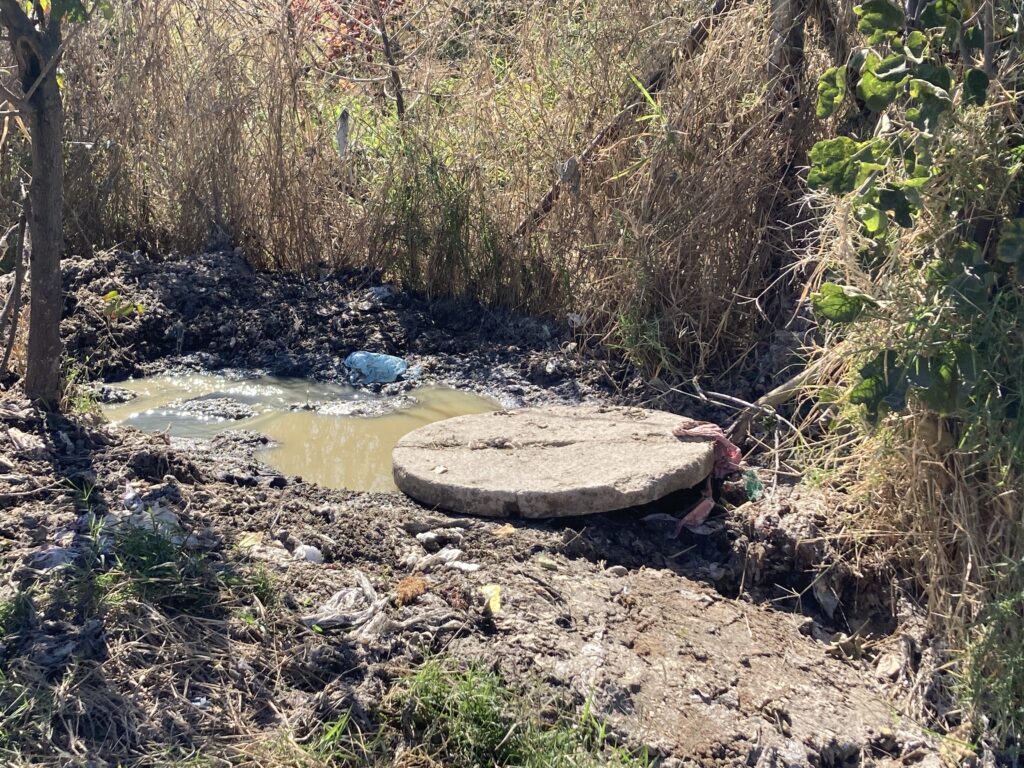
What
was
once
a
basic
municipal
service
has
now
become
a
severe
health
hazard,
leaving
families
frustrated
and
demanding
urgent
intervention.
For
years,
residents
have
endured
sewage
spilling
into
their
homes
and
yards,
especially
during
the
rainy
season
or
when
municipal
water
is
restored,
often
without
any
support
from
authorities.
While
the
City
of
Bulawayo
has
acknowledged
the
problem,
affected
residents
say
promises
mean
little
without
visible
action
on
the
ground.
Michael
Ndlovu,
a
representative
of
Ward
28
under
the
Bulawayo
Progressive
Residents
Association
(BPRA),
said
the
infrastructure
has
not
been
maintained
for
decades.
“These
drainages
haven’t
been
repaired
since
the
time
of
[Ian]
Smith.
We’re
now
forced
to
live
among
faeces
and
disease.
The
council
should
just
admit
it
has
run
out
of
resources,
because
clearly,
nothing
has
been
done
to
help
residents,”
Ndlovu
said.
He
added
that
the
issue
had
escalated
beyond
a
sanitation
crisis
and
now
posed
a
humanitarian
emergency,
affecting
more
than
40
homes.
“Children
are
getting
sick.
Some
people
can’t
even
cook
inside
their
homes
because
the
smell
is
unbearable.
The
council
keeps
saying
they’re
‘planning’.
We’re
tired
of
plans,
we
want
action.
When
they
do
come,
they
patch
things
up
and
the
next
day,
the
drains
are
blocked
again,”
he
said.
Patrick
Sibanda,
another
resident
who
lives
near
the
local
shopping
centre,
described
daily
life
as
a
struggle
against
constant
contamination.
“My
house
smells
of
faeces.
When
the
drainage
system
blocks,
it’s
not
just
water,
it’s
sewage
from
the
shops
flowing
into
our
yards
and
homes.
When
I
flush
the
toilet,
I
get
waste
coming
from
the
terminus
instead
of
my
own.
We
try
to
sit
down
and
eat,
but
all
we
can
smell
is
sewage,”
he
said.
“It
gets
even
worse
during
the
rainy
season
or
when
water
is
restored,
levels
rise
and
sewage
overflows
directly
into
homes.”
Noxolo
Mahlangu,
another
resident,
said
every
week
when
water
is
restored,
she
is
forced
to
clean
faeces
that
gush
out
of
the
drains.
“I
clean
sewage
out
of
my
house
every
week.
I
put
sand
on
it
to
absorb
the
smell.
I’ve
been
doing
this
for
three
years.
Sometimes,
when
water
is
brought
in
the
evening,
I
have
to
mop
and
sweep
through
sewage
in
the
dark
while
my
children
cry
from
the
smell.
This
is
my
life,
sand,
water,
faeces,
repeat,”
Mahlangu
said.
Thabani
Ndebele,
another
affected
resident,
said
the
situation
had
severely
affected
his
health.
“I
got
sick
cleaning
up
the
mess.
I’ve
been
to
hospital
more
than
four
times
because
I
was
infected
by
the
sewage.
The
last
time
council
workers
came
to
unblock
the
pipes,
sewage
burst
out
and
they
just
left.
They
didn’t
even
come
back
to
clean
it
up,”
he
said.
Ward
28
Councillor
Ntando
Ndlovu,
said
the
local
authority
is
aware
of
the
situation
and
is
undertaking
daily
maintenance
to
manage
the
crisis.
“The
council
is
aware
of
the
persistent
sewer
blockages
in
Section
1A,
near
the
terminus.
Our
teams
are
conducting
daily
maintenance,
including
rodding,
jetting,
and
winching
to
manage
and
relieve
blockages
as
they
occur,”
Councillor
Ndlovu
said.
He
acknowledged
the
pressure
on
municipal
services
due
to
widespread
sewer
chokes
across
the
city
and
a
limited
response
capacity.
“To
enhance
our
response,
we’ve
subcontracted
private
companies
to
assist
with
technical
assessments
and
remedial
works.
This
ensures
that
residents
continue
to
receive
essential
support,”
he
said.
Ndlovu
added
that
the
council
currently
has
no
plans
to
relocate
or
compensate
residents,
as
efforts
remain
focused
on
resolving
the
sewer
blockages.
“A
private
contractor
has
been
engaged
to
replace
the
existing
sewer
lines
and
manholes
in
the
affected
areas.
This
is
a
long-term
fix
intended
to
address
the
root
cause
of
the
recurring
problems,”
he
said.
The
City
of
Bulawayo
is
also
conducting
technical
assessments
in
identified
hotspot
areas
as
part
of
broader
infrastructure
upgrades.
“Our
aim
is
to
implement
lasting
improvements,
including
the
replacement
of
aging
or
defective
lines,
to
prevent
future
blockages
and
improve
the
reliability
of
the
system,”
said
Ndlovu.
He
assured
residents
that
updates
would
be
shared
via
the
council’s
Public
Relations
Office
and
his
ward
office.
“A
dedicated
community
liaison
officer
is
also
working
closely
with
subcontractors
to
provide
real-time
updates
and
ensure
that
residents’
concerns
are
addressed
promptly,”
he
said.
However,
Ndlovu
admitted
that
delays
in
service
delivery
were
partly
due
to
a
shortage
of
vehicles,
equipment,
and
personnel.
“We
recognise
the
burden
this
has
placed
on
residents.
We
are
working
to
optimise
the
use
of
available
resources
to
reach
all
affected
areas
as
swiftly
as
possible,”
he
said.
When
asked
how
long
it
would
take
to
resolve
the
crisis,
Ndlovu
said
the
council
could
not
provide
a
definitive
timeline
due
to
the
technical
complexity
of
the
work
and
the
unpredictable
challenges
involved.
“One
of
the
contributing
factors
is
the
city’s
ongoing
water
shortages,
which
hinder
sewer
flow
and
worsen
blockages.
Nevertheless,
we
remain
committed
to
finding
a
permanent
solution,”
he
said.
HARARE
–
At
least
17
people
died
on
Tuesday
after
a
haulage
truck
collided
with
a
kombi
near
Manyame
River
Bridge
on
the
road
linking
Harare
and
Chitungwiza.
The
South
Africa-registered
truck
was
travelling
to
Harare
while
the
commuter
omnibus
was
headed
for
St
Mary’s
in
Chitungwiza.
Police
spokesman
Commissioner
Paul
Nyathi
said:
“The
ZRP
confirms
a
road
traffic
accident
which
occurred
this
morning
along
Chitungwiza
Road
involving
a
haulage
truck
and
a
kombi.
“The
police
urges
the
media
and
public
to
be
patient
as
police
officers
are
currently
attending
the
scene.
More
details
will
be
released
in
due
course.”
Rescue
teams
at
the
scene
said
17
people
had
died,
as
they
warned
that
the
death
toll
could
rise.
Relatives
of
some
of
the
crash
victims
with
police
officers
Kombi
was
smothered
by
truck
in
deadly
crash
Among the
dead
were
two
children
and
two
pedestrians
who
were
hit
first
by
the
truck
before
it
rammed
into
the
kombi.
Witnesses
said
the
truck
encroached
into
the
opposite
traffic
lane
while
trying
to
avoid
a
collision
with
a
Honda
Fit
in
its
lane.
The
South
Africa-registered
truck
then
smashed
into
the
commuter
omnibus,
smothering
it
under
its
weight.