On
Friday,
a
federal
judge
in
New
York
dismissed
Donald
Trump’s
copyright
suit
against
Bob
Woodward
and
Simon
and
Schuster.
So
much
for
the
president’s
plan
to
extort
$50
million
from
the
publisher
for
conspiracy
to
collate
and
cobble!
But
when
God
closes
a
door,
she
opens
a
window.
And
so
that
very
same
day,
Trump
filed
a
$10
billion
dollar
defamation
suit
against
the
Wall
Street
Journal
and
its
owner
Rupert
Murdoch.
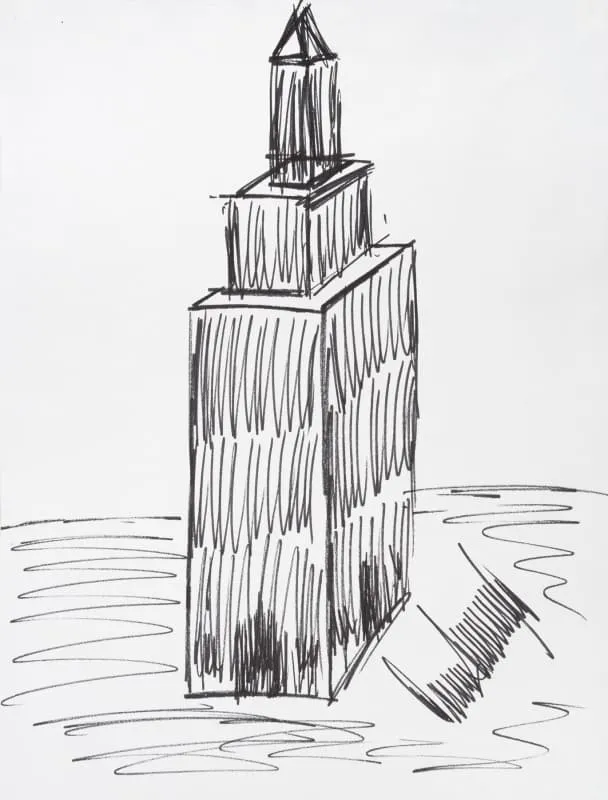
Trump
denies
that
in
2003
he
contributed
a
crude
drawing
to
a
book
of
“bawdy
letters”
compiled
for
pedophile
Jeffrey
Epstein’s
50th
birthday,
as
reported
by
journalists
Khadeeja
Safdar
and
Joe
Palazzolo
in
their
blockbuster
article.
“The
Wall
Street
Journal
printed
a
FAKE
letter,
supposedly
to
Epstein,”
he
screeched
on
social
media.
“These
are
not
my
words,
not
the
way
I
talk.
Also,
I
don’t
draw
pictures.”
The
New
York
Times
and
Washington
Post
promptly
published
articles
documenting
numerous
line
drawings
the
president
contributed
over
the
years
to
charities.
Like
the
one
described
in
the
Journal,
many
of
them
are
rendered
in
thick,
black
Sharpie
and
feature
his
unmistakable
echocardiogram
signature.
“I’m
gonna
sue
The
Wall
Street
Journal
just
like
I
sued
everyone
else,”
he
blustered
in
an
attempt
to
ward
the
paper
off
of
publication.
And
that
much
at
least
is
true.
Trump
has
a
long
history
of
suing
news
outlets
for
publishing
unflattering
stories.
Twenty
years
ago,
he
sued
New
York
Times
reporter
Tim
O’Brien
for
reporting
that
his
net
worth
was
somewhere
between
$150–$250
million,
far
below
Trump’s
self‑reported
$2.7–$6
billion.
O’Brien
ultimately
prevailed,
although
the
case
dragged
on
through
2011.
“I
spent
a
couple
of
bucks
on
legal
fees,
and
they
spent
a
whole
lot
more.
I
did
it
to
make
his
life
miserable,
which
I’m
happy
about,”
Trump
sneered.
And
that
seems
to
be
the
president’s
guiding
philosophy
when
it
comes
to
litigation:
It
doesn’t
matter
what
happens
in
court
as
long
as
you
make
the
other
guy
bleed.
In
fact,
Trump’s
only
courtroom
“wins”
have
been
settlements
extorted
after
his
election
from
media
companies
cutting
their
losses
when
faced
a
with
a
madman
controlling
the
levers
of
power.
In
some
sense,
this
newest
suit
against
the
Journal
is
of
a
piece
with
all
the
others.
It’s
ridiculous
on
its
face
and
only
“works”
as
an
angry
press
release
stapled
to
a
$402
check
to
cover
the
federal
filing
fee.
And
yet
it
cannot
be
divorced
from
the
larger
context,
in
which
Trump’s
base
is
tearing
itself
apart
over
Jeffrey
Epstein.
After
years
of
winking
at
Qanon
and
Pizzagate
hoaxers,
Trump
finds
himself
unable
to
halt
the
conspiratorial
frenzy
—
particularly
after
the
FBI
and
Attorney
General
Pam
Bondi
spectacularly
bungled
the
much
hyped
release
of
the
“Epstein
Files.”
Garbage
pleadings
The
complaint
itself
is
par
for
the
Trump
course,
consisting
of
just
18
threadbare
pages
larded
with
inflammatory
rhetoric
and
screenshots
of
the
supposedly
defamatory
story
and
its
republication
on
social
media.
As
to
actual
law
…
not
so
much.
It
alleges
that
calling
Trump
Epstein’s
“pal”
and
saying
he
drew
women’s
breasts
amounts
to
defamation
per
se,
a
subset
of
defamation
involving
allegations
of
crime
or
moral
turpitude.
Clearly
it
is
not
defamatory
at
all
(much
less
defamatory
per
se)
to
report
that
a
notorious
philanderer
drew
boobs
for
his
friend’s
birthday.
But
if
the
defamatory
bit
was
“to
attempt
and
inextricably
link
President
Trump
to
Epstein,”
well,
Trump
was
Epstein’s
pal
25
years
ago.
We’ve
all
seen
that
nasty
video
of
them
gawking
at
young
women
on
the
dance
floor
and
read
the
New
York
magazine
piece
where
Trump
said
“I’ve
known
Jeff
for
15
years.
Terrific
guy.
He’s
a
lot
of
fun
to
be
with.
It
is
even
said
that
he
likes
beautiful
women
as
much
as
I
do,
and
many
of
them
are
on
the
younger
side.”
As
for
the
actual
malice
standard
required
by
NYT
v.
Sullivan,
the
complaint
merely
states
in
conclusory
fashion
that
is
satisfied:
The
statements
were
published
by
Defendants
with
actual
malice,
oppression
and
fraud
in
that
they
were
aware
at
the
time
of
the
falsity
of
the
publication
and
thus,
made
said
publications
in
bad
faith,
out
of
disdain
and
ill-will
directed
towards
Plaintiff
without
any
regard
for
the
truth.
How
do
we
know
that
the
Journal
was
“aware
at
the
time
of
the
falsity
of
the
publication?”
Because
Trump
called
up
Murdoch
to
yell
at
him
and
deny
it.
Notably,
Murdoch
and
Thomson
authorized
the
publication
of
the
Article
after
President
Trump
put
them
both
on
notice
that
the
letter
was
fake
and
nonexistent.
Except
that
it
is
well
established
that
mere
denial
by
the
plaintiff
will
not
establish
that
the
defendant
knew
the
story
was
false
as
required
by
the
Sullivan
standard.
And
just
two
weeks
ago,
an
11th
Circuit
panel,
including
two
Trump
appointees,
affirmed
the
dismissal
of
golfer
Patrick
Reed’s
defamation
claims
against
the
Golf
Channel
because
“Reed’s
complaints
include
a
litany
of
conclusory
allegations
that
are
merely
formulaic
recitations
of
the
‘actual
malice’
element
which,
alone,
are
insufficient.”
(Reed
was
pissed
because
commentator
Brandel
Chamblee
criticized
him
for
decamping
from
the
PGA
to
the
Saudi-backed
LIV
golf.
Trump
hosted
merger
talks
between
the
rival
tours
at
his
Florida
golf
club
after
welcoming
Prince
“Bonesaw”
back
to
polite
company.
Fire
the
writers!)
Trump
is
represented
here
by
Alejandro
Brito,
a
commercial
litigator
from
Coral
Gables
who
rode
along
for
the
disastrous
CNN
suit,
but
also
for
the
successful
attempt
to
wring
cash
out
of
ABC
after
George
Stephanopoulos
inartfully
referred
to
Trump
as
an
“adjudicated
rapist.”
This
latest
complaint
also
contains
some
hilarious
typos.
“$10
billion
dollars?”
Is
that
like
ten
billion
dollars
SQUARED?
By
our
math
that
is
ONE
HUNDRED
QUINTILLION
DOLLARS.
But
whyyyyy?
It’s
not
clear
what
Trump
actually
“wants”
here.
He’s
had
good
luck
lately
filing
ridiculous
trollsuits
leveraging
unsubtle
threats
by
executive
agencies
as
a
means
to
extract
obeisance
from
media
companies.
But
it’s
one
thing
to
file
a
SLAPP
suit
against
the
Des
Moines
Register
for
tortious
whiffing
a
poll.
The
worst
thing
that
can
happen
there
is
your
lawyers
stepping
on
every
rake
in
Iowa
as
they
explore
the
vagaries
of
the
Federal
Rules
of
Civil
Procedure.
It’s
quite
another
to
pour
gas
on
a
fire
that’s
engulfing
your
administration
and
threatening
to
divide
your
base.
Because
Safdar
and
Palazzolo
are
very
experienced
reporters.
In
fact,
Palazzolo
won
a
Pulitzer
Prize
for
breaking
the
news
about
Michael
Cohen
paying
Stormy
Daniels
$130,000
to
keep
quiet
about
her
encounter
with
Trump.
It
is
very
unlikely
that
Safdar,
Palazzolo,
and
the
Wall
Street
Journal
would
go
to
press
without
all
their
ducks
in
a
row,
and
so
they
are
almost
certainly
in
a
position
to
call
Trump’s
bluff.
Just
as
The
Atlantic
responded
to
White
House
denials
that
cabinet
members
discussed
classified
war
plans
over
Signal
by
publishing
the
screenshots,
the
Journal
can
punch
back
by
publishing
the
sketch.
And
even
if
it
doesn’t,
this
imbroglio
is
fraught
with
peril
for
Trump
himself.
Specifically,
the
article
claims
that
“Pages
from
the
leather-bound
album—assembled
before
Epstein
was
first
arrested
in
2006—are
among
the
documents
examined
by
Justice
Department
officials
who
investigated
Epstein
and
Maxwell
years
ago,
according
to
people
who
have
reviewed
the
pages.”
If
that
is
correct,
then
the
DOJ
has
this
document,
and
its
failure
to
produce
it
will
just
feed
accusations
of
a
coverup.
Moreover,
there
appear
to
be
multiple
participants
in
the
event,
including
Ghislaine
Maxwell,
Epstein’s
girlfriend/procurer,
who
compiled
the
messages
from
Epstein’s
“pals”
and
is
currently
serving
a
20-year
prison
sentence.
The
reporters
also
spoke
to
“people
who
were
involved
in
the
process”
of
assembling
the
birthday
book,
which
was
printed
by
New
York
City
bookbinder,
Herbert
Weitz.
Put
simply,
this
isn’t
the
apocryphal
pee
tape.
There
are
clearly
witnesses
and
a
paper
trail
that
will
make
this
maximally
unpleasant
for
Trump
if
he
keeps
dragging
the
story
into
the
next
news
cycle
—
and
that’s
before
this
case
even
gets
to
discovery.
And
the
Journal
seems
to
have
no
interest
in
backing
down.
Dow
Jones,
the
paper’s
parent
company,
put
out
a
statement
saying,
“We
have
full
confidence
in
the
rigor
and
accuracy
of
our
reporting,
and
will
vigorously
defend
against
any
lawsuit.”
So,
now
what?
The
case
was
filed
in
the
Southern
District
of
Florida
and
will
almost
certainly
be
assigned
to
a
judge
today.
There
are
a
fair
number
of
Trump
appointees
in
this
district,
including
the
infamous
Judge
Aileen
Cannon.
But
it
was
docketed
in
the
Miami
division,
so
he’s
unlikely
to
wind
up
in
her
courtroom
in
Fort
Pierce.
Notably
this
is
the
same
district
where
Judge
Anuraang
Singhal,
another
Trump
pick,
dismissed
Trump’s
CNN
suit
because
their
reporting
calling
him
out
for
“the
Big
Lie”
was
“opinion,
not
factually
false
statements,
and
therefore
are
not
actionable.”
Judge
Singhal
also
dismissed
Alan
Dershowitz’s
LOLsuit
against
CNN
for
supposed
“defamatory”
reporting
on
his
comments
about
the
first
Trump
impeachment.
Dershowitz
was
deeply
enmeshed
in
the
Epstein
story:
He
negotiated
Epstein’s
first
disgracefully
lenient
plea
deal.
He,
too,
contributed
a
page
to
the
birthday
book.
And
he
admits
he
got
a
massage
at
Epstein’s
house,
but
insists
that
it
was
from
an
old
Russian
woman,
and
he
kept
his
underpants
on
because
he
and
his
wife
have
a
“perfect,
perfect
sex
life.”
(Fire
the
writers
again!
And
vomit!)
Last
week,
Dersh
penned
an
opinion
piece
in
the
Journal
—
where
else?
—
insisting
that
there
was
no
Epstein
client
list,
and
if
there
was
it
wouldn’t
include
“any
current
officeholders.”
Ummmm
…
All
of
which
is
to
say
that
this
is
an
odd
time
for
a
lawsuit
reminding
the
public
of
all
the
allegations
made
against
Trump
and
Dersh
by
Epstein’s
victims.
Trump
seems
to
have
lodged
his
foot
in
a
trap
of
his
own
making,
and
is
attempting
to
shoot
the
thing
off
with
a
very
big
gun.
Careful
what
you
sue
for,
‘cause
you
just
might
get
it.
On
Friday,
a
federal
judge
in
New
York
dismissed
Donald
Trump’s
copyright
suit
against
Bob
Woodward
and
Simon
and
Schuster.
So
much
for
the
president’s
plan
to
extort
$50
million
from
the
publisher
for
conspiracy
to
collate
and
cobble!
But
when
God
closes
a
door,
she
opens
a
window.
And
so
that
very
same
day,
Trump
filed
a
$10
billion
dollar
defamation
suit
against
the
Wall
Street
Journal
and
its
owner
Rupert
Murdoch.
Trump
denies
that
in
2003
he
contributed
a
crude
drawing
to
a
book
of
“bawdy
letters”
compiled
for
pedophile
Jeffrey
Epstein’s
50th
birthday,
as
reported
by
journalists
Khadeeja
Safdar
and
Joe
Palazzolo
in
their
blockbuster
article.
“The
Wall
Street
Journal
printed
a
FAKE
letter,
supposedly
to
Epstein,”
he
screeched
on
social
media.
“These
are
not
my
words,
not
the
way
I
talk.
Also,
I
don’t
draw
pictures.”
The
New
York
Times
and
Washington
Post
promptly
published
articles
documenting
numerous
line
drawings
the
president
contributed
over
the
years
to
charities.
Like
the
one
described
in
the
Journal,
many
of
them
are
rendered
in
thick,
black
Sharpie
and
feature
his
unmistakable
echocardiogram
signature.
“I’m
gonna
sue
The
Wall
Street
Journal
just
like
I
sued
everyone
else,”
he
blustered
in
an
attempt
to
ward
the
paper
off
of
publication.
And
that
much
at
least
is
true.
Trump
has
a
long
history
of
suing
news
outlets
for
publishing
unflattering
stories.
Twenty
years
ago,
he
sued
New
York
Times
reporter
Tim
O’Brien
for
reporting
that
his
net
worth
was
somewhere
between
$150–$250
million,
far
below
Trump’s
self‑reported
$2.7–$6
billion.
O’Brien
ultimately
prevailed,
although
the
case
dragged
on
through
2011.
“I
spent
a
couple
of
bucks
on
legal
fees,
and
they
spent
a
whole
lot
more.
I
did
it
to
make
his
life
miserable,
which
I’m
happy
about,”
Trump
sneered.
And
that
seems
to
be
the
president’s
guiding
philosophy
when
it
comes
to
litigation:
It
doesn’t
matter
what
happens
in
court
as
long
as
you
make
the
other
guy
bleed.
In
fact,
Trump’s
only
courtroom
“wins”
have
been
settlements
extorted
after
his
election
from
media
companies
cutting
their
losses
when
faced
a
with
a
madman
controlling
the
levers
of
power.
In
some
sense,
this
newest
suit
against
the
Journal
is
of
a
piece
with
all
the
others.
It’s
ridiculous
on
its
face
and
only
“works”
as
an
angry
press
release
stapled
to
a
$402
check
to
cover
the
federal
filing
fee.
And
yet
it
cannot
be
divorced
from
the
larger
context,
in
which
Trump’s
base
is
tearing
itself
apart
over
Jeffrey
Epstein.
After
years
of
winking
at
Qanon
and
Pizzagate
hoaxers,
Trump
finds
himself
unable
to
halt
the
conspiratorial
frenzy
—
particularly
after
the
FBI
and
Attorney
General
Pam
Bondi
spectacularly
bungled
the
much
hyped
release
of
the
“Epstein
Files.”
Garbage
pleadings
The
complaint
itself
is
par
for
the
Trump
course,
consisting
of
just
18
threadbare
pages
larded
with
inflammatory
rhetoric
and
screenshots
of
the
supposedly
defamatory
story
and
its
republication
on
social
media.
As
to
actual
law
…
not
so
much.
It
alleges
that
calling
Trump
Epstein’s
“pal”
and
saying
he
drew
women’s
breasts
amounts
to
defamation
per
se,
a
subset
of
defamation
involving
allegations
of
crime
or
moral
turpitude.
Clearly
it
is
not
defamatory
at
all
(much
less
defamatory
per
se)
to
report
that
a
notorious
philanderer
drew
boobs
for
his
friend’s
birthday.
But
if
the
defamatory
bit
was
“to
attempt
and
inextricably
link
President
Trump
to
Epstein,”
well,
Trump
was
Epstein’s
pal
25
years
ago.
We’ve
all
seen
that
nasty
video
of
them
gawking
at
young
women
on
the
dance
floor
and
read
the
New
York
magazine
piece
where
Trump
said
“I’ve
known
Jeff
for
15
years.
Terrific
guy.
He’s
a
lot
of
fun
to
be
with.
It
is
even
said
that
he
likes
beautiful
women
as
much
as
I
do,
and
many
of
them
are
on
the
younger
side.”
As
for
the
actual
malice
standard
required
by
NYT
v.
Sullivan,
the
complaint
merely
states
in
conclusory
fashion
that
is
satisfied:
The
statements
were
published
by
Defendants
with
actual
malice,
oppression
and
fraud
in
that
they
were
aware
at
the
time
of
the
falsity
of
the
publication
and
thus,
made
said
publications
in
bad
faith,
out
of
disdain
and
ill-will
directed
towards
Plaintiff
without
any
regard
for
the
truth.
How
do
we
know
that
the
Journal
was
“aware
at
the
time
of
the
falsity
of
the
publication?”
Because
Trump
called
up
Murdoch
to
yell
at
him
and
deny
it.
Notably,
Murdoch
and
Thomson
authorized
the
publication
of
the
Article
after
President
Trump
put
them
both
on
notice
that
the
letter
was
fake
and
nonexistent.
Except
that
it
is
well
established
that
mere
denial
by
the
plaintiff
will
not
establish
that
the
defendant
knew
the
story
was
false
as
required
by
the
Sullivan
standard.
And
just
two
weeks
ago,
an
11th
Circuit
panel,
including
two
Trump
appointees,
affirmed
the
dismissal
of
golfer
Patrick
Reed’s
defamation
claims
against
the
Golf
Channel
because
“Reed’s
complaints
include
a
litany
of
conclusory
allegations
that
are
merely
formulaic
recitations
of
the
‘actual
malice’
element
which,
alone,
are
insufficient.”
(Reed
was
pissed
because
commentator
Brandel
Chamblee
criticized
him
for
decamping
from
the
PGA
to
the
Saudi-backed
LIV
golf.
Trump
hosted
merger
talks
between
the
rival
tours
at
his
Florida
golf
club
after
welcoming
Prince
“Bonesaw”
back
to
polite
company.
Fire
the
writers!)
Trump
is
represented
here
by
Alejandro
Brito,
a
commercial
litigator
from
Coral
Gables
who
rode
along
for
the
disastrous
CNN
suit,
but
also
for
the
successful
attempt
to
wring
cash
out
of
ABC
after
George
Stephanopoulos
inartfully
referred
to
Trump
as
an
“adjudicated
rapist.”
This
latest
complaint
also
contains
some
hilarious
typos.
“$10
billion
dollars?”
Is
that
like
ten
billion
dollars
SQUARED?
By
our
math
that
is
ONE
HUNDRED
QUINTILLION
DOLLARS.
But
whyyyyy?
It’s
not
clear
what
Trump
actually
“wants”
here.
He’s
had
good
luck
lately
filing
ridiculous
trollsuits
leveraging
unsubtle
threats
by
executive
agencies
as
a
means
to
extract
obeisance
from
media
companies.
But
it’s
one
thing
to
file
a
SLAPP
suit
against
the
Des
Moines
Register
for
tortious
whiffing
a
poll.
The
worst
thing
that
can
happen
there
is
your
lawyers
stepping
on
every
rake
in
Iowa
as
they
explore
the
vagaries
of
the
Federal
Rules
of
Civil
Procedure.
It’s
quite
another
to
pour
gas
on
a
fire
that’s
engulfing
your
administration
and
threatening
to
divide
your
base.
Because
Safdar
and
Palazzolo
are
very
experienced
reporters.
In
fact,
Palazzolo
won
a
Pulitzer
Prize
for
breaking
the
news
about
Michael
Cohen
paying
Stormy
Daniels
$130,000
to
keep
quiet
about
her
encounter
with
Trump.
It
is
very
unlikely
that
Safdar,
Palazzolo,
and
the
Wall
Street
Journal
would
go
to
press
without
all
their
ducks
in
a
row,
and
so
they
are
almost
certainly
in
a
position
to
call
Trump’s
bluff.
Just
as
The
Atlantic
responded
to
White
House
denials
that
cabinet
members
discussed
classified
war
plans
over
Signal
by
publishing
the
screenshots,
the
Journal
can
punch
back
by
publishing
the
sketch.
And
even
if
it
doesn’t,
this
imbroglio
is
fraught
with
peril
for
Trump
himself.
Specifically,
the
article
claims
that
“Pages
from
the
leather-bound
album—assembled
before
Epstein
was
first
arrested
in
2006—are
among
the
documents
examined
by
Justice
Department
officials
who
investigated
Epstein
and
Maxwell
years
ago,
according
to
people
who
have
reviewed
the
pages.”
If
that
is
correct,
then
the
DOJ
has
this
document,
and
its
failure
to
produce
it
will
just
feed
accusations
of
a
coverup.
Moreover,
there
appear
to
be
multiple
participants
in
the
event,
including
Ghislaine
Maxwell,
Epstein’s
girlfriend/procurer,
who
compiled
the
messages
from
Epstein’s
“pals”
and
is
currently
serving
a
20-year
prison
sentence.
The
reporters
also
spoke
to
“people
who
were
involved
in
the
process”
of
assembling
the
birthday
book,
which
was
printed
by
New
York
City
bookbinder,
Herbert
Weitz.
Put
simply,
this
isn’t
the
apocryphal
pee
tape.
There
are
clearly
witnesses
and
a
paper
trail
that
will
make
this
maximally
unpleasant
for
Trump
if
he
keeps
dragging
the
story
into
the
next
news
cycle
—
and
that’s
before
this
case
even
gets
to
discovery.
And
the
Journal
seems
to
have
no
interest
in
backing
down.
Dow
Jones,
the
paper’s
parent
company,
put
out
a
statement
saying,
“We
have
full
confidence
in
the
rigor
and
accuracy
of
our
reporting,
and
will
vigorously
defend
against
any
lawsuit.”
So,
now
what?
The
case
was
filed
in
the
Southern
District
of
Florida
and
will
almost
certainly
be
assigned
to
a
judge
today.
There
are
a
fair
number
of
Trump
appointees
in
this
district,
including
the
infamous
Judge
Aileen
Cannon.
But
it
was
docketed
in
the
Miami
division,
so
he’s
unlikely
to
wind
up
in
her
courtroom
in
Fort
Pierce.
Notably
this
is
the
same
district
where
Judge
Anuraang
Singhal,
another
Trump
pick,
dismissed
Trump’s
CNN
suit
because
their
reporting
calling
him
out
for
“the
Big
Lie”
was
“opinion,
not
factually
false
statements,
and
therefore
are
not
actionable.”
Judge
Singhal
also
dismissed
Alan
Dershowitz’s
LOLsuit
against
CNN
for
supposed
“defamatory”
reporting
on
his
comments
about
the
first
Trump
impeachment.
Dershowitz
was
deeply
enmeshed
in
the
Epstein
story:
He
negotiated
Epstein’s
first
disgracefully
lenient
plea
deal.
He,
too,
contributed
a
page
to
the
birthday
book.
And
he
admits
he
got
a
massage
at
Epstein’s
house,
but
insists
that
it
was
from
an
old
Russian
woman,
and
he
kept
his
underpants
on
because
he
and
his
wife
have
a
“perfect,
perfect
sex
life.”
(Fire
the
writers
again!
And
vomit!)
Last
week,
Dersh
penned
an
opinion
piece
in
the
Journal
—
where
else?
—
insisting
that
there
was
no
Epstein
client
list,
and
if
there
was
it
wouldn’t
include
“any
current
officeholders.”
Ummmm
…
All
of
which
is
to
say
that
this
is
an
odd
time
for
a
lawsuit
reminding
the
public
of
all
the
allegations
made
against
Trump
and
Dersh
by
Epstein’s
victims.
Trump
seems
to
have
lodged
his
foot
in
a
trap
of
his
own
making,
and
is
attempting
to
shoot
the
thing
off
with
a
very
big
gun.
Careful
what
you
sue
for,
‘cause
you
just
might
get
it.
On
Friday,
a
federal
judge
in
New
York
dismissed
Donald
Trump’s
copyright
suit
against
Bob
Woodward
and
Simon
and
Schuster.
So
much
for
the
president’s
plan
to
extort
$50
million
from
the
publisher
for
conspiracy
to
collate
and
cobble!
But
when
God
closes
a
door,
she
opens
a
window.
And
so
that
very
same
day,
Trump
filed
a
$10
billion
dollar
defamation
suit
against
the
Wall
Street
Journal
and
its
owner
Rupert
Murdoch.
Trump
denies
that
in
2003
he
contributed
a
crude
drawing
to
a
book
of
“bawdy
letters”
compiled
for
pedophile
Jeffrey
Epstein’s
50th
birthday,
as
reported
by
journalists
Khadeeja
Safdar
and
Joe
Palazzolo
in
their
blockbuster
article.
“The
Wall
Street
Journal
printed
a
FAKE
letter,
supposedly
to
Epstein,”
he
screeched
on
social
media.
“These
are
not
my
words,
not
the
way
I
talk.
Also,
I
don’t
draw
pictures.”
The
New
York
Times
and
Washington
Post
promptly
published
articles
documenting
numerous
line
drawings
the
president
contributed
over
the
years
to
charities.
Like
the
one
described
in
the
Journal,
many
of
them
are
rendered
in
thick,
black
Sharpie
and
feature
his
unmistakable
echocardiogram
signature.
“I’m
gonna
sue
The
Wall
Street
Journal
just
like
I
sued
everyone
else,”
he
blustered
in
an
attempt
to
ward
the
paper
off
of
publication.
And
that
much
at
least
is
true.
Trump
has
a
long
history
of
suing
news
outlets
for
publishing
unflattering
stories.
Twenty
years
ago,
he
sued
New
York
Times
reporter
Tim
O’Brien
for
reporting
that
his
net
worth
was
somewhere
between
$150–$250
million,
far
below
Trump’s
self‑reported
$2.7–$6
billion.
O’Brien
ultimately
prevailed,
although
the
case
dragged
on
through
2011.
“I
spent
a
couple
of
bucks
on
legal
fees,
and
they
spent
a
whole
lot
more.
I
did
it
to
make
his
life
miserable,
which
I’m
happy
about,”
Trump
sneered.
And
that
seems
to
be
the
president’s
guiding
philosophy
when
it
comes
to
litigation:
It
doesn’t
matter
what
happens
in
court
as
long
as
you
make
the
other
guy
bleed.
In
fact,
Trump’s
only
courtroom
“wins”
have
been
settlements
extorted
after
his
election
from
media
companies
cutting
their
losses
when
faced
a
with
a
madman
controlling
the
levers
of
power.
In
some
sense,
this
newest
suit
against
the
Journal
is
of
a
piece
with
all
the
others.
It’s
ridiculous
on
its
face
and
only
“works”
as
an
angry
press
release
stapled
to
a
$402
check
to
cover
the
federal
filing
fee.
And
yet
it
cannot
be
divorced
from
the
larger
context,
in
which
Trump’s
base
is
tearing
itself
apart
over
Jeffrey
Epstein.
After
years
of
winking
at
Qanon
and
Pizzagate
hoaxers,
Trump
finds
himself
unable
to
halt
the
conspiratorial
frenzy
—
particularly
after
the
FBI
and
Attorney
General
Pam
Bondi
spectacularly
bungled
the
much
hyped
release
of
the
“Epstein
Files.”
Garbage
pleadings
The
complaint
itself
is
par
for
the
Trump
course,
consisting
of
just
18
threadbare
pages
larded
with
inflammatory
rhetoric
and
screenshots
of
the
supposedly
defamatory
story
and
its
republication
on
social
media.
As
to
actual
law
…
not
so
much.
It
alleges
that
calling
Trump
Epstein’s
“pal”
and
saying
he
drew
women’s
breasts
amounts
to
defamation
per
se,
a
subset
of
defamation
involving
allegations
of
crime
or
moral
turpitude.
Clearly
it
is
not
defamatory
at
all
(much
less
defamatory
per
se)
to
report
that
a
notorious
philanderer
drew
boobs
for
his
friend’s
birthday.
But
if
the
defamatory
bit
was
“to
attempt
and
inextricably
link
President
Trump
to
Epstein,”
well,
Trump
was
Epstein’s
pal
25
years
ago.
We’ve
all
seen
that
nasty
video
of
them
gawking
at
young
women
on
the
dance
floor
and
read
the
New
York
magazine
piece
where
Trump
said
“I’ve
known
Jeff
for
15
years.
Terrific
guy.
He’s
a
lot
of
fun
to
be
with.
It
is
even
said
that
he
likes
beautiful
women
as
much
as
I
do,
and
many
of
them
are
on
the
younger
side.”
As
for
the
actual
malice
standard
required
by
NYT
v.
Sullivan,
the
complaint
merely
states
in
conclusory
fashion
that
is
satisfied:
The
statements
were
published
by
Defendants
with
actual
malice,
oppression
and
fraud
in
that
they
were
aware
at
the
time
of
the
falsity
of
the
publication
and
thus,
made
said
publications
in
bad
faith,
out
of
disdain
and
ill-will
directed
towards
Plaintiff
without
any
regard
for
the
truth.
How
do
we
know
that
the
Journal
was
“aware
at
the
time
of
the
falsity
of
the
publication?”
Because
Trump
called
up
Murdoch
to
yell
at
him
and
deny
it.
Notably,
Murdoch
and
Thomson
authorized
the
publication
of
the
Article
after
President
Trump
put
them
both
on
notice
that
the
letter
was
fake
and
nonexistent.
Except
that
it
is
well
established
that
mere
denial
by
the
plaintiff
will
not
establish
that
the
defendant
knew
the
story
was
false
as
required
by
the
Sullivan
standard.
And
just
two
weeks
ago,
an
11th
Circuit
panel,
including
two
Trump
appointees,
affirmed
the
dismissal
of
golfer
Patrick
Reed’s
defamation
claims
against
the
Golf
Channel
because
“Reed’s
complaints
include
a
litany
of
conclusory
allegations
that
are
merely
formulaic
recitations
of
the
‘actual
malice’
element
which,
alone,
are
insufficient.”
(Reed
was
pissed
because
commentator
Brandel
Chamblee
criticized
him
for
decamping
from
the
PGA
to
the
Saudi-backed
LIV
golf.
Trump
hosted
merger
talks
between
the
rival
tours
at
his
Florida
golf
club
after
welcoming
Prince
“Bonesaw”
back
to
polite
company.
Fire
the
writers!)
Trump
is
represented
here
by
Alejandro
Brito,
a
commercial
litigator
from
Coral
Gables
who
rode
along
for
the
disastrous
CNN
suit,
but
also
for
the
successful
attempt
to
wring
cash
out
of
ABC
after
George
Stephanopoulos
inartfully
referred
to
Trump
as
an
“adjudicated
rapist.”
This
latest
complaint
also
contains
some
hilarious
typos.
“$10
billion
dollars?”
Is
that
like
ten
billion
dollars
SQUARED?
By
our
math
that
is
ONE
HUNDRED
QUINTILLION
DOLLARS.
But
whyyyyy?
It’s
not
clear
what
Trump
actually
“wants”
here.
He’s
had
good
luck
lately
filing
ridiculous
trollsuits
leveraging
unsubtle
threats
by
executive
agencies
as
a
means
to
extract
obeisance
from
media
companies.
But
it’s
one
thing
to
file
a
SLAPP
suit
against
the
Des
Moines
Register
for
tortious
whiffing
a
poll.
The
worst
thing
that
can
happen
there
is
your
lawyers
stepping
on
every
rake
in
Iowa
as
they
explore
the
vagaries
of
the
Federal
Rules
of
Civil
Procedure.
It’s
quite
another
to
pour
gas
on
a
fire
that’s
engulfing
your
administration
and
threatening
to
divide
your
base.
Because
Safdar
and
Palazzolo
are
very
experienced
reporters.
In
fact,
Palazzolo
won
a
Pulitzer
Prize
for
breaking
the
news
about
Michael
Cohen
paying
Stormy
Daniels
$130,000
to
keep
quiet
about
her
encounter
with
Trump.
It
is
very
unlikely
that
Safdar,
Palazzolo,
and
the
Wall
Street
Journal
would
go
to
press
without
all
their
ducks
in
a
row,
and
so
they
are
almost
certainly
in
a
position
to
call
Trump’s
bluff.
Just
as
The
Atlantic
responded
to
White
House
denials
that
cabinet
members
discussed
classified
war
plans
over
Signal
by
publishing
the
screenshots,
the
Journal
can
punch
back
by
publishing
the
sketch.
And
even
if
it
doesn’t,
this
imbroglio
is
fraught
with
peril
for
Trump
himself.
Specifically,
the
article
claims
that
“Pages
from
the
leather-bound
album—assembled
before
Epstein
was
first
arrested
in
2006—are
among
the
documents
examined
by
Justice
Department
officials
who
investigated
Epstein
and
Maxwell
years
ago,
according
to
people
who
have
reviewed
the
pages.”
If
that
is
correct,
then
the
DOJ
has
this
document,
and
its
failure
to
produce
it
will
just
feed
accusations
of
a
coverup.
Moreover,
there
appear
to
be
multiple
participants
in
the
event,
including
Ghislaine
Maxwell,
Epstein’s
girlfriend/procurer,
who
compiled
the
messages
from
Epstein’s
“pals”
and
is
currently
serving
a
20-year
prison
sentence.
The
reporters
also
spoke
to
“people
who
were
involved
in
the
process”
of
assembling
the
birthday
book,
which
was
printed
by
New
York
City
bookbinder,
Herbert
Weitz.
Put
simply,
this
isn’t
the
apocryphal
pee
tape.
There
are
clearly
witnesses
and
a
paper
trail
that
will
make
this
maximally
unpleasant
for
Trump
if
he
keeps
dragging
the
story
into
the
next
news
cycle
—
and
that’s
before
this
case
even
gets
to
discovery.
And
the
Journal
seems
to
have
no
interest
in
backing
down.
Dow
Jones,
the
paper’s
parent
company,
put
out
a
statement
saying,
“We
have
full
confidence
in
the
rigor
and
accuracy
of
our
reporting,
and
will
vigorously
defend
against
any
lawsuit.”
So,
now
what?
The
case
was
filed
in
the
Southern
District
of
Florida
and
will
almost
certainly
be
assigned
to
a
judge
today.
There
are
a
fair
number
of
Trump
appointees
in
this
district,
including
the
infamous
Judge
Aileen
Cannon.
But
it
was
docketed
in
the
Miami
division,
so
he’s
unlikely
to
wind
up
in
her
courtroom
in
Fort
Pierce.
Notably
this
is
the
same
district
where
Judge
Anuraang
Singhal,
another
Trump
pick,
dismissed
Trump’s
CNN
suit
because
their
reporting
calling
him
out
for
“the
Big
Lie”
was
“opinion,
not
factually
false
statements,
and
therefore
are
not
actionable.”
Judge
Singhal
also
dismissed
Alan
Dershowitz’s
LOLsuit
against
CNN
for
supposed
“defamatory”
reporting
on
his
comments
about
the
first
Trump
impeachment.
Dershowitz
was
deeply
enmeshed
in
the
Epstein
story:
He
negotiated
Epstein’s
first
disgracefully
lenient
plea
deal.
He,
too,
contributed
a
page
to
the
birthday
book.
And
he
admits
he
got
a
massage
at
Epstein’s
house,
but
insists
that
it
was
from
an
old
Russian
woman,
and
he
kept
his
underpants
on
because
he
and
his
wife
have
a
“perfect,
perfect
sex
life.”
(Fire
the
writers
again!
And
vomit!)
Last
week,
Dersh
penned
an
opinion
piece
in
the
Journal
—
where
else?
—
insisting
that
there
was
no
Epstein
client
list,
and
if
there
was
it
wouldn’t
include
“any
current
officeholders.”
Ummmm
…
All
of
which
is
to
say
that
this
is
an
odd
time
for
a
lawsuit
reminding
the
public
of
all
the
allegations
made
against
Trump
and
Dersh
by
Epstein’s
victims.
Trump
seems
to
have
lodged
his
foot
in
a
trap
of
his
own
making,
and
is
attempting
to
shoot
the
thing
off
with
a
very
big
gun.
Careful
what
you
sue
for,
‘cause
you
just
might
get
it.
On
Friday,
a
federal
judge
in
New
York
dismissed
Donald
Trump’s
copyright
suit
against
Bob
Woodward
and
Simon
and
Schuster.
So
much
for
the
president’s
plan
to
extort
$50
million
from
the
publisher
for
conspiracy
to
collate
and
cobble!
But
when
God
closes
a
door,
she
opens
a
window.
And
so
that
very
same
day,
Trump
filed
a
$10
billion
dollar
defamation
suit
against
the
Wall
Street
Journal
and
its
owner
Rupert
Murdoch.
Trump
denies
that
in
2003
he
contributed
a
crude
drawing
to
a
book
of
“bawdy
letters”
compiled
for
pedophile
Jeffrey
Epstein’s
50th
birthday,
as
reported
by
journalists
Khadeeja
Safdar
and
Joe
Palazzolo
in
their
blockbuster
article.
“The
Wall
Street
Journal
printed
a
FAKE
letter,
supposedly
to
Epstein,”
he
screeched
on
social
media.
“These
are
not
my
words,
not
the
way
I
talk.
Also,
I
don’t
draw
pictures.”
The
New
York
Times
and
Washington
Post
promptly
published
articles
documenting
numerous
line
drawings
the
president
contributed
over
the
years
to
charities.
Like
the
one
described
in
the
Journal,
many
of
them
are
rendered
in
thick,
black
Sharpie
and
feature
his
unmistakable
echocardiogram
signature.
“I’m
gonna
sue
The
Wall
Street
Journal
just
like
I
sued
everyone
else,”
he
blustered
in
an
attempt
to
ward
the
paper
off
of
publication.
And
that
much
at
least
is
true.
Trump
has
a
long
history
of
suing
news
outlets
for
publishing
unflattering
stories.
Twenty
years
ago,
he
sued
New
York
Times
reporter
Tim
O’Brien
for
reporting
that
his
net
worth
was
somewhere
between
$150–$250
million,
far
below
Trump’s
self‑reported
$2.7–$6
billion.
O’Brien
ultimately
prevailed,
although
the
case
dragged
on
through
2011.
“I
spent
a
couple
of
bucks
on
legal
fees,
and
they
spent
a
whole
lot
more.
I
did
it
to
make
his
life
miserable,
which
I’m
happy
about,”
Trump
sneered.
And
that
seems
to
be
the
president’s
guiding
philosophy
when
it
comes
to
litigation:
It
doesn’t
matter
what
happens
in
court
as
long
as
you
make
the
other
guy
bleed.
In
fact,
Trump’s
only
courtroom
“wins”
have
been
settlements
extorted
after
his
election
from
media
companies
cutting
their
losses
when
faced
a
with
a
madman
controlling
the
levers
of
power.
In
some
sense,
this
newest
suit
against
the
Journal
is
of
a
piece
with
all
the
others.
It’s
ridiculous
on
its
face
and
only
“works”
as
an
angry
press
release
stapled
to
a
$402
check
to
cover
the
federal
filing
fee.
And
yet
it
cannot
be
divorced
from
the
larger
context,
in
which
Trump’s
base
is
tearing
itself
apart
over
Jeffrey
Epstein.
After
years
of
winking
at
Qanon
and
Pizzagate
hoaxers,
Trump
finds
himself
unable
to
halt
the
conspiratorial
frenzy
—
particularly
after
the
FBI
and
Attorney
General
Pam
Bondi
spectacularly
bungled
the
much
hyped
release
of
the
“Epstein
Files.”
Garbage
pleadings
The
complaint
itself
is
par
for
the
Trump
course,
consisting
of
just
18
threadbare
pages
larded
with
inflammatory
rhetoric
and
screenshots
of
the
supposedly
defamatory
story
and
its
republication
on
social
media.
As
to
actual
law
…
not
so
much.
It
alleges
that
calling
Trump
Epstein’s
“pal”
and
saying
he
drew
women’s
breasts
amounts
to
defamation
per
se,
a
subset
of
defamation
involving
allegations
of
crime
or
moral
turpitude.
Clearly
it
is
not
defamatory
at
all
(much
less
defamatory
per
se)
to
report
that
a
notorious
philanderer
drew
boobs
for
his
friend’s
birthday.
But
if
the
defamatory
bit
was
“to
attempt
and
inextricably
link
President
Trump
to
Epstein,”
well,
Trump
was
Epstein’s
pal
25
years
ago.
We’ve
all
seen
that
nasty
video
of
them
gawking
at
young
women
on
the
dance
floor
and
read
the
New
York
magazine
piece
where
Trump
said
“I’ve
known
Jeff
for
15
years.
Terrific
guy.
He’s
a
lot
of
fun
to
be
with.
It
is
even
said
that
he
likes
beautiful
women
as
much
as
I
do,
and
many
of
them
are
on
the
younger
side.”
As
for
the
actual
malice
standard
required
by
NYT
v.
Sullivan,
the
complaint
merely
states
in
conclusory
fashion
that
is
satisfied:
The
statements
were
published
by
Defendants
with
actual
malice,
oppression
and
fraud
in
that
they
were
aware
at
the
time
of
the
falsity
of
the
publication
and
thus,
made
said
publications
in
bad
faith,
out
of
disdain
and
ill-will
directed
towards
Plaintiff
without
any
regard
for
the
truth.
How
do
we
know
that
the
Journal
was
“aware
at
the
time
of
the
falsity
of
the
publication?”
Because
Trump
called
up
Murdoch
to
yell
at
him
and
deny
it.
Notably,
Murdoch
and
Thomson
authorized
the
publication
of
the
Article
after
President
Trump
put
them
both
on
notice
that
the
letter
was
fake
and
nonexistent.
Except
that
it
is
well
established
that
mere
denial
by
the
plaintiff
will
not
establish
that
the
defendant
knew
the
story
was
false
as
required
by
the
Sullivan
standard.
And
just
two
weeks
ago,
an
11th
Circuit
panel,
including
two
Trump
appointees,
affirmed
the
dismissal
of
golfer
Patrick
Reed’s
defamation
claims
against
the
Golf
Channel
because
“Reed’s
complaints
include
a
litany
of
conclusory
allegations
that
are
merely
formulaic
recitations
of
the
‘actual
malice’
element
which,
alone,
are
insufficient.”
(Reed
was
pissed
because
commentator
Brandel
Chamblee
criticized
him
for
decamping
from
the
PGA
to
the
Saudi-backed
LIV
golf.
Trump
hosted
merger
talks
between
the
rival
tours
at
his
Florida
golf
club
after
welcoming
Prince
“Bonesaw”
back
to
polite
company.
Fire
the
writers!)
Trump
is
represented
here
by
Alejandro
Brito,
a
commercial
litigator
from
Coral
Gables
who
rode
along
for
the
disastrous
CNN
suit,
but
also
for
the
successful
attempt
to
wring
cash
out
of
ABC
after
George
Stephanopoulos
inartfully
referred
to
Trump
as
an
“adjudicated
rapist.”
This
latest
complaint
also
contains
some
hilarious
typos.
“$10
billion
dollars?”
Is
that
like
ten
billion
dollars
SQUARED?
By
our
math
that
is
ONE
HUNDRED
QUINTILLION
DOLLARS.
But
whyyyyy?
It’s
not
clear
what
Trump
actually
“wants”
here.
He’s
had
good
luck
lately
filing
ridiculous
trollsuits
leveraging
unsubtle
threats
by
executive
agencies
as
a
means
to
extract
obeisance
from
media
companies.
But
it’s
one
thing
to
file
a
SLAPP
suit
against
the
Des
Moines
Register
for
tortious
whiffing
a
poll.
The
worst
thing
that
can
happen
there
is
your
lawyers
stepping
on
every
rake
in
Iowa
as
they
explore
the
vagaries
of
the
Federal
Rules
of
Civil
Procedure.
It’s
quite
another
to
pour
gas
on
a
fire
that’s
engulfing
your
administration
and
threatening
to
divide
your
base.
Because
Safdar
and
Palazzolo
are
very
experienced
reporters.
In
fact,
Palazzolo
won
a
Pulitzer
Prize
for
breaking
the
news
about
Michael
Cohen
paying
Stormy
Daniels
$130,000
to
keep
quiet
about
her
encounter
with
Trump.
It
is
very
unlikely
that
Safdar,
Palazzolo,
and
the
Wall
Street
Journal
would
go
to
press
without
all
their
ducks
in
a
row,
and
so
they
are
almost
certainly
in
a
position
to
call
Trump’s
bluff.
Just
as
The
Atlantic
responded
to
White
House
denials
that
cabinet
members
discussed
classified
war
plans
over
Signal
by
publishing
the
screenshots,
the
Journal
can
punch
back
by
publishing
the
sketch.
And
even
if
it
doesn’t,
this
imbroglio
is
fraught
with
peril
for
Trump
himself.
Specifically,
the
article
claims
that
“Pages
from
the
leather-bound
album—assembled
before
Epstein
was
first
arrested
in
2006—are
among
the
documents
examined
by
Justice
Department
officials
who
investigated
Epstein
and
Maxwell
years
ago,
according
to
people
who
have
reviewed
the
pages.”
If
that
is
correct,
then
the
DOJ
has
this
document,
and
its
failure
to
produce
it
will
just
feed
accusations
of
a
coverup.
Moreover,
there
appear
to
be
multiple
participants
in
the
event,
including
Ghislaine
Maxwell,
Epstein’s
girlfriend/procurer,
who
compiled
the
messages
from
Epstein’s
“pals”
and
is
currently
serving
a
20-year
prison
sentence.
The
reporters
also
spoke
to
“people
who
were
involved
in
the
process”
of
assembling
the
birthday
book,
which
was
printed
by
New
York
City
bookbinder,
Herbert
Weitz.
Put
simply,
this
isn’t
the
apocryphal
pee
tape.
There
are
clearly
witnesses
and
a
paper
trail
that
will
make
this
maximally
unpleasant
for
Trump
if
he
keeps
dragging
the
story
into
the
next
news
cycle
—
and
that’s
before
this
case
even
gets
to
discovery.
And
the
Journal
seems
to
have
no
interest
in
backing
down.
Dow
Jones,
the
paper’s
parent
company,
put
out
a
statement
saying,
“We
have
full
confidence
in
the
rigor
and
accuracy
of
our
reporting,
and
will
vigorously
defend
against
any
lawsuit.”
So,
now
what?
The
case
was
filed
in
the
Southern
District
of
Florida
and
will
almost
certainly
be
assigned
to
a
judge
today.
There
are
a
fair
number
of
Trump
appointees
in
this
district,
including
the
infamous
Judge
Aileen
Cannon.
But
it
was
docketed
in
the
Miami
division,
so
he’s
unlikely
to
wind
up
in
her
courtroom
in
Fort
Pierce.
Notably
this
is
the
same
district
where
Judge
Anuraang
Singhal,
another
Trump
pick,
dismissed
Trump’s
CNN
suit
because
their
reporting
calling
him
out
for
“the
Big
Lie”
was
“opinion,
not
factually
false
statements,
and
therefore
are
not
actionable.”
Judge
Singhal
also
dismissed
Alan
Dershowitz’s
LOLsuit
against
CNN
for
supposed
“defamatory”
reporting
on
his
comments
about
the
first
Trump
impeachment.
Dershowitz
was
deeply
enmeshed
in
the
Epstein
story:
He
negotiated
Epstein’s
first
disgracefully
lenient
plea
deal.
He,
too,
contributed
a
page
to
the
birthday
book.
And
he
admits
he
got
a
massage
at
Epstein’s
house,
but
insists
that
it
was
from
an
old
Russian
woman,
and
he
kept
his
underpants
on
because
he
and
his
wife
have
a
“perfect,
perfect
sex
life.”
(Fire
the
writers
again!
And
vomit!)
Last
week,
Dersh
penned
an
opinion
piece
in
the
Journal
—
where
else?
—
insisting
that
there
was
no
Epstein
client
list,
and
if
there
was
it
wouldn’t
include
“any
current
officeholders.”
Ummmm
…
All
of
which
is
to
say
that
this
is
an
odd
time
for
a
lawsuit
reminding
the
public
of
all
the
allegations
made
against
Trump
and
Dersh
by
Epstein’s
victims.
Trump
seems
to
have
lodged
his
foot
in
a
trap
of
his
own
making,
and
is
attempting
to
shoot
the
thing
off
with
a
very
big
gun.
Careful
what
you
sue
for,
‘cause
you
just
might
get
it.
On
Friday,
a
federal
judge
in
New
York
dismissed
Donald
Trump’s
copyright
suit
against
Bob
Woodward
and
Simon
and
Schuster.
So
much
for
the
president’s
plan
to
extort
$50
million
from
the
publisher
for
conspiracy
to
collate
and
cobble!
But
when
God
closes
a
door,
she
opens
a
window.
And
so
that
very
same
day,
Trump
filed
a
$10
billion
dollar
defamation
suit
against
the
Wall
Street
Journal
and
its
owner
Rupert
Murdoch.
Trump
denies
that
in
2003
he
contributed
a
crude
drawing
to
a
book
of
“bawdy
letters”
compiled
for
pedophile
Jeffrey
Epstein’s
50th
birthday,
as
reported
by
journalists
Khadeeja
Safdar
and
Joe
Palazzolo
in
their
blockbuster
article.
“The
Wall
Street
Journal
printed
a
FAKE
letter,
supposedly
to
Epstein,”
he
screeched
on
social
media.
“These
are
not
my
words,
not
the
way
I
talk.
Also,
I
don’t
draw
pictures.”
The
New
York
Times
and
Washington
Post
promptly
published
articles
documenting
numerous
line
drawings
the
president
contributed
over
the
years
to
charities.
Like
the
one
described
in
the
Journal,
many
of
them
are
rendered
in
thick,
black
Sharpie
and
feature
his
unmistakable
echocardiogram
signature.
“I’m
gonna
sue
The
Wall
Street
Journal
just
like
I
sued
everyone
else,”
he
blustered
in
an
attempt
to
ward
the
paper
off
of
publication.
And
that
much
at
least
is
true.
Trump
has
a
long
history
of
suing
news
outlets
for
publishing
unflattering
stories.
Twenty
years
ago,
he
sued
New
York
Times
reporter
Tim
O’Brien
for
reporting
that
his
net
worth
was
somewhere
between
$150–$250
million,
far
below
Trump’s
self‑reported
$2.7–$6
billion.
O’Brien
ultimately
prevailed,
although
the
case
dragged
on
through
2011.
“I
spent
a
couple
of
bucks
on
legal
fees,
and
they
spent
a
whole
lot
more.
I
did
it
to
make
his
life
miserable,
which
I’m
happy
about,”
Trump
sneered.
And
that
seems
to
be
the
president’s
guiding
philosophy
when
it
comes
to
litigation:
It
doesn’t
matter
what
happens
in
court
as
long
as
you
make
the
other
guy
bleed.
In
fact,
Trump’s
only
courtroom
“wins”
have
been
settlements
extorted
after
his
election
from
media
companies
cutting
their
losses
when
faced
a
with
a
madman
controlling
the
levers
of
power.
In
some
sense,
this
newest
suit
against
the
Journal
is
of
a
piece
with
all
the
others.
It’s
ridiculous
on
its
face
and
only
“works”
as
an
angry
press
release
stapled
to
a
$402
check
to
cover
the
federal
filing
fee.
And
yet
it
cannot
be
divorced
from
the
larger
context,
in
which
Trump’s
base
is
tearing
itself
apart
over
Jeffrey
Epstein.
After
years
of
winking
at
Qanon
and
Pizzagate
hoaxers,
Trump
finds
himself
unable
to
halt
the
conspiratorial
frenzy
—
particularly
after
the
FBI
and
Attorney
General
Pam
Bondi
spectacularly
bungled
the
much
hyped
release
of
the
“Epstein
Files.”
Garbage
pleadings
The
complaint
itself
is
par
for
the
Trump
course,
consisting
of
just
18
threadbare
pages
larded
with
inflammatory
rhetoric
and
screenshots
of
the
supposedly
defamatory
story
and
its
republication
on
social
media.
As
to
actual
law
…
not
so
much.
It
alleges
that
calling
Trump
Epstein’s
“pal”
and
saying
he
drew
women’s
breasts
amounts
to
defamation
per
se,
a
subset
of
defamation
involving
allegations
of
crime
or
moral
turpitude.
Clearly
it
is
not
defamatory
at
all
(much
less
defamatory
per
se)
to
report
that
a
notorious
philanderer
drew
boobs
for
his
friend’s
birthday.
But
if
the
defamatory
bit
was
“to
attempt
and
inextricably
link
President
Trump
to
Epstein,”
well,
Trump
was
Epstein’s
pal
25
years
ago.
We’ve
all
seen
that
nasty
video
of
them
gawking
at
young
women
on
the
dance
floor
and
read
the
New
York
magazine
piece
where
Trump
said
“I’ve
known
Jeff
for
15
years.
Terrific
guy.
He’s
a
lot
of
fun
to
be
with.
It
is
even
said
that
he
likes
beautiful
women
as
much
as
I
do,
and
many
of
them
are
on
the
younger
side.”
As
for
the
actual
malice
standard
required
by
NYT
v.
Sullivan,
the
complaint
merely
states
in
conclusory
fashion
that
is
satisfied:
The
statements
were
published
by
Defendants
with
actual
malice,
oppression
and
fraud
in
that
they
were
aware
at
the
time
of
the
falsity
of
the
publication
and
thus,
made
said
publications
in
bad
faith,
out
of
disdain
and
ill-will
directed
towards
Plaintiff
without
any
regard
for
the
truth.
How
do
we
know
that
the
Journal
was
“aware
at
the
time
of
the
falsity
of
the
publication?”
Because
Trump
called
up
Murdoch
to
yell
at
him
and
deny
it.
Notably,
Murdoch
and
Thomson
authorized
the
publication
of
the
Article
after
President
Trump
put
them
both
on
notice
that
the
letter
was
fake
and
nonexistent.
Except
that
it
is
well
established
that
mere
denial
by
the
plaintiff
will
not
establish
that
the
defendant
knew
the
story
was
false
as
required
by
the
Sullivan
standard.
And
just
two
weeks
ago,
an
11th
Circuit
panel,
including
two
Trump
appointees,
affirmed
the
dismissal
of
golfer
Patrick
Reed’s
defamation
claims
against
the
Golf
Channel
because
“Reed’s
complaints
include
a
litany
of
conclusory
allegations
that
are
merely
formulaic
recitations
of
the
‘actual
malice’
element
which,
alone,
are
insufficient.”
(Reed
was
pissed
because
commentator
Brandel
Chamblee
criticized
him
for
decamping
from
the
PGA
to
the
Saudi-backed
LIV
golf.
Trump
hosted
merger
talks
between
the
rival
tours
at
his
Florida
golf
club
after
welcoming
Prince
“Bonesaw”
back
to
polite
company.
Fire
the
writers!)
Trump
is
represented
here
by
Alejandro
Brito,
a
commercial
litigator
from
Coral
Gables
who
rode
along
for
the
disastrous
CNN
suit,
but
also
for
the
successful
attempt
to
wring
cash
out
of
ABC
after
George
Stephanopoulos
inartfully
referred
to
Trump
as
an
“adjudicated
rapist.”
This
latest
complaint
also
contains
some
hilarious
typos.
“$10
billion
dollars?”
Is
that
like
ten
billion
dollars
SQUARED?
By
our
math
that
is
ONE
HUNDRED
QUINTILLION
DOLLARS.
But
whyyyyy?
It’s
not
clear
what
Trump
actually
“wants”
here.
He’s
had
good
luck
lately
filing
ridiculous
trollsuits
leveraging
unsubtle
threats
by
executive
agencies
as
a
means
to
extract
obeisance
from
media
companies.
But
it’s
one
thing
to
file
a
SLAPP
suit
against
the
Des
Moines
Register
for
tortious
whiffing
a
poll.
The
worst
thing
that
can
happen
there
is
your
lawyers
stepping
on
every
rake
in
Iowa
as
they
explore
the
vagaries
of
the
Federal
Rules
of
Civil
Procedure.
It’s
quite
another
to
pour
gas
on
a
fire
that’s
engulfing
your
administration
and
threatening
to
divide
your
base.
Because
Safdar
and
Palazzolo
are
very
experienced
reporters.
In
fact,
Palazzolo
won
a
Pulitzer
Prize
for
breaking
the
news
about
Michael
Cohen
paying
Stormy
Daniels
$130,000
to
keep
quiet
about
her
encounter
with
Trump.
It
is
very
unlikely
that
Safdar,
Palazzolo,
and
the
Wall
Street
Journal
would
go
to
press
without
all
their
ducks
in
a
row,
and
so
they
are
almost
certainly
in
a
position
to
call
Trump’s
bluff.
Just
as
The
Atlantic
responded
to
White
House
denials
that
cabinet
members
discussed
classified
war
plans
over
Signal
by
publishing
the
screenshots,
the
Journal
can
punch
back
by
publishing
the
sketch.
And
even
if
it
doesn’t,
this
imbroglio
is
fraught
with
peril
for
Trump
himself.
Specifically,
the
article
claims
that
“Pages
from
the
leather-bound
album—assembled
before
Epstein
was
first
arrested
in
2006—are
among
the
documents
examined
by
Justice
Department
officials
who
investigated
Epstein
and
Maxwell
years
ago,
according
to
people
who
have
reviewed
the
pages.”
If
that
is
correct,
then
the
DOJ
has
this
document,
and
its
failure
to
produce
it
will
just
feed
accusations
of
a
coverup.
Moreover,
there
appear
to
be
multiple
participants
in
the
event,
including
Ghislaine
Maxwell,
Epstein’s
girlfriend/procurer,
who
compiled
the
messages
from
Epstein’s
“pals”
and
is
currently
serving
a
20-year
prison
sentence.
The
reporters
also
spoke
to
“people
who
were
involved
in
the
process”
of
assembling
the
birthday
book,
which
was
printed
by
New
York
City
bookbinder,
Herbert
Weitz.
Put
simply,
this
isn’t
the
apocryphal
pee
tape.
There
are
clearly
witnesses
and
a
paper
trail
that
will
make
this
maximally
unpleasant
for
Trump
if
he
keeps
dragging
the
story
into
the
next
news
cycle
—
and
that’s
before
this
case
even
gets
to
discovery.
And
the
Journal
seems
to
have
no
interest
in
backing
down.
Dow
Jones,
the
paper’s
parent
company,
put
out
a
statement
saying,
“We
have
full
confidence
in
the
rigor
and
accuracy
of
our
reporting,
and
will
vigorously
defend
against
any
lawsuit.”
So,
now
what?
The
case
was
filed
in
the
Southern
District
of
Florida
and
will
almost
certainly
be
assigned
to
a
judge
today.
There
are
a
fair
number
of
Trump
appointees
in
this
district,
including
the
infamous
Judge
Aileen
Cannon.
But
it
was
docketed
in
the
Miami
division,
so
he’s
unlikely
to
wind
up
in
her
courtroom
in
Fort
Pierce.
Notably
this
is
the
same
district
where
Judge
Anuraang
Singhal,
another
Trump
pick,
dismissed
Trump’s
CNN
suit
because
their
reporting
calling
him
out
for
“the
Big
Lie”
was
“opinion,
not
factually
false
statements,
and
therefore
are
not
actionable.”
Judge
Singhal
also
dismissed
Alan
Dershowitz’s
LOLsuit
against
CNN
for
supposed
“defamatory”
reporting
on
his
comments
about
the
first
Trump
impeachment.
Dershowitz
was
deeply
enmeshed
in
the
Epstein
story:
He
negotiated
Epstein’s
first
disgracefully
lenient
plea
deal.
He,
too,
contributed
a
page
to
the
birthday
book.
And
he
admits
he
got
a
massage
at
Epstein’s
house,
but
insists
that
it
was
from
an
old
Russian
woman,
and
he
kept
his
underpants
on
because
he
and
his
wife
have
a
“perfect,
perfect
sex
life.”
(Fire
the
writers
again!
And
vomit!)
Last
week,
Dersh
penned
an
opinion
piece
in
the
Journal
—
where
else?
—
insisting
that
there
was
no
Epstein
client
list,
and
if
there
was
it
wouldn’t
include
“any
current
officeholders.”
Ummmm
…
All
of
which
is
to
say
that
this
is
an
odd
time
for
a
lawsuit
reminding
the
public
of
all
the
allegations
made
against
Trump
and
Dersh
by
Epstein’s
victims.
Trump
seems
to
have
lodged
his
foot
in
a
trap
of
his
own
making,
and
is
attempting
to
shoot
the
thing
off
with
a
very
big
gun.
Careful
what
you
sue
for,
‘cause
you
just
might
get
it.
On
Friday,
a
federal
judge
in
New
York
dismissed
Donald
Trump’s
copyright
suit
against
Bob
Woodward
and
Simon
and
Schuster.
So
much
for
the
president’s
plan
to
extort
$50
million
from
the
publisher
for
conspiracy
to
collate
and
cobble!
But
when
God
closes
a
door,
she
opens
a
window.
And
so
that
very
same
day,
Trump
filed
a
$10
billion
dollar
defamation
suit
against
the
Wall
Street
Journal
and
its
owner
Rupert
Murdoch.
Trump
denies
that
in
2003
he
contributed
a
crude
drawing
to
a
book
of
“bawdy
letters”
compiled
for
pedophile
Jeffrey
Epstein’s
50th
birthday,
as
reported
by
journalists
Khadeeja
Safdar
and
Joe
Palazzolo
in
their
blockbuster
article.
“The
Wall
Street
Journal
printed
a
FAKE
letter,
supposedly
to
Epstein,”
he
screeched
on
social
media.
“These
are
not
my
words,
not
the
way
I
talk.
Also,
I
don’t
draw
pictures.”
The
New
York
Times
and
Washington
Post
promptly
published
articles
documenting
numerous
line
drawings
the
president
contributed
over
the
years
to
charities.
Like
the
one
described
in
the
Journal,
many
of
them
are
rendered
in
thick,
black
Sharpie
and
feature
his
unmistakable
echocardiogram
signature.
“I’m
gonna
sue
The
Wall
Street
Journal
just
like
I
sued
everyone
else,”
he
blustered
in
an
attempt
to
ward
the
paper
off
of
publication.
And
that
much
at
least
is
true.
Trump
has
a
long
history
of
suing
news
outlets
for
publishing
unflattering
stories.
Twenty
years
ago,
he
sued
New
York
Times
reporter
Tim
O’Brien
for
reporting
that
his
net
worth
was
somewhere
between
$150–$250
million,
far
below
Trump’s
self‑reported
$2.7–$6
billion.
O’Brien
ultimately
prevailed,
although
the
case
dragged
on
through
2011.
“I
spent
a
couple
of
bucks
on
legal
fees,
and
they
spent
a
whole
lot
more.
I
did
it
to
make
his
life
miserable,
which
I’m
happy
about,”
Trump
sneered.
And
that
seems
to
be
the
president’s
guiding
philosophy
when
it
comes
to
litigation:
It
doesn’t
matter
what
happens
in
court
as
long
as
you
make
the
other
guy
bleed.
In
fact,
Trump’s
only
courtroom
“wins”
have
been
settlements
extorted
after
his
election
from
media
companies
cutting
their
losses
when
faced
a
with
a
madman
controlling
the
levers
of
power.
In
some
sense,
this
newest
suit
against
the
Journal
is
of
a
piece
with
all
the
others.
It’s
ridiculous
on
its
face
and
only
“works”
as
an
angry
press
release
stapled
to
a
$402
check
to
cover
the
federal
filing
fee.
And
yet
it
cannot
be
divorced
from
the
larger
context,
in
which
Trump’s
base
is
tearing
itself
apart
over
Jeffrey
Epstein.
After
years
of
winking
at
Qanon
and
Pizzagate
hoaxers,
Trump
finds
himself
unable
to
halt
the
conspiratorial
frenzy
—
particularly
after
the
FBI
and
Attorney
General
Pam
Bondi
spectacularly
bungled
the
much
hyped
release
of
the
“Epstein
Files.”
Garbage
pleadings
The
complaint
itself
is
par
for
the
Trump
course,
consisting
of
just
18
threadbare
pages
larded
with
inflammatory
rhetoric
and
screenshots
of
the
supposedly
defamatory
story
and
its
republication
on
social
media.
As
to
actual
law
…
not
so
much.
It
alleges
that
calling
Trump
Epstein’s
“pal”
and
saying
he
drew
women’s
breasts
amounts
to
defamation
per
se,
a
subset
of
defamation
involving
allegations
of
crime
or
moral
turpitude.
Clearly
it
is
not
defamatory
at
all
(much
less
defamatory
per
se)
to
report
that
a
notorious
philanderer
drew
boobs
for
his
friend’s
birthday.
But
if
the
defamatory
bit
was
“to
attempt
and
inextricably
link
President
Trump
to
Epstein,”
well,
Trump
was
Epstein’s
pal
25
years
ago.
We’ve
all
seen
that
nasty
video
of
them
gawking
at
young
women
on
the
dance
floor
and
read
the
New
York
magazine
piece
where
Trump
said
“I’ve
known
Jeff
for
15
years.
Terrific
guy.
He’s
a
lot
of
fun
to
be
with.
It
is
even
said
that
he
likes
beautiful
women
as
much
as
I
do,
and
many
of
them
are
on
the
younger
side.”
As
for
the
actual
malice
standard
required
by
NYT
v.
Sullivan,
the
complaint
merely
states
in
conclusory
fashion
that
is
satisfied:
The
statements
were
published
by
Defendants
with
actual
malice,
oppression
and
fraud
in
that
they
were
aware
at
the
time
of
the
falsity
of
the
publication
and
thus,
made
said
publications
in
bad
faith,
out
of
disdain
and
ill-will
directed
towards
Plaintiff
without
any
regard
for
the
truth.
How
do
we
know
that
the
Journal
was
“aware
at
the
time
of
the
falsity
of
the
publication?”
Because
Trump
called
up
Murdoch
to
yell
at
him
and
deny
it.
Notably,
Murdoch
and
Thomson
authorized
the
publication
of
the
Article
after
President
Trump
put
them
both
on
notice
that
the
letter
was
fake
and
nonexistent.
Except
that
it
is
well
established
that
mere
denial
by
the
plaintiff
will
not
establish
that
the
defendant
knew
the
story
was
false
as
required
by
the
Sullivan
standard.
And
just
two
weeks
ago,
an
11th
Circuit
panel,
including
two
Trump
appointees,
affirmed
the
dismissal
of
golfer
Patrick
Reed’s
defamation
claims
against
the
Golf
Channel
because
“Reed’s
complaints
include
a
litany
of
conclusory
allegations
that
are
merely
formulaic
recitations
of
the
‘actual
malice’
element
which,
alone,
are
insufficient.”
(Reed
was
pissed
because
commentator
Brandel
Chamblee
criticized
him
for
decamping
from
the
PGA
to
the
Saudi-backed
LIV
golf.
Trump
hosted
merger
talks
between
the
rival
tours
at
his
Florida
golf
club
after
welcoming
Prince
“Bonesaw”
back
to
polite
company.
Fire
the
writers!)
Trump
is
represented
here
by
Alejandro
Brito,
a
commercial
litigator
from
Coral
Gables
who
rode
along
for
the
disastrous
CNN
suit,
but
also
for
the
successful
attempt
to
wring
cash
out
of
ABC
after
George
Stephanopoulos
inartfully
referred
to
Trump
as
an
“adjudicated
rapist.”
This
latest
complaint
also
contains
some
hilarious
typos.
“$10
billion
dollars?”
Is
that
like
ten
billion
dollars
SQUARED?
By
our
math
that
is
ONE
HUNDRED
QUINTILLION
DOLLARS.
But
whyyyyy?
It’s
not
clear
what
Trump
actually
“wants”
here.
He’s
had
good
luck
lately
filing
ridiculous
trollsuits
leveraging
unsubtle
threats
by
executive
agencies
as
a
means
to
extract
obeisance
from
media
companies.
But
it’s
one
thing
to
file
a
SLAPP
suit
against
the
Des
Moines
Register
for
tortious
whiffing
a
poll.
The
worst
thing
that
can
happen
there
is
your
lawyers
stepping
on
every
rake
in
Iowa
as
they
explore
the
vagaries
of
the
Federal
Rules
of
Civil
Procedure.
It’s
quite
another
to
pour
gas
on
a
fire
that’s
engulfing
your
administration
and
threatening
to
divide
your
base.
Because
Safdar
and
Palazzolo
are
very
experienced
reporters.
In
fact,
Palazzolo
won
a
Pulitzer
Prize
for
breaking
the
news
about
Michael
Cohen
paying
Stormy
Daniels
$130,000
to
keep
quiet
about
her
encounter
with
Trump.
It
is
very
unlikely
that
Safdar,
Palazzolo,
and
the
Wall
Street
Journal
would
go
to
press
without
all
their
ducks
in
a
row,
and
so
they
are
almost
certainly
in
a
position
to
call
Trump’s
bluff.
Just
as
The
Atlantic
responded
to
White
House
denials
that
cabinet
members
discussed
classified
war
plans
over
Signal
by
publishing
the
screenshots,
the
Journal
can
punch
back
by
publishing
the
sketch.
And
even
if
it
doesn’t,
this
imbroglio
is
fraught
with
peril
for
Trump
himself.
Specifically,
the
article
claims
that
“Pages
from
the
leather-bound
album—assembled
before
Epstein
was
first
arrested
in
2006—are
among
the
documents
examined
by
Justice
Department
officials
who
investigated
Epstein
and
Maxwell
years
ago,
according
to
people
who
have
reviewed
the
pages.”
If
that
is
correct,
then
the
DOJ
has
this
document,
and
its
failure
to
produce
it
will
just
feed
accusations
of
a
coverup.
Moreover,
there
appear
to
be
multiple
participants
in
the
event,
including
Ghislaine
Maxwell,
Epstein’s
girlfriend/procurer,
who
compiled
the
messages
from
Epstein’s
“pals”
and
is
currently
serving
a
20-year
prison
sentence.
The
reporters
also
spoke
to
“people
who
were
involved
in
the
process”
of
assembling
the
birthday
book,
which
was
printed
by
New
York
City
bookbinder,
Herbert
Weitz.
Put
simply,
this
isn’t
the
apocryphal
pee
tape.
There
are
clearly
witnesses
and
a
paper
trail
that
will
make
this
maximally
unpleasant
for
Trump
if
he
keeps
dragging
the
story
into
the
next
news
cycle
—
and
that’s
before
this
case
even
gets
to
discovery.
And
the
Journal
seems
to
have
no
interest
in
backing
down.
Dow
Jones,
the
paper’s
parent
company,
put
out
a
statement
saying,
“We
have
full
confidence
in
the
rigor
and
accuracy
of
our
reporting,
and
will
vigorously
defend
against
any
lawsuit.”
So,
now
what?
The
case
was
filed
in
the
Southern
District
of
Florida
and
will
almost
certainly
be
assigned
to
a
judge
today.
There
are
a
fair
number
of
Trump
appointees
in
this
district,
including
the
infamous
Judge
Aileen
Cannon.
But
it
was
docketed
in
the
Miami
division,
so
he’s
unlikely
to
wind
up
in
her
courtroom
in
Fort
Pierce.
Notably
this
is
the
same
district
where
Judge
Anuraang
Singhal,
another
Trump
pick,
dismissed
Trump’s
CNN
suit
because
their
reporting
calling
him
out
for
“the
Big
Lie”
was
“opinion,
not
factually
false
statements,
and
therefore
are
not
actionable.”
Judge
Singhal
also
dismissed
Alan
Dershowitz’s
LOLsuit
against
CNN
for
supposed
“defamatory”
reporting
on
his
comments
about
the
first
Trump
impeachment.
Dershowitz
was
deeply
enmeshed
in
the
Epstein
story:
He
negotiated
Epstein’s
first
disgracefully
lenient
plea
deal.
He,
too,
contributed
a
page
to
the
birthday
book.
And
he
admits
he
got
a
massage
at
Epstein’s
house,
but
insists
that
it
was
from
an
old
Russian
woman,
and
he
kept
his
underpants
on
because
he
and
his
wife
have
a
“perfect,
perfect
sex
life.”
(Fire
the
writers
again!
And
vomit!)
Last
week,
Dersh
penned
an
opinion
piece
in
the
Journal
—
where
else?
—
insisting
that
there
was
no
Epstein
client
list,
and
if
there
was
it
wouldn’t
include
“any
current
officeholders.”
Ummmm
…
All
of
which
is
to
say
that
this
is
an
odd
time
for
a
lawsuit
reminding
the
public
of
all
the
allegations
made
against
Trump
and
Dersh
by
Epstein’s
victims.
Trump
seems
to
have
lodged
his
foot
in
a
trap
of
his
own
making,
and
is
attempting
to
shoot
the
thing
off
with
a
very
big
gun.
Careful
what
you
sue
for,
‘cause
you
just
might
get
it.
On
Friday,
a
federal
judge
in
New
York
dismissed
Donald
Trump’s
copyright
suit
against
Bob
Woodward
and
Simon
and
Schuster.
So
much
for
the
president’s
plan
to
extort
$50
million
from
the
publisher
for
conspiracy
to
collate
and
cobble!
But
when
God
closes
a
door,
she
opens
a
window.
And
so
that
very
same
day,
Trump
filed
a
$10
billion
dollar
defamation
suit
against
the
Wall
Street
Journal
and
its
owner
Rupert
Murdoch.
Trump
denies
that
in
2003
he
contributed
a
crude
drawing
to
a
book
of
“bawdy
letters”
compiled
for
pedophile
Jeffrey
Epstein’s
50th
birthday,
as
reported
by
journalists
Khadeeja
Safdar
and
Joe
Palazzolo
in
their
blockbuster
article.
“The
Wall
Street
Journal
printed
a
FAKE
letter,
supposedly
to
Epstein,”
he
screeched
on
social
media.
“These
are
not
my
words,
not
the
way
I
talk.
Also,
I
don’t
draw
pictures.”
The
New
York
Times
and
Washington
Post
promptly
published
articles
documenting
numerous
line
drawings
the
president
contributed
over
the
years
to
charities.
Like
the
one
described
in
the
Journal,
many
of
them
are
rendered
in
thick,
black
Sharpie
and
feature
his
unmistakable
echocardiogram
signature.
“I’m
gonna
sue
The
Wall
Street
Journal
just
like
I
sued
everyone
else,”
he
blustered
in
an
attempt
to
ward
the
paper
off
of
publication.
And
that
much
at
least
is
true.
Trump
has
a
long
history
of
suing
news
outlets
for
publishing
unflattering
stories.
Twenty
years
ago,
he
sued
New
York
Times
reporter
Tim
O’Brien
for
reporting
that
his
net
worth
was
somewhere
between
$150–$250
million,
far
below
Trump’s
self‑reported
$2.7–$6
billion.
O’Brien
ultimately
prevailed,
although
the
case
dragged
on
through
2011.
“I
spent
a
couple
of
bucks
on
legal
fees,
and
they
spent
a
whole
lot
more.
I
did
it
to
make
his
life
miserable,
which
I’m
happy
about,”
Trump
sneered.
And
that
seems
to
be
the
president’s
guiding
philosophy
when
it
comes
to
litigation:
It
doesn’t
matter
what
happens
in
court
as
long
as
you
make
the
other
guy
bleed.
In
fact,
Trump’s
only
courtroom
“wins”
have
been
settlements
extorted
after
his
election
from
media
companies
cutting
their
losses
when
faced
a
with
a
madman
controlling
the
levers
of
power.
In
some
sense,
this
newest
suit
against
the
Journal
is
of
a
piece
with
all
the
others.
It’s
ridiculous
on
its
face
and
only
“works”
as
an
angry
press
release
stapled
to
a
$402
check
to
cover
the
federal
filing
fee.
And
yet
it
cannot
be
divorced
from
the
larger
context,
in
which
Trump’s
base
is
tearing
itself
apart
over
Jeffrey
Epstein.
After
years
of
winking
at
Qanon
and
Pizzagate
hoaxers,
Trump
finds
himself
unable
to
halt
the
conspiratorial
frenzy
—
particularly
after
the
FBI
and
Attorney
General
Pam
Bondi
spectacularly
bungled
the
much
hyped
release
of
the
“Epstein
Files.”
Garbage
pleadings
The
complaint
itself
is
par
for
the
Trump
course,
consisting
of
just
18
threadbare
pages
larded
with
inflammatory
rhetoric
and
screenshots
of
the
supposedly
defamatory
story
and
its
republication
on
social
media.
As
to
actual
law
…
not
so
much.
It
alleges
that
calling
Trump
Epstein’s
“pal”
and
saying
he
drew
women’s
breasts
amounts
to
defamation
per
se,
a
subset
of
defamation
involving
allegations
of
crime
or
moral
turpitude.
Clearly
it
is
not
defamatory
at
all
(much
less
defamatory
per
se)
to
report
that
a
notorious
philanderer
drew
boobs
for
his
friend’s
birthday.
But
if
the
defamatory
bit
was
“to
attempt
and
inextricably
link
President
Trump
to
Epstein,”
well,
Trump
was
Epstein’s
pal
25
years
ago.
We’ve
all
seen
that
nasty
video
of
them
gawking
at
young
women
on
the
dance
floor
and
read
the
New
York
magazine
piece
where
Trump
said
“I’ve
known
Jeff
for
15
years.
Terrific
guy.
He’s
a
lot
of
fun
to
be
with.
It
is
even
said
that
he
likes
beautiful
women
as
much
as
I
do,
and
many
of
them
are
on
the
younger
side.”
As
for
the
actual
malice
standard
required
by
NYT
v.
Sullivan,
the
complaint
merely
states
in
conclusory
fashion
that
is
satisfied:
The
statements
were
published
by
Defendants
with
actual
malice,
oppression
and
fraud
in
that
they
were
aware
at
the
time
of
the
falsity
of
the
publication
and
thus,
made
said
publications
in
bad
faith,
out
of
disdain
and
ill-will
directed
towards
Plaintiff
without
any
regard
for
the
truth.
How
do
we
know
that
the
Journal
was
“aware
at
the
time
of
the
falsity
of
the
publication?”
Because
Trump
called
up
Murdoch
to
yell
at
him
and
deny
it.
Notably,
Murdoch
and
Thomson
authorized
the
publication
of
the
Article
after
President
Trump
put
them
both
on
notice
that
the
letter
was
fake
and
nonexistent.
Except
that
it
is
well
established
that
mere
denial
by
the
plaintiff
will
not
establish
that
the
defendant
knew
the
story
was
false
as
required
by
the
Sullivan
standard.
And
just
two
weeks
ago,
an
11th
Circuit
panel,
including
two
Trump
appointees,
affirmed
the
dismissal
of
golfer
Patrick
Reed’s
defamation
claims
against
the
Golf
Channel
because
“Reed’s
complaints
include
a
litany
of
conclusory
allegations
that
are
merely
formulaic
recitations
of
the
‘actual
malice’
element
which,
alone,
are
insufficient.”
(Reed
was
pissed
because
commentator
Brandel
Chamblee
criticized
him
for
decamping
from
the
PGA
to
the
Saudi-backed
LIV
golf.
Trump
hosted
merger
talks
between
the
rival
tours
at
his
Florida
golf
club
after
welcoming
Prince
“Bonesaw”
back
to
polite
company.
Fire
the
writers!)
Trump
is
represented
here
by
Alejandro
Brito,
a
commercial
litigator
from
Coral
Gables
who
rode
along
for
the
disastrous
CNN
suit,
but
also
for
the
successful
attempt
to
wring
cash
out
of
ABC
after
George
Stephanopoulos
inartfully
referred
to
Trump
as
an
“adjudicated
rapist.”
This
latest
complaint
also
contains
some
hilarious
typos.
“$10
billion
dollars?”
Is
that
like
ten
billion
dollars
SQUARED?
By
our
math
that
is
ONE
HUNDRED
QUINTILLION
DOLLARS.
But
whyyyyy?
It’s
not
clear
what
Trump
actually
“wants”
here.
He’s
had
good
luck
lately
filing
ridiculous
trollsuits
leveraging
unsubtle
threats
by
executive
agencies
as
a
means
to
extract
obeisance
from
media
companies.
But
it’s
one
thing
to
file
a
SLAPP
suit
against
the
Des
Moines
Register
for
tortious
whiffing
a
poll.
The
worst
thing
that
can
happen
there
is
your
lawyers
stepping
on
every
rake
in
Iowa
as
they
explore
the
vagaries
of
the
Federal
Rules
of
Civil
Procedure.
It’s
quite
another
to
pour
gas
on
a
fire
that’s
engulfing
your
administration
and
threatening
to
divide
your
base.
Because
Safdar
and
Palazzolo
are
very
experienced
reporters.
In
fact,
Palazzolo
won
a
Pulitzer
Prize
for
breaking
the
news
about
Michael
Cohen
paying
Stormy
Daniels
$130,000
to
keep
quiet
about
her
encounter
with
Trump.
It
is
very
unlikely
that
Safdar,
Palazzolo,
and
the
Wall
Street
Journal
would
go
to
press
without
all
their
ducks
in
a
row,
and
so
they
are
almost
certainly
in
a
position
to
call
Trump’s
bluff.
Just
as
The
Atlantic
responded
to
White
House
denials
that
cabinet
members
discussed
classified
war
plans
over
Signal
by
publishing
the
screenshots,
the
Journal
can
punch
back
by
publishing
the
sketch.
And
even
if
it
doesn’t,
this
imbroglio
is
fraught
with
peril
for
Trump
himself.
Specifically,
the
article
claims
that
“Pages
from
the
leather-bound
album—assembled
before
Epstein
was
first
arrested
in
2006—are
among
the
documents
examined
by
Justice
Department
officials
who
investigated
Epstein
and
Maxwell
years
ago,
according
to
people
who
have
reviewed
the
pages.”
If
that
is
correct,
then
the
DOJ
has
this
document,
and
its
failure
to
produce
it
will
just
feed
accusations
of
a
coverup.
Moreover,
there
appear
to
be
multiple
participants
in
the
event,
including
Ghislaine
Maxwell,
Epstein’s
girlfriend/procurer,
who
compiled
the
messages
from
Epstein’s
“pals”
and
is
currently
serving
a
20-year
prison
sentence.
The
reporters
also
spoke
to
“people
who
were
involved
in
the
process”
of
assembling
the
birthday
book,
which
was
printed
by
New
York
City
bookbinder,
Herbert
Weitz.
Put
simply,
this
isn’t
the
apocryphal
pee
tape.
There
are
clearly
witnesses
and
a
paper
trail
that
will
make
this
maximally
unpleasant
for
Trump
if
he
keeps
dragging
the
story
into
the
next
news
cycle
—
and
that’s
before
this
case
even
gets
to
discovery.
And
the
Journal
seems
to
have
no
interest
in
backing
down.
Dow
Jones,
the
paper’s
parent
company,
put
out
a
statement
saying,
“We
have
full
confidence
in
the
rigor
and
accuracy
of
our
reporting,
and
will
vigorously
defend
against
any
lawsuit.”
So,
now
what?
The
case
was
filed
in
the
Southern
District
of
Florida
and
will
almost
certainly
be
assigned
to
a
judge
today.
There
are
a
fair
number
of
Trump
appointees
in
this
district,
including
the
infamous
Judge
Aileen
Cannon.
But
it
was
docketed
in
the
Miami
division,
so
he’s
unlikely
to
wind
up
in
her
courtroom
in
Fort
Pierce.
Notably
this
is
the
same
district
where
Judge
Anuraang
Singhal,
another
Trump
pick,
dismissed
Trump’s
CNN
suit
because
their
reporting
calling
him
out
for
“the
Big
Lie”
was
“opinion,
not
factually
false
statements,
and
therefore
are
not
actionable.”
Judge
Singhal
also
dismissed
Alan
Dershowitz’s
LOLsuit
against
CNN
for
supposed
“defamatory”
reporting
on
his
comments
about
the
first
Trump
impeachment.
Dershowitz
was
deeply
enmeshed
in
the
Epstein
story:
He
negotiated
Epstein’s
first
disgracefully
lenient
plea
deal.
He,
too,
contributed
a
page
to
the
birthday
book.
And
he
admits
he
got
a
massage
at
Epstein’s
house,
but
insists
that
it
was
from
an
old
Russian
woman,
and
he
kept
his
underpants
on
because
he
and
his
wife
have
a
“perfect,
perfect
sex
life.”
(Fire
the
writers
again!
And
vomit!)
Last
week,
Dersh
penned
an
opinion
piece
in
the
Journal
—
where
else?
—
insisting
that
there
was
no
Epstein
client
list,
and
if
there
was
it
wouldn’t
include
“any
current
officeholders.”
Ummmm
…
All
of
which
is
to
say
that
this
is
an
odd
time
for
a
lawsuit
reminding
the
public
of
all
the
allegations
made
against
Trump
and
Dersh
by
Epstein’s
victims.
Trump
seems
to
have
lodged
his
foot
in
a
trap
of
his
own
making,
and
is
attempting
to
shoot
the
thing
off
with
a
very
big
gun.
Careful
what
you
sue
for,
‘cause
you
just
might
get
it.
It
is
a
high
potential
area
where
tobacco
production
has
expanded
dramatically
since
land
reform
thanks
in
large
part
to
the
support
from
multiple
contracting
companies operating
in
the
area.
This
was
traditionally a
tobacco
growing
area when
large-scale
farms
dominated,
combined
with
livestock
keeping
and
some
horticulture
and
orchards.
When
the
land
reform
took
place
and
large-scale,
white-owned
farms
gave
way
to
a
mix
of
small-scale
(A1)
and
medium-scale
(A2)
farms,
the
agricultural
landscape
changed
dramatically.
Initially,
A1
farmers
focused
on
maize
–
the
crop
they
knew
from
the
communal
areas
–
but
then
when
the
opportunity
opened
up,
many
started
with
tobacco,
often
only
1
hectare
of
contracted
crop,
but
sufficient
to
make
money.
Others
extended
tobacco
and
the
area
became
a
hub
for
production,
with
tobacco
firms
moving
their
auction
floors
to
the
area.
Tobacco
is
not
an
easy
crop,
and
contracting
terms
may
not
be
ideal,
so
some
have
again
switched,
but
this
time
to
horticulture,
including
tomatoes,
beans,
sweet
and
Irish
potatoes.
Here,
investment
in
irrigation
and
development
of
markets
has
made
it
possible
to
make
money
in
ways
not
behoven
to
external
contractors.
Shifting
investment
patterns
Patterns
of
investment
have
also
changed,
linked
to
these
shifts
in
cropping
system.
In
the
early
years,
farmers
were
engaged
in
establishing
their
farms,
clearing
land
and
setting
up
homes.
This
took
considerable
labour
and
although
the
type
of
dwellings
built
in
the
Mvurwi
area
are
not
as
elaborate
as
seen
in
our
Masvingo
sites,
there
was
considerable
cash
investment
from
surpluses
generated
by
cropping,
mostly
at
this
stage
maize.
When
the
tobacco
boom
started
a
few
years
later,
there
were
more
cash
surpluses
and
the
tobacco
sales
period
from
April
to
July
was
a
boom
time.
Many
spent
on
consumption
goods,
but
there
was
also
investment
in
improving
production,
notably
through
the
drilling
of
boreholes
and
the
establishment
of
irrigation
systems.
People
also
bought
cattle,
and
later
cars,
trucks
and
other
vehicles
to
transport
people
and
agricultural
goods.
Tractors
were
also
purchased,
alongside
cultivators,
irrigation
equipment
and
so
on.
As
tobacco
took
hold
there
were
more
expenditures
on
labour
and
the in
situ displaced
farmworkers
resident
in
compounds
were
able
to
get
work.
Their
skills
in
tobacco
production,
curing,
grading
and
so
on
were
at
a
premium,
and
many
negotiated
deals
with
farmers
to
gain
access
to
land.
Even
on
small
patches,
they
were
in
turn
able
to
accumulate,
even
if
modestly.
In
Mvurwi,
rainfall
is
largely
reliable.
‘Droughts’
do
not
affect
crops
or
livestock
as
they
do
in
the
drier
parts
of
the
country,
but
livestock
disease,
notably January
disease caused
major
impacts,
wiping
out
herds.
As
the
farms
became
capitalised,
other
sources
of
investment
were
sought,
and
in
the
last
five
years
or
so,
investment
off-farm
has
been
increasingly
important.
This
may
be
in
businesses
in
Mvurwi
town,
often
run
by
children
and
relatives
of
the
land
holder,
or
in
real
estate
in
the
town,
where,
as our
blog
series
on
small
towns showed,
many
were
able
to
purchase
stands,
build
houses
and
then
rent
out
for
income,
which
in
turn
could
be
used
for
farm
investments
or
key
expenses
like
school
fees
or
medical
bills.
This
sequencing
has
been
similar
across
A1
and
A2
farms,
but
A2
farms
show
more
variation.
Many
have
not
really
taken
off
as
the
level
of
capitalisation
and
subsequent
financing
has
not
been
possible.
Some
who
were
able
to
secure
funds
from
outside
–
from
business
enterprises,
jobs
or
patronage
links
–
were
able
to
get
going,
but
many
were
not.
Equally,
not
everyone
was
able
to
profit
from
the
tobacco
boom
and
so
patterns
of
accumulation
within
the
A1
areas
have
been
varied,
with
some
not
risking
contracting
so
not
profiting
from
tobacco,
while
others
failed
to
repay
and
were
not
able
to
get
new
contracts.
In
farms
that
have
not
been
successful,
there
has
been
lots
of
land
rental
and
some
land
sales
for
generating
extra
income,
while
some
have
entered
‘joint
venture’
arrangements with
outsiders,
including
Chinese
tobacco
firms
or
former
white
farmers
interested
in
producing
export
horticulture,
blueberries
and
other
high
value
crops
in
partnership
with
an
existing
(usually
A2)
farmer.
Land
deals
with new
entrants have
been
central
to
a
new
wave
of
investment
and
accumulation
(both
of
outsiders
and
land
holders)
in
recent
years,
dependent
on
a
complex
land
market
facilitating
access
to
investment.
Across
our
Mvurwi
land
reform
sites,
we
have
identified
four
main
patterns
of
accumulation
(and
numerous
variations).
These
are
discussed
below,
together
with
multiple
case
studies
(making
the
blog
quite
long,
but
hopefully
interesting).
Accumulating
from
below
through
tobacco
As
already
noted,
this
has
been
an
important
pattern
for
many
in
the
A1
areas,
which
has
especially
been
made
possible
through
contracting
that
provides
inputs
and
finance
for
labour
plus
energy
(usually
coal)
for
curing.
Those
who
prefer
not
to
contract
are
either
those
who
are
too
poor,
and
cannot
accept
the
risk,
or
those
who
are
richer
who
can
go
it
alone
and
buy
inputs
and
pay
for
labour
and
sell
directly
to
the
auction
floors
for
higher
prices.
New
land
markets
are
important
for
facilitating
accumulation,
offering
land
to
new
entrants,
while
also
providing
income
for
those
leasing
out.
As
already
mentioned,
farmworkers
have
been
able
to
accumulate
from
below
through
tobacco,
deploying
their
considerable
skills
in
ensuring
high
quality
leaf
and
maximising
returns
on
small
areas,
often
without
external
financing
(as
they
cannot
access
contracting
services).
Those
who
were
on
the
tobacco
trajectory
capitalised
on
the
drought
distress
sales
of
livestock
from
Muzarabani
and
elsewhere
and
prior
to
mass
mortalities
due
to
January
disease,
many
had
significant
herds,
which
in
turn
provided
income
for
lumpy
expenditures
such
as
school
or
university
fees,
or
the
purchase
of
equipment.
Many
A1
farmers
these
days
are
landlords
in
towns
as
real
estate
investment
has
become
increasingly
common.
Many
also
have
vehicles
including
tractors
(although
some
lie
idle
after
the
initial
spending
sprees
the
early
days
of
the
tobacco
boom),
as
well
as
new
boreholes,
solar
systems
and
irrigation
pumps.
Diversification
on-farm
has
been
a
pattern
of
late,
with
many
moving
away
from
tobacco
to
irrigated
horticulture,
fruit
orchards,
fish
farming
and
so
on.
The
A1
and
(some)
A2
farmers
on
the
accumulation
from
below
trajectory
also
invested
heavily
in
education,
with
many
now
well
qualified
children
providing
remittances,
although
questions
are
often
raised
about
who
will
take
over
the
farm.
Case
1:
LC,
Ruia
B,
A1
scheme
LC,
a
66-year-old
war-veteran
and
retired
soldier,
acquired
a
6ha
A1
plot
in
2004.
At
settlement,
the
household
had
“nothing
–
not
even
a
cat!”.
At
this
time,
he
relied
on
hoeing
2ha
of
land
using
a
borrowed
a
hoe
from
the
neighbours.
In
2006,
he
later
decided
to
retire
from
his
job
to
focus
on
farming
on
a
fulltime
basis.
At
retirement,
he
received
a
retirement
package
that
could
“only
buy
a
bar
of
soap”
thanks
to
hyperinflation.
When
he
retired
from
his
job,
most
of
his
children
were
still
in
school
but
he
managed
to
educate
all
his
children
through
farming.
In
2004,
the
household
harvested
2
tonnes
of
maize
and
sold
most
of
the
maize
to
GMB,
and
used
the
money
to
purchase
3
cattle,
2
bicycles
and
a
scotch-cart.
Between
2005
and
2008,
the
household
purchased
5
cars
with
proceeds
from
farming,
mainly
maize,
sweet
potatoes
and
sugar
beans.
There
was
a
severe
drought
in
2008,
but
the
household
managed
to
harvest
8
tonnes
of
maize,
which
they
exchanged
with
16
cattle
in
Chiweshe.
From
2009
to
2010,
the
household
also
managed
to
purchase
12
cattle
from
drought-stricken
Chiweshe
with
proceeds
from
broilers
(although
he
lamented
the
low
profitability
of
the
enterprise).
In
2016,
LC
entered
into
a
partnership
with
a
geologist
from
Harare
who
then
drilled
a
borehole
(60m)
and
installed
solar-powered
submersible
pumps
and
drip
irrigation
on
7000m2 of
land
and
began
production
of
tomatoes.
They
harvested
18
tonnes
of
tomatoes
and
the
geologist
transported
all
the
tomatoes
to
Harare
for
sale,
and
never
returned
with
the
money.
Despite
this,
LC
said
he
was
not
bothered
r
as
“he
left
behind
the
infrastructure”
and
some
tomatoes
that
he
managed
to
make
some
money
from.
The
household
continued
with
tomato
farming,
and
managed
to
invest
in
fish
ponds
with
the
proceeds.
In
the
2022-23
season,
in
partnership
with
his
youngest
son
who
is
a
fulltime
farmer,
he
ventured
into
self-financed
tobacco
farming.
Through
tobacco,
they
have
managed
to
purchase
more
cattle,
goats,
scotch-carts,
as
well
as
drilling
another
borehole.
Today,
the
household
owns
63
cattle
and
100
goats,
of
which
30
cattle
and
96
goats
are
pastured
on
leased
grazing
land
on
an
A2
farm
in
Forrester.
LC
is
an
assiduous
livestock
farmer,
and
did
not
lose
any
of
his
cattle
due
to
January
Disease.
The
family
is
also
close
knit
and
all
worked
together.
Case
2:
EC,
Hariana,
A1
scheme
EC,
a
64-year-old,
acquired
6ha
of
land
in
2000.
He
was
part
of
the
group
that
invaded
Hariana
farm
from
Chiweshe.
At
the
time,
he
was
working
in
a
construction
company
but
decided
to
retire
in
2000
when
he
heard
rumours
that
the
company
was
going
to
liquidate.
Since
then,
EC
has
depended
solely
on
farming
as
a
source
of
livelihood.
The
household
came
with
3
cattle,
a
plough
and
a
cultivator.
One
of
the
three
cattle
was
injured
and
later
succumbed
to
the
injuries.
His
herd
grew
to
6,
but
all
died
due
to
January
Disease.
Initially,
they
grew
maize
before
taking
up
tobacco
in
2003.
Using
proceeds
from
tobacco
farming,
the
household
managed
to
buy
a
grinding
mill,
a
car
and
a
pick-up
truck.
However,
as
their
children
reached
secondary
education,
the
level
of
investment
slowed
down
as
school
fees
became
a
major
outlay.
In
2017,
when
most
of
their
children
had
finished
school,
they
then
bought
a
Kombi
using
tobacco
proceeds.
They
used
the
Kombi
as
a
passenger
taxi,
and
employed
their
eldest
son
who
had
completed
Form
4
as
a
driver.
However,
the
Kombi
broke
down
thanks
to
the
negligence
of
the
son.
In
2009,
his
uncle
from
Chiweshe
gave
him
a
herd
of
6
cattle
under
a
loaning
arrangement.
This
herd
later
increased
to
18.
These
animals
were
a
vital
capital
as
they
provided
agricultural
inputs
(i.e.,
manure
and
draft
power).
When
January
Disease
broke
out
in
2022,
his
uncle
recalled
all
his
cattle
having
lost
all
his
animals
in
Chiweshe
due
to
January
Disease,
leaving
EC’s
household
with
no
cattle.
In
2023,
he
sold
the
body
of
his
now
malfunctioning
Kombi
for
USD1600,
and
used
the
proceeds
to
buy
an
in-calf
cow
for
USD620
and
young
ox
for
USD160.
Over
time,
the
household
has
also
slowly
invested
in
a
comfortable
rural
homestead
and
several
barns
–
all
funded
by
income
from
tobacco.
EC
has
four
children,
and
all
of
them
now
live
and
work
in
nearby
towns.
The
first-born
son
works
as
a
truck
driver
in
Mvurwi,
while
the
second-born
is
a
soldier
in
the
army.
Their
third-born
daughter
is
self-employed
as
a
hairdresser,
while
the
youngest
daughter
is studying pneumatics.
All
of
their
children
who
are
employed
or
self-employed
provide
remittances
to
the
family.
Recently,
they
purchased
two
water
pumps
to
use
for
irrigation.
Case
3:
IC,
Hariana
Compound
56-year-old
IC
worked
as
a
farm
worker
for
a
white
farmer
in
Hariana
farm
from
1995
until
year
2000
when
the
farm
was
invaded
and
acquired
for
resettlement.
During
this
period,
he
learned
about
tobacco
production,
and
did
a
short
course
in
tobacco
production
at
Blackfordby
Agricultural
College
in
1997.
In
the
year
2000,
following
the
invasion
and
acquisition
of
the
farm,
he
and
17
other
farmworkers
managed
to
gain
access
to
a
‘concessionary’
1ha
plot
where
he
now
engages
in
farming.
In
addition,
he
also
leases
in
additional
land
from
A1
‘settlers’
in
return
for
expertise
in
tobacco
farming.
He
explained
that
in
the
year
2000,
he
had
wished
to
gain
access
to
a
6ha
plot
but
the
white
farmer
blocked
all
farmworkers
from
gaining
access
to
A1
plots
by
locking
them
inside
his
yard
on
the
day
when
land
beneficiaries
were
picking
plot
numbers.
Today,
IC
is
now
a
farmer.
He
grows
tobacco
and
maize,
as
well
as
engaging
in
horticulture.
Through
tobacco
farming,
he
has
managed
to
buy
two
cattle
in
2014,
a
plough
for
USD120
in
2018,
s
scotch-cart
for
USD350
in
2018
and
a
residential
stand
for
USD4000
in
2019
in
Mvurwi.
He
bought
two
cattle
in
2014,
and
the
herd
increased
to
6
before
losing
a
few
due
to
January
Disease.
Today,
IC
owns
4
cattle
and
16
goats.
In
addition,
he
also
managed
to
educate
all
his
children
up
to
Form
4.
With
tobacco
farming
experience
and
accrued
expertise,
IC
also
works
for
‘settlers’
as
a
‘consultant’.
For
IC,
life
has
been
much
better
after
land
reform
than
during
the
time
when
he
worked
for
the
white
farmer.
However,
he
bemoaned
the
exploitative
labour
relations
displayed
by
the
new
settlers.
As
he
put
it,
“Some
settlers
are
not
good
people.
What
they
do
to
us
is
not
fair.
I
work
for
some
of
them,
but
sometimes
they
do
not
pay
us.
I
have
had
several
cases
where
a
settler
promises
something
in
exchange
for
labour,
but
regened
on
their
promise
to
me
once
I
have
finished
the
job”.
Case
4:
NM,
Ruia
A
57-year-old
NM
and
her
now
late
husband
acquired
an
A1
plot
in
2006.
They
came
with
“nothing,
except
plates”.
They
grew
mainly
maize.
In
the
first
two
years
after
settlement,
the
household
managed
to
harvest
surplus
maize
and
sold
the
surplus
to
GMB.
However,
most
of
the
proceeds
were
used
to
pay
for
her
husband’s
medical
bills
and
he
later
passed
away
in
2008.
The
death
of
her
husband
was
followed
by
the
death
of
her
daughter
and
another
more
recently,
who
left
a
son
who
is
also
HIV
positive.
Her
only
surviving
son
(41
years
old)
is
engaging
in
tobacco
production
without
a
contract.
However,
it
has
not
been
easy
for
the
son
as
he
struggles
to
raise
funds
to
purchase
inputs.
As
the
result,
he
only
grows
tobacco
on
a
“very
small
area”.
Alongside
farming,
he
also
engages
in
‘maricho’
to
support
his
mother
and
siblings.
The
confluence
of
extended
illness
and
deaths
of
husband
and
two
daughters,
and
her
son’s
establishment
of
his
own
family
has
led
to
a
stalled
process
of
accumulation
from
below.
In
sum,
the
four
case
histories
illustrate
various
patterns
of
investments
and
accumulation,
with
driven
by
tobacco.
Cases
1
and
2
exhibit
a
very
successful
trajectory
of
accumulation
from
below
through
a
diversity
of
crops
and
livestock,
complemented
by
capital
from
outside
(i.e.,
partnerships).
Case
3
shows
a
much
more
modest
process
of
accumulation
from
below.
While
previously
a
farmworker
without
land,
he
is
now
transformed
into
a
worker-peasant,
combining
agriculture
with
piecework.
Case
4
illustrates
a
stalled
process
of
accumulation,
set
back
by
illness
and
death
in
the
family.
Accumulation
from
outside:
farming
as
part
of
a
business
portfolio
Beyond
the
dominant
(particularly
A1)
story
of
tobacco
driven
accumulation
from
below,
there
are
other
patterns
observed.
Many
A1
farmers
have
combined
tobacco-based
income
with
outside
sources,
and
this
is
also
seen
in
the
A2
areas,
where
farming
is
more
commonly
combined
with
businesses.
Farming
is
part
of
a
wider
business
portfolio
and
managed
through
investment
from
outside.
In
the
A2
farms
there
are
increasing
numbers
of
outside
investors,
striking
up
deals
with
A2
farmers
who
have
been
struggling.
These
come
forms,
with
Chinese,
former
white
farmers,
and
black
businesspeople
involved.
These
arrangements
provide
income
for
A2
farmers
through
land
leasing,
and
sometimes
help
farmers
get
going
with
payments
in
the
form
of
investment
in
irrigation
systems,
for
example.
Sharing
of
expertise
and
joint
marketing
arrangements
may
also
boost
capacity
and
set
the
original
farmer
off
on
a
new
trajectory
of
accumulation.
Case
5:
KM,
Ruia
A,
A1
scheme
KM
is
65-year-old
diesel
plant
fitter
at
Harare
City
Council.
His
56-year-old
wife
runs
the
farm.
The
household
acquired
a
6ha
plot
in
2002.
At
first,
they
grew
maize,
sweet
potatoes
and
groundnuts.
Through
farming
these
crops,
the
household
managed
to
purchase
a
grinding
mill
(2007),
three
cattle
(2008)
and
goats.
The
cattle
herd
increased
to
six
but
three
died
due
to
January
Disease
and
they
sold
the
remaining
three
due
to
fear
of
losing
them
to
the
disease.
The
goats
increased
to
50
but
they
were
all
stolen.
The
household
also
purchased
two
tractors
(one
was
burnt
down
by
wild
fires)
and
three
dumpers
–
all
financed
by
KM’s
wages.
In
2017,
they
took
up
tobacco
farming
under
contract.
Having
managed
to
raise
capital,
they
then
abandoned
the
contract
and
are
now
self-financed.
In
2022,
they
drilled
a
borehole
(70m)
for
USD2500
with
tobacco
proceeds.
Recently,
the
household
also
purchased
a
residential
stand
in
Mvurwi
for
USD3000.
Besides
tobacco,
they
also
engage
in
horticulture.
In
2020,
in
partnership
with
a
neighbouring
farmer,
they
also
constructed
a
small
weir
at
the
nearby
stream
for
irrigation.
They
grow
water
melons,
Irish
potatoes,
cucumbers
and
red
cabbages.
They
sell
these
products
at
their
daughter’s
stall
(musika)
at
Lusaka
market
in
Highfields,
Harare.
This
year
the
household
has
a
good
crop,
and
are
planning
to
build
an
elaborate
house
at
the
farm.
Combining
KM’s
savings
from
his
job
and
proceeds
from
farming,
the
household
has
also
managed
to
build
a
modern
house
in
Budiriro
3
suburb
“akin
to
‘Chirungu’
houses
found
in
affluent
suburbs
such
as
Mount
Pleasant
and
Borrowdale.”
They
employ
one
permanent
worker
and
hire
many
casual
workers
during
peak
seasons.
Case
6:
WZ,
Arowan
farm,
A2
WZ,
a
50-year-old
man,
acquired
a
71ha
A2
plot
in
2002.
He
was
“lucky”
enough
to
acquire
an
A2
plot
at
age
27.
At
the
time,
he
was
employed
as
a
farm
manager
at
a
nearby
farm.
With
a
two-year
agricultural
course,
he
“just
applied
and
got
the
farm”
at
a
young
age.
At
settlement,
they
“had
nothing”.
His
father
gave
him
a
herd
of
4
cattle,
while
his
younger
brother
gave
him
a
plough.
Upon
arrival,
they
constructed
three
pole
and
dagga
huts
(two
for
sleeping
and
one
for
cooking),
which
they
later
replaced
with
brick
and
thatch/
iron
roof
houses
over
time.
From
2001
to
2010,
the
household
grew
primarily
maize.
During
this
period,
he
was
non-resident
on
the
farm,
although
his
wife
lived
on
the
farm.
Thus,
he
avoided
taking
up
tobacco
when
he
is
not
around
as
the
crop
is
“demanding”.
Combining
savings
from
work
and
proceeds
from
maize
sales,
WZ
managed
to
build
a
comfortable
rural
homestead.
In
2009,
he
resigned
from
his
job
and
took
up
farming
on
a
fulltime
basis.
In
the
same
year,
the
household
took
up
tobacco
farming
under
contract.
Besides
tobacco,
the
household
also
engaged
in
horticulture
and
dryland
maize
cultivation.
Through
tobacco
farming,
EZ
managed
to
send
his
younger
siblings
to
school
after
the
death
of
his
father
and
own
children,
build
a
seven-roomed
house
in
Mvurwi,
purchase
an
Isuzu
pick-up
in
2012,
a
truck
for
USD9000
in
2014
and
a
second-hand
tractor
for
USD6000.
However,
this
has
not
been
easy
sailing.
In
2019,
EZ
abandoned
tobacco
because
he
was
“disappointed
and
frustrated
with
the
price
and
currency
exchange
rates”.
He
then
concentrated
on
horticulture
and
dryland
maize
cultivation
under
Command
Agriculture
from
2021
to
2022.
However,
he
admitted
that
the
household
“achieved
nothing”
through
Command
Agriculture.
He
was
left
heavily
in
debt.
“The
timing
of
the
programme
was
not
right.
Inputs
were
not
available
at
the
right
time
and
the
maize
market
was
bad”,
he
says.
In
2023,
he
entered
into
a
Joint
Venture
with
a
white
farmer
who
now
uses
20ha
of
his
30ha
arable
land.
He
decided
to
enter
into
this
arrangement
because
they
were
“under-utilising
the
farm
and
struggling
to
pay
land
tax”.
The
white
farmer
has
installed
irrigation
facilities
(including
a
centre
pivot)
on
EZ’s
plot
and
also
pays
a
rent
of
USD350
per
month.
Accumulation
from
above,
but
varied
trajectories
Accumulation
from
above
is
certainly
evident
in
the
Mvurwi
case
study
area.
This
was
prime
land
and
during
the
early
land
reform
period,
there
were
quite
a
number
of
‘big
chefs’
with
political
connections
claiming
land
especially
during
the
A2
farm
allocations.
A
number
of
prominent
politicians,
army/security
personnel
and
members
of
the
judiciary
have
farms
in
our
study
area.
They
are
certainly
not
the
dominant
group,
but
are
significant
politically.
After
getting
land,
some
continued
to
benefit,
with
selective
access
to
government
schemes,
including
the
mechanisation
programme
and
Command
Agriculture,
where
cheap
inputs
were
offered
as
grants
or
loans
(often
not
paid
back).
Some
however
have
long
retired
and
their
connections
have
weakened
and
they
are
now
using
their
own
resources
to
invest
in
their
farms,
often
with
links
to
outside
to
raise
funds
(such
as
mortgaging
houses
in
Harare)
or
channelling
money
from
other
businesses.
Yet
for
others,
accumulation
has
stalled
or
declined
because
of
loss
of
political
clout.
Case
7:
IM,
A2
farm
IM
is
a
retired
deputy
commissioner
in
the
police
and
a
relative
of
the
former
president,
Robert
Mugabe.
Harnessing
his
political
connections,
he
managed
to
acquire
an
A2
farm
in
Mvurwi
and
continued
to
benefit
from
government
schemes
such
as
Farm
Mechanisation
and
Command
Agriculture.
Under
the
RBZ
Mechanisation
Scheme
of
2007-8,
it
is
claimed
that
he
received
two
substantial
loans
and
did
not
pay
back
the
loan.
But
in
2018,
he
was
fired
as
part
of
Operation
Restore
Order.
Today,
“nothing
much
is
happening
on
the
farm”.
Case
8:
KW,
A2
Now
late,
KW
was
a
brigadier
in
the
army,
war
veteran
and
member
of
ZANU-PF
Central
Committee.
At
one
point,
he
served
as
a
Member
of
Parliament
and
even
served
as
a
deputy
minister.
Through
his
political
connections,
he
managed
to
acquire
an
A2
plot
and
had
access
to
government
schemes.
During
this
period,
he
grew
tobacco,
maize
and
wheat.
However,
he
passed
away
in
2023
and
now
“nothing
is
happening”
at
his
farm.
Within
the
A1
areas
this
pattern
of
accumulation
from
above
was
far
less
common,
but
not
altogether
absent.
As
the
case
below
shows,
late
access
to
land
was
facilitated
through
political
connections
as
was
a
windfall
support
through
Command
Agriculture
in
2012,
but
thereafter
own
resources
were
deployed
in
a
very
successful
maize
farming
operation
producing
considerable
surpluses
that
were
invested
in
the
farm,
as
well
as
off-farm
activities.
Case
9:
SZ,
Ruia
B
SZ,
a
43-year-old
woman,
acquired
a
6ha
A1
plot
in
2010
on
her
own
account.
She
was
initially
married
but
divorced
in
2004.
Upon
divorce,
she
came
to
Ruia
B
farm
where
she
lived
with
her
brother
who
is
also
an
A1
farmer.
In
2010,
she
then
managed
to
acquire
her
own
plot
“through
ZANU-PF
leaders”.
SZ
occupies
an
influential
position
in
the
ZANU-PF
Women’s
League
in
the
district.
Since
settlement,
she
has
been
growing
maize,
beans
and
sweet
potatoes.
Through
her
connections,
she
joined
Command
Agriculture
in
2013,
and
received
inputs,
including
diesel,
seeds,
fertilisers
and
herbicides.
She
managed
to
harvest
a
good
crop,
which
enabled
her
to
get
going
in
farming
and
thereafter
became
reliant
on
own
resources.
She
harvested
17
tonnes
of
maize,
and
sold
16
tonnes.
She
repaid
the
loan
and
was
left
with
enough
capital
to
engage
in
farming
using
own
resources.
There
was
a
good
crop
in
the
2016-17
season,
and
she
harvested
15
tonnes
of
maize
and
sold
14
tonnes.
She
used
the
proceeds
to
build
a
six-roomed
house
(still
incomplete).
In
2018,
she
bought
two
cows
and
goats
with
proceeds
from
maize
sales.
The
herd
increased
to
6
through
natural
growth,
but
all
died
due
to
January
Disease
in
2022.
In
2022,
she
took
up
horticulture.
She
grew
mainly
tomatoes.
During
the
2023-24
season,
she
harvested
7
tonnes
of
maize
and
sold
six
tonnes.
She
used
the
proceeds
to
purchase
a
water
pump,
pipes
and
tomato
seeds.
She
has
also
managed
to
send
her
two
daughters
to
boarding
schools
through
farming
over
time.
Both
her
two
daughters
are
now
in
the
UK.
She
hires
casual
labour
during
peak
periods
in
exchange
of
maize.
In
the
past,
she
used
to
look
after
her
brother’s
cattle
who
works
in
Harare.
These
cattle
provided
manure
and
draft
power.
But
in
2022
her
brother
recalled
her
cattle
following
a
family
dispute.
Decline
but
new
partnerships
Patterns
of
decumulation
occur
too
in
Mvurwi,
but
given
the
high-potential
area
and
the
returns
possible,
especially
from
tobacco,
this
is
less
common
than
in
our
other
study
sites.
The
most
obvious
failures
are
found
in
the
A2
farms
where
people
gained
large
areas
of
land
but
were
not
able
to
capitalise
and
finance
it
due
to
lack
of
bank
finance.
The
absence
of
secure,
bankable
leases
has
been
a
constraint,
made
worse
by
the
parlous
state
of
the
national
economy
making
any
business
starting
from
scratch
very
difficult,
including
farming.
Those
who
have
succeeded
have
done
so
through
accumulation
from
outside
(or
above
in
a
few
cases),
where
external
businesses
have
been
linked
to
farm
production
and
are
mutually
supportive.
The
failing
A2
farmers,
fearing
audits
and
expropriation,
have
sometimes
invested
in
joint
ventures,
leasing
deals
and
so
on
to
try
and
bring
areas
of
their
farms
into
production.
Sometimes
this
is
the
whole
farm
(as
with
the
Chinese
tobacco
farms)
or
parts
of
farms
allowing
truly
joint,
mutually
supportive
arrangements
to
emerge.
A1
farmers
who
have
struggled
have
also
started
to
engage
in
leasing
to
raise
income,
and
some
have
ceded
land
to
others.
Case
10:
DM,
A2
farm
DM
is
a
retired
lieutenant
colonel
and
war-veteran
who
obtained
a
800
A2
plot
in
2006.
He
also
served
as
a
CEO
for
GMB.
During
this
period,
he
had
access
to
various
government
schemes.
However,
he
was
later
removed
from
his
position
as
the
CEO.
Since
then,
production
has
gone
down
and
“nothing”
is
happening.
Around
2020,
he
entered
into
a
Joint
Venture
with
a
white
farmer.
But
a
dispute
between
him
and
the
farmer
soon
ensued
and
rwithdrew
from
the
arrangement.
This
dispute
was
precipitated
by
a
disagreement
between
DM
and
white
farmer
over
reviewing
the
amount
of
money
DM
was
receiving
as
“upkeep”
in
line
with
inflation
rate.
As
a
result,
the
Joint
Venture
collapsed.
In
recent
years,
his
farm
was
identified
for
subdivision
by
the
Lands
Office
due
to
under-utilisation,
but
he
protested
the
decision
in
court
and
won
the
case.
Currently,
DM
lives
in
Harare
and
is
looking
for
someone
to
lease
the
farm.
Case
11:
DN,
A2
DN
is
a
war
veteran
who
was
demobilised
after
Independence
and
returned
to
his
communal
areas
in
Guruve.
In
the
early
2000s,
he
then
acquired
a
200ha
plot
in
2002
having
led
farm
invasions.
Since
settlement,
he
has
been
struggling
to
gain
a
foothold
in
farming
due
to
lack
of
finance.
Around
2017,
he
entered
into
an
informal
Joint
Venture
with
an
Arabian
investor
to
grow
oranges
on
his
farm.
The
investor
planted
trees
on
the
farm.
However,
when
the
oranges
were
ripe,
he
reneged
on
the
agreement
and
“chased
away”
the
investors
and
sold
all
the
oranges.
He
even
retained
a
tractor
that
was
bought
by
the
investors.
Case
12.
AC,
Ruia
A
90-year-old
AC
acquired
an
A1
plot
in
2002.
At
the
time,
he
was
employed
as
a
cook
at
Malvern
house,
a
white
old
people’s
home.
Upon
acquiring
land,
AC
built
three
pole
and
dug
rondavels
and
later
replaced
them
with
brick
and
thatch
houses
and
one
two-bedroomed
brick
and
iron
roof
over
time.
The
funding
for
all
these
buildings
came
from
proceeds
from
farming.
They
grew
maize,
sugar
beans
and
sweet
potatoes
in
their
allotted
6ha
crop
field.
They
also
managed
to
buy
a
scotch-cart,
cultivator
and
plough
with
proceeds
from
farming.
They
also
purchased
cattle
with
proceeds
from
crop
farming.
Their
herd
grew
to
18,
but
all
died
due
to
January
Disease
in
recent
years.
Since
settlement,
it
is
clear
that
the
household
had
been
on
an
upward
trajectory,
and
engaging
in
accumulation
from
below.
However,
a
process
of
decline
is
evident
because
of
old
age.
In
recent
years,
they
have
restricted
their
farming
operations
to
their
homestead
garden
(0.4ha).
Their
main
arable
field
is
used
by
their
son-in-law
and
relative
(husband’s
nephew)
for
free,
both
of
whom
are
growing
tobacco.
As
AC’s
commented:
“We
are
now
too
old
to
farm
large
areas”.
Case
13:
RK,
Ruia
A
90-year-old
RS
and
her
husband
acquired
an
A1
plot
in
2002.
Previously
her
husband
worked
as
a
tractor
driver
in
a
nearby
farm
before
quitting
the
job
and
moved
to
Mvurwi
town
where
he
found
another
job
as
a
tractor
mechanic
at
settlement.
Upon
acquiring
land,
they
moved
to
the
farm
and
took
up
farming
on
a
fulltime
basis.
However,
the
household
struggled
until
one
of
the
sons
who
had
a
qualification
in
agriculture
and
who
at
the
time
was
employed
as
a
farm
manager
at
nearby
farm
decided
to
quit
his
job
and
pursued
farming
on
a
full-time
farmer.
Equipped
with
knowledge
from
both
training
and
experience
as
a
farm
manager,
the
son
(IC)
quickly
established
himself
as
one
of
the
best
farmers
in
the
village.
He
grew
maize
and
tobacco.
At
one
point,
he
sold
18
tonnes
of
maize
at
GMB.
In
the
following
years,
he
purchased
tractors,
two
water
bowsers,
rollers
and
discs
with
tobacco
proceeds.
Through
tobacco,
he
also
managed
to
purchase
a
residential
stand
and
constructed
an
8-roomed
house
in
Harare.
He
also
purchased
six
cattle
with
proceeds
from
tobacco
sales,
and
increased
to
around
12,
but
all
died
due
to
January
Disease
in
2021.
The
son
also
rented
in
additional
land
to
grow
tobacco
from
struggling
neighbours.
But
in
2018,
RS’s
son
passed
away
due
to
HIV/AIDS.
RK’s
husband
later
passed
away
in
2021.
RK
had
10
children.
Of
these,
8
have
since
passed
on
due
to
HIV/AIDS.
She
is
now
left
with
two
sons.
She
lives
alone
at
the
farm,
with
very
little
support
from
the
remaining
two
sons.
Because
of
old
age,
she
is
currently
renting
out
the
whole
of
her
crop
field
to
others,
while
she
maintains
crop
farming
on
her
homestead
stand
and
small
garden
near
the
river.
Survival
is
reliant
primarily
on
small
contributions
from
the
two
sons,
grandchildren
and
neighbours.
As
one
neighbour
commented:
“It’s
a
sorry
situation.
The
son
was
such
a
good
farmer
in
this
area,
but
all
is
gone
now”.
In
fact,
RK
is
very
close
to
‘dropping
out’,
although
she
said
that
the
other
son
who
works
in
the
army
is
about
to
retire,
and
expects
him
to
take
over
the
farm
once
he
has
retired.
Gender
dimensions
All
these
patterns
of
accumulation
are
inevitably
gendered.
Tobacco
is
typically
a
‘male’
crop,
with
male
household
heads
often
taking
the
lead,
often
as
the
signatories
of
the
contract
agreements.
Women
frequently
complain
about
the
extreme
amount
of
labour
required,
as
they
become
involved
in
a
range
of
tasks
from
cultivating
seedlings
to
weeding
and
harvesting.
Competition
between
production-focused
labour
and
social
reproductive
labour
is
intense
in
A1
households
involved
in
tobacco
and
without
significant
amounts
of
employed
labour.
Many
women
are
also
involved
in
horticulture,
but
on
a
small
scale,
but
in
households
that
have
diversified
into
more
substantial
horticulture
enterprises
these
often
end
up
getting
run
by
men.
Besides
the
so-called
“female”
crops,
women
are
also
involved
in
high-value
crops
such
as
sweet
and
Irish
potatoes.
Succession
questions
A
big
issue
in
Mvurwi,
repeated
in
multiple
biographical
interviews,
is
generational
transfer
and
succession.
Many
A1
farmers
in
particular
have
built
up
successful
farm
enterprises
and
are
accumulating
in
ways
that
has
allowed
the
investment
in
farm
assets,
diversification
of
farm
operations
as
well
as
starting
off-farm
businesses
and
supporting
children
through
school
and
sometimes
university.
Successful
children
may
be
reluctant
to
return
to
farm
(maybe
having
set
up
homes
abroad)
and
so
parents
are
concerned
about
who
will
continue
once
they
are
unable
to
or
pass
on.
Some
now
adult
children
are
investing
in
‘projects’
(irrigation,
livestock
etc.)
but
these
do
not
replace
the
overall
tobacco-maize-horticulture
farm
operation
that
provided
for
steady
accumulation
and
investment
over
the
last
decades.
The
case
of
NC
is
illustrative.
Case
14:
NC,
Ruia
B
NC
was
born
in
2000
in
Mutoko,
but
grew
up
in
Ruia
B
farm.
His
parents
obtained
land
in
2004.
He
completed
Form
4
in
2018,
but
did
not
pass
any
subjects.
He
was
not
a
good
student,
although
his
father
wanted
him
repeat
Form
4.
Hence,
he
asked
his
father
if
he
could
try
his
hand
in
agriculture.
His
father
agreed
and
allocated
him
and
his
older
brother
a
piece
of
land
in
his
farm
and
provided
them
with
some
inputs
to
farm.
They
grew
maize
and
harvested
two
tonnes
of
maize.
They
sold
all
the
maize
and
shared
the
proceeds.
He
used
his
proceeds
to
purchase
two
cows
at
a
relatively
cheap
price
in
Muzarabani.
His
brother
emigrated
to
South
Africa
and
never
came
back.
The
following
season,
NC
farmed
alone
and
harvested
3
tonnes
of
maize.
He
then
ventured
into
broiler
production,
using
the
maize
as
feed.
He
began
with
batches
of
50
birds
and
slowly
increased
to
up
to
400
birds.
He
sold
the
broilers
locally
and
at
gold
mines
in
Mazowe.
In
2019/20
season,
he
harvested
3
tonnes
and
sold
the
maize
at
GMB,
and
used
the
proceeds
to
purchase
10
goats.
During
the
2020/21
season,
he
managed
to
harvest
3.5
tonnes
of
maize
and
sold
it
all,
and
used
the
proceeds
to
build
my
own
homestead
within
my
father’s
plot.
In
2022/2023,
he
abandoned
maize
and
took
up
tobacco
without
contract.
He
managed
to
harvest
4
tonnes
of
tobacco
and
got
USD8200.
He
used
the
earnings
to
drill
another
borehole
for
USD2000
at
his
father’s
plot
and
buy
5
cattle
in
Muzarabani.
However,
he
did
not
do
his
budget
for
his
inputs
for
the
next
season
very
well
and
had
to
sell
all
the
cattle
in
order
to
fund
inputs
for
the
following
season.
In
2023-2024,
he
harvested
6300kg
of
tobacco.
He
then
bought
13
cattle,
a
scotch-cart,
a
plough,
a
‘security
fence’
and
two
tonnes
of
fertilisers
for
the
next
season.
During
the
recent
season,
he
harvested
7
tonnes
of
tobacco,
and
used
part
of
the
proceeds
to
purchase
a
truck
for
USD5000.
Today,
he
owns
18
head
of
cattle.
His
father
(LC
above)
places
value
in
working
together
as
a
“family”.
He
and
his
father
have
two
permanent
workers
and
hire
many
casual
workers
during
peak
periods.
What
about
the
future?
What
the
future
will
hold
in
places
like
Mvurwi
remains
uncertain.
As
long
as
international
demand
for
tobacco
remains
and
prices
are
high,
then
tobacco
will
be
a
route
to
accumulation
for
many,
but
the
big
question
remains
succession.
Land
leasing
and joint
ventures for
some
A1
and
particularly
A2
farms
will
probably
be
a
key
feature
in
the
future,
with new
investors with
money
and
new
skills
being
attracted
to
these
areas.
As
one
local
A1
farmer
commented,
“During
the
growing
season
we
see
a
lot
of
Toyota
GD6s
from
Harare
getting
into
the
farms
to
farm.
These
people
will
be
leasing
in
land
from
land
reform
beneficiaries.”
This
may
result
in
a
reshuffling
of
land
use
and
people
over
time.
These
new
investors
have
also
influenced
labour
costs,
often
offering
higher
rates.
As
one
A1
farmer
complained,
“These
people
have
money.
They
offer
labourers
US$5
per
day
and
provide
goodies,
including
Mazoe
drink
[orange
squash].
This
year
I
struggled
to
get
labourers
because
of
that,
and
a
lot
of
my
tobacco
rots
in
the
field.”
As
the
class
compositions
of
rural
areas
change,
with
the
penetration
of
external
capital
and
new
interests,
inevitably
the
patterns
of
accumulation
change.
This
will
have
profound
effects
on
these
areas
into
the
future
as
they
become
more
and
more
incorporated
into
the
wider
economy,
with
new
actors
involved.
This
blog,
the
second
in
a
series
on
the
dynamics
of
accumulation,
has
been
written
by
Ian
Scoones
and
Tapiwa
Chatikobo,
with
inputs
from
Felix
Murimbarimba
(who
facilitated
the
workshops),
Godfrey
Mahofa,
Jacob
Mahenehene, Sydney
Jones
(Matobo),
Moses
Mutoko
(Masvingo),
Makiwa
Manaka
(Gutu),
Vincent
Sarayi/Peter
Tsungu
(Mvurwi) amongst
many
others
in
each
of
our
sites.
This
blog
first
appeared
on Zimbabweland
On
Friday,
a
federal
judge
in
New
York
dismissed
Donald
Trump’s
copyright
suit
against
Bob
Woodward
and
Simon
and
Schuster.
So
much
for
the
president’s
plan
to
extort
$50
million
from
the
publisher
for
conspiracy
to
collate
and
cobble!
But
when
God
closes
a
door,
she
opens
a
window.
And
so
that
very
same
day,
Trump
filed
a
$10
billion
dollar
defamation
suit
against
the
Wall
Street
Journal
and
its
owner
Rupert
Murdoch.
Trump
denies
that
in
2003
he
contributed
a
crude
drawing
to
a
book
of
“bawdy
letters”
compiled
for
pedophile
Jeffrey
Epstein’s
50th
birthday,
as
reported
by
journalists
Khadeeja
Safdar
and
Joe
Palazzolo
in
their
blockbuster
article.
“The
Wall
Street
Journal
printed
a
FAKE
letter,
supposedly
to
Epstein,”
he
screeched
on
social
media.
“These
are
not
my
words,
not
the
way
I
talk.
Also,
I
don’t
draw
pictures.”
The
New
York
Times
and
Washington
Post
promptly
published
articles
documenting
numerous
line
drawings
the
president
contributed
over
the
years
to
charities.
Like
the
one
described
in
the
Journal,
many
of
them
are
rendered
in
thick,
black
Sharpie
and
feature
his
unmistakable
echocardiogram
signature.
“I’m
gonna
sue
The
Wall
Street
Journal
just
like
I
sued
everyone
else,”
he
blustered
in
an
attempt
to
ward
the
paper
off
of
publication.
And
that
much
at
least
is
true.
Trump
has
a
long
history
of
suing
news
outlets
for
publishing
unflattering
stories.
Twenty
years
ago,
he
sued
New
York
Times
reporter
Tim
O’Brien
for
reporting
that
his
net
worth
was
somewhere
between
$150–$250
million,
far
below
Trump’s
self‑reported
$2.7–$6
billion.
O’Brien
ultimately
prevailed,
although
the
case
dragged
on
through
2011.
“I
spent
a
couple
of
bucks
on
legal
fees,
and
they
spent
a
whole
lot
more.
I
did
it
to
make
his
life
miserable,
which
I’m
happy
about,”
Trump
sneered.
And
that
seems
to
be
the
president’s
guiding
philosophy
when
it
comes
to
litigation:
It
doesn’t
matter
what
happens
in
court
as
long
as
you
make
the
other
guy
bleed.
In
fact,
Trump’s
only
courtroom
“wins”
have
been
settlements
extorted
after
his
election
from
media
companies
cutting
their
losses
when
faced
a
with
a
madman
controlling
the
levers
of
power.
In
some
sense,
this
newest
suit
against
the
Journal
is
of
a
piece
with
all
the
others.
It’s
ridiculous
on
its
face
and
only
“works”
as
an
angry
press
release
stapled
to
a
$402
check
to
cover
the
federal
filing
fee.
And
yet
it
cannot
be
divorced
from
the
larger
context,
in
which
Trump’s
base
is
tearing
itself
apart
over
Jeffrey
Epstein.
After
years
of
winking
at
Qanon
and
Pizzagate
hoaxers,
Trump
finds
himself
unable
to
halt
the
conspiratorial
frenzy
—
particularly
after
the
FBI
and
Attorney
General
Pam
Bondi
spectacularly
bungled
the
much
hyped
release
of
the
“Epstein
Files.”
Garbage
pleadings
The
complaint
itself
is
par
for
the
Trump
course,
consisting
of
just
18
threadbare
pages
larded
with
inflammatory
rhetoric
and
screenshots
of
the
supposedly
defamatory
story
and
its
republication
on
social
media.
As
to
actual
law
…
not
so
much.
It
alleges
that
calling
Trump
Epstein’s
“pal”
and
saying
he
drew
women’s
breasts
amounts
to
defamation
per
se,
a
subset
of
defamation
involving
allegations
of
crime
or
moral
turpitude.
Clearly
it
is
not
defamatory
at
all
(much
less
defamatory
per
se)
to
report
that
a
notorious
philanderer
drew
boobs
for
his
friend’s
birthday.
But
if
the
defamatory
bit
was
“to
attempt
and
inextricably
link
President
Trump
to
Epstein,”
well,
Trump
was
Epstein’s
pal
25
years
ago.
We’ve
all
seen
that
nasty
video
of
them
gawking
at
young
women
on
the
dance
floor
and
read
the
New
York
magazine
piece
where
Trump
said
“I’ve
known
Jeff
for
15
years.
Terrific
guy.
He’s
a
lot
of
fun
to
be
with.
It
is
even
said
that
he
likes
beautiful
women
as
much
as
I
do,
and
many
of
them
are
on
the
younger
side.”
As
for
the
actual
malice
standard
required
by
NYT
v.
Sullivan,
the
complaint
merely
states
in
conclusory
fashion
that
is
satisfied:
The
statements
were
published
by
Defendants
with
actual
malice,
oppression
and
fraud
in
that
they
were
aware
at
the
time
of
the
falsity
of
the
publication
and
thus,
made
said
publications
in
bad
faith,
out
of
disdain
and
ill-will
directed
towards
Plaintiff
without
any
regard
for
the
truth.
How
do
we
know
that
the
Journal
was
“aware
at
the
time
of
the
falsity
of
the
publication?”
Because
Trump
called
up
Murdoch
to
yell
at
him
and
deny
it.
Notably,
Murdoch
and
Thomson
authorized
the
publication
of
the
Article
after
President
Trump
put
them
both
on
notice
that
the
letter
was
fake
and
nonexistent.
Except
that
it
is
well
established
that
mere
denial
by
the
plaintiff
will
not
establish
that
the
defendant
knew
the
story
was
false
as
required
by
the
Sullivan
standard.
And
just
two
weeks
ago,
an
11th
Circuit
panel,
including
two
Trump
appointees,
affirmed
the
dismissal
of
golfer
Patrick
Reed’s
defamation
claims
against
the
Golf
Channel
because
“Reed’s
complaints
include
a
litany
of
conclusory
allegations
that
are
merely
formulaic
recitations
of
the
‘actual
malice’
element
which,
alone,
are
insufficient.”
(Reed
was
pissed
because
commentator
Brandel
Chamblee
criticized
him
for
decamping
from
the
PGA
to
the
Saudi-backed
LIV
golf.
Trump
hosted
merger
talks
between
the
rival
tours
at
his
Florida
golf
club
after
welcoming
Prince
“Bonesaw”
back
to
polite
company.
Fire
the
writers!)
Trump
is
represented
here
by
Alejandro
Brito,
a
commercial
litigator
from
Coral
Gables
who
rode
along
for
the
disastrous
CNN
suit,
but
also
for
the
successful
attempt
to
wring
cash
out
of
ABC
after
George
Stephanopoulos
inartfully
referred
to
Trump
as
an
“adjudicated
rapist.”
This
latest
complaint
also
contains
some
hilarious
typos.
“$10
billion
dollars?”
Is
that
like
ten
billion
dollars
SQUARED?
By
our
math
that
is
ONE
HUNDRED
QUINTILLION
DOLLARS.
But
whyyyyy?
It’s
not
clear
what
Trump
actually
“wants”
here.
He’s
had
good
luck
lately
filing
ridiculous
trollsuits
leveraging
unsubtle
threats
by
executive
agencies
as
a
means
to
extract
obeisance
from
media
companies.
But
it’s
one
thing
to
file
a
SLAPP
suit
against
the
Des
Moines
Register
for
tortious
whiffing
a
poll.
The
worst
thing
that
can
happen
there
is
your
lawyers
stepping
on
every
rake
in
Iowa
as
they
explore
the
vagaries
of
the
Federal
Rules
of
Civil
Procedure.
It’s
quite
another
to
pour
gas
on
a
fire
that’s
engulfing
your
administration
and
threatening
to
divide
your
base.
Because
Safdar
and
Palazzolo
are
very
experienced
reporters.
In
fact,
Palazzolo
won
a
Pulitzer
Prize
for
breaking
the
news
about
Michael
Cohen
paying
Stormy
Daniels
$130,000
to
keep
quiet
about
her
encounter
with
Trump.
It
is
very
unlikely
that
Safdar,
Palazzolo,
and
the
Wall
Street
Journal
would
go
to
press
without
all
their
ducks
in
a
row,
and
so
they
are
almost
certainly
in
a
position
to
call
Trump’s
bluff.
Just
as
The
Atlantic
responded
to
White
House
denials
that
cabinet
members
discussed
classified
war
plans
over
Signal
by
publishing
the
screenshots,
the
Journal
can
punch
back
by
publishing
the
sketch.
And
even
if
it
doesn’t,
this
imbroglio
is
fraught
with
peril
for
Trump
himself.
Specifically,
the
article
claims
that
“Pages
from
the
leather-bound
album—assembled
before
Epstein
was
first
arrested
in
2006—are
among
the
documents
examined
by
Justice
Department
officials
who
investigated
Epstein
and
Maxwell
years
ago,
according
to
people
who
have
reviewed
the
pages.”
If
that
is
correct,
then
the
DOJ
has
this
document,
and
its
failure
to
produce
it
will
just
feed
accusations
of
a
coverup.
Moreover,
there
appear
to
be
multiple
participants
in
the
event,
including
Ghislaine
Maxwell,
Epstein’s
girlfriend/procurer,
who
compiled
the
messages
from
Epstein’s
“pals”
and
is
currently
serving
a
20-year
prison
sentence.
The
reporters
also
spoke
to
“people
who
were
involved
in
the
process”
of
assembling
the
birthday
book,
which
was
printed
by
New
York
City
bookbinder,
Herbert
Weitz.
Put
simply,
this
isn’t
the
apocryphal
pee
tape.
There
are
clearly
witnesses
and
a
paper
trail
that
will
make
this
maximally
unpleasant
for
Trump
if
he
keeps
dragging
the
story
into
the
next
news
cycle
—
and
that’s
before
this
case
even
gets
to
discovery.
And
the
Journal
seems
to
have
no
interest
in
backing
down.
Dow
Jones,
the
paper’s
parent
company,
put
out
a
statement
saying,
“We
have
full
confidence
in
the
rigor
and
accuracy
of
our
reporting,
and
will
vigorously
defend
against
any
lawsuit.”
So,
now
what?
The
case
was
filed
in
the
Southern
District
of
Florida
and
will
almost
certainly
be
assigned
to
a
judge
today.
There
are
a
fair
number
of
Trump
appointees
in
this
district,
including
the
infamous
Judge
Aileen
Cannon.
But
it
was
docketed
in
the
Miami
division,
so
he’s
unlikely
to
wind
up
in
her
courtroom
in
Fort
Pierce.
Notably
this
is
the
same
district
where
Judge
Anuraang
Singhal,
another
Trump
pick,
dismissed
Trump’s
CNN
suit
because
their
reporting
calling
him
out
for
“the
Big
Lie”
was
“opinion,
not
factually
false
statements,
and
therefore
are
not
actionable.”
Judge
Singhal
also
dismissed
Alan
Dershowitz’s
LOLsuit
against
CNN
for
supposed
“defamatory”
reporting
on
his
comments
about
the
first
Trump
impeachment.
Dershowitz
was
deeply
enmeshed
in
the
Epstein
story:
He
negotiated
Epstein’s
first
disgracefully
lenient
plea
deal.
He,
too,
contributed
a
page
to
the
birthday
book.
And
he
admits
he
got
a
massage
at
Epstein’s
house,
but
insists
that
it
was
from
an
old
Russian
woman,
and
he
kept
his
underpants
on
because
he
and
his
wife
have
a
“perfect,
perfect
sex
life.”
(Fire
the
writers
again!
And
vomit!)
Last
week,
Dersh
penned
an
opinion
piece
in
the
Journal
—
where
else?
—
insisting
that
there
was
no
Epstein
client
list,
and
if
there
was
it
wouldn’t
include
“any
current
officeholders.”
Ummmm
…
All
of
which
is
to
say
that
this
is
an
odd
time
for
a
lawsuit
reminding
the
public
of
all
the
allegations
made
against
Trump
and
Dersh
by
Epstein’s
victims.
Trump
seems
to
have
lodged
his
foot
in
a
trap
of
his
own
making,
and
is
attempting
to
shoot
the
thing
off
with
a
very
big
gun.
Careful
what
you
sue
for,
‘cause
you
just
might
get
it.
HARARE,
ZIMBABWE
—
It’s
been
months
since
lecturers
at
the
University
of
Zimbabwe,
the
country’s
oldest
and
most
prestigious
university,
stepped
aside.
Their
salaries,
eroded
by
inflation
and
currency
devaluation,
could
no
longer
cover
their
basic
needs,
they
said.
That
was
in
April,
and
there’s
no
sign
yet
that
they’ll
return
to
their
lecture
halls.
“We
have
been
betrayed
and
no
longer
have
passion
for
our
work,”
says
J.T.,
a
lecturer
who
has
taught
at
the
university
for
more
than
10
years.
He
asked
to
be
identified
only
by
his
initials
for
fear
of
retaliation
from
the
institution.
The
indefinite
strike
has
left
thousands
of
students
struggling.
Many
are
trying
to
study
on
their
own
but
are
uncertain
if
their
lecturers
will
ever
return
to
work.
The
University
of
Zimbabwe’s
registrar’s
office
did
not
respond
to
a
Global
Press
Journal
request
for
comment.
But
in
May,
the
office
issued
a
statement
saying
the
issues
lecturers
had
raised
were
legitimate
and
the
university
is
working
with
the
government
to
address
them.
However,
Obvious
Vengeyi,
a
professor
and
spokesperson
for
the
Association
of
University
Teachers,
says
that
in
June,
the
university
dismissed
him
and
three
other
executive
members
of
the
association.
All
had
been
leading
the
strike.
The
university,
he
says,
has
also
hired
adjunct
lecturers
to
fill
the
gap
left
by
striking
lecturers,
and
some
contract
lecturers
have
returned
to
work.
Narshon
Kohlo,
chairperson
of
the
Zimbabwe
National
Students
Union
at
the
University
of
Zimbabwe,
says
this
is
only
a
stopgap
measure
—
one
that’s
failing
students.
“Some
of
them
are
just
recent
graduates,”
he
says,
adding
that
they
lack
experience
to
adequately
fill
the
gap.
Students
who
began
the
semester
with
their
regular
lecturers
have
been
left
without
continuity,
and
not
all
have
been
assigned
replacements.
Problems
extend
beyond
the
university.
The
country’s
struggling
economy
has
hollowed
out
many
of
its
institutions.
Hospitals
face
worrying shortages
of
medicine
and
staff. Primary
and
secondary
schools struggle
to
retain
teachers.
And
that
sector’s
higher
education
system,
once
a
model
on
the
continent,
is
now
losing
its
footing.
Years
of
hyperinflation,
currency
instability
and
dwindling
government
support
have
stripped
the
institutions
of
resources,
slashed
salaries
and
driven
professionals
out
of
the
country.
Experts
worry
about
the
long-term
damage
this
might
cause
a
country
already
grappling
with
economic
collapse.
“If
you
destroy
the
education
system,
you
have
destroyed
the
foundation
for
a
viable
and
sustainable
economic
system,”
says
Eldred
Masunungure,
a
political
scientist.
Gamuchirai
Masiyiwa,
GPJ
Zimbabwe
Tinotenda
Kahenga,
left,
studies
with
classmates
at
the
University
of
Zimbabwe.
With
lecture
halls
empty
amid
a
months-long
strike,
students
have
turned
to
group
study
and
self-learning,
uncertain
when
instructors
will
return.
A
legacy
undone
In
the
1980s
—
the
decade
after
independence
—
the
University
of
Zimbabwe,
the
first
ever
in
the
country,
was
rated
among
the
best
in
Africa.
It
was
heavily
subsidized
by
the
government
with
minor
support
from
donors.
Around
this
time,
the
government
also
provided
grants
to
university
students.
Soon
after
independence,
the
country
had
the
highest-educated
workforce
and
one
of
the
highest
literacy
rates
in
southern
Africa.
Demand
for
education
grew
rapidly.
Then-President
Robert
Mugabe’s
government
began
implementing
an
ambitious
program
in
1996:
to
build
a
university
in
every
province
in
an
effort
to
address
colonial
inequalities
and
expand
access
to
higher
education.
But
the
government
lacked
resources
to
fully
fund
all
the
universities.
In
the
1990s,
supported
by
the
World
Bank
and
other
multilateral
institutions,
Zimbabwe
adopted
the
second
part
of
an
economic
adjustment
program.
The
government
slashed
spending
on
public
universities
and
stopped
student
grants
to
state
institutions.
By
2001,
the
government
had
introduced
fees
in
post-secondary
institutions
to
help
cover
costs.
Over
time,
Zimbabwe’s
economic
fortunes
have
worsened,
further
weakening
the
government’s
ability
to
support
its
13
state
universities.
In
the
last
decade,
the
government
has
slashed
the
higher
education
budget,
with
its
share
of
total
government
spending
falling
by
more
than
half,
from
6.9%
in
2016
to
3.2%
in
2025.
Gamuchirai
Masiyiwa,
GPJ
Zimbabwe
Once
a
leading
academic
institution
on
the
continent,
the
University
of
Zimbabwe
now
faces
widespread
disruption
as
faculty
protest
salaries
that
no
longer
cover
basic
living
costs.
A
shaky
currency
An
unstable
currency
system
and
other
economic
shocks
have
made
it
difficult
for
public
institutions
that
depend
on
government
funding
to
function
effectively,
says
Godfrey
Kanyenze,
founding
director
of
the
Labour
and
Economic
Development
Research
Institute
of
Zimbabwe.
The
country,
he
says,
has
been
trapped
in
a
loop
of
economic
instability
since
the
Zimbabwean
dollar
crashed
in
1997
and
again
in
2008.
While
there
was
some
stability
between
2009
and
2013
after
the
government
introduced
a
multi-currency
system,
2018
was
a
major
turning
point.
That
year,
the
government replaced
United
States
dollars
with
a
new
local
currency,
claiming
it
was
equal
in
value
to
the
US
dollar.
However,
the
local
currency
quickly
collapsed,
wiping
out
people’s
savings,
driving
prices
up
more
than
fivefold
and
shattering
public
trust
in
the
banking
system.
Like
many
workers
in
the
public
sector,
lecturers
were
severely
affected,
and
they
say
they
have
never
recovered.
Vengeyi
says
that
this
2018
move
slashed
the
value
of
lecturers’
salaries
by
nearly
90%,
from
US$2,250
per
month
to
US$230
per
month.
The
country
has
experienced
several
currency
changes
since,
but
the
local
currency’s
value
against
the
US
dollar
has
continued
to
erode.
By
end
of
March
2024,
the
exchange
rate
had
fallen
so
far
that
one
US
dollar
was
equivalent
to
nearly
20,000
Zimbabwean
dollars.
The
next
month
in
an
attempt
to
stabilize
the
situation,
the
government issued
yet
another
new
currency —
dubbed
Zimbabwean
gold
—
which
is
backed
in
part
by
the
government’s
gold
reserves.
But
the
value
has
halved
since
then, and
people
mostly
use
(and
prefer)
the
US
dollar.
The
government
has
tried
to
help
civil
servants
cushion
these
economic
shocks,
but
lecturers
say
the
fixes
haven’t
helped.
In
January
2020,
the
government
introduced
an
allowance
to
civil
servants
paid
in
local
currency,
ranging
from
400
Zimbabwean
dollars
to
800
Zimbabwean
dollars
per
month.
Then
in
June
that
same
year,
the
government
introduced
a
US$75
monthly
allowance.
By
2023,
the
allowances
reached
about
US$300
per
month.
These
allowances
were
not
subject
to
tax.
However,
in
2024,
the
government
folded
these
allowances
into
regular
salaries,
meaning
they’d
be
taxed,
further
reducing
employees’
income.
Gamuchirai
Masiyiwa,
GPJ
Zimbabwe
A
University
of
Zimbabwe
lecturer
writes
a
placard
during
a
protest
outside
the
campus.
Experts
say
deteriorating
salaries
and
working
conditions
are
undermining
not
just
faculty
livelihoods
but
the
country’s
higher
education
system.
Educational
product
‘is
defective’
The
ongoing
strike
at
the
University
of
Zimbabwe
is
just
one
example
of
the
accumulated
frustrations
across
the
country’s
universities
over
the
crumbling
economy.
What
many
lecturers
earn
now
can
barely
sustain
a
basic
life,
sapping
their
motivation,
Vengeyi
says.
This
in
turn,
he
says,
affects
the
quality
of
teaching
and
research.
Although
Zimbabwe
maintains
a
high
research
output
in
sub-Saharan
Africa,
after
South
Africa
and
Kenya,
the
quality
and
impact
is
low,
according
to
a
2020
World
Bank
report.
“Without
institutional,
financial
and
other
support
mechanisms,
the
[educational]
product
is
defective,”
Vengeyi
says.
“What
quality
can
come
from
someone
whose
children
cannot
afford
health
care,
food,
clothes,
education?”
Some
lecturers
have
turned
to
side
jobs
to
make
ends
meet.
Some
even
sell
a
variety
of
goods
on
campus.
“Women
use
their
handbags
as
tuckshops,”
Vengeyi
says.
“Some
sell
vegetables,
tomatoes,
perfumes
and
the
like.”
J.T.
says
the
chicken-rearing
projects
and
other
small
businesses
he
invested
in
back
when
he
earned
well
have
been
sustaining
him.
Others
are
leaving,
Kanyenze
says.
Accurate
data
is
hard
to
come
by,
but
anecdotal
evidence
suggests
that, much
like
in
the
health
care sector,
professionals
in
the
education
sector
are
leaving
for
better
opportunities
abroad.
Vengeyi
says
since
2018,
when
salaries
plummeted,
most
departments
at
the
University
of
Zimbabwe
have
lost
at
least
five
senior
lecturers.
In
J.T.’s
department,
10
out
of
18
lecturers
have
left
for
opportunities
abroad.
“It
is
a
huge
loss
to
the
country,”
Vengeyi
says.
“It
is
Zimbabwe
that
spends
resources
training
citizens,
but
other
nations
benefit
without
spending
anything.”
To
maintain
its
manpower,
policymakers
need
to
budget
appropriately
for
all
institutions
of
higher
learning
so
they
“do
not
decay,”
Masunungure
says.
“The
decay
of
such
institutions
will
inevitably
result
in
the
decay
of
the
economy
and
the
whole
national
ecosystem.”
Gamuchirai
Masiyiwa,
GPJ
Zimbabwe
During
a
protest
outside
the
University
of
Zimbabwe,
professor
Obvious
Vengeyi,
spokesperson
for
the
Association
of
University
Teachers,
holds
a
placard
reading
“Aluta
continua”
—
Portuguese
for
“The
Struggle
Continues”
—
a
slogan
from
Mozambique’s
liberation
struggle,
now
widely
used
across
Africa
to
signal
ongoing
resistance.
‘They
have
a
right’
The
prolonged
strike
has
been
destabilizing,
says
Tinotenda
Kahenga,
a
first-year
pharmaceutical
chemistry
student.
“This
is
very
tough
and
stressful
for
me.”
Like
others
among
thousands
of
students
enrolled
at
the
university,
he
has
spent
weeks
studying
alone
or
with
classmates.
But
Kohlo,
the
chairperson
of
the
Zimbabwe
National
Students
Union
at
the
University
of
Zimbabwe,
doesn’t
blame
lecturers
for
leaving
students
adrift.
“They
have
a
right
to
fight
for
fair
salaries,
not
the
slave
wages
they
are
currently
getting,”
he
says,
adding
that
it’s
the
university
that’s
responsible
for
providing
students
with
education
“in
return
for
the
exorbitant
amounts
of
fees
that
they
charge.”
Meanwhile,
the
student
body
has
written
to
the
administration
several
times
about
the
disruption
the
strike
is
causing
and
has
held
“peaceful
protests”
of
their
own,
Kohlo
says.
The
response?
He
and
six
other
students
were
arrested
and
charged
with
disorderly
conduct,
though
they
were
released
later
that
day.