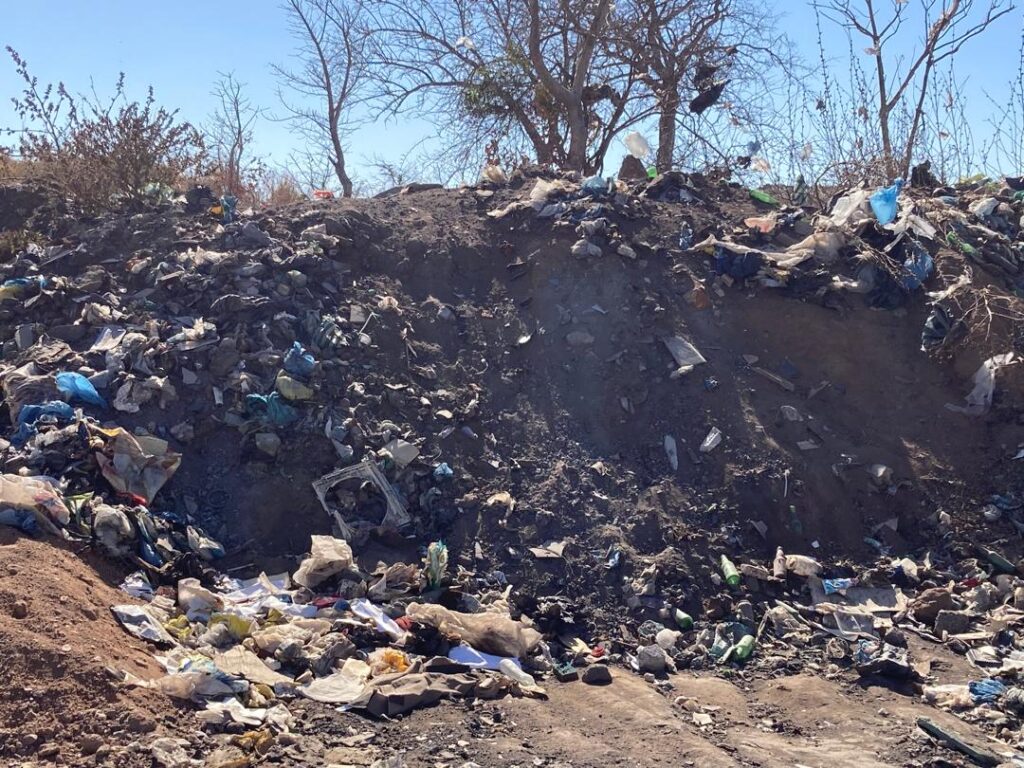
Bulawayo residents choke on smoke as Richmond landfill blaze persists

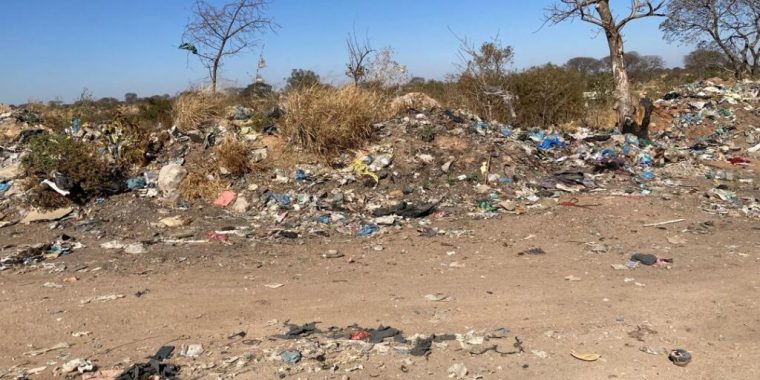
The
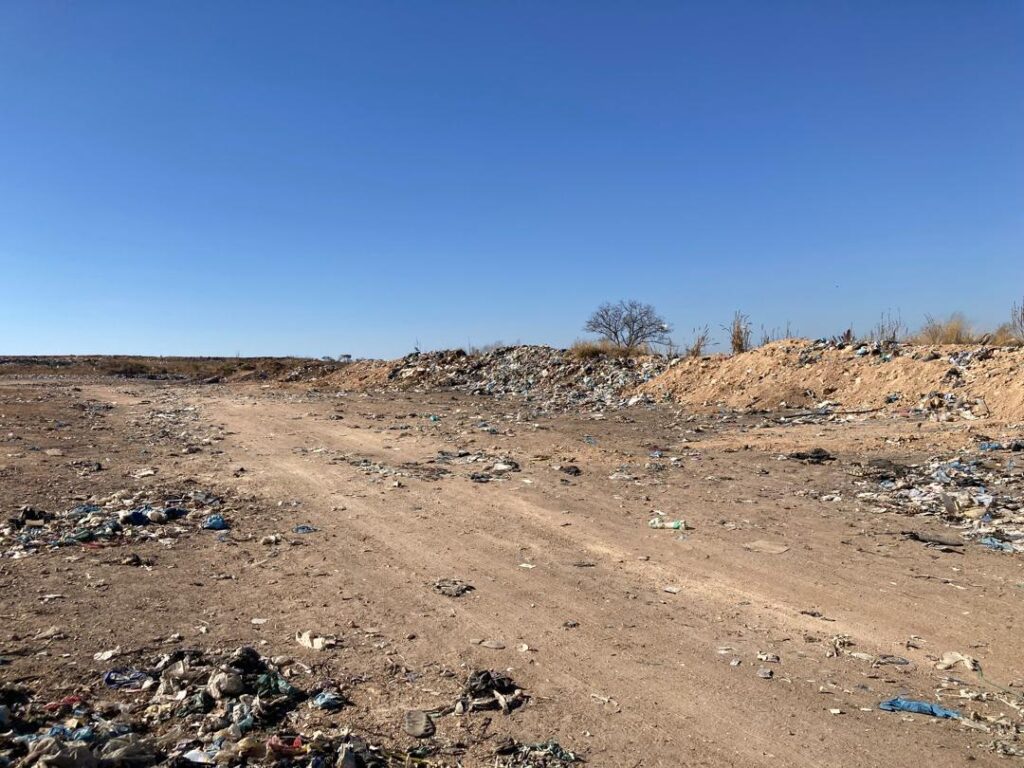
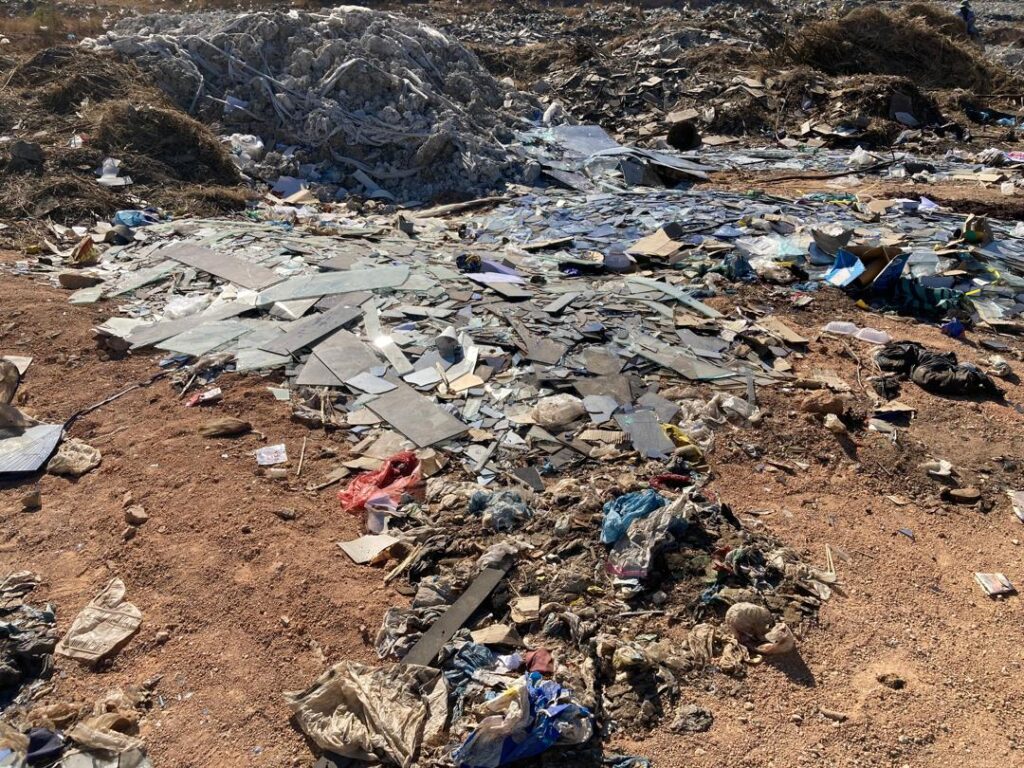
waste
dumpsite,
locally
known
as Ngozi
Mine
,
is
located
near
the
only
high
school
in
the
area.
Residents
say
that
on
days
when
the
smoke
is
particularly
intense,
both
learners
and
teachers
are
forced
to
abandon
classes.

Persistent
fires
at
the
site
emit
toxic
fumes
that
drift
across
residential
areas,
sparking
what
locals
describe
as
a
full-blown
public
health
crisis.
Despite
years
of
complaints
and
engagements
with
authorities
dating
back
to
2021,
residents
say
the
Bulawayo
City
Council
has
failed
to
provide
meaningful
solutions.
While
council
officials
tout
ambitious
waste-to-energy
plans,
modelled
after
Harare’s
Pomona
project
and
backed
by
potential
international
partners,
the
reality
on
the
ground
remains
grim.
Residents
continue
to
battle
thick,
choking
smoke
that
has
rendered
parts
of
their
neighbourhood
nearly
uninhabitable.

According
to
the
latest
full
council
minutes,
Bulawayo
Mayor
Councillor
David
Coltart
emphasised
the
need
to
adopt
international
best
practices
for
transforming
the
Ngozi
Mine
site,
and
highlighted
the
potential
for
business
partnerships
given
the
profitability
of
waste
management
initiatives.

Town
Clerk
Christopher
Dube
told
the
same
meeting
that
the
proposed
waste-to-energy
project
has
been
delayed
due
to
regulatory
processes
involving
the
Zimbabwe
Investment
and
Development
Agency
(ZIDA)
and
the
Procurement
Regulatory
Authority
of
Zimbabwe
(PRAZ).
He
also
noted
that
government
is
planning
to
engage
all
local
authorities
to
emulate
Harare’s
Pomona
model,
with
a
ministerial
development
order
in
the
pipeline
to
address
landfill
challenges.

Dube
further
explained
that
ZIDA
has
introduced
a
policy
shift
and
no
longer
accepts
unsolicited
bids,
complicating
council
efforts
to
innovate.
Previous
proposals
by
the
council
were
rejected,
with
ZIDA
instructing
the
local
authority
to
follow
an
open
tender
process
instead.

Speaking
to
CITE,
Ward
28
resident
representative
Nephat
Ndlovu
said
efforts
to
engage
the
council
have
yielded
no
positive
results.

“In
August
2021,
we
wrote
a
formal
letter
to
the
city
council.
They
came
here
for
a
meeting
the
following
month,
but
to
this
day,
we’re
still
facing
the
same
problem,”
he
said.

“This
smoke
finds
its
way
into
our
homes
even
with
windows
closed.
At
night,
we
sleep
with
it
lingering
inside.
We’re
seriously
worried
about
our
health.
Prolonged
exposure
to
this
smoke
is
dangerous.”

Another
resident,
Michael
Bhebhe,
urged
the
council
to
repair
existing
machinery
at
the
dumpsite
and
explore
safer
alternatives
to
open
burning.

“The
council
should
consider
fixing
the
equipment
already
lying
idle
at
the
landfill.
If
it
worked,
perhaps
it
could
help
process
the
garbage
instead
of
burning
it,”
Bhebhe
said.

Carol
Phiri,
another
local
resident,
said
the
council’s
earlier
attempt
to
cover
waste
with
layers
of
soil
had
since
been
abandoned.

“They
tried
that
method
briefly,
but
then
they
stopped.
We
really
need
a
permanent
solution.
If
there
are
businesspeople
interested
in
recycling
here,
and
if
that
can
help,
then
we
welcome
it.
We’re
tired
of
this
smoke.”

Michael
Ndlovu,
a
representative
of
the
Bulawayo
Progressive
Residents
Association
(BPRA),
said
the
health
of
schoolchildren
and
teachers
is
also
under
threat.

“The
nearby
school
is
greatly
affected.
On
days
when
the
smoke
is
too
much,
lessons
are
disrupted.
Sometimes
the
children
are
sent
home
early,”
he
said.

Ward
28
Councillor
Ntandoyenkosi
Ndlovu
confirmed
they
have
asked
the
city
council
to
consider
relocating
the
landfill
to
a
less
populated
area,
but
the
proposed
move
has
been
deemed
too
costly.

“We’ve
asked
the
council
to
move
the
landfill
to
the
outskirts
of
the
city,
where
no
one
lives,
but
we’ve
been
told
that
the
process
would
cost
an
estimated
US$4
million,”
he
said.

“Even
if
the
Pomona
project
is
replicated
here,
we
need
assurance
that
no
burning
will
take
place.
Residents
have
suffered
enough.
Any
business
partner
involved
must
prioritise
people’s
welfare
over
profit.
Ultimately,
we
need
to
relocate
the
site.”

Member
of
Parliament
for
Cowdray
Park,
Arthur
Mujeyi,
also
voiced
concern,
saying
the
smoke
affects
tens
of
thousands
of
people.

“I
live
here
too,
and
I
know
what
residents
are
going
through.
Cowdray
Park
has
nearly
75
000
households,
and
a
significant
number
are
affected
by
this
smoke,”
he
said.

“We’ve
had
reports
of
miscarriages
and
disease
outbreaks
linked
to
smoke
inhalation.
Some
schoolchildren
are
abandoning
classes.
When
the
landfill
was
established,
there
were
no
residents
nearby,
but
that
has
changed,
and
so
must
the
location
of
the
landfill.”

Mujeyi
said
he
is
working
with
local
councillors
to
pressure
the
city
council
into
taking
action,
but
progress
has
been
slow.

“We’ve
been
lobbying
the
city
council
on
this
issue
with
no
meaningful
response
so
far.
A
parliamentary
tour
is
scheduled
for
next
month,
and
we
hope
that
during
that
visit
we
can
highlight
the
urgency
of
this
matter.
If
we
can
replicate
an
effective
project
like
Pomona
here,
it
could
provide
much-needed
relief.”
Zimbabwe seeks sustainable HIV response amid donor cuts and budget pressures

The
shift
comes
at
a
critical
time
for
Zimbabwe,
as
years
of
significant
donor
support,
particularly
from
the
United
States
President’s
Emergency
Plan
for
AIDS
Relief
(PEPFAR),
the
Global
Fund
and
multilateral
institutions
are
now
recalibrated
toward
government-led
initiatives,
with
a
strong
emphasis
on
sustainability
and
domestic
financing.

A
major
jolt
to
this
transition
came
on
January
20,
2025,
when
US
President
Donald
Trump
issued
an
executive
order
halting
certain
global
health
programmes,
including
HIV
prevention
interventions.

The
sudden
freeze
raised
fears
that
hard-won
gains
in
Zimbabwe’s
national
HIV
response
could
be
reversed.

“Zimbabwe
has
a
constrained
fiscal
space
when
it
comes
to
funding
the
HIV
response,”
acknowledged
National
AIDS
Council
(NAC)
Bulawayo
provincial
manager
Sinatra
Nyathi
presenting
on
Zimbabwe’s
sustainability
roadmap
during
a
recent
NAC
media
tour.

“Despite
achieving
epidemic
control,
we
still
have
differential
attainment
across
key
and
vulnerable
populations,
children,
adolescent
girls
and
young
women.
Issues
of
stigma
and
discrimination
continue
as
a
problem.
The
current
stigma
index
report
says
stigma
is
not
going
down
but
actually
going
up.”

Nyathi
said
though
Zimbabwe
remains
in
the
epidemic
control
phase,
having
met
the
UNAIDS
95-95-95
targets,
fears
remain
that
gains
made
could
be
reversed
without
a
clear
domestic
sustainability
strategy.

According
to
official
statistics,
as
of
2023,
Zimbabwe
recorded
15
474
new
HIV
infections,
a
decline
from
22
882
in
2019
and
marking
a
79
percent
drop
since
2010.

Around
1.3
million
people
live
with
HIV,
60
percent
of
them
women,
with
prevalence
remaining
highest
in
the
southwestern
regions.

The
country’s
sustainability
roadmap,
led
by
the
Ministry
of
Health
and
Child
Care
and
NAC, 
is
developed
in
collaboration
with
stakeholders
including
UNICEF
(lead
technical
partner),
UNAIDS,
World
Bank,
Global
Fund,
USAID,
PEPFAR,
WHO
and
local
civil
society
actors.

“The
process
is
led
by
the
Minister
of
Health
and
Child
Care
to
make
sure
the
sustainability
roadmap
is
embedded
within
the
Government
of
Zimbabwe
planning
process,”
Nyathi
said.

“The
sustainability
technical
working
group’s
function
was
to
provide
overall
technical
guidance
to
the
process
and
direction
including
stakeholder
engagement,
support
sustainability
assessment,
development
and
implementation
of
the
roadmap.”

Nyathi
said
Zimbabwe
defined
its
sustainability
as
the
country’s
ability
to
achieve
and
maintain
epidemic
control
and
end
AIDS
as
a
public
health
threat
through
a
resilient,
transparent,
and
accountable
health
system
supported
by
domestic
resources.

The
roadmap
outlines
several
pillars
such
as
making
sure
HIV
remains
a
political
priority
and
is
embedded
in
national
policies,
data
systems
are
strengthened
to
guide
programme
planning
and
monitor
outcomes.

Other
pillars
are
to
transition
HIV
services
into
primary
care
with
a
focus
on
continuity
and
quality,
mobilising
domestic
resources
and
improving
efficiency
in
public
health
spending,
promoting
a
rights-based
approach
to
care
and
sustaining
a
skilled,
motivated
workforce
aligned
with
national
strategies.
Nyathi
said
Part
A
of
the
roadmap, 
including
assessments
and
stakeholder
consultations

was
completed
in
2024,
with
a
launch
originally
planned
for
World
AIDS
Day.

Part
B
will
detail
implementation
and
resource
mobilisation.

However,
the
US
executive
order
has
cast
a
long
shadow
as
some
prevention
programmes
closed
abruptly
and
patients
began
stockpiling
antiretroviral
(ARV)
drugs
amid
fears
of
supply
disruptions.

“The
government
has
been
working
on
an
electronic
health
data
system,
so
that
if
one
is
on
ART
and
takes
their
drugs
in
Bulawayo
and
tomorrow
are
in
Beitbridge,
they
should
be
able
to
take
them.
But
because
of
the
stop
work
order
now,
people
living
with
HIV
are
not
sure
whether
they
will
have
enough
supply
of
drugs.
So
they
are
taking
advantage
to
go
and
pick
all
over
so
that
they
will
have
a
buffer,”
Nyathi
explained,
noting
the
system
is
not
yet
fully
functional.

Zimbabwe’s
response
has
also
included
broader
policy
discussions,
including
the
possible
revision
of
the
AIDS
Levy
and
the
introduction
of
a
National
Health
Insurance
Scheme.

“Other
countries
like
Namibia
are
already
implementing
rural
household
levies
to
fund
health
insurance,”
Nyathi
noted.

“Zimbabwe
is
still
in
dialogue.”

PEPFAR’s
role
is
also
shifting.
While
it
is
not
exiting
Zimbabwe,
it
is
transitioning
from
direct
service
provision
to
supporting
government
systems
and
community
partners.

“PEPFAR
is
not
going
away,
but
would
have
a
different
role
during
this
transition.
A
more
pragmatic
role
is
that
the
next
two
years
of
seeing
the
country’s
operation
plan
cycle
2025
will
be
the
key
cycle
to
make
investments
to
prepare
for
the
transition,”
Nyathi
said.

Zimbabwe
has
made
impressive
strides
in
reducing
new
infections
and
increasing
treatment
access,
however
Nyathi
said
risks
remain
if
the
sustainability
agenda
falters.

These
include
fragmented
data
systems,
uncoordinated
stakeholder
efforts
and
insufficient
domestic
financing.

One
key
shift
is
reframing
HIV
not
as
an
emergency,
but
as
a
long-term
development
challenge.

“When
HIV
was
an
emergency,
we
relied
heavily
on
donors.
Now,
we
must
embed
HIV
services
into
the
everyday
health
system,”
Nyathi
said.

However,
challenges
remain
and
balancing
urgent
needs
with
long-term
planning
in
a
resource-limited
environment
is
not
easy.

“HIV
reminded
us
all
that
sustainability
is
about
planning
for
people
living
with
HIV
and
there
is
a
need
to
think
through
how
the
future
of
the
AIDS
movement
would
look
like
beyond
2030,
especially
at
this
point
in
time,”
said
the
NAC
provincial
manager.

“We
need
to
keep
watch
of
the
disease.
It’s
a
disease
difficult
to
control.
There
is
a
need
to
remain
on
the
guard,
alert
and
educate
the
new
generation.”

Nyathi
said
a
sustainable
HIV
response
must
reflect
all
these
realities.

“We
didn’t
even
finish
the
planning
of
2025.
There
will
be
dramatic
shifts
under
that
2025
plan
towards
simplicity
and
sustainability
from
more
directive
guidance
to
what
is
driven
by
the
government’s
vision,”
she
said,
noting
that
implementation
relies
on
navigating
uncertainties
triggered
by
global
funding
shifts.

Notorious P-Grabber Sues WSJ For Suggesting He Drew Boobs – Above the Law

(Photo
by
Win
McNamee/Getty
Images)

On
Friday,
a
federal
judge
in
New
York

dismissed

Donald
Trump’s
copyright
suit
against
Bob
Woodward
and
Simon
and
Schuster.
So
much
for
the
president’s
plan
to
extort
$50
million
from
the
publisher
for

conspiracy
to
collate
and
cobble
!
But
when
God
closes
a
door,
she
opens
a
window.
And
so
that
very
same
day,
Trump
filed
a
$10
billion
dollar
defamation
suit
against
the
Wall
Street
Journal
and
its
owner
Rupert
Murdoch.

Trump
denies
that
in
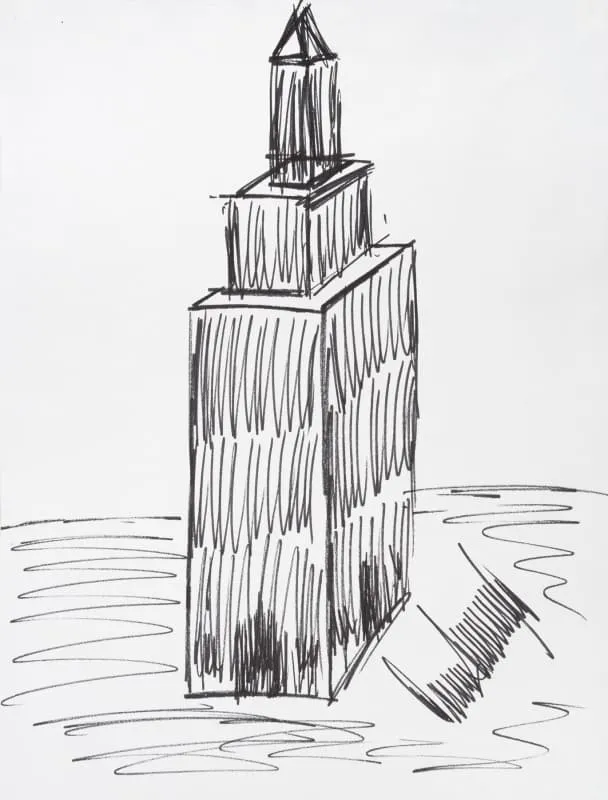
2003
he
contributed
a
crude
drawing
to
a
book
of
“bawdy
letters”
compiled
for
pedophile
Jeffrey
Epstein’s
50th
birthday,
as
reported
by
journalists
Khadeeja
Safdar
and
Joe
Palazzolo
in
their

blockbuster
article
.

“The
Wall
Street
Journal
printed
a
FAKE
letter,
supposedly
to
Epstein,”
he

screeched

on
social
media.
“These
are
not
my
words,
not
the
way
I
talk.
Also,
I
don’t
draw
pictures.”

The

New
York
Times

and

Washington
Post

promptly
published
articles
documenting
numerous
line
drawings
the
president
contributed
over
the
years
to
charities.
Like
the
one
described
in
the

Journal
,
many
of
them
are
rendered
in
thick,
black
Sharpie
and
feature
his
unmistakable
echocardiogram
signature.


“I’m
gonna
sue
The
Wall
Street
Journal
just
like
I
sued
everyone
else,”
he
blustered
in
an
attempt
to
ward
the
paper
off
of
publication.

And
that
much
at
least
is

true
.
Trump
has
a
long
history
of
suing
news
outlets
for
publishing
unflattering
stories.
Twenty
years
ago,
he
sued
New
York
Times
reporter
Tim
O’Brien
for
reporting
that
his
net
worth
was
somewhere
between
$150–$250
million,
far
below
Trump’s
self‑reported
$2.7–$6
billion.
O’Brien
ultimately
prevailed,
although
the
case
dragged
on
through
2011.

“I
spent
a
couple
of
bucks
on
legal
fees,
and
they
spent
a
whole
lot
more.
I
did
it
to
make
his
life
miserable,
which
I’m
happy
about,”
Trump

sneered
.

And
that
seems
to
be
the
president’s
guiding
philosophy
when
it
comes
to
litigation:
It
doesn’t
matter
what
happens
in
court
as
long
as
you
make
the
other
guy
bleed.

Which
is
a
lucky
thing,
because
Trump

always

loses
in
court.
His
lawsuit
against
CNN
got

tossed
.
As
did
his
suits
against
the

New
York
Times

and

Washington
Post
.
His
RICO
trollsuit
against
Hillary
Clinton,
James
Comey,
and
half
of
DC
cost
him
a

million
dollars
in
sanctions
.
And
his

tortious
deplatforming
suits

against
YouTube,
Facebook,
and
Twitter

went
nowhere

until
he
got
elected
again
and
Mark
Zuckerberg
used
his
as
a
vehicle
for
a
peace
offering,

AKA
a
bribe
.

In
fact,
Trump’s
only
courtroom
“wins”
have
been
settlements
extorted
after
his
election
from
media
companies
cutting
their
losses
when
faced
a
with
a
madman
controlling
the
levers
of
power.

In
some
sense,
this
newest
suit
against
the

Journal

is
of
a
piece
with
all
the
others.
It’s
ridiculous
on
its
face
and
only
“works”
as
an
angry
press
release
stapled
to
a
$402
check
to
cover
the
federal
filing
fee.
And
yet
it
cannot
be
divorced
from
the
larger
context,
in
which
Trump’s
base
is
tearing
itself
apart
over
Jeffrey
Epstein.
After
years
of
winking
at
Qanon
and
Pizzagate
hoaxers,
Trump
finds
himself
unable
to
halt
the
conspiratorial
frenzy

particularly
after
the
FBI
and
Attorney
General
Pam
Bondi

spectacularly
bungled

the
much
hyped
release
of
the
“Epstein
Files.”

Garbage
pleadings

The
complaint
itself
is
par
for
the
Trump
course,
consisting
of
just
18
threadbare
pages
larded
with
inflammatory
rhetoric
and
screenshots
of
the
supposedly
defamatory
story
and
its
republication
on
social
media.
As
to
actual
law

not
so
much.

It
alleges
that
calling
Trump
Epstein’s
“pal”
and
saying
he
drew
women’s
breasts
amounts
to
defamation
per
se,
a
subset
of
defamation
involving
allegations
of
crime
or
moral
turpitude.
Clearly
it
is
not
defamatory
at
all
(much
less
defamatory
per
se)
to
report
that
a
notorious
philanderer
drew
boobs
for
his
friend’s
birthday.

But
if
the
defamatory
bit
was
“to
attempt
and
inextricably
link
President
Trump
to
Epstein,”
well,
Trump

was

Epstein’s
pal
25
years
ago.
We’ve
all
seen
that
nasty
video
of
them
gawking
at
young
women
on
the
dance
floor
and
read
the

New
York
magazine

piece
where
Trump
said
“I’ve
known
Jeff
for
15
years.
Terrific
guy.
He’s
a
lot
of
fun
to
be
with.
It
is
even
said
that
he
likes
beautiful
women
as
much
as
I
do,
and
many
of
them
are
on
the
younger
side.”

As
for
the
actual
malice
standard
required
by

NYT
v.
Sullivan
,
the
complaint
merely
states
in
conclusory
fashion
that
is
satisfied:

The
statements
were
published
by
Defendants
with
actual
malice,
oppression
and
fraud
in
that
they
were
aware
at
the
time
of
the
falsity
of
the
publication
and
thus,
made
said
publications
in
bad
faith,
out
of
disdain
and
ill-will
directed
towards
Plaintiff
without
any
regard
for
the
truth.

How
do
we
know
that
the

Journal

was
“aware
at
the
time
of
the
falsity
of
the
publication?”
Because
Trump
called
up
Murdoch
to
yell
at
him
and
deny
it.

Notably,
Murdoch
and
Thomson
authorized
the
publication
of
the
Article
after
President
Trump
put
them
both
on
notice
that
the
letter
was
fake
and
nonexistent.

Except
that
it
is

well
established

that
mere
denial
by
the
plaintiff
will
not
establish
that
the
defendant

knew

the
story
was
false
as
required
by
the

Sullivan

standard.
And
just
two
weeks
ago,
an
11th
Circuit
panel,
including
two
Trump
appointees,

affirmed

the
dismissal
of
golfer
Patrick
Reed’s
defamation
claims
against
the
Golf
Channel
because
“Reed’s
complaints
include
a
litany
of
conclusory
allegations
that
are
merely
formulaic
recitations
of
the
‘actual
malice’
element
which,
alone,
are
insufficient.”

(Reed
was
pissed
because
commentator
Brandel
Chamblee
criticized
him
for
decamping
from
the
PGA
to
the
Saudi-backed
LIV
golf.
Trump
hosted
merger
talks
between
the
rival
tours
at
his
Florida
golf
club
after
welcoming

Prince
“Bonesaw”

back
to
polite
company.
Fire
the
writers!)

Trump
is
represented
here
by
Alejandro
Brito,
a
commercial
litigator
from
Coral
Gables
who
rode
along
for
the
disastrous
CNN
suit,
but
also
for
the
successful
attempt
to
wring
cash
out
of
ABC
after
George
Stephanopoulos
inartfully
referred
to
Trump
as
an
“adjudicated
rapist.”

This
latest
complaint
also
contains
some
hilarious
typos.

“$10
billion
dollars?”
Is
that
like
ten
billion
dollars
SQUARED?
By
our
math
that
is
ONE
HUNDRED
QUINTILLION
DOLLARS.

But
whyyyyy?

It’s
not
clear
what
Trump
actually
“wants”
here.
He’s
had
good
luck
lately
filing
ridiculous
trollsuits
leveraging
unsubtle
threats
by
executive
agencies
as
a
means
to
extract
obeisance
from
media
companies.
But
it’s
one
thing
to
file
a
SLAPP
suit
against
the

Des
Moines
Register

for
tortious
whiffing
a
poll.
The
worst
thing
that
can
happen
there
is
your
lawyers

stepping
on
every
rake
in
Iowa

as
they
explore
the
vagaries
of
the
Federal
Rules
of
Civil
Procedure.
It’s
quite
another
to
pour
gas
on
a
fire
that’s
engulfing
your
administration
and
threatening
to
divide
your
base.

Because
Safdar
and
Palazzolo
are

very

experienced
reporters.
In
fact,
Palazzolo
won
a
Pulitzer
Prize
for
breaking
the
news
about
Michael
Cohen
paying
Stormy
Daniels
$130,000
to
keep
quiet
about
her
encounter
with
Trump.
It
is
very
unlikely
that
Safdar,
Palazzolo,
and
the

Wall
Street
Journal

would
go
to
press
without
all
their
ducks
in
a
row,
and
so
they
are
almost
certainly
in
a
position
to
call
Trump’s
bluff.
Just
as

The
Atlantic

responded
to
White
House
denials
that
cabinet
members
discussed
classified
war
plans
over
Signal
by

publishing
the
screenshots
,
the

Journal

can
punch
back
by
publishing
the
sketch.
And
even
if
it
doesn’t,
this
imbroglio
is
fraught
with
peril
for
Trump
himself.

Specifically,
the
article
claims
that
“Pages
from
the
leather-bound
album—assembled
before
Epstein
was
first
arrested
in
2006—are
among
the
documents
examined
by
Justice
Department
officials
who
investigated
Epstein
and
Maxwell
years
ago,
according
to
people
who
have
reviewed
the
pages.”
If
that
is
correct,
then
the
DOJ
has
this
document,
and
its
failure
to
produce
it
will
just
feed
accusations
of
a
coverup.

Moreover,
there
appear
to
be
multiple
participants
in
the
event,
including
Ghislaine
Maxwell,
Epstein’s
girlfriend/procurer,
who
compiled
the
messages
from
Epstein’s
“pals”
and
is
currently
serving
a
20-year
prison
sentence.
The
reporters
also
spoke
to
“people
who
were
involved
in
the
process”
of
assembling
the
birthday
book,
which
was
printed
by
New
York
City
bookbinder,
Herbert
Weitz.

Put
simply,

this
isn’t
the
apocryphal
pee
tape
.
There
are
clearly
witnesses
and
a
paper
trail
that
will
make
this
maximally
unpleasant
for
Trump
if
he
keeps
dragging
the
story
into
the
next
news
cycle

and
that’s
before
this
case
even
gets
to
discovery.

And
the

Journal

seems
to
have
no
interest
in
backing
down.
Dow
Jones,
the
paper’s
parent
company,
put
out
a
statement
saying,
“We
have
full
confidence
in
the
rigor
and
accuracy
of
our
reporting,
and
will
vigorously
defend
against
any
lawsuit.”

So,
now
what?

The
case
was
filed
in
the
Southern
District
of
Florida
and
will
almost
certainly
be
assigned
to
a
judge
today.
There
are
a
fair
number
of
Trump
appointees
in
this
district,
including
the
infamous
Judge
Aileen
Cannon.
But
it
was
docketed
in
the
Miami
division,
so
he’s
unlikely
to
wind
up
in
her
courtroom
in
Fort
Pierce.

Notably
this
is
the
same
district
where
Judge
Anuraang
Singhal,
another
Trump
pick,

dismissed

Trump’s
CNN
suit
because
their
reporting
calling
him
out
for
“the
Big
Lie”
was
“opinion,
not
factually
false
statements,
and
therefore
are
not
actionable.”
Judge
Singhal
also

dismissed

Alan
Dershowitz’s
LOLsuit
against
CNN
for
supposed
“defamatory”
reporting
on
his
comments
about
the
first
Trump
impeachment.

Dershowitz
was
deeply
enmeshed
in
the
Epstein
story:
He
negotiated
Epstein’s
first

disgracefully
lenient
plea
deal
.
He,
too,
contributed
a
page
to
the
birthday
book.
And
he
admits
he
got
a
massage
at
Epstein’s
house,
but
insists
that
it
was
from
an
old
Russian
woman,
and
he
kept
his
underpants
on
because
he
and
his
wife
have
a

“perfect,
perfect
sex
life.”

(Fire
the
writers
again!
And
vomit!)

Last
week,
Dersh
penned
an

opinion
piece

in
the

Journal


where
else?

insisting
that
there
was
no
Epstein
client
list,
and
if
there
was
it
wouldn’t
include
“any
current
officeholders.”


Ummmm

All
of
which
is
to
say
that
this
is
an
odd
time
for
a
lawsuit
reminding
the
public
of

all
the
allegations

made
against
Trump
and
Dersh
by
Epstein’s
victims.
Trump
seems
to
have
lodged
his
foot
in
a
trap
of
his
own
making,
and
is
attempting
to
shoot
the
thing
off
with
a
very
big
gun.


Careful
what
you
sue
for,
‘cause
you
just
might
get
it.


Subscribe
to
read
more
at
Law
and
Chaos….


Liz
Dye
 produces
the
Law
and
Chaos Substack and podcast.


You
can
subscribe
to
her
Substack
by
clicking
the
logo:

Judge Trolls Lawyer Over Flowery Excuses For AI Hallucinations – Above the Law

Last
week,
we
wrote
about

yet
another

lawyer
filing
a
brief
riddled
with
AI
hallucinations.
But
to
spice
up
the
story,
the
attorney,
Steven
Feldman,
responded
to
the
Order
to
Show
Cause
with

a
bunch
of
overwrought
meditations
on
the
nature
of
lawyering
.
“Each
citation,
each
argument,
each
procedural
decision
is
a
mark
upon
the
clay,
an
indelible
impression,”
he
wrote,
triggering
painful
fits
of
snickering.
“[I]n
the
ancient
libraries
of
Ashurbanipal,
scribes
carried
their
stylus
as
both
tool
and
sacred
trust—understanding
that
every
mark
upon
clay
would
endure
long
beyond
their
mortal
span,”
he
added.

Judge
Failla
was
not
impressed
by
the
lost
treasures
of
Ashurbanipal.

The
Court
wants
to
hear
directly
from
Mr.
Feldman,
so
that
it
can
give
him
the
opportunity
to

as
he
puts
it

“prove
[himself]
worthy
to
carry
the
stylus
once
more
in
service
of
justice
and
truth.” 

Stone.
Cold.

Other
than
the
unnecessarily
pretentious
profession
fluffing,
the
attorney’s
letter
struck
me
as
pretty
decent.
Obviously
the
best
course
of
action
is
not
to
file
briefs
with
fake
cites
at
all,
but
if
a
lawyer

has

found
themselves
in
a
grave
professional
mistake

especially
this
one

which


we’ve


talked


about


for


years


now


this
response
provided
a
nice
template
of
explaining
how
it
happened,
expressing
contrition,
and
proactively
giving
the
judge
a
gameplan
to
avoid
future
mistakes.
Though
all
the
sanctimonious
filler
did
seem
like
it
could
undermine
the
sincerity.

Apparently
Judge
Failla
thought
it
did:

The
Court
looked
askance
at
Mr.
Feldman’s
Response
because
the
writing
style
in
it
differed
markedly
from
the
writing
style
in
the
letter
he
submitted
to
the
Court
three
days
later.
(Compare
Response

with

Dkt.
#166).
Mr.
Feldman’s
Response
contains
an
extended
quote
from
Ray
Bradbury’s

Fahrenheit
451

and
a
metaphor
about
an
ancient
stylus.
(Response
3,
7).
 By
contrast,
his
July
14,
2025
letter
contains
typographical
errors
in
the
very
first
paragraph,
and,
indeed,
throughout.

On
last
week’s
Legaltech
Week
Journalists’
Roundtable
show,
panelists
hypothesized
that
all
the
sappy
professional
talk
might
have
been
AI
generated.
Judge
Failla
appears
to
have
the
same
suspicion,
though
it
might
well
be
that
a
lawyer
pulls
out
more
flowery
stops
when
fighting
for
their
professional
reputation
than
when
asking
to
submit
more
documents
on
behalf
of
a
client.
Though
it
doesn’t
bode
well
for
the
pledge
to
practice
more
carefully
if
the
letter
he
wrote
on
behalf
of
the
client
three
days
later
is
filled
with
typos.

The
judge
also
noted
that
in
his
response,
Feldman
cited
the
infamous

Mata

v.

Avianca,
Inc.

case,
providing
a
choice
quote.
Except…

This
quote
appears
nowhere
in

Mata
.
A
Google
search
revealed
it
to
be
a
direct
quote
from
an
October
24,
2023
article
that
recaps
an
analysis
of

Mata

done
by
an
attorney
named
Christopher
F.
Lyon.

Christopher
F.
Lyon
Delves


into
Risks
of
ChatGPT
in
Legal
Field
for
NYLitigator
,
GoldbergSegalla
(Oct.
24,
2023),
www.goldbergsegalla.com/news-and-knowledge/news/christopher-f-lyon-delves-into-risks-of-chatgpt-in-legal-field-for-nylitigator
(last
visited
July
18,
2025).
Mr.
Feldman
did
not
attribute
the
quote
to
this
article.
That
is
especially
concerning
considering
that
he
was
responding
to
an
Order
to
Show
Cause
why
he
should
not
be
sanctioned
for
his
erroneous
citations.
And
it
would
be
especially
concerning,
and
indeed
unacceptable,
if
Mr.
Feldman
used
a
large
language
model
to
draft
his
Response
without
verifying
whether
the
quotations
in
it
were
accurately
attributed.

Oh
no,
buddy,
no.

Nor
did
the
judge
accept
his
claim
that
losing
access
to
Casetext
caused
his
woes
and
managed
to
throw
in
another
barb
while
doing
so:

To
take
a
page
out
of
Mr.
Feldman’s
book,
this
is
so
much
“sound
and
fury,
[s]ignifying
nothing.”
William
Shakespeare,

Macbeth
,
Act
V,
Scene
V,
Lines
30-31.
Mr.
Feldman
must
know
how
to
verify
that
a
case
exists
on
Westlaw
without
the
added
benefit
of
AI
tools.
He
claims
that,
going
forward,
he
will
undertake
certain
“remedial
efforts,”
including,

inter
alia
,
“establish[ing]

database
reconciliation
procedures
involving
resolution
of
discrepancies
through
direct
consultation
of
archival
legal
resources
and
substitution
of
alternative,
verifiable
authorities
where
necessary.”
(Response
5).
Most
lawyers
simply
call
this
“conducting
legal
research.”
All
lawyers
must
know
how
to
do
it.
Mr.
Feldman
is
not
excused
from
this
professional
obligation
by
dint
of
using
emerging
technology.

Harsh
but
fair.
I
was
more
sympathetic
to
this
excuse
than
the
judge
because
there
is
a
population
of
mostly
small
firms
out
there
who
put
a
lot
of
eggs
in
a
basket
that
moved
beyond
a
paywall
that
they
might
not
be
able
to
afford.
In
the
movie

Grosse
Pointe
Blank
,
John
Cusack’s
main
character
at
one
point
says
“that’s
not
an
excuse,
it’s
a
reason”
which
seems
apropos
here.
Of
course
the
lawyer
needed
to
check
the
work
again,
but
it’s
also
entirely
possible
that
he
thought
he
had
before
this
switch.
The
right
answer
would’ve
been
to
do
it
all
again,
but
at
least
you
can
see
how
it
happened
and
it’s
worth
getting
out
there

on
the
public
record

to
avoid
more
fallout
from
lawyers
impacted
by
that
change.
Hopefully
this
story
alerts
some
other
lawyer
to
this
risk
before
they
casually
hit
the
send
button.

Maybe
that
can
be
the
mark
upon
the
clay,
leaving
an
indelible
impression.

Meanwhile,
the
judge
reserved
the
issue
of
sanctions
pending
a
hearing,
but
based
on
this
order
one
suspects
Feldman
is
going
to
be
receiving
an
indelible
impression
from
the
judge
soon
enough.


(Order
on
the
next
page…)


Earlier
:

Lawyer
Cites
AI
Hallucinations,
Responds
With
Pretentious
Meditation
On
Nature
Of
Being


HeadshotJoe
Patrice
 is
a
senior
editor
at
Above
the
Law
and
co-host
of

Thinking
Like
A
Lawyer
.
Feel
free
to email
any
tips,
questions,
or
comments.
Follow
him
on Twitter or

Bluesky

if
you’re
interested
in
law,
politics,
and
a
healthy
dose
of
college
sports
news.
Joe
also
serves
as
a

Managing
Director
at
RPN
Executive
Search
.

No. 2 Biglaw Firm In America Increases Its Bonuses – For Law Clerks! – Above the Law

One
of
the
many
benefits
of
having
a
federal
clerkship
is
the
extra
bonus
you’ll
receive
if
you
decide
to
head
to
a
Biglaw
firm
post-clerkship.
Many
elite
firms
really
want
people
with
highly
demanding
clerkship
experience
to
work
for
them,
and
that’s
why
the
high
end
of
bonuses
for
federal
clerks
who
decide
to
join
some
Biglaw
and
boutique
firms
post-clerkship
can
reach
six
figures.
To
that
end,
we’ve
recently
learned
of
a
yet
another
litigation
powerhouse
that’s
increased
its
clerkship
signing
bonus.

Numerous
sources
tell
us
that
Latham
&
Watkins

a
firm
that
brought
in
$7,000,000,000
gross
revenue
in
2024,
putting
it
at
No.
2
on
the
Am
Law
100

has
increased
its
signing
bonus
for
all
federal
district
and
appellate
court
clerkships
to
$125,000. For
a
second
qualifying
clerkship,
the
firm
offers
an
additional
$25,000,
for
a
total
signing
bonus
of
$150,000.
Click here to
see
more
information
on
the
firm’s
U.S.
compensation
and
benefits.

So,
which
other
firms
are
offering
six-figure
bonuses
to
former
clerks? Hueston
Hennigan
offers
a
market-leading $180,000
bonus
 to
federal
clerks
who
join
the
firm.
Boies
Schiller
offers
an
impressive $150,000
bonus
 for
all
federal
clerkships,
or
$175,000
for
those
who
have
completed
multiple
clerkships.
Plaintiffs
firm Dovel
&
Luner
 offers
$140,000 as
a
clerkship
bonus. Cravath offers
clerkship
bonuses
of
$125,000,
while
those
who
have
completed
a
clerkship
of
two
years
or
two
one-year
clerkships
will
receive
a
bonus
of
$150,000. Munger
Tolles
pays
 a
bonus
of
$125,000
for
a
single
federal
clerkship,
and
$150,000
for
those
with
two
federal
clerkships
under
their
belt. Susman
Godfrey
offers
 $125,000
for
one
clerkship,
and
$150,000
for
two.
Fish
&
Richardson
made
headlines
with
an impressive
number
to
former
clerks
 ($115,000),
but
that
only
applies
to
folks
with
Federal
Circuit
experience
and
it
requires
two
years
of
service
as
a
clerk. Robins
Kaplan offers
$100,000
 bonuses
to
former
federal
clerks. 

With
the
rush
on
top
talent
in
a
still
hot
lateral
market,
what
are
the
other
firms
waiting
for?
Don’t
they
want
to
capture
some
of
the
magic
that
former
federal
clerks
can
offer?
If
you
have
information
about
any
firm’s
clerkship
bonuses,
you
should email
us
 or
text
us
(646-820-8477)
with
all
the
details.
Thanks.


Staci Zaretsky


Staci
Zaretsky
 is
a
senior
editor
at
Above
the
Law,
where
she’s
worked
since
2011.
She’d
love
to
hear
from
you,
so
please
feel
free
to

email

her
with
any
tips,
questions,
comments,
or
critiques.
You
can
follow
her
on BlueskyX/Twitter,
and Threads, or
connect
with
her
on LinkedIn.

Take Our Law Department Compensation Survey! – Above the Law

Above
the
Law
has
tracked
corporate
counsel
pay
for
many
years
in
our
annual

In-House
Compensation
Report

This
year,
for
the
first
time,
we
are
expanding
our
coverage
to
include
compensation
for
legal
operations
professionals
as
well.

If
you
work
in-house
as
an
attorney
or
a
legal
ops
professional,
please
take
our

brief
survey

and
tell
us
how
much
you
make.
The
survey
is

completely
anonymous

and
shouldn’t
take
more
than
a
few
minutes
of
your
time. 

Your
feedback
will
provide
valuable
benchmarking
information
that
we
will
share
in
a
comprehensive
report
later
this
year.


LER No. 98 – Ex-DOJ Ethics Lawyer Speaks Out, Associate Fired for Trump Critique, Judge Visas Stripped, AI & ‘Snitch’ Rule, GA May Allow Nonlawyer Rep, No Pay for Fed Defense Lawyers & More (07.21.25)


Thank
you
for
being
here.
Welcome
to
what
captivates,
haunts,
inspires,
and
surprises
me
every
week
in
the
world
of
legal
ethics.


The


Legal
Ethics
Roundup


community
includes
more
than
2,100
subscribers
across
the
United
States
and
in
50
different
countries.
Subscribers
are
lawyers,
judges,
professors,
state
bar
administrators,
students,
government
officials,
journalists,
and
people
who
care
about
the
future
of
our
democracy.

If
you
haven’t
subscribed,
take
a
moment
now
to
sign
up
at
the
link
below.
It’s
free!
And
you’ll
never
miss
the
latest
edition.
I
hope
you’ll
also
consider
becoming
a
paid
subscriber,
which
helps
to
support
this
newsletter
and
demonstrates
that
you
value
its
content.
Paid
subscribers
also
receive
special
access
to
past
posts
which
become
paywalled
after
six
months.
(If
you
need
a
comp
paid
subscription
to
read
an
older
post,
let
me
know
at
legalethics@substack.com.)


SUBSCRIBE


Did
you
discover
the
Roundup
through
our
collaboration
with


Above
the
Law
?
Read
more
about
that
partnership


here
.


Looking
for
the
Legal
Ethics
&
Democracy
Tracker?


You’ll
find
it


here
.


Do
you
have
colleagues
who
care
about
legal
ethics?


Please
share
the
Roundup
with
them.
I’d
love
to
see
our
community
continue
to
grow!

Hello
from
Madison,
where
we’ve
been
visiting
the
University
of
Wisconsin
as
part
of
my
daughter’s
college
campus
tours.
(So
far,
we’ve
hit
the
University
of
Texas
and
next
month
we
head
to
the
University
of
Chicago.
It’s
making
me
want
to
go
back
to
college
myself!)

Lake
Mendota,
University
of
Wisconsin
(photo
by
Renee
Jefferson)


It
was
another
week
packed
with
legal
ethics
headlines,
so
your
list
below
includes
fifteen
again.
But
first,
I
want
to
highlight
a
special
employment
opportunity.
(Usually
I
only
include


job
listings


monthly
in
the


LER
First
Monday


edition.)
Last
week,


Lucy
Ricca


shared
with
me
that
she’s
accepted
a
new
position
as
the
Executive
Director
of
Neukom
Center
for
the
Rule
of
Law,
which
means
her
job
as
the


Executive
Director,
Deborah
L.
Rhode
Center
on
the
Legal
Profession,
Stanford
Law
School


is
open.
This
is
a
terrific
opportunity

learn
more
and
apply


here
.


#1


“Funding
Crisis
Leaves
Defense
Lawyers
Working
Without
Pay.”


From


US
Courts.gov
:
“The
program
that
pays
court-appointed
private
attorneys
to
represent
indigent
federal
criminal
defendants
has
run
out
of
money,
starting
the
clock
on
a
painful
three-month
delay
in
paying
these
attorneys
and
their
related
service
providers
for
constitutionally
mandated
legal
work.
The
funding
crisis
has
prompted
concern
throughout
the
federal
Judiciary
that
many
of
these
private
lawyers,
known
as
panel
attorneys,
could
decline
new
cases.
That
could
leave
defendants,
even
those
on
death
row,
without
adequate
representation.”
Read
more


here
.


#2


“DOJ’s
Ex-Ethics
Lawyer
Speaks
Out
After
Being
Fired
by
Pam
Bondi.”


From


Newsweek
:
Attorney
General
Pam
Bondi


has
dismissed
the
Justice
Department’s
top
ethics
lawyer,


Joseph
Tirrell
,
according
to
a
post
he
shared
on
LinkedIn.
Tirrell,
a
Navy
veteran,
posted
a
copy
of
his
termination
letter
on
the
platform
Friday,
noting
that
it
resembled
notices
received
by
other
DOJ
employees.
The
letter
included
a
typo,
misspelling
his
name
as
‘JOSPEH.’
‘Until
Friday
evening,
I
was
the
senior
ethics
attorney
at
the
Department
of
Justice
responsible
for
advising
the
Attorney
General
and
Deputy
Attorney
General
directly
on
federal
employee
ethics,’
he
wrote,
in
part,
on
LinkedIn.
‘I
was
also
responsible
for
the
day-to-day
operations
of
the
ethics
program
across
the
Department.
I
led
a
small,
dedicated
team
of
professionals
and
coordinated
the
work
of
some
30
other
full-time
ethics
officials,
attorneys,
paralegals
and
other
specialists
across
the
Department
of
Justice,
ensuring
that
the
117,000
Department
employees
were
properly
advised
on
and
supported
in
how
to
follow
the
Federal
employee
ethics
rules.’”
Read
more


here
.


#3


“Legal
Group
Urges
State
Supreme
Court
to
Order
Florida
Bar
to
Investigate
Bondi.”


From
the


Miami
Herald
:
“Snubbed
by
The
Florida
Bar
last
month,
about
70
liberal-leaning
scholars,
attorneys
and
former
judges
have
asked
the
state
Supreme
Court
to
order
the
Bar
to
investigate
their
complaint
claiming


U.S.
Attorney
General
Pam
Bondi


violated
Florida’s
ethics
rules
as
the
nation’s
top
law
enforcement
official.
The
coalition’s
legal
argument
in
a
petition
filed
on
Tuesday
may
be
compelling,
but
it’s
a
long
shot
given
the
fact
that
the
seven
justices
on
Florida’s
high
court
were
all
appointed
by


Republican
Gov.
Ron
DeSantis


and
former


GOP
Gov.
Charlie
Crist
.”
Read
more


here
.


#4


“Rubio
Moves
to
Strip
US
Visas
From
Eight
Brazilian
Judges
in
Bolsonaro
Battle.”


From


The
Guardian
:
“The
US
secretary
of
state,


Marco
Rubio
,
has
reportedly
stripped
eight
of
Brazil’s
11
supreme
court
judges
of
their
US
visas
as
the
White
House
escalates
its
campaign
to
help
the
country’s
former
president


Jair
Bolsonaro


avoid
justice
over
his
alleged
attempt
to
seize
power
with
a
military
coup.
Bolsonaro,
a
far-right
populist
with
ties
to


Donald
Trump’s


Maga
movement,
is
on
trial
for
allegedly
masterminding
a
murderous
plot
to
cling
to
power
after
losing
the
2022
election
to
his
leftwing
rival,


Luiz
Inácio
Lula
da
Silva
.
Bolsonaro
is
expected
to
be
convicted
by
the
supreme
court
in
the
coming
weeks
and
faces
a
jail
sentence
of
up
to
43
years.”
Read
more


here
.


#5


“Davis
Polk
Axes
Associate
Over
Writings
Criticizing
Trump.”


From


Bloomberg
Law
:
“Wall
Street’s
Davis
Polk
&
Wardwell
fired
a
junior
attorney
following
warnings
over
his
op-eds
knocking
the
Trump
administration,
according
to
the
lawyer.


Ryan
Powers
,
a
former
Davis
Polk
associate,
says
the
firm


fired


him
June
12.
His
profile
was
removed
from
the
site
immediately,
Powers
said
in
an
interview.
The
Harvard
Law
graduate
joined
the
firm’s
tax
group
October
2023
and
worked
on
deals
for
Cintas
Corp.
and
Penske
Truck
Leasing.
Powers’
op-eds
included
critical
takes
on
the
federal
government’s
surveillance
of
the
public,
which
highlighted
Palantir
Technologies.
Davis
Polk
lawyers
advised
banks
involved
in
Palantir’s
2020
stock
listing.
A
firm
human
resources
representative
notified
Powers
that
his
content
violated
the
firm’s
internal
policy
because
he
was
not
granted
prior
permission,
he
said.”
Read
more


here
.
(For
even
more,


here

is
a
Substack
post
from
Powers
about
his
firing.)


#6


“Fla.
Judge
Suspended
Over
‘Unacceptable’
Political
Donations.”


From


Law360
:
“A
Florida
state
court
judge
[was]
found
to
have
violated
judicial
canons
by
donating
funds
to
the
election
campaigns
of
Kamala
Harris
and
Joe
Biden
and
improperly
discussing
her
own
reelection
campaign.”
Read
more


here
.


#7


“Unearthed
Chat
Sheds
Light
on
Cozy
Ties
Between
Judges,
Climate
Activists,
Raising
Ethical
Concerns.”


From


Fox
News
:
“An
environmental
advocacy
group
accused
of
trying
to
manipulate
judges
organized
a
years-long,
nationwide
online
forum
with
jurists
to
promote
favorable
info
and
litigation
updates
regarding
climate
issues

until
the
email-styled
group
chat
was
abruptly
made
private,
Fox
News
Digital
found.”
Read
more


here
.


#8


“Sen.
Coons
Asking
About
Workplace
Conduct
in
Nominees’
Questions
for
the
Record.”


From


Fix
the
Court
:
“Judicial
nomination
hearings
are
often
rapid-fire
events
where
members
of
the
Senate
Judiciary
Committee
barely
have
enough
time
to
get
out
a
complete
thought,
let
alone
ask
a
comprehensive
line
of
questioning.
Luckily,
there
are
two
additional
parts
to
the
nomination
process:
first,
a
Senate
Judiciary
Questionnaire
that
all
nominees
must
fill
out
prior
to
their
hearing;
and
second,
any
senator
on
the
Committee
can
send
Questions
for
the
Record
to
the
nominee
after
their
hearing,
with
the
expectation
that
they’ll
be
answered
(albeit
not
always
in
a
satisfactory
manner).
There’s
been
a
positive
development
on
the
latter
front:


Sen.
Chris
Coons


is
asking
questions
about
workplace
conduct
in
the
QFRs.
This
comes
as
a
series
of
news
reports,
court
filings,
national
surveys
and
misconduct
orders
this
year
show
that
the
endemic
problems
of
harassment,
retaliation
and
discrimination
in
the
third
branch
aren’t
going
away.”
Read
more


here
.


#9


“AI
Misuse
and
the
‘Snitch
Rule’
in
Legal
Ethics.”


From
the


Daily
Journal


Cal
Lawyer
:
“Attorneys
increasingly
use
AI
tools
in
their
practice,
but
misses
of
AI

such
as
submitting
fabricated
case
citations

can
trigger
a
reporting
obligation
under
California
Rule
of
Professional
Conduct
8.3”
[And
perhaps
also
under
ABA
Model
Rule
8.4?]
Read
more


here
.


#10


“Michigan
Law
Adds
AI
Essay
Prompt.”


From


Inside
Higher
Ed
:
“In
2023,
the
University
of
Michigan
Law
School
made
headlines
for
its
policy
banning
applicants
from
using
generative
AI
to
write
their
admissions
essays.
Now,
two
admissions
cycles
later,
the
law
school
is
not
only
allowing
AI
responses
but
actually
mandating
the
use
of
AI—at
least
for


one
optional
essay
.
For
those
applying
this
fall,
the
law
school
added
a
supplemental
essay
prompt
that
asks
students
about
their
AI
usage
and
how
they
see
that
changing
in
law
school—and
requires
them
to
use
AI
to
develop
their
response.”
Read
more


here
.


#11


California
Court
System
Adopts
Rule
on
AI
Use.”


From


Reuters
:
“California
on
Friday
became
the
largest
U.S.
state
court
system
to
embrace
policies
governing
the
use
of
generative
artificial
intelligence
by
judges
and
court
employees.
California
courts
that
do
not
ban
generative
AI
outright
must
develop
AI-related
regulations
by
September
1
under
a
rule
adopted
by
the
California
Judicial
Council,
the
policy-making
body
for
the
state’s
court
system.
The


rule
,

was
developed
by
an
artificial
intelligence
task
force
established
by


Chief
Justice
Patricia
Guerrero


in
2024.”
Read
more


here
.


#12


“Trump
Admin’s
Supreme
Court
Lawyers
Quit.”


From


Newsweek
:
“Nearly
two-thirds
of
the
U.S.
Justice
Department’s
unit
responsible
for
defending
key
Trump
administration
policies
in
court,
have
left
their
positions
since


President
Donald
Trump’s


November
election
or
announced
plans
to
leave,
according
to
a
new
list.
Of
the
approximately
110
lawyers
in
the
Federal
Programs
Branch,
69
have
departed
or
signaled
their
intention
to
depart,
according
to
the
list.


Reuters
,
which
first
reported
the
list,
said
it
had
verified
the
departure
of
all
but
four.
The
resignations
could
pose
significant
challenges
for
the
unit
that
is
tasked
with
handling
an
unprecedented
wave
of
lawsuits
targeting
the
administration’s
actions,
including
restrictions
on
birthright
citizenship
and
funding
cuts
to
Harvard
University.”
Read
more


here
.


#13


Georgia
Lawyers
Consider
Limited
Role
for
Legal
Assistance
by
Non-Attorneys.”


From


Grice
Connect
:
“A
committee
appointed
by
the
Georgia
Supreme
Court
is
recommending
a
pilot
program
that
would
allow
individuals
with
specialized
legal
training
to
provide
limited
legal
assistance,
aiming
to
improve
access
to
justice
for
low-income
and
rural
Georgians.”
Read
more


here
.


#14
“Federal
Judges
Set
to
Meet
Monday,
Maybe
to
Pick
U.S.
Attorney.”


From
the


New
Jersey
Globe
:
“A
meeting
of
the
U.S.
District
Court
Judges
from
New
Jersey
has
been
set
for
Monday
to
possibly
vote
to
appoint
a
U.S.
Attorney,
the
New
Jersey
Globe
has
learned.
The
meeting
takes
place
amid
uncertainties
surrounding
the
tenure
of


U.S.
Attorney
Alina
Habba
,
whose
120-day
term
is
set
to
expire
on
Tuesday.
Under
an
incredibly
murky
statute,
federal
judges,
by
a
majority
vote,
may
appoint
a
U.S.
Attorney
if
no
one
has
been
nominated
by
the
President
and
confirmed
by
the
U.S.
Senate.

Several
sources
with
direct
knowledge
of
the
selection
process,
speaking
on
the
condition
of
anonymity,
have
told
the
New
Jersey
Globe
that
Habba
does
not
have
enough
support
among
the
federal
judges
to
win
a
vote.”
Read
more


here
.


#15
“Joint
Statement
from
CLEA
and
AALS
Clinical
Section
on
Congressional
Attack
on
Academic
Freedom.”


From


CleaWeb.org
:
“As
experiential
faculty
members
teaching
and
practicing
law,
we
have
duties
beyond
those
as
faculty
members
with
academic
freedom

we
are
representatives
for
our
clients,
officers
of
the
court,
and
public
citizens.
Seeking
to
punish
a
lawyer
for
their
ethical
and
zealous
representation
and
advocacy
compromises
these
core
responsibilities.
This,
in
turn,
threatens
the
viability
of
our
legal
system

a
system
critical
to
the
preservation
of
our
democracy.”
Read
more


here
.


Did
you
miss
the
150+
job
postings
from
previous
Roundups?
Find
them
all 
here.


Did
you
miss
an
announcement
from
previous
Roundups?
Find
them
all 
here.


Share
Legal
Ethics
Roundup

Why HHS’ Notice On Federal Public Benefits Harms Both Lawfully Present and Undocumented Immigrants  – MedCity News

Last
week,
the
U.S.
Department
of
Health
and
Human
Services
(HHS)

announced

that
it
is
restricting
undocumented
immigrants’
access
to
numerous
federal
benefits,
causing
an
outcry
from
advocacy
organizations
focused
on
health
and
immigration.

HHS
rescinded
a
1998
interpretation
of
the
Personal
Responsibility
and
Work
Opportunity
Reconciliation
Act
of
1996
(PRWORA),
which
extended
certain
federal
public
benefits
to
undocumented
immigrants.
It
provided
a
revised
list
of
programs
now
classified
as
federal
public
benefits,
which
includes
certified
community
behavioral
health
clinics,
Head
Start,
the
Title
X
Family
Planning
Program
and
more.
The
new
restrictions
went
into
effect
on
July
14
with
a
30-day
comment
period
ending
August
13.

“For
too
long,
the
government
has
diverted
hardworking
Americans’
tax
dollars
to
incentivize
illegal
immigration,”
said
HHS
Secretary
Robert
F.
Kennedy,
Jr,
in
a
statement.
“Today’s
action
changes
that—it
restores
integrity
to
federal
social
programs,
enforces
the
rule
of
law,
and
protects
vital
resources
for
the
American
people.”

Several
health
and
immigration
advocacy
organizations
have
come
out
against
the
decision,
arguing
that
these
programs
are
lifesaving
for
immigrant
families.
And
it’s
not
just
undocumented
immigrants
that
will
be
harmed
by
this
decision.

Under
PRWORA,
“qualified
immigrants”
are
eligible
for
federal
public
benefits
programs.
This
includes
lawful
permanent
residents
or
people
with
a
green
card,
refugees
and
people
granted
asylum.
However,
numerous
lawfully
present
immigrants
are
not
listed
as
qualified
immigrants
and
are
therefore
ineligible
for
these
programs,
such
as
people
with
Temporary
Protected
Status
who
have
fled
an
emergency,
domestic
violence
survivors
with
special
“U”
visas
and
child
abuse
survivors
with
“Special
Immigrant
Juvenile
Status,”
according
to

Protecting
Immigrant
Families

(PIF),
a
coalition
advocating
for
immigrant
rights. 

Those
who
have
been
approved
for
lawful
permanent
residency
but
have
not
yet
been
issued
a
green
card
are
also
not
listed
as
qualified
immigrants.

HHS’
decision
will
also
harm
U.S.
citizens
in
immigrant
families,
PIF
argued.
It’s
common,
for
example,
for
a
parent
to
be
undocumented
and
for
the
kids
to
be
U.S.
citizens.
If
someone
in
the
family
is
ineligible
for
federal
health
programs,
then
it’s
less
likely
for
other
family
members
who
are
eligible
to
access
those
services. 

“This
change
could
have
a
huge
impact
on

the
27%
of
the
US
population
living
in
immigrant
families
,”
said
Esther
Reyes,
campaign
strategist
of
PIF,
in
an
email.
“That
includes
not
only
people
who
are
undocumented,
but
also
lawfully
present
immigrants
and
US
citizens
in
immigrant
families.
Immigrant
families
typically
include
people

often
children

who
are
US
citizens,
people
who
have
green
cards
or
other
lawful
statuses,
and
people
who
are
undocumented.
Our
experience
with
exclusionary
policies

especially
confusing
policy
changes
like
this
one

is
that
they
harm
whole
families.”

These
comments
were
echoed
by
Isha
Weerasinghe,
director
of
public
benefits
justice
at
the

Center
for
Law
and
Social
Policy

(CLASP),
a
nonprofit
focused
on
advancing
policy
for
people
with
low
incomes.
HHS’
change
will
also
make
it
difficult
for
healthcare
and
social
service
facilities
to
determine
who
is
eligible
for
services,
“potentially
refusing
to
care
for
many
more
than
those
who
are
deemed
‘qualified,’
making
it
harder
for
everyone
to
access
services,”
Weerasinghe
added.

“If
our
health
care
system
is
less
efficient
for
U.S.
citizens
it’s
not
because
an
immigrant
went
to
a
health
clinic

rather
it’s
because
this
administration
has
laid
off
thousands
of
HHS
staff
who
help
to
administer
programs
and
just
signed
a
$4
trillion
bill
into
law
with
the
largest
Medicaid
cuts
in
the
program’s
history.
This
change
in
interpretation
of
longstanding
law
would
be
devastating
for
public
health
and
have
widespread
impacts
on
the
well-being
of
our
entire
country,”
Weerasinghe
said.

Reyes
added
that
health
centers
are
a
“lifeline”
for
families
with
low
incomes,
including
many
immigrant
families,
providing
basic
care
like
mammograms
as
well
as
more
complex
care
like
cancer
treatment.

An
executive
at
UnidosUS,
a
Hispanic
civil
rights
and
advocacy
organization,
agreed
with
this,
arguing
that
providing
immigrant
families
access
to
these
programs
has
been
beneficial
to
communities.
She
particularly
called
out
the
Women,
Infants
and
Children
program,
which
provides
food
assistance
to
pregnant
women,
new
mothers
and
young
children.

“These
are
people
that
are
part
of
the
workforce.
These
are
people
who
are
contributing,”
said
Carmen
Feliciano,
vice
president
of
policy
&
advocacy
at

UnidosUS
,
in
an
interview.
“These
are
children
that
are
being
born
here.
So
all
these
years,
almost
30
years
of
policy
that
has
been
working
correctly,
to
just
come
out
with
this
very
broad
policy
without
any
data
backing
this
up
that
it
has
been
detrimental
or
harmful
to
the
communities,
that
doesn’t
make
any
sense.” 


What
can
be
done

Many
advocacy
organizations
are
taking
advantage
of
the
30-day
comment
period,
including

Families
USA
,
which
supports
healthcare
consumers.

“This
opportunity
is
critical
for
a
broad
coalition
of
stakeholders
including
employers
and
small
businesses,
immigrants,
their
families,
their
neighbors,
and
people
who
serve
or
work
with
immigrant
communities
to
weigh
in
and
raise
concerns
with
HHS’s
interpretation,
and
advocate
for
continued
access
to
these
vital
programs,”
said
Staci
Lofton,
senior
director
of
health
equity
at
Families
USA.
“If
enough
pushback
is
generated,
HHS
may
revise
its
position.”

UnidosUS
will
also
be
submitting
comments
about
the
harm
this
policy
could
have
on
the
U.S.,
Feliciano
said.

“No
one
will
benefit
from
having
underdeveloped
children
or
people
that
are
hungry
and
that
cannot
go
to
work,”
she
said.
“That’s
not
a
benefit
to
anyone.”

Reyes
of
PIF
also
called
on
states
and
Congress
to
take
action.

“States
understand
that
denying
people
access
to
care
doesn’t
eliminate
their
need
for
care

it
just
shifts
the
costs
to
emergency
rooms
and,
by
extension,
state
taxpayers
and
employer-sponsored
insurance,”
she
said.
“States
should
be
documenting
the
harm
resulting
from
this
HHS
policy
and
pushing
their
congressional
delegations
for
action.

“And
I’ve
been
concerned
that
this
came
out
a
few
days
ago,
and
there’s
been
no
public
response
from
the
Democrats
on
the
House
Energy
and
Commerce
Committee
or
the
Senate
HELP
Committee,”
she
continued.
“This
policy
is
a
major
threat
to
the
nation’s
health,
and
the
folks
running
the
nation
need
to
be
taking
action.”


Photo:
Philip
Rozenski,
Getty
Images

Morning Docket: 07.21.25 – Above the Law

*
Trump
slaps
Rupert
Murdoch
with
$10B
suit.
Or
more
accurately
“SLAPPs.”
[CNBC]

*
Ohio
considers
dropping
requirement
that
lawyers
come
from
ABA
accredited
law
schools.
[Reuters]

*
Kirkland’s
business
world
COO
a
sign
of
the
times.
[American
Lawyer
]

*
Court
calls
Supreme
Court’s
bluff
and
demands
to
see
administration’s
plans
for
gutting
federal
agencies

[Bloomberg
Law
News
]

*
“The
Chevron
truck’s
back
and
it’s
better
than
ever”
doesn’t
have
the
same
ring.
[Law360]

*
Canadian
lawyers
bemoan
loss
of
civility
in
profession,
which
for
Canadians
probably
means
someone
forgot
to
say,
“bless
you”
after
a
sneeze.
[Canadian
Lawyer
]

Firm Wants Lawyers To Defend Their Office Time – See Generally – Above the Law

*
Funny
You
Should
Ask…:
Kirkland
wants
to
hear
from
associates
about
how
faithfully
they’re
following
the
office
policy.
*
Just
Wait
Until
They
Learn
About
Diversity
Jurisdiction:
Law
professor’s
social
media
conversation
about
injunctions
triggers
backlash
over
“equity.”.
*
Revenge
Is
A
Dish
Best
Served
During
Billable
Hours:
List
of
greatest
acts
of
revenge
includes
Biglaw
score
settling.
*
Shingle
Hung:
Top
litigators
from
capitulating
firm
set
up
new
boutique.
*
Maybe
Sit
This
One
Out,
Bud:
Alan
Dershowitz
injects
himself
into
the
Epstein
list
discourse.
*
Keeping
Heads
Down:
Biglaw
firm
cuts
ties
with
attorney
who
wrote
Trump
criticism.
*
Not
A
Great
Run:
Law
firm
slapped
with
another
malpractice
suit
this
year.