Zimbabwe Moves to Formalize Sugar Association as Regulator in Industry Overhaul


Zimbabwe
to
make
Sugar
Association
the
industry
regulator
under
a
revised
Sugar
Act

Aims
to
boost
coordination,
protect
local
market,
and
modernize
the
value
chain

A
10-year
plan
is
in
development
to
tackle
production
challenges

The
Herald,
a
local
daily,
reported
this
on
Wednesday,
July
16,
citing
Obert
Jiri,
permanent
secretary
at
the
Ministry
of
Lands,
Agriculture,
Fisheries,
Water
and
Rural
Development.
Jiri
stated
that
the
government
has
initiated
a
review
of
the
law
governing
the
sugar
sector
for
this
purpose.


“The
Sugar
Act
is
currently
under
review
to
align
it
with
modern
agricultural
economic
and
environmental
standards
,”
Jiri
explained.
He
added
that
the
process
is
in
its
early
stages,
with
legal
teams
collaborating
to
identify
improvements
to
the
current
Sugar
Act,
which
he
noted
is
more
inclined
towards
the
processing
side
.”

This
initiative
by
Zimbabwean
authorities
aims
to
better
structure
the
entire
sugar
value
chain,
from
production
to
marketing.
It
also
seeks
to
facilitate
coordination
between
large
industrial
players
and
small
producers.
Furthermore,
the
new
regulator
will
be
crucial
in
shielding
the
domestic
industry
from
foreign
competition
by
supporting
trade
policies
designed
to
preserve
the
local
market.

The
move
holds
significant
strategic
importance
as
the
Southern
African
nation
is
self-sufficient
in
sugar.
Official
data
shows
Zimbabwe’s
domestic
sugar
production
reached
439,000
tons
in
the
2024/2025
period.
Meanwhile,
consumption
averaged
nearly
380,000
tonnes
per
year
over
the
past
three
years,
according
to
figures
compiled
by
the
U.S.
Department
of
Agriculture
(USDA).

However,
observers
note
that
the
local
industry
faces
several
challenges
to
sustain
its
growth.
These
include
high
production
costs,
issues
with
the
availability
and
access
to
inputs
and
labor,
and
the
need
for
improved
access
to
sugarcane
cuttings
to
boost
raw
material
output.

In
response,
the
Ministry
of
Agriculture
has
started
developing
a
ten-year
plan
for
the
sugar
sector.
Recently,
we
also
met
with
the
sugar
people
to
understand
their
concerns
,”
Jiri
said.
What
we
ended
up
saying
is,
let’s
have
a
10-year
strategic
plan
whose
consultations
are
currently
underway
to
ensure
that
all
the
players
in
the
sugar
industry
are
involved
.”

Is This Health Justice or State Overreach?


It
empowers
the
health
minister
to
cap
fees,
regulate
pricing,
and
mandates
that
private
institutions
admit
and

stabilize
emergency
patients
for
at
least
48
hours,
regardless
of
their
ability
to
pay.

This
legislation
strikes
at
the
heart
of
a
dilemma
now
familiar
in
Zimbabwe,
and
indeed
around
the
world.
Is
it
a
mandate
toward
universal
justice,
a
necessary
bulwark
against
medical
profiteering?
Or
is
it
a
dangerous
overreach,
threatening
to
collapse
a
fragile
private
healthcare
sector
already
on
its
knees?

In
this
moment,
we
must
look
clearly
at
both
potential
and
peril.

The
political
and
human
stakes
are
obvious.
Zimbabwe’s
public
health
system,
was
ravaged
by
economic
collapse
and
underfunding.
Private
hospitals
now
charge
fees
out
of
reach
for
ordinary
citizens.

In
emergencies,
stories
of
patients
turned
away
at
gates,
unable
to
pay
entry
fees,
are
lifelines
severed.
This
bill
seeks
to
make
that
impossible—no
one
may
be
refused
emergency
care
under
Section 76
of
our
constitution 
.

The
optics
are
undeniably
powerful.
A
constitutional
right
made
real.
A
state
reasserting
its
duty.
Justice
framed
not
in
broken
hospitals
or
bureaucratic
promise,
but
in
tangible
half‑life
lines
drawn
in
the
corridors
of
care.

In
many
parts
of
the
world,
such
legislation
would
be
lauded
as
overdue,
essential.
The
phrase
“healthcare
as
a
human
right”
would
not
to
most
readers
sound
radical.

But
the
Golden
Rule
of
law
says: Those
with
gold
make
the
rules
.
If
private
hospitals
become
compulsory
48‑hour
clinics,
no
institution
will
absorb
that
at
cost
without
compensation.
Though
the
bill
allows
for
ministerial
cost‑recovery
agreements,
there
is
scant
clarity
on
timeliness,
rates,
or
guarantees 
.

Doctors’
associations
and
human‑rights
groups
have
cautioned
that
this
reimbursement
model…
is
vague
and
may
need
further
clarification
” 
.
They
note
public
hospitals
owe
large
arrears;
private
hospitals
cannot
sustain
bloated
bills
without
guaranteed
payment.

A
senior
physician
told
journalists—bluntly—that
private
hospitals
would
be
overwhelmed.
Running
out
of
food,
medicine,
oxygen,
and
with
staff
stretched thin,
this
could
collapse
the
very
system
it
hopes
to
rescue
 
.
Indeed,
facilities
founded
on
rapid
turnover
and
revenue
per
patient
are
suddenly
tasked
with
open‑ended
guarantees.
The
question
becomes:
can
a
hospital
sustain
a
business
model
built
on
profit
under
these
constraints?

If
not
profit,
perhaps
regulation
can
fill
the
gap.
The
bill
grants
sweeping
powers
to
cap
fees
and
price
increases—even
overriding
previously
established
charges 
.
Again,
early
reactions
raise
concern.
Should
the
Health
Minister,
a
political
figure,
dictate
bedside
rates?
Doctors
warn
this
amounts
to
micro‑management,
unwisely
binding
health
delivery
to
bureaucratic
fiat 
.

Zimbabwe’s
medical
sector,
like
those
elsewhere,
requires
agility.
A
sudden
shortage
of
critical
drugs
or
a
spike
in
imports
costs
must
be
absorbed.
Setting
fixed
price
ceilings—with
no
adjustment
mechanisms—could
choke
innovation,
stifle
investment,
and
shrink
capacity
just
as
demand
burgeons.

There
is
another
hidden
dimension:
equity.
Who
benefits
and
who
gets
left
behind?
If
private
hospitals
can
no
longer
raise
fees,
their
board
decisions
may
include
cost‑shifting
or
prioritization
of
lucrative
cosmetic,
dental,
or
elective
services.
Those
who
can
pay
may
be
diverted
to
circumvent
price
controls.
Emergency
care,
in
practice,
might
become
a
symbolic
principle
rather
than
a
lived
guarantee.

Worse,
if
private
institutions
begin
refusing
non‑emergency
patients
to
allocate
resources
to
mandated
emergencies,
the
general
public
may
suffer.

The
designations
of
what
is
“emergency”
versus
“routine”
are
vulnerable
to
manipulation—patients
may
show
up
in
true
crisis
and
be
denied
care
on
technical
grounds.
In
systems
where
triage
protocols
are
already
weak,
this
could
create
a
two-tier
that
benefits
none.

Yet,
it’s
vital
not
to
mistake
critique
for
cynicism.
Zimbabwe’s
private
healthcare
crisis
didn’t
emerge
overnight—it
is
the
product
of
years
of
public
underinvestment,
currency
collapse,
and
structural
rot.
The
bill
must
be
judged
on
its
structural
merits,
not
just
its
risks.
It
addresses
a
moral
failing:
healthcare
should
not
be
a
luxury
to
finance
or
a
gamble
on
one’s
luck.

For
Zimbabweans,
the
question
isn’t
whether
the
state
should
intervene—it
has
to.
It’s
whether
this
intervention
is
sufficiently
nuanced,
financed,
enforceable,
and
paired
with
a
plan
to
revitalize
public
health
so
that
dependence
on
private
lifelines
can
ease,
rather
than
deepen.

International
comparisons
offer
mixed
lessons.
In
the
United
States,
coercive
“emergency
treatment
regardless
of
ability
to
pay”
exists
on
paper—but
in
practice,
hospitals
bill
uninsured
patients
at
staggering
rates
after
evacuation
orders
expire.
In
South
Africa,
private
hospitals
dominate
serious
healthcare
provision—yet
cost
schedules
are
hardly
transparent
and
access
remains
politically
contested.

In
Kenya
and
Nigeria,
recent
bills
criminalize
refusal
to
treat,
but
compliance
remains
structural,
not
legal.
Penalties
for
non-compliance
are
vague
and
enforcement
weak.
Zimbabwe’s
version
now
leads
in
constitutional
alignment—but
must
learn
from
its
neighbors’
failures
in
implementation
and
funding.

The
absence
of
public
finance
strategy
is
the
bill’s
gravest
flaw.
The
state
must
estimate
the
load
this
imposes
and
prepare
to
move
resources
accordingly.

Will
the
Health
Ministry
run
reimbursement
processes
within
30
days,
or
limp
through
six
months
of
delays?

Will
there
be
trauma
units,
ICU
surfaces,
nursing
cadre
supplements?
Or
will
the
bill
remain
a
“mythic
promise”
while
facilities
deteriorate?

As
one
doctor
argued,
the
state
should
“fix
public
hospitals
before
placing
that
burden
on
private
sector” .
This
echoes
the
Africa‑Press
critique,
which
objects
that
constitutional
alignment
alone
is
not
enough;
rehabilitating
health
infrastructure
and
expanding
workforce
capacity
is.” 
.

If
it
passes
with
these
ambiguities
unresolved,
the
bill
may
amount
to
a
band‑aid
on
a
bleeding
institution.
Worse,
if
hospitals
collapse
underneath
it,
emergency
care
could
be
even
less
accessible.
We
could
end
up
with
a
leggiero
system
in
which
both
public
and
private
wards
fail
patients
and
see
two
siloed
zones
of
neglect.

But
this
disaster
is
not
inevitable.
Zimbabwe
can
pivot
the
bill
into
a
transformational
moment,
embedding
it
within
a
strategy
that
raises
standards,
finances
rescue,
and
builds
accountability.


First,
clarify
the
reimbursement.
The
Minister
should
issue
regulations
with
clear
timelines:
maximum
30
days
turnaround,
standard
kilometric
rates,
and
penalties
for
arrears.
A
trust
fund
backed
by
global
donors,
diaspora
bonds,
or
dedicated
levies
could
ensure
liquidity.

Second,
establish
triage
protocols
with
civil
society
oversight.
Define
“emergency”
clearly.
Ensure
patients
stabilized
under
the
law
are
physically
referred
to
public
facilities
when
needed—not
left
to
rot.

Third,
support
private‑public
partnerships
to
expand
capacity.
Zimbabwe’s
governorate
system
already
pools
resources—this
reform
could
channel
collaboration
not
coercion.

Fourth,
invest
in
regeneration.
The
bill
should
be
paired
with
a
10‑year
national
health
recovery
plan,
remitting
investment
in
training,
clinics,
mental
health,
rural
outreach,
supply
chains
and
digital
health
architecture.

Finally,
activate
the
Consultative
Health
Forum
Spiritually,
public
trust
hinges
on
participation.
The
bill
establishes
this
forum.
It
can
be
used
to
elevate
patient
voices—including
those
previously
turned
away.

There
is
a
philosophical
danger
that
merits
reflection.
When
states
intervene
in
justice
as
raw
power,
they
risk
eroding
the
virtue
they
intend
to
enforce.
Zimbabwe’s
government
must
avoid
the
temptation
to
rely
solely
on
statutes
to
fix
systemic
decay.
For
rights
to
mean
anything,
hospitals
must
not
fear
the
state
as
punitive
overlord—they
should
view
it
as
partner.
Otherwise,
access
could
worsen
under
political
terror,
rather
than
improve
under
rational
bureaucracy.

At
its
core,
this
bill
reveals
the
collapse
of
two
visions.
The
neoliberal
worldview
said
privatization
plus
competition
would
ensure
quality
and
access.
That
meme
now
lies
in
tatters
in
front
of
under‑funded
hospitals.
On
the
other
side,
the
authoritarian
state
worldview
insists
that
power
vested
in
ministries
can
overcome
neglect.
But
alone,
that
handbook
cracks
under
inertia.

Zimbabwe’s
future
lies
somewhere
in
between—a
hybrid
of
rights,
regulation,
resilience.
The
health
ministry
must
prove
that
legislation
can
be
more
than
coercive—it
can
be
catalytic.

International
donors,
African
Union
and
diaspora
communities
must
also
lean
in.
The
world
cannot
applaud
constitutional
benchmarks
from
Harare
and
then
leave
Zimbabweans
wandering
back
into
ration
queues.
Zimbabwe’s
struggle
stands
as
a
signal
testbed
for
a
new
global
compact:
what
happens
when
a
post‑colonial
democracy
tries
to
administer
emergency
justice
under
economic
collapse.

If
we
fail,
this
bill
will
be
seen
as
symbolic
theatre
for
the
privileged.
If
we
succeed,
it
will
become
a
model
for
what
health
justice
looks
like
in
broken
societies.

The
questions
before
Zimbabwe
are
not
just
legal—
they’re
moral.
Do
we
believe
that
lives
are
more
precious
than
ledgers?
Do
we
trust
that
institutions
can
deliver
as
well
as
legislate?
Can
we
walk
beyond
bill‑signing
into
the
hard,
tired
work
of
caregiving?

As
the
amendments
head
back
for
debate
and
potential
passage,
these
questions
must
be
asked
out
loud—not
whispered
during
committee
meetings.
If
we
cannot
demand
better,
we
cannot
claim
to
care
at
all.

Zimbabwe
is
at
a
crossroads.
Either
the
Medical
Services
Amendment
Bill
becomes
the
start
of
a
journey—toward
shared
infrastructure,
sustainable
care,
and
human
dignity—or
it
becomes
the
last
gasp
of
a
failing
system,
solar‑powered
by
political
will
and
nothing
else,
just
like
the
Zig.
In
the
half‑life
between
the
law’s
promise
and
the
loud
sirens
in
hospital
wards,
we
will
find
out
which
path
Zimbabwe
takes.
We
will
learn
if
this
is
health
justice—or
state
overreach
in
the
guise
of
compassion.

Post
published
in:

Featured

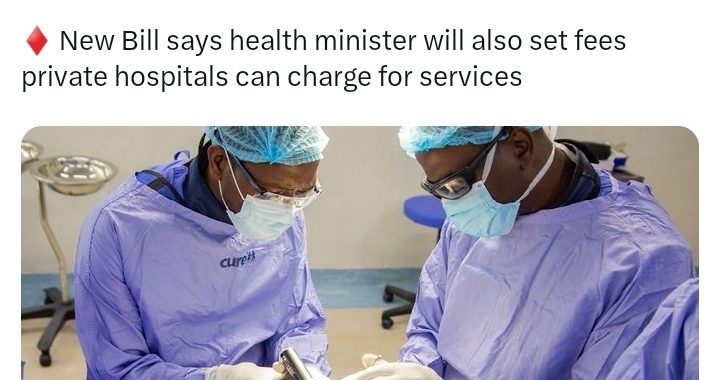
Private hospitals to be forced to take all patients with emergencies under planned law

HARARE

New
law
reforms
tabled
in
parliament
will
compel
private
hospitals
to
admit
patients
with
“life
threatening
conditions”
for
at
least
two
days
even
when
they
cannot
afford
the
service.

The
Medical
Services
Amendment
Bill
seeks
to
align
the
Medical
Services
Act
with
“fundamental
principles
enshrined
in
our
constitution,”
justice
minister
Ziyambi
Ziyambi
said.

“This
Bill
is
a
testament
to
our
commitment
ensuring
that
every
citizen
and
permanent
resident
of
our
nation
has
access
to
essential
health
services.
The
Bill’s
primary
objective
is
to
uphold
constitutional
rights
related
to
health,
and
these
rights
are
clearly
stipulated
in
the
constitution,”
the
minister
told
the
National
Assembly
on
Tuesday.

Some
of
the
planned
law
changes
will
see
the
health
minister
determining
maximum
fees
that
private
hospitals
can
charge
for
certain
services;
impose
criminal
penalties
for
parents
or
guardians
who
prevent
a
child
from
receiving
treatment
that
is
in
the
child’s
best
interests;
introduce
an
obligation
on
all
health
institutions
to
treat
prisoners
or
other
detained
people
at
the
state’s
expense
and
introduce
a
requirement
for
private
health
facilities
to
treat
emergency
cases
even
when
the
patients
have
no
means
to
pay.

Doctors
have
warned
some
provisions
of
the
Bill,
if
passed,
could
collapse
health
services.

Speaking
at
the
Bill’s
second
reading
on
Tuesday,
Ziyambi
said:
“Clause
3
inserts
a
new
section,
7A,
which
mandates
that
every
institution,
at
the
expense
of
the
state
or
the
individual’s
election,
must
provide
treatment
to
persons
under
arrest,
detention
or
imprisonment
on
the
same
terms
and
conditions
as
other
admitted
persons.
This
is
a
crucial
step
towards
upholding
the
dignity
and
rights
of
all
individuals,
regardless
of
their
circumstances…

“Perhaps
one
of
the
most
impactful
provisions
is
the
new
section
12(a),
inserted
by
clause
8,
which
prohibits
the
refusal
of
emergency
medical
treatment
by
private
health
institutions,
aligning
with
section
76,
subsection
3
of
the
constitution.

“This
mandates
private
institutions
to
admit
patients
suffering
from
life-threatening
conditions
for
a
period
of
not
less
than
48
hours
for
stabilisation,
even
if
they
cannot
afford
treatment.
This
is
a
lifeline
for
many
and
the
Bill
also
allows
for
agreements
between
the
minister
and
private
institutions
for
cost
recovery.

“Clause
9
makes
important
amendments
to
Section
13,
which
is
fees
and
charges
payable
at
private
health
institutions.
Previously,
section
13,
subsection
1
stated
that
no
responsible
authority
at
a
private
hospital
should
impose
fees
above
a
prescribed
amount
or
increase
them
by
more
than
a
prescribed
percentage
except
with
the
approval
of
the
minister.
It
also
included
a
proviso
that
paragraph
A,
imposing
fees
above
a
prescribed
amount,
would
not
apply
to
fees
already
being
charged
immediately
before
a
fixed
date.

“The
amendment
in
this
Bill
repeals
this
proviso.
Fees
and
charges
at
private
health
institutions,
regardless
of
when
they
were
first
introduced,
will
be
subject
to
the
prescribed
maximums
and
percentage
increases
unless
specifically
approved
by
the
minister.

“This
change
ensures
greater
oversight
and
control
over
the
cost
of
private
healthcare,
aiming
to
protect
patients
from
exorbitant
charges.”

Ziyambi
maintained
that
the
Bill
is
“a
progressive
and
essential
piece
of
legislation…
which
ensures
that
health
care
is
not
a
privilege
but
accessible
to
all.”

Doctors
who
spoke
to
ZimLive
warned
that
forcing
private
hospitals
to
accept
any
patient
with
an
emergency
would
clog
those
institutions
and
force
them
to
close
down
as
they
would
quickly
run
out
of
food
and
medicines
to
give
the
patients.

Instead,
doctors
say
the
government
should
fix
the
public
health
system
to
bring
the
standard
of
care
to
the
same
level
as
private
health
providers.

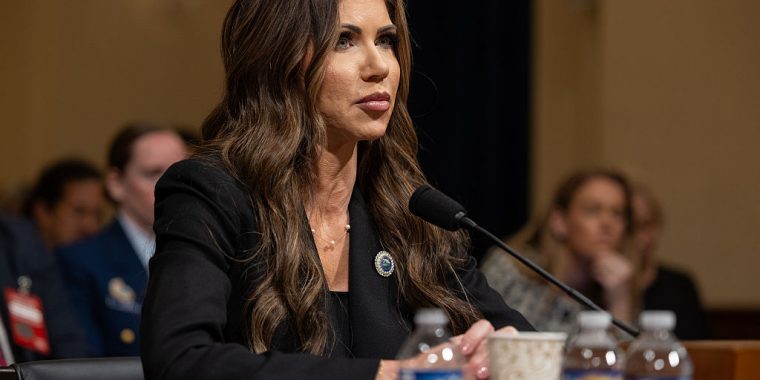
Homeland Security Keeps Violating Copyright Law Like It’s Due Process Or Something – Above the Law

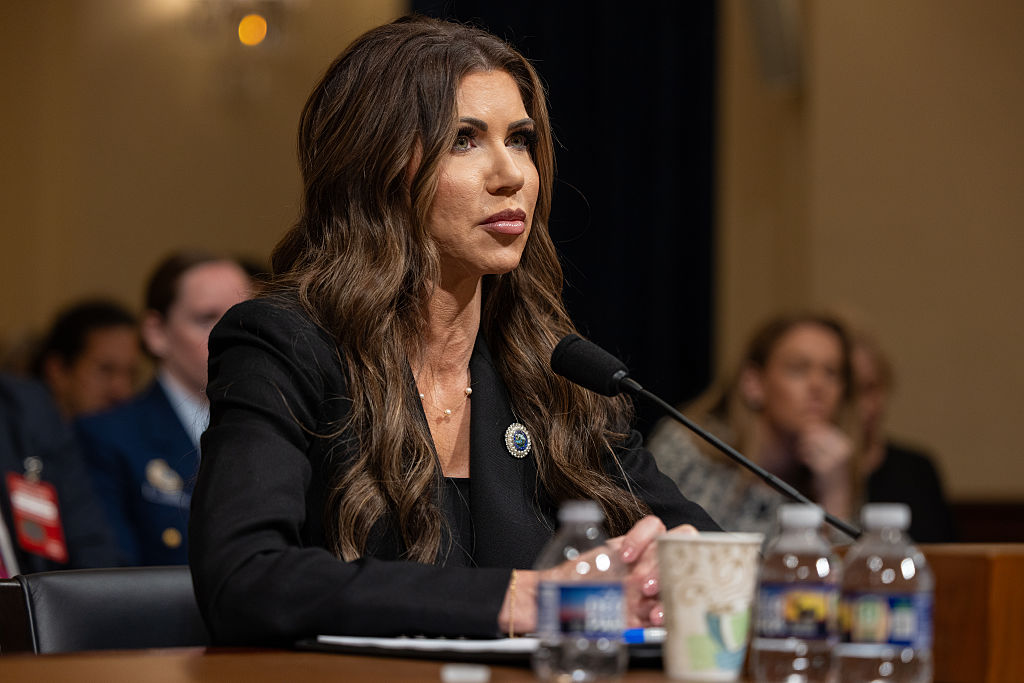
(Photo
by
Nathan
Posner/Anadolu
via
Getty
Images)

It
seems
deporting
people
into
El
Salvadoran
slave
labor
isn’t
the
only
decision
the
Department
of
Homeland
Security
makes
without
bothering
to
do
their
research.
Having
admitted
that
it
sent
Kilmar
Abrego
Garcia
to
hell
prison

accidentally


and
then

immediately
firing
the
lawyer
for
refusing
to
lie
to
the
court


DHS
has
since
fought
to
reverse
engineer
a
justification
for
their
mistake.
Will
they
bring
that
same
energy
to
their
intellectual
property
woes?

Under
the
direction
of
Kristi
Canine
Killer

Noem,
the
Department
has
launched
a
cringe
recruitment
campaign
to
bring
in
more
thugs
willing
to
hide
behind
masks
and
brutalize
citizens
for
their
skin
color

something

Border
Czar
Tom
Homan
actually
talked
about
.
Now
that
Congress
authorized

spending
more
on
America’s
immigration
enforcement
than
most
militaries
,
they’ve
got
to
find
people
willing
to
take
on
these
unpleasant
jobs.
And
migrant
workers
are
a
non-starter.

So
the
PR
blitz
is
on.
Out
of
the
gate,
DHS
released
a

slick,
overtly
Christo-nationalist
video
,
calling
for
soldiers
to
take
up
the
call
of
a
Bible
verse.
Aside
from
offering
a
preview
of
the
Supreme
Court’s
eventual
decision
declaring
the
Establishment
Clause
mere
“prefatory
language,”
the
quote
itself
is
from
Isaiah,
which
is
all
about
how
Jerusalem
needs
to
be
destroyed
to
usher
in
the
end
times

exactly
the
sort
of
doomsday
shit
you
want
senior
government
officials
saying
they
like
to
“think
about
sometimes.”

Anyway,
the
Department
paired
the
video
with
“God’s
Gonna
Cut
You
Down”
by
Black
Rebel
Motorcycle
Club.


The
band
chose
to
cut
DHS
down
:

“It’s
obvious
that
you
don’t
respect
Copyright
Law
and
Artist
Rights
any
more
than
you
respect
Habeas
Corpus
and
Due
Process
rights,”
the
band wrote.
“Not
to
mention
the
separation
of
Church
and
State
per
the
US
Constitution.”

“For
the
record,
we
hereby
order
@dhsgov
to
cease
and
desist
the
use
of
our
recording
and
demand
that
you
immediately
pull
down
your
video,”
the
statement
continued.

In
Noem’s
defense,
it’s
not
that
she
doesn’t
respect
habeas
corpus,

she
just
has
no
clue
what
it
is
.
“Well,
habeas
corpus
is
a
constitutional
right
that
the
president
has
to
be
able
to
remove
people
from
this
country,
and
to
suspend
their
right
to
advancement,”
Noem
explained
to
the
Senate
recently,
having
missed
accidentally
trading
her
staff’s
prep
flashcards
for
a

vintage
Village
People
outfit

to
wear
for
her
next
photo
op.

“Oh,
and
go
f–k
yourselves,”
the
band
added.
While
we
can’t
confirm
that
DHS
complied
with
that
part,
the
song
is
no
longer
available
with
the
video.

One
might
think
DHS
would
have
learned
its
lesson
here,
but
they
immediately
followed
up
with
a
Twitter
post
captioned:
“Remember
your
Homeland’s
Heritage”
showing
a
white

obviously

couple
in
the
back
of
a
covered
wagon
holding
a
newborn.
As
propaganda
goes,
it’s
very
“Make
America
Die
Of
Dysentery
Again.”

But
it
turns
out
DHS
didn’t
have
the
rights
to
post
that
either.
Artist
Morgan
Weistling
has

this
message

posted
atop
his
website:

Gotta
say,
for
all
the
rhetoric
about
criminal
immigrants,
it
seems
as
though
it’s
the
Department
of
Homeland
Security
that
isn’t
sending
its
best.


Earlier
:

Kristi
Noem
Thinks
Habeas
Corpus
Is
A
Deportation
Spell


HeadshotJoe
Patrice
 is
a
senior
editor
at
Above
the
Law
and
co-host
of

Thinking
Like
A
Lawyer
.
Feel
free
to email
any
tips,
questions,
or
comments.
Follow
him
on Twitter or

Bluesky

if
you’re
interested
in
law,
politics,
and
a
healthy
dose
of
college
sports
news.

Homeland Security Keeps Violating Copyright Law Like It’s Due Process Or Something – Above the Law

(Photo
by
Nathan
Posner/Anadolu
via
Getty
Images)

It
seems
deporting
people
into
El
Salvadoran
slave
labor
isn’t
the
only
decision
the
Department
of
Homeland
Security
makes
without
bothering
to
do
their
research.
Having
admitted
that
it
sent
Kilmar
Abrego
Garcia
to
hell
prison

accidentally


and
then

immediately
firing
the
lawyer
for
refusing
to
lie
to
the
court


DHS
has
since
fought
to
reverse
engineer
a
justification
for
their
mistake.
Will
they
bring
that
same
energy
to
their
intellectual
property
woes?

Under
the
direction
of
Kristi
Canine
Killer

Noem,
the
Department
has
launched
a
cringe
recruitment
campaign
to
bring
in
more
thugs
willing
to
hide
behind
masks
and
brutalize
citizens
for
their
skin
color

something

Border
Czar
Tom
Homan
actually
talked
about
.
Now
that
Congress
authorized

spending
more
on
America’s
immigration
enforcement
than
most
militaries
,
they’ve
got
to
find
people
willing
to
take
on
these
unpleasant
jobs.
And
migrant
workers
are
a
non-starter.

So
the
PR
blitz
is
on.
Out
of
the
gate,
DHS
released
a

slick,
overtly
Christo-nationalist
video
,
calling
for
soldiers
to
take
up
the
call
of
a
Bible
verse.
Aside
from
offering
a
preview
of
the
Supreme
Court’s
eventual
decision
declaring
the
Establishment
Clause
mere
“prefatory
language,”
the
quote
itself
is
from
Isaiah,
which
is
all
about
how
Jerusalem
needs
to
be
destroyed
to
usher
in
the
end
times

exactly
the
sort
of
doomsday
shit
you
want
senior
government
officials
saying
they
like
to
“think
about
sometimes.”

Anyway,
the
Department
paired
the
video
with
“God’s
Gonna
Cut
You
Down”
by
Black
Rebel
Motorcycle
Club.


The
band
chose
to
cut
DHS
down
:

“It’s
obvious
that
you
don’t
respect
Copyright
Law
and
Artist
Rights
any
more
than
you
respect
Habeas
Corpus
and
Due
Process
rights,”
the
band wrote.
“Not
to
mention
the
separation
of
Church
and
State
per
the
US
Constitution.”

“For
the
record,
we
hereby
order
@dhsgov
to
cease
and
desist
the
use
of
our
recording
and
demand
that
you
immediately
pull
down
your
video,”
the
statement
continued.

In
Noem’s
defense,
it’s
not
that
she
doesn’t
respect
habeas
corpus,

she
just
has
no
clue
what
it
is
.
“Well,
habeas
corpus
is
a
constitutional
right
that
the
president
has
to
be
able
to
remove
people
from
this
country,
and
to
suspend
their
right
to
advancement,”
Noem
explained
to
the
Senate
recently,
having
missed
accidentally
trading
her
staff’s
prep
flashcards
for
a

vintage
Village
People
outfit

to
wear
for
her
next
photo
op.

“Oh,
and
go
f–k
yourselves,”
the
band
added.
While
we
can’t
confirm
that
DHS
complied
with
that
part,
the
song
is
no
longer
available
with
the
video.

One
might
think
DHS
would
have
learned
its
lesson
here,
but
they
immediately
followed
up
with
a
Twitter
post
captioned:
“Remember
your
Homeland’s
Heritage”
showing
a
white

obviously

couple
in
the
back
of
a
covered
wagon
holding
a
newborn.
As
propaganda
goes,
it’s
very
“Make
America
Die
Of
Dysentery
Again.”

But
it
turns
out
DHS
didn’t
have
the
rights
to
post
that
either.
Artist
Morgan
Weistling
has

this
message

posted
atop
his
website:

Gotta
say,
for
all
the
rhetoric
about
criminal
immigrants,
it
seems
as
though
it’s
the
Department
of
Homeland
Security
that
isn’t
sending
its
best.


Earlier
:

Kristi
Noem
Thinks
Habeas
Corpus
Is
A
Deportation
Spell


HeadshotJoe
Patrice
 is
a
senior
editor
at
Above
the
Law
and
co-host
of

Thinking
Like
A
Lawyer
.
Feel
free
to email
any
tips,
questions,
or
comments.
Follow
him
on Twitter or

Bluesky

if
you’re
interested
in
law,
politics,
and
a
healthy
dose
of
college
sports
news.

Homeland Security Keeps Violating Copyright Law Like It’s Due Process Or Something – Above the Law

(Photo
by
Nathan
Posner/Anadolu
via
Getty
Images)

It
seems
deporting
people
into
El
Salvadoran
slave
labor
isn’t
the
only
decision
the
Department
of
Homeland
Security
makes
without
bothering
to
do
their
research.
Having
admitted
that
it
sent
Kilmar
Abrego
Garcia
to
hell
prison

accidentally


and
then

immediately
firing
the
lawyer
for
refusing
to
lie
to
the
court


DHS
has
since
fought
to
reverse
engineer
a
justification
for
their
mistake.
Will
they
bring
that
same
energy
to
their
intellectual
property
woes?

Under
the
direction
of
Kristi
Canine
Killer

Noem,
the
Department
has
launched
a
cringe
recruitment
campaign
to
bring
in
more
thugs
willing
to
hide
behind
masks
and
brutalize
citizens
for
their
skin
color

something

Border
Czar
Tom
Homan
actually
talked
about
.
Now
that
Congress
authorized

spending
more
on
America’s
immigration
enforcement
than
most
militaries
,
they’ve
got
to
find
people
willing
to
take
on
these
unpleasant
jobs.
And
migrant
workers
are
a
non-starter.

So
the
PR
blitz
is
on.
Out
of
the
gate,
DHS
released
a

slick,
overtly
Christo-nationalist
video
,
calling
for
soldiers
to
take
up
the
call
of
a
Bible
verse.
Aside
from
offering
a
preview
of
the
Supreme
Court’s
eventual
decision
declaring
the
Establishment
Clause
mere
“prefatory
language,”
the
quote
itself
is
from
Isaiah,
which
is
all
about
how
Jerusalem
needs
to
be
destroyed
to
usher
in
the
end
times

exactly
the
sort
of
doomsday
shit
you
want
senior
government
officials
saying
they
like
to
“think
about
sometimes.”

Anyway,
the
Department
paired
the
video
with
“God’s
Gonna
Cut
You
Down”
by
Black
Rebel
Motorcycle
Club.


The
band
chose
to
cut
DHS
down
:

“It’s
obvious
that
you
don’t
respect
Copyright
Law
and
Artist
Rights
any
more
than
you
respect
Habeas
Corpus
and
Due
Process
rights,”
the
band wrote.
“Not
to
mention
the
separation
of
Church
and
State
per
the
US
Constitution.”

“For
the
record,
we
hereby
order
@dhsgov
to
cease
and
desist
the
use
of
our
recording
and
demand
that
you
immediately
pull
down
your
video,”
the
statement
continued.

In
Noem’s
defense,
it’s
not
that
she
doesn’t
respect
habeas
corpus,

she
just
has
no
clue
what
it
is
.
“Well,
habeas
corpus
is
a
constitutional
right
that
the
president
has
to
be
able
to
remove
people
from
this
country,
and
to
suspend
their
right
to
advancement,”
Noem
explained
to
the
Senate
recently,
having
missed
accidentally
trading
her
staff’s
prep
flashcards
for
a

vintage
Village
People
outfit

to
wear
for
her
next
photo
op.

“Oh,
and
go
f–k
yourselves,”
the
band
added.
While
we
can’t
confirm
that
DHS
complied
with
that
part,
the
song
is
no
longer
available
with
the
video.

One
might
think
DHS
would
have
learned
its
lesson
here,
but
they
immediately
followed
up
with
a
Twitter
post
captioned:
“Remember
your
Homeland’s
Heritage”
showing
a
white

obviously

couple
in
the
back
of
a
covered
wagon
holding
a
newborn.
As
propaganda
goes,
it’s
very
“Make
America
Die
Of
Dysentery
Again.”

But
it
turns
out
DHS
didn’t
have
the
rights
to
post
that
either.
Artist
Morgan
Weistling
has

this
message

posted
atop
his
website:

Gotta
say,
for
all
the
rhetoric
about
criminal
immigrants,
it
seems
as
though
it’s
the
Department
of
Homeland
Security
that
isn’t
sending
its
best.


Earlier
:

Kristi
Noem
Thinks
Habeas
Corpus
Is
A
Deportation
Spell


HeadshotJoe
Patrice
 is
a
senior
editor
at
Above
the
Law
and
co-host
of

Thinking
Like
A
Lawyer
.
Feel
free
to email
any
tips,
questions,
or
comments.
Follow
him
on Twitter or

Bluesky

if
you’re
interested
in
law,
politics,
and
a
healthy
dose
of
college
sports
news.

Homeland Security Keeps Violating Copyright Law Like It’s Due Process Or Something – Above the Law

(Photo
by
Nathan
Posner/Anadolu
via
Getty
Images)

It
seems
deporting
people
into
El
Salvadoran
slave
labor
isn’t
the
only
decision
the
Department
of
Homeland
Security
makes
without
bothering
to
do
their
research.
Having
admitted
that
it
sent
Kilmar
Abrego
Garcia
to
hell
prison

accidentally


and
then

immediately
firing
the
lawyer
for
refusing
to
lie
to
the
court


DHS
has
since
fought
to
reverse
engineer
a
justification
for
their
mistake.
Will
they
bring
that
same
energy
to
their
intellectual
property
woes?

Under
the
direction
of
Kristi
Canine
Killer

Noem,
the
Department
has
launched
a
cringe
recruitment
campaign
to
bring
in
more
thugs
willing
to
hide
behind
masks
and
brutalize
citizens
for
their
skin
color

something

Border
Czar
Tom
Homan
actually
talked
about
.
Now
that
Congress
authorized

spending
more
on
America’s
immigration
enforcement
than
most
militaries
,
they’ve
got
to
find
people
willing
to
take
on
these
unpleasant
jobs.
And
migrant
workers
are
a
non-starter.

So
the
PR
blitz
is
on.
Out
of
the
gate,
DHS
released
a

slick,
overtly
Christo-nationalist
video
,
calling
for
soldiers
to
take
up
the
call
of
a
Bible
verse.
Aside
from
offering
a
preview
of
the
Supreme
Court’s
eventual
decision
declaring
the
Establishment
Clause
mere
“prefatory
language,”
the
quote
itself
is
from
Isaiah,
which
is
all
about
how
Jerusalem
needs
to
be
destroyed
to
usher
in
the
end
times

exactly
the
sort
of
doomsday
shit
you
want
senior
government
officials
saying
they
like
to
“think
about
sometimes.”

Anyway,
the
Department
paired
the
video
with
“God’s
Gonna
Cut
You
Down”
by
Black
Rebel
Motorcycle
Club.


The
band
chose
to
cut
DHS
down
:

“It’s
obvious
that
you
don’t
respect
Copyright
Law
and
Artist
Rights
any
more
than
you
respect
Habeas
Corpus
and
Due
Process
rights,”
the
band wrote.
“Not
to
mention
the
separation
of
Church
and
State
per
the
US
Constitution.”

“For
the
record,
we
hereby
order
@dhsgov
to
cease
and
desist
the
use
of
our
recording
and
demand
that
you
immediately
pull
down
your
video,”
the
statement
continued.

In
Noem’s
defense,
it’s
not
that
she
doesn’t
respect
habeas
corpus,

she
just
has
no
clue
what
it
is
.
“Well,
habeas
corpus
is
a
constitutional
right
that
the
president
has
to
be
able
to
remove
people
from
this
country,
and
to
suspend
their
right
to
advancement,”
Noem
explained
to
the
Senate
recently,
having
missed
accidentally
trading
her
staff’s
prep
flashcards
for
a

vintage
Village
People
outfit

to
wear
for
her
next
photo
op.

“Oh,
and
go
f–k
yourselves,”
the
band
added.
While
we
can’t
confirm
that
DHS
complied
with
that
part,
the
song
is
no
longer
available
with
the
video.

One
might
think
DHS
would
have
learned
its
lesson
here,
but
they
immediately
followed
up
with
a
Twitter
post
captioned:
“Remember
your
Homeland’s
Heritage”
showing
a
white

obviously

couple
in
the
back
of
a
covered
wagon
holding
a
newborn.
As
propaganda
goes,
it’s
very
“Make
America
Die
Of
Dysentery
Again.”

But
it
turns
out
DHS
didn’t
have
the
rights
to
post
that
either.
Artist
Morgan
Weistling
has

this
message

posted
atop
his
website:

Gotta
say,
for
all
the
rhetoric
about
criminal
immigrants,
it
seems
as
though
it’s
the
Department
of
Homeland
Security
that
isn’t
sending
its
best.


Earlier
:

Kristi
Noem
Thinks
Habeas
Corpus
Is
A
Deportation
Spell


HeadshotJoe
Patrice
 is
a
senior
editor
at
Above
the
Law
and
co-host
of

Thinking
Like
A
Lawyer
.
Feel
free
to email
any
tips,
questions,
or
comments.
Follow
him
on Twitter or

Bluesky

if
you’re
interested
in
law,
politics,
and
a
healthy
dose
of
college
sports
news.

Homeland Security Keeps Violating Copyright Law Like It’s Due Process Or Something – Above the Law

(Photo
by
Nathan
Posner/Anadolu
via
Getty
Images)

It
seems
deporting
people
into
El
Salvadoran
slave
labor
isn’t
the
only
decision
the
Department
of
Homeland
Security
makes
without
bothering
to
do
their
research.
Having
admitted
that
it
sent
Kilmar
Abrego
Garcia
to
hell
prison

accidentally


and
then

immediately
firing
the
lawyer
for
refusing
to
lie
to
the
court


DHS
has
since
fought
to
reverse
engineer
a
justification
for
their
mistake.
Will
they
bring
that
same
energy
to
their
intellectual
property
woes?

Under
the
direction
of
Kristi
Canine
Killer

Noem,
the
Department
has
launched
a
cringe
recruitment
campaign
to
bring
in
more
thugs
willing
to
hide
behind
masks
and
brutalize
citizens
for
their
skin
color

something

Border
Czar
Tom
Homan
actually
talked
about
.
Now
that
Congress
authorized

spending
more
on
America’s
immigration
enforcement
than
most
militaries
,
they’ve
got
to
find
people
willing
to
take
on
these
unpleasant
jobs.
And
migrant
workers
are
a
non-starter.

So
the
PR
blitz
is
on.
Out
of
the
gate,
DHS
released
a

slick,
overtly
Christo-nationalist
video
,
calling
for
soldiers
to
take
up
the
call
of
a
Bible
verse.
Aside
from
offering
a
preview
of
the
Supreme
Court’s
eventual
decision
declaring
the
Establishment
Clause
mere
“prefatory
language,”
the
quote
itself
is
from
Isaiah,
which
is
all
about
how
Jerusalem
needs
to
be
destroyed
to
usher
in
the
end
times

exactly
the
sort
of
doomsday
shit
you
want
senior
government
officials
saying
they
like
to
“think
about
sometimes.”

Anyway,
the
Department
paired
the
video
with
“God’s
Gonna
Cut
You
Down”
by
Black
Rebel
Motorcycle
Club.


The
band
chose
to
cut
DHS
down
:

“It’s
obvious
that
you
don’t
respect
Copyright
Law
and
Artist
Rights
any
more
than
you
respect
Habeas
Corpus
and
Due
Process
rights,”
the
band wrote.
“Not
to
mention
the
separation
of
Church
and
State
per
the
US
Constitution.”

“For
the
record,
we
hereby
order
@dhsgov
to
cease
and
desist
the
use
of
our
recording
and
demand
that
you
immediately
pull
down
your
video,”
the
statement
continued.

In
Noem’s
defense,
it’s
not
that
she
doesn’t
respect
habeas
corpus,

she
just
has
no
clue
what
it
is
.
“Well,
habeas
corpus
is
a
constitutional
right
that
the
president
has
to
be
able
to
remove
people
from
this
country,
and
to
suspend
their
right
to
advancement,”
Noem
explained
to
the
Senate
recently,
having
missed
accidentally
trading
her
staff’s
prep
flashcards
for
a

vintage
Village
People
outfit

to
wear
for
her
next
photo
op.

“Oh,
and
go
f–k
yourselves,”
the
band
added.
While
we
can’t
confirm
that
DHS
complied
with
that
part,
the
song
is
no
longer
available
with
the
video.

One
might
think
DHS
would
have
learned
its
lesson
here,
but
they
immediately
followed
up
with
a
Twitter
post
captioned:
“Remember
your
Homeland’s
Heritage”
showing
a
white

obviously

couple
in
the
back
of
a
covered
wagon
holding
a
newborn.
As
propaganda
goes,
it’s
very
“Make
America
Die
Of
Dysentery
Again.”

But
it
turns
out
DHS
didn’t
have
the
rights
to
post
that
either.
Artist
Morgan
Weistling
has

this
message

posted
atop
his
website:

Gotta
say,
for
all
the
rhetoric
about
criminal
immigrants,
it
seems
as
though
it’s
the
Department
of
Homeland
Security
that
isn’t
sending
its
best.


Earlier
:

Kristi
Noem
Thinks
Habeas
Corpus
Is
A
Deportation
Spell


HeadshotJoe
Patrice
 is
a
senior
editor
at
Above
the
Law
and
co-host
of

Thinking
Like
A
Lawyer
.
Feel
free
to email
any
tips,
questions,
or
comments.
Follow
him
on Twitter or

Bluesky

if
you’re
interested
in
law,
politics,
and
a
healthy
dose
of
college
sports
news.

Homeland Security Keeps Violating Copyright Law Like It’s Due Process Or Something – Above the Law

(Photo
by
Nathan
Posner/Anadolu
via
Getty
Images)

It
seems
deporting
people
into
El
Salvadoran
slave
labor
isn’t
the
only
decision
the
Department
of
Homeland
Security
makes
without
bothering
to
do
their
research.
Having
admitted
that
it
sent
Kilmar
Abrego
Garcia
to
hell
prison

accidentally


and
then

immediately
firing
the
lawyer
for
refusing
to
lie
to
the
court


DHS
has
since
fought
to
reverse
engineer
a
justification
for
their
mistake.
Will
they
bring
that
same
energy
to
their
intellectual
property
woes?

Under
the
direction
of
Kristi
Canine
Killer

Noem,
the
Department
has
launched
a
cringe
recruitment
campaign
to
bring
in
more
thugs
willing
to
hide
behind
masks
and
brutalize
citizens
for
their
skin
color

something

Border
Czar
Tom
Homan
actually
talked
about
.
Now
that
Congress
authorized

spending
more
on
America’s
immigration
enforcement
than
most
militaries
,
they’ve
got
to
find
people
willing
to
take
on
these
unpleasant
jobs.
And
migrant
workers
are
a
non-starter.

So
the
PR
blitz
is
on.
Out
of
the
gate,
DHS
released
a

slick,
overtly
Christo-nationalist
video
,
calling
for
soldiers
to
take
up
the
call
of
a
Bible
verse.
Aside
from
offering
a
preview
of
the
Supreme
Court’s
eventual
decision
declaring
the
Establishment
Clause
mere
“prefatory
language,”
the
quote
itself
is
from
Isaiah,
which
is
all
about
how
Jerusalem
needs
to
be
destroyed
to
usher
in
the
end
times

exactly
the
sort
of
doomsday
shit
you
want
senior
government
officials
saying
they
like
to
“think
about
sometimes.”

Anyway,
the
Department
paired
the
video
with
“God’s
Gonna
Cut
You
Down”
by
Black
Rebel
Motorcycle
Club.


The
band
chose
to
cut
DHS
down
:

“It’s
obvious
that
you
don’t
respect
Copyright
Law
and
Artist
Rights
any
more
than
you
respect
Habeas
Corpus
and
Due
Process
rights,”
the
band wrote.
“Not
to
mention
the
separation
of
Church
and
State
per
the
US
Constitution.”

“For
the
record,
we
hereby
order
@dhsgov
to
cease
and
desist
the
use
of
our
recording
and
demand
that
you
immediately
pull
down
your
video,”
the
statement
continued.

In
Noem’s
defense,
it’s
not
that
she
doesn’t
respect
habeas
corpus,

she
just
has
no
clue
what
it
is
.
“Well,
habeas
corpus
is
a
constitutional
right
that
the
president
has
to
be
able
to
remove
people
from
this
country,
and
to
suspend
their
right
to
advancement,”
Noem
explained
to
the
Senate
recently,
having
missed
accidentally
trading
her
staff’s
prep
flashcards
for
a

vintage
Village
People
outfit

to
wear
for
her
next
photo
op.

“Oh,
and
go
f–k
yourselves,”
the
band
added.
While
we
can’t
confirm
that
DHS
complied
with
that
part,
the
song
is
no
longer
available
with
the
video.

One
might
think
DHS
would
have
learned
its
lesson
here,
but
they
immediately
followed
up
with
a
Twitter
post
captioned:
“Remember
your
Homeland’s
Heritage”
showing
a
white

obviously

couple
in
the
back
of
a
covered
wagon
holding
a
newborn.
As
propaganda
goes,
it’s
very
“Make
America
Die
Of
Dysentery
Again.”

But
it
turns
out
DHS
didn’t
have
the
rights
to
post
that
either.
Artist
Morgan
Weistling
has

this
message

posted
atop
his
website:

Gotta
say,
for
all
the
rhetoric
about
criminal
immigrants,
it
seems
as
though
it’s
the
Department
of
Homeland
Security
that
isn’t
sending
its
best.


Earlier
:

Kristi
Noem
Thinks
Habeas
Corpus
Is
A
Deportation
Spell


HeadshotJoe
Patrice
 is
a
senior
editor
at
Above
the
Law
and
co-host
of

Thinking
Like
A
Lawyer
.
Feel
free
to email
any
tips,
questions,
or
comments.
Follow
him
on Twitter or

Bluesky

if
you’re
interested
in
law,
politics,
and
a
healthy
dose
of
college
sports
news.

Biglaw Firm Allegedly Fires Associate Over Anti-Trump Op-Eds – Above the Law

It’s
not
you.
It’s
me.

Biglaw
partners
and
associates

and
perhaps
clients,
too

continue
to
flee
firms
that
capitulated
to
Trump,
promising
nearly

$1
billion
in
pro
bono
payola

for
conservative
causes.
The
powers
that
be
at
firms
outside
of
these
dastardly
deals
are
collectively
wiping
their
brows,
happy
to
stay
far,
far
away
from
all
of
the
negative
publicity.
But
what
if
a
high-powered
Biglaw
firm
is
representing
one
of
Trump’s
many
business
tentacles
outside
of
the
presidency?
Can
an
associate
at
one
of
those
firms
dare
to
publicly
criticize
Trump?
As
it
turns
out,
the
answer
is
no.

Davis
Polk
&
Wardwell

a
firm
that
brought
in
$2,540,000,000
gross
revenue
in
2024,
putting
it
at
No.
17
on
the
Am
Law
100

has
thus
far
avoided
Trump’s
ire.
It
hasn’t
been
targeted
with
any
vindictive
executive
orders,
nor
has
it
been
named
in
any
bogus
EEOC
investigations
looking
into
its
diversity
practices.
That
may
be
because
DPW
is
currently
(quietly)
representing
Trump
Media
&
Technology
Group
Corp.
as
it
works
with
Crypto.com. But
how
much
longer
will
that
peace
last?


Ryan
Powers
,
formerly
of
the
elite
firm,
claims
he
was
fired
after
writing
op-eds
that
were
critical
of
the
Trump
administration,
without
first
obtaining
approval.
The
Harvard
Law
grad
says
that
on
June
11,
he
was
warned
that
he
needed
to
stop,
but
he
refused.
Here’s
what
happened
next,
per
his

Substack
:

The
next
day,
I
wrote
an
article
about
the
Trump
administration’s
ability
to
track
protestors
and
the
grave
First
Amendment
concerns
it
raised.
I
gave
the
firm
an
opportunity
to
review
it,
made
clear
the
views
articulated
were
entirely
my
own,
and
emphasized
that
the
piece
addressed
urgent
issues
of
public
concern.
I
asked
for
a
written
explanation
if
the
firm
objected.

Four
hours
later,
I
was
fired
and
escorted
from
the
building
by
two
security
guards.
The
entire
process
lasted
less
than
five
minutes.
By
the
time
I
arrived
home,
my
name
had
already
been
removed
from
the
firm’s
website.

“The
firm
needs
to
do
what
it
needs
to
do
to
protect
whatever
interests
that
they
choose
to
support,”
Powers
said
in
an
interview
with

Bloomberg
Law
.
“I
understand
why
they
are
doing
what
they’re
doing.
At
the
same
time,
it’s
very
sad
on
a
personal
level
because
it
ends
my
Big
Law
career
sooner
than
I
had
anticipated
and
in
a
very
different
way
than
I
had
anticipated.”

Powers
went
on
to
say
that
his
former
firm
“should
be
embarrassed”
that
it’s
working
for
Trump
Media.
“We
tout
our
commitment
to
social
responsibility
through
our
pro
bono
partners
and
the
kind
of
causes
that
we
take
up
as
part
of
official
firm
practice,”
he
told
Bloomberg,
“and
then
we
are
partnering
with
a
namesake
organization
to
a
sitting
president
who
has
not
supported
those
values.”

Powers
believes
that
what
happened
to
him
was
about
more
than
just
one
associate
at
one
firm
being
fired
for
voicing
his
point
of
view

“it
was
a
warning,”
he
writes.
“When
the
institutions
built
to
support
the
rule
of
law
fall
quiet,
the
silence
speaks
volumes.”
Here’s
more
from
his
Substack:

Big
Law
employees
aren’t
bankers
or
PR
professionals.
We
are
attorneys

specifically
trained
to
navigate
complex
legal
systems
and
bound
by
an
oath
to
support
the
rule
of
law.
Lawyers
are
the
first
line
of
defense
in
a
constitutional
crisis,
and
we
cannot
expect
public
defenders
or
legal
aid
clinics
to
carry
that
burden
alone.
The
truth
is,
that
job
belongs
to
all
of
us

and
Big
Law
has
the
resources,
influence,
and
platform
to
stand
firm
when
it
counts.
With
that
power
comes
a
responsibility
not
just
to
our
clients,
but
to
the
legal
profession
itself.
Democracy
doesn’t
stand
a
chance
without
it.

Lawyers
like
Ryan
Powers
who
are
willing
to
make
their
voices
heard,
no
matter
the
cost,
continue
to
be
our
last
line
of
defense
for
democracy.
Make

your

voices
heard.
Condemn
Trump’s
attacks
against
lawyers.
Protect
the
profession.
It
is
crucial
that
you
rise
up
to
protect
the
rule
of
law,
which
can
only
bend
so
much
until
it
breaks
and
our
democracy
lays
in
ruins.


Davis
Polk
Axes
Associate
Over
Writings
Criticizing
Trump

[Bloomberg
Law]


Inside
Big
Law:
The
Cost
of
Silence
is
Democracy
Itself

[Ryan
W.
Powers
Substack]


Staci Zaretsky


Staci
Zaretsky
 is
a
senior
editor
at
Above
the
Law,
where
she’s
worked
since
2011.
She’d
love
to
hear
from
you,
so
please
feel
free
to

email

her
with
any
tips,
questions,
comments,
or
critiques.
You
can
follow
her
on BlueskyX/Twitter,
and Threads, or
connect
with
her
on LinkedIn.