*
DOJ
fires
Epstein
and
Diddy
prosecutor.
So…
did
Trump
go
to
some
freak
offs?
It
also
happens
to
be
James
Comey’s
daughter
so
watch
your
seashells!
[CNN]
*
ICE
lawyers
refusing
to
be
identified
in
public
proceedings.
Everyone
wants
to
be
the
secret
police
as
long
as
they
get
to
stay
secret.
[The
Intercept]
$125M
Cowardice
Begets
New
Law
Firm:
Guess
which
firm
these
founding
members
came
from!
Alan
Dershowitz’s
Much
To
Do
About
“Nothing”
About
Epstein
List
Leaves
Him
Worse
Off:
Is
no
one
nearby
telling
him
to
shut
up?
Florida’s
Got
More
Than
Sunshine:
Check
out
the
state’s
biggest
law
firms!
A
Case
Of
Secret
Romance
Hits
The
Courtroom:
After
unsuccessful
mediation,
all’s
fair
in
love
and
litigation.
Prosecutor’s
Poor
Handling
Of
Traffic
Stop
Got
Her
In
Trouble:
She
plans
to
retire
soon.
On
This
Week
Of
Thinking
Like
A
Lawyer:
We’ve
got
a
Biglaw
story
for
you
to
sink
your
teeth
into!
According
to
data
collected
by
the
National
Law
Journal
for
its
NLJ
500
ranking,
which
firm
on
the
list
has
the
highest
starting
salary
for
associates?
Hint:
While
most
of
Biglaw
has
coalesced
at
the
$225,000
mark,
this
firm
offers
a
starting
salary
of
$230,000.
“Tip
creep”
has
been
a
pervasive
issue
in
American
culture
for
some
time
now.
Many
businesses,
faced
with
rising
costs
or
insurmountable
greed,
have
increasingly
turned
to
tip
encouragement
as
a
means
of
underpaying
their
employees
while
simultaneously
being
reasonably
assured
malnutrition
will
not
sap
worker
productivity.
Personally,
when
faced
with
a
new
tip
line
on
the
receipt
where
formerly
there
was
none,
sometimes
I
don’t
mind
at
all,
and
sometimes
I
do.
A
tip
for
the
woman
at
my
local
bakery
who
indulges
me
as
I
point
out
the
most
desirable
Bismarcks
behind
the
glass?
Absolutely.
She
is
always
nice.
On
the
other
hand,
a
tip
for
assembling
the
take-and-bake
pizza
that
I
ordered
online
and
already
have
to
cook
myself?
Boy,
that
seems
like
a
bit
of
a
stretch.
From
a
tax
perspective,
it
is
a
better
time
than
ever
to
be
a
tipped
worker.
The
“Big,
Beautiful
Bill”
exempts
the
first
$25,000
of
a
qualifying
worker’s
annual
tips
from
income
taxes
(tips
will
still
be
subject
to
the
7.65%
payroll
tax
meant
to
fund
Medicare
and
Social
Security).
Given
the
new
tax
treatment,
employers
are
probably
going
to
try
to
slip
even
more
tips
into
our
lives.
So,
let’s
take
a
look
at
each
end
of
the
spectrum
when
it
comes
to
tipping
culture
to
better
gauge
where
this
actually
makes
sense
and
where
it
is
just
another
shameless
cash-grab.
I
go
on
a
lot
of
tours,
and
occasionally,
for
the
past
two
summers,
even
give
them
on
the
weekends.
Most
recently,
I
toured
the
historic
Anheuser-Busch
brewery
in
St.
Louis,
Missouri
(please
don’t
email
me
criticisms
if
you’re
a
beer
snob,
read
this
instead).
Our
tour
guide,
Grace,
was
friendly,
energetic,
knowledgeable,
and
a
good
sport
about
making
the
distance
covered
easier
on
my
mother,
who
has
a
mobility
impairment.
At
the
end
of
the
tour,
I
asked
Grace
whether
she
could
accept
tips.
Then
I
handed
her
a
crisp
bill.
Tipping
your
tour
guide
is
the
purest
essence
of
what
tipping
culture
should
be.
Tipping
is
not
required
—
I
have
almost
never
even
seen
a
sign
up
indicating
that
tips
were
encouraged.
You
get
to
wait
until
the
end
to
decide
whether
and
how
much
you
want
to
tip,
theoretically
incentivizing
better
service
for
you,
the
guidee.
Plus,
tipping
is
rare.
I
didn’t
see
anyone
else
tip
Grace,
and
in
my
experience,
generally
less
than
10%
of
people
on
a
tour
bother
to
tip
their
guide
(I
have
been
on
only
one
after
which
the
guide
said
she
was
not
allowed
to
take
tips,
so
that
policy
is
itself
rare,
though
still
worth
asking
about).
The
scarcity
of
tips
in
the
guiding
role
makes
tipping
an
unexpected
delight
for
the
guide,
rather
than
a
default
expectation
like
it
is
at
sit-down
restaurants.
Look
up
the
original
definition
of
what
a
“gratuity”
is
actually
supposed
to
be
and
try
to
tell
me
that
the
tour
guide
version
I’ve
described
fails
to
meet
it.
On
the
other
hand,
we
also
ate
at
The
Biergarten
restaurant
while
we
were
there,
which
was
a
new
addition
to
the
Anheuser-Busch
brewery
site
since
the
last
time
I’d
visited
when
I
was
in
college
nearly
20
years
ago.
Although
the
food
was
pretty
good,
the
tipping
experience
was
awful,
the
absolute
antithesis
of
what
offering
a
tip
should
be
for
the
consumer.
It
is
one
of
those
places
where
you
scan
the
QR
code
at
your
table
and
then
view
the
menu
and
order
directly
on
your
smartphone,
which
is
already
a
nightmare
when
you
have
older
people
with
you.
You
had
to
enter
your
tip
right
there
onscreen
in
advance
(at
least
if
you
wanted
to
tip
via
the
credit
card
you
were
using
to
order
without
going
through
some
other
ordeal
to
figure
out
an
alternative).
This
was,
of
course,
long
prior
to
tasting
or
even
seeing
your
food.
The
tip
line
defaulted
to
20%.
I
nudged
it
down
a
bit,
as
I
was
kind
of
doing
the
work
of
an
absent
server
right
there
on
my
phone.
When
our
food
was
ready,
a
youngish
guy
dashed
out
and
deposited
it
on
our
table,
which
was
the
only
momentary
human
interaction
outside
our
own
little
group
that
we
had
during
the
whole
meal.
Did
the
tip
go
to
him,
for
a
solidly
performed
dash?
To
the
chefs?
To
Anheuser-Busch’s
parent
company
ABInBev?
Unclear.
Equally
unclear
was
how
we
were
supposed
to
have
any
agency
in
leaving
this
tip,
given
that
we
had
no
idea
how
fast
or
good
our
service
would
be
at
the
time
we
were
forced
to
leave
it.
There
we
have
it,
located
conveniently
at
the
very
same
brewery:
the
Aristotelian
ideal
of
the
concept
of
tipping
that
is
tipping
your
tour
guide,
and
the
dystopian
techno-hell
that
is
being
forced
to
leave
a
tip
to
a
QR
code
in
advance.
The
good
news
is
that
you,
the
consumer,
have
the
power
to
gently
influence
either
the
proliferation
or
the
slow
withering
of
either
type
of
tipping
culture.
Maybe
question
a
bit
who
you
are
really
helping
when
you
are
herded
into
blindly
leaving
a
certain
tip
in
a
certain
way
like
so
many
steers
in
a
cattle
chute.
Equally
as
important,
if
you
are
pleased
with
a
service
you
just
received,
especially
if
you
don’t
see
anyone
around
you
already
reaching
into
their
pockets,
perhaps
try
to
be
a
little
more
generous.
The
outcome
of
the
tipping
culture
war
is
depending
on
you.
Jonathan
Wolf
is
a
civil
litigator
and
author
of Your
Debt-Free
JD (affiliate
link).
He
has
taught
legal
writing,
written
for
a
wide
variety
of
publications,
and
made
it
both
his
business
and
his
pleasure
to
be
financially
and
scientifically
literate.
Any
views
he
expresses
are
probably
pure
gold,
but
are
nonetheless
solely
his
own
and
should
not
be
attributed
to
any
organization
with
which
he
is
affiliated.
He
wouldn’t
want
to
share
the
credit
anyway.
He
can
be
reached
at [email protected].
As
soon
as
Donald
Trump
took
office,
he
made
it
loud
and
clear
that
he
was
going
to
go
bigly
on
immigration
enforcement.
Stephen
Miller,
Trump’s
deputy
chief
of
staff,
demanded
a
daily
quota
of
3,000
immigration-related
arrests.
The
Department
of
Homeland
Security
(DHS)
and
Immigration
and
Customs
Enforcement
(ICE)
have
increased
their
social
media
activity.
They
have
switched
from
posting
occasional
public
service
messages
to
posting
arrest
numbers
and
dire
warnings
of
the
consequences
of
illegal
entry
or
overstay
on
a
daily
basis.
Watching
the
videos
posted
on
ICE’s
social
media
accounts
is
like
watching
an
episode
of
“Cops.”
And
unlike
other
government
agencies
which
are
getting
staff
and
budget
cuts,
the
Department
of
Homeland
Security
is
getting
$165
billion
of
additional
funding
thanks
to
the
recent
passage
of
the
Big,
Beautiful
Bill.
The
funding
will
be
used
to
build
a
wall
on
the
U.S.-Mexico
border,
build
new
detention
centers,
and
post
enough
social
media
clickbait
to
make
BuzzFeed
jealous.
While
some
at
the
DHS
and
ICE
have
welcomed
the
more
aggressive
attitude
and
increased
funding,
others
—
including
some
of
its
own
employees
—
feel
they
are
overstepping
their
bounds.
An
article
from
the
Atlantic
featured
dismayed
ICE
employees,
including
a
33-year-old
attorney
who
resigned
from
ICE’s
legal
department.
He
left
because
he
thought
ICE’s
mission
was
no
longer
about
protecting
the
homeland
from
threats.
It
became
a
contest
of
how
many
deportations
could
be
reported
to
Miller.
He
saw
frustration
among
ICE
attorneys
whose
cases
were
dismissed
just
so
officer
teams
could
grab
their
clients
in
the
hallways
for
fast-track
deportations
that
pad
the
arrest
numbers.
The
hallway
arrests
sent
the
message
that
the
immigration
courts
were
just
a
convenient
place
to
handcuff
people.
He
finally
said
that
there
are
some
ICE
attorneys
who
plan
to
resign
once
their
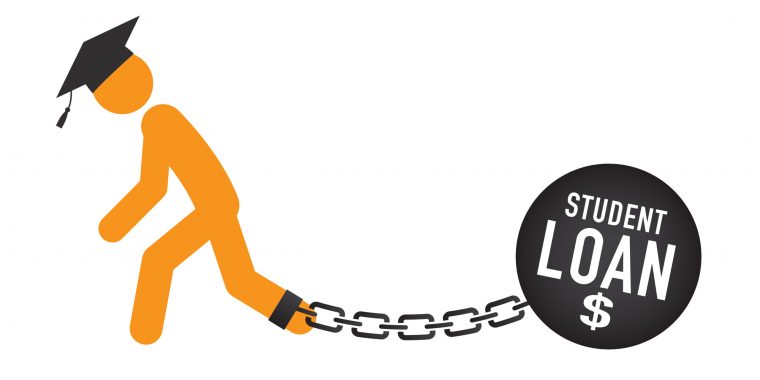
student
loans
are
forgiven.
For
people
like
the
ICE
attorneys
mentioned
above
who
feel
stuck
at
their
jobs,
they
have
options.
This
assumes
that
they
are
enrolled
in
the
Public
Service
Loan
Forgiveness
(PSLF)
program.
First,
unless
President
Trump
is
somehow
able
to
transfer
his
consciousness
into
his
successor’s
big,
beautiful
body,
his
final
term
will
end
in
2029.
Can
people
hold
out
for
another
three
and
a
half
years?
Also,
there
is
the
moral
dilemma.
Some
people
may
not
like
switching
from
investigating
and
prosecuting
drug
traffickers
to
going
after
the
guy
selling
trinkets
on
a
freeway
off-ramp.
Or
they
don’t
want
to
help
Miller
achieve
his
daily
arrest
quota.
Can
these
people
approach
a
sympathetic
supervisor
and
ask
to
be
reassigned
to
other
duties
that
do
not
go
against
their
personal
morals?
Lastly,
if
someone
must
quit,
it
may
not
affect
their
PSLF
status.
While
PSLF
requires
120
qualifying
monthly
payments
before
forgiveness,
the
federal
government
states
that
the
payments
do
not
need
to
be
consecutive.
For
example,
if
you
have
a
period
of
employment
with
a
nonqualifying
employer,
you
will
not
lose
the
payment
counts
for
prior
qualifying
payments
you
made.
And
for
those
in
law
school
or
contemplating
law
school,
this
should
serve
as
a
warning
if
you
are
planning
to
max
out
your
student
loans
and
PSLF
them
away.
If
you
leave
with
a
very
large
loan
balance,
you
will
have
little
flexibility
other
than
sticking
with
government
or
public
service
jobs.
So
borrow
only
the
amount
you
need
for
the
bare
necessities.
A
government
employee
with
large
student
loan
balance
may
not
like
a
new
administration’s
policies.
But
so
long
as
they
are
familiar
with
the
PSLF
rules,
and
have
a
plan,
they
may
not
have
to
put
up
with
them.
Steven
Chung
is
a
tax
attorney
in
Los
Angeles,
California.
He
helps
people
with
basic
tax
planning
and
resolve
tax
disputes.
He
is
also
sympathetic
to
people
with
large
student
loans.
He
can
be
reached
via
email
at
[email protected].
Or
you
can
connect
with
him
on
Twitter
(@stevenchung)
and
connect
with
him
on LinkedIn.
Dating
back
to
his
first
term,
Donald
Trump’s
judicial
nominations
included
nominees
who
were
deeply
unqualified,
deeply
unserious,
and
deeply
problematic.
But
none
of
them
—
not
the
ghost
hunters
or
the
blog
boys
—
managed
to
bring
over
900
former
Justice
Department
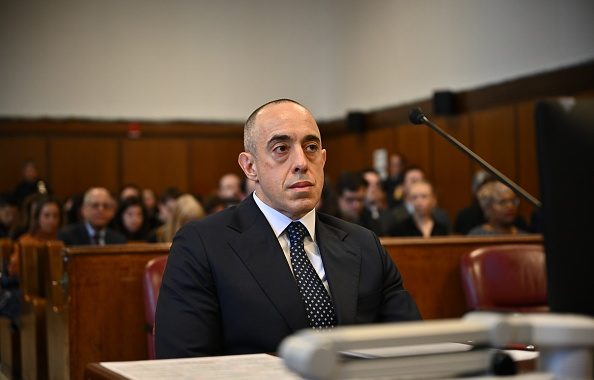
lawyers
together
in
protest.
So,
congratulations
to
Emil
Bove
for
setting
a
new
record
for
judicial
nihilism!
“It
is
intolerable
to
us
that
anyone
who
disgraces
the
Justice
Department
would
be
promoted
to
one
of
the
highest
courts
in
the
land,
as
it
should
be
intolerable
to
anyone
committed
to
maintaining
our
ordered
system
of
justice,”
reads
the
letter
signed
by
nearly
1000
DOJ
alumni.
We’d
already
seen
former
judges
speak
out
against
this
nomination,
but
the
sheer
number
of
people
involved
in
this
letter
is
absurd.
It’s
like
the
final
battle
of
Endgame
but
with
stronger
opinions
about
PACER.
Bove,
Trump’s
former
personal
attorney,
faces
his
first
Senate
confirmation
process
as
a
nominee
for
a
Third
Circuit
vacancy.
It’s
a
first
for
the
powerful
DOJ
official
because
he
seized
an
astonishing
amount
of
authority
in
a
role
that
never
required
Senate
confirmation.
Indeed,
he
reportedly
functionally
ran
the
Department
during
those
exciting
times
when
Trump
flirted
with
putting
Matt
Gaetz
—
of
all
people!
—
in
the
Attorney
General’s
chair.
According
to
a
whistleblower
report
from
a
career
DOJ
attorney,
it
was
Bove
telling
government
lawyers
they
should
tell
federal
judges
“fuck
you”
in
response
to
injunctions
barring
the
administration’s
haphazard
deportations.
Like
the
ones
we
know
sent
people
to
El
Salvadoran
slave
camp
by
mistake.
When
Mr.
Bove
directed
prosecutors
in
the
U.S.
Attorney’s
Office
for
the
Southern
District
of
New
York
(SDNY)
and
DOJ’s
Public
Integrity
Section
to
dismiss
the
case
against
New
York
Mayor
Eric
Adams,
his
actions
gave
the
appearance
of
impermissible
political
considerations
stemming
from
President
Trump’s
immigration
agenda.
Former
SDNY
prosecutor
Hagan
Scotten
encapsulated
the
problem
in
his
resignation
letter:
“No
system
of
ordered
liberty
can
allow
the
Government
to
use
the
carrot
of
dismissing
charges,
or
the
stick
of
threatening
to
bring
them
again,
to
induce
an
elected
official
to
support
its
policy
objectives.”
Expletives
and
questionable
ethics
are
features
not
bugs
for
Trump,
now
decades
into
his
pursuit
of
someone
to
replace
Roy
Cohn
in
his
fixer
firmament.
Bove’s
commitment
to
the
dime
store
Roy
Cohn
bit
(down
to
cultivating
the
look)
earned
him
this
nomination,
jumping
the
queue
over
the
army
of
Federalist
Society
hacks
lined
up
for
the
post.
Against
all
odds,
we
look
back
at
the
FedSoc
era
wistfully
because
while
the
judges
were
on
balance
unqualified
and
awful,
several
of
them
are
actually
good!
This
new
era
of
Trump
just
elevating
the
lawyers
who
ingratiate
themselves
to
him
personally
—
Bove,
Pam
Bondi,
Todd
Blanche,
Jeanine
Pirro,
Alina
Habba,
Ed
Martin
—
removes
even
the
fig
leaf
of
independence
from
the
process.
The
Apprentice
but
with
the
rule
of
law
at
stake.
And
when
the
goal
is
“making
the
boss
happy
no
matter
what”
you
end
up
with
“we
can
send
people
to
slave
camp
as
long
as
we
fly
over
the
Gulf
of
Mexico,
stet,
AMERICA”
and
you
eventually
end
up
with
a
court
system
untethered
from
even
the
dubious
intellectual
guardrails
of
“textualism”
or
“originalism.”
It’s
the
era
of
pure
patronage.
Unless
this
Judiciary
Committee
steps
up
and
puts
a
stop
to
it.
They
won’t.
Even
with
900
new
reasons
why
they
should.
The
romance
between
Texas
bankruptcy
judge David
R.
Jones and
Biglaw
partner
Elizabeth
Freeman has
birthed
some
intense
controversy
that
remains
ongoing.
See,
Jones,
the
(now
former)
federal
bankruptcy
judge,
somehow
didn’t
recuse
himself
from
cases
involving
Freeman,
the
(now
former)
partner
at
Jackson
Walker.
As
a
result,
Jones resigned and
the
Department
of
Justice
sued Freeman’s
former
firm
to
try
to
disgorge
up
to
$23
million
in
fees
it
collected
in
the
33
cases
overseen
by
Jones
while
he
was
involved
with
Freeman
and
alleging
the
firm
breached
its
ethical
duties
by
not
disclosing
the
relationship. Jackson
Walker
insists
it
acted
properly
upon
learning
of
the
relationship.
Now
it
looks
like
that
case
is
headed
to
trial.
Jackson
Walker
and
the
US
Trustee’s
office
were
in
mediation
in
an
attempt
to
resolve
the
matter.
Yesterday,
July
15th
at
5
p.m.,
was
the
deadline
Judge
Alia
Moses
imposed
on
the
mediation
attempt.
But
the
parties
were
unable
to
reach
an
agreement.
As
reported
by
Bloomberg
Law,
the
mediation
lasted
a
month,
and
was
the
first
attempt
at
a
resolution
between
the
parties.
Retired
Boston
bankruptcy
judge
Joan
N.
Feeney
oversaw
the mediation, which
began
on
June
16.
The
firm
and
the
US
Trustee
agreed
to
enter
talks
after
a
tense
hearing
in
May
in
which
Moses
said
she’d lost
patience with
last-minute
court
filings.
Perhaps
it’s
not
surprising
the
case
couldn’t
be
resolved
out
of
court.
Since
the
scandal
broke
in
2023,
it’s
been
nothing
but
messy
allegations
and
revelations.
It
would
be
too
simple
if
the
biggest
fallout
from
the
scandal
settled
quietly.
Kathryn
Rubino
is
a
Senior
Editor
at
Above
the
Law,
host
of
The
Jabot
podcast,
and
co-host
of
Thinking
Like
A
Lawyer.
AtL
tipsters
are
the
best,
so
please
connect
with
her.
Feel
free
to
email
her
with
any
tips,
questions,
or
comments
and
follow
her
on
Twitter
@Kathryn1 or
Mastodon
@[email protected].
Compensation
has
skyrocketed,
and
[firms
are]
just
trying
to
do
as
much
due
diligence
as
possible.
Laterals
can
be
a
big
investment
for
firms.
They
want
to
make
sure
they
get
it
right.
—
Brian
Davis,
a
partner
at
recruiting
firm
Major
Lindsey
&
Africa
who
serves
as
global
liaison
for
New
York
and
London
partners,
in
comments
given
to
the
American
Lawyer,
on
the
intense
vetting
process
that
lateral
Biglaw
partners
must
now
endure
thanks
to
compensation
climbing
higher
and
higher.
Staci
Zaretsky is
a
senior
editor
at
Above
the
Law,
where
she’s
worked
since
2011.
She’d
love
to
hear
from
you,
so
please
feel
free
to
email
her
with
any
tips,
questions,
comments,
or
critiques.
You
can
follow
her
on Bluesky, X/Twitter,
and Threads, or
connect
with
her
on LinkedIn.
Biglaw
summer
associate
let
go
after
biting
upwards
of
15
people
at
the
firm.
Now
that
sounds
crazy,
but
that’s
because
it
is.
We
also
discuss
a
lawyer’s
biting
response
to
a
demand
letter.
A
lot
of
the
professional
decorum
advocates
objected
to
the
tone,
but
at
a
certain
point
how
does
the
profession
pushback
against
aggressive
and
unfounded
demands
without
public
shaming?
There’s
not
another
readily
accessible
disincentive.
Finally,
we
address
the
gnashing
of
teeth
in
conservative
media
ecosphere
over
Superman
being
an
immigrant
and
the
knots
they’re
willing
to
tie
themselves
into
in
order
to
avoid
the
obvious.
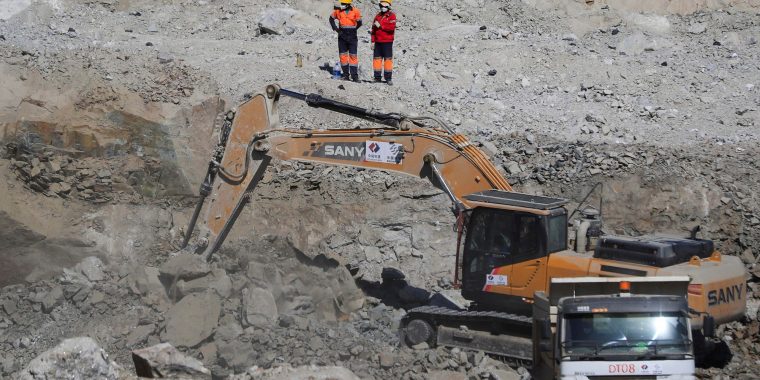
Lithium-ion
batteries
aren’t
made
in
Zimbabwe.
Instead,
the
country
exports
the
mineral
as
a
raw
resource.
Much
of
the
value
of
Zimbabwe’s
lithium
–
480,000
metric
tonnes
mined
since
2015
–
is
reaped
by
companies
in
China
which
make
the
raw
lithium
into
batteries
and
other
goods.
During
the
lithium
rush,
artisanal
miners
were
involved
in
the
lithium
industry.
They
mined
and
sold
raw
ore.
But
their
participation
has
recently
slowed
down
because
artisanal
lithium
mining
is
largely
illegal.
For
this
reason,
official
data
reports
haven’t
been
able
to
record
how
much
lithium
has
been
mined
this
way.
However,
it
was
still
permitted
to
export
lithium
concentrate
(a
powdered
version
of
the
raw
mineral).
But
the
government
recently
decided
to
ban
the
export
of
lithium
concentrate
from
January
2027.
It
says
the
ban
will
improve
the
country’s
efforts
towards
building
facilities
that
add
value
to
lithium,
such
as
lithium
refineries
and
battery
production
plants.
If
properly
implemented
and
regulated,
the
new
ban
on
exporting
lithium
concentrate
could
increase
Zimbabwe’s
self-sufficiency
in
lithium
processing.
It
could
even
help
the
country
achieve
the
middle-income
economy
it
has
set
out
in
its
Vision
2030,
in
which
it
aims
to
have
a
mining
industry
that
generates
US$12
billion
a
year
in
revenue.
Zimbabwe
has
the
world’s
second
largest
reserves
of
platinum
and
huge
supplies
of
chrome.
Making
goods
locally
from
lithium
would
expand
the
mineral
export
revenue
in
addition
to
platinum
and
chrome.
However,
becoming
a
middle-income
nation
is
currently
hampered
by
mining
revenue
leaking
away
–
through
losses
from
smuggling,
tax
evasion
and
others.
Also,
environmental
justice
groups
estimate
that
about
3,000
tonnes
of
raw
lithium
leaves
the
country
daily.
Between
now
and
the
time
the
2027
ban
on
exporting
lithium
concentrate
comes
into
effect,
about
1.6
million
additional
tonnes
of
raw
lithium
could
have
been
extracted
and
sent
overseas.
This
means
the
government
should
not
wait
for
2027,
but
should
implement
the
ban
on
lithium
concentrate
exports
now.
The
ban
also
doesn’t
seem
to
be
aimed
at
uplifting
the
livelihoods
of
communities
who
live
near
lithium
mines.
I
describe
these
communities
as
living
in
sacrifice
zones:
they
bear
the
brunt
of
lithium
mining
pollution
and
land
grabs
for
mines.
These
vulnerable
groups
include
women,
children
and
artisanal
lithium
miners
who
have
been
disempowered
by
the
just
transition.
To
use
its
lithium
reserves
to
uplift
the
country,
the
government
of
Zimbabwe
needs
to
establish
local
plans
that
place
community
development
and
improved
livelihood
of
mining
communities
at
the
centre
of
mining.
This
could
be
done
through
pro-poor
development
policies
that
will
create
employment
opportunities
for
local
people
in
lithium
mining
frontiers.
It
could
also
include
compelling
mines
to
purchase
locally
made
goods
and
fresh
produce.
Bringing
artisanal
miners
into
local
value
chains
in
gold,
diamond
and
chrome
mining
would
also
help
these
informal
miners
become
part
of
the
formal
mining
economy.
The
politics
of
lithium
mining
in
Zimbabwe
Zimbabwe
is
one
of
the
10
biggest
global
lithium
exporters
(Chile,
Argentina
and
Australia
are
others).
In
the
first
nine
months
of
2023
alone,
it
is
estimated
that
about
US$209
million
worth
of
Zimbabwean
lithium
was
sold.
The
politics
of
lithium
mining
are
also
shaped
by
networks
of
political
elites.
They
are
known
as
the
lithium
barons:
people
who
engage
in
corrupt
deals
and
smuggling.
Another
problem
has
been
the
misplaced
focus
on
artisanal
miners.
For
example,
the
2022
lithium
ban
mainly
targeted
artisanal
lithium
miners
who
were
on
the
margins
of
the
industry.
It
did
not
affect
large-scale
mining
companies
to
the
same
extent.
When
the
lithium
ban
was
introduced,
the
market
for
processed
lithium
expanded
and
the
demand
for
unprocessed
lithium
drastically
shrank.
This
left
artisanal
miners
with
raw
lithium
and
a
shrinking
market
price.
What
needs
to
happen
next
Between
now
and
2027,
lithium
mining
companies
in
Zimbabwe
will
try
to
extract
as
much
lithium
as
possible
before
the
ban
comes
into
effect.
This
could
deplete
the
lithium
reserves
in
the
country.
Mining
investors
might
look
elsewhere.
The
Zimbabwean
government
should
take
these
steps
to
solve
the
problem:
1)
The
Zimbabwe
government
must
ensure
total
monopoly
of
its
lithium
reserves.
The
over-reliance
on
Chinese
investments
in
the
lithium
industry
has
set
a
bad
precedent
for
what
might
happen
with
other
minerals
in
future.
It
will
take
time
for
the
government
to
undo
this
and
set
up
its
own
monopoly.
This
resource
sovereignty
will
be
vital.
2)
The
government
must
consider
how
to
govern
minerals
in
a
people-centred
way.
So
far,
lithium
has
not
benefited
ordinary
Zimbabweans.
3)
The
resource
communities
where
extraction
deals
are
taking
place
must
be
consulted
and
brought
into
the
conversation
about
how
Zimbabwe
can
benefit
from
its
lithium
reserves.
Communities
in
Zimbabwe
like
Buhera,
Bikita,
Mberengwa
and
Goromonzi
have
endured
years
of
lithium
mining
pollution.
4)
The
ban
on
the
exports
of
lithium
concentrates
is
crucial
for
stimulating
local
beneficiation
and
value
addition.
The
government
should
implement
this
ban
immediately
rather
than
waiting
for
the
2027
timeline.










 Kathryn