Afroman And Elon Had Very Different Trial Experiences – Above the Law

(Photo
by
Johnny
Louis/Getty
Images)

Rapper
turned
First
Amendment
hero
Afroman
took
his
frustration
over
a
heavy-handed
police
raid
on
his
Ohio
home
and
turned
it
into
music.
When
the
officers

sued
him
for
millions

for
hurting
their
feelings,
a
jury
told
them
to

take
their
$3.9
million
demand
and
pound
it

like
lemon
pound
cake.
Unfortunately,
what
happened
to
Afroman
happens
all
the
time
in
America
and
there’s
not
a
lot
being
done
to
stop
it.
Meanwhile,
the
Department
of
Justice
had
a
rough
week,
catching
headlines
for

lowering
hiring
standards

and

running
interference
to
protect
Jeffrey
Epstein’s
accomplices
.
That’s
before
a
judge
literally

tossed
a
DOJ
lawyer
from
the
courtroom

over
the
U.S.
Attorney’s
Office
operating
without
any
legal
oversight.
And
Elon
Musk
went
into
court
to
argue
that
he
wasn’t
fraudulent,
he’s
just
stupid.
Jurors
decided

it’s
possible
to
be
both
.

The Nation’s Stupidest Rally Around Trump’s War, Now It’s Up To The Rest Of Us To Shame These Ding-Dongs – Above the Law

(Photo
by
DON
EMMERT/AFP
via
Getty
Images)

On
March
19,
President
Donald

Trump
met
with
Japanese
Prime
Minister

Sanae
Takaichi
in
a
doomed
attempt
to
rope
Japan
into
his
unpopular
war
with
Iran.
“Why
didn’t
you
tell
me
about
Pearl
Harbor?”
Trump
said
to
Takaichi
in
response
to
a
question
from
a
reporter
about
why
he
did
not
tell
American
allies
about
his
unprovoked
attack
on
Iran.

The
attack
on
the
U.S.
naval
base
at
Pearl
Harbor
famously
occurred
on
December
7,
1941.
This
was
five
years
before
Trump
was
born
and
20
years
before
Takaichi
was
born.

For
over
a
decade,
Trump
has
gotten
away
with
one
insult,
one
outrage,
one
crime
after
another.
“I
could
stand
in
the
middle
of
Fifth
Avenue
and
shoot
somebody,
and
I
wouldn’t
lose
any
voters,
OK?”

said
Trump
in
2016
remarks

at
a
supposedly
Christian
college.
“It’s,
like,
incredible.”

It
is,
like,
incredible.
Trump’s
core
base
is
so
morally
depraved
and
intellectually
enfeebled
that
nothing
he
does
or
could
possibly
do
will
make
them
change
their
minds
about
him.
These
people
are
very
stupid,
very
poorly
informed,
and
very
stubborn,
in
that
order.

Even
though
they
were
just
as
surprised
as
anyone
when
it
happened,
it’s
no
surprise
at
all
that
Trump’s
cheerleaders
have
swept
in
to
defend
him
for
illegally
embroiling
the
United
States
in
another
unnecessary

war
at
the
behest
of

Benjamin
Netanyahu.
Iran’s
ruling
regime
was
no
picnic,
but
so
far
the
war
hasn’t
done
anything
to
change
it
beyond
switching
out
the
figurehead
at
its
top.
At
any
rate,
if
America’s
now
in
the
business
of
removing
any
leader
who’s
badly
running
a
country,
I
would
suggest
we
start
at
home.

So,
what
can
we
actually
do
about
the
Trump
sycophants
in
our
midst?
These
dummies
will
still
be
around
long
after
our
79-year-old
commander-in-chief
has
passed
on
to
(hopefully)
his
eternal
punishment.
I
doubt
they
will
coalesce
into
a
functional
political
movement
around
the
painfully
uncharismatic
JD
Vance
or
the
insecure
shrimp
Marco
Rubio.

In
the
meantime,
though,
we
(by
which
I
mean
every
sane,
decent
American
of
any
party
or
no
party
who
wants
democracy
to
survive
beyond
the
end
of
this
year)
have
to
win
the
midterms.
At
a
minimum,
Democrats
in
Congress
must
get
subpoena
power
for
there
to
be
any
hope
of
slowing
this
rolling
nightmare
of
a
presidential
administration.
In
a
best-case
scenario,
Democrats
could
win
back
enough
seats
to
actually
impeach
and
convict
federal
officials.

Your
most
important
role
in
this
is
to
cast
your
ballot
in
the
right
way.
That’s
not
all,
however.
Sure,
try
to
make
some
donations
if
you
can.
Volunteer
for
a
local
campaign
or
party
if
you
can.
Yet,
it
doesn’t
take
any
excess
cash
or
extra
time
commitment
to
do
what
I
think
is
probably
the
most
important
thing
you
can
on
a
day-to-day
basis:
push
these
kooks
and
morons
back
into
the
margins
of
society
where
they
belong.

Now,
don’t
do
any
violence,
obviously.
Also,
if
you
know
someone
who
is
not
otherwise
an
irredeemably
awful
human
being
who
has
supported
Trump
in
the
past,
use
your
own
judgment
on
perhaps
enticing
them
with
some
softer
rhetoric.
But
if
you’re
at
the
mall
or
whatever
and
see
some
rando
wearing
a
big,
dumb
Trump
sweatshirt,
or
a
stupid
f*cking
red
hat,
tell
them
to
go
ahead
and
eat
a
bag
of
dicks.

It’s
not
these
people’s
fault

that
their
parents

were
siblings,
but
I’m
sick
of
them
ruining
the
country
because
of
it.
Before
Trump
came
around,
people
didn’t
say
racist,
awful,
ignorant
shit
all
the
time
because
they
knew
others
would
react
negatively
to
it.
We
can
go
back
to
that.
Reason
is
never
going
to
win
over
people
who
somehow
still
remain
hardcore
Trump
supporters
three
months
into
the
hell
that
is
2026,
but
belittling
them
and
making
them
feel
as
stupid
as
they
are
every
time
they
display
their
support
for
Trump
will
help
prevent
them
from
infecting
others
with
their
idiocy.

Three
months
into
this
year
we’ve
already
dealt
with
Trump’s
unaccountable
goons
murdering
Americans
in
the
streets,
transitioned
from
invading
Greenland
to
invading
Venezuela,
and
now
we’re
all
apparently
supposed
to
have
forgotten
about
everything
else
as
we
continue
to
bomb
Iran
in
order
to
ruin
the
economy
and
spike
gas
prices.
None
of
this
was
exhaustively
planned
out.
It
is
the
random
neural
excrement
of

an
old
man
in
decline

who
was
never
an
intellectually
impressive
specimen
to
begin
with.

Don’t
let
Trump
supporters
turn
this
country
back
into
a
monarchy
on
its
250th
anniversary.
They
don’t
know
shit.
Get
out
there
and
remind
them
of
that.


Jonathan
Wolf
is
a
civil
litigator
and
author
of 
Your
Debt-Free
JD
 (affiliate
link).
He
has
taught
legal
writing,
written
for
a
wide
variety
of
publications,
and
made
it
both
his
business
and
his
pleasure
to
be
financially
and
scientifically
literate.
Any
views
he
expresses
are
probably
pure
gold,
but
are
nonetheless
solely
his
own
and
should
not
be
attributed
to
any
organization
with
which
he
is
affiliated.
He
wouldn’t
want
to
share
the
credit
anyway.
He
can
be
reached
at 
[email protected].

AI Vendor Contracts: The Terms And Conditions Trap – Above the Law

Smiling
man
with
a
cheesy
grin
gesturing
for
you
to
sign
a
contract,
isolated
on
white.
Man
is
mid
40s
caucasian,
has
a
mustache
and
short
grey
hair
and
is
wearing
a
blue
long
sleeve
shirt
and
dark
blue
tie.
He
is
portraying
a
role
as
a
used
car
salesman
or
some
other
type
of
high
pressure
sales.

Every
week,
in-house
lawyers
receive
requests
to
review
contracts
for
AI
tools.
The
pitch
is
always
the
same.
It
will
save
time.
It
will
make
us
more
efficient.
If
you
review
the
terms
and
conditions
in
those
contracts
carefully,
however,
you
realize
that
they
can
come
at
a
high
cost.

I
have
written
before
about
how
contract
review
needs
to
extend
beyond
a
simple
checklist.
That
principle
has
never
been
more
relevant
than
it
is
right
now,
as
AI
vendors
market
directly
to
teams
across
our
organizations.
The
contracts
for
these
tools
arrive
with
standard
terms
and
conditions
that
most
people
click
through
without
reading.
In-house
lawyers
cannot
afford
to
do
the
same.

I
recently
reviewed
a
contract
for
an
AI-powered
content
platform.
The
tool
would
generate
written
content
using
its
client’s
data.
The
subscription
cost
was
modest.
The
sales
materials
looked
polished.
The
standard
agreement
looked,
at
first
glance,
like
a
straightforward
contract.
It
was
not.

When
I
dug
into
the
terms,
I
found
four
significant
problems
that
had
nothing
to
do
with
cybersecurity
or
data
breaches.
They
had
everything
to
do
with
data
control.


The
vendor
claims
co-ownership
of
your
content. 
The
agreement
gave
the
vendor
joint
ownership
of
every
piece
of
content
the
AI
tool
generated
using
the
organization’s
data.
The
vendor
could
use
that
content
for
any
purpose,
including
marketing
to
competitors,
without
consent.
The
organization
would
have
been
handing
over
co-ownership
of
its
own
storytelling
to
a
third
party.


The
vendor
walks
away
with
your
data. 
The
agreement
granted
the
vendor
a
perpetual,
irrevocable
license
to
the
organization’s
data
once
it
was
incorporated
into
something
the
vendor
called
“Aggregated
Statistics.”
The
definition
of
that
term
was
broad.
There
was
no
defined
standard
for
how
the
data
would
be
anonymized.
There
was
no
mechanism
to
claw
that
data
back
after
the
contract
ended.
Once
the
data
went
in,
it
would
be
gone.


The
vendor
can
walk
away,
but
you
cannot.
 The
agreement
gave
the
vendor
the
right
to
suspend
the
platform
for
a
wide
range
of
reasons,
including
its
own
operational
issues,
with
no
liability
for
data
loss
or
service
disruption.
The
organization
had
no
corresponding
termination
rights.
If
the
vendor
decided
to
suspend
service
indefinitely,
the
organization
would
have
had
no
recourse,
no
refund,
nothing.


You
are
paying
for
something
you
may
not
own. 
Part
of
the
subscription
included
a
branded
microsite
where
content
would
be
published,
but
the
agreement
did
not
specify
who
owned
the
domain.
It
did
not
address
what
would
happen
to
published
content
if
the
relationship
ended.
It
did
not
restrict
the
vendor
from
adding
its
own
branding
to
the
page.
The
organization
could
have
ended
up
paying
for
a
site
that
the
vendor
controlled,
with
no
ability
to
take
it
along
at
the
end
of
the
relationship.

None
of
these
issues
appeared
on
a
standard
contract
review
checklist.
A
checklist
would
have
flagged
the
limitation
of
liability,
the
indemnification
provision,
and
the
governing
law
clause.
Those
things
mattered,
too,
but
the
real
risk
in
this
agreement
was
something
different.
Once
the
organization’s
data
entered
the
vendor’s
ecosystem,
the
organization
would
have
had
very
little
control
over
how
it
was
used,
how
long
it
was
retained,
or
whether
it
could
ever
be
recovered.

This
is
the
pattern
I
see
over
and
over
with
AI
vendor
agreements.
The
technology
is
new,
but
the
contracting
playbook
is
old.
Vendors
draft
terms
that
give
them
maximum
flexibility
and
minimum
accountability.
They
use
familiar
language
to
wrap
around
terms
that
would
raise
red
flags
if
anyone
took
the
time
to
read
them
carefully.

Here
is
what
in-house
lawyers
can
take
away
from
this:


Read
the
IP
ownership
provisions
word
by
word
.
If
the
vendor’s
AI
tool
generates
content
using
your
data,
the
default
should
be
that
you
own
the
output.
Joint
ownership
sounds
reasonable
until
you
realize
it
means
the
vendor
can
do
whatever
it
wants
with
content
built
from
your
organization’s
data.


Trace
your
data
through
the
entire
agreement.
 Find
every
term
that
references
your
data,
including
definitions
of
aggregated
data,
anonymized
data,
and
derived
data.
Understand
what
happens
to
your
data
during
the
contract,
after
the
contract,
in
the
event
of
a
suspension,
and
upon
termination.
If
the
agreement
does
not
give
you
a
clear
path
to
get
your
data
back,
that
is
a
problem.


Look
for
asymmetry
in
termination
and
suspension
rights.
 If
the
vendor
can
suspend
service
without
liability,
but
you
cannot
terminate
without
penalty,
the
contract
is
one-sided.
Push
for
mutual
termination
rights,
defined
cure
periods,
and
data
return
obligations
upon
termination
or
suspension.


Ask
what
you
actually
own
when
you
pay
for
a
deliverable. 
If
the
agreement
includes
a
website,
a
microsite,
a
dashboard,
or
any
other
deliverable,
make
sure
the
contract
specifies
who
owns
it,
who
controls
it,
and
what
happens
to
it
when
the
relationship
ends.

AI
tools
are
going
to
keep
flooding
in.
The
technology
will
keep
getting
better.
The
sales
pitches
will
keep
getting
more
persuasive.
Our
job
as
in-house
lawyers
is
to
look
past
the
demo
and
into
the
contract.
The
terms
and
conditions
are
where
the
real
deal
lives.
Right
now,
too
many
of
those
terms
are
written
to
benefit
the
vendor
at
the
expense
of
the
customer.

We
need
to
dig
in.
We
need
to
push
back.
We
need
to
do
it
before
we
click
“I
agree.”


Lisa
Lang
is
an
accomplished
in-house
lawyer
and
thought
leader
dedicated
to
empowering
fellow
legal
professionals. She
offers
insights
and
resources
tailored
for
in-house
counsel
through
her
website
and
blog,
Why
This,
Not
That™
(
www.lawyerlisalang.com).
Lisa
actively
engages
with
the
legal
community
via
LinkedIn,
sharing
her
expertise
and
fostering
meaningful
connections.
You
can
reach
her
at 
[email protected],
connect
on
LinkedIn
(
https://www.linkedin.com/in/lawyerlisalang/).

15 Zimbabweans die fighting for Russia in Ukraine war: minister

HARARE

Fifteen
Zimbabweans
have
died
while
fighting
on
the
Russian
side
in
the
Russia-Ukraine
war,
a
minister
said
on
Wednesday,
marking
the
first
official
acknowledgment
of
the
scale
of
local
involvement.

Information
minister
Zhemu
Soda
told
a
news
conference
in
Harare
that
66
other
Zimbabweans
recruited
into
the
conflict
are
still
alive,
with
authorities
working
to
bring
them
back
home.
He
added
that
government
is
also
engaged
in
efforts
to
repatriate
the
remains
of
those
killed.

“The
president
has
directed
this
government
to
act
with
urgency
and
resolve
this
issue.
We
are
seized
with
this
on
several
critical
fronts.
First,
regarding
the
deceased,
the
government
is
actively
engaged
in
the
complex
diplomatic
and
logistical
efforts
required
to
repatriate
remains
of
the
deceased,”
Soda
said.

“On
law
enforcement,
the
security
cluster
has
been
instructed
to
intensify
efforts
to
identify,
track,
and
dismantle
the
criminal
networks
behind
this
trafficking
syndicate.
Those
who
are
trading
in
the
lives
of
our
citizens
for
profit
will
face
the
full
wrath
of
the
law,”
he
added.

Recent
reports
have
exposed
the
growing
recruitment
of
Africans
into
Russian
forces,
often
through
third-party
agents
promising
lucrative
civilian
jobs.

The
revelations
have
sparked
concern
in
countries
such
as
Kenya,
Ghana
and
South
Africa.According

to
Ukraine,
more
than
1,700
Africans
are
fighting
for
Russia,
although
analysts
believe
the
true
figure
could
be
higher.
Kenyan
intelligence
estimates
suggest
over
1,000
of
its
nationals
have
been
recruited.

In
February,
Ghana
said
more
than
50
of
its
citizens
had
been
killed
after
being
lured
into
the
conflict,
with
foreign
minister
Samuel
Okudzeto
Ablakwa
warning
the
actual
toll
could
be
greater.

African
governments
have
largely
taken
a
cautious
diplomatic
stance
on
the
war,
wary
of
straining
ties
with
Russia.
South
Africa,
for
instance,
has
stopped
short
of
directly
blaming
Moscow,
instead
pointing
to
unscrupulous
recruitment
agents.

Analyst
Pier
Pigou
said
the
issue
is
unlikely
to
significantly
damage
relations
between
Russia
and
African
nations
unless
it
triggers
widespread
political
backlash.

“For
the
vast
majority
of
people
it’s
a
case
of
‘these
dudes
are
just
trying
to
earn
a
living…
and
because
their
countries
don’t
provide
that
for
them,
they’re
going
to
take
opportunities
that
arise,’”
he
said.

Meanwhile,
Soda
said
Zimbabwe
is
negotiating
bilateral
labour
agreements
with
countries
including
Qatar,
Saudi
Arabia,
Poland
and
Belarus
to
ensure
safer
and
regulated
employment
opportunities
abroad.

“We
are
strengthening
bilateral
labour
agreements
with
other
countries
to
ensure
that
Zimbabwean
workers
are
employed
under
safe,
fair,
and
legally
binding
conditions.
Examples
include
bilateral
agreements
on
the
exchange
of
teachers
between
Zimbabwe
and
Rwanda,”
he
said.

Zimbabwe considers raising ethanol blend from E5 to E20 to ease fuel costs

HARARE

Zimbabwe’s
cabinet
on
Tuesday
approved
a
review
of
selected
fuel
taxes
as
authorities
scramble
to
contain
rising
costs
triggered
by
global
oil
market
disruptions
linked
to
the
Iran
war.

Ministers
said
they
were
responding
to
mounting
pressure
on
fuel
and
transport
costs
while
trying
to
keep
broader
inflation
in
check,
following
recent
price
increases
to
US$2.17
per
litre
for
petrol,
up
from
$1.52
in
February,
and
US$2.05
for
diesel,
up
from
$1.56.

Finance
minister
Mthuli
Ncube
told
a
post-cabinet
media
briefing
that
part
of
the
strategy
to
lower
fuel
prices
includes
revising
ethanol
blending
ratios.

“We
also
considered
the
option
of
increasing
the
ethanol
blending
of
petrol
from
the
current
E5
to
E20
level
with
a
view
to
reducing
the
pump
price
of
petrol
in
the
local
market,”
Ncube
said.

“Appropriate
refinements
of
the
options
are
underway,
and
the
necessary
fuel
price
adjustments
will
be
communicated
in
due
course.”

Information
minister
Zhemu
Soda
said
cabinet
had
approved
“the
review
of
selected
and
time-bound
fuel
taxes
in
order
to
contain
inflationary
pressures
and
safeguard
consumer
welfare.”

Of
the
$2.17
motorists
currently
pay
for
a
litre
of
petrol,
nearly
86
cents
goes
to
various
government
taxes.

While
the
government
says
Zimbabwe
has
about
three
months’
worth
of
fuel
reserves
bought
at
earlier
prices,
the
Zimbabwe
Energy
Regulatory
Authority
(ZERA)
sets
pump
prices
based
on
current
import
costs
to
ensure
suppliers
remain
viable.

Authorities
insist
most
basic
commodity
prices
have
remained
stable,
but
pressure
is
beginning
to
show
in
key
sectors.

“Most
businesses
have
not
increased
the
prices
of
basic
goods
such
as
mealie-meal,
laundry
soap,
cooking
oil,
sugar,
flour,
rice,
bath
soap,
washing
powder,
powdered
or
fresh
milk,
eggs,
beef,
chicken
and
salt,”
industry
minister
Mangaliso
Ndlovu
said.

However,
cabinet
acknowledged
emerging
increases.

“A
few
bread
makers
increased
prices
by
an
average
of
10
percent,”
Ndlovu
noted.

“Price
hikes
have
also
been
witnessed
in
the
transport
sector,
in
particular
by
passenger
vehicle
operators.”

Mnangagwa praises Chivayo ‘golden heart’ as he accepts ambulance donation

HARARE

President
Emmerson
Mnangagwa
declared
on
Wednesday
that
businessman
Wicknell
Chivayo
had
a
“golden
heart”
after
he
donated
10
ambulances
and
200,000
litres
of
fuel
worth
over
$400,000
to
the
government.

The
donation,
accepted
by
Mnangagwa
at
State
House,
adds
to
another
10
ambulances
Chivayo
donated
last
year.
Accepting
the
gift,
Mnangagwa
lavished
praise
on
the
45-year-old,
who
is
linked
to
lucrative
state
contracts.

“This
donation
has
been
made
possible
through
the
generosity
of
an
astute
and
maverick
young
businessman
Wicknell
Chivayo,
who
has
a
golden
heart
and
continues
to
tirelessly
support
various
key
government
programmes
under
Vision
2030,
which
is
anchored
on
modern
healthcare
systems
that
leave
no
one
and
no
place
behind,”
Mnangagwa
said.

The
donation,
he
added,
“exemplifies
the
critical
role
of
the
private
sector
in
complementing
government’s
efforts
to
deliver
quality
services
in
the
health
sector.”
He
challenged
private
companies
to
“emulate
this
gesture
and
exemplary
conduct.”

The
ambulances,
which
Mnangagwa
described
as
“state-of-the-art,”
are
equipped
with
respirators,
oxygen
delivery
systems,
defibrillators
and
advanced
patient
monitoring
units.

One
will
be
deployed
to
each
of
the
country’s
ten
provinces,
and
Mnangagwa
said
the
fleet
would
“strengthen
emergency
response
capacity
and
improve
access
to
critical
healthcare
services.”

President
Emmerson
Mnangagwa
tries
out
one
of
the
ambulances
donated
by
businessman
Wicknell
Chivayo
at
State
House
on
March
25,
2026

Chivayo,
an
incorrigible
show-off
who
owns
a
private
jet
and
drives
Rolls
Royces,
shot
to
national
fame
through
eye-popping
donations
of
high-end
vehicles
and
millions
of
dollars
in
cash
to
a
confounding
mix
of
celebrities,
politicians,
church
leaders,
influencers,
football
clubs
and
musicians.

Occasionally,
he
makes
donations
that
benefit
ordinary
Zimbabweans

the
ambulances
among
them.

His
state
contracts
are
shrouded
in
mystery,
and
he
is
notoriously
reticent
about
how
he
makes
his
money,
only
ever
forthcoming
about
how
he
spends
it.​​​​​​​​​​​​​​​​

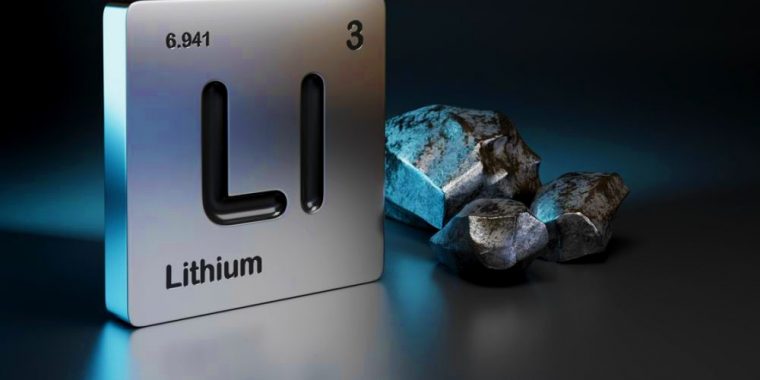
Zimbabwe’s Lithium Export Ban: China’s Battery Supply Chain in an Era of Resource Nationalism


Zimbabwe’s
lithium
export
ban
in
late
February
changed
how
resource-rich
countries
are
approaching
the
global
supply
chains.
By
tightening
its
control
over
its
resources,
Zimbabwe
has
put
pressure
on
China
the
most,
which
takes
in
over 90% of
its
mineral
exports.

The
timing
is
telling.
This
ban
came
shortly
after
China
announced
zero-tariff policy
for
53
African
nations,
including
Zimbabwe,
effective
May
1.
At
first
glance,
these
two
policies
may
appear
unrelated:
one
restricts
exports,
the
other
eases
imports.
However,
when
we
consider
carefully,
they
begin
to
look
more
like
an
alignment.
Zimbabwe
is
moving
to
capture
more
value,
while
China
is
ensuring
its
long-term
resource
access.
Both
countries
are
adjusting
their
positions
within
the
same
global
supply
chain,
but
just
from
opposite
ends.


Why
Lithium
Matters

Lithium
has
become
vital
to
the
global
energy
transition.
As
the
world
shifts
from
fossil-fueled
engines
to
electric
vehicles
(EVs)
and
renewable
power
grids,
lithium
has
become
indispensable.
EVs
alone
absorb
roughly 61% of
total
demand,
which
is
projected
to
grow 40-fold over
the
next
two
decades.

At
the
same
time,
recycling
rates
for
lithium-ion
batteries
remain
limited,
at
just 5%.
A
low
recycling
rate
means
the
supply
chain
is
still
dependent
on
mining
materials.
This
encourages
resource-rich
countries
like
Zimbabwe
to
rethink
whether
exporting
raw
ores
is
the
most
effective
way
for
economic
growth.


Why
Zimbabwe
Accelerated
the
Ban

Zimbabwe’s
export
ban
was
an
economic
response.
The
price
for
spodumene
concentrate,
a
lithium
concentrate, fell due
to
oversupply
until
the
second
half
of
2025.
This
makes
clear
that
relying
solely
on
exporting
raw
materials
was
a
losing
strategy
for
national
revenue
due
to weak
pricing
.

Meanwhile,
the
demand
for
battery
materials
from
manufacturing
countries
remains
strong.
In
2025,
China’s
battery
installation
reached 750
GWh
,
which
shows
its
continued
expansion
in
electric
vehicle
production
and
energy
storage.
 At
the
same
time,
with
Beijing’s
plan
to
cut export
rebate
s
for
batteries
in
2027,
it
further
increased
the
need
for
a
stable
upstream
supply.

Zimbabwe’s
export
ban
did
not
come
out
of
nowhere.
Since
2022,
Zimbabwe
has
been
tightening
its
grip
on
raw
lithium
ore
exports
and
later
expanded
to
all
unprocessed
base
mineral
ores.
This
move
is
a
core
pillar
of
the
country’s
Vision
2030
framework,
which
intends
to
increase
domestic
processing
and
value
addition
of
raw
materials.

The
policy
presents
not
just
a
short-term
price
response
but
also
helps
reposition
Zimbabwe
in
the
global
supply
chain
from
a
mineral
exporter
to
an
upstream
participant.


China’s
Exposure
and
Industry
Adaptation

Though
China
accounts
for 70% of
the
global
lithium
midstream
refining,
it
remains
reliant
on
imported
raw
materials.
Such
dependency
creates
vulnerability
when
supplier
countries
impose
trade
restrictions,
leaving
companies
wary
of
sudden
policy
changes.
The
Chinese
government
has warned its
entities
to
reevaluate
Zimbabwe’s
changing
regulatory
system,
which
signals
political
and
regulatory
risks
are
a
top
priority
in
business
decision-making.

The
impact
is
uneven
across
Chinese
firms.
Those
who
have
established
infrastructure
for
deep
processing,
such
as Sinomine
Resource
Group
,
have
minimal
impact.

Yet
others
are
forced
to
respond
and
adjust
accordingly. Sichuan
Yahua
Industrial
Group
 had
to
ship
lithium
concentrate
out
of
Zimbabwe
while
accelerating
a
local lithium
sulfate
facility
.
Its
approach
is
two-way:
de-risking
short-term
disruptions
while
investing
in
long-term
downstream
refinement.

In
short,
Chinese
companies
are
no
longer
looking
to
extract
but
are
building
local
processing
infrastructure
to
consolidate
their
presence
in
these
resource-rich
countries.


A
Wider
Regional
Move

Zimbabwe
is
not
acting
alone
in
this
approach. Namibia and Malawi have
introduced
restrictions
on
unprocessed
mineral
exports,
while the
Democratic
Republic
of
Congo 
retains
its
quota
system
on
cobalt.
These
policies
point
to
a
clear
and
consistent
regional
direction:
resource-rich
countries
are
making
use
of
regulatory
tools
to
move
up
the
value
chain.

This
development
is
likely
to
redefine
economic
relationships
between
China
and
African
countries.
An
extraction-led
relationship
is
giving
way
to
a
more
transactional,
investment-linked
partnership.
The
supply
security
of
those
companies
will
depend
on
whether
they
are
willing
to
be
involved
in
downstream
investment
and
technology
transfer.

China’s
recent
zero-tariff
treatment
further
supported
the
shift.
Should
Zimbabwe
advance
downstream
processing,
local
producers
will
benefit
from
better
access
to
the
Chinese
market,
specifically
for
exports
with
greater
value
added.


What
Businesses
Should
Monitor
and
Do

For
global
battery
and
electric
vehicle
manufacturers,
Zimbabwe’s
policy
carries
both
immediate
and
long-term
implications.

In
the
short
term,
temporary
export
suspensions
are
likely
to
drive
up
prices
and
tighten
lithium
carbonate
supply.
This
will
impact
companies
lacking
processing
facilities
in
the
countries
where
the
lithium
is
mined.
The
extent
of
disruption
will
hinge
on
how
quickly
and
consistently
the
regulations
are
enforced.

In
the
medium
term,
new
investment
in
processing
plants
should
ease
supply
shortages.
Still,
the
transition
may
not
be
smooth.
To
avoid
production
disruptions
and
shutdowns,
companies
need
to
engage
closely
with
existing
suppliers
to
secure
buffer
stock.

Over
the
long
term,
downstream
investment
and
firms’
engagement
will
reveal
whether
the
ban
deepens
industrial
integration
or
supply
chain
decoupling.
Navigating
alternative
sources
in
Australia
and
the
Lithium
Triangle
(Chile,
Argentina,
and
Bolivia)
may
reduce
exposure,
but
they
are
unlikely
to
replace
African
supplies
fully
in
the
near
term.

In
the
meantime,
Zimbabwe’s
approach
may
signal
a
trend
towards
resource
nationalism.
If
other
mineral-rich
countries
follow
Zimbabwe’s
lead,
companies
will
need
to
invest
locally
and
help
build
domestic
processing
capabilities
to
maintain
market
access.


Final
Remarks

Zimbabwe’s
lithium
ban
is
not
an
isolated
event.
It
is
a
part
of
a
larger
trend
where
resource-rich
countries
are
defining
their
role
in
the
global
economy.
For
China,
the
implications
are
profound.
The
central
question
is
no
longer
who
owns
the
resources,
but
who
captures
the
value.

Rather
than
market
incentives,
industrial
policy,
national
interest,
and
geopolitical
strategy
are
influencing
its
production.
For
China
and
multinational
manufacturers,
securing
supply
is
no
longer
sufficient
to
gain
access.
It
requires
participation
in
local
industrial
development
and
sustained
partnerships.
How
companies
and
governments
respond
will
determine
not
only
their
market
access
but
also
their
position
in
a
changing
global
industrial
landscape.

Source:


Zimbabwe’s
Lithium
Export
Ban:
China’s
Battery
Supply
Chain
in
an
Era
of
Resource
Nationalism


Modern
Diplomacy

Post
published
in:

Business

‘My Cousin Vinny’ Script Actually Got More Accurate As It Went To The Screen (And Litera Can Prove It) – Above the Law


My
Cousin
Vinny

is
probably
the
best
courtroom
movie
ever
made.
In
a
sea
of
self-serious
courtroom
dramas,
somehow
it’s
the
comedy
movie
that
isn’t
making
lawyers
cringe
with
every
inaccuracy.
Law
professors
show
clips
as
part
of
their
lessons.
Federal
judges
cite
it
in
opinions.
It
won
our

ATL
March
Madness
bracket
for
greatest
work
of
legal
fiction

of
all
time.

Vinny
Gambini
did
not
have
access
to
the
modern
wonders
of
legal
tech,
though
I
would
pay
to
watch
a
sequel
where
he
systematically
demolishes
a
prosecutor
caught
citing
AI
hallucinations.

But
real
lawyers
do
have
to
understand
the
legal
tech,
and
Litera
came
up
with
a
fun
way
to
show
off
their
latest
document
comparison
tool.
Instead
of
redlining
a
bunch
of
boilerplate
fake
contracts,
the
company
promised
to
show
me
the
latest
version
of

Litera
Compare

running
the
October
1990
draft
screenplay
of

My
Cousin
Vinny

against
the
final
1992
shooting
script.
I
get
a
lot
of
press
releases
and
marketing
pitches
in
this
job,
and
rarely
have
I
smashed
the
“reply”
button
faster
than
this.

It’s
2026,
so
you’re
probably
asking
if
this
has
anything
to
do
with
AI.
Well,
of
course
it
does.
But
unlike
products
trying
to
ram
AI
into
every
feature,
Litera
Compare
embraces
AI’s
limitations.
Have
you
seen
any
of
these
AI
calculator
apps
that
spin
for
10
seconds
before
giving
the
answer
your
phone
can
calculate
instantly?
It
turns
out
redlining
documents
are
a
lot
like
math
and
AI
isn’t
particularly
good
at
consistently
and
accurately
comparing
versions.
Litera
just

released
a
benchmarking
report

pitting
Litera
Compare
against
Gemini
3,
Claude
4.5
Opus,
and
ChatGPT
5.2
on
complex
legal
document
comparison
tasks.
On
a
53-page
document,
the
LLMs
managed
text-only
accuracy
in
the
85-90
percent
range.
On
a
200-page
document,
ChatGPT
dropped
to
roughly
40
percent
accuracy.
Claude
and
Gemini
fell
to
about
70
percent.
And
those
numbers
only
measure
text
changes

the
LLMs
scored
effectively
zero
on
tables,
images,
embedded
objects,
headers,
footers,
and
footnotes.

Litera,
on
the
other
hand,
employs
its
tried-and-true,
rules-based
comparison
technology

refined
over
years
and
years
of
experience

to
perform
the
redline.
Litera
Compare
hit
100
percent
across
every
test.
The
lesson,
as
always,
is
don’t
do
legal
work
with
raw,
consumer-grade
LLMs.

And
then
Litera
brings
AI
in
to
do
the
stuff
it’s
actually
good
at.


Lito
,
Litera’s
AI
tool,
allows
the
lawyer
to
interrogate
the
redline
to
easily
pull
out
the
key
takeaways.
The
AI
may
not
be
good
at
comparisons,
but
it’s
very
good
at
taking
two
comparisons
and
identifying
major
substantive
changes
or
answering
a
query
about
what
happened
with
a
specific
concept.
When
comparing
hundreds
of
pages
worth
of
an
agreement,
that’s
essential.
And,
in
case
you’re
wondering,
Lito
provides
access
to
multiple
AI
algorithms
allowing
the
user
to
select
their
preferred
model
with
a
dropdown
menu.

So
what
did
Litera
Compare
and
Lito
discover
in
the

My
Cousin
Vinny

script?

Most
Hollywood
legal
fiction
gets
dumber
as
it
moves
through
the
studio
process.
Somebody
in
a
suit
decides
that
audiences
might
be
able
to
handle
the
truth,
but
definitely
cannot
handle
realistic
trial
procedure.
Procedural
subplots
get
cut
and
the
whole
case
boils
down
to
a
combative
cross-examination
and
a
few
“OBJECTION!”
scenes
for
flavor.

My
Cousin
Vinny

went
the
other
direction.

The
comparison
shows
that
the
shooting
script
systematically

upgraded

the
legal
procedure
from
the
earlier
draft.
Having
performed
the
comparison
with
Litera
Compare,
Lito
is
prompted
“What
are
the
5
most
significant
changes
in
legal
and
procedural
accuracy
between
the
two
scripts,
compared
side
by
side?”
As
one
example,
in
the
earlier
draft,
discovery
is
mentioned
briefly,
but
anyone
who’s
seen
the
film
knows
that
this
blows
up
into
a
key
story
beat
with
Lisa
actually
doing
the
basic
legal
research
Vinny
hasn’t
and
calling
him
out
for
not
realizing
that
the
prosecution
is
required
hand
it
over.
It’s
a
turning
point
for
Vinny
figuring
out
that
he
can’t
keep
half-assing
the
case.
And
it
sets
up
the
later
trial
objection
to
the
prosecution’s
surprise
expert
witness.

In
another
difference,
Vinny
originally
just
hands
Lisa
the
tire
tracks
photo
during
her
testimony.
The
final
version
has
Vinny
go
through
the
steps
to
properly
admit
the
photo,
first
identifying
the
photograph
as
one
“my
fiancée
took
outside
the
Sac-o-Suds,”
asking
the
prosecutor
if
they
can
“agree
on
this,”
getting
the
stipulation
(“Yes”),
and
then
formally
moving
to
“submit
this
photograph
of
the
tire
marks
as
evidence.”
The
judge
even
looks
to
the
prosecution
at
this
point,
and
Trotter
says
“No
objection.”
This
exchange
doesn’t
advance
the
plot
or
even
add
much
comedy,
but
it’s
more

real
.
And
unlike
most
movies,
the
script
trusts
the
audience
to
pick
up
on
the
authenticity
of
this
authentication.

Screenwriter Dale
Launer came
up
with
the
idea
for

My
Cousin
Vinny

after
hearing
a
story
about
a
lawyer
who
finally
passed
the
bar
on
the
13th
attempt.
Years
later,
he
developed
it
into
an
early
draft,
but

kept
refining
it
through
multiple
in-depth
interviews
with
a
real
litigator
.
And
it
shows
up
in
the
comparison.
Over
and
over,
the
final
draft
is
a
sharper
reflection
of
real
trial
procedure
than
the
original.

Litera
also

just
announced
a
partnership

with
AI-powered
legal
research
platform

Midpage
.
So
Lito
can
also
answer
questions
about
the
legal
research
in
the
script.
Prompted
with
“Using
Midpage,
assess
the
accuracy
of
the
case
law
referenced
in
this
scene,”
Lito
and
Midpage
report
back
about
the
disclosure
scene:

Prosecutorial
Disclosure

Lisa’s
“It’s
Called
Disclosure,
You
Dickhead”
The
Scene:
Lisa
reads
the
Alabama
Rules
of
Criminal
Procedure
and
tells
Vinny
that
Trotter
is
required
by
law
to
share
his
files,
his
witness
list,
and
that
he’s
“not
allowed
any
surprises.”
The
Law:
The
constitutional
foundation
for
this
is
Brady
v.
Maryland,
373
U.S.
83
(1963),
which
held
that
“the
suppression
by
the
prosecution
of
evidence
favorable
to
an
accused
upon
request
violates
due
process
where
the
evidence
is
material
either
to
guilt
or
to
punishment,
irrespective
of
the
good
faith
or
bad
faith
of
the
prosecution.”
The
Supreme
Court
later
expanded
this
in
Kyles
v.
Whitley,
514
U.S.
419
(1995),
holding
that
“the
individual
prosecutor
has
a
duty
to
learn
of
any
favorable
evidence
known
to
the
others
acting
on
the
government’s
behalf
in
the
case,
including
the
police.”
Accuracy
Verdict:
Mostly
accurate,
but
slightly
overstated.
Lisa’s
statement
that
Trotter
“has
to
show
you
everything”
goes
further
than
the
constitutional
floor.
Brady
requires
disclosure
of
material
evidence
favorable
to
the
defense—not
literally
“everything.”
However,
the
film
is
set
in
Alabama,
and
state
discovery
rules
can
be
broader
than
the
constitutional
minimum.
Interestingly,
Alabama’s
own
rules
actually
cut
the
other
direction
on
witness
lists:
the
Alabama
Supreme
Court
held
in
State
v.
Fowler,
32
So.
3d
21
(Ala.
2009)
that
under
Rule
16.1
of
the
Alabama
Rules
of
Criminal
Procedure,
“the
defendant
shall
not
be
permitted
to
discover
or
to
inspect
reports,
memoranda,
witness
lists,
or
other
internal
state/municipality
documents.”
So
Lisa’s
claim
that
Trotter
must
provide
a
witness
list
is
actually
wrong
under
Alabama
law—though
it
makes
for
better
drama
and
reflects
the
general
spirit
of
fair-play
disclosure
obligations.

The
Midpage
partnership
allows
users
to
check
whether
an
agreement
complies
with
a
particular
statute
or
generate
a
case
summary
without
leaving
Word
or
Outlook.
It’s
the
kind
of
practical,
workflow-embedded
tool
that
actually
matters
to
lawyers

as
opposed
to
the
“agentic
AI
will
revolutionize
everything”
hand-waving
that
goes
on
at
conferences.

A
lot
like
the
film,
getting
more
specific
and
detailed
makes
the
final
product
better.


HeadshotJoe
Patrice
 is
a
senior
editor
at
Above
the
Law
and
co-host
of

Thinking
Like
A
Lawyer
.
Feel
free
to email
any
tips,
questions,
or
comments.
Follow
him
on Twitter or

Bluesky

if
you’re
interested
in
law,
politics,
and
a
healthy
dose
of
college
sports
news.
Joe
also
serves
as
a

Managing
Director
at
RPN
Executive
Search
.

Top Biglaw Firms Are Offering $50K Stipends To 1Ls To Secure 2L Summer Spots – Above the Law

Turns
out
1Ls
can
make
a
lot
of
money
doing
public
interest
work.
Not
at
the
place
they’re
working,
of
course

several
Biglaw
firms
have
taken
to
offering
1Ls
money
to

bribe

encourage
them
to
work
for
the
firm
next
year
rather
than
for
their
competitors.
To
make
sure
that
their
talent
doesn’t
get
sniped
by
other
firms,
it
usually
comes
with
the
caveat
that
the
1L
will
work
at
a
public
interest
provider.
Which
is
the
only
way
a
person
could
feasibly
make
$50k
working
a
summer
at
the
local
legal
aid
clinic.

Law.com

has
coverage:

As
recruitment
for
2L
summer
programs

encroaches

earlier
into
the
first
year
of
law
school,
at
least
15
Am
Law
100
firms
have
offered
sums
of
$25,000
to
$50,000
to
1L
law
students
accepted
into
the
firms’
2L
summer
associate
programs.

While
Am
Law
25
firms
have
led
the
trend—Davis
Polk
&
Wardwell,
Kirkland
&
Ellis,
Latham
&
Watkins,
Sidley
Austin,
Simpson
Thacher
&
Bartlett,
Cooley,
and
Quinn
Emanuel
Urquhart
&
Sullivan
all
offered
stipends
contingent
on
public
interest
work[.]

This
is
a
slap
in
the
face
to
students
who
actually
give
a
damn
about
public
interest
work.
The
interests
of
the
firms
(securing
talent)
and
the
interests
of
the
Biglaw-bent
1Ls
(securing
the
bag)
would
be
served
just
as
well
if
the
firms
had
students
doing
their
internships
at
the
local
bodega.
Instead,
they’re
incentivizing
Biglaw-focused
students
to
compete
with
public
interest
students
for
internships
that
are
already
hard
enough
to
come
by.
Even
if
the
1L
on
a
Biglaw
stipend
is
just
doing
public
service
work
for
the
check,
gunners
exist.
The
tendency
will
be
for
students
to
prestige
max
each
line
of
their
resume

they’d
still
be
incentivized
to
go
for
high
prestige
public
service
positions
even
if
they
never
plan
on
helping
anyone
else
once
they
walk
through
the
front
door
of
Kirkland
&
Ellis.
Not
all
firms
require
stipend
receivers
to
do
public
service;
Cooley
allows
for
work
in
academia,
government
agencies,
and
some
in-house
positions,
but
the
argument
still
stands.
Why
should
the
small
pool
of
law
students
who
go
to
law
school
intending
to
become
legal
academics
face
more
competition
because
some
future
Quinn
Emanuel
2L
needs
to
find
a
place
to
kill
time?

Things
were
a
lot
simpler
when
you
just
got
a
gig
at
OCI
or
were
hired
to
work
your
1L
summer
at
the
firm
that
was
giving
you
money.
Now
public
service
is
paying
the
costs
for
Biglaw
firms
racing
to
grab
the
talent
they
can’t
replace
with
AI.


Public
Interest
Stipends
Open
Latest
Front
in
Law
Firms’
Competition
for
Summer
Associates 
[Law.com]


Chris
Williams
became
a
social
media
manager
and
assistant
editor
for
Above
the
Law
in
June
2021.
Prior
to
joining
the
staff,
he
moonlighted
as
a
minor
Memelord™
in
the
Facebook
group Law
School
Memes
for
Edgy
T14s
.
 He
endured
Missouri
long
enough
to
graduate
from
Washington
University
in
St.
Louis
School
of
Law.
He
is
a
former
boat
builder
who
is
learning
to
swim
and
is
interested
in
rhetoric,
Spinozists
and
humor.
Getting
back
in
to
cycling
wouldn’t
hurt
either.
You
can
reach
him
by
email
at [email protected]
and
by
tweet
at @WritesForRent.

Bill Barr Learns The Hard Way There’s No Executive Privilege At Airport Security – Above the Law

(Photo
by
Drew
Angerer/Getty
Images)

If
there’s
one
thing
a
partial
government
shutdown
is
good
for,
it’s
reminding
powerful
people
that
the
systems
they
hollowed
out
eventually
come
for
them
too.

And
so
it
was
at
Houston’s
George
Bush
Intercontinental
Airport
today,
where
a
familiar
face
was
spotted
doing
something
deeply
unglamorous:
waiting.
For
hours.
In
a
TSA
line
that
snaked
across
terminals,
doubled
back
on
itself,
and
seemed
less
like
airport
security
and
more
like
a
theme
park
ride
designed
by
Kafka.

Yes,
that’s
former
Attorney
General
Bill
Barr,
standing
in
the
same
3+
hour
security
line
as
everyone
else.
Turns
out
there’s
no
fast
pass
for
former
architects
of
executive
overreach.
Just
shoes
off,
laptop
out,
and
the
slow
march
of
indignity.

Across
the
country,
TSA
lines
have
ballooned
into
absurdity
as
the
partial
government
shutdown
drags
on.
But
the
wait
at
IAH
is
particularly
bad.
A
staggering
36%
of
TSA
workers
there

reportedly
called
out
today


a
not-at-all
surprising
development
given
that
“working
without
pay”
is
simply
unsustainable.
And
the
president’s

decision
to
deploy

Immigration
and
Customs
Enforcement
officers
is
*not*
helping
the
problem.

And
let’s
be
clear
about
how
we
got
here,
because
there’s
been
a
predictable
attempt
to
muddy
the
waters.
Republicans
own
this
mess.
Full
stop.
They’re
the
ones
who
empowered
Trump’s
personal
police
force

ICE

whose
abuses
helped
trigger
the
standoff
that
led
to
this
shutdown.
They’re
also
the
ones
refusing
to
take
up
multiple

Democratic
proposals

that
would
fund
TSA
and
alleviate
exactly
this
kind
of
crisis.
The
dysfunction
isn’t
some
abstract
inevitability;
it’s
a
policy
choice.

Which
brings
us
back
to
Barr.

Sure,
on
one
level,
there’s
something
almost
charming
about
the
idea
that
former
Trump
officials
are
“just
like
us,”
stuck
inching
forward
in
a
security
line,
silently
calculating
whether
they’ll
miss
their
flight.
But
of
all
the
people
now
trapped
in
these
interminable
lines,
Barr
is
uniquely
positioned
to
appreciate
the
consequences
of
governance
by
grievance
and
power
grabs.
This
is,
after
all,
a
man
who
spent
his
tenure
bending
the
Justice
Department
toward
presidential
whims
and
helping
normalize
the
erosion
of
institutional
guardrails.
The
rule
of
law
didn’t
just
fray
on
its
own,
it
was
actively
worked
over
by
people
like
him.

It’s
like
they
say,
sympathy
is
in
the
dictionary
between
shit
and
syphilis.


Kathryn
Rubino
is
a
Senior
Editor
at
Above
the
Law,
host
of

The
Jabot
podcast
,
and
co-host
of

Thinking
Like
A
Lawyer
.
AtL
tipsters
are
the
best,
so
please
connect
with
her.
Feel
free
to
email

her

with
any
tips,
questions,
or
comments
and
follow
her
on
Twitter

@Kathryn1
 or
Mastodon

@[email protected].