13 Legal AI Tools To Improve Productivity And Client Service – Above the Law

AI
is
transforming
how
law
firms
research,
draft,
bill,
and
serve
clients.
Not
every
tool
delivers
on
its
promises.

In
this
guide,
Clio
explores
13
leading
legal
AI
tools,
including
generative
AI,
legal
research
platforms,
intake
automation,
and
AI
built
directly
into
practice
management
systems,
so
you
can:

  • Streamline
    repetitive
    work
  • Improve
    accuracy
    and
    efficiency
  • Strengthen
    client
    service
  • Choose
    AI
    tools
    you
    can
    trust

Cut
through
the
noise
and
discover
which
AI
solutions
can
truly
move
your
firm
forward.


The Cost of Making Biglaw Partner? Your Kid’s Birthday Party – Above the Law

By
now,
the
script
for
Women’s
History
Month
programming
in
Biglaw
is
a
familiar
dance:
celebrate
trailblazing
women,
talk
mentorship,
sprinkle
in
some
“you
can
have
it
all,”
and
wrap
before
anyone
has
to
jump
on
a
client
call.
But
at
one
recent
firm
event,
a
new
partner
decided
to
skip
the
platitudes
and
go
straight
for
the
truth…
and,
well,
the
truth
is
a
little
bleak.

During
a
panel
featuring
several
female
partners,
one
newly
minted
member
of
the
partnership
club
was
asked
the
perennial
question,
“how
do
you
juggle
being
a
working
mom?”
And
her
answer
was
disarmingly
candid.

“Sometimes
things
drop.
Sometimes
you’re
going
to
miss
things.
Sometimes
you’re
going
to
miss
a
child’s
birthday
party,
maybe
even
your
own
child’s.”

Record
scratch.
Or,
as
one
Above
the
Law
tipster
dryly
put
it:
“Really
inspirational……….”

On
the
one
hand,
genuine
kudos
for
the
honesty.
Biglaw
has
long
thrived
on
a
carefully
curated
illusion
that
if
you
just
optimize
hard
enough,
lean
in
aggressively
enough,
and
maybe
download
the
right
calendar
app,
you
too
can
crush
it
at
work

and

never
miss
a
meaningful
moment
at
home.
It’s
a
nice
story.
It’s
also,
as
anyone
who
has
ever
billed
2,400
hours
knows,
mostly
fiction.

So
there’s
something
refreshing
about
a
partner
saying
the
quiet
part
out
loud.
This
job
will
take
things
from
you,
and
sometimes
those
things
are
irreplaceable.

It’s
also
deeply,
profoundly
sad.
Not
in
a
judgmental
way!
No
one
listening
to
that
answer
thinks
this
partner
doesn’t
love
her
kid
enough.
But
the
demands
of
Biglaw
aren’t
theoretical,
they
are
relentless,
and
they
do
not
politely
step
aside
for
cake
and
candles.

Everyone
walking
into
Biglaw
understands,
at
least
abstractly,
the
tradeoff.
The
paycheck
is
enormous,
the
prestige
is
real,
and
in
exchange,
your
time
is…
not
entirely
your
own.
Nights,
weekends,
vacations
are
all
negotiable.
But
there’s
still
a
persistent
myth,
especially
in
these
kinds
of
panel
discussions,
that
with
enough
grit
and
grace,
you
can
bend
that
reality
into
something
resembling
balance.

You
can’t.
Not
really.

And
moments
like
this,
uncomfortable,
unscripted,
and
a
little
too
real,
expose
the
gap
between
the
profession’s
branding
and
its
lived
experience.
“Having
it
all”
sounds
great
on
a
recruiting
brochure.
It
sounds
a
lot
less
convincing
when
“all”
explicitly
includes
missing
your
own
kid’s
birthday.


Kathryn
Rubino
is
a
Senior
Editor
at
Above
the
Law,
host
of

The
Jabot
podcast
,
and
co-host
of

Thinking
Like
A
Lawyer
.
AtL
tipsters
are
the
best,
so
please
connect
with
her.
Feel
free
to
email

her

with
any
tips,
questions,
or
comments
and
follow
her
on
Twitter

@Kathryn1
 or
Mastodon

@[email protected].

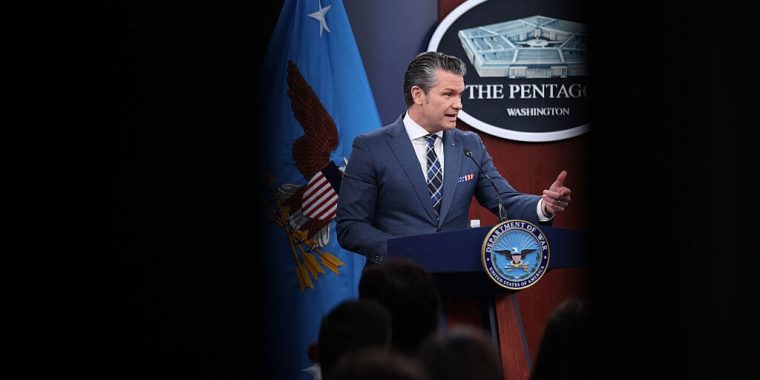
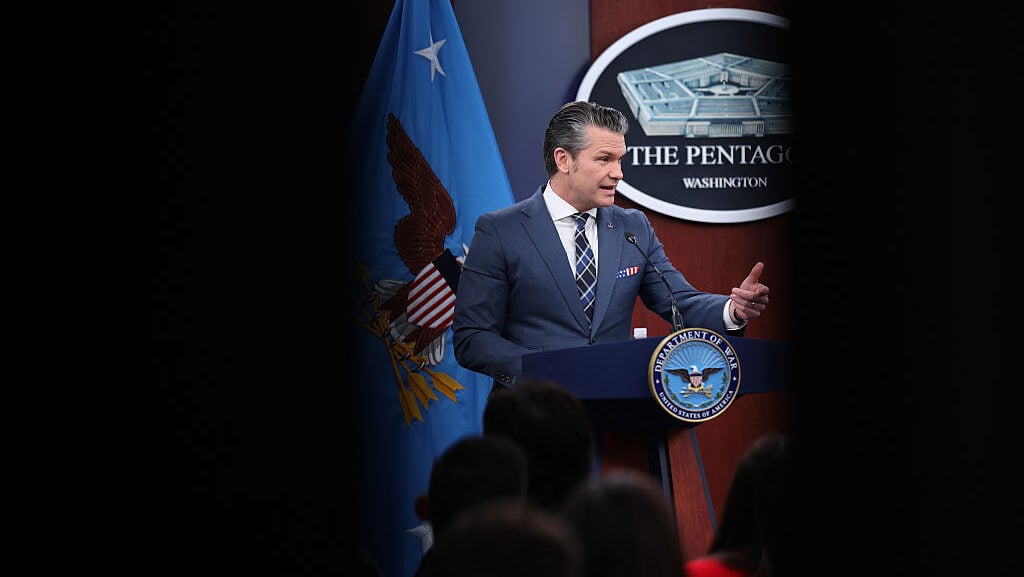
Trump admin’s comments could undermine case against Anthropic in court: Experts – Breaking Defense

WASHINGTON

By

blasting
Anthropic

on
social
media
and
in
the
press,
President
Donald
Trump,
Defense
Secretary
Pete
Hegseth,
and
other
top
officials
have
given
the
AI
titan
a
ton
of
ammunition
to
overturn
administration’s
attempt
to

sanction
Anthropic

as
a
supply
chain
risk
,”

legal
experts
told
Breaking
Defense.

These
statements,

four

experts
agreed,
could
undercut
what
could
have
been
a
strong
case
for
the
government

and
at
a
crucial
time:
The
two
sides
are
preparing
for
a
key
hearing
Tuesday
afternoon,
when
a
judge
will
decide
whether
to
grant
Anthropic
an
injunction
that
would
pause
the
Pentagon’s
punishments
from
going
into
effect.

Those
DoD
s
anctions
came
after
negotiations
between
the
company
and
the
Pentagon
broke
down
over
contract
language

governing
permissible
uses
.
Pentagon
officials
publicly
declared
Anthropic
an
unreliable
partner
and

ordered
an
end
to
any
use
of
its
products
,
not
only
within
the
Defense
Department,
but
by
any
contractor
working
on
a
defense
contract.
Trump
further
banned
Anthropic’s
use
by
any
federal
agency.
Anthropic
filed
two
lawsuits
on
March
9,
one
seeking
to
overturn
the
Pentagon
supply-chain-risk
designation
and
the
other
to
reverse
Trump’s
government-wide
ban.

“Anthropic’s
got
a
strong
case,
stronger
than
it
should,”
said

Sean
Timmons
,
a
former
military
JAG
who
now
represents
troops
and
veterans
against
the
government.
“And
the
case
is
strong
primarily
because
the
President’s
made

‘admissions
against
interest
,’”
he
said,
meaning
public
statements
that
are
admissible
for
the
opposing
side
to
cite
in
court.

Indeed,
“if
you
read
Anthropic’s
complaints,
they
lean
very
heavily
on
statements
by
Pentagon
officials,
both
on
social
media
and
stuff
anonymous
officials
have
been
quoted
in
the
press,”
said

Charlie
Bullock

of
the
Institute
for
Law
&
AI.
“Courts
do
generally
give
the
Pentagon
a
lot
of
deference
when
it
comes
to
national
security
decisions,
and
that’s
what
makes
me
think
the
Pentagon
has
a
chance.
[But]
I
would
give
Anthropic
greater
than
50
percent
odds
of
securing
some
kind
of
preliminary
injunction.”

The
court
will
have
to
consider
extensive
social
media
postings
by

Trump
,

Hegseth
,

Pentagon
Chief
Technology
Officer
Emil
Michael
,

Pentagon
spokesman
Sean
Parnell
,
and
even
acting

Under
Secretary
of
State
Jeremy
Lewin
.

Trump

denounced
“the
Leftwing
nut
jobs
at
Anthropic,”

Hegseth

spoke
of
the
company’s
“arrogance
and
betrayal,”
and

Michael

called
its
CEO
“a
liar
[with]
a
God-complex.”

Without
such
“statements
against
interest”
in
the
record,
the
government
would
have
had
a
huge
advantage,
the
experts
agreed.
Even
with
them,
Timmons
argued,
“Anthropic
is
running
uphill
because
the
government’s
given
a
lot
of
leeway
[and]
the
courts
are
excessively
deferential.”

Contrary
to
some
of
Anthropic’s
loftier
arguments
that
it’s
being
unconstitutionally
punished
for
exercising
its
freedom
of
speech,
for
example,
an
agency
can
even
decide
to
cancel
a
contract
solely
because
a
contractor
publicly
voiced
its
disagreement
with
administration
policy,
he
said:
“The
First
Amendment
protects
speech,
but
it
doesn’t
compel
the
government
to
give
you
money.”

Also,
in
this
particular
case,
the
relevant
statutes
give
federal
agencies
wide
latitude
to
determine
whether
a
company
is
“supply
chain
risk.”

The
Defense
Department
in
particular
even
has
the
authority
(under

Title
10,
Sec.
3252
)
to
declare
its
reasons
are
classified
on
grounds
of
national
security
and
therefore
cannot
be
subjected
to
judicial
review.

But
by
stating
its
reasons
so
publicly
and
in
so
much
detail,
argued
University
of
Minnesota
law
professor

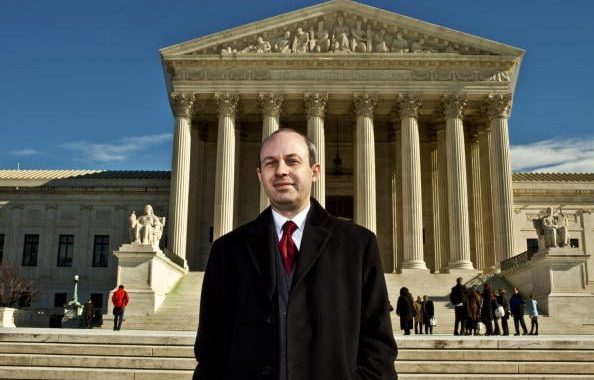
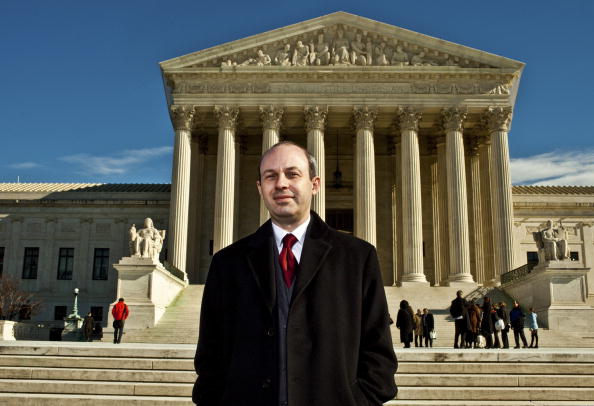
Alan Rozenshtein
,
the
government
effectively
waived
its
right
to
keep
them
secret
and
immune
from
challenge.
“The
classification
[power]
does
not
apply
here
because
the
government
did
not
classify
the
basis
for
action:
It
talked
about
it
loudly
on
X,”
Rozenshtein
told
Breaking
Defense.
“So
that
cat’s
out
of
the
bag.”

The
tone
of
these
public
statements
also
makes
it
tricky
for
government
lawyers
to
argue
the
determination
was
made
on
the
dryly
rational
grounds
laid
out
in
the
law,
the
experts
said.

“There’s
limitations
to
what
the
government
can
do
vindictively,
and
the
president
often
goes
on
these
vindictive
tirades
on
social
media,”
Timmons
said.
“It
might
rise
to
the
level
of

‘extreme
and
outrageous’
targeting
that
is
beyond
the
scope
of
permissible
due
process.”


Jessica
Tillipman
,
associate
dean
for
government
procurement
law
at
George
Washington
University,
agreed.

“If
ever
you
were
going
to
argue
the
use
of
the
statute
was
a
pretext

they
have
statements
on
the
record
right
now
that
feel
very
much
like
this
is
a
punitive,
retaliatory
act,”
she
told
Breaking
Defense.
Trump
saying
‘I
fired
[them]
like
dogs
,’
that’s
Exhibit
No.
1.
[And]
when
I
saw

the
Secretary’s
statement

I
was
like,
I’m
sure
the
lawyers
for
Anthropic
could
have
it
framed.”

Pentagon
officials
declined
to
comment
on
a
pending
legal
matter,
while
Anthropic
has
not
replied
to
multiple
queries
from
Breaking
Defense.

One
Fight,
Two
Cases

The
first
opportunity
for
the
administration’s
statements
to
blow
back
on
them
in
court
would
come
at
a
key
hearing
Tuesday
afternoon
in
the
Northern
District
of
California.
That’s
where
Anthropic
is
seeking
an
injunction
to
pause
Hegseth’s
declaration


first
posted
on
X.com


of
the
company
as
a
“supply
chain
risk”
whose
products
are
unsafe
for
any
contractor
to
use
on
any
work
for
the
Defense
Department.

The
relevant
statute
used
by
the
DoD,


Title
10,
Sec.
3252
,
has
only
been
invoked

once
before,

just

last
year
,
against
a
Swiss
company.
The
statute
defines
“supply
chain
risk”
as
“the
risk
that
an
adversary
may
sabotage

or
otherwise
subvert”
key
defense
technology,
which
experts
said
suggests
it
only
applies
to
foreign
adversaries,
not
US
firms.

“The
way
these
statutes
are
written,
it
defines
‘supply
chain
risk’
very
narrowly,”
Bullock
told
Breaking
Defense.
While
the
language
doesn’t
explicitly
distinguish
foreign
companies
from
domestic
ones,
he
said,
“these
statues
have
never
been
invoked
against
an
American
company
before,
and
I
don’t
think
anyone
thought
they
would
be.”

Rozenshtein
made
an
even
blunter
assessment:
“Anthropic
is
just
not
a
supply
chain
risk
as
the
statute
understands
it,”
he
told
Breaking
Defense.
“The
clear
purpose
was
to
prohibit
foreign
companies
that
pose
a
threat
of
sabotage.
Anthropic
is
a
US
company
that
just
does
not
want
its
product
used
in
certain
ways.”

Anthropic
has
also
filed
a
second,
parallel
lawsuit
in

the
Washington,
DC
federal
circuit

court
seeking
to
overturn
Trump’s
order


posted
on
Truth
Social


“directing
EVERY
Federal
Agency,”
not
just
the
Pentagon,
to
stop
using
Anthropic
“immediately”
(albeit
over
“a
Six
Month
phase
out
period”)
and
“not
do
business
with
them
again.”
Subsequent,
more
formal
administration
statements
have
justified
that
ban
under
a
different
supply-chain-risk
statute,

Title
41,
Sec.
4713
.

Unlike
the
Title
10
language,
Title
41
Sec.
4713
applies
to
all
federal
agencies.
But,
in
contrast
Title
10’s
streamlined
process,
Title
41
requires
a
more
extensive
“debarment”
procedure
that
the
administration
has
not
followed,
Tillipman
told
Breaking
Defense.

“Even
if
what
they
want
is
justifiable

a
product/service
that
doesn’t
do
what
they
need
it
to
do

we
have
other
ways
to
deal
with
this:
don’t
contract
with
a
company
or
terminate
the
contract,”
Tillipman
said.
“We
don’t
blacklist
by
tweet
in
the
United
States.
We
have
a
process
and
none
of
it
was
followed.”

Come
Tuesday
afternoon,
it
will
be
much
clearer
whether
the
courts
agree
that
the
Administration
has
overstepped
or
will
give
wide
deference
to
the
executive
branch.


Exclusive: Susman Godfrey Rejects Biglaw’s Broken Recruiting Model – And Isn’t Looking Back – Above the Law

Biglaw
recruiting
has
been
on
an
unsustainable
trajectory
for
years.
Timelines
have
crept
earlier
and
earlier,
exploding
offers
have
become
routine,
and
law
students
are
increasingly

asked
to
make
career-defining
decisions

before
they’ve
had
a
meaningful
chance
to
understand
the
profession.

Susman
Godfrey
has
decided
to
take
a
different
approach.

For
its
2027
2L
summer
class,
the
elite
trial
firm
is
abandoning
the
accelerated
playbook.
Applications
will
remain
open
through
June
30,
2026,
and
the
firm
will
not
review
any
submissions
until
after
that
deadline.
No
early
reads,
no
informal
pre-screening,
and
no
pressure
to
apply
before
students
are
ready.
And
notably,
no
exploding
offers.
In
an
era
defined
by
precruiting
panic,
that’s
not
just
different

that’s
borderline
radical.

The
move
is
a
direct
response
to
what
Susman
sees
as
a
misalignment
between
current
Biglaw
hiring
trends
and
how
law
students
develop.

“We’ve
watched
the
recruiting
timeline
compress
year
after
year,
and
at
a
certain
point
we
had
to
ask
ourselves:
who
does
this
really
serve?”
said
partner

Nick
Spear
,
co-chair
of
the
firm’s
employment
committee.
“Law
students
are
being
asked
to
make
career-defining
decisions
with
only
one
semester
of
grades
and
almost
no
exposure
to
practice.”

That
model,
he
noted,
may
be
workable
for
firms
hiring
at
scale.
It
doesn’t
work
here.

“Susman
Godfrey
is
a
trial
firm,”
Spear
said.
“We
need
people
who
have
demonstrated
sustained
academic
excellence
and
who
have
a
genuine
interest
in
courtroom
work.
You
simply
can’t
evaluate
that
based
on
a
partial
record.”

Instead,
the
firm
has
designed
a
process
that
allows
students
to
complete
their
first
year,
assess
their
interests,
and
apply
with
a
full
academic
record.
Under
this
model,
all
candidates
are
evaluated
on
the
same
timeline,
with
complete
1L
grades,
and,
critically,
without
the
pressure
that
has
come
to
define
the
current
recruiting
cycle.

“It’s
about
both
fairness
to
students
and
better
hiring
outcomes
for
our
firm,
and
they
are
inseparable,”
said

Hunter
Vance
,
partner
and
co-chair
of
the
firm’s
employment
committee.
“Asking
1Ls
to
make
career-altering
decisions
while
juggling
exams
and
adapting
to
the
pressure
of
law
school
is
just
asking
for
poor
matches.
That
doesn’t
help
law
students.
And
it
doesn’t
work
for
Susman
Godfrey.”

As
Vance
explained,
the
firm
is
focused
on
“finding
the
superstars
who
want
to
be
real
trial
lawyers—not
just
litigators.”
He
went
on,
noting,
“We
need
the
time
and
information
to
properly
evaluate
students,
just
like
the
students
need
the
time
and
information
to
properly
evaluate
firms.”

If
eliminating
exploding
offers
wasn’t
bold
enough,
Susman
is
also
embracing
something
that
borders
on
heresy
in
Biglaw:
encouraging
students
to
split
their
summers.
“I
speak
from
experience,”
Vance
said.
“I
split-summered
at
Susman
Godfrey
and
the
quality
of
the
work
and
close
relationships
with
my
future
colleagues
sealed
the
deal.”

Susman
is
approaching
its
new
hiring
model
with
confidence

the
firm
“loves”
betting
on
itself.
“Our
summer
associate
experience
has
always
been
unique
because
we
treat
our
summer
associates
just
like
our
associates.
We
integrate
them
into
our
trial
teams
and
give
them
real
substantive
work
that
we
actually
intend
to
use,”
Vance
said.
“We
are
confident
that
we
offer
a
summer
program
unlike
any
other.”

There
is,
of
course,
risk
in
stepping
outside
the
prevailing
Biglaw
recruiting
cycle.
While
Susman
waits
until
July,
competitors
may
secure
commitments
from
top
candidates
months
in
advance.
The
firm,
however,
is
comfortable
with
that
tradeoff.

“Susman
Godfrey
is
not
afraid
of
the
competition
because
we
offer
an
unmatched
opportunity,”
Vance
said,
citing
top-of-market
compensation,
a
defined
path
to
equity
partnership,
and
early
stand-up
experience
in
litigation.
“We
want
students
to
comparison
shop,
and
we’re
willing
to
bet
that
we’ll
come
out
on
top.”

Whether
this
approach
signals
a
broader
shift
in
Biglaw
recruiting
remains
to
be
seen.
“Honestly,
we
don’t
know,”
Spear
said.
“What
we
do
know
is
that
the
current
system
does
not
work.”
Susman
has
built
an
alternative

at
least
for
itself.

For
now,
the
firm
is
focused
on
aligning
its
hiring
process
with
both
its
institutional
needs
and
the
realities
facing
law
students.

“If
other
firms
see
our
model
and
adopt
something
similar,
that
would
be
a
great
outcome
for
law
students,”
Spear
said.
“But
Susman
Godfrey
never
minds
doing
things
its
own
way.”

If
Susman’s
new
model
proves
successful,
it
may
do
more
than
reshape
one
firm’s
recruiting
strategy.
It
could
challenge
the
assumption
that
Biglaw’s
accelerated
recruiting
cycle
was
the
correct
course,
rather
than
a
dynamic
in
need
of
correction.
It’s
a
bold
bet

and
one
that
could
leave
the
rest
of
Biglaw
with
some
explaining
to
do.


Staci
Zaretsky
 is
the
managing
editor
of
Above
the
Law,
where
she’s
worked
since
2011.
She’d
love
to
hear
from
you,
so
please
feel
free
to email her
with
any
tips,
questions,
comments,
or
critiques.
You
can
follow
her
on BlueskyX/Twitter,
and Threads, or
connect
with
her
on LinkedIn.

Morning Docket: 03.25.26 – Above the Law

*
Tom
Goldstein
asks
judge
to
toss
the
verdict.
[Bloomberg
Law
News
]

*
Lawyer
vibecoded
himself.
This
should
end
well.
[Business
Insider
]

*
The
Justice
Department
may
have
leaked
grand
jury
testimony
and
violated
court
order.
THIS
Justice
Department?
Shocking.
[Courthouse
News
Service
]

*
Judge
says
the
supply
chain
risk
designation
that
the
Trump
administration
put
on
Anthropic
looks
like
retaliation.
Well,
she’s
not
hallucinating!
[Reuters]

*
Supreme
Court
appears
willing
to
bring
back
policy
to
deny
refugees
the
right
to
even
ask
for
asylum
at
the
border.
[ABA
Journal
]

*
DOJ’s
new
fraud
chief
confirmed.
[Law360]

*
Lateral
hiring
booming.
[American
Lawyer
]

Retired Generals Ignite Zimbabwe Power Struggle


Gibson
Mashingaidze

Zimbabwe’s
own
liberation
and
succession
history
offers
episodes
of
internal
division
and
strategic
alignment.

In
that
sense,
the
actions
of
Mashingaidze
and
his
associates
can
be
viewed
less
as
an
anomaly
and
more
as
part
of
a
recurring
pattern-one
that
has
echoed
from
the
liberation
struggle
through
the
years
of
Robert
Mugabe’s
rule,
when
factions
of
war
veterans
were
at
times
perceived
to
align
themselves
with
prevailing
power
structures.

Yet
history
also
suggests
that
such
divisions
tend
to
be
resolved,
or
at
least
overtaken,
by
what
is
often
described
as
the
“national
question”-a
broader
imperative
that
ultimately
supersedes
factional
interests.
Whether
that
principle
will
assert
itself
in
the
current
moment
remains
to
be
seen,
but
it
forms
an
important
backdrop
to
understanding
the
present
tensions.

At
the
centre
of
the
unfolding
dispute
is
a
formal
submission
to
Parliament
made
by
a
group
of
retired
officers
led
by
Air
Marshal
(Rtd)
Muchena.
What
might
ordinarily
have
remained
a
procedural
contribution
to
legislative
deliberation
has
instead
evolved
into
a
national
debate,
largely
because
it
has
provoked
a
response
from
Mashingaidze’s
faction.

But
who
is
Mashingaidze?
Story
for
another
day
The
core
issue
is
not
simply
the
substance
of
the
submission,
but
the
way
in
which
it
has
been
interpreted
and,
according
to
its
authors
and
supporters,
misrepresented.

Those
familiar
with
the
document
insist
it
was
never
intended
to
speak
on
behalf
of
all
retired
generals,
nor
to
function
as
a
public
declaration.
Rather,
it
was
submitted
within
the
established
framework
of
parliamentary
engagement,
specifically
in
relation
to
Constitutional
Amendment
No.
3.
This
distinction,
as
some
legal
observers
have
noted,
is
fundamental:
a
submission
to
Parliament
is
part
of
a
democratic
and
institutional
process,
not
a
political
statement
directed
at
the
public.

However,
in
his
national
address,
Mashingaidze
appeared
to
characterise
the
document
as
though
it
claimed
to
represent
the
collective
position
of
all
retired
senior
officers-an
interpretation
firmly
rejected
by
those
aligned
with
the
Muchena
group.
It
is
this
divergence
in
framing
that
has
helped
propel
the
matter
from
a
procedural
setting
into
the
public
arena.

The
contrast
in
approach
between
the
two
factions
is
striking.
One
group
chose
to
engage
through
Parliament,
adhering
to
institutional
channels
where
legislative
issues
are
meant
to
be
addressed.

The
other
opted
for
a
public-facing
response,
staging
a
press
conference
that
effectively
recast
the
issue
as
a
matter
of
national
political
discourse.
This
shift
has
raised
concerns
among
observers
who
see
it
as
part
of
a
broader
trend
toward
the
politicisation
of
processes
that
are,
at
their
core,
constitutional
and
procedural.
Both
factions
have
been
careful
to
affirm
their
loyalty
to
the
ruling
party
and
to
President
Emmerson
Dambudzo
Mnangagwa.

Nonetheless,
underlying
tensions
have
emerged
regarding
the
scope
and
intent
of
current
constitutional
proposals.
Insiders
point
to
a
prior
party
consensus
centred
on
extending
the
President’s
term
of
office,
while
the
present
debate
appears
to
question
whether
additional
amendments
fall
within
that
agreed
mandate
or
extend
beyond
it.

Complicating
matters
further
are
persistent,
though
unverified,
perceptions
of
external
influence.

Critics
have
suggested
that
state-aligned
media
coverage
has
disproportionately
amplified
one
side
of
the
dispute,
shaping
public
perception
in
the
process.
At
the
same
time,
circulating
reports-
yet
to
be
officially
confirmed—have
alleged
that
individuals
associated
with
the
opposing
faction
may
have
received
agricultural
support
equipment
following
the
press
conference.

Even
in
the
absence
of
concrete
evidence,
such
claims
have
contributed
to
an
atmosphere
of
suspicion,
reinforcing
narratives
of
patronage
and
strategic
positioning.

By
contrast,
critics
of
the
opposing
approach
argue
that
taking
such
disputes
into
the
public
domain
risks
blurring
the
line
between
military
legacy
and
active
political
contestation.
When
disagreements
among
former
senior
officers
are
projected
onto
the
national
stage,
they
can
alter
both
the
tone
and
the
stakes
of
the
debate,
raising
questions
about
the
appropriate
boundaries
of
influence
for
retired
members
of
the
security
establishment.

Post
published
in:

Featured

Fare hikes bite as fuel prices rise in Zimbabwe

The
concerns
come
after
two
successive
fuel
price
increases.
Diesel
rose
to
US$2.05
per
litre
and
petrol
(E5
blend)
to
US$2.17,
up
from
US$1.77
and
US$1.71
earlier
in
the
month.
Prior
to
that,
prices
stood
at
US$1.52
for
diesel
and
US$1.56
for
petrol.

Authorities
have
linked
the
increases
to
global
oil
market
pressures,
citing
tensions
in
the
Middle
East,
including
the
conflict
involving
the
United
States,
Israel
and
Iran.

During
a
recent
Senate
session,
Senator
Maxwell
Mdhluri
asked
what
measures
the
government
was
taking
to
prevent
“arbitrary
and
unjustified”
fare
increases.

“In
light
of
the
recent
fuel
price
increases,
what
policy
measures
has
the
ministry
put
in
place
to
regulate
and
monitor
public
transport
fares?”
he
said.
He
also
asked
whether
subsidies
or
relief
measures
were
being
considered
to
cushion
both
operators
and
commuters.

Senator
Irene
Zindi
said
enforcement
remained
a
major
challenge,
accusing
some
operators
of
exploiting
demand
during
peak
periods
and
bad
weather.

“Each
time
it
rains,
fares
increase,”
she
said.
“A
US$1
trip
can
go
up
to
US$2.
During
holidays,
a
US$10
intercity
fare
from
Mutare
to
Harare
can
rise
to
US$15
or
even
US$20.”

Transport
Minister
Felix
Mhona
said
fare
controls
differ
between
routes,
with
local
authorities
responsible
for
intra-city
transport,
while
the
government
oversees
intercity
fares.

“We
engage
operators
and
associations
through
our
road
motor
transportation
division
to
agree
on
fare
adjustments
when
costs
change,”
he
said.

However,
concerns
over
enforcement
extend
beyond
Parliament.
In
Bulawayo,
councillors
have
also
criticised
what
they
describe
as
growing
lawlessness
in
the
sector.

Ward
28
councillor
Ntandoyenkosi
Ndlovu
called
for
stricter
penalties
against
operators
who
charge
illegal
fares
or
operate
from
undesignated
points.

“We
now
have
many
unregistered
vehicles
ferrying
passengers,”
he
said.
“In
areas
such
as
Cowdray
Park,
passengers
are
often
dropped
midway
and
forced
to
pay
again.
We
need
to
enforce
our
by-laws
to
restore
order.”

The Results Are In! – See Also – Above the Law

The
Biggest
Losers
Of
Our
Disbar
March
Madness:
Jeanine
Pirro
and
Kash
Patel
were
neck
and
neck!
$35
Never
Felt
So
Good!:
Chance
the
Rapper
wins
lawsuit
against
Pat
the
Manager.
There’s
More
To
Lose
Than
Money:
The
legal
industry’s
coverage
of
the
Iran
War
is
more
focused
on
loss
of
profit
than
loss
of
life.
Sometimes
The
Only
Winning
Move
Is
Not
To
Play:
Top
SEC
enforcer
walks.
Was
The
Selfie
Worth
It?:
Partner
sanctioned
$1100
over
courtroom
selfie.

Leave Your Pitch Meetings In The Past – Above the Law

(Image
by
Getty)

Not
long
ago,
I
tore
my
rotator
cuff.
It
was
a
bad
fall.
The
pain
was
sharp
and
constant,
so
like
any
intelligent
human
I
went
to
see
a
doctor.

Now,
imagine
for
a
moment
if
that
doctor
had
looked
at
me
and
said,
“The
simplest
solution
is
to
cut
your
arm
off.
No
arm,
no
pain.
Problem
solved.”

Technically,
that
would
eliminate
the
pain.
It
would
also
eliminate
quite
a
bit
more
than
I’d
like.

In
reality
what
happened
was
very
different
(thank
God!).
The
doctor
asked
me
a
series
of
important
questions,
like:

  • How
    did
    the
    fall
    happen?
  • Where
    exactly
    did
    it
    hurt?
  • What
    movements
    triggered
    the
    pain?
  • He
    checked
    my
    range
    of
    motion,
    pressed
    around
    the
    shoulder,
    and
    ordered
    imaging.
  • He
    confirmed
    the
    tear
    and
    prescribed
    anti-inflammatories
    and
    physical
    therapy.

No
surgery.
Just
the
right
diagnosis
and
the
right
treatment.
Same
injury.
Two
very
different
approaches.

Now
think
about
how
lawyers
handle
prospective
clients.

Most
lawyers
were
never
taught
how
to
do
business
development
in
law
school,
and
law
firms
rarely
train
it
as
well.
So,
when
lawyers
get
in
front
of
a
potential
client,
they
default
to
what
feels
safe.
They
talk.
They
explain.
They
solve.
They
pitch.

The
client
says,
“We
have
a
problem.”
The
lawyer
responds
with
strategy,
experience,
credentials,
and
rates.
It
feels
productive.
It
feels
impressive.

It
is
also
the
professional
equivalent
of
cutting
off
that
arm!

Lawyers
are
jumping
straight
to
the
solution
before
fully
understanding
the
depth
of
a
prospective
client’s
problems.

Today’s
buyers
have
changed.
They
are
more
informed,
more
skeptical,
and
have
more
options.
They
do
not
need
another
lawyer
reciting
qualifications.
They
need
someone
who
understands
them.

That
is
the
foundation
of
Sales-Free
Selling™,
the
methodology
I
wrote
about
in
my
first
book
and
what
I
teach
lawyers
every
day.
It
is
not
about
persuading
or
performing.
It
is
about
replacing
the
pitch
with
a
system
that
walks
a
buyer
safely
through
a
buying
decision.

The
first
step
is
relationship
and
trust.
Not
surface-level
small
talk,
but
real
connection.
Find
common
ground.
Create
an
environment
where
both
parties
feel
comfortable
having
an
honest
conversation.

Then
establish
structure.
At
the
beginning
of
a
meeting,
set
a
gameplan.
Clarify
the
purpose.
Agree
that
the
goal
is
to
determine
whether
there
is
a
fit,
or
not
to
move
forward.
That
simple
shift
removes
pressure
and
turns
the
meeting
into
a
shared
evaluation.

From
there,
focus
on
depth.

What
exactly
is
the
problem?
How
long
has
it
existed?
What
has
it
cost
them
in
time,
money,
or
stress?
What
happens
if
nothing
changes?
How
has
it
impacted
their
business
and
them
personally?

If
the
issue
is
not
compelling,
it
will
not
move
forward.
Your
role
is
not
to
create
urgency
but
to
understand
if
it
exists.
Our
three
motivators
to
keep
an
eye
out
for
are
pain,
fear,
or
gain.

Then
address
commitment
and
their
decision-making
process.

Are
they
serious
about
solving
this
problem?
Or
are
they
simply
gathering
information?
Are
they
the
decision-maker?
If
others
are
involved,
who
are
they?
What
is
the
process
for
making
a
significant
decision
like
changing
law
firms?

These
questions
are
respectful
and
practical.
They
prevent
wasted
time
and
unrealistic
expectations.

Budget
also
matters.
Not
as
a
blunt
demand,
but
as
part
of
reality.
Do
they
have
the
willingness
and
ability
to
invest
in
a
solution?
If
not,
you
can
move
them
to
a
“no”
or
refer
them
out
to
another
attorney.

All
of
this
falls
under
one
critical
concept:
QUAIFYING!
It’s
the
single
most
important
word
in
business
development
today.

Qualifying
is
not
about
pushing
people
away.
It
is
about
determining
whether
there
is
a
true
mutual
fit.
Can
you
help
them?
Are
their
expectations
aligned
with
your
capabilities?
Are
their
reasons
strong
enough
to
act?
If
there
isn’t
a
fit,
why
are
we
investing
more
and
more
time
chasing
after
them
as
a
new
client?

When
you
qualify
properly,
your
proposal
becomes
sharper
and
more
relevant.
You
are
not
throwing
everything
against
the
wall
to
see
what
sticks.
You
are
speaking
directly
to
what
matters
most.

And
here
is
what
surprises
most
lawyers
who
adopt
this
approach.
They
relax.
They
talk
less
and
listen
more.
They
stop
trying
to
convince.
They
stop
feeling
pressure
to
close.
The
conversation
becomes
collaborative
instead
of
performative.

The
buyer
feels
heard
instead
of
sold.
The
lawyer
feels
in
control
instead
of
anxious.
Whether
the
outcome
is
yes
or
no,
the
result
feels
clean.
We
get
to
the
truth
and
sometimes
that’s
the
best
part.
It
just
can’t
happen
if
we
are
talking
through
the
entire
meeting.

The
old
model
of
pitching
may
have
worked
in
a
different
era.
Today,
it
often
feels
tone
deaf.
Buyers
want
insight,
empathy,
and
alignment
before
they
hear
about
your
solutions.

Just
like
a
good
doctor.
Always
diagnose
before
prescribing.
 

Lawyers
who
embrace
this
shift
become
more
effective
and
more
confident.
They
build
stronger
foundations
for
long-term
relationships.
They
create
outcomes
that
feel
like
true
win-win
partnerships.
That
is
the
future
of
rainmaking.

If
this
resonates
with
you,
please
check
out
my
book
on
Amazon
entitled,
“Sales-Free
Selling:
The
Death
of
Sales
and
the
Rise
of
a
New
Methodology.”
Or
feel
free
to
email
me
at


[email protected]

to
allow
me
to
“diagnose”
what
your
challenges
are
in
getting
dramatic
growth
in
your
law
practice.


Steve
Fretzin
is
a
bestselling
author,
host
of
the
“Be
That
Lawyer”
podcast,
and
business
development
coach
exclusively
for
attorneys.
Steve
has
committed
his
career
to
helping
lawyers
learn
key
growth
skills
not
currently
taught
in
law
school.
His
clients
soon
become
top
rainmakers
and
credit
Steve’s
program
and
coaching
for
their
success.
He
can
be
reached
directly
by
email
at 
[email protected].
Or
you
can
easily
find
him
on
his
website
at 
www.fretzin.com or
LinkedIn
at 
https://www.linkedin.com/in/stevefretzin.