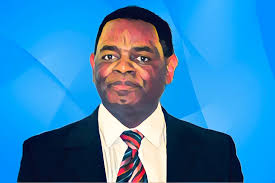
Zimbabwe’s Davos engagement anchored on economic diplomacy, says Murwira

Speaking
in
an
interview
following
Zimbabwe’s
engagement
at
the
global
forum,
Prof
Murwira
said
the
country’s
presence
at
Davos
aligns
with
President
Emmerson
Dambudzo
Mnangagwa’s
economic
diplomacy
policy,
which
places
trade,
investment
and
peaceful
international
cooperation
at
the
centre
of
national
development.

Zimbabwe’s
key
objective
at
the
forum,
he
said,
was
to
better
understand
the
evolving
global
geopolitical
and
economic
environment
in
order
to
position
the
country
strategically
in
an
increasingly
complex
world.

“We
normally
say
you
have
to
understand
the
seas
before
you
navigate
your
ship,”
Prof
Murwira
said.
“At
Davos,
we
focused
on
understanding
the
global
political,
economic
and
geopolitical
landscape
so
that
Zimbabwe
can
navigate
effectively.”

He
noted
that
under
the
Second
Republic,
Zimbabwe
has
consistently
participated
at
the
World
Economic
Forum
since
2018
as
part
of
efforts
to
re-engage
the
international
community,
restore
national
dignity
and
promote
prosperity.

According
to
the
minister,
discussions
at
Davos
centred
on
how
emerging
geopolitical
realities
are
reshaping
trade,
global
governance
and
economic
growth

insights
he
said
are
critical
as
Zimbabwe
refines
its
global
engagement
strategy.

Addressing
scepticism
about
the
relevance
of
global
forums
to
Zimbabwe,
Prof
Murwira
stressed
that
Davos
is
not
merely
an
elite
gathering,
but
a
platform
where
decisions
influencing
jobs,
investment,
technology,
energy
and
trade
are
shaped.

“For
Zimbabwe,
trade
is
an
instrument
of
peace
and
prosperity,”
he
said.
“If
we
don’t
trade,
what
do
we
do?
Do
we
grab
and
go?
Trade
creates
jobs,
builds
industries
and
improves
livelihoods.”

He
added
that
Zimbabwe’s
participation
helps
position
the
country
as
a
credible,
stable
and
trustworthy
investment
destination,
opening
doors
to
partnerships
that
translate
into
real
economic
activity
at
home.

Alongside
the
main
Davos
programme,
Zimbabwe
held
several
high-level
bilateral
meetings
focused
on
concrete
economic
outcomes.
These
included
engagements
with
Gavi,
the
Global
Alliance
for
Vaccines
and
Immunisation,
aimed
at
strengthening
cooperation
in
vaccine
manufacturing
and
health
systems,
as
well
as
discussions
with
Philip
Morris
International
(PMI)
on
enhancing
Zimbabwe’s
tobacco
value
chain.

“Zimbabwe
is
one
of
Africa’s
leading
tobacco
producers,
with
an
expected
output
of
about
500
million
kilograms
this
year,”
Prof
Murwira
said.
“We
are
encouraging
direct
purchases
from
Zimbabwe
and
greater
participation
across
the
tobacco
value
chain.”

The
minister
also
confirmed
talks
with
India
on
energy
cooperation,
emphasising
that
energy
remains
a
critical
enabler
of
industrialisation,
agriculture
and
economic
development.

Prof
Murwira
said
economic
diplomacy
remains
the
backbone
of
Zimbabwe’s
foreign
policy,
with
trade
deliberately
placed
at
its
centre.

“That
is
why
the
Ministry
of
Foreign
Affairs
and
International
Trade
was
deliberately
configured
to
put
trade
at
the
centre,”
he
said.
“Our
foreign
policy
advocates
peaceful
coexistence,
and
trade
is
the
instrument
that
makes
that
possible.”

He
added
that
Zimbabwe
supports
reforms
to
the
global
trading
system
under
the
World
Trade
Organization,
arguing
that
fair
and
inclusive
trade
is
essential
for
global
peace
and
shared
prosperity.

Davos
also
provided
a
platform
for
advancing
Africa’s
interests,
particularly
through
the
African
Continental
Free
Trade
Area
(AfCFTA),
which
Zimbabwe
views
as
key
to
industrialisation
and
boosting
intra-African
trade.

For
the
first
time,
Zimbabwe
participated
in
discussions
on
energy
diversification,
including
nuclear
energy
as
a
clean
and
reliable
option
to
support
Africa’s
long-term
development
agenda
under
Agenda
2063.

“Technology,
trade,
energy
and
geopolitics
are
interconnected,”
Prof
Murwira
said.
“The
geopolitical
landscape
is
where
economics,
peace,
development
and
the
future
of
humanity
are
negotiated.”

He
said
implementation
remains
the
most
important
issue,
noting
that
Zimbabwe’s
engagement
at
Davos
supports
the
country’s
Open
for
Business
policy
and
its
doctrine
of
being
a
friend
to
all
and
an
enemy
to
none.

Prof
Murwira
also
emphasised
the
importance
of
international
cooperation
in
education,
science,
innovation,
technology
and
culture,
saying
these
areas
will
help
Zimbabwe
transform
its
mineral
wealth
into
sustainable
prosperity.

“Our
goal
is
simple,”
he
said.
“To
bring
dignity,
integrity
and
prosperity
to
the
people
of
Zimbabwe
through
peaceful
engagement
with
the
world.”

The
World
Economic
Forum
in
Davos
brought
together
about
3,000
political
and
business
leaders
from
more
than
130
countries
to
deliberate
on
geopolitics,
technology,
trade
and
other
global
issues,
at
a
time
widely
described
as
pivotal
for
global
cooperation.

How Did The Beatles Get Involved With This? – See Also – Above the Law

DOJ
Drops
Hypo
About
Deporting
The
Beatles?:
Why?
To
fight
the
great
British
Invasion
that
is
Please
Please
Me,
I
guess.
Former
Associate
Countersues
Baker
McKenzie:
This
fight
won’t
be
calming
down
any
time
soon.
MemeLord-In-Chief
Flirts
With
3rd
Term
Via
Stardew
Valley:
Everyone
involved
should
have
touched
grass
instead.
Trump
Shakes
Down
JP
Morgan:
Whoa,
even
the
banks
aren’t
safe.
Drake
Revives
Not
Like
Us
Lawsuit
For
All
The
Dogs:
Will
be
a
shame
when
they
get
put
down
a
second
time.

Pentagon CTO offers industry free use of 400 patents from gov’t labs — for a start – Breaking Defense

WASHINGTON

The
Pentagon
spends
$3.3
billion
a
year
on
its
216
laboratories,
which
have
piled
up
thousands
of
patents,
often
for

technologies
which
may
never
see
the
light
of
day,
let
alone
a
battlefield.
But
this
morning,
the
Department’s
CTO,
Under
Secretary
for
Research
&
Engineering

Emil
Michael
,
publicly
launched
a
two-pronged
crusade
to
change
that.

“[It’s]
a
frustrating
point:
Why
do
these
innovations

and
we
have
thousands
of
them
in
the
labs,
billions
of
dollars
worth
of

IP

that’s
been
created
by
the
great
minds
in
the
labs

why
does
it
not
get
all
the
way
out
there
to
the
warfighter?”
Michael
asked
a
packed
conference
room
in
downtown

Washington
,
DC.
“In
part,
it’s
because
you
don’t
know
where
to
go
to
find
them.
They’re
all
over
the
place.
They’re
not
categorized,
they’re
not
available.”

Hence
his
two-part
plan:

Step
one,
effective
immediately,
is
to
make
roughly
400
carefully
picked
patents

available
online

for
a
free
two-year
trial
period.
Specifically,
any
company
that
wants
to
try
out
one
of
the
400
technologies
in
its
own
research,
development,
and
products
can
get
what’s
called
a
Commercial
Evaluation
License
(CEL)
without
the
usual
fee.

Those
400

technologies


everything
from
a

Navy-developed
drone
tracking
system

to

novel
Army
mortar
fuses


were
chosen
out
of
the
thousands
of
possibilities
by
Michael’s
staff,
with
an
eye
to
his
recently
announced
top
six

Critical
Technology
Areas.

There
were
so
many
options
from
so
many
labs,
he
said,
that
they
had
to
use
AI
to
help
sort
through
them.

“Here
are
the
patents
we
think
are
important,
are
interesting,
have
merit,
that
you
can
develop
on
and
potentially
productize,”
Michael
said.
“We’re
going
to
give
you
a
two-year
patent
holiday,
royalty-free.”

If
the
project
goes
well
and
the
company
wants
to
keep
using
the
patent
beyond
the
two-year
free
trial,
well,
in
true
Trumpian
fashion,
Michael
says
he’s
ready
to
make
a
deal.


“See
what
you
could
do
with
them,
see
if
you
can
make
a
business
out
of
them,
and
then
come
back
to
us

and
let’s
figure
out
a
long
term-arrangement,”
he
told
the
executives
at
the
Pentagon-backed
conference,

hosted

by
consulting
firm

SMI
.

It’s
not
as
if
the
Pentagon
is
giving
up
a
lot
of
revenue
by
sharing
this
intellectual
property
for
free,
he
said.
While
it
does
license
some
patents
to
industry
already,
Michael
told
the
executives,
“the
amount
of
money
that
we
make
from
patent
fees
today
is
infinitesimal

and
it’s
not
because
they’re
not
good
patents,
[it’s]
because
you
don’t
know
about
them,
and
we
haven’t
created
enough
of
a
way
for
you
to
get
to
them
and
develop
on
them.”


More
Data,
More
Problems

Step
two,
in
progress,
is
to
put
all
those
thousands
of
patents
from
all
216
labs
into
a
single
searchable
database
for
the
first
time,
using
a
longstanding
public-private
partnership
called

TechLink

and
an
interagency
database
called

iEdison
.
(Explicitly
not
included:
classified
patents
for
technologies
who
very
existence
is
kept
secret.)


After
almost
two
years
of
work
behind
the
scenes,
things
are
now
moving
fast,
said

Bethany
Loftin
,
director
of
the
Technology
Partnerships
Office
at
the
National
Institute
of
Standards
&
Technology
(NIST),
the
Commerce
Department
agency
that
runs
iEdison.
That
database
currently
holds
ideas
from
some
36
federal
agencies
that
fund
research,
including
10
of
the
Defense
Department’s
labs.
But
now
an
interagency
Memorandum
of
Understanding
has
been
thrashed
out
to
bring
in
the
other
206.


RELATED:

Hegseth
presses
defense
execs
to
move
faster
in
speech
laying
out
sweeping
acquisition
changes

“I
keep
checking
my
phone
this
morning
because
the
final
MOU
for
that
relationship
is
on
my
boss’s
desk
for
final
signature,”
Loftin
said
excitedly
on
a
panel
after
Michael’s
keynote
speech.
“So
hopefully,
maybe
even
before
the
end
of
the
day
we’ll
be
able
to
officially
start
the
process
of
getting
DoW,
as
a
whole,
onboarded
onto
iEDISON.”

Those
thousands
of
patents
won’t
be
available
for
free,
Michael
made
clear

although,
again,
he’s
willing
to
negotiate.

As
for

the
first
400
royalty-free
patents,

they’re

more
like
the
free
samples
a
supermarket
puts
on
display
to
get
customers
in
the
door,
he
told
reporters
after
his
speech.

“It’s
the
freebie

the
door-buster

the
loss-leader,”
Michael
said.
“Then
hopefully
you’ll
get
interested
enough
that
you
could
look
at
the
whole
broad
portfolio.”

That
said,
if
the
first
400
attract
not
only
a
lot
of
interest
but
actual
investment
that
starts
turning
into
usable
military
gear,
“maybe
we
expand
it,”
he
told
the
reporters.
“That’s
why
it’s
a
pilot,
right?
We’re
trying
to
see
what
happens
when
you
put
things
out
in
the
wild.”

In
fact,
the
whole
“Patent
Holiday”
idea
came
out
of
Michael’s
desire
to
hype
up
the
patent
database
and
get
things
moving
quickly,
one
of
his
subordinates
told
the
assembled
executives.

“I
was
like,
‘I
want
to
build
a

data
estate
,’”
said

Steve
Luckowski
,
the
Pentagon’s
director
of
Technology
Transfer,
Transition,
and
Commercial
Partnerships.


Luckowski
said
Michael
told
him,
“Let’s
curate
the
patents.
Let’s
analyze
them.
Let’s
make
them
available
to
industry.
Let’s
not
wait.
Let’s
move
fast.
’”

AI
was
essential
to
that
speed,
Michael
told
reporters.
“We
used
our
best
minds
[on]
manufacturing,
biotechnology,
[etc.],
had
them
do
the
prompts

and
try
to
distill
it
down
to
something
that
they
thought
was
usable.
So
it
had
a
kind
of
machine
and
human
component
to
it.”

In
the
longer
run,
putting
all
the
Pentagon
patents
into
a
single,
searchable
database
is
a
classic
big-government,
big-data
problem.
There
are
thousands
of
files
scattered
across
hundreds
of
organizations
with
no
central
clearinghouse
or
common
standards.
Again,
it
will
take
AI
to
tame
the
chaos.

“You
heard
Hon.
Michael
talking
about
how
all
these
assets
are
all
over
the
place.
They’re
literally
scattered
amongst
the
216
laboratories,”
said

Clara
Asmail
,
a
contractor
working
for
Michael’s
office
as
senior
program
manager
for
technology
transitions.
“It’s
very
challenging
to
be
able
to
compile,
department-wide,
all
of
those
assets.
So
that
is
the
crux
of
what
our
office
is
now
engaged
in
doing.”

“That
characterization
cannot
be
done
manually,”
Asmail
told
the
conference.
“Everybody
would
agree
here
the
reason
that
it’s
never
been
done,
but
we
now
finally
have
nascent
AI
tools
that,
if
we
are
careful
and
apply
them
in
a
way
that
we
are
intentional

we
can
start
that
processs.”

Leveraging A Multigenerational Workforce To Build Stronger Law Firm Culture – Above the Law

Getty
Images

In
this
session,
I
sit
down
with
Phil
Gafka
of
LEAP
Associates
to
explore
how
law
firms
can
strengthen
performance,
retention,
and
engagement
by
embracing
a
multigenerational
workforce.

With
decades
of
leadership
and
coaching
experience,
Phil
shares
practical
insights
on
aligning
values,
setting
expectations,
and
creating
cultures
where
lawyers
and
staff
can
thrive
together.


Culture
Is
Not
a
Statement.
It
Is
a
Daily
Practice

Law
firms
often
talk
about
values
such
as
balance,
flexibility,
and
respect.
Phil
explains
that
culture
becomes
real
only
when
those
values
are
reflected
in
everyday
decisions.
When
expectations
around
workload,
compensation,
and
availability
align
with
stated
priorities,
trust
grows
naturally.


Why
How
You
Work
Matters
as
Much
as
What
You
Do

Strategy
sets
direction,
but
culture
determines
execution.
Phil
and
Steve
discuss
how
the
way
a
firm
operates
has
a
direct
impact
on
morale,
collaboration,
and
long
term
results.


Career
Alignment
Starts
With
Cultural
Fit

Every
lawyer
brings
unique
goals,
motivations,
and
priorities
to
their
career.
Phil
emphasizes
the
importance
of
understanding
whether
a
firm’s
culture
aligns
with
what
you
want
long
term.


Watch
the
Full
Conversation
HERE


Steve
Fretzin
is
a
bestselling
author,
host
of
the
“Be
That
Lawyer”
podcast,
and
business
development
coach
exclusively
for
attorneys.
Steve
has
committed
his
career
to
helping
lawyers
learn
key
growth
skills
not
currently
taught
in
law
school.
His
clients
soon
become
top
rainmakers
and
credit
Steve’s
program
and
coaching
for
their
success.
He
can
be
reached
directly
by
email
at 
[email protected].
Or
you
can
easily
find
him
on
his
website
at 
www.fretzin.com or
LinkedIn
at 
https://www.linkedin.com/in/stevefretzin.

Lawyers Shouldn’t Perform Favors For Clients And Expect Additional Work – Above the Law

Lawyers
and
clients
often
develop
years-long
relationships
during
which
clients
and
lawyers
cultivate
connections
that
often
transcend
the
traditional
attorney-client
framework. During
this
relationship,
clients
may
ask
for
favors
in
the
form
of
favorable
billing
terms
or
other
advantages
that
the
lawyer
is
uniquely
able
to
provide. Although
it
is
acceptable
to
perform
such
favors
for
clients,
lawyers
should
not
do
so
under
the
assumption
that
it
will
result
in
additional
work.

Perhaps
the
most
common
favor
a
lawyer
will
do
for
a
client
is
to
take
a
given
matter
on
favorable
terms
with
the
expectation
that
additional
work
will
follow. However,
clients
do
not
always
remember
the
lawyer
who
gave
them
favorable
terms
when
there
is
an
additional
matter
that
needs
attention. Earlier
in
my
career,
I
worked
on
a
very
small
matter
for
a
long-term
client. The
matter
was
worth
barely
four
figures,
so
I
was
surprised
that
the
plaintiff
was
able
to
secure
a
lawyer
who
made
it
worth
it
to
pursue
the
claim
in
court.

During
the
course
of
my
relationship
with
plaintiff’s
lawyer,
I
discovered
that
this
attorney
had
taken
the
case
since
the
plaintiff
was
a
somewhat
large
company
in
his
area,
and
the
attorney
felt
that
taking
this
one
matter
on
favorable
terms
could
lead
to
additional
work. 
This
lawyer
eventually
told
me
he
saw
the
client
had
another,
much
bigger
lawsuit,
and
this
client
had
decided
to
use
a
different
lawyer
for
that
case. This
adversary
of
mine
expressed
disappointment
at
this
outcome,
and
I
could
relate
to
what
this
attorney
experienced. I
too
had
been
disappointed
before
when
clients
did
not
make
good
on
promises
to
refer
larger
matters
to
me
in
exchange
for
favorable
terms
on
a
smaller
case.

Throughout
my
career,
I
have
seen
lawyers
perform
all
kinds
of
favors
for
clients
that
are
not
readily
connected
to
an
existing
representation. It
is
common,
for
instance,
for
lawyers
to
offer
internships
or
employment,
to
friends
or
relatives
of
people
who
refer
them
work. I
am
aware
of
two
instances
during
my
career
when
this
was
likely
the
case,
and
in
one
instance,
this
resulted
in
the
person
receiving
a
relatively
hard-to-get
summer
position. Usually,
it
is
harmless
for
a
lawyer
to
give
an
unpaid
internship
to
someone
during
the
summer,
but
if
the
firm
needs
to
pay
for
the
employment,
or
if
the
favored
person
takes
the
place
of
a
competent
hire,
this
could
pose
problems.

Sometimes,
clients
may
ask
lawyers
to
perform
work
pro
bono
for
favored
entities. Indeed,
when
I
was
an
associate
in
Biglaw,
one
of
my
colleagues
was
specifically
told
that
a
pro
bono
matter
was
especially
important
because
it
was
being
performed
as
a
favor
for
a
large
client. At
other
times,
client
favors
can
be
rather
small. Several
times
during
my
career,
clients
have
asked
me
to
secure
papers
at
various
courthouses
the
next
time
I
had
a
court
appearance
at
a
given
location. There
was
almost
no
extra
time
I
needed
to
devote
to
these
favors
since
I
was
already
at
the
courthouse,
and
the
fees
needed
to
procure
the
requested
records
were
minimal.

All
told,
it
is
common
for
lawyers
to
complete
favors
for
clients,
and
each
lawyer
needs
to
weigh
the
benefits
and
costs
of
each
favor
before
agreeing
to
perform
a
given
task. However,
lawyers
should
not
expect
to
receive
additional
work
from
clients
simply
by
completing
favors,
since
clients
may
not
factor
this
when
selecting
counsel
for
additional
matters.


Jordan
Rothman
is
a
partner
of 
The
Rothman
Law
Firm
,
a
full-service
New
York
and
New
Jersey
law
firm.
He
is
also
the
founder
of 
Student
Debt
Diaries
,
a
website
discussing
how
he
paid
off
his
student
loans.
You
can
reach
Jordan
through
email
at 
jordan@rothman.law.

Mr. Worldwide: Artist Prevails In Fierce Battle Over The Copyright Act’s Reclamation Right – Above the Law

Congress,
way
back
when,
astutely
recognized
that
an
artist
entering
into
an
initial
contract
for
an
album,
song,
or
story
often
gets
the
bummest
of
bum
deals.
It
further
acknowledged
that
the
record
label
or
studio
or
other
corporate
demogorgon
on
the
other
side
of
that
initial
contract
often
benefits
excessively,
gobbling
up
the
creative
work
and
all
of
its
copyrights
and
making
most
of
the
money
when
that
work
becomes
a
success. 

With
these
things
bouncing
around
in
its
hive
mind,
Congress
took
action,
building
Section
304
into
the
1909
Copyright
Act
and
Section
203
into
the
current
Act.
Both
sections
seek
to
remedy
the
grave
imbalance
in
bargaining
positions
between
budding
artists
and
corporate
monoliths
by
ensuring
that
artists
get
a
second
chance,
contractually
speaking,
to
see
the
fruits
of
their
artistic
labor. 

Section
203,
the
modern
statute,
states
that
35
years
after
that
initial
transfer,
at
which
point
the
record
label
has
drunk
deeply
at
the
profit
trough,
the
artist
can
serve
a
written
notice
and
reclaim
the
copyrights
for
the
work,
at
which
point
he
or
she
can
seek
out
a
more
remunerative
and
fair
agreement.
And
Section
304
states
that
the
grant
may
be
terminated
at
any
time
during
a
period
of
five
years
beginning
at
the
end
of
56
years
from
the
date
copyright
was
originally
secured.

As
you
might
imagine,
these
provisions,
written
to
protect
and
empower
artists,
make
the
record
labels
furious,
and
those
labels
have
gone
all-out
to
frustrate
the
law’s
purpose.
We
can
fill
whole
columns
with
these
exploits,
but
let’s
concentrate
here
on
one
of
the
most
insidious:
the
averment
that
when
an
artist
reclaims
their
rights
under
Sections
203/304,
they
reclaim
only
their
rights
in
the
U.S.,
with
the
labels
keeping
their
claws
in
the
rest
of
the
rights
around
the
world.

Now,
this
argument
makes
little
sense
when
you
consider
that
when
an
artist
enters
into
that
initial
grant,
it
is
almost
always
a
global
grant,
assigning
rights
for
the
copyrighted
work
to
be
exploited
worldwide.
So
when
an
artist
terminates
that
grant,
the
artist
ipso
facto,
would
recover
those
very
same
global
rights.
This
result
is
cemented
by
the
notion
that
these
agreements
tend
to
be
entered
into
in
the
U.S.
between
U.S.
artists
and
U.S.
labels
and
cover
songs
created
in
the
U.S.
and
covered
by
U.S.
copyright
law.
But
the
labels,
undaunted,
claim
that
foreign
copyright
law,
in
large
part,
should
still
apply
to
limit
the
artist’s
reclamation
rights
as
they
pertain
to
global
transfer
agreements.
And
a
recent
appellate
decision
rejecting
that
argument
(a
result
that
at
least

one
astute
lawyer

forecast
less
than
a
year
ago)
has
them
gnashing
their
teeth
in
anguish.

Cyril
Vetter
co-wrote
the
song,
Double
Shot.
He
transferred
global
rights
away
back
in
the
day
to
a
company
that
transferred
them
to
Resnick
Music
Group
(RMG). 
This
transfer
was
entered
into
in
the
U.S.
and
had
no
connection
to
anywhere
else
in
the
world
other
than
it
included
a
global
transfer.
When
Vetter
served
a
notice
terminating
this
global-rights
transfer,
and
seeking
to
recover
all
rights
transferred
thereunder,
RMG
refused
to
honor
the
transfer
for
any
country
other
than
the
U.S. 

Why?
The
label’s
primary
argument
hinged
on
language
in
Section
304(c)(6)(E),
which
states
that
“[t]ermination
of
a
grant
under
this
subsection
affects
only
those
rights
covered
by
the
grant
that
arise
under
this
title,
and
in
no
way
affects
rights
arising
under
any
other
Federal,
State,
or
foreign
laws.”
The
label
employed
a
facile
reading
of
the
foregoing
to
argue
that
because
the
rights
“arising
under
this
title”
in
no
way
affect
rights
“arising
under”
foreign
law,
the
termination
of
the
grant
does
not
apply
to
the
exploitation
of
the
song
in
other
countries. 

But,
as
the
Fifth
Circuit
pointed
out
in
ruling
for
the
artist,
this
zany
position
“was
premised
on
the
theory
that
there
are
multiple
and
separate
copyright
interests
in
each
country,
rather
than
a
single
overarching
international
master
copyright
that
each
country
is
required
to
honor.”

Vetter
v.
Resnik
,
No.
25-30108,
2026
WL
82842,
(5th
Cir.
Jan.
12,
2026).
Make
no
mistake,
the
labels
invented
this
bizarro
copyright-multiverse
solely
to
stymie
artists
in
recovering
their
global
rights.
It
exists
in
no
other
context.
To
the
contrary,
it
is
almost
universally
accepted
that
one
copyright
is
created
under
U.S.
law
once
an
artist
fixes
their
work
in
a
tangible
medium
and
other
countries
honor
that
copyright
via
various
treaties,
chiefly
the
Berne
Convention.
And
it
is
also
settled
law
that
questions
of
copyright
ownership
for
works
created
in
the
U.S.
by
U.S.
artists
are
covered
by
U.S.
law. 

A
close
read
of
the
language
exposes
the
speciousness
of
the
label’s
argument.
The
word
“arise”
means
“to
originate
from
a
source”
and
the
“rights”
that
arise
under
the
Copyright
Act
are
the
exclusive
rights
set
forth
in
Section
106,
which
include
the
exclusive
right
to
reproduce,
distribute,
and
perform,
and
the
right
to
reclaim
those
rights
after
the
statutory
period
expures.
The
artist
who
transfers
those
rights
away
can
later
recapture
them
without
regard
for
where
those
rights
are
exercised.
So,
if
the
initial
contract
includes
the
global
right
to
exercise
those
copyrights,
a
termination
recovers
the
global
rights. 

Now
there
is
a
general
rule
that
the
Copyright
Act
does
not
apply
extraterritorially
when
it
comes
to
copyright

infringement
,
and
the
labels
have
done
well
in
the
past
to
conflate 
the
issues
of
“ownership”
and
“infringement”
in
their
briefs.
But
the

Vetter

court
rightfully
swept
those
arguments
away,
adroitly
recognizing
that
ownership
and
infringement
are
two
separate
copyright
law
concepts,
with
ownership
established
by
the
laws
of
the
country
of
creation
and
infringement
being
addressed
by
the
laws
of
the
country
in
which
the
infringement
occurred.

The
result
is
unsurprising
because
the
Supreme
Court
already,
in

Kirtsaeng
v.
John
Wiley
&
Sons,
Inc.
,
looked
at
similar
“under
this
title”
language
in
the
Copyright
Act
and
found
there
to
be
no
geographic
limitation.
There,
copies
of
works
created
“under”
the
Copyright
Act
were
copies
created
anywhere
in
the
world,
not
just
the
U.S.
So
true
here,
as
Vetter’s
ownership
rights
arose
under
the
Copyright
Act
and
his
termination
of
a
transfer
of
that
ownership
returned
to
him
that
ownership,
with
no
geographic
limitation.

Thus,
the
first
appellate
court
to
review
the
Copyright
Act’s
reclamation
provisions
has
concluded,
convincingly,
that
the
provisions,
enacted
to
assist
artists
in
reaping
a
bit
more
of
their
creations’
benefits,
covers
the
“worldwide”
portion
of
worldwide
transfers
and
includes
no
geographic
carve-out
for
the
rest
of
the
planet.
2026
will
thus
be
the
year
that
these
particular
artists’
rights
shrug
off
their
cartographic
limitations,
and
artists
will
benefit,
as
Congress
intended.


Scott
Alan
Burroughs,
Esq.
practices
with 
Doniger
/
Burroughs
,
an
art
law
firm
based
in
Venice,
California.
He
represents
artists
and
content
creators
of
all
stripes
and
writes
and
speaks
regularly
on
copyright
issues.
He
can
be
reached
at 
[email protected],
and
you
can
follow
his
law
firm
on
Instagram: 
@veniceartlaw.

Mawere to be buried in SA on Monday


Mutumwa
Mawere

Mawere
(66),
who
held
South
African
citizenship,
died
in
Johannesburg
on
January
15
from
complications
linked
to
a
stroke
he
suffered
in
2024.

The
decision
to
bury
him
in
South
Africa
follows
a
legal
dispute
between
the
paternal
and
maternal
sides
of
his
family
over
his
final
resting
place.

The
legal
disagreements
centred
on
a
disagreement
between
the
Maweres’
representatives,
close
paternal
relatives,
and
Ms
Irene
Machiri,
who
represented
the
maternal
side
of
the
family.

Sources
close
to
the
matter
indicate
that
the
two
factions
were
split
over
the
final
resting
place
of
the
tycoon.

The
Maweres
strongly
advocated
for
the
repatriation
of
the
businessman’s
remains
to
his
country
of
birth,
Zimbabwe,
while
Ms
Machiri
reportedly
favoured
a
burial
at
Fourways
Memorial
Park,
a
private
cemetery
in
South
Africa.

The
matter
was
taken
to
court
as
thr
dispute
escalated.

Yesterday,
the
Johannesburg
High
Court
ruled
that
Mawere
should
be
buried
in
South
Africa.

The
court’s
ruling
cleared
the
way
for
funeral
arrangements
that
had
initially
been
scheduled
for
today
(Friday)
to
proceed
on
Monday
in
Johannesburg.

Speaking
on
behalf
of
Zororo-Phumulani,
the
funeral
services
provider
known
for
managing
high-profile
funerals,
chief
executive
officer
Mr
Oliver
Mufudze
said
the
company
is
being
guided
by
the
family
as
it
prepares
to
give
the
businessman
a
befitting
sendoff.

“Our
role
is
to
serve
the
family
with
dignity,
sensitivity
and
respect
during
this
difficult
time,”
Mr
Mufudze
said.
“We
are
working
closely
with
the
family
to
ensure
that
Mr
Mawere
is
laid
to
rest
in
a
manner
that
honours
his
life
and
fully
reflects
the
wishes
of
the
many
lives
that
were
touched
by
his
generosity.”

The
Zororo-Phumulani
CEO
added
that
the
company’s
logistics
team
was
already
on
the
ground
and
working
around
the
clock
to
deliver
a
dignified
and
seamless
service
in
line
with
the
agreed
family
arrangements.

Mawere
was
a
towering
figure
in
Zimbabwean
and
South
African
business
circles,
with
interests
spanning
mining,
manufacturing
and
banking.

Educated
in
Zimbabwe,
Eswatini,
the
United
Kingdom
and
the
United
States,
he
held
impressive
academic
qualifications
including
a
BSc
in
Economics,
an
MSc
in
Management
and
an
MBA
in
Finance
and
Investments,
alongside
several
professional
certifications.


Herald
Correspondent

Post
published
in:

Featured

Chamisa returns to politics, launches ‘Agenda 2026’ citizens’ movement

HARARE

Former
Citizens
Coalition
for
Change
leader
Nelson
Chamisa
has
formally
returned
to
frontline
politics,
unveiling
what
he
called
Agenda
2026,
a
broad-based
citizens’
movement
aimed
at
unseating
President
Emmerson
Mnangagwa’s
government
and
delivering
what
he
described
as
a
“fresh
start”
for
Zimbabwe.

Speaking
at
a
press
briefing
on
Wednesday
after
nearly
two
years
out
of
active
politics,
Chamisa
said
Zimbabwe
was
facing
a
“crisis
of
governance”
marked
by
disputed
elections,
economic
collapse,
corruption
and
institutional
decay.

“I
left
the
dance
floor
hoping
somebody
else
would
occupy
it,
but
it
has
remained
vacant.
I
have
seen
it
fit
to
return
to
dance
for
my
nation,
for
the
citizens
and
for
the
future,”
Chamisa
said.

He
accused
the
government
of
presiding
over
rigged
elections,
state
capture
and
the
erosion
of
citizens’
dignity,
saying
the
promise
of
independence
had
been
“hijacked”.

“Zimbabwe
is
gripped
by
disputed
national
processes,
deepening
economic
hardships,
political
uncertainty,
social
collapse
and
moral
decay,”
he
said.

Chamisa
said
that
Agenda
2026
was
not
a
political
party,
but
a
citizens’
movement
designed
to
transcend
party,
tribe,
race
and
class.

“This
is
not
about
positions
or
personalities.
It
is
about
purpose.
It
is
a
movement
by
the
citizens,
for
the
citizens
and
from
the
citizens,”
he
said.

With
no
clear
form
or
structure
for
his
movement,
Chamisa’s
approach
will
revive
lingering
scepticism
among
critics
who
argue
that
his
leadership
style
remains
overly
personalised.

As
leader
of
the
Citizens
Coalition
for
Change,
Chamisa
deliberately
avoided
formal
structures
under
what
he
termed
“strategic
ambiguity”,
a
strategy
supporters
later
blamed
for
leaving
the
party
exposed
to
capture
by
self-styled
secretary
general
Sengezo
Tshabangu.
That
episode
culminated
in
the
recall
of
dozens
of
CCC
MPs
and
councillors
and
Chamisa’s
eventual
decision
to
abandon
the
party
altogether.

His
renewed
insistence
on
a
loosely
defined
“citizens’
movement”,
rather
than
a
clearly
constituted
organisation
with
defined
roles,
institutions
and
lines
of
authority,
will
raise
questions
over
whether
he
has
fully
internalised
the
lessons
of
the
CCC’s
collapse,
or
whether
the
emphasis
remains
on
mass
mobilisation
around
a
central
figure
rather
than
durable
institution-building.

He
said
the
movement
would
focus
on
five
key
pillars:
Building
a
new
national
consensus;
reclaiming
citizen
agency
and
leadership,
preparing
for
a
future
citizens’
government;
driving
a
“moral
revolution”
and
re-engaging
the
international
community

Chamisa
said
unity
would
be
built
“organically
from
below”
through
dialogue,
consultation
and
consensus,
rather
than
elite-driven
politics.

“We
fall
together,
we
rise
together.
There
is
no
separate
destiny
for
a
few,”
he
said.

Chamisa
placed
strong
emphasis
on
Zimbabweans
in
the
diaspora,
describing
them
as
the
“backbone”
of
the
economy
and
promising
them
a
central
role
in
the
movement’s
structures
and
global
advocacy
campaign.

“Our
diaspora
will
no
longer
be
observers.
They
will
be
active
participants
and
ambassadors
of
change,”
he
said.

Responding
to
questions
from
journalists,
Chamisa
dismissed
suggestions
that
Zanu
PF
had
re-mobilised
during
his
absence.

“Zanu
PF
has
actually
demobilised.
It
is
factionalised,
in
debris.
Many
are
still
there
in
body,
but
their
spirit
is
gone.
They
have
joined
the
rest
of
the
citizens,”
he
said.

He
rejected
calls
to
“move
on”
from
the
disputed
2023
elections,
insisting
unresolved
electoral
flaws
must
still
be
corrected.

“If
we
don’t
fix
what’s
broken,
we
will
never
get
it
right,”
he
said.

Chamisa
said
his
call
for
forgiveness
did
not
mean
repeating
past
political
mistakes
or
reviving
former
alliances.

“Only
a
dog
feeds
on
its
vomit.
We
are
not
dogs,”
he
said.

He
also
dismissed
Zanu
PF’s
reported
plan
to
extend
Mnangagwa’s
second
and
final
term
from
2028
to
2030
as
“foolishness”,
saying
Zimbabweans
did
not
support
it
and
that
the
real
issue
was
the
collapse
of
constitutional
order.

“There
is
no
constitution
in
this
country.
It
has
been
shredded,”
Chamisa
said.

Chamisa
said
the
next
six
months
would
focus
on
grassroots
organisation,
legal
and
institutional
work,
rather
than
rallies,
with
a
detailed
programme
of
action
to
be
announced
later.

“The
journey
to
a
new
great
Zimbabwe
does
not
begin
when
we
become
government.
It
begins
with
the
foundation
we
lay
today,”
he
said.