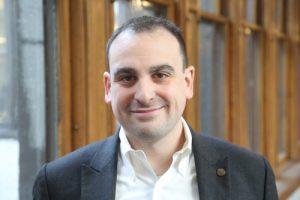
Transcript: Nelson Chamisa announces launch of ‘citizens’ movement,’ says not a political party


Transcript
of
Nelson
Chamisa’s
address
to
the
media
on
January
23,
2026,
to
announce
his
return
to
active
politics:

Good
afternoon
ladies
and
gentlemen,
members
of
the
press
corps,
fellow
citizens.

I
come
to
you
at
a
critical
moment
in
the
history
of
our
country.

Possibly
after
two
years
of
having
left
the
dance
floor,
hoping
that
somebody
else
would
occupy
it,
I
now
see
that
no-one
has
chosen
to
do
so.
The
dance
floor
is
vacant.
I
have
therefore
seen
it
fit
to
return
to
the
floor,
to
dance
for
my
nation,
to
dance
for
the
citizens,
and
to
dance
for
the
future.

Our
nation
faces
a
pivotal
moment,
a
critical
juncture
in
its
history.
The
promise
of
independence
has
not
translated
into
the
rapid,
accelerated
transformation
we
hoped
for.
We
have
not
seen
transformation.
That
promise
has
been
hijacked.

We
have
not
seen
shared
prosperity.
We
have
not
seen
the
dignity
promised
to
citizens.
We
have
not
seen
the
sovereignty
that
was
pledged.
We
have
not
seen
opportunities
for
all.

Instead,
Zimbabwe
is
gripped
by
a
disputed
national
processes
cycle,
deepening
economic
hardship,
political
uncertainty,
social
collapse
and
moral
decay.
Government
services
and
support
systems
have
been
partisanised

delivered
along
political
lines.

We
are
witnessing
unfolding
instability,
heightened
national
anxiety
and
eroded
public
trust.

Zimbabwe
has
endured
decades
of
crisis

political
intolerance,
division
imposed
on
citizens
because
of
political
differences.
We
continue
to
suffer
from
a
debilitating
legitimacy
crisis
born
out
of
rigged
elections,
institutionalised
intolerance,
sponsored
hate,
endemic
corruption,
abuse
of
the
law,
the
hijacking
of
alternatives,
and
ubiquitous
state
capture.

For
Zimbabweans
in
the
diaspora,
life
has
not
been
easy.
The
struggle
is
real.
Many
continue
to
suffer
in
abject
poverty.
Immigration
challenges,
harassment,
embarrassment,
humiliation
and
detention
have
become
part
of
daily
life.

Yet,
concurrently,
we
have
witnessed
the
resilience
of
Zimbabweans,
a
resilience
that
remains
unbroken.
From
our
towns
to
our
villages,
in
factories,
industries,
in
the
diaspora
and
at
home,
the
call
is
clear:
change
must
happen.

Zimbabwe
must
reset.
Zimbabwe
needs
a
fresh
start.

This
is
the
moment,
a
moment
for
a
new
beginning
anchored
on
transformation,
unity,
hope
and
purposeful
action.

The
crisis
in
Zimbabwe
is
of
national
proportion.
It
is
a
crisis
of
governance.
A
leadership
crisis
characterised
by
disputed
processes,
discredited
elections
and
a
stolen
mandate
producing
instability,
shortages,
desperation
and
division.

Even
as
I
stepped
away
from
the
dance
floor,
we
have
been
working
tirelessly
behind
the
scenes.
Through
SADC
and
other
global
platforms,
we
have
been
building
solidarity
for
the
people
of
Zimbabwe.

We
must
be
clear:
a
false
fight
breeds
a
false
victory.
The
entry
point
to
Zimbabwe’s
crisis
must
be
properly
defined.
It
is
a
governance
crisis,
a
breakdown
of
constitutional
order,
national
consensus
and
governmental
legitimacy.

Zimbabwe
has
endured
vicious
cycles
of
disputed
elections,
unresolved
tensions
and
recurring
instability.
We
have
a
disputed
government,
disputed
mandates
and
a
disputed
constitutional
order.
Citizens
are
treated
as
subjects,
stripped
of
dignity,
sovereignty
and
collective
security.

For
the
past
two
years,
we
have
engaged
SADC
because
domestic
legal
avenues
were
blocked.
Even
if
it
takes
five,
ten
or
twenty
years,
disputed
elections
must
be
corrected.
If
we
do
not
fix
what
is
broken,
we
will
never
get
it
right.

Zimbabwe
needs
a
new
way.

The
challenge
of
our
politics
has
been
an
alternative
built
on
a
rotten,
compromised
and
exhausted
past,
a
past
that
has
stifled
the
emergence
of
a
credible,
authentic
alternative.

Old
ways
have
produced
entitlement,
fatigue,
corruption
and
a
culture
of
chasing
titles
instead
of
transformation.

That
is
why
Agenda
2026
represents
a
clean
break
from
the
mistakes
of
the
past,
a
commitment
to
rebuild
Zimbabwe
on
democratic
values,
constitutionalism,
competence,
compassion
and
ethical
leadership.

This
agenda
rejects
fear,
violence,
corruption,
greed
and
exclusion.
It
embraces
accountability,
service
and
citizen
leadership.

This
is
not
about
personalities
or
political
parties.
It
is
about
citizens.
It
is
about
purpose,
not
positions.
Renewal,
not
recycling.

First:
Building
a
new
national
consensus.
A
consensus
built
by
citizens,
for
citizens
and
about
citizens.
Unity
cannot
be
imposed;
it
must
grow
organically
through
dialogue,
consultation
and
shared
purpose.

Second:
Reclaiming
citizen
agency.
Real
change
is
not
delivered
by
politicians;
it
is
delivered
by
citizens.
We
are
building
an
awakened,
conscious
and
responsible
citizenry,
a
nation
of
leaders,
not
followers.

Third:
Preparing
for
the
next
government.
Our
endgame
is
a
citizens’
government
founded
on
competence,
capacity
and
character.
Governance
is
not
slogans,
it
is
systems,
ethics
and
execution.

Fourth:
A
moral
revolution.
Zimbabwe
does
not
need
new
faces;
it
needs
new
values.
We
must
celebrate
hard
work,
merit,
integrity
and
service.
This
moral
renewal
will
involve
the
church,
traditional
leaders
and
especially
the
youth.

Fifth:
International
engagement.
We
will
restore
Zimbabwe’s
standing
through
principled
global
advocacy,
forging
alliances
with
progressive
forces
and
mobilising
our
diaspora
as
ambassadors
for
a
fresh
start.

The
time
to
reset
is
now.

Agenda
2026
is
a
call
to
courage,
unity
and
action.
Mobilise.
Organise.
Build
grassroots
structures.
Engage
in
dialogue.
Join
the
new
way,
a
citizens’
movement
that
transcends
tribe,
race,
colour
and
party
affiliation.

To
Zimbabweans
in
the
diaspora:
you
are
the
backbone
of
our
economy.
You
will
no
longer
be
observers,
you
are
active
participants
in
this
movement.

Over
the
next
180
days,
our
focus
will
not
be
rallies
or
showmanship,
but
institutional
fortification
and
grassroots
resilience.
We
are
laying
foundations
that
cannot
be
destroyed.

Zimbabwe
can
and
will
work
again.

The
new
dawn
begins
with
us.

God
bless
you.
God
bless
Zimbabwe.


Question
and
Answer
Session
(Edited)


Q:
Are
you
abandoning
strategic
ambiguity
and
how
will
you
regain
supporter
confidence?

Chamisa:
Strategic
ambiguity
fortified
our
base,
that
is
why
we
won
in
2023.
It
is
not
meant
for
our
supporters
but
to
deny
our
opponents
intelligence.
Zanu
PF
has
not
remobilised;
it
has
collapsed
into
factions.
We
have
a
duty
to
lead,
and
we
will
execute
that
duty
with
grace.


Q:
Is
this
a
new
political
party
or
a
movement?

Chamisa:
I
think
I
must
help
you.
I
said
it’s
not
a
political
party,
it’s
a
movement.
And
a
movement
is
like
the
liberation
movement.
Who
was
the
president
of
the
liberation
movement?
What
was
the
constitution
of
the
liberation
movement?
But
the
movement
was
able
to
galvanise
people.

Yes,
you’ll
have
institutions
here
and
there,
but
we
want
to
build
a
movement
that
unites
Zimbabweans
around
a
cause,
around
a
case,
around
an
objective,
around
a
purpose.
And
that’s
what
we
are
preoccupied
with.

So
this
whole
thing
of
saying
is
it
a
new
yes
it’s
a
new
movement,
a
citizens
movement.
New
in
the
sense
that
you
are
going
to
see
everything
new
from
the
tactics
the
strategies,
the
structures,
the
leadership
and
the
way
we
organise
we
we
can’t
continue
to
have
funny
games
with
Zanu
PF
for
far
too
long.

Life
is
difficult.
We
are
suffering
as
if
we
don’t
have
a
country
yet
we
have
over
six
mineral
resources
to
our
name.
God
blessed
us
but
human
beings
cursed
us.

We
have
everything
in
this
country
except
leadership.
We
must
correct
that.
What’s
broken
must
be
fixed
and
that’s
our
focus
and
that’s
our
initiative.
So
I
hope
that
answers
it.


Q:
Does
forgiveness
mean
returning
to
old
alliances?

Chamisa:
Forgiveness
does
not
mean
repeating
mistakes.
Only
a
dog
returns
to
its
vomit,
and
we
are
not
dogs.


Q:
Your
response
to
the
2030
agenda?

Chamisa:
It
is
inconsequential.
Zimbabweans
do
not
support
it.
The
real
fight
is
restoring
constitutional
order,
not
engaging
in
false
battles.


Like Lawyers In Pompeii: Is Legal Ignoring The AI Definitional Crisis? (Part V) – Above the Law


“Thinking
of
AI
as
only
GenAI
leads
to
the
adoption
of
solutions
that
don’t
work
when
there
are
practical,
non-GenAI
ways
to
solve
real
problems.”

Over
the
past
several
parts
of
this
series,
we
have
discussed
the
problems
and
risks
confronting
AI,
its
use
by
legal,
and
how
those
problems
may
lead
to
the
eruption
of
the
GenAI
volcano.
The
truth
is
GenAI
has
been
overhyped
and
oversold.
As
a
result,
there
is
a
real
risk
of
overreliance
on
GenAI
by
those
who
don’t
understand
it
and
what
it
does
which
could
lead
to
disaster.

There’s
yet
another
danger
contributing
to
the
potential
eruption
we
haven’t
addressed,
one
that
is
more
fundamental
than
all
the
others:
a
definitional
confusion
that’s
helping
drive
the
overreliance
we’ve
been
worried
about.


The
Definitional
Danger

The
legal
community
has
gone
from
carefully
distinguishing
GenAI
as
a
category
of
AI
to
using
the
term
“AI”
as
a
reference
to
GenAI
itself.
As
in
only
GenAI
is
AI
and
the
anything
else
isn’t.
In
fact,
AI
is
a
much
broader
concept
and
refers
to
a
whole
category
of
tools
with
different
uses,
benefits
and
value
apart
from
GenAI
completely.

This
confusion,
made
worse
by
vendor
marketing,
fuels
overreliance
on
GenAI
tools
on
the
one
hand,
and
under
reliance
on
solid,
accurate,
and
performing
non-GenAI
tools
on
the
other.

In
fact,
real
AI
experts
understand
conceptually
what
AI
is,
what
it
can
do,
and
the
differences
and
drawbacks
of
confusing
GenAI
with
AI
generally.


AI
Expert
Insights

One
such
expert
is
Baron
Reichart
Von
Wolfshield
who
goes
by
the
single
name

Ki
.
Ki
has
worked
extensively
on
AI
from
the
late
70s.
By
the
90s
he
was
building
and
designing
AI
programs
for
the
US
military,
Disney,
the
architectural
community
and,
yes,
for
law
firms.
He
routinely
consults
with
some
of
the
world’s
largest
companies
and
law
firms
on
AI
and
AI
development.
In
addition,
Ki
has
a
unique
way
of
designing
AI
programs
to
solve
human
problems
that
involves
observation,
logic,
and
simplicity,
not
smoke
and
mirrors.

Like
all
true
experts,
he
has
a
way
of
explaining
complicated
concepts
simply
and
understandably.
I
know
from
years
of
experience
as
a
trial
lawyer
how
rare
that
is.


Ki’s
Insights

Ki
makes
it
simple:
AI
should
be
thought
of
as
something
that
appears
to
act
like
an
intelligent
thing.
He
uses
a
mechanical
spring
to
make
this
point,
“The
simplest
artificial
intelligence
in
the
world
is
a
spring.
You
set
it
up,
push
it
down,
and
it’ll
push
back
against
you.
That’s
the
core
of
AI:
it
is
something
you
can
ask
to
do
something
later,
and
it
will.
That’s
AI.
It
acts
like
a
human.“

Thinking
of
AI
in
this
kind
of
broad
way
illustrates
the
point
that
the
key
is
finding
the
right
tool
to
solve
the
problem,
not
adopting
tools
just
because
they
happen
to
be
in
vogue.
It’s
what
he
calls
the
procrustean
effect,
aka
known
as
trying
to
fit
a
square
peg
in
a
round
hole.

Ki
is
also
quick
to
rightfully
point
out
that
this
doesn’t
mean
you
can
use
AI
tools
without
understanding
what
they
are
doing,
how
they
work,
and
without
proof
they
will
do
what
is
claimed.
That’s
Ki’s
beef
with
LLMs
and
GenAI:
it’s
that
the
hype
doesn’t
match
reality,
and
most
users
don’t
bother
to
get
it.

That’s
why
he
calls
LLMs
a
“parlor
trick”:
“Everything
with
LLMs
right
at
this
moment
is
on
par
with
and
a
child
of
autocomplete.”

He
also
believes
the
hallucination
problems
can’t
be
fixed:
“The
reason
AI
lies
is
the
same
reason
a
human
lie,
because
AI
is
modeling
the
same
neural
system
of
a
human.
You
can’t
get
an
LLM
to
stop
lying
any
more
than
you
can
stop
a
human
from
lying.”
It’s
just
part
of
what
LLMs
are,
and
that’s
not
going
to
change.

Because
of
all
this,
he
concludes
that
the
current
proven
usefulness
of
LLMs
is
little
more
than
that
of
a
glorified
search
engine.
So,
thinking
of
AI
as
only
GenAI
leads
to
the
adoption
of
solutions
that
don’t
work
when
there
are
practical
non-GenAI
ways
to
solve
real
problems.


Practical
Non-GenAI
Examples

Ki
gave
a
couple
of
examples.
He
actually
sat
with
a
lawyer
for
a
day
and
watched
what
he
was
doing.
What
he
found
was
that
the
lawyer
spent
a
lot
of
time
trying
to
figure
out
where
and
how
to
file
attachments
to
the
multitude
of
emails.

Sounds
kind
of
trivial,
but
I
know
this
guy’s
pain.
You’re
trying
to
work
quickly
and
make
filing
decisions
among
a
multitude
of
files,
and
a
mistake
could
be
costly
in
terms
of
lost
materials
and
information.
To
top
it
all
off,
you
can’t
enter
time
for
looking
for
a
file
and
be
paid
for
it.

Ki
figured
out
a
simple,
non-GenAI
solution:
create
a
bot
that
could
automatically
file
the
attachment
and
then
tell
you
where
it
put
it.
Simple
but
saves
lawyers
and
legal
professionals
a
hell
of
a
lot
of
time
and
stress.
For
all
the
hype
of
GenAI,
it’s
not
a
tool
that
can
do
that
simple
task.
Says
Ki,
his
bot
 “is
AI
but
it’s
not
an
LLM.”

Another
example:
Ki
noticed
that
a
lot
of
time
was
spent
on
calendaring
significant
events
like
hearings,
depositions,
court
dates
and
the
like.
Having
humans
do
that
was,
at
best,
clumsy
and
error
prone
since
it
required
a
number
of
steps
to
be
taken
to
get
the
item
accurately
on
multiple
calendars,
let
everyone
know,
and
then
set
up
a
process
to
deal
with
it.
He
ultimately
set
up
a
complete
project
management
system
that
did
all
this
and
more.
By
recognizing
patterns
over
multiple
cases,
it
could
even
help
predict
what
might
happen
and
what
an
opponent
might
be
doing.

The
important
thing
is
that,
in
both
situations,
he
first
learned
what
lawyers
and
legal
professionals
really
need
to
do
their
everyday
jobs
and
what
they
care
about.
Then
he
developed
a
simple,
usable
AI
solutions.

This
is
not
GenAI
but
is
AI
that
works,
doesn’t
hallucinate,
doesn’t
make
errors,
and
doesn’t
need
to
be
verified.


Implications
for
Legal

Of
course,
as
we
have

discussed
before
,
the
hallucination
problem
has
enormous
implications
for
legal.
In
many
areas
of
legal,
inaccuracies
and
hallucinations
can’t
be
tolerated.
“That
danger
is
missed,”
says
Ki,
“by
those
who
don’t
understand
the
tool.”

“But
there
is
second,
and
perhaps
more
serious
risk
here,”
says
Ki.
And
that
is
by
lumping
all
AI
into
the
GenAI
bucket,
more
valid
and
error
free
AI
and
automation
tools
will
be
ignored.
Tools
that
can
make
life
simpler
and
better
for
lawyers.
Tools
that
solve
what
Ki
refers
to
as
“boring”
problems.
Problems
that
are
stress
points
for
every
attorney.

Instead
of
focusing
on
these
solutions,
GenAI
providers
often
try
to
coat
every
solution
in
a
GenAI
wrapper
without
considering
the
real
problem,
and
a
simple
solution
that
works.
By
doing
so,
they
suggest
to
legal
customers
that
all
AI
is
GenAI
and
only
GenAI
can
solve
legal
their
problems.
The
result
is
that
customers
are
often
getting
something
that’s
expensive,
doesn’t
solve
their
real
problem,
and
doesn’t
work
as
they
thought.
At
the
end
of
the
day,
they
discard
the
tools
altogether.

There
are
in
fact
things
that
non-GenAI
does
quite
well
and
quite
accurately
if
you
understand
what
it
is
doing
and
analyze
the
problem
correctly
on
the
front
end.
Often
these
problems
result
in
work
for
which
lawyers
are
not
trained
for
but
have
to
do
anyway.
Ki
wants
to
stamp
all
these
out,
leaving
lawyers
and
legal
professionals
to
do
what
they
are
good
at.

By
thinking
that
AI
is
GenAI
only,
the
boring
repetitive
tasks
that
Ki
tackles
would
be
left
undone,
perpetuating
inefficiencies
that
could
be
eliminated
while
instead
adopting
GenAI
systems
that

create
greater
inefficiencies

instead.


The
Over
Reliance
Problem

There’s
also
the
danger
that
lawyers
and
legal
professionals
will
come
to
believe
all
the
GenAI
hype
and
just
rely
on
it.
It’s
the
“if
GenAI
tools
says
it,
it
must
be
true”
syndrome.
Here’s
an
example
of
how
that
could
work.
Admittedly,
if
you
create
the
right
prompt,
a
GenAI
tool
can
give
you
a
list
of
questions
to
ask
in
a
deposition
or
even
assist
you
in
the
deposition
itself
to
spot
inconsistencies
or
correct
bad
questions.

But
the
temptation
for
a
busy
lawyer,
particularly
a
less
experienced
one,
is
to
just
take
that
list
and
doggedly
ask
every
question
on
it.
We
have
all
seen
lawyers
who
make
that
kind
of
list
on
their
own
and
do
just
that.
They
end
up
asking
questions
that
clearly
were
no
longer
relevant
based
on
what
the
witness
previously
said.
They
miss
nuance
and
body
language
that
may
lead
to
unexpected
and
unplanned
questions
that
sometimes
can
break
open
a
case.
They
fail
to
follow
up.

I
once
took
the
deposition
of
a
class
rep.
I
made
a
list
of
questions
in
advance
to
ask.
At
one
point
in
the
deposition,
I
happened
to
ask
what
I
thought
was
a
throw
away
question:
what
claims
the
witness
had
made
or
had
been
made
against
him.
There
was
something
in
the
way
he
looked
when
he
answered.
A
certain
hesitancy
that
made
me
dig
in
on
what
seemed
to
be
a
meaningless
line
of
inquiry.
Come
to
find
out,
he
had
filed
bankruptcy
a
few
months
before.
That
fact
ended
the
case.
Blind
adherence
to
a
GenAI
deposition
list
of
questions
would
never
have
led
me
to
that
question.


Lessons
For
Law
Firms

All
of
this
poses
particular
problems
for
lawyers,
legal
professionals,
and
law
firms.
They
aren’t
Ki
and
most
don’t
have
a
Ki
working
for
them.

But
there
are
some
practical
steps
firms
can
take
and
some
lessons
fordealing
with
AI
and
GenAI.
First
and
foremost,
firms
need
to
realize
that
there
is
a
difference
between
AI
and
GenAI
and
that
there
are
solutions
to
problems
that
don’t
involve
GenAI
at
all.

Firms
should
also
understand
that
there
are
issues
yet
with
GenAI
that
haven’t
been
solved.
Issues
with
respect
to
things
like

accuracy

and
the

costs
of
verification
,
the

infrastructure
,
and
the
robustness
of
the
investment
and
capital.

So
before
purchasing
GenAI
products
out
of
FOMO
or
over
relying
on
their
outputs,
ask
the
hard
questions.
Identify
the
actual
pain
points
you
want
to
eliminate
and
then
determine
whether
the
tools
can
really
solve
your
problem
or
would
simpler,
non-GenAI
tools
do
a
better
job.

And
for
God’s
sake,
don’t
accept
what
vendors
or
others
are
telling
you.
Remember,
that
for
a
variety
of
reasons
we
have
discussed,
the
GenAI
volcano
may
be
about
to
erupt
as
better
and
more
accurate
AI
solutions
surface,
and
the
hype
is
replaced
by
reality.

Next
time
we
will
look
at
how
a
non-GenAI
solution
may,
in
fact,
even
solve
some
of
GenAI’s
real
problems.


Read
our
entire
“Pompeii”
Series:


Like
Lawyers
In
Pompeii:
Is
Legal
Ignoring
The
Coming
AI
Infrastructure
Crisis?
(Part
I)


Like
Lawyers
In Pompeii: Is Legal
Ignoring
The
Coming AI
Cost
Crisis?
(Part
II)


Like
Lawyers
In
Pompeii:
Is
Legal
Ignoring
The
Coming
AI
Trust
Crisis?
(Part
III)


Like
Lawyers
In
Pompeii:
Is
Legal
Ignoring
The
Coming
AI
Financial
Crisis?
(Part
IV)


Stephen
Embry
is
a
lawyer,
speaker,
blogger,
and
writer.
He
publishes TechLaw
Crossroads
,
a
blog
devoted
to
the
examination
of
the
tension
between
technology,
the
law,
and
the
practice
of
law


Melissa
“Rogo”
Rogozinski
is
an
operations-driven
executive
with
more
than
three
decades
of
experience
scaling
high-growth
legal-tech
startups
and
B2B
organizations.
A
trusted
partner
to
CEOs
and
founders,
Rogo
aligns
systems,
product,
marketing,
sales,
and
client
success
into
a
unified,
performance-focused
engine
that
accelerates
organizational
maturity.
Connect
with Rogo
on
LinkedIn
.

Judge Shot At Home Still Has ‘Strong Faith’ In Judicial System – Above the Law


Ed.
note
:
Welcome
to
our
daily
feature, Quote
of
the
Day
.


I
want
the
community
to
know
that
I
have
strong
faith
in
our
judicial
system.
This
horrific
violence
will
not
shake
my
belief
in
the
importance
of
peacefully
resolving
disputes.
I
remain
confident
we
have
the
best
judicial
system
in
the
world,
and
I
am
proud
to
be
a
part
of
it.


— Tippecanoe
County
Superior
Court
Judge
Steven
P.
Meyer,
in
comments
given
to
the

Indiana
Lawyer
,
showing
his
resilience
and
faith
in
the
rule
of
law,
in
the
wake
of
being

shot
at
home

alongside
his
wife.
Meyer,
who
was
shot
in
the
arm,
remains
in
the
hospital,
while
his
wife
was
released
previously.
While
an
investigation
into
the
shooting
is
ongoing,
no
arrests
have
been
made.


Staci
Zaretsky
 is
the
managing
editor
of
Above
the
Law,
where
she’s
worked
since
2011.
She’d
love
to
hear
from
you,
so
please
feel
free
to email her
with
any
tips,
questions,
comments,
or
critiques.
You
can
follow
her
on BlueskyX/Twitter,
and Threads, or
connect
with
her
on LinkedIn.

Delays in child justice law spark rights concerns

First
tabled
in
Parliament
in
2021
and
passed
in
2023,
the
Bill
remains
unsigned.
It
was
designed
to
establish
a
separate,
child-friendly
justice
system
in
line
with
Section
81
of
the
Constitution
and
Zimbabwe’s
international
obligations.
In
the
absence
of
this
specific
legislation,
children
are
still
processed
under
general
criminal
laws
that
often
prioritize
retribution
over
rehabilitation.

Speaking
on This
Morning
on
Asakhe
,
an
X-Spaces
programme
hosted
by
CITE,
Sharon
Chava,
a
human
rights
lawyer
with
the
Legal
Resources
Foundation,
explained
that
the
proposed
law
prioritizes
“diversion”,
a
process
that
channels
children
away
from
formal
criminal
proceedings
toward
age-appropriate
interventions.

“The
Bill
introduces
diversion
options
to
ensure
children
are
removed
from
the
formal
system
at
every
stage
where
appropriate,”
Chava
said.
“Currently,
we
see
inconsistent
application
of
principles.
There
should
be
standard
measures,
such
as
child-sensitive
language,
because
children
react
differently
to
situations
adults
consider
normal.
A
formal
court
environment
can
instill
deep
fear
in
a
child.”

Chava
further
highlighted
the
uneven
application
of
protective
measures,
noting
that
while
some
magistrates
clear
the
public
gallery
for
juvenile
cases,
others
do
not
unless
specifically
requested
by
a
lawyer.

“If
a
child
is
accused
of
theft,
they
are
referred
to
a
general
court
dealing
with
theft,
rather
than
a
specialized
courtroom
equipped
to
handle
children.
This
is
a
significant
gap,”
Chava
added.

She
warned
that
without
specialised
“child-friendly”
mechanisms,
similar
to
the
Victim-Friendly
Courts
used
for
abuse
cases,
a
child’s
constitutional
rights
depend
entirely
on
whether
their
magistrate
is
knowledgeable
or
their
lawyer
is
exceptionally
vocal.

Advocate
Pamela
Musimwa
of
the
Justice
for
Children
Trust
described
the
Bill
as
a
progressive
step
that
challenges
societal
prejudices.

“Society
often
has
a
harsh
attitude
toward
these
children,”
Musimwa
said.
“We
forget
that
childhood
mischief
is
part
of
growing
up.
Many
of
these
offenses
are
committed
due
to
a
lack
of
understanding
or
maturity.
This
Bill
is
about
giving
children
a
second
chance.”

Musimwa
noted
that
most
children
she
represents
express
deep
regret
years
later,
once
they
have
the
maturity
to
appreciate
the
consequences
of
their
actions,
an
appreciation
they
lacked
at
the
time
of
the
offence.

Perhaps
the
most
critical
change
the
Bill
introduces
is
the
age
of
criminal
responsibility.
Under
current
Zimbabwean
law,
children
as
young
as
seven
can
be
held
criminally
liable.

“Currently,
children
as
young
as
10
can
be
prosecuted
with
the
authority
of
the
Prosecutor
General,”
Musimwa
explained,
citing
a
tragic
case
where
a
kindergarten-aged
child
accidentally
killed
a
peer
while
playing.
“In
talking
to
that
child,
you
realize
they
cannot
even
grasp
the
consequences
of
their
act.
To
have
a
criminal
offense,
there
must
be
an
appreciation
that
the
act
is
wrong.”

The
Child
Justice
Bill
seeks
to
remedy
this
by
raising
the
minimum
age
of
criminal
responsibility
to
12
years,
ensuring
the
law
recognises
the
developmental
realities
of
childhood.

Chinese ivory syndicates worsen Zimbabwe’s illicit financial flows

Arrested
in
Harare
on
July
16,
2025,
the
47-year-old
was
found
in
possession
of
three
rhino
horns
and
four
pieces
of
raw
ivory
with
a
combined
street
value
exceeding
US$246
000.

While
Cong’s
case
stood
out
because
of
the
quantities
of
ivory
involved,
conservationists
said
such
matters
are
becoming
a
permanent
feature
in
courts
around
Zimbabwe.

In
February
2025,
two
Chinese
nationals,
Lin
Wang
and
Fux
Wang,
appeared
at
the
Harare
magistrates
court
after
they
were
caught
at
the
Robert
Gabriel
Mugabe
International
Airport
in
Harare
trying
to
smuggle
out
of
the
country
rhino
horns
worth
a
combined
US$480
000.

In
a
separate
case,
Lin
and
Fux
were
caught
by
undercover
detectives
while
trying
to
make
arrangements
to
smuggle
rhino
horns
worth
US$120
000
with
an
agent
in
Harare’s
Alexandra
Park.

Li
Song,
a
Chinese
national
allegedly
at
the
centre
of
a
poaching
network
in
Zimbabwe
for
many
years
during
the
Robert
Mugabe
years,
went
under
the
radar
in
2024
after
she
was
arrested
for
allegedly
importing
large
quantities
of
cyanide
and
storing
it
in
unsafe
locations.

Cyanide
was
once
a
weapon
of
choice
for
poachers
who
killed
hundreds
of
elephants
at
the
Hwange
National
Park
for
their
ivory.

Li
is
rumoured
to
have
escaped
to
her
country
after
a
Harare
magistrate
issued
a
warrant
of
arrest
against
her
two
years
ago
for
skipping
trial.

While
the
National
Prosecuting
Authority
of
Zimbabwe
(NPAZ)
usually
hails
the
arrests
of
the
Chinese
nationals
as
a
signal
that
the
fight
against
wildlife
crimes
is
intensifying,
conservationists
said
the
cases
were
only
a
tip
of
the
iceberg.


East
Asian
syndicates
and
hidden
financial
flows

Conservationists
revealed
the
increasing
number
of
Chinese
nationals
being
arrested
during
ivory
seizures
was
proof
that
syndicates
from
East
Asia
have
become
the
main
challenge
in
the
fight
against
illegal
wildlife
trade
in
Zimbabwe,
leading
to
illicit
financial
flows.

Lack
of
detailed
investigations
after
the
seizures
has
prevented
the
syndicates
from
being
unmasked.
They
remain
untouched,
the
conservationists
said.

The
foreign
syndicates
allegedly
connive
with
corrupt
officials
to
smuggle
ivory
from
elephants
mainly
poached
from
Matabeleland
North’s
major
wildlife
reserves
that
include
the
Hwange
National
Park.

At
least
30
000
elephants
are
killed
across
Africa
every
year
for
their
tusks,
which
frequently
end
up
in
Chinese
and
Vietnamese
markets.

Zimbabwe
has
the
second-largest
elephant
population
in
the
world
after
Botswana
and
holds
an
estimated
120
metric
tonnes
of
stockpiled
ivory,
accumulated
under
a
global
trade
ban
intended
to
protect
endangered
species.

Zimbabwe,
alongside
Botswana
and
Namibia,
has
lobbied
for
the
lifting
of
the
ban,
arguing
that
controlled
sales
would
undercut
black
markets
and
generate
funds
for
conservation.

For
years,
Zimbabwe’s
elephant
population
has
been
under
siege
from
ivory
poachers
amid
the
growing
influence
of
the
Chinese
population
in
the
country.

China
has
become
the
world’s
largest
ivory
market
and
organised
criminal
syndicates
from
that
country
have
been
identified
as
the
key
drivers
of
ivory
trafficking
from
Zimbabwe.

Investigations
that
involved
tracking
criminal
prosecutions
in
Matabeleland
North,
interviews
with
conservationists
and
reviewing
reports
on
wildlife
crimes,
showed
Chinese
syndicates
were
behind
illicit
financial
flows
from
illegal
ivory
trade.

According
to
the
Wildlife
Justice
Commission
(2020),
a
kilogramme
of
raw
ivory
fetches
between
US$75
and
US$85
on
southern
African
black
markets,
compared
to
as
much
as
US$400
in
China
and
Vietnam.

The
Organised
Crime
Index
2023
described
“wildlife
trafficking
as
prevalent
in
Zimbabwe,
particularly
for
ivory
and
rhino
horns.”

“Chinese
transnational
organised
criminal
groups
are
involved
in
this
crime
in
the
country,”
the
report
said.

In
2025
the
same
report
said
“fauna
crimes
are
highly
consolidated,
with
well-organised
poaching
networks
engaged
in
the
illegal
trade
of
ivory
and
rhino
horns.”

“Corruption
among
state-embedded
actors
enables
traffickers
to
operate
with
little
resistance,”
the
report
added.

“The
demand
for
wildlife
products
primarily
originates
from
Asia,
Chinese
nationals
reportedly
playing
a
significant
role
in
the
market.”

These
smuggling
routes
often
overlap
with
gold,
arms
and
drug
trafficking
pipelines,
complicating
surveillance
and
enforcement.

Investigators
found
that
routes
through
Matabeleland
North,
Hwange,
Binga
and
Lupane
link
to
trucking
corridors
feeding
into
South
Africa,
where
illicit
shipments
are
then
sent
to
East
Asian
markets.


Layers
of
a
poaching
syndicate

Amos
Gwema,
a
wildlife
law
enforcement
specialist
with
over
two
decades
of
experience,
said
the
foreign
poaching
syndicates
had
a
hierarchy
that
started
with
villagers
at
the
base,
followed
by
local
syndicate
leaders,
city-based
consolidators,
and
regional
facilitators
and
led
by
international
masterminds.

Gwema,
also
author
of
the
book,
Safeguarding
Wildlife

A
Manual
for
Investigation,
Enforcement
and
Conservation,
said
poor
villagers
form
the
base
of
the
triangle,
often
bearing
the
brunt
of
law
enforcement
efforts.

“They
are
identified,
arrested,
and
charged
with
possession
or
dealing
in
wildlife
products,
making
it
difficult
to
connect
them
to
higher-level
operatives,”
he
said.

“In
some
cases,
they
are
shot
while
poaching,
and
law
enforcement
celebrates
these
incidents.
Rarely
do
efforts
go
beyond
this
level
to
investigate
further,
largely
due
to
the
legal
challenges
in
linking
them
to
the
broader
syndicate.”

A
layer
above
the
poachers
are
local
syndicate
leaders
who
are 
the
middlemen,
collecting
ivory
and
wildlife
products
from
the
villagers.

Gwema
said
these
individuals
were
trusted
by
buyers
and
received
funds
to
purchase
ivory,
often
at
significantly
lower
prices
of
between
US$20
to
US$40
per
kilogramme
compared
to
US$100
per
kg.

“They
don’t
engage
in
poaching
directly,
instead
waiting
for
Level
1
operatives
to
bring
products
to
them,
often
outside
the
park
or
poaching
area,”
he
said.

City-based
consolidators
are
the
next
layer
operating
from
urban
areas,
receiving
and
consolidating
products
from
Level
2
collectors.

They
are
typically
foreigners
residing
in
the
country,
or
locals
who
have
earned
the
trust
of
local
syndicate
leaders.

They
facilitate
the
transportation
of
ivory
and
other
products
out
of
the
country,
dealing
only
with
trusted
local
syndicate
leaders.

Gwema
said
the
city-based
consolidators
were
followed
by
individuals
that
oversee
regional
operations,
leveraging
connections
to
facilitate
transportation
and
logistics
for
the
illicit
trade.

“They
operate
from
regional
hubs,
which
can
be
countries
where
animals
are
poached,
such
as
Zimbabwe,
Zambia,
or
South
Africa,”
he
added.

“They
are
challenging
for
law
enforcement
to
reach,
making
them
a
crucial
part
of
the
syndicate’s
structure.
At
the
apex
of
the
syndicate,
these
individuals
orchestrate
the
entire
operation
and
reap
the
greatest
benefits.
They
are
based
in
consumer
markets
and
are
the
hardest
to
apprehend,
making
them
the
elusive
drivers
of
the
illicit
wildlife
trade.”


Financial
intelligence
flags
wildlife
crime

A
common
feature
of
Zimbabwe’s
Financial
Intelligence
Unit
(FIU)
in
the
past
few
years
is
the
increasing
incidence
of
illicit
financial
flows
linked
to
environment
crimes
such
as
the
smuggling
of
ivory.

“Environmental-crime-related
financial
activity
is
rising
sharply,”
noted
the
FIU’s
2024
report.

“The
jump
from
212
Suspicious
Transaction
Reports
(STRs)
in
2022
to
an
average
of
55
per
month
in
early
2023
signals
that
criminal
networks
are
increasingly
using
formal
financial
channels.”

The
FIU
said
suspicious
transaction
reports
associated
with
illegal
wildlife
trade
dominated
environmental
crime
categories,
followed
by
illegal
gold
mining
and
timber
smuggling.

Matabeleland
North,
Mashonaland
West
and
Masvingo
were
identified
as
the
hotspots
for
ivory
poaching.

Poaching
hotspots
are
areas
with
elephant
populations,
such
as
Hwange,
Sebungwe,
Northern
regions
and
Gonarezhou.

Smugglers
move
ivory
through
porous
borders,
like
the
Zambezi
River,
or
unmanned
land
border
lines,
conservationists
who
spoke
on
condition
of
anonymity
said.

The
FIU
said
it
now
possessed
the
capacity
to
“trace
cross-border
wire
transfers,
identify
shell-company
structures,
and
coordinate
arrests
with
law-enforcement
partners
(Interpol,
ZimParks,
NPA).”


Civil
society
raises
alarm

Farai
Maguwu,
Director
of
the
Centre
for
Natural
Resource
Governance,
said
Chinese
nationals
dominated
the
number
of
foreigners
caught
trying
to
smuggle
ivory
out
of
Zimbabwe,
pointing
to
entrenched
criminal
syndicates
operating
in
the
country.

“If
you
do
a
simple
Google
search,
you
will
find
that
Chinese
nationals
have
been
arrested
from
time
to
time
in
Zimbabwe
with
ivory
and
rhino
horn,”
Maguwu
said.

“There’s
also
international
research
that
was
done
which
implicated
some
powerful
Zimbabweans
as
well
in
poaching.

‘So
the
Chinese
normally
work
with
locals
when
they
do
these
things,
but
this
is
something
that
we
must
really
be
concerned
about
because
it’s
part
of
transnational
organised
crime.

“The
shipment
of
ivory
from
Zimbabwe
to
whatever
destination
shows
that
there
is
a
well-coordinated
criminal
syndicate
involved
in
poaching
in
this
country.”

Muguwu,
whose
organisation
does
research
and
advocacy
aimed
at
promoting
citizen
participation,
said
their
grassroots
monitors
in
ivory
poaching
hotpots
such
as
Hwange
often
recorded
suspicious
activities
by
Chinese
nationals.

“As
you
know
a
few
years
ago
Chinese
nationals
were
caught
with
ivory
in
Zimbabwe
and
were
granted
bail,”
he
said.

“Predictably,
they
fled
the
country
while
on
bail.
In
a
normal
situation,
when
you
are
arrested
in
a
foreign
land
for
such
a
serious
crime.

“So
the
question
is:
how
many
such
cases
go
unnoticed?
Are
those
arrested
only
the
tip
of
the
iceberg?”

Nkosikhona
Sibanda,
Director
at
the
Centre
for
Environment
and
Corporate
Accountability,
said
there
were
allegations
that
some
Chinese
nationals
employed
around
Hwange
were
involved
in
poaching
activities.

A
number
of
Chinese
coal
mines
have
been
established
in
Hwange
since
President
Emmerson
Mnangagwa
came
into
power
in
2017.

In
2020
the
government
was
forced
to
ban
all
mining
in
national
parks
after
furore
greeted
the
granting
of
coal
mining
exploration
to
Chinese-owned
Afrochine
Energy
and
Zhongxin
Coal
Mining.

Conservationists,
who
opposed
the
attempts
to
open
the
mines
inside
Zimbabwe’s
biggest
game
reserve
said
the
granting
of
the
licenses
would
result
in
irreparable
harm
to
the
fragile
ecosystem.

“Based
on
our
interactions
with
workers
employed
by
Chinese
mining
companies,
we
have
gathered
that
there
are
activities
taking
place
in
and
around
Hwange
that
appear
to
be
illegal,
and
we
are
still
trying
to
establish
the
full
facts,”
Sibanda
said.

“Many
of
these
activities
seem
to
be
linked
to
poaching
and
the
trafficking
of
ivory
out
of
Zimbabwe,
particularly
from
areas
around
Hwange
National
Park.

“There
has
been
an
influx
of
Chinese
nationals
into
Hwange,
most
of
whom
are
presented
as
mine
workers
employed
by
Chinese-owned
mining
operations
in
the
area.

He
said
most
of
the
Chinese
nationals
had
access
to
guns
that
their
employers
claim
are
for
security
reasons,
but
some
of
them
end
up
being
used
for
poaching.

“We
have
seen
ordinary
citizens
sentenced
to
seven,
eight,
10
or
even
15
years
in
prison
for
being
found
in
possession
of
wildlife
products
without
licences,”
Sibanda
said.

“However,
we
have
not
seen
major
convictions
involving
Chinese
nationals,
despite
a
number
of
arrests
that
have
been
publicly
reported
by
the
Zimbabwe
Republic
Police.

“This
raises
questions
about
whether
wildlife
crimes
are
being
treated
differently
based
on
a
person’s
nationality
or
skin
colour.”


Silence
from
authorities

Zimparks
spokesperson,
Tamiriraishe
Mudzingwa,
requested
questions
in
writing
when
he
was
asked
to
comment
on
the
involvement
of
Chinese
nationals
in
poaching
activities,
but
did
not
respond
for
over
a
month.

Zimbabwe
lost
300
elephants
at
the
Hwange
National
Park
in
2013
where
poachers
used
cyanide
poisoning
in
an
incident
that
drew
global
attention
to
the
poaching
problem.

Your earphones could cost you your life, Byo police warn

On
Friday
afternoon,
police
officers
conducted
an
awareness
campaign
in
the
CBD,
rounding
up
pedestrians
who
were
wearing
earphones
or
using
cellphones
while
crossing
the
road
and
cautioning
them
about
the
dangers
associated
with
distracted
walking.

Bulawayo
provincial
police
spokesperson,
Inspector
Nomalanga
Msebele,
said
police
are
recording
at
least
five
cases
daily
of
pedestrians
being
hit
by
vehicles
in
the
CBD,
with
most
incidents
linked
to
distraction.

“There
has
been
a
worrying
trend
in
terms
of
the
number
of
cases
that
we
are
receiving
about
pedestrians
who
are
hit
by
cars
because
they
were
distracted
by
earphones,”
said
Insp
Msebele
during
the
campaign.

“At
least
five
people
are
hit
by
cars
every
day,
and
in
most
cases
it
is
because
of
earphones.
If
such
behaviour
continues,
pedestrians
will
end
up
being
fined
for
such
conduct.”

Inspector
Msebele
said
police
have
a
constitutional
mandate
to
ensure
the
safety
and
protection
of
all
residents,
hence
the
decision
to
publicly
educate
pedestrians
on
the
risks
of
distracted
road
use.

“We
cannot,
as
a
city,
have
such
high
cases
of
pedestrians
being
hit
by
cars
every
day.
We
arrest
motorists
for
hitting
pedestrians,
but
in
some
cases
we
find
that
it
is
the
pedestrians
who
are
in
the
wrong,”
she
said.

“It
is
our
constitutional
mandate
to
ensure
the
safety
of
the
people.
If
you
are
failing
to
take
care
of
yourselves
responsibly,
we
will
take
care
of
you.
Can
we
all
be
more
careful
when
using
the
roads.”

She
explained
that
pedestrians
using
earphones
often
fail
to
hear
warning
signals
from
motorists,
cyclists,
or
fellow
pedestrians.

“You
find
that
a
person
fails
to
hear
a
car
hooting,
a
bicycle
ringing
a
bell,
or
fellow
pedestrians
and
onlookers
who
are
trying
to
warn
them
of
looming
danger
because
they
are
listening
to
music,”
said
Insp
Msebele.

Meanwhile,
Bulawayo
United
Passenger
Transport
Association
(BUPTA)
chief
rank
marshal
Israel
Mabuza
commended
police
for
the
campaign,
noting
that
several
drivers
have
been
charged
in
accidents
where
pedestrians
were
at
fault.

“This
is
a
great
challenge
that
we
have
been
facing
as
drivers.
Some
drivers
have
been
arrested
for
knocking
down
pedestrians,
yet
these
people
would
be
plugging
earphones
while
crossing
the
road,”
said
Mabuza.

He
added
that
the
situation
is
worsened
by
the
rainy
season,
which
affects
road
conditions
and
visibility.

“Especially
now
during
the
rainy
season,
the
state
of
the
roads
is
even
worse.
A
driver
will
be
trying
to
navigate,
but
pedestrians
will
be
disconnected
from
what
is
happening
around
them,”
he
said.

“Even
if
you
hoot,
that
person
won’t
hear
you.
In
the
end,
cars
may
bump
into
each
other
as
drivers
try
to
avoid
hitting
a
pedestrian,
leading
to
costs
that
could
have
been
avoided.”

Malaba era politicised the courts, experts say

The
observations
were
made
during
a
CITE
X
Space
discussion
held
on
Friday
titled
“The
Future
of
Zimbabwe’s
Judiciary:
Lessons
from
the
Malaba
Era”,
as
legal
practitioners
reflected
on
the
tenure
of Chief
Justice
Luke
Malaba,
who
is
set
to
retire
in
May
this
year
 after
his
term
was
controversially
extended.

These
legal
minds
said
Malaba’s
time
at
the
helm
of
the
judiciary
revealed
how
courts
can
become
instruments
of
political
power
through
selective
application
of
the
law,
constitutional
avoidance
and
lawfare,
undermining
the
rule
of
law.

Human
rights
lawyer.
Doug
Coltart,
said
Malaba’s
legacy
was
deeply
conflicted,
marked
by
early
judicial
courage
but
later
overshadowed
by
decisions
and
administrative
conduct
that
weakened
constitutional
principles.

“If
we
look
back
at
Malaba’s
tenure,
not
just
as
Chief
Justice
but
as
a
judge,
we
see
someone
with
real
intellect
who
understood
the
law,”
Coltart
said.

He
cited
landmark
judgments
such
as
the Mudzuru
ruling
,
which
ended
child
marriage
and
was
widely
praised
internationally,
as
well
as
Malaba’s
dissenting
opinion
in
the
Jealousy
Mawarire
case,
where
he
stood
against
the
majority
and
defended
constitutionalism
by
opposing
an
early
election
in
2013.

“That
dissent
showed
courage
and
independence,”
Coltart
said.

However,
he
said
the
controversial
extension
of
Malaba’s
tenure
as
Chief
Justice
fundamentally
undermined
those
achievements.

“I
am
partly
pained
that
his
legacy
will
be
defined
by
the
extension,
which
violated
core
constitutional
principles,
particularly
that
incumbents
should
not
benefit
from
changes
to
tenure,”
he
said.

Coltart
said
Malaba
risked
being
remembered
not
for
his
jurisprudence,
but
for
refusing
to
leave
office
when
his
term
ended,
a
fate
that
befell
none
of
his
respected
regional
peers.

“South
African
judges
like
Pius
Langa
knew
when
it
was
time
to
go,
and
they
went.
The
fact
that
we
are
still
debating
Malaba’s
retirement
even
after
announcements
were
made
tells
you
something
has
gone
wrong,”
he
said.

Constitutional
lawyer,
Dr
Musa
Kika,
said
Malaba’s
rise
through
the
judicial
ranks
meant
his
later
conduct
could
not
be
blamed
on
ignorance
of
the
law.

“He
knew
the
law.
What
happened
was
not
out
of
ignorance,”
Kika
said.

Kika
said
the
Malaba
era
demonstrated
that
courts
are
not
neutral
spaces,
but
are
vulnerable
to
political
agendas
and
manipulation.

“We
learn
that
the
law
and
the
courts
are
not
innocent
of
politics,”
he
said.
“Much
of
the
misgovernance
and
misrule
we
have
seen
in
Zimbabwe
has
been
enabled
and
facilitated
by
the
courts.”

He
said
judges
showed
selective
independence,
delivering
sound
rulings
in
“softer”
cases
while
ruling
politically
in
constitutional,
electoral
and
human
rights
matters.

“You
could
see
that
political
and
human
rights
cases
were
ruled
on
in
a
political
manner,
while
other
cases
received
good
judgments.
That
is
not
how
the
rule
of
law
works,”
Kika
said.

According
to
Kika,
this
pattern
amounted
to
selective
constitutional
avoidance,
where
courts
relied
on
technicalities
to
avoid
making
substantive
rulings
on
politically
sensitive
issues.

“This
has
normalised
an
abnormal
situation,
where
technicalities
trump
substance,
despite
the
Constitution
expressly
saying
they
should
not,”
he
said.

Kika
said
Zimbabwe
experienced
lawfare
during
Malaba’s
tenure,
the
use
of
the
legal
system
to
fight
political
battles.

“The
judiciary
has
been
used
to
capture
Parliament,
dismantle
political
opponents
and
legitimise
executive
power,”
he
said.

He
borrowed
a
metaphor
from
a
Nigerian
human
rights
lawyer
to
describe
the
period.

“Some
rulers
are
drunk
on
power,
and
some
judges
have
handed
them
the
bottle,”
Kika
said.
“When
one
reflects
on
this
tenure,
that
description
fits
uncomfortably
well.”

He
cited
several
incidents
that
raised
concerns
about
judicial
independence,
including
a
2020
practice
directive
requiring
judges
to
submit
judgments
to
heads
of
courts
for
approval,
which
was
only
withdrawn
after
public
outcry,
and
a
2025
proposal
to
send
judges
to
the
Chitepo
School
of
Ideology,
which
was
also
reversed
following
backlash.

Kika
also
criticised
the Liberal
Democrats
v
President
of
Zimbabwe
 ruling,
delivered
by
Malaba
after
the
2017
military
coup,
in
which
the
court
held
that
former
president
Robert
Mugabe
had
resigned
voluntarily.

“That
judgment
effectively
legitimised
the
coup
and
reflects
dubious
jurisprudence
common
in
jurisdictions
where
courts
bend
to
executive
whims,”
he
said.

Legal
practitioner
and
political
analyst,
Dr
Vusumuzi
Sibanda,
offered
a
harsher
assessment,
saying
Malaba’s
tenure
had
left
lasting
institutional
damage.

“I
am
not
even
willing
to
acknowledge
what
he
did
right,”
Sibanda
said.

Sibanda
said
he
was
personally
affected
by
the
Liberal
Democrats
case,
having
been
the
applicant.

“To
have
costs
awarded
on
a
matter
that
was
clandestinely
withdrawn,
and
then
be
told
nothing
can
be
done,
that
leaves
scars,”
he
said.

He
argued
that
presiding
over
a
judiciary
that
fails
to
uphold
the
Constitution
raises
fundamental
ethical
questions.

“If
you
perpetuate
suffering
through
the
system
you
lead,
there
is
nothing
ethical
about
that,”
Sibanda
said.

He
questioned
whether
Malaba
met
the
‘fit
and
proper’
test
for
judicial
leadership,
particularly
in
light
of
the
term
extension.

“This
will
be
debated
for
years:
was
Malaba
ever
fit
and
proper
to
be
Chief
Justice?”
he
said.

Sibanda
accused
the
judiciary
under
Malaba
of
rubber-stamping
Executive
decisions,
rather
than
acting
as
a
check
on
state
power.

“The
judiciary
is
supposed
to
reduce
the
ability
of
the
executive
to
abuse
authority,
not
assist
it,”
he
said.

“For
me,
Malaba’s
tenure
has
been
a
nightmare.”

Sibanda
said
Malaba’s
tenure
offers
critical
lessons
for
the
future
of
Zimbabwe’s
judiciary, 
particularly
the
importance
of
individual
judicial
independence,
transparency
and
timely
exit
from
power,
warning
that
without
structural
and
cultural
reforms,
courts
risk
continuing
to
serve
political
interests
rather
than
constitutionalism,
further
eroding
public
trust
in
the
justice
system.

Biglaw’s Return-To-Office Push Is Showing Up In Law Firm Real Estate Deals – Above the Law

Businessman
On
Arrow
Over
Manhattan

New
York

Success
and
Achievement
Concept

Biglaw
isn’t
just
talking
about
getting
lawyers
back
to
the
office

firms
are
leasing
space
like
they
mean
it.

Law
firms
took
nearly
800,000
square
feet
of
New
York
City
office
space
in
Q4
2025,
according
to
data
provided
to

Law.com
,
with
firms
including
Kirkland
&
Ellis,
Goodwin
Procter,
and
McGuireWoods
expanding
their
Manhattan
footprints.
Gibson
Dunn
and
Baker
Hostetler
renewed
in
place,
underscoring
that
firms
are
holding
onto

and
adding
to

their
office
space,
not
shedding
it.

Kirkland
and
Goodwin,
already
among
the
year’s
biggest
New
York
lessees,
added
tens
of
thousands
of
square
feet
in
the
fourth
quarter
alone.
The
expansions
come
as
more
firms
move
to
four-day-a-week
in-office
requirements,
a
trend
that
has
picked
up
steam
across
the
Am
Law
50.

Commercial
real
estate
executives
say
the
link
between
space
and
attendance
is
no
accident.

“Law
firms,
especially
the
high-quality
firms,
are
leading
the
market
in
growth
in
large
measure
because
they
all
came
to
the
realization,
at
about
the
same
time,
that
when
they
are
physically
together,
they
are
far
more
productive
and
creative,”
[Cushman
&
Wakefield
executive
vice
chair
Mark]
Weiss
said.
“Their
recent
growth
reflects
this
sudden
reversal
in
their
attitudes
towards
the
workplace.”

After
years
of
hybrid
hedging,
Biglaw’s
real
estate
strategy
is
sending
a
clear
message:
if
firms
are
requiring
lawyers
to
show
up,
they’re
going
to
make
sure
there’s
room
for
them.


Law
Firms
in
‘Space
Race’
for
NYC
Office
Leases

[Law.com]


Staci
Zaretsky
 is
the
managing
editor
of
Above
the
Law,
where
she’s
worked
since
2011.
She’d
love
to
hear
from
you,
so
please
feel
free
to email her
with
any
tips,
questions,
comments,
or
critiques.
You
can
follow
her
on BlueskyX/Twitter,
and Threads, or
connect
with
her
on LinkedIn.

DOJ Tells Court They Could Deport The Beatles Because It Was Called The ‘British Invasion’ – Above the Law

In
the
1960s,
an
onslaught
of
rock
bands
from
the
UK
found
their
way
into
America’s
jukeboxes.
So
many
artists
crossed
the
Pond
that
the
media
playfully
dubbed
it
the
“British
Invasion.”
While
a
vocal
subset
of
old
people
would
rant
that
the
country
would
lapse
into
moral
peril
because
Ringo’s
hair
was
too
long,
the
moniker
was
just
a
headline-friendly
way
to
talk
about
an
unfolding
cultural
phenomenon.

According
to
the
Trump
administration,
the
term
“British
Invasion”
is
all
a
president
needed
to
hear
to
justify
throwing
Paul
McCartney
into
a
foreign
gulag.

A
couple
years
ago,
that
sentence
would

rightly

be
dismissed
as
unfair
hyperbole.
In
2026,
it’s
a
routine
Thursday
for
the
Department
of
Justice.

To
set
the
stage,
the
Trump
administration
persists
in
its
assertion
of
broad
power
under
the

Alien
Enemies
Act
of
1798
.
The
18th
century
law
grants
the
executive
branch
authority
to
expel
foreign
nationals
during
an
invasion.
That’s
not
in
dispute.
The
Trump
DOJ’s
new,
deliciously
ahistorical
twist
contends
that
presidents
have
exclusive,
unquestioned
power
to
define
whatever
they
want
as
an
“invasion.”
If
a
dementia-addled
president
decides
that
foreign-born
members
of
a
street
gang
are
an
“invasion,”
he
can
round
up
and
expel
anyone
they
claim
has
ties
to
that
group.

And
no
judicial
process
can
question
them.

Despite
getting

a
back
of
the
hand
from
the
Supreme
Court
,
the
government
continues
to
take
this
stance.
During
yesterday’s
Fifth
Circuit

en
banc

hearing,
Chief
Judge
Jennifer
Walker
Elrod
asked
if
the
administration
took
the
position
that
a
president
could
decide
the
“British
Invasion”
was
an
“invasion”
under
the
Alien
Enemies
Act
and
start
deporting
the
Beatles.
She
described
the
hypothetical
as
“fanciful,”
but
a
better
description
is
“the
ultimate
softball.”
When
a
sympathetic
judge

say,
a
deeply
conservative
George
W.
Bush
appointee

lays
out
a
facially
absurd
scenario,
it’s
an
invitation
to
articulate
limits.
“No,
what
the
silly
liberals
don’t
understand
is
that

of
course

the
president
couldn’t
deport
a
music
group
just
because
parents
don’t
like
their
music,
but
here’s
why
this
vicious
gang
is
different….”
It’s
a
disingenuous
straw
argument
being
hand-delivered
by
a
judge.

Assistant
Attorney
General
Drew
Ensign

rejected
this
gift
:

“These
sort
of
questions
of
foreign
affairs
and
the
security
of
the
nation
are
specifically
political
issues,”
said
Drew
Ensign,
an
assistant
attorney
general
who
was
arguing
the
administration’s
case
before
the
full
5th
Circuit
Court
of
Appeals.

In
other
words:

yeah,
we
could
throw
John
Lennon
into
CECOT
and
fuck
you
for
daring
to
question
us.
They’ve
got
a
military
command
structure
under
this
“Sgt.
Pepper”
and
our
intelligence
suggests
that
the
may
already
have
access
to
a
yellow
submarine.

Is
Ensign
secretly
attempting
to
undermine
the
administration
from
within?
Because,
as
an
act
of
sabotage,
it
could
be
brilliant.
As
an
act
of
straightforward
appellate
advocacy,
it’s
comically
inept.
Then
again,
his
hands
might
be
tied.
The
powers-that-be
within
this
administration
appear
committed
to
taking
maximalist
positions
on
every
question
of
executive
power.
You
can’t
build
an
authoritarian
regime
on
sensible
takes.

The
Alien
Enemies
Act
has
only
been
invoked
three
times
before.
Twice
during
world
wars

including
the
internment
of
Japanese
Americans
in
a
shameful
episode
that
everyone
to
the
left
of
the
skinheads
agree
was
a
horrific
policy

and
once
during
the
War
of
1812…
when
the
U.S.
was

actually
invaded
.
Attempting
to
use
the
statute
against
a
criminal
gang

even
when
clinging
to
a
fig
leaf
assertion
that
gang
members
were
intentionally
sent
here
by
a
Venezuelan
regime
running
a
drug
cartel
that

the
DOJ
has
already
acknowledged
doesn’t
really
exist


already
stretched
the
text
to
the
preposterous.
Taking
the
position
that
it
could
extend
to
musical
groups
crosses
into
the
surreal.

ACLU
attorney
Lee
Gelernt
pointed
out:

Tren
de
Aragua
is
committing
ordinary
crimes
that
are
being
dealt
with
by
law
enforcement.
The
Alien
Enemies
Act
is
about
wartime
and
it’s
about
the
military.

That
should
be
obvious
to
anyone
who’s
read
the
statute.
But
this
is
2026,
and
“obvious”
left
the
building
a
while
ago.

However
the
Fifth
Circuit
rules,
this
matter
rests
on
a
collision
course
with
the
Supreme
Court.
In
another
midnight
special
from
the
shadow
docket
factory,
the
Supreme
Court
already
rejected
the
idea
that
the
administration
can
use
this
law
to
deport
people
without
any
due
process.
That
said,
the
majority
limited
the
rights
of
deportees
to
challenge
their
foreign
imprisonment
through
the

habeas

process.
It
was
another
gift
to
the
administration
from
conservative
judges,
giving
the
government
freedom
to
engage
in
its
most
egregious
actions
as
long
as
it
conceded
to
minimal

if
not
functionally
non-existent

legal
safeguards.
But
there
is
no
legal
bar
too
low
that
this
DOJ
won’t
demand
that
courts
push
lower.

And
so,
it
would
seem,
the
administration
is
uninterested
in
accepting
that
gift
too.


Could
a
president
deploy
wartime
law
against
the
Beatles?
Trump
administration
says
“Yes”

[AP
via
ABC
News]


HeadshotJoe
Patrice
 is
a
senior
editor
at
Above
the
Law
and
co-host
of

Thinking
Like
A
Lawyer
.
Feel
free
to email
any
tips,
questions,
or
comments.
Follow
him
on Twitter or

Bluesky

if
you’re
interested
in
law,
politics,
and
a
healthy
dose
of
college
sports
news.
Joe
also
serves
as
a

Managing
Director
at
RPN
Executive
Search
.

Trump Sues JP Morgan For ‘Nice Bank You Got There, Be A Shame If Something Happened To It’ – Above the Law

The
president
and
his
lawyers
have
emerged
from
under
the
bridge
and
announced
the
target
of
the
next
shakedown
trollsuit.

JAMIE
DIMON,
COME
ON
DOWN!

Trump
announced
the
litigation
last
week
on
Truth
Social,
insisting
that
he
would
never
consider
a
loser
like
Dimon,
the
CEO
of
JP
Morgan
Chase,
to
lead
the
Fed
or
Treasury.
And
yesterday
he
actually

filed
the
thing

(h/t
Reuters)
in
local
court
in
Miami-Dade.

It’s
real,
and
it’s
spectacularly
bonkers.

The
gravamen
of
the
claim
is
that
the
bank
sent
Trump
a
letter
on
February
19,
2021,
six
weeks
after
he
sent
a
mob
to
lay
siege
to
the
seat
of
government,
giving
him
and
his
associated
businesses
60
days
to
find
someone
else
to
hold
their
money.
This
violates
Florida’s
consumer
protection
statute


don’t
ask
how
.
And
then
JPMC
put
Trump’s
name
on
a
“blacklist”
of
customers
that
it
wouldn’t
do
business
with,
which
is
trade
libel,
despite
being
true.

“Plaintiffs
are
confident
that
JPMC’s
unilateral
decision
came
about
as
a
result
of
political
and
social
motivations,
and
JPMC’s
unsubstantiated,
‘woke’
beliefs
that
it
needed
to
distance
itself
from
President
Trump
and
his
conservative
political
views,”
he
claims.
This
is
rather
undercut
by
his
own

social
media
post

in
which
he
directly
links
the
“debanking”
to
“the
January
6th
Protest,”
not
his
“conservative
political
views.”
And
anyway,
“conservative
political
views”
is
not
a
protected
class,
a
point
the
complaint
tacitly
concedes
by
pointing
to
Trump’s
executive
order
purporting
to
make
it
one
in
August
of
2025
and
Republican
Senator
Kevin
Cramer’s
reintroduction
of
a
law
banning
it
last
year.
Florida
made
a

hamfisted
attempt

to
bar
it
in
2023
when
it
outlawed
ESG,
but
that
was
along
after
the
bank
gave
Trump
the
boot.
Also,
the
statute
provides
no
private
right
of
action,
as
Trump
helpfully
concedes
in
his
complaint.

But
Trump
is
undeterred!
He
and
his
libeltroll
lawyer
Alejandro
Brito
demand
$5
billion
for
the
embarrassment
of
having
to
move
all
that
cash
“given
that
Plaintiffs
have
always
complied
with
all
applicable
banking
rules.”
AHEM.

But
why
bother
with
the
niceties
of
pleading
an
actual
cause
of
action
when
you
have
the
entire
regulatory
apparatus
of
the
federal
government
at
your
disposal
and
you’ve
made
clear
you’re
willing
to
deploy
it
against
any
entity
that
fails
to
pay
you
tribute?
The
only
paragraph
that
matters
is
the
one
where
Trump
notes
that
JPMC
is
“under
federal
investigation
due
to
its
prior
history
of
political
debanking
and
other
viewpoint-based
debanking.”

Translation:

Get
out
your
checkbook,
or
prepare
to
be
harassed
at
every
turn
by
an
alphabet
soup
of
federal
agencies.

Time
for
another
eight-figure
donation
to
the
Trump
presidential
library.
Those
Qatari
bribe
jets
require
a
lot
of
expensive
maintenance!


Liz
Dye
 produces
the
Law
and
Chaos Substack and podcast.
 You
can
subscribe
by
clicking
the
logo: