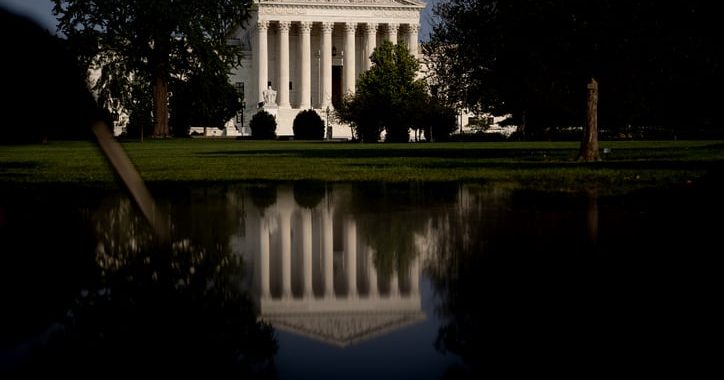
With
the
Supreme
Court
potentially
poised
to
invalidate
recent
tariffs,
organizations
face
a
confusing
scenario:
the
possibility
of
some
$200B
in
refunds
to
be
sought,
the
specter
of
tariff
reinstatement
through
other
means,
and
general
ongoing
unpredictability
regarding
costs
and
processes
for
global
trade.
Having
clear
visibility
into
contract
terms
—
such
as
price
adjustments
and
renegotiation
provisions
—
is
essential
to
navigating
this
volatility,
while
implementing
favorable
terms
in
supplier,
customer,
and
partner
agreements
can
help
build
resilience.
Tune
in
to
legal
and
technology
leaders
including
Bob
Ambrogi
of
Above
the
Law,
Jonathan
Todd,
Vice
Chair
of
the
Transportation
&
Logistics
Practice
Group
at
Benesch
Law,
and
Hal
Marcus,
Legal
AI
Evangelist
at
Workday
for
a
CLE-approved
webinar
focused
on
practical
solutions
to
help
organizations
thrive
through
uncertainty.
Come
join
us
on
January
27th
at
1
p.m.
ET
and
we’ll
discuss
the
current
state
of
the
tariff
conundrum
and
explore
strategies
for
achieving
contract
visibility
with
the
latest
AI
innovations.
In
this
session,
you’ll
learn
how
to:
How
to
find
the
tariff-related
contractual
answers
you
need
quickly
and
easily
just
by
asking
questions.
How
to
continuously
rank,
classify,
and
summarize
financial
terms
—
without
even
having
to
ask.
Strategies
to
mitigate
supply
chain
disruptions
and
cost
volatility
with
negotiated
terms.
Real-world
examples
of
businesses
leveraging
AI-powered
contract
data
to
overcome
challenges.
Learn
how
contract
intelligence
can
help
you
confidently
navigate
uncertainty
and
protect
your
bottom
line.
Wait,
what?
Some
recent
research
reveals
a
gap:
70%
of
legal
tech
investment
targets
vendors
who
focus
on
the
40%
of
time
lawyers
actually
spend
on
things
like
legal
research?
Why?
Some
research
findings
reported
by
Hwang
Jae
Hyuk
suggest
this
very
thing.
Hyuk
is
the
founder
and
CEO
of
a
company
called
AdminLess.AI
which
appears
to
focus
on
automating
administrative
work
for
law
firms.
I
don’t
know
Hyuk
and
can’t
vouch
for
his
findings.
But
they
sound
consistent
with
what
I
have
observed
and
seen.
I’ll
spell
out
the
why
in
a
moment.
But
first
let’s
look
at
what
he
says
in
a
recent
LinkedIn
post.
The
Findings
Hyuk
says
lawyers
and
legal
professionals
spend
60%
of
their
time
on
administrative
work
like
file
organization,
back-office
stuff,
and
verification
(which
I
assume
means
in
part
verifying
cites
provided
by
GenAI
output).
Much
of
this
stuff
is
nonbillable;
Hyuk’s
findings
are
generally
consistent
in
this
regard
with
what
Clio’s
yearly
Legal
Trends
Reports
have
consistently
found.
Forty
percent
of
lawyer
time
according
to
Hyuk
is
spent
on
the
legal
work
lawyers
really
like
doing:
the
research
and
intellectually
challenging
activities.
Yet,
according
to
Hyuk,
investors
in
legal
tech
vendors
focus
70%
of
their
dollars
on
those
that
provide
the
sexy
stuff:
research
tools,
contract
AI,
and
e-discovery.
Many
of
these
tools
are
based
on
GenAI.
He
notes
that
only
six
well-known
legal
tech
providers
focus
on
the
60%
while
over
15
providers
focus
on
the
40%.
He
asks
the
very
legitimate
question:
“Why
this
massive
gap
between
what
lawyers
do
and
what
the
industry
builds?”
The
gap
is
particularly
surprising
since
it
is
the
60%
work
that
AI
tools
and
automation
can
do
really
well
and
accurately.
The
40%
work,
the
legal
research?
The
focus
of
vendors
here
is
on
using
GenAI
to
do
this
kind
of
work,
which
frankly
it’s
not
all
that
great
at.
It
makes
mistakes.
It
hallucinates.
It’s
inaccurate.
And
as
Hyuk
notes
and
about
which
Melissa
Rogozinski
and
I
have
also
written,
it
requires
constant
verification
and
supervision.
Certainly,
one
could
argue
that
investors
are
following
that
effort
and
pouring
money
into
vendors
that
are
working
hard
to
eliminate
these
problems.
They
are
just
rewarding
vendors
who
are
spending
the
time
and
energy
on
the
GenAI
tools
to
make
them
better
and
eliminate
the
hallucinations
and
inaccuracies.
But
I
tend
to
think
it’s
not
necessarily
that
logical.
First,
the
stuff
that
the
six
companies
Hyuk
references
as
working
on
tools
to
better
and
more
efficiently
deal
with
the
60%
–Docusign,
Filevine,
NetDocuments,
Clio,
Smokeball,
and
8am
(which
he
refers
to
as
MyCase,
which
was
the
company
name
pre-recent
rebranding)
—
are
doing,
well,
boring
stuff.
(My
apologies
to
all.)
It’s
not
sexy
stuff.
It’s
back-office
work:
billing,
collections,
intake,
payments,
etc.
Stuff
that’s
not
billable
but
eats
up
incredible
amounts
of
many
lawyers’
and
legal
professionals’
days.
And
pardon
the
sports
reference
but
since
we
are
in
football
playoff
season
here
in
the
US,
it’s
the
blocking
and
tackling
work
that
has
to
be
done
for
the
quarterbacks
and
wide
receivers
of
the
world
to
shine.
To
enable
the
lawyers
and
legal
professionals
to
do
what
they
are
good
at
and
like
doing.
It’s
the
kind
of
work
in
sports
and
in
the
real
world
that
rarely
gets
the
attention
that
other
work
does.
But
it’s
just
as
important
if
not
more
so.
GenAI
for
GenAI’s
Sake
Another
reason
for
the
gap:
much
of
the
60%
work
is
done
not
by
GenAI
tools
but
by
standard
AI
tools
and
automation.
Granted,
I
know
from
writing
about
and
observing
legal
tech,
that
the
six
companies
Hyuk
names
are
working
on
GenAI
tools
to
build
on
what
they
do
best.
But
it’s
to
achieve
their
mission
to
provide
a
core
product
to
do
the
important
but
often
boring
business
part
of
running
a
law
firm.
Their
view
is
if
a
GenAI
tool
can
make
what
we
offer
better,
we
will
offer
it.
If
not,
we
won’t.
The
15
companies
mentioned
focusing
on
the
40%
of
lawyers’
work
often
narrow
their
focus
to
GenAI
and
GenAI
only,
trying
to
make
it
work
where
it
doesn’t
fit.
To
offer
GenAI
tools
for
GenAI’s
sake
as
opposed
to
solving
real
problems
and
pain
points.
But
because
GenAI
is
all
the
rage
these
days,
investors
flock
to
those
providers
who
are
selling
new
and
shiny
toys.
The
investors
are
betting
that
the
customers
of
these
vendors
will
also
flock
to
the
new
and
shiny
toys
even
though
there
may
still
be
challenges
with
them
and
their
implementation.
And
in
spite
of
the
fact
that
other
tools
that
aren’t
GenAI
can
still
solve
many
law
firm
challenges.
What’s
a
Lawyer
to
Do?
The
fact
that
Hyuk’s
gap
exists
given
the
challenges
with
GenAI
tools
should
in
and
of
itself
give
law
firms
some
pause
when
looking
at
AI
and
GenAI
tools.
It’s
legitimate
to
ask
whether
investors
are
pouring
money
into
GenAI
firms
because
it’s
the
thing
to
do
or
do
these
tools
offer
real
solutions
to
lawyers’
and
legal
professionals’
problems?
The
bottom
line:
law
firms
would
do
well
to
take
GenAI
vendor
claims
with
a
grain
of
salt.
They
need
to
ask
if
the
shiny
new
toy
will
solve
their
real
pain
points
or
will
just
add
work
to
check
and
verify
outputs.
This
requires
research
and
something
that
lawyers
and
legal
professionals
are
good
at:
skepticism.
Questioning.
Not
accepting
claims
at
face
value.
Lawyers
and
legal
professionals
have
the
analytical
tools
to
cut
through
vendor
hype.
So
use
them.
Stephen
Embry
is
a
lawyer,
speaker,
blogger,
and
writer.
He
publishes TechLaw
Crossroads,
a
blog
devoted
to
the
examination
of
the
tension
between
technology,
the
law,
and
the
practice
of
law.
I
was
in
Ukraine
this
fall.
While
I
was
there,
I
happened
to
be
in
Lviv
while
it
was
being
bombed
by
the
Russians
in
the
worst
assault
on
the
city
since
World
War
II.
Hundreds
of
explosions
rocked
the
city
for
hours.
Machine
guns
churned
in
the
distance.
Some
locals,
particularly
those
with
children,
heeded
the
air
raid
sirens
and
took
refuge
in
the
nearest
bomb
shelter,
these
provided
by
the
Ukrainian
government
and
the
owners
of
any
structures
sturdy
enough
to
withstand
a
cruise
missile
strike.
My
cousin
and
I,
probably
foolishly,
did
not
join
the
others
in
relative
safety.
We
watched,
awed,
senses
heightened,
adrenaline
coursing
through
our
veins.
I
felt
no
fear.
A
few
months
after
arriving
back
in
the
United
States,
I
had
the
misfortune
of
being
in
a
city
here
as
an
army
of
masked,
seemingly
unaccountable
ICE
agents
descended
upon
it.
Traffic,
the
crunch
of
snow
and
ice
beneath
my
boots,
the
occasional
distant
siren;
everything
sounded
normal.
It
did
not
feel
normal
though.
People
were
on
edge.
Lines
of
palpable
anxiety
were
etched
into
every
face.
The
recognition
of
distress
in
another
was
married
to
suspicion:
was
this
one
worried
that
ICE
would
kidnap
and
shoot
more
people,
or
worried
that
ICE
was
not
kidnapping
and
shooting
enough
people?
There
was
desperation,
hopelessness.
Five
innocent
people
were
killed
in
this
Russian
attack
on
Lviv.
Many
more
lost
their
homes.
These
losses
were
felt
universally,
even
by
relative
newcomers
like
me.
Still,
that
day
—
the
bombing
took
place
early
in
the
morning
—
was
the
most
collectively
joyous
one
I’ve
ever
been
a
part
of.
Lviv’s
coffee
shops
were
abuzz
in
the
morning.
Later,
crowds
of
people
packed
themselves
into
bars
and
restaurants,
drinking
toasts
to
the
fallen,
shouting
with
eyes
ablaze,
“Slava
Ukraini!”
Teens
gathered
around
boomboxes
in
public
spaces
and
danced.
Everyone
shared
unity
of
purpose.
We
were
alive.
We
gazed
upon
the
horrors
together,
and
didn’t
blink.
The
Russians
lost.
Their
dark
purpose
was
futile.
The
dead,
the
heroes,
the
victims
of
an
unfeeling
violence:
their
sacrifice
meant
something.
We
all
made
our
own
small
contributions
in
our
own
small
ways,
and
felt
honored
for
it.
Moreover,
we
were
assured
by
our
certainty
that
Russia
would
eventually
be
repaid
for
its
cruelty.
Bombing
campaigns
by
one
nation
against
the
civilian
population
of
another
in
order
to
break
the
spirit
of
the
people
never
work.
On
the
contrary,
they
have
the
exact
opposite
effect.
From
the
Blitz
against
Britain
in
WWII
to
our
own
misadventures
in
Vietnam,
the
survivors
are
only
galvanized.
It
feels
good
to
be
galvanized
against
a
great
external
evil.
I
felt
fantastic
in
Lviv.
Meanwhile,
as
the
largest
army
of
immigration
agents
ever
assembled
laid
siege
to
Minnesota,
fear
and
despair
were
rampant.
Fear,
because
these
masked
men
could
suddenly
appear
and
seemingly
murder
with
impunity.
Despair,
because
it
was
our
own
federal
government
waging
a
terror
campaign
against
its
people
and
there
wasn’t
anything
anyone
could
do
about
it.
Fighting
back
in
any
way
would
subject
you
to
arrest
or
worse.
Being
in
a
city
under
attack
by
your
own
government
is
chilling.
When
the
president
and
vice
president
of
your
country
label
the
slightest
act
of
defiance
“domestic
terrorism,”
and
make
clear
that
anything
they
assess
as
such
is
to
be
punishable
by
death,
even
as
they
lie
through
their
teeth
about
their
assessments
in
the
face
of
overwhelming
video
evidence
to
the
contrary,
that
is
very
demoralizing.
You
feel
powerless
when
the
only
thing
you
can
do
to
stem
the
violence
is
vote
in
the
next
election
and
pray
those
in
power
fail
in
their
next
attempt
to
storm
the
Capitol
or
send
fake
electors
or
whatever
other
devilish
evolution
their
designs
on
depravity
take.
You
can
expose
yourself
to
risk
through
protest
(and
I
did)
though
even
as
you
do
you
know
your
leaders
will
only
double
and
triple
down
in
response.
I
didn’t
even
see
ICE
agents
myself.
But
knowing
they’re
out
there
unseen,
lurking
somewhere,
perhaps
coming
to
your
neighborhood
next,
is
frightening.
This
is
why
Spielberg
didn’t
show
the
shark
for
the
first
half
of
“Jaws”
(well,
that
and
the
mechanical
shark
prop
was
on
the
fritz).
I
was
probably
at
more
risk
of
death
as
explosions
rocked
Lviv
than
I
was
as
agents
of
my
own
government
shoved
brown
people
into
vans.
Mentally,
however,
going
through
the
former
was
incredibly
uplifting
whereas
going
through
the
latter
has
proven
incredibly
depressing.
I
would
return
to
Ukraine
in
a
heartbeat.
I’d
happily
shake
my
fist
at
the
sky
and
curse
the
Russian
war
machine
as
drones
rained
down.
Being
in
a
city
selected
for
one
of
Trump’s
reprisals
against
his
own
constituents
is
unquestionably,
unequivocally,
unambiguously
worse.
Jonathan
Wolf
is
a
civil
litigator
and
author
of Your
Debt-Free
JD (affiliate
link).
He
has
taught
legal
writing,
written
for
a
wide
variety
of
publications,
and
made
it
both
his
business
and
his
pleasure
to
be
financially
and
scientifically
literate.
Any
views
he
expresses
are
probably
pure
gold,
but
are
nonetheless
solely
his
own
and
should
not
be
attributed
to
any
organization
with
which
he
is
affiliated.
He
wouldn’t
want
to
share
the
credit
anyway.
He
can
be
reached
at [email protected].
EHR
giant
Epic,
together
with
a
handful
of
healthcare
providers,
has
filed
a
federal
lawsuit
aimed
at
stopping
what
it
calls
a
scheme
to
exploit
and
monetize
patient
medical
records
without
consent.
The
complaint,
filed
January
13,
claimed
that
certain
companies
improperly
accessed
sensitive
health
information
and
then
sold
or
marketed
that
data
for
profit,
rather
than
using
it
for
legitimate
medical
care.
The
plaintiffs
are
Epic,
Trinity
Health,
UMass
Memorial
Health,
Reid
Health
and
OCHIN.
They
alleged
that
health
data
network
Health
Gorilla
enabled
other
companies
to
inappropriately
access
and
monetize
nearly
300,000
patient
medical
records.
Health
Gorilla
is
denying
the
allegations.
The
complaint
said
that
Health
Gorilla
and
a
network
of
other
companies
set
up
fictitious
healthcare
providers,
shell
websites
and
fake
provider
IDs
to
make
it
look
like
records
requests
were
for
real
treatment
purposes.
Instead,
the
data
was
allegedly
diverted
for
non-treatment
uses
—
such
as
marketing
to
lawyers
seeking
potential
claimants
for
lawsuits.
The
lawsuit
also
claimed
that
the
defendants
inserted
“junk”
information
into
records
to
hide
their
activity
and
give
the
appearance
of
genuine
care,
which
in
turn
risked
patient
safety
and
wasted
clinician
time.
When
one
fraudulent
entity
was
exposed,
the
same
actors
allegedly
created
new
companies
to
continue
the
same
conduct,
operating
“like
a
Hydra,”
according
to
the
complaint.
The
lawsuit
alleged
violations
of
HIPAA,
as
well
as
other
federal
and
state
privacy
protections.
It
also
framed
the
scheme
as
threatening
both
patient
privacy
and
the
integrity
of
interoperable
health
data
sharing
systems.
“At
stake
are
both
the
protection
of
patient
records
that
contain
some
of
a
person’s
most
sensitive
data,
such
as
genetic,
mental
wellbeing,
and
reproductive
information,
and
the
ability
of
physicians
to
keep
their
promises
to
patients
that
their
information
will
be
kept
private,”
the
complaint
read.
The
plaintiffs
argued
that
this
kind
of
misuse
undermines
trust
in
nationwide
interoperability
frameworks
by
turning
systems
designed
for
care
coordination
into
vehicles
for
data
harvesting.
The
plaintiffs
are
seeking
injunctive
relief
to
immediately
put
an
end
to
the
alleged
misconduct.
In
a
statement
sent
to
MedCity
News,
Health
Gorilla
said
that
this
litigation
is
“yet
another
example”
of
Epic
limiting
competition
and
restricting
data
access.
“These
actions
reflect
broader,
ongoing
concerns
raised
by
others
in
the
industry
and
by
government
actors
about
monopolistic
practices
in
health
information
exchange
by
Epic.
Health
Gorilla
supports
efforts
to
promote
competition,
patient
choice,
and
fair
access
to
healthcare
data,”
the
company
stated.
*
Supreme
Court
heard
challenges
to
laws
targeting
trans
athletes
and
the
argument
went
about
as
you’d
expect.
[Balls
and
Strikes]
*
Senior
federal
prosecutors
resign
in
response
to
the
Justice
Department’s
efforts
to
paper
over
the
murder
of
Renee
Good.
[CBS
News]
*
Tom
Goldstein
trial
could
feature
celebrity
witnesses.
[Law360]
*
School
voids
exam
—
that
students
already
took
—
after
similarities
to
past
exams
came
out.
[Legal
Cheek]
*
Supreme
Court
tariff
decision
looms
large.
Don’t
plan
on
that
$2000
rebate
check
that
Trump
promised
and
promptly
forgot
about.
[Reuters]
*
Judges
ask
defense
attorneys
to
either
challenge
the
new
prosecutorial
leadership
team
that
the
DOJ
imposed
or
waive
the
challenge.
You
know,
the
government
could
resolve
this
if
they
just
legally
appointed
someone
to
the
job.
[New
Jersey
Law
Journal]
*
Eli
Manning
announced
as
keynote
speaker
for
Legalweek.
Another
job
stolen
from
Danny
DeVito.
[ABA
Journal]
Pillsbury
Associates
Are
Eating
This
Bonus
Season!:
You
can
go
back
for
a
4th
plate
of
cash
if
you’ve
worked
hard
enough!
Lindsey
Halligan
Doubles
Down
On
Her
U.S.
Attorney
Acting
Role:
Asked
to
justify
themselves,
the
DOJ
threw
a
temper
tantrum.
Not
All
Money
Is
Earned
The
Right
Way:
Former
attorney
pleads
guilty
to
defrauding
clients
out
of
over
$4M.
It
Really
Is
A
Boston
Market!:
Haynes
&
Boone
opens
their
office
doors
in
Boston.
Charlotte
Gets
Another
Change
To
Make
Good:
Elon
University
plans
to
open
on
the
Queens
University
of
Charlotte
campus.
Ed.
note:
This
article
first
appeared
in
an
ILTA
publication.
Of
all
the
essential
qualities
that
legal
teams
require,
resilience
might
be
at
the
top
of
the
list.
Rapidly
transforming
technology
—
including
game-changers
like
GenAI
—
is
disrupting
workflows
even
as
legal
organizations
try
to
manage
the
“tech
debt”
of
outdated
or
legacy
systems.
Of
course,
that’s
alongside
a
barrage
of
new
data
privacy
regulations
and
ESG
mandates.
Change
is
also
coming
from
a
business
perspective.
Clients
are
increasingly
demanding
value-based
pricing
and
transparency,
challenging
the
traditional
billable-hours
revenue
model
while
creating
new
opportunities
for
innovative
service
offerings.
One
thing
is
guaranteed:
the
only
constant
is
change.
To
successfully
navigate
these
stormy
seas,
law
firms
and
corporate
legal
departments
need
highly
resilient
teams.
Resilient
teams
perform
better
and
recover
more
quickly
when
adverse
events
occur,
and
can
adapt
to
change
more
readily.
Fortunately,
an
unlikely
area
–
neuroscience
–
provides
a
powerful,
evidence-based
resource
that
legal
teams
can
tap
into.
An
understanding
of
neuroscience
translates
the
science
of
how
the
brain
and
nervous
system
function
into
practical
strategies
that
improve
performance,
resilience,
and
engagement.
As
a
result,
leaders
and
employees
alike
can
develop
strategies
to
stay
focused
under
pressure,
manage
challenges
with
confidence,
and
improve
overall
team
dynamics,
providing
a
decisive
competitive
advantage
in
today’s
modern
workforce.
The
Heart-Brain
Connection
An
understanding
of
some
essential
neuroscience
principles
starts
–
counterintuitively
enough
–
with
the
heart.
Recent
findings
from
the
HeartMath
Institute
indicate
that
the
heart
contains
approximately
40,000
neurons,
functioning
like
a
mini-brain
(https://www.heartmath.org/resources/infographic/mysteries-of-the-heart/).
When
coherence
is
achieved
between
the
heart
and
brain
–
often
through
intentional
breathing
techniques
–
they
synchronize,
resulting
in
heightened
calm,
mental
clarity,
and
focused
attention.
You
can
think
of
coherence
as
similar
to
when
all
the
instruments
in
a
symphony
orchestra
are
perfectly
in
tune
and
playing
in
perfect
harmony.
When
the
heart
and
brain
are
out
of
sync,
incoherence
ensues.
This
state
inhibits
brain
function
and
impairs
performance
—
often
manifesting
as
emotions
such
as
frustration,
irritation,
impatience,
or
worry.
Imagine
a
symphony
orchestra
where
the
instruments
are
out
of
tune.
While
heart-brain
coherence
is
valuable
for
individuals,
the
most
compelling
effects
of
coherence
emerge
in
group
environments
when
“inter-brain
coherence”
or
neural
synchrony
occurs.
Studies
indicate
that
when
coherence
is
cultivated
collectively,
the
social
atmosphere
shifts
dramatically
—
relieving
tension
and
fostering
meaningful
alignment
among
participants.
When
teams
are
centered
and
in
sync,
they
create
a
more
coherent
field
environment
and
are
less
affected
by
others’
incoherence,
as
seen
in
a
rowing
team
perfectly
in
sync.
Lock
It
In
So,
what
are
some
ways
to
achieve
this
coherence?
As
a
practical
tool,
leaders
can
utilize
the
Heart
Lock-In
Technique,
a
trademarked
technique
developed
by
the
HeartMath
Institute.
This
simple
technique
creates
beneficial,
sustained
physiological
changes,
which
are
imperative
for
building
a
new
baseline
of
resilience.
It
is
about
rewiring
the
foundation,
because
neurons
that
fire
together,
wire
together.
The
result
is
that
individuals
operate
from
a
new,
more
resilient
baseline
—
and
things
that
might
once
have
triggered
or
stressed
them
do
not
have
the
same
impact.
The
Heart
Lock-In
Technique
is
easy
to
deploy:
Step
1:
Focus
your
attention
on
the
area
of
the
heart.
Imagine
your
breath
is
flowing
in
and
out
of
your
heart
or
chest
area
as
you
breathe
a
little
slower
and
deeper
than
usual.
Step
2:
Activate
and
sustain
a
regenerative
feeling
such
as
appreciation,
care,
or
compassion.
Step
3:
Radiate
that
renewing
feeling
to
yourself
and
others.
For
those
who
might
cast
a
wary
eye
on
the
above,
keep
in
mind
that
science
supports
the
process.
There
is
also
a
very
real,
business-related
reason
to
embrace
it.
Consistent
practice
of
the
technique
can
help
others
become
more
coherent,
benefiting
the
individual,
the
team,
the
organization,
customers,
and
partners.
Of
course,
the
Heart
Lock-In
Technique
is
not
the
only
tool
that
legal
professionals
can
use
to
harness
neuroscience
and
create
more
resilient
teams.
Throughout
the
workweek,
create
a
No
Meeting
zone—block
time
for
deep
work
and
recovery.
Also,
consider
ending
the
week
with
a
five-minute
celebration
of
wins.
Focusing
attention
on
the
positive
is
a
great
way
to
create
a
state
of
brain
coherence
that
optimizes
performance.
Regular
team
check-ins
can
help
reduce
stress
and
create
space
for
structured
updates.
During
these
meetings,
make
a
deliberate
effort
to
create
a
safe
space
—
a
brief
haven
from
the
stress
that
may
be
present
elsewhere
in
the
workday.
Encourage
open
communication,
show
empathy,
and
ensure
everyone
feels
heard
and
respected.
Make
a
point
of
spending
time
talking
about
things
that
are
not
work-related.
These
are
just
a
few
of
the
tools
legal
teams
can
draw
on
to
harness
neuroscience
and
build
more
resilient
teams.
By
utilizing
these
practical
tools,
legal
professionals
can
foster
a
happier,
healthier,
and
more
productive
work
environment,
transforming
workplace
well-being
into
a
competitive
advantage
that
drives
actual
results.
Natalie
Alesi
is
Global
Senior
Director
of
Customer
Success
at
iManage.
When
a
federal
judge
orders
the
government
to
explain
why
it
persists
in
calling
someone
the
United
States
Attorney
after
another
judge
already
established
that
the
appointment
was
illegal,
there
are
really
only
two
ways
that
can
go.
Either
the
Department
of
Justice
sheepishly
admits
that
it’s
committing
a
fraud
upon
the
court
with
its
signature
blocks,
or
files
an
11-page
motion
that
says,
“Rule
of
law?
Never
heard
of
her.”
You’ll
be
shocked
to
learn
which
door
Pam
Bondi’s
office
chose.
Judge
David
Novak’s
January
6
order,
gave
the
government
a
week
to
explain
why
Lindsey
Halligan
keeps
showing
up
as
the
U.S.
Attorney
on
filings
despite
absolutely
not
being
the
U.S.
Attorney
—
real,
acting,
or
interim.
When
we
last
covered
this,
we
wrote:
And
she
now
has
a
week
to
come
up
with
an
explanation
that
somehow
reconciles “Judge
Currie
ruled
I
am
not
the
U.S.
Attorney” with “I
keep
calling
myself
the
U.S.
Attorney
anyway.” That’s…
quite
the
needle
to
thread.
But
thread
it
they
nonetheless
tried.
In
today’s
filing
—
flagged
by
Chris
Geidner
—
the
Justice
Department
responded
with
11
pages
of
“How
dare
you,
sir!”
Backing
up
its
indignation,
the
DOJ
offers…
well,
not
much.
The
filing
is
remarkable
not
because
it’s
unpersuasive
—
though
it
is
certainly
not
—
but
because
it
manages
to
be
wrong
in
so
many
different
ways
while
insisting,
loudly,
that
everyone
else
is
misunderstanding
how
courts
work.
As
you
recall,
when
Judge
Cameron
McGowan
Currie
tossed
purported
indictments
against
former
FBI
Director
James
Comey
and
current
NY
Attorney
General
Letitia
James,
she
noted
that
Lindsey
Halligan
was
illegally
pretending
to
be
the
interim
U.S.
Attorney.
The
insurance
lawyer
with
zero
prosecutorial
experience
landed
in
the
role
after
Donald
Trump
posted
a
DM
intended
for
Pam
Bondi
complaining
that
she
hadn’t
done
enough
to
baselessly
prosecute
his
enemies.
Soon
after,
the
DOJ
fired
the
existing
interim
U.S.
Attorney,
Erik
Siebert,
purporting
to
replace
him
with
Halligan.
But
since
the
statutory
120-day
limit
on
interim
appointments
already
lapsed,
the
DOJ
couldn’t
legally
appoint
another
interim
candidate
to
the
job.
Confronted
with
this
straightforward
set
of
facts
and
law,
the
DOJ
responds,
“nuh
uh.”
Contrary
to
this
Court’s
suggestion,
nothing
in
the
Comey
and
James
dismissal
orders
prohibits
Ms.
Halligan
from
performing
the
functions
of
or
holding
herself
out
as
the
United
States
Attorney.
Although
Judge
Currie
concluded
that
Ms.
Halligan
was
unlawfully
appointed
under
Section
546,
she
did
not
purport
to
enjoin
Ms.
Halligan
from
continuing
to
oversee
the
office
or
from
identifying
herself
as
the
United
States
Attorney
in
the
Government’s
signature
blocks.
Sure,
the
judge
ruled
that
the
prosecutor
possessed
no
legal
authority,
but
why
would
we
expect
that
to
carry
over
to
other
cases?
Under
the
DOJ’s
garbled
logic,
the
only
remedy
for
illegal
prosecutorial
action
is
for
each
and
every
defendant
to
fight
it
out
in
their
own
cases.
This
is
like
arguing
that
because
a
court
vacated
your
speeding
ticket,
you’re
entitled
to
keep
telling
every
cop
you’re
legally
allowed
to
go
90.
In
fact,
Judge
Currie
rejected
the
defendant’s
request
in
James
to
enjoin
Ms.
Halligan
from
performing
any
“functions
or
duties
of
an
interim
U.S.
Attorney,”
James,
ECF
No.
22
at
16.
See
James,
ECF
No.
140
at
25.
This
is
a
reading
comprehension
fail.
Judge
Currie
acknowledged
that
there
could
be
tasks
involved
in
running
the
office
that
are
not
constitutional
violations,
but
that
tasks
like,
you
know,
signing
filings
as
the
U.S.
Attorney,
are
definitely
illegal.
This
Court
appears
to
be
under
the
misimpression
that
because
Judge
Currie’s
rationale
for
dismissing
the
indictments
was
her
conclusion
that
Ms.
Halligan
was
unlawfully
appointed,
the
United
States
must
acquiesce
to
that
rationale
in
all
other
cases
or
else
it
is
“ignor[ing]”
Judge
Currie’s
orders.
Just
seven
months
ago,
the
Supreme
Court
characterized
that
“vision
of
the
judicial
function”
as
“extreme”
and
“at
odds
with
more
than
two
centuries’
worth
of
precedent,
not
to
mention
the
Constitution
itself.”
This
is
sovereign
citizen
levels
of
pulling
case
cites
to
make
a
string
of
non-sequiturs.The
Supreme
Court’s
recent
efforts
to
blow
up
nationwide
injunctions
has
nothing
to
do
with
this
case.
District
court
opinions
aren’t
automatically
binding
upon
the
rest
of
the
district,
but
in
this
instance,
Judge
Currie
was
designated
to
fully
resolve
the
issue
of
Halligan’s
appointment
for
the
benefit
of
the
whole
district.
Judge
Currie’s
ruling
even
concluded
that
the
district
judges
are
the
only
ones
with
the
power
to
appoint
an
interim
U.S.
Attorney
at
this
point
absent
a
presidential
nomination.
The
government
can
disagree
all
it
wants
—
and
is
more
than
free
to
appeal
—
but
absent
a
contrary
ruling,
continuing
to
identify
Halligan
in
the
Eastern
District
as
the
U.S.
Attorney
is
just
trolling.
Dangerous
trolling
because
it
compromises
serious
criminal
prosecutions
for
what
amounts
to
a
bit.
And
any
attorney
signing
onto
the
government’s
contemptuous
position
deserves
an
ethical
referral.
When
the
government
has
already
been
told
it’s
acting
illegally
and
didn’t
stop,
it’s
pretty
clear
how
they
feel
about
ethics.
Crisp
one-dollar
notes
that
hadn’t
been
tucked
away
in
shoes
or
socks
were
a
welcome
change,
but
authorities
deciding
to
extract
even
more
from
impoverished
villagers
was
not.
Image:
AdobeStock
Christmas
in
Zimbabwe
was
about
pounding
rain
and
red
mud,
giant
potholes
and
slippery
roads.
The
diaspora
came
home
for
the
holidays,
foreign
cars
and
number
plates
from
South
Africa,
Botswana,
Zambia,
Mozambique
and
Malawi
filling
roads
and
car
parks.
It
was
about
full
trolley
loads
of
groceries
being
pushed
by
diasporans
and
their
long
calculations
as
they
tried
to
navigate
our
largely
invisible
ZiG
currency
and
get
to
grips
with
the
fact
that
shops
don’t
have
coins
to
give
change
so
you
must
buy
items
you
don’t
want
so
as
to
round
up
bills
to
the
nearest
dollar.
It
was
a
time
of
brand
new,
crisp,
clean
one
US
dollar
notes
that
came
in
from
the
diaspora
and
filled
up
tills,
a
time
we
luxuriated
in
clean
bank
notes
that
hadn’t
been
tucked
away
in
shoes,
socks
and
bras,
glued
together
or
washed
and
dried
in
the
sun.
It
was
a
time
National
Railways
staff
didn’t
get
their
December
salaries
at
all
after
a
notice
came
to
all
branch
offices
and
stations.
“December
salaries
will
be
paid
from
the
5th to
23rd January
2026
due
to
financial
challenges,”
it
said.
Railway
employees
were
“implored
to
be
patient
with
the
organisation
during
this
challenging
period”.
Christmas
was
the
time
when
we
faced
the
reality
of
the
IMF
statement
which
said
that
in
Zimbabwe
every
US$100
we
had
saved
in
January
2025
would
only
be
worth
US$77
by
December.
“Prices
are
rising
faster
than
wages,”
it
said,
and
we
saw
that
in
those
bills
we
couldn’t
pay.
It
was
a
time
when
South
African
soldiers
intercepted
1
174
Zimbabweans
trying
to
cross
the
border
illegally
into
South
Africa
in
one
day
on
26
December.
A
week
later
the
numbers
were
much
higher
as
Zimbabweans
headed
back
to
their
jobs
in
South
Africa,
the
jobs
they
cannot
get
in
Zimbabwe,
the
jobs
that
keep
them
alive
and
let
them
support
their
families
back
in
Zimbabwe.
On
3
January
alone
22
483
Zimbabweans
were
processed
through
the
Beitbridge
border
post
going
into
South
Africa.
Expanded
‘development’
levy
…
As
we
moved
into
2026,
rural
villagers
had
to
face
the
reality
that
they
now
have
to
pay
a
‘per
capita
development
levy’.
Formerly
the
levy
had
been
per
household
but
it’s
now
changed
to
per
person.
Under
the
new
system,
rural
district
councils
are
charging
between
US$1
and
US$5
per
person
–
and
it’s
really
hurting
the
poorest
of
the
poor.
“It
is
unheard
of
that
local
authorities
would
extract
money
from
impoverished
villagers,”
said
one
rural
chief.
“People
are
struggling
to
survive.
Many
rural
dwellers
are
the
elderly,
who
are
taking
care
of
their
grandchildren,
whose
parents
are
away
trying
to
make
ends
meet.”
Villagers
quoted
in
Newsday
say
that
despite
their
levy
payments,
nothing
is
changing. “There
are
no
roads,
no
clinics
and
no
clean
water.”
Calm
returns
When
Christmas
and
New
Year
was
all
over
and
the
diasporans
had
gone
home,
I
sat
outside
watching
the
dawn
early
one
morning
thinking
about
our
Zimbabwe
and
how
much
longer
we
must
live
like
this,
struggling
to
survive.
The
sky
was
heavy
with
low-hanging
clouds,
more
rain
and
red
mud
was
coming.
And
I
saw
something
small
and
dark
sitting
on
a
blue
plastic
pipe
floating
in
the
pool.
A
very
small
mouse
was
clinging
on
to
the
pipe,
shivering
and
soaked,
hanging
on
to
survive.
As
soon
as
I
rescued
it,
the
mouse
disappeared
into
the
undergrowth,
free
of
its
struggle.
Sometimes
a
helping
hand
changes
everything
so
quickly.
I
end
this
column
with
a
message
of
recognition
and
thanks
to
the
many
thousands
of
family
members
and
friends
who
came
home
from
the
diaspora
this
Christmas
and
brought
love,
laughter
and
comfort
with
them.
It
is
their
sacrifice
and
helping
hands
that
keep
us
going
and
change
everything.