
How Legal Intelligence Is Bringing In A New Era Of Litigation For Plaintiff Firms – Above the Law

For
decades,
plaintiff-side
litigation
has
relied
on
a
reactive
model.
A
breaking
news
story.
A
whistleblower.
A
walk-in
client.
A
referral
from
a
peer.
Even
the
most
sophisticated
plaintiff
firms
have
had
limited
tools
to
detect
wrongdoing
early
enough,
or
at
a
large
enough
scale,
to
shape
the
next
wave
of
high-value
matters.

But
in
a
world
defined
by
massive
datasets,
fast-moving
digital
systems,
evolving
technical
behavior,
and
a
constant
flow
of
public
information,
firms
need
a
way
to
see
patterns,
trends,
and
shifts
far
earlier

and
with
richer
context.


Darrow’s

mission
is
to
provide
exactly
that:
an
awareness
layer
that
brings
clarity,
consistency,
and
transparency
to
complex
legal
and
technical
environments.
The
company
maintains
a
160-person
team
across
engineering,
data
science,
and
legal
research,
producing
analyses
that
help
determine
whether
emerging
signals
can
support
a
viable
legal
strategy.

Using
AI-driven
data
analysis
and
deep
human
legal
expertise,
the
company
has
surfaced
insights
that
ultimately
connected
to
more
than
$22
billion
in
potential
legal
opportunities,
including
early
intelligence
related
to
the
issue
that
preceded
a
$40
million
resolution
involving
Bumble’s
parent
company.

Here,
we’re
sharing
a
deep
dive
into
how
the
system
works,
based
on
a
demo
from
company
executives

Etia
Rottman
Frand

and

Mathew
Keshav
Lewis
.


The
Darrow
Model:
Detect.
Evaluate.
Address.

Darrow’s
framework
centers
on
three
connected
stages

Detect,
Evaluate,
and
Address

that
give
firms
early
visibility
into
meaningful
developments
across
the
legal
landscape.


1.
Detect:
Finding
the
Buried,
Scattered
Signals
in
the
Noise.
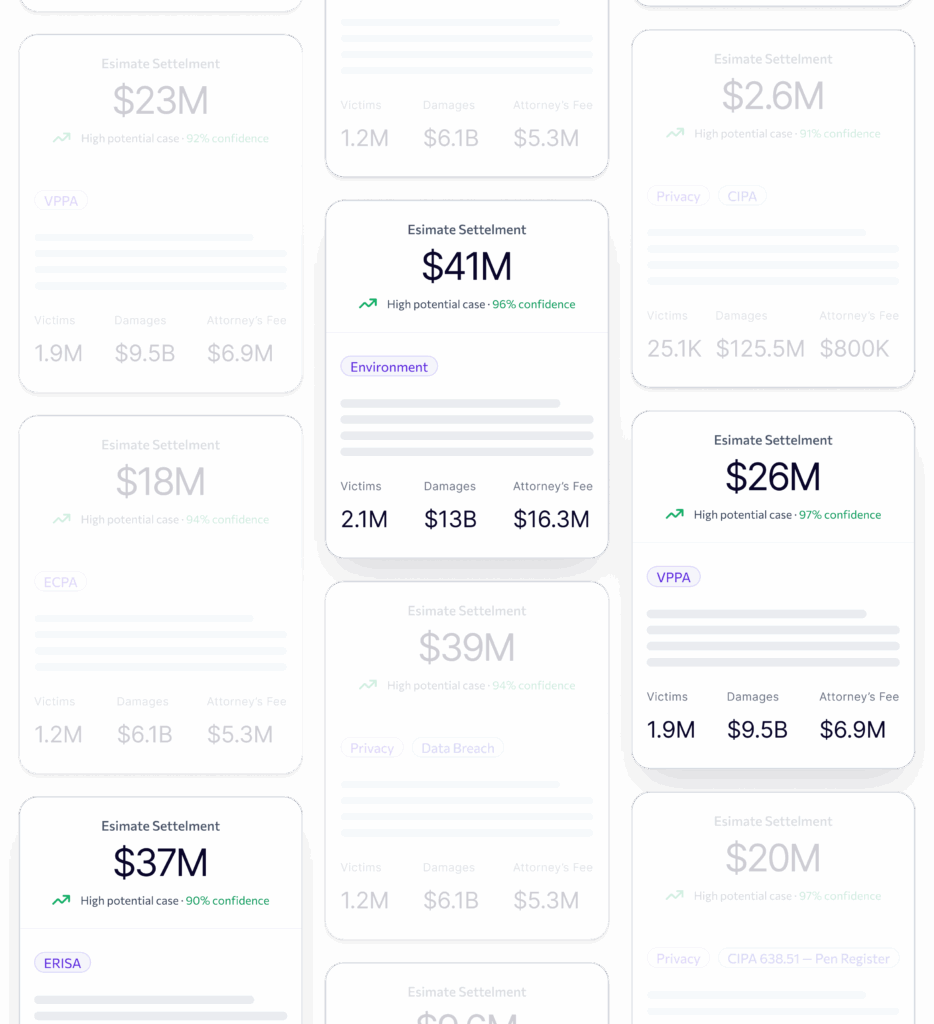
Darrow
continuously
analyzes
billions
of
data
points
drawn
from
an
expansive
set
of
public
and
technical
sources,
including
federal
and
state
regulatory
databases,
government
health
and
safety
data,
court
filings,
corporate
and
industry
datasets,
digital
systems
behavior
(such
as
web
and
app
data
flows),
trade
publications,
and
open-source
online
discussions.

By
unifying
these
signals,
Darrow
creates
an
early,
high-clarity
view
of
meaningful
patterns,
trends,
and
developments
across
a
wide
range
of
practice
areas.
This
isn’t
about
assuming
wrongdoing

it’s
about
giving
firms
transparent,
data-backed
awareness
of
areas
that
may
warrant
deeper
investigation.


2.
Evaluate:
Turning
Signals
into
Clear,
Actionable
Understanding.

Once
a
signal
surfaces,
Darrow’s
attorneys,
researchers,
and
technical
specialists
work
together
to
interpret
what
the
data
actually
means.
This
evaluation
stage
includes:


Predictive
Underwriting:

building
case-level
financial
forecasts
grounded
in
evidence,
comparable
matters,
and
litigation
trends,
helping
litigation
teams
shape
strategy
and
evaluate
risk.


Legal
and
technical
review:

aligning
the
observed
pattern
with
the
relevant
statutes,
regulatory
frameworks,
and
precedent,
and
determine
whether
it
meets
structured
criteria
for
moving
forward.


Scientific,
medical,
or
technical
insight:

in
areas
like
medical
products,
environmental
data,
or
digital
systems,
Darrow
provides
the
context
needed
to
understand
why
a
pattern
is
emerging,
and
whether
it
meets
necessary
thresholds.


Portfolio-level
clarity:

helping
firms
determine
case
quality
settlement
outcomes
and
timing,
and
revenues
across
a
portfolio
of
cases
to
improve
firm
resilience.


AI
support
through
Torch:

Darrow’s
integrated
assistant
summarizes,
studies,
explains
terminology,
surfaces
related
filings,
and
helps
teams
navigate
complex
supporting
data.

This
process
gives
firms
a
complete
and
comprehensible
view
of
what
the
data
suggests

allowing
them
to
make
informed
decisions
backed
by
a
strong
evidentiary
foundation.
Support
through
Torch,
Darrow’s
integrated
AI
assistant,
studies,
summarizes
content,
explains
terminology,
surfaces
related
filings,
and
helps
teams
navigate
complex
supporting
data.


3.
Advance:
Moving
Forward
with
Clarity
and
Confidence.
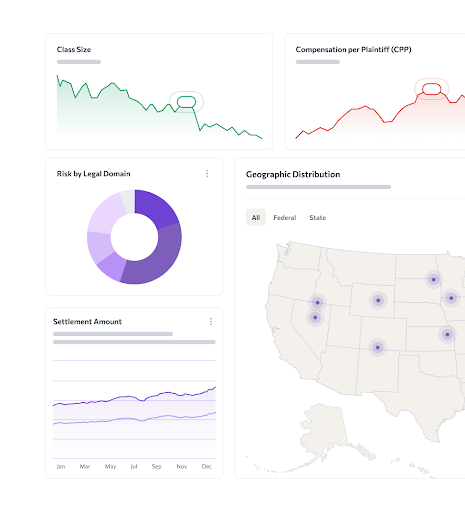
Whether
a
matter
is
surfaced
by
Darrow’s
legal
intelligence
or
originated
through
the
firm,
Darrow
helps
support
ongoing
strategy
and
case
development
by:


Identifying
and
qualifying
potential
representative
individuals

Expanding
and
enriching
relevant
datasets

Providing
scientific,
technical,
or
digital-system
context

Validating
or
challenging
new
information
as
it
surfaces

Structuring
an
evidentiary
foundation
that
allows
legal
teams
to
focus
on
strategy

Analyzing
pattern
clarity:
analyzing
large-scale
trends,
cohorts
and
population-level
outcomes
to
understand
whether
observed
events
are
isolated
incidents
or
part
of
a
broader,
legally
meaningful
pattern.

Darrow
supplies
the
intelligence
infrastructure
that
strengthens
and
accelerates
the
clients
ability
to
proceed
confidently
and
efficiently.


Real
Examples
of
Legal
Intelligence
in
Action

Darrow’s
legal
intelligence
is
designed
to
support
the
practice
areas
that
demand
both
scale
and
depth

where
the
underlying
information
is
vast,
technical,
and
often
fragmented
across
dozens
of
public
sources.
The
company
works
across
a
broad
set
of
fields
that
routinely
require
advanced
analysis,
including:


Consumer
Protection:

analyzing
patterns
in
pricing,
advertising,
disclosures,
and
product
behavior
across
large
datasets.


Privacy
&
Digital
Technologies:

understanding
how
websites
and
apps
communicate,
share
data,
and
operate
at
a
technical
level.


Environmental
&
Public
Health:

examining
state
and
federal
reporting
systems,
community-level
data,
and
scientific
records.


Financial
&
Securities:

assessing
publicly
available
disclosures,
regulatory
filings,
and
market
patterns.


Antitrust
&
Competition:

reviewing
structural
market
data,
pricing
signals,
and
competitive
dynamics.


Employment
&
Labor
Practices:

synthesizing
reporting,
filings,
and
regulatory
updates
across
federal
and
state
systems.


Medical
Products
&
Life
Sciences:

interpreting
adverse
event
data,
clinical
literature,
and
regulatory
timelines.

Because
each
practice
area
has
its
own
data
environment,
technical
constraints,
and
legal
frameworks,
Darrow
custom-builds
workflows
and
analytical
models
that
reflect
the
realities
of
how
these
practice
areas
operate.
It’s
not
one
generalized
tool
applied
everywhere

it’s
a
unified
intelligence
layer
supported
by
topic-specific
research,
domain
expertise,
and
rigorously
validated
data
pipelines.

This
is
what
allows
Darrow
to
deliver
early,
evidence-backed
clarity
in
sectors
where
traditional
research
or
manual
review
simply
can’t
keep
up
with
the
pace
or
complexity
of
the
information.

Below
are
examples
of
how
this
intelligence
comes
together
in
practice.


Medical
Products:
Making
FDA
Data
Legible
and
Useful

The
FDA’s
adverse
event
system
is
one
of
the
richest
public
datasets
in
healthcare,
and
also
one
of
the
most
complex.
Reports
are
narrative,
inconsistent,
and
sprawling.
Without
specialized
tools,
lawyers
would
need
to
read
through
thousands
of
pages
just
to
understand
the
landscape.

Darrow
restructures
and
analyzes
this
information
by:


Classifying
clinical
severity
with
AI

Mapping
demographic
trends

Aligning
adverse
events
with
timeline
changes
(such
as
label
updates)

Linking
each
event
to
relevant
scientific
literature

Visualizing
patterns
that
may
be
legally
significant

This
system
instead
uses
large
language
models
to
rank
adverse
reactions
by
severity
and
frequency.
It
then
cross-references
these
metrics
with
published
medical
studies
and
demographic
data.

If
an
attorney
wants
to
know
whether
patients
were
adequately
warmed
about
a
side
effect,
they
can
filter
adverse
events
by
severity
and
see
when
a
warning
label
was
updated.
If
a
condition
like
kidney
failure
appears
frequently
before
it
was
added
to
the
label,
that
discrepancy
becomes
important
context
for
evaluating
whether
a
matter
merits
deeper
exploration.

Torch,
Darrow’s
AI
legal
assistant
tool,
supports
this
workflow
by
summarizing
studies,
clarifying
medical
terms,
and
identifying
related
filings

giving
attorneys
a
complete,
contextual
picture
of
what
the
data
suggests.


Consumer
Pricing:
Tracking
Multi-Month
Patterns
Automatically

California’s
pricing
laws
depend
on
precise
timing

whether
a
“sale”
price
has
been
displayed
continuously
for
a
specific
period.
Proving
this
manually
would
require
daily
tracking
of
every
product
for
months.

Darrow
automates
this
entire
process:


Capturing
daily
snapshots
of
product
pricing

Extracting
structured
data
on
sales,
discounts,
and
history

Tracking
thousands
of
items
over
multi-month
periods

Surfacing
long-term
pricing
patterns
in
a
single
dashboard

This
transforms
a
manual,
near-impossible
task
into
a
transparent,
evidence-backed
understanding
of
pricing
behavior
over
time.


Privacy
&
Digital
Technologies:
Clarifying
How
Apps
and
Websites
Actually
Behave

Digital
systems
often
generate
information
that
isn’t
visible
through
traditional
legal
research.
Whether
reviewing
a
patient
portal,
a
retail
app,
or
a
large
consumer-facing
platform,
Darrow
analyzes:


Network
calls
and
data
flows

Third-party
trackers
and
integrations

Backend
system
behavior

Disclosures
and
consent
flows

Changes
over
time
in
how
data
is
transmitted

This
provides
attorneys
with
clear,
technical
visibility
into
how
a
digital
product
operates
in
practice

and
whether
that
aligns
with
what
users
are
told.
Darrow’s
legal
and
technical
teams
then
place
this
information
into
the
appropriate
regulatory
and
statutory
context,
giving
firms
the
clarity
they
need
to
evaluate
whether
the
matter
warrants
further
action.


Environmental
&
Greenwashing:
Understanding
Public
Data
in
Context

Environmental
and
sustainability-related
claims
often
involve
large
amounts
of
publicly
available
information
distributed
across
different
reporting
systems.
Darrow
brings
that
together:


Federal
and
state
environmental
reports

Geographic
and
land-use
data

Scientific
and
toxicology
literature

Product-level
sustainability
claims

Public
disclosures
and
marketing
materials

Community-level
or
industry-specific
reporting

By
unifying
environmental,
scientific,
commercial,
and
geographic
datasets,
Darrow
helps
attorneys
understand
whether
real-world
activity
matches
public
representations

or
whether
there
are
patterns
worth
looking
at
more
closely.


Why
Leading
Plaintiff
Firms
Are
Turning
to
Legal
Intelligence

Modern
litigation
increasingly
relies
on
understanding:


Large,
distributed
datasets

Technical
system
behavior

Dynamic
regulatory
environments

Emerging
patterns
at
scale

Darrow
helps
firms
see
the
landscape
clearly

earlier,
with
richer
context,
and
with
greater
confidence.

For
plaintiff
firms,
this
means
more
informed
decisions,
stronger
early
foundations,
and
clarity
on
where
to
focus
resources.
For
corporate
legal
teams
and
insurers,
it
provides
transparent,
data-backed
visibility
into
topics
that
matter
within
their
industries.

The
goal
is
the
same
on
all
sides:
enable
fair,
informed,
and
consistent
legal
processes.


Experience
Legal
Intelligence
Firsthand

Darrow
is
building
the
legal
system’s
missing
awareness
layer

helping
firms
detect,
evaluate,
and
advance
opportunities
with
transparency,
clarity,
and
technical
depth.

To
explore
how
legal
intelligence
works
in
practice,

you
can
schedule
a
demo
here
.

4 Things to Know About Texas’ Lawsuit Against Epic – MedCity News

Texas
Attorney
General
Ken
Paxton
sued

Epic

this
week,
alleging
that
the
company
is
monopolizing
the
EHR
market
and
restricting
patients’
access
to
their
own
medical
data.

Epic’s
EHR
systems
are
installed
in
more
than
3,600
hospitals
in
the
U.S.,
giving
the
company
roughly
42%
of
the
acute
care
hospital
EHR
market

far
more
than
any
competitor
like

Oracle
Cerner

or

Meditech
.
The
Verona,
Wisconsin-based
company
generated
$5.7
billion
in
revenue
last
year.

The
lawsuit
not
only
claims
that
Epic
uses
its
dominant
position
to
stifle
competition,
but
also
that
it
blocks
parents’
access
to
their
children’s
medical
records
once
they
reach
a
certain
age.

“We
will
not
allow
woke
corporations
to
undermine
the
sacred
rights
of
parents
to
protect
and
oversee
their
kids’
medical
well-being,”
Paxton
said
in
a

statement
.
“This
lawsuit
aims
to
ensure
that
Texans
can
readily
obtain
access
to
these
records
and
benefit
from
the
lower
costs
and
innovation
that
come
from
a
truly
competitive
electronic
health
records
market.”

Epic
has
denied
the
allegations,
calling
them
misguided. 


What
is
being
alleged?

The

complaint
,
filed
Wednesday,
argues
that
Epic
leverages
its
market
dominance
to
prevent
hospitals
from
moving
to
competing
EHR
systems

and
that
this
practice
has
effectively
shut
out
rival
vendors
for
decades.

“Epic
controls
who
can
access
this
data,
when
they
can
access
it,
and
the
terms
by
which
they
can
access
it

despite
the
simple
fact
that
it
is
the
hospitals’
and
patients’
data,
not
Epic’s,”
the
lawsuit
reads.

Essentially,
Paxton
alleges
that
Epic
unlawfully
restricts
or
delays
providers’
access
to
patient
records
when
they
use
non-Epic
systems,
therefore
hindering
the
flow
of
critical
medical
information
and
potentially
postponing
care.

His
lawsuit
also
highlights
Epic’s
use
of
noncompete
agreements,
saying
that
these
limit
other
companies’
ability
to
hire
top
talent.
As
recently
as
2019,
these
agreements
prohibited
former
Epic
employees
from
working
for
thousands
of
healthcare
software
firms
during
their
noncompete
period,
according
to
the
complaint.


How
does
the
parent
angle
fit
into
this?

Paxton
sees
this
lawsuit
not
only
as
a
move
to
uphold
the
free
market,
but
also
as
a
continuation
of
his
efforts
to
protect
parents’
access
to
their
children’s
medical
records.

In
October,
his
office

settled

with
an
Austin-based
clinic
after
its
patient
record
system
allegedly
locked
parents
out
of
their
children’s
accounts
once
they
turned
12.

Paxton’s
office
is
claiming
that
Epic
hides
health
data
from
parents
once
the
child
turns
12,
saying
that
this
violates
Texas’
health
and
safety
code,
which
grants
parents
complete
and
unrestricted
access
to
their
children’s
medical
records.

Epic
has
responded
by
saying
it
does
not
determine
parental
access
to
children’s
records,
as
these
decisions
are
made
by
individual
health
systems
and
providers.


How
is
Epic
responding?

Epic
is
not
admitting
to
any
wrongdoing,
a
company
spokesperson
said
in
an
email
sent
to

MedCity
News
.

“The
action
taken
by
Texas
is
flawed
and
misguided
by
its
failure
to
understand
both
Epic’s
business
model
and
position
in
the
market
and
the
enormous
contributions
our
company
has
made
to
our
nation’s
healthcare
system
illustrated
by
products
like
MyChart

software
that
tens
of
millions
of
Americans
depend
on
every
day,”
the
spokesperson
stated.

They
also
noted
that
Epic
facilitates
more
than
725
million
health
record
exchanges
each
month,
which
is
much
more
than
any
other
EHR
vendor.


Hasn’t
something
like
this
happened
before?

This
is
certainly
not
the
first
time
Epic
has
been
criticized
for
blocking
the
free
flow
of
health
data.
In
fact,
the
company
is
currently
embroiled
in
a

yearslong
legal
battle

with
data
platform

Particle
Health
.

Following
months
of
dispute,
Particle

filed
an
antitrust
lawsuit

against
Epic
last
year,
alleging
that
the
company
wielded
its
dominant
market
stance
to
make
competition
impossible
in
the
payer
platform
space. 

Epic
has
denied
wrongdoing
in
this
case
as
well

but
in
September,
a
federal
judge

advanced

the
lawsuit,
marking
the
first
time
antitrust
allegations
against
the
EHR
giant
have
gotten
this
far.

The
next
step
is
the
discovery
phase,
which
could
shed
new
light
on
how
data
sharing
rules
are
enforced.


Photo:
NiroDesign,
Getty
Images

Elite Boutique Once Again Wows Associates With Bonuses 175% Above The Market Rate – Above the Law

Biglaw
and
boutique
firms
continue
to
match
Cravath’s year-end bonuses
and
Milbank’s

special
 bonuses,
but
some
firms
are
offering
even
more.
The
latest
firm
to
make
its
bonus
announcement
is
going
up,
up,
up
over
the
market
standard.
It’s
clearly
their
moment.
You
could
even
say
these
bonuses
are
golden.

Elite
trial
boutique Elsberg
Baker
&
Maruri
 was
founded about
one
year
ago
,
when David
Elsberg
,
a
founding
member
of
Selendy
Gay
Elsberg,
announced
that
he
was
leaving
the
elite
boutique
to
start
his
own
firm,
Elsberg
Baker
&
Maruri,
in
partnership
with
his
former
Quinn
Emanuel
colleagues, Rollo
Baker
 and Silpa
Maruri
.

The
firm
has
achieved
remarkable
success,
and
to
that
end,
Elsberg
Baker
&
Maruri
recently
announced
bonuses
that
are
175%
above
the
2025
scale
that
was
set
by
Cravath/Milbank.
Check
out
the
firm’s
bonus
scale,
below.


Class
Year

Special
Bonus

Year-End
Bonus

Total
Bonus*
2025 $6,000 $26,250 $32,250
2024 $6,000 $35,000 $41,000
2023 $10,000 $52,500 $62,500
2022 $15,000 $100,625 $115,625
2021 $20,000 $131,250 $151,250
2020 $25,000 $157,500 $182,500
2019 $25,000 $183,750 $208,750
2015+ $25,000 $201,250 $226,250

These
generous
bonuses
will
hit
bank
accounts
on
December
19.
Congratulations
to
everyone
at
Elsberg
Baker
&
Maruri!

Remember
everyone,
we
depend
on
your
tips
to
stay
on
top
of
compensation
updates,
so
when
your
firm
announces
or
matches,
please
text
us
(646-820-8477)
or email
us
 (subject
line:
“[Firm
Name]
Bonus/Matches”).
Please
include
the
memo
if
available.
You
can
take
a
photo
of
the
memo
and
send
it
via
text
or
email
if
you
don’t
want
to
forward
the
original
PDF
or
Word
file.

And
if
you’d
like
to
sign
up
for
ATL’s
Bonus
Alerts
(which
is
the
alert
list
we
also
use
for
salary
announcements),
please
scroll
down
and
enter
your
email
address
in
the
box
below
this
post.
If
you
previously
signed
up
for
the
bonus
alerts,
you
don’t
need
to
do
anything.
You’ll
receive
an
email
notification
within
minutes
of
each
bonus
announcement
that
we
publish.
Thanks
for
your
help!


Staci
Zaretsky
 is
the
managing
editor
of
Above
the
Law,
where
she’s
worked
since
2011.
She’d
love
to
hear
from
you,
so
please
feel
free
to

email

her
with
any
tips,
questions,
comments,
or
critiques.
You
can
follow
her
on BlueskyX/Twitter,
and Threads, or
connect
with
her
on LinkedIn
.

Morning Docket: 12.15.25 – Above the Law

*
Lawyer
demands
IRS
recognize
pets
as
dependents.
[Forbes]

*
How
many
laws
does
Santa
Clause
break
in
one
night.
[Legal
Cheek
]

*
Supreme
Court
lays
groundwork
for
“except
for
agencies
that
effect
our
personal
wealth”
exception
to
the
novel
theory
they
expounded
in
the
FTC
oral
argument.
The
“pets
as
dependents”
argument
seems
positively
well-founded
by
comparison.
[Reuters]

*
National
Trust
sues
over
Trump’s
ballroom
plans.
[Law360]

*
Deregulaion
reaching
pre-Depression
status.
[National
Law
Journal
]

*
Law
professor
sues
Boeing
alleging
toxic
fumes
inhaled
during
flight.
[ABA
Journal
]

*
Australia
faces
first
legal
challenge
to
law
banning
children
under
16
from
social
media.
[NPR]

Tracking Biglaw Bonuses And War Crimes – See Generally – Above the Law

Bonus
Tracker
Season
Officially
Begins:
Clear
your
calendars,
mute
your
partners,
and
keep
refreshing

the
market
has
opinions
and
associates
have
spreadsheets.
Military’s
New
GenAI
Knows
A
War
Crime
When
It
Sees
One:
Pete
Hegseth’s
new
toy
immediately
doubleclicked
on
why
you
can’t
double
tap.
Federal
Judge
Who
Allegedly
Ignored
Court
Orders
Now
Allegedly
Ignoring
Court
Ethics:
Emil
Bove
remains
consistent!
The
Time
For
Persuasion
Is
Over:
Justice
Sotomayor
had
the
administration
by
the
throat,
but
opted
to
try
to
convince
the
majority
to
see
reason
when
the
nation
is
well
past
that
point.
Global
Biglaw
Merger
Discovers
Divorce
Is
Also
An
Option:
The
once-trumpeted
international
tie-up
is
quietly
preparing
to
go
its
separate
ways,
proving
synergy
is
temporary
but
regret
is
forever.
Firm
Beats
Trump
In
Court,
Loses
To
Office
Attendance
Policy:
After
defeating
executive
overreach,
the
firm
turned
inward
and
mandated
more
face
time
with
the
copy
machine.
Professor
Sues
After
Discovering
Free
Speech
Has
Conditions:
Retaliation
over
comments
about
Charlie
Kirk
heads
to
federal
court,
where
irony
enjoys
strong
venue
selection.

Tech tracking to tackle human-wildlife conflict in Zimbabwe

In
the
sun-scorched
lands
bordering
Zimbabwe’s
largest
wildlife
sanctuary,
Takesure
Moyo
pedals
through
his
village
each
morning
on
a
mission
to
help
his
community
coexist
with
the
elephants
and
predators
that
roam
nearby.

The
49-year-old
is
among
several
locals
trained
as
community
monitors
under
an
initiative
by
the
International
Fund
for
Animal
Welfare
(IFAW)
and
Zimbabwe’s
National
Parks
and
Wildlife
Authority
(Zimparks).

Equipped
with
a
mobile
phone,
he
uses
an
app
to
log
sightings,
spoor
and
incidents

data
that
enables
authorities
to
respond
swiftly
and
issue
alerts
to
prevent
potential
confrontation
with
dangerous
animals,
including
ones
straying
from
the
nearby
Hwange
National
Park.

“We
have
always
lived
with
wild
animals
around
us,
but
our
responses
to
human-wildlife
conflict
were
rather
individual
and
uncoordinated,”
Moyo,
speaking
in
vernacular
Ndebele,
told
AFP.

“The
initiative
has
helped
the
community
become
more
knowledgeable
about
animal
behaviour
and
ultimately
minimise
conflict.”

Wild
animals
have
killed
around
300
people
in
Zimbabwe
over
the
past
five
years,
according
to
Zimparks,
with
crops
and
livestock
also
suffering
heavy
losses.
Nearly
70
percent
of
reported
incidents
occur
in
communities
bordering
national
parks
such
as
Hwange,
it
says.

A
few
years
ago,
Moyo
lost
six
cattle
to
lions.
It
prompted
him
to
become
involved
in
the
project
to
protect
his
community.

Equipped
with
a
bicycle
provided
by
IFAW,
he
patrols
the
area
around
his
village
daily,
sending
updates
to
Zimparks
with
a
focus
on
“problem
animals”
like
elephants
and
lions.

His
input
complements
data
received
by
satellite
from
GPS
collars
fitted
to
16
elephants
in
the
area,
both
feeding
a
mobile
application
called
EarthRanger
that
allows
real-time
monitoring
and
rapid
response.


Swift
reaction

Zimbabwe
is
home
to
nearly
100,000
elephants,
the
world’s
second-largest
population
of
savannah
elephants
after
neighbouring
Botswana,
according
to
a
2022
aerial
survey
conducted
under
the
Kavango
Zambezi
Transfrontier
Conservation
Area.

“During
the
dry
season,
elephants
sometimes
come
for
water
at
the
nearby
dam,
which
is
the
source
of
water
for
our
communal
gardens,”
Moyo
said.
“And
during
the
cropping
season,
they
can
come
to
eat
our
crops.”

The
EarthRanger
app

used
in
80
countries,
according
to
its
developers

is
“highly
effective,”
Zimparks
acting
public
relations
manager,
Tamirirashe
Mudzingwa,
told
AFP.

As
a
live
early
warning
system,
it
gives
communities
time
to
protect
themselves,
their
livestock
and
property
from
approaching
wildlife,
he
said.

A
separate
project
collects
data
from
collars
fitted
to
some
elephants
that
have
been
rescued,
rehabilitated
and
reintroduced
to
free-roaming
herds
by
the
Wild
Is
Life
organisation.

At
a
monitoring
centre,
technical
officer
Simbarashe
Mupanhwa
pointed
to
multi-coloured
lines
on
his
computer
screen
that
tracked
the
movements
of
Samson,
a
seven-year-old
elephant
back
in
the
bush
after
being
saved
when
he
was
abandoned
at
birth.

“Other
than
helping
monitor
the
elephants’
movements,
the
application
is
also
able
to
track
the
organisation’s
rangers
and
vehicles,
helping
ensure
that
if
there
are
any
incidents
of
poaching,
reaction
is
as
swift
as
possible,”
Mupanhwa
told
AFP.


Growing
elephant
population

The
satellite
telemetry
“offers
critical
spatial
insights
into
habitat
use,
movement
patterns,
and
the
identification
of
frequently
utilised
areas,
including
ecological
corridors
and
dispersal
zones,”
said
Phillip
Kuvawoga,
IFAW’s
conservation
senior
director.

Community-based
conservation
has
become
a
common
ground
for
IFAW
and
Zimparks,
which
have
different
philosophies
over
Zimbabwe’s
ballooning
elephant
population.

The
government
argues
the
country
cannot
sustain
so
many
of
the
animals
and
has
lobbied
for
the
lifting
of
a
global
ban
on
the
trade
in
tusks,
saying
its
ivory
stockpile
is
worth
millions
of
dollars
that
could
be
used
to
bolster
ranger
welfare
and
conservation.

Zimparks,
a
government
agency,
supports
“consumptive
tourism”
such
as
safari
hunting,
including
of
elephants,
while
IFAW
promotes
photographic
safaris.

“The
collaboration
embodies
a
pragmatic
agreement:
conservation
efforts
must
be
inclusive,
science-based,
and
adaptable,”
said
Alleta
Nyahuye,
country
director
of
IFAW,
which
flags
as
its
mission
the
ideal
of
“helping
animals
and
people
to
thrive
together”.

In
villages
like
Moyo’s,
the
impact
is
tangible.

“It’s
not
just
about
protecting
animals,”
Moyo
said.
“It’s
about
protecting
our
way
of
life,
too.”
AFP

Source:


Tech
tracking
to
tackle
human-wildlife
conflict
in
Zimbabwe


Technology
Khabar

Zimbabwe Bars Foreigners from Certain Businesses, Reserve Sectors for Locals

Under
Statutory
Instrument
215
of
2025,
foreigners
are
barred
from
operating
in
sectors
such
as
artisanal
mining,
bakeries,
advertising
agencies,
salons,
employment
agencies,
and
the
local
arts
and
crafts
industry.

In
certain
sectors,
including
retail,
wholesale,
trucking,
grain
milling,
and
shipping,
foreign
participation
is
permitted
only
for
large
investors.

For
instance,
in
retail
and
wholesale,
a
foreign
investor
must
commit
at
least
US$20
million
and
employ
200
people.

In
the
haulage
industry,
the
minimum
investment
is
US$10
million
with
100
employees.

In
grain
milling,
a
foreign
investor
must
employ
at
least
50
people
and
invest
US$25
million.

In
shipping
and
forwarding,
the
threshold
is
US$1
million
and
20
employees.

The
transport,
estate
agency,
and
clearing
and
customs
sectors
remain
exclusively
for
Zimbabweans,
except
for
international
brands.

Existing
foreign-run
businesses
in
the
reserved
sectors
have
three
years
to
sell
75%
of
their
shares
to
Zimbabwean
citizens,
divesting
25%
each
year.

Foreign
control
in
other
parts
of
the
economy,
including
large-scale
mining,
banking,
and
other
industries,
will
not
be
affected.

Sectors
exclusively
reserved
for
Zimbabweans
include
barber
shops,
hairdressing
and
beauty
salons,
employment
agencies,
valet
services,
bakeries,
tobacco
grading
and
packaging,
advertising
agencies,
local
arts
and
crafts
marketing
and
distribution,
artisanal
mining,
borehole
drilling,
and
pharmaceutical
retail.

Tungwarara’s Central Committee Co-Option Heads To Politburo

On
Sunday,
7
December,
the
ZANU
PF
Manicaland
Provincial
Coordination
Committee
(PCC)
resolved
to
co-opt
Tungwarara
to
fill
a
vacant
Central
Committee
seat.
The
vacancy
arose
after
Chipinge’s
Dorothy
Mabika
was
elected
provincial
Women’s
League
chairperson.

However,
on
11
December
2025,
ZANU
PF
National
Political
Commissar
Munyaradzi
Machacha
wrote
to
provincial
chair
Tawanda
Mukodza
informing
him
that
Tungwarara’s
co-option
had
been
nullified.

Machacha
said
the
move
went
against
the
Legal
Affairs
Department
Circular
of
30
June
2025,
which
outlines
the
mandatory
procedures
for
co-opting
members
into
the
Central
Committee.

He
also
warned
aspiring
candidates
against
giving
out
money,
goods
or
services
in
pursuit
of
the
position,
stressing
that
such
actions
amount
to
vote
buying
and
would
lead
to
automatic
disqualification.

In
a
statement
issued
on
Friday,
12
December,
Mutsvangwa
said
the
Politburo
respects
Manicaland
Province’s
decision
and
will
meet
to
consider
the
matter
before
making
a
final
determination.
Said
Mutsvangwa:

“There
is
an
appearance
of
needless
confusion
concerning
the
nominations
for
the
Central
Committee
replacement
in
Manicaland
Province.

“The
correct
position
is
that
the
party
takes
serious
respect
for
the
deliberations
of
the
provincial
leadership
of
the
province.

“It
is
an
important
organ
of
the
party,
particularly
for
Manicaland,
which
is
the
second
largest
population
after
Harare.

“So
it’s
natural
that
whatever
they
apply
themselves
to
is
taken
seriously
by
the
party.

“The
appearance
of
confusion
will
be
addressed
in
the
usual
manner,
as
was
done
in
the
case
of
Harare
Province,
and
it
will
be
done
at
the
Politburo
level.

“So
for
anybody
who
has
got
anxieties
about
what
is
going
on,
hold
your
gun.
The
Politburo
will
meet
and
the
matter
will
be
considered
and
a
due
finality
will
be
delivered
on
the
matter
of
the
Central
Committee
nomination
for
Manicaland.”

Nkulumane resident confronts Zanu PF candidate over 2030 push

The
debate,
organised
by
the
Centre
for
Innovation
and
Technology
(CITE)
in
collaboration
with
the
Bulawayo
Progressive
Residents
Association
(BPRA),
Election
Resource
Centre
(ERC)
and
the
Nkulumane
Constituency
Development
Committee,
saw
some
residents
pressing
candidates
on
constitutional
accountability.

The
participants
were
eager
to
question
candidates
contesting
the
December
20
by-election
and
tension
peaked
when
an
attendee
directly
challenged
the
Zanu
PF
candidate
on
how
he
would
defend
the
constitution
while
his
party
advocated
for
extending
the
presidency
to
2030
and
potentially
postponing
the
2028
elections.

“Zanu
PF
is
pushing
for
the
2030
agenda
so
that
it
continues
in
power
yet
the
constitution
says
a
term
for
Parliament
and
office
bearers
should
be
for
five
years
but
Zanu
PF
wants
its
rule
to
go
on.
You
are
oppressing
us.
I
am
a
woman,
a
mother
and
want
to
be
heard.
Please
respect
and
follow
the
constitution,”
she
said,
lifting
her
copy
of
the
constitution.

“We
don’t
want
the
2030
agenda,
we
want
elections
in
2028.
This
is
my
bible.
It
is
my
constitution.
I
am
actually
shaking
with
anger
and
feeling
hurt.
I
am
a
human
right
defender;
let
me
defend
the
constitution.”

In
response,
Murechu
framed
the
controversial
push
as
an
internal
party
resolution
subject
to
democratic
parliamentary
processes.

“Parties
come
up
with
resolutions,
even
the
opposition
has
its
own
resolutions
and
these
are
put
to
test,”
Murechu
stated.

“If
the
party
agrees
with
the
resolutions,
they
will
go
to
Parliament.
The
parliament
has
opposition
MPs,
if
that
issue
is
not
liked
there
it
will
hit
a
bump.”

He
elaborated
on
a
vision
of
majority
rule,
dismissing
the
notion
that
the
resolution
was
predetermined
to
succeed.

“If
MPs
do
not
agree
they
will
vote
and
zero
sum
winner
takes
all.
That
is
democracy.
It
is
a
Zanu
PF
resolution,
it
will
go
to
the
government
who
takes
it
to
Parliament
and
MPs
will
vote.
If
they
do
not
agree,
they
will
vote.
The
majority
vote
then
sees
the
light
of
the
day,”
Murechu
said.

Murechu
acknowledged
internal
dissent
within
Zanu
PF
itself,
using
a
simplistic
analogy
to
explain
his
view
of
democratic
decision-making.

“Even
within
our
party,
some
don’t
agree,
that
is
democracy
but
what
is
agreed
by
many
sees
the
light
of
the
day.
MPs
will
sit
and
vote
even
with
projects
and
programmes
but
the
majority
decides.
When
the
majority
want
a
borehole
and
others
want
a
chicken
fowl,
those
who
want
a
borehole
win,”
he
said.

He
also
pointed
to
existing
legal
challenges
as
evidence
of
a
functioning
system,
alluding
to
a
constitutional
court
petition
submitted
by
independent
candidate
Mbuso
Fuzwayo
to
stop
the
term
extension.

“There
are
legal
processes,
some
are
already
up,”
he
noted.

The
exchange
highlighted
the
central
political
conflict
in
Zimbabwe
as
the
ruling
party
is
trying
to
find
ways
to
amend
constitutional
term
limits.

His
remarks,
however,
drew
murmurs
from
the
crowd,
with
several
attendees
questioning
whether
a
Zanu
PF-controlled
Parliament
would
genuinely
reject
a
resolution
pushed
by
the
party
leadership.

Participants
at
the
debate
could
be
heard
saying
that
Murechu’s
defence
rested
entirely
on
the
procedural
aspect
of
the
proposed
change,
as
he
argued
that
a
parliamentary
vote
legitimises
the
outcome
while
sidestepping
the
substantive
critique
of
undermining
the
foundational
five-year
term
limit
enshrined
in
Zimbabwe’s
national
constitution.

Zanu PF thwarts Tungwarara bid for central committee, slams vote buying

HARARE

Zanu
PF
has
blocked
an
attempt
by
its
Manicaland
provincial
leadership
to
co-opt
President
Emmerson
Mnangagwa’s
adviser
Paul
Tungwarara
into
the
party’s
central
committee,
ruling
that
the
move
violated
party
procedures
and
warning
against
creeping
vote
buying.

The
intervention
came
in
a
December
11
letter
from
National
Political
Commissar
Munyaradzi
Machacha
to
provincial
chairman
Tawanda
Mukodza,
in
which
he
nullified
Tungwarara’s
elevation
by
the
Manicaland
Provincial
Coordinating
Committee
(PCC)
during
its
December
7
meeting.

Machacha
said
the
PCC
had
disregarded
guidelines
issued
by
the
party’s
legal
affairs
department,
which
require
that
any
replacement
for
a
vacant
central
committee
post
must
come
from
the
same
administrative
district
as
the
departing
member.

Tungwarara
had
been
selected
to
fill
a
vacancy
left
by
Dorothy
Mabika,
who
hailed
from
Chipinge.

“The
said
co-option
has
been
nullified
with
immediate
effect,”
Machacha
wrote,
stressing
that
the
correct
nominee
“must
originate
from
Chipinge
administrative
district”
in
line
with
Zanu
PF’s
proportional
representation
rules
across
districts.

He
also
issued
a
pointed
warning
against
any
acts
of
inducement,
saying
“issuance
of
money,
goods
or
services”
by
aspirants
would
be
treated
as
vote
buying
and
lead
to
automatic
disqualification.

Tungwarara,
who
has
amassed
significant
wealth
through
opaque
state
contracts,
was
accused
by
rivals
of
distributing
cash
and
buying
food
for
PCC
delegates
who
backed
his
attempted
co-option.

Manicaland
has
been
instructed
to
restart
the
process,
this
time
adhering
strictly
to
the
legal
affairs
department
circular.

Once
a
peripheral
political
figure,
Tungwarara
has
rapidly
risen
within
Zanu
PF
circles
through
a
series
of
high-profile
schemes
run
in
the
name
of
Mnangagwa

including
the
Presidential
Borehole
Scheme,
the
Presidential
Stands
for
Veterans
of
the
Liberation
Struggle
Programme,
the
Presidential
War
Veterans
Fund
and
the
Presidential
Solar
Programme.

His
nationwide
cash
giveaways
and
lavish
sponsorship
of
party
activities
have
unsettled
some
within
Zanu
PF,
who
privately
warn
that
money
is
increasingly
tilting
internal
power
dynamics.

With
some
touting
him
as
a
future
presidential
candidate,
Tungwarara
appears
in
a
hurry
to
scale
up
Zanu
PF’s
political
ladder,
and
a
place
in
the
300-member
central
committee
is
a
key
step.