Just
before
Halloween,
we
asked
our
readers
to
submit
their
legally
themed
costumes
to
us
for
our
annual
contest.
We
got
a
great
crop
of
entries,
and
there
even
some
creative
costumes
related
to
political
pop
culture.
We
think
you’re
going
to
like
them
a
lot.
We’ve
got
three
awesome
finalists
for
you
to
choose
from,
and
voting
starts
today.
Who
will
be
the
winner
of
the
sixteenth
year
of
our
competition?
But
before
we
get
to
our
finalists,
we’ve
got
a
super-cute
honorable
mention.
Aww,
it’s
none
other
than
Ruth
Baby
Ginsburg.
The
first
of
our
finalists
is
doing
a
#GRWM
for
…
robbing
the
Louvre.
Oh
mon
dieu!
C’est
super,
pas
de
notes.
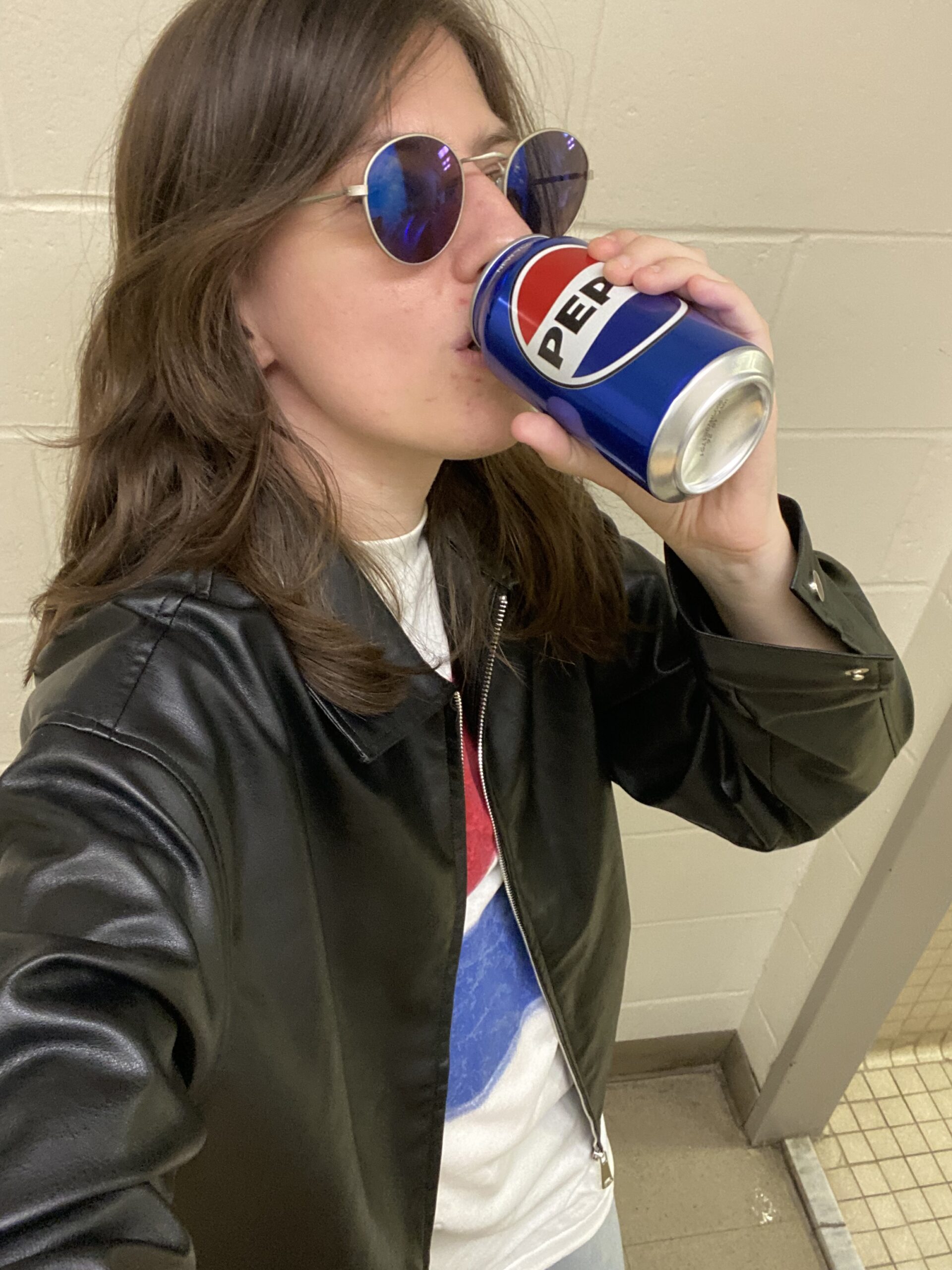
Next
up,
we’ve
got
a
contestant
with
some
90s
flair
that
everyone
will
remember
from
their
1Ls
case
books.
It’s
the
star
of
the
infamous
ad
that
gave
rise
to
Leonard
v.
PepsiCo,
the
contracts
case
we
all
know
and
love.
Last,
but
certainly
not
least,
we’ve
got
perhaps
the
most
meaningful
Halloween
costume
contest
entry
to
date.
Given
the
state
of
the
rule
of
law
in
America,
this
is
a
depiction
the
battered,
beaten,
and
bruised
Justicia,
better
known
as
Lady
Justice,
2025
A.D.
You’ve
seen
the
finalists,
so
now
it’s
time
to
vote.
Who
wore
the
best
law-related
Halloween
costume
this
year?
It’s
all
up
to
you!
Polls
close
on SUNDAY,
NOVEMBER
9,
at
11:30
P.M. (Eastern
time).
Staci
Zaretsky is
the
managing
editor
of
Above
the
Law,
where
she’s
worked
since
2011.
She’d
love
to
hear
from
you,
so
please
feel
free
to
email
her
with
any
tips,
questions,
comments,
or
critiques.
You
can
follow
her
on Bluesky, X/Twitter,
and Threads, or
connect
with
her
on LinkedIn.
Pfizer
now
has
the
required
regulatory
approval
for
its
$4.9
billion
acquisition
of
obesity
drug
developer
Metsera,
but
whether
and
when
that
deal
closes
may
hinge
on
the
outcome
of
two
lawsuits
the
pharmaceutical
giant
has
filed
in
opposition
to
Novo
Nordisk’s
eleventh
hour
submission
of
a
competing
offer.
The
Federal
Trade
Commission
on
Friday
granted
early
clearance
for
Pfizer’s
proposed
acquisition
of
Metsera,
underscoring
a
key
point
in
the
company’s
lawsuit
against
Metsera
and
Novo
Nordisk
alleging
breach
of
contract.
Pfizer
said
its
acquisition
proposal
offered
the
likelihood
of
a
faster
deal
close
because
the
pharma
giant’s
small
presence
in
metabolic
medicines
was
less
likely
to
spark
antitrust
concerns.
Notably,
Pfizer’s
effort
to
develop
an
oral
obesity
drug
flamed
out
earlier
this
year
due
to
a
safety
signal
in
a
Phase
1
study.
Pfizer
argues
that
Novo’s
offer
cannot
qualify
as
superior
under
the
terms
of
its
merger
deal
with
the
biotech
due
to
the
significant
antitrust
risk.
Metsera’s
regulatory
filings
regarding
Pfizer’s
agreement
noted
that
regulatory
review
of
a
Novo
acquisition
could
take
up
to
two
years
and
the
deal
may
not
close
at
all.
Pfizer
said
in
its
suit
that
these
risks
led
Metsera’s
board
to
turn
down
a
previous
Novo
offer
and
those
risks
remain
unchanged.
The
Pfizer
suit
was
filed
Friday
in
the
Delaware
Court
of
Chancery.
Besides
breach
of
contract,
Pfizer
alleges
Metsera’s
acceptance
of
Novo’s
offer
constitutes
breach
of
fiduciary
duty
and
tortious
interference
in
a
contract.
Pfizer
claims
Novo’s
offer
represents
a
dominant
obesity
drug
company’s
attempt
to
suppress
competition.
The
pharma
giant
also
contends
Novo’s
deal
is
structured
to
deliberately
evade
antitrust
review.
Per
deal
terms,
Novo
would
pay
$56.50
for
each
Metsera
share,
amounting
to
$6.5
billion.
This
payment
would
not
require
regulatory
approval
of
the
deal
and
would
come
before
any
FTC
action.
In
exchange
for
the
payment,
Metsera
would
issue
Novo
non-voting
stock
representing
50%
of
the
company’s
shares,
according
to
the
agreement.
Ten
days
later,
Metsera
would
issue
its
shareholders
a
$56.50
per
share
dividend.
Pfizer
said
this
special
dividend
violates
Delaware
law,
adding
that
Metsera’s
directors
have
breached
their
fiduciary
duties
by
“securing
a
self-interested
indemnification
provision
from
Novo
Nordisk
designed
to
cover
their
unlawful
conduct.”
Pfizer
expands
on
its
anti-trust
allegations
in
a
second
lawsuit
filed
Monday
in
U.S.
District
Court
for
the
District
of
Delaware.
This
suit
argues
that
Novo’s
Metsera
bid
violates
Section
7
of
the
Clayton
Antitrust
Act,
which
bars
M&A
activity
in
instances
where
the
effect
lessens
competition
or
creates
a
monopoly.
Pfizer
said
a
Novo
acquisition
of
Metsera
would
have
anticompetitive
effects
in
the
GLP-1
drug
market.
The
pharma
giant
also
argues
that
Novo’s
deal
with
Metsera
amounts
to
a
conspiracy
that
leads
to
a
restraint
of
trade
in
violation
of
Section
1
of
the
Sherman
Act.
Pfizer
further
alleges
the
deal
is
an
attempted
monopolization
and
conspiracy
in
violation
of
Section
2
of
the
act.
The
suit
claims
Metsera’s
controlling
stockholders
—
Validae
Health,
Population
Health
Partners,
and
funds
of
Arch
Venture
Partners—
are
part
of
this
anticompetitive
conspiracy.
In
its
announcement
of
the
federal
lawsuit,
Pfizer
said
it
“is
taking
this
action
to
preserve
and
enhance
competition
in
this
important
therapeutic
area
and
to
stop
Novo
Nordisk
from
illegally
paying
off
Metsera
and
its
controlling
stockholders
to
gain
control
of,
and
impair
and
potentially
kill,
an
emerging
U.S.
competitor.
Metsera’s
and
its
controlling
stockholders’
actions,
as
well
as
those
of
Novo
Nordisk,
are
in
clear
violation
of
the
antitrust
laws.”
Metsera
issued
a
brief
statement
late
Friday
saying
it
disagreed
with
Pfizer’s
allegations
in
the
first
suit
and
would
address
them
in
court.
The
company
elaborated
slightly
in
a
Monday
statement
issued
in
response
to
the
federal
suit.
“Pfizer
is
trying
to
litigate
its
way
to
buying
Metsera
for
a
lower
price
than
Novo
Nordisk,”
Metsera
said.
“Metsera’s
Board
of
Directors
will
continue
to
stand
firm
on
behalf
of
shareholders
and
patients.
Pfizer’s
litigation
arguments
are
nonsense,
and
Metsera
will
address
them
in
court.”
Meanwhile,
merger
deadlines
are
looming.
Pfizer’s
merger
agreement
with
Metsera
states
that
notification
of
a
superior
offer
gives
the
pharma
giant
four
business
days
to
revise
its
offer.
That
deadline
is
the
close
of
business
Tuesday.
Metsera’s
announcement
of
Novo’s
bid
noted
that
the
Pfizer
agreement
remains
in
full
effect,
and
the
biotech’s
board
of
directors
reaffirms
its
recommendation
that
shareholders
approve
adoption
of
this
agreement.
Metsera
had
scheduled
a
Nov.
13
special
meeting
for
shareholders
to
vote
on
the
Pfizer
proposal.
Ed.
note:
This
is
the
latest
in
the
article
series, Cybersecurity:
Tips
From
the
Trenches, by
our
friends
at Sensei
Enterprises,
a
boutique
provider
of
IT,
cybersecurity,
and
digital
forensics
services.
The
law
has
always
been
a
deeply
human
affair:
attorneys
arguing,
judges
deliberating,
juries
weighing
credibility,
precedent,
and
plain
old
common
sense.
But
now,
something
new
has
entered
the
courtroom
—
and
it
doesn’t
bill
by
the
hour
or
even
need
a
coffee
break.
Artificial
intelligence
(AI)
has
arrived,
and
it’s
quietly
moving
closer
to
the
bench.
AI
is
no
longer
just
lurking
in
the
background.
Judges,
clerks,
and
law
firms
are
using
it
to
draft,
summarize,
and
“streamline.”
Some
courts
are
even
testing
it
to
predict
outcomes
or
suggest
sentencing.
The
question
isn’t
whether
AI
will
become
part
of
the
justice
system
—
it’s
how
far
we’ll
let
it
go
before
someone
objects
on
constitutional
grounds.
Humans
vs.
Algorithms
Many
in
the
legal
field
are
excited
about
the
efficiency
AI
offers.
Others
are
quietly
appalled.
One
senior
judge
recently
said
there
are
“some
things
AI
can’t
do,
and
which
it
is
desirable
it
doesn’t
do.”
That’s
judicial
code
for:
let’s
not
have
a
robot
judge
handing
down
sentences
just
yet.
Still,
AI’s
scope
continues
to
expand.
Law
students
are
now
learning
to
use
it
as
part
of
their
curriculum.
Clerks
are
using
it
to
organize
case
files.
And
let’s
be
honest
—
more
than
a
few
partners
are
using
it
to
draft
legal
documents
they’ll
later
falsely
claim
they
“reviewed
extensively.”
The
line
between
legal
aid
and
legal
authority
is
blurring
rapidly.
When
AI
begins
helping
determine
who
wins
and
loses,
we’re
not
just
talking
about
convenience
—
we’re
talking
about
the
very
definition
of
justice.
What’s
Really
at
Stake
At
risk
are
the
pillars
that
support
the
entire
system:
fairness,
accountability,
and
transparency.
Human
judgment
—
flawed
though
it
may
be
—
at
least
provides
reasons,
ethics,
and
sometimes
mercy.
Machines
don’t
understand
nuance.
They
process
data.
Imagine
explaining
to
a
client
that
an
algorithm
decided
their
fate
based
on
pattern
similarity.
That
may
sound
efficient,
but
it’s
a
long
way
from
the
“independent
and
impartial
tribunal”
that
due
process
promises.
Some
courts
have
already
banned
AI
use
in
affidavits
and
witness
statements
after
experiencing
too
many
AI
hallucinations.
It
turns
out,
citing
fake
cases
doesn’t
sit
well
with
judges
—
human
or
otherwise.
The
bigger
concern
isn’t
that
AI
will
turn
evil;
it’s
that
it
will
become
just
another
normal
tool.
As
we
start
to
accept
machines
reasoning
for
us,
the
problem
quietly
grows.
No
evil
robot
overlord
needed
—
just
a
generation
of
lawyers
who
stop
questioning,
“Is
this
argument
actually
sound?”
What
Lawyers
Should
Do
1.
Audit
your
own
workflows
If
you
or
your
associates
use
AI
tools
for
drafting,
research,
or
analysis,
ensure
you
understand
what
they
are
doing.
You
can’t
delegate
professional
judgment
to
an
algorithm
and
still
consider
yourself
a
professional.
2.
Document
and
verify
everything
Keep
a
record
of
what
the
AI
generated,
how
you
verified
it,
and
who
reviewed
it.
When
something
goes
wrong
(and
it
will),
“the
bot
did
it”
is
not
an
acceptable
excuse.
3.
Review
your
contracts
and
policies
If
you’re
advising
clients,
update
your
engagement
letters
and
vendor
agreements
to
include
AI
use.
Someone
must
be
responsible
for
the
risk
if
a
model
hallucinates
a
citation
—
ideally,
not
your
client.
4.
Preserve
the
human
parts
of
law
Machines
can
process
data,
but
they
can’t
replicate
judgment,
empathy,
or
persuasion.
A
closing
argument
still
needs
a
heartbeat,
not
a
heatmap.
The
day
AI
can
move
a
jury
to
tears
is
the
day
we
should
all
pack
it
in.
Leverage
Without
Losing
Control
AI
won’t
replace
lawyers,
but
it’s
already
taking
over
some
of
their
tasks.
The
risk
isn’t
losing
our
jobs
—
it’s
losing
our
judgment.
Treat
AI
like
a
talented
but
unreliable
intern.
Let
it
draft,
summarize,
and
organize
information,
but
never,
ever
let
it
speak
for
you.
When
the
robotic
gavel
finally
drops
and
someone
asks,
“Who
made
this
decision
—
you
or
the
algorithm?”
you’d
better
be
ready
to
answer
“you”
confidently,
not
with
confusion.
After
all,
the
future
of
law
may
be
digital,
but
accountability
still
must
be
human.
Michael
C.
Maschke
is
the
President
and
Chief
Executive
Officer
of
Sensei
Enterprises,
Inc.
Mr.
Maschke
is
an
EnCase
Certified
Examiner
(EnCE),
a
Certified
Computer
Examiner
(CCE
#744),
an
AccessData
Certified
Examiner
(ACE),
a
Certified
Ethical
Hacker
(CEH),
and
a
Certified
Information
Systems
Security
Professional
(CISSP).
He
is
a
frequent
speaker
on
IT,
cybersecurity,
and
digital
forensics,
and
he
has
co-authored
14
books
published
by
the
American
Bar
Association.
He
can
be
reached
at [email protected].
Sharon
D.
Nelson
is
the
co-founder
of
and
consultant
to
Sensei
Enterprises,
Inc.
She
is
a
past
president
of
the
Virginia
State
Bar,
the
Fairfax
Bar
Association,
and
the
Fairfax
Law
Foundation.
She
is
a
co-author
of
18
books
published
by
the
ABA.
She
can
be
reached
at [email protected].
John
W.
Simek
is
the
co-founder
of
and
consultant
to
Sensei
Enterprises,
Inc.
He
holds
multiple
technical
certifications
and
is
a
nationally
known
digital
forensics
expert.
He
is
a
co-author
of
18
books
published
by
the
American
Bar
Association.
He
can
be
reached
at [email protected].
*
Pam
Bondi
announces
a
new
title
for
Lindsey
Halligan
in
effort
to
save
Comey
prosecution.
The
administration
will
do
just
about
anything
except
“nominate
someone
and
let
them
be
confirmed
by
the
Senate.”
[Bloomberg
Law
News]
This
is
not
a
coincidence
since
COMALISO is
a
liberal
think
tank.
We
believe
Zimbabwe
can
only
thrive
in
an
environment
where
the
government
‘allows’
(for)
unrestricted
functioning
of
a
free
market
economy.
Governments
(should)
make
laws
that
protect
freedom
of,
freedom
to
and
freedom
for
citizens.
This
is
neither
negotiable
nor
conditional.
And
so
when
we
argue
our
case
for
market
freedom,
we
are
on
the
side
of
disadvantaged
citizens
who
suffer
where
EVERYTHING
is
controlled
by
the
government.
Yet
in
order
to
achieve
this, COMALISO constantly
analyses
government
policy
and
engages
Parliament
of
Zimbabwe
to
ensure
what
we
preach
is
backed
with
official
legislation.
#TeamComaliso
and
I
are
therefore
excited
to
report
that
we
now
see,
hear
and
read
how
some
of
our
proposals
are
being
implemented.
Not
that
the
war
is
won
as
yet,
but
that
our
battle
is
one
step
at
a
time.
Here’s
what
am
I
saying,
in
brief:
TITLE
DEEDS
FOR
THE
URBAN
POOR
For
the
past
five
years
or
so,
our “TitleDeeds4All” campaign
has
advocated
that
all
citizens
who
‘own’
property
in
urban
areas
–
particularly
those
located
in
so-called
informal
settlements
or
urban
high-density
areas
–
enjoy
secure
shelter
by
having
access
to
title
deeds.
Title
deeds
are
not
for
the
wealthy
or
‘educated’
only.
Safe
and
affordable
shelter
is
a
right
for
every
Zimbabwean
citizen.
As
you
can
see
from
(some
of)
the
included
links,
both
the
central
and
local
government
have
taken
steps
to
ensure
registration
of
property
is
not
only
simplified
but
also
made
safer
through
digitalisation.
Registration
and
transfer
of
property
is
not
free
or
cheap,
the
very
reason
why
Parliament
of
Zimbabwe
is
currently
discussing
our
petition
to
address
this
anomaly
–
especially
our
suggestion
for
a
National
Shelter
Fund
where
low
income
and
unemployed
citizens
can
contribute
a
small
fee
to
enable
support
of
property
transfer
and
registration.
Our
colleagues
at
Kwangu/Kwami
Trust
have
made
commendable
progress
in
this
direction.
Within
the
same
period,
our ‘20m²
Mall
Millionaire’ advocacy
focused
on
thousands
of
young
entrepreneurs
who
occupy
small
partitioned
shops
in
CBD
malls.
This
wave
has
created
new
wealth
opportunities
for
young
Zimbabweans
who
cannot
secure
jobs
in
scarce
manufacturing
and
service
industries.
The
20m²
Mall
Millionaires
require
skills
in
sourcing
products
that
respond
to
the
needs
of
customers.
They
need
skills
in
responding
to
customer
preferences,
identification
of
suppliers,
managing
inventory,
effective
merchandising,
space
optimisation,
health
and
product
insurance
and
ensuring
product
quality
does
not
violate
intellectual
property
rights.
COMALISO
continues
to
encourage
tax
compliance,
formal
banking,
record
keeping
and
also
a
representative
business
chamber
network where
they
can
share
ideas,
expertise
and
advocacy.
For
the
past
two
or
so
years,
our “Power2ThePeople” campaign
has
engaged
all
key
stakeholders
in
the
electricity
supply
value
chain,
arguing
that
monopoly
by
and
state-control
of
Zimbabwe
Electricity
Supply
Authority
(ZESA)
make
it
difficult
for
private
investors
to
participate
in
provision
of
accessible
and
affordable
electricity.
We
are
pleased
to
report
that
while
our
petition
is
still
making
its
rounds
in
Parliament,
the
Government
and
ZERA
(Zimbabwe
Energy
Regulation
Authority)
have
taken
a
policy
decision
that
allows
for
private
investors
to
supply
electricity.
Let
me
clarify
that
this
is
a
small
part
of
our
advocacy
because
we
believe
ZESA
should
not
only
be
privatised
completely,
but
also
laws
should
be
in
place
to
ensure
sustainable
private
electricity
generation
and
removal
of
all
tariffs
and
taxes
on
solar
products.
Successful
advocacy
is
one
step
at
a
time.
Yes, COMALISO agrees
with
our
colleagues
at
Combined
Harare
Residents
Association
(CHRA),
Harare
Residents
Trust
(HRT)
and
all
residents’
associations
in
Mutare,
Gweru
and
Bulawayo
–
that
water
is
not
only
life,
but
also
a
human
right.
However,
monopolistic
storage,
supply
and
metering
by
Municipalities
and
ZINWA
(Zimbabwe
National
Water
Authority)
is
not
the
answer
to
accessible,
clean
and
affordable
water.
Just
like
our “Power2ThePeople” campaign, COMALISO agrees
with
Bulawayo
City
Mayor
David
Coltart
that
private
entities
must
be
allowed
to
supply,
distribute
and
meter
water.
The “Water2ThePeople” ideology
that
prevails
in
Harare
on
the
narrative
of
private
participation
and
water
pre-payment
is
part
of COMALISO’s
belief
that
free
market
economics
delivers.
Finally,
from
now
until
end
of
2026
next
year,
our ‘MyVillageDeeds4Life’ will
not
only
engage
key
stakeholders
but
also
Central
Government,
Chiefs,
Headmen
and
Rural
District
Councils
on
the
idea
of
rural
citizens
securing
ownership
of
their
homesteads,
businesses,
schools,
churches
and
crop
fields
through
title
deeds.
Secure
and
safe
property
ownership
is
NOT
a
preserve
of
urban
citizens
or
commercial
farmers
only.
Property-based
prosperity
should
apply
to
the
majority
of
10
million
or
so
Zimbabweans
who
reside
in
rural
areas.
This
does
not
undermine
the
authority
of
Chiefs
and
Headmen.
It
merely
makes
their
work
easier.
Therefore,
as
the
year
2025
ends, #TeamComaliso wishes
to
thank
our
key
stakeholders
–
including
policy
makers
and
Parliament
of
Zimbabwe
–
for
their
support.
In
all
this,
our
partnership
with
Atlas
Network
is
invaluable.
It
is
their
global
experience
and
incredible
international
networks
that
keep COMALISO’s
work
on
the
cutting
edge
of
free
market
innovation.
We
also
pay
homage
to
our
friends
at
Friedrich
Naumann
Foundation
(Zimbabwe),
Free
Market
Foundation
(South
Africa),
IMANI
(Ghana),
TECA
(Zimbabwe),
Liberty
Sparks
(Tanzania)
and
of
course,
Kwangu/Kwami
Trust
(Zimbabwe)
from
whom
we
draw
inspiration.
Without
these
partners,
our
work
would
be
incredibly
difficult.
Prepare
For
Change,
Goodwin
Associates:
The
firm
will
expect
to
see
you
Monday-Thursday
in
person
starting
next
year.
So
Much
For
Not
Attacking
Protestors
In
Costumes:
All
thanks
to
the
7th
Circuit!
There
Goes
$400M!:
Justin
Baldoni’s
lawyers
miss
multi-million
dollar
deadline.
Florida,
Like
Texas,
Is
Pushing
For
An
ABA
Alternative:
Everyone
else
is
winning
by
doing
nothing.
Let
The
Record
Show…:
Judge
Schofield
rules
on
a
mandatory
unsealing
of
documents
from
two
important
cases.
When
Niti
Nadarajah
says
“assume
less,
ask
more,”
she
is
talking
about
diversity,
equity,
and
inclusion.
But
for
in-house
lawyers,
the
phrase
is
just
as
powerful
when
applied
to
contract
drafting
and
negotiation.
“In
all
sorts
of
different
conversations,
we
make
so
many
assumptions
about
what
other
people
need
or
want,”
Nadarajah
says.
“Often
that
leads
us
down
paths
that
do
not
align
with
what
that
person
actually
needs
or
wants.”
That
habit
shows
up
in
contracting
too,
where
assumptions
about
the
other
party’s
priorities
or
risk
tolerance
can
lock
deals
into
unnecessary
cycles
of
redlines
and
delay.
Start
By
Questioning
The
Default
The
fastest
way
to
make
a
contract
unusable
is
to
assume
you
already
know
what
will
work
for
the
counterparty.
Legal
teams
often
start
with
a
template
designed
years
ago,
filled
with
clauses
that
have
survived
purely
because
no
one
challenged
them.
By
the
time
the
first
draft
goes
out,
the
positions
are
already
hardened.
Contract
data
offers
an
antidote.
If
you
can
see
which
clauses
are
negotiated
most
often
and
which
are
rarely
touched,
you
have
a
better
foundation
for
asking
the
right
questions.
Why
does
this
clause
take
so
long
to
resolve?
Does
the
other
side
actually
care
about
this
indemnity,
or
are
we
protecting
against
an
imaginary
risk?
The
goal
is
to
challenge
the
status
quo,
not
by
gut
feel
but
by
evidence.
Align
Clauses
With
Real
Needs
Nadarajah’s
DEI
work
focuses
on
interrogating
systems
to
uncover
hidden
biases.
In
contracting,
the
same
mindset
can
uncover
inefficiencies.
If
both
sides
agree
that
certain
clauses
are
low-risk,
they
can
be
standardized,
preapproved,
or
automated.
That
frees
up
negotiation
energy
for
the
issues
that
truly
matter.
The
key
is
to
ask
questions
early,
before
entrenched
positions
develop.
What
does
your
business
partner
need
from
this
contract
to
achieve
their
goals?
What
is
the
absolute
minimum
protection
your
side
requires
to
manage
risk?
Where
is
there
room
to
meet
in
the
middle
without
sacrificing
key
protections?
When
you
replace
assumption
with
inquiry,
you
discover
opportunities
for
clarity
and
collaboration.
Make
Curiosity
A
Team
Habit
Nadarajah
believes
curiosity
should
be
part
of
daily
leadership.
“If
people
can
do
that
more
with
anyone
they
are
leading,
with
the
organization
they
are
in,
and
with
the
systems
within
that
organization,
it
will
go
a
long
way,”
she
says.
For
in-house
counsel,
that
means
building
a
culture
where
every
contract
drafter
and
negotiator
is
encouraged
to
challenge
the
purpose
behind
the
language.
It
also
means
empowering
the
team
to
bring
forward
ideas
for
simplification
and
usability,
and
giving
them
the
data
to
back
up
their
suggestions.
Curiosity
is
not
just
an
individual
trait
but
a
process
discipline
that
prevents
wasted
cycles
and
makes
agreements
easier
to
use
after
they
are
signed.
The
Payoff
Of
Asking
More
When
you
apply
“assume
less,
ask
more”
to
contracting,
you
accelerate
deals
without
cutting
corners.
You
also
create
agreements
that
are
clearer
for
internal
teams
to
implement
and
for
regulators
to
understand.
Most
importantly,
you
signal
to
counterparties
that
your
legal
team
is
willing
to
engage
in
good
faith
and
find
mutually
beneficial
solutions.
In
the
end,
the
habit
of
asking
more
questions
is
not
about
being
slow
or
overly
cautious.
It
is
about
replacing
assumptions
with
insight
and
turning
that
insight
into
contracts
that
work
better
for
everyone.
For
in-house
lawyers
under
pressure
to
move
faster
without
increasing
risk,
that
is
a
discipline
worth
adopting.
Olga
V.
Mack is
the
CEO
of TermScout,
an
AI-powered
contract
certification
platform
that
accelerates
revenue
and
eliminates
friction
by
certifying
contracts
as
fair,
balanced,
and
market-ready.
A
serial
CEO
and
legal
tech
executive,
she
previously
led
a
company
through
a
successful
acquisition
by
LexisNexis.
Olga
is
also
a Fellow
at
CodeX,
The
Stanford
Center
for
Legal
Informatics,
and
the
Generative
AI
Editor
at
law.MIT.
She
is
a
visionary
executive
reshaping
how
we
law—how
legal
systems
are
built,
experienced,
and
trusted.
Olga teaches
at
Berkeley
Law,
lectures
widely,
and
advises
companies
of
all
sizes,
as
well
as
boards
and
institutions.
An
award-winning
general
counsel
turned
builder,
she
also
leads
early-stage
ventures
including Virtual
Gabby
(Better
Parenting
Plan), Product
Law
Hub, ESI
Flow,
and Notes
to
My
(Legal)
Self,
each
rethinking
the
practice
and
business
of
law
through
technology,
data,
and
human-centered
design.
She
has
authored The
Rise
of
Product
Lawyers, Legal
Operations
in
the
Age
of
AI
and
Data, Blockchain
Value,
and Get
on
Board,
with Visual
IQ
for
Lawyers (ABA)
forthcoming.
Olga
is
a
6x
TEDx
speaker
and
has
been
recognized
as
a
Silicon
Valley
Woman
of
Influence
and
an
ABA
Woman
in
Legal
Tech.
Her
work
reimagines
people’s
relationship
with
law—making
it
more
accessible,
inclusive,
data-driven,
and
aligned
with
how
the
world
actually
works.
She
is
also
the
host
of
the
Notes
to
My
(Legal)
Self
podcast
(streaming
on Spotify, Apple
Podcasts,
and YouTube),
and
her
insights
regularly
appear
in
Forbes,
Bloomberg
Law,
Newsweek,
VentureBeat,
ACC
Docket,
and
Above
the
Law.
She
earned
her
B.A.
and
J.D.
from
UC
Berkeley.
Follow
her
on LinkedIn and
X
@olgavmack.
Cozen
O’Connor
is
growing
in
Minneapolis!
Today,
the
Philadelphia-based
firm,
ranked
77th
on
the
2025
Am
Law
100
based
on
gross
revenue,
announced
a
merger
with
Moss
&
Barnett.
Cozen
will
add
some
50+
attorneys
as
a
result
of
the
acquisition.
Michael
Heller,
chairman
and
CEO
of
Cozen,
noted,
“This
combination
advances
our
commitment
to
deepen
our
presence
across
the
Midwest,
a
strategically
important
region
for
the
firm
and
our
clients.”
He
also
said
Moss
&
Barnett’s
deep
roots
—
founded
in
1892
—
“make
it
a
perfect
fit
for
Cozen
O’Connor’s
strategic
vision
for
growth.”
Heller
told
Bloomberg
Law
Minneapolis
was
clear
target
for
Cozen,
“We
have
a
strong
middle-market
practice
and
continue
to
pursue
those
clients
while
also
continuing
to
expand
our
client
portfolio
because
now
the
Minneapolis
folks
have
a
national
platform
by
which
to
engage
those
clients,”
he
said.
Moss
&
Barnett
president
and
CEO
Brian
Grogan
said
the
benefits
of
the
merger
outweighed
any
potential
risks:
Grogan
said
his
firm’s
partners,
who
voted
unanimously
in
favor
of
the
merger,
recognized
the
risk
of
losing
their
independence
to
a
larger
firm.
Cozen
is
more
than
10
times
larger
in
terms
of
lawyer
count
and
annual
revenue.
But
Grogan
said
those
concerns
were
“offset
by
the
realities
of
practicing
law
today.”
“Cozen
invests
heavily
in
AI
technology
to
improve
legal
tech
for
their
clients,”
he
said.
“They
can
do
that
at
a
scale
that
a
small
regional
firm
can’t
compete
with.
That’s
something
you
have
to
consider
when
you
ask
how
can
we
continue
to
provide
the
best
opportunities
for
our
lawyers
and
clients.”
The
combined
2025
revenue
for
the
firms
is
expected
to
top
$800
million.
Kathryn
Rubino
is
a
Senior
Editor
at
Above
the
Law,
host
of
The
Jabot
podcast,
and
co-host
of
Thinking
Like
A
Lawyer.
AtL
tipsters
are
the
best,
so
please
connect
with
her.
Feel
free
to
email
her
with
any
tips,
questions,
or
comments
and
follow
her
on
Twitter
@Kathryn1 or
Mastodon
@[email protected].
Our
right
to
vote
is
the
foundation
of
our
democracy,
and
every
voter
should
be
able
to
freely
exercise
that
right.
My
office
will
be
available
on
Election
Day
to
help
anyone
who
faces
challenges
voting
and
will
continue
working
to
protect
free
and
fair
elections
throughout
New
York
state.
I
am
proud
to
support
New
Yorkers
as
they
make
their
voices
heard
at
the
ballot
box.
—
New
York
Attorney
General
Letitia
James,
in
comments
given
to
New
Yorkers
concerning
the
Office
of
the
New
York
Attorney
General’s
(OAG)
Election
Protection
Hotline,
which
will
be
available
for
the November
4, 2025 general
election.
New
York
voters
who
are
experiencing
election-related
problems
while
voting
may
call
the
OAG
hotline
at (866)
390-2992,
or submit
a
complaint
online
to
request assistance.
Staci
Zaretsky is
the
managing
editor
of
Above
the
Law,
where
she’s
worked
since
2011.
She’d
love
to
hear
from
you,
so
please
feel
free
to
email
her
with
any
tips,
questions,
comments,
or
critiques.
You
can
follow
her
on Bluesky, X/Twitter,
and Threads, or
connect
with
her
on LinkedIn.
















 Kathryn