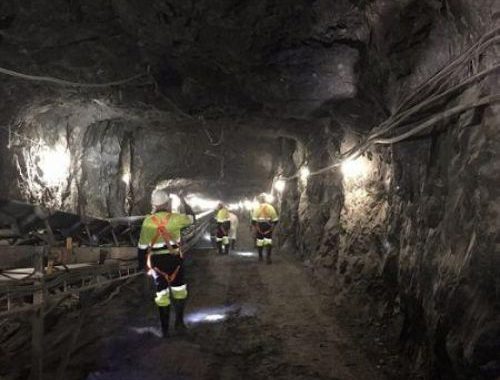
Dangote to seal US$1 billion Zimbabwe investment in cement, coal and power

HARARE

Nigerian
billionaire
Aliko
Dangote
is
expected
in
Zimbabwe
in
mid-November
after
approving
a
package
of
investments
in
cement,
coal
and
power
generation
worth
about
US$1
billion,
the
government
said
on
Monday.

A
delegation
from
local
financial
services
firm
Bard
Santner,
which
will
structure
the
deals,
was
in
Nigeria
on
Monday
laying
the
groundwork
for
the
visit.

Paul
Tungwarara,
President
Emmerson
Mnangagwa’s
investment
adviser,
told
journalists
that
preparations
were
underway
for
meetings
between
Mnangagwa
and
the
petroleum
tycoon.

“The
richest
man
in
Africa
is
coming
to
Zimbabwe
at
the
invitation
of
President
Mnangagwa,”
Tungwarara
said.
“The
two
have
been
in
constant
communication
and
we
are
presently
working
on
the
logistical
aspects
of
the
visit.


“We
are
keen
to
ensure
that
he
makes
a
significant
investment
in
Zimbabwe
and
avoid
what
happened
during
his
previous
visit
in
2015,
when
he
came
but
did
not
return.”

Dangote’s
2015
visit
ended
inconclusively
amid
reports
that
a
cabinet
minister
solicited
a
bribe,
angering
the
businessman.

Journalist
and
business
adviser
Josephine
Mahachi
is
believed
to
have
played
a
key
role
in
facilitating
Dangote’s
renewed
interest
in
Zimbabwe.

The
68-year-old
industrialist,
worth
an
estimated
US$30
billion
according
to
Forbes,
built
the
650,000-barrel-per-day
Dangote
Refinery
in
Lekki,
Nigeria

a
US$20
billion
project
inaugurated
in
May
2023.

His
flagship
company,
Dangote
Cement
Plc,
is
a
Nigerian
publicly
listed
multinational
with
a
production
capacity
of
52
million
tonnes
per
year
across
10
African
countries.

In
July,
Dangote
announced
plans
to
construct
fuel
storage
tanks
in
Namibia
with
capacity
for
1.6
million
barrels
of
petrol
and
diesel
to
supply
refined
fuel
to
southern
Africa

part
of
a
broader
regional
expansion
drive.

We want to come home: Zimbabweans in South Africa react to President Mnangagwa’s term extension

News
that
Zimbabwe’s
ruling
Zanu
PF
party
wants
to
extend
President
Emmerson
Mnangagwa’s
term
of
office
to
2030
has
drawn
mixed
reactions
from
Zimbabweans
living
in
South
Africa.
Many
say
the
move
reflects
the
deepening
political
stagnation
that
forced
them
to
leave
home
in
the
first
place,
while
others
argue
that
Mnangagwa
has
performed
better
than
his
predecessor,
Robert
Mugabe,
and
deserves
more
time
to
continue
the
country’s
recovery.


IOL
reported
on
Tuesday
that
Zanu
PF
had
announced
plans
to
begin
the
process
of
extending
Mnangagwa’s
term
of
office
by
two
years
 —
a
move
that,
if
successful,
would
keep
him
in
power
until
2030.
The
proposal
was
formally
endorsed
at
the
party’s
annual
national
people’s
conference
in
the
eastern
city
of
Mutare
over
the
weekend,
where
delegates
instructed
government
structures
to
start
drafting
legislation
to
amend
the
constitution.

Chairperson
of
the
Zimbabwe
Community
in
South
Africa,
Ngqabutho
Nicholas
Mabhena,
warned
that
the
move
would
spell
disaster
for
the
landlocked
nation.

“As
the
Zimbabwe
Community
in
South
Africa
we
condemn
the
action
taken
by
Zanu
PF
to
propose
postponing
elections
to
2030.
We
want
to
participate
in
the
elections
in
2028.
We
want
the
parliament
in
Zimbabwe
to
give
way
for
the
diaspora
vote,”
Mabhena
told
IOL.

“All
of
us,
given
what
is
obtaining
in
South
Africa,
with
Operation
Dudula
and
other
anti-migrant
organisations,
we
believe
that
we
can
only
stabilise
our
economy
when
we
have
resolved
the
political
question.
The
political
question
can
only
be
resolved
through
an
election.
If
elections
are
postponed,
we
do
not
see
any
resolution
of
the
political
question,
which
would
lead
to
rebuilding
of
the
Zimbabwean
economy
so
that
we
who
are
in
South
Africa
can
return
home.”

On
the
other
hand,
prominent
businessman,
lawyer,
and
socialite
Moreboys
Munetsi
said
his
main
concern
was
helping
the
large
number
of
Zimbabweans
in
South
Africa
who
continue
to
face
challenges
around
documentation,
healthcare,
and
employment.

“People
who
are
in
the
diaspora
have
been
left
out
of
economic
opportunities
in
Zimbabwe’s
sectors
like
mining
and
agriculture.
The
environment
here
in
South
Africa
has
become
very
hostile,
especially
to
the
Zimbabwe
community

they
really
want
to
go
back
home.
What
makes
Zimbabweans
continue
to
stay
in
South
Africa
is
that
they
have
no
idea
how
to
survive
once
they
get
home,”
Munetsi
told
IOL.

“Perhaps
the
government
of
Zimbabwe
could
avail
some
funding
to
help
its
people,
particularly
those
who
are
in
South
Africa.
You
can
see
foreigners
have
been
blocked
from
accessing
hospitals
and
certain
companies.
So
my
observation
is
that
Zimbabweans
in
South
Africa
desire
to
return
home,
but
they
do
not
know
how
to
survive
once
they
are
in
Zimbabwe.”

On
behalf
of
the
Zimbabwe
Immigration
Federation
and
the
Zimbabwe
Democratic
Congress,
Luke
Mufaro
Dzviti
said
he
was
deeply
disappointed
by
Zanu
PF’s
resolution.

“The
recent
move
by
Zanu
PF
seeking
to
extend
President
Mnangagwa’s
term
to
the
year
2030
is
very
disappointing,
unconstitutional
and
proof
that
Zanu
PF madhalas (old
men)
want
to
capture
Zimbabwe
more
than
what
the
Guptas
and
Vusimuzi
‘Cat’
Matlala
did
in
South
Africa,”
said
Dzviti.

“Extending
Emmerson
Mnangagwa’s
tenure
to
2030
is
a
catastrophe
of
monumental
proportions
to
Zimbabwe

to
Zimbabweans
who
are
sick
and
tired
of
Zanu
PF’s
bad
governance,
corruption
and
tyranny.
This
has
come
at
a
time
when
my
party
was
finishing
structures,
a
manifesto
and
other
paperwork
while
fielding
members
of
parliament
in
all
210
constituencies
to
try
and
make
Zimbabwe
great
again
sooner
and
not
in
the
future
of
2030.”

Not
all
Zimbabweans
share
this
view.
Cross-border
truck
driver
Ishmael
Gwatidzo,
a
Zanu
PF
supporter,
welcomed
the
proposed
extension.

“I
think
we
have
not
seen
an
influx
of
Zimbabweans
fleeing
hardship
ever
since
President
Mnangagwa
took
office.
We
must
not
be
quick
to
forget.
The
problem
we
are
faced
with
now
is
how
to
get
Zimbabweans
who
are
in
South
Africa
back
home,
but
a
few
years
back,
there
was
pressure
at
the
border
with
Zimbabweans
fleeing,”
Gwatidzo
said.

“What
you
get
now
is
Zimbabweans
travelling
to
other
countries
like
Botswana,
South
Africa
and
Mozambique
to
buy
goods
and
return
home.
Even
our
road
infrastructure
has
improved.
I
think
Zanu
PF
was
right

President
Mnangagwa
has
unfinished
business.”

On
Wednesday, IOL
also
reported
that
former
Zanu
PF
heavyweight
and
cabinet
minister
Saviour
Kasukuwere
rubbished
the
party’s
plan
 to
extend
Mnangagwa’s
term,
warning
that
it
would
end
badly
for
both
the
president
and
the
country.

Speaking
to
IOL,
Kasukuwere
said:
“He
(Mnangagwa)
is
dreaming,
and
he
has
set
himself
up
for
a
gigantic
failure.
Greediness
knows
no
boundaries,
and
this
will
lead
to
a
huge
disaster
for
the
country.”

Kasukuwere,
once
a
senior
figure
in
the
Zanu
PF
government
led
by
Robert
Mugabe
before
going
into
exile
during
the
2017
military
intervention,
has
become
one
of
the
most
prominent
former
insiders
to
publicly
condemn
the
move
to
extend
Mnangagwa’s
rule.


jonisayi.maromo@iol.co.za

Post
published
in:

Featured

The Grey Colossus of Hwange


Credit:
Andrew
Field


By
Etiwel
Mutero

It
was
a
world
defined
by
the
unrelenting
thirst
for
the
distant
waterhole,
and
into
this
harsh
beauty
strode
the
monarch
of
the
Mopane
scrub:
a
truly
immense
bull
elephant,
known
by
the
local
trackers
simply
as
The
Colossus.
To
witness
him
was
not
merely
to
observe
an
animal;
it
was
to
stand
in
the
presence
of
a
living,
breathing,
ancient
monument.

​His
sheer
size
was
the
first,
staggering
impression.
He
stood
taller
than
two
men,
a
walking
hillock
of
granite-grey
muscle
and
bone.
His
form
was
less
like
a
mammal
and
more
like
a
great,
geological
formation
that
had
somehow
learned
to
move.
The
weight
of
his
presence
seemed
to
compress
the
very
atmosphere
around
him,
forcing
the
world
into
quiet
reverence.
Every
step
was
deliberate,
a
slow,
earth-trembling
thump
that
spoke
of
mass
and
unhurried
confidence.
He
was
the
definition
of
power
made
patient.

​The
elephant’s
hide
was
a
masterpiece
of
texture
and
history.
It
was
not
smooth,
but
a
deeply
furrowed
landscape,
a
map
of
every
migration,
every
battle,
and
every
drought
he
had
survived.
The
skin
was
the
colour
of
dried
river
mud
and
charcoal,
shot
through
with
patches
of
reddish
Kalahari
dust
where
he
had
recently
tossed
soil
onto
his
flanks
for
cooling.
These
great,
hanging
folds
of
flesh
around
his
shoulders
and
legs
gave
him
an
archaic,
armor-plated
appearance.
Thousands
of
tiny,
rigid
bristles,
like
iron
filings,
dotted
the
surface,
lending
the
texture
a
roughness
that
defied
the
sun’s
soft
light.
Here
and
there,
one
could
spot
the
pale
pink
scar
tissue—faded
medals
of
endurance
acquired
from
tussles
with
rivals
or
scrapes
against
thorny
acacia
branches—each
marking
a
chapter
in
his
long,
solitary
existence.

​Above
this
mountainous
bulk
was
the
immense
skull,
dominated
by
two
perfect,
curving
tusks.
These
were
the
ivory
trophies
of
his
age
and
success,
polished
smooth
at
the
tips
from
decades
of
scraping
against
rocks,
levering
up
tough
roots,
and
marking
trees.
They
tapered
to
sharp
points,
glistening
faintly
even
under
the
dust,
serving
as
both
intimidating
weapons
and
exquisitely
fine-tuned
sensory
tools.

​But
the
most
mesmerizing
feature
was
his
trunk—the
great,
liquid
whip
of
muscle,
cartilage,
and
sensitivity.
It
was
a
five-foot-long
instrument
of
unparalleled
dexterity.
You
could
watch
it
move
with
the
fluidity
of
a
striking
cobra,
yet
perform
a
task
requiring
the
gentleness
of
a
human
hand.
In
one
moment,
it
flared
wide
at
the
tip,
testing
the
air
for
the
scent
of
distant
water
or
danger.
In
the
next,
it
was
curling
with
infinite
precision,
plucking
a
single,
green
shoot,
or
delicately
siphoning
up
a
mouthful
of
water
from
the
remaining
damp
mud
of
a
shrinking
pool.
When
he
drank,
the
trunk
plunged
deep,
drawing
in
gallons
with
a
single,
powerful
suction,
before
curling
upward
and
emptying
the
refreshing
deluge
directly
into
his
mouth
with
an
audible,
satisfying
slosh.

​His
ears,
vast
and
wing-like,
were
perpetually
in
motion.
They
were
enormous,
intricate
fans
of
thin
skin,
latticed
with
pronounced
veins
that
resembled
the
tributaries
of
the
great
Zambezi
River.
With
a
slow,
languid
rhythm,
they
flapped,
creating
an
almost
silent
whoosh
of
displaced
air,
working
as
the
essential
biological
radiator
to
cool
his
massive
internal
furnace.
The
movement
gave
his
profile
a
serene,
almost
philosophical
quality,
as
if
he
were
patiently
signalling
to
the
surrounding
savanna.

​Contrasting
sharply
with
his
huge
scale
were
his
eyes:
surprisingly
small,
dark,
and
set
deep
within
the
folds
of
his
face.
Yet,
they
were
windows
to
an
unreadable,
profound
intelligence.
They
held
no
malice,
only
the
deep-seated
weariness
and
wisdom
of
generations.
As
he
stopped
beneath
a
towering
African
teak,
the
elephant
shifted
his
weight,
and
a
low,
resonant
rumble
resonated
from
his
chest.
This
infrasonic
communication,
too
low
for
the
human
ear
to
truly
comprehend,
vibrated
through
the
earth
itself,
a
silent
dialogue
with
the
dispersed
herd
scattered
across
the
plains.
It
was
the
sound
of
kinship
and
connection,
the
heartbeat
of
the
bush.

​He
moved
toward
the
last
remaining
pool,
and
the
moment
he
reached
it,
the
pace
of
his
action
shifted.
He
began
to
apply
a
generous
coat
of
thick,
grey
mud,
using
his
trunk
to
plaster
it
onto
his
head
and
back
with
purposeful
swings.
The
mud
bath
was
a
luxury,
a
cooling
balm,
and
a
defense
against
biting
insects,
transforming
the
Colossus
briefly
from
a
dust-coloured
giant
into
a
figure
molded
from
wet,
living
clay.
When
he
emerged,
his
silhouette
against
the
setting
sun
was
magnificent:
a
creature
reborn
in
the
cool,
momentary
protection
of
the
earth.

​The
Zimbabwean
elephant
is
more
than
just
a
magnificent
beast;
he
is
the
custodian
of
the
continent’s
memory,
a
living
metaphor
for
enduring
wildness.
His
ancient,
thoughtful
presence
anchors
the
landscape,
reminding
all
who
watch
that
scale,
patience,
and
deep
connection
to
the
earth
remain
the
highest
forms
of
sovereignty
in
the
wild
heart
of
Africa.


Etiwel
Mutero
is
a
teacher,
archivist,
librarian
and
a
political
analyst
.You
can
contact
him
on
+263773614293
or

etiwelm02@gmail.com

Post
published
in:

Featured

Cannabis boom in South Africa and Zimbabwe is good for wealthy investors, bad for small farmers


Simon
Howell
,


University
of
Cape
Town

and

Clemence
Rusenga

Cannabis
is
booming
as
an
ingredient
in
everything
from

supplementary
oils
,
inflammation-reducing

skin
creams
,
lip
balms
to

health
drinks

and
gummy
sweets
that
promise
to
reduce
anxiety
and
pain
and
promote
relaxation.

The
global
legal
cannabis
market
is
today

worth
about

US$69.78
billion,
and
this
will
skyrocket
to

US$216.76
billion
by
2033
.

But
is
this
boom
benefiting
indigenous
cannabis
farmers
in
southern
Africa?
They’d
been
growing
the
plant
for
hundreds
of
years
before
colonial
authorities
criminalised
it
in
the
early
1900s.
Rural
people
continued
to
grow
it
illicitly
after
that,
relying
on
its
medicinal
properties.

For
many
rural
households
in
southern
Africa
today,
cannabis
pays
for
the
family’s
food,

education,

and
other
necessities.

In
South
Africa,
cannabis
was

prohibited

under
different
laws
since

1928
.
In
neighbouring
Zimbabwe,
the

Dangerous
Drugs
Act

criminalised
cannabis
in
1955,
and
this
continued
after
independence.

But
in
2018,
this
changed.
South
Africa’s
Constitutional
Court

decriminalised

private
use
and
limited
private
cultivation
for
personal
consumption,
while
Zimbabwe

regulated

the
cultivation
of
cannabis
for
medicinal
and
industrial
purposes.

We
are
social
scientists
who
research
cannabis
and
development
in
Africa.
We
interviewed
a
wide
range
of
people,
from
political
leaders
to
illicit
growers
to
cannabis
lobbyists
and
non-governmental
organisations
to
technical
people
involved
in
the
industry,
such
as
greenhouse
installers.
We
wanted
to

uncover

the
challenges
small-scale
cannabis
farmers
faced
after
cannabis
was
decriminalised.

Our
research

found

that
cannabis
reform
has
continued
old
patterns
of
unfairness.
For
example,
we
found
that
medicinal
cannabis
production
is
currently
an
exclusive
business
which
only
well
off
businesses
can
participate
in.
Farmers
who
traditionally
cultivated
cannabis
and
sold
it
when
it
was
still
illegal
have
not
been
included
in
the
new
cannabis
industry.

If
these
problems
are
not
solved,
the
potential
of
cannabis
to
be
a
tool
for
development
in
Zimbabwe
and
South
Africa
will
remain
unfulfilled.

South
Africa:
privacy,
rights
and
the
slow
turn
to
reform

South
Africa’s
move
towards
legalisation
was
not
triggered
by
the
government
but
by
the
courts.
The
2018
Constitutional
Court
ruling

found
that

criminalising
private
cannabis
use
violated
the
constitutional
right
to
privacy.
The
state
couldn’t
show
a
good
enough
reason
to
interfere
with
adults
doing
private
things
like
smoking
cannabis
by
consent,
as
long
as
no
one
else
was
being
harmed.

This
decision
created
a
ripple
effect.
It
ignited
public
debate
about
personal
freedoms.
It
also
sparked
discussion
about
whether
cannabis
could
help
redress
historical
injustices,
create
jobs,
and
boost
economies
in
rural
areas
where
the
plant
has
long
been
cultivated.

Since
then,
however,
reform
has
been
slow
and
uneven.
The
government
passed
the

Cannabis
for
Private
Purposes
Act
in
2024
.
This
sets
out
the
amounts
of
cannabis
that
individuals
can
possess
and
grow.
However,
most
commercial
trade
is
in
the
tightly
regulated
medical
and
hemp
sectors
(hemp
being

Cannabis
sativa

with
very
low
levels
of
THC,
the
active
psychoactive
cannabanoid).
Trade
in
cannabis
outside
these
sectors
is
mainly
prohibited.

Also,
small-scale
farmers

many
of
whom
have
cultivated
cannabis
for
generations

face
high
barriers
to
entering
the
legal
market.
To
set
up
a
medicinal
cannabis
business
in
South
Africa
needs
a

licence

from
the
health
products
regulatory
authority.
The
cannabis
farm
has
to
meet
high
quality
standards,
and
comply
with
strict
manufacturing
and
agricultural
practices.
Cannabis
farms
are
also
inspected
regularly.

Medicinal
cannabis
businesses

estimate

that
R3
million
to
R5
million
(US$173,000
to
US$289,000)
is
needed
to
start
a
farm.
This
high
cost
sidelines
the
very
communities
that
kept
the
cannabis
industry
going
when
the
plant
was
banned.

Zimbabwe:
cannabis
as
a
cash
crop

Zimbabwe’s
reform
took
a
different
route.
The
government
legalised
cannabis
cultivation
in
2018,
but
only
for
medicinal
and
industrial
purposes.
Recreational
use
remains
illegal.

The
government’s
motivation
was
for
cannabis
to
complement
tobacco
as
an
important
cash
crop.
Officials
projected
a

billion-dollar
industry

geared
mainly
towards
exporting
cannabis.

In
practice,
though,
only
wealthy
investors
can
afford
to
set
up
cannabis
export
businesses.
For
example,
a
five-year
medicinal
cannabis

licence
costs

US$50,000.
On
top
of
that,
cannabis
farmers
must
pay

substantial
annual

inspection
fees
and
licence
renewal
fees.

Our
research
also
found
that
the
cost
of
greenhouses
prevents
small-scale
farmers
from
starting
cannabis
businesses.
Medicinal
cannabis
farmers
are
required
to
use
greenhouses
to
control
temperatures,
humidity,
pests
and
contamination.
A
greenhouse
installer
we
interviewed
said
one
of
their
cheaper
versions
cost
US$220,000
for
a
five-hectare
plot.

Unsurprisingly,
the
main
people
who
have
benefited
from
cannabis
law
reform
have
been
established
local
business
people
and

foreign
investors
.
Small-scale
cannabis
farmers

the
backbone
of
Zimbabwe’s
cannabis
trade
for
decades

remain
excluded.
Many
continue
to

grow
it
illicitly
.
This
sustains
domestic
illegal
markets
and
means
these
small
farmers
don’t
benefit
from
the
promised
green
gold.

In
both
countries,
corporate
capture
of
the
cannabis
industry
is
looming.
Well-capitalised
companies,
often
with
international
backing,
are
able
to
afford
the
costs
of
meeting
regulatory
standards.
They
also
have
the
funds
to
sell
cannabis
on
the
export
market.
If
the
cannabis
industry
is
taken
over
by
corporations,
profits
will
be
concentrated
in
a
narrow
elite
rather
than
growers
on
the
ground.

Both
countries
are
also
struggling
with
the
contradiction
between
reforming
cannabis
laws
and
international
drug
controls
which
still
classify
cannabis
as
a
prohibited
substance.
This
complicates
efforts
to
develop
export
markets
and
creates
uncertainty
for
investors.

Why
inclusion
matters

Excluding
smallholder
farmers
who’ve
farmed
cannabis
for
decades
perpetuates
inequality.
It
also
undermines
the
sustainability
of
reform,
because
illicit
markets
will
continue
to
thrive
if
ordinary
cultivators
see
no
benefit
in
moving
to
the
legal
sector.
More
inclusive
models
are
possible.
These
could
include
tiered
licensing
systems
with
lower
fees
for
small-scale
farmers.

Cannabis
producer
co-operatives
can
also
enable
their
participation,
as
is
the
case

in
Morocco
.

Communities
and
commercial
investors
should
partner
to
strengthen
one
another.
They
can
form
joint
ventures
where
communities
provide
labour
and
knowledge
of
local
climatic
conditions
and
cannabis
varieties
while
investors
provide
funds
and
ensure
regulatory
compliance.

These
ventures
would
recognise
the
contribution
of
traditional
cultivators
while
still
ensuring
cannabis
quality
and
safety
in
the
legal
market.

The
next
phase
of
reform
in
both
countries
must
focus
on
including
small-scale
farmers.
Laws
must
be
passed
to
balance
the
commercial
opportunities
that
come
from
selling
cannabis
with
the
rights
and
livelihoods
of
small-scale
cultivators.


Simon
Howell
,
Senior
research
associate,
Centre
of
Criminology,


University
of
Cape
Town

and

Clemence
Rusenga
,
Teaching
Associate,
School
of
Social
Sciences,
Cardiff
University

This
article
is
republished
from

The
Conversation

under
a
Creative
Commons
license.
Read
the

original
article
.

US lawmaker warns Mnangagwa against term extension plan

WASHINGTON,
United
States

A
senior
United
States
lawmaker
has
warned
President
Emmerson
Mnangagwa
against
moves
to
extend
his
rule
beyond
the
constitutionally
mandated
limit,
saying
such
an
attempt
would
undermine
Zimbabwe’s
fragile
democracy.

Gregory
Meeks,
the
ranking
member
of
the
powerful
House
Foreign
Affairs
Committee,
said
Washington
was
watching
developments
in
Harare
closely
after
Zanu
PF
last
weekend
adopted
a
resolution
to
begin
the
process
of
amending
the
Constitution
to
keep
Mnangagwa
in
power
until
2030.

“President
Mnangagwa
swore
to
strengthen
the
pillars
of
Zimbabwe’s
democracy
and
accept
term
limits,”
Meeks
said
in
a
statement.
“Extending
his
term
would
erode
that
foundation.”

Under
the
current
constitution,
Mnangagwa
must
step
down
in
2028
after
serving
two
five-year
terms.
But
the
ruling
party’s
annual
conference
in
Mutare
last
weekend
directed
the
government
to
“initiate
the
requisite
legislative
amendments”
to
allow
him
to
stay
on
for
two
more
years.


Hundreds
of
delegates
cheered
as
the
motion
passed.
Zanu
PF,
in
power
since
independence
in
1980,
holds
a
commanding
majority
in
parliament,
giving
it
a
clear
path
to
pass
the
amendments.
However,
constitutional
experts
have
warned
that
extending
a
sitting
president’s
term
could
require
approval
in
two
separate
referendums.

Mnangagwa,
83,
has
previously
described
himself
as
a
“constitutionalist”
and
insisted
he
would
not
seek
to
overstay
his
mandate.
But
allies
within
the
party
have
been
pushing
for
him
to
remain
in
office
until
2030,
arguing
that
he
needs
more
time
to
consolidate
his
economic
vision.

The
plan
has
exposed
deepening
divisions
within
Zanu
PF,
particularly
between
Mnangagwa
loyalists
and
supporters
of
Vice
President
Constantino
Chiwenga,
who
led
the
2017
coup
that
toppled
Robert
Mugabe.

ZETDC blames rogue contractor after fatal Budiriro electrocution

HARARE

The
Zimbabwe
Electricity
Transmission
and
Distribution
Company
(ZETDC)
has
distanced
itself
from
a
tragic
electrocution
incident
that
claimed
the
life
of
a
19-year-old
student
in
Budiriro
1
Extension
on
Wednesday.

In
a
statement,
the
power
utility
said
the
deceased
was
attached
to
a
private
contractor
that
was
carrying
out
work
“outside
ZETDC’s
jurisdiction
and
safety
protocols.”

“ZETDC
had
not
issued
a
permit
or
authorisation
for
any
work
on
the
Medium
Voltage
(MV)
line
at
this
location,”
the
company
said.

ZETDC
extended
its
“deepest
and
most
sincere
condolences”
to
the
victim’s
family,
friends,
and
colleagues,
adding
that
the
safety
of
the
public
and
workers
remained
its
highest
priority.


The
company
urged
members
of
the
public
to
engage
only
authorised
ZETDC
personnel
for
any
electrical
work
connected
to
the
national
grid.

The
identity
of
the
deceased
and
the
contractor
involved
have
not
been
disclosed.

Zimbabwe’s Blanket Mine Reports 3% Rise in Nine-Month Gold Output


24.10.2025


3:13

The
Blanket
Gold
Mine
in
Zimbabwe
produced
58,846
ounces
in
the
first
nine
months
of
2025,
a
3%
increase
from
the
56,815
ounces
recorded
in
the
same
period
of
2024,
according
to
an
operational
report
published
on
Tuesday,
Oct.
21,
by
operator
Caledonia
Mining.
Production
for
the
third
quarter,
which
ended
in
September,
totaled
19,106
ounces.


  • Zimbabwe’s
    Blanket
    Mine
    ups
    gold
    output
    3%
    to
    58,846
    oz

  • Caledonia
    keeps
    2025
    target
    at
    up
    to
    79,500
    oz

  • Gold
    prices
    up
    60%,
    boosting
    production
    outlook

We’re
pleased
to
report
another
quarter
of
solid
performance
at
Blanket,
building
on
the
exceptional
start
to
the
year,

said
Caledonia
CEO
Mark
Learmonth.
The
consistency
of
our
output
reflects
the
strategic
investments
we’ve
made
across
the
business
and
we
remain
on
track
to
meet
our
increased
production
guidance
.”

Following
the
results
through
September,
Caledonia
maintained
its
full-year
production
forecast
for
Blanket
at
between
75,500
and
79,500
ounces
of
gold.
The
upper
end
of
this
range
exceeds
the
76,656
ounces
declared
at
the
site
last
year.
This
consistent
production
rate
comes
amid
a
favorable
market
for
gold,
with
the
price
already
up
by
approximately
60%
in
2025.

Caledonia
holds
a
64%
stake
in
the
mine,
with
the
remaining
36%
owned
by
Zimbabwean
shareholders.
Zimbabwe
is
also
home
to
other
gold
mines,
including
Freda
Rebecca
(operated
by
Kuvimba
Mining)
and
How
(Namib
Minerals).
British
firm
Ariana
Resources
is
also
developing
the
Dokwe
project
in
the
country,
which
has
an
initial
cost
of $82
million.

Post
published
in:

Business

The Coalition petitions High Court over PVO Act


23.10.2025


20:03

The
Crisis
in
Zimbabwe
Coalition
(CIZC) 
initiated
a
High
Court
challenge
concerning
the
constitutional
validity
of
the
Private
Voluntary
Act
(PVO).
This
application
was
filed
on
October
7,
2025,
with
the
Minister
of
Public
Service,
Labour
and
Social
Welfare
named
as
the
first
respondent
and
the
Attorney
General
as
the
second
respondent. 

In
our
arguments,
we
identified
several
sections
of
the
PVO
Act
as
unconstitutional
and
violating
the
rights
of
non-governmental
organisations
(NGOs)
and
their
employees. 
We
are
petitioning
for
these
sections
to
be
struck
down.

The
regulation
of
PVOs
is
an
issue
of
significant
public
interest,
impacting
not
only
our
operations
but
also
those
of
many
organisations
within
our
coalition
and
the
wider
civil
society.

The
respondents
have
a
window
of
10
working
days
to
contest
our
application.
Should
they
fail
to
file
an
opposing
affidavit
within
this
timeframe,
the
case
will
proceed
to
a
hearing
in
the
High
Court
located
in
Bulawayo

You
can
download
the
court
application here

Post
published
in:

Featured

Tribute To Our Outgoing National Director


Dzikamai
Bere

Mr.
Bere
took
on
the
role
in
January
2020
during
a
pivotal
period
for
both
the
nation
and
the
organisation,
marked
by
shrinking
civic
space,
the
COVID-19
pandemic,
shifting
donor
priorities,
and
declining
confidence
in
people
movements.

Throughout
his
tenure,
Mr.
Bere
faithfully
and
effectively
led
ZimRights,
driving
a
turnaround
that
saw
the
launch
of
the
transformative
‘Shifting
Power
to
the
People’
strategy
(SP2P)
and
the
adoption
of
the
eight-action
zone
framework,
which
reinvigorated
the
movement.
He
re-engaged
development
partners,
restored
faith
in
grassroots
movements,
and
championed
robust
collaboration
with
global
bodies,
strengthening
the
Zimbabwe
solidarity
movement
on
various
international
platforms.

During
difficult
times
of
donor
fatigue
and
wavering
trust
in
civil
society,
ZimRights
expanded
its
ecosystem,
rallying
international
support
for
Zimbabwe’s
human
rights
cause.
The
SP2P
enabled
the
development
of
key
projects:
strengthening
ZimRights’
knowledge
resources
to
empower
communities
through
such
flagship
products
as
the People’s
Human
Rights
Manifesto
,
the Annual
State
of
Peace
in
Zimbabwe
Reports
,
and
the Annual
State
of
Civic
Space
in
Zimbabwe
Report
.
ZimRights
also
reached
out
to
new
frontiers
of
human
rights
advocacy,
establishing
the
ZimRights
Diaspora
Chapter,
launching
the
Open
Up
Taskforce—providing
women
leadership
opportunities
within
the
human
rights
struggle—mobilising
youth
through
a
digital
activism
strategy
via
the
Youth
Zone,
and
facilitating
Persons
with
Disabilities
chapters
nationwide.

Within
the
Association,
ZimRights
implemented
a
leadership
development
programme
that
fortified
its
structures
at
the
secretariat
and
membership
levels.
These
efforts
have
cultivated
leaders
who
continue
to
make
an
impact
beyond
organisational
boundaries.
The
creation
of
the
Annual
Movement
Builders
Academy
and
the
National
Human
Rights
Leadership
Symposium
in
2023
and
2024
demonstrates
strong
trust
in
the
ability
of
Zimbabwe’s
local
communities
to
drive
the
human
rights
movement
forward.

Recognising
his
outstanding
leadership,
Mr.
Bere
received
the
NANGO
2024
Director
of
the
Year
Award,
highlighting
both
his
personal
commitment
and
the
collective
strength
of
ZimRights
as
a
movement.

As
Mr.
Bere’s
term
draws
to
a
close,
the
ZimRights
family
celebrates
his
contributions
and
wishes
him
success
in
his
future
endeavours.

In
recent
weeks,
ZimRights
leaders
have
met
with
all
the
structures
around
the
country
to
guide
a
smooth
transition.
Addressing
members
at
the
last
membership
engagement
meeting
in
Mashonaland
West,
National
Chairperson
Mr.
Takesure
Musiiwa
expressed
profound
gratitude
for
Bere’s
selfless
service,
stating
that
it
benefited
not
only
ZimRights
but
the
broader
human
rights
community.
He
paid
tribute
to
the
membership
for
their
unwavering
support,
which
keeps
the
movement
vibrant.

“We
do
not
doubt
that
Bere’s
commitment
to
human
rights
will
continue
beyond
his
tenure
as
the
National
Director.”
Said
Musiiwa,
“And
we
will
continue
to
work
together
in
other
capacities
to
advance
the
human
rights
struggle.
Once
a
human
rights
defender,
always
a
human
rights
defender.
The
roles
change,
the
struggle
continues.”

Issued
by
the
ZimRights
Information
Department

Post
published
in:

Featured

Calling All Biglaw Associates: 2025 Bonus Season Awaits – Above the Law

If
you’re
a
Biglaw
associate
in
the
fall
of
2025,
two
things
are
probably
true:
(i)
you’re
billing
your
life
away
while
considering
if
a
lateral
move
is
right
for
you
while
the
market
is
still
hot,
and
(ii)
you’re
eagerly
waiting
to
receive
news
about
your
annual
bonus
(that
may
or
may
not
include
a

special
bonus

on
top),
which
may
be
right
around
the
corner.

To
kick
off
our
coverage,
we’re
asking
you
to
take
this
(always)
confidential,
(always)
brief
survey
to
share
your
thoughts
on
the
upcoming
bonus
season.
And
if
you’d
like
to
stay
on
top
of
any
changes
this
bonus
season,
enter
your
email
below
to
sign
up
for
our
free
bonus
alerts.


button_take-the-survey

And
as
a
little
reminder,
we
love
covering
the
Biglaw
bonus
season,
but
we
need
your
help.
As
soon
as
your
firm’s
bonus
memo
comes
out,
please email
us
 (subject
line:
“[Firm
Name]
Bonus”).
We
always
keep
our
sources
on
bonus
stories
anonymous.
There’s
no
need
to
send
the
memo
using
your
firm
email
account;
your
personal
email
account
is
fine.
Please
be
sure
to
include
the
memo
as
proof;
we
like
to
post
complete
bonus
memos
as
a
service
to
our
readers.
You
can
take
a
photo
of
the
memo
and
attach
as
a
picture
if
you
are
worried
about
metadata
in
a
PDF
or
Word
file.

Don’t
forget,
if
you’d
like
to
sign
up
for
ATL’s
Bonus
Alerts,
please
enter
your
email
address
in
the
box
below.
If
you
previously
signed
up
for
the
bonus
alerts,
you
don’t
need
to
do
anything.
You’ll
receive
an
email
notification
within
minutes
of
each
bonus
announcement
that
we
publish

including,
of
course,
the
first
such
announcement.


Staci Zaretsky


Staci
Zaretsky
 is
the
managing
editor
of
Above
the
Law,
where
she’s
worked
since
2011.
She’d
love
to
hear
from
you,
so
please
feel
free
to

email

her
with
any
tips,
questions,
comments,
or
critiques.
You
can
follow
her
on BlueskyX/Twitter,
and Threads, or
connect
with
her
on LinkedIn.