In-House Counsel Fired After Racist Rant Goes Viral – Above the Law

(Gina
Ferazzi
/
Los
Angeles
Times
via
Getty
Images)

I
get
that
emotions
run
high
at
sporting
events,
I
really
do.
Even
at
a
baseball
game,
admittedly
the
most
boring
of
the
major
sports.
And
tensions
are
definitely
going
to
be
high
in
the
stands
of
a
playoff
game…
But
none
of
that
gives
you
permission
to
go
all
racist.

That’s
a
lesson
attorney
Shannon
Kobylarczyk
is
learning
the
hard
way.
Kobylarczyk
*was*
the
associate
general
counsel
at
ManpowerGroup,
a
staffing
agency.
But
that
changed
after
she
attended Game
2
of
the
National
League
Championship
Series.
Kobylarczyk,
a
Brewers
fan
bedecked
in
all
the
gear,
was
upset
when
the
Dodgers
took
a
3-1
lead
and
took
that
anger
out
on
a
Dodgers
fan
in
the
stadium.

In
a

now
viral
video
,
Shannon
Kobylarczyk
is
seen
telling
a
cheering
Dodgers
fan,
Ricardo
Fosado,
“You
know
what,
let’s
call
ICE.” Fosado
absolutely
kept
his
cool
retorting,
“Call
ICE,
call
ICE.
I’m
a
U.S.
citizen,
war
veteran,
baby
girl.”
After
which
it
appears
Kobylarczyk
took
a
swing
at
the
camera.

Not
a
great
look
for
Kobylarczyk

or
the
brand
she
represents.
And
Manpower
reacted
quickly,
according
to
a
spokesperson,
“As
soon
as
we
became
aware
of
this
video,
the
individual
was
placed
on
immediate
leave,
and
we
began
an
investigation.
As
a
result
of
this
process,
the
employee
is
no
longer
with
the
organization.”
That’s
not
the
only
brand
that
no
longer
wants
to
be
associated
with
Kobylarczyk.
She
was
on
the
board
of
the
Make-A-Wish
Wisconsin
foundation,
but
no
more:
“Shannon
resigned
from
our
board
of
directors
this
afternoon
effective
immediately.”

To
add
salt
in
the
wound
of
the
Brewers
superfan,

she’s
banned

from
American
Family
Field.
As
the
team
noted,
“The
Brewers
expect
all
persons
attending
games
to
be
respectful
of
each
other,
and
we
do
not
condone
in
any
way
offensive
statements
fans
make
to
each
other
about
race,
gender,
or
national
origin.
Our
priority
is
to
ensure
that
all
in
attendance
have
a
safe
and
enjoyable
experience
at
the
ballpark.”
Fosado
was
also
banned
from
Brewers
games
for
public
intoxication
and
disorderly
conduct
for
behavior
separate
from
what
was
in
the
viral
clip.

As

noted

by
Adam
Maldonado,
a
partner
at
Hirschfeld
Kraemer,
this
incident
is
a
classic
example
of
when
off-duty
behavior
leads
to
a
termination,
“This
incident
involves
a
general
counsel,
and
from
our
perspective,
one
of
the
main
reasons
why
an
employer
will
seek
to
terminate
or
discipline
an
employee
for
off-duty
behavior
is
in
a
situation
where
that
behavior
is
having
a
negative
impact
on
the
company’s
brand
or
reputation
or
client
relationship
or
trust.”



Kathryn
Rubino
is
a
Senior
Editor
at
Above
the
Law,
host
of

The
Jabot
podcast
,
and
co-host
of

Thinking
Like
A
Lawyer
.
AtL
tipsters
are
the
best,
so
please
connect
with
her.
Feel
free
to
email

her

with
any
tips,
questions,
or
comments
and
follow
her
on
Twitter

@Kathryn1
 or
Mastodon

@[email protected].

Partnership Seeks To Marry Internal Firm Knowledge With Extensive Legal Database – Above the Law

Thomson
Reuters
announced
this
morning
that
it’s
partnering
with

DeepJudge
,
a
Swiss-founded
startup
created
by
ex-Google
AI
researchers,
to
bring
more
search
capabilities
to
the

CoCounsel
Legal

product.

The
value
proposition
is
fairly
simple.
DeepJudge
offers,
in
the
words
of
Raghu
Ramanathan,
president
of
TR’s
Legal
Professionals
group,
“breakthrough
contextual
enterprise
search
that
unleashes
the
full
power
of
a
firm’s
internal
intelligence.”
In
more
practical
terms,
the
company
seeks
to
solve
the
problem
of
every
associate
who’s
ever
spent
three
hours
looking
for
“that
motion
we
filed
in
the
Johnson
case…
or
was
it
the
Jensen
case?”
For
the
record,
it
was
the
Armstrong
case
and
it
was
a
different
area
of
law
and
in
Kentucky.

Law
firms
sit
upon
mountains
of
institutional
knowledge

briefs,
memos,
research

that
might
as
well
be
buried
in
a
landfill
for
all
the
good
it
does
at
1
a.m.
on
a
Saturday.
DeepJudge
intends
to
assist
the
lawyers
in
finding
those
pearls
of
relevant
research
found
in
“Final_Memo_V8_REAL_FINAL.docx,”
which
is,
in
fact,
not
the
final
version.
Years
ago,
a
senior
partner
told
our
assembled
first-year
class
that
“plagiarism
is
your
friend”
and
that
nothing
should
go
out
the
door
without
drawing
lessons
from
the
accumulated
knowledge
of
our
predecessors
at
the
firm.
Our
firm,
we
were
told,
saw
so
much
further
because
we
stood
on
the
shoulders
of
giants.

And
an
unobstructed
harbor
view,
but
mostly
the
shoulders
of
giants.

SKILLS.law
recently
ranked
DeepJudge
the
#1
most
recommended
legal
AI
tool,
a
testament
to
how
mastering
the
firm’s
internal
library
is
a
widespread
pain
point.

Paulina
Grnarova,
DeepJudge’s
CEO
and
co-founder,
put
it
well:
“What
sets
firms
apart
is
how
they
leverage
their
unique
assets

their
expertise
and
the
know-how
and
work
product
derived
from
it.”
Clients
spent
millions
and
millions
generating
that
corpus
of
work
product.
It
would
be
nice
if
the
next
generation
could
actually
find
it
and
avoid
reinventing
the
wheel
next
time.

Especially
when
it’s
the
same
client
who
paid
for
it
five
years
ago.

“Combined
with
TR’s
trusted
content,
this
gives
law
firms
a
complete
view
of
insights
for
any
legal
question,”
Grnarova
continued.
Being
able
to
instantly
surface
every
piece
of
work
your
firm
has
ever
done
on,
say,
Delaware
appraisal
rights
while
simultaneously
accessing
the
latest
case
law
and
secondary
source
guidance
from
the
Thomson
Reuters
database
is
genuinely
useful.
It
takes
expensive
fishing
expeditions
through
the
document
management
system
that
could
last
hours
and
delivers
results
in
minutes,
giving
the
associate
everything
they
needed
to
compile
to
start
working
in
earnest.

We’re
in
the
race
for
context
now.
The

models
aren’t
getting
any
better

no
matter
what
their
creators
say
while
stumping
for
another
infusion
of
cash
they
aren’t
making.
That
leaves
everyone
applying
these
models
searching
for
better
results
with
better
data.
TR
has
an
extensive
library
of
external
materials,
DeepJudge
improves
access
to
internal
materials.
There
you
go.


HeadshotJoe
Patrice
 is
a
senior
editor
at
Above
the
Law
and
co-host
of

Thinking
Like
A
Lawyer
.
Feel
free
to email
any
tips,
questions,
or
comments.
Follow
him
on Twitter or

Bluesky

if
you’re
interested
in
law,
politics,
and
a
healthy
dose
of
college
sports
news.
Joe
also
serves
as
a

Managing
Director
at
RPN
Executive
Search
.

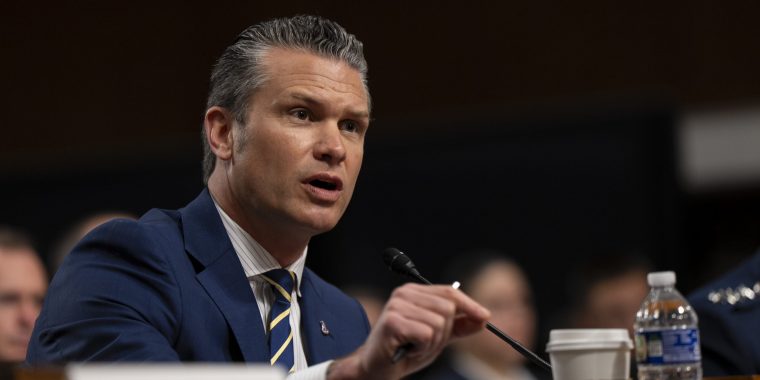
EXCLUSIVE: Pentagon clamps down on military interactions with Congress – Breaking Defense

WASHINGTON


Defense
Department
personnel
will
now
have
to
coordinate
all
interactions
with
Congress
through
the
Pentagon’s
central
legislative
affairs
office,
according
to
a
memo
obtained
by
Breaking
Defense

a
change
in
policy
that

could
further


curb
the
flow

of
information
streaming
from
the
department
to
Capitol
Hill.

In
the
Oct.
15
memo,
Defense
Secretary
Pete
Hegseth
and
Deputy
Defense
Secretary
Steve
Feinberg
direct
Defense
Department
personnel

with
the
exception
of
the
Pentagon’s
inspector
general
office

to
coordinate
with
the
office
of
the
assistant
secretary
of
defense
for
legislative
affairs
for
all
engagements
and
communication
with
Congress
and
state
elected
officials.

“The
Department
of
War
(DoW)
relies
on
a
collaborative
and
close
partnership
with
Congress
to
achieve
our
legislative
goals.
This
requires
coordination
and
alignment
of
Department
messaging
when
engaging
with
Congress
to
ensure
consistency
and
support
for
the
Department’s
priorities
to
re-establish
deterrence,
rebuild
our
military,
and
revive
the
warrior
ethos,”
Hegseth
and
Feinberg
wrote
in
the
memo,
which
uses
a
secondary
name
for
the
Defense
Department.

“Unauthorized
engagements
with
Congress
by
DoW
personnel
acting
in
their
official
capacity,
no
matter
how
well-intentioned,
may
undermine
Department-wide
priorities
critical
to
achieving
our
legislative
objectives,”
Hegseth
and
Feinberg
wrote
later
in
the
memo.

Under
the
terms
of
the
directive,
all
interactions
between
Defense
Department
personnel
and
Congress
or
state
elected
officials,
including
those
outside
of
the
national
capital
region,
require
approval
from
the
Pentagon’s
legislative
affairs
office.
Communication
with
Capitol
Hill

including
congressional
reporting
requirements,
requests
for
information,
drafting
and
technical
assistance
and
legislative
correspondence

must
also
be
routed
through
the
office.

The
directive
is
a
shift
from
previous
policy,
which
allowed
the
military
services,
combatant
commands
and
other
Defense
Department
agencies
to
manage
their
own
interactions
with
Congress

with
senior
leaders
for
those
organizations
often
driving
the
level
of
engagement
on
Capitol
Hill

and
each
service
having
its
own
legislative
affairs
team
.


Rep.
George
Whitesides,
D-Calif,
a
member
of
the
House
Armed
Services
Committee,
told
Breaking
Defense
that
the
move
is
unlikely
to
be
received
well
on
Capitol
Hill.


“Congress
decides
who
Congress
will
talk
to,
and
the
continued
efforts
of
the
secretary
to
wall
off
the
department
is
not
consistent
with
past
tradition,
and
I
frankly
don’t
think
it’ll
fly
with
the
members
or
leaders
of
the
committee,”
he
said.

One
congressional
aide
told
Breaking
Defense
that
the
new
policy
“could
potentially
backfire”
on
the
department,
especially
as
Congress
hammers
out
details
of
the
fiscal
2026
National
Defense
Authorization
Act
and
the
corresponding
appropriations
bill.
Sometimes,
the
staff
writing
those
bills
need
information
from
the
Pentagon,
military
services
or
combatant
commands
“within
minutes.”
If
those
details
need
to
be
cleared
by
the
Pentagon’s
main
legislative
affairs
office,
they
may
not
arrive
in
time
to
impact
pending
legislation
and
may
result
in
language
that
adversely
impacts
the
military,
the
aide
said.

After
publication,
Chief
Pentagon
Spokesman
Sean
Parnell
said
in
a
statement
that
the
memo
is
a
“pragmatic
step”
to
internally
review
the
department’s
processes
for
communicating
with
Congress.

“The
Department
intends
to
improve
accuracy
and
responsiveness
in
communicating
with
the
Congress
to
facilitate
increased
transparency.
This
review
is
for
processes
internal
to
the
Department
and
does
not
change
how
or
from
whom
Congress
receives
information,”
he
said.

The
memo
applies
to
senior
department
leaders,
the
chairman
of
the
Joint
Chiefs
of
Staff
and
the
Joint
Staff,
combatant
command
heads,
service
secretaries
and
chiefs,
directors
of
Defense
Department
agencies,
and
congressional
affairs
officials,
amongst
others.

However,
the
directive
does
not
limit
the
authorities
of
the
Pentagon’s
comptroller,
with
the
memo
noting
that
the
comptroller’s
budget
and
appropriations
affairs
office
will
continue
to
service
as
the
principal
legislative
liaison
for
the
appropriations
committees
and
the
Congressional
Budget
Office.
The
authorities
of
the
Pentagon’s
general
counsel
also
remain
unchanged,
and
servicemembers
and
department
employees
still
retain
whistleblower
protections
and
other
rights
granted
by
law
to
communicate
with
Congress,
the
memo
states.

In
addition
to
the
new
restrictions
on
congressional
interaction,
Hegseth
and
Feinberg
have
ordered
the
Pentagon’s
assistant
secretary
of
legislative
affairs
to
conduct
a
comprehensive
review
of
the
department’s
interactions
with
Congress.
That
report,
which
is
expected
in
90
days,
should
address
“current
issues,
inefficiencies
or
misalignments
in
congressional
engagement
processes”
and
include
proposals
to
“streamline
activities”
and
“enhance
compliance”
in
the
realm
of
congressional
affairs,
the
memo
stated.

The
memo
authorizes
the
legislative
affairs
office
to
form
working
groups
across
the
department
to
support
the
ongoing
review.
Meanwhile,
Pentagon
component
heads
and
principal
staff
assistants
have
been
given
30
days
to
provide
contact
information
for
the
personnel
supporting
legislative
affairs,
organizational
charts
showcasing
roles
and
responsibilities,
and
information
on
tools
used
to
track
congressional
engagements.


Updated
10/21/2025
at
8:50
p.m.
ET
with
a
statement
from
Chief
Pentagon
Spokesman
Sean
Parnell
.


Ashley
Roque
contributed
to
this
report.

Morning Docket: 10.22.25

* Trump wants the taxpayers to pay him $230 million to compensate him for the federal criminal investigations he endured just because of… all those things he got indicted over. [CNN]

* AI as a trial prep tool has divided lawyers with critics arguing that its efforts to be perfect make it suboptimal for predicting the other side. [Texas Lawyer]

* Administration asks the Supreme Court to stretch Trump’s power to arbitrarily deploy troops to American cities just a bit further. Surely this will be the last request, right? [National Law Journal]

* NXIVM leader pulls out the “I was railroaded by the feds” playbook that seems to have a receptive audience with America’s most powerful Jeffrey Epstein birthday well-wisher. [Courthouse News Service]

* Judge says law school can be taught with just baseball cases. [ABA Journal]

* CFTC moving quickly to approve more fake money speculation now that the White House has a meme coin. [Law360]

* Special Counsel nominee withdraws over all the Nazi stuff. [Bloomberg Law News]

The post Morning Docket: 10.22.25 appeared first on Above the Law.

This Firm Is Keeping Partners On The Same Level – See Also – Above the Law

Top
Biglaw
Firm
Eschews
Two
Tier
Partnerships:
They
don’t
plan
on
revisiting
partnership
structures
any
time
soon.
Fake
Claims,
Real
Consequences:
The
9th
Circuit
rules
Trump
can
deploy
troops
to
Portland.
Law
Professor
Fired
Over
Charlie
Kirk
Comments:
She
was
fired
over
the
sort
of
comment
Kirk
would
have
gotten
a
check
to
say.
There’s
A
Difference
Between
Indoctrination
And
Education:
LawProfBlawg
might
suck
at
indoctrination,
but
they
make
some
very
good
points!
What’s
The
Grass
Like
In
There?:
Make
sure
you
answer
our
in-house
questionnaire!

The Best Thing About ClioCon Was The Word No One Said – Above the Law

This
year,
“agentic”
became
the
sexiest
buzzword
to
hit
vendor
PowerPoints.
It’s
everywhere
from
specific
products
to
the

era

itself.
At
times,
it
seems
that
no
copy
can
leave
the
door
without
the
word
“agentic”
crammed
in
there,
despite
it
hitting
the
ear
with
roughly
the
same
credibility
as
“putting
the
law
on
the
blockchain”
or
“building
a
metaverse
practice.”

And
then,
Clio
did
something
remarkable
at
its
2025
conference:
it
didn’t
say
it.

Much
like
jazz,
sometimes
the
most
important
part
of
a
conference
is
what
you

don’t

say.
As
CEO
Jack
Newton
unveiled
an
ambitious
future
for
the
company’s
plan
to
take
on
the
world
as
a

more
or
less
everything
app
for
lawyers
,
he
wasn’t
talking
about
agents.
By
my
count,
Newton
mentioned
the
term
exactly
twice
during
his
keynote,
and
both
times
in
passing
reference
to
broader
industry
trends
as
opposed
to
describing
Clio’s
own
products.
Instead,
he
opted
for
terms
like
“automation”
and
“teammates.”
These
may
seem
like
semantic
differences,
and
to
some
extent
they
are,
but
the
absence
of
agentic

the
conscious
omission
of
a
ubiquitous
term

says
a
lot
about
Clio’s
strategy
and
engagement
with
its
users.

As
someone
who
has

staked
out
a
position
as
an
aggressive
hater
of
2025’s
most
overrused
empty
signifier
,
I
couldn’t
have
been
more
pleased
by
this.

In
the
legal
industry,
the
term
“agentic
AI”
means
one
of
two
things,
and
neither
particularly
useful.
Either
it’s
describing
a
truly
autonomous
system
that
takes
user
goals
and
some
vague
constitutional
guidance
to
chart
out
its
own
workflow
that
it
goes
out
and
pursues
before
delivering
a
final
product.
This
is
what
we
in
the
business
would
call
“malpractice.”
Agentic
can
also
describe
a
series
of
vetted,
cascading
prompts
we’d
otherwise
just
call
“automation”
but
for
Silicon
Valley
gloss.
Mercifully,
most
products
calling
themselves
“agentic”
in
the
legal
space
fall
into
the
latter
category

competent
workflow
automation
that
lawyers
would
embrace
if
it
weren’t
wrapped
in
terminology
that
suggests
their
AI
might
go
rogue
and
file
a
motion
without
them.

While
every
other
company
at
legal
tech
conferences
this
year
has
been
tripping
over
themselves
to
hype
their
spin
on
agentic,
Clio
seems
to
have
read
the
room

or,
more
precisely,
the

lawyers
.
Chief
Product
Officer
John
Foreman,
confirmed
that
this
rhetorical
choice
was
very
much
intentional.
“If
you’re
saying
agentic,
who
are
you
talking
to?”
Foreman
asked.
“Investors?
Certain
media
publications?
What
if
you
want
to
talk
a
solo
lawyer
in
the
audience
that
needs
to
use
this
stuff?
‘Agentic,’
as
a
term,
does
nothing.”

Average
attorneys
don’t
want
to
send
their
work
to
agents.
An
agent
is
someone
you
hire
to
go
out
on
your
behalf
and
get
you
a
better
deal
while
hiding
how
the
sausage
is
made.
They
do
your
work

instead
of
you

and
then
ask
for
10
percent.
A
“teammate”
on
the
other
hand
is
someone
who
works
with
you.
An
associate
or
paralegal
is
someone
who
does
work
for
you
that
you

based
on
your
actual
experience

then
redline
into
oblivion.

“What
do
agents
do?”
Vice
President
of
Legal
Content
and
Migrations
Chris
Stock
asked.
“Agents
do
stuff
for
you,
but
they
don’t
always
get
it
right.
What
do
members
of
your
team
do?
An
assembled
team
works
together,
they
get
to
the
right
conclusions
together,
they
support
each
other.”

“Human
in
the
loop”
is
the
vogue
pushback
that
agentic
advocates
make,
but
this
is
a
superficial
nod.
You
say
“we’ll
keep
you
in
the
loop”
is
what
you
say
to
the
most
annoying
guy
in
your
group
while
planning
the
after
party.
Lawyers
shouldn’t
be

in
the
loop
,
they
should
be
the
center
of
the
whole
conversation.

On
the
surface,
what
most
companies
are
calling
agentic
might
not
differ
from
what’s
being
called
a
teammate,
but
it
carries
a
ton
of
subconscious
baggage.
If
vendors
set
out
to
be
agentic,
the
pressure
is
always
on
them
to
move
more
tasks
behind
the
veil.
But,
as
we’ve
put
it
around
here,
this
“GPT-sus
take
the
wheel”
mentality
just
further
moves
the
lawyer
and
their
professional
judgment
out
of
the
center.
It’s
not
enough
to
“edit
at
the
end,”
because

lawyering
is
an
iterative
process

that
requires
those
breaks
in
the
process
where
the
team
can

to
quote
from
the
Bard

stop,
collaborate,
and
listen.

A
lot
of
the
magic
happens
when
a
junior
shows
a
senior
the
work-in-progress.
A
system
that
jumps
from
input
to
final
product,
will
still
get
an
edit,
but
it’s
a
different
mental
process
than
engaging
with
work
product
over
and
over
throughout
its
production.
“It’s
all
about
checkpoints,”
Foreman
told
me.
“You’re
not
necessarily
going
after
automating
this
whole
thing
into
a
Rube
Goldberg
machine
of
AI.”
Figuring
out
ways
to
keep
the
AI
actively
leveraged
while
not
losing
the
appropriate
interruption
points
is
a
key
difference
between
thinking
in
agent
vs.
thinking
in
teammate.

This
might
not
impress
investors
and
podcasters
as
much,
but
it
should
make
lawyers
much
more
comfortable.

Watch Your Words – Above the Law

As
fall
Fridays
go,
the
one
last
week
was
pretty
eventful,
at
least
for
patent
types.
While
I
will
let
the
proverbial
dust
settle
for
a
bit
on
the
big

news

out
of
the
USPTO
regarding
changes
to
the
IPR
scheme,
there
is
no
doubt
that
seismic
change
is
afoot.
The
fallout
promises
to
impact
everyone
up
and
down
the
patent
ecosystem’s
food
chain,
from
patent
owners,
to
defendants,
and
the
entire
universe
of
vendors,
funders,
and
counsel
that
has
been
developed
over
the
past
decade
to
deal
with
parallel
litigation
in
patent
cases
between
district
courts
and
the
USPTO’s
PTAB.
But
there
will
be
plenty
of
time
to
see
what
changes
going
forward,
even
as
the
heads
of
many
have
already
been
spinning
for
much
of
this
year
based
on
the
implementation
of
a
more
robust
discretionary
denial
gauntlet
for
IPR
petitioners
to
navigate
through.
Instead,
it
is
worthwhile
to
use
this
week’s
column
to
discuss
another
of
Friday’s
developments,
a
Federal
Circuit
precedential
opinion
that
provides
a
potent
reminder
of
the
importance
of
patent
owners
and
their
counsel
watching
their
words

at
least
if
they
want
to
avoid
limiting
their
patent
scope
and
value
via
prosecution
disclaimer.

The
case
in
question,


Barrette
Outdoor
v.
Fortress
Iron
,
came
to
the
Federal
Circuit
out
of
the
Northern
District
of
Texas
after
a
claim
construction
ruling
that
the
plaintiff
agreed
made
it
impossible
to
prove
their
case
of
infringement.
As
a
result
of
that
stipulation,
the
district
court
entered
a
final
judgment
of
no
infringement
of
any
of
Barrette’s
four
asserted
patents,
with
Barrette
appealing
that
judgment
to
the
Federal
Circuit.
Unsurprisingly,
the
defendants
cross-appealed
to
push
forward
their
rejected
indefiniteness
defense,
because
nothing
is
sweeter
than
getting
out
of
a
patent
case
for
a
defendant
than
killing
the
patents
that
had
caused
the
trouble
to
begin
with.
On
appeal,
the
panel
concluded
that
the
district
court
was
right
in
entering
judgment
of
noninfringement,
and
rejected
the
cross-appeal
that
the
patents
were
indefinite.
A
win
for
the
defendant,
but
at
least
the
patents
survive
for
the
plaintiff
to
continue
playing
with.
(As
always,
for
those
interested
in
a
learned
analysis
of
the
opinion,
I
commend
Prof.
Crouch’s

write-up

on
Patently-O,
available
in
full
to
subscribers
of
his
worthy
publication.)
For
our
purposes,
the
salient
question
is
why
the
Federal
Circuit
chose
to
make
this
dispute
over
lawn
fence
technology
the
basis
for
a
precedential
opinion.
The
short
answer
is
that
claim
construction
as
a
matter
of
law
is
always
important

and
likely
to
generate
precedential
guidance
that
governs
future
similar
proceedings.

Let’s
go
a
bit
deeper
to
try
and
tease
out
what
guidance
the
panel
is
offering
to
us
going
forward.
To
start,
all
of
the
asserted
patents
“share
a
common
specification
and
parent
application,”
which
“describes
a
fencing
assembly
featuring
pivoting,
sliding
connectors
that
connect
pickets
to
rails.”
At
the
heart
of
the
inventions
was
an
improved
connector
that
offered
advantages
over
the
prior
art
fencing
assembly
methods
previously
available.
After
getting
a
few
patents
issued,
Barrette’s
continuing
prosecution
efforts
hit
a
roadblock
when
an
examiner
found
a
prior
art
reference
that
allegedly
disclosed
Barrette’s
connector.
As
a
result,
Barrette
tried
to
distinguish
over
that
reference,
before
cutting
bait
and
substituting
in
narrower
claims
that
led
to
another
patent
issuance
when
that
effort
failed.
Eventually,
Barrette
identified
what
it
thought
was
infringement
by
the
defendants
and
filed
suit.

The
case
went
to
a
claim
construction
hearing,
where
Barrette
argued
for
broad
constructions
of
the
disputed
patent
claims.
In
response,
the
defendants
argued
that
the
claims
were
indefinite
with
respect
to
“the
sliding
terms”
while
also
arguing
that
the 
“term
“boss”
should
be
construed
as
limited
to
integral,
fastener-less
structures.”
And
because
the
parties
agreed

that
the
terms
‘boss,’
‘projection,’
and
‘nub’
are
used
interchangeably,”
once
the
district
court

limited
the
“boss”
terms
to
integral
structures
by
distinguishing
the
“claimed
integral
bosses”
from
the
“conventional
pivot
hole
and
pivot
pin
assembly”
disclosed”
in
the
prior
art,
it
was
game
over
for
Barrette’s
infringement
case.
On
appeal,
the
Federal
Circuit
agreed
that
the
district
court
got
some
elements
of
claim
construction
wrong,
but
refused
to
disturb
the
construction
limiting
“boss”
to
“integral
structures”
based
on
the
disclaimer
over
the
prior
art
in
prosecution. 
Accordingly,
the
judgment
of
noninfringement
was
affirmed. 

In
doing
so,
the
panel
rejected
Barrette’s
argument
that
its
alleged
prosecution
disclaimer
could
not
apply
to
earlier
issued
patents
than
the
patent
in
which
the
alleged
disclaimers
were
made.
In
the
panel’s
view
the
situation
presented
here
was
one
where
the
disclaimer
clarifying
a
more
limited
claim
scope
was
clear

with
Barrette’s
argument
really
one
that
“subsequent
communications
with
the
patent
office
rendered
any
purported
disclaimer
ambiguous.”
In
light
of
that
posture,
the
panel 
found
that
the
“prosecution
history
would
not
suggest
to
a
reasonable
reader
that
Barrette’s
narrowing
characterization
of
its
claims
was
incorrect.” Nor
could
Barrette’s
cancellation
of
the
claims
at
issue
prevent
the
disclaimer
because
Barrette
never
rescinded
the
disclaimer
before
the
examiner.
Finally,
just
because
the
disclaimer
was
made
in
a
later-issued
patent’s
prosecution
was
not
enough
to
save
it
from
applying
to
earlier
familiar
members,
based
on
earlier
Federal
Circuit
precedent
that
when
terms
are
shared
across
patents,
statements
about
the
scope
of
those
terms
apply,
“regardless
of
whether
the
statement
pre-
or
post-dates
the
issuance
of
the
particular
patent
at
issue.” 

Ultimately,
the
Barrette
decision
confirms
the
importance
of
considering
the
prosecution
history
of
all
related
patents
when
determining
how
best
to
assert
or
defend
against
a
patent
infringement
claim
at
the
claim
construction
stage.
In
a
way,
it
reminds
us
that
a
patent
owner’s
statements
about
the
scope
of
its
patents
must
always
be
considered
carefully

with
narrowing
statements
deserving
of
extreme
scrutiny
by
patent
owners
before
they
are
made
if
at
all
possible.
Conversely,
defendants
must
make
sure
that
they
scour
the
prosecution
histories
of
related
patents
to
find
any
limiting
statements
that
can
apply
to
common
terms.
More
work
for
everyone,
but
an
important
reminder
to
all
involved
of
the
importance
of
watching
one’s
words.

Please
feel
free
to
send
comments
or
questions
to
me
at

[email protected]

or
via
Twitter:

@gkroub
.
Any
topic
suggestions
or
thoughts
are
most
welcome. 


Gaston
Kroub
lives
in
Brooklyn
and
is
a
founding
partner
of 
Kroub,
Silbersher
&
Kolmykov
PLLC
,
an
intellectual
property
litigation
boutique,
and 
Markman
Advisors
LLC
,
a
leading
consultancy
on
patent
issues
for
the
investment
community.
Gaston’s
practice
focuses
on
intellectual
property
litigation
and
related
counseling,
with
a
strong
focus
on
patent
matters.
You
can
reach
him
at 
[email protected] or
follow
him
on
Twitter: 
@gkroub.

Alina Habba’s Questionable Designation As U.S. Attorney Seems To Stump Even Her Lawyer – Above the Law

(Photo
by
SAUL
LOEB/AFP
via
Getty
Images)


Ed.
note
:
Welcome
to
our
daily
feature,

Quote
of
the
Day
.


Well,
I
guess,
I
cannot
.


Henry
Whitaker
,
counselor
to
the
attorney
general,
in
response
to
a
question
asked
by
a
judge
during

arguments
before
the
U.S.
Court
of
Appeals
for
the
Third
Circuit
,
concerning

Alina
Habba’s

controverial
designation
as
interim
US
attorney
and
then
acting
US
attorney
by
Donald
Trump,
which
circumvented
Senate
confirmation
and
judicial
appointment
processes.
Whitaker
was
asked
whether
Habba’s
designation
was
“consistent
with
longstanding
practice”
of
the
Justice
Department,
and
later
asked
whether
he
could
provide
any
similar
examples
of
US
attorney
appointments
akin
to
that
of
Habba’s.
His
response,
above,
left
much
to
be
desired
before
the
court.


Staci
Zaretsky
 is
the
managing
editor
of
Above
the
Law,
where
she’s
worked
since
2011.
She’d
love
to
hear
from
you,
so
please
feel
free
to

email

her
with
any
tips,
questions,
comments,
or
critiques.
You
can
follow
her
on BlueskyX/Twitter,
and Threads, or
connect
with
her
on LinkedIn.

Will Office Of Special Counsel Nominee’s ‘Nazi Streak’ Stop Him From Being Confirmed? It’s 2025, So Who Knows?!? – Above the Law


Yesterday
,
POLITICO
exposed

yet
another

up-and-coming
Republican
group
chat
with
wildly
offense
rhetoric.
This
one
features
the
off-color
remarks
of
Paul
Ingrassia,
Donald
Trump’s
nominee
for
the
position
of
federal
ethics
watchdog
Special
Counsel.
Ingrassia
graduated
from
Cornell
Law
a
whole
three(!)
years
ago,
and
was
admitted
to
the
New
York
bar
a
scant
year
ago.
But
that
isn’t
the
most
eye-popping
aspect
of
his
nomination.
There
are
the

alleged
links

to
antisemitic
extremists,
the

sexual
harassment
investigation
,
and
now
the
racist
texts.

According
to
POLITICO,
in
the
right-wing
group
chat
Ingrassia
wrote,
“MLK
Jr.
was
the
1960s
George
Floyd
and
his
‘holiday’
should
be
ended
and
tossed
into
the
seventh
circle
of
hell
where
it
belongs.”
And,
“No
moulignon
holidays

From
kwanza
[sic]
to
mlk
jr
day
to
black
history
month
to
Juneteenth,”
then
added:
“Every
single
one
needs
to
be
eviscerated.”

Then
there’s
the
self-proclaimed
“Nazi
streak”:

“Paul
belongs
in
the
Hitler
Youth
with
Ubergruppenfuhrer
Steve
Bannon,”
the
first
participant
in
the
chat
wrote,
referring
to
the
paramilitary
rank
in
Nazi
Germany
and
the
Republican
strategist.
POLITICO
is
not
naming
the
participants
to
protect
the
identity
of
those
interviewed
for
this
article.

“I
do
have
a
Nazi
streak
in
me
from
time
to
time,
I
will
admit
it,”
Ingrassia
responded,
according
to
the
chain.
One
of
the
people
in
the
text
group
said
in
an
interview
that
Ingrassia’s
comment
was
not
taken
as
a
joke,
and
three
participants
pushed
back
against
Ingrassia
during
the
text
exchange
that
day.

Referring
to
white
nationalist
Nick
Fuentes
and
the
“Live
From
America”
show
on
the
video-sharing
platform
Rumble,
a
second
member
of
the
group
replied:
“New
LFA
show
coming
starring
Nick
Fuentes
&
Paul
Adolf
Ingrassia.”
To
which
Ingrassia
wrote,
“Lmao,”
according
to
the
group
chat.

And
when
other
participants
called
out
Ingrassia’s
comments,
he
allegedly
dug
in.
When
one
member
of
the
group
chat
noted,
“You’re
gunna
be
in
private
practice
one
day
this
shit
will
be
around
forever
brother.”
Ingrassia
went
off:

Ingrassia
posted
an
image
of
paintings
showing
several
Founding
Fathers,
including
Washington,
John
Adams
and
Alexander
Hamilton,
into
the
chat.
“We
should
celebrate
white
men
and
western
civilization
and
I
will
never
back
down
from
that,”
he
wrote,
according
to
the
chain.

The
third
participant
of
the
group
criticized
Ingrassia’s
“white
nationalist”
tone
then
said
he
was
coming
across
“with
a
tinge
of
racism.”
The
second
participant
then
said
he
sounded
like
“a
scumbag,”
to
which
Ingrassia
allegedly
replied,
“Nah
it’s
fine

Don’t
be
a
boomer

I
don’t
mind
being
a
scumbag
from
time
to
time,”
the
texts
show.

A
lawyer
for
Ingrassia
tried
to
cast
doubt
on
the
messages,
telling
POLITICO,
“Looks
like
these
texts
could
be
manipulated
or
are
being
provided
with
material
context
omitted.
However,
arguendo,
even
if
the
texts
are
authentic,
they
clearly
read
as
self-deprecating
and
satirical
humor
making
fun
of
the
fact
that
liberals
outlandishly
and
routinely
call
MAGA
supporters
‘Nazis.’”

But
the
reaction
in
Washington
has
not
been
as
forgiving.
According
to

reports
,
at least
four
Republican
senators


notably

including
Senate
majority
leader,
John
Thune,
have
signaled
concerns
with
the
nomination
following
the
revelations.
Ingrassia
is
scheduled
to
appear
before
the
Senate
Homeland
Security
and
Governmental
Affairs
committee
later
this
week,
and
two
of
the
Republican
members
of
that
committee
have
issues
with
the
nominees.
Rick
Scott
said
he
doesn’t
support
the
nominee
and
Ron
Johnson

called
for

the
White
House
to
pull
the
nom.

But
a

whistleblower
report

on
Emil
Bove
telling
DOJ
staff
to
tell
the
courts
“f*ck
you”
didn’t
stop
his
elevation
to
the
Third
Circuit,
so
well
just
have
to
see
if
the
Republican
backbone
lasts.


Kathryn
Rubino
is
a
Senior
Editor
at
Above
the
Law,
host
of

The
Jabot
podcast
,
and
co-host
of

Thinking
Like
A
Lawyer
.
AtL
tipsters
are
the
best,
so
please
connect
with
her.
Feel
free
to
email

her

with
any
tips,
questions,
or
comments
and
follow
her
on
Twitter

@Kathryn1
 or
Mastodon

@[email protected].