How Appealing Weekly Roundup – Above the Law


Ed.
note
A
weekly
roundup
of
just
a
few
items
from
Howard
Bashman’s How
Appealing
blog
,
the
Web’s
first
blog
devoted
to
appellate
litigation.
Check
out
these
stories
and
more
at
How
Appealing.


“Federal
judge
blocks
Arkansas’
Ten
Commandments
law;
The
state’s
attorney
general
will
appeal
the
ruling,
his
spokesperson
says”:
 Antoinette
Grajeda
of
Arkansas
Advocate
has this
report
.

You
can
access
today’s
decision
of
the U.S.
District
Court
for
the
Western
District
of
Arkansas
 at this
link
.

Chief
Justice
Says
Personal
Attacks
on
Judges
Are
‘Dangerous’
and
Must
Stop;
The
public
remarks
from
Chief
Justice
John
Roberts
were
his
first
since
President
Trump
excoriated
the
justices
who
ruled
against
his
tariffs
in
harsh
and
personal
terms”:
 Ann
E.
Marimow
of
The
New
York
Times
has this
report
.

VanDyke
Unapologetic
Over
Colorful
Dissents
That
Irk
Colleagues”:
 Jacqueline
Thomsen
of
Bloomberg
Law
has this
report
.


“Luigi
Mangione
wants
to
delay
his
federal
trial
until
2027;
Attorneys
for
the
accused
health
care
CEO
shooter
say
that
it
would
be
‘impossible’
for
the
federal
case
to
go
to
trial
in
September
with
his
state
case
already
set
for
June”:
 Erik
Uebelacker
of
Courthouse
News
Service
has this
report
.

Appeals
Court
Revives
Claims
Against
Activist
Over
Protest”:
 Suzanne
Monyak
of
Bloomberg
Law
has a
report
 (subscription
required
for
full
access)
that
begins,
“A
federal
appeals
court
revived
a
Louisiana
police
officer’s
lawsuit
against
a
civil
rights
activist
over
injuries
the
officer
suffered
at
a
Baton
Rouge
protest,
prompting
one
judge
to
warn
the
decision
‘imperils’
free
speech
rights.”

You
can
access
yesterday’s
decision
of
a
divided
three-judge
panel
of
the U.S.
Court
of
Appeals
for
the
Fifth
Circuit
 at this
link
.

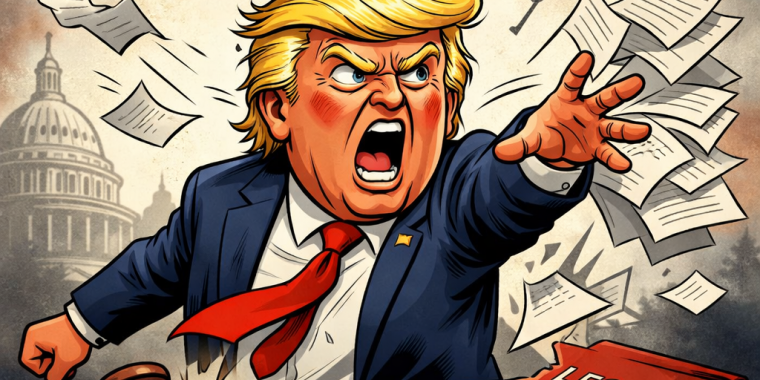
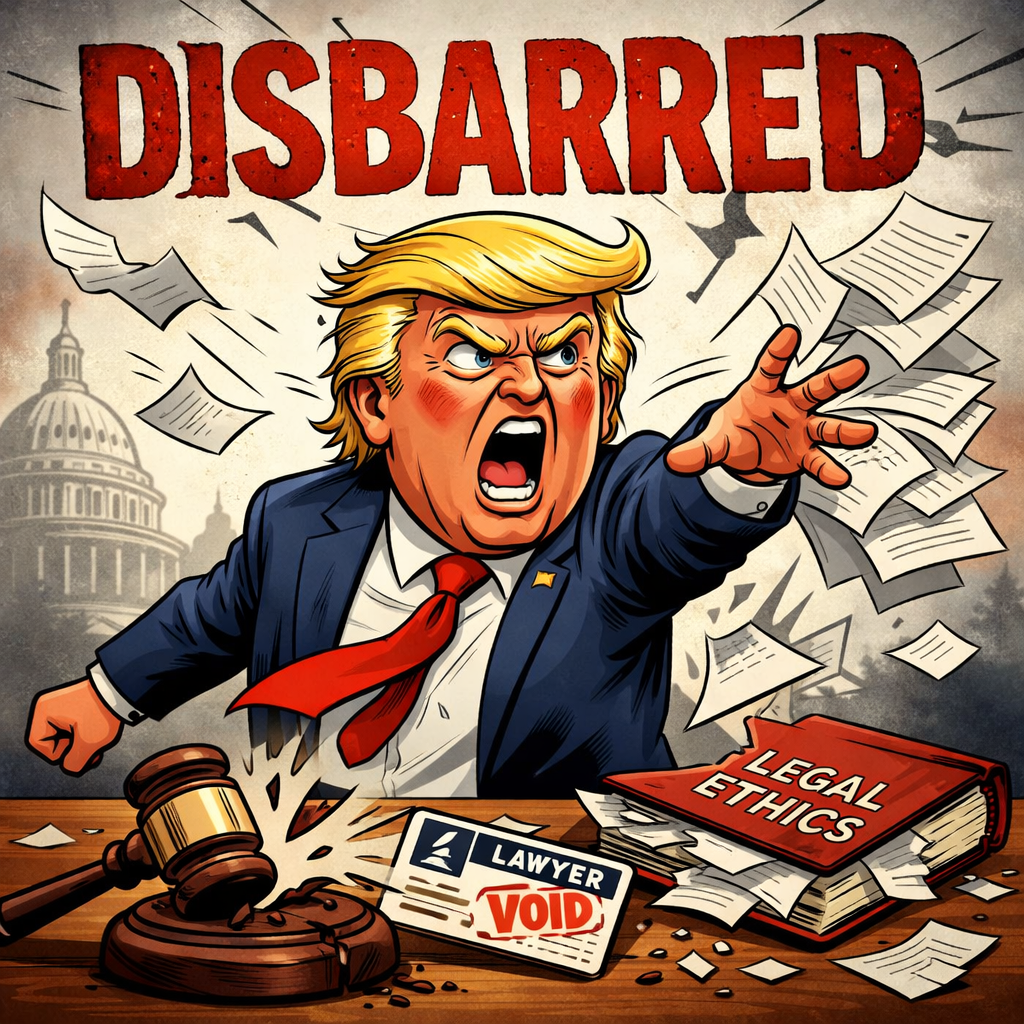
Bracket Challenge Continues: Which Trump Administration Lawyer Most Deserves To Lose Their License? – Above the Law

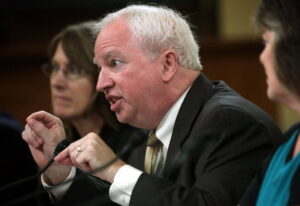
(Photo
by
Alex
Wong/Getty
Images)

Yesterday,
we
unveiled
the
first
two
regions
of
our
2026
March
Madness
bracket:
the
Roy
Cohn
and
Rudy
Giuliani
Regions.
Those
regions
featured
some
spectacular
individual
performances
in
the
art
of
iffy
professional
decisions.
From
Lindsey
Halligan’s
star
turn
as
an
insurance
lawyer
cosplaying
as
a
federal
prosecutor
to
Ed
Martin’s
decision
to…
well,
do
everything
he’s
done.

If
you’ve
just
joined
us
and
want
to
go
back
and
vote
in
the
earlier
regions…
head

here

and

here
.

Now
we
move
on
to
unveil
another
pair
of
matchups.
Voting
is
open
until
Monday
at
7:59
p.m.
Eastern.


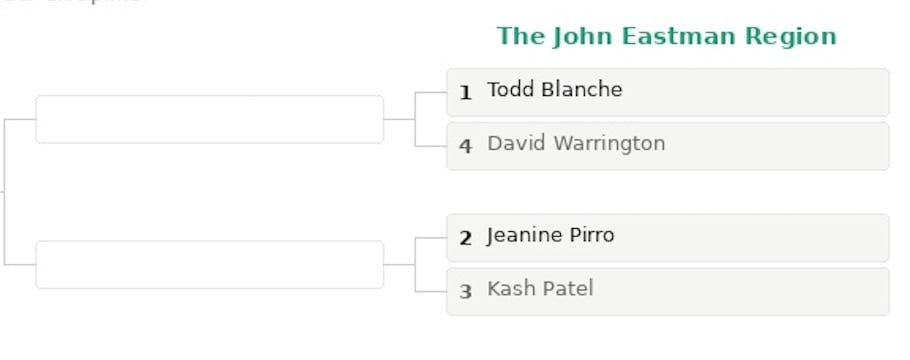
THE
JOHN
EASTMAN
REGION

John
Eastman,
former
dean
of
Chapman
University’s
law
school
and
former
clerk
to
Justice
Thomas,
authored
the
legal
theory
that
the
Vice
President
gets
to
unilaterally
decide
what
the
electoral
votes
say.
His
work
became
the
intellectual
scaffolding
for
January
6th
and
the
government
lawyers
in
this
region
follow
in
his
footsteps.


(1)
Todd
Blanche
vs.
(4)
David
Warrington


1.
Todd
Blanche,
Deputy
Attorney
General
of
the
United
States
(Brooklyn
Law
School)

Todd
Blanche
was
a
Cadwalader
partner
before
giving
it
up
to
serve
as
Donald
Trump’s
personal
criminal
defense
attorney.
He
is
now
the
number
two
official
at
the
Department
of
Justice,
with
oversight
of
matters
that
directly
implicate
his
former
client’s
political
interests.
If
you
were
trying
to
design
a
conflict
of
interest
hypo
for
a
law
school
exam,
you’d
be
told
to
shelve
this
one
and
come
up
with
something
less
ridiculous.

From
ongoing

immigration
enforcement
violations

to

personally
keeping
Epstein
files
under
wraps
,
Blanche
is
at
the
center
of
it
all.
He’s
asked
lawyers
to
join

a
“war”
against
federal
judges

and

threatened
Trump’s
hecklers
with
organized
crime
charges
.

Whenever
the
government
needs
to
have
a
lawyer
say
something
loony
and
downright
detrimental
to
the
public
perception
of
the
profession,
Blanche
is
there.


4.
David
Warrington,
White
House
Counsel
(ASS
Law)

You’d
think
the
White
House
Counsel
would
earn
higher
than
a
4
seed.
And
yet
the
daily
transgressions
piling
up
from
both
DOJ
HQ
and
the
various
U.S.
Attorney’s
offices
are
so
glaring
that
the
White
House’s
top
lawyer
fades
into
the
woodwork.
But
he’s
the
one
laying
out

the
framework
for
pardoning
the
January
6
rioters

and
concocting
the
theory
that
court
orders
barring
the
government
from
deporting
certain
individuals
don’t
apply
if
the
plane
already
took
off.

The
executive
order
threats
to
coerce
Biglaw
firms
to
cave
to
the
administration
would’ve
come
across
his
desk.

Also,
it’s
kind
of
amazing
that
this
is
our
first
ASS
Law
participant.


VOTE
HERE


(2)
Jeanine
Pirro
vs.
(3)
Kash
Patel


2.
Jeanine
Pirro,
U.S.
Attorney
for
the
District
of
Columbia
(Albany
Law
School)

The
Fox
News
personality
became
the
top
federal
prosecutor
for
the
nation’s
capital
after
Senate
Republicans
made
it
clear
that
they
would
not
support
Ed
Martin.
Her
old
bosses
at
Fox
privately
called
her
a
reckless
maniac
,”
which
at
the
time
seemed
harsh
and
now
seems
prescient.

Since
joining
the
administration,
Pirro’s
been

collecting
no
bills

like
she
can
win
a
free
sandwich.
And

sandwiches
are
a
touchy
subject
down
there
.
She
attempted
to
convince
a
grand
jury
to
indict
six
Democratic
lawmakers
for
filming
a
video
that
accurately
restated
the
Uniform
Code
of
Military
Justice’s
provisions
on
refusing
illegal
orders.
The
grand
jury
declined.
She
tried
to
use
the
threat
of
prosecution
to
intimidate
Federal
Reserve
Chair
Jerome
Powell
into
lowering
interest
rates

or
something.
It
flopped
in
court
with
Lawfare
describing
the
evidentiary
record
as
one
of
vaporous,
speculative
malice
.”


3.
Kash
Patel,
FBI
Director
(Pace)

Technically,
Patel
isn’t
practicing
law
in
his
current
role,
which
may
be
the
only
thing
standing
between
him
and
a
bar
complaint.
But
he
has
a
law
degree
and
publicly
names
people
he
wants
investigated
even
though
they
aren’t
facing
any
charges
at
the
time.

Patel
announces
his
intentions
through
podcasts,
social
media,
and
celebratory
locker
room
appearances
with
hockey
teams.
He
maintained
a
public
“enemies
list”
before
taking
the
job.
He
has
co-opted
the
FBI’s
messaging
apparatus
to
broadcast
political
threats.
The
professional
conduct
rules
in
his
licensing
jurisdiction
prohibit
lawyers
from
engaging
in
conduct
involving
dishonesty,
fraud,
deceit,
or
misrepresentation,
and
from
engaging
in
conduct
prejudicial
to
the
administration
of
justice.
Whether
running
the
FBI
while
maintaining
a
public
hit
list
qualifies
remains
a
question
a
bar
authority
might
want
to
consider.


VOTE
HERE


Remember
voting
is
open
until
Monday
at
7:59
p.m.
Eastern!

U.S. District Court Issues Preliminary Injunction Against RFK, HHS For Its Vaccine Schedule Changes – Above the Law

It
was
mere
days
ago
that
we
were discussing an
interesting
lawsuit
brought
by
the
American
Academy
of
Pediatrics,
among
others,
challenging
RFK
Jr.
and
HHS
for
violating
the
Administrative
Procedures
Act
in
making
changes
to
the
CDC’s
ACIP
panel
and
immunization
schedules.
If
you’re
not
up
on
what
the
APA
is
and
does,
the
text
of
the
law
reads:


To
the
extent
necessary
to
decision
and
when
presented,
the
reviewing
court
shall
decide
all
relevant
questions
of
law,
interpret
constitutional
and
statutory
provisions,
and
determine
the
meaning
or
applicability
of
the
terms
of
an
agency
action.
The
reviewing
court
shall-


(1)
compel
agency
action
unlawfully
withheld
or
unreasonably
delayed;
and


(2)
hold
unlawful
and
set
aside
agency
action,
findings,
and
conclusions
found
to
be-


(A)
arbitrary,
capricious,
an
abuse
of
discretion,
or
otherwise
not
in
accordance
with
law;


(B)
contrary
to
constitutional
right,
power,
privilege,
or
immunity;


(C)
in
excess
of
statutory
jurisdiction,
authority,
or
limitations,
or
short
of
statutory
right;


(D)
without
observance
of
procedure
required
by
law;


(E)
unsupported
by
substantial
evidence
in
a
case
subject
to sections
556
and
557
of
this
title or
otherwise
reviewed
on
the
record
of
an
agency
hearing
provided
by
statute;
or


(F)
unwarranted
by
the
facts
to
the
extent
that
the
facts
are
subject
to
trial
de
novo
by
the
reviewing
court.

In
other
words,
the
law
outlines
how
actions
brought
by
federal
agencies
must
follow
certain
established
procedures
and
be
based
in
facts,
as
well
as
how
upon
challenge
the
courts
could
review
and
enforce
those
requirements
on
said
agencies.
Remarkably,
in
that
same
case,
the
DOJ
argued
to
the
court
that
Kennedy’s
actions
were
“unreviewable”.
At
one
point,
Judge
Murphy
asked
the
DOJ
if
that
meant
that
Kennedy
could
advise
the
public
to
get
a
shot
to get measles,
instead
of
preventing
it,
without
review
or
challenge.
The
DOJ
somehow
answered
that
question
in
the
affirmative.

It
was
all
very
stupid
on
the
part
of
this
particular
government,
but
stupid
appears
to
be
the
only
thing
on
the
menu
these
days.
But
it
turns
out
that
the
actions
of
Kennedy
and
HHS are in
fact
reviewable,
as
evidenced
by the
preliminary
injunction
the
court
just
issued
 blocking
the
recent
changes
to
the
vaccination
schedule
and
put
a
stay
on
the
13
new
members
appointed
to
ACIP
by
Kennedy
last
summer.


U.S.
District
Court
Judge
Brian
Murphy
in
Boston
put
a
hold
on
the
decisions
made
by
an
influential
Centers
for
Disease
Control
and
Prevention
vaccine
advisory
committee,
ruling
that
Health
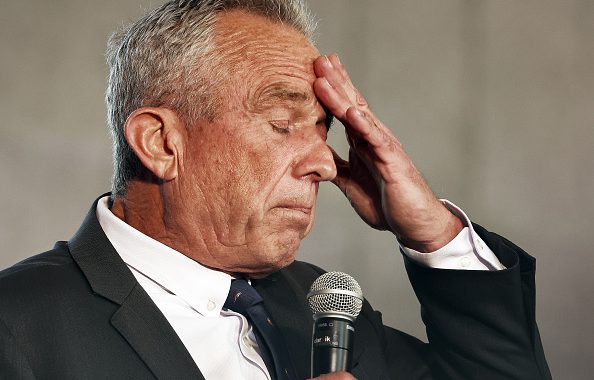
Secretary
Robert
F.
Kennedy
Jr.
had
improperly
replaced
the
entire
committee.


The
ACIP,
whose
members
Kennedy
fired
and
replaced
largely
with
new
members
who
also
criticized
vaccines,
had
issued
a
series
of
contentious
recommendations,
including
a
recommendation
that
not
all
babies
should
get
vaccinated
against
hepatitis
B
at
birth.
The
judge’s
ruling
stays
the
appointment
of
13
committee
members
appointed
by
Kennedy
since
June
2025,
when
the
previous
members
were
fired.

Several
health
NGOs,
including
the
AAP,
are
celebrating
the
ruling,
understandably.
Before
we
pop
any
champagne
bottles,
though,
the
government
has
already
said
it
plans
to
appeal
the
ruling.
This
is
lining
up
like
one
of
those
classic
whipsaw
legal
situations
where
one
court
will
rule
sanely,
the
next
will
rule
in
favor
of
executive
power,
and
then
it’ll
go
to
the
Supreme
Court
and
we’ll
all
learn
if
that
compromised
group
of
black
robes
will
just
hand
more
destructive
power
over
to
Trump
in
ignoring
a
law
it
doesn’t
like,
in
this
case
the
APA.

But
in
the
meantime,
this
is
at
least
delaying
some
of
the
damage
Kennedy
has
attempting
to
foist
on
the
American
people.
ACIP
was
set
to
meet
this
very
week
to
talk
about
how
else
to
make
us
less
safe
from
preventable
diseases,
but
that
meeting
has
now
been
postponed.
In
the
ruling
itself,
Judge
Murphy
opens
with
a
blistering
recitation
of
how
science
and
process
are
all
supposed
to
work.


“Science,”
like
law,
“is
far
from
a
perfect
instrument
of
knowledge.”
Carl
Sagan,
The
Demon-Haunted
World:
Science
as
a
Candle
in
the
Dark
29
(1997).
History
is
littered
with
once-universal
truths
that
have
since
come
under
scrutiny.
Nevertheless,
science
is
still
“the
best
we
have.” 


“Procedure
is
to
law
what
scientific
method
is
to
science.”
In
re
Gault,
387
U.S.
1,
21
(1967)
(cleaned
up).
Although
sometimes
seemingly
tedious,
“the
procedural
rules
which
have
been
fashioned
from
the
generality
of
due
process
are
our
best
instruments
for
the
distillation
and
evaluation
of
essential
facts
from
the
conflicting
welter
of
data
that
life
and
our
adversary
methods
present.” 


For
our
public
health,
Congress
and
the
Executive
have
built—over
decades—an
apparatus
that
marries
the
rigors
of
science
with
the
execution
and
force
of
the
United
States
government…Unfortunately,
the
Government
has
disregarded
those
methods
and
thereby
undermined
the
integrity
of
its
actions.
First,
the
Government
bypassed
ACIP
to
change
the
immunization
schedules,
which
is
both
a
technical,
procedural
failure
itself
and
a
strong
indication
of
something
more
fundamentally
problematic:
an
abandonment
of
the
technical
knowledge
and
expertise
embodied
by
that
committee.
Second,
the
Government
removed
all
duly
appointed
members
of
ACIP
and
summarily
replaced
them
without
undertaking
any
of
the
rigorous
screening
that
had
been
the
hallmark
of
ACIP
member
selection
for
decades.
Again,
this
procedural
failure
highlights
the
very
reasons
why
procedures
exist
and
raises
a
substantial
likelihood
that
the
newly
appointed
ACIP
fails
to
comport
with
governing
law.

Chef’s
kiss;
no
notes.

This
administration
doesn’t
care
much
for
law
or
procedure,
of
course,
hence
the
appeal
of
an
obviously
correct
decision.
Kennedy
all
the
moreso,
either
because
this
is
all
some
flavor
of
grift
anyway,
or
he’s
a
true-believing
zealot,
or
both.
Either
way,
this
isn’t
over.

But
finally
someone
has
drawn
first
legal
blood
on
Kennedy
and
the
chaos
he’s
created
at
his
post
when
it
comes
to
vaccinations.


U.S.
District
Court
Issues
Preliminary
Injunction
Against
RFK,
HHS
For
Its
Vaccine
Schedule
Changes


More
Law-Related
Stories
From
Techdirt
:


Afroman
Wins:
Jury
Rules
Mocking
Cops
Who
Raided
Your
Home
Is
Protected
Speech


The
Government
Uses
Targeted
Advertising
to
Track
Your
Location.
Here’s
What
We
Need
to
Do.


Full
Circle:
Katie
Perry
Gets
Her
Trademark
Back
In
Australia,
Court
Says
No
Risk
Of
Confusion

Morning Docket: 03.20.26 – Above the Law

*
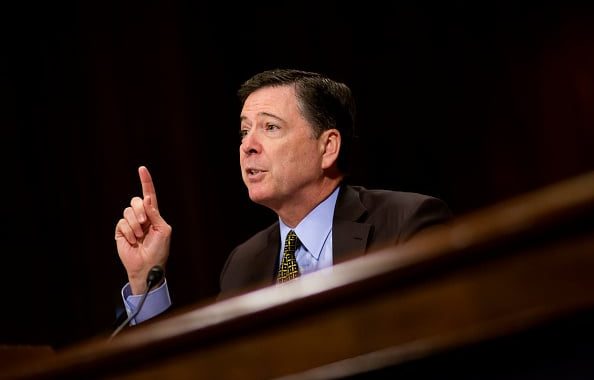
James
Comey
subpoenaed
in
“grand
conspiracy”
investigation.
[Reuters]

*
Simpson
Thacher
missed
a
deadline
and
now
client’s
merger
could
collapse.
[Roll
on
Friday
]

*
Non-equity
partners
aren’t
loving
it.
[Bloomberg
Law
News
]

*
New
Antitrust
chief
tells
staff
not
to
worry
about
criticism
and
just
sit
back
and
be
the
best
rubberstamps
for
donors
they
can
be.
[Law360]

*
Epstein’s
lawyer
claims
he
had
no
knowledge
of
criminal
activity.
[BBC]

*
DOJ
sets
up
another
fight
over
a
phony
prosecutor.
[ABA
Journal
]

It Isn’t March Madness Without A Bracket! – See Also – Above the Law

Which
Trump
Administration
Lawyers
Should
Lose
Their
License
The
Hardest?:
Here’s
your
explanation
on
the
regions.
And
Here’s
Where
You
Cast
Your
Vote!:
Who
should
be
the
biggest
loser
in
the
Giuliani
division?
George
W.
Bush
Appointed
Judge
Reminds
Trump
The
White
House
Isn’t
His
House:
He
also
has
no
time
for
the
“alteration”
excuse.
Total
Victory
For
Afroman!:
The
most
ridiculous
trial
of
the
year
came
through
with
the
right
verdict!
Biglaw
Partner
Teaches
AI
Class
At
Columbia
Law:
That
sounds
way
more
interesting
than
contracts!

Zimbabwe’s avocado sector gathers pace as exports set to double in 2026

Zimbabwe’s
avocado
harvesting
season
has
commenced,
with export
volumes 
projected
to
exceed
6,000
tonnes
in
2026 –
more
than
double
the
3,000
tonnes
recorded
last
year,
reports The
Herald
,
a
partner
of
TV
BRICS.

According
to
the
Horticultural
Development
Council
(HDC),
Zimbabwe
exported
approximately
2,500
tonnes
of
avocados
in
2025.

Early
indicators
for
2026
remain
positive.
One
of
the
country’s
leading
producers
and
exporters
has
already
initiated
harvesting
on
a
trial
plot
of
Pinkerton
avocados.

The
HDC
outlined
a
vision
to
build
a
US$2.5
billion
industry
by
2030,
positioning
avocados
as
the
sector’s
“green
gold”.
Premium
varieties
such
as
Hass,
Esther,
Fortuna
and
Gwen

cultivated
in
the
Eastern
Highlands

have
driven
production
growth
of
over
50
per
cent
in
the
past
five
years.

Strengthened
by
a
2023 trade
protocol
with
China
,
the
industry
is
advancing
value-addition
capacity,
including
orchards,
packhouses
and
processing
facilities,
while
promoting organic
production
 capable
of
securing
20–50
per
cent
higher
prices
in
global
retail
markets.

The
BRICS+
countries
are
boosting
their
export
performance,
leveraging
favourable
production
conditions,
strategic
trade
initiatives
and
international
partnerships
to
strengthen
their
presence
in
global
markets.


Brazil
is
strengthening
its
rice
export
performance,
with
shipments
reaching
1.89
million
tonnes
in
the
March
2025–February
2026
marketing
season,
up
from
1.36
million
tonnes
in
the
previous
cycle,
according
to Safras,
a
partner
of
TV
BRICS.
Experts
noted
that
the
improved
trade
balance
has
brought
exports
close
to
the
2
million
tonne
target,
helping
to
ease
supply
pressure
in
the
domestic
market
while
reinforcing
the
country’s
position
in
global
agricultural
trade.


Meanwhile,
Egypt
is
reinforcing
its
cotton
export
momentum,
with
overseas
sales
reaching
US$134.7
million
since
the
start
of
the
2025–2026
marketing
season,
as
reported
by Sada
El-Balad
,
a
TV
BRICS
partner.
The
performance
aligns
with
directives
from
Egypt
Agriculture
Minister Alaa
Farouk
 to
strengthen
the
global
position
of
Egyptian
cotton
and
support
the
transition
towards
a
green
economy.
The
Agricultural
Research
Center,
led
by Adel
Abdel
Azim
,
continues
to
enhance
the
crop’s
added
value,
contributing
to
the
sector’s
export
competitiveness
and
international
standing.


Furthermore,
Bolivia
set
a
new
record
in
sesame
exports
in
2025,
shipping
19,640
tonnes
valued
at
US$29
million,
surpassing
sales
levels
since
2020,
according
to Visión
360
,
a
partner
of
TV
BRICS.
The
achievement
reflects
a
combination
of
higher
agricultural
output,
favourable
climatic
conditions
and
producers’
focus
on
niche
markets
where
Bolivia
holds
competitive
advantages.
Looking
ahead
to
2026,
experts
anticipate
steady
or
rising
shipments,
emphasising
the
need
to
boost
productivity,
streamline
trade
processes
and
attract
investment
to
ensure
a
sustainable
and
competitive
export
sector.

‘History will judge you’: Catholic bishops warn MPs as Amendment Bill vote looms

HARARE

Zimbabwe’s
Catholic
bishops
have
condemned
the
proposed
Constitution
of
Zimbabwe
Amendment
(No.
3)
Bill,
2026,
warning
that
its
provisions
collectively
strip
citizens
of
democratic
sovereignty.

In
a
pastoral
letter
on
Thursday,
the
bishops
called
on
members
of
parliament
to
vote
against
it
on
grounds
of
conscience.

The
public
letter,
titled
‘In
Defence
of
Truth,
Justice,
and
the
Voice
of
the
People’,
was
issued
by
the
Zimbabwe
Catholic
Bishops’
Conference
and
signed
by
all
seven
of
the
country’s
bishops.

“Our
Constitution
is
more
than
law;
it
is
a
solemn
covenant,
born
from
the
overwhelming
will
of
Zimbabweans
in
2013,
embodying
our
collective
hopes
for
justice,
unity,
peace,
and
prosperity,”
the
bishops
said.

The
statement
identifies
three
core
threats
in
the
bill.
It
argues
that
removing
direct
presidential
elections
transfers
executive
authority
away
from
popular
consent;
that
extending
parliamentary
and
presidential
terms
from
five
to
seven
years
without
a
fresh
mandate
“undermines
democratic
legitimacy”;
and
that
bypassing
the
referendum
requirement
entrenched
in
Section
328(7)
of
the
constitution
to
prevent
incumbents
from
benefiting
from
term
limit
changes
creates
“a
glaring
contradiction”
that
threatens
constitutional
democracy
itself.

On
independent
institutions,
the
bishops
warn
that
the
bill
risks
turning
the
judiciary,
prosecution
service
and
electoral
bodies
into
instruments
of
partisan
control.
They
express
concern
about
increased
presidential
powers
over
the
appointment
of
judges
and
the
Prosecutor
General,
the
transfer
of
delimitation
and
voters’
roll
responsibilities
away
from
the
Zimbabwe
Electoral
Commission,
and
provisions
that
would
permit
traditional
chiefs
to
act
in
a
partisan
manner.

Citing
President
Emmerson
Mnangagwa’s
own
slogan
that
“the
voice
of
the
people
is
the
voice
of
God,”
the
bishops
said
it
would
be
a
contradiction
to
sideline
that
voice
through
amendments
that
concentrate
power
in
the
executive.

“When
the
people’s
role
fades,
so
too
does
the
legitimacy
of
rule,”
they
said.

The
bishops
made
a
direct
appeal
at
MPs
and
senators,
invoking
scripture
to
fortify
them
against
pressure
to
vote
for
the
bill.

“You
bear
a
sacred
duty
before
God
and
the
nation:
to
govern
for
the
common
good,
not
personal
or
partisan
gain.
Pressures

be
they
bribes,
threats,
or
promises

may
tempt
you,”
they
went
on.

“Chokwadi
chinokunda
/
iqiniso
liyanqoba

truth
prevails,”
the
bishops
added.
“History
will
judge
whether
you
safeguarded
their
voice
or
betrayed
it.”

The
bishops
said
if
the
amendments
“genuinely
serve
the
nation’s
welfare,
let
the
people
affirm
them”
through
a
transparent
process
including
wide
consultation
and,
ultimately,
a
referendum.

The
statement
was
signed
by
ZCBC
president
Rt.
Rev.
Raymond
Mupandasekwa
of
the
Diocese
of
Masvingo,
vice
president
Rt.
Rev.
Rudolf
Nyandoro
of
Gweru,
secretary
and
treasurer
Rt.
Rev.
Raphael
M.M.
Ncube
of
Hwange,
Rt.
Rev.
Paul
Horan
of
Mutare,
Rt.
Rev.
Eusebius
J.
Nyathi
of
Gokwe,
Archbishop
of
Harare
Most
Rev.
R.C.
Ndlovu
and
Archbishop
of
Bulawayo
Most
Rev.
Alex
Thomas.

The
pastoral
letter
is
the
latest
in
a
series
of
interventions
by
religious
bodies
against
the
bill.
The
Zimbabwe
Heads
of
Christian
Denominations,
an
ecumenical
body
representing
the
country’s
major
Protestant,
Pentecostal
and
Catholic
denominations,
issued
a
joint
statement
last
week,
while
the
Seventh-day
Adventist
Lawyers
Association
has
separately
written
to
parliament
urging
rejection
of
the
bill.

Parliament
is
expected
to
proceed
with
debate
on
the
bill
in
the
coming
days
following
public
consultations.

Simon Rudland takes on ZBC over claims of bankrolling coup plot

HARARE

Lawyers
for
Zimbabwean
billionaire
Simon
Rudland
have
issued
an
urgent
demand
to
the
Zimbabwe
Broadcasting
Corporation
to
retract
a
“defamatory”
article
accusing
him
of
financing
violent
protests
aimed
at
overthrowing
President
Emmerson
Mnangagwa’s
government.

The
ZBC
was
given
two
days
to
retract
the
article
under
threat
of
legal
action.

Rudland’s
lawyer
Norman
Chimuka
of
Chimuka
Mafunga
Commercial
Attorneys
wrote
to
ZBC
CEO
Sugar
Chagonda
on
Tuesday
demanding
“a
full,
unconditional,
and
unreserved
withdrawal”
of
the
article
along
with
“an
expression
of
regret”
over
the
statements
made
about
Rudland.

The
ZBC
article,
published
on
March
10
and
titled
“Kasukuwere,
Mambondiyani
plot
violent
protest
using
Biti’s
forum,
ZINASU
and
bloggers
as
fronts,”
alleged
that
Rudland
was
“the
major
sponsor
of
these
machinations”
and
had
“wired
substantial
amounts
of
money
to
bankroll
the
demonstrations,
with
more
expected
from
his
foreign
networks.”

The
article
named
Rudland
alongside
self-exiled
former
cabinet
minister
Saviour
Kasukuwere
and
activist
Danmore
Mambondiyani,
accusing
the
three
of
attempting
to
“orchestrate
violent
mass
protests
aimed
at
effecting
unconstitutional
regime
change.”
This
would
be
achieved,
the
article
claimed,
through
supporting
the
Constitutional
Defenders
Forum,
a
new
organisation
led
by
former
finance
minister
Tendai
Biti
which
is
resisting
moves
to
extend
President
Emmerson
Mnangagwa’s
term
by
two
years.

Rudland’s
lawyers
said
the
statements
were
understood
by
any
reasonable
reader
to
mean
that
Rudland
was
“financing
plans
to
violently
and
unconstitutionally
overthrow
an
elected
government,”
amounting
to
an
imputation
of
treason.
The
lawyers
said
ZBC
published
the
article
“without
contacting
our
client
for
verification
as
required
by
professional
and
responsible
journalism.”

“The
article
falsely
imputes
treasonous
actions
to
our
client
while
relying
on
and
hiding
behind
unverified
sources,”
the
letter
states.

The
lawyers
warned
that
if
ZBC
fails
to
retract
the
article,
Rudland
will
seek
an
injunction
and
damages
“without
further
notice.”

Born
in
Harare
in
1971,
Rudland
is
one
of
Zimbabwe’s
wealthiest
businessmen,
with
a
portfolio
valued
at
more
than
US$1
billion
spanning
tobacco,
mining,
construction,
logistics,
agriculture
and
manufacturing
across
the
region.

He
co-founded
Gold
Leaf
Tobacco
Corporation
(GLTC)
with
business
partner
Yakub
Mahomed,
building
it
into
one
of
Southern
Africa’s
largest
cigarette
manufacturers
and
distributors
under
the
Rudland
&
George
(RG)
brand.

His
Cut
Rag
Processors
(CRP)
factory

a
US$120
million
facility
in
Harare’s
Aspindale
industrial
area
fitted
with
German
and
Italian
technology

is
designed
to
transform
Zimbabwe’s
raw
tobacco
into
value-added
cut
rag
for
export
to
Asian
and
regional
markets.

Rudland
co-founded
Pioneer
Transport
in
1995
alongside
his
brother
Hamish,
a
logistics
company
that
later
expanded
into
Pioneer
Corporation
Africa
(PCA)
through
acquisitions
including
Unifreight,
owners
of
Swift
Transport,
Bulwark
and
Clan.

He
owns
farms,
mines
in
Zimbabwe
and
the
Democratic
Republic
of
Congo,
a
logistics
company
and
a
bus
company.

His
companies
employ
more
than
10,000
people
across
the
region.

The
Rudland
brothers
have
also
been
active
investors
on
the
Zimbabwe
Stock
Exchange,
acquiring
stakes
in
the
financial
and
reinsurance
group
Zimre
through
their
investment
vehicle
Day
River
Corporation
and
in
agricultural
company
CFI
Holdings.

In
2019,
Rudland
survived
an
assassination
attempt
when
he
was
shot
three
times
outside
the
Fair
Trade
Independent
Tobacco
Association
offices
in
Johannesburg.
No-one
was
ever
charged.

Sources
familiar
with
the
latest
matter
say
the
campaign
against
Rudland
may
have
been
triggered
after
individuals
allegedly
aligned
with
Zanu
PF
attempted
to
solicit
financial
support
from
him.
When
he
reportedly
declined,
the
online
campaign
followed.

Rudland
has
denied
the
latest
accusations
outright.
His
lawyers
say
the
allegations
“falsely
and
maliciously
accuse
him
of
sponsoring
a
sedition
and
insurrection
against
an
elected
government.”

ZBC
had
not
responded
to
a
request
for
comment
at
the
time
of
publication.

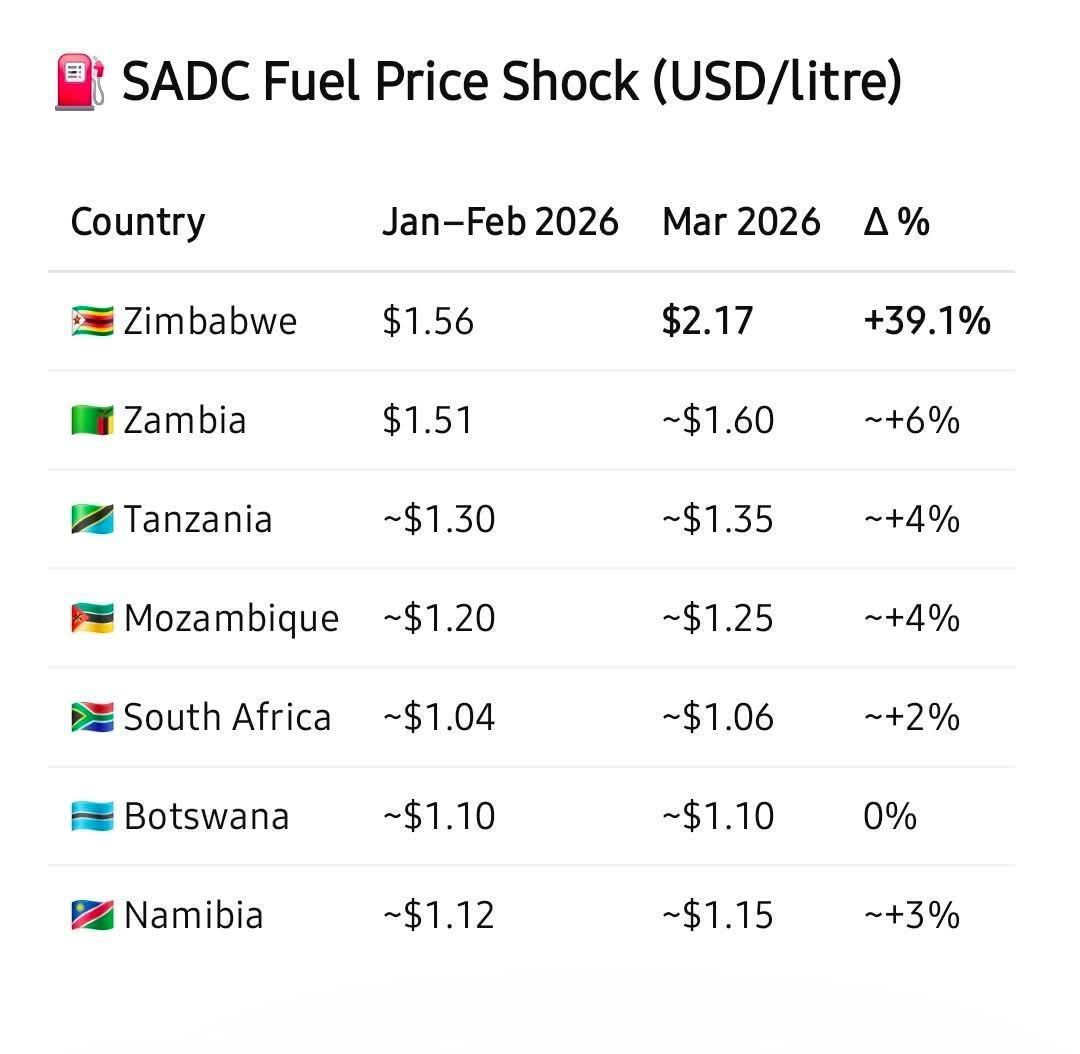
Fuel price shocks and the absurdities in Zimbabwe’s economy

A
LOT
has
been
said
about
the
price
of
fuel
in
Zimbabwe
relative
to
other
countries
in
the
region
in
the
wake
of
the
Iran
war
and
disruption
to
international
fuel
supply
chains.
But
let
us
at
least
compare
like
with
like.

It
is
pointless
lining
up
pump
prices
in
coastal
economies
with
port
access
against
those
of
landlocked
countries
that
must
drag
fuel
inland
at
great
cost.
The
only
sensible
comparisons
are
Zambia
and
Botswana.
And
even
there,
Zimbabwe
has
moved
first.
The
others
will
move
too.
They
always
do.
The
only
real
comparison
is
after
everyone
has
had
their
turn
at
the
pump.

That
said,
there
are
real
issues
here
and
they
expose
the
structural
deficits
in
the
Zimbabwean
economy.
As
some
of
us
have
argued
for
a
while,
there
is
a
latent
United
States
dollar
inflation
in
Zimbabwe
over
and
above
the
inflation
of
the
greenback
itself.
The
“base
effect”
crowd
say
otherwise,
but
that
collapses
under
the
lightest
inspection.

Take
a
simple
metric:
US
dollar
interest
rates
in
Zimbabwe
are
around
18
percent
on
the
dollar.
In
neighbouring
countries,
including
those
with
weaker
currencies,
comparable
inflation
dynamics
are
nowhere
near
as
punishing.
Fuel
imports
into
Zimbabwe
are
financed
through
letters
of
credit
carrying
steep
financing
costs
for
local
firms.
That
is
not
the
prevailing
reality
in
SADC
comparables.

It
is
also
worth
considering
that
Zimbabwe
may
not
have
the
reserves
it
says
it
has.
If
reserves
were
genuinely
comfortable,
the
average
cost
of
fuel
would
cushion
short-term
spikes
in
crude
oil.
Instead,
Zimbabwe
behaves
like
a
country
buying
close
to
the
spot
price
and
living
hand
to
mouth.
That
is
why
it
is
so
often
first
to
adjust.
Not
because
it
is
uniquely
honest,
efficient
or
clairvoyant,
but
because
it
has
less
room
to
pretend.

The
SADC
comparables
also
expose
the
ZiG
problem.
Elsewhere,
foreign
currency
markets
are
allowed
at
least
some
freedom
to
breathe.
As
geopolitical
events
buffet
commodity
markets,
currencies
like
the
rand
and
the
kwacha
strengthen
and
weaken
in
response.
It
is
part
of
the
shock
absorber.

When
gold
and
platinum
prices
rose,
South
Africa,
being
mineral
rich,
saw
the
rand
strengthen.
When
oil
rose,
the
rand
weakened.
For
consumers
paid
in
rand,
the
pain
is
delayed
and
partly
spread
out.
The
same
is
true
of
the
Zambian
kwacha
when
copper
prices
surge.
It
can
strengthen
on
the
way
up,
then
weaken
and
absorb
part
of
the
import
cost
on
the
way
down.

In
Zimbabwe,
by
contrast,
the
ZiG
sits
there
like
a
portrait
on
the
wall,
unmoved
by
events,
while
the
central
bank
insists
it
is
backed
by
gold.
Other
currencies
in
the
region
are
pure
fiat
and
yet
somehow
manage
to
behave
more
honestly.

What
does
this
mean
for
Zimbabwe?
I
often
run
polls
and
questionnaires
on
X
(Twitter)
to
gauge
sentiment.
As
gold
prices
rose,
I
asked
whether
people
would
hedge.
Most
said
no.
They
wanted
to
ride
the
wave.

Zimbabweans
are
natural
risk-takers
and
that
national
habit
seems
to
have
travelled
all
the
way
into
government.
But
the
whole
point
of
derivative
markets
is
to
hedge,
not
merely
to
cheer
from
the
sidelines
while
prices
soar.
Reserves,
too,
are
meant
to
do
a
job.
They
are
supposed
to
cover
six
months
or
more
and
act
as
a
hedge
against
volatility.
So
if
gold
is
rising,
hedge.
There
is
nothing
foolish
about
hedging
at
$3,800
an
ounce
if
it
gives
you
cover
on
the
cost
side
as
well.

The
ban
on
mineral
ore
exports
may
prove
one
of
the
more
self-defeating
policy
choices
of
the
period.
Australia,
under
a
liberal
social
democratic
government
no
less,
had
the
sense
to
let
ore
exports
to
China
surge
and
ended
up
as
one
of
the
few
countries
posting
a
budget
surplus.

South
Africa,
meanwhile,
has
idle
smelters
because
many
are
loss-making.
the
government
of
Zimbabwe
looked
at
this
landscape
and
somehow
picked
the
worst
of
both
worlds,
the
wrong
policy
at
precisely
the
wrong
moment.

Meanwhile,
production
and
supply
chains
in
Zimbabwe
almost
entirely
depend
on
road
because
rail
is
defunct.
Yet
if
ever
there
was
a
sector
that
could
have
underwritten
rail
revival,
it
was
mining.
The
miners
would
have
been
the
biggest
beneficiaries,
especially
on
export
corridors
into
China-linked
trade
routes.
The
government
did
not
need
to
do
everything
itself.
It
merely
needed
to
provide
the
right
framework
and
stick
to
it
long
enough
for
private
capital
to
believe
it.

Markets
are
better
at
solving
these
issues

free
markets
in
the
foreign
currency,
fuel
and
mining
sectors

and
not
government
directives.


Tinashe
Murapata
is
a
Zimbabwean
economist
and
podcaster

Zimbabwe’s media under attack

A
wave
of
legal
threats,
arrests,
and
physical
attacks
against
journalists
in
recent
weeks
signals
a
deepening
crackdown
on
press
freedom
in
Zimbabwe.

This
statement
was
originally
published
on ipi.media on
13
March
2026.

IPI
calls
on
authorities
to
safeguard
media
freedom
after
series
of
recent
arrests
and
attacks
on
journalists


The
IPI
global
network
expresses
deep
concern
over
a
series
of
recent
incidents
in
Zimbabwe
that
signal
an
alarming
escalation
of
pressure,
intimidation,
and
violence
targeting
journalists.
In
recent
weeks,
individual
journalists
in
Zimbabwe
have
faced
threats
from
senior
government
officials,
criminal
prosecution
linked
to
their
reporting,
and
physical
attacks
while
carrying
out
their
work.
IPI
urges
the
Zimbabwe
authorities
to
reaffirm
their
commitment
to
media
freedom
and
ensure
that
journalists
can
report
freely
on
matters
of
public
interest
without
intimidation
or
harassment. 

In
February
2026,
following
a
speech
by
journalist
Blessed
Mhlanga
at
the
Geneva
Summit
for
Human
Rights
and
Democracy,
Zimbabwe’s
information
minister threatened Mhlanga
with
criminal
prosecution
and
described
his
speech
as
“an
act
of
hostility
against
his
homeland”.
At
the
summit,
Mhlanga
spoke
about
his
73-day
pre-trial
detention
in
2025
over
his
reporting
and
the
deteriorating
press
freedom
situation
in
Zimbabwe.

Following
the
minister’s
remarks, media
reports
 indicated
that
authorities
had
issued
an
arrest
warrant
against
Mhlanga,
accusing
him
of 
violating
Section
22A
of
the
Criminal
Law
Codification
and
Reform
Act
for
“wilfully
injuring
the
sovereignty
and
national
interest
of
Zimbabwe
by
actively
participating
in
meetings,
communication
or
cooperation
with
foreign
governments
or
their
agents”.
Media
have
also reported that
authorities
deployed
a
counterintelligence
team
at
the
airport
in
Harare
to
arrest
Mhlanga
upon
his
return
to
Zimbabwe.

Mhlanga
is
also on
trial
 on
charges
of
“transmitting
data
messages
that
incite
violence
or
damage
to
property”.
This
followed
his
arrest
in
February
2025
after
Mhlanga
broadcast
an
interview
with
now-late
Blessed
Geza,
a
war
veteran
and
member
of
the
ruling
party
Zanu
PF,
who
criticized
the
government’s
plans
to
amend
the
Constitution
and
extend
the
presidential
term
limit.
Mhlanga’s
arrest
and
detention
in
this
case
was
also
the
subject
of
his
speech
in
Geneva.

Mhlanga
was
due
to
appear
in
court
on
March
9
for
continuation
of
this
trial.
His
defence
lawyers
have
told
the
court
that
Mhlanga
is
currently
in
South
Africa
seeking
medical
treatment.

In
a
separate
case,
journalist
Golden
Madzikatidze
from
online
media
outlet Bulawayo24 has
been detained since
February
18
on
allegations
of
cyberbullying
and
broadcasting
without
a
license.
Madzikatidze’s
arrest
followed Bulawayo24’s publication
of
a
story
on
alleged
corruption
involving
a
local
waste
management
company.
Madzikatidze
was denied
bail
 on
March
2
and
is
due
to
reappear
in
court
on
March
17.

In
yet
another
incident,
journalist
Effort
Manono
was assaulted on
March
1
while
covering
a
meeting
of
the
National
Constitutional
Assembly
in
Harare.
The
meeting
was
violently
disrupted
by
unidentified
assailants,
who
also
attacked
Manono
as
well
as
other
participants.
Manono
told
IPI
that
he
sustained
several
injuries
and
had
to
seek
medical
attention.
It
is
unclear
who
was
responsible
for
the
attack,
which
occurred
despite
the
presence
of
police.

These
recent
incidents
point
to
a
troubling
pattern
of
journalists
in
Zimbabwe
facing
intimidation,
criminal
prosecution,
and
violence
while
performing
their
professional
duties.

IPI
calls
on
the
Zimbabwean
authorities
to
take
urgent
steps
to
reverse
the
current
climate
of
intimidation
and
harassment
and
uphold
the
country’s
constitutional
guarantees
of
freedom
of
expression
and
media
freedom,
as
well
as
international
human
rights
commitments.
Authorities
should
immediately
drop
charges
against
journalist
Blessed
Mhlanga
and
ensure
that
laws
on
national
security
and
national
sovereignty
are
not
used
to
retaliate
against
journalism
and
free
expression.

Authorities
should
also
release
journalist
Golden
Madzikatidze
and
take
steps
to
prevent
the
abuse
of
cybercrime
laws
and
other
legal
provisions
in
response
to
media
reporting
in
Zimbabwe.
We
also
call
on
officials
to
ensure
a
prompt,
independent,
and
thorough
investigation
into
the
attack
against
Effort
Manono.