Anthropic’s Legal Plug In: Hate to Say We Told You So, But We Told You So – Above the Law


Anthropic

announced
this
week
that
it
will
offer
a
standalone
legal
GenAI
tool
that
could
do
such
things
as
document
review,
flag
risk,
and
even
compliance
work.
The
announcement
sent
legal
tech
vendors

and,
more
importantly,
their
investment

into
frenzy.

This
immediately
triggered
a
significant
drop
in
stock
prices
of
some
big
legal
tech
providers
like
Thomson
Reuters,
RELX,
and
Wolters
Kluwer.
Anthropic
is
one
of
the
largest
GenAI
providers
to
the
public.
Its
main
product
is
Claude.
The
announcement
means
Anthropic
is
now
in
the
application
business.


Why
It
Matters

The
fear
driving
the
stock
drop
and
has
legal
tech
vendors
shaking
is
that
the
big
GenAI
players
like
Anthropic
will
now
compete
directly
with
the
vendors
and
at
a
lower
price.
The
volcano
effect
that

Melissa
Rogozinski

and
I
have
discussed
in
a
series
of
articles
(see
below)
may
be
about
to
erupt.

And
the
fallout
could
be
severe
not
only
for
legal
tech
providers
but
also
for
the
legal
community
as
a
whole.
The
big
GenAI
players
will
not
only
gobble
up
the
services
now
provided
and
offered
by
legal
tech
providers
but
could
very
well
set
their
sights
on
the
services
lawyers
provide.

Like
Pompeii
residents
when
the
volcano
erupted,
many
seem
surprised
by
the
announcement.
Many
seem
to
pooh-pooh
it.
But
it
shouldn’t
have
been
all
that
unexpected
and
it’s
no
time
to
be
pollyannish
about
the
long-term
impact.

I
have
written
not

once

but

twice

that
such
a
move
was
not
only
possible
but
likely.


A
Predictable
Move

I
first

predicted

such
a
move
by
the
large
GenAI
providers
back
in
October.
My
opinion
was
based
on
a
podcast
interview
with
Winston
Weinberg
and
Gabe
Pereyra,
the
Harvey
founders.
At
the
time,
they
recognized
that
their
biggest
future
competitor
would
not
be
other
legal
tech
providers
but
OpenAI
itself.
Their
fear
was
that
OpenAI
might
enter
the
legal
tech
space
and
compete
with
providers
like
Harvey.
Given
their
meteoric
success
with
Harvey,
I
gave
their
views
a
lot
of
credence.
The
only
thing
they
missed
was
that
it
would
be
Anthropic,
not
OpenAI,
that
would
make
the
first
move.

I
reiterated
this
view
in
a
more

recent
article

in
which
I
opined
that
the
GenAI
market
was
ripe
for
commoditization
and
that
the
first
step
in
that
process
would
be
for
the
big
players
to
offer
services
now
offered
by
legal
tech
vendors.
This,
in
turn,
would
lead
to
fierce
competition
on
price
that
might
squeeze
out
a
lot
of
legal
tech
providers.
I
even
posed
a
hypothetical
in
which
OpenAI
was
now
the
GenAI
provider
of
choice
for
most
law
firms
and
legal
departments
by
early
2027.
Like
Weinberg
and
Pereyra,
it
looks
the
only
thing
I
may
have
missed
is
the
identity
of
the
first
to
move.

In
both
articles,
I
stressed
that
the
big
players
might
not
be
content
to
sit
back
and
let
legal
tech
vendors
create
the
wares
based
in
part
on
the
large
GenAI
platforms
and
would
make
a
move.

By
and
large,
this
has
not
happened
before
in
part
because
the
legal
market
was
not
big
enough
to
justify
the
investment
in
learning
the
field.

But
GenAI
changes
that
dynamic
since
it’s
much
easier
to
gain
the
skills
and
understanding
needed
to
provide
services
directly
to
lawyers.
So
the
big
providers
might
do
so
simply
because
they
can.
As
I
said
in
October,
“It’s
ironic
too
that
the
very
AI
tool
responsible
in
large
part
for
the
increased
investment
and
explosion
of
products
in
legal
tech
may
itself
enable
and
encourage
the
bigger
players
to
try
to
cut
out
current
legal
tech
providers.”

And
this
may
be
only
the
beginning.


What
Happens
Next?

It
would
seem
likely
that
now
that
Anthropic
has
dipped
its
toe
in
the
legal
market,
it’s
probably
not
going
to
just
rest
on
its
laurels.
I
think
we
will
see
continued
development
of
legal
products.
And
the
other
big
players
will
likely
follow
suit
in
order
to
compete.
That
will
drive
the
commoditization
process
I
referred
to
in
my
article.

That
could
spell
trouble
for
many
of
the
legal
tech
providers
who
can’t
compete
on
price.
It
could
also
make
their
present
and
would-be
investors
very
nervous.
The
net
effect
will
be
the
Pompeii
effect
we
have
talked
about
in
our
series
of
articles:
severe
fallout
in
the
legal
tech
industry.
These
rumblings
beneath
the
foundation
are
visible
now
more
than
ever
and
I
wouldn’t
bet
against
the
big
players
right
now.

But
that’s
not
all.
Once
the
big
players
see
they
can
offer
similar
products
to
that
now
provided
by
the
legal
tech
vendors,
they
could
very
well
push
their
products
to
those
who
need
legal
services
directly.
GenAI
is
already
becoming
ingrained
in
corporate
legal
departments.
If
Anthropic
can
provide
the
same
services
as
the
legal
tech
vendors
at
a
much
lower
price,
in-house
legal
will
flock
to
the
service.
And
those
services
will
do
more
and
more
to
replace
the
need
for
in-house
lawyers
and
in
turn
outside
lawyers
as
well.

It
was
this
kind
of
threat
that
was
described
in
a

recent
article

in
The
Hill
by

John
Mac
Ghionn
.
While
the
article
was
not
centered
on
legal,
it
did
paint
a
dystopian
future
where
entire
workforces,
even
those
based
on
judgment,
pattern
recognition,
and
reasoning,
are
displaced
by
GenAI.
It’s
hard
to
see
how
legal
would
be
any
different.
Sure,
there
will
still
be
a
need
for
human
lawyers,
just
nowhere
near
as
many.

And
yes,
the
arrival
of
low-cost
legal
services
provided
by
GenAI
tools
could
be
a
boon
to
access
to
justice
by
making
those
services
more
accessible.
But
make
no
mistake,
when
a
bot
can
do
90%
of
the
work
in
drafting
a
contract,
we
won’t
need
as
many
lawyers
in
the
loop.

So,
buckle
up.
It’s
no
time
to
be
pollyannish.
We
could
be
in
for
a
wild
ride.
We
told
you
so.


The
Pompeii
Series
:


Like
Lawyers
In
Pompeii:
Is
Legal
Ignoring
The
Coming
AI
Infrastructure
Crisis?
(Part
I)


Like
Lawyers
In Pompeii: Is Legal
Ignoring
The
Coming AI
Cost
Crisis?
(Part
II)


Like
Lawyers
In
Pompeii:
Is
Legal
Ignoring
The
Coming
AI
Trust
Crisis?
(Part
III)


Like
Lawyers
In
Pompeii:
Is
Legal
Ignoring
The
Coming
AI
Financial
Crisis?
(Part
IV)


Like
Lawyers
In
Pompeii:
Is
Legal
Ignoring
The
Coming
AI
Definition
Crisis?
(Part
V)


Stephen
Embry
is
a
lawyer,
speaker,
blogger,
and
writer.
He
publishes TechLaw
Crossroads
,
a
blog
devoted
to
the
examination
of
the
tension
between
technology,
the
law,
and
the
practice
of
law
.

Top Goldman Attorney ‘Joked’ About Human Trafficking With Jeffrey Epstein – Above the Law

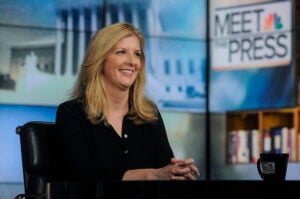
Kathryn
Ruemmler
(Photo
by
William
B.
Plowman/NBC/NBC
Newswire/NBCUniversal
via
Getty
Images)

The
relationship
between
Jeffrey
Epstein
and
Goldman
Sachs’s
top
lawyer,
Kathryn
Ruemmler,
has
put quite
the
spotlight
 on
her.
The
Epstein
files
reveal
thousands
of
communications
between
the
pair.
Ruemmler
said
of
their
connection,
“I
was
a
defense
attorney
when
I
dealt
with
Jeffrey
Epstein.
I
got
to
know
him
as
a
lawyer
and
that
was
the
foundation
of
my
relationship
with
him.
I
had
no
knowledge
of
any
ongoing
criminal
conduct
on
his
part,
and
I
did
not
know
him
as
the
monster
he
has
been
revealed
to
be.” 

But
documents
in
the
most
recent
Epstein
file
dump
suggest
Ruemmler
knew
something
was
up.

We
know
that
Epstein
was
deeply
involved
in

plotting
out
Ruemmler’s
career
,
offering
advice
and
negotiation
tips
on
job
offers.
And
in
a

June
2016
email
exchange
,
the
pair
were
discussing
a
potential
job
at
hedge
fund
Citadel
(Ruemmler
never
worked
a
Citadel,
at
the
time
of
these
emails
was
she
was
a
partner
at
Latham
&
Watkins
and
co-chair
of
its
white-collar
defense
group;
in
2020,
Ruemmler
left
Biglaw
for
the
in-house
world
at
Goldman
Sachs,
where
she
currently
serves
as
Chief
Legal
Officer
and
General
Counsel).

Ruemmler
seems
skeptical
about
the
job,
and
Epstein
says
“there
is
the
off
chance
that
[hedge
fund
founder
Ken
Griffin]
might
just
be
interested
in
a
woman.”
Ruemmler
thumbs
her
nose
at
the
notion
of
DEI,
writing,
“I
ain’t
no
affirmative
action.”
Epstein
responds,
“i
meant
romantically.”
And
then
comes
the
stomach
churning
line,
“Oh,
Jesus

meaning
you
are
going
to
trade
one
of
your
Russians
for
my
comp?!!”


Epstein
is
known

to
have
paid
“ostensible
foreign
models,”
and
the
most
charitable
read
is
that
Ruemmler
was
merely
joking
that
trafficking
one
of
Epstein’s
Russian
models
to
her
maybe-boss
might
lead
to
a
more
favorable
compensation
package…
or
she
suspected
that
was
something
the
“monster”
Jeffrey
Epstein
might
really
do
on
behalf
of
a
trusted
friend.
(From
all
appearances,
Griffin
is
just
catching
strays
here,
and
Citadel
said,
“Ken has
never
met
or
communicated
with Epstein.”)

Either
way
it’s
an
awful
look
for
the
prominent
attorney.


Kathryn
Rubino
is
a
Senior
Editor
at
Above
the
Law,
host
of

The
Jabot
podcast
,
and
co-host
of

Thinking
Like
A
Lawyer
.
AtL
tipsters
are
the
best,
so
please
connect
with
her.
Feel
free
to
email

her

with
any
tips,
questions,
or
comments
and
follow
her
on
Twitter

@Kathryn1
 or
Mastodon

@[email protected].

Jones Day Collecting Cash From Ghislaine Maxwell Epstein Files Show – Above the Law

It’s
time
to
give
Paul,
Weiss
a
brief
respite
from
the
barrage
of
Epstein
revelations.
There
may
well
be
more
to
come,
but
we
can
give
some
other
law
firms
their
day
in
the
sun.
Like
Jones
Day,
who
apparently
represented
Epstein’s
accomplice
Ghislaine
Maxwell
back
in
2017.
Either
that
or
Maxwell
routinely
deposited
tens
of
thousands
of
dollars
into
the
Jones
Day
Client
Trust
Account
for
no
reason
in
particular.

There
are
at
least
four
emails
in
the
files
that
show
Maxwell
transferring
funds
from
UBS
to
the
Jones
Day
trust
account.

The
first

that
we’ve
found

is
dated
February
6,
2017
and
finds

Maxwell
asking
UBS
to
transfer
$25k
to
the
Jones
Day
Client
Trust
Account
.
As
far
as
I
can
tell,
there’s
no
contemporaneous
public
record
of
Maxwell
working
with
Jones
Day.
Next,
on
April
18,
2017,
a
UBS
employee
confirms
that
she
had
completed
a

wire
transfer
requested
by
Maxwell
to
Jones
Day
in
the
amount
of
$31,746.50
.

Because
they
farmed
this
production
out
to
a
thousand
drunk
monkeys
at
a
thousand
drunk
typewriters,
it’s
the

exact
same
employee

in
both
emails,
but
the
government
redacted
her
full
name
and
email
in
the
first
one

except
in
the
salutation

and
left
her
completely
unredacted
in
the
second
email.

In
September
of
that
year,
a
whole
four-person
UBS
team
writes
Maxwell
to
confirm
that
they’ve

passed
along
$218,791.31
to
Jones
Day
.
A
November
email
provides
a

summary
of
her
transfers
throughout
the
year
.
The
summary
includes
Haddon
Morgan
and
Foreman,
the
Denver-based
firm
that
served
as
Maxwell’s
primary
counsel
in
the
defamation
suit
Virginia
Giuffre
brought
in
2015,
which
makes
sense.

But
how
does
Jones
Day
play
into
all
this?
Were
they
behind-the-scenes
counsel
in
that
case?
Were
they
working
on
some
other
matter
for
Maxwell?
The
Justice
Department
database
is
an
inconclusive
mess
so
we
don’t
really
know.

It’s
not
a
crime
to
represent
an
accused
criminal,
of
course.
It’s
a
pretty
big
part
of
the
job.
But
it
is
a
little
weird
to
find
a
major
law
firm
making
its
first
appearance
in
this
case
so
late
in
the
game.


HeadshotJoe
Patrice
 is
a
senior
editor
at
Above
the
Law
and
co-host
of

Thinking
Like
A
Lawyer
.
Feel
free
to email
any
tips,
questions,
or
comments.
Follow
him
on Twitter or

Bluesky

if
you’re
interested
in
law,
politics,
and
a
healthy
dose
of
college
sports
news.
Joe
also
serves
as
a

Managing
Director
at
RPN
Executive
Search
.

7 Key Trends In Law Firm Rate Negotiations – Above the Law

Market
forces
such
as
rising
attorney
salaries,
persistent
inflation,
and
unrelenting
demand
in
premium
practices
are
giving
firms
the
confidence
to
push
hourly
rates
beyond
historical
norms.

For
in-house
teams,
rate
negotiations
have
evolved
into
a
strategic
imperative
that
directly
impacts
budget
stability,
operational
efficiency,
and
the
ability
to
secure
top-tier
counsel.

Drawing
on
extensive,
proprietary
PERSUIT
data
and
the
experience
of
the
company’s
Legal
Advisory
Team,
this
report
examines
seven
trends
shaping
rate
negotiations
and
offers
practical
steps
to
strengthen
your
position
and
lead
with
value.


Sign
up
here
for
your
copy


Brad Karp’s Paul, Weiss Reign Ends With An Epstein-File Plot Twist – Above the Law

Brad
Karp
(Photo
by
John
Lamparski/Getty
Images)

Brad
Karp’s
18-year
run
atop
Paul,
Weiss
ended
yesterday
evening
with
a
carefully
worded
statement
about
“distractions.”

After
days
of
increasingly
uncomfortable
headlines
stemming
from
the
latest
tranche
of
Jeffrey
Epstein
documents,
Karp
announced
he’s
stepping
down
as
chair
of
the
firm
he’s
led
for
nearly
two
decades.
“Leading
Paul,
Weiss
for
the
past
18
years
has
been
the
honor
of
my
professional
life,”
Karp
said.
“Recent
reporting
has
created
a
distraction
and
has
placed
a
focus
on
me
that
is
not
in
the
best
interests
of
the
firm.”

TL;DR
version:
the
firm
would
very
much
like
the
story
to
stop
being
about
its
chair
and
his
emails
with
one
of
the
most
infamous
sex
traffickers
in
modern
history…
but
not
enough
to
cut
ties
with
him
entirely
because
Karp
will
remain
at
the
firm
as
a
partner.

Over
the
last
several
days
Karp
(and
Paul,
Weiss)
have
played
whack-a-mole
with
Epstein-related
fallout:
watching

fawning
emails

with
Epstein
and
favor
requests
get
splashed
out
on
mainstream
media;
hedging

about
regrets
;
and

bailing
on
a
speaking
engagement

as
the
documents
dropped.
One
industry
source
summed
up
the
firm’s
mood
bluntly,

saying
,
“The
firm
is
circling
the
wagons.
There
are
people
in
the
firm
saying
that
they
think
he’s
been
in
the
headlines
too
much.
They
think
it
may
be
a
good
thing
to
move
on.”

And
there’s
even
more
buried
in
the
3+
million
pages.
Bloomberg
Law

reports

on
emails
from
2019
in
which
Karp
reviewed
and
offered
advice
on
a
draft
filing
related
to
Epstein’s
plea
deal
fight,
a
detail
that
undermines
the
firm’s
longstanding
position
that
Paul,
Weiss
and
Karp
never
represented
Epstein.
“The
draft
motion
is
in
great
shape.
It’s
overwhelmingly
persuasive.
Truly,”
Karp
wrote
to
Epstein
on
March
3,
2019.
He
went
on
to
praise
an
argument
suggesting
that
the
“‘victims’
lied
in
wait
and
sat
on
their
rights
for
their
strategic
advantage,”
a
line
that
is…
a
choice.
And
then
he
goes
on
to
make
a
middling
joke
about
the
sexual
assault
the
victims
allege.
Citing

U.S.
v
.

Fokker
Services

to
argue
courts
couldn’t
reject
a
non-prosecution
agreement,
Karp
added,
“Wish
there
was
a
different
case
name
than
‘Fokker,’
but
we
can’t
have
everything.
In
all
seriousness,
I
don’t
see
a
credible
counter
to
our
arguments.
The
case
law
is
totally
stacked
in
favor
of
our
position.”
Those
emails
don’t
read
like
distant,
incidental
contact.
They
read
like
lawyering.

Scott
Barshay
will
step
into
the
chair
role,
offering
the
kind
of
fulsome
praise
that’s
customary
at
moments
like
this.
“Brad
has
made
immense
contributions
to
Paul,
Weiss
over
his
more
than
four
decades
with
the
firm,”
Barshay

said
,
crediting
Karp
with
transforming
the
firm
“in
an
unprecedented
way.”
All
of
which
can
be
true
while
also
acknowledging
that
Karp’s
final
chapter
as
chair
is
being
written
by
Epstein
documents.
It’s
also
worth
noting
that
Barshay
was

reportedly

a
leading
voice
behind
last
year’s
deeply
controversial

decision
to
cut
a
deal

with
Donald
Trump,
promising
$40
million
in
pro
bono
services
to
escape
an
onerous
and
likely
unconstitutional
executive
order
targeting
the
firm.

And
thus
the
era
of
Brad
Karp
as
chair
is
over,
even
if
the
fallout
from
the
Epstein
files
very
much
is
not.


Kathryn
Rubino
is
a
Senior
Editor
at
Above
the
Law,
host
of

The
Jabot
podcast
,
and
co-host
of

Thinking
Like
A
Lawyer
.
AtL
tipsters
are
the
best,
so
please
connect
with
her.
Feel
free
to
email

her

with
any
tips,
questions,
or
comments
and
follow
her
on
Twitter

@Kathryn1
 or
Mastodon

@[email protected].

Morning Docket: 02.05.26 – Above the Law

*
Brad
Karp
steps
down
from
chief
Paul
Weiss
role
he’s
held
for
18
years.
[Above
the
Law
]

*
New
document
appears
to
show
Kathy
Ruemmler
asking
Epstein
if
he
wants
to
“trade
one
of
his
Russians
for
my
comp.”
[Financial
Times
]

*
Aileen
Cannon
sentenced
man
to
life
after
he
was
convicted
of
trying
to
assassinate
Donald
Trump.
[Reuters]

*
Former
DLA
Piper
partner
argues
that
accuser’s
prior
testimony
undermines
rape
claim.
[Bloomberg
Law
News
]

*
Kasowitz
compensation
fight
tussles
over
keeping
partnership
agreement
under
seal.
[New
York
Law
Journal
]

*
Attorney
heads
to
the
Olympics
as
alternate
on
curling
team.
[ABA
Journal
]

*
Tom
Goldstein’s
accountant
made
some
mistakes
on
tax
returns.
[Law360]

Takes One To Know One – See Also – Above the Law

Trump
Calls
Leonard
Leo
A
Sleazebag:
Second
time’s
the
charm!
What
A
Time
To
Enter:
Anthropic
enters
as
legal
tech
free
falls.
Jumping
Over
Failure:
The
DOJ’s
“Emergency
Jump
Teams”
are
a
drastic
attempt
to
fix
poor
staffing
issues.
What
Happens
When
The
Plaintiff
Is
Also
The
Defendant?:
Let’s
look
at
what
happens
when
the
government
fights
itself.
Federal
Judge’s
Name
Pops
Up
In
Epstein
Files:
Weird
place
to
see
unexpected
names!
Survey
Says
Most
Adults
Don’t
Like
ICE:
The
law
students
were
on
the
right
side!

With A High Enough LSAT Score All Things (Law School-Related) Are Possible – Above the Law


Ed.
Note:

Welcome
to
our
daily
feature

Trivia
Question
of
the
Day!


In
the
movie
Legally
Blonde,
what
was
Elle
Woods’s
undergraduate
major?


Hint:
Not
necessarily
a
traditional
path
to
law
school,
but
as
Above
the
Law
readers
know
all
too
well,
it’s
really
only
about
your
LSAT
score
(Woods’s
was
a
near
perfect
179).


See the
answer
on
the
next
page.

‘Emergency Jump Teams’ Are DOJ’s New Plan To Paper Over Its Self-Inflicted Crisis – Above the Law

Things
aren’t
great
at
the
Department
of
Justice,
and
rather
than
get
to
the
root
of
the
issue,
they’ve
come
up
with
a
bold
new
staffing
strategy
involving
duct
tape,
vibes,
and
whatever
warm
bodies
happen
to
be
nearby.

According
to

reporting

from
Bloomberg
Law,
the
latest
brainchild
out
of
Main
Justice
is
something
called
“emergency
jump
teams,”
which
sounds
less
like
a
serious
prosecutorial
strategy
and
more
like
a
rejected
pitch
for
a
CBS
procedural.
According
to
a
February
2
memo
from
Francey
Hakes,
the
director
of
DOJ’s
Executive
Office
for
U.S.
Attorneys,
each
of
the
nation’s
93
U.S.
attorney’s
offices
has
until
February
6
to
volunteer
one
or
two
assistant
U.S.
attorneys
who
can
be
rotated
into
high-need
areas
facing
“urgent
assistance
due
to
emergent
or
critical
situations.”
DOJ
has
blown
a
hole
in
its
own
staffing
model
and
is
now
slotting
in
prosecutors
to
be
human
sandbags.

Trump’s
personal
law
firm,
which
is
how
the
once
venerable
DOJ
was
rebranded
at
the
start
of
the
Trump
II
term,
is
leaking
attorneys
like
a
sieve.
But
that’s
what
happens
when
career
prosecutors
are
asked
to drop
corruption
cases
 as
part
of
a
corrupt
political
bargain
or sign
off
on
baseless
prosecutions
 of
Trump’s
enemies
or
be

part
of
a
fascist
machine

that
ignores
court
orders
and
the
Constitution.

DOJ
lawyers
are
burning
out,
walking
out,
or
in
one
memorable
case,
asking
a
judge
to
hold
them
in
contempt
just
so
they
can

finally
get
some
sleep
.
Instead
of
reconsidering
whether
flooding
line
prosecutors
with
legally
dubious
ICE
cases
is
a
great
idea,
DOJ
has
opted
for
the
institutional
equivalent
of
shouting
“NEXT!”
and
grabbing
whoever
hasn’t
escaped
yet.

Before
landing
on
jump
teams,
DOJ
tried
plugging
the
gaps
with
military
lawyers.
Then
came

recruiting
prosecutors
on
social
media
,
which
is
a
real
thing
that
happened.
Now,
with
morale
somewhere
beneath
the
Mariana
Trench,
DOJ
wants
AUSAs
to
sign
up
for
short-term
deployments
to
wherever
the
latest
crisis
has
erupted

crises
that,
it
should
be
noted,
the
federal
government
largely
created
for
itself.

And
let’s
be
very
clear
about
what
some
of
these
“emergent
or
critical
situations”
are
supposed
to
involve.
Hakes’s
memo
explicitly
ties
the
jump
teams
to
carrying
out
Attorney
General
Pam
Bondi’s
December
directive
ordering
law
enforcement
to
“root
out”
antifa
and
other
left-associated
anti-government
groups.
Because
nothing
says
neutral
law
enforcement
quite
like
emergency
prosecutorial
squads
mobilized
to
chase
the
attorney
general’s
preferred
political
boogeymen.

The
DOJ
is
treating
career
prosecutors
as
replaceable
widgets
while
also
demanding
they
shoulder
legally
questionable
cases
at
breakneck
speed.
That
is
unsustainable,
and
this
plan
is
literally
rearranging
deck
chairs
on
a
ship
that
keeps
springing
new
leaks.
And
no
amount
of
jumping
is
going
to
save
that.


Kathryn
Rubino
is
a
Senior
Editor
at
Above
the
Law,
host
of

The
Jabot
podcast
,
and
co-host
of

Thinking
Like
A
Lawyer
.
AtL
tipsters
are
the
best,
so
please
connect
with
her.
Feel
free
to
email

her

with
any
tips,
questions,
or
comments
and
follow
her
on
Twitter

@Kathryn1
 or
Mastodon

@[email protected].