Addressing
councillors
at
the
recently
held
full
council
meeting,
Mayor
David
Coltart
said
the
city’s
earlier
ambition
to
be
a
“smart
and
transformative
city
by
2025”
had
not
been
realised,
leaving
residents
grappling
with
persistent
water
cuts
and
deteriorating
roads.
“It
is
very
easy
to
say
these
things,
but
it
is
another
thing
entirely
to
deliver
on
that,”
he
told
councillors.
“In
many
respects
the
city
was
not
smart
and
transformative,
with
residents
facing
water
shortages
and
the
roads
being
in
worse
conditions.”
Coltart
said
the
new
target
would
require
a
more
practical,
technology-driven
approach
to
governance,
including
modernising
accounting
and
payment
systems
to
make
them
easily
accessible.
He
said
infrastructure
upgrades
would
also
be
central
to
the
plan,
highlighting
proposals
to
install
solar-powered
street
and
traffic
lights
as
part
of
a
broader
push
towards
renewable
energy.
On
environmental
sustainability,
the
mayor
said
Bulawayo
aimed
to
respond
to
climate
change
through
an
aggressive
tree-planting
programme
of
up
to
5
000
trees,
with
a
preference
for
indigenous
species.
“My
personal
hope
is
to
be
planting
indigenous
trees,
not
exotic
ones,”
he
said,
adding
that
nurseries
and
youth
involvement
would
be
key
to
the
programme’s
success.
However,
water
supply
dominated
the
meeting,
with
Coltart
expressing
frustration
over
delays
in
implementing
technical
recommendations
made
two
years
ago
to
upgrade
key
infrastructure.
Despite
proposals
to
rehabilitate
the
Ncema
Pump
Station
and
major
pipelines
supplying
the
city,
he
said
progress
had
been
slow.
“It
needs
to
be
our
absolute
priority
this
year,”
he
said,
warning
that
failure
to
begin
upgrades
and
procure
new
pipelines
by
the
end
of
the
year
would
amount
to
a
serious
setback.
Coltart
also
pointed
to
funding
shortfalls
for
the
long-delayed
Gwayi-Shangani
Dam
project,
thanking
the
government
for
allocating
ZiG200
million
towards
completing
the
dam
but
noting
that
the
associated
pipeline
would
cost
at
least
US$400
million.
“The
pipeline
is
the
bigger
project,”
he
said,
calling
for
increased
government
funding
to
make
the
scheme
viable.
HARARE
–
Zimbabwe’s
prisons
are
holding
nearly
10,000
inmates
beyond
their
designed
capacity,
prompting
Prosecutor
General
Loice
Matanda-Moyo
to
issue
a
sweeping
directive
urging
prosecutors
to
aggressively
pursue
bail,
fines
and
community
service
instead
of
custodial
sentences.
In
an
internal
memo
dated
January
7,
2026,
seen
by
ZimLive,
Matanda-Moyo
revealed
that
the
country’s
prison
population
stands
at
27,683
inmates
against
an
official
holding
capacity
of
17,800,
leaving
facilities
overcrowded
by
9,883
prisoners.
“This
situation
is
undesirable,”
Matanda-Moyo
said,
ordering
all
public
prosecutors
to
factor
overcrowding
into
bail
proceedings
and
sentencing
submissions.
“Only
in
deserving
cases
should
prosecutors
advocate
for
custodial
sentences.”
The
memo,
addressed
to
prosecutors
nationwide,
lays
bare
the
scale
of
congestion
within
correctional
facilities
and
places
particular
emphasis
on
the
high
number
of
detainees
who
have
not
been
convicted.
Of
the
total
prison
population,
5,970
are
unconvicted
accused
persons,
a
reality
the
Prosecutor
General
said
flies
in
the
face
of
constitutional
protections.
“Our
law
scoffs
at
pre-trial
incarceration,”
Matanda-Moyo
said.
“An
accused
is
presumed
innocent
until
proven
guilty.
Generally,
it
is
undesirable
for
an
unconvicted
person
to
be
denied
his
or
her
liberty
except
in
exceptional
circumstances.”
She
reminded
prosecutors
that
detention
before
trial
is
not
automatic,
stressing
that
the
state
carries
the
burden
of
justifying
continued
incarceration.
“In
terms
of
the
law,
an
accused
is
entitled
to
bail
unless
the
court
finds
that
it
is
in
the
interest
of
justice
that
accused
be
detained
in
custody
pending
trial,”
she
said.
“A
prosecutor
cannot
simply
without
any
justification
submit
for
detention
of
an
accused
person
in
custody.”
The
directive
orders
prosecutors
to
urgently
revisit
bail
conditions,
particularly
where
accused
persons
remain
behind
bars
because
they
cannot
afford
monetary
bail.
“If
it
is
clear
and
apparent
that
accused
do
not
afford
such
sums,
there
must
be
alternative
conditions
to
bail
in
lieu
of
monetary
payments,”
Matanda-Moyo
said.
She
further
instructed
that
accused
persons
facing
petty
offences
should
not
be
kept
in
custody.
“All
accused
remanded
in
custody
facing
petty
offences
must
be
admitted
to
bail
on
appropriate
conditions,”
the
memo
reads.
To
ease
pressure
on
overcrowded
prisons,
prosecutors
have
also
been
directed
to
make
use
of
fast-track
courts
to
speed
up
non-complex
cases
likely
to
attract
non-custodial
sentences,
and
to
ensure
that
no
accused
person
is
detained
for
more
than
six
months
without
trial,
except
in
serious
cases
or
under
exceptional
circumstances.
MASVINGO
–
A
controversial
traditional
leader
on
Sunday
blocked
parents
from
dropping
off
their
children
at
a
newly
established
boarding
school
in
Masvingo,
allegedly
after
the
institution
refused
to
enrol
his
children
free
of
charge.
Ephias
Munodawafa,
the
current
Chief
Murinye,
parked
his
government-issued
Isuzu
vehicle,
which
had
no
number
plates,
across
the
road
leading
to
Riverton
Academy
Extension,
causing
kilometre-long
traffic
queues
on
both
sides.
Parents
had
been
travelling
to
the
school
to
drop
off
pupils
for
the
opening
of
the
first
school
term.
Witnesses
said
Munodawafa
ordered
parents
to
take
their
children
back
home,
insisting
that
the
school
would
not
open
as
scheduled
because
its
owner,
Philimon
Mutangiri,
had
failed
to
seek
his
permission
to
build
the
institution,
the
Masvingo
Mirror
reported.
Mutangiri,
however,
accused
the
chief
of
extortion.
He
told
reporters
that
Munodawafa
had
previously
demanded
that
his
homestead
be
connected
to
electricity,
a
demand
Mutangiri
said
he
complied
with
by
purchasing
a
transformer
valued
at
about
US$7,000.
According
to
Mutangiri,
the
chief
later
returned
with
fresh
demands,
insisting
that
the
school
sign
a
contract
guaranteeing
that
all
his
children
would
attend
the
institution
free
of
charge.
The
school
rejected
the
demand,
leading
to
Sunday’s
standoff.
Police
later
intervened,
prompting
the
chief
to
remove
his
vehicle
and
allow
access
to
the
school.
Chief
Murinye
Munodawafa
has
previously
courted
controversy.
In
2023,
he
fled
on
foot
while
being
pursued
by
villagers
in
Village
33B
after
attempting
to
stop
a
funeral
that
was
already
underway.
He
claimed
the
burial
was
taking
place
within
his
jurisdiction
without
his
authority,
although
the
area
is
also
claimed
by
another
chief.
More
than
a
dozen
villagers
were
later
arrested
and
convicted
of
assault
in
connection
with
the
incident
and
were
fined
by
a
court.
The
competition
for
2025
Lawyer
of
the
Year
honors
was
not
a
close
one,
not
even
one
little
bit. In
fact,
our
top
candidate
took
home
more
than
80%
of
the
vote.
Before
we
announce
which
of
the
two
prevailed,
let’s
review
Above
the
Law’s
past
Lawyers
of
the
Year:
In
a
year
where
the
legal
profession
faced
unprecedented
challenges
from
the
United
States
government,
where
some
firms
bowed
to
unconstitutional
threats
and
others
bravely
fought
it
out
in
court,
it
makes
sense
that
a
lawyer
who
defied
the
powers
that
be
and
stood
up
for
the
rule
of
law
is
taking
home
our
Lawyer
of
the
Year
title.
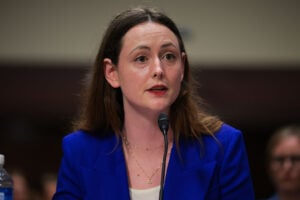
Rachel
Cohen,
the
former
Skadden
associate
who publicly
condemned
Trump’s
threat
to
the
rule
of
law before
many
others
found
the
strength
to
join
her,
took
the
majority
of
the
votes
in
our
annual
competition.
Cohen
found
the
courage
and
resolve
to
stand
up
and
do
what
was
right,
regardless
of
the
fact
that
she
may
have
been
standing
alone
in
her
quest
to
protect
the
legal
profession
from
harm.
Cohen’s
stand
drew
national
attention,
galvanizing
associates
across
the
industry
as
she
continued
advocating
for
legal
ethics
and
accountability,
and
earned
her
recognition
—
including
a Civil
Courage
Award —
for
her
willingness
to
sacrifice
a
lucrative
career
in
defense
of
her
principles.
We’d
like
to
over
a
very
special
congratulations
to
our
2025
Lawyer
of
the
Year,
Rachel
Cohen.
She
offered
a
new
hope
for
members
of
the
legal
profession
to
stand
up
for
democracy
and
the
rule
of
law,
and
she
deserves
a
huge
thank
you
from
every
attorney
in
America.
Staci
Zaretsky is
the
managing
editor
of
Above
the
Law,
where
she’s
worked
since
2011.
She’d
love
to
hear
from
you,
so
please
feel
free
to
email
her
with
any
tips,
questions,
comments,
or
critiques.
You
can
follow
her
on Bluesky, X/Twitter,
and Threads, or
connect
with
her
on LinkedIn.
If
you’ve
studied
for
the
MPRE,
you’ve
likely
gone
over
the
code
of
judicial
conduct.
Some
things
require
a
bit
of
nuance,
but
committing
fraud
is
generally
understood
to
be
one
of
those
things
that
judges
shouldn’t
be
associated
with.
Even
if
the
offending
actions
happened
before
they
donned
the
robes.
AOL
has
coverage:
The
U.S.
Attorney’s
Office
for
the
Central
District
of
California
announced
Wednesday
that
50-year-old
Israel
Claustro
was
charged
with
one
count
of
mail
fraud.
Officials
said
Claustro
signed
a
plea
agreement
to
the
felony
charge.
“Judge
Claustro
violated
the
law
for
his
personal
financial
benefit,”
First
Assistant
United
States
Attorney
Bill
Essayli
said.
“We
will
not
hesitate
to
prosecute
anyone
–
judges
included
–
who
defraud
public
benefits
intended
to
help
those
in
need.”
Claustro
was
accused
of
defrauding
the
state’s
worker’s
compensation
program.
Turns
out
operating
a
medical
corporation
without
holding
a
medical
license
has
consequences.
He
raked
in
about
$38,670
from
the
scheme.
Not
a
mind-blowing
amount
by
any
means,
but
at
least
he
cleared
the
goofball
threshold
of
$5,000.
Fraud
is
never
to
be
encouraged
but
whatever
you
do
do,
you
should
do
right
—
even
if
it’s
wrong.
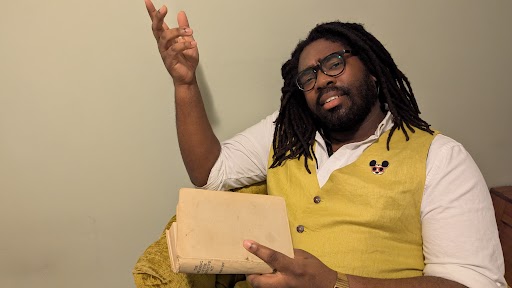
Chris
Williams
became
a
social
media
manager
and
assistant
editor
for
Above
the
Law
in
June
2021.
Prior
to
joining
the
staff,
he
moonlighted
as
a
minor
Memelord™
in
the
Facebook
group Law
School
Memes
for
Edgy
T14s
.
He
endured
Missouri
long
enough
to
graduate
from
Washington
University
in
St.
Louis
School
of
Law.
He
is
a
former
boatbuilder
who
is
learning
to
swim, is
interested
in
critical
race
theory,
philosophy,
and
humor,
and
has
a
love
for
cycling
that
occasionally
annoys
his
peers.
You
can
reach
him
by
email
at [email protected]
and
by
tweet
at @WritesForRent.
Federal
Reserve
Chair
Jerome
Powell
released
a
highly
unusual
weekend
video
message
to
announce
that
the
Department
of
Justice
served
the
nation’s
central
bank
with
grand
jury
subpoenas,
signaling
a
criminal
investigation
targeting
the
Fed
and
specifically
Powell.
It’s
the
sort
of
response
one
would
expect
from
a
national
leader
responding
to
an
unprovoked
attack
by
a
rogue
state,
which
—
under
the
circumstances
—
might
be
the
appropriate
aesthetic
for
the
moment.
Powell’s
statement
explains
that
the
DOJ
is
probing
Powell’s
June
testimony
to
the
Senate
Banking
Committee,
covering
cost-overruns
in
the
renovation
of
Federal
Reserve
buildings.
Blasting
the
cost
of
the
Fed
renovations
has
taken
on
totemic
power
among
Trump
and
his
allies
as
they
search
for
a
reason
to
punish
the
central
bank
for
refusing
to
slash
interest
rates
given
the
country’s
dodgy
economic
outlook.
A
spokesperson
for
Attorney
General
Pam
Bondi
said
the
department
wants
to
“prioritize
investigating
any
abuse
of
taxpayer
dollars.”
The
Director
of
the
FBI
is
using
a
taxpayer
jet
for
date
nights
and
Kristi
Noem
dropped
$200
million
on
private
jets
during
the
shutdown.
Abuse
of
taxpayer
dollars?
Girl,
the
call
is
coming
from
inside
the
house.
For
what
it’s
worth,
the
Fed’s
expensive
renovation
is
due
in
part
to
the
Trump
administration’s
demand
that
they
junk
the
original,
modern
design
plans
to
match
Trump’s
preferred
Saddam-Hussein-palace
aesthetic.
On
top
of
that,
the
Fed
had
to
deal
with
heavy
cost
spikes
in
raw
materials
because
some
idiot
jacked
up
tariffs
on
construction
materials.
By
complying
with
Trump’s
first
term
design
demands,
Powell’s
now
facing
possible
criminal
charges
from
Trump’s
second
term.
It’s
technically
an
unprecedented
development,
but
completely
unsurprising
from
a
guy
who
built
his
financial
empire
by
running
businesses
into
the
ground
and
leaving
everyone
else
holding
the
bag.
Powell’s
learning
what
all
those
USFL
owners
did
back
in
the
80s,
but
the
stakes
this
time
—
the
fate
of
the
global
economy
—
are
considerably
more
grave
than
allowing
the
NFL
to
become
the
unholy
monopoly
forcing
us
to
subscribe
to
every
streaming
service
so
we
can
wake
up
at
9
a.m.
to
watch
2-10
teams
play
in
Dusseldorf.
This
is
what
it
looks
like
when
the
Department
of
Justice
stops
even
pretending
it’s
a
law-enforcement
agency
and
just
becomes
the
President’s
personal
law
firm.
As
midterms
loom,
Trump
desperately
wants
an
interest
rate
cut
to
juice
the
stagflating
economy
and
his
Department
of
Justice
is
leveraging
the
criminal
justice
system
to
intimidate
the
Fed
to
make
the
change
over
its
best
judgment
by
turning
Groutgate
into
a
federal
crime.
Have
you
been
denied
cheap
money
just
because
economic
fundamentals
look
like
three
sticks
of
dynamite
attached
to
an
old-timey
alarm
clock?
You
may
be
entitled
to
compensation!
Call
Bondi
&
Blanche
LLP.
Trump,
naturally,
denied
any
knowledge
of
the
investigation
while
simultaneously
taking
the
opportunity
to
remind
everyone
that
Powell
is
“certainly
not
very
good
at
the
Fed”
and
“not
very
good
at
building
buildings.”
Trump’s
decision
to
demolish
the
East
Wing
and
put
in
the
world’s
most
hideous
ballroom
has
already
gone
100
percent
over
budget.
These
potential
charges
follow
Trump’s
prior
effort
to
fire
Fed
governor
Lisa
Cook.
That
move
now
sits
with
the
Supreme
Court,
whose
conservative
majority
is
trying
very
hard
to
create
a
“Federal
Reserve
exception”
to
its
broader
project
of
turning
independent
agencies
into
presidential
sock
puppets.
The
conservative
majority
wants
Trump
to
run
roughshod
over
the
administrative
state
right
up
until
it
nukes
their
own
retirement
funds.
They
hoped
to
drop
not-so-subtle
hints
to
stop
the
administration,
but
subtlety
isn’t
the
strong
suit
of
a
guy
with
a
gold-plated
toilet.
But
if
the
Supreme
Court
wants
to
pretend
it
can
protect
the
Fed
with
a
bespoke
exception
about
why
it’s
“unique,”
while
also
bulldozing
every
other
independent
agency,
it
should
be
prepared
for
the
obvious
response:
the
White
House
doesn’t
care.
If
they
won’t
let
Trump
fire
governors
at
will,
he’s
willing
to
use
the
DOJ
to
manufacture
bogus
criminal
charges
to
secure
the
“for
cause”
excuse
he
would
need
in
any
event.
Powell
continues:
This
new
threat
is
not
about
my
testimony
last
June
or
about
the
renovation
of
the
Federal
Reserve
buildings.
It
is
not
about
Congress’s
oversight
role;
the
Fed
through
testimony
and
other
public
disclosures
made
every
effort
to
keep
Congress
informed
about
the
renovation
project.
Those
are
pretexts.
The
threat
of
criminal
charges
is
a
consequence
of
the
Federal
Reserve
setting
interest
rates
based
on
our
best
assessment
of
what
will
serve
the
public,
rather
than
following
the
preferences
of
the
President.
One
expert
speaking
with
CNBC
characterized
the
investigation
of
Powell
as
“the
Maduro
option,”
an
ominous
comparison
after
the
administration
used
a
federal
indictment
as
justification
for
killing
somewhere
between
40-80
people
to
depose
the
head
of
a
sovereign
nation.
Reportedly,
the
administration
hoped
to
use
the
threat
of
criminal
prosecution
to
convince
Maduro
to
walk
away.
Having
scored
a
big
win
following
that
playbook,
they
may
well
be
trying
to
implement
this
model
at
home.
By
drawing
monetary
policy
lessons
from
Sicario,
the
administration
hopes
to
make
every
governor
internalize
the
threat,
so
they
don’t
deliberate
based
on
inflation,
employment,
or
evidence,
but
based
on
what
will
keep
Pam
Bondi’s
DOJ
out
of
their
inbox.
Even
Republicans
recognize
this
real-time
erosion
of
the
rule
of
law.
Senator
Thom
Tillis,
who
is
retiring
and
therefore
allowed
to
drop
the
act
and
be
honest
—
says
he’ll
block
Fed
nominations
until
this
gets
resolved.
“It
is
now
the
independence
and
credibility
of
the
Department
of
Justice
that
are
in
question,”
Tillis
said,
even
though
it’s
been
“now”
for
a
year
at
this
point.
But
as
much
as
it’s
a
signal
to
the
Federal
Reserve,
it’s
also
a
signal
to
the
Supreme
Court.
Trump
isn’t
going
to
wait
to
find
out
if
Humphrey’s
Executor
survives
or
if
some
Drunk
History
about
the
Second
Bank
of
the
United
States
shields
the
Federal
Reserve.
This
administration
isn’t
interested
in
what
the
Court’s
going
to
decide
—
so
they
might
as
well
just
give
him
what
he
wants
anyway.
If
there
are
any
genuine
“institutionalists”
left
on
the
Court,
do
you
want
to
let
Trump
fire
Powell
at
will
or
do
you
want
to
force
him
to
drag
Powell
up
on
charges
first?
Is
that
a
predicament
that
might
convince
a
justice
to
just
give
in?
If
there’s
any
positive
from
Powell’s
announcement,
it’s
that
the
grand
jury
convened
by
the
DOJ
is
likely
centered
in
Washington
D.C.
and
citizens
of
the
capital
have
proven
repeatedly
that
they’re
willing
to
refuse
to
indict
a
garbage
charge
and
more
than
willing
to
reject
any
nonsense
that
does
reach
trial.
(Image
by
Tayfun
Cokun
–
Anadolu
Agency/Getty
Images)
Usually
after
a
tech
show
closes
down,
I
provide
my
takeaways
and
impressions
based
on
what
I
witnessed
and
the
sessions
and
events
I
attended.
With
a
show
of
the
size
and
with
the
huge
number
of
sessions
of
CES,
I
could
attend
only
a
smidgen
of
what
went
on.
But
there
were
some
consistent
themes
and
trends
throughout
this
year’s
show
that
were
hard
to
miss.
And
these
trends
will
ultimately
impact
legal
in
perhaps
in
ways
yet
to
be
seen.
So,
here
are
my
top
10
impressions.
My
Top
10
Here’s
what
impressed
me
the
most
this
year:
The
major
themes
this
year:
AI,
AI,
and
AI.
It
was
everywhere,
in
every
session,
in
every
product,
in
every
discussion.
One
could
wonder
whether
there
was
really
anything
else
going
on
or,
for
that
matter,
whether
there
are
any
AI
challenges.
AI
was
the
underlying
tool
that
made
almost
everything
else
discussed
actually
work.
So,
the
real
question
is
what
are
the
top
AI
trends?
The
top
three
AI
areas
emphasized
at
CES
were
agentic
AI
(which
I
wrote
about),
wearables
(which
I
also
wrote
about),
and
robotics.
But
again,
all
of
the
discussions
in
these
areas
were
premised
on
the
use
of
AI
and
GenAI.
Even
when
the
talk
was
ostensibly
about
other
things,
it
was
still
more
or
less
happy
AI
talk.
Some
of
the
other
things
that
were
mentioned
from
time
to
time
in
the
keynotes,
the
general
sessions,
and
on
the
exhibit
floor
were
things
like
digital
health,
physical
AI,
autonomous
vehicles,
and
the
like.
But
again,
it
was
clear
that
the
touted
advancements
in
all
these
areas
also
hinged
on
underlying
AI.
It
permeated
everything.
For
that
matter,
even
the
robotics
envisioned
by
most
CES
vendors
requires
AI
and
more
specifically
GenAI
to
do
what
was
being
promoted.
So,
robotics
too
was
really
about
AI.
By
the
way,
would
it
be
possible
to
have
a
grown-up
robotics
discussion
that
doesn’t
include
cute
little
R2D2
type
robots
like
we’ve
seen
for
at
least
five
years?
Practical
robotics
is
not
lifelike
puppies
or
even
two
robots
fighting
(I
kid
you
not).
It’s
about
what
robotics
can
achieve
in
industry,
in
cars,
and
maybe
someday
in
the
home.
After
all,
when
self-driving
cars
were
first
envisioned,
a
human-like
robot
was
pictured
as
the
driver.
But
that’s
not
what
happened.
The
same
is
true
with
today’s
robots:
let’s
focus
on
what
they
do
instead
of
robots
mimicking
nice
little
people.
Equally
important
to
what
was
talked
about
was
what
wasn’t.
What
wasn’t
mentioned
much
was
the
infrastructure
challenges
that
all
this
AI
all
the
time
may
pose.
(I
know,
talking
about
challenges
is
a
real
downer
when
you’re
trying
to
sell
your
wares,
which
is
all
most
vendors
were
doing.)
What
also
was
not
talked
about
much
was
cybersecurity
threats.
(Another
downer
when
you’re
trying
to
sell
products
that
create
data
that
could
be
used
for
nefarious
purposes
by
the
bad
guys.)
And
when
infrastructure
was
mentioned,
it
was
more
or
less
in
passing
references
to
the
need
to
make
computing
capacity
more
efficient
to
thereby
reduce
the
power
and
water-cooling
needs.
Even
then,
the
context
was
little
more
than
a
“look
what
we
can
do”
pep
talk.
There
was,
however,
one
telling
comment
about
the
coming
infrastructure
crisis
offered
by
Bill
Briggs,
the
CTO
of
Deloitte,
in
a
panel
discussion
of
tech
trends:
“It’s
all
about
how
to
use
the
limited
resources
we
have
to
get
the
maximum
benefits.”
That’s
a
message
we
don’t
hear
often:
there
are
real
infrastructure
limits,
and
we
may
have
to
make
some
tough
choices
along
the
way.
It’s
something
many
vendors
want
to
ignore.
But
as
Melissa
Rogozinski
and
I
recently
discussed,
if
the
infrastructure
won’t
support
all
this
AI,
then
the
whole
AI
business
model
so
thoroughly
integrated
into
everything
will
be
threatened.
On
a
similar
point,
it’s
clear
that
the
consumer
market
is
pushing
the
idea
of
personal
AI
assistants
that
can
do
more
and
more,
that
“see
what
we
see
and
hear
what
we
hear,”
as
it
was
frequently
put.
The
conference-long
mantra
was
that
these
assistants
will
make
life
so
much
easier
for
us.
That
they
will
give
us
time
to
be
with
others
and
thereby
forge
deeper
and
more
meaningful
relationships.
This
was
accompanied
by
promotional
videos
of
beautiful
homes
with
bleached
wood
floors,
views
of
the
ocean,
two
or
three
blond-headed
kids,
a
successful
spouse,
and
a
golden
retriever.
But
the
reality
is
that
we
are
already
seeing
too
much
reliance
on
AI
to
replace
human
relationships.
But
that’s
not
what
selling
these
products
is
about.
As
for
the
show
itself,
I
haven’t
seen
the
numbers,
but
it
sure
seemed
like
there
were
more
attendees
than
ever.
Tremendous
energy
across
multiple
subjects,
venues,
and
nationalities.
Of
course,
the
logistics
were
as
challenging
as
ever.
But
the
CES
staff
and
the
hotel
and
convention
center
workers
consistently
went
out
of
their
way
to
be
cheerfully
helpful,
to
engage
with
attendees,
and
make
the
difficulty
in
getting
around
more
manageable.
Bus
and
mass
transit
were
top
notch.
But
the
show
was
not
without
a
few
frustrations.
Chief
among
these
was
the
WiFi.
Or
the
lack
thereof.
Good
Lord,
it’s
a
tech
conference
but
there
was
no
free
WiFi
that
could
be
consistently
used.
Or
if
there
was,
it
wasn’t
publicized.
That
meant
you
had
to
find
individual
WiFi
networks
offered
by
vendors
or,
in
my
case,
one
that
only
worked
in
the
media
rooms.
And
by
the
way,
if
you
wanted
to
use
the
WiFi
network
in
the
Convention
Center?
A
meager
$179.
A
day.
I
shudder
to
think
what
it
charged
for
AV
tools.
But
for
all
the
challenges
of
putting
on
a
show
for
over
150,000
people,
CES
succeeds
better
than
expected
and
does
it
consistently.
Legal
tech
could
learn
a
lot
from
CES
about
how
to
put
on
a
major
event.
As
could
vendors.
And
it’s
nice
to
hear
other
voices.
But
what’s
in
it
for
legal?
What’s
In
It
for
Legal
I
have
already
written
several
articles
about
the
impact
of
what
I
learned
at
CES
on
the
legal
ecosystem.
Suffice
it
to
say,
it’s
nice
to
get
out
of
our
echo
chamber
and
hear
what
tech
in
general
is
doing.
Afterall,
legal
tech
is
still
tech
and
how
consumer
tech
is
developing
and
where
it
is
headed
is
going
to
be
impactful.
Yes,
lots
of
what
you
see
and
hear
at
CES
is
marketing
wishful
thinking
that
will
never
happen.
But
it
stems
from
the
kind
of
thinking
that
expands
horizons
and
exposes
the
trends
that
will
drive
tech
in
the
future.
And
exposure
to
the
rest
of
the
tech
world
better
enables
us
to
ask
hard
questions.
It
helps
keep
us
from
deluding
ourselves
and
relying
too
much
to
those
in
our
echo
chamber.
To
quote
Cory
Doctorow
in
his
recent
book,
Enshittification,
“it’s
very
easy
to
talk
yourself
into
a
sincere
belief
that
you
are
right
and
everyone
else
is
wrong.”
And
it’s
clear
where
tech
is
going.
Agentic
AI.
Personal
assistants.
Wearables.
Robots
that
function
autonomously.
All
these
things
will
impact
how
we
work
in
legal.
What
the
profession
looks
like.
How
we
practice.
What
legal
issues
will
we
need
to
confront.
I’ve
commented
often
about
the
lack
of
lawyers
at
legal
tech
conferences
and
why
that’s
not
good.
The
same
is
true
here:
want
to
know
where
legal
tech
is
going?
Look
at
where
consumer
tech
is
going
because
that’s
where
we
will
go
too.
So
legal,
want
to
prepare
for
the
future?
Get
out
in
the
real
world.
And
by
the
way,
your
clients?
They
may
be
the
ones
driving
and
using
all
this
new
technology.
As
long
as
I
can
keep
up,
I’ll
be
at
CES,
cursing
the
difficulties
in
getting
around
but
all
the
while
marveling
at
my
good
fortune
to
live
in
today’s
world.
See
you
next
year,
CES.
And
thanks
for
always
expanding
my
horizon.
Stephen
Embry
is
a
lawyer,
speaker,
blogger,
and
writer.
He
publishes TechLaw
Crossroads,
a
blog
devoted
to
the
examination
of
the
tension
between
technology,
the
law,
and
the
practice
of
law.
Ed.
note:
Please
welcome
Renee
Knake
Jefferson
back
to
the
pages
of
Above
the
Law.
Subscribe
to
her
Substack,
Legal
Ethics
Roundup,here.
Welcome
to
what
captivates,
haunts,
inspires,
and
surprises
me
every
week
in
the
world
of
legal
ethics.
Happy
Monday!
I’m
writing
you
from
New
Orleans
while
attending
the
Association
for
American
Law
Schools
Annual
Meeting.
It
was
wonderful
to
see
many
LER
readers
at
the
standing-room-only
panel
I
moderated
on
Thursday
— “The
Law
Professor’s
Role
in
Protecting
Our
Legal
System” —
with
speakers Scott
Cummings (UCLA), Matthew
Diller (Fordham), Rachel
Lopez (Temple),
and Milan
Markovic (Texas
A&M).
It
was
also
great
to
hear
an
outstanding
jazz
performance
by Ingrid and Christine
Jensen at Snug
Harbor
Jazz
Bistro.
Snug
Harbor
Jazz
Bistro,
New
Orleans
(photo
by
Renee
Jefferson)
This
week
I’m
teaching
a
(new
to
me)
course
at
the
University
of
Houston
Law
Center,
a
one-week
intensive
called
Legal
Methods,
and
next
week
I
begin
the
regular
semester
teaching
Professional
Responsibility.
With
the
start
of
a
new
year
and
a
new
semester,
I’ve
been
reflecting
on
why
I
keep
writing
the
Legal
Ethics
Roundup.
Later
this
week
I’ll
be
sharing
a
Bonus
Content
post
to
explain
more,
but
for
now
I’ll
say
this.
The
LER
was
inspired
as
I
watched
questions
of
lawyer
and
judicial
ethics
move
from
the
margins
to
the
center
of
our
legal
and
democratic
life—and
I
was
struck
by
how
hard
it
had
become
to
see
the
full
picture.
Developments
were
unfolding
quickly,
across
jurisdictions,
and
often
without
context
or
synthesis.
Even
people
who
cared
deeply
about
institutional
integrity
were
trying
to
piece
things
together
on
their
own.
What
emerged
through
this
Substack
is
not
really
a
newsletter
in
the
usual
sense.
The
LER
is
closer
to
a
public-service
legal
ethics
intelligence
brief
—
a
place
to
step
back
from
the
noise
and
understand
what
is
happening,
why
it
matters,
and
how
today’s
decisions
may
shape
tomorrow’s
institutions.
Now
for
your
headlines.
Highlights
from
Last
Week –
Top
Ten
Headlines
#1
“Impeachment:
Holding
Rogue
Judges
Accountable.” Last
Wednesday
the Senate
Judiciary
Committee held
hearings
about
so-called
“rogue
judges.”
Witnesses
included Will
Chamberlain (Article
III
Project), Rob
Luther (George
Mason),
and Stephen
Vladeck (Georgetown).
Watch
the
hearings
and
read
their
testimony here.
Highlights
from
each
follow
below:
Chamberlain: “Impeachments
of
judges
are
relatively
rare
throughout
our
nation’s
history,
to
insulate
the
judicial
process
from
politics
and
protect
the
rule
of
law. Judge
Boardman’s case,
however,
is
the
rare
one
where
a
judicial
impeachment
would
vindicate
the
integrity
of
the
judiciary
and
protect
judges
from
improper
influence. Nicholas
Roske tried
and
failed
to
assassinate Justice
Kavanaugh.
The
evidence
presented
at
sentencing
demonstrated
that
he
did
so
because
he
wanted
to
change
the
Supreme
Court’s
jurisprudence
on
abortion.13
Judge
Boardman’s
slap
on
the
wrist
for
Mr.
Roske,
if
left
to
stand,
will
only
encourage
others
upset
with
judicial
decisions
to
try
similar
tactics.”
Luther: “The
cloak
of
judicial
independence
does
not
shroud
a
judge
from
accountability-before
this
body
or
the
public.
For
facilitating
violations
of
the
U.S.
Constitution
and
federal
statutory
law
with
respect
to
Members
of
this
Congress
and
for
pursuing
a
vengeful
contempt
expedition
into
the
highest
echelon
of
our
national
security
officials, Judge
Boasberg must
be
held
accountable.”
Vladeck: “I
would
have
welcomed
an
opportunity
to
explore
with
you
how
Congress
can
better
promote
[judicial
accountability]
across
the
entire
federal
judiciary—including,
in
particular,
with
respect
to
the
Supreme
Court.
Unfortunately,
today’s
hearing
is
focused
on
something
else
altogether—an
effort
to
vilify,
and
perhaps
muster
support
for
the
impeachment
of,
two
highly
regarded
federal
district
judges
because
some
members
of
this
Subcommittee
disagree
with
some
of
their
rulings.
As
someone
who
spends
a
lot
of
time
disagreeing
with
judicial
decisions,
I
can
certainly
relate
to
that
impulse.
But
in
my
testimony
today,
I
respectfully
submit
that
the
Subcommittee’s
efforts
are
deeply
misguided—for
at
least
three
reasons.”
#2
“Law
School
Student
Groups
Ask
ABA
to
Review
Accelerated
Associate
Recruiting
Timelines.” From Law.com: “Student
associations
and
governments
from
18
top-tier
law
schools
signed
a
joint
letter
that
asserts
‘accelerated
timelines
have
also
begun
to
undermine
legal
education,
student
and
staff
well-being,
and
the
recruitment
market.’”
Read
more here.
#3
“Advocacy
Group
Accuses
US
Appeals
Court
Judge
of
Mistreating
Law
Clerks.” From Reuters “A
non-profit
organization
that
advocates
on
behalf
of
law
clerks
…
filed
a
judicial
misconduct
complaint
accusing
a
federal
appeals
court
judge
of
mistreating
her
clerks
and
creating
a
‘workplace
climate
characterized
by
fear,
oppressive
control,
intimidation,
humiliation,
and
bullying.’ The
Legal
Accountability
Project alleged
that U.S.
Circuit
Judge
Sarah
Merriam of
the
New
York-based
2nd
U.S.
Circuit
Court
of
Appeals
has
maintained
a
‘culture
of
fear’
in
her
chambers
despite
previously
pledging
to
improve
workplace
conditions
following
an
earlier
complaint
by
a
clerk.”
Read
more here.
#4
“Texas
Becomes
First
State
to
End
American
Bar
Association
Oversight
of
Law
Schools.” From Houston
Public
Media: “The
Texas
Supreme
Court
on
Tuesday
finalized
a
tentative
opinion
issued
in
September
that
no
longer
requires
soon-to-be
lawyers
to
attend
a
law
school
accredited
by
the
American
Bar
Association.
The
power
to
approve
those
law
schools
now
rests
with
the
state’s
highest
civil
court.”
Read
more here.
#5
“Judge
Who
Allegedly
Kept
‘Book
of
Grudges’
Faces
Misconduct
Charges.” From
the ABA
Journal: “A
Pennsylvania
judge
who
allegedly
kept
a
‘Book
of
Grudges’
and
a
sexually
explicit
calendar
in
her
office
violated
judicial
conduct
standards,
according
to
formal charges
filed
Wednesday.
The
Judicial
Conduct
Board
of
Pennsylvania
also
accused Lehigh
County
Magisterial
District
Judge
Amy
L.
Zanelli of
excessive
tardiness
and
absences.
She
was
elected
to
her
position
in
2021.
Zanelli
allegedly
described
a
local
attorney
as
‘just
a
d-
–
-’
in
the
‘Book
of
Grudges’
and
made
notes
that
were
critical
of
another
person
who
appeared
in
her
court
in
landlord-tenant
matters.
She
placed
the
‘Book
of
Grudges’
in
a
general
work
area
in
the
office
accessible
to
her
staff
to
add
notations
to
it
if
they
wished,
according
to
the
complaint.”
Read
more here.
#6
“Texas
Judicial
Ethics
Rules
Permit
Same-Sex
Wedding
Refusal.” From Bloomberg
Law: “A
Texas
judge’s
refusal
to
marry
same-sex
couples
for
religious
reasons
while
still
marrying
opposite-sex
couples
is
permitted
under
the
state’s
judicial
ethics
code,
the
Texas
Supreme
Court
said
Friday,
offering
clarity
in
two
high-profile
disputes.
Answering
a
certified
question
from
the
US
Court
of
Appeals
for
the
Fifth
Circuit,
the
justices
said
it’s
not
a
violation
to
refrain
from
performing
a
wedding
ceremony
based
upon
a
sincerely
held
religious
belief.”
Read
more here.
#7
“One
Person
at
a
Time:
Lawyers
and
Legal
Legitimacy
in
a
Shifting
World.” From Melissa
Mortazavi (Oklahoma)in Jotwell reviewing Hannah
Haksgaard’s (South
Dakota) The
Rural
Lawyer:
How
to
Help
Incentivize
Rural
Law
Practice
and
Help
Small
Communities
Thrive: “While
there
is
a
growing
body
of
research
on
rural
lawyering
and
rural
access
to
justice,
none
approaches
the
subject
with
the
level
of
detail
and
care
to
individual
experiences
that
Professor
Hannah
Haksgaard
does
in
her
quietly
landmark
work, The
Rural
Lawyer:
How
to
Incentivize
Rural
Law
Practice
and
Help
Small
Communities
Thrive.
She
sets
out
the
book’s
seemingly
modest
goal
with
a
humility
that
mirrors
the
project
she
describes
so
lovingly,
as
an
‘analysis
of
how
a
program
can
help
new
rural
lawyers.’
(P.
8.)
However,
this
deeply
intimate
account
detailing
the
successes
(and
failures)
of
South
Dakota’s
Rural
Attorney
Recruitment
Program,
does
far
more
than
that:
this
book
interrogates
the
relationship
between
communities,
legal
practice,
lawyer
to
lawyer
mentorship,
and
law
itself.
In
doing
so,
it
provides
vital
insights
for
our
turbulent
times.”
Read
more here.
#8
“4
Developments
That
Defined
The
2025
Ethical
Landscape.” From Law360: “The
legal
profession
spent
2025
at
the
edge
of
its
ethical
comfort
zone
as
courts,
firms
and
regulators
confronted
how
fast-moving
technologies
and
new
business
models
collide
with
long-standing
professional
duties.
A
surge
of
sanctions
tied
to
improper
artificial
intelligence
use,
a U.S.
Court
of
Appeals
for
the
Ninth
CircuitYouTube dissent,
rapid
expansion
of
management
services
organizations
and
alternative
business
structures,
and
the
Trump
administration’s
pressure
campaign
against
major
firms
dominated
the
legal
ethics
docket.
Below
is
a
breakdown
of
four
developments
that
shaped
this
year’s
ethics
conversation
—
and
what
they
signal
for
2026.”
Read
more here.
#9
“Legal
Ethics
Year
in
Review:
2025.” From Brad
Wendel’s (Cornell) Legal
Ethics
Stuff
Substack: “To
my
mind
the
biggest
legal
ethics
story
of
2025
by
a
long
shot
was
the
attempt
by
the
Trump
administration
to
use
executive
orders
to
destroy
law
firms
who
either
hired
lawyers
who
angered
the
president
(like Marc
Elias at Perkins
Coie or
lawyers
at WilmerHale who
had
worked
on
the
Special
Counsel
investigations
of
Trump)
or
represented
clients
in
causes
the
president
deemed
inimical
to
the
national
interest.”
Read
more here.
#10
“Attorney
Conduct
Cases
Coming
to
a
Head
in
2026.” From Reuters: “The
new
year
kicks
off
with
the
scheduled
trial
of
a
top
U.S.
Supreme
Court
lawyer,
and
pivotal
rulings
for
one
of
the
president’s
legal
allies
as
well
as
for
a
law
firm
accused
of
profiting
from
a
judicial
conflict
of
interest.
Here
are
three
cases
testing
the
boundaries
of
attorney
conduct
and
professional
ethics
in
2026.”
Read
more here.
Get
Hired
Did
you
miss
the
400+
job
postings
from
previous
weeks?
Find
them
all here.
Upcoming
Ethics
Events
&
Other
Announcements
️
Did
you
miss
an
announcement
from
previous
weeks?
Find
them
all here.
Keep
in
Touch
News
tips?
Announcements?
Events?A
job
to
post?Reading
recommendations? Email [email protected] –
but
be
sure
to
subscribe
first,
otherwise
the
email
won’t
be
delivered.
Renee
Knake
Jefferson
holds
the
endowed
Doherty
Chair
in
Legal
Ethics
and
is
a
Professor
of
Law
at
the
University
of
Houston.
Check
out
more
of
her
writing
at
the Legal
Ethics
Roundup.
Find
her
on
X
(formerly
Twitter)
at @reneeknake or
Bluesky
at legalethics.bsky.social.
On
January
10,
Minnesota
Reps.
Ilhan
Omar,
Angie
Craig,
and
Kelly
Morrison
became
the
latest
members
of
Congress
to
be
turned
away
when
they
attempted
to
inspect
an
ICE
facility
in
Minneapolis.
After
first
being
allowed
inside,
they
were
quickly
hustled
off
the
premises
by
personal
edict
of
DHS
Secretary
Kristi
Noem.
In
the
wake
of
the
murder
of
Renee
Good
and
in
defiance
of
federal
law
and
a
court
order,
Noem
has
now
barred
members
of
Congress
from
inspecting
immigration
facilities
without
notice
and
her
personal
permission.
She
claims
to
have
discovered
ONE
WEIRD
TRICK
to
exclude
Members
of
Congress
from
ICE
facilities.
It’s
a
transparently
bad
faith
gimmick
—
and
it
just
might
work.
The
conflict
started
last
summer
when
Trump
announced
his
plan
to
raise
the
number
of
beds
in
immigration
facilities
from
41,000
to
100,000
to
accommodate
his
deportation
dragnet.
Private
prison
groups
squealed
with
glee
as
they
dove
into
a
trough
of
no-bid
contracts,
re-opening
decrepit
facilities
that
had
been
shuttered
due
to
lack
of
demand,
and
throwing
up
squalid
tents
in
which
to
imprison
ICE’s
victims.
Under
§
527
of
the
2024
Consolidated
Appropriations
Act
—
AKA
the
budget
bill
—
ICE
must
allow
legislators
to
inspect
“any
facility
operated
by
or
for
the
Department
of
Homeland
Security
used
to
detain
or
otherwise
house
aliens.”
DHS
cannot
use
allocated
funds
to
block
access
by
members
of
Congress,
and
those
lawmakers
don’t
have
to
call
first.
This
has
caused
substantial
friction
between
DHS
and
congressional
Democrats.
Most
notably,
the
US
Attorney’s
Office
for
New
Jersey
charged
Newark
Mayor
Ras
Baraka
with
trespassing
at
the
ICE
facility
in
his
own
backyard,
only
to
drop
the
charges
against
him
and
indict
Rep.
LaMonica
McIver
for
assault.
Clearly
DHS
would
prefer
to
run
what
are
effectively
concentration
camps
in
secret,
so
in
June
Noem
announced
a
new
policy
requiring
legislators
to
request
access
a
week
in
advance
and
allowing
entry
at
her
sole
discretion.
In
July,
a
group
of
lawmakers
led
by
Rep.
Joe
Neguse
of
Colorado
sued
to
block
enforcement
of
the
seven-day
notice
requirement.
And
on
December
17,
Judge
Jia
Cobb
in
DC
enjoined
the
policy
for
violating
§
527’s
ban
on
using
budget
funds
to
exclude
legislators
from
the
facilities.
Congress
hasn’t
passed
a
budget
in
two
years,
but
it
has
enacted
a
series
of
continuing
resolutions
to
keep
the
government
funded,
most
recently
in
December.
Each
of
those
resolutions
specifies
that
additional
funds
“shall
be
available
to
the
extent
and
in
the
manner”
provided
in
the
prior
budget,
meaning
that
§
527
still
applies.
The
Appropriations
Bill
isn’t
the
only
source
of
funding
for
Noem’s
goons,
though.
Congress
gave
DHS
nearly
$30
billion
under
the
One
Big
Beautiful
Bill
Act
for
hiring,
training,
enforcement,
and
“facility
upgrades
to
support
enforcement
and
removal
operations.”
Section
527
does
not
apply
to
OBBBA
funds.
But
during
discovery
DHS
conceded
that
it
wasn’t
using
OBBBA
funds
to
run
detention
facilities,
so
Judge
Cobb
barred
enforcement
of
the
Noem
memo
and
ordered
DHS
to
let
the
legislators
back
in.
Spotting
a
loophole,
Noem
issued
new
guidance
on
January
8
purporting
to
reinstate
the
banned
policy,
but
this
time
using
only
OBBBA
funds:
ICE
must
ensure
that
this
policy
is
implemented
and
enforced
exclusively
with
money
appropriated
by
the
OBBBA.
To
that
end,
any
time
or
resources
spent
conducting
activities
otherwise
subject
to
Section
527’s
limitations
must
be
appropriately
logged
and
funded
from
OBBBA
funding.
Given
the
extent
of
the
funding
made
available
to
ICE
through
the
OBBBA,
I
anticipate
that
there
is
more
than
sufficient
funding
available
for
the
limited
expenses
associated
with
implementing
and
enforcing
these
policies.
Translation:
We’re
going
to
evade
legislative
oversight
with
this
bottomless
slush
fund
Congress
awarded
us.
Of
course,
money
is
fungible.
Just
declaring
that
it
came
from
one
pot
and
not
another
—
particularly
when
you’ve
been
claiming
the
opposite
for
months
—
doesn’t
make
it
so.
Rep.
Neguse,
et
al,
may
argue
that
the
facilities
run
on
regular
budget
funds,
and
DHS
can’t
carve
out
one
specific
type
of
interaction
by
“logging”
it
(whatever
that
means)
as
funded
by
OBBBA.
Perhaps
the
plaintiffs
will
demand
court
oversight
to
verify
that
the
funding
really
is
coming
from
a
different
pot.
Or
perhaps
the
Trump
administration
will
get
away
with
evading
Congressional
oversight
by
telling
yet
another
obvious
lie
and
demanding
that
it
be
accorded
a
presumption
of
regularity
it
long
since
frittered
away.
Relativity
announced
today
that
aiR
for
Case
Strategy
has
reached
general
availability,
bringing
the
company’s
generative
AI
case
intelligence
solution
to
the
masses.
For
those
keeping
score
at
home,
this
is
the
tool
we
flagged
back
in
October
as
an
announcement
that
would
hit
hardest
when
it
finally
reached
the
general
public.
Because
while
people
try
to
bolt
AI
onto
every
legal
task
out
there,
this
tool
takes
aim
at
an
area
of
legal
work
that
unuestionably
buckles
under
modern
reality
—
understanding
the
damn
case.
Modern
complex
litigation
generates
an
avalanche
of
data
that
no
human
can
realistically
process.
Emails,
text
chains,
Slacks,
phone
recordings,
Outlook
Calendars,
TikToks,
OnlyFans,
or
whatever
else
clients
use
to
communicate
these
days,
add
up
to
create
what
Relativity’s
blog
diplomatically
calls
“legal
data
overload.”
The
straightforward
pitch
of
aiR
for
Case
Strategy
is
to
use
AI
to
extract
key
facts
from
this
evidence,
organize
it
into
human-digestible
timelines,
summaries,
and
draft
work
product,
and
get
the
team
working
on
the
case
faster.
No
one
wants
to
discover
a
new
key
player
two
weeks
into
review
—
AI
is
going
to
flag
these
wrinkles
out
of
the
gate.
According
to
Relativity,
more
than
50
customers
participated
in
the
limited
general
availability
program,
extracting
approximately
600,000
facts
through
the
system.
These
early
adopters
pulled
facts
together
up
to
70
percent
faster
and
freed
up
thousands
of
hours
of
attorney
time.
One
Relativity
customer,
PageOne
Legal,
reported
using
the
tool
to
summarize
32
deposition
transcripts
running
200
to
300-plus
pages,
extracting
and
organizing
key
information
in
a
fraction
of
the
time
humans
traditionally
take.
“aiR
for
Case
Strategy
exceeded
expectations
by
proving
not
just
that
it
worked,
but
that
it
was
repeatable,
defensible,
and
intuitive,”
said
Andrew
Milauskas,
Chief
Operating
Officer
of
PageOne
Legal.
“We
went
from
spending
hours
per
transcript
to
extracting
key
facts
within
minutes.”
A
lot
of
the
problem
with
AI
in
legal
is
an
unspoken
—
and
perhaps
even
unconscious
—
development
philosophy
that
the
problem
with
the
law
is
that
lawyers
exist
in
the
first
place.
Products
that
try
to
ramrod
the
legal
workflow
and
hand
lawyers
“finished”
product
so
they
can
be
“in-the-loop”
just
long
enough
to
slap
a
signature
on
it
and
fire
it
off.
And
the
defenders
of
that
approach
will
swear
they
don’t
mean
to
prevent
lawyers
from
doing
a
detailed
overhaul
of
the
work
product,
but
when
the
time
for
slow
reflection
is
compressed
and
the
product
looks
finished,
the
entire
editing
process
changes.
Meanwhile,
the
actual
problem
in
law
is
that
the
work
is
hard,
messy,
and
becoming
more
unruly
with
every
extra
terabyte
of
eDiscovery.
Relativity
seems
to
get
that
this
is
where
lawyers
want
AI
—
crunching
information,
not
trying
its
hand
at
the
unauthorized
practice
of
law.
The
product
is
explicitly
designed
to
function
in
tandem
with
human
judgment,
not
replace
it.
aiR
for
Case
Strategy
elevates
information,
then
humans
decide
what
to
do
with
it.
That
may
sound
obvious,
but
in
a
legal
tech
market
drunk
on
replacement
fantasies,
it’s
borderline
radical.
Big
ticket
litigation
is
not
“hard”
because
lawyers
are
too
dumb
to
do
the
work.
It’s
hard
because
the
volume
of
material
is
inhuman.
The
amount
of
digital
documentation
in
the
world
would
reach
the
moon
23
times…
if
put
on
Blu-Rays.
Forget
what
it
would
look
like
if
we
printed
it
all
out.
Strategy
suffers
not
because
lawyers
lack
insight,
but
because
insight
gets
buried
under
sheer
informational
gravity.
Frankly,
AI
still
has
limitations
when
it
comes
to
seeing
the
whole
discovery
picture,
but
it’s
massively
far
ahead
of
throwing
a
bunch
of
contract
attorneys
on
it
and
hoping
it’s
consistent
enough
to
trickle
up.
“aiR
for
Case
Strategy
dramatically
reduces
the
manual
work
of
extracting
facts
and
building
useful
timelines
in
Relativity,”
said
Martha
Louks,
Managing
Director,
Discovery
Technology
Services
at
McDermott
Will
&
Emery.
“It
offers
a
novel
way
to
eliminate
tedious
work
and
allow
attorneys
to
focus
on
case
analysis
and
strategy.”
The
solution
is
currently
available
across
multiple
jurisdictions
including
the
U.S.,
U.K.,
Australia,
Canada,
Germany,
and
more,
with
a
projected
launch
in
RelativityOne
Government
in
H1
2026.