*
It’s
striking
that
critics
of
the
Maduro
capture
cite
specific
text
from
the
Constitution
and
international
treaties,
and
the
Deputy
Attorney
General
cites
“nuh
uh.”
[The
Hill]
*
Speaking
of
Maduro,
the
Maduro
counsel
kerfuffle
takes
another
turn,
with
Judge
Hellerstein
rejecting
Bruce
Fein’s
attempt
to
join
the
case
based
on
claims
that
the
deposed
president’s
friends
wanted
him
to.
[NY1]
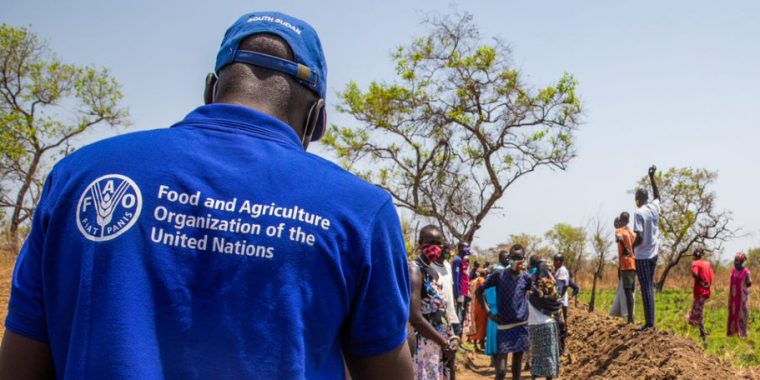
A
new
agricultural
voucher
programme
launched
by
the UN
Food
and
Agriculture
Organization (FAO),
with
the
support
of
Zimbabwe’s
government
and
funding
from
France,
is
supplying
subsidised
drought-tolerant
seeds
and
farming
inputs
to
thousands
of
rural
households
threatened
by
crop
failure
after
months
of
below-average
rainfall.
The
scheme,
now
active
in
Masvingo
and
Mwenezi
districts,
targets
about
4,000
families
whose
food
security
has
deteriorated
sharply
following
an
El
Niño-driven
dry
spell
that
scorched
early
maize
crops
and
drained
community
granaries.
The
intervention
is
part
of
FAO’s
Nourish
and
Thrive
initiative,
and
it
functions
in
a
manner
designed
to
support
both
households
and
rural
markets.
Registered
farmers
receive
vouchers,
logged
digitally
through
the
Identification,
Delivery
and
Empowerment
Application
(IDEA),
and
redeem
them
at
authorised
agro-dealers
for
climate-resilient
seed
varieties
such
as
sorghum,
cowpeas
and
pearl
millet.
While
the
individual
allocations
are
modest,
they
offer
a
crucial
lifeline
for
smallholder
farmers
who
grow
mainly
for
home
consumption
and
lack
the
cash
reserves
to
restock
on
their
own.
Conditions
on
the
ground
show
why
such
support
is
urgently
needed.
Rainfall
deficits
during
the
2024–25
planting
season
exceeded
30
percent
in
parts
of
Masvingo,
according
to
government
monitoring
data.
In
many
wards,
maize
planted
in
November
never
reached
maturity,
and
livestock
troughs
ran
dry
before
the
end
of
January.
Markets
reacted
quickly,
with
the
consumer
price
of
basic
staples
spiking
just
as
household
harvest
stocks
depleted.
In
a
district
where
more
than
70
percent
of
families
rely
on
non-mechanised
farming,
a
single
failed
season
can
erase
household
resilience
built
over
several
years.
The
situation
mirrors
a
broader
regional
pattern
as
southern
Africa
heads
into
another
vulnerable
harvest
cycle.
Zambia
recorded
a
nearly
50
percent
collapse
in
maize
output
last
year
and
has
identified
more
than
80
districts
requiring
food
support.
Malawi
reported
that
one
in
every
five
hectares
under
cultivation
in
its
southern
districts
failed
due
to
delayed
rains
and
unusually
high
temperatures.
These
cascading
impacts
illustrate
the
cumulative
pressure
climate
variability
is
placing
on
rural
economies
that
were
already
fragile
from
inflation,
weak
infrastructure,
and
pandemic-era
income
stress.
Voucher
programmes
are
gaining
traction
partly
because
they
reinforce
existing
market
systems
rather
than
displacing
them.
Instead
of
distributing
imported
seed,
implementers
contract
local
suppliers,
track
transactions
electronically,
and
allow
farmers
to
select
the
crops
most
suitable
to
their
soils
and
family
needs.
The
cash
value
remains
within
rural
trading
centres,
helping
agro-dealers
stay
afloat
during
lean
seasons.
Where
voucher
schemes
have
scaled
in
other
countries,
they
have
occasionally
sparked
new
investment
in
remote
agribusiness
outlets
that
previously
lacked
reliable
demand.
A
secondary
but
significant
dimension
of
the
FAO
initiative
is
its
insistence
on
safeguarding.
Communities
participating
in
the
scheme
are
briefed
on
how
to
identify
and
report
misconduct
or
abuse
associated
with
programme
activities.
The
move
reflects
hard
lessons
drawn
across
Africa’s
emergency
assistance
landscape,
where
scarcity
can
place
beneficiaries
at
risk
of
coercion.
By
embedding
ethics
and
accountability
into
the
mechanics
of
food
support,
FAO
and
its
partners
are
signalling
a
shift
toward
more
community-centred
delivery.
How
far
this
injection
of
seed
and
support
can
stretch
will
depend
on
the
remainder
of
the
rainy
season
and
the
ability
of
national
authorities
and
donors
to
maintain
funding.
Local
officials
warn
that
as
many
as
2.7
million
Zimbabweans
may
need
assistance
before
the
next
harvest
if
rainfall
patterns
do
not
stabilise.
However,
they
argue
that
preserving
the
means
of
production,
rather
than
supplying
food
alone,
is
critical
to
preventing
the
next
food
emergency.
Should
the
voucher
model
expand
and
be
replicated
in
neighbouring
states
facing
similar
shocks,
it
could
mark
a
practical
step
toward
safeguarding
food
systems
in
a
region
where
the
climate
signal
grows
louder
each
year,
and
where
the
margin
of
error
for
smallholder
farmers
continues
to
shrink.
Rachel
Cohen
Is
Above
The
Law’s
Lawyer
Of
The
Year!:
What
will
2026
bring?
No
Fraud
Behind
The
Gavel:
Judge
resigns
after
fraud
charges.
Since
When
Is
Jerome
Powell
Leading
The
Resistance?:
DOJ
opens
criminal
probe
because
he
didn’t
lower
interest
rates
like
Trump
wanted.
Kristi
Noem
Wants
ICE
Above
Inspection:
She
wants
you
to
give
notice
a
week
in
advance
before
any
oversight
happens.
According
to
The
New
York
Times,
the
Supreme
Court’s
first
opinion
in
an
argued
case
this
term
(Bowe
v.
United
States)
arrived
in
January
2026.
Over
the
last
80
years,
how
many
times
before
has
SCOTUS
waited
until
January
to
issue
its
first
argued
opinion?
Hint:
This
delay
is
being
attributed
to
a
spike
in
emergency
docket
activity.
In
this
session,
I
sat
down
with
Colleen
Joyce,
CEO
of
Lawyer.com,
to
talk
about
how
today’s
most
successful
lawyers
build
strong
practices
in
a
crowded
and
competitive
marketplace.
The
conversation
was
not
about
fixing
lawyers
or
calling
out
shortcomings.
It
was
about
recognizing
how
capable
attorneys
can
elevate
their
visibility
and
communicate
their
value
more
clearly
so
the
right
clients
can
find
them.
Branding:
Turning
Legal
Excellence
Into
Market
Recognition
Colleen
shared
a
simple
truth.
Exceptional
legal
work
deserves
to
be
seen.
Branding
helps
ensure
that
prospective
clients,
referral
partners,
and
decision
makers
understand
who
you
are
and
how
you
help.
Clients
today
do
their
homework.
They
research,
read,
watch,
and
listen
before
reaching
out.
Branding
allows
lawyers
to
shape
that
experience
intentionally.
It
is
not
about
being
loud
or
flashy.
It
is
about
being
clear,
consistent,
and
credible.
We
discussed
how
branding
supports
trust
before
the
first
conversation
ever
happens.
When
lawyers
communicate
their
focus,
values,
and
experience
effectively,
they
attract
clients
who
are
already
aligned
and
ready
to
engage.
Diagnosis
First:
Creating
Better
Conversations
and
Better
Client
Fit
One
of
the
most
powerful
ways
lawyers
elevate
their
practices
is
by
leading
with
thoughtful
questions.
Colleen
and
I
talked
about
how
taking
time
to
understand
a
client’s
situation
creates
stronger
outcomes
for
everyone
involved.
When
lawyers
focus
on
discovery
first,
they
gain
clarity
around
goals,
expectations,
and
fit.
That
clarity
protects
time,
improves
communication,
and
leads
to
more
productive
engagements.
It
also
reinforces
the
lawyer’s
role
as
a
trusted
advisor
rather
than
a
commodity.
This
approach
aligns
naturally
with
professionalism,
confidence,
and
long
term
relationship
building.
Visibility
Plus
Talent:
A
Formula
for
Sustainable
Growth
Legal
talent
is
the
foundation.
Visibility
is
the
bridge
that
connects
that
talent
to
opportunity.
Colleen
emphasized
that
consistent
visibility
allows
lawyers
to
reinforce
their
expertise
over
time
and
stay
top
of
mind
with
the
people
who
matter
most.
Marketing
and
branding,
when
done
with
intention,
support
reputation
rather
than
replace
it.
They
help
lawyers
share
insights,
demonstrate
leadership,
and
build
familiarity
without
pressure
or
sales
tactics.
When
visibility
and
skill
work
together,
growth
becomes
more
predictable
and
sustainable.
The
legal
profession
is
filled
with
talented,
dedicated
professionals
doing
meaningful
work.
Branding
and
visibility
simply
ensure
that
this
work
is
recognized
and
remembered.
For
lawyers
who
want
to
grow
thoughtfully,
serve
better
clients,
and
build
long
term
success,
clarity
and
consistency
are
powerful
tools.
Steve
Fretzin
is
a
bestselling
author,
host
of
the
“Be
That
Lawyer”
podcast,
and
business
development
coach
exclusively
for
attorneys.
Steve
has
committed
his
career
to
helping
lawyers
learn
key
growth
skills
not
currently
taught
in
law
school.
His
clients
soon
become
top
rainmakers
and
credit
Steve’s
program
and
coaching
for
their
success.
He
can
be
reached
directly
by
email
at [email protected].
Or
you
can
easily
find
him
on
his
website
at www.fretzin.com or
LinkedIn
at https://www.linkedin.com/in/stevefretzin.
Too
many
lawyers
still
see
their
value
as
tied
to
time.
More
hours.
More
stress.
More
inefficiency.
What
if
we
stopped
treating
legal
expertise
like
a
faucet
and
started
treating
it
like
an
asset?
Dorna
Moini,
CEO
of
Gavel,
makes
the
case
that
scalable
legal
products
are
not
just
the
future
of
practice;
they’re
the
key
to
sustainability,
profitability,
and
purpose.
If
you’re
still
billing
hour
by
hour,
you’re
leaving
impact
and
income
on
the
table.
Watch
the
full
“Notes
to
My
(Legal)
Self”
episode
with
Dorna
here:
The
Lawyer
Who
Built
Her
Way
Out
Of
The
Billable
Hour
Dorna
didn’t
set
out
to
disrupt
law.
She
started
with
a
domestic
violence
case.
“I
realized
how
much
of
the
early
phase
of
those
cases
was
rules-based
and
repetitive,”
she
said.
“I
wanted
something
like
TurboTax,
but
for
domestic
violence.”
So
she
built
it.
That
prototype
evolved
into
Gavel,
a
no-code
automation
suite
that
lets
lawyers
transform
legal
services
into
modular
tools:
things
that
run
while
you
sleep,
that
serve
people
at
scale,
and
that
deliver
consistency
with
less
manual
lift.
Her
turning
point
was
deeply
personal.
One
client,
a
domestic
violence
survivor,
was
“above
the
income
threshold
for
legal
aid
but
couldn’t
afford
private
counsel.”
She
was
left
to
navigate
trauma
and
the
legal
system
alone.
That,
Dorna
said,
“was
the
moment
I
realized
this
isn’t
just
a
poverty
issue.
It’s
a
middle-class
justice
crisis
too.”
From
Repetition
To
Revenue:
Why
Legal
Products
Scale
Legal
knowledge
compounds.
So
why
don’t
legal
business
models?
Traditional
practice
assumes
one
client,
one
case,
one
outcome.
Scalable
legal
products
flip
that.
They
package
expertise
once
and
sell
it
again
and
again.
This
isn’t
theory.
It’s
happening
in
Arkansas,
where
family
lawyer
Brandon
Haubert
built
and
launched
ArkansasLawNow.com
to
serve
the
state’s
3
million
residents
with
accurate,
rules-based
custody
and
divorce
tools.
Biglaw
wouldn’t
touch
it.
Too
small.
Too
local.
But
for
the
families
who
need
it,
it’s
the
difference
between
fair
access
and
total
overwhelm.
And
for
Brandon?
It’s
a
second
revenue
stream,
a
branding
platform,
and
a
way
to
serve
clients
who
otherwise
would
fall
through
the
cracks.
“Those
tools
don’t
replace
lawyers,”
Dorna
explained.
“They
free
lawyers
to
spend
time
where
it
matters
on
strategy,
empathy,
and
judgment.”
Why
The
Right
Workflows
Make
Flat
Fees
Work
Flat
fees
are
only
profitable
when
delivery
is
efficient.
Most
aren’t.
That’s
why
some
lawyers
still
resist
them.
But
automation
changes
that
math.
When
intake,
document
generation,
and
basic
guidance
are
rules-based
and
repeatable,
a
flat-fee
model
stops
being
a
risk.
It
becomes
a
strategic
edge.
Dorna’s
team
has
seen
firms
build
tools
that
automate
divorce
packets,
eviction
responses,
and
commercial
lease
reviews.
One
lawyer
used
Gavel
to
build
a
dynamic
SOW
generator
for
in-house
teams.
These
are
not
one-off
projects.
They
are
monetizable
assets.
“You
can
scale
without
burning
out,”
she
said.
“You
build
once.
Then
you
earn
often.”
Productization
Isn’t
Tech.
It’s
a
Strategy.
The
most
common
objection
Dorna
hears:
“But
I’m
not
technical.”
Her
answer:
You
don’t
have
to
be.
Gavel
is
a
no-code
platform.
You
define
the
logic.
The
platform
handles
the
rest.
You
already
know
the
if-then
rules.
You
use
them
in
every
intake
meeting
and
redline
session.
The
only
shift
is
codifying
that
judgment
into
reusable
pathways.
Rules-based
automation
is
best
for
structured
logic
and
compliance-heavy
workflows.
Generative
AI
helps
when
creativity
or
redlining
nuance
is
needed.
The
smartest
lawyers
use
both,
strategically,
within
defined
boundaries.
This
mirrors
the
contract
world
we
navigate
at
TermScout.
Our
certified
contracts,
standardized
clause
libraries,
and
transparency
layers
function
the
same
way.
Legal
becomes
infrastructure
when
it’s
structured.
And
structure
scales.
Build
Like
A
Lawyer,
Not
A
Startup
You
don’t
need
to
leave
law
to
build.
You
don’t
need
to
raise
capital.
You
don’t
need
a
dev
team.
What
you
need
is
a
shift
in
mindset.
One
that
sees
repeat
questions
as
design
prompts.
One
that
treats
every
well-worn
playbook
as
an
opportunity
for
systematization.
One
that
stops
tying
value
to
time
and
starts
tying
it
to
repeatable
insight.
As
Dorna
put
it:
“Technology
won’t
replace
lawyers.
But
lawyers
who
use
technology
will
replace
those
who
don’t.”
The
economics
of
law
are
changing.
The
builders
are
already
winning.
Your
move.
Olga
V.
Mack
is
the
CEO
of
TermScout,
where
she
builds
legal
systems
that
make
contracts
faster
to
understand,
easier
to
operate,
and
more
trustworthy
in
real
business
conditions.
Her
work
focuses
on
how
legal
rules
allocate
power,
manage
risk,
and
shape
decisions
under
uncertainty.
A
serial
CEO
and
former General
Counsel,
Olga
previously
led
a
legal
technology
company
through
acquisition
by
LexisNexis.
She
teaches
at
Berkeley
Law
and
is
a
Fellow
at
CodeX,
the
Stanford
Center
for
Legal
Informatics.
She
has
authored
several
books
on
legal
innovation
and
technology,
delivered
six
TEDx
talks,
and
her
insights
regularly
appear
in
Forbes,
Bloomberg
Law,
VentureBeat,
TechCrunch,
and
Above
the
Law.
Across
her
work,
she
treats
law
as
infrastructure,
something
that
should
be
reliable,
legible,
and
intentionally
designed
for
how
organizations
actually
operate.
I
was
shocked
that
President
Donald
Trump
launched
a
military
attack
on
Venezuela
to
kidnap
Nicolas
Maduro.
How
could
it
possibly
be
worth
it?
Why
give
up
a
shot
at
the
Nobel
Peace
Prize
in
exchange
for
only
Venezuelan
oil
and
a
single
narco-terrorist
(or
two,
if
you
count
the
spouse)?
What’s
in
it
for
Trump?
But
then
I
thought
about
it. Trump
probably
decided
that
the
damn
prize
committee
wouldn’t
award
him
the
Nobel
anyway. Trump
has
repeatedly
claimed
that
he’s
settled
eight
wars
in
the
past
few
months,
but
the
committee
might
ask
a
few
questions
about
those
wars.
First,
are
Trump’s
numbers
gross
or
net?
Trump
says
that
he’s
ended
eight
wars
since
he
took
office. But,
during
the
same
time,
Trump
has
ordered
the
military
to
bomb
seven
countries:
Yemen
(where
we
bombed
the
Houthis);
Somalia
(the
Islamic
State);
Syria
(the
Islamic
State);
Nigeria
(Islamic
State-linked
military
camps);
Iran
(nuclear
facilities);
Venezuela
(drug
boats,
loading
facility,
and
then
the
most
recent
attack);
and
Iraq
(Islamic
State
personnel).
That’s
quite
a
list
for
a
guy
who
says
he’ll
keep
the
United
States
out
of
foreign
conflicts.
How
are
we
supposed
to
count
this
list?
Do
we
give
Trump
credit
for
having
ended
eight
wars? Doing
his
best
to
start
seven
new
ones? Or
netting
it
all
out
to
leave
him
+1?
But
that’s
just
the
first
question.
Here’s
question
number
two: Has
Trump
actually
ended
any
of
the
eight
wars
for
which
he’s
claimed
credit?
Trump
claims
to
have
ended
the
war
between
Israel
and
Hamas. It’s
true
that
the
hostages
have
been
released,
and
the
two
sides
didn’t
kill
each
other
for
a
few
days. But
that’s
more
a
temporary
ceasefire
than
a
real
peace
agreement. The
Israelis
still
occupy
a
big
chunk
of
the
Gaza
Strip;
Hamas
does
not
appear
to
be
disarming;
the
two
sides
have
started
killing
each
other
again
(though
now
at
a
slower
rate);
and
there’s
no
sign
of
an
interim
governing
structure. Maybe
it
takes
more
than
a
news
conference
to
resolve
permanently
a
spat
in
which
the
competing
sides
have
been
killing
each
other
for
decades.
Trump
also
claims
to
have
ended
a
war
between
Israel
and
Iran,
but
that
wasn’t
an
actual
war. That
was
more
a
brief
exchange
of
missiles.
And
the
two
sides
continue
to
threaten
each
other
with
possible
future
missile
attacks
(with
Trump
chiming
in
that
he
may
join
that
fun).
I’m
not
sure
this
war
ever
started. If
it
did,
I’m
not
sure
that
it’s
over. No
credit
there.
Now
we
get
to
the
lesser
wars. You
may
never
have
heard
that
these
other
situations
were
wars,
but
Trump
claims
to
have
resolved
them. I
put
these
other
wars
in
the
same
category
as
the
Donald-Melania
war,
which
started
early
last
Tuesday
and
ended
late
Tuesday
night,
and
the
Donald-Gavin
war,
which
just
now
appears
to
be
breaking
out.
Anyway,
Egypt
and
Ethiopia
have
some
kind
pissing
match
over
the
Grand
Ethiopian
Renaissance
Dam. There
was
never
an
actual
shooting
war
there. I’m
not
sure
Trump
gets
credit
for
ending
a
war
that
never
started.
There
was
in
fact
shooting
along
the
border
between
India
and
Kashmir. Trump
says
that
U.S.
trade
concessions
helped
to
end
that
war. India,
however,
denies
that
any
trade-linked
talks
ever
took
place. I
think
that
if
Trump
ends
wars,
the
warring
parties
have
to
give
him
credit. Otherwise,
no
Nobel
Peace
Prize.
Things
are
tense
between
Serbia
and
Kosovo,
but
NATO
peacekeepers
are
on
the
ground
and
have
prevented
large-scale
fighting. Ooh,
ooh: If
the
Nobel
gang
gives
the
Peace
Prize
to
NATO,
one
president’s
gonna
be
mighty
pissed
off.
Rwanda
and
the
Democratic
Republic
of
Congo
have
a
conflict
involving
M-23,
a
Congolese
Tutsi-led
rebel
group. M-23
rejects
the
current
peace
deal,
because
it
excluded
them,
and
the
parties
have
started
killing
each
other
again. No
peace,
no
credit. Sorry,
Donald.
There
was
also
a
spat
between
Armenia
and
Azerbaijan. Trump
brought
the
parties
to
the
White
House,
but
they
haven’t
yet
signed
any
peace
deal,
and
the
situation
remains
tense. I
don’t
think
Trump
should
be
allowed
to
jump
the
gun
on
putting
down
the
guns.
There
was
a
border
clash
between
Thailand
and
Cambodia. The
U.S.
applied
pressure
and
there
was
a
ceasefire,
but
then
fighting
resumed,
and
then
there
was
another
ceasefire,
and
there
still
isn’t
a
definitive
end
to
the
conflict.
I’m
not
sure
that
Trump
has
actually
settled
any
wars. Perhaps
resolving
wars
requires
more
than
putting
people
in
a
room
for
a
few
minutes
and
asking
them
to
say
that
they’re
now
friends.
Even
if
Trump
has
ended
a
war,
he
may
well
be
instigating
more
than
he’s
ending. There’s
no
Nobel
Peace
Prize
for
that. I’m
pretty
sure
the
awards
committee
insists
on
a
net
positive.
But
now
I
understand
why
Trump
went
after
Venezuela: He
thought
he
was
out
of
the
running
for
the
Peace
Prize,
anyway,
so
he
might
as
well
start
something
new.
On
reflection,
however,
the
last
situation
—
where
Thailand
and
Cambodia
declared
a
ceasefire,
resumed
fighting,
and
then
declared
another
ceasefire
—
gave
me
a
thought. Trump
solved
that
war
once. It
started
again,
but
now
he
can
solve
it
yet
a
second
time. That
would
be
a ninth peace
deal
that
he’s
worked
out.
And
if
we
again
bomb
Iran,
and
then
Trump
works
out
a
new
peace
deal,
that
would
be ten. And
maybe
Trump
could
resolve
for
a
second
time
the
dispute
in
Rwanda. That
would
be eleven,
and
we’re
just
getting
started!
With
just
a
little
bit
of
work,
Trump
could
resolve
dozens
of
wars
by
the
end
of
next
year.
Maybe
I’m
wrong: Attacking
Venezuela
doesn’t
put
the
Nobel
Peace
Prize
out
of
reach
after
all.
The
firm’s
fine,
I
don’t
view
this
as
the
firm
being
jilted
or
left
at
the
altar
or
anything
like
that.
— Jon
Truster,
a
partner
at
recruiting
firm
Macrae,
in
comments
given
to
the
American
Lawyer,
concerning
where
Alston
&
Bird’s
headspace
is
in
the
wake
of
its
failed
merger
talks
with
Cadwalader
Wickersham
&
Taft.
Cadwalader
instead
decided
to
combine
with
Hogan
Lovells,
for
what’s
believed
to
be
the
largest
law
firm
merger
in
history.
Truster
pointed
out
that
Alston
had
grown
its
New
York
headcount
to
about
200
lawyers,
and
said
that
“the
right
large
group
of
lawyers
would
be
very
appealing
to
Alston
and
any
other
firm
in
New
York
of
that
size.”
Staci
Zaretsky is
the
managing
editor
of
Above
the
Law,
where
she’s
worked
since
2011.
She’d
love
to
hear
from
you,
so
please
feel
free
to email her
with
any
tips,
questions,
comments,
or
critiques.
You
can
follow
her
on Bluesky, X/Twitter,
and Threads, or
connect
with
her
on LinkedIn.
Since
its
early
days
with
a
focus
on
training
civil
servants
and
others
in
the
newly
independent
former
colonies
it
has
come
a
long
way.
The
institute’s
founding
director, Dudley
Seers,
laid
out a
vision
for
‘development’ that
was
progressive
and
far-reaching,
aiming
to
generate
economic
independence
and
wealth
in
ways
that
would
banish
the
idea
of
a
separate,
poor,
marginalised
‘third
world’
over
time.
That
this
hasn’t
happened,
and
that
there
are
even
starker
inequalities
today
than
60
years
ago
is
a
recognition
of
the
persistence
of
particular
capitalist
relations,
with
geographic
centres
of
power.
These
geopolitical
axes
of
course
have
shifted,
and
no
one
could
have
predicted
the
rise
of
China
or
even
India,
Mexico,
Brazil
or
Indonesia.
But
the
failure
of
development
–
and
particular
‘aid’
–
in
many
parts
of
the
world,
especially
Africa,
is
witness
to
the
limitations
of
the
development
project.
Today,
the
very
idea
of
‘development’
–
and
so
development
studies
and
institutes
like
IDS
–
is
being
questioned.
The
collapse
of
funding
is
well
known
but
it
is
perhaps
the
shift
in
discourse
that
will
have
the
most
lasting
impact.
No
longer
are
‘northern’,
rich
OECD
countries
such
as
the
UK
expected
to
provide
development
support
as
part
of
an
internationalist
commitment
to
other,
poorer
places.
Percentage
targets
of
GDP
as
aid
spending
are
being
slashed
or
simply
ignored.
The
ideals
of
the
1960s
no
longer
exist,
and
the
late Barbara
Castle,
who
was
the
Labour
minister
responsible
for
supporting
IDS
at
its
inception,
would
be
appalled
by
the
attitude
of
the
current
Labour
government.
An
IDS
journey
Rather
shockingly
I
have
been
employed
at
IDS
for
just
over
half
its
existence.
I
arrived
from
the
International
Institute
for
Environment
and
Development
(IIED)
in
January
1995
just
as
the
last
of
the
core
funding
was
being
cut.
Margaret
Thatcher
had
put
paid
to
earlier
largesse,
but
it
didn’t
suppress
the
commitment
to
big
ideas
and
important
debates.
There
were
the
classic
debates
around
the
role
of states
and
markets under
neoliberalism;
the
important
discussions
over
the economics
of
poverty;
pathbreaking
work
on gender
and
development;
research
on
the
politics
of democratic
decentralisation and
many
important
studies
on
the
impacts
of
globalisation and
changing patterns
of
trade.
Some
years
back, Richard
Jolly
produced
a
fascinating
personal
history of
the
place,
which
is
well
worth
a
read.
I
arrived
at
IDS
having
engaged
with
the
institute
through
different
connections
before.
At
IIED
we
had
worked
closely
with Robert
Chambers and
the
on-going
work
on
participation,
rapid
(later
participatory)
rural
appraisal
and
approaches
to
farmer
participatory
research
(farmer
first
and
beyond).
I
had
also
worked
with Jeremy
Swift,
who
years
before
was
my
external
PhD
examiner,
together
with
Camilla
Toulmin
on
pastoralism
and
dryland
development,
and
the
whole
emergence
of
the
‘new
ecology’
or
rangelands
and
pastoralism.
With
the
establishment
of
the
Environment
Group
by
Melissa
Leach
and
Robin
Mearns,
IDS
(belatedly)
engaged
with
environment
and
development
issues.
Through
our
collective
work
on
‘environmental
entitlements’,
‘environmental
policy
processes’
and
‘sustainable
livelihoods’,
IDS
began
to
get
a
reputation
for challenging
conventional
wisdoms
and
bringing
a
social
science
perspectives
to
such
debates.
We
were
able
to
develop
this
through
ESRC
funding
for
the STEPS
Centre
from
2006 in
partnership
with
SPRU
(Science
Policy
Research
Unit)
at
Sussex,
continuing
remarkably
for
16
years
until
2021,
and
through
many
other
projects
led
by
IDS
fellows
and
partners.
On
the
back
of
generous
funding
for
research
from
the
then
UK
Department
for
International
Development
after
1997,
along
with
others,
IDS
blossomed
–
and
grew.
Staff
and
student
numbers
expanded
on
the
back
of
the
international
development
aid
boom.
‘Things
can
only
get
better’,
as
the
New
Labour
song
went.
But
times
change,
and
the
rise
of
inward-looking
nationalistic
policies,
linked
to
populist
positions
that
reject
an
internationalist
outlook,
has
meant
that
an
unwavering
commitment
to
development
–
once
part
of
a
strong
cross-party
consensus
in
the
UK
–
has
gone.
With
Trump
and
Musk
slashing
USAID,
the
impossible
became
certain,
and
many
other
governments
have
followed
suit,
if
with
a
bit
more
stealth
and
subtlety.
Declining
funding
has
been
made
worse
by
the
collapse
in
international
student
numbers,
with
hostile
immigration
policies
discouraging
many
from
coming
to
the
UK.
A
perpetuation
of
austerity
policies
has
decimated
higher
education,
and
the
bright
uplands
of
the
1960s
are
nowhere
to
be
seen
today.
New
narratives,
recasting
development
Instead,
in
this
new
context,
new
narratives
around
development
are
being
developed,
centred
on
national
self-interest
in
a
geopolitical
context
where
a
‘rules-based’
order
is
rejected.
So,
for
example,
development
is
being
recast
as
a
project
of
‘green
extractivism’,
driven
by
the
rush
for
critical
minerals
to
supply
the
energy
transition;
as
centred
on
market-based
instruments,
public-private
partnerships
and
state-funded
‘derisking’
for
absolutely
everything;
and
wrapped
up
in
attempts
to
stem
the
flow
of
migrants
from
poor
places.
All
are
seen
as
domestic
priorities,
with
opportunities
for
Western
companies.
Rather
than
confronting
or
transforming
capitalism
and
the
privileges
of
the
imperial
powers
in
favour
of
the
periphery,
‘development’
is
instead
mobilised
to
support
the
core,
sometimes
linked
to
military
adventurism.
Much
of
this
new
development
discourse
is
narrow,
regressive
and
deeply
uninspiring.
In
the
face
of
all
this,
what
next?
One
response
is
simply
despair
and
depression;
another
is
to
imagine
that
funding
will
return,
and
everything
will
go
back
to
‘normal’;
but
the
most
useful
is
to
rethink
and
recast,
not
getting
too
dispirited,
while
accepting
that
the
‘aid
era’
was
time-delimited
and
has
ended.
The
1960s
vision
of
development
was
often
paternalistic
and
condescending
as
has
been
much
development/aid
practice
since.
Development
as
imagined
then
should
have
long
been
over.
But
how
can
the
idea
of
development
–
a
progressive
vision
of
change
that
confronts
power
and
privilege
and
seeks
out
alternatives
–
be
reimagined?
Development
reimagined
for
a
post-aid
world
I
am
frequently
asked
what
is
IDS
going
to
do
next?
I
don’t
know
the
answer,
but
I
can
offer
my
two
cents
worth
of
what
I
hope
will
be
a
future
in
the
‘post-aid’
world.
Even
if
old
ideas
of
aid
as
charity
die
(certainly
a
good
thing),
there
remain
a
number
of
critical
global
issues
that
affect
us
all,
including
those
in
‘the
global
north’.
A
robust,
progressive
internationalism
around
so-called
‘global
public
goods’
is
a
necessity,
but
such
priorities
also
usefully
serve
national
interests
and
have
support
from
domestic
electorates
too.
What
am
I
thinking
of?
Addressing
climate
and
environmental
change;
global
public
health
(and
pandemic
preparedness);
humanitarian
support
in
conflict
areas;
and
innovating
around
the
governance
of
economic
architectures
for
inclusive
economies
are
all
crucial
–
and
importantly
interlinked.
There
are
of
course
many
international
organisations
and
agencies
with
mandates
in
these
areas,
and
lots
of
international
relations
and
geopolitics
research
groups
and
thinktanks
that
do
research
on
such
topics,
but
there
are
few
that
can
connect
global
challenges
to
local
realities
and
back
again.
With
the
60-year
IDS
track
record
on
themes
such
as
citizen
participation,
sustainable
livelihoods,
social
protection,
gender
dynamics,
governance
and
politics,
a
social
science
take
on
these
global
themes
remains
much
needed.
Such
research
would
help
counter
the
hubristic
assumptions
of
solutions
coming
from
top-down
global
policies
or
techno-fixes
offering
silver
bullets
to
solve
problems,
while
at
the
same
time
as
offering
ways
of
linking
to
local
contexts
and
realities
–
real
people
and
places
–
in
ways
that
only
deep,
engaged
research-action
partnerships
can
do.
While
such
an
agenda
may
not
appeal
to
the
extremely
narrow
nationalist
populist
politics
of
Trump
or
Farage,
a
reclaiming
of
an
internationalist
politics
and
with
this
a
new
type
of
development
must
surely
be
possible.
This
will
mean
less
aid
of
the
old
type,
fewer
projects
and
more
mature,
long-term
partnerships,
more
of
a
focus
on
global
public
goods
and
less
emphasis
on
national
and
local
problems
that
are
best
dealt
with
by
national
governments
and
citizens.
Such
a
vision
surely
must
be
central
to
any
politics
that
confronts
an
ascendant
populist
right
across
the
world.
IDS
is
a
special
place,
both
for
ideas
and
people
and
it
is
has
allowed
me
the
flexibility
to
pursue
interesting,
engaged
research
with
many
collaborators
over
31
years,
including
throughout
this
period
in
Zimbabwe.
The
networks
with
colleagues
at
the
University
of
Sussex
have
been
central
to
this,
through
the
STEPS
Centre
(co-run
with
SPRU,
also
60
this
year),
as
well
as
many
other
interactions.
Let’s
hope
that
IDS
–
and
other
similar
organisations,
north
and
south
–
can
carve
out
a
future
in
an
increasingly
turbulent
world
with
a
bold,
internationalist
and
progressive
vision
that
challenges
the
narrow
negativity
that
currently
dominates.
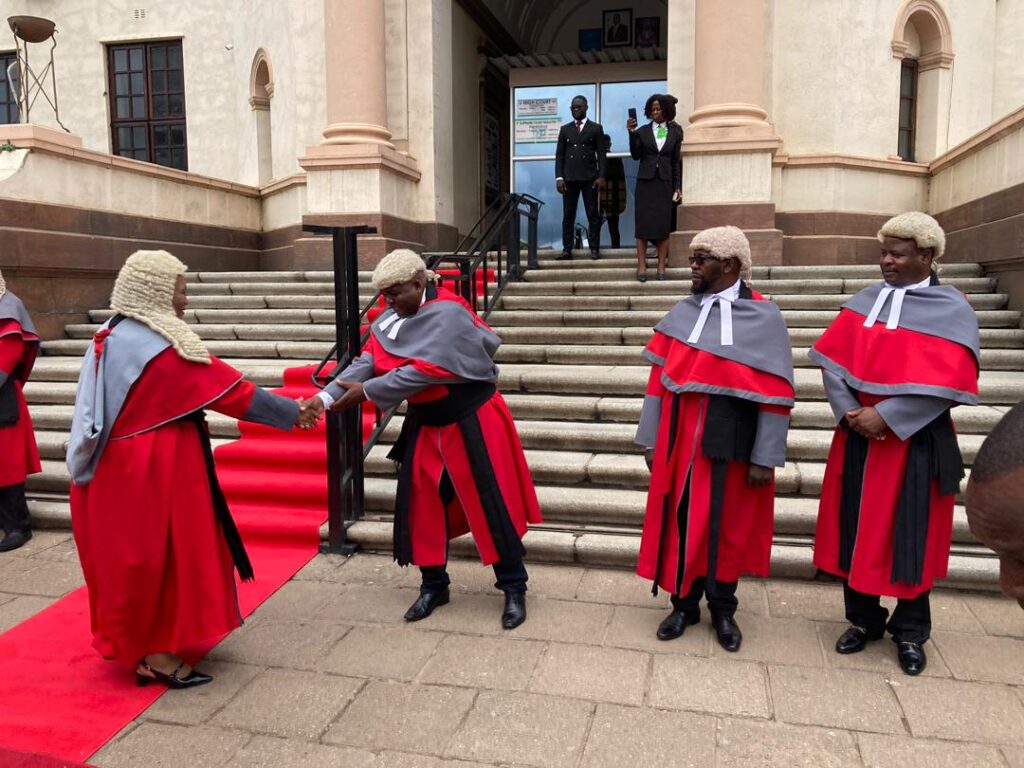
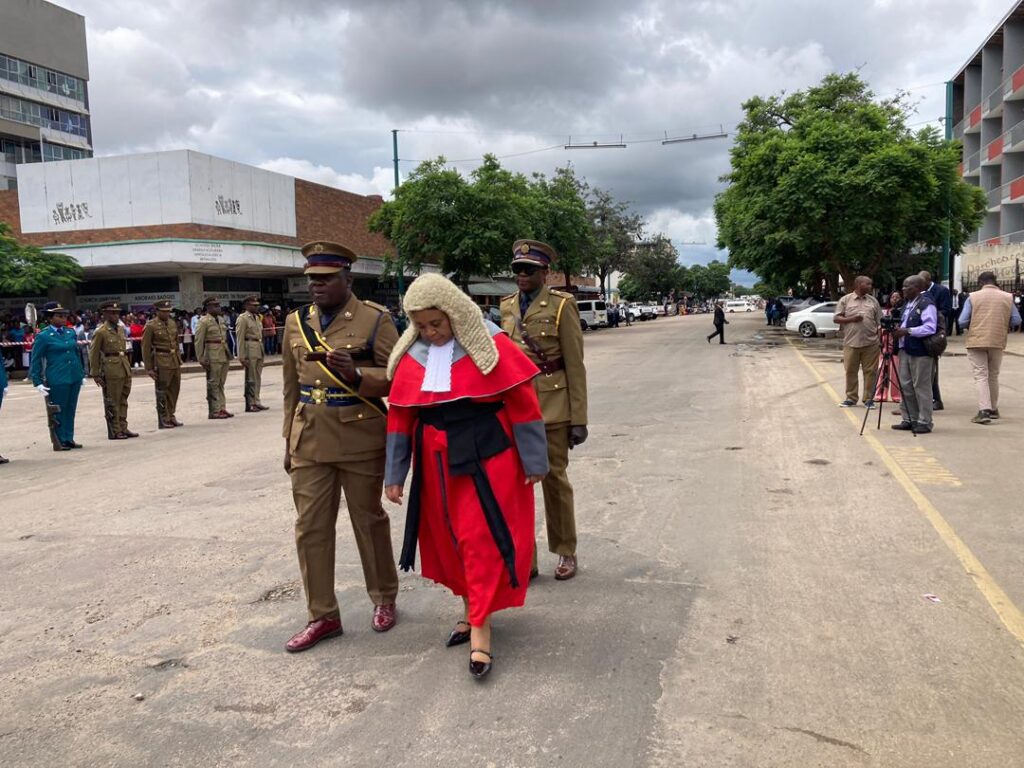
Deputy
Chief
Justice
Elizabeth
Gwaunza
has
commended
judicial
officials
in
Bulawayo
for
handling
a
significant
volume
of
cases
in
2025,
despite
operating
with
a
limited
number
of
judges
and
magistrates.
Speaking
at
the
official
opening
of
the
2026
legal
year
at
the
Bulawayo
High
Court,
Justice
Gwaunza
said
court
statistics
showed
an
increase
in
both
civil
and
criminal
cases
across
all
levels
of
the
justice
system
in
the
city.
She
highlighted
that
the
volume
of
cases
received
exceeded
opening
balances
across
the
superior
and
specialised
courts,
citing
an
active
court-user
population
and
continued
public
confidence
in
the
judiciary.
According
to
statistics
presented
by
DCJ
Gwaunza,
the
magistrates’
courts
in
Bulawayo
handled
over
9
000
criminal
cases
in
2025
alone.
“With
specific
reference
to
criminal
matters
in
the
Bulawayo
Magistrates
Court,
the
year
opened
with
an
opening
balance
of
670
cases.
During
the
period
under
review,
the
court
received
8
870
new
criminal
cases,
bringing
the
total
caseload
to
9
540
matters.
Of
these,
8
670
cases
were
finalised,
resulting
in
a
closing
balance
of
870
cases
at
year
end,”
she
said.
“The
criminal
division
of
the
High
Court
recorded
the
highest
volume
of
cases.
The
court
opened
the
year
with
205
matters
and
received
an
additional
5
883
cases,
bringing
the
total
to
6
088
matters.
“Of
these,
5
911
were
finalised,
leaving
a
closing
balance
of
177
cases.
The
court
in
Bulawayo
received
4
665
criminal
reviews
during
2025.
Out
of
these,
4
598
cases
were
completed,
leaving
a
balance
of
only
67.”
DCJ
Gwaunza
added
that
the
High
Court
civil
and
family
divisions
also
recorded
high
caseloads
during
the
year.
“The
High
Court
Civil
Division
recorded
particularly
heavy
volumes.
It
began
the
year
with
1
966
cases
and
received
1
648
new
matters,
resulting
in
a
caseload
of
3
614.
The
court
finalised
2
909
cases,
leaving
a
balance
of
705,”
she
said.
“The
High
Court
Family
Division
dealt
with
3
047
matters
after
opening
with
1
221
cases
and
receiving
1
826
new
filings.
With
2
486
cases
finalised,
the
closing
balance
stood
at
561.
“This
high
number
of
family-related
matters
show
a
society
increasingly
turning
to
formal
legal
mechanisms
to
resolve
domestic
disputes.”
At
the
Supreme
Court
sitting
in
Bulawayo,
DCJ
Gwaunza
said
the
year
opened
with
33
matters
and
received
224
new
cases,
bringing
the
total
workload
to
257.
Of
these,
204
cases
were
finalised,
leaving
a
closing
balance
of
53.
She
noted
that
the
Labour
Court
also
experienced
increased
activity,
dealing
with
355
cases
and
finalising
276.
Despite
praising
the
resilience
and
diligence
of
judicial
officers
and
support
staff,
DCJ
Gwaunza
warned
that
the
high
workload
was
placing
immense
strain
on
the
limited
number
of
judges
and
magistrates,
with
potential
consequences
for
their
health.
“The
sustained
volume
of
cases
continues
to
place
judicial
officers
under
considerable
strain,
with
potential
implications
for
both
institutional
sustainability
and
individual
well-being,”
she
said.
“The
highly
commendable
performances
by
all
the
judges
and
support
staff
within
the
JSC
as
a
whole
should
not
detract
from
the
reality
that
there
is
a
serious
shortage
of
judges
and
magistrates
in
the
country.
“For
instance
here
in
Bulawayo
there
are
only
seven
High
Court
Judges
who
within
the
course
of
2025
tackled
and
completed
very
high
quantities
of
work.
The
shortage
is
making
the
incumbents
operate
under
unbearable
pressure
and
may
ultimately
affect
not
only
the
quality
of
their
work
but
their
health
as
well.”