This
Supreme
Court
is
deeply
divided
on
issues,
and
the
public
is
more
familiar
with
each
justice
than
ever
before
because
of
social
media.
Publishers
understand
that
audiences
are
invested.
—
Kathleen
Schmidt,
a
publishing
veteran,
in
comments
given
to
the
ABA
Journal,
concerning
Supreme
Court
justices’
forays
into
writing
children’s
books
that
sell
incredibly
well.
“Public
figure/celebrity
children’s
books
make
it
harder
for
non-celebrity
authors
to
publish
children’s
books,”
she
said.
“When
publishers
know
a
big
name
can
be
attached
to
these
books,
they
(rightly)
assume
they
will
sell
well.”
Thus
far,
Justices
Sonia
Sotomayor,
Ketanji
Brown
Jackson,
and
Neil
Gorsuch
have
penned
“kid
lit,”
which
has
earned
them
tens
of
thousands
of
dollars.
Staci
Zaretsky is
the
managing
editor
of
Above
the
Law,
where
she’s
worked
since
2011.
She’d
love
to
hear
from
you,
so
please
feel
free
to email her
with
any
tips,
questions,
comments,
or
critiques.
You
can
follow
her
on Bluesky, X/Twitter,
and Threads, or
connect
with
her
on LinkedIn.
Quick,
name
the
canon
introductory
courses
for
law
students.
Constitutional
Law,
Torts,
Contracts,
Criminal
Law,
Civil
Procedure,
Property,
and
Legal
Writing.
Did
you
get
them
all?
Great!
Unless
you’re
planning
to
start
your
legal
career
at
Mississippi
College
School
of
Law.
Recently,
Justice
Sotomayor
advised
law
students
to
master
AI
before
they
graduate.
Once
optional,
Mississippi
law
students’
grades
will
now
depend
on
their
rapid
adoption
of
artificial
intelligence.
Huff
Post
has
coverage:
Mississippi
College
School
of
Law
is
one
of
the
first
schools
in
the
nation
to
tackle
the
growing
influence
of
artificial
intelligence
in
jurisprudence
by
making
AI
education
mandatory
for
all
students.
For
John
Anderson,
dean
of
the
school,
the
goal
is
to
train
law
students
“to
use
the
technology
effectively,
efficiently,
and
ethically
and
avoid
a
lot
of
the
headlines
that
you’ve
seen
already
where
lawyers
take
shortcuts
by
using
these
technologies.”
MC
is
the
first
law
school
in
the
Southeast
to
require
all
students
to
complete
an
AI
course.
While
the
school
has
other
AI
classes,
a
general
course
is
now
mandatory
for
all
first-year
students.
Many
schools
in
the
T14
moved
to
incorporate
Harvey
as
an
option
for
law
students,
but
they’ve
(as
far
as
we
know)
left
its
adoption
up
to
the
students’
discretion.
Mississippi
trained
their
students
using
Wickard
AI.
The
dean
is
right
to
warn
students
that
shoddy
work
and
AI
make
for
great
headlines
and
career
damage
—
just
remain
cautious,
you
don’t
want
to
become
so
dependent
on
the
service
that
you
miss
out
on
the
grunt
work
that
makes
you
think
like
a
lawyer.
Getting
the
Palsgraf
holding
from
a
Quimbee
summary
might
be
enough
to
get
you
through
a
cold
call
or
the
points
you
need
for
an
essay
question,
but
personally
parsing
through
difficult
text
for
extended
periods
of
time
is
a
hard-won
skill
that
will
serve
you
in
the
long
run.
You
will
have
to
do
the
work
on
your
own
at
some
point.
After
all,
running
your
client’s
information
through
some
LLMs
can
be
enough
to
void
attorney-client
privilege.
This
is
the
sort
of
obvious
stuff
that
should
be
covered
in
the
class,
but
what’s
the
harm
in
reinforcing
the
lessons
you
picked
up
from
a
two-day
course?
Best
of
luck
forced
guinea
pigs,
early
adapters!
Make
the
most
of
your
legal
education
and
try
to
stay
sane
in
the
process.
I’d
say
that
generally,
but
the
advice
takes
a
more
clinical
tone
when
it
comes
to
regular
AI
use.
Chris
Williams
became
a
social
media
manager
and
assistant
editor
for
Above
the
Law
in
June
2021.
Prior
to
joining
the
staff,
he
moonlighted
as
a
minor
Memelord™
in
the
Facebook
group Law
School
Memes
for
Edgy
T14s
.
He
endured
Missouri
long
enough
to
graduate
from
Washington
University
in
St.
Louis
School
of
Law.
He
is
a
former
boat
builder
who
is
learning
to
swim
and
is
interested
in
rhetoric,
Spinozists
and
humor.
Getting
back
in
to
cycling
wouldn’t
hurt
either.
You
can
reach
him
by
email
at
[email protected]
and
by
Tweet/Bluesky
at @WritesForRent.
It
started
with
Harvey,
the
legal
AI
company
that
signed
Gabriel
Macht
–
the
actor
who
played
Harvey
Specter
on
Suits
–
as
a
brand
ambassador.
Then
Legora
one-upped
everyone
by
signing
the
actor
Jude
Law,
building
a
whole
campaign
around
the
tagline,
“Law
just
got
more
attractive,”
and
shooting
the
thing
with
an
Oscar-winning
cinematographer.
Harvey
also
locked
up
deals
with
Paris
Saint-Germain
and
Fulham
FC.
Legora
countered
with
Swedish
golfer
Ludvig
Åberg
and
a
multi-year
sponsorship
deal
with
the
New
York
Yankees
and
Aaron
Judge.
Yes,
Aaron
Judge.
Which
means
Legora
managed
to
sign
both
a
Law
and
a
Judge
in
the
span
of
a
single
week.
At
this
rate,
it
will
have
a
full
courtroom
of
sponsors
in
no
time.
Not
to
be
left
out,
the
rest
of
the
legal
tech
industry
is
surely
scrambling
to
find
their
own
celebrity
names
with
a
legal
hook.
Thus,
as
a
public
service,
I
have
taken
it
upon
myself
to
compile
this
handy
list
of
celebrities
whose
monikers
make
them
natural-born
legal
tech
spokespeople.
You’re
welcome.
Lawyer
Milloy,
former
NFL
safety.
With
an
actual
first
name
of
Lawyer,
this
one
is
almost
too
easy.
A
four-time
Pro
Bowl
selection,
Super
Bowl
champion
with
the
Patriots,
and
a
15-year
NFL
veteran,
Milloy
was
known
on
the
gridiron
for
delivering
bone-crushing
hits.
With
that
kind
of
reputation,
the
marketing
copy
writes
itself:
“With
Lawyer
on
your
side,
opposing
counsel
doesn’t
stand
a
chance.”
Derek
Law,
MLB
pitcher.
A
journeyman
reliever
over
nearly
a
decade
in
the
majors,
Law
was
the
kind
of
dependable
arm
a
manager
could
call
on
in
high-pressure
situations.
Sound
familiar?
That
is
basically
the
pitch
for
every
legal
AI
tool
on
the
market.
Even
better,
his
teammates
called
him
“Lawdog”
and
he
used
that
nickname
on
his
jersey
during
the
2019
MLB
Players’
Weekend.
What
legal
tech
vendor
wouldn’t
want
to
claim
it
has
the
Lawdog
on
its
team?
Courtney
Love,
musician.
As
if
having
“court”
in
her
name
were
not
enough,
the
unfortunate
fact
is
that
the
Hole
frontwoman
and
widow
of
Kurt
Cobain
has
spent
as
much
time
in
courtrooms
over
the
years
as
some
practicing
attorneys.
Sure,
she
was
there
as
a
a
party,
not
a
lawyer,
but
it’s
the
experience
that
counts.
Possible
slogan
for
having
her
front
a
campaign
for
a
legal
tech
company:
“Fall
in
love
with
Court
again.”
Victoria
Justice,
actress
and
singer.
The
former
Nickelodeon
star
brings
a
massive
social
media
following
(more
than
24
million
on
Instagram
alone)
and
a
squeaky-clean
image
that’s
tailor-made
for
legal
tech
marketing.
“Justice”
is
right
there
in
the
name,
and
her
fan
base
skews
young
–
perfect
for
a
company
trying
to
target
the
next
generation
of
lawyers.
A
possible
tagline:
“Justice
for
all
–
powered
by
AI.”
Acie
Law
IV,
former
NBA
guard.
After
four
seasons
in
the
NBA,
Law
went
on
to
win
two
EuroLeague
championships
with
Olympiacos
in
Greece
and
then
a
career
as
an
NBA
exec.
But
here
is
all
you
really
need
to
know:
This
man
has
a
tattoo
that
says,
“Lord’s
Favorite
Lawman.”
If
a
legal
tech
company
doesn’t
sign
him
immediately,
the
entire
marketing
profession
has
failed.
Note
to
legal
research
companies:
He
even
comes
with
“precedent”
–
his
name
spans
four
generations
of
Acie
Laws.
Mark
Justice,
Magic:
The
Gathering
champion.
The
first
superstar
of
professional
Magic,
Justice
was
the
1995
U.S.
National
Champion
and
was
widely
considered
the
best
player
in
the
world.
For
a
legal
tech
company
marketing
to
a
customer
base
that
skews
heavily
towards
detail-obsessed
analytical
thinkers,
signing
the
original
card-game
tactician
would
be
a
coup.
Unfortunately,
there
is
the
little
matter
of
Justice’s
disqualification
from
a
Pro
Tour
for,
let’s
say,
“procedural
irregularities.”
But,
come
to
think
of
it,
that
might
only
make
him
more
suited
as
a
legal
industry
figure.
Matthew
Justice,
professional
wrestler.
In
the
ring,
Justice’s
signature
moves
include
“Air
Justice”
and
the
“Justice
Driver,”
and
his
nickname
is
“Thrash
Justice.”
A
legal
tech
company
that
puts
this
Justice
in
an
ad
is
making
a
very
specific
statement
about
the
capabilities
of
its
product.
Lauren
Justice,
singer.
A
pop
recording
artist
who
performs
simply
as
“Justice,”
her
2012
debut
single,
“Find
a
Way,”
reached
No.
30
on
the
Billboard
Indicator
Chart.
For
a
legal
tech
company,
“Find
a
Way”
is
a
perfectly
on-brand
song
title
that
could
easily
double
as
a
tagline
for
an
AI-powered
legal
research
tool.
“When
you
can’t
find
the
precedent
you
need,
Justice
will
find
a
way.”
Judge
Reinhold,
the
actor
from
Beverly
Hills
Cop
and
Fast
Times
at
Ridgemont
High.
His
name
isn’t
actually
Judge
(it’s
Edward),
but
he’s
been
“Judge”
his
whole
career.
He
even
parodied
it
on
both
the
Clerks
and
Arrested
Development
TV
shows,
where
he
played
the
character
“Honorable
Judge
Reinhold.”
I
mean,
clearly
he
gets
it.
Two
‘Spiritual’
Possibilities
Two
other
well-known
names
would
be
perfect
candidates
to
endorse
legal
products,
if
not
for
the
inconvenient
fact
of
their
both
having
moved
“to
the
cloud.”
But
with
a
little
AI
deep-fake
magic,
either
could
easily
be
revived.
Buford
T.
Justice,
the
fictional
sheriff
from
Smokey
and
the
Bandit.
Jackie
Gleason,
the
actor
who
played
Justice,
died
in
1987.
Still,
licensing
the
character
for
a
legal
tech
campaign
would
be
inspired.
After
all,
Sheriff
Justice
spent
three
entire
movies
in
an
obsessive
pursuit
of
a
suspect
across
state
lines,
refusing
to
give
up
despite
every
conceivable
setback.
Doesn’t
the
best
legal
tech
help
lawyers
overcome
setbacks
and
obsessively
pursue
their
goals?
Jerry
Springer,
former
host
of
Judge
Jerry.
Springer,
who
died
in
2023,
and
who
actually
had
a
law
degree,
spent
the
final
years
of
his
TV
career
presiding
over
a
syndicated
courtroom
show.
Before
that,
he
hosted
28
seasons
of
the
eponymous
(and
notorious)
daytime
talk
show
once
called
“the
worst
show
in
the
history
of
television.”
Springer
would
be
the
ultimate
legal
tech
spokesperson,
a
man
who
could
credibly
say:
“I’ve
seen
every
dispute
imaginable
–
and
trust
me,
this
software
would
have
helped.”
So
look,
legal
tech
companies,
the
clock
is
ticking.
If
you’re
still
relying
on
product
demos
and
white
papers
to
differentiate
your
brand,
I’m
sorry
to
inform
you
that
your
competitors
are
now
deploying
Hollywood
A-listers
and
Pro
Bowl
safeties.
The
name
game
is
on.
I’ll
be
here
to
consult
when
you
need
me.
And
my
fee
is
much
lower
than
Jude
Law’s.
There
is
a
certain
dark
comedy
in
watching
the
law
firm
that
advises
OpenAI
on
its
“safe
and
ethical
deployment”
of
artificial
intelligence
rush
to
the
federal
bankruptcy
docket
seeking
leniency
after
realizing
they’ve
filed
a
lengthy
brief
riddled
with
AI
hallucinations.
It
doesn’t
matter
where
on
the
Am
Law
100
food
chain
you
are,
the
AI
psychedelic
experience
can
come
for
anyone
who
lets
their
editorial
standards
slip.
In
a
letter
dated
Saturday,
Sullivan
&
Cromwell
partner
Andrew
Dietderich
wrote
Chief
Bankruptcy
Judge
Martin
Glenn
of
the
Southern
District
of
New
York
a
letter
that
will
live
forever
in
the
Biglaw
Hall
of
Hilarity.
Dietderich
informed
the
court
that
he
had
learned
on
Thursday
that
the
firm’s
emergency
motion
in
the
Chapter
15
case
of
Prince
Global
Holdings
—
the
BVI-incorporated
husk
of
a
Cambodian
forced-labor
scam
conglomerate
—
had
gotten
high
on
its
own
supply
of
AI
tools.
The
inaccuracies
and
errors
in
the
Motion
include
artificial
intelligence
(“AI”)
“hallucinations.”
“Hallucinations”
are
instances
in
which
artificial
intelligence
tools
fabricate
case
citations,
misquote
authorities,
or
generate
non-existent
legal
sources.
We
deeply
regret
that
this
has
occurred.
The
Firm
maintains
comprehensive
policies
and
training
requirements
governing
the
use
of
AI
tools
in
legal
work.
These
safeguards
are
designed
to
prevent
exactly
this
situation.
The
Firm’s
policies
on
the
use
of
AI
were
not
followed
in
connection
with
the
preparation
of
the
Motion.
In
addition,
the
Firm
has
general
policies
and
training
requirements
for
the
proper
review
of
legal
citations.
Regrettably,
this
review
process
did
not
identify
the
inaccurate
citations
generated
by
AI,
nor
did
it
identify
other
errors
that
appear
to
have
resulted
in
whole
or
in
part
from
manual
error.
We
hear
a
lot
about
the
“safeguards”
that
lawyers
put
up
around
AI,
but
at
the
end
of
the
day
it
feels
like
empty
PR
talk
for
“we
like
to
think
we’re
editing
what
we
send
out
the
door.”
Which,
in
fairness,
is
the
ultimate
safeguard.
There
are
great
tools
out
there
designed
to
reduce
the
risk
of
a
pernicious
hallucination.
And
these
tools
will
give
lawyers
a
leg
up
when
it
comes
to
tamping
down
errors
early.
But
there’s
no
substitute
for
a
junior
having
to
print
up
the
cases
and
do
the
meticulous
checking…
and
then
the
midlevel
doing
the
exact
same
thing.
That’s
the
manual
review
process
the
letter
references.
It’s
inefficient,
but
perfection
isn’t
intended
to
be
cheap
and
easy.
That
is,
in
fact,
why
someone
hires
Sullivan
&
Cromwell
in
the
first
place.
Dietderich
goes
on
to
explain
at
some
length
—
the
firm
has
a
whole
program.
Two
required
training
modules.
Tracked
completions.
Office
Manual
language
instructing
lawyers
to
“trust
nothing
and
verify
everything.”
Policies!
Mandatory
training!
Verification
requirements!
And
yet.
This
is
what
we’re
talking
about
when
we
say
AI
is
in
the
process
of
making
lawyers
dumber.
In
the
earliest
days
of
AI,
it
was
easy
to
put
all
the
blame
on
the
human
lawyers
failing
to
maintain
best
editing
practices.
But
as
the
technology
advances
and
AI
providers
boast
that
they’ve
automated
more
and
more
steps
in
the
process,
the
human
can
enter
the
workflow
later
in
the
game
and
that
can
subconsciously
undermine
the
editing
approach.
We
don’t
know
how
automated
the
S&C
workflow
is,
but
it’s
all
a
continuum
—
once
AI
joins
the
workflow,
the
clock
starts
ticking
on
someone
looking
at
fully
artificially
generated
work
product
and
taking
a
slightly
lighter
red
pen
to
the
output.
Before
long,
that’s
going
to
miss
something.
Schedule
A
to
the
letter
catalogs
the
damage
across
the
motion,
the
verified
petition,
the
joint
administration
motion,
the
scheduling
motion,
and
a
couple
of
declarations
—
roughly
40
corrections.
Some
substantive,
some
less
so,
all
embarrassing.
The
fixes
include
wrong
pin
cites,
wrong
volume
numbers,
parenthetical
quotes
that
just…
aren’t
in
the
cases.
Build
all
the
AI
policies
you
want,
but
there
is
no
substitute
for
having
a
human
—
preferably
multiple
humans
—
print
everything
out,
take
a
ruler
and
a
red
pen,
and
go
line
by
line
cross-checking
everything.
It’s
tedious
work
for
the
lawyers
and
expensive
work
for
the
clients,
but
it’s
better
than
having
to
write…
this
letter.
This
is
not
a
Sullivan
&
Cromwell
problem.
This
is
a
profession
problem.
We
have
been
covering
AI
hallucination
sanctions
cases
so
relentlessly
that
Damien
Charlotin
has
now
catalogued
over
a
thousand
of
them.
Tools
like
BriefCatch’s
RealityCheck
exist
specifically
because
firms
can’t
be
trusted
to
run
this
validation
themselves.
The
problem
cuts
across
the
law
firm
equivalent
of
class
lines.
It’s
not
just
overwhelmed
solo
practitioners
or
overeager
mid-tier
firms
looking
to
punch
above
their
weight.
Every
firm
will
deal
with
this
soon
enough.
They
can
either
accept
that
using
AI
on
the
front
end
doesn’t
alleviate
the
back
end
labor
or
they
can
accept
writing
letters
to
judges
after
the
fact.
One
last
thing.
The
errors
in
the
Chissick
Declaration
include
Bluebook-style
corrections
to
citations
of
Amnesty
International
and
UN
human
rights
reports
about
forced
labor
and
trafficking
in
Cambodia.
Those
aren’t
AI
hallucinations,
but
the
simple
human
mistakes
that
arise
from
embracing
the
unhinged
rules
memorialized
in
the
Bluebook.
But
they
are
a
reminder
of
what
this
case
is
actually
about:
people
held
behind
barbed
wire
and
forced
to
run
pig-butchering
scams.
The
JPLs
are
trying
to
trace
billions
of
dollars
in
crypto
to
make
victims
whole.
They
need
a
recognition
order
to
do
it.
And
they
lost
a
couple
of
weeks
of
runway
because
S&C
didn’t
check
its
work.
As
part
of
the
Legal
Marketing
Association’s
(LMA’s)
partnership
with
Above
the
Law,
we
round
up
insights
and
intel
from
Strategies
&
Voices,
LMA’s
official
online
publication
dedicated
to
the
craft
of
legal
marketing.
This
edition
provides
a
closer
look
at
how
law
firms
can
navigate
messaging
in
a
politically
charged
landscape,
practical
tips
to
make
your
culture
a
competitive
advantage,
and
what
it
really
means
to
blend
human
judgement
with
AI
in
today’s
market.
Law
Firm
Messaging
in
a
Politically
Charged
World:
Why
Values
and
Clarity
Matter
(By
Gina
Rubel)
Law
firms
that
once
advocated
for
the
Mansfield
Rule
are
now
navigating
a
landscape
where
even
neutral
inclusion
efforts
can
be
recast
as
a
risk.
By
grounding
your
messaging
in
values
that
reinforce
stability
and
credibility,
you
can
avoid
pitfalls
of
silence
and
wade
through
changing
waters.
Making
Your
Culture
a
True
Differentiator
(By
Lise
Anne
Schwartz)
Firms
are
recognizing
that
culture
is
no
longer
a
soft
accessory
but
a
true
market
differentiator
that
clients
weigh
as
heavily
as
expertise.
These
practical
tips
can
help
your
firm
move
from
generic
descriptors
to
real
behaviors
and
human
stories
that
earn
greater
trust.
The
Push
and
Pull
of
AI
in
Legal:
Where
It’s
Effective
and
Where
Human
Touch
Is
Needed
(By
LMA
International)
For
some,
the
pace
of
advancement
of
AI
in
legal
feels
overwhelming.
For
others,
it
presents
an
opportunity
to
elevate
firm
competitiveness,
strengthen
client
relationships
and
prepare
lawyers
for
a
collaborative
future
with
technology.
From
entering
students’
LSAT
scores
and
graduates’
employment
statistics
right
down
to
the
number
of
books
housed
in
their
libraries,
just
about
everything
having
to
do
with
law
school
is
ranked,
so
it’s
high
time
that
we
rank
law
school
buildings.
An
impressive
law
school building definitely
isn’t
as
important
as
a
law
school
that
will
help
students
get
impressive jobs,
but
if
students
have
to
spend
three
years
of
their
lives
in
that
building
and
pay
upwards
of
six
figures
in
debt-financed
dollars
to
be
there,
it
better
be
nice.
Did
your
school
make
the
list
of
the
best
law
school
buildings
in
the
country?
The
National
Jurist’s preLaw
Magazine recently
released
its
ranking
of
the
best
law
buildings,
highlighting
not
just
the
way
the
schools
look,
but
the
way
they
support
how
students
study,
collaborate,
and
train
for
their
future
careers.
Here’s
the
methodology
that
was
used:
We
look
at
aesthetics
(50%),
square
feet
per
student
(10%),
library
hours
and
seating
seats
per
student
(15%),
amenities,
including
dining,
fitness
and
lockers
(15%);
and
parking,
sustainability
and
other
factors
(10%).
Without
further
ado,
according
to
preLaw
Magazine,
these
are
the
top
10
best
law
school
buildings
in
America:
University
of
Utah
University
of
Memphis
Drake
University
Brigham
Young
University
University
of
Michigan
University
of
Nevada-Las
Vegas
Quinnipiac
University
Marquette
University
University
of
Kentucky
University
of
Connecticut
Congratulations
to
Utah,
which
earned
the
top
spot
on
this
list
for
its
“design,
modern
technology,
and
a
wide
range
of
study
environments.”
It’s
worth
noting
that
only one of
the
U.S.
News
top
14
law
schools
made
the
top
10
in
this
ranking
(Michigan),
with
only
one
more
top
school
making
its
way
to
the
top
20
(Duke,
which
came
in
at
No.
19).
We
need
to
scroll
down
further
to
find
some
of
the
most
elite
schools
in
the
nation,
like
Stanford
(No.
30),
Yale
(No.
32),
and
UVA
(No.
35).
Harvard,
expelled
from
the
top
5
of
the
U.S.
News
ranking,
has
the
lowest
ranking
for
a
top
law
school
on
this
list,
finding
itself
at
No.
44.
Click here to
see
the
full
list
from
preLaw
Magazine,
and
congratulations
to
all
of
the
law
schools
that
made
the
cut
for
inclusion
in
the
ranking
this
year.
Staci
Zaretsky is
the
managing
editor
of
Above
the
Law,
where
she’s
worked
since
2011.
She’d
love
to
hear
from
you,
so
please
feel
free
to email her
with
any
tips,
questions,
comments,
or
critiques.
You
can
follow
her
on Bluesky, X/Twitter,
and Threads, or
connect
with
her
on LinkedIn.
Kash
Patel’s
massive
lawsuit
against
The
Atlantic
asserts
dubious
defamation
claims,
but
could
it
also
be…
AI
slop?
The
$250
million
complaint
filed
in
D.C.
federal
court
—
a
necessity
to
avoid
the
anti-SLAPP
laws
that
would
almost
certainly
make
this
a
financial
albatross
for
Patel
down
the
road
—
largely
underwhelmed.
Irrelevant
preening,
misspellings,
and
a
complete
disregard
for
the
looming
“actual
malice”
roadblock
made
the
complaint
look
less
like
a
serious
defamation
claim
and
more
a
desperate
performative
plea
to
convince
Donald
Trump
that
Patel
is
“a
fighter”
who
doesn’t
deserve
to
be
kicked
to
the
curb
like
so
many
other
scandal-plagued
administration
officials.
Big
Lie
lawyer
Jesse
Binnall
—
who
launched
this
case
by
promptly
publicizing
allegations
that
The
Atlantic
did
NOT
actually
print,
exposing
his
own
client
to
claims
they
contend
are
defamatory
—
managed
to
get
the
lawsuit
filed
first
thing
on
Monday.
While
we
focused
on
the
flimsy
legal
claims
and
embarrassing
strategic
choices,
Caroline
Stout
locked
in
on
some
curious
phrasing:
This
rhetorical
device,
which
I
call
“Digiorno
Parallelism”
as
in
“it’s
not
delivery;
it’s
Digiorno,”
ranks
among
the
more
infamous
signs
of
AI.
It’s
not
fair
to
blame
AI
every
time
you
run
across
this
construction
—
just
like
not
every
em-dash
is
computer-generated
—
but
it
doesn’t
inspire
a
lot
of
confidence
in
human
authorship.
You
might
assume
—
as
I
did
—
that
AI
is
not
dumb
enough
to
use
words
like
“feable”
or
“politices,”
two
prominent
misspellings
in
the
complaint,
and
presume
that
indicates
human
writing.
While
it
might
prove
to
be
human
slop,
those
errors
are,
as
I
discovered,
the
rare
sorts
of
misspellings
AI
can
make.
Most
humans
would
misspell
“feeble”
by
leaving
out
an
“e,”
but
LLMs
are
more
prone
to
make
phonetic
spelling
errors,
such
as
imagining
a
“fea-”
opening.
Likewise,
“politices”
is
the
sort
of
token
sequence
confusion
an
LLM
can
fall
prey
to,
especially
in
a
complaint
that
bounces
between
politics
and
policies.
That
said,
humans
definitely
wrote
some
of
this
complaint.
Most
AI
products
understand
the
legal
process
well
enough
not
to
litter
the
text
with
gratuitous,
irrelevant
editorializing.
There
are
too
many
asides
like
suggesting
the
reporter
wasn’t
“a
minimally
competent
journalist,”
or
other
bush
league
flourishes
that
AI
would
be
too
professional
to
include
unprompted.
Still,
Stout’s
observation
got
me
looking
at
the
text
and
finding
more
and
more
quirky
language.
So
I
decided
to
run
the
whole
complaint
through
an
AI
detector
to
see
what’s
up.
What
does
TextGuard
have
to
say:
Now,
recently
an
AI
detector
decided
that
Mary
Shelley’s
Frankenstein
was
likely
AI-generated,
so
take
these
findings
with
the
appropriate
margarita
rim
of
salt.
Complaints
are
stylized
documents,
and
it’s
easy
for
a
detector
to
confuse
their
repetition
for
an
LLM.
But
even
if
the
lawyers
used
AI
to
create
a
draft
complaint…
there’s
nothing
necessarily
wrong
with
that!
It’s
not
a
party
foul
to
use
AI
tools
to
generate
a
complaint
under
time
pressure
—
even
if
the
time
pressure
in
this
case
was
entirely
self-imposed
by
a
client
hoping
to
seize
the
narrative
upper
hand.
Complaints
(should
be)
relatively
mechanistic,
making
them
prime
candidates
for
AI
collaboration.
Frankly,
AI
could
help
an
overeager
human
lawyer
from
allowing
zealous
bloviating
take
over
the
cold,
formal
tone
plaintiffs
should
aspire
to
bring
to
their
complaints.
As
long
as
the
user
doesn’t
go
back
and
tell
the
algorithm
to
punch
up
the
vitriol.
Purists
may
cringe
at
some
of
the
AI-isms
—
and
human
editors
should
be
vigilant
in
weeding
them
out
—
but
AI
will
increasingly
be
a
fixture
of
the
lawyer
workflow.
If
Patel’s
lawyers
weren’t
using
it,
they
were
sacrificing
efficiency.
An
AI
complaint
isn’t
creating
a
lot
of
the
mischief
we
associate
with
AI.
Ideally,
it’s
derived
from
a
clear
timeline
and
documented
facts,
just
rearranged
into
a
standard
format.
That’s
where
AI
typically
shines,
if
the
user
will
let
it.
It’s
not
like
a
complaint
includes
any
hallucinated
law.
Unless
you
count
whatever
Binnall
read
that
made
him
think
he
could
clear
the
actual
malice
hurdle
with
“[n]umerous
Atlantic
pieces
over
the
past
two
years
have
characterized
Director
Patel
as
unqualified,
dangerous,
corrupt,
or
mentally
unstable.”
Because
that
case
very
much
does
not
exist.
For
a
profession
whose
business
model
is
still
primarily
the
billable
hour,
the
work
process
to
feed
the
model
could
not
be
any
more
clunky.
Or
prone
to
produce
errors,
miscommunications, and
write-offs.
And
it
is
ripe
for
effective AI disruption.
Think
about
the
process.
It
depends
at
the
outset
on
a
professional
stopping
what
they
are
doing
and
entering
the
time
spent
and (hopefully) a
comprehensible
description
of
what
was
done.
When
you
are
recording
time
on
a
6-minute
increment,
the
recording
of
the
time
spent
could
take
more
time
than doing
the
work
that’s being
recorded.
So
what
happens:
timekeepers
procrastinate
to
the
end
of
the
day
or
the
end
of
the
week
or
in
some
cases
even
the
end
of
the
month (!) to
try
to
reconstruct
and
record
time. Or
they
hurry
through
it
and
write
the
barest minimum
description. It’s
no
wonder
the
amount
spent
and
the
what
and
why of
the
work done
are all
too
often absent, vague,
or
just wrong.
Add
to
this
that
the
billing
partner,
the
one
responsible
for
getting
the
bills
out,
has
to
review
and
approve
often
vague
and
estimated
time entries
of other timekeepers
they
often know
little
about, potentially compounding
the errors.
But
there’s
more:
most
corporate
and
insurance
clients
have
billing
guidelines
and
requirements
that
have
to
be
met in
order
to
be
paid.
What
can
and
cannot
be
charged.
How
things
must
be
characterized
and
described. These
guidelines
differ
and
sometimes
differ
significantly
from
one
another.
They
are
devilish
to
keep
straight.
And
once
the
bills
are
sent,
many
clients,
especially
insurance
carriers,
use
third-party
vendors
to
review
the
bills
and
look
for
entries
that
are
inconsistent
with
what
the
guidelines
require. When
they
find
them,
they
write
off
that
time.
It’s
a
mess.
But
it’s
just
the
kind
of
work
process
that
AI
tools
ought
to
be
able
to
fix.
And several vendors
are
indeed
trying, as
I have
discussed before. One vendor, Elite,
has recently
focused on
using
AI
to
improve
compliance
with the
multiple billing
guidelines firms
must
satisfy.
Elite’s Validate Tool
Elite
is
a
law
firm
financial
management
and
business
operations
solutions
provider.
At
its
recent
user
conference,
it
announced
a
new
tool
that
may
go
a
long
way
in
making sure billing
guidelines
are
met
and,
indirectly,
fewer
write-offs
by
the third-party reviewers
occur.
The
tool
reviews
the
various
billing
guidelines
and
then
flags
entries
that
appear
to
be noncompliant or
in
the
risk
zone
of
the
relevant
and
applicable guidelines. In
and
of itself this will
save
hours for
both
the
timekeepers and,
perhaps
more
importantly,
the
billing
partner. It
will also reduce
the
risk
of
miscommunication
and
write-offs.
But
more
than
this,
the
tool
will
also
flag
entries
that
suggest
that
what
was
done
was what
Elite
labels
as “doubtful
necessity” and
will
surface
subjective risks
associated
with
the
entries. Moreover,
it
learns
as
it
goes,
further
improving
future
entries.
These
are
important
benefits. I
know
from
experience. In
the
heat
of
trying
to
meet
a
deadline
or in
the
midst
of intense
work,
it’s
easy
to
quickly
record
time
and
offer
a
description
that
says
very
little
or
next
to
nothing
about
why
the
work
was
done.
It
would
certainly
be
comforting
to
have
a
tool that
would tap
you
on
the
shoulder
and
say
you
need
to
say
this
better.
Of
course,
as
with
most
vendor
tools,
I
can’t
vouch
for
how
well
this
tool
will
do
these
things.
But
if
it
does
these
things
well,
it
will
do
three
critical
things
to
improve
the
billing
process.
The
most
obvious
benefit
is
improved compliance
with billing guidelines
and
reduced write-offs. But
it
will
do
two
other
things
that, while more subtle, could nevertheless be substantial.
Improved Client Communications
Lawyers
and
legal
professionals
often
forget
that
bills
are
client communications. Clients
look
at
bills
not
only
to
assess
how
much
time
is
being
spent
but
why
the
work was done
and its importance.
If
an
entry only reads
4.0
hours
for
legal research,
that
tells
the
client
nothing
about
what
the
research
was
for
and,
more
importantly
why it’s
being
done.
Certainly,
bills
are
no
substitute
for
ongoing
discussions with
clients about
strategy
and
work
that’s
needed.
But
vague
and
ambiguous
entries sow
seeds
of
doubt
about
what
the
lawyer
is
doing.
It
breeds
distrust.
It’s
not
only
a
write
down
issue,
it’s
much
more.
So
having
a
tool
like Validate
that
can
help
flag
entries
that
don’t
meet
billing
guidelines
because
they
are
vague
or
where
the
necessity
is
not
clear could help improve
the
overall
relationship.
CombattingThird Party
Write-Offs
Validate
may
also
provide
firms
with
ammunition
to
better
contest inappropriate write
downs. Third-party
reviewers
are
hired
to
find discrepancies with guidelines and
make
cuts
to
legal
bills.
That’s
their
job
and,
as
a
result, they
can
be
quite
aggressive. So often
there
are
questionable
calls
made.
Yet,
it’s
hard
to
question
and
appeal
some
of
these
because
it
takes
more
time
than
it’s
worth. You
tender
a
$5,000
bill
and
the
provider
writes
off
$500.
Your
time
would
be better
spent on
billable
matters that
advance
the
client’s
interest than
spending
the non-billable time
fighting
the
decision.
In
addition,
all
too
often
the
actual
client
doesn’t
want
to
hear any
objection
to
the
write-off
since
proving the
reviewer
wrong
is
difficult. The
issue often falls
in a
gray
area
and
the
law
firm
has
little
evidence to support
its
arguments. Add
to
this
the
fact
that
historically
the
reviewer has, more
often
than
not, been right when
it
concluded that
an
entry
did not
meet
the
guidelines. So
there
is
a
presumption
of
accuracy.
But
with
a
validation
tool
like
Validate,
the
matrix changes.
Law
firms
have something tangible to
support
their
claim
that
an
entry
meets
the
guidelines.
And
that
the
write-off
is
wrong.
Data
and
analysis
versus whining
about
the
injustice
of
it
all. It’s
akin
to
reviewing
the
reviewer
and
keeping
them
honest.
Having
that
kind
of evidence at
your
fingertips
reduces
the
time
needed
for
an
appeal,
making
it
worthwhile. And
by
improving
the entries and
guideline
compliance,
it
gives
the
law
firm
greater credibility when
it
does
question
a
write-off. It
flips
the
switch.
Improved
client
confidence
and
fewer
write-offs.
A
win-win.
The Reality
But even with
these improvements,
there
are
still realities
and
risks. As
with
any
AI
tool,
the
possibility
for
overreliance
is
present.
Blind
reliance
on
what
a
tool
like
Validate
does
without
human
review
can
lead
to
entries
that
don’t
match
what
was
done,
not
because
there
is
anything
wrong
with
the
tool
but
because
it
can’t
know
all
a
human
does
about
the
client
and
the
relationship.
Bills
and
billing
entries
often
require
value
judgment
and
client
understanding
that
an
AI
tool
does
not
have.
And
let’s face
facts,
when
a
client continually complains
about
a
bill and writes
off substantial time,
there
are really
only
a few
options.
You
can
fire
the
client
and
withdraw,
assuming,
if
it’s
a
litigation
matter,
the
court
grants
permission. You
can
conclude
the
matter
and
decide
never
to
represent
the
client
again,
losing
money
in
the
process.
Or
you
can
sue
the
client
which could lead
to
counterclaims, unwanted
disruption, and publicity. The
options
aren’t
pretty. That’s
what
gives
the
client
and
reviewer
leverage.
But
used
correctly,
and
assuming
Validate
does
what
it
says
it
does,
it
will
reduce risk
and
make
for
a
smoother
billing
process. It provides you with
more leverage
in
the
relationship. By
doing so, hopefully you
never
get
to
the
point
of
having
to
make
the choice of
withdrawing
from
the
matter
(assuming
you
can)
or
filing
an
ugly lawsuit.
And
it
will
make
that
dreaded
daily
ritual of recording your time
a
little
less
painful.
Stephen
Embry
is
a
lawyer,
speaker,
blogger,
and
writer.
He
publishes TechLaw
Crossroads,
a
blog
devoted
to
the
examination
of
the
tension
between
technology,
the
law,
and
the
practice
of
law.
If
you’ve
been
paying
attention
to
the
slow-motion
disaster
that
is
Biglaw
recruiting
—
and
we’ve
been
covering
this
mess
for
years
now
—
you
won’t
be
surprised
to
hear
that
yet
another
law
school
is
trying
to
figure
out
how
to
deal
with
this
mess.
This
time
it’s
BYU
Law,
and
they’re
revamping
a
core
part
of
their
curriculum
to
deal
with
law
firms’
increasingly
itchy
hiring
trigger
finger.
The
Provo,
Utah
school
announced
today
that
it
is
shifting
its
Academies
Program
from
the
spring
semester
to
the
fall,
beginning
with
an
October
run
later
this
year.
The
reason
is
exactly
what
you’d
expect:
Biglaw
is
taking
direct
applications
from
1Ls
as
early
as
first
semester,
with
firms
increasingly
locking
in
their
summer
associate
classes
before
first-year
students
have
even
finished
their
first
year
of
coursework.
The
race
to
the
bottom
on
recruiting
timelines
has
gotten
so
bad
that
a
law
school
is
now
reorganizing
a
cornerstone
experiential
program
around
it.
Let’s
be
clear
about
how
we
got
here.
The
state
of
Biglaw
recruitment
has
been
in
flux
since
late
2018,
when
NALP
made
sweeping
changes
to
its
“Principles
and
Standards
for
Law
Placement
and
Recruitment
Activities,”
eliminating
all
the
timelines
and
guideposts
that
served
as
the
foundation
of
entry-level
recruiting.
When
the
rules
are
there
are
no
rules,
you
get
chaos
—
and
chaos
is
what
we
got.
Seven
years
later,
1Ls
are
securing
their
2L
summer
jobs
before
their
1L
summer
jobs,
and
offers
for
summer
associate
positions
that
explode
before
the
first
year
of
law
school
is
even
over
have
become
a
thing.
It’s
madness.
And
it’s
not
just
students
who
are
suffering.
Recruiting
teams
are
pressured
to
engage
early
or
face
the
risk
of
missing
out
on
talent,
forcing
them
to
make
hiring
decisions
with
extremely
limited
data
—
assessing
first-year
students
who
have
only
been
exposed
to
a
handful
of
classes,
often
before
grades,
feedback,
or
professional
experiences
can
provide
meaningful
insight
into
their
potential
fit.
Nobody
wins!
And
yet
the
prisoner’s
dilemma
marches
on.
So
what
is
BYU
Law
doing
about
it?
Rather
than
throwing
up
their
hands,
the
school
is
pivoting.
Its
Spring
2026
Academies
will
run
April
24
through
May
2
and
will
feature
the
largest
slate
in
the
program’s
history
—
10
immersive,
simulation-based
programs
across
major
legal
markets
including
New
York,
Dallas,
Palo
Alto,
Washington
D.C.,
Wilmington,
Salt
Lake
City,
and
Geneva,
Switzerland.
Partners
include
Kirkland
&
Ellis,
Wilson
Sonsini,
Fragomen,
and
Potter
Anderson
&
Corroon,
among
others.
There’s
even
a
new
AI
Law
and
Policy
Academy,
because
of
course
there
is.
But
the
bigger
news
is
the
fall
repositioning.
Beginning
in
October
2026,
the
Academies
will
run
before
recruiting
season
kicks
into
high
gear,
giving
1Ls
exposure
to
practice
areas,
firm
cultures,
and
career
paths
before
they’re
expected
to
make
life-altering
decisions
about
their
careers.
As
Dean
David
Moore
put
it,
the
move
ensures
“our
1L
students
are
better
prepared
to
make
informed
career
decisions
and
to
compete
successfully
in
an
accelerated
hiring
environment.”
“Many
students
count
their
participation
in
an
Academy
as
the
catalyst
behind
the
career
path
they
ultimately
pursue,”
said
Mariah
Christensen,
Academies
program
coordinator.
“By
continuing
the
Academies
program
and
adjusting
it
to
accommodate
the
new
recruiting
timeline,
BYU
Law
demonstrates
its
commitment
to
investing
in
every
student’s
future
success
in
a
rapidly
changing
legal
landscape.”
That’s
a
polite
way
of
saying:
the
system
is
broken,
and
we
have
to
work
around
it.
Worth
noting
—
and
this
is
genuinely
admirable
—
BYU
Law
funds
participation
in
the
Academies
entirely,
meaning
students
aren’t
priced
out
of
experiential
programming
that
could
shape
their
careers.
Law
students
without
lawyers
in
their
families
are
already
disadvantaged
by
the
push
of
recruitment
into
1L
year,
and
financial
barriers
on
top
of
that
would
make
a
bad
situation
worse.
There
have
been
some
small
rays
of
hope
on
the
systemic
front.
Earlier
this
year,
Cooley
took
the
unusual
step
of
intentionally
leaving
half
its
incoming
associate
seats
open
to
fill
later
rather
than
locking
in
its
entire
class
during
the
1L
panic
cycle,
an
admission
of
what
everyone
already
knows:
the
Biglaw
recruiting
system
is
broken.
And
some
firms
have
gotten
creative
in…
less
inspiring
ways.
Sullivan
&
Cromwell
and
Paul
Weiss
reportedly
tapped
upperclass
law
students
with
expense
accounts
to
wine
and
dine
1Ls
on
their
behalf
—
which
is,
shall
we
say,
a
choice.
BYU
Law’s
approach
is
trying
to
inform
and
empower
students
before
they’re
thrown
into
the,
often
overwhelming,
recruitment
morass.
The
Academies
Program
has
twice
been
recognized
by
Bloomberg’s
Innovation
in
Law
Program
since
its
2018
launch,
and
restructuring
it
to
serve
students
better
in
a
chaotic
recruiting
environment
is
exactly
the
kind
of
institutional
responsiveness
that
more
schools
should
be
modeling.
The
broken
system
will
keep
churning.
But
at
least
some
schools
are
trying
to
give
their
students
a
fighting
chance
within
it.
Kathryn
Rubino
is
a
Senior
Editor
at
Above
the
Law,
host
of
The
Jabot
podcast,
and
co-host
of
Thinking
Like
A
Lawyer.
AtL
tipsters
are
the
best,
so
please
connect
with
her.
Feel
free
to
email
her
with
any
tips,
questions,
or
comments
and
follow
her
on
Twitter
@Kathryn1 or
Bluesky
@Kathryn1
It
is
easy
to
frame
this
as
a
transit
pricing
issue.
It
is
not.
It
is
a
liability,
accountability,
and
fairness
issue
hiding
in
plain
sight.
Let’s
start
with
the
basics.
New
Jersey
Transit
estimates
it
will
cost
roughly
$48
million
to
safely
move
tens
of
thousands
of
fans
to
and
from
matches.
At
the
same
time,
FIFA
stands
to
generate
approximately
$11
billion
from
the
tournament.
The
governing
body
of
global
soccer
is,
by
any
measure,
one
of
the
most
commercially
successful
entities
in
sports.
Yet
when
it
comes
to
the
infrastructure
required
to
make
the
event
function,
the
message
appears
to
be:
not
our
problem.
That
framing,
however,
is
incomplete.
Because
this
did
not
happen
by
accident.
It
is
almost
certainly
the
product
of
negotiated
agreements.
New
Jersey
wanted
the
World
Cup.
It
wanted
the
global
spotlight,
the
economic
boost,
and
the
prestige
that
comes
with
hosting
one
of
the
world’s
biggest
events.
And
in
securing
that
opportunity,
it
likely
agreed
to
terms
that
limited
FIFA’s
responsibility
for
infrastructure
costs
like
transportation.
That
matters.
Because
it
shifts
this
from
a
story
about
FIFA
avoiding
responsibility
to
a
more
complicated
reality:
public
officials
made
a
calculated
decision
about
who
would
ultimately
bear
these
costs.
Governor
Mikie
Sherrill
has
taken
the
politically
intuitive
position
that
taxpayers
should
not
subsidize
a
global
event
that
generates
massive
private
revenue.
On
its
face,
that
sounds
right.
But
the
solution
being
floated,
dramatically
increased
fares
for
fans,
raises
a
different
question:
who
exactly
is
being
asked
to
absorb
the
cost
of
this
imbalance?
Because
it
is
not
really
“FIFA
fans.”
It
is
families.
It
is
workers.
It
is
people
who
already
paid
for
tickets,
travel,
and
lodging,
now
being
told
that
access
itself
comes
with
a
premium
toll.
And
in
many
ways,
they
are
being
given
very
little
choice.
For
an
event
of
this
scale,
the
lack
of
transportation
options
is
striking.
Why
are
there
not
more
park-and-ride
locations
beyond
American
Dream
and
Clifton?
Why
are
there
not
more
private
shuttle
operators
allowed
to
enter
the
market
and
set
competitive
pricing?
Why
is
the
system
structured
in
a
way
that
effectively
funnels
attendees
into
a
limited
set
of
public
transit
options
and
then
dramatically
raises
the
cost
of
using
them?
This
is
not
how
people
typically
attend
events
at
MetLife
Stadium.
Under
normal
circumstances,
fans
have
a
range
of
choices.
Here,
those
choices
appear
to
be
constrained
in
ways
that
make
the
pricing
issue
feel
less
like
a
necessity
and
more
like
a
forced
outcome.
That
is
where
the
issue
moves
from
economics
into
something
more
familiar
to
those
of
us
in
the
civil
justice
system.
It
becomes
a
question
of
who
bears
the
burden
when
a
system
is
designed
in
a
way
that
externalizes
its
costs.
We
see
this
all
the
time
in
personal
injury
law.
A
corporation
profits
from
an
activity
but
structures
its
operations
so
that
the
foreseeable
risks
are
borne
by
someone
else.
When
something
goes
wrong,
the
defense
is
almost
always
the
same:
the
costs
were
necessary,
the
system
is
complicated,
the
responsibility
is
diffuse.
Sound
familiar?
Here,
nothing
has
“gone
wrong”
in
the
traditional
sense.
No
accident.
No
injury.
But
the
underlying
structure
is
strikingly
similar.
The
entity
with
the
greatest
control
and
the
greatest
financial
upside
has
managed
to
position
itself
furthest
away
from
the
operational
costs
that
make
the
event
possible.
At
the
same
time,
the
public-sector
response
deserves
scrutiny
as
well.
New
Jersey
operates
with
a
state
budget
approaching
$60
billion.
Against
that
backdrop,
$48
million
in
transportation
costs,
for
an
event
expected
to
generate
significant
economic
activity,
job
creation,
and
global
visibility,
is
not
an
existential
burden.
It
is
a
policy
choice.
Instead,
the
state
has
drawn
a
hard
line
here,
while
routinely
absorbing
or
allocating
funds
for
other
priorities
with
far
less
direct
economic
return.
That
does
not
mean
taxpayers
should
blindly
subsidize
the
World
Cup.
But
it
does
raise
a
fair
question:
why
this
line,
and
why
in
this
way?
Because
what
we
are
really
seeing
is
a
layered
transfer
of
cost.
FIFA
negotiates
to
limit
its
exposure.
The
state
declines
to
absorb
the
expense.
The
burden
drops
to
the
individual,
who
is
given
fewer
alternatives
and
higher
prices.
That
is
not
accountability.
That
is
displacement.
There
is
also
a
longer-term
concern
that
should
not
be
ignored.
When
global
events
normalize
this
kind
of
cost
structure,
it
sets
a
precedent.
Future
host
cities
will
face
the
same
pressures.
Public
agencies
will
enter
negotiations
knowing
that
critical
infrastructure
expenses
may
not
be
covered.
And
the
public
will
increasingly
be
asked
to
bridge
the
gap.
At
some
point,
the
question
becomes
unavoidable:
who
is
the
World
Cup
actually
for?
If
access
to
the
event
requires
not
just
a
ticket,
but
a
willingness
to
absorb
inflated,
event-specific
costs
across
the
board,
the
answer
starts
to
shift.
It
becomes
less
about
a
global
celebration
of
sport
and
more
about
a
premium
experience
for
those
who
can
afford
every
layer
of
entry.
That
is
a
policy
choice,
whether
anyone
wants
to
call
it
that
or
not.
There
is
still
time
to
correct
course.
FIFA
could
absorb
transportation
costs,
or
at
least
share
in
them.
The
state
could
expand
access
points,
open
the
door
to
private
transportation
solutions,
and
treat
mobility
as
part
of
the
event
infrastructure
rather
than
a
bottleneck.
What
should
not
happen
is
the
quiet
acceptance
of
a
model
where
the
most
profitable
actor
and
the
public
sector
both
step
back,
leaving
the
individual
to
carry
the
load.
Because
if
that
model
holds
here,
it
will
hold
elsewhere.
And
eventually,
the $150
train
ride will
not
look
ridiculous
at
all.
It
will
look
normal.





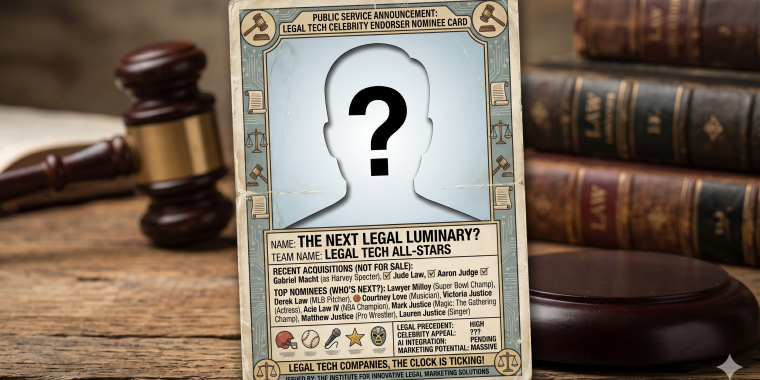
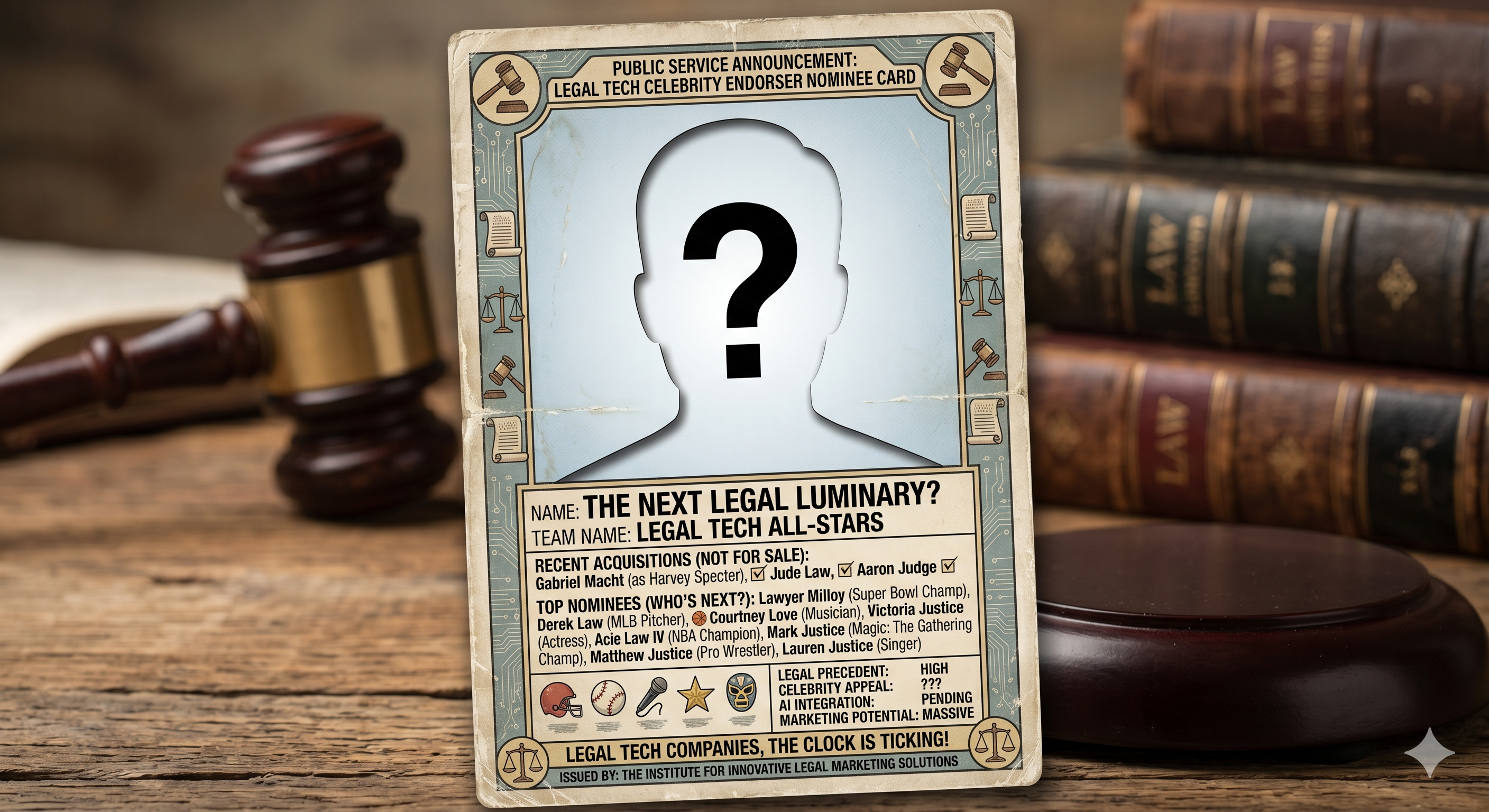

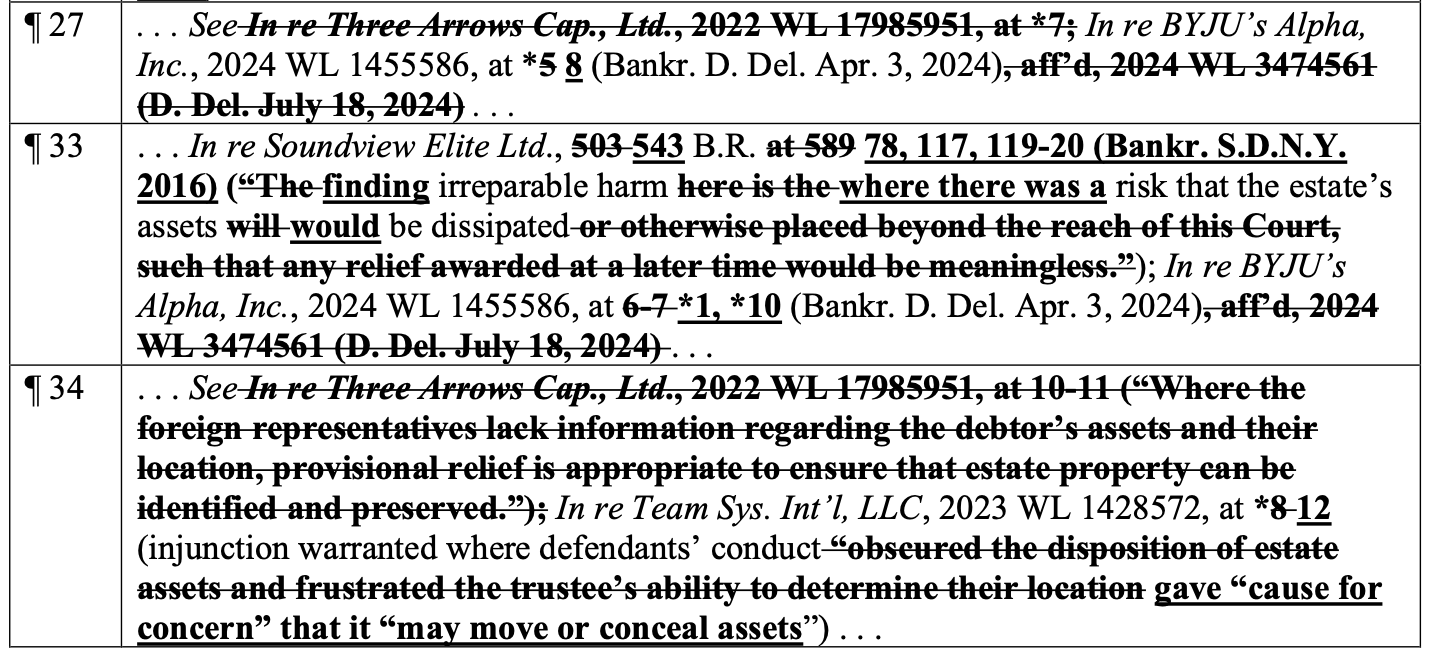





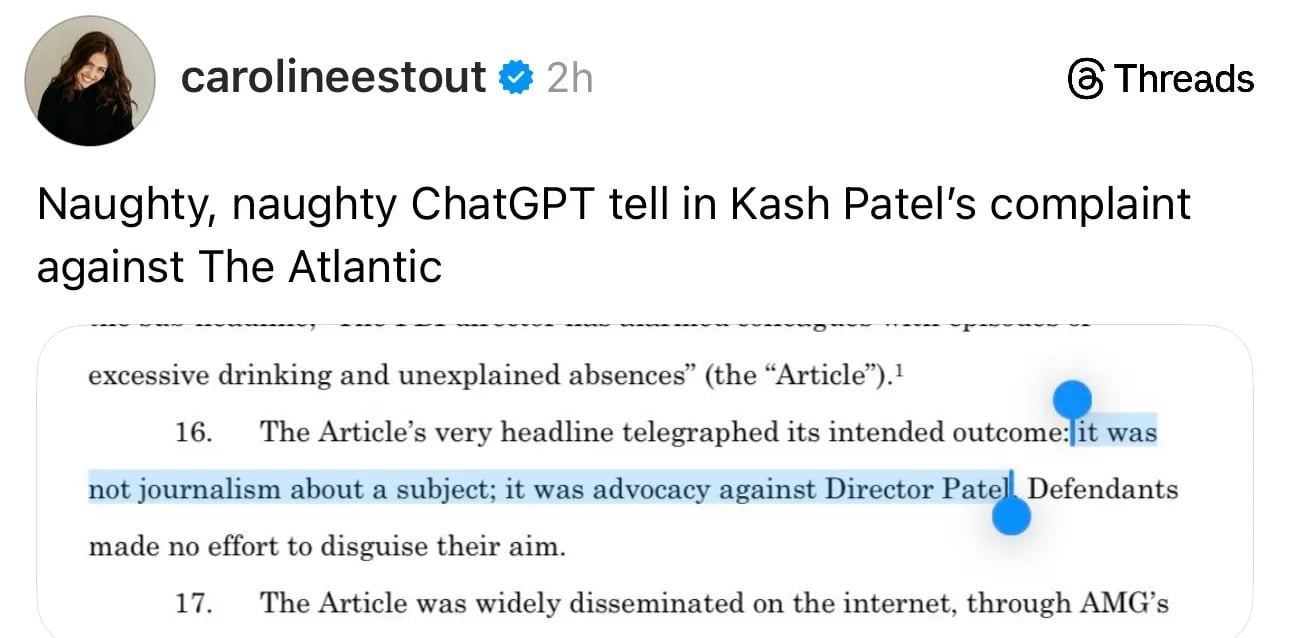
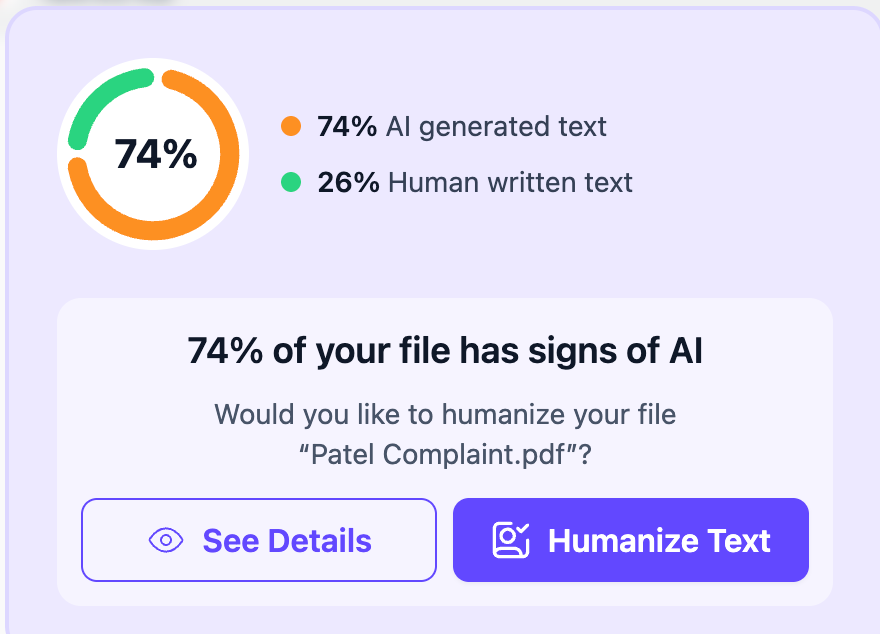



 Kathryn