BULAWAYO
–
Road
traffic
accidents
and
fatalities
rose
sharply
during
the
2025
festive
season,
with
police
recording
nearly
double
the
number
of
crashes
and
a
significant
increase
in
deaths
compared
to
the
same
period
last
year.
According
to
the
Zimbabwe
Republic
Police
(ZRP),
100
people
were
killed
in
road
traffic
accidents
between
December
15
and
26,
2025,
up
from
77
deaths
recorded
over
the
same
period
in
2024.
In
a
statement
released
on
December
29,
the
ZRP
said
a
total
of
2,412
road
traffic
accidents
were
recorded
during
the
12-day
period,
compared
to
1,211
accidents
during
the
same
dates
last
year.
“In
2025,
87
fatal
road
traffic
accidents
were
recorded,
compared
to
65
in
2024,
while
the
number
of
people
killed
stood
at
100,
compared
to
77
during
the
same
period
the
previous
year.
A
total
of
471
people
were
injured,
compared
to
401
in
2024.”
The
figures
show
that
fatal
accidents
increased
by
22
cases
year-on-year,
while
injuries
rose
by
70
compared
to
the
2024
festive
season.
Passengers
accounted
for
the
highest
number
of
deaths
at
44,
followed
by
pedestrians
who
recorded
37
fatalities.
Drivers
accounted
for
10
deaths,
while
four
riders,
three
cyclists,
and
two
people
traveling
in
scotch
carts
were
also
killed.
The
spike
comes
despite
annual
festive
season
road
safety
campaigns
and
heightened
police
presence
on
major
highways.
In
the
2024
festive
period,
police
reported
fewer
crashes
and
deaths,
raising
concerns
that
compliance
with
traffic
laws
has
worsened
this
year.
In
previous
updates,
the
ZRP
has
blamed
speeding,
reckless
overtaking,
drunk
driving,
overloading
and
the
use
of
unroadworthy
vehicles
for
most
serious
crashes
during
peak
travel
periods,
when
traffic
volumes
increase
as
people
travel
to
rural
areas
for
the
holidays.
Police
urged
motorists
and
pedestrians
to
exercise
greater
caution
as
end-of-year
travel
continues,
warning
that
enforcement
operations
will
remain
in
place
in
an
effort
to
stem
further
loss
of
life
on
the
country’s
roads.
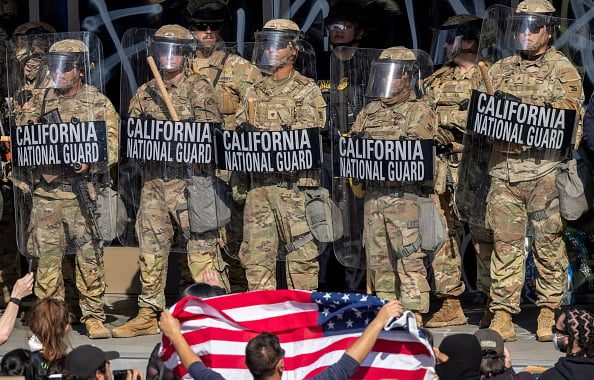
Is
it
legal
for
Donald
Trump
to
seize
control
of
the
National
Guard
to
assist
ICE
over
the
objections
of
state
government?
Probably
not.
Despite
what
the
current
Supreme
Court
might
say,
the
Tenth
Amendment
isn’t
just
for
forced
birthing
after
all.
Is
it
legal
to
send
in
the
Marines?
Even
more
probably
not.
But
Elon
Musk
publicly
posted
that
Donald
Trump
is
in
the
Epstein
files
so
now
we’ve
got
to
have
martial
law
to
change
the
headlines.
Sorry,
that’s
just
how
the
world
works!
Trump’s
current
justification
for
the
move
—
though
it’s
worth
noting
this
administration
plays
whack-a-mole
with
legal
arguments
all
the
time,
so
this
may
not
last
—
is
that
protesting
ICE
disappearing
people
from
their
workplaces
amounts
to
a
“rebellion
or
danger
of
rebellion.”
The
specific
statutory
justification,
for
now,
falls
short
of
the
full
fall
of
Weimar
wet
dream
that
is
the
Insurrection
Act.
As
is,
the
troops
can
only
support
ICE
and
not
actively
police
protests.
Either
way
though,
it
still
seems
that
the
LA
protests
fall
well
short
of
a
rebellion
since
most
rebellions
notably
boast
less
line
dancing.
However,
it’s
exciting
times
for
law
professors
already
working
on
their
next
final.
https://www.instagram.com/p/DKsjq2CBXKI
Silly
meme…
assuming
we’ll
still
have
“Constitutional
Law”
by
next
semester.
But
buried
just
beneath
this
top
line
Constitutional
crisis
is
another
one
that
law
students
joke
about
but
never
seriously
thought
might
come
up
in
their
lifetimes.
THIRD
AMENDMENT
AVENGERS
ASSEMBLE!!!
The
Third
Amendment,
of
course,
reads
that
“No
Soldier
shall,
in
time
of
peace
be
quartered
in
any
house,
without
the
consent
of
the
Owner,
nor
in
time
of
war,
but
in
a
manner
to
be
prescribed
by
law.”
It’s
been
such
a
wildly
uncontroversial
provision
that
the
Supreme
Court
has
never
explicitly
touched
on
it.
The
closest
any
court
has
come
to
fleshing
out
the
scope
of
the
amendment
is
Engblom
v.
Carey,
where
the
Second
Circuit
ruled
that
state
corrections
officers
living
in
state
housing
couldn’t
be
kicked
out
and
replaced
by
the
National
Guard
just
because
they
were
striking.
And
even
that
decision
is
more
about
who
owns
the
right
to
the
“house.”
Despite
laying
low
for
a
couple
centuries,
the
Third
Amendment
was
made
for
this
moment.
For
now,
the
National
Guard
troops
that
Trump
called
up
are
sleeping
on
the
floor.
That
might
be
good
enough
for
Trump
who
already
seized
control
of
the
units
without
bothering
to
figure
out
where
they
would
sleep.
Will
the
government
try
to
press
the
issue
and
commandeer
better
space
for
them?
The
Third
Amendment
faithful
are
ready
for
that
fight.
Everyone’s
pretty
cocky
about
this
subject
right
now,
but
they
might
not
fully
appreciate
the
right-wing’s
growing
antipathy
toward
the
Third
Amendment,
which
they’ve
decided
no
longer
matters
because
a
rent
moratorium
happened
under
the
Biden
administration.
Really
makes
sense
the
less
you
think
about
it.
And
Trump
stoked
Third
Amendment
doubters
during
his
first
term
when
he
fancied
more
and
more
military
presence
in
response
to
police
brutality
protests
following
the
murder
of
George
Floyd.
Nothing
came
of
it
at
the
time
as
active-duty
forces
were
never
deployed
and
the
government
found
places
to
put
up
the
Guard,
but
it
got
critics
agitated
about
the
practice
and
his
apologists
geared
up
with
excuses.
The
closest
the
country’s
come
to
a
full-blown
Third
Amendment
dispute
happened
in
Washington
D.C.
when
Trump
placed
a
Utah
National
Guard
contingent
called
up
in
response
to
the
Floyd
protest
in
a
hotel
booked
to
house
Guard
units
called
up
for
COVID
response.
The
Mayor
demanded
the
troops
outside
the
scope
of
the
hotel
contract
leave.
Trump
blathered
about
it,
but
ultimately
the
Utah
troops
moved
hotels
without
anyone
ever
explicitly
pushing
the
Third
Amendment
issue.
But
the
pump
was
primed
and
the
issue
might
become
ripe
sooner
rather
than
later.
ICE
agents
are
not,
technically
speaking,
soldiers.
But
when
does
law
enforcement
become
militarized
enough
to
count
as
a
soldier?
The
history
and
tradition
of
the
amendment
would
seem
more
concerned
with
guaranteeing
the
right
to
exclude
government
personnel
from
your
property,
having
been
conceived
as
a
direct
response
to
the
British
quartering
acts
compelling
the
owners
of
“inns, livery
stables,
ale
houses,
victualing
houses,”
etc.
to
let
Redcoats
crash
on
their
couch.
And
it’s
as
important
as
ever,
because
no
one
wants
JD
Vance
on
their
couch.
As
long
as
AC
Hotel
remains
an
outlier,
the
Trump
administration
will
probably
just
shuttle
its
personnel
to
another
hotel.
But
if
more
lodging
establishments
follow
their
lead,
this
is
exactly
the
administration
that
could
test
Third
Amendment
waters.
This
is
all,
of
course,
bad
news
for
America’s
most
successful
advocacy
group
according
to
The
Onion.
I’m
on
my
way
to
Las
Vegas
for
CES.
Just
like
every
year
for
the
past
seven,
I’m
starting
my
January
by
attending
the
preeminent
global
tech
event
where
among
a
few
other
things,
AI
may
be
discussed.
I’ll
bring
you
my
observations,
thoughts,
and
usual
skepticism.
And
talk
about
why
CES
is
not
important
just
to
consumer
tech
but
to
legal
and
legal
tech
as
well.
CES
In
January
January.
The
holidays
are
over.
It’s
back
to
work.
Back
to
school.
When
I
was
a
practicing
lawyer,
it
meant
starting
all
over
at
0
billable
hours
and
origination
credits.
It’s
winter.
And
you
think
the
party’s
over
But
it’s
only
just
begun
“Whole
Wide
World”
–
Mick
Jagger
and
Keith
Richards
But
for
some
150,000
of
us,
it
means
it’s
time
for
CES,
the
mammoth
nonstop
conference,
show,
parties,
and
sales
pitches
stretching
from
one
end
of
Las
Vegas
to
the
other.
It’s
labeled
the
“world’s
premier
technology
tradeshow”
by
the
show’s
producer,
the
Consumer
Technology
Association
(CTA),
North
America’s
largest
tech
trade
association.
I
can’t
dispute
that
CES
is
the
largest
and
certainly
the
most
well-known
tech
trade
show.
The
show
starts
on
January
4
with
two
full
media
days,
followed
by
four
days
of
educational
sessions,
keynotes,
press
conferences,
and
multiple
exhibit
halls
that
will
likely
feature
the
wares
of
over
4,500
exhibitors
along
with
some
140,000
if
not
more
attendees.
(See
CTA
2025
Audit
Statements
housed
on
the
CES
media
website
for
last
year’s
numbers.)
I
will
be
there
for
as
much
of
it
as
I
can
do
for
Above
the
Law
and
offering
my
insights
and
thoughts
along
the
way.
(As
an
aside,
as
someone
who
has
co-chaired
a
premier
legal
tech
show,
ABA’s
TechShow,
I
can
only
imagine
what
the
holidays
must
be
like
for
CES
event
planners
staring
down
this
show.)
Why
Am
I
Here?
Now
for
the
big
question:
what’s
a
lawyer/legal
tech
journalist
doing
here?
Legal
tech
is
legal
tech,
it’s
not
consumer
technology,
right?
Wrong.
So
many
developments
in
consumer
tech
ultimately
find
their
way
into
all
sorts
of
tech
used
in
businesses,
including
legal.
It’s
important
to
know
where
tech
is
going
in
general
since
that
too
impacts
legal
tech.
It’s
important
to
hear
what
those
outside
legal
tech
are
doing
and
thinking.
It’s
critical
to
hear
how
they
view
things
and
what
excites
them.
And
yes,
much
of
what
they
display
at
CES
is
pie-in-the-sky
tech
that
won’t
happen…
until
it
does.
It’s
also
enlightening
to
hear
what
concerns
and
challenges
them
as
well.
Legal
tech
is
not
tech
unto
itself.
It’s
tech
for
a
particular
market
but
it’s
still
tech.
But
beyond
all
this
and
perhaps
most
importantly,
as
I
have
written
before,
it’s
also
about
the
attitude
and
vibe.
The
people
at
CES
are
looking
for
ideas
that
could,
might,
or
possibility
work.
And
even
if
they
don’t,
that’s
okay
too
because
they
could
lead
to
something
that
does.
Legal,
on
the
other
hand,
too
often
looks
for
ways
things
won’t
work.
At
CES,
change
is
everything.
Legal?
Change
is
anathema.
This
Year’s
Big
Topics
What
are
some
of
the
big
topics
this
year?
Last
year,
the
main
area
of
intersect
highlighted
by
the
attendees
was
of
course
AI,
based
again
on
the
CTA
Audit
Statement.
It
was
followed
by
IoT,
vehicle
technology
(it’s
often
said
CES
is
the
world’s
largest
car
show,
by
the
way),
and
robotics.
This
year,
CTA
representatives
believe
the
transformative
power
of
AI
and
agentic
AI
along
with
health
and
mobility
will
be
big
topics
for
discussion.
Robotics
will
continue
to
be
hot,
along
with
smart
glasses,
spatial
computing,
and
energy
innovations,
which
will
also
be
front
and
center.
The
latter
is
of
particular
interest
given
the
potential
challenges
to
the
energy
infrastructure
that
AI
may
bring,
a
critical
topic
we
have
recently
discussed.
I’m
particularly
looking
for
the
challenges
to
AI
and
its
implementation.
I’m
looking
for
how
we
as
a
society
can
manage
the
disruption
AI
might
bring.
Those
issues
weren’t
exactly
front
and
center
at
the
recent
AI
Summit
which
I
attended
and
discussed
last
month.
We
will
see
if
they
are
talked
about
here.
Media
Days
at
CES
CES
always
offers
two
days
just
for
media.
The
media
days
kick
off
with
various
press
conferences,
the
most
extravagant
being
that
of
Samsung
and
LG
Electronics,
along
with
several
other
well-known
companies
(Apple
stopped
attending
the
show
years
ago).
The
press
conferences
are
used
for
product
announcements
and
are
full-scale
productions
unto
themselves
instead
of
cut-and-dried
lists
of
features
and
benefits.
But
the
highlight
of
media
days
for
me
has
always
been
the
Tech
Trends
to
Watch
presentation
on
the
first
day.
The
report
is
based
on
surveys,
statistics,
and
research
of
CTA
and
is
a
good
way
to
see
where
technology
is
going
and
what’s
on
the
horizon.
I
have
written
about
this
session
and
what
it
reveals
before.
It’s
immediately
followed
by
Unveiled
Las
Vegas,
where
media
representatives
are
given
a
first
look
at
what
many
of
the
exhibitors
and
sponsors
will
be
showing
and
demoing
on
the
main
exhibit
floor
during
the
week.
It’s
smaller
scale
than
the
main
exhibit
floors
and
offers
more
opportunities
to
talk
to
the
vendors
about
what
they
are
doing
and
seeing.
The
Keynotes
The
list
of
keynote
speakers
reads
like
a
who’s
who
of
consumer
electronics
and
for
that
matter,
industry.
This
year
includes
keynote
presentations
by
the
CEOs
of
Siemens,
Caterpillar
(if
you
have
to
ask
why
a
tractor
company
CEO
is
giving
a
keynote
at
a
tech
conference,
you
are
a
little
behind
already),
AMD,
Vivendi,
General
Catalyst,
and
Lenovo,
among
others.
There
will
be
presentations
by
the
global
managing
partner
of
the
consulting
firm
McKinsey
along
with
those
of
the
CEO
and
President
of
CTA
itself.
Networking
and
Education
To
say
CES
is
like
a
multi-ring
circus
is
a
bit
of
an
understatement.
It
includes
10
cavernous
exhibit
halls
—
it’s
the
only
show
I
have
ever
been
to
where
you
have
to
actually
wait
in
line
to
view
the
exhibit
spaces
of
some
more
well-known
vendors.
With
over
4,500
exhibitors,
it’s
almost
impossible
to
see
everything.
The
halls
are
divided
up
topically,
so
that
does
make
planning
a
bit
easier.
There
are
also
ample
networking
possibilities,
a
plethora
of
parties,
and
ample
other
events.
But
one
of
the
highlights
for
me
are
the
numerous
educational
sessions
that
take
place
throughout
the
week.
As
set
out
below,
these
sessions
can
be
enlightening,
scary,
informative,
and
entertaining.
But
as
in
most
years,
I
am
sure
there
will
be
branches
and
spin
off
sessions
that
highlight
new
and
interesting
issues
and
challenges.
I’m
reasonably
sure
I’m
going
to
hear
a
lot
of
AI
babble
and
hype.
In
many
ways,
that’s
what
CES
is
in
large
part
about:
dreaming
big,
living
large,
and
short
on
details.
But
that’s
another
reason
I’m
here,
to
help
separate
the
hype
from
reality.
One
cautionary
note:
given
the
number
of
attendees
and
multiple
exhibit
halls,
the
logistics
of
attending
many
of
the
sessions
can
be
a
challenge.
Try
covering
the
roughly
mile
and
a
half
from
the
Convention
Center
to
the
Venetian
Center
along
with
thousands
of
other
people
all
moving
in
different
directions
at
the
same
time.
I
will
be
making
a
lot
of
game-time
decisions
based
on
what’s
hot,
what
may
pertain
to
legal,
and
often
what’s
logistically
possible.
Once
Again,
Stay
Tuned
So,
this
year,
just
like
the
last
seven,
I’ll
be
in
Vegas
bringing
you
what
I
learn,
see,
and
hear.
I’m
sure
I
will
be
talking
about
AI,
agentic
AI,
the
practical
challenges
of
AI,
and
the
hype
machine.
I’ll
be
drawing
the
connection
between
what
I
hear
and
learn
and
its
potential
impact
on
legal.
Hang
on,
the
party’s
just
beginning.
It’s
going
to
be
a
whole
wide
world
at
CES.
Stephen
Embry
is
a
lawyer,
speaker,
blogger,
and
writer.
He
publishes TechLaw
Crossroads,
a
blog
devoted
to
the
examination
of
the
tension
between
technology,
the
law,
and
the
practice
of
law.
(Photo
by
Stephane
Cardinale
–
Corbis/Corbis
via
Getty
Images)
The
results
of
the
California
bar
exam
are
in,
and
after
years
of studying
to
become
a
lawyerwithout going
to
law
school,
reality
star
turned
business
mogul
and
actress
Kim
Kardashian
has finally
learned
her
fate.
Did
she
pass?
Unfortunately,
not
this
time,
but
her
announcement
about
it
was
refreshingly
honest.
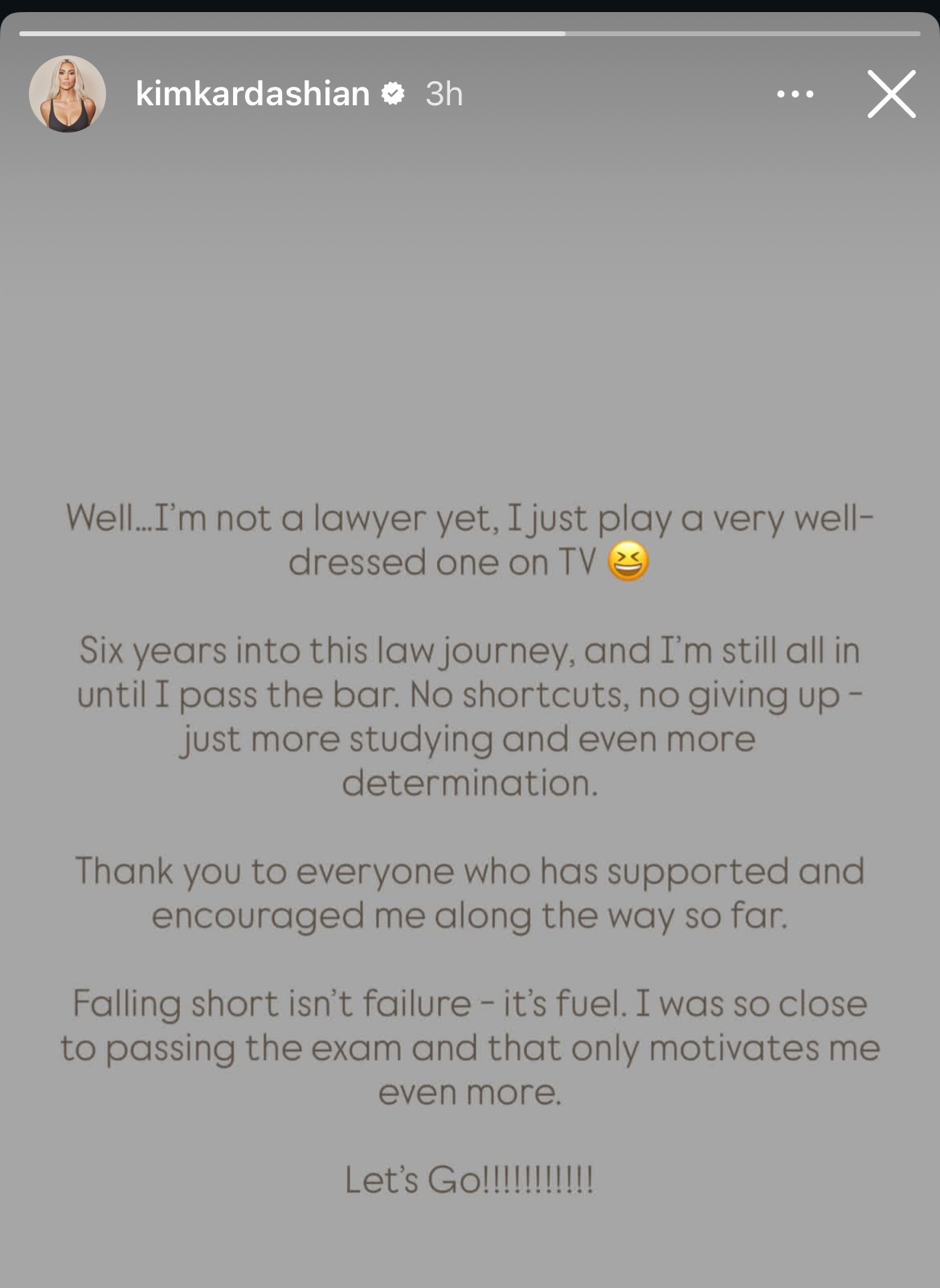
“Six
years
into
this
law
journey,
and
I’m
still
all
in
until
I
pass
the
bar,”
she
wrote
on
Instagram.
“No
shortcuts,
no
giving
up
—
just
more
studying
and
even
more
determination.”
See
her
full
Instagram
post,
below.
(Image
via
Instagram)
Kardashian
is
in
good
company
when
it
comes
to
the
California
bar
exam,
which
is
widely
regarded
as
one
of
the
toughest
in
the
nation.
According
to
a
press
release
from
the
State
Bar
of
California,
only
54.8%
of
those
who
took
the
July
2025
test
passed.
While
69.7%
of
all
first-time
takers
passed,
just
12.4%
of
repeat
takers
were
able
to
so
do
—
numbers
that
underscore
just
how
difficult
the
exam
can
be.
But
this
isn’t
a
story
about
celebrity
failure.
It’s
about
perseverance,
grit,
and
the
willingness
to
take
on
something
incredibly
hard
—
all
while
balancing
work
and
family
in
the
court
of
public
opinion.
By
sharing
her
results
openly,
Kardashian
showed
a
kind
of
vulnerability
that
made
her
feel
genuinely
relatable.
“Falling
short
isn’t
failure
—
it’s
fuel,”
she
said.
“I
was
so
close
to
passing
the
exam
and
that
only
motivates
me
even
more.”
Kardashian
began
her
studies
in
2018,
officially
announcing
the
following
year
that
she
was studying
to
become
a
lawyer through
the
law
office
study
program,
which
allows
aspiring
lawyers
in
California
to
apprentice
under
practicing
attorneys
rather
than
attend
law
school.
Though
the
program
is
typically
four
years
long,
the
pandemic
and
her
demanding
schedule
stretched
the
process
a
little
longer
than
expected.
Today,
Kardashian
plays
a
lawyer
on
Hulu’s
legal
drama
All’s
Fair,
but
she’s
still
chasing
her
dream
of
becoming
one
in
real
life.
For
Kardashian,
the
law
isn’t
just
a
role,
it’s
a
mission
—
and
she’s
clearly
not
done
yet.
The
next
California
bar
exam
is
set
for
February
24-25,
2026.
Here’s
hoping
the
future
brings
us
Kim
Kardashian,
Esq.
Staci
Zaretsky is
the
managing
editor
of
Above
the
Law,
where
she’s
worked
since
2011.
She’d
love
to
hear
from
you,
so
please
feel
free
to
email
her
with
any
tips,
questions,
comments,
or
critiques.
You
can
follow
her
on Bluesky, X/Twitter,
and Threads, or
connect
with
her
on LinkedIn.
Happy
New
Year!
One
Biglaw
firm
recently
made
sure
that
almost
everyone
at
the
firm
was
able
to
ring
in
2026
with
some
really
great
news
—
for
their
bank
accounts.
Sources
tell
us
that
management
at
Norton
Rose
Fulbright
—
a
firm
that
brought
in
$2,436,258,000
gross
revenue
in
2024,
putting
it
at
No.
20
on
the
Am
Law
100
—
emailed
nearly
everyone
on
New
Year’s
Eve,
announcing
that
NRF
would
be
paying
out
special
bonuses
after
winning
a
large
contingent
fee
case.
We’ve
been
told
that
nearly
everyone
at
the
firm,
from
attorneys
(not
just
those
who
worked
on
the
case)
to
business
services
professionals,
will
receive
the
bonus.
“Pretty
awesome
way
to
end
the
year,”
a
tipster
said.
Although
the
special
bonuses
have
yet
to
hit
accounts,
rumor
has
it
that
payouts
will
range
from
$2,000
to
$20,000.
Congratulations
to
everyone
at
Norton
Rose
Fulbright!
Remember
everyone,
we
depend
on
your
tips
to
stay
on
top
of
compensation
updates,
so
when
your
firm
announces
or
matches,
please
text
us
(646-820-8477)
or email
us (subject
line:
“[Firm
Name]
Bonus/Matches”).
Please
include
the
memo
if
available.
You
can
take
a
photo
of
the
memo
and
send
it
via
text
or
email
if
you
don’t
want
to
forward
the
original
PDF
or
Word
file.
And
if
you’d
like
to
sign
up
for
ATL’s
Bonus
Alerts
(which
is
the
alert
list
we
also
use
for
salary
announcements),
please
scroll
down
and
enter
your
email
address
in
the
box
below
this
post.
If
you
previously
signed
up
for
the
bonus
alerts,
you
don’t
need
to
do
anything.
You’ll
receive
an
email
notification
within
minutes
of
each
bonus
announcement
that
we
publish.
Thanks
for
your
help!
Staci
Zaretsky is
the
managing
editor
of
Above
the
Law,
where
she’s
worked
since
2011.
She’d
love
to
hear
from
you,
so
please
feel
free
to
email
her
with
any
tips,
questions,
comments,
or
critiques.
You
can
follow
her
on Bluesky, X/Twitter,
and Threads, or
connect
with
her
on
LinkedIn.
JOHANNESBURG
–
Over
6,000
undocumented
migrants
have
already
been
intercepted
at
ports
of
entry.
The
Border
Management
Authority
is
gearing
up
for
an
increase
in
arrivals
after
the
holiday
break.
Commissioner
Michael
Masiapato
says
most
illegal
crossings
are
taking
place
along
the
country’s
western
corridor.
“We
are
indeed
expecting
from
tomorrow
a
lot
of
people
starting
their
journey
back
into
South
Africa,
and
on
that
basis,
we
are
very
much
ready
to
start
dealing
with
those
aspects,”
he
said.
“Just
to
indicate
that
we
are
now
sitting
at
over
6,800
individuals
that
has
been
intercepted,
mainly
trying
to
enter
the
country
or
exit
the
country
illegally.
“And
of
course,
the
majority,
which
is
basically
in
reference
to
the
point
of
the
interception
by
our
colleagues
from
the
Defence
Force,
it
is
basically
in
the
Western
Corridor.”
It
is
common
for
nations
to
have
myths,
or
narratives,
that
form
the
basis
of
their
nationalism,
or
their
ideas
of
themselves
as
a
political
community.
Such
popular
narratives
are
often
rooted
in
a
romanticised
or
idealised
view
of
the
past.
This
is
certainly
the
case
in
Zimbabwe,
where
national
myths
about
its
urban
modernity
and
economic
exceptionalism
have
stood
the
test
of
time
in
contrast
with
the
reality.
The
idea
of
urban
modernity
has
its
roots
in
colonial
times.
At
the
time
of
independence
in
1980,
following
a
liberation
war
from
1965
to
1979,
Zimbabwe’s
economy
was
looking
strong.
Urban
residents,
especially,
could
think
of
themselves
as
modern:
they
had
middle-
and
working-class
lifestyles,
social
protection,
social
mobility
opportunities
and
fixed
working
hours.
Urban
modernity
meant
order,
steady
employment,
education.
My
PhD
thesis
(2021)
examined
Harare’s
shift
to
informality
and
the
impact
of
this
on
people’s
everyday
experiences
of
citizenship.
The
respondents
in
interviews
carried
out
between
2016
and
2018
included
vendors,
cross-border
traders,
manufacturers,
residents’
associations,
informal
sector
organisations,
local
authorities
and
urban
planners.
These
interviews
also
form
the
basis
of
my
recent
research
paper.
My
analysis
sought
to
examine
how
people
deal
with
the
fact
that
current
circumstances
don’t
support
their
myths
of
urban
nationalism.
During
a
crisis,
people
rethink
old
ideas
and
adjust
them
to
fit
their
new
situation.
As
they
do
this,
their
notions
of
urban
modernity
and
economic
exceptionalism
change.
At
the
same
time,
they
remember
a
past
when
their
country
was
economically
successful.
This
memory
shapes
how
they
think
about
the
country’s
future
–
and
it
also
makes
them
question
the
government,
which
hasn’t
lived
up
to
those
past
ideals.
So,
what
do
the
myths
of
urban
modernity
and
economic
exceptionalism
mean
in
Zimbabwe
today?
Some
people
cling
to
the
early
postcolonial
notions
nurtured
by
the
government.
Others
reluctantly
accept
economic
informality
while
seeking
to
upgrade
the
idea
of
the
informal
sector.
But
there
are
others
who
challenge
altogether
the
view
that
street
vending
is
not
modern
and
formal
enough.
The
prevalent
informality
was
seen
as
a
temporary
phenomenon
which
would
end
soon.
Then
the
country
would
return
to
having
a
modern
urban
lifestyle
and
strong
economy.
Grappling
with
informality
To
many
of
the
respondents
in
2016-2018,
“working”
and
“having
a
job”
meant
being
employed
and
having
regular
wages,
job
security
and
social
protection.
At
the
same
time,
people
also
reluctantly
accepted
economic
informality
and
some
of
the
changes
it
made
to
their
lives,
while
seeking
to
upgrade
the
idea
of
the
informal
sector.
Some
informal
sector
associations,
for
example,
attempted
to
teach
their
members
to
see
their
activities
as
businesses
and
themselves
as
business
people,
as
I
reported
in
another
paper.
Some
respondents
drew
a
line
between
economic
activities
that
were
acceptable
in
the
city
centre
and
those
that
were
not.
These
were
similar
to
the
early
postcolonial
notions
enforced
by
the
government.
They
suggested,
for
example,
that
street
vending
had
no
place
in
the
city
centre.
It
should
only
occur
in
limited
designated
spaces,
and
in
residential
areas.
Some
street
vendors,
though,
defied
the
notion
of
street
vending
not
being
modern
and
formal
enough.
They
dressed
smartly
to
emphasise
that
street
vending
could
also
be
done
in
a
“modern”
way
and
be
a
part
of
the
mainstream
economy.
The
history
of
the
urban
modernity
myth
At
the
beginning
of
colonial
rule
in
the
late
19th
and
early
20th
centuries,
the
colonisers
planned
for
the
cities
to
remain
“white”.
Unless
Africans
lived
in
their
employers’
facilities,
they
were
required
to
live
in
dedicated
areas.
At
the
same
time,
the
colonial
administration
introduced
and
enforced
the
concept
of
“order”
in
Salisbury,
now
Harare,
the
capital.
It
punished
poor,
marginalised
and
homeless
people.
The
same
with
economic
and
social
activities
it
deemed
undesirable.
Today,
over
32%
of
Zimbabweans
live
in
urban
areas.
The
establishment
in
the
1930s
of
the
African
middle
class
was
an
important
part
of
the
urban
modernity
project.
Those
who
sought
to
belong
to
it
largely
used
education
as
their
primary
social
mobility
tool.
After
independence
in
1980,
the
cities
were
deracialised.
Everyone
was
free
to
enter
and
use
the
urban
space.
But
the
new
government
still
held
tight
control
and
dictated
who
had
the
right
to
the
city.
Numerous
operations
were
conducted
from
the
1980s
to
clear
the
street
of
“undesirable”
people
and
activities.
For
example,
informal
settlements
were
removed.
Many
women
were
arrested
on
the
pretext
of
clearing
the
city
of
prostitution.
The
most
notorious
clean-up
operation
was
the
2005
Operation
Murambatsvina.
It
effectively
punished
all
those
considered
“unproductive”
and
not
deserving
to
be
in
the
city.
Those
high
and,
frankly,
brutal
standards
of
urban
modernity
have
a
long
history
in
Zimbabwe
and
became
a
part
of
its
urban
nationalism.
Economic
exceptionalism
Colonial
and
early
postcolonial
Zimbabwe
had
an
exceptional
and
diversified
economy
with
strong
mining,
agricultural,
and
industrial
sectors.
Zimbabwe’s
manufacturing
sector
contributed
25%
to
GDP
by
1974.
Despite
the
economic
decline,
it
is
still
a
common
narrative
that
Zimbabwe’s
industrial
sector
was
second
only
to
South
Africa’s
in
sub-Saharan
Africa
and
that
Zimbabwe
was
“the
breadbasket”
of
Africa.
After
independence,
the
government
made
considerable
efforts
to
deracialise
the
economy
and
public
services.
The
present
The
early
postcolonial
ideas
about
urban
modernity
and
economic
exceptionalism
were
severely
undermined
in
Zimbabwe.
But
people
try
to
give
new
meanings
to
these
ideas
in
the
changed
social
and
economic
circumstances.
There
is
ongoing
reluctance
to
accept
that
informality
altered
Zimbabwe
for
good.
And
many
of
my
respondents
wanted
to
find
ways
that
the
myths
of
modernity
and
economic
exceptionalism
could
keep
their
meaning
in
the
changed
circumstances.
Continuity
and
change
in
the
myths
of
urban
nationalism
also
raise
the
questions
of
legitimacy.
In
this
case,
it
is
about
legitimacy
of
informal
economic
practices
and
legitimacy
of
the
government
that
did
not
uphold
the
myths.
Ideas
can
be
very
powerful
in
explaining
people’s
understanding
of
the
political
community
they
belong
to.
And
when
such
ideals
cannot
be
upheld,
people
will
find
new
meanings
in
their
material
reality
that
let
them
hold
on
to
old
ideas
or
reinterpret
them.
That
Time
ChatJAG
Pointed
Out
The
Obvious:
Immediate
egg
on
Hegseth’s
face.
Look
At
All
That
Prestige!:
Vault’s
Biglaw
rating
struck
a
little
off
for
not
factoring
in
the
pro
bono
payola
firms.
Take
That,
Ed
Martin:
Georgetown
Law
had
no
qualms
with
fighting
back.
Now
That’s
A
Commute!:
Could
you
imagine
regularly
flying
in
for
class?
On
This
Week
Of
Thinking
Like
A
Lawyer:
This
year
of
Thinking
Like
A
Lawyer!
What
Should
We
See
In
2026?:
Here’s
a
list
of
hope
and
appropriate
snark.
People
are
willing
to
travel
for
prestige.
Even
before
WashU
achieved
T14
status
(along
with
16
others),
I
flew
around
800
miles
from
home
to
learn
about
the
Chevron
doctrine
and
the
rule
of
law,
two
formerly
foundational
aspects
of
American
legal
study
and
practice
that
now
lie
dead
below.
And
while
becoming
a
transplant
student
shook
my
world,
nothing
about
my
willingness
to
travel
was
world
shaking
—
many
students
move
hundreds
of
miles
away
when
the
prestigious
school
they
applied
to
extends
an
invite.
But
once
they
land
there,
they
usually
stay
there
for
the
duration
of
their
program.
Extended
commutes
are
the
type
of
thing
that
land
you
in
a
newspaper.
New
York
Post
has
coverage:
For
Nat
Cedillo,
jet-setting
from
one
hotspot
city
to
another
each
week
is
no
cheap
thrill…“I
travel
from
Mexico
City
to
New
York
City
so
that
I
can
attend
my
law
school
classes,”
Cedillo,
30,
an
aspiring
intellectual
property
attorney,
tells
The
Post.
“It’s
exhausting,
but
worth
it.” … Throughout
the
13-week
semester,
she’s
taken
the
more
than
4,000-mile
round-trip
—
which
begins
with
Monday
morning
flights
into
JFK
Airport
and
ends
back
in
Mexico
City
by
Tuesday
night
—
to
complete
her
last
term
at
a
top
NYC
institution.
There’s
no
way
that
going
to
law
school
like
you’re
Taylor
Swift
is
remotely
affordable.
Doing
so
must
cost
a
fortune!
Since
January,
Cedillo
has
spent
upward
of
$2,000
on
airfare,
lodging
and
food.
That’s…
actually
not
that
bad
at
all.
It
is
a
little
mind-boggling
to
imagine
that
regular
4,000-mile
trip
flights
cost
less
than
NY
rent,
but
if
the
math
is
mathing,
I’m
happy
for
her.
The
only
other
point
of
interest
is
curiosity.
The
article
says
that
she’s
finishing
her
term
at
a
“top
NYC
institution,”
but
that
verbiage
reads
a
little
Kash
Patel-ish
if
you
ask
me.
Commuting
from
Mexico
City
for
NYU
(#8)
or
Cornell
(#10)
is
one
thing,
but
if
the
top
New
York
school
is
Yeshiva
University
(#63)
or
New
York
Law
School
(#121),
the
smarter
move
may
have
been
to
push
a
little
harder
for
a
virtual
classroom
than
amass
the
frequent
flyer
miles.
Would
you
consider
doing
a
round
trip
super
commute
to
attend
law
school?
Hell,
are
you?
Let
us
know
at
[email protected].
Chris
Williams
became
a
social
media
manager
and
assistant
editor
for
Above
the
Law
in
June
2021.
Prior
to
joining
the
staff,
he
moonlighted
as
a
minor
Memelord™
in
the
Facebook
group Law
School
Memes
for
Edgy
T14s.
He
endured
Missouri
long
enough
to
graduate
from
Washington
University
in
St.
Louis
School
of
Law.
He
is
a
former
boatbuilder
who
is
learning
to
swim, a
published
author
on
critical
race
theory,
philosophy,
and
humor,
and
has
a
love
for
cycling
that
occasionally
annoys
his
peers.
You
can
reach
him
by
email
at [email protected] and
by
tweet
at @WritesForRent.