Lindsey Halligan Resolves To Embarrass Herself At SCOTUS In 2026 – Above the Law

Lindsey
Halligan
(Photo
by
Al
Drago/Getty
Images)

On
Friday,
the
Justice
Department
noticed
its
intent
to
appeal
in


US
v.
Comey

and


US
v.
James
.
The
government
will
attempt
to
resuscitate
the
charges
against
Trump’s
enemies

despite
the
many,
obvious
defects
in
both
cases!

by
arguing
that
it

can,
too

let
Lindsey
Halligan
LARP
as
US
Attorney
for
the
Eastern
District
of
Virginia.

In
some
sense,
the
DOJ
had
no
choice.
The
cases
were
dismissed
on
November
24
when
a
judge
disqualified
Halligan,
a
Florida
insurance
lawyer
previously
tasked
with
de-woke-ifying
the
Smithsonian.
Since
then,
“her”
office
failed
twice
to
re-indict
James
and
got
locked
out
of
the
Comey
evidence
entirely.
With
no
appeal
of
the
disqualification,
judges
in
EDVA
started
to
make
irate
noises
about
Halligan
continuing
to
hold
herself
out
as
the
US
Attorney.
Clearly
the
government
had
to
make
a
move,
or
risk
the
district’s
judges
making
it
for
them.

And
so
they
decided
to
kick
this
dented
can
down
the
road
to
Richmond,
giving
a
fifth
court
the
opportunity
to
explain
that

no,

the
president
cannot
evade
Senate
confirmation
for
US
Attorneys
with
a
series
of
ONE
WEIRD
PROCEDURAL
TRICKS.

The
cosplay
attorneys

Judge
Cameron
Currie
ruled
that
28
USC
§
546
allows
the
president
to
make

one,
and
only
one,

interim
appointment
as
US
Attorney
in
any
given
federal
district,
after
which
the
position
may
only
be
filled
by
a
Senate-confirmed
nominee
or
a
judicially-installed
placeholder.
Trump
effectively
used
up
that
appointment
on
Halligan’s
predecessor
Erik
Seibert,
who
was
pushed
out
for
refusing
to
indict
Comey
and
James,
and
so
Halligan’s
appointment
was
always
a
nullity.

Courts
in
New
Jersey,
Nevada,
and
California,
as
well
as
the
Third
Circuit
have
uniformly
rejected
the
government’s
argument
that
§
546
allows
for
successive
interim
appointments.
In
those
cases,
though,
the
challenged
prosecutions
survived
thanks
to
the
presence
of
other,
duly
appointed
Assistant
US
Attorneys.
Here,
Halligan
secured
the
indictments
on
her
own,
and
so
the
cases
were
dismissed
when
she
was
disqualified.

Judge
Currie
also
rubbished
the
suggestion
that
Attorney
General
Pam
Bondi
could
retroactively
ratify
Halligan’s
actions,
either
by
fiat
or
by
calling
her
a
“special
attorney”
and
purporting
to
backdate
the
appointment.
It’s
not
even
clear
that
Halligan
is
legally
serving
as
a
special
attorney,
since
the

appointment
order

on
Halloween,
which
purported
to
go
into
effect
retroactively
six
weeks
before,
has
been
declared
invalid.
A
rational
attorney
general
would
have
raced
to
sign
a
second
order,
re-appointing
Halligan

pro
spectively.
But
nothing
about
this
is
rational
so
¯_(ツ)_/¯

Bondi
vowed
to
appeal,
but
that’s
not
what
happened

at
least
not
immediately.

Instead,
Halligan’s
office
tried
multiple
times
to
re-indict
James.
Assistant
US
Attorney
Roger
Keller,
seconded
to
EDVA
from
the
Eastern
District
of
Missouri,
got
no-billed
in
both
Norfolk
and
Alexandria
as
he
tried
to
replicate
Halligan’s
success
with
the
original
grand
jury.
Like
the
Comey
case
(where
one
presentation
yielded

three
different,
signed
indictments
)
Keller’s
presentment
in
Alexandria
seems
to
have
been
spectacularly
botched.
Somehow
the
no-bill
got
filed
on
the
public
docket,
revealing
that
the
DOJ
had

abandoned
its
theory

that
James
collected
“thousands”
of
dollars
of
rent
on
the
disputed
property.
Keller
has
now

returned

to
Missouri,
a
tacit
admission
that
the
effort
to
bring
new
charges
against
James
hit
a
brick
wall.

In
the
Comey
case,
his
erstwhile
lawyer
Daniel
Richman

boxed
the
government
out

of
the
evidence
by
suing
to
get
his
hard
drives
back.
Deprived
of
the
material
used
in
its
case
in
chief,
the
DOJ
had
little
hope
of
re-indicting
the
former
FBI
director.

And
meanwhile
judges
in
EDVA
were
starting
to

grumble

about
Halligan
continuing
to
sign
documents
as
“US
Attorney,”
even
after
her
disqualification.
Judge
Michael
Nachmanoff,
who
presided
over
the
Comey
case,
refused
to
accept
a
filing
which
described
her
as
US
Attorney,
noting
that
the
Justice
Department
hadn’t
appealed
the
disqualification
and
was
thus
bound
by
Judge
Currie’s
ruling.
The
government

protests

that
it
has
an
advisory
opinion
from
the
Office
of
Legal
Counsel
saying
otherwise,
although
it
declined
to
make
that
opinion
available
to
the
court.

After
the
Third
Circuit
ruled
that
her
appointment
was
illegal,
Habba
finally

tapped
out
,
along
with
the
illegally
installed
US
Attorney
for
Delaware.

“That’s
the
proper
position,
in
my
view,”

sniffed

Judge
Leonie
Brinkema
in
EDVA,
confronted
with
yet
another
document
bearing
Halligan’s
signature.

And
so,
with
the
30-day
clock
ticking
to
notice
an
appeal
and
no
realistic
path
to
re-indicting
Trump’s
nemeses,
the
DOJ
opted
to
appeal
Judge
Currie’s
rulings,
if
only
to
provide
Halligan
a
fig
leaf
of
legitimacy
as
she
continues
to
squat
in
the
office.

From
the
power
to
fire
to
the
power
to
hire

Tapping
out
on
the
Comey
and
James
cases
would
be
admitting
defeat,
and
so
Trump
doubled
down,
forwarding
Halligan’s
nomination
to
the
Senate
for
confirmation.
He
knows
this
nomination
is
DOA
thanks
to
the
blue
slip
rule,
since
Virginia’s
Democratic
Senators
Mark
Warner
and
Tim
Kaine
are
never
going
to
give
her
their
blessings.

Notably,
the
government
has
not
yet
petitioned
the
Supreme
Court
for
certiorari
in
the
Third
Circuit’s
Habba
ruling.
But
this
dispute
tees
up
what
may
well
be
a
major
locus
of
conflict
in
the
coming
year.

At
bottom
this
is
a
fight
over
the
limits
of
Trump’s
power
to
remake
the
executive
branch.
This
past
year,
the
Supreme
Court
allowed
the
president
to
fire
literally
anyone
he
liked.
From
career
civil
servants
to
non-partisan
board
members
installed
by
Congress,
no
one
was
spared.
The
Court’s
six
conservative
justices
happily
shredded
laws
and
precedents
that
would
have
impeded
Trump’s
ability
to
fire
every
expert
and
non-partisan
federal
bureaucrat
who
might
have
impeded
his
plot
to
turn
the
executive
branch
into
a
partisan
weapon.

But
hollowing
out
the
federal
bureaucracy
will
only
get
Trump
so
far.
He’ll
need
to
replace
those
fired
officials
with
MAGA
warriors
to
take
revenge
on
his
enemies
and
enact
the
Project
2025
agenda.
So
far,
the
GOP-controlled
Senate
has
confirmed
virtually
every
partisan
ghoul
Trump
put
forward.
But
the
Senate
has
its
limits,
as
Judiciary
Chair
Chuck
Grassley’s
refusal
to
do
away
with
blue
slips
demonstrates.
And
even
with
a
supine
Senate,
Trump’s
still
facing
a
major
backlog
of
nominees.

As
a
result,
administration
officials
routinely
hold
multiple
job
titles
at
once.
Deputy
Attorney
General
Todd
Blanche
is
also
the
Acting
Librarian
of
Congress.
But
he’s
a
mere
piker
compared
to
Marco
Rubio,
who
claims
to
be
Acting
National
Security
Advisor,
Acting
Administrator
of
USAID,
and
Acting
National
Archivist,
along
with
his
day
job
as
Secretary
of
State.
And
while
Trump
may
be
happy
to
let
USAID
wither,
there
are
plenty
of
positions
he

does

care
about
filling.

The
Senate’s
confirmation
math
may
also
change
in
unpredictable
ways
in
2026,
as
the
election
approaches
and
the
president’s
unpopular
policies
continue
to
weigh
down
Republicans.
But
the
dispute
over
blue
state
US
Attorneys
is
a
likely
harbinger
of
the
conflict
to
come.
Just
as
he’s
done
with
tariffs
and
the
budget,
Trump
is
simply
ignoring
the
law
and
stealing
Congress’s
power
when
it
comes
to
installing
US
Attorneys.

It’s
always
possible
that
the
Supreme
Court
will
decline
to
weigh
in
on
this
dispute.
But
given
that
the
conservative
justices
spent
the
past
year
leaping
in
to
ensure
that
Trump
would
never
have
to
follow
the
law,
it
seems
unlikely.
And
so
the
fight
in
2026
will
center
on
who
gets
to
fill
all
those
vacancies
created
when
SCOTUS
let
him
fire
every
board
member,
agency
head,
and
US
Attorney
in
the
country.

Whatever
happens,
relief
will
certainly
come
too
late
for
Lindsey
Halligan.
Section
546
allows
for
one
120-day
appointment.
Halligan
was
installed
on
September
22,
and
so,
even
if
that
appointment
was
legal,
it
would
time
out
on
January
20,
2026.
After
that,
she
may
be
a
special
attorney
or
a
First
Assistant
US
Attorney,
but
she
won’t
be
the
US
Attorney
for
the
Eastern
District
of
Virginia.


Subscribe
to
read
more
at
Law
and
Chaos….


Liz
Dye
 produces
the
Law
and
Chaos Substack and podcast.
 You
can
subscribe
by
clicking
the
logo:

Biglaw Firm’s Black-Box Bonuses Seem To Be A Market Match – Above the Law

As
Biglaw
firms
jockey
to
position
themselves
as
compensation
leaders

or
at
least
avoid
being
labeled
as
laggards

associates
across
the
Am
Law
100
continue
to
refresh
their
inboxes,
hoping
for
a
market
match
of
the
Cravath/Milbank
scale
for

year-end

and

special
bonuses
.
At
some
firms,
however,
associates
face
the
return
of
black-box
bonuses,
leaving
many
wondering
how,
exactly,
their
payouts
were
decided.
One
firm
that
uses
a
black-box
structure
recently
announced
bonuses,
and
thankfully,
it
seems
to
be
a
match.

The
firm
we’re
speaking
about
is
Texas-based
Haynes
Boone

a
firm
that
brought
in
$635,840,000
gross
revenue
in
2024,
putting
it
at
No.
86
on
the
Am
Law
100.
Last
week,
the
firm
announced
individualized
bonuses
across
all
class
years,
and
sources
tell
us
that
so
long
as
attorneys
were
able
to
hit
2,000
hours,
they
received
a
market
match.
For
those
who
don’t
recall,
here’s
what
a
market
match
looks
like
at
most
firms
(give
or
take
the
inclusion
of
the
Class
of
2025):

  • Class
    of
    2024

    $20,000
    /
    $6,000
  • Class
    of
    2023

    $30,000
    /
    $10,000
  • Class
    of
    2022

    $57,500
    /
    $15,000
  • Class
    of
    2021

    $75,000
    /
    $20,000
  • Class
    of
    2020

    $90,000
    /
    $25,000
  • Class
    of
    2019

    $105,000
    /
    $25,000
  • Class
    of
    2018+

    $115,000
    /
    $25,000

Here’s
some
additional
explanation
on
Haynes
Boone’s
bonus
compensation
strategy:

The
firm’s
memo
goes
on
to
note
that
those
who
don’t
receive
bonuses
on
scale
for
their
class
may
be
able
to
receive
a
“catch-up”
bonus
if
their
performance
later
meets
standards.
For
a
firm
that
puts
its
cash
inside
of
a
black
box,
this
is
about
as
close
to
transparency
as
you
can
get.

Congratulations
to
everyone
at
Haynes
Boone!

Remember
everyone,
we
depend
on
your
tips
to
stay
on
top
of
compensation
updates,
so
when
your
firm
announces
or
matches,
please
text
us
(646-820-8477)
or email
us
 (subject
line:
“[Firm
Name]
Bonus/Matches”).
Please
include
the
memo
if
available.
You
can
take
a
photo
of
the
memo
and
send
it
via
text
or
email
if
you
don’t
want
to
forward
the
original
PDF
or
Word
file.

And
if
you’d
like
to
sign
up
for
ATL’s
Bonus
Alerts
(which
is
the
alert
list
we
also
use
for
salary
announcements),
please
scroll
down
and
enter
your
email
address
in
the
box
below
this
post.
If
you
previously
signed
up
for
the
bonus
alerts,
you
don’t
need
to
do
anything.
You’ll
receive
an
email
notification
within
minutes
of
each
bonus
announcement
that
we
publish.
Thanks
for
your
help!


Staci
Zaretsky
 is
the
managing
editor
of
Above
the
Law,
where
she’s
worked
since
2011.
She’d
love
to
hear
from
you,
so
please
feel
free
to

email

her
with
any
tips,
questions,
comments,
or
critiques.
You
can
follow
her
on BlueskyX/Twitter,
and Threads, or
connect
with
her
o

New Trump space policy sets 2028 deadline for Moon base, Golden Dome prototype – Breaking Defense

WASHINGTON

President
Donald
Trump
has
released
a
new
executive
order
(EO)
setting
national
space
policy
across
the
civil,
commercial
and
defense
sectors

setting
a
goal
of
establishing
an
“initial”
Moon
base
by
2028
and
reiterating
the
administration’s

Golden
Dome

plans
for
a
comprehensive
air
and
missile
defense
shield
over
America.

Perhaps
the
most
notable
thing
about
the
new
EO
is
the
title,
“Ensuring
American
Space
Superiority,”
especially
as
the
document
focuses
on
civil
space
exploration
rather
than
defense.

The
phrase
“space
superiority”
traditionally
has
served
as
a
military
term
of
art
for
controlling
the
heavens
to
prevent
adversaries
from
taking
actions
to
harm
US
space
assets.
The
Space
Force
defines
space
superiority
as
follows:
“A
degree
of
that
allows
military
forces
in
all
domains
to
operate
at
a
time
and
place
of
their
choosing
without
prohibitive
interference
from
space
or
counterspace
threats,
while
also
denying
the
same
to
an
adversary.”

But
the
EO,

published
Thursday
,
is
primarily
centered
around
specific
goals
for
NASA.
For
example,
it
states
that
America
will
return
to
the
Moon
by
2028,
and
mandates
the
establishment
of
“initial
elements
of
a
permanent
lunar
outpost
by
2030”
to
include
launching
by
nuclear
reactors
for
use
on
the
lunar
surface.

It
further
calls
for
“enhancing
sustainability
and
cost-effectiveness
of
launch
and
exploration
architectures,
including
enabling
commercial
launch
services
and
prioritizing
lunar
exploration.”
Finally,
it
reiterates
the
US
intention
to
abandon
the
International
Space
Station
by
2030.

The
policy’s
three-paragraph
section
on
security
and
the
Defense
Department’s
role,
by
contrast,
is
more
vague

and
reflects
current
Pentagon
policy.

First,
it
reiterates
Trump’s

January
EO

that
launched
the
Pentagon’s
Golden
Dome,
restating
the
goal
to
develop
and
demonstration
“prototype
next-generation
missile
defense
technologies”
by
2028.

Second,
it
calls
for
“creating
a
responsive
and
adaptive
national
security
space
architecture
by
accelerating

acquisition
reform,

integrating
commercial
space
capabilities,
and
enabling
new
market
entrants.”

Lastly,
the
security
section
states
that
the
US
will
strengthen
“ally
and
partner
contributions
to
United
States
and
collective
space
security,
including
through
increased
space
security
spending,
operational
cooperation,
basing
agreements,
and
ally
and
partner
investments
in
America’s
space
industrial
base.”

The
EO
gives
Defense
Secretary
Pete
Hegseth
90
days,
“in
coordination
with”
the
director
of
national
intelligence
and
the
head
of
the
White
House
Office
of
Technology
Policy,
to
report
on
“any
technology,
supply
chain,
or
industrial
capacity
gaps
relevant
to
this
order’s
directive
to
progressively
and
materially
enhance
America’s
air
and
missile
defenses,
and
plans
for
mitigating
such
gaps
within
available
funding.”

Within
180
days,
the
Pentagon
must
“implement
a
space
security
strategy
that
accounts
for
United
States
interests
in,
from,
and
to
space;
addresses
current
and
projected
threats
to
United
States
space
interests
from
very
low-Earth
orbit
through
cislunar
space;
and
incorporates
a
technology
plan
for
detecting,
characterizing,
and
countering
potential
adversary
placement
of
nuclear
weapons
in
space.”
(The
United
States
has

accused

Russia
of
researching
a
space
nuke
to
wipe
out
satellites
in
orbit.)

Also
within
that
timeframe,
DoD
is
to
implement
a
plan
for
a
“responsive
and
adaptive
national
security
space
architecture.”
How
that
may
differ,
if
at
all,
from
the
current
Space
Force
architecture
that
has
gradually
been
shifting
from
small
constellations
of
large
satellites
in
the
geosynchronous
Earth
orbit
belt
some
36,000
kilometers
above
the
surface
to
large
constellations
of
small
satellites
in
various
orbits
remains
to
be
seen.

The
EO
also
addresses
commercial
issues,
most
strikingly
by
the
commitment
to
“attracting
at
least
$50
billion
of
additional
investment
in
American
space
markets
by
2028”

although
no
detailed
instructions
are
provided
about
how
that
it
to
be
done.

The
commercial
section
also
makes
a
pledge
for
“increasing
launch
and
reentry
cadence
through
new
and
upgraded
facilities,
improved
efficiency,
and
policy
reforms.”

It
also
tasks
the
Secretary
of
Commerce
to
lead
an
initiative
“to
assert
spectrum
leadership,
which
shall
include
considering
opportunities
for
reapportioning
and
sharing
spectrum,
as
appropriate.”
The
document
does
not,
however,
explain
what
is
meant
by
“spectrum
leadership.”

Surprising
no
one,
the
EO
kills
the
National
Space
Council,
which
ironically
was
last
resuscitated
in
Trump’s
first
term.
Industry
and
government
officials
have
told
Breaking
Defense
that
unlike
Trump’s
first
vice
president
Mike
Pence,
J.D.
Vance
has
little
interest
in
space
issues
and
did
not
want
the
job
of
chairing
the
council.

The
policy
also
seems
to
put
a
stake
in
the
heart
of
another
Trump
1
initiative
already

facing
dismantlement

due
to
budget
cuts
by
the
Office
of
Management
and
Budget:
the
Commerce
Department
effort
to
develop
a
civil
space
traffic
management
system.
The

Traffic
Coordination
System
for
Space
(TraCSS
)
program
was
designed
to
take
the
burden
of
providing
data
on
the
whereabouts
of
space
objects
and
warnings
of
potential
on-orbit
collisions
to
non-military
operators.

The
2018

Space
Policy
Directive-3

states
that
a
“basic”
data
and
tracking
services
“should
be
available
free
of
direct
user
fees.”
The
EO
would
change
that
language
to
read
“available
for
commercial
and
other
relevant
use.”
It
is
highly
unclear
whether
any
commercial
space
operator
would
be
willing
to
pay
the
government
for
such
services.

Morning Docket: 12.22.25 – Above the Law

*
The
Trump
administration
broke
the
Epstein
files
disclosure
statute,
but
can
anyone
do
anything
about
it?
[The
Guardian
]

*
One
of
the
more
comically
inept
breaches
involved
the
Justice
Department
deleting
one
of
the
photos
they’d
already
released
once
they
realized
it
showed
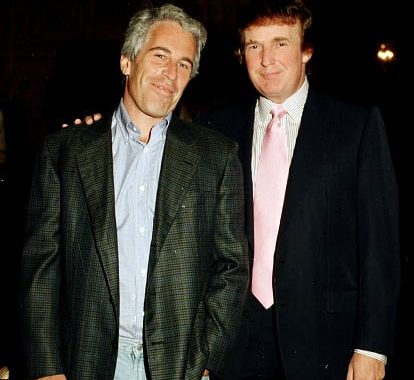
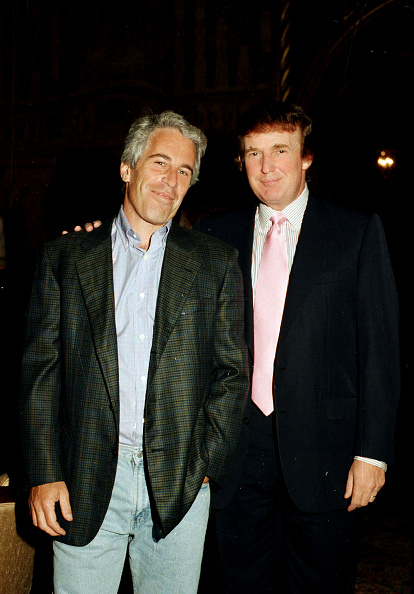
Trump.
They’ve
now
restored
it,
hoping
everyone
stops
speculating
about
what
photos
the
government
never
released
in
the
first
place.
[CNBC]

*
Yale
Law
names
new
dean.
[Yale
Law
School
]

*
Federal
judge
blocks
law
requiring
retailers
post
air
quality
information
about
gas
stoves
as
a
violation
of
the
First
Amendment.
Tobacco
companies,
here’s
your
chance
to
stick
it
to
that
pesky
Surgeon
General!
[Colorado
Sun
]

*
DOJ
appealing
the
dismissal
of
the
Comey
and
James
cases.
[Law360]

*
Elon
Musk
won
his
appeal
to
pay
himself
more
than
Tesla’s
actually
worth
to
the
delight
of
meme
stock
shareholders.
[Reuters]

*
The
perils
of
data
licensing
in
an
AI
world.
[Legaltech
News
]

*
Are
we
going
to
run
out
of
trial
lawyers?
Fewer
and
fewer
lawyers
are
banking
trial
advocacy
experience.
[On
the
Road
]

Caledonia Mining Corporation Plc: Zimbabwe government amends proposed changes to the royalty and tax regimes

Caledonia
notes
that,
on
December
17,
2025,
the
Zimbabwe
Minister
of
Finance
announced
certain
changes
to
these
proposals
in
the
second
reading
of
the
2026
National
Budget
to
the
Zimbabwe
parliament,
specifically;

  • The
    proposal
    to
    increase
    the
    royalty
    rate
    from
    5%
    to
    10%
    when
    the
    gold
    price
    exceeds
    US$2,500
    per
    ounce
    will
    now
    only
    apply
    should
    the
    gold
    price
    exceed
    $5,000
    per
    ounce.
  • The
    proposed
    change
    to
    the
    tax
    treatment
    of
    capital
    expenditure
    whereby
    the
    current
    100%
    upfront
    deduction
    would
    instead
    be
    spread
    over
    the
    life
    of
    the
    project,
    affecting
    the
    timing,
    but
    not
    the
    total
    amount
    of
    tax
    payable,
    has
    been
    withdrawn.
  • The
    proposed
    change
    to
    levy
    withholding
    tax
    at
    15%
    on
    interest
    payable
    on
    offshore
    loans
    has
    been
    withdrawn.
    Whilst
    this
    provision
    would
    have
    had
    little
    effect
    on
    Caledonia’s
    existing
    operations,
    it
    would
    have
    had
    an
    adverse
    effect
    on
    the
    Bilboes
    Gold
    Project,
    which
    Caledonia
    currently
    expects
    to
    fund
    with
    a
    large
    proportion
    of
    offshore
    debt.

The
revised
proposals,
which
have
not
yet
been
ratified
by
parliament,
but
are
expected
to
be
enacted
before
the
end
of
the
year,
should
result
in
no
change
in
the
financial
outlook
for
Caledonia’s
portfolio
of
assets
in
Zimbabwe
provided
the
gold
price
remains
below
$5,000
per
ounce.


Mark
Learmonth,
Chief
Executive
Officer
of
Caledonia,
commented:


“The
2026
National
Budget
of
Zimbabwe
is
yet
to
be
enacted
into
law.
However,
we
welcome
the
revised
provisions
announced
this
week
which
we
believe
demonstrate
the
Government
of
Zimbabwe’s
support
for
the
mining
sector
and
the
development
of
future
mining
projects
in
the
country.”


Enquiries:


Caledonia
Mining
Corporation
Plc

Mark
Learmonth
Camilla
Horsfall
Tel:
+44
1534
679
800
Tel:
+44
7817
841
793

Cavendish
Capital
Markets
Limited
(Nomad
and
Broker)

Adrian
Hadden
Pearl
Kellie
Tel:
+44
207
397
1965
Tel:
+44
131
220
9775

Camarco,
Financial
PR
(UK)

Gordon
Poole
Elfie
Kent
Tel:
+44
20
3757
4980

Curate
Public
Relations
(Zimbabwe)

Debra
Tatenda
Tel:
+263
77802131

IH
Securities
(Private)
Limited
(VFEX
Sponsor

Zimbabwe)

Lloyd
Mlotshwa
Tel:
+263
(242)
745
119/33/39


CAUTIONARY
NOTE
CONCERNING
FORWARD-LOOKING
STATEMENTS

Information
and
statements
contained
in
this
document
that
are
not
historical
facts
are
“forward-looking
information”
or
“forward-looking
statements”
(collectively,
“forward-looking
statements”)
within
the
meaning
of
applicable
securities
legislation
that
involve
risks
and
uncertainties
relating,
but
not
limited,
to
Caledonia’s
current
expectations,
intentions,
plans,
and
beliefs.
Forward-looking
statements
can
often
be
identified
by
forward-looking
words
such
as
“anticipate”,
“believe”,
“expect”,
“goal”,
“plan”,
“target”,
“intend”,
“estimate”,
“could”,
“should”,
“may”
and
“will”
or
the
negative
of
these
terms
or
similar
words
suggesting
future
outcomes,
or
other
expectations,
beliefs,
plans,
objectives,
assumptions,
intentions
or
statements
about
future
events
or
performance.
Examples
of
forward-looking
statements
in
this
document
include:
our
expectation
that
the
proposed
changes
to
the
royalty
and
tax
regimes
will
be
enacted
as
set
out
in
this
document;
and
that,
as
a
result,
we
expect
no
change
to
the
financial
outlook
for
Caledonia’s
portfolio
of
assets
in
Zimbabwe.
These
forward-looking
statements
are
based,
in
part,
on
assumptions
and
factors
that
may
change
or
prove
to
be
incorrect,
thus
causing
actual
results,
performance
or
achievements
to
be
materially
different
from
those
expressed
or
implied
by
forward-looking
statements.

Security
holders,
potential
security
holders
and
prospective
investors
should
be
aware
that
forward-looking
statements
are
subject
to
known
and
unknown
risks,
uncertainties
and
other
factors
that
could
cause
actual
results
to
differ
materially
from
those
suggested
by
the
forward-looking
statements.
Such
factors
include,
but
are
not
limited
to:
risks
relating
to
estimates
of
mineral
reserves
and
mineral
resources
proving
to
be
inaccurate,
fluctuations
in
gold
price
and
payment
terms
for
gold
sold,
risks
and
hazards
associated
with
the
business
of
mineral
exploration,
development
and
mining
(including
environmental
hazards,
industrial
accidents,
unusual
or
unexpected
geological
or
structural
formations,
pressures,
power
outages,
fire,
explosions,
landslides,
cave-ins
and
flooding),
risks
relating
to
the
credit
worthiness
or
financial
condition
of
suppliers,
refiners
and
other
parties
with
whom
the
group
does
business,
inadequate
insurance,
or
inability
to
obtain
insurance,
to
cover
these
risks
and
hazards,
employee
relations,
relationships
with
and
claims
by
local
communities
and
indigenous
populations,
political
risk,
risks
related
to
natural
disasters,
terrorism,
civil
unrest,
public
health
concerns
(including
health
epidemics
or
outbreaks
of
communicable
diseases
such
as
the
coronavirus
(COVID-19)),
availability
and
increasing
costs
associated
with
mining
inputs
and
labour,
the
speculative
nature
of
mineral
exploration
and
development,
including
the
risks
of
obtaining
or
maintaining
necessary
licenses
and
permits,
diminishing
quantities
or
grades
of
mineral
reserves
as
mining
occurs,
global
financial
condition,
the
actual
results
of
current
exploration
activities,
changes
to
conclusions
of
economic
evaluations,
and
changes
in
project
parameters
to
deal
with
unanticipated
economic
or
other
factors,
risks
of
increased
capital
and
operating
costs,
environmental,
safety
or
regulatory
risks,
expropriation,
the
Group’s
title
to
properties
including
ownership
thereof,
increased
competition
in
the
mining
industry
for
properties,
equipment,
qualified
personnel
and
their
costs,
risks
relating
to
the
uncertainty
of
timing
of
events
including
targeted
production
rate
increase
and
currency
fluctuations,
and
the
other
risks
discussed
in
Caledonia’s
most
recent
Form
20-F
annual
report
and
other
filings
made
with
the
U.S.
Securities
and
Exchange
Commission.
Security
holders,
potential
security
holders
and
prospective
investors
are
cautioned
not
to
place
undue
reliance
on
forward-looking
statements.
By
their
nature,
forward-looking
statements
involve
numerous
assumptions,
inherent
risks
and
uncertainties,
both
general
and
specific,
that
contribute
to
the
possibility
that
the
predictions,
forecasts,
projections
and
various
future
events
will
not
occur.
Caledonia
reviews
forward-looking
statements
for
the
purposes
of
preparing
each
announcement;
however,
Caledonia
undertakes
no
obligation
to
update
publicly
or
otherwise
revise
any
forward-looking
statements
whether
as
a
result
of
new
information,
future
events
or
other
such
factors
which
affect
these
statements,
except
as
required
by
law.

Source:


Caledonia
Mining
Corporation
Plc:
Zimbabwe
government
amends
proposed
changes
to
the
royalty
and
tax
regimes

|
Markets
Insider

Post
published
in:

Business

ZIMRA Abandons Monthly Tax Clearance Requirement After Business Outcry

This
follows
concerns
raised
by
the
Confederation
of
Zimbabwe
Industries
(CZI)
over
Public
Notice
69
of
2025,
which
stated
that
all
businesses
would
be
required
to
obtain
tax
clearance
certificates
every
month.

In
response,
ZIMRA
said
it
is
considering
a
phased
transitional
framework
to
stagger
the
implementation
of
ITF263
in
line
with
the
new
compliance
requirements.

ZIMRA
added
that
its
position
on
nil
returns,
as
outlined
in
Public
Notice
69
of
2025,
remains
unchanged.
Taxpayers
submitting
nil
returns
are
regarded
as
not
trading
and
must
therefore
seek
specific
authorisation
from
the
authority
if
they
require
a
tax
clearance
certificate.

According
to
ZIMRA,
the
transitional
approach
is
designed
to
offer
flexibility
and
ensure
operational
stability
while
consultations
continue
and
systems
are
further
stabilised.
It
added:

“The
concerns
raised
by
industry
regarding
administrative
burden,
system
readiness,
and
proportionality
are
duly
noted,
and
ZIMRA
remains
committed
to
continued
stakeholder
engagement
on
these
matters.

“To
support
a
responsive
and
practical
implementation,
further
consultations
will
be
conducted
during
upcoming
quarterly
stakeholder
meetings,
where
progress
will
be
reviewed
and
refinements
considered
as
necessary.”

Mega Merger Just In Time For The Holidays – See Generally – Above the Law

Cadwalader
Joining
Up
With
Hogan
Lovells:
After
a
few
months
of
merger
chatter,
we
have
a
new
home
for
America’s
oldest
firm.
ICE
Accidentally
Publishes
Enemies
List:
The
agency
briefly
posted
what
looked
an
awful
lot
like
a
watch
list
of
immigration
lawyers,
in
case
you’re
wondering
what
stage
of
dystopia
we’re
at.
Lindsey
Halligan
Gets
Taken
To
The
Woodshed
Again:
Trump’s
favorite
lawyer
continues
her
tour
of
adverse
rulings
and
judicial
side-eye.
Biglaw
Firm
Faces
Serious
Allegations:
Former
associate
accuses
former
partner
of
rape
and
asserts
hostile
work
environment
claims
against
the
firm.
Prepare
Yourself
For
Rankings
Season
Discourse:
U.S.
News
is
back
to
reshuffling
law
schools,
ensuring
everyone
is
furious
for
reasons
no
one
can
fully
explain.
Dershowitz
Spins
Wheel
Of
Nonsense
Legal
Theories…
Lands
On
‘What
If
The
22nd
Amendment
Isn’t
Real?’:
Trump
wants
a
third
term
and
his
favorite
legal
scholar
is
there
to
muddy
up
the
constitutional
waters
.
Man
Arrested
Over
Meme
Takes
His
Case
To
Court:
A
civil
rights
lawsuit
asks
whether
free
speech
still
applies.

Hwedza Civil Registry Offices To Start Processing Passport Applications On 23 December

In
a
notice
released
on
Friday,
the
Civil
Registry
Department
said
the
office
will
now
handle
passport
applications
alongside
the
other
civil
registration
services
it
already
provides.
It
said:

“The
Civil
Registry
Department
wishes
to
advise
its
valued
clients
and
stakeholders
of
the
operationalisation
of
the
Hwedza
District
Passport
Office,
with
effect
from
Tuesday
23
December
2025.

“The
District
Registry
Office
will
now
be
processing
passport
applications
in
addition
to
other
civil
registration
services
currently
being
offered.

“Members
of
the
public
are
therefore
encouraged
to
utilise
the
Office
for
passport
applications
and
related
services.”

The
Hwedza
District
Passport
Office
will
be
open
to
the
public
from
7:45
AM
to
3:00
PM,
Monday
through
Friday.

NAP rejects alignment with Zanu-PF after POLAD defections

NAP
founder
and
president
Divine
Mhambi-Hove
said
his
party
was
not
involved
in
the
move
and
had
no
intention
of
aligning
itself
with
the
governing
party,
insisting
it
would
continue
to
operate
as
an
opposition
force.

POLAD
is
a
government-backed
platform
bringing
together
17
political
parties
that
contested
the
2018
harmonised
elections.
It
was
established
by
President
Emmerson
Mnangagwa
to
promote
dialogue
between
the
government
and
opposition
parties
on
national
challenges.

In
a
statement,
Mr
Mhambi-Hove
said
NAP
was
guided
by
what
he
described
as
five
“non-negotiable”
pillars
that
defined
its
political
identity
and
long-term
goals.

He
said
one
of
the
party’s
core
principles
was
the
pursuit
of
colonial
restitution,
including
economic
redress
for
communal
and
rural
communities
affected
by
historical
dispossession.

“Merging
with
the
political
establishment
would
undermine
our
mission
and
weaken
efforts
to
address
historical
injustices,”
he
said.

Mr
Mhambi-Hove
also
said
the
party
believed
effective
political
accountability
required
remaining
outside
the
ruling
party.

“Checks
and
balances
are
essential
to
a
functional
democracy,
and
these
would
be
dismantled
if
opposition
voices
are
absorbed
into
the
establishment,”
he
said.

On
constitutional
issues,
NAP
reiterated
its
opposition
to
any
proposal
to
extend
the
presidential
term
limit
to
2030,
a
subject
that
has
generated
debate
in
Zimbabwean
politics.

“We
are
committed
to
defending
constitutional
term
limits,
which
are
a
cornerstone
of
democratic
governance
and
political
stability,”
Mr
Mhambi-Hove
said.

He
also
criticised
what
he
described
as
the
“suspicious
distribution”
of
luxury
vehicles
by
ruling
party-linked
benefactors,
arguing
that
such
resources
should
instead
be
directed
towards
public
services.

“These
resources
should
be
channelled
into
fixing
dilapidated
roads,
equipping
hospitals
with
medication
and
revitalising
public
services,
rather
than
being
wasted
on
political
handouts,”
he
said.

Mhambi-Hove
said
NAP’s
manifesto
offered
voters
a
“genuine
alternative”
to
the
current
political
order,
adding
that
joining
the
ruling
party
would
dilute
its
message
and
compromise
its
vision
for
national
development.

Fighting Firm Pays Its Associates Handsomely! – See Also – Above the Law

WilmerHale
Is
Paying
Out
Bonus!:
Having
a
backbone
pays
the
bills!
Associates
At
Top
50
Firm
Can
Make
Up
To
$218k
In
Bonuses!:
MoFo
is
handing
out
the
big
bucks!
King
&
Spalding
Joins
The
Bonus
Train:
Love
to
see
a
match!
Right
Wing
Piracy:
Mike
Lee
wants
to
send
in
pirates
to
fight
the
drug
war.
Not
making
this
up.
No
Time
To
Prepare
For
Biglaw:
Law
students
are
being
made
to
pick
their
career
paths
super
early.