Harvard Law Professor Arrested By ICE Following Shooting Incident – Above the Law

via
Brookline
Police
Department


Carlos
Portugal
Gouvêa
,
a
visiting
professor
at
Harvard
Law
School,
was arrested
earlier
this
year
following
a shooting
incident in
front
of
Temple
Beth
Zion
on
Yom
Kippur.
He
discharged
a
pellet
gun
and
ultimately
received
probation
for
the
matter.

But
that
was
far
from
the
end
of
it.
Gouvêa,
a
Brazilian
national,
found
himself

a
target

of
immigration
officials.
The
Department
of
Homeland
Security
(DHS)
publicly
declared
the
incident
an
“anti-Semitic
shooting,”
withdrew
his
visa,
and
Gouvêa
was
arrested
by
ICE.
After
which
Gouvêa
voluntarily
left
the
country.

Here’s
the
kicker:
the
very
synagogue
in
front
of
which
the
pellet-gun
incident
occurred
says
they
don’t
believe
it
was
motivated
by
antisemitism.
The
leadership
of
Temple
Beth
Zion
told
their
community
that
police
told
them
Gouvêa
claimed
he
didn’t
know
he
was
near
a
synagogue
and
was
“hunting
rats,”
and
they
“have
no
reason
to
believe
this
was
an
anti-Semitic
event.”

Brookline
police
reportedly
echoed
that.
No
bias
finding,
no
hate-crime
classification,
just
a
plea
deal
for
an
illegally
fired
pellet
gun.
But
DHS
and
ICE
think
they
know
antisemitism
better
than
the
actual
Jewish
Temple.

“It
is
a
privilege
to
work
and
study
in
the
United
States,
not
a
right,”
Tricia
McLaughlin,
assistant
secretary
for
Public
Affairs
at
DHS,
said.
“There
is
no
room
in
the
United
States
for
brazen,
violent
acts
of
anti-Semitism
like
this.”

“Secretary
Noem
has
made
it
clear
that
anyone
who
thinks
they
can
come
to
America
and
commit
anti-American
and
anti-Semitic
violence
and
terrorism
should
think
again,”
McLaughlin
continued.
I
mean…
not
to
be
too
cutesy,
but
gun
violence
is
the

most

American
of
violence.
But
no
one
on
the
ground
seems
to
seriously
think
this
was
terrorism,
and
yet
the
Department
of
Homeland
Security
is
out
there
rewriting
narratives
to
keep
the
streets
safe
from…
pellet
guns?

The
Trump
administration
is
out
here
federalizing
hyper-local,
low-level
incidents
to
consolidate
narrative
control
around
immigration.
A
pellet
gun
discharge
that
local
police
treated
as
a
misdemeanor-level
disturbance
is
suddenly
an
“anti-Semitic
shooting,”
complete
with
visa
revocation,
ICE
arrest,
and
a
national-security
frame
all
in
the
service
of
a
political
agenda.

Let’s
be
real,
this
has
nothing
to
do
with
gun
violence
or
antisemitism
and
everything
to
do
with
the
MAGA
immigration
priorities.
The
pellet
gun
is
only
an
excuse.


Earlier:


Harvard
Law
School
Professor
Arrested
Following
Shooting
Incident



Kathryn
Rubino
is
a
Senior
Editor
at
Above
the
Law,
host
of

The
Jabot
podcast
,
and
co-host
of

Thinking
Like
A
Lawyer
.
AtL
tipsters
are
the
best,
so
please
connect
with
her.
Feel
free
to
email

her

with
any
tips,
questions,
or
comments
and
follow
her
on
Twitter

@Kathryn1
 or
Mastodon

@[email protected].
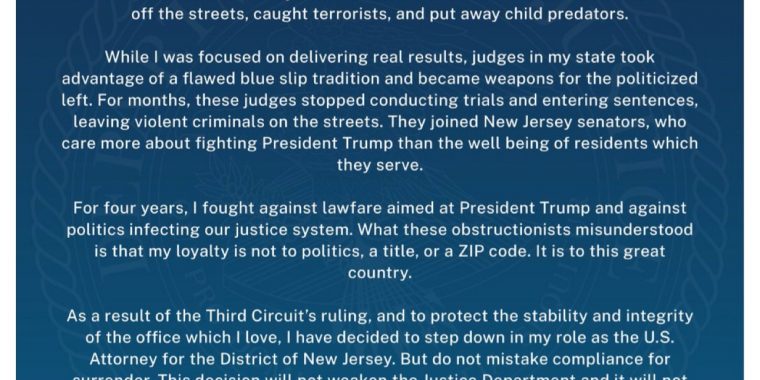
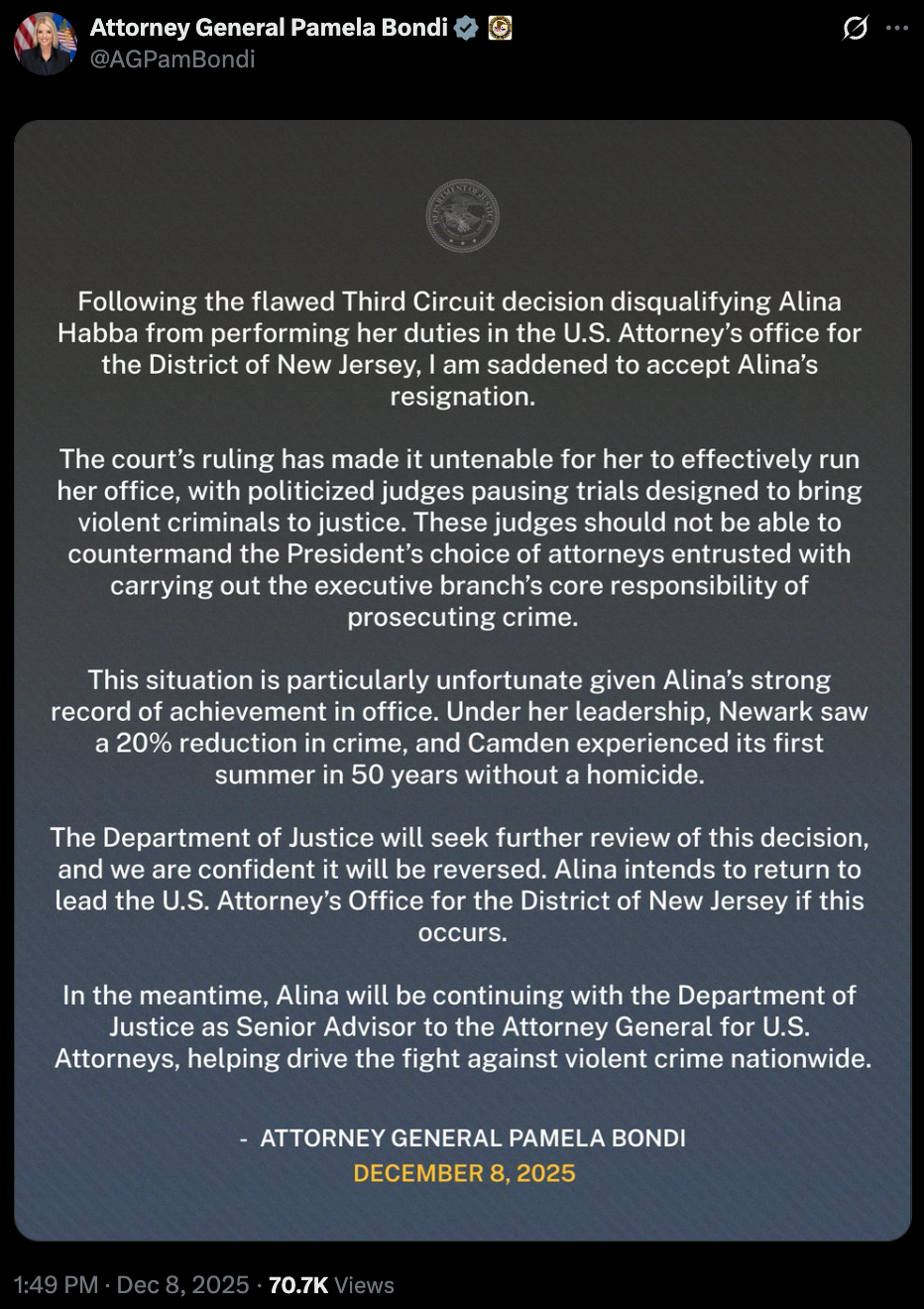
Alina Habba Quits Job She Never Legally Held – Above the Law

Alina
Habba
announced
today
that
she
is
“stepping
down”
from
her
position
as
Acting
U.S.
Attorney
for
the
District
of
New
Jersey.
Which
is
a
creative
way
to
describe
leaving
a
job
that

the
federal
courts
have
ruled
she
doesn’t
actually
hold
.

Habba,
the
parking
garage
lawyer
plucked
from
obscurity
by
Donald
Trump

to
help
him
rack
up
a
million
dollars
in
sanctions
,
had
served
as
Interim
U.S.
Attorney
for
the
District
of
New
Jersey
until
the
statutory
120-day
limit
on
that
post
expired.
At
that
point,
without
a
duly
confirmed
U.S.
Attorney,
the
district
judges
fulfilled
their
legal
duty
and
appointed
one.
Meanwhile,
the
administration
gave
Habba
the
job
as
First
Assistant
and

pretended
that
she
took
over

as

Acting

U.S.
Attorney
at
that
point.
The
courts
disagreed
and
most
recently
the
Third
Circuit
affirmed
that
decision.

Habba
has
now
pretended
to
resign
the
job
she’s
been
pretending
to
have.

Hardly
the
most
consequential
takeaway,
but
the
decision
to
write,
“my
loyalty
is
not
to…
a
ZIP
code,”
followed
by
“you
can
take
the
girl
out
of
New
Jersey,
but
you
cannot
take
New
Jersey
out
of
the
girl,”
suggests
the
statement
went
through
exactly
as
many
drafts
as
you’d
expect.

The
Third
Circuit
affirmed
what
Judge
Matthew
Brann
ruled
back
in
August:
you
cannot
play
an
elaborate
game
of
musical
chairs
with
interim
appointments
and
“special
attorney”
designations
to
circumvent
the
Senate
confirmation
process.
The
whole
point
of
the
Federal
Vacancies
Reform
Act
is
to
prevent
exactly
this
kind
of
patronage
appointment
of
unqualified
loyalists.

Now,
with
an
appellate
court
confirming
what
we
all
already
knew,
the
Habba
experiment
is
finally
over.

OR
IS
IT?!?

Three
minutes
after
Habba’s
announcement,
we
have
Attorney
General
Pam
Bondi
purporting
to
accept
Habba’s
resignation
while
claiming
that
the
DOJ
is
appealing
the
Third
Circuit
opinion
and
bringing
Habba
back
if
they
win.
How
is
this
not
moot?

Obviously,
it
behooves
the
DOJ
to
keep
pushing
this
issue
since
this
is

the
same
problem
they’ve
got
in
the
Eastern
District
of
Virginia
with
Lindsey
Halligan


one
of
the
few
lawyers
who
makes
Alina
Habba
look
like
Oliver
Wendell
Holmes
since
her
incompetent
handling
of
the

Comey

and

James

cases
really
could
not
have
been
scripted
any
better

and

in
the
Northern
District
of
New
York
with
John
Sarcone
III
.
Perhaps
Bondi’s
suggesting
the
DOJ
will
take
their
chances
in
other
jurisdictions
and
try
to
use
any
victory
there
to
ramrod
Habba
back
in?
WHO
KNOWS?

Thankfully
for
Habba,
the
Pam
Bondi
School
for
Wayward
Lawyers
still
has
a
home
for
her.
Like
Ed
Martin,
the
proposed
U.S.
Attorney
for
D.C.

that
even
the
Republicans
refused
to
back
,
who
fell
backward
into

a
made-up
“weaponization
working
group”
job
in
the
DOJ

to
harass
Trump’s
political
rivals,
Habba
will
get
a
new
DOJ
title
as
a
“Senior
Advisor”
to
“drive
the
fight
against
violent
crime
nationwide.”

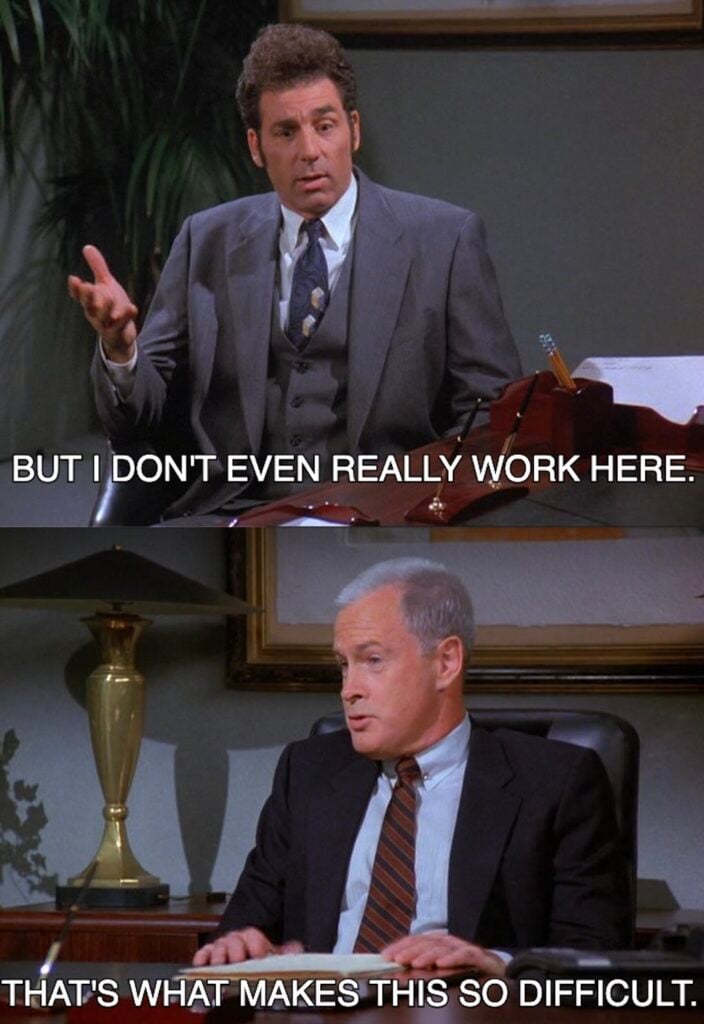
Habba
leaves,
much
like
Kramer
left
Brandt
Leland:


HeadshotJoe
Patrice
 is
a
senior
editor
at
Above
the
Law
and
co-host
of

Thinking
Like
A
Lawyer
.
Feel
free
to email
any
tips,
questions,
or
comments.
Follow
him
on Twitter or

Bluesky

if
you’re
interested
in
law,
politics,
and
a
healthy
dose
of
college
sports
news.
Joe
also
serves
as
a

Managing
Director
at
RPN
Executive
Search
.

Biglaw’s Worst Enemy Isn’t AI, It’s Clients Using AI to Stop Paying Them – Above the Law

Corporate
law
departments
have
embraced
their
inner-DIY
urge.
Thankfully,
instead
of
attempting
to
gut
their
kitchens
after
binging
HGTV,
these
lawyers
have
channeled
this
into
doing
more
and
more
of
their
own
legal
work
and
using
their
newfound
independence
to
overhaul
their
outside
counsel
relationships.
And,
as
one
might
suspect
for
a
story
in
2025,
AI
is
involved.

The

2025
Harbor
Law
Department
Survey
,
conducted
in
collaboration
with

CLOC
,
dropped
this
morning.
Pulling
insights
from
135
corporate
law
departments
representing
companies
with
a
median
revenue
of
$13
billion,
the
survey
indicates
a
power
shift
underway
with
GCs
capturing
the
upper
hand.
Biglaw
isn’t
going
out
of
business
any
time
soon,
but
58
percent
of
surveyed
legal
departments
expected
to
increase
their
outside
counsel
spend
last
year.
This
year,
only
37
percent
project
sending
more
money
to
the
firms.
Economic
uncertainty
probably
accounts
for
some
of
the
depressed
spending,
but
the
dropoff
is
too
significant
to
fully
blame
on
tariffs
and
federal
mismanagement.

GCs
keep
bringing
work
in-house.
In
itself,
this
isn’t
unprecedented.
Much
like
those
HGTV
viewers,
every
few
years
a
bunch
of
in-house
lawyers
get
convinced
that
they
can
save
some
money
handling
the
work
of
outside
professionals.
Whether
it’s
the
Property
Brothers
replacing
a
load-bearing
wall
or
Cravath
drafting
a
cease
and
desist,
there
will
be
someone
out
there
to
confidently
declare,
“I’m
pretty
sure
I
could
do
that.”
In
legal,
that
trend
will
last
a
year
or
so
and
then
clients
start
ticking
up
outside
spend
again.

The
difference
this
time
is
scale.
Almost
two-thirds
of
legal
departments
reported
intentionally
bringing
more
work
inside
over
the
past
two
years.
Which
just
so
happens
to
coincide
with
the
two
years
where
the
conversation
around
AI
leapt
from
nerdy
diversion
to
magic
productivity
box.
According
to
the
survey,
law
departments
embraced
the
change,
with
85
percent
indicating
that
they
have
dedicated
resources
to
managing
AI
initiatives,
with
live
or
piloting
solutions
for
general
productivity
(74%),
summarization
(56%),
legal
research
(54%),
content
creation
(54%),
and
contract
intelligence
(49%).

Beyond
reducing
outside
workload,
this
DIY
spirit
enables
a
reboot
of
the
whole
outside
counsel
relationship.
The

billable
hour
continues
to
cling
to
life

like
a
Boomer
clings
to
a
multimillion
dollar
property
they
bought
for
$15K
in
the
70s,
but
time
is
starting
to
chip
away
at
its
tenacity.
As
AI
transfers
more
leverage
to
clients,
law
departments
are
negotiating
more
budget
projection-friendly
alternative
fee
arrangements.
Over
three-quarters
of
respondents
now
use
AFAs.
Some
69
percent
have
convergence
or
preferred
provider
panels,
a
jump
from
50
percent,
reflecting
a
shift
toward
deeper
and
more
easily
managed
client
relationships.

“Departments
are
shifting
from
reactive
cost-containment
to
structured
operational
strategies

optimizing
outside
counsel,
implementing
workflow
technologies,
and
building
robust
AI
governance,”
said
Lauren
Chung,
survey
editor
and
Practice
Group
Lead,
Strategy
+
Transformation
at
Harbor.
“The
emphasis
on
legal
operations
and
technology
strategy
underscores
that
transformation
is
now
a
defining
capability
of
leading
corporate
law
departments.”

Which
is
consultant-speak
for
“clients
now
have
the
tools
to
actually
enforce
accountability.”
Partner
wants
to
push
back
on
fixed
fees?
Fine,
we’ll
keep
it
in-house.
Firm
balking
at
joining
the
preferred
panel
on
your
terms?
Plenty
of
other
firms
will
jump
at
becoming
one
of
our
go-to
firms.
That
5%
rate
increase
you
want?
Let
me
check
what
our
AI
budget
could
do
with
that
money
instead.

Now,
these
legal
departments
need
to
maintain
a
clear-eyed
assessment
of
their
AI-fueled
capabilities.
The
appointed
prophets
of
AI
swear
that
there’s

no
task
that
their
miracle
devices
can’t
tackle

while
we
sit
back
and

count
the
sanctions
.
Playing
hardball
with
the
professionals
is
a
lot
easier
before
you’ve
accidentally
flooded
the
basement.
“Legal
leaders
are
no
longer
simply
exploring
AI,
they’re
deploying
it
to
unlock
productivity,
accelerate
legal
research,
and
enhance
content
and
contract
workflows,”
said
Jaime
Woltjen,
Senior
Director
of
Strategy
+
Transformation
at
Harbor.
“At
the
same
time,
departments
are
thoughtfully
building
governance
frameworks
to
ensure
responsible
and
secure
use.”

Much
of
that
task
is
falling
on
the
Legal
Ops
professionals,
who
reported
their
three
top
priorities
over
the
next
year
as
technology
strategy
(80%),
financial
management
(72%),
and
outside
counsel
management
(62%).

Notice
how
neatly
those
priorities
align.
A
technology
strategy
to
improve
financials
and
build
leverage
over
outside
counsel.
Quite
the
battle
plan
for
the
Legal
Ops
warriors.
While
Biglaw
continues
charting
its
own
AI
adoption,
it
needs
to
keep
an
eye
on
the
clients,
because
rate
increases
are
going
to
get
a
lot
harder
to
sell
when
the
client
has
the
same
power
tools.


Joe
Patrice
 is
a
senior
editor
at
Above
the
Law
and
co-host
of

Thinking
Like
A
Lawyer
.
Feel
free
to email
any
tips,
questions,
or
comments.
Follow
him
on Twitter or

Bluesky

if
you’re
interested
in
law,
politics,
and
a
healthy
dose
of
college
sports
news.
Joe
also
serves
as
a

Managing
Director
at
RPN
Executive
Search
.

Associate Compensation Scorecard: Biglaw’s 2025 Bonus Blitz – Above the Law


Firm

Date
Matched

Minimum
Hours

Payout
Date

Cravath

Class
of
2025:
$15K
/
$6K
(prorated)
Class
of
2018:
$115K
/
$25K November
18,
2025 None December
12,
2025
Paul
Hastings

Class
of
2024:
$20K
/
$6K
Class
of
2018+:
$115K
/
$25K November
18,
2025 2000
hours Undisclosed
Cadwalader

Class
of
2025:
$15K
/
$6K
(prorated)
Class
of
2017:
$115K
/
$25K November
18,
2054 Additional
bonuses
“equal
to
120%
of
[market
bonuses]”
for
high
billers
with
2200
hours
or
more By
or
before
end
of
February
2026
Fried
Frank

Class
of
2025:
$15K
/
$6K
(prorated)
Class
of
2018+:
$115K
/
$25K November
19,
2025 1850
hours
for
special
bonus
(including
billable,
pro
bono,
qualified
nonbillable,
and
firm
matter
hours);
associates
eligible
for
“premium”
bonus
ranging
from
$3K
to
$34.5K
for
2200
hours
or
2450
hours On
or
before
December
31,
2025
McDermott
Will
&
Schulte

Class
of
2025:
$0
/
$6K
(prorated)
Class
of
2018+:
$115K
/
$25K November
19,
2025 2000
hours
(merit
bonuses
available
for
eligible
associates;
“two-thirds”
of
legacy
MWE
associates
will
see
bonuses
above
market) December
26,
2025
(legacy
MWE)
/
January
16,
2026
(legacy
SRZ)
Dechert

Class
of
2024:
$20K
/
$6K
Class
of
2018+:
$115K
/
$25K November
19,
2025 1950
hours
(client
billable,
pro
bono,
firm
as
client,
maximum
of
50
community
hours);
associates
who
exceeded
hours
expectations
eligible
to
receive
an
“extraordinary”
bonus
(i.e.,
2200
hours
=
addt’l
30%;
2400+
hours
=
addt’l
40%) By
or
before
end
of
January
2026
Wilkinson
Stekloff

Class
of
2025:
$22.5K
/
$0
spring
bonus
Class
of
2017+:
$172.5K
/
$60K
spring
bonus November
19,
2025 None By
December
15,
2025
Ropes
&
Gray

Class
of
2025:
$15K
/
$6K
(prorated)
Class
of
2017+:
$130K
/
$25K November
20,
2024 1900
creditable
hours
(bonuses
“may
be
increased
up
to
150%
of
the
year-end
bonus
amounts”
for
those
who
have
billed
“materially
more”
than
1900
hours) Undisclosed
Hogan
Lovells

Class
of
2024:
$20K
/
$6K
Class
of
2018+:
$115K
/
$25K November
20,
2025 2000
hours;
additional
bonuses
available
include
incremental
hours-based
bonuses,
discretionary
bonuses,
and
business-generation
bonuses End
of
December
2025
Vartabedian
Hester
&
Haynes

Class
of
2025:
$21K
(total
bonus,
including
$5K
summer
bonus)
Class
of
2018:
$140K
(total
bonus,
including
$5K
summer
bonus) November
20,
2025 1800
hours On
or
before
December
31,
2025
Paul
Weiss

Class
of
2025:
$15K
/
$6K
Class
of
2018+:
$115K
/
$25K November
21,
2025 None
(additional
discretionary
bonuses
for
“outsized
contributions”) December
22,
2025;
discretionary
bonuses
to
be
paid
in
early
2026
Proskauer

Class
of
2025:
$15K
/
$6K
(prorated)
Class
of
2017:
$115K
/
$25K November
21,
2025 2000
hours On
or
before
December
24,
2025
Baker
Botts

Class
of
2024:
$20K
/
$6K
Class
of
2018+:
$115K
/
$25K November
21,
2025 2000
hours
(1800
client
billable
hours
and
200
non-client
billable
hours,
including
pro
bono,
business
development,
etc.);
“enhanced”
bonuses
available
for
“exceptional”
performance Undisclosed
Davis
Polk

Class
of
2025:
$15K
/
$6K
(prorated)
Class
of
2018+:
$115K
/
$25K November
21,
2025 None December
30,
2025
White
&
Case

Class
of
2025:
$15K
/
$6K
(prorated)
Class
of
2018:
$115K
/
$25K November
21,
2025 Eligibility
criteria
detailed
in
separate
memo February
13,
2026
Debevoise

Class
of
2025:
$15K
/
$6K
(prorated)
Class
of
2018+:
$115K
/
$25K November
21,
2025 None Undisclosed
Skadden

Class
of
2025:
$15K
/
$6K
Class
of
2018+:
$115K
or
$125K
/
$25K November
21,
2025 1800
“productive
hours”
(including
unlimited
pro
bono
time
and
up
to
150
hours
of
productive
non-billable
work) December
15,
2025
Cleary

Class
of
2025:
$15K
/
$6K
(prorated)
Class
of
2018+:
$115K
/
$25K November
21,
2025 None December
19,
2025
A&O
Shearman

Class
of
2025:
$15K
/
$6K
(prorated)
Class
of
2018+:
$115K
/
$25K November
21,
2025 2000
hours
(including
a
minimum
of
25
pro
bono
hours
and
up
to
100
investment
hours
(e.g.,
DEI/mental
health;
personal
development/training;
community
involvement;
management
&
talent
development;
knowledge
development;
origination,
client
relationships,
business
development;
and
market
innovation
group));
associates
eligible
for
an
“enhanced
year-end
bonus”
if
they
“significantly
exceed”
the
firm’s
hourly
requirements Undisclosed
Covington

Class
of
2025:
$15K
/
$6K
Class
of
2018+:
$115K
/
$25K November
21,
2025 1950
hours
(including
pro
bono
and
up
to
50
DEI
hours) January
2026
Vinson
&
Elkins

Class
of
2025:
$15K
/
$6K
(prorated)
Class
of
2018+:
$115K
/
$25K November
24,
2025 Based
on
hours
and
good
standing On
or
about
January
30,
2026
Simpson
Thacher

Class
of
2025:
$15K
/
$6K
(prorated)
Class
of
2018:
$115K
/
$25K November
24,
2025 Undisclosed December
2025
Milbank

Class
of
2025:
$15K
/
$6K
(paid
9/25)
Class
of
2017:
$115K
/
$25K
(paid
9/25) November
24,
2025 None December
31,
2025
Willkie
Farr

Class
of
2025:
$15K
/
$6K
(prorated)
Class
of
2018+:
$115K
/
$25K November
24,
2025 None December
31,
2025
Weil
Gotshal

Class
of
2025:
$15K
/
$6K
(prorated)
Class
of
2018+:
$115K
/
$25K November
25,
2025 None January
30,
2026
Holwell
Shuster

Class
of
2025:
$15K
/
$6K
(prorated)
Class
of
2018:
$115K
/
$25K November
25,
2025 None On
or
before
December
31,
2025
Linklaters

Class
of
2025:
$15K
/
$6K
(prorated)
Class
of
2018+:
$115K
/
$25K November
26,
2025 1900
hours
(including
unlimited
pro
bono,
up
to
400
hours
of
marketing,
and
other
work) Undisclosed
Clifford
Chance

Class
of
2025:
$15K
/
$6K
(prorated)
Class
of
2018+:
$115K
/
$25K November
26,
2025 None
(based
on
overall
performance,
quality
of
work,
contributions
to
firm,
teamwork,
and
pro
bono) January
15,
2026
Perkins
Coie

Class
of
2025:
$6K
Class
of
2018+:
$25K November
26,
2025 Undisclosed;
year-end
bonuses
announced
separately December
31,
2025
Sidley

Class
of
2024:
$15K
/
$6K
Class
of
2017:
$115K
/
$25K December
1,
2025 2000
hours
required
for
base
bonuses;
associates
with
“higher
productivity
and/or
exceptional
performance”
will
receive
additional
bonuses,
up
to
“more
than
50%
above
base
bonus” Prior
to
December
31,
2025
Sheppard
Mullin

A1:
$15K
/
$6K
C2:
$115K
/
$25K December
2,
2025 2000
hours
for
base
bonus
(associates
who
record
1950
hours
will
receive
a
partial
bonus;
associates
who
record
2200
and
2400
hours
will
receive
110%
and
120%
of
the
market
bonus);
2000
hours
for
special
bonus January
16,
2026
McKool
Smith

Class
of
2025:
$15K
/
$6K
(prorated)
Class
of
2018:
$115K
/
$25K December
2,
2025 Undisclosed;
high
billers
will
receive
additional
bonus
money,
with
some
exceeding
the
market
scale
more
than
35%;
firm
previously
awarded
Thanksgiving
bonuses
based
on
tenure
at
the
firm
(ranging
from
$2.5K
to
$10K) December
19,
2025
Cahill

Class
of
2025:
$15K
/
$7.5K
(prorated)
Class
of
2017:
$115K
/
$40K December
4,
2025 Undisclosed;
select
associates
in
Classes
of
2018-2022
who
have
demonstrated
“extraordinary”
performance
eligible
for
a
“super
bonus”
up
to
$200K
(based
on
performance
and
seniority)
in
lieu
of
special
bonus Second
half
of
January
2026
Katten

Class
of
2025:
$15K
/
$6K
(prorated)
Class
of
2018+:
$115K
/
$25K December
4,
2025 2000
hours
(2100
hours
for
$16.5K-$126.5K;
2200
hours
for
$18K-$138K;
2300
hours
for
$19.5K-$149.5K;
2400
hours
for
$22.5K-$172.5K);
additional
“superstar”
bonuses
available Undisclosed
Orrick

Assoc
Year
1:
$15K
/
$6K
(prorated)
Senior
Assoc
Year
2+:
$115K
/
$25K December
4,
2025 Overmarket
merit
bonuses
for
those
who
have
displayed
“exceptional
performance” December
31,
2025
(special
bonuses);
mid-February
2025
(merit
bonuses)

Sabrina Carpenter Wins Musical Feud With The White House, They Move On To Her Comedy Career – Above the Law

(Photo
by
Michael
Buckner/Variety
via
Getty
Images)

Last
week,
the
White
House
decided
to
release
a

Juno
-backed
musical
montage
of
ICE
arresting
people
on
Twitter.
Having
none
of
it,
Sabrina
Carpenter
took
to
the
site
to
call
the
video
evil,
disgusting,
and
suggested
that
the
ICE
arrests
were
part
of
an
“inhumane
agenda.”
3
for
3
honestly.
But
the
biggest
numbers
involved
the
ratio

Sabrina’s
fuck-off
message
got
orders
of
magnitude
more
support
than
the
White
House’s
attempt
at
socially
relevant
propaganda.
They’ve
since
deleted
the
video
and
moved
on
from
Juno,
but
they’re
still
hung
up
on
Sabrina
Carpenter.

They
can
try
the
ignore
the
loss
and
throw
another
punch
strategy,
but
the
internet
never
forgets:

Little
cringe
to
see
the
White
House
play
scorned
fangirl
with
a
pop
star
who
didn’t
want
to
be
associated
with

bottom
of
the
barrel
ICE
agents
,
but
fully
in
the
realm
of
expectation
for
this
administration.

Cease-and-desist
crisis
averted,
I
guess.
That
said,
this
does
set
SNL
up
to
do
something
very
funny.
SNL
has
yet
to
respond
with
a
“stop
being
evil
and
keep
my
name
out
of
it”
post,
but
the
people
are
doing
a
great
job
of
dragging
the
White
House’s
social
media
through
the
mud
in
the
meantime:

Personally,
I
can’t
wait
for
SNL
to
file
a
cease
and
desist
against
the
administration;
it
would
make
them
the
first
comedy
show
to
make
ATL’s
“DO
NOT
PLAY
AT
RALLY
PLAYLIST,’
which
you
can
listen
to
here:


Earlier
:

Trump
Administration’s
Cease
And
Desist
Playlist
Gains
Another
Star


Chris
Williams
became
a
social
media
manager
and
assistant
editor
for
Above
the
Law
in
June
2021.
Prior
to
joining
the
staff,
he
moonlighted
as
a
minor
Memelord™
in
the
Facebook
group Law
School
Memes
for
Edgy
T14s
.
 He
endured
Missouri
long
enough
to
graduate
from
Washington
University
in
St.
Louis
School
of
Law.
He
is
a
former
boatbuilder
who
is
learning
to
swim, is
interested
in
critical
race
theory,
philosophy,
and
humor,
and
has
a
love
for
cycling
that
occasionally
annoys
his
peers.
You
can
reach
him
by
email
at [email protected]
and
by
tweet
at @WritesForRent.

A Vigilante Military – Above the Law

(Photo
by
Anna
Moneymaker/Getty
Images)

Call
me
a
skeptic
from
the
start: If
you
wanted
to
keep
criminals
from
bringing
cocaine
into
the
United
States,
then
you’d
work
with
our
allies,
rather
than
work
alone;
you’d
secure
evidence,
rather
than
destroy
it;
you’d
capture
and
interrogate
suspects,
rather
than
bomb
them;
and
you’d
work
your
way
up
to
the
ringleaders
of
a
cartel,
and
then
go
after
them.

Voila! Real
progress
in
your
new
war
on
drugs.

But
the
Trump
administration
has
chosen
to
go
after
supposed
drug
traffickers
from
Venezuela
exactly
the
opposite
way: The
United
States
works
alone;
we
blow
up
boats
with
evidence
aboard;
we
kill
suspects;
we
make
no
effort
to
work
our
way
up
the
criminal
chain.

Trump
can
say
the
operation
off
the
shores
of
Venezuela
is
meant
to
stop
crime,
but
it’s
nothing
of
the
sort. It’s
an
effort
to
appeal
to
emotionally
underdeveloped
morons
who
feasted
on
“Dirty
Harry”
films
in
their
youth
and
think
it’s
cool
when
vigilantes
kill
the
bad
guys.

I
don’t
feel
so
lucky.

The
strike
that’s
gotten
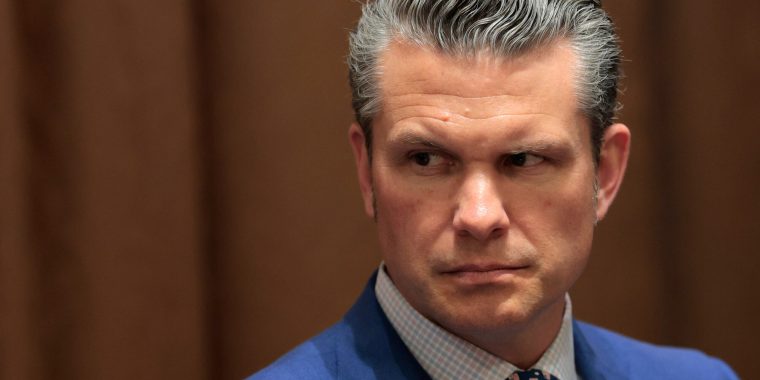
Secretary
of
Defense
Pete
Hegseth
into
hot
water
is
remarkable. The
military
blew
up
a
boat,
killing
nine
people
and
leaving
two
alive. The
alleged
drug
boat
was
apparently
split
in
two. The
two
survivors
were
clinging
to
the
top
of
a
capsized
piece
of
a
boat
trying
to
right
it. The
admiral
in
charge
of
the
mission
decided
that
the
two
survivors
might
radio
for
help,
collect
some
floating
bales
of
cocaine,
and
continue
their
effort
to
smuggle
drugs. Because
the
two
might
radio
for
help,
they
were
not
“out
of
combat”
and
remained
a
legitimate
target. The
admiral
ordered
the
two
killed
in
a
follow-up
strike.

Hegseth
had
seemingly
left
the
room
by
the
time
the
second
strike
occurred.

Can
you
find
the
mistakes
in
this
picture? 

Go
ahead;
make
my
day.

First,
Hegseth
is
the
clown
with
the
intelligence
of
a
12-year-old
overseeing
this
operation. A
few
months
back,
he
tried
to
prove
that
he
was
important
by
sharing
secret
messages
about
a
forthcoming
strike
in
Yemen
in
a
Signal
chat
with
other
people: “I’m
the
Secretary
of
Defense!
I
know
some
confidential
things,
and
I’m
going
to
prove
that
I’m
cool! Let
me
share
some
secrets
with
you!”  

The
guy
with
this
mindset
decides
that
he
doesn’t
want
to
stay
in
the
room
to
watch
the
follow-up
strike,
but
instead
voluntarily
walks
off
to
attend
to
more
important
business?

Maybe. 

Second,
the
admiral
and
others
remaining
in
the
room
can’t
contact
the
Secretary
when
they’re
deciding
whether
to
make
a
follow-up
strike. I
guess
the
SecDef
doesn’t
have
either
a
cell
phone
or
a
military
aide
nearby
when
he’s
in
the
Pentagon. I
sure
hope
no
war
starts
when
Hegseth
is
in
the
Pentagon:  

“Where’s
the
Secretary? It’s
an
emergency!”

“Damned
if
I
know.”

“Anyone
got
his
phone
number?”

“He
doesn’t
carry
a
phone.”

“Can
we
contact
him
through
one
of
his
aides?”

“We
don’t
have
his
aides’
phone
numbers
either.”

And
the
conversation
stops,
because
the
Pentagon
was
nuked
while
the
military
rooted
around
trying
to
find
the
missing
Hegseth.

Are
you
buying
it?

But
accept
it
all.

Hegseth
has
left
the
room. The
remaining
folks
in
the
room
can’t,
or
don’t
want
to,
contact
Hegseth. The
admiral
looks
at
the
situation
and
draws
some
conclusions: Two
guys
are
clinging
to
the
top
of
a
capsized
boat. Admittedly,
the
two
hadn’t
committed
a
“hostile
act,”
and
they
hadn’t
“attempt[ed]
to
escape,”
which
are
the
actions
that
the DOD
Law
of
War
Manual
 says
might
allow
targeting
them. But
the
shipwrecked
men
might
try
to
radio
for
help
(if
they
have
a
radio
on
top
of
their
capsized
boat)
or
otherwise
flag
down
help. The
admiral
thinks
this
means
the
two
men
are
trying
to
re-enter
combat,
which
justifies
killing
them.

Really? If
I
were
clinging
to
the
top
of
a
capsized
boat
in
the
open
ocean,
I’d
try
to
radio
(or
otherwise
call
for)
help
too,
not
because
I
wanted
to
get
back
in
the
fight,
but
because
I
was
clinging
to
the
top
of
a
capsized
boat
in
the
open
ocean,
for
chrissake! I
could
use
some
help. This
would
make
me
a
legitimate
military
target?

Finally,
for
the
military
to
make
its
case
to
the
American
people,
the
military
could
release
the
video
of
the
second
strike. Remember: The
military
voluntarily
chose
to
release
the
film
of
the
first
strike: Hegseth
played
the
video
when
he
bragged
about
the
strike
on
Fox
News,
and
Trump
later
also
showed
the
film.

(If
you
don’t
actually
show
the
film
to
the
public,
you
don’t
satisfy
the
bloodlust
of
your
emotionally
underdeveloped
vigilante
fans.)

It’s
thus
apparently
okay
to
release
the
film
of
the
first
strike. That
film
is
not
secret,
does
not
disclose
sources
and
methods
for
gathering
intelligence,
and
there’s
no
other
reason
to
keep
it
under
wraps.

Play
it
on
Fox
News.

But
when
the
public
asks
to
see
the
film
of
the
second
strike,
all
of
a
sudden
that’s
off
limits? (Or
at
least
it’s
still
off
limits
as
I’m
writing
this,
on
Saturday
afternoon. Perhaps
the
second
video
will
have
been
released
by
Monday.)

What
possible
justification
is
there
for
releasing
the
film
of
the
first
strike
and
then
withholding
the
film
of
the
second?

Unless,
maybe,
the
second
film
would
be
unhelpful
to
the
military’s
story.

I’m
not
a
military
lawyer. I’m
out
here
in
the
cheap
seats,
thinking
about
what
we’re
being
told,
what
makes
sense,
and
who’s
telling
the
truth.

Don’t
let
your
partisanship
cloud
your
vision.

Just
use
your
own
common
sense,
instead
of
your
bloodlust,
and
work
this
out
for
yourself.


Mark Herrmann spent
17
years
as
a
partner
at
a
leading
international
law
firm
and
later
oversaw
litigation,
compliance
and
employment
matters
at
a
large
international
company.
He
is
the
author
of 
The
Curmudgeon’s
Guide
to
Practicing
Law
 and Drug
and
Device
Product
Liability
Litigation
Strategy
 (affiliate
links).
You
can
reach
him
by
email
at 
[email protected].

DOJ Locked Out Of Comey Evidence It Never Should Have Had – Above the Law

James
Comey
(Getty
Images)

Sometimes,
the
wheels
of
justice
turn
slowly.
Sometimes
they
move
at
warp
speed.
This
is
one
of
the
latter,
thanks
to
the
Justice
Department’s
shenanigans.

On
Saturday
evening,
Judge
Colleen
Kollar-Kotelly
effectively
sealed
the
evidence
in
the
government’s
case
against
former
FBI
director
James
Comey.
The

ruling

came
in
a
suit
filed
by
Daniel
Richman,
Comey’s
friend
and
sometimes
lawyer,
who
demanded
the
return
of
files
seized
from
him
in
2019
and
2020
as
part
of
the
“Arctic
Haze”
investigation
into
the
leak
of
national
defense
information.
The
government
closed
that
investigation
without
charge
and
should
have
destroyed
or
sealed
the
evidence
years
go.
Instead
it
simply
pulled
it
out
of
storage
and
dove
back
in
when
Trump
demanded
that
someone
indict
Comey.
The
DOJ
never
even
sought
a
new
warrant,
using
material
seized
from
Richman
five
years
ago
to
secure
the
now-dismissed
Comey
indictment.

The
legality
of
that
search
was
hotly
contested
this
year,
with
Magistrate
Judge
William
Fitzpatrick
assigned
to
adjudicate
Comey’s

demand
for
discovery

into
the
potential
illegal
search
and
exclusion
of
the
Richman
evidence.
The
case
was
dismissed
before
the
motion
was
adjudicated,
leaving
the
government
free
to
keep
looking
at
the
documents
without
having
to
justify
the
search.

For
the
time
being,
that’s
on
hold,
thanks
to
Judge
Kollar-Kotelly’s
order.
The
court
also
prodded
the
Justice
Department
to
quit
playing
games
and
enter
an
appearance
in
Richman’s
lawsuit,
citing
the
DOJ’s
intransigence
as
the
primary
reason
for
granting
Richman

ex
parte

relief.

Rule
41(g)
Motion

Two
days
after
Judge
Cameron
Currie

dismissed
Comey’s
indictment

because

Lindsey
Halligan
isn’t
a
real
US
Attorney
,
Richman
filed
a

Rule
41(g)
request

for
the
return
of
the
evidence
seized
from
him
back
in
2019.
He
also
asked
for
injunctive
relief
barring
the
government
from
“searching,
relying
on,
or
reviewing”
his
files
pending
resolution
of
his
claims.

After
a
week
ticked
by
with
no
response
from
the
Justice
Department,
Richman’s
counsel
emailed
Jocelyn
Ballantine,
Deputy
Chief
of
the
National
Security
section
at
the
US
Attorney’s
Office
in
DC.
He
asked
if
the
government
would
agree

not

to
paw
through
Richman’s
records
while
the
motion
was
being
adjudicated,
obviating
the
need
for
a
temporary
restraining
order.

Ballantine
promised
to
reach
out
to
her
superiors
at
Main
Justice
and
respond
by
the
close
of
business
on
Thursday,
but
Thursday
came
and
went
with
no
word.
At
9
p.m.,
Richman’s
lawyers
pinged
her
again,
and
Ballantine
replied
that
she’d
get
back
to
him
“early
next
week.”

To
be
fair
to
Ballantine,
she
was

pretty
busy

on
Thursday
with
the
criminal
complaint
against
the
DNC/RNC
pipe
bomb
suspect
Brian
Cole,
Jr.
But,
intentionally
or
not,
the
delay
had
the
effect
of
allowing
the
DOJ
extra
time
to
trawl
through
Richman’s
files.
And
the
DOJ’s

failed
effort

to
re-indict
New
York
Attorney
General
Letitia
James

also
on
Thursday!

made
it
clear
that
the
Trump
administration
is
hell
bent
on
carrying
out
the
president’s
revenge
edict,
despite
Lindsey
Halligan’s
disqualification.

“Absent
a
TRO,
the
government
may
continue
to
use
the
property
in
a
manner
that
violates
Professor
Richman’s
rights—particularly
in
light
of
recent
news
reports
that
the
DOJ
may
seek
a
new
indictment
of
Mr.
Comey,”
his
lawyers
wrote
in
the

application
for
emergency
relief

filed
Friday.

By
Saturday
evening,
their
request
was
granted.

Knock
it
off
and
show
up

In
a
brief,

four-page
order
,
Judge
Kollar-Kotelly
held
that
Richman
is
likely
to
succeed
on
the
merits
of
his
Rule
41(g)
claim
for
return
of
property.

“The
Court
concludes
that
Petitioner
Richman
is
likely
to
succeed
on
the
merits
of
his
claim
that
the
Government
has
violated
his
Fourth
Amendment
right
against
unreasonable
searches
and
seizures
by
retaining
a
complete
copy
of
all
files
on
his
personal
computer
(an
‘image’
of
the
computer)
and
searching
that
image
without
a
warrant,”
she
wrote.

Ordinarily,
a
court
allows
the
party
opposing
a
motion
to
respond
before
entering
relief.
But
here,
Judge
Kollar-Kotelly
pointedly
dinged
the
DOJ
for
refusing
to
participate
in
the
case
in
an
official
capacity.

Eleven
days
after
the
suit
was
filed,
no
one
from
the
Justice
Department
has
bothered
to
enter
an
appearance.
This
is
particularly
egregious
since
the
US
Attorney’s
Office
has
been
in
contact
with
the
judge’s
chambers
and
Ballantine
participated
in
that
multi-day
colloquy
with
Richman’s
counsel.
The
government
can
hardly
claim
that
it’s
been
caught
unaware!

This
wheeze
allowed
investigators
to
keep
accessing
the
disputed
files,
while
avoiding
questions
about
their
location
and
custody

which
is
mighty
convenient,
in
light
of
news
reports
that
the
government
intends
to
re-indict
Comey
imminently.

“Given
that
the
custody
and
control
of
this
material
is
the
central
issue
in
this
matter,
uncertainty
about
its
whereabouts
weighs
in
favor
of
acting
promptly
to
preserve
the
status
quo,”
the
judge
wrote,
adding
that
“counsel
for
the
Government
may
move
to
dissolve
or
modify
this
Order
immediately
upon
entering
an
appearance,
and
the
Court
will
resolve
any
such
motion
as
promptly
as
justice
requires.”

The
government
will
remain
locked
out
of
the
files
through
at
least
Friday.
The
court
also
ordered
the
DOJ
to
enter
an
appearance
and
respond
to
Richman’s
motion
by
9
a.m.
Tuesday.

Now
to
find
some
assistant
US
Attorney
in
DC
willing
to
put
their
name
on
this
cursed
shitpile
and
explain
then
everything
that
went
down
here
is

very
cool
and
very
legal


Subscribe
to
read
more
at
Law
and
Chaos….


Liz
Dye
 and

Andrew
Torrez

produce
the
Law
and
Chaos Substack and podcast.
 You
can
subscribe
by
clicking
the
logo:


First This Firm Defeated Trump’s Executive Order — Now It’s Ordering Lawyers To Spend More Time At The Office – Above the Law

Who
would
have
thought
that
in
2025,
Biglaw
firms
would
be
forced
onto
the
front
lines
in
a
battle
for
the
rule
of
law
against
the
president?
Faced
with
retaliatory
executive
orders,
four
firms
chose
to
challenge
the
unconstitutional
orders
in
court,
and
each
one
that
did
was
granted
summary
judgment.
One
of
those
firms
is
Jenner
&
Block,
and
after
a
year
of
protracted
litigation,
it’s
now
calling
attorneys
into
the
office
on
a
more
regular
basis.

Last
week,
the
firm

which
brought
in
$682,158,000
gross
revenue
in
2024,
putting
it
at
No.
83
on
the
most
recent
Am
Law
100

notified
associates
in
its
U.S.
and
London
offices
that
beginning
on
March
1.
2026,
they’d
be
expected
to
work
from
the
office
four
days
each
week,
on
Monday
through
Thursday.
The
firm
currently
requires
three
days
in
the
office
and
is
now
one
of
only
three
firms
ranked
in
the
Second
50
in
the
Am
Law
100
to
mandate
more
time
spent
on
site.
What
inspired
this
change?
The

American
Lawyer

has
additional
details:

The
firm’s
hiring
has
helped
lead
to
additional
investments
in
space,
which
the
memo
cites
in
making
the
change. 

“If
we
are
going
to
invest
in
space,
we
need
to
use
it
fully.
Major
firms
across
the
legal
industry
are
increasingly
moving
to
4
and
5
days
in-office
attendance.
And
so,
as
we
invest
in
new
office
space,
stay
in-line
with
our
peers,
and,
most
importantly,
prioritize
the
interest
of
maintaining
the
Jenner
culture
that
sets
us
apart
and
carries
us
forward
on
behalf
of
our
clients
and
each
other,
we
believe
in-office
collaboration
is
essential
to
excellence
in
our
work
and
service,”
the
memo
stated.

Quite
a
few
Biglaw
firms
are
now
requiring
four
days
in
the
office
firmwide,
including
the
likes
of A&O
Shearman
CooleyCovingtonDavis
Polk
Dechert
(junior
associates);

DLA
Piper
 (corporate
associates); GoodwinHogan
Lovells
LathamPaul
Weiss
Reed
Smith
;

Ropes
&
Gray
SidleySimpson
Thacher
SkaddenVinson
&
Elkins
Weil
Gotshal
WilmerHale;
and

White
&
Case
Sullivan
&
Cromwell
 has
taken
its
attendance
policy
one
step
further,
requiring
attorneys
to
work
from
the
office
five
days
each
week.

As
soon
as
you
find
out
about
office
attendance
plans
at
your
firm,
please email
us
 (subject
line:
“[Firm
Name]
Office
Reopening”)
or
text
us
at (646)
820-8477
.
We
always
keep
our
sources
on
stories
anonymous.
There’s
no
need
to
send
a
memo
(if
one
exists)
using
your
firm
email
account;
your
personal
email
account
is
fine.
If
a
memo
has
been
circulated,
please
be
sure
to
include
it
as
proof;
we
like
to
post
complete
memos
as
a
service
to
our
readers.
You
can
take
a
photo
of
the
memo
and
attach
as
a
picture
if
you
are
worried
about
metadata
in
a
PDF
or
Word
file.
Thanks.


Amid
RTO
Movement,
Jenner
&
Block
Calls
for
Four
Days
in
the
Office

[American
Lawyer]


Staci
Zaretsky
 is
the
managing
editor
of
Above
the
Law,
where
she’s
worked
since
2011.
She’d
love
to
hear
from
you,
so
please
feel
free
to

email

her
with
any
tips,
questions,
comments,
or
critiques.
You
can
follow
her
on BlueskyX/Twitter,
and Threads, or
connect
with
her
on LinkedIn.

Senators Introduce Bipartisan Bill to Increase Oversight of PBMs – MedCity News

Senate
Finance
Committee
Chairman
Mike
Crapo
(R-Idaho)
and
Ranking
Member
Ron
Wyden
(D-Oregon)

introduced

a
bill
Thursday
that
aims
to
bring
more
transparency
into
the
practices
of
pharmacy
benefit
managers.

PBMs
have
come
under
a
lot
of
scrutiny
in
recent
years
due
to
their
vertical
integration
with
insurers
and
practices
that
inflate
drug
prices.
The
top
three
PBMs

CVS
Caremark,
Cigna’s
Express
Scripts
and
UnitedHealth
Group’s
Optum
Rx

control
about
80%
of
the
prescription
drug
market.

The
bill,
titled
the

PBM
Price
Transparency
and
Accountability
Act
,
would
delink
PBM
compensation
from
negotiated
rebates.
This
would
disincentivize
PBMs
from
promoting
higher-priced
drugs.
It
would
also
increase
reporting
requirements
for
PBMs
to
Medicare
Part
D
plan
sponsors
and
HHS,
as
well
as
help
plan
sponsors
audit
their
PBMs.

In
addition,
it
would
strengthen
requirements
that
plan
sponsors
contract
with
any
willing
pharmacy
that
meets
standard
terms
to
protect
rural
independent
pharmacies
from
harmful
practices
and
closures.
It
would
also
mandate
retail
community
pharmacies
to
participate
in
the
National
Average
Drug
Acquisition
Cost
(NADAC)
survey
to
ensure
more
accurate
Medicaid
reimbursement
rates.

Lastly,
PBMs
would
be
required
to
pass
Medicaid
payments
directly
to
pharmacies
so
that
there
is
more
transparency
in
drug
costs
for
states
and
taxpayers.

“Pharmacy
benefit
managers
should
not
profit
from
overcharging
patients
for
their
prescriptions,”
said
Crapo
in
a
statement.
“This
bipartisan
legislation
is
a
decisive
step
toward
making
the
prescription
drug
market
easier
to
navigate
for
both
patients
and
pharmacies.
These
proposals
form
a
strong
foundation
for
additional
efforts
to
promote
pharmacy
access,
demystify
drug
pricing
and
reduce
costs
for
both
taxpayers
and
seniors.”

Wyden
echoed
these
comments.

“It’s
long
past
time
to
go
after
middlemen
who
are
making
Americans’
prescription
drugs
more
expensive,”
he
said.
“The
Finance
Committee
has
put
forward
a
comprehensive
approach
to
stop
the
pharmacy
benefit
manager
business
practices
that
are
harming
seniors
and
taxpayers
who
count
on
Medicare
to
deliver
affordable
prescription
drugs.
It’s
time
to
get
this
done.”

The
bill
was
co-sponsored
by
19
additional
senators,
including
John
Barrasso
(R-Wyoming),
Michael
Bennet
(D-Colorado),
Marsha
Blackburn
(R-Tennessee),
Catherine
Cortez
Masto
(D-Nevada)
and
Bill
Cassidy
(R-Louisiana).

Numerous
efforts
have
been
attempted
to
rein
in
pharmacy
benefit
managers,
though
few
have
actually
come
to
fruition.
For
example,
last
year,
the
federal
government
almost
passed
a
spending
bill
that
would
have
cracked
down
on
PBMs,
but
this
provision
was

taken
out

at
the
last
minute. 

States
have
also
taken
their
own
steps.
California
recently

passed
a
law

that
will
regulate
PBMs.
Arkansas
also
passed
a
law
that
would

ban

PBMs
from
owning
pharmacies,
but
a
federal
judge
has

blocked

this
from
being
enacted.


Photo:
Stas_V,
Getty
Images

Morning Docket: 12.08.25 – Above the Law

*
Inside
the
Bernstein
Litowitz
drama
following
Musk
case.
[Financial
Times
]

*
Supreme
Court
set
to
hear
argument
on
executing

Humphrey’s
Executor
.
[NPR]

*
SMU
Dedman
plans
to
depart
historic
area
of
campus
they
told
everyone
they
intended
to
renovate.
[Daily
Campus
]

*
Federal
judges
did
not
commit
ethics
violations
by
reversing
retirement
plans
in
light
of
Trump
election.
[Reuters]

*
Juror
accuses
fellow
juror
of
“threats,
bullying,
assault.”
Why
yes,
this
is
in
Florida,
why
do
you
ask?
[Daily
Business
Review
]

*
Supreme
Court
tees
up
a
decision
on
the
merits
in
Trump’s
claim
that
he’s
erased
birthright
citizenship
from
the
Constitution.
[Law360]

*
Jenner
&
Block
call
folks
back
to
the
office.
[American
Lawyer
]

*
Examining
Justice
Kagan’s
dissent
from
the
majority’s
“Texas
can
do
a
little
racial
gerrymandering
as
a
treat”
order.
[One
First
]