I
just
wanted
to
share
with
children
some
stories
about
the
courage
and
sacrifice
of
the
heroes
behind
1776
who
gave
us
our
Constitution
and
our
liberties.
I
just
wanted
to
inspire
young
people
to
think
about
doing
great
things
like
that
themselves.
—
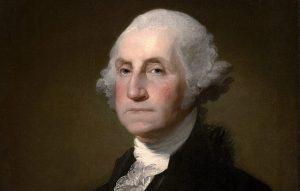
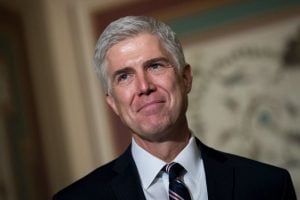
Justice
Neil
Gorsuch,
in
comments
given
to
Fox
News,
concerning
his
new
children’s
book,
“Heroes
of
1776:
The
Story
of
The
Declaration
of
Independence.”
The
book
is
set
to
be
released
in
May
2026,
just
ahead
of
the
250th
anniversary
of
the
Declaration
of
Independence.
Staci
Zaretsky is
the
managing
editor
of
Above
the
Law,
where
she’s
worked
since
2011.
She’d
love
to
hear
from
you,
so
please
feel
free
to
email
her
with
any
tips,
questions,
comments,
or
critiques.
You
can
follow
her
on Bluesky, X/Twitter,
and Threads, or
connect
with
her
on LinkedIn.
Todd
Blanche
and
Donald
Trump
(Photo
by
Brendan
McDermid-Pool/Getty
Images)
Todd
Blanche,
Deputy
Attorney
General
and
longtime
Trump
loyalist,
dropped
a
rhetorical
anvil
on
the
white-collar
bar
this
week
at a
conference
on
the
Foreign
Corrupt
Practices
Act.
According
to
reporting
by
POLITICO,
while
addressing
hundreds
of
lawyers
whose
job
is
literally
to
advise
clients
on
how
to
avoid
prosecution,
Blanche
warned
about
the
dangers
of
being
publicly
critical
of
the
Trump
Administration’s
white-collar
enforcement
efforts.
He
didn’t
even
try
to
subtle-code
it.
He
just…
said
the
thing
out
loud:
“If
folks
in
this
room
are
going
to
be
honest
brokers
when
counseling
clients,
posting
on
LinkedIn
or
writing
client
alerts,
the
public
narrative
should
match
the
private
one.
If
you
publicly
claim
we
are
not
enforcing
white-collar
crime
aggressively
enough,
but
privately
insist
that
your
clients
are
the
victims
of
overreach,
we
notice
that
inconsistency.”
The
nation’s
second-highest
law
enforcement
official
telling
lawyers
that
DOJ
“notices”
when
their
public
commentary
displeases
the
government
is
the
kind
of
thing
that,
not
too
long
ago,
would
set
off
every
alarm
bell
in
the
rule-of-law
universe.
Now
it’s
a
Thursday.
Blanche
wasn’t
done.
Not
even
close.
“It’s
remarkable
how
some
members
of
the
white-collar
bar
seem
to
have
an
endless
stream
of
clients
who
are
each
coincidentally
victims
of
supposed
overreach
or
weaponization,
but
still
publicly
draft
client
alerts
suggesting
that
the
department
is
not
prioritizing
white-collar
cases.
Such
a
statement
is
wrong.
White-collar
cases
are
a
significant
priority
for
President
Trump,
for
the
attorney
general
and
for
the
department.”
Nothing
chilling
about
that
at
all.
Let’s
not
forget
that,
via
Executive
Order,
Donald
Trump
paused
FCPA
enforcement
altogether
early
in
his
second
term,
claiming
that
American
businesses
were
being
unfairly
burdened
by
enforcement
“stretched
beyond
proper
bounds.”
DOJ’s
revised
guidelines
now
openly
emphasize
not
inconveniencing
U.S.
companies
operating
abroad.
Providing
this
relevant
context
to
clients
*is*
the
job.
For
the
lawyers
in
the
room,
Blanche’s
remarks
were
both
uncomfortable
and
clarifying:
the
Administration
is
building
a
world
where
criticism
of
the
government
carries
professional
risk.
White-collar
lawyers
know
the
stakes.
Their
clients
live
or
die
on
prosecutorial
discretion.
Telling
them
that
their
commentary
is
being
monitored
for
loyalty
to
the
Administration?
That’s
coercion.
Blanche
was
already
busy
last
month
announcing
“war”
on
judges
who
rule
against
the
Administration,
which
is
decidedly
not
a
normal
thing
for
a
Deputy
Attorney
General
to
say
out
loud
unless
he’s
auditioning
for
a
future
Ken
Burns
documentary
titled
The
Day
the
Rule
of
Law
Died.
Now
he’s
extending
this
war
footing
to
lawyers
themselves.
Judges,
lawyers,
journalists,
anyone
who
could
check
power
is
suddenly
in
Blanche’s
rhetorical
crosshairs.
Blanche’s
recent
moves
would
be
aggressive
taken
separately.
Together,
they’re
a
gameplan
for
authoritarianism.
MAGA
has
blown
straight
past
insulating
itself
from
criticism,
to
actively
threatening
the
people
who
provide
it.
Kathryn
Rubino
is
a
Senior
Editor
at
Above
the
Law,
host
of
The
Jabot
podcast,
and
co-host
of
Thinking
Like
A
Lawyer.
AtL
tipsters
are
the
best,
so
please
connect
with
her.
Feel
free
to
email
her
with
any
tips,
questions,
or
comments
and
follow
her
on
Twitter
@Kathryn1 or
Mastodon
@[email protected].
The
Founders
envisioned
a
strong
press
as
a
foundational
part
of
our
burgeoning
democracy.
A
strong
press
makes
it
easier
for
the
public
to
stay
informed
of
what
their
representatives
are
doing
and
to
hold
their
government
accountable
if
needed.
A
weak
press
gets
you
No
War
in
Ba
Sing
Se
scenarios
where
the
Venn
diagram
of
news
sources
and
propaganda
centers
is
a
circle.
Even
if
the
NYT
isn’t
perfectly
representative
of
American
press
coverage
and
interests,
their
legal
push
to
get
back
in
the
Pentagon
could
have
far-reaching
consequences
for
the
nation’s
news
sources.
Reuters
has
coverage:
The
New
York
Times
sued
the
U.S.
Department
of
Defense
and
Secretary
of
Defense
Pete
Hegseth
on
Thursday
in
an
effort
to
force
the
Pentagon
to
abandon
its
restrictive
new
press
policy,
the
latest
attempt
by
a
U.S.
news
organization
to
reclaim
access
to
government
spaces.
The
press
policy,
enacted
last
month,
requires
journalists
to
acknowledge
that
they
could
be
branded
security
risks
and
have
their
Pentagon
press
badges
revoked
if
they
ask
department
employees
to
disclose
classified
and
some
types
of
unclassified
information.
Why
is
the
pressure
on
the
journalists
to
not
ask
questions
that
could
involve
sensitive
information
and
not
on
the
Department
employees
to
keep
their
damned
mouths
shut?
It
is
squarely
within
the
job
description
for
journalists
to
ask
tough
questions
that
get
at
the
spirit
of
what
the
public
needs
to
know,
not
lob
softballs
about
how
bad
the
administration’s
political
enemies
are.
If
the
government
is
hiring
people
who
can’t
be
trusted
to
have
tight
lips
when
it
comes
to
classified
information,
that
means
they’ve
done
a
very
bad
job
of
vetting
their
hires.
Scapegoating
the
reporters
as
safety
risks
when
it’s
actually
your
own
personnel
isn’t
a
good
look,
Gov.
As
important
as
it
is
for
big
press
figures
like
the
Times
to
push
for
access
to
information,
they
could
also
just…
wait.
Especially
when
it
comes
to
Hegseth.
My
pet
theory
is
that
his
push
for
the
name
change
to
the
Department
of
War
was
that
he
knows
how
bad
he
is
at
defending
anything
—
including
secrets.
It
is
only
a
matter
of
time
before
the
Fox
and
Friends
talking
head
that
failed
upward
leaks
a
private
Signal
chat
or
drops
more
proof
of
war
crimes.
You’d
think
the
story
alleging
he
issued
a
double-tap
order
on
men
clinging
to
life
and
posing
no
threat
would
make
him
slow
down
with
the
public
disclosures
but
no,
dude
is
still
releasing
“Drug
Bust”
snuff
films:
The
good
news
is
that
the
law
is
on
their
side.
Even
with
the
“security
risk”
language,
it
is
hard
to
look
at
the
press
rule
as
anything
other
than
an
attempt
at
chilling
speech
that
doesn’t
conform
with
government
doxa.
The
bad
news
is
that
if
this
case
makes
it
all
the
way
to
the
Supreme
Court,
it
is
loaded
with
judges
who
are
willing
to
bend
the
law
to
their
desired
outcomes
if
it
benefits
the
Trump
administration.
Chris
Williams
became
a
social
media
manager
and
assistant
editor
for
Above
the
Law
in
June
2021.
Prior
to
joining
the
staff,
he
moonlighted
as
a
minor
Memelord™
in
the
Facebook
group Law
School
Memes
for
Edgy
T14s
.
He
endured
Missouri
long
enough
to
graduate
from
Washington
University
in
St.
Louis
School
of
Law.
He
is
a
former
boatbuilder
who
is
learning
to
swim, is
interested
in
critical
race
theory,
philosophy,
and
humor,
and
has
a
love
for
cycling
that
occasionally
annoys
his
peers.
You
can
reach
him
by
email
at [email protected]
and
by
tweet
at @WritesForRent.
One
of
the
small
rituals
of
law
firm
life
is
that
attorneys
frequently
send
exit
emails
to
the
colleagues
they
leave
behind
on
their
last
day
of
work. These
emails
are
usually
warm,
funny,
and
help
attorneys
leave
positive
impressions
that
might
serve
them
well
as
they
move
throughout
their
careers. During
my
time
at
four
different
law
firms
before
starting
my
own
practice,
I
received
dozens
of
such
exit
emails,
and
attorneys
should
keep
a
few
things
in
mind
when
crafting
the
perfect
one.
Be
Warm
Attorneys
often
do
not
have
the
most
positive
emotions
about
supervisors
and
co-workers. This
is
because
legal
practice
can
be
a
grind,
and
some
personalities
at
law
firms
might
be
difficult
to
handle. Indeed,
some
attorneys
leave
law
firms
since
they
simply
cannot
contend
with
managers
who
frequently
assign
them
work.
However,
it
is
usually
best
to
take
a
warm
and
thankful
tone
when
crafting
an
attorney
exit
email. Lawyers
may
wish
to
thank
the
people
with
whom
they
worked
and
reflect
on
the
growth
they
experienced
during
their
time
at
a
firm. The
legal
community
is
much
smaller
than
people
may
think,
and
there
is
a
solid
chance
that
attorneys
will
see
co-workers
on
future
matters.
Indeed,
co-workers
might
even
be
critical
for
attorneys
to
secure
opportunities
in
the
future. Accordingly,
it
is
best
not
to
burn
bridges
and
to
focus
on
the
positive
aspects
of
working
at
a
law
firm.
Be
Funny
The
best
attorney
exit
emails
I
have
ever
seen
are
hilarious
missives
that
are
laugh-out-loud
funny. Some
people
might
find
it
challenging
to
be
funny
in
the
two-dimensional
format
of
an
attorney
exit
email,
but
with
the
right
wording,
you
can
impart
a
significant
amount
of
humor. Often,
the
easiest
way
is
to
poke
gentle
fun
at
the
firm,
its
policies,
or
—
if
you’re
feeling
bold
—
the
managers. If
done
with
enough
finesse,
you
can
gain
the
respect
of
co-workers
and
depart
a
shop
with
some
levity.
One
time,
I
compiled
an
attorney
exit
email
that
I
tried
to
make
as
funny
as
possible. I
made
a
number
of
height-related
jokes
—
I
am
6
feet
8
1/2
inches
tall
—
which
seemed
like
they
landed
well. I
also
individually
thanked
all
of
the
top
brass
at
the
shop,
and
I
gave
a
nickname
to
each
of
the
partners
that
was
funny
but
not
too
mean. People
liked
that
touch,
and
some
of
the
partners
stopped
by
my
office
on
my
last
day
to
tell
me
that
they
appreciated
the
nicknames. There
is
an
extremely
delicate
balance
between
being
funny
and
mean,
but
if
you
can
strike
that
balance,
you
can
have
an
especially
memorable
exit
email.
Tell
People
Your
Plans
One
thing
some
people
forget
to
do
in
exit
emails
is
to
tell
people
what
they
will
be
doing
after
they
leave
a
shop. It
is
easy
enough
to
look
on
LinkedIn
for
details
about
a
lawyer’s
next
job,
but
if
you
tell
co-workers
about
your
plans
in
an
exit
email,
it
is
possible
that
co-workers
can
talk
with
you
about
your
plans
while
you
are
still
in
the
office.
Traditionally,
lawyers
leave
their
personal
contact
information
in
exit
emails
since
the
work
email
will
presumably
be
deactivated. These
days,
this
part
of
an
exit
email
no
longer
seems
obligatory
as
people
can
easily
find
lawyers
on
social
media.
I’d
love
to
hear
any
stories
about
exit
emails
from
readers
of
this
column,
I’m
sure
there
have
been
some
epic
ones
over
the
years. And
if
lawyers
keep
a
few
things
in
mind,
they
can
be
sure
to
write
a
notable
exit
email
that
leaves
a
positive
impression
after
they
depart
from
a
firm.
Jordan
Rothman
is
a
partner
of The
Rothman
Law
Firm,
a
full-service
New
York
and
New
Jersey
law
firm.
He
is
also
the
founder
of Student
Debt
Diaries,
a
website
discussing
how
he
paid
off
his
student
loans.
You
can
reach
Jordan
through
email
at jordan@rothman.law.
Donald
Trump’s
Ragin’
Revenge
Tour
bombed
in
yet
another
venue
yesterday,
as
a
grand
jury
in
Norfolk
no-billed
his
effort
to
reindict
New
York
Attorney
General
Letitia
James.
As
ABC
and
MSNOW
were
first
to
report,
the
jurors
didn’t
buy
the
claim
that
James
lied
on
a
2020
mortgage
application
to
purchase
a
house
in
Virginia
for
her
niece
to
live
in.
Turns
out
it’s
not
so
easy
to
get
a
true
bill
when
you’re
competent
and
care
about
ethics!
The
case
was
doomed
from
the
outset.
Florida
insurance
lawyer
Lindsey
Halligan
was
LARPing
as
US
Attorney
for
the
Eastern
District
of
Virginia
on
a
legal
theory
which
had
already
been
rejected
by
three
—
and
now
five!—
federal
courts.
The
New
York
Times
reported
that
a
grand
jury
in
Norfolk
heard
testimony
from
the
niece
in
June,
who
insisted
that
she
never
paid
rent.
But
when
Halligan
presented
to
a
grand
jury
in
Alexandria
in
October,
the
niece
was
never
called.
When
Lawfare
reporter
Anna
Bower
tweeted
out
the
Times
story,
Halligan
messaged
her
on
Signal,
insisting
that
the
reporting
was
wrong
and
then
demanding
after
the
fact
that
the
conversation
be
off
the
record.
Halligan’s
predecessor,
career
prosecutor
Erik
Seibert,
refused
to
indict
on
such
patently
flimsy
charges.
Which
is
why
Trump
pushed
him
out
and
forced
Attorney
General
Bondi
to
install
Halligan.
And
so
it’s
perhaps
unsurprising
that
none
of
the
line
attorneys
at
EDVA
would
get
anywhere
near
the
case,
leaving
Halligan
alone
to
present
to
the
grand
jury.
Just
before
Thanksgiving,
Judge
Cameron
Currie
ruled
that
Halligan
was
never
validly
appointed,
and
since
her
name
was
the
only
one
on
the
indictment,
the
case
was
dismissed.
Bondi
vowed
to
appeal,
but
so
far
the
government
hasn’t
asked
the
Fourth
Circuit
to
weigh
in.
Perhaps
it
dawned
on
someone
at
Main
Justice
that
a
“win”
would
simply
reanimate
the
original,
terrible
James
case,
along
with
the
even
more
defective
Comey
indictment.
Instead,
they’ve
opted
to
try
to
replicate
the
charges,
minus
some
of
the
more
glaring
defects.
But
apparently
the
defects
were
what
made
the
case
possible
in
the
first
place.
In
the
meantime,
courts
in
EDVA
are
getting
a
little
tired
of
Halligan’s
act.
CNN
reports
that
judges
are
refusing
to
accept
as-written
filings
that
refer
to
her
as
the
acting
US
Attorney.
“The
law
in
this
district
right
now
is
that
she
is
not
and
has
not
been
the
United
States
Attorney,”
snapped
Magistrate
Judge
William
Fitzpatrick
on
Tuesday.
As
CNN
notes,
this
sentiment
was
echoed
by
Judge
Michael
Nachmanoff
and
Magistrate
Lindsey
Vaala,
who
observed
that
the
government
is
bound
by
Judge
Currie’s
ruling,
particularly
in
the
absence
of
an
appeal
or
even
a
request
for
stay.
Notably,
the
Comey
indictment
was
returned
to
Judge
Vaala,
assigned
to
Judge
Nachmanoff,
and
handed
off
to
Judge
Fitzpatrick
to
adjudicate
the
privilege
dispute.
Whether
this
is
a
comment
on
Halligan’s
skills
by
the
judges
who’ve
seen
her
in
action
is
left
as
an
exercise
for
the
reader.
The
Comey
case
is
now
time
barred,
although
the
government
claims
it’s
entitled
to
a
six-month
Rumspringa.
But
the
statute
of
limitations
on
mortgage
fraud
is
10
years.
If
she’s
so
inclined,
Halligan,
who
has
now
been
appointed
as
special
counsel,
can
present
to
a
new
grand
jury
every
week
until
she
hits
paydirt.
Maybe
with
a
bit
of
practice,
she
could
get
somewhere
near
competent
…
or
disbarred,
whichever
comes
first.
Legacy
legal
systems
offer
a
deceptive
sense
of
security,
with
familiar
workflows,
known
interfaces,
and
no
immediate
disruption.
But
beneath
that
comfortable
surface,
the
true
costs
are
quietly
building
up.
In
this
eBook,
our
friends
at
Mitratech
explore
the
ways
outdated
systems
quietly
undermine
performance
and
profitability,
along
with
steps
leading
firms
are
taking
to
future-proof
their
business.
Your
download
includes: •
5
ways
legacy
systems
drain
time,
talent,
and
trust •
A
leadership
checklist
to
determine
whether
you
need
an
upgrade •
How
you
can
lead
with
long-term
vision
It’s
the
most
wonderful
time
of
the
year!
With
Biglaw
bonus
season
already
well
underway
—
thanks
to
Cravath
and
Milbank,
we’re
talking year-end
bonuses and special
bonuses,
too
—
the
holiday
season
is
already
off
to
a
great
start.
Law
firm
holiday
parties
will
certainly
get
our
readers
feeling
festive,
but
all
of
the
celebrations
and
hefty
paychecks
pale
in
comparison
to
what’s
about
to
get
underway:
Above
the
Law’s
seventeenth
annual
holiday
card
contest.
We’ve
already
received
several
emails
asking
about
when
this
year’s
contest
would
start.
The
answer:
It
starts
today.
We
are
a
legal
website,
so
of
course
there
are
some
rules
to
follow:
1.
Because
we
are
committed
to
the
environment
here
at
Breaking
Media,
we
will
consider ONLY
E-CARDS.
Please
don’t
send
us
paper
holiday
cards
via
snail
mail
this
year
—
the
Above
the
Law
editorial
team
hasn’t
been
in
our
physical
office
much
since
March
2020.
2.
To
submit
an
e-card,
please
email
either
a
link
to
the
card
or
the
card
itself
(as
an
attachment)
—
but
note
that WE
PREFER
LINKS,
if
available
—
to [email protected],
subject
line:
“Holiday
Card
Contest.”
The
subject
line
is
very
important
because
it’s
how
we
will
comb
through
our
inbox
to
collect
the
entries
when
picking
finalists.
If
you
don’t
use
the
correct
subject
line,
expect
a
lump
of
coal
in
your
stocking.
3.
Please
limit
submissions
to
holiday
/
Christmas
cards
that
you
view
as WORTHY
CONTENDERS.
We’re
looking
for
cards
that
are
unusually
clever,
funny,
or
cool;
we’re
not
interested
in
cards
that
are
safe
or
boring
(e.g.,
a
beautiful
winter
landscape,
a
“Happy
Holidays
2024,”
and
the
law
firm
name).
We’re
seeking
cards
with
some
attitude,
with
that
extra je
ne
sais
quoi.
If
you
send
us
a
banal
card,
don’t
be
surprised
if
we
make
fun
of
it.
4.
In
your
email,
please
include
a BRIEF
EXPLANATION of
why
this
card
is
compelling
—
an
explanation
that
we MIGHT
QUOTE
FROM if
your
nominee
makes
the
finals
(if
you
want
to
be
anonymous,
let
us
know).
If
you
can’t
offer
an
explanation,
please
rethink
whether
the
card
is
a
worthy
contender
(see
rule
#3,
supra).
5.
The
deadline
for
submissions
is
about
two
weeks
away: FRIDAY,
DECEMBER
12,
at
11:59
p.m. (New
York
time).
No
exceptions.
If
you’re
reading
this
post
after
the
deadline,
then
you
don’t
read
Above
the
Law
frequently
enough.
We
look
forward
to
seeing your
submissions.
Thank
you,
and
happy
holidays!
Staci
Zaretsky is
the
managing
editor
of
Above
the
Law,
where
she’s
worked
since
2011.
She’d
love
to
hear
from
you,
so
please
feel
free
to
email
her
with
any
tips,
questions,
comments,
or
critiques.
You
can
follow
her
on Bluesky, X/Twitter,
and Threads, or
connect
with
her
on LinkedIn.
Ed.
Note:
A
weekly
roundup
of
just
a
few
items
from
Howard
Bashman’s
How
Appealing
blog,
the
Web’s
first
blog
devoted
to
appellate
litigation.
Check
out
these
stories
and
more
at
How
Appealing.
“Tom
Goldstein
fights
to
sell
home
as
tax
trial
looms”: David
Thomas
and
Mike
Scarcella
of
Reuters
have this
report.
“The
White
House
Lost
a
Rare
Game
of
Rock,
Paper,
Scissors”: Law
professor Barbara
McQuade has this
essay online
at
Bloomberg
Opinion.
“New
documentary
follows
‘rising
star’
as
he
takes
his
case
to
the
Supreme
Court”: Mark
Walsh
has this
essay online
at
ABA
Journal.
“Michigan
Supreme
Court
is
asked
to
grant
human
rights
to
chimps”: Rick
Pluta
of
Michigan
Public
Radio
Network
has this
report.
“Running
Away
from
History
in Trump
v.
Slaughter“: Christine
Kexel
Chabot
has this
post at
the
“Notice
&
Comment”
blog
of
the
Yale
Journal
on
Regulation.
“One-man
play
in
Athens
to
celebrate
life
of
Thurgood
Marshall”: Wayne
Ford
of
The
Athens
Banner-Herald
has this
report.
Last
week I
wrote
about how
the
US
Patent
and
Trademark
Office
is
pushing
a
rule
change
that
would
effectively
neuter
the
inter
partes
review
(IPR)
system
that
reviews
already
granted
patents
to
make
sure
they
weren’t
granted
by
mistake.
Patent
tolls
and
other
abusers
of
the
patent
system
have
been
screaming
about
this
system
ever
since
it
started
actually
helping
stop
the
flood
of
patent
trolling
over
the
last
decade
and
a
half.
They’ve
now
convinced
the
USPTO
to
change
the
rules
without
congressional
approval.
The
comment
period
for
the
USPTO
to
consider
this
change
closes
today,
so
I
wanted
to
share
the
comment
that
I
submitted
to
the
proceedings
(the
full
PDF
has
footnotes,
which
I’m
not
bothering
to
repost
here):
The
Copia
Institute
is
the
think
tank
arm
of
Floor64,
Inc.,
the
privately-held
California
small
business
behind
Techdirt.com.
As
a
think
tank
the
Copia
Institute
produces
evidence-driven
articles
and
papers
as
well
as
other
forms
of
expressive
output
such
as
podcasts
and
games
that
examine
the
nuances
and
assumptions
underpinning
technology
policy.
Armed
with
its
insights
it
then
regularly
submits
advocacy
instruments
such
as
amicus
briefs
and
regulatory
comments,
such
as
this
one.
We
write
to
oppose
the
US
Patent
&
Trademark
Office’s
proposed
rule
changes
for
inter
partes
review
(IPR)
found
in
Docket
No.
PTO-P-2025-0025.
We
oppose
the
rule
changes
for
three
broad
reasons:
The
policy
change
would
directly
oppose
the
reason
and
intent
of
the
patent
system,
doing
real
damage
to
American
innovation.
The
current
IPR
system,
though
imperfect,
has
been
a
tremendously
helpful
tool
in
stopping
poor
quality
patents
from
limiting
innovation.
Such
changes
should
only
be
directed
by
Congress,
not
the
agency
The
US
Patent
System
must
guard
against
abuse
Both
James
Madison
and
Thomas
Jefferson
spoke
out
frequently against the
very
idea
of
monopolies,
including
patents.
And
when
it
came
time
to
draft
the
intellectual
property
clause
of
the
Constitution,
there
was
a
discussion
between
the
two
founders.
Jefferson
apparently
worried
about
Madison’s
decision
to
include
patent
monopolies
in
the
Constitution,
writing
to
him
in
1788:
[I]t
is
better
to
…
abolish
…
Monopolies,
in
all
cases,
than
not
to
do
it
in
any
….
The
saying
there
shall
be
no
monopolies
lessens
the
incitements
to
ingenuity,
which
is
spurred
on
by
the
hope
of
a
monopoly
for
a
limited
time,
as
of
14
years;
but the
benefit
even
of
limited
monopolies
is
too
doubtful to
be
opposed
to
that
of
their
general
suppression.
Madison
responded,
agreeing
that
such
things
are
“among
the
greatest
nuisances
in
government,”
but
convinced
Jefferson
that
they
should
not
be
“wholly
renounced”
so
long
as
they
were
very
limited
and
had
safety
valves
to
protect
against
their
abuse.
The
IPR
system
is
just
such
a
safety
valve,
allowing
anyone
to
make
sure
that
patents
that
have
been
granted
truly
deserve
to
be.
Years
later,
Madison
summed
up
his
thoughts
on
patents
by
saying:
Monopolies
though
in
certain
cases
useful
ought
to
be granted
with
caution,
and guarded
with
strictness
against
abuse.
Once
again,
the
IPR
system
is
just
such
a
system
that
helps
guard
against
abuse.
As
both
Jefferson
and
Madison
recognized,
government-granted
monopolies
are
prone
to
abuse
without
strict
systems
to
guard
against
abuse.
As
the
US
learned
in
the
late
90s
and
early
2000s,
our
patent
system
was
being
widely
abused
by
non-practicing
entities,
often
single
lawyers
who
would
buy
up
useless,
overly
broad
patents
that
never
should
have
been
granted,
and
demanding
large
sums
of
money
from
companies
who
were
actually
innovating,
and
actually
building
successful
products.
Congress
recognized
this
problem
and
how
the
system
of
government
granted
monopolies
must
be
“guarded
with
strictness
against
abuse”
and
created
the
current
IPR
system
with
the
America
Invents
Act
in
2011,
creating
the
IPR
process.
The
concept
is
simple
and
straightforward.
Patent
examiners
are
already
overworked,
and
there
is
evidence
that
mistakenly
granted
patents
make
it
through
our
system.
No
system
is
perfect.
So
to
make
sure
that
patents
are
valid,
Congress,
in
its
wisdom
created
a
process
that
enabled
those
who
came
across
an
improperly
granted
patent
to
challenge
it,
and
a
process
to
review
that
patent
to
make
sure
it
should
have
been
granted.
If
the
patents
are
valid,
then
the
IPR
process
reinforces
that,
strengthening
the
quality
of
the
patent.
If
the
patent
is
invalid,
then
the
IPR
process
does
what
Madison
believed
necessary:
strictly
guarding
the
system
against
abuse.
The
system
has
worked
Over
and
over
again,
the
IPR
system
has
successfully
guarded
American
innovators
against
the
abuse
of
government
granted
monopolies.
Over
and
over
again,
patents
that
were
mistakenly
granted,
which
Jefferson
and
Madison
warned
would
limit
innovation,
have
been
successfully
challenged,
and
invalidated,
protecting
actual
innovators
from
having
their
work
halted
by
a
lawyer
holding
a
bad
patent.
A
bad
patent
that
was
used
to
claim
that
all
podcasting
was
infringing
was
thankfully
invalidated
via
the
IPR
process.
Prior
to
that,
many
of
the
top
podcasters
were
sued
or
threatened,
and
some
even
considered
stopping
their
podcasts.
Today,
we’ve
seen
that
podcasts
are
an
essential
part
of
our
media
ecosystem.
They
were
not
actually
invented
by
the
patent
holder.
Indeed,
prior
art
was
found
that
showed
the
claims
in
the
patent
(which
was
about
audio
cassettes,
not
podcasting)
was
predated
in
practice
by
others.
That
patent
never
should
have
been
granted,
and
actual
innovators
in
the
podcasting
space
were
spared
thanks
to
the
IPR
process.
And
this
is
not
a
rare
result.
In
the
first
decade,
patents
reviewed
by
the
PTAB
using
IPR
resulted
in
approximately
40%
of
the
patents
challenged
being
ruled
invalid.
In
other
words,
when
the
USPTO
had
a
chance
to
look
closely
at
those
patents,
and
related
prior
art,
in
many
cases,
they
realized
that
the
patent
never
should
have
been
granted
in
the
first
place,
and
then
corrected
that
mistake.
The
IPR
process
works.
It
fulfills
the
important
function
that
Madison
insisted
any
patent
system
needed:
to
zealously
guard
against
abuse
of
those
monopoly
grants.
Only
Congress
can
change
the
system
Finally,
it
is
important
to
note
that
this
move
by
the
Patent
Office
exceeds
its
authority.
Just
last
year
the
Supreme
Court
made
clear
in
Loper
Bright
v.
Raimondo
that
agencies
cannot
reinterpret
statutes
to
reach
outcomes
Congress
did
not
authorize.
The
America
Invents
Act
created
IPR
with
specific
parameters.
The
proposed
rules
would
fundamentally
alter
that
system—limiting
when
IPR
can
be
used,
forcing
petitioners
to
forfeit
other
legal
rights,
and
making
patents
effectively
unchallengeable
after
a
single
review—changes
that
go
far
beyond
the
USPTO’s
role
in
implementing
the
statute
Congress
actually
passed.
If
the
USPTO
believes
the
IPR
system
needs
this
kind
of
overhaul,
the
proper
path
is
to
ask
Congress
to
amend
the
law.
There
have
been
multiple
bills
proposed
in
Congress
to
restrict
IPR,
and
none
has
passed.
Congress
has
repeatedly
declined
to
make
these
changes
through
legislation.
The
USPTO
cannot
accomplish
through
rulemaking
what
Congress
has
refused
to
do
through
law.
This
alone
should
end
the
discussion.
The
agency
is
attempting
to
rewrite
a
statutory
framework
that
Congress
deliberately
chose
not
to
change,
despite
years
of
lobbying
pressure
to
do
so.
That
is
precisely
the
kind
of
administrative
overreach
that
Loper
Bright
was
meant
to
prevent.
Both
Thomas
Jefferson
and
James
Madison
worried
about
a
patent
system
that
would
be
subject
to
abuses.
Madison
felt
that
the
system
must
be
guarded
carefully
against
such
abuses.
After
seeing
the
harm
those
abuses
created,
Congress
wisely
established
the
IPR
process,
which
has
worked
well
for
over
a
decade.
It
would
be
a
massive
mistake
to
reject
that,
and
return
us
to
a
world
in
which
the
IPR
process
was
limited,
and
abuse
of
the
patent
system
against
actual
innovators
was
rampant.
Please
reject
this
proposed
rule
change
in
order
to
protect
innovation.
*
Supreme
Court
majority
—
without
justification
—
allows
Texas
to
gerrymander
its
maps.
Now
the
work
begins
for
the
justices
to
figure
out
some
way
to
simultaneously
claim
California’s
maps
aren’t
legal.
[NBC
News]
*
Justice
Department’s
attempt
to
re-indict
NY
AG
Letitia
James
fails
as
grand
jury
looks
at
evidence
and
says
what
all
the
career
prosecutors
did:
“nah.”
[Law360]
*
First
court
appearance
today
for
man
accused
of
planting
pipe
bombs
before
January
6
riot.
How
long
until
Trump
pardons
him?
[Reuters]
*
Netflix
announces
bid
to
buy
Warner
and
HBO.
From
an
antitrust
perspective,
this
is
troubling.
From
an
entertainment
perspective,
it’s
exciting
that
Netflix
might
put
the
worst
managed
media
company
in
history
out
of
its
current
leadership
misery.
[CNN]
*
Barrister
who
wrote
novel
about
shady,
rule-breaking
lawyer…
disbarred.
[Roll
on
Friday]
*
Ghislaine
Maxwell
says
releasing
the
Epstein
files
could
jeopardize
her
appeal.
There’s
a
lot
of
chatter
about
Trump
pardoning
Maxwell,
but
keeping
her
locked
up
in
appeals
might
be
the
only
thing
protecting
him
at
this
point.
[Sky
News]



 Kathryn