The
Blanket
Gold
Mine
in
Zimbabwe
produced
58,846
ounces
in
the
first
nine
months
of
2025,
a
3%
increase
from
the
56,815
ounces
recorded
in
the
same
period
of
2024,
according
to
an
operational
report
published
on
Tuesday,
Oct.
21,
by
operator
Caledonia
Mining.
Production
for
the
third
quarter,
which
ended
in
September,
totaled
19,106
ounces.
Zimbabwe’s
Blanket
Mine
ups
gold
output
3%
to
58,846
oz
Caledonia
keeps
2025
target
at
up
to
79,500
oz
Gold
prices
up
60%,
boosting
production
outlook
“We’re
pleased
to
report
another
quarter
of
solid
performance
at
Blanket,
building
on
the
exceptional
start
to
the
year,”
said
Caledonia
CEO
Mark
Learmonth.
“The
consistency
of
our
output
reflects
the
strategic
investments
we’ve
made
across
the
business
and
we
remain
on
track
to
meet
our
increased
production
guidance.”
Following
the
results
through
September,
Caledonia
maintained
its
full-year
production
forecast
for
Blanket
at
between
75,500
and
79,500
ounces
of
gold.
The
upper
end
of
this
range
exceeds
the
76,656
ounces
declared
at
the
site
last
year.
This
consistent
production
rate
comes
amid
a
favorable
market
for
gold,
with
the
price
already
up
by
approximately
60%
in
2025.
Caledonia
holds
a
64%
stake
in
the
mine,
with
the
remaining
36%
owned
by
Zimbabwean
shareholders.
Zimbabwe
is
also
home
to
other
gold
mines,
including
Freda
Rebecca
(operated
by
Kuvimba
Mining)
and
How
(Namib
Minerals).
British
firm
Ariana
Resources
is
also
developing
the
Dokwe
project
in
the
country,
which
has
an
initial
cost
of $82
million.
HARARE
–
The
Zimbabwe
Electricity
Transmission
and
Distribution
Company
(ZETDC)
has
distanced
itself
from
a
tragic
electrocution
incident
that
claimed
the
life
of
a
19-year-old
student
in
Budiriro
1
Extension
on
Wednesday.
In
a
statement,
the
power
utility
said
the
deceased
was
attached
to
a
private
contractor
that
was
carrying
out
work
“outside
ZETDC’s
jurisdiction
and
safety
protocols.”
“ZETDC
had
not
issued
a
permit
or
authorisation
for
any
work
on
the
Medium
Voltage
(MV)
line
at
this
location,”
the
company
said.
ZETDC
extended
its
“deepest
and
most
sincere
condolences”
to
the
victim’s
family,
friends,
and
colleagues,
adding
that
the
safety
of
the
public
and
workers
remained
its
highest
priority.
The
company
urged
members
of
the
public
to
engage
only
authorised
ZETDC
personnel
for
any
electrical
work
connected
to
the
national
grid.
The
identity
of
the
deceased
and
the
contractor
involved
have
not
been
disclosed.
Like
Him
Or
Not,
His
Appointing
Spree
Is
Prolific:
6
of
the
8
republican
judges
are
there
because
of
him.
It
Is
Getting
Harder
For
Some
Republicans
To
Blame
Everything
On
Biden:
Concerns
about
the
rule
of
law
have
them
backtracking
some
of
their
prior
support.
OpenAI
Asks
Family
For
Funeral
Attendance
List
And
Videos:
There
has
to
be
a
more
PR
friendly
way
to
prepare
for
a
lawsuit.
An
Obvious
Thing
Worth
Mentioning:
Judges
come
clean
about
using
AI
to
do
their
jobs.
Some
Short
Advice
For
A
Long
Career:
There
are
a
few
unexpected
gems
like
“Try
writing
poetry”
that
balance
out
obvious
ones
like
“read”!
Who
is
the
latest
cryptocurrency
figure
to
receive
a
pardon
from
Donald
Trump
for
his
conviction
for
violating
the
Bank
Secrecy
Act
and
failing
to
maintain
proper
anti-money
laundering
controls?
Hint:
Trump
previously
pardoned
BitMEX
co-founders
Benjamin
Delo,
Arthur
Hayes
and
Samuel
Reed
and
Silk
Road
founder
Ross
Ulbricht.
[This
case
is]
one
of
the
most
brazen
sports
corruption
schemes
since
online
sports
betting
became
widely
legalized
in
the
United
States.
—
Interim
United
States
Attorney
for
the
Eastern
District
of
New
York,
Joseph
Nocella,
Jr.,
in
a
press
conference
earlier
today
discussing
the
arrest
of
34
people,
including
Miami
Heat
guard
Terry
Rozier
and
former
Cleveland
Cavaliers
player
and
assistant
coach
Damon
Jones,
as
the
result
of
a
years-long
investigation
related
to
illegal
sports
betting
and
rigged
poker
games.
The
fraud
is
described
by
authorities
as
“mind-boggling”
and
is
linked
to
four
Mafia
families.
In
total,
six
of
the
defendants
are
accused
of
involvement
in
the
sports
betting
scheme
and
31,
including
Portland
Trail
Blazers
coach
Chauncey
Billups,
are
accused
of
involvement
in
the
poker
scheme.
While
wanting
to
know
the
guest
list
is
a
reasonable
urge,
going
far
enough
to
actually
ask
is
usually
a
set
up
for
social
embarrassment.
Asking
who
got
invited
to
the
destination
wedding?
You
don’t
know
because
you
weren’t
invited
and
either
aren’t
as
bright
a
star
in
the
wedded-to-be’s
universe
as
you
thought
or
you
give
off
broke
vibes.
You
start
asking
the
bouncer
who’s
on
the
invite
list
and
why
it
doesn’t
include
you?
You’re
vampric
sketch
comedy.
But
the
lowest
example
of
list
inquiry
has
to
be
asking
a
mourning
family
who
all
showed
up
to
their
dead
son’s
memorial
service.
Tech
Buzz
has
coverage:
OpenAI
has
asked
the
family
of
16-year-old
Adam
Raine
for
a
complete
list
of
attendees
from
their
son’s
memorial
service,
escalating
tensions
in
the
wrongful
death
lawsuit
that
alleges
ChatGPT
conversations
led
to
the
teen’s
suicide.
The
discovery
request,
which
family
lawyers
call
“intentional
harassment,”
comes
as
the
Raine
family
updated
their
lawsuit
with
explosive
new
allegations
about
safety
shortcuts.
Ah
yes,
who
among
us
hasn’t
tabulated
funeral
attendees
and
compared
that
list
with
our
expectations
like
an
insecure
twenty-something
checking
to
see
if
every
person
that
RSVP’d
on
Partiful
actually
walks
through
the
door.
OpenAI
isn’t
stopping
at
the
who’s
who
mind
you
—
they
also
want
videos,
photographs,
and
eulogies.
If
there
ends
up
being
an
“Asshole”
special
mention
to
our
eventual
Lawyer
of
the
Year
contest,
this
is
going
to
be
a
pretty
hard
candidate
to
beat.
This
isn’t
to
say
that
there
is
no
coherent
legal
rationale
for
why
OpenAI
would
do
something
like
this.
To
the
degree
that
the
suit
hinges
on
the
claim
that
GPT-4
isolated
Raine
from
support
networks
like
friends
and
family,
it
would
make
sense
to
contact
the
people
that
were
close
to
him.
But
is
a
memorial
service
really
a
proper
site
of
discovery?
There
are
other
ways
to
determine
degrees
of
isolation,
and
probe
whether
anyone
could
have
intervened.
I
know
the
days
of
a
MySpace
top
5
are
long
gone,
but
it
would
have
been
a
lot
less
intrusive
to
cull
information
from
his
social
media
use.
Legality
aside,
this
is
a
bad
look
for
a
company
valued
at
$500B.
Makes
you
wonder,
why
didn’t
they
just
push
to
settle
this
away
from
the
public
eye
instead
of
pursuing
strategies
that
would
make
a
shameless
man
find
some?
Did
they
run
the
numbers
and
figure
that
the
number
of
AI
related
mishaps
and
suicide
will
such
a
big
exposure
that
they
needed
an
aggressive
legal
strategy
on
the
books
to
convince
people
not
even
to
bother
to
sue?
Maybe
they
just
asked
Chat-GPT
5
what
their
legal
strategy
should
be
and
they’re
going
along
with
whatever
it
spat
out.
Either
way,
if
the
ecological
consequences
to
AI
use
or
the
absolutely
bonkers
AI
bubble
threatening
to
pop
at
any
moment
aren’t
big
enough
information
hazards
to
encourage
you
to
scale
back
your
dependence
on
whatever
iteration
of
ChatGPT
promises
to
be
your
friend
or
help
you
with
your
troubles,
maybe
knowing
that
the
company
would
depose
whoever
goes
to
your
funeral
will
factor
in
how
reliant
you
are
on
the
tech.
Chris
Williams
became
a
social
media
manager
and
assistant
editor
for
Above
the
Law
in
June
2021.
Prior
to
joining
the
staff,
he
moonlighted
as
a
minor
Memelord™
in
the
Facebook
group Law
School
Memes
for
Edgy
T14s
.
He
endured
Missouri
long
enough
to
graduate
from
Washington
University
in
St.
Louis
School
of
Law.
He
is
a
former
boatbuilder
who
is
learning
to
swim, is
interested
in
critical
race
theory,
philosophy,
and
humor,
and
has
a
love
for
cycling
that
occasionally
annoys
his
peers.
You
can
reach
him
by
email
at [email protected]
and
by
tweet
at @WritesForRent.
The
Crisis
in
Zimbabwe
Coalition
(CIZC)
initiated
a
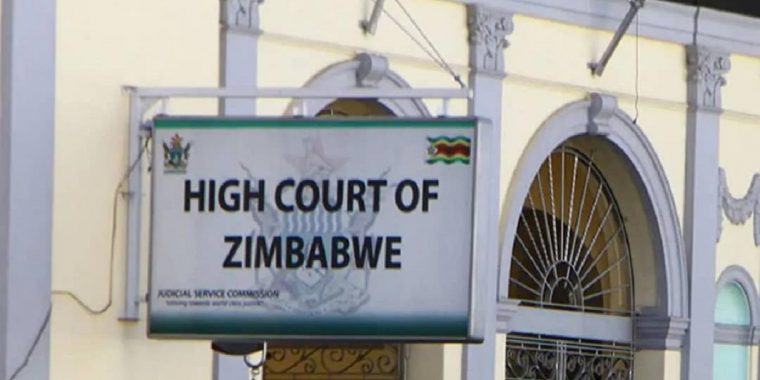
High
Court
challenge
concerning
the
constitutional
validity
of
the
Private
Voluntary
Act
(PVO).
This
application
was
filed
on
October
7,
2025,
with
the
Minister
of
Public
Service,
Labour
and
Social
Welfare
named
as
the
first
respondent
and
the
Attorney
General
as
the
second
respondent.
In
our
arguments,
we
identified
several
sections
of
the
PVO
Act
as
unconstitutional
and
violating
the
rights
of
non-governmental
organisations
(NGOs)
and
their
employees.
We
are
petitioning
for
these
sections
to
be
struck
down.
The
regulation
of
PVOs
is
an
issue
of
significant
public
interest,
impacting
not
only
our
operations
but
also
those
of
many
organisations
within
our
coalition
and
the
wider
civil
society.
The
respondents
have
a
window
of
10
working
days
to
contest
our
application.
Should
they
fail
to
file
an
opposing
affidavit
within
this
timeframe,
the
case
will
proceed
to
a
hearing
in
the
High
Court
located
in
Bulawayo
The
Trump
administration
literally
tore
down
the
White
House
yesterday.
After
lying
that
his
golden
imperial
ballroom
—
a
Versailles-powered-by-Home-Depot
monstrosity
—
“won’t
interfere
with
the
current
building,”
crews
destroyed
the
whole
East
Wing
—
all
during
a
government
shutdown
that
put
essential
government
services
on
hold.
This
all-too-on-the-nose
metaphor
wasn’t
lost
on
the
crowd
gathered
at
the
annual
summit
of
the
Society
for
the
Rule
of
Law.
The
organization,
comprised
of
mostly
conservative
and
libertarian
lawyers
conceived
during
the
first
Trump
administration,
convened
in
a
Washington
hotel
ballroom
for
a
day
long
lament
over
the
collapse
of
constitutional
order.
It
didn’t
take
long
for
a
speaker
to
link
the
physical
destruction
—
and
the
circumstances
around
it
—
to
the
topic
of
the
summit.
A
certain
gallows
humor
over
the
prospect
of
democratic
collapse
loomed
over
the
conference.
It
manifested
right
at
the
start.
After
being
wanded
and
searched
by
the
team
of
security
guards
whose
presence
never
quite
faded
into
the
background
in
this
cramped
space,
a
staffer
handing
out
badges
asked
if
I
was
a
Society
member.
“Press,”
I
declared.
Another
swooped
in.
“Press?
I’ll
take
care
of
them.”
The
table
laughed
and
repeated
“take
care
of
them”
in
mock
ominous
tones.
“Hey,
I
thought
this
was
the
other
kind
of
conference,”
I
replied.
Some
of
the
biggest
laugh
lines
of
the
day
came
when
people
would
make
suggestions
like
the
separation
of
powers
holding
or
asking
if
voter
suppression
efforts
are
intentionally
devious.
Early
in
the
day,
former
Maricopa
County
Recorder
Stephen
Richer
let
it
slip
that
the
Society’s
Executive
Director,
Gregg
Nunziata,
asked
moderators
to
try
to
coax
something
positive
from
each
panel,
which
felt
more
like
a
dare
than
advice.
Everyone’s
struggle
to
do
so
became
the
running
joke
of
the
day.
George
Conway
and
Norm
Eisen
kept
the
room
in
stitches
as
they
playfully
bantered
about
the
“strange
bedfellows”
that
constitutional
collapse
creates.
Paradoxically,
all
the
levity
conveyed
a
better
grasp
of
the
grim
reality
than
reading
stern
letters
penned
by
Democratic
leadership.
As
the
conference
explored
topics
ranging
from
the
unitary
executive
theory
to
election
security,
an
unspoken
theme,
which
only
a
few
of
the
speakers
seemed
to
grasp,
was
whether
the
work
of
this
is
an
opposition
organization
that
can
bring
the
old
conservative
legal
movement
back
from
the
brink,
or
if,
like
the
physical
East
Wing,
the
charge
of
the
moment
is
realizing
that
it’s
gone
and
figuring
out
what
gets
built
in
its
stead.
It’s
a
question
rooted
in
the
cognitive
dissonance
many
of
these
folks
must
feel.
Because
amidst
the
sea
of
blazers
and
bowties,
with
the
right
set
of
eyes,
you
could
still
pick
out
a
few
guys
dressed
as
overgrown
hot
dogs
assuring
the
audience
“we’re
all
looking
for
the
guy
who
did
this!“
The
event
took
place
in
the
same
hotel
where
I
lived
for
three
months
as
a
junior
Biglaw
associate.
Back
then,
George
W.
Bush
had
just
imposed
the
PATRIOT
Act,
built
an
offshore
prison
the
light
of
the
law
could
theoretically
never
touch,
and
prepared
to
take
over
Iraq
based
on
vague
claims
about
WMDs
that
never
existed
outside
the
administration’s
own
fever
dreams.
So
it
came
as
a
bit
of
a
jarring
juxtaposition
as
a
parade
of
Bush
alumni
and
Federalist
Society
exiles
who
would’ve
nodded
approvingly
at
torture
memos
twenty
years
ago
all
took
turns
lamenting
the
collapse
of
constitutional
order.
But
to
quote
the
Washingtonian
fantasy
that
inadvertently
poisoned
a
generation,
we
will
“forget
the
fact
that
you’re
coming
a
little
late
to
the
party and
embrace
the
fact
that
you
showed
up
at
all.”
Though
there
were
still
a
few
who
couldn’t
quite
let
go
and
spent
the
time
crafting
reasons
why
Trump’s
abuses
are
really
the
fault
of
Democrats
or
dismissing
Trump’s
power
grab
as
the
natural
and
logical
consequence
of
their
decades-long
push
for
a
limitlessly
powerful
unitary
executive.
These
coping
mechanisms
often
paired
with
a
charmingly
tragic
naiveté,
as
though
this
isn’t
the
natural
and
logical
conclusion
of
the
conservative
legal
movement’s
Nixonian
obsession
with
fluffing
the
legal
foundation
for
unchecked
executive
power.
Federalist
Society
minds
spent
their
careers
arguing
the
president
should
have
king-like
powers
over
the
executive
branch
and
are
now
shocked
—
SHOCKED
—
that
someone
might
use
those
to
be
king.
Like
a
Scooby-Doo
villain
voice
swearing
that
it
would’ve
worked
too,
if
it
weren’t
for
that
pesky
Trump!
“This
organization
needs
to
be
nonpartisan
and
focused
on
the
Constitution
and
the
rule
of
law,
and
not
just
be
anti-MAGA,
anti-Trump,”
Jonathan
Rauch
of
the
Brookings
Institution
explained.
“That
said,
it
is
equally
important
if
you’re
going
to
survive
in
the
wilderness,
you
must
not
confuse
tigers
and
pussycats.”
When
terms
like
unprecedented
get
thrown
around,
it’s
unproductive
to
spend
time
and
effort
attacking
the
slippery
slope
like
an
American
Ninja
Warrior
to
find
some
way
to
hang
this
on
something
a
backbencher
Democrat
said
20
years
ago
or
trying
to
square-peg-round-hole
Biden’s
student
loan
forgiveness
plan
as
the
precursor
to
Trump
zero-budgeting
the
Department
of
Education.
Judge
Michael
Luttig
had
no
trouble
distinguishing
the
tigers
from
the
pussycats.
In
what
can
best
be
described
as
measured
fury,
Judge
Luttig
called
out
the
administration’s
“explicit,
express
defiance”
of
the
judiciary
and
the
Supreme
Court’s
abject
failure
to
do
anything
about
it:
Every
day
of
the
week,
for
the
past
10
months,
judges
like
Judge
Gertner
and
Judge
Grimm
are
facing
the
President
of
the
United
States,
and
Attorney
General
of
the
United
States…
lying
to
their
face.
Lying
to
the
judges.
The
prosecutors
are
lying
to
the
federal
courts.
Meanwhile,
outside
the
courtroom,
the
President
of
the
United
States,
and
the
Attorney
General
of
the
United
States,
are
trashing
the
federal
courts.
Trashing
the
individual
judges.
Calling
them
every
name
in
the
book.
Never
in
American
history
has
this
ever
happened.
And
these
people
who
are
trying
to
do
their
job
under
those
circumstances,
are
looking
up
at
the
Supreme
Court
of
the
United
States,
who
they
know,
to
a
virtual
certainty,
would
reverse
them
in
a
second
if
they
held
Donald
Trump
in
contempt.
This
is
Supreme
Court
is
the
apotheosis
of
the
conservative
legal
movement.
For
all
the
talk
of
liberty
and
small
government,
when
the
chips
are
down,
all
it
seems
to
mean
to
the
justices
is
the
liberty
to
pollute
drinking
water
and
a
small
government
that
just
cuts
out
the
part
fighting
consumer
fraud.
Against
this
backdrop,
we
return
to
the
question:
what
is
the
role
of
the
principled
conservative
at
this
moment?
Richard
Bernstein,
a
former
Biglaw
partner
and
Scalia
clerk,
discussing
what
happens
if
Mike
Johnson’s
current
refusal
to
seat
a
duly
elected
member
metastasizes
into
a
full-scale
rejection
after
the
midterms,
“if
they
allow
people
duly
elected,
certified
in
their
states,
not
to
become
members
of
Congress,
then
the
game’s
over.
The
game’s
over.
Then,
then
we’re
not
at
the
opposition.
We’re
the
resistance.
And
I’m
too
chicken
to
be
the
resistance.”
The
omnipresent,
stone-faced
security
certainly
gave
more
of
a
resistance
energy.
Joking
aside,
is
this
an
opposition
or
a
resistance?
Former
Congresswoman
Barbara
Comstock
invoked
the
concept
of
“civil
society,”
which
played
such
a
profound
role
in
post-Soviet
transitions.
Norm
Eisen
didn’t
touch
on
this
subject,
but
it
struck
me
that
he
had
served
as
the
ambassador
to
the
Czech
Republic,
a
nation
held
up
as
an
example
of
how
robust,
underground
civil
society
structures
can
facilitate
post-authoritarian
recovery.
Is
that
the
future
of
this
group?
Building
a
“conservative”
legal
movement
from
the
rubble
of
the
last
one?
If
so,
it’s
going
to
require
even
more
folks
to
take
a
harsh
look
at
what
really
brought
Trump
to
this
point.
Whatever
the
answer
is,
the
Society
seems
committed
to
figuring
it
out.
Hopefully
before
next
year’s
conference
when
we’ll
be
probably
be
meeting
in
an
El
Salvadoran
labor
camp.
Lawyers
make
terrific
founders.
Some
might
say
it
is
counterintuitive.
Aren’t
lawyers
rigid
in
their
thinking?
Isn’t
it
all
about
minimizing
risk
above
all
else?
Yes,
for
lawyers
who choose
to
work
as
lawyers.
But
lawyers
who choose
to
start
companies are
making
a
conscious
choice
to
take
significant risks,
calculated
risks.
And
their
JD, far
from being limiting, is actually
beneficial.
Readers
of
this
column
know
that
Ex
Judicata
has
been
front
and
center
in
proclaiming
there
is
a
new,
modern
definition
of
the
JD
degree.
Old:
A
JD
is
a
law
degree.
New:
A
JD
is
a
degree
in
complex
problem-solving.
And
if
there
is
one
thing
every
single
business
needs more
of, it’s
complex
problem-solvers.
Read
on
to
see
how
this
applies
to
lawyers
who
start
companies.
When a
person wants
to
launch
a
business, whether
it
is
buying
a
liquor
store
or
offering
a
product
never
seen
before, the
majority
of people
if
asked
will
say
that it is
a
bad
idea. That’s
just
the
nature
of
new.
And
that
majority
will
almost
always
be
proven
right,
as 90% of
all
new
businesses
fail.
When
a
practicing
lawyer
wants
to
launch
a
nonlegal
business,
an
even
larger
majority
of
people
will
say
that
is
a
bad
idea
because
that
lawyer
has not worked
in
any
kind
of
business
before, has never
held
a “real
job.”
Thus, they
encounter
a
second
wall
of
doubt,
a
second
group
of
naysayers.
Here
they
question
the
sanity
of
leaving
the
practice
of
law
and
abandoning
their
law
degree.
This
is
the
double
whammy.
A
mistake
to
leave
law.
A
mistake
to
do
a
startup.
One
of
the more intriguing,
successful
entrepreneurs
in
the
EXJ
Community
is
Mark
Ferguson.
All
he
did
was
start
an
axe
company,
the
first
new
US
axe
manufacturer
since
World
War II. He knew
very
little
about
axes.
But
he
did
see
an
opportunity.
He
also
had
17
years
of prior
experience working
in
business in
a
nonlegal
job.
When
we interviewed
Mark,
he
told
us
that
after he
and
his
co-founder did their
research, they decided to
bounce
the
idea
off
some
blacksmiths
and
craftspeople over
pizza
and
beer.
You
might
be
able
to
guess
how
that
worked
out.
In
Mark’s
words:
We wound
up
getting
a
group
of
seven
or
eight
of
them
together
and
did
this
big
presentation
and then
said,
‘Isn’t
this
cool?
We’re going
to
do
this,
and
isn’t
this exciting?’
And
just
about
every single
person
said, in not
so
many words,
‘You
guys
are
idiots.
You
don’t
know what
you’re
doing.
You’re
not
going
to
be
able
to
do
this.’
But, Mark
had
an
ace
in
the
hole.
His
legal
training.
What
we
call
the
JD
skill
set.
In
his
case,
it was
particularly
helpful
when
it
came
to
selling
the
product.
Sales is just
like you’re
making your argument
and building
a
case
to
try
to
persuade
customers. You
do
the
research
and
organize
it
and
build
an
argument. I
think
law
school
and
being
a
lawyer
is
fantastic training
for this.
The
company
Mark
co-founded,
Brant
&
Cochran, is
now
16
years
old.
He
overcame all
doubts about the
likelihood
of his success. His
JD
skill
set
served
him
in
making
that
business
a
success.
At
our first startup, Ex
Judicata—the
foundation
for
the
EXJ
Community—we
had the opportunity
to
interview some
other
amazing
JD Founders
including:
In
their
interviews, which
can be
accessed above, each founder
credited
the
JD
skill
set
as
a
foundation
for
their
success.
What
is
the
JD
skill
set?
While
there
is
no
formal
list,
here
are
the
traits
we
reference
most
often
in
the
EXJ
Community.
• Analytical
thinking
• Issue
Spotting
• Risk
Assessment
• Delivering
under
pressure
• Superb
presentation
skills
• Driven
to
exceed
expectations
• Laser
focus
on
goal
attainment
• Ability
to
work late
into
the
night
Some
combination
of
these
skills
has
helped
every
non-practicing
lawyer
reading
this
to
advance
in
their
own
chosen
nonlegal
career.
We
highlight
founders
here
because
they have
to play
many
roles,
they
call
on
the entire toolbox.
Nicole
Clarke,
co-founder
&
CEO
of
legal
tech
company
Trellis
Research,
in
her
interview
with
Ex
Judicata,
made
this
point
and
along
the
way
added
some
additional
reasons
why
law
school
training
is
so
valuable
to
founders.
Law school
is
super
grueling,
and
starting
a
business
is incredibly hard.
It’s
a
grind
for
sure.
You’re
working
a
lot. Another
thing
I
took
away
from
law
school
is
that
I
could learn
anything.
I
remember
learning
securities
law. This
was
stuff I
didn’t
think
I’d
ever
come
across again. But
if
I
set my mind
to
it,
I knew
I could
learn
it. And
in
business,
especially
when
starting
a
new company,
you have
to wear many hats.
Many
of
these
roles
will
be
new
to
you.
But
believing
that
you
can
learn,
start
doing
it,
and
knowing that
you’ll
be
able
to
figure
it
out, that’s
core
to
starting a
business.
For
all
lawyers
reading
this
who
harbor
a
notion,
a
dream,
a
concrete
idea,
it
is
safe
to
say
that
you
will
have
a
leg
up
on
other
founders
because
of
your
JD.
The
authors
of The
Great
Escape column, Neil
Handwerker
and Kimberly
Fine, are
the
founders
of
exjudicata.com,
a
platform
designed
to
help
lawyers
move
to
nonlegal
careers.
They
just
launched a
new
related
platform,
the
EXJ
Community,
the
first
ever
peer-to-peer
network
of
non-practicing
lawyers.