Seriously Though, Did Tom Homan Keep The $50,000 The FBI Gave Him? – Above the Law

Over
the
weekend,
it
came
out
that
Tom
Homan,
one
of
the
senior
architects
of
the
Trump
administration’s
immigration
policy,
allegedly
took
$50K
from
undercover
FBI
agents
posing
as
business
executives
hoping
to
bribe
their
way
into
government
contracts
if
Trump
won.
He’s
said
to
have
accepted
the
funds

which
the
FBI
reportedly

captured
on
video


in

a
Cava
bag
.
If
the
fast
food
chain
doesn’t
immediately
capitalize
on
this
with
some
sort
of
marketing
campaign,
then
I’ve
lost
all
faith
in
them.

Homan,
interestingly
enough,
put
himself
front-and-center
of
the
move
to
drop
the
Eric
Adams
bribery
case.
Homan
never
came
across
as
the
proper
spokesperson
for
the
administration’s
decision,
highlighted
when
he

seemed
to
confirm
a
quid
pro
quo

for
dropping
the
Adams
case,
but
in
retrospect,
he
might
have
had
a
vested
interest
in
putting
out
the
message
that
bribery
isn’t
anything
to
be
ashamed
of.

Lots
of
people
are
talking
about
this
story
and
its
implications
for
the
rule
of
law,
with
some
comparing
the
overarching
investigation
as
a

modern-day
Teapot
Dome
scandal
,
but
Above
the
Law
has
a
more
quotidian
query:
seriously,
what
happened
to
the
money?
If
the
FBI
gave
away
$50,000
and
then
dropped
the
case…
what
happened
to
it?
Where
is
this
taxpayer
money?

I
get
that
the
administration
declared
this
a
“deep
state”
probe

the
exact
words
of
a
Trump
Justice
Department
appointee
according
to
NBC
sources

and
decided
to
punt
the
investigation,
but…
is
the
money
still
out
there?
Did
they
tell
Tom
that
he
was
wrongfully
investigated,
but
can
we
please
get
back
our
honeypot?
They
couldn’t
really
be
allowing
him
to
keep
it…
right?

Why
is
everyone
focused
on
whether
or
not
this
was
really
a
crime
and
not
on
the
money?

You
should
not
listen
to
Kurt
and
Megyn
generally,
but
you
should
definitely
not
listen
to
people
who
don’t
seem
to
have
the
vaguest
sense
of
how
the
Justice
Department
functions.
First
of
all,
the
FBI
was
involved
in
a
broader,
ongoing
investigation
and
doesn’t
make
it
a
habit
of
charging
people
at
the
drop
of
a
hat
until
they’re
sure
they’ve
uncovered
the
full
scope
of
the
enterprise.
But
more
to
the
point,
the
DOJ
was
never
going
to
charge
a
senior
individual
in
Trump’s
orbit
in
September
of
2024,
because
no
matter
how
good
of
a
case
they
think
they
have,
the
DOJ
generally
doesn’t
take
actions
that
might
impact
an
election
mere
weeks
away.

This
is
the
complaint
that
liberals
have
with
James
Comey
reopening
the
Hillary
email
debacle
on
the
cusp
of
the
2016
election.
Which
isn’t
necessarily
fair
to
Comey,
who
painted
himself
into
a
corner
when
he
made
the
well-intentioned,
if
ill-advised,
decision
over
that
summer
to
testify
under
oath
that
the
FBI
had
reviewed
every
single
email
and
found
no
criminality.
At
that
point
he
kind
of
had
to
inform
Congress
when
new
emails
emerged,
and
even
though
he
signaled
that
those
emails
were
likely
irrelevant

which
was
ultimately
true

the
damage
was
done.

Possibly
chastened
by
that
experience,
the
DOJ
was
absolutely,
positively
not
going
to
make
a
public
accusation
that
the
Trump
campaign
was
involved
in
a
massive
bribery
scheme
in
September
of
an
election
year.

White
House
Deputy
Press
Secretary
Abigail
Jackson
slammed
the
probe
as
a
“blatantly
political
investigation,
which
found
no
evidence
of
illegal
activity,
is
yet
another
example
of
how
the
Biden
Department
of
Justice
was
using
it’s
resources
to
target
President
Trump’s
allies
rather
than
investigate
real
criminals
and
the
millions
of
illegal
aliens
who
flooded
our
country.”

“Tom
Homan
has
not
been
involved
with
any
contract
award
decisions.
He
is
a
career
law
enforcement
officer
and
lifelong
public
servant
who
is
doing
a
phenomenal
job
on
behalf
of
President
Trump
and
the
country,”
she
added
on
behalf
of
Homan,
a
senior
White
House
employee.

OK,
but
that’s
not
denying
that
there

was

an
investigation

indeed,
it
confirms
that
there
was
one

and
it’s
certainly
not
a
denial
that
the
investigation
included
money
handed
to
Homan.
Maybe
they
meant
to
deny
that
he
ever
took
$50K
in
a
Cava
bag,
but
that’s
not
what
these
answers
are
saying.
So
even
if
we
accept
these
White
House
responses
at
face
value
and
decide
that
this
was
a
bad
case,
we’re
still
left
out
here
wondering…
where
the
hell
is
that
money?
Did
he
report
it
on
his
taxes?
Now
that
this
is
public,
can
someone
in
the
IRS
check?

Alas,
this
is
an
administration
that
lost
hundreds
of
kids
the
first
time
around,
and
then
claimed
they
misplaced
several
guys
in
El
Salvador.
Maybe
we
should
just
accept
that
they’re
never
going
to
find
that
money.


Top 50 Biglaw Firm Shuts Down An Office In China – Above the Law

Biglaw
firms
continue
to
shutter
their
offices
in
China
like
it’s
going
out
of
style.
Today,
we
have
news
on
the
ninth
large
law
firm
to
close
the
doors
of
a
Chinese
office
in
2025.

As
noted
by

Law.com
International
,
K&L
Gates

a
firm
that
brought
in
$1,327,801,000
gross
revenue
in
2024,
putting
it
at
No.
44
on
the
most
recent
Am
Law
100

will
close
its
Beijing
office,
which
it
first
launched
in
2004.
The
firm
plans
to
retain
its
Hong
Kong
and
Shanghai
offices,
with
Shanghai
absorbing
Beijing’s
work.
A
firm
spokesperson
issued
the
following
statement:

“The
firm’s
new
leadership
team
has
recently
undertaken
a
strategic
review
of
our
global
operations,
including
our
real
estate
footprint,
with
the
ultimate
goals
of
aligning
resources
with
client
demand,
strengthening
our
high-performance
culture,
and
staying
efficient.
As
part
of
this
review,
we
have
decided
to
consolidate
our
Beijing
office
into
our
Shanghai
office.
We
will
retain
our
full-service
capabilities
in
China,
including
our
robust
corporate,
regulatory,
and
IP
practices,
and
remain
committed
to
serving
Chinese
clients
and
our
global
clients
who
have
legal
needs
in
China
from
our
Shanghai
and
Hong
Kong
offices
and
in
collaboration
with
our
broad
network
of
offices
across
the
Asian
continent
and
beyond.”

While
some
lawyers
at
K&L’s
Beijing
office
were
offered
the
opportunity
to
relocate
to
another
office,
other
staff
members
have
reportedly
been
offered
severance
packages.

Which
Biglaw
firm
will
be
the
next
say
zàijiàn
to
its
offices
in
China?
You
can email
us
 or
text
us
(646-820-8477)
if
you
have
any
intel.
Thank
you.


K&L
Gates
Set
to
Close
Beijing
Office,
Staff
Offered
Severance
Packages

[Law.com
International]


Staci Zaretsky


Staci
Zaretsky
 is
the
managing
editor
of
Above
the
Law,
where
she’s
worked
since
2011.
She’d
love
to
hear
from
you,
so
please
feel
free
to

email

her
with
any
tips,
questions,
comments,
or
critiques.
You
can
follow
her
on BlueskyX/Twitter,
and Threads, or
connect
with
her
on LinkedIn.

Tagwirei splurges $21 million on Zanu PF vehicles amid state capture storm

HARARE

Petroleum
tycoon
Kudakwashe
Tagwirei
has
splashed
out
more
than
US$21
million
on
vehicles
for
Zanu
PF’s
central
committee
members,
reigniting
uproar
over
his
alleged
capture
of
the
ruling
party
and
deepening
internal
divisions
over
succession.

The
businessman

nicknamed
Queen
Bee
for
his
vast
influence
in
government
and
the
economy

has
reportedly
ordered
300
brand
new
vehicles
for
the
central
committee,
with
more
tranches
planned
for
other
party
structures.

Tagwirei’s
earlier
attempt
to
make
the
donation
had
been
blocked
by
senior
Zanu
PF
figures,
including
Vice
President
Constantino
Chiwenga
and
secretary
general
Obert
Mpofu.
A
compromise
has
now
been
struck:
the
vehicles
will
be
registered
as
Zanu
PF
assets,
giving
Mpofu
authority
to
recall
them
should
disputes
arise.

On
Friday,
President
Emmerson
Mnangagwa
presided
over
a
ceremony
at
the
party’s
Harare
headquarters,
handing
over
the
first
30
vehicles
to
selected
beneficiaries.
The
remainder
will
be
distributed
in
phases.

Party
insiders
say
the
rollout
will
start
with
the
central
committee
before
extending
to
deputy
secretaries
and
politburo
members,
then
provincial
leaders,
and
finally
District
Coordinating
Committee
(DCC)
members.

The
extravagance
comes
just
days
after
Chiwenga
tabled
a
dossier
at
a
stormy
politburo
meeting
accusing
Tagwirei
of
siphoning
billions
from
party
coffers
and
recycling
the
funds
into
patronage
schemes
to
buy
loyalty
and
entrench
his
reported
presidential
ambitions.

Chiwenga
demanded
the
arrest
of
Tagwirei
along
with
three
other
businessmen
he
accused
of
state
capture:
gold
dealer
Scott
Sakupwanya,
GeoPomona
boss
Dilesh
Nguwaya,
and
Wicknell
Chivayo,
a
politically
connected
contractor.

The
confrontation
has
widened
rifts
in
Zanu
PF,
where
speculation
is
rife
about
who
will
succeed
Mnangagwa,
now
83.
While
Chiwenga
was
long
assumed
to
be
the
heir
apparent,
many
in
the
party
believe
Tagwirei
is
quietly
positioning
himself
as
Mnangagwa’s
preferred
successor.

Tagwirei
is
under
United
States
and
United
Kingdom
sanctions
for
alleged
corruption,
illicit
gold
dealings
and
what
Washington
describes
as
“state
capture
by
an
elite
network
around
the
president.”
Despite
this,
his
business
empire
remains
deeply
entrenched
in
fuel,
mining,
banking
and
agriculture,
consistently
winning
multi-billion-dollar
state
contracts.

Opposition
and
civil
society
voices
have
condemned
the
car
donations
as
obscene
in
a
country
battling
economic
collapse,
food
shortages
and
decaying
public
services.

“They
are
unrelenting
in
their
pursuit
of
an
ill-fated
2030
agenda,”
said
former
finance
minister
Tendai
Biti,
referring
to
Mnangagwa
loyalists’
push
to
extend
his
rule
beyond
the
2028
elections.

Biti
added:
“They
are
tearing
to
smithereens
any
pretense
of
decency,
legality
or
ethics.
They
have
reduced
the
liberation
movement
into
a
commodity

one
so
cheap
and
gullible
that
criminals
with
an
unquenchable
desire
for
power
have
captured
the
state.
Public
funds
laundered
through
cartels
now
represent
an
existential
threat
to
our
fragile
nation.

“One
day,
forensic
audits
will
expose
these
filthy
funds.
The
urgent
task
is
to
protect
the
constitution

the
only
buffer
against
the
privatisation
of
the
state
by
bandits
with
a
plan
to
rule
Zimbabwe
forever.
We
are
at
a
crossroads.
It’s
time
to
say
NO.”

For
many
Zanu
PF
officials
in
rural
areas,
however,
the
vehicles

mostly
high-end
Toyota
and
Isuzu
double-cab
pickups

are
a
prized
campaign
asset,
allowing
them
to
project
wealth
and
reach
voters
in
remote
constituencies.

Still,
even
some
within
the
party
are
uneasy.

Mnangagwa,
addressing
central
committee
members
on
Friday,
told
them:
“You
are
representing
your
province.
You
are
only
the
custodians
of
the
vehicles

they
are
there
to
carry
out
party
activities.”

The
controversy
comes
ahead
of
Zanu
PF’s
annual
conference
in
Mutare
from
October
13
to
18,
where
divisions
over
succession
and
the
push
to
extend
Mnangagwa’s
term
are
expected
to
dominate.

Tagwirei’s
shadow
will
loom
large
over
the
gathering

the
shiny
vehicles
outside
the
conference
venue
making
a
statement
about
not
only
his
growing
influence
but
also
acting
as
symbols
of
the
party’s
deepening
crisis.

Zimbabwe’s President Emmerson Mnangagwa suspends tariffs on US imports


Zimbabwe’s
President
Emmerson
Mnangagwa
suspends
tariffs
on
US
imports

Zimbabwe’s
President
said
Saturday
he
would
suspend
all
tariffs
on
goods
imported
from
the
United
States,
days
after
US
President
Donald
Trump
levied
18
percent
tariffs
against
the
southern
African
nation.

The
mineral-rich
country’s
main
trading
partners
are
the
United
Arab
Emirates,
South
Africa
and
China,
and
its
limited
exports
to
the
US
comprise
mainly
of
tobacco
and
sugar.

“I
will
direct
the
Zimbabwean
government
to
implement
a
suspension
of
all
tariffs
levied
on
goods
originating
from
the
United
States,”
President
Emmerson
Mnangagwa
said
in
a
post
on
X.

The
total
goods
trade
between
the
two
countries
amounted
to
$111.6
million
in
2024,
according
to
US
government
data.

The
relationship
between
Zimbabwe
and
the
US
has
been
marked
by
decades-long
pressure
campaigns
against
former
ruler
Robert
Mugabe
since
the
early
2000s.

Harare
has
regularly
blamed
US
sanctions
for
the
disastrous
economic
crisis
that
has
afflicted
the
country
for
more
than
two
decades,
and
has
moved
away
from
the
West,
strengthening
economic
ties
with
the
UAE
and
China.

Washington
last
year
abolished
the
former
sanctions
programme
but
imposed
targeted
sanctions
on
Mnangagwa
and
other
senior
leaders
in
Zimbabwe’s
government
and
ZANU-PF
ruling
party,
citing
rights
abuses
and
corruption.

Mnangagwa
at
the
time
said
the
sanctions
imposed
by
then
President
Joe
Biden
were
“illegal
and
unjustified”.

Prominent
journalist
and
activist
Hopewell
Chin’ono
said
Saturday’s
announcement
of
the
suspension
of
tariffs
on
US
goods
was
a
“knee-jerk
reaction”,
suggesting
it
could
be
an
effort
by
Mnangagwa
to
get
the
sanctions
removed.

“Acting
unilaterally
contradicts
the
principles
of
regional
economic
cooperation,”
especially
with
the
Southern
African
Development
Community
(SADC),
and
risked
“sidelining
the
interests”
of
Zimbabwe’s
main
trade
partners,
Chin’ono
wrote
on
X.

“Does
Zimbabwe
even
export
enough
to
the
US
to
justify
trying
to
appease
Trump’s
administration
in
this
way?,”
he
asked.


AFP

Post
published
in:

Featured

Debating uncertainty: from a politics of control to a politics of care

I
recently
discussed
my
book, Navigating
Uncertainty:
Radical
Rethinking
for
a
Turbulent
World,
 now
a
year
old,
with the
New
Books
Network
podcast
.
The
host
was Morteza
Hajizadeh
 who
asked
a
set
of
great
questions
over
an
extended
discussion.

We
discussed
many
of
the
chapters,
including
the
how
bankers
can
learn
from
livestock
traders
in
Africa;
how
lessons
from
local
responses
to
the
COVID-19
pandemic
can
inform
us
about
preparing
for
disasters;
how
risk
models
can
potentially
undermine
how
we
respond
to
uncertain
conditions;
how
technology
regulation
needs
to
take
into
account
how
people
understand
innovations;
how
reliability
professionals
and
their
networks
are
important
in
responding
to
crises
and
disasters;
and
how
to
connect
lived
experiences
of
living
with
uncertainty
with
climate
policies.

It’s
always
interesting
having
a
discussion
on
the
book
with
someone
from
a
completely
different
field.
Morteza
is
interested
in
critical
theory
and
cultural
studies
having
completed
his
PhD
in
English
Literature,
working
on
environmental
history
and
British
gothic
novels.
He
usefully
identified
some
of
the
key
big
themes
that
cut
across
the
book.
As
well
as
the
specific
themes,
we
therefore
also
dwelt
on
the
wider
challenges
of
rethinking
ideas
of
modernity
and
progress
and
particularly
the
importance
of
moving
from
a
risk
to
an
uncertainty
paradigm,
and
so
from
a
focus
on
control
to
one
of
care.

We
concluded
with
a
discussion
on
ways
of
rethinking
public
policy.
Morteza
asked,
how
can
embracing
uncertainty
become
a
source
of
creativity
and
transformation
in
public
policy?
To
paraphrase
my
response,
I
argued
that:


By
avoiding
the
political,
institutional,
professional
drives
to
close
down
to
risk,
spaces
can
be
opened
up
where
uncertainties
can
be
addressed.
Uncertainty
requires
creative
real-time
responses,
as
we
have
seen
with
high
reliability
professionals.
Uncertainties
require
deliberation
and
debate
amongst
diverse
knowledges
in
order
to
address
unknown
futures.
Uncertainties
can
open
spaces
for
a
more
democratic,
inclusive
approach
that
rather
than
offering
a
top-down
technocratic
solutions
offers
the
opportunity
for
more
transformation
change….
There
are
dangers
of
course.
Uncertainties
can
incapacitate,
create
anxiety
and
demotivate.
Those
who
are
powerful

along
with
the
populist
campaigns
of
misinformation

can
capture
such
spaces
where
uncertainties
are
being
deliberated
upon.
But
open
debate,
wide
involvement
and
a
commitment
to
democratic
knowledge
building
can
resist
such
tendencies,
with
uncertainty
being
a
liberatory
force.
This
is
what
I
mean
by
a
politics
of
uncertainty,
centred
on
care,
not
control.

Do
listen
to
the
podcast
and
buy
or
download
the
book
(it’s
open
access),
and
please
let
me
know
what
you
think!

Podcast: Ian
Scoones,
“Navigating
Uncertainty:
Radical
Rethinking
for
a
Turbulent
World”
(Polity,
2024)

New
Books
Network

Post
published
in:

Agriculture

Legal Ethics Roundup: Judicial Threats, DA Willis Out Over Romance, TN Joins Accreditor Scrutiny, New AI Bluebook Rule & More – Above the Law


Ed.
note
:
Please
welcome
Renee
Knake
Jefferson
back
to
the
pages
of
Above
the
Law.
Subscribe
to
her
Substack,
Legal
Ethics
Roundup, here.

Happy
Monday!

Hello
from
California
(again)!
As
I
write
you,
I’m
heading
back
from
my week
of
leadership
conferences
 where
I
managed
to
also
catch
some
football
in
LA
(even
if
it
was
rough
night
 for
Sparty).


Sunset
on
Half
Moon
Bay
(photo
by
Renee
Jefferson)

After announcing
the
publication
 of
my
new
article Ethics
Accountability:
The
Next
Era
for
Lawyers
and
Judges
 last
week
I
have
another
to
share hot
off
the
press
,
this
one
co-authored
with Hannah
Johnson
 (Southern
Illinois)
and
published
in
the
U.C.
Davis
Law
Review.
You
can
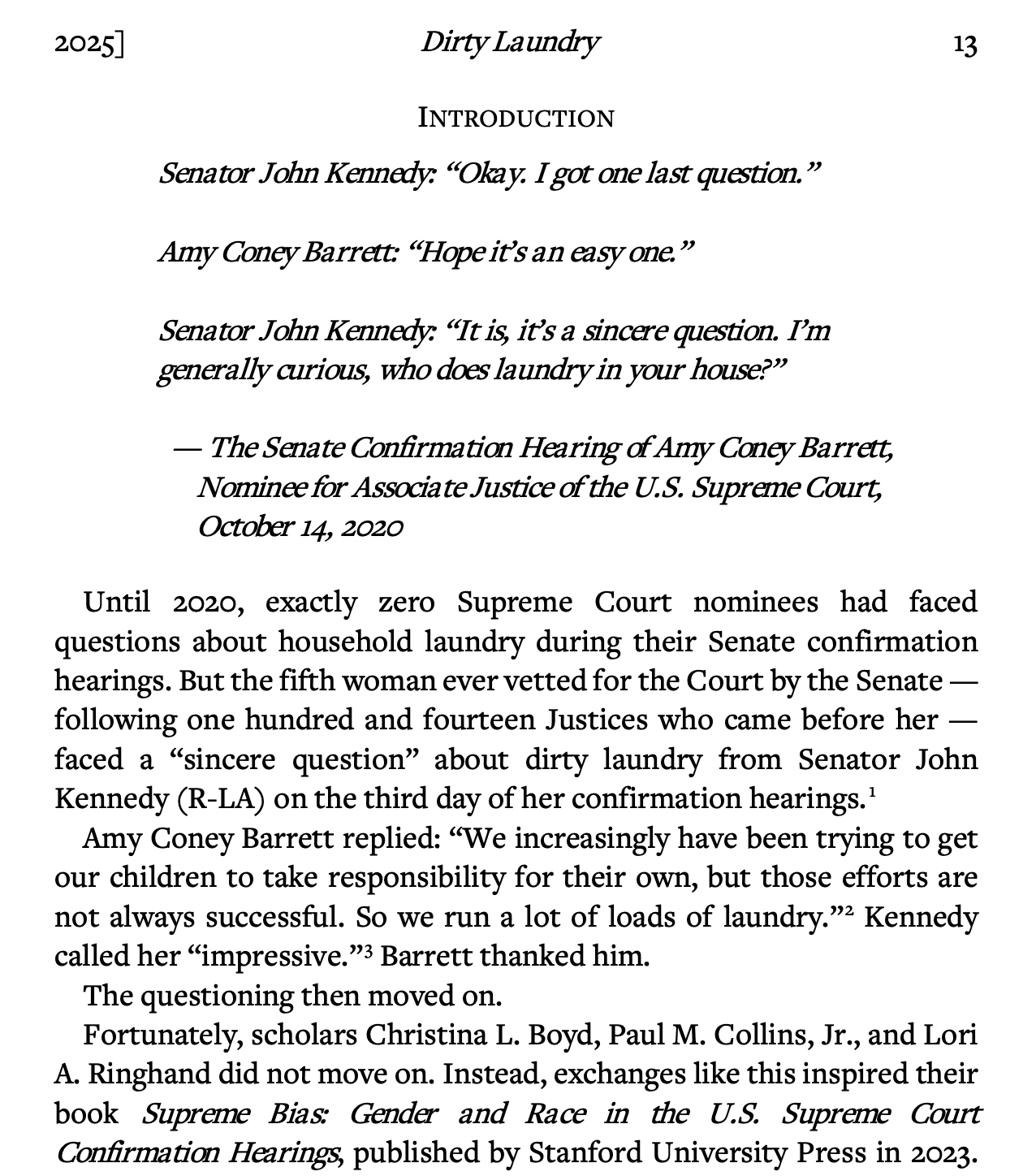
download Dirty
Laundry:
 A
Book
Review
of 
Supreme
Bias:
Gender
and
Race
in
U.S.
Supreme
Court
Confirmation
Hearings
 by
Christina
L.
Boyd,
Paul
M.
Collins,
Jr.,
and
Lori
A.
Ringhand
 (Stanford
University
Press)
 for
free
at
this link.
Here’s
a
teaser.


I
recently
talked
with Bloomberg
Law
 reporter Ben
Miller 
about
the
limits
of
bar
discipline
proceedings
and
you
can
read
more
about
that
conversation
below
at
Headline
#1.
Speaking
of
headlines,
let’s
dive
right
in.
Be
sure
to
scroll
to
the
end
for
a
bonus
headline

some
special
news
about
innovation
and
access
to
legal
services
from
our
friends
down
under.



Highlights
from
Last
Week –
Top
Ten
Headlines


#1 “Bar
Complaints
Offer
‘Imperfect
Tool’
to
Challenge
Trump’s
DOJ.” 
From Bloomberg
Law: 
“Justice
Department
lawyers—including
political
appointees
and
career
staff—are
facing
bar
complaints
over
their
work
defending
the
Trump
administration,
but
complainants
alleging
ethical
violations
shouldn’t
expect
swift
resolution.

‘The
disciplinary
process
is
at
times
an
imperfect
tool
for
addressing
actions
by
lawyers
that
run
afoul
of
our
ethical
obligations,’
said Renee
Knake
Jefferson
,
a
professor
of
legal
ethics
at
the
University
of
Houston
Law
Center.
But
the
message
that
lawyers
send
to
the
public
and
their
professional
community
by
calling
out
perceived
misconduct
at
the
DOJ
sets
a
critical
standard,
law
professors
and
advocates
said.”
Read
more here.


#2
“GOP
Bill
Seeks
to
Eliminate
District
Commission
that
Nominates
DC
Court
Judges.” 
From ABC
News: 
“Legislation
that
would
eliminate
the
District
of
Columbia’s
Judicial
Nomination
Commission
(JNC)
is
among
the
14
D.C.-related
bills
up
for
consideration
by
Congress.
Currently,
the
JNC
is
responsible
for
selecting
nominees
to
fill
judicial
vacancies
in
D.C.’s
local
courts:
the
Superior
Court
and
the
Court
of
Appeals.
The
seven-member
commission
includes
appointments
by
the
president,
the
mayor,
the
D.C.
Council,
the
chief
judge
of
the
U.S.
District
Court,
and
the
D.C.
Bar.
After
the
commission
recommends
candidates,
the
president
makes
appointments
with
Senate
confirmation.
The
proposed
bill
would
scrap
this
commission
entirely.”
Read
more here.


#3
 “America’s
Judges
are
Under
Attack

Lawyers
Have
a
Duty
to
Defend
Them.” 
From Kellye
Testy 
(AALS)
and Austen
Parrish 
(UC
Irvine)
in The
Hill: 
“American
judges
are
under
attack.
Approximately one-third
of
the
federal
judiciary
 have
received
threats
over
the
last
year,
and
the U.S.
Marshals
Service
 reports
more
than
500
threats were
made
against
federal
judges
over
the
past
11
months,
with
a
noticeable
spike
in
recent
months.
The
sheer
number
of
threats,
including
to
judges’
families,
are
unprecedented.”
Read
more here.


#4
“New
Study
Confirms
Your
Associates
Are
Already
Using
ChatGPT.
Here’s
What
To
Do.” 
From JD
Supra: 
“New
research
from
the National
Bureau
of
Economic
Research
 reveals
that
700
million
people
use
ChatGPT
weekly,
and
the
demographics
should
terrify
any
managing
partner
still
clinging
to
committee-approved
AI
pilots.
Nearly
half
of
all
adult
ChatGPT
messages
come
from
users
under
26.
Your
incoming
associate
class
doesn’t
just
know
about
AI;
they’ve
been
using
it
daily
since
law
school.

Here’s
the
uncomfortable
truth:
while
your
AI
committee
debates
whether
to
approve
a
six-figure
contract
with
a
legal
AI
vendor,
your
associates
are
copying
confidential
client
information
into
ChatGPT..
They’re
not
doing
it
maliciously.
They’re
doing
it
because
the
tool
works,
it’s
free,
and
your
firm’s
official
technology
stack
feels
like
using
a
typewriter
in
the
iPhone
era.”
Read
more here.


#5
 “New
Bluebook
Rule
On
Citing
to
AI
Generates
Criticism
from
Legal
Scholars
and
Practitioners.” 
From LawSites: “Has
there
ever
been
a
time
since
the
advent
of
legal
reporting
systems
when
citations
have
been
under
greater
attack?
Driven
by
their
unwitting
reliance
on
AI
to
generate
legal
briefs,
lawyers
seem
to
have
forgotten
everything
they
ever
learned
in
law
school
about
how
to
research
and
cite
the
law.
Standing
as
a
bulwark
against
this
attack,
one
would
think,
is The
Bluebook
,
the
uniform
system
of
citation
that
is
among
the
first
things
taught
to
a
first-year
law
student,
and
to
which
virtually
all
lawyers
are
expected
to
abide,
except
where
excused
by
local
rules
of
court.
Yet
now
that
very
bulwark
is
itself
under
attack,
thanks
to
the
release
last
May
of
its
22nd
edition,
which
introduced
Rule
18.3, The
Bluebook’s
 first
standardized
format
for
citing
to
generative
artificial
intelligence
content.
While
the
addition
of
AI
citation
guidance
would
seem
to
reflect The
Bluebook’s
 expected
role
of
evolving
to
address
new
types
and
formats
of
sources,
the
new
rule
has
sparked
criticism
from
legal
scholars
and
practitioners
who
argue
it
is
fundamentally
flawed
in
both
conception
and
execution.”
Read
more here.


#6
 “Fani
Willis
Must
Remain
off
Trump
Case
after
Georgia
Supreme
Court
Rejects
Her
Appeal.” 
From USA
Today: 
“The
Supreme
Court
of
Georgia
is
leaving
in
place
an
appeals
court
decision
that
disqualified Fulton
County
District
Attorney
Fani
Willis
 from
prosecuting President
Donald
Trump
 because
of
her
romantic
relationship
with
a
special
prosecutor
on
the
case.

Four
Georgia
Supreme
Court
justices
came
together
to
form
a
majority
in
the
decision
to
turn
down
the
appeal.
Three
justices
dissented.
One
further
justice
didn’t
participate
in
the
decision,
and
one
justice
was
disqualified.”
Read
more here.


#7
 “Training
Better
Lawyers.” 
From Daniel
Theis 
in
the Washington
Post: 
“Attacks
on
the
Council
of
the
American
Bar
Association
Section
of
Legal
Education
and
Admissions
to
the
Bar, the
only
national
accreditor
of
law
schools
,
ignore
the
value
of
the
council’s
work
on
behalf
of
students
and
the
practice
of
law.
The
council
accredits a
wide
range
 of
law
schools.
The
consistent
quality
of
accredited
schools
equips
graduates
to
serve
their
clients
and
the
public.
In
2024,
the overall
bar
exam
passage
 rate
for
graduates
of
accredited
law
schools
was
44
percentage
points
higher
than
for
nonaccredited
schools.

Finally,
our
work
is
separate
and
independent
from
the
general
ABA
and
is
nonpartisan.
Whatever
one
thinks
of
the
politics
of
the
ABA,
it
is
not
involved
in
council
enforcement
actions,
does
not
choose
council
personnel
and
cannot
dictate
the
content
of
any
standard.
Lawyers
perform
vital
work
for
their
clients,
and
accrediting
the
schools
that
train
these
lawyers
comes
with
a
profound
responsibility.
The
council
has
met
this
responsibility
for
more
than
a
century.”
Read
more here.
[Full
disclosure:
 I
am
an
elected
member
of
the
Council
of
the
ABA
Section
of
Legal
Education
and
Admission
to
the
Bar,
and
Daniel
Theis
is
the
Chair
of
the
Council.]


#8
 “Tennessee
Joins
States
Eying
End
to
ABA’s
Role
in
Law
School
Accreditation.” 
From Reuters: “Tennessee
is
considering
whether
to
stop
relying
on
the
American
Bar
Association
to
accredit
law
schools
in
the
state,
joining
Florida,
Texas
and
Ohio
in
reconsidering
the
organization’s
primary
role
in
U.S.
legal
education.
The
Supreme
Court
of
Tennessee
on
Tuesday asked
the
public
to
weigh
in
 on
a
series
of
potential
reforms
to
how
the
state
licenses
lawyers
and
regulates
law
firms.”
Read
more here.


#9
 “Former
US
Judges
Defend
Judicial
Independence
as
Threats
Rise.” 
From Bloomberg
Law: 
“Former
federal
judges
are
taking
advantage
of
Constitution
Day
to
speak
out
against
threats
against
sitting
judges.
letter
signed
by
42
former
judges
 and
published
Wednesday
on
the
anniversary
of
the
document’s
signing
in
1787
says
as
judges
they
took
oaths
to
‘support
and
defend
the
Constitution.’
The
signatories
were
appointed
by
presidents
of
both
parties,
including Ronald
Reagan
Bill
Clinton
,
and George
W.
Bush
,
and
are
members
of
the
group
Keep
Our
Republic’s
Article
III
Coalition.
The
former
judges
said
while
sitting
judges
are
limited
in
being
able
to
speak
publicly,
they
‘are
no
longer
so
constrained.’
Federal
judges
have
come
under
attack
by Trump and
his
allies
for
rulings
that
block
the
administration’s
policies.
That
dynamic
has
also
combined
with
increased
threats
against
federal
judges
in
recent
years.”
Read
more here.


#10
“Insurance
for
In-House
Counsel:
Understanding
‘Employed
Lawyer’
Policies.” 
From JD
Supra: 
“Do
in-house
lawyers
need
their
own
malpractice
insurance?
Some
might.
If
needed,
the
type
of
insurance
in-house
counsel
should
explore
is
called
employed
lawyers
professional
liability
(ELPL)
insurance.”
Read
more here.


Bonus
Headline! 



#11
 News
from
Down
Under

RMIT
and
Anika
Legal
Launch
New
Partnership
to
Provide
Legal
Help
to
Those
in
Need. 
From Noel
Lim 
(Anika
Legal)
on LinkedIn: “Last
night
two
historic
things
were
launched:
the
RMIT
Law
School
[partnership],
and
the
RMIT
Anika
Legal
 Virtual
Student
Clinic.
When
we
started
Anika
back
in
2018,
I
knew
partnerships
with
law
schools
would
be
critical.
What
I
didn’t
know
was
how
tough
it
would
be

doors
closed,
ideas
dismissed,
and
even
a
meeting
that
brought
a
co-founder
to
tears.
That’s
why
this
milestone
means
so
much.
Thank
you
to
RMIT
University
for
believing
in
Anika’s
vision

backing
innovation,
social
justice,
and
students.
Together,
we’ve
built
a
clinic
that
helps
hundreds
of
renters
stay
in
safe
homes
each
year,
while
giving
law
students
the
chance
to
change
lives
from
day
one
of
their
careers.

And
to
make
this
partnership
even
stronger
Anika
is
moving
our
office
onto
the
RMIT
campus!.”
Read
more here.
[Side
note:
 Noel
was
one
of
the
first
people
I
met
with
when
conducting
research
on
law
and
innovation
as
part
of
my
work
as
the Fulbright
Distinguished
Chair
in
Entrepreneurship
and
Innovation
 where
I
was
hosted
by
Australia’s
RMIT
University
Law
School
in
2019.
So
I
am
thrilled
to
see
this
partnership!
Congrats
to
Anika
Legal
and
RMIT
Law!]


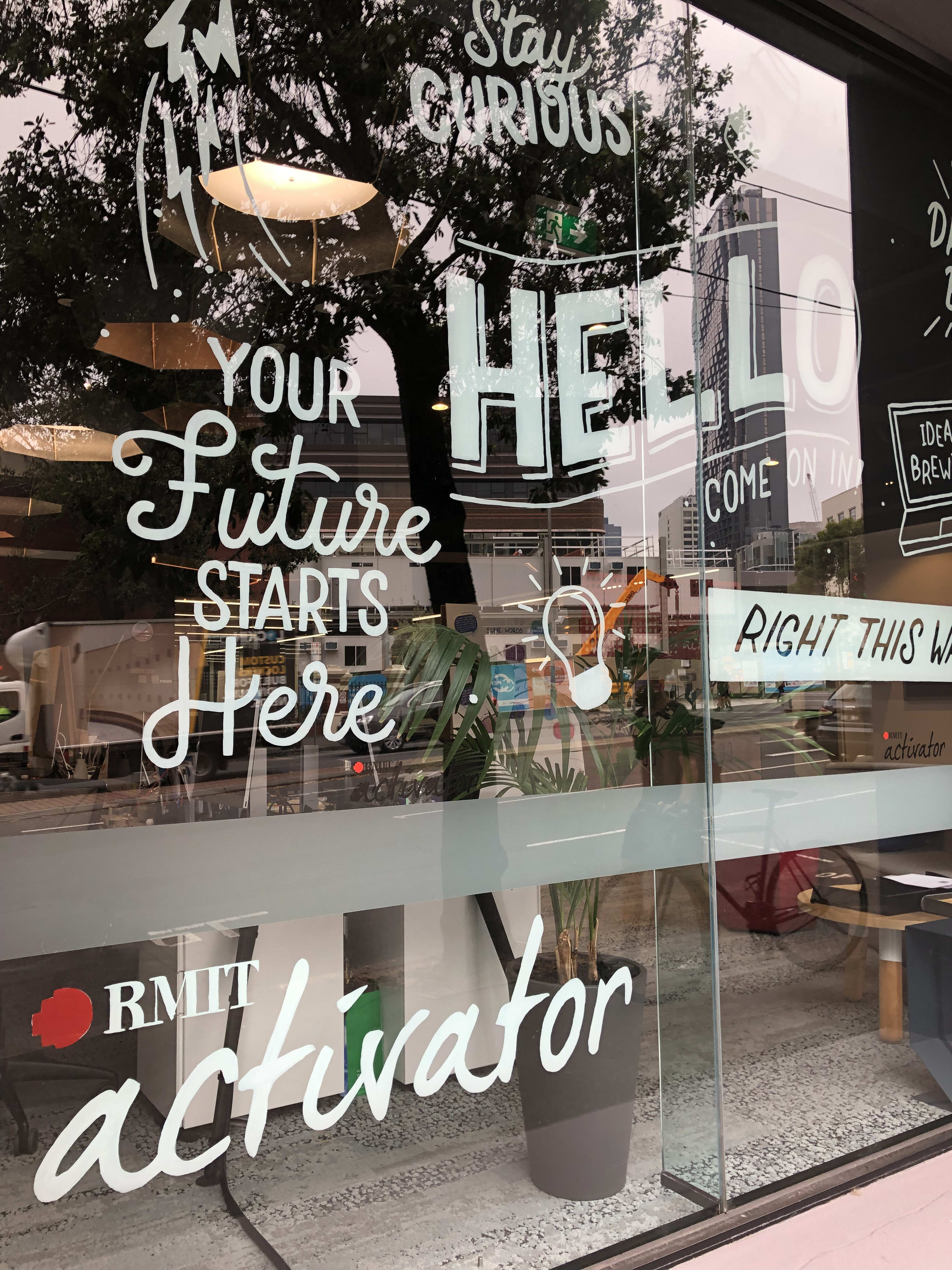
RMIT
University,
Melbourne,
Australia
(photo
by
Renee
Jefferson)

Get
Hired

Did
you
miss
the
350+
job
postings
from
previous
weeks?
Find
them
all here.


Upcoming
Ethics
Events
&
Other
Announcements

Did
you
miss
an
announcement
from
previous
weeks?
Find
them
all here.


Keep
in
Touch


News
tips?
Announcements?
Events?
 A
job
to
post?
 Reading
recommendations?
 Email [email protected] –
but
be
sure
to
subscribe
first,
otherwise
the
email
won’t
be
delivered.


Renee
Knake
Jefferson
holds
the
endowed
Doherty
Chair
in
Legal
Ethics
and
is
a
Professor
of
Law
at
the
University
of
Houston.
Check
out
more
of
her
writing
at
the Legal
Ethics
Roundup
.
Find
her
on
X
(formerly
Twitter)
at @reneeknake or
Bluesky
at legalethics.bsky.social

Former Trump White House Lawyer Sees Chilling Putin Parallel – Above the Law

Ty
Cobb

Seems
like
everyone’s
got
an
opinion
about
the
suspension
of
Jimmy
Kimmel
by
ABC
following
the
comedian’s
comments
about
the
death
of
far-right
activist
Charlie
Kirk.
Which…
given
the
FCC’s
role
in
pressuring
ABC
and
the
First
Amendment’s
prohibition
on
exactly
that,
makes
sense.
There’s
nothing
quite
like
the
decline
of
constitutional
norms
to
get
tongues
a-waggin’!
And
former
White
House
attorney

and current
critic
of
Trump
 — Ty
Cobb
 is
no
different.
He
told
Kristen
Welker
of
NBC
News
the
purge
we
are
seeing
reminds
Cobb
of
Russian
President
Vladimir
Putin’s
early
moves
to
“systematically
silence
critical
media
outlets
and
independent
TV
channels”
that
were
soon
“bought
out
or
shut
down.”

And
there
are
other
disturbing
historical
parallels.
“It’s
evocative
of
what
we’ve
seen
throughout
history,”
Cobb
said.
“In
1939,
Dr.
Goebbels,
at
Hitler’s
instruction,
removed
five
comedians,
or
witticists
as
they
were
called
at
the
time,
from
the
airways
in
Germany
and
for
criticizing
or
making
fun
of
the
government
in
a
satire
way.”

Donald
Trump
has
also
targeted
other
late
night
comedians.
Something
Cobb
said
is
sadly

unsurprising
.
“Trump
is
waging
war
on
people
who
offend
him,”
Cobb
continued.
“He’s
all
about
vengeance.
And
sadly,
his
subordinates,
like
one
of
the
Project
2025
authors,
Brendan
Carr
of
the
FCC,
are
following
in
line.”
Teeing
up
this
dark
joke,
“Pretty
soon,
the
only
comedian
left
standing
is
going
to
be
Karoline
Leavitt.”

Watch
the
full
interview
below.


Kathryn
Rubino
is
a
Senior
Editor
at
Above
the
Law,
host
of

The
Jabot
podcast
,
and
co-host
of

Thinking
Like
A
Lawyer
.
AtL
tipsters
are
the
best,
so
please
connect
with
her.
Feel
free
to
email

her

with
any
tips,
questions,
or
comments
and
follow
her
on
Twitter

@Kathryn1
 or
Mastodon

@[email protected].

So, My Trump-Supporting Friends, Did You Believe … ? – Above the Law

(Photo
by
Drew
Angerer/Getty
Images)

On
Thursday,
Heather
Cox
Richardson’s
Letters
from
an
American

had
two
interesting
tidbits. First:

In
2020,
when
Utah
senator
Mitt
Romney
voted
to
convict
Donald
Trump
on
one
of
the
charges
on
which
the
House
impeached
him,
Trump
tweeted
a
video
calling
him
a
“Democrat
secret
asset”
who
“tried
to
infiltrate
Trump’s
administration”
while
“posing
as
a
Republican.”
Romney
was
the
Republican
Party’s
2012
presidential
nominee.

Which
made
me
think: So,
my
Trump-supporting
friends,
did
you
believe
that? Is
Mitt
Romney
a
Democrat
secret
asset?

Hmmm

Then
there
were
the
administration’s
recent
decisions
to
have
the
military
destroy
three
Venezuelan
boats
that
may
have
been
operated
by
drug
smugglers. Of
course
the
police
have
the
right
to
arrest
drug
smugglers
(if
the
police
have
jurisdiction
and
probable
cause),
but
does
the
military
have
the
right
to
assassinate,
rather
than
arrest,
alleged
drug
smugglers
from
a
country
with
which
we
are
not
at
war?  


Cox
Richardson
 quoted
John
Yoo,
the
Republican
author
of
the
infamous
memos
justifying
torture
in
the
administration
of
Bush
the
Younger,
on
this
issue:

John
Yoo,
the
former
deputy
assistant
attorney
general
under
President
George
W.
Bush
who
wrote
the
legal
justification
for
torture
during
the
war
on
terror,
pushed
back
on
the
extreme
powers
Trump
is
claiming
to
kill
those
he
labels
terrorists.
“There
has
to
be
a
line
between
crime
and
war,”
Yoo
said.
“We
can’t
just
consider
anything
that
harms
the
country
to
be
a
matter
for
the
military.
Because
that
could
potentially
include
every
crime.”

Which
made
me
think: So,
my
Trump-supporting
friends,
has
anyone
yet
convinced
you
that
these
assassinations
were
legal?

I
then
left
Cox
Richardson’s
leads
and
went
to Bloomberg
Law
:

Three
current
[Department
of
Labor]
employees,
who
spoke
on
condition
of
anonymity,
told
Bloomberg
Law
that
colleagues
who
took
the
Department
of
Government
Efficiency’s
“Fork
in
the
Road”
offer
earlier
this
year
have
returned
as
full-time
workers,
after
collecting
their
full
pay
and
benefits
for
months
without
performing
their
job
duties.

The
agency’s
internal
website
for
processing
employee
IT
requests
also
has
a
banner
reading
“Welcoming
Back
Returning
DRP
Employees,”
according
to
a
screenshot
shared
with
Bloomberg
Law.

That’s
a
good
deal
for
the
employees: A
long
vacation,
on
the
government
payroll,
after
which
you
can
rejoin
the
government,
doing
precisely
the
same
job
that
you
had
theoretically
left.

Can
I
have
that
deal,
too?

And,
my
Trump-supporting
friends,
does
that
seem
like
government
efficiency
to
you?

I
then
left
the
easy
sources
of
news
and
ventured
out
on
my
own.

At
the
start
of
Trump’s
term,
there
were
about
700
immigration
judges
available
to
process
the
huge
backlog
of
immigration
cases
pending
to
decide
whether
folks
can
lawfully
enter
the
United
States. After
a
series
of
firings
and
forced
self-resignations,
there
are
now
about 600
judges
left
 to
decide
those
cases. That’s
not
nearly
enough,
so
Trump
has
decided
to
enlist
members
of
the
military’s
JAG
Corps
to
serve
as
immigration
judges. Members
of
the
JAG
Corps
don’t
necessarily
know
anything
about
immigration
law,
and
there
are legal
questions
 whether
members
of
the
military
can
be
used
for
civilian
purposes
(such
as
serving
as
immigration
judges).

So,
my
Trump-supporting
friends,
are
you
convinced
that
firing
qualified
immigration
judges
for
no
reason,
and
then
replacing
them
with
unqualified,
and
possibly
illegal,
military
lawyers
(who
were
presumably
doing
other
necessary
tasks
for
the
military)
is
an
intelligent
policy?

Trump
says
that
American
cities
run
by
Democratic
mayors
are
crime-ridden
hellholes. Trump’s
solution
to
this
is
to
send
in
members
of
the
National
Guard,
who
aren’t
trained
in
crime
control,
to
keep
order.  

So,
my
Trump-supporting
friends,
does
it
really
make
sense
to
send
in
the
National
Guard,
on
a
temporary
deployment
at
considerable
expense,
to
serve
this
purpose,
or
would
it
make
more
sense

if
our
large
cities
are
truly
crime-infested
hellholes

for
the
federal
government
to
give
cash
grants
to
cities
to
permit
them
to
hire
and
train
more
cops?

How
about
all
the
other
ridiculous
things
that
Trump
has
asked
you
to
believe? Did
you
really
believe,
first,
that
the
rioters
on
January
6
were
members
of
antifa,
as
Trump
insisted? Did
you
then
change
your
mind
to
believe,
as
Trump
later
instructed,
that
the
rioters
were
members
of
the
FBI? Did
you
then
later
change
your
mind
again
to
believe,
as
the
fearless
leader
insisted,
that
the
rioters
had
actually
done
nothing
wrong
at
all
and
deserved
to
be
pardoned?

What
will
you
believe
tomorrow?

Did
you
really
believe,
as
Trump
insisted,
that
Trump
had
not
signed
a
note
in
the
birthday
book
for
Jeffrey
Epstein’s
50th
birthday? Did
you
believe
that
there
was
in
fact
no
birthday
book
at
all? Did
you
believe
that
the Wall
Street
Journal,
which
had
the
temerity
to
suggest
that
a
note
signed
by
Trump
existed,
should
be
sued
for
defamation?
Now
that
the
note
has
been
produced,
and
you’ve
seen
it
with
your
own
eyes,
what
are
you
thinking? Trump
still
says
it’s
not
his
signature;
do
you
believe
that?
If
so,
just
who
forged
the
note,
20
years
ago,
and
had
it
inserted
in
the
book,
and
for
what
purpose? When
Trump
changes
his
story
again,
will
you
believe
the
next
ridiculous
thing
that
he
says?

Is
there
an
outside
chance
that
you
realize
there’s
something
wrong
with
this?

Or
is
Trump
telling
you
not
to
worry?


Mark Herrmann spent
17
years
as
a
partner
at
a
leading
international
law
firm
and
later
oversaw
litigation,
compliance
and
employment
matters
at
a
large
international
company.
He
is
the
author
of 
The
Curmudgeon’s
Guide
to
Practicing
Law
 and Drug
and
Device
Product
Liability
Litigation
Strategy
 (affiliate
links).
You
can
reach
him
by
email
at 
[email protected].

Chrometa: Turning Time Into Billable Value For Modern Lawyers – Above the Law

For
law
firms
and
solo
practitioners
alike,
the
most
precious
professional
resource
is
time.
Yet
in
practice,
it
is
also
the
resource
most
easily
lost.
Ask
any
lawyer
how
much
time
slips
through
the
cracks
of
a
hectic
day,
and
you
will
likely
hear
the
same
story:
the
challenge
of
keeping
accurate
records
of
billable
work.
Whether
it’s
drafting
a
motion
at
midnight,
answering
a
client’s
quick
text
on
the
train,
or
researching
case
law
between
meetings,
these
small
but
important
increments
of
labor
often
go
unrecorded.
Over
weeks
and
months,
they
add
up
to
significant
revenue
leakage.


Chrometa
 was
built
with
this
reality
in
mind.
Unlike
traditional
time-tracking
systems
that
require
active
input,
Chrometa
provides
passive
timekeeping
solution
 designed
for
busy
professionals
who
simply
cannot
afford
to
stop
and
start
timers
all
day.
Installed
on
your
computer
or
mobile
device,
Chrometa
runs
quietly
in
the
background.
It
captures
your
activity—documents
opened,
emails
composed,
phone
calls
made,
websites
visited—and
turns
this
data
into
a
chronological
record
of
your
workday.
The
result:
an
accurate,
detailed
log
of
how
your
time
was
spent,
without
requiring
you
to
manually
track
it.

For
lawyers,
the
benefits
are
immediate
and
practical.
First,
Chrometa
helps
reduce lost
billable
hours
.
By
surfacing
the
tasks
that
often
fall
through
the
cracks,
such
as
reviewing
client
correspondence
or
drafting
a
short
email
reply,
the
software
ensures
your
billing
reflects
the
full
scope
of
your
effort.
Second,
it
improves billing
accuracy
and
defensibility
.
Clients
are
increasingly
sensitive
to
invoices
that
seem
vague
or
inflated.
By
providing
precise
descriptions
tied
to
actual
activity,
Chrometa
allows
firms
to
present
transparent
bills
that
withstand
scrutiny.

Ease
of
use
is
another
hallmark
of
Chrometa’s
design.
Captured
entries
can
be
automatically
assigned
to
matters
based
on
keywords,
client
names,
or
rules
you
define.
Integration
with
leading
practice
management
and
billing
platforms
means
you
can
convert
time
entries
into
invoices
with
minimal
friction.
Instead
of
dreading
the
monthly
scramble
to
reconstruct
hours,
lawyers
gain
confidence
that
their
records
are
comprehensive
and
up
to
date.

Chrometa
also
supports
a
cultural
shift
in
how
legal
professionals
think
about
time
management.
Passive
tracking
not
only
aids
billing
but
also
provides
valuable

productivity
insights
.
Lawyers
can
review
how
their
day
is
distributed
across
tasks,
identify
patterns
of
distraction,
or
confirm
whether
the
allocation
of
time
matches
strategic
priorities.
For
firms,
aggregated
data
can
highlight
workload
distribution
and
resource
utilization,
supporting
better
staffing
and
planning
decisions.

Importantly,
Chrometa
was
designed
with privacy
and
security
 in
mind.
Time
entries
are
captured
locally
and
synced
securely.
Users
maintain
control
over
which
activities
are
logged
and
how
that
information
is
shared.
This
ensures
compliance
with
professional
obligations
while
providing
peace
of
mind
in
an
era
of
heightened
client
expectations
around
confidentiality.

Adoption
of
Chrometa
represents
more
than
a
technological
upgrade;
it
reflects
a
professional
philosophy
that
values
accuracy,
transparency,
and
efficiency.
In
a
marketplace
where
clients
expect
more
value
for
less,
and
where
alternative
fee
arrangements
are
gaining
traction,
the
ability
to
account
for
time
with
precision
is
a
competitive
advantage.
For
solo
attorneys,
it
can
mean
the
difference
between
sustainable
revenue
and
constant
underbilling.
For
larger
firms,
it
can
improve
realization
rates
and
client
satisfaction
simultaneously.

In
the
end,
Chrometa
answers
a
simple
but
crucial
question: How
much
of
your
professional
value
are
you
unintentionally
giving
away?
 By
ensuring
that
every
email,
call,
and
document
review
is
reflected
in
your
records,
the
software
transforms
scattered
minutes
into
measurable,
billable
value.
For
lawyers
who
pride
themselves
on
diligence
and
professionalism,
it
is
a
natural
ally.

As
the
practice
of
law
continues
to
evolve,
one
constant
remains:
time
is
money.
With
Chrometa,
lawyers
can
ensure
that
none
of
that
time
is
lost.

Trump Will Jail His Enemies If He Has To Burn Down The DOJ To Do IT – Above the Law

(Photo
by
Win
McNamee/Getty
Images)

The
Justice
Department
was
the
scene
of
an
ecstatic
orgy
of
corruption
this
weekend.

Again.

On
Friday,
Erik
Siebert,
the
US
Attorney
for
the
Eastern
District
of
Virginia
(EDVA),

resigned
his
office
.
Trump
had
been
grumbling
for
weeks
about
“his”
US
Attorneys
refusing
to
indict
his
political
enemies.
And
that’s
even
after
Bill
Pulte,
head
of
the
Federal
Housing
Finance
Agency,
went

spelunking

through
decades
of
mortgage
records
looking
for
any
discrepancy
that
might
be
spun
up
into
a
federal
case
against
people
who
were
mean
to
Trump.
Unfair!

Seibert’s
sin
was
refusing
to
charge
New
York
Attorney
General
Letitia
James
with
mortgage
fraud
with
respect
to
the
2023
purchase
of
a
property
in
Virginia.
Incident
to
the
sale,
James
executed
a
power
of
attorney
in
favor
of
her
niece,
and
the
document
inaccurately
described
the
house
as
a
primary
residence.

ABC

reports
that
the
power
of
attorney
was
prepared
by
title
attorneys
(and
not
James)
from
an
uncorrected
template,
and
that
it
was
never
even
seen
by
the
mortgage
company.
The
rest
of
the
deed
and
mortgage
documents
accurately
reflected
that
the
home
would

not

be
a
primary
residence.

Nevertheles,s
Pulte
pumped
out
dozens
of
social
media
posts
and
said
on
Fox
News,
“I
believe
this
is
riddled
with
mortgage
fraud,
and
frankly,
I
think
that’s
why
she
knew
so
much
about
the
law
in
terms
of
how
to
go
after
President
Trump.”

But
Pulte
is
not
a
lawyer,
and
Erik
Siebert

is
.
In
fact,
Siebert
spent
15
years
at
the
Department
of
Justice
in
the
Eastern
District
of
Virginia
(EDVA)
and
was
elevated
to
serve
as
interim
US
Attorney
when
his
predecessor
Jessica
Aber
resigned
in
January.
Under

28
USC
§
546
,
an
interim
appointment
expires
after
120
days,
after
which
the
district’s
judges
may
appoint
a
successor
who
can
serve
indefinitely
until
a
new
US
Attorney
is
named.
And
so,
when
his
120-day
term
expired,
Siebert
was

unanimously
appointed

by
the
EDVA
judges
to
remain
in
office.
At
the
urging
of
Republican
Governor
Glenn
Youngkin
and
with
the
support
of
Senators
Tim
Kaine
and
Mark
Warner,
the
president
then

nominated

Siebert
for
a
full
term
in
May.

But
on
Friday,
Trump
complained
to
reporters
in
the
Oval
Office
that
he’d
been
duped
into
naming
a
liberal
plant
who’d
been
“blue
slipped
through
by
two
Democrat
senators
in
Virginia.”

“When
I
learned
that
they
voted
for
him,
I
said,
I
don’t
really
want
him,”
he
groused,
suggesting
that
Democratic
support
is
actually

disqualifying

for
any
nominee,
despite
the
fact
that
Siebert
had
been
voted
out
of
the
Republican-dominated
Judiciary
Committee
a
mere
eight
days
earlier.

Seeing
the
writing
on
the
wall,
Siebert

stepped
down

on
Friday,
after
which
Attorney
General
Pam
Bondi

tapped

Maggie
Cleary
as
his
interim
replacement.
Cleary,
who
is
active
in
Virginia
Republican
politics,
only
recently
returned
to
the
Justice
Department.
It’s
unclear
if
she
intends
to
try
to
persuade
a
grand
jury
to
indict
the
New
York
AG.

But
Siebert’s
resignation
did
not
mollify
the
president,
who
whined
in
a
late-night
social
media
post
that
“He
didn’t
quit,
I
fired
him!”


Then
he
turned
his
firehose
of
rage
on
Bondi
herself,
howling
about
“statements”
lamenting
the
DOJ’s
failure
to
charge
James
when
“there
is
a
GREAT
CASE,
and
many
lawyers,
and
legal
pundits,
say
so.”


The
identity
of
the
lawyers
lauding
the
“GREAT
CASE”
against
James
is
left
as
an
exercise
for
the
reader.
Ditto
for
the
origin
of
the
“30
statements”
bemoaning
the
DOJ’s
dereliction.

Truth
Social?
The
president’s
dental
fillings?

But
Lindsey
Halligan
should
be
a
familiar
name
to
followers
of
Trump’s
past
crimes.

In
2022,
after
the
FBI
“raided”
Mar-a-Lago,
Trump
went
looking
for
attorneys
willing
to
sign
onto
a
legal
challenge
to
the
judicially-authorized
search
warrant.
He
had
lawyers
willing
to
say

a
lot

of
crazy
shit,
of
course,
but
none
of
them
were
barred
in
the
Southern
District
of
Florida.
Enter
Halligan,
an

insurance
defense
lawyer

in
Fort
Lauderdale
whose
courtroom
experience
consisted
of
serving
as
second
chair
in
a
two-day
trial
in
a
case
brought
by
Miami
homeowners
with
damaged
roofs.
But
Halligan

had

made
several
appearances
on
Steve
Bannon’s
podcast
praising
Trump,
and
that
(along
with
her
Florida
bar
card)
was
enough.

Halligan
gamely
toddled
along
behind
James
Trusty
and
Evan
Corcoran,
Trump’s
“real”
defense
lawyers,
until
the
Eleventh
Circuit
smacked
down
Judge
Aileen
Cannon’s
first
attempt
to
bone
the
stolen
documents
case.
And
even
though
Halligan’s
services
weren’t
needed
after
Trump’s
PAC

paid

former
Florida
Solicitor
General
Chris
Kise
$3
million
to
leave
Biglaw
and
represent
Trump,
she
never
really
left
his
orbit.

Halligan
followed
Trump
to
DC,
where
she
is
currently
the
“Assistant
to
the
President
for
Domestic
Policy
and
the
Special
Assistant
to
the
President
and
Senior
Associate
Staff
Secretary.”
On
March
5,
Trump
tasked
her
with
de-woke-ifying
the
Smithsonian
pursuant
to
an

executive
order

in
which
he
claimed
the
institution
“has
promoted
narratives
that
portray
American
and
Western
values
as
inherently
harmful
and
oppressive.”
Halligan,
whose
undergraduate
degree
is
in
politics,
told
the

Washington
Post

that
her
visits
to
the
museum
left
her
dismayed
with
the
lack
of
focus
on
the
ways
“America
is
so
special.”

So
it
is
perhaps
unsurprising
that
Halligan,
who
is
not
barred
in
the
Commonwealth
of
Virginia
and
who
boasts
zero
prosecutorial
experience,
would
feel
confident
in
her
ability
to
serve
as
the
district’s
top
prosecutor.
For
his
part,
the
president
is
certain
that
Halligan
can
“get
things
moving.”


Confusingly,
Trump
claims
to
have
both
“nominated”
Halligan
and
“appointed”
her
as
US
Attorney
for
EDVA,
making
it
unclear
if
he
intends
to
“get
things
moving”
imminently
by
installing
her
in
office

now
.


Pushing
out
Cleary
in
favor
of
Halligan
might
well
“get
things
moving”

faster
,
particularly
with
Senate
nominations
taking
months.
But
if
Trump
installs
Halligan
immediately
via
interim
appointment,
he
risks
having
her
time
out
the
way
Siebert
did

and
it’s
a
safe
bet
that
the
judges
in
EDVA
aren’t
going
to
bless
her
continued
tenure
the
way
they
did
with
a
guy
who
was
actually
competent.

There’s
currently

pandemonium

in
New
Jersey
after
Trump
installed
Alina
Habba,
another
of
his
personal
lawyers,
as
US
Attorney
and
tried
to
keep
her
on
the
job
after
120
days
without
Senate
confirmation.
And
whoever
occupies
the
office
may
struggle
to
secure
an
indictment
against
James
on
the
basis
of
this
flimsy
evidence.
Next
door
in
DC,
US
Attorney
Jeanine
Pirro
keeps
getting

“no-billed”

as
grand
jurors
refuse
to
rubber-stamp
the
most
blatantly
political
of
this
administration’s
prosecutions.

But
whatever
the
outcome,
pushing
out
Siebert
because
he
refused
to
charge
Trump’s
enemies
is
yet
another
massive
attack
on
the
rule
of
law.
Trump’s
mumbling
about
the
“UNUSUALLY
STRONG
SUPPORT
of
the
two
absolutely
terrible,
sleazebag
Democrat
Senators”
fools
no
one,
particularly
when
it’s
explicitly
tied
to
the
two
impeachments
and
five
indictments
“OVER
NOTHING.”

This
is
payback,
and
no
one
is
really
pretending
otherwise.