Big
money
isn’t
just
for
Biglaw
—
boutique
law
firms
are
continuing
to
get
in
on
the
compensation
action,
and
associates
are
very
happy
about
it.
Yet
another
successful
boutique
law
firm
is
making
sure
that
its
associates’
accounts
are
flush
with
cash,
with
salaries
that
surpass
the
Biglaw
market
standard.
Say
hello
to
the
Houston
litigation
boutique
of
Ahmad,
Zavitsanos
&
Mensing
P.C.,
a
firm
that’s
more
commonly
known
as
“AZA.” We’ve
confirmed
that
the
firm
will
go
over
and
above
the
Cravath
salary
scale
for
first-year
associates,
pushing
their
annual
compensation
to
$235,000.
Second-year
associates
at
the
firm
will
also
receive
a
$10,000
raise.
“We’ve
long
matched
New
York
[Biglaw]
salaries,
and
this
year
we
are
raising
them
$10,000,”
AZA
managing
partner
John
Zavitsanos
said
of
the
salary
increases.
“We
send
our
new
lawyers
to
court
immediately,
and
they
are
worth
at
least
as
much
as
their
[Biglaw]
counterparts,
who
usually
don’t
get
anything
like
the
experience
the
AZA
associates
receive.”
Monica
Uddin,
AZA’s
hiring
partner,
shared
similar
thoughts,
saying,
“Our
young
lawyers
aren’t
stuck
making
other
people’s
outlines.
They’re
out
trying
cases,
and
we’ll
pay
them
more
for
it.
When
you
out-hustle
and
out-argue,
you
should
out-earn,
too.”
Congratulations
to
everyone
at
AZA!
Remember
everyone,
we
depend
on
your
tips
to
stay
on
top
of
this
stuff.
So
when
your
firm
matches,
please
text
us
(646-820-8477)
or email
us (subject
line:
“[Firm
Name]
Matches”).
Please
include
the
memo
if
available.
You
can
take
a
photo
of
the
memo
and
send
it
via
text
or
email
if
you
don’t
want
to
forward
the
original
PDF
or
Word
file.
And
if
you’d
like
to
sign
up
for
ATL’s
Bonus
Alerts
(which
is
the
alert
list
we’ll
also
use
for
salary
announcements),
please
scroll
down
and
enter
your
email
address
in
the
box
below
this
post.
If
you
previously
signed
up
for
the
bonus
alerts,
you
don’t
need
to
do
anything.
You’ll
receive
an
email
notification
within
minutes
of
each
bonus
announcement
that
we
publish.
Staci
Zaretsky is
the
managing
editor
of
Above
the
Law,
where
she’s
worked
since
2011.
She’d
love
to
hear
from
you,
so
please
feel
free
to
email
her
with
any
tips,
questions,
comments,
or
critiques.
You
can
follow
her
on Bluesky, X/Twitter,
and Threads, or
connect
with
her
on LinkedIn.
AI
is
becoming
an
essential
part
of
the
healthcare
workplace,
from
ambient
scribing
tools
to
clinical
decision
support.
But
healthcare
workers
are
still
learning
best
practices
when
it
comes
to
leveraging
AI.
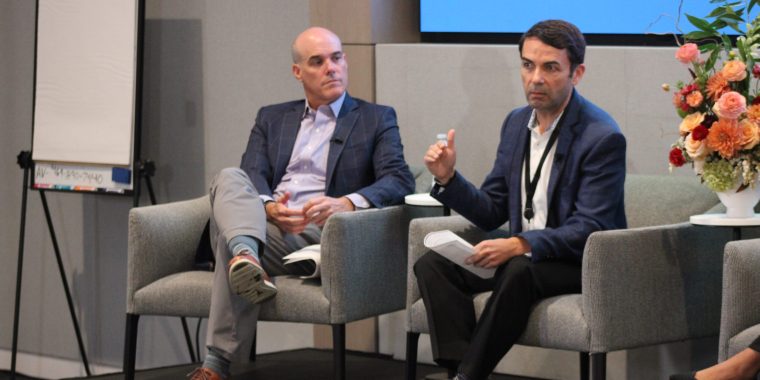
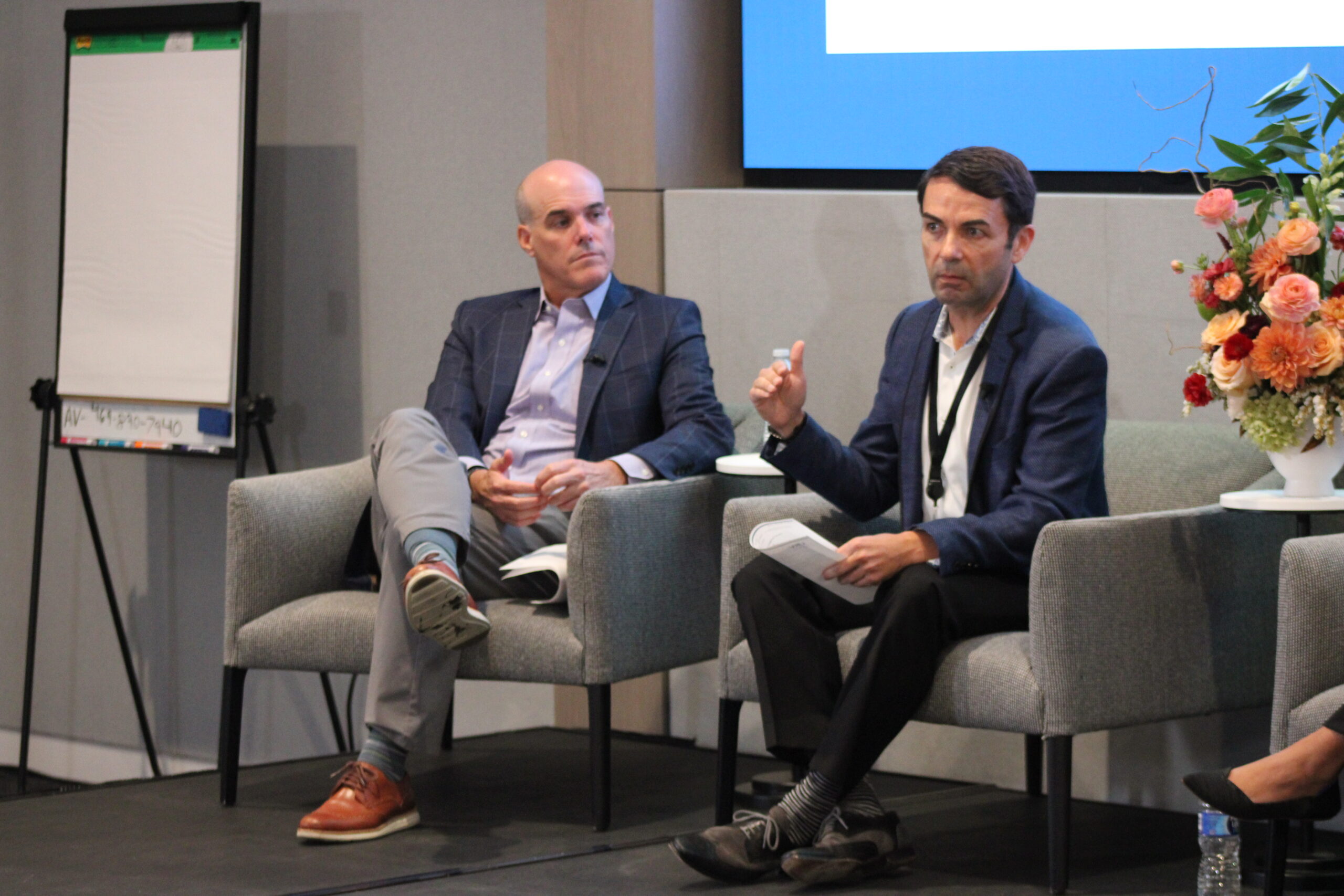
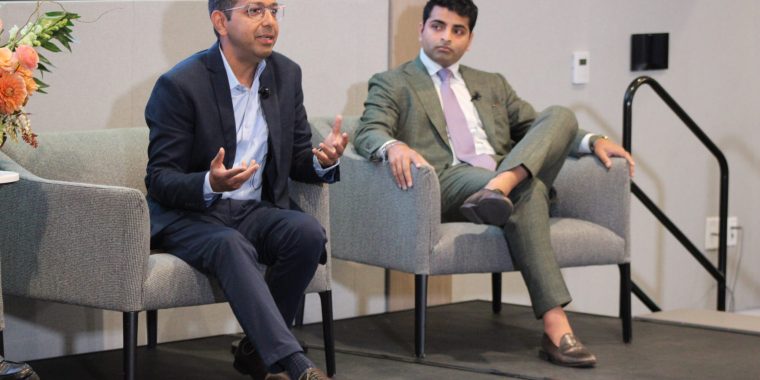
During
a
Thursday
panel
discussion
at
the
MedCity
INVEST
Digital
Health
conference
in
Dallas,
three
healthcare
executives
shared
what’s
top
of
mind
for
them
when
rolling
out
AI
products
in
the
workplace.
The
session
was
moderated
by
Keith
J.
Figlioli,
managing
partner
at
LRVHealth.
For
one
executive,
getting
AI
tools
adopted
is
key.
But
in
order
for
these
tools
to
be
adopted,
workers
have
to
trust
them,
according
to
Dr.
Steve
Miff,
president
and
CEO
of
Parkland
Center
for
Clinical
Innovation.
To
build
trust,
there
needs
to
be
robust
evaluation
frameworks
for
AI.
These
tools
also
“cannot
be
a
black
box,”
so
providing
“insights
and
additional
real-time
information
behind
those
outputs
and
algorithms
is
critical,”
he
said.
In
addition,
it’s
essential
to
automate
the
monitoring
of
AI
models.
“Once
you
open
up
the
gate,
you’re
going
to
end
up
with
dozens
of
different
AI
models,
and
the
question
I’m
asking
is,
‘How
am
I
going
to
keep
up
with
monitoring
this
consistently
as
an
organization?’
So
we’ve
been
focusing
on
developing
algorithms
and
methods
to
actually
be
able
to
monitor
the
performance
of
these
models
in
real
time,
…
and
that
actually
builds
trust
with
the
team,
knowing
that
somebody
or
a
group
is
continuously
looking
at
those
and
alerting
if
something
goes
off
track,”
he
said.
He
added
that
among
frontline
staff,
there
is
still
a
concern
that
AI
will
cause
them
to
lose
their
jobs,
so
there
is
often
a
“resistence”
when
new
tools
are
introduced.
Another
healthcare
executive
—
Jess
Botros,
vice
president
of
IT
strategy
and
operations
at
Ardent
Health
—
noted
that
she
wants
the
system’s
clinicians
to
be
able
to
spend
as
much
time
as
possible
with
patients
and
have
the
right
tools
in
hand.
That
said,
there’s
a
lot
of
responsibility
when
it
comes
to
deploying
AI.
“In
order
to
do
this
in
the
right
way,
you
have
to
have
your
house
in
order
from
a
data
perspective,
from
a
trust
perspective,”
she
said.
“You
think
about
change
management
impacts
and
making
sure
that
people
are
really
along
for
the
ride
and
really
understand
why
we’re
doing
what
we’re
trying
to
do.
It
becomes
super
important.”
Abhinav
Shashank,
CEO
and
co-founder
of
Innovaccer,
meanwhile,
stressed
the
importance
of
interoperability.
The
healthcare
industry
should
be
working
on
connecting
existing
systems
versus
building
new
systems.
He
emphasized
that
many
of
healthcare’s
biggest
challenges,
such
as
claims
processing
and
transitioning
to
value-based
care,
stem
from
broken
information
flows.
“Great
software
is
going
to
get
built
all
across
the
U.S.,
and
what
we
need
to
work
on
is
to
create
a
system
that
connects
these
things
and
makes
them
really
work
together
well.
…
I
just
think
[that]
if
we
got
these
things
to
work
together,
we
would
be
in
so
much
of
a
better
place
than
basically
trying
to
get
20
new
things,”
he
said.
*
Border
czar
Tom
Homan
recorded
taking
$50K
from
undercover
FBI
agents
posing
as
businessmen
based
on
Homan
claiming
he
could
help
them
secure
future
government
contracts.
Trump
DOJ
dropped
the
investigation.
So,
um,
does
he
keep
the
money?
[NY
Times]
*
Mark
Geragos
has
malpractice
verdict
overturned.
[LA
Times]
*
Trump
posted
—
and
then
deleted
—
a
Truth
Social
that
looked
suspiciously
like
an
intended
DM,
excoriating
Attorney
General
Pam
Bondi
for
not
doing
more
to
prosecute
his
political
critics.
[CNN]
Unchecked
Entitlement?
From
A
Lawyer?
No!:
Judge
benchslaps
partner
over
actions
that
“candidly
saddened
and
shocked
the
court.”
Jimmy
Kimmel
Suspension
Brings
On
Amateur
Hour:
Twitter
Law
School
explains
why
ABC
suspending
Kimmel
is
natural
extension
of
letting
public
health
officials
talk
to
Facebook
during
COVID.
The
comparison
is
very
dumb.
And
Kimmel’s
Not
Alone:
A
Biglaw
attorney
and
a
law
professor
both
got
punished
over
Kirk
reactions.
In
A
Sense,
Betting
On
Yourself
Is
The
Best
Investment!:
Law
firm
accused
of
using
employee
401(k)
funds
to
cover
its
expenses.
Everyone
Knows
The
President
Can’t
Just
Fire
The
Fed,
What
This
Shadow
Docket
Submission
Presupposes
Is…
What
If
He
Can?:
The
Supreme
Court
went
out
of
their
way
to
tell
Trump
he
couldn’t
start
firing
Federal
Reserve
board
members.
He’s
run
back
to
tell
them
he
plans
to
do
it
anyway.
Trump’s
NYT
Complaint
Flattened
By
Judge:
“This
complaint
stands
unmistakably
and
inexcusably
athwart
the
requirements
of
Rule
8.”
How
long
has
Judge
Merryday
been
sitting
on
“athwart?”
What’s
The
Billing
Code
For
Being
Cyberstalked?:
Attorney
charged
for
alleged
online
harassment
campaign
directed
at
Biglaw
partner
and
associate.
Biglaw
Partner
Gets
Ear
Pierced
In
Court:
I
think
we’re
all
grateful
Claire’s
doesn’t
offer
the
Prince
Albert.
Harare
– The
Government
of
Zimbabwe,
in
partnership
with
the
Food
and
Agriculture
Organization
of
the
United
Nations
(FAO),
the
Southern
African
Development
Community
(SADC)
Secretariat,
and
the
European
Union
(EU),
officially
launched
the
second
phase
of
the Support
Towards
the
Operationalization
of
the
SADC
Regional
Agricultural
Policy (STOSAR
II)
project.
STOSAR
II
(2025–2028)
is
a
EUR
10
million
initiative
funded
by
the
EU
under
the Development
of
Smart
Innovation
through
Research
in
Agriculture (DeSIRA)
programme.
The
project
builds
on
the
achievements
of
STOSAR
I
(2018–2024)
to
accelerate
the
transformation
of
agriculture
and
food
systems
across
the
16
SADC
Member
States,
including
Zimbabwe.
“The
first
phase
of
STOSAR
demonstrated
that
through
coordinated
action,
we
can
begin
to
unlock
this
potential.
Zimbabwe
was
recognised
as
a
top
performer
in
STOSAR
I,
and
today,
we
are
not
here
to
simply
rest
on
those
laurels,
but
to
build
upon
them.
We
are
here
to
learn
from
our
experiences
and
to
ensure
STOSAR
II
delivers
even
greater,
more
tangible
impacts
for
our
farmers
and
our
nation,”
said
Dr
Obert
Jiri,
Permanent
Secretary
in
the
Ministry
of
Lands,
Agriculture,
Fisheries,
Water
and
Rural,
in
a
keynote
address
officially
launching
the
project.
FAO
is
proud
to
partner
with
the
Government
of
Zimbabwe,
the
SADC
Secretariat,
and
the
European
Union
in
delivering
STOSAR
II.
By
investing
in
agricultural
information
systems,
plant
and
animal
health,
food
security
monitoring,
and
value
chain
development
for
market
access,
this
initiative
will
help
transform
Zimbabwe’s
agriculture
into
a
more
resilient,
inclusive,
and
sustainable
sector.
“Following
this
launch,
we
will
engage
in
discussions
to
define
national
priorities
and
comprehensive
work
plans
for
Zimbabwe
under
STOSAR
II
project.
These
deliberations
will
be
critical
in
ensuring
that
STOSAR
II
delivers
meaningful
results
that
directly
respond
to
the
needs
and
realities
of
Zimbabwe’s
farmers,
agribusinesses,
investors
and
communities,”
said
Patrice
Talla,
FAO
Subregional
Coordinator
for
Southern
Africa
and
Representative
to
Zimbabwe.
The
EU
is
proud
to
support
STOSAR
II
as
part
of
its
broader
commitment
to
sustainable
agricultural
transformation
across
Africa.
“With
an
EU
contribution
of
€10
million,
it
will
help
knit
together
the
region’s
efforts:
improving
how
information
is
shared,
reinforcing
protection
against
cross-border
pests
and
diseases,
enhancing
food
and
nutrition
security
monitoring,
and
ensuring
that
smallholders,
women,
and
youth
are
part
of
the
opportunities
created,”
said
Sara
Piccoli,
Programme
Manager
–
Unit
for
Agriculture,
Environment
and
Trade
in
the
Delegation
of
the
European
Union
to
the
Republic
of
Zimbabwe.
STOSAR
II
launch
marks
an
important
milestone
for
Zimbabwe.
The
continuation
of
this
project
will
help
strengthen
agricultural
systems,
enhance
food
security,
and
empower
farmers,
women,
and
youth
to
fully
participate
in
value
chains
that
support
national
development
priorities.
The
STOSAR
II
project
in
Zimbabwe
is
set
to
drive
agricultural
transformation
through
four
strategic
focus
areas.
These
include
enhancing
agricultural
data
systems
to
support
evidence-based
policymaking,
strengthening
plant
and
animal
health
to
boost
market
access
and
trade,
improving
food
and
nutrition
security
through
robust
monitoring
and
early
warning
mechanisms,
and
promoting
inclusive
value
chains
that
empower
women,
youth,
and
SMEs
to
thrive
in
sustainable,
climate-smart
agricultural
markets
supporting
regional
integration.
STOSAR
II
is
strategically
positioned
to
advance
the
SADC’s
regional
food
security
agenda
by
promoting
harmonized
approaches
to
agricultural
health,
nutrition,
and
trade.
Through
its
multi-sectoral
design
and
emphasis
on
regional
integration,
the
project
supports
the
implementation
of
the
SADC
Regional
Agricultural
Policy
and
the
RISDP
2020–2030.
“By
strengthening
Zimbabwe’s
capacity
to
manage
transboundary
pests
and
diseases,
improve
food
safety
standards,
and
enhance
agribusiness
competitiveness,
STOSAR
II
contributes
to
building
a
resilient
and
integrated
regional
food
system.
The
project’s
outcomes
are
expected
to
facilitate
cross-border
trade,
reduce
food
insecurity,
and
foster
sustainable
agricultural
growth
across
the
SADC
region,”
said
Elma
Zanamwe,
STOSAR
II
Project
Coordinator.
The
successful
launch
of
the
STOSAR
II
project
in
Zimbabwe
marks
a
pivotal
step
towards
strengthening
the
country’s
sanitary
and
phytosanitary
systems
through
inclusive
and
collaborative
planning.
Over
two
days
of
intensive
dialogue,
thematic
presentations,
and
participatory
group
work,
stakeholders
from
government,
FAO,
the
EU,
and
technical
experts
will
jointly
identify
priorities
and
validate
thematic
workplans.
This
process
will
culminate
in
the
development
of
a
co-owned
roadmap
that
reflects
shared
commitments,
national
priorities,
and
a
unified
vision
for
implementation.
The
roadmap
not
only
builds
on
the
achievements
and
lessons
of
STOSAR
I
but
also
sets
a
clear
trajectory
for
coordinated
action
under
STOSAR
II,
ensuring
that
Zimbabwe’s
agricultural
health
systems
are
resilient,
responsive,
and
aligned
with
regional
and
international
standards.
And
He
Got
Away
With
It,
Too!:
How
did
this
comment
not
cost
him
his
job?
Law
Professor
Punished
Due
To
Charlie
Kirk
Post:
Felicia
Branch
suspended
for
sharing
biblical
assessment
of
Kirk’s
killing.
That
NYT
Lawsuit
Isn’t
Going
As
Well
As
He
May
Have
Said:
The
government
has
28
days
to
amend
their
plea.
Federal
Prosecutor
Canned
For
Not
Attacking
Trump’s
Political
“Enemies”:
Requiring
evidence?
Sounds
like
the
woke
agenda.
One
Of
These
Things
Is
Not
Like
The
Other:
No,
stepping
in
to
stop
“Bleach
cures
COVID!”
claims
wasn’t
the
same.
As
artificial
intelligence
becomes
a
buzzword
in
nearly
every
healthcare
startup
pitch,
investors
are
finding
it
increasingly
challenging
to
distinguish
which
ones
are
actually
worth
the
hype.
That’s
why,
during
a
Thursday
panel
discussion
among
venture
capitalists
at
the
MedCity
INVEST
Digital
Health
conference
in
Dallas,
this
question
was
posed:
What
metrics
do
you
want
to
see
founders
highlighting
more
often
when
they’re
pitching,
and
what
is
one
red
flag
that
makes
you
question
the
validity
of
their
technology?
The
session
was
moderated
by
Neil
Patel,
head
of
ventures
at
Redesign
Health.
Here
is
what
they
had
to
say:
What
founders
should
be
highlighting
For
Maddie
Hilal,
investor
at
Oak
HC/FT,
it’s
important
that
startups
have
strong
net
revenue
retention,
which
measures
a
company’s
ability
to
retain
revenue
from
existing
customers.
“If
we
don’t
necessarily
have
visibility
into
those
hard
[profit
and
loss]
impact
proof
points,
but
your
existing
customer
base
is
growing
their
contracts,
clearly
they’re
excited,”
she
said.
“They’re
seeing
the
value.”
Another
investor
looks
for
companies
with
high
quality
data.
“If
you
have
better,
higher
quality
data,
you
can
solve
problems
in
a
much
better
fashion,
[with]
higher
predictability
of
models.
I
think
we
look
for
that.
What’s
that
proprietary
data
set?
What
are
you
trained
on?
Who
and
in
which
environment
has
this
been
deployed?”
said
Rohit
Nuwal,
partner
at
TELUS
Global
Ventures.
Vickram
Pradhan,
vice
president
of
Sopris
Capital,
wants
to
see
AI
startups
with
a
good
clinical
impact.
“People
are
asking
about
clinical
impact
in
a
way
that
they
weren’t
asking
maybe
five
years
ago,”
he
said
on
the
panel.
“I
think
the
reason
for
that
is
that
some
of
the
reimbursement
and
financial
and
payment
mechanisms
in
healthcare
are
a
bit
of
a
black
box.
…
But
if
you
know
what
you’re
doing
is
having
a
really
meaningful
clinical
impact,
that’s
a
pretty
good
foundation
to
know
that
that’s
going
to
have
value,
and
someone’s
going
to
want
to
pay
for
that.”
AI
red
flags
Many
healthcare
startups
will
use
the
AI
buzzwords
in
their
pitch
decks,
but
don’t
back
up
their
claims
with
strong
data
and
validating
metrics,
according
to
Hilal.
This
is
a
major
red
flag,
she
said.
Nuwal
echoed
Hilal’s
comments.
“I
think
there’s
a
lot
of
AI
being
thrown
around
where
it’s
essentially
largely
a
machine
learning
problem
that
people
are
trying
to
solve,”
he
said.
“I
don’t
blame
them,
founders
are
doing
a
tough
job
raising
money
in
this
environment,
so
you
need
to
play
the
game
a
little
bit.
But
I
think
just
being
authentic
about
what
problem
you’re
solving
goes
a
long
way.”
For
Pradhan,
a
red
flag
is
having
“squishy”
revenue
metrics.
It’s
important
for
companies
to
be
realistic
with
investors.
“I
think
it’s
very
common
to
see
today,
especially
with
some
of
these
AI
companies
that
are
doing
a
lot
of
pilots
talking
about,
‘We’ve
got
10
million
of
contracted
revenue.’
And
then
when
you
kind
of
go
a
layer
or
two
deeper,
it’s
like,
‘Oh
that’s
actually
what
it
will
look
like
in
year
three.’
…
It
just
makes
it
a
little
bit
more
challenging
to
arrive
at
a
sound
basis
of
truth,”
he
said.
As
we
progress
through
our
series
on
the
strategic
value
of
presenting
CLEs,
we’ve
explored
how
these
presentations
can
enhance
your
professional
reputation
and
serve
as
powerful
tools
for
networking
and
client
development.
Now,
we
turn
our
attention
to
another
critical
advantage:
the
long-term
benefits
of
using
CLEs
to
stay
current
in
your
field
and
sharing
that
knowledge
with
others.
In
this
article,
we’ll
delve
into
how
presenting
CLEs
helps
you
remain
at
the
forefront
of
legal
trends,
the
importance
of
ethics
CLEs
in
this
process,
and
why
consistently
sharing
your
expertise
is
key
to
growing
your
practice.
Keeping
Your
Finger
on
the
Pulse
of
Legal
Trends
The
legal
landscape
is
constantly
evolving,
with
new
laws,
regulations,
and
precedents
emerging
regularly.
To
maintain
your
competitive
edge,
it’s
essential
to
stay
informed
about
these
developments.
Presenting
CLEs
requires
you
to
engage
deeply
with
the
latest
trends
and
case
law,
ensuring
that
your
knowledge
is
up
to
date.
The
Importance
of
Ethics
CLEs
Ethics
CLEs
play
a
crucial
role
in
maintaining
the
integrity
of
the
legal
profession
and
are
often
mandatory
for
attorneys.
By
specializing
in
and
presenting
ethics
CLEs,
you
can
address
one
of
the
most
pressing
needs
in
the
legal
community
while
reinforcing
your
commitment
to
ethical
practice.
•
Reinforcing
Ethical
Standards:
Presenting
ethics
CLEs
positions
you
as
a
leader
who
not
only
understands
the
law
but
also
the
ethical
considerations
that
underpin
legal
practice.
This
further
enhances
your
reputation
as
a
trusted
advisor.
•
Meeting
a
Critical
Demand:
Since
ethics
CLEs
are
required
in
many
jurisdictions,
offering
them
can
increase
your
visibility
and
appeal,
attracting
a
broader
audience
who
may
become
future
clients
or
collaborators.
Educating
Peers
and
Clients
While
staying
current
is
crucial,
sharing
that
knowledge
with
others
is
equally
important.
Presenting
CLEs
offers
a
platform
to
disseminate
your
insights,
helping
you
establish
yourself
as
a
thought
leader
in
your
field.
•
Educating
Peers
and
Clients:
By
sharing
your
knowledge
through
CLEs,
you
contribute
to
the
professional
growth
of
your
peers
and
the
success
of
your
clients.
This
not
only
builds
trust
but
also
reinforces
your
reputation
as
a
reliable
advisor.
•
Enhancing
Your
Professional
Network:
As
you
share
your
expertise,
you
attract
like-minded
professionals
who
value
your
insights.
This
can
lead
to
collaborations,
referrals,
and
new
business
opportunities.
Leveraging
Your
Firm’s
Resources
To
maximize
the
impact
of
your
CLEs,
it’s
important
to
utilize
all
available
resources
within
your
firm.
Analyzing
your
firm’s
assets,
such
as
the
marketing
department,
social
media
platforms,
and
other
promotional
tools,
can
greatly
amplify
your
reach.
•
Marketing
and
Social
Media:
Collaborate
with
your
firm’s
marketing
team
to
promote
your
CLEs
effectively.
Use
social
media
to
reach
a
wider
audience
and
engage
with
them
before,
during,
and
after
your
presentation.
•
Internal
Resources:
Identify
other
internal
resources,
such
as
video
production
teams
or
design
specialists,
who
can
help
create
high-quality
content
that
resonates
with
your
audience.
Reinforcing
Your
Expertise
Through
Regular
CLEs
One-off
CLE
presentations
can
boost
your
visibility,
but
consistent
engagement
is
what
truly
cements
your
reputation.
By
regularly
presenting
CLEs,
you
create
a
steady
presence
in
the
legal
community
and
continually
reinforce
your
expertise.
•
Building
a
Legacy
of
Knowledge:
Each
CLE
you
present
adds
to
a
growing
portfolio
of
expertise
that
showcases
your
commitment
to
the
field.
This
legacy
of
knowledge
becomes
a
powerful
asset
as
you
build
your
practice.
•
Sustaining
Client
Relationships:
Regular
engagement
through
CLEs
keeps
you
on
your
clients’
radar,
ensuring
that
they
view
you
as
an
active
and
relevant
resource.
This
consistent
visibility
is
key
to
maintaining
and
deepening
client
relationships.
Long-Term
Strategic
Growth
Through
Knowledge
Sharing
Sharing
your
knowledge
through
CLEs
doesn’t
just
benefit
your
audience
—
it’s
a
strategic
move
that
can
fuel
your
long-term
professional
growth.
By
positioning
yourself
as
an
expert
and
maintaining
regular
engagement,
you
set
the
stage
for
sustained
success.
•
Expanding
Your
Reach:
The
more
you
share,
the
wider
your
influence
spreads.
Each
CLE
presentation
is
an
opportunity
to
reach
new
audiences,
expand
your
network,
and
attract
potential
clients.
•
Becoming
a
Thought
Leader:
Consistent
knowledge
sharing
positions
you
as
a
thought
leader
whose
opinions
and
insights
are
highly
valued.
This
leadership
can
lead
to
speaking
engagements,
publication
opportunities,
and
a
stronger
professional
brand.
Crafting
Your
Path
From
Knowledge
to
Influence
As
you
continue
to
leverage
CLEs
as
part
of
your
strategic
growth
plan,
remember
that
staying
current
and
sharing
knowledge
are
key
elements
in
building
long-term
influence.
Each
presentation
is
more
than
just
a
chance
to
educate
—
it’s
an
opportunity
to
solidify
your
role
as
a
trusted
advisor,
expand
your
reach,
and
ensure
the
sustained
growth
of
your
practice.
In
our
next
article,
we
will
explore
how
to
effectively
present
your
CLE
to
maximize
these
strategic
benefits.
From
mastering
your
delivery
to
engaging
your
audience,
we’ll
cover
the
essential
skills
needed
to
take
your
CLE
presentations
to
the
next
level.
Staying
Current:
✔️ Commit
to
Continuous
Learning:
Regularly
engage
with
the
latest
legal
trends,
case
law,
and
regulations
to
keep
your
knowledge
up
to
date. ✔️ Prepare
Thoroughly
for
CLEs:
Use
your
CLE
preparation
as
an
opportunity
to
deepen
your
understanding
of
emerging
trends
and
developments.
Importance
of
Ethics
CLEs:
✔️ Reinforce
Ethical
Standards:
Ensure
that
your
CLEs
include
a
strong
focus
on
ethics,
meeting
the
demand
for
ethics
credits
while
positioning
yourself
as
a
leader
in
ethical
practice. ✔️ Meet
Critical
Demand:
Recognize
the
value
of
ethics
CLEs
in
attracting
a
broad
audience
and
fulfilling
a
critical
need
in
the
legal
community.
Sharing
Knowledge:
✔️ Educate
Your
Audience:
Focus
on
providing
valuable
insights
that
contribute
to
the
professional
growth
of
your
peers
and
clients. ✔️ Build
Authority:
Consistently
share
your
knowledge
through
CLEs
to
establish
yourself
as
a
thought
leader
in
your
field.
Leveraging
Firm
Resources:
✔️ Collaborate
with
Marketing:
Work
with
your
firm’s
marketing
department
to
promote
your
CLEs
and
maximize
their
reach. ✔️ Utilize
Internal
Resources:
Identify
and
use
available
internal
resources
to
enhance
the
quality
and
impact
of
your
CLEs.
Consistent
Engagement:
✔️ Present
Regularly:
Make
CLE
presentations
a
regular
part
of
your
professional
routine
to
maintain
visibility
and
reinforce
your
expertise. ✔️ Sustain
Client
Relationships:
Use
CLEs
as
a
tool
to
keep
in
touch
with
clients
and
maintain
a
strong
professional
presence.
Strategic
Growth:
✔️ Expand
Your
Reach:
Use
each
CLE
as
an
opportunity
to
reach
new
audiences
and
expand
your
professional
network. ✔️ Leverage
Your
Influence:
Position
yourself
as
a
thought
leader
by
consistently
sharing
valuable
insights
and
engaging
with
your
audience.
With
these
strategies
in
place,
your
CLE
presentations
can
be
a
powerful
driver
of
long-term
professional
success,
ensuring
that
you
remain
relevant,
influential,
and
at
the
forefront
of
your
field.
Sejal
Bhasker
Patel is
a
Rainmaking
Consultant
and
Author
of Rainmaker:
Unleashed
—
a
sharp,
strategic
playbook
for
attorneys
who
don’t
fit
the
traditional
mold.
She’s
the
founder
of
Sage
Ivy,
a
consulting
firm
that
works
directly
with
law
firms
and
attorneys
to
turn
relationships
into
revenue
—
without
selling
their
soul.
Her
work
is
blunt,
tailored,
and
built
on
one
core
belief:
Authenticity
isn’t
a
liability
—
it’s
your
strongest
competitive
edge. www.sageivyconsulting.com
“Leading”
is
the
leading
word
in
law
firm-produced
business
announcements
in
the
U.S.
and
U.K.,
according
to
a
new
study,
while
the
markets
appear
to
differ
the
most
in
how
they
express
professional
joy.
The
“10
Most
Overused
Words
in
Legal
Press
Releases”
report
by
the
PR
firm
Infinite
explores
the
frequency
of
descriptors
like
“cutting
edge”
and
“top
tier,”
along
with
other
common
press
release
terms.
One
notable
gap:
U.S.
firms
are
far
more
likely
to
be
“pleased”
with
a
development,
while
those
in
the
U.K.
are
far
more
likely
to
be
“delighted.”