Ed.
Note:
A
weekly
roundup
of
just
a
few
items
from
Howard
Bashman’s
How
Appealing
blog,
the
Web’s
first
blog
devoted
to
appellate
litigation.
Check
out
these
stories
and
more
at
How
Appealing.
“Your
First
Call
After
You
Shoot
Someone;
In
the
era
of
Stand
Your
Ground,
self-defense
insurance
is
increasingly
popular;
Does
it
promote
gun
violence?” Rachel
Monroe
has this
Letter
from
the
Southwest online
at
The
New
Yorker.
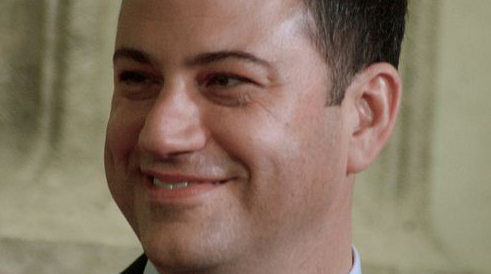
“Jimmy
Kimmel
Has
Supreme
Court
Precedent
on
His
Side;
He
should
sue
the
Trump
administration”: Law
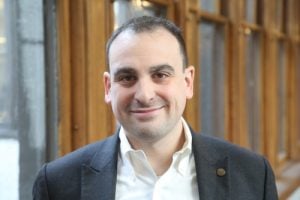
professor Aziz
Huq has this
essay online
at
Politico
Magazine.
“Will
the
Supreme
Court
treat
Trump’s
tariffs
like
Biden’s
policies?
During
the
Biden
administration,
the
Supreme
Court
clamped
down
on
attempts
to
make
major
policy
moves
without
authorization
from
Congress.
Could
Trump’s
tariffs
meet
the
same
fate?” Maureen
Groppe
of
USA
Today
has this
report.
“Book
Review:
The
Simple
Stories
of
Amy
Coney
Barrett;
The
Court’s
most
junior
conservative
justice
apparently
believes
her
audience
consists
entirely
of
rubes
who
do
not
have
access
to
the
internet.” G.S.
Hans
has this
essay online
at
Balls
and
Strikes.
“Presidents
Can’t
Sue
Their
Way
Out
of
Criticism;
The
government
has
no
business
trying
to
regulate
speech
about
itself
—
and
that
includes
Donald
Trump”: Law
professor Stephen
L.
Carter has this
essay online
at
Bloomberg
Opinion.
“The
U.S.
Government’s
Extraordinary
Pursuit
of
Kilmar
Ábrego
García;
The
Trump
Administration’s
maneuvers
are
rising
to
a
political
prosecution”: Cristian
Farias
has this
essay online
at
The
New
Yorker.
Few
Onion
headlines
have
better
captured
this
moment
in
history
like,
“Area
Man
Passionate
Defender
Of
What
He
Imagines
Constitution
To
Be.”
Through
the
grace
of
social
media,
whatever
dumbass
legal
theory
a
non-lawyer
cooks
up
based
on
half-remembered
court
cases,
can
now
metastasize
throughout
the
country,
plopped
into
the
For
You
feeds
of
any
other
unfortunate
souls
that
tech
companies
feel
match
the
speaker’s
advertising
demographic.
People
have
gotten
the
Constitution
wrong
forever.
And
those
same
people
have
exercised
their
First
Amendment
right
to
utter
their
daft
brain
droppings.
But
we
used
to
have
an
infrastructure
in
place
to
remind
an
unsuspecting,
credulous
audience
that
these
people
rest
on
a
sliding
scale
between
monumentally
ill-informed
and
flat
stupid.
In
the
wake
of
Jimmy
Kimmel’s
suspension,
many
have
taken
full
advantage
of
the
freedom
to
spread
misinformation
about
the
Constitution
online.
But,
as
people
with
real
live
law
degrees,
we’re
here
to
inform
you
that,
no,
the
FCC
threatening
to
take
away
broadcast
licenses
because
they
don’t
like
comedians
joking
about
Republicans
is
not
a
natural
extension
of
Murthy
v.
Missouri
—
the
Supreme
Court
case
establishing
that
the
government
can,
in
fact,
have
a
conversation
with
Facebook
during
a
deadly
pandemic
to
say
posts
about
“injecting
yourself
with
Lysol”
is
bad
advice.
And
yet,
here
we
are:
Calling
this
“a
radical
cycle
of
illiberalism”
is
like
calling
The
Bear
a
comedy
—
a
disingenuous
claim
made
for
self-serving
purposes.
In
reality,
the
gulf
between
the
situation
in
Murthy
and
Kimmel’s
firing
could
scarcely
be
wider.
One
was
non-coercive
and
the
other
was
explicitly
coercive.
THANK
YOU
FOR
YOUR
ATTENTION
TO
THIS
MATTER!
Murthy
grew
out
of
the
slip-shod
sensationalization
of
“The
Twitter
Files,”
a
series
of
internal
Twitter
documents
scrounged
up
by
Elon
Musk
after
acquiring
the
company
and
spun
into
a
conspiracy
theory
that
shadowy
actors
within
the
federal
government
routinely
coerced
social
media
platforms
to
censor
content.
Specifically,
law
enforcement
sharing
their
findings
about
election
fraud
and
health
agencies
discussing
potentially
dangerous
COVID
misinformation.
Based
on
these
conversations,
social
media
companies
might
adjust
their
practices
to
downgrade
conspiracy
theories…
or
might
not!
That’s
going
to
be
a
key
fact
later.
This
Musk-peddled
tale
inspired
a
judge-shopped
challenge
from
some
state
AGs
looking
for
a
path
to
higher
office,
that
ultimately
died
in
front
of
the
Supreme
Court.
Justice
Barrett,
writing
for
a
6-3
majority,
explained
that
an
actual
claim
of
government
censorship
—
even
indirect,
“jawboning”
censorship
—
requires
the
plaintiffs
to
show
“a
substantial
risk
that,
in
the
near
future,
they
will
suffer
an
injury
traceable
to
a
Government
defendant.”
That…
simply
did
not
exist.
No
one
in
the
government
ordered
Facebook
to
delete
posts.
The
government
shared
information
at
its
disposal
and
the
tech
companies
were
free
to
do
with
that
whatever
they
wanted.
They
might
choose
to
provide
an
editorial
note
to
add
proper
context
to
that
medical
advice
from
your
8th
grade
dropout
cousin,
but
if
they
did
so,
it
was
because
they
decided
to
protect
their
customers,
not
because
the
government
threatened
to
do
anything
if
they
didn’t.
Yes,
there
were
some
very
dumb
tantrums
from
legislators,
but
they
went
nowhere
and,
more
to
the
point,
had
nothing
to
do
with
the
conversations
actually
taking
place
between
the
government
and
social
media
platforms.
Contrast
with
the
Kimmel
situation.
Trump
began
threatening
to
ask
the
FCC
—
majority
staffed
by
Republicans
and
chaired
by
Project
2025
contributor
Brendan
Carr
—
to
revoke
broadcast
licenses
over
content
critical
of
his
regime
back
in
February.
This
elevates
the
urgency
of
any
actual
FCC
threat.
After
Kimmel’s
monologue,
Carr
appeared
on
a
right-wing
podcast
and
said
that
his
agency
has
“remedies
we
can
look
at”
and
that
“these
companies
can
find
ways
to
change
conduct
and
take
action,
frankly,
on
Kimmel
or
there’s
going
to
be
additional
work
for
the
FCC
ahead.”
He
added,
“we
can
do
this
the
easy
way
or
the
hard
way.”
This
is
square
in
the
middle
of
the
standard
set
out
by
the
Supreme
Court:
“a
substantial
risk
that,
in
the
near
future,
they
will
suffer
an
injury
traceable
to
a
Government
defendant.”
Following
his
remarks,
two
conglomerates
owning
local
affiliates
pressured
ABC
to
drop
Kimmel.
Of
note,
the
FCC
can’t
actually
“take
away
ABC’s
license,”
but
rather
take
away
the
licenses
of
affiliate
broadcasters.
“And
if
there’s
local
TV
stations
that
don’t
think
that
running
that
programming
does
it,
then
they
have
every
right
under
the
law
in
their
contracts
to
preempt
it,”
Carr
said.
“And
we’ll
see
how
this
plays
out.”
Thus,
Carr’s
threat
was
directed
at
the
affiliates
and
that
in
turn
prompted
the
response.
One
of
those
conglomerates,
Nexstar
is
currently
trying
to
get
FCC
approval
to
buy
more
affiliates
in
breach
of
rules
designed
to
prevent
media
consolidation.
The
other,
Sinclair,
is
basically
a
conservative
channel
cartel
that
has
flexed
its
power
to
make
its
channels
parrot
right-wing
scripts,
misleadingly
passed
off
as
coming
independently
from
local
reporters.
Speaking
of
misleading,
that’s
what
Carr
claimed
Kimmel
had
done:
“It
was
appearing
to
directly
mislead
the
American
public
about
a
significant
factthat
probably
one
of
the
most
significant
political
events
we’ve
had
in
a
long
time,
for
the
most
significant
political
assassination
we’ve
seen
in
a
long
time,”
Carr
said.
This,
by
the
way,
is
a
lie
that’s
also
taken
on
a
life
of
its
own.
Even
some
liberals
defending
Kimmel
have
adopted
the
frame
that
Kimmel’s
comments
were
inaccurate,
but
they
were
not.
Not
that
it
would
matter
constitutionally
if
he
were
wrong,
but
there’s
no
need
to
cede
this
point
designed
to
give
the
firing
some
kind
of
moral,
if
not
legal,
justification.
You’ll
see
a
lot
of
commentary
about
how
Kimmel
“said
the
shooter
was
MAGA”
or
something
of
that
ilk,
but
what
he
actually
said
was
that
conservatives
spent
the
weekend
desperately
trying
to
prove
that
the
shooter
wasn’t
a
right-wing
radical.
Which
is
true!
As
more
evidence
leaked
out
about
Pepe
the
Frog
poses
and
Groyper
flirtations,
the
incomplete
image
of
the
shooter
tilted
toward
a
far-right
actor
and
Republicans
on
social
media
scrambled
to
push
back
or
downplay
everything
coming
out.
Here
it
is,
if
you
didn’t
actually
see
it:
Just
so
we’re
clear,
this
is
the
clip
that
got
Jimmy
Kimmel’s
show
shelved
by
ABC.
If
I’m
missing
any
other
clips
please
let
me
know.
This
is
also
what
Jimmy
Kimmel
said
the
day
that
Charlie
Kirk
was
assassinated:
The
proper
comparison
with
Murthy
would
be
the
DOJ
telling
ABC,
“just
so
you
know,
we
now
have
evidence
that
the
shooter’s
politics
veered
left
over
the
last
several
months…
you’re
free
to
do
with
that
information
whatever
you
want.”
Instead,
as
FCC
Commissioner
Anna
Gomez
explained,
“This
Administration
is
increasingly
using
the
weight
of
government
power
to
suppress
lawful
expression…
not
because
speech
glorifies
violence
or
breaks
the
law,
but
because
it
challenges
those
in
power
or
reflects
views
they
oppose.”
The
point
is
that
there
is
no
through
line
from
Murthy
to
this.
It’s
an
apples
and
koalas
comparison.
Anyone
out
there
suggesting
there’s
some
logical
extension
from
the
government
sharing
public
health
intel
with
social
media
platforms
and
threatening
to
take
away
broadcast
licenses
because
it
hurts
Republican
feelings
is,
to
use
the
technical
legal
term,
a
fucking
idiot.
As
lawyers,
we
have
a
public
duty
to
push
back
on
this
nonsense
trope
wherever
it
crops
up
—
because
we
don’t
need
to
cancel
free
speech
here,
we
just
need
to
deploy
our
legal
acumen.
Law.com
International
recently
published
its
latest
edition
of
the
Global
200,
a
ranking
of
the
world’s
200
largest
law
firms
by
total
revenue.
How
did
these
firms
do
in
the
year
that
was?
As
we
learned
from
the
most
recent
Am
Law
100
rankings,
Biglaw
firms
are
sailing
even
higher,
and
their
revenues
are
up
—
and
in
some
cases, way up.
Compared
to
the
year
prior,
the
Global
200
saw
a
combined
revenue
increase
of
11.8%,
with
profits
per
equity
partner
at
the
top
100
firms
up
by
17.9%.
What
are
we
looking
at
in
terms
of
the
big
picture?
For
some
guidance,
we
need
only
turn
to
the
headline
story
on
Law.com
International
concerning
the
rankings:
“The
2025
Global
200:
Giants
Land
on
Top
as
Revenue
and
Profits
Leap.”
The
Global
200’s
success
is
being
driven
by
the
firms
at
the
tippy
top
of
the
ranking.
In
fact,
one
Biglaw
leader
said
of
the
overall
success
focused
in
the
upper
echelon
of
the
ranking,
“There’s
increasing
segmentation
between
the
elite
tier
of
law
firms
and
the
next
tier.
…
[W]e’re
seeing
star
talent
and
top
clients
increasingly
concentrated
in
a
relatively
small
number
of
elite
global
firms.”
Speaking
of
the
“elite
global
firms,”
that’s
exactly
what
we’re
talking
about
when
it
comes
to
the
wealthiest
firms
in
the
world.
Once
again,
almost
all
of
the
firms
at
the
tippy
top
of
the
ranking
have
the
majority
of
their
lawyers
in
the
U.S.
These
are
the
top
10
firms
of
the
2025
Global
200
(ranked
by
2024
revenue):
Kirkland
&
Ellis:
$8,801,740,000
Latham
&
Watkins:
$7,000,000,000
DLA
Piper:
$4,239,832,000
A&O
Shearman:
$3,706,490,000
Skadden
Arps:
$3,669,042,000
Gibson
Dunn:
$3,557,623,000
Sidley
Austin:
$3,439,646,000
Ropes
&
Gray:
$3,416,636,000
Baker
McKenzie:
$3,394,579,000
White
&
Case:
$3,316,735,000
Check
out
the
full
list
of
the
Global
200
firms here.
Congrats
to
all
the
firms
that
successfully
made
it
through
2024
—
things
are
certainly
looking
up
for
the
biggest
of
Biglaw
firms
across
the
globe.
Staci
Zaretsky is
the
managing
editor
of
Above
the
Law,
where
she’s
worked
since
2011.
She’d
love
to
hear
from
you,
so
please
feel
free
to
email
her
with
any
tips,
questions,
comments,
or
critiques.
You
can
follow
her
on Bluesky, X/Twitter,
and Threads, or
connect
with
her
on LinkedIn.
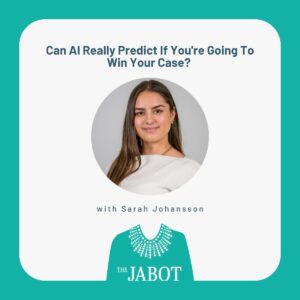
In
this
episode
of
The
Jabot
Podcast,
I
chat
with
Sarah
Johansson,
the
Legal
Product
Lead
at
Theo
AI,
about
the
intersection
of
legal
tech
and
AI.
Sarah
shares
her
journey
from
law
to
tech
and
explains
how
Theo
AI
predicts
lawsuit
outcomes
using
data
and
intelligent
agents.
This
episode
dives
into
AI’s
role
in
litigation,
addressing
skepticism,
biases,
and
the
human
element
of
lawyering.
Essential
listening
for
anyone
curious
about
the
future
of
law
and
technology’s
growing
impact!
Episode
Highlights
Passion
for
problem
solving
in
law.
Transition
from
litigation
to
tech.
Predicting
lawsuit
outcomes
with
AI.
Balancing
AI’s
value
and
risks
in
law.
Addressing
bias
in
legal
AI
models.
Importance
of
quality
inputs
in
AI.
Using
AI
in
business
decision-making.
Potential
of
AI
in
appellate
processes.
AI
supporting
attorneys
in
meaningful
changes.
Kathryn
Rubino
is
a
Senior
Editor
at
Above
the
Law,
host
of
The
Jabot
podcast,
and
co-host
of
Thinking
Like
A
Lawyer.
AtL
tipsters
are
the
best,
so
please
connect
with
her.
Feel
free
to
email
her
with
any
tips,
questions,
or
comments
and
follow
her
on
Twitter
@Kathryn1 or
Mastodon
@[email protected].
The
widespread
work
mantra
has
been
that
you
have
the
right
to
remain
silent
—
anything
you
say
against
Charlie
Kirk
can
be
used
against
you
in
a
performance
evaluation.
Matthew
Dowd
got
fired
for
essentially
saying
what
goes
around
comes
around
and
Perkins
Coie
fired
an
associate
for
saying
that
Charlie
Kirk
was
“one
of
America’s
leading
spreaders
of
hatred,
misinformation,
and
intolerance”
—
guess
the
firm
didn’t
think
that
truth
was
a
strong
enough
defense.
Anyway,
some
washed-up
reality
TV
star
didn’t
get
the
memo
and
made
the
career-ending
mistake
of
making
light
of
our
most
recent
national
tragedy:
What
was
it
that
JD
Vance
said
again?
Call
them
out,
and
hell,
go
to
their
employers?
Shame
that
people
have
been
trying
to
go
to
the
American
public
about
Trump
being
an
abuser
or
being
really
good
friends
with
Epstein
to
no
avail.
In
fact,
it
seems
like
the
only
people
who
have
really
faced
consequences
have
been
the
whoever
has
had
the
balls
to
say,
“Hey,
this
guy
isn’t
following
the
law!”
And
he’s
doing
whatever
he
can
to
crush
dissent:
I
don’t
know,
man,
that
sounds
like
an
unconstitutional
content-based
regulation
of
free
speech
to
me.
And
while
it’s
true
that
ABC
is
the
one
that
“indefinitely
suspended”
Jimmy
Kimmel,
the
fallout
has
made
it
pretty
clear
that
they
only
did
so
because
they
were
afraid
of
pressure
from
the
FCC:
The
head
of
the
FCC
said,
on
air,
that
Disney
needed
to
“take
action
on
Kimmel,”
and
said,
“We
can
do
this
the
easy
way
or
the
hard
way.”
And
Chris
Cuomo’s
response
is
that
he
doesn’t
see
any
“proof
of
government
intervention.”
That’s
what
folks
in
the
biz
called
jawboning
—
the
government
can’t
regulate
speech
in
a
way
that
would
be
unlawful
for
itself
to
do
by
outsourcing
the
policing
to
a
private
entity
by
threatening
them:
that’s
just
government
suppression
of
speech
with
extra
steps!
It’s
the
constitutional
equivalent
of
a
kid
gettting
an
adult
to
buy
them
the
alcohol
so
they
don’t
have
to
go
into
the
store
themselves.
Will
Trump
actually
get
in
to
any
trouble
for
making
a
death
joke
about
Charlie
Kirk
on
Fox
News?
No,
because
he’s
Donald
Trump.
He
is
the
road
all
of
this
hoopla
about
offense
and
civility
and
violence
leads
back
to.
It’s
why
Kash
Patel,
head
of
the
FBI,
had
no
clue
who
Dylann
Roof
was.
It’s
why
JD
Vance
was
able
to
make
light
of
being
killed
on
a
boat
if
you
were
a
little
too
close
to
Venezuela.
As
long
as
you’re
on
the
winning
team,
you
can
say
whatever
you
want
with
little
to
no
consequence.
Because
even
if
the
facts
don’t
support
you,
the
alternative
facts
will.
Chris
Williams
became
a
social
media
manager
and
assistant
editor
for
Above
the
Law
in
June
2021.
Prior
to
joining
the
staff,
he
moonlighted
as
a
minor
Memelord™
in
the
Facebook
group Law
School
Memes
for
Edgy
T14s
.
He
endured
Missouri
long
enough
to
graduate
from
Washington
University
in
St.
Louis
School
of
Law.
He
is
a
former
boatbuilder
who
is
learning
to
swim, is
interested
in
critical
race
theory,
philosophy,
and
humor,
and
has
a
love
for
cycling
that
occasionally
annoys
his
peers.
You
can
reach
him
by
email
at [email protected]
and
by
tweet
at @WritesForRent.
It’s
probably
too
much
to
ask,
but
I
hope
California
law
enforcement
agencies
will
remember
who
to
direct
their
hate
at
if
this
bill
becomes
law.
It’s
not
the
“liberals”
running
the
state.
It’s
the
Trump
administration
and
its
mass
deportation
efforts.
ICE
and
its
actions
have
always
been controversial,
but
it
took
a
group
of
bigots
serving
non-consecutive
terms
to
really unleash
its
inherent
ugliness.
What
we’ve
been
seeing
since
Trump’s
return
to
office
has
been
ICE
and
anti-brown
people
sentiment
at
its
worst.
ICE
raids
Home
Deport
parking
lots,
neighborhoods,
and
swap
meets,
rather
than performing
targeted
arrests of
truly
dangerous
undocumented
immigrants.
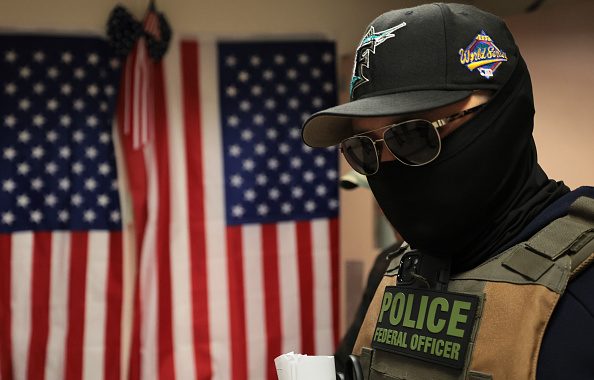
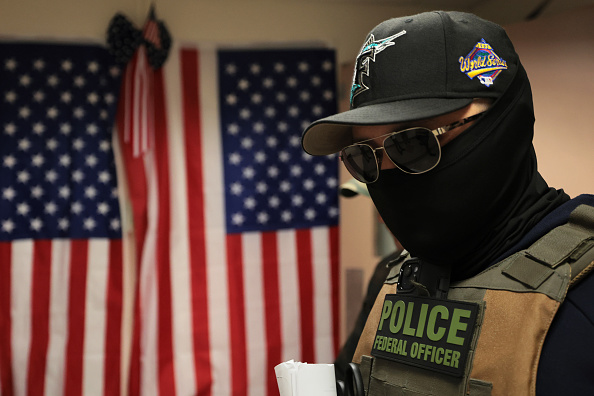
But
this
insistence
on
masking
officers
and
hiding
outward
designations
of
their
originating
agency
is
something
specifically
tied
to
Trump’s
second
administration.
Lawmakers
in
California
passed
a
bill on
Thursday
banning
most
local
and
federal
law
enforcement
officers
from
covering
their
faces
during
operations,
including
immigration
enforcement.
Senate
Bill
627,
known
as
the
No
Secret
Police
Act,
was
introduced
by
Democratic
state
Sens.
Scott
Wiener
of
San
Francisco
and
Jesse
Arreguin
of
Berkeley
in
June
after immigration
operations
ramped up
across
the
state
as
part
of
President
Trump’s
crackdown
on illegal
immigration. The
bill
will
now
head
to
Gov.
Gavin
Newsom’s
desk
for
final
approval.
The bill [PDF]
opens
up
with
the
legislators’
refusal
to
allow
law
enforcement
to
take
advantage
of
preexisting
double-standard:
Existing
law
makes
it
a
misdemeanor
to
wear
a
mask,
false
whiskers,
or
any
personal
disguise,
as
specified,
with
the
purpose
of
evading
or
escaping
discovery,
recognition,
or
identification
while
committing
a
public
offense,
or
for
concealment,
flight,
evasion,
or
escape
from
arrest
or
conviction
for
any
public
offense.
This
bill
would
make
it
a
crime
for
a
law
enforcement
officer
to
wear
a
facial
covering
in
the
performance
of
their
duties,
except
as
specified.
The
bill
would
define
law
enforcement
officer
as
anyone
designated
by
California
law
as
a
peace
officer
who
is
employed
by
a
city,
county,
or
other
local
agency,
and
any
officer
or
agent
of
a
federal
law
enforcement
agency
or
law
enforcement
agency
of
another
state,
or
any
person
acting
on
behalf
of
a
federal
law
enforcement
agency
or
agency
of
another
state.
The
bill
would
make
a
violation
of
these
provisions
punishable
as
an
infraction
or
a
misdemeanor,
as
specified.
By
creating
a
new
crime,
this
bill
would
impose
a
state-mandated
local
program.
This
won’t
stop
ICE
and
other
federal
officers
from
wearing
masks
while
terrorizing
the
populace,
of
course.
But
it
will
at
least
prevent
local
law
enforcement
from
blending
in
with
Trump’s
masked
goon
squads,
which
might
discourage
them
from
pitching
in
with
questionable
“round
up
all
the
brown
people”
raids
performed
by
ICE
and
its
federal
partners.
Added
to
the
bill
are
a
lot
of
official
legislative
declarations
—
ones
that
point
out
the
numerous
problems
created
by
officers
who
choose
to
disguise
themselves
when
performing
their
public
duties.
(a)[T]he
routine
use
of
facial
coverings
by
law
enforcement
officers
has
significant
implications
for
public
perception,
officer-community
interactions,
and
accountability.
(b)
Whether
intentional
intended
or
not,
members
of
the
public
may
experience
fear
or
intimidation
when
approached
by
officers
whose
faces
are
obscured.
This
perception
can
heighten
defensive
behaviors
and
unnecessarily
escalate
situations.
(c)
Facial
coverings
limit
the
visibility
of
facial
expressions,
which
are
essential
components
of
nonverbal
communication.
In
high-stress
or
emotionally
charged
interactions,
the
inability
to
read
an
officer’s
expression
may
lead
to
misinterpretation
of
tone
or
intent,
increasing
the
risk
of
conflict
escalation.
(d)
The
visibility
of
an
officer’s
face
is
vital
for
promoting
transparency,
facilitating
communication,
and
building
trust
between
law
enforcement
agencies
and
the
communities
they
serve.
(e)
When
officers
are
not
readily
identifiable,
it
increases
the
risk
of
impersonation
by
unauthorized
individuals,
which
further
undermines
public
trust,
endangers
public
safety,
and
hinders
legitimate
law
enforcement
operations.
This
exposes
the
lie
that
is
used
most
frequently
by
law
enforcement:
that
masking
up
makes
officers
“safer.”
It
doesn’t.
It
creates
a
ton
of
negative
side
effects,
many
of
which
endanger
people
on
both
sides
of
the
law
enforcement
equation.
What
it
definitely does
not do
is
make
officers
“safer.”
On
top
of
that,
there’s
the
damage
done
to
the
public’s
relationship
with
law
enforcement,
which
has
never
been
great.
Destroying
trust
only
takes
a
few
self-serving
actions
by
cops
who’d
rather
have
their
power
completely
decoupled
from
any
responsibility.
Rebuilding
this
trust
takes
maximum
effort
and
years
of
work
—
something
almost
no
law
enforcement
agency
(federal
or
local)
is
willing
to
do.
So,
the
baseline
is
trust
that
has
likely
been
irreparably
damaged.
And
now,
law
enforcement
seems
to
think
the
best
way
to
do
cop
business
is
by
destroying
what
little
trust
remains
by
dressing
up
like
cartel
death
squads
while
enforcing
civil
laws
pertaining
to
citizenship.
Cops
will
no
doubt
complain
about
this
new
mandate
if
it’s
codified.
Fuck
them.
They
had
all
the
time
in
the
world
to
repair
their
relationship
with
the
public.
And
if
they’ve
chosen
to
be
more
like
ICE
in
its
current
iteration,
they
absolutely
need
to
have
this
dubious
privilege
taken
out
of
their
hands.
His
remarks
at
the
ZANU
PF
Central
Committee
meeting
in
Harare
this
week
have
been
interpreted
as
a
dramatic
rebuke
to
senior
party
figures
pushing
for
elections
to
be
postponed
until
2030
or
beyond.
Factions
Clash
Within
ZANU
PF
The
president’s
message
comes
amid
intensifying
battle
within
the
ruling
party.
National
Housing
and
Social
Amenities
minister,
Daniel
Garwe
and
other
loyalists
had
argued
publicly
that
the
next
polls
should
be
pushed
to
2030,
effectively
granting
Mnangagwa
two
extra
years
in
office.
This
“2030
agenda”
has
sharply
divided
the
party,
with
“reformists”
warning
it
could
trigger
a
legitimacy
crisis
both
at
home
and
abroad.
Mnangagwa’s
Directive
Addressing
the
Central
Committee,
Mnangagwa
stated:
“It
is
important
that
we
introspect
as
a
party
of
the
bigger
picture
that
we
must
win
the
2028
harmonised
elections.
The
Central
Committee
must
have
robust
and
frank
discussions
to
foster
solutions
in
unity
to
realise
our
common
vision.”
His
choice
of
words
has
been
interpreted
as
a
firm
directive
that
ZANU
PF
must
shift
its
focus
from
debates
over
term
extensions
to
preparing
an
electoral
strategy
that
secures
victory
in
2028.
Constitutional
Barriers
to
Term
Extension
Zimbabwe’s
2013
Constitution
sets
clear
limits.
Article
91
stipulates
that
a
president
may
serve
only
two
five-year
terms.
Constitutional
lawyer
Professor
Lovemore
Madhuku
stated
in
January
2025
that,
“any
amendment
to
extend
a
sitting
president’s
tenure
faces
two
fundamental
hurdles,
the
parliamentary
supermajority
and
the
entrenched
clause
that
prevents
an
incumbent
from
benefiting
from
such
an
amendment.”
This
legal
firewall
means
that
even
if
ZANU
PF
mustered
the
numbers
in
Parliament,
a
referendum
would
likely
be
required,
with
voters
holding
the
final
say.
Mnangagwa’s
Balancing
Act
By
declaring
elections
will
proceed
in
2028,
Mnangagwa
has
projected
himself
as
a
constitutionalist.
But
analysts
warn
this
could
also
be
a
tactical
move
to
contain
internal
dissent
rather
than
a
firm
commitment.
Political
scientist
Ibbo
Mandaza
argued
earlier
this
year
that,
“Mnangagwa’s
statements
are
often
strategic
signals
to
manage
factions,
not
necessarily
his
final
position.”
The
uncertainty
keeps
both
his
allies
and
rivals
guessing.
Implications
for
Democratic
Institutions
The
stakes
stretch
far
beyond
ZANU
PF’s
internal
quarrels.
If
the
party
were
to
override
constitutional
limits,
Zimbabwe’s
already
fragile
institutions
–
the
judiciary,
parliament,
the
Zimbabwe
Electoral
Commission,
and
the
security
sector
–
could
face
an
unprecedented
legitimacy
crisis.
As
constitutional
expert
Alex
Magaisa
warned
before
his
death
in
2022,
“tampering
with
presidential
term
limits
is
tampering
with
the
people’s
will,
and
it
undermines
every
safeguard
meant
to
prevent
authoritarian
entrenchment.”
His
words
remain
a
stark
reminder
of
what
is
at
risk.
Jimmy
Kimmel’s
Show
“Indefinitely
Suspended”
After
Mild
Trump
Joke:
We
may
have
to
actually
legalize
comedy
soon.
Trump
Wants
To
Charge
Protesters
With
RICO:
Finding
new
ways
to
step
all
over
the
Constitution.
These
Are
The
Firms
You
Don’t
Want
To
Go
Up
Against:
Does
your
firm
induce
fear
in
opposing
counsel?
Biglaw
Firm
Sued
By
“Anti-Woke”
Startup:
The
suit
is
to
the
tune
of
$1.7B.
Donald
Trump
has
never
been
big
on
the
word
“no.”
Courts
have
taken
judicial
notice
of
this
fact.
So
when
the
Supreme
Court
went
out
of
its
way
to
issue
a
little
“advisory
opinion
dicta,”
informing
the
president
that
even
his
puppet
majority
wouldn’t
go
along
with
him
firing
the
Federal
Reserve
Board,
it
was
only
a
matter
of
time
before
Trump
did
exactly
that
and
dared
the
Court
to
resist.
And
now,
we’re
here.
Earlier
today,
the
Trump
administration
filed
an
application
asking
the
Supreme
Court
to
allow
him
to
issue
an
injunction,
allowing
him
to
fire
Fed
governor
Lisa
Cook.
Back
in
May,
while
deciding
another
stay
boiling
down
to
whether
Trump
can
unilaterally
remove
NLRB
commissioners,
in
spite
of
clear
protections
from
politically
motivated
firings,
the
Court
brushed
off
the
statutory
“for
cause”
provisions,
claiming
that
Article
II
gave
the
president
the
power
to
fire
anyone
exercising
any
executive
power.
But
this
ruling,
taken
to
its
logical
end,
authorized
the
president
to
fire
Federal
Reserve
Board
members,
including
Chair
Jerome
Powell.
This
wasn’t
an
idle
concern,
either,
as
Trump
had
been
whining
incessantly
about
wanting
to
be
rid
of
Powell
and
blasting
the
idiot
who
appointed
him.
Which
was
actually
Trump
himself,
but
this
is
what
happens
when
someone
with
clear
signs
of
dementia
occupies
the
Oval
Office.
To
avoid
watching
their
own
blue
chip
stock
portfolios
turn
into
a
bundle
of
NFTs
—
and
to
a
lesser
extent,
from
their
perspective,
“destroying
the
economy”
—
the
conservatives
threw
in
“out
of
the
blue”
as
Justice
Kagan
noted
in
dissent,
an
advisory
carve
out
for
the
Fed
on
the
grounds
that
“The
Federal
Reserve
is
a
uniquely
structured,
quasi-private
entity
that
follows
in
the
distinct
historical
tradition.”
At
which
point,
the
White
House
began
plotting
how
it
would
grab
the
Court
by
the
proverbial
genitals.
The
administration
found
its
test
case
in
Lisa
Cook.
The
Director
of
the
Federal
Housing
Finance
Agency,
William
Pulte
—
who
has
so
far
done
very
little
“directing
of
federal
housing
finance”
and
a
whole
lot
of
“combing
the
financial
records
of
Trump’s
personal
enemies
looking
for
typos”
—
discovered
what
he
claimed
were
two
mortgage
applications
filled
out
by
Cook
that
listed
two
separate
properties
as
a
primary
residence.
Upon
investigation,
this
accusation
appears
to
be
false,
but
Trump
didn’t
wait
for
any
fact-finding
before
writing
Cook
to
tell
her
he
was
firing
her
“for
cause,”
claiming
that
such
a
financial
screw-up
would
undermine
public
trust
in
an
official
with
power
over
the
economy.
Trump’s
Secretary
of
the
Treasury
also
apparently
filed
contradictory
residence
pledges
on
mortgage
documents.
His
lawyer,
the
ubiquitous
Alex
Spiro,
denies
the
report,
but
given
that
an
unsubstantiated
claim
against
Cook
was
all
it
took
for
Trump
to
claim
an
erosion
of
public
trust,
the
Treasury
Secretary
still
having
a
job
speaks
to
an
arbitrary
and
capricious
executive.
The
lower
courts
have
all
agreed
that
Cook
should
keep
her
job
in
the
interim,
since
Trump’s
argument
that
he
can
fire
a
Fed
governor
over
this
rates
between
flimsy
and
none.
In
a
disingenuous
nod
to
the
earlier
Court
ruling,
the
brief
notes
specifically
that
the
administration
“does
not
contest
the
constitutionality
of
the
Federal
Reserve
Board’s
for-cause
removal
provision.”
Cold
comfort,
to
be
sure.
There’s
an
old
Winston
Churchill
story
that
he
once
asked
a
gentlelady
if
she’d
have
sex
with
him
for
a
million
pounds.
After
she
said,
“yes,”
he
asked
if
she
would
do
it
for
one
pound
and
when
she
asked
if
he
took
her
for
a
whore,
he
replied
that
they’d
already
established
what
she
was
and
were
now
haggling
over
the
price.
Well,
the
Chief
Justice
already
knows
he’s
a
whore,
so
he
should
recognize
this
submission
as
haggling.
The
administration
will
live
with
“for
cause”
provisions
as
long
as
the
Supreme
Court
whittles
the
standard
down
to
allow
any
pretext
—
no
matter
how
minor
or
remote
in
time
—
to
count
as
“for
cause.”
If
the
Court
accedes
to
this
request,
expect
Jay
Powell
to
learn
that
the
administration
thinks
the
Fed’s
office
renovation
“undermines
public
trust
in
the
agency.”
(Fun
fact:
that
renovation
budget
ballooned
because
the
first
Trump
administration
demanded
a
design
with
more
marble
than
the
simple
steel
and
glass
design
the
Federal
Reserve
intended.)
In
addition,
what
type
of
hearing
does
the
Due
Process
Clause
require?
Must
the
President
preside
himself,
or
may
he
delegate
that
task
to
subordinates?
Must
he
hold
a
formal
evidentiary
hearing,
or
does
an
informal
discussion
suffice?
Which
is
all
to
say,
“even
if
we
must
respect
a
‘for
cause’
provision,
we
reject
the
notion
that
the
president
would
be
required
to
defend
the
claim.”
It’s
at
will
employment
with
extra
steps,
exactly
what
the
Supreme
Court
claimed
—
a
few
months
ago
—
the
history
and
tradition
of
the
United
States
did
not
countenance.
But
Article
II
creates
“an
energetic,
independent
Executive,”
Trump
v.
United
States,
603
U.S.
593,
642
(2024)—not
a
subservient
Executive
that
must
follow
judicially
invented
procedures
even
when
exercising
core
executive
power.
It’s
a
glib
way
to
answer
this
claim,
but
there’s
a
reason
it’s
Article
TWO.
The
Framers’
pretty
clearly
understood
the
Constitution
to
create
a
limited,
subservient
Executive
constrained
by
the
power
of
Congress.
There
may
be
good
justification
for
a
modern
society
to
afford
the
Executive
branch
more
power
than
the
Framers
would’ve
envisioned,
but
it’s
a
bald-faced
lie
to
claim
“Article
II”
created
that
spin
on
the
office.
But
this
Supreme
Court
set
that
standard,
and
now
we’re
living
in
the
wake
of
those
vibes.
Anyway,
that’s
what
this
petition
is
about.
Pretending,
with
one
hand,
to
respect
the
“for
cause”
protections
insulating
the
Fed,
while
using
the
other
hand
to
demand
unfettered
executive
power.
To
back
up
this
argument,
Solicitor
General
Sauer
cites…
a
whole
lot
of
dissents.
Indeed,
mostly
the
dissent
written
by
Judge
Gregory
Katsas
in
this
very
case.
When
he
needs
to
find
some
actual
binding
caselaw
to
cite,
he
litters
the
brief
with
a
bunch
of
cases
from
the
1800s
when
Andrew
Jackson
was
still
threatening
to
duel
the
Supreme
Court.
Normally,
someone
intervenes
to
explain
that
a
brief
based
on
dissents
and
19th
century
precedent
(which,
notably
predates
the
Fed
itself)
before
that
lawyer
finishes
their
summer
associate
gig
—
and
in
any
event,
before
they
become
Solicitor
General
of
the
United
States.
But
here
we
are.
This
is
a
crisis
of
the
Court’s
own
making.
Had
it
stuck
to
precedent
and
applied
the
law
as
the
judiciary
had
recognized
it
for
decades
upon
decades,
it
would’ve
shut
down
Trump’s
attempt
to
fire
commissioners
from
all
the
statutorily
established
independent
agencies
and
wouldn’t
have
to
be
worried
about
Trump
taking
over
monetary
policy
and
turning
the
U.S.
economy
into
a
carbon
copy
of
Turkey’s.
Though,
as
Mayor
Eric
Adams
might
say,
in
many
ways,
Washington
D.C.
is
the
Ankara
of
the
America.
But
the
extremists
got
greedy.
They
couldn’t
abide
by
a
world
where
Trump
might
have
to
slow
down
while
bulldozing
labor
rights
or
consumer
protection
laws,
so
they
invented
a
new
standard
of
broad
authority
and
thought
they
could
carve
out
the
one
exception
they
wanted
with
an
aside
buried
in
a
shadow
docket
opinion.
It
turns
out,
that’s
not
how
it
works
when
dealing
with
someone
willing
to
send
a
mob
into
the
Capitol
when
he’s
mad
about
losing
an
election.
They
crafted
a
dubious
exemption,
and
the
administration
intends
to
put
them
to
defending
the
indefensible.
We’re
haggling
over
the
price.
The
Republican
justices
just
received
Donald
Trump’s
one
dollar
bid.




 Kathryn