Improv For Lawyers: How Taking Improv Classes Can Make You A Better Attorney – Above the Law

In
2013,
I
took
two
improv
classes
back-to-back. 
For
16
weeks,
I
learned
the
basics
of
improv
and
participated
in
two
shows
for
family
and
friends.

Anyone
who
knew
me
then
wondered
what
I
was
doing. 
I
was
about
as
shy
and
introverted
as
they
come. 
Trying
to
be
funny
to
a
theater
of
strangers
was
not
on
anyone’s
bingo
card
for
me.

But
I
was
a
lawyer,
a
civil
defense
trial
lawyer,
in
fact,
and
I
had
to
overcome
my
stage
fright
and
fear
of
public
speaking
or
be
relegated
to
a
backstop
role.

I
tried
Toastmasters. 
That
was
going
well,
but
it
felt
like
splashing
in
the
kiddie
pool. 
Improv
seemed
like
jumping
into
a
shark
tank. 
I
told
myself
I
could
always
drop
out. 
Just
try
it. 
And
I
did. 

The
instructor
was
very
supportive. 
The
other
students
were
the
same.
It
was
a
safe
space,
an
environment
where
we
could
be
our
authentic
selves
and
tap
into
the
humor
and
quirkiness
of
our
experiences.

Each
course
was
eight
weeks
long

a
class
held
for
seven
consecutive
Tuesdays,
followed
by
a
show
we
put
on
in
the
eighth
week. 
I
did
two
rounds
of
this.
Because
of
scheduling
conflicts,
I
couldn’t
stick
with
additional
courses.
(Years
later,
I
encouraged
a
workmate
to
take
improv,
and
she
took
all
classes
and
joined
their
improv
group. 
She’s
a
practicing
lawyer
by
day
and
performs
with
an
improv
group
at
night.)

However,
those
two
courses
and
what
I
learned
from
them
have
stuck
with
me. 


First,
breathe

We
underestimate
the
power
of
breathing
to
relax
us
and
to
project
our
voices.
We
started
each
class
with
breathing
and
voice
exercises
to
control
our
breath
and
projection.


Yes,
and

In
improv,
you’re
taught
to
take
whatever
the
others
on
the
stage
give
you. 
And
someone
says
you’re
eating
an
octopus,
you
don’t
say,
“No,
I’m
eating
fries.” 
You
run
with
eating
an
octopus. 
Often,
in
our
cases,
unexpected
things
happen. 
We
can’t
change
the
circumstances. 
We
must
“yes,
and”
it.


Work
with
what
you
have

You
only
have
so
much
control
in
an
improv
sketch. 
You
know
the
basic
premise,
but
you
have
no
idea
what
anyone
else
on
the
stage
may
say. 
You
work
with
what
you
get
and
don’t
spend
a
second
wishing
what
was
said
or
done
was
different. 
It
is
what
it
is,
and
you
must
work
with
it.


Thinking
on
your
feet
.
Improv
taught
me,
first
and
foremost,
to
be
in
the
moment,
sense
the
other
improv
players
and
the
audience,
and
to
be
nimble
on
my
feet
(and
with
my
body
language
and
words). 
Learning
how
to
react
in
real
time
is
a
skill
we
can
all
learn
and
benefit
from.


Turning
lemons
into
lemonade

Something
you
said
may
not
land
with
the
audience. 
You
take
things
in
a
different
direction. 
You
and
your
troupe
take
a
different
approach. 
You
can’t
simply
bow
and
say
goodnight. 
The
skit
isn’t
over.
You
make
the
best
of
a
bad
situation,
much
like
we
sometimes
need
to
do
with
our
cases.


Getting
out
of
your
comfort
zone

Doing
something
like
improv
takes
us
out
of
our
comfort
zones
and
shows
us
we
can
do
a
lot
more
than
we
think
we
can.


Overcoming
impostor
syndrome
. Do
you
want
to
overcome
imposter
syndrome? 
Do
improv. 
People
who
have
the
mettle
and
nerve
to
do
improv
are
not
impostors.

Most
major
cities
offer
improv
classes. 
They’re
offered
at
night
or
on
weekends,
and
they’re
safe
places
to
be
yourself. 
If
you
can
make
it
work,
seriously
consider
taking
a
class
or
two. 
Who
knows. 
You,
like
my
friend,
may
join
the
troupe.
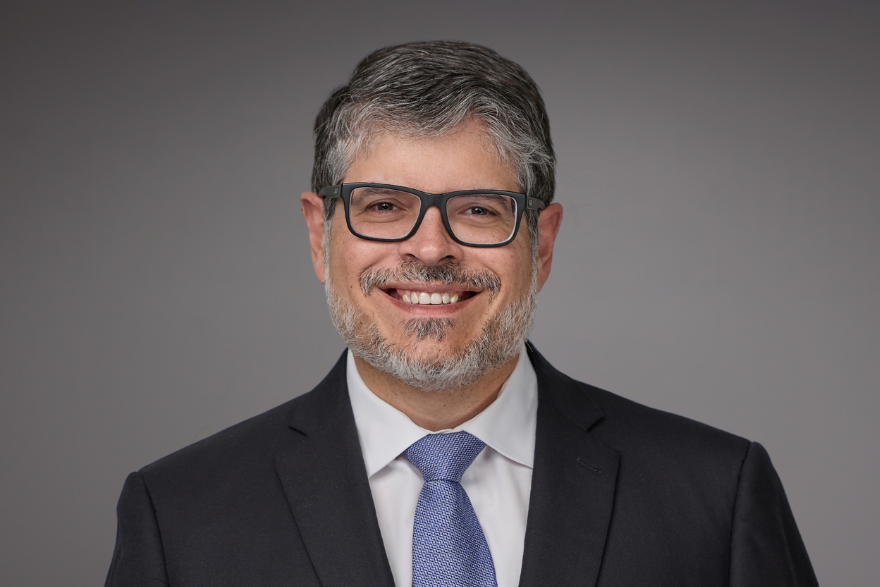


Frank
Ramos
is
a
partner
at
Goldberg
Segalla
in
Miami,
where
he
practices
commercial
litigation,
products,
and
catastrophic
personal
injury. You
can
follow
him
on LinkedIn,
where
he
has
about
80,000
followers
.

Dissents Don’t Skip Leg Day: Ruth Bader Ginsburg Was Always Eager To Hit The Gym – Above the Law

(Screenshot
via
The
Late
Show)


Ed.
note
:
Welcome
to
our
daily
feature,

Quote
of
the
Day
.


[W]e
made
it
and
there’s
still
time
for
me
to
do
a
few
things
before
meeting
with
my
trainer.


Justice

Ruth
Bader
Ginsburg
,
concluding
her
final
interview
on
August
5,
2014,
with

Maeva
Marcus
, a historian
with
George
Washington
University
Law
School, on
behalf of
the
Historical
Society
of
the
District
of
Columbia
Circuit,
for
the
justice’s
oral
history.
Over
the
course
of
eight
in-depth
interviews,
Ginsburg
memorialized
her
personal
and
professional
life
in
her
own
words.
She
donated
the oral
history
to
the ABA Women
Trailblazers
Project
,
and
asked
that
it
be
released
today,
on
the
fifth
anniversary
of
her
death.
Read


the
full
transcript


here
.


Staci Zaretsky


Staci
Zaretsky
 is
the
managing
editor
of
Above
the
Law,
where
she’s
worked
since
2011.
She’d
love
to
hear
from
you,
so
please
feel
free
to

email

her
with
any
tips,
questions,
comments,
or
critiques.
You
can
follow
her
on BlueskyX/Twitter,
and Threads, or
connect
with
her
on LinkedIn.

Dylann Roof’s Judge Arrested On Child Porn Charges And Denied Bond – Above the Law

It
is
usually
a
sad
day
when
judges
find
themselves
on
the
other
side
of
the
gavel,
but
this
one
is
particularly
bad.
Judges
are
the
societal
bulwarks
called
to
punish
people
who
commit
cruel
crimes,
especially
those
involving
children.
Judge
James
B.
Gosnell
failed
to
answer
that
calling
in
a
major
way.

Wect

covered
the
initial
arrest:

A
judge
in
South
Carolina
was
arrested
because
he
was
charged
with
child
sexual
abuse
material,
according
to
the
United
States
Department
of
Justice.

Investigators
with
the
Department
of
Homeland
Security
received
a
tip
from
the
National
Center
for
Missing
and
Exploited
Children
about
several
financial
transactions
with
a
distributor
of
child
sexual
abuse
material
from
the
United
Kingdom.
The
payments
came
from
a
peer-to-peer
online
money
transfer
account
associated
with
his
phone
number,
address
and
email
account
in
November
2024…They
found
a
flash
drive
containing
numerous
videos
and
images
depicting
child
sexual
abuse,
which
include
videos
and
images
of
minors,
infants
and
toddlers
engaged
in
sexually
explicit
conduct.

Child
porn
allegations
aren’t
the
only
time
that
this
judge’s
name
were
on
the
negative
side
of
headlines:

That
might
fly
as

a
famous
Chris
Rock
bit
from
the
90s
,
but
that’s
hardly
the
language
you’d
expect
of
a
robed
judge
in
court.

Judge
Gosnell
made
a
move
to
be
released
on
bond.
While
it
is
reasonable
to
think
that
a
couple
of
the
people
put
behind
bars
wouldn’t
take
too
kindly
to
shacking
up
with
the
judge
that
put
them
there,
the
awkward
roommate
defense
only
goes
so
far.

Live
5
News

covered
how
it
went
for
him:

Prosecutors
requested
that
bond
be
denied.
The
bond
court
judge
addressed
the
safety
concerns,
saying
the
Marshal’s
Office
and
Charleston
County
Sheriff’s
detention
officers
will
keep
Gosnell
in
appropriate
quarters.
But
she
set
a
detention
hearing
for
Monday
afternoon
and
ordered
Gosnell
to
remain
in
custody
until
then.

Things
may
change
come
Monday.
Till
then,
he’ll
have
a
lot
of
time
to
think
about
the
gravity
of
what
he’s
been
accused
of.


Judge
Arrested
After
Being
Accused
Of
Buying
Child
Sex
Abuse
Material
From
The
UK,
DOJ
Says

[WECT]


Judge
Denies
Bond
For
Charleston
County
Magistrate
Facing
Child
Porn
Charge

[Live
5
News]


Chris
Williams
became
a
social
media
manager
and
assistant
editor
for
Above
the
Law
in
June
2021.
Prior
to
joining
the
staff,
he
moonlighted
as
a
minor
Memelord™
in
the
Facebook
group Law
School
Memes
for
Edgy
T14s
.
 He
endured
Missouri
long
enough
to
graduate
from
Washington
University
in
St.
Louis
School
of
Law.
He
is
a
former
boatbuilder
who
is
learning
to
swim, is
interested
in
critical
race
theory,
philosophy,
and
humor,
and
has
a
love
for
cycling
that
occasionally
annoys
his
peers.
You
can
reach
him
by
email
at [email protected]
and
by
tweet
at @WritesForRent.

‘Anti-Woke’ Startup Suing Biglaw Firm Because Why The Hell Not – Above the Law

Bankrupt
“anti-woke”
financial
technology
startup
GloriFi is
shooting
their
shot
against
Biglaw.
Via
trustee
Scott
M.
Seidel,
they
filed
a
complaint
in
Texas
bankruptcy
court
against
Winston
&
Strawn
and
one
of
its
partners
seeking
$1.7
billion
in
damages,
alleging
malpractice
and
a
breach
of
fiduciary
duties.

GloriFi
purported
to
be
an
“anti-woke”
financial
services
firm
for
customers
who
care
about
that
sort
of
thing,
and
hired
Winston
to
go public
at
valuation
of
$1.7
billion.
However
that
never
happened,
and
the
complaint
alleges
it
was
all
the
Biglaw
firm’s
fault.

From
the
court
filing:

But
Winston
Strawn
betrayed
its
fiduciary
duties
owed
to
GloriFi
in
favor
of
appeasing
and
protecting
Toby
Neugebauer
(“Neugebauer”)

GloriFi’s
wealthy
founder,
CEO,
and
majority
shareholder
who,
with
the
active
participation
and
assistance
of
Winston
Strawn,
repeatedly
engaged
in
destructive
self-dealing
and
pressure
campaigns
against
GloriFi’s
interests,
outside
investors,
and
independent
board
members.

The
complaint
continues,
“At
every
turn,
Winston
Strawn
conceded
to,
and
assisted
Neugebauer
in,
his
unrelenting
desire
to
engage
in
rampant
self-dealing
and
helped
Neugebauer
run
roughshod
over
GloriFi
and
its
many
other
stakeholders.”
This
allegedly
led
high-profile
investors

Peter
Thiel,
Joe
Lonsdale,
Ken
Griffin,
and
Vivek
Ramaswamy

to
lose
confidence
in
the
company.
As
such,
“Winston
Strawn’s
wrongdoing
was
a
proximate
cause
in
the
nearly
$2
billion
in
lost
enterprise
value
suffered
by
GloriFi.”

Earlier
this
year,
GloriFi’s
trustee
filed
a

strikingly
similar
lawsuit

against
another
law
firm,
Chapman
and
Cutler,
for
taking
positions
adverse
to
GloriFi’s
interests
to
please
Neugebauer,
the
firm’s
“prized,
self-proclaimed
billionaire
client.”
I
guess
it
has
to
be
*someone’s*
fault
that
“anti-woke”
financial
services
never
became
a
thing.

The
firm
has
a
decidedly
different
take,
saying,”Winston
&
Strawn
adheres
to
the
highest
level
of
ethical
and
legal
standards
in
our
work
on
behalf
of
our
clients.
While
we
will
not
comment
on
active
litigation,
we
look
forward
to
addressing
these
meritless
claims
and
correcting
the
record
in
court.”

You
can
read
the
full
complaint
below.


Kathryn
Rubino
is
a
Senior
Editor
at
Above
the
Law,
host
of

The
Jabot
podcast
,
and
co-host
of

Thinking
Like
A
Lawyer
.
AtL
tipsters
are
the
best,
so
please
connect
with
her.
Feel
free
to
email

her

with
any
tips,
questions,
or
comments
and
follow
her
on
Twitter

@Kathryn1
 or
Mastodon

@[email protected].

The 5 Biggest Retirement Planning Mistakes Lawyers Make (And How To Fix Them) – Above the Law

I’ve
been
thinking
a
lot
about
retirement
planning
lately,
especially
as
I
work
with
more
legal
professionals.
There’s
something
fascinating
about
how
the
brightest
minds
in
law
approach
their
own
future
planning.

And
it’s
not
always
what
you’d
expect.

When
I
talk
with
lawyers
about
retirement
planning,
I
see
incredibly
smart
people
making
the
same
mistakes
over
and
over.
The
good
news
is
that
these
aren’t
character
flaws
or
intelligence
gaps.
Instead,
they’re
the
natural
result
of
a
career
that
rewards
certain
mindsets

mindsets
that
just
happen
to
work
against
you
when
planning
your
next
chapter.

Let’s
dive
into
the
five
biggest
retirement
planning
mistakes
I
see
lawyers
make,
and
more
importantly,
how
to
fix
them.


1.
Tying
Your
Identity
to
the
Practice
of
Law

You’ve
spent

decades

building
expertise
that
matters.
Clients
depend
on
you.
Colleagues
respect
you.
Retirement
can
feel
like
stepping
off
the
stage
into
irrelevance.

But
if
I’ve
learned
anything
from
working
with
lawyers,
it’s
that
the
skills
that
make
you
exceptional
in
law

analytical
thinking,
problem-solving,
advocacy

don’t
disappear
when
you
leave
the
office.
They
just
find
new
outlets.
Lawyers
who
have
successfully
bridged
this
“life-gap”
become
mediators,
teach
at
universities,
serve
on
nonprofit
boards,
or
mentor
young
attorneys.

Interestingly
enough,
many
report
feeling

more
fulfilled
,
not
less.

Start
your
“identity
expansion
project”
now.
Pick
two
non-law
activities
that
intrigue
you
and
dive
in
while
you’re
still
practicing.
You
might
discover
parts
of
yourself
that
have
been
waiting
patiently
in
the
wings.


2.
Overconfidence
in
Future
Earnings

Your
earning
power
has
always
been
tied
to
your
intellect
and
skill.
Age
feels
irrelevant
because
good
lawyers
just
get
better
with
experience,
right?

I
get
why
this
feels
true,
and
it
often
is,
for
a
while.
But
health
issues,
industry
changes,
or
simple
burnout
can
shift
the
landscape
faster
than
you
expect.
That
confidence
in
“always
being
able
to
make
more
money”
becomes
a
trap
when
it
prevents
serious
planning.

The
approach
here
isn’t
to
tie
yourself
into
one
particular
outcome.
Instead,
create
multiple
financial
independence
timelines.
Map
out
what
retirement
at
60,
65,
and
70
would
require.
Having
these
scenarios
gives
you
control
and
choices.
You
can
still
work
as
long
as
you
want,
but
now
you’re
doing
it
from
a
position
of
strength
rather
than
necessity.


3.
Lifestyle
Creep
and
Keeping
Up
Appearances

The
right
car,
the
private
schools,
the
country
club
membership.
These
weren’t
just
purchases

they
were
investments
in
your
professional
image
and
family’s
future.

I
won’t
lecture
you
about
lifestyle
choices
because
that’s
missing
the
point.
There’s
absolutely
nothing
wrong
with
these
things.
Afterall,
money
is
simply
a
tool
to
help
us
connect
our
capital
resources
(e.g.,
income,
assets,
opportunities)
with
what’s
important
to
us
(e.g.,
time-freedom,
experiences,
lifestyle
purchases).

The
real
issue
is
when
these
commitments
become
financial
handcuffs
as
retirement
approaches.
You
end
up
working
longer
than
you
want,
not
because
you
love
it,
but
because
you
need
the
income
to
maintain
obligations.

Get
super
clear
on
what
truly
matters
versus
what
you’ve
been
doing
on
autopilot.
Some
lawyers
I
work
with
discover
they
can
downsize
their
lifestyle
without
feeling
deprived

they
just
need
permission
to
stop
performing
success
for
others.


4.
Avoiding
Hard
Conversations
About
Succession

Nobody
wants
to
trigger
family
drama
or
disappoint
partners
who’ve
been
counting
on
inheriting
your
book
of
business.
So
you
postpone
the
conversation,
hoping
it’ll
somehow
resolve
itself.

But
avoiding
succession
planning
isn’t
protecting
anyone.
It’s
creating
a
ticking
time
bomb.

To
frame
this
in
a
more
positive
light,
you’re
building
something
bigger
than
yourself.
A
well-planned
succession
becomes
part
of
your
legacy,
ensuring
clients
are
cared
for
and
the
practice
thrives
without
you.

Start
these
conversations
early
and
frame
them
around
growth,
not
endings.
What
would
need
to
happen
for
your
practice
to
run
beautifully
without
you?
That’s
a
strategic
challenge
worthy
of
your
best
thinking.


5.
Postponing
Joy
for
“Someday”

The
legal
career
trains
you
to
put
clients
first
and
delay
personal
fulfillment.


“After
this
case
closes.”


“When
the
firm
is
stable.”


“Once
I
make
partner.”

Ever
find
yourself
whispering
these
thoughts
to
yourself?

The
problem
with
“someday”
thinking
is
that
it
becomes
a
habit.
You
get
so
good
at
deferring
satisfaction
that
you
forget
how
to
prioritize
your
own
well-being.
Come
retirement,
you
might
find
yourself
with
financial
resources
but
diminished
energy
or
health
to
enjoy
them.

Try
“retirement
rehearsals”

extended
breaks
or
sabbaticals
while
still
practicing.
Test-drive
activities
and
rhythms
you
might
want
in
retirement.
This
removes
the
all-or-nothing
pressure
and
helps
you
discover
what
actually
brings
you
joy.

I
recently
enjoyed
a
beach
vacation
in
Cape
May,
NJ
with
my
family

beautiful
weather
and
even
better
memories.
But
after
just
a
week,
I
realized
that
sitting
in
the
sand
probably
won’t
be
my
version
of
retirement.
I
need
more
purpose,
and
maybe
you
do
too.
(Of
course,
there’s
nothing
wrong
with
parking
yourself
in
the
sand

you’ve
earned
it!)


The
Bottom
Line

The
solution
here
is
comprehensive
planning
that
starts
now,
regardless
of
when
you
actually
want
to
retire.
There’s
nothing
wrong
with
working
as
long
as
possible,
assuming
that’s
what
brings
you
fulfillment.
But
maximizing
your
plan
at
any
age
gives
you
clarity
and
peace
around
your
options.

Retirement
planning
really
is
about
building
your
ultimate
fallback
plan

financial
independence
and
life
satisfaction
insurance.
In
my

Money
Meets
Law

newsletter,
I
dig
deeper
into
these
ideas,
offering
fresh
perspectives
on
how
attorneys
can
build
more
flexibility
into
both
their
finances
and
their
lives.
If
you’re
curious,
it’s
written
with
lawyers
like
you
in
mind.

For
years,
your
focus
has
been
on
creating
winning
outcomes
for
clients.
Time
to
turn
that
brilliant
strategic
mind
toward
your
own
future.


David
Hunter,
CFP®
is
a
CERTIFIED
FINANCIAL
PLANNER™
and
owner
of First
Light
Wealth,
LLC
,
a
financial
planning
&
wealth
management
firm
with
a
unique
focus
on
serving
attorneys
nationwide.
David
has
over
a
decade
of
experience
helping
clients
build
financial
plans
and
has
been
featured
in
publications
such
as
Attorney
at
Work,
ThinkAdvisor,
MarketWatch,
Financial
Planning,
and
InvestmentNews.
David
also
writes
weekly
to
attorneys
in
his
popular Money
Meets
Law
 newsletter.
For
more
about
David,
visit firstlightwealth.com/lawyers or
connect
with
him
on LinkedIn.

Govt to tighten mining laws with new responsible mining initiative


Mines
and
Mining
Development
Minister
Winston
Chitando
told
Parliament
that
the
Responsible
Mining
Initiative
Part
II
will
strengthen
existing
laws,
increase
inspections,
and
impose
steeper
penalties
for
violators.

The
policy
follows
the
first
phase
of
the
initiative
launched
by
President
Emmerson
Mnangagwa
in
2023,
which
sought
to
enforce
responsible
and
sustainable
mining
practices,
safeguard
workers
and
communities,
and
align
the
sector
more
closely
with
the
country’s
development
agenda.

Responding
to
questions
in
Parliament
on
Wednesday,
Chitando
reiterated
government’s
ban
on
riverbed
mining
and
pledged
tougher
rules
on
operations
near
sensitive
sites.

“Mining
on
rivers
is
not
allowed
by
the
Government,”
he
said.
“Some
rivers
must
be
rehabilitated,
and
this
will
be
done
under
the
Ministry
of
Agriculture
through
ZINWA.”

The
minister
said
the
new
framework
would
also
introduce
stricter
requirements
around
Environmental
Management
Agency
(EMA)
certification,
which
already
demands
consultations
with
local
and
traditional
leaders
before
projects
can
proceed.

“Policy
measures
will
include
steeper
penalties
for
those
who
break
the
law,”
Mr
Chitando
said.

The
announcement
came
after
MP
Tendayi
Nyabani
raised
concerns
about
the
destruction
of
mountains
through
mining
activities.
Mr
Chitando
said
the
new
policy
would
address
the
issue
by
enforcing
fencing
and
regulated
open-cast
mining
in
approved
areas.

He
added
that
Zimbabwe
must
keep
pace
with
international
standards
on
responsible
resource
extraction.

Global
mining
companies
are
increasingly
expected
to
comply
with
Environmental,
Social
and
Governance
(ESG)
standards,
while
the
European
Union
and
United
States
are
tightening
rules
on
“conflict
minerals”
such
as
gold.
This
has
placed
Zimbabwe’s
gold
and
lithium
exports
under
growing
scrutiny.

“The
Responsible
Mining
Initiative
Part
II
will
ensure
that
all
mining
operations
adhere
strictly
to
national
laws
and
that
those
who
infringe
them
will
face
serious
consequences,”
Chitando
said.

Post
published
in:

Business

Hospital experts call for urgent action to protect newborns

Speaking
during
Patient
Safety
Day
on
Wednesday,
Consultant
Paediatrician
Dr
Wedu
Ndebele
said
hygiene
and
innovation
were
critical
in
reducing
preventable
deaths
among
newborns.

“One
of
the
top
three
causes
of
death
in
the
neonatal
unit
is
infection,
and
the
biggest
impact
we
can
make
is
ensuring
that
hands
are
washed
before
entering
the
unit
or
handling
medication,”
Dr
Ndebele
said.

Neonatal
refers
to the
first
28
days
of
a
newborn
baby’s
life,
a
crucial
period
for
rapid
physical,
emotional,
and
developmental
changes,
as
well
as
the
highest
risk
of
death.

He
urged
both
medical
staff
and
the
wider
community
to
adopt
new
approaches
to
child
safety.

“It’s
all
up
to
us
to
innovate.
Even
if
you
are
not
in
the
medical
field,
you
can
think
of
safer
strategies.
For
example,
if
I
can
see
my
patient
without
touching
them,
that
makes
them
safer
because
hands
are
not
always
clean
until
they
are
washed
or
sanitised,”
he
added.

Dr
Ndebele
also
highlighted
the
role
of
parents,
stressing
the
importance
of
educating
mothers
on
child
care
beyond
the
hospital.

“It
is
us
who
are
supposed
to
educate
the
mother
on
how
to
keep
the
child
in
good
health.
Safety
is
not
only
in
the
hospital
but
also
at
home
and
in
the
environment
where
they
live,”
he
said.

Turning
to
poverty
and
malnutrition,
he
said
children’s
safety
is
also
undermined
by
poor
living
conditions.
“Poverty
results
in
malnutrition,
which
undercuts
50
percent
of
all
deaths
in
children,”
he
warned.

The
paediatrician
emphasised
the
need
to
restore
Mpilo’s
past
reputation
as
a
“baby-friendly
hospital,”
saying
breastfeeding
and
skin-to-skin
care
were
simple,
cost-effective
interventions
that
save
lives.

“Breastfeeding
reduces
mortality
from
every
cause.
It
costs
nothing
as
long
as
the
mother
is
alive.
Yet
today,
Mpilo
would
fail
baby-friendly
standards
because
mothers
are
not
being
supported
to
breastfeed
within
30
minutes
of
birth,”
Dr
Ndebele
said.

He
added
that
skin-to-skin
care,
also
known
as
kangaroo
care,
was
an
affordable
intervention
that
improves
babies’
growth,
breathing
and
heart
function,
while
also
strengthening
the
bond
between
parent
and
child.

“Right
now,
I
can
point
to
a
baby
in
the
ward
who
is
dehydrated
simply
because
the
mother
was
not
taught
how
to
breastfeed,”
he
said.

Byo’s HIV burden declines, but gender gaps and aging patients pose new challenges

The
report,
presented
by
the
National
AIDS
Council
(NAC)
to
journalists
during
a
recent
workshop,
shows
a
picture
of
progress
that
still
has
gaps
to
be
addressed.

NAC
Bulawayo
Monitoring
and
Evaluation
Officer,
Primrose
Dube,
said
these
estimates
are
a
critical
tool
for
tracking
progress
and
adjusting
interventions.

“The
HIV
situation
for
2025
is
based
on
projections
using
2024
data
for
Bulawayo.
We
estimate
key
HIV
indicators
using
programme
data
from
clinics,
surveys,
and
surveillance,
combined
with
models
such
as
Spectrum,
Naomi,
and
the
VMMC
model,”
Dube
explained.

She
said
this
was
done
to
understand
the
trajectory
of
the
epidemic,
monitor
and
improve
the
response
and
inform
national
strategic
frameworks
and
donor
agreements.

“At
the
end
of
it
all
we
are
triangulating
all
available
data,
we
are
looking
at
high 
quality
data
to
calculate
the
best
estimates
that
we
can
probably
share,”
Dube
said.

According
to
the
2025
HIV
Estimates
report,
76
608
people
were
living
with
HIV
in
Bulawayo
in
2024,
down
from
79
711
in
2020
based
on
calibrated
Zimbabwe
Population-based
HIV
Impact
Assessment
(ZIMPHIA)
survey
data.

This
represents
a
decline
of
more
than
3
100
people
and
reflects
improved
health
management
and
successful
prevention
strategies.

Treatment
access
is
also
expanding.
ART
coverage
has
jumped
from
87.5
percent
in
2020
to
98.3
percent
in
2024,
edging
the
province
closer
to
global
UNAIDS
95-95-95
targets
and
Zimbabwe’s
own
2030
commitments.

“The
data
show
that
Bulawayo
has
made
substantial
gains,”
Dube
said.

“We
also
noted
a
44
percent
reduction
in
new
HIV
infections
across
all
age
groups,
which
is
a
very
positive
signal.”

Despite
the
gains,
the
epidemic
remains
unevenly
distributed
between
men
and
women.

In
2024,
Bulawayo
had
28
776
men
living
with
HIV
compared
to
47
832
women.
Prevalence
among
women
was
significantly
higher
at
13.6
percent,
compared
to
7.8
percent
among
men.

Dube
said
the
profile
points
to
structural
inequalities
that
make
women
more
vulnerable
to
infection.

“Our
epidemic
profile
shows
that
prevalence
peaks
at
30
to
39
years
among
females,
where
26
to
28
percent
are
living
with
HIV.
Among
men,
prevalence
peaks
later,
at
40
to
49
years.
Even
among
adolescents,
we
see
the
imbalance
-five
percent
of
females
aged
15
to
19
are
HIV-positive,
compared
to
just
two
to
three
percent
of
males
in
the
same
age
group,”
she
explained.

The
data,
Dube
added,
highlight
the
need
for
targeted
prevention
strategies
that
address
women’s
early
vulnerability
to
HIV.

Children
and
adolescents
represent
a
smaller
share
of
the
HIV
burden
but
remain
a
key
focus
for
programming.

In
2024,
an
estimated
3
056
children
aged
0
to
14
were
living
with
HIV
in
Bulawayo.

Among
young
people
aged
15
to
24,
about
3
713
were
HIV-positive.
The
majority
of
cases,
more
than
73
000,
were
in
adults
15
years
and
older.

Encouragingly,
prevention
of
mother-to-child
transmission
(PMTCT)
programmes
appear
to
be
paying
off,
Dube
said.

The
report
shows
a
50
percent
reduction
in
new
infections
among
children,
from
158
in
2020
to
88
in
2024.

“This
shows
good
progress
in
PMTCT,”
Dube
said,
noting
that
continued
investment
in
maternal
health
and
paediatric
HIV
services
is
essential.

The
2025
HIV
Estimates
report
also
shows
steep
declines
in
HIV
incidence
and
AIDS-related
deaths.

Among
the
15
to
49
age
group,
incidence
fell
by
52
percent
between
2020
and
2024.

Men
saw
a
50
percent
reduction,
while
women
recorded
a
48
percent
drop.

Overall
new
infections
fell
from
1
016
in
2020
to
567
in
2024,
with
the
greatest
improvements
among
young
people
and
children.

For
adolescents,
new
infections
were
cut
in
half
from
234
to
117.

In
terms
of
mortality,
Bulawayo
accounted
for
5.7
percent
of
Zimbabwe’s
16,723
AIDS-related
deaths
in
2024,
with
an
estimated
946
deaths.

While
this
figure
remains
sobering,
the
trend
suggests
progress
in
reducing
HIV-related
deaths
through
better
treatment
coverage
and
care.

One
of
the
emerging
challenges
is
the
growing
population
of
older
adults
living
with
HIV.
By
2024,
most
people
living
with
HIV
in
Bulawayo
were
adults,
with
the
majority
aged
15
years
and
above.

Dube
said
this
shift
carries
implications
for
care
and
treatment.

“As
we
discuss
aging
with
HIV,
we
must
also
look
at
non-communicable
diseases
(NCDs)
in
this
population.
People
living
longer
with
HIV
are
now
facing
conditions
like
hypertension,
diabetes
and
cancers
alongside
HIV,”
she
noted.

This
dual
burden
complicates
care,
since
HIV
medications
can
interact
with
drugs
for
other
chronic
conditions,
and
health
systems
must
adapt
to
meet
these
new
demands.

Bulawayo
province
NAC
acting
programmes
manager,
Douglas
Moyo
said
the
findings
underline
the
importance
of
sustaining
momentum
while
addressing
gaps.

“Bulawayo
has
made
measurable
progress
toward
epidemic
control,
but
the
persistent
gender
gap,
high
prevalence
among
young
women,
and
the
growing
needs
of
older
patients
require
tailored
solutions,”
he
said.

“The
decline
in
new
infections
and
deaths
shows
that
prevention
and
treatment
efforts
are
working.
However,
high
adherence
rates
must
be
sustained,
especially
as
patients
navigate
economic
challenges
and
treatment
fatigue.”

Dube
also
added
that
the
estimates
are
not
just
numbers
but
a
roadmap
for
action.

“These
projections
are
there
to
help
us
see
where
we
stand
against
the
95-95-95
and
2030
targets.
They
are
there
to
inform
policy,
strengthen
our
response
and
make
sure
that
no
group
is
left
behind,”
she
said.

The Biglaw Firms That Strike Fear In The Hearts Of Opposing Counsel (2026) – Above the Law

If
you’re
working
in-house
and
dealing
with
bet-the-company
litigation,
you
want
the
very
best
litigators
in
the
world
to
be
on
your
side.
You
want
a
firm
with
litigators
so
strong
that
opponents
gasp
in
fear
at
the
very
mention
of
its
name.
You
want
a
firm
that
is
known
internationally
for
going
for
the
jugular
and
coming
out
on
top.

But
how
can
you
ensure
that
you’ve
picked
the
right
firm?
BTI
Consulting
Group
just
made
it
a
little
easier
with
the
release
of
its
annual
ranking
of
the
firms
most
likely
to
trigger
dread
in
opposing
counsel,
as
determined
by
a
poll
of
in-house
counsel.
Per
BTI’s
Michael
Rynowecer,
“These
firms
strike
the
utmost
fear
into
the
hearts
of
seasoned
general
counsel
and
legal
decision-makers
alike.
They
are
unflinching.
Strategically
unpredictable.
Ready
for
every
scenario.
And
are
quick
to
remind
everyone
they
don’t
litigate

they
win.”
The
“Fearsome
Foursome”
are
the
most-feared
litigation
firms
in
the
country.
These
are
the
firms
you
do
not
want
to
see
on
the
other
side,
the
firms
that
give
GCs
nightmares.

So,
which
firms
are
being
honored
this
year
for
their
ability
to
strike
fear
in
their
opponents’
hearts
and
minds?

  • Quinn
    Emanuel
    (this
    is
    the
    firm’s
    fourth
    year
    in
    the
    top
    spot)
  • Kirkland
    &
    Ellis
  • Skadden
  • Gibson
    Dunn

The
BTI
report
also
named
12
firms
as
“Feared
Opponents”

firms
with
lawyers
corporate
counsel
would
prefer
to
steer
clear
of
in
litigation
(in
alphabetical
order):

  • Boies
    Schiller
    Flexner
  • Cravath
  • Greenberg
    Traurig
  • Husch
    Blackwell
  • Latham
    &
    Watkins
  • Susman
    Godfrey
  • Troutman
    Pepper
    Locke
  • Wachtell
    Lipton
  • Weil
  • Williams
    &
    Connolly
  • WilmerHale

BTI
has
also
introduced
an
additional
45
law
firms
as
“Awesome
Opponents”
and
37
firms
as
“Intimidating
Opponents”
(i.e.,
firms
clients
would
“rather
not
see”
in
litigation).
Click here to
see
the
full
lists.

Congratulations
to
all
of
these
hardworking
firms,
and
good
luck
to
those
who
oppose
them
in
court

it
certainly
sounds
like
you’ll
need
it.


Clients
Single
Out
the
98
Most
Feared
Law
Firms

[Mad
Clientist
/
BTI
Consulting
Group]


Staci Zaretsky


Staci
Zaretsky
 is
the
managing
editor
of
Above
the
Law,
where
she’s
worked
since
2011.
She’d
love
to
hear
from
you,
so
please
feel
free
to

email

her
with
any
tips,
questions,
comments,
or
critiques.
You
can
follow
her
on BlueskyX/Twitter,
and Threads, or
connect
with
her
on LinkedIn.

Zimbabwe agrees $455 million power plant refurbishment deal with Jindal


18.9.2025


18:27

The
work
on
six
ageing
units
at
the
Hwange
thermal
power
station
is
expected
to
take
four
years

Smoke
rises
from
chimneys
at
Hwange
Power
station
in
Hwange,
Zimbabwe,
October
19,
2021.
Picture
taken
October
19,
2021
REUTERS/Philimon
Bulawayo/File
Photo Purchase
Licensing Rights,
opens
new
tab
HARARE
(Reuters)

Zimbabwe
has
agreed
a
$455
million,
15-year
concession
deal
with
the
Africa-focused
unit
of
India’s
Jindal
Steel

(JINT.NS),
opens
new
tab
 for
the
refurbishment
of
a
920
megawatt
coal-fired
power
plant,
the
energy
minister
said.

The
work
on
six
ageing
units
at
the
Hwange
thermal
power
station
is
expected
to
take
four
years,
July
Moyo
said
during
a
post-cabinet
briefing
late
on
Tuesday.
Jindal
Africa
will
recover
its
investment
from
revenue
generated
by
electricity
sales
from
the
plant.

Make
sense
of
the
latest
ESG
trends
affecting
compa

Post
published
in:

Business