Midlevel Biglaw Associates *Really* Don’t Want To Go To The Office – Above the Law


Ed.
note
:
Welcome
to
our
daily
feature,

Quote
of
the
Day
.


People
don’t
want
to
come
into
the
office.
Let
it
go.


An
anonymous
Am
Law
100
associate’s
response
to
a
question
found
in
the American
Lawyer
Midlevel
Associates
Survey
 about
the
one
thing
they
would
tell
the

the
managing
partner
of
their

firm.
More
notable
and
quotable
responses
can
be
found here.


Staci Zaretsky


Staci
Zaretsky
 is
the
managing
editor
of
Above
the
Law,
where
she’s
worked
since
2011.
She’d
love
to
hear
from
you,
so
please
feel
free
to

email

her
with
any
tips,
questions,
comments,
or
critiques.
You
can
follow
her
on BlueskyX/Twitter,
and Threads, or
connect
with
her
on LinkedIn.

Another Legal Tech Company Heads To The NHL – Above the Law

Last
year,

Clio
joined
the
hockey
world

as
a
jersey
sponsor
for
the
Vancouver
Canucks.
They’re
no
longer
alone
among
legal
technology
providers,
with

Filevine
announcing
a
helmet
sponsor
deal

with
the
newly
minted
Utah
Mammoth.
As
Utah
Mammoth
branding
decisions
go,
not
to
denigrate
the
Filevine
partnership,
but
it’s
a
distant
second
behind
changing
the
name
to
Mammoth
after
playing
its
first
season
with
the
very
I-forgot-my-homework-was-due-today
name
of
“Utah
Hockey
Club.”

Filevine,
who

showed
off
one
of
the
coolest
products
I
saw
last
year

with
its

Depo
Copilot
,
will
appear
on
both
Utah’s
home
and
away
helmets.
“Filevine
will
also
be
visible
rinkside
in
the
penalty
box,”
the

official
Mammoth
press
release
notes
.

Having
a
strong
legacy
in
supporting
personal
injury
firms,
the
company
is
getting
back
to
its
roots
by
sponsoring
a
sport
where
engaging
in
game
time
assault
and
battery
is
a
feature
and
not
a
bug.

“Partnering
with
the
Utah
Mammoth
is
a
unique
opportunity
to
grow
Filevine’s
presence
and
support
our
local
community,”
said
Sean
Dowdle,
Chief
Revenue
Officer
at
Filevine.
“We
believe
in
breaking
barriers
with
technology,
and
the
Utah
Mammoth
share
that
same
relentless
drive
for
performance.
This
partnership
is
a
natural
fit
and
we’re
looking
forward
to
the
upcoming
seasons,
and
growing
connections
with
fans
who
share
our
passion
for
excellence
and
teamwork.”

It’s
a
testament
to
the
money
flowing
into
legal
technology
that
we’re
seeing
familiar
legal
products
taking
the
leap
into
sports
sponsorship
previously
reserved
for
a
mix
of
big
financial
institutions
and
energy
drinks.

And,
for
anyone
interested
in
the
tracking
the
2025-26
legal
tech
classic,
Utah
will
visit
Vancouver
on
Friday,
December
5
in
the
first
of
three
regular
season
matchups.

American Federation Of Teachers Start Class Action Over Blocked Student Loan Forgiveness – Above the Law

“Go
into
public
service
to
pay
off
your
student
loans,”
they
said.
So
you
did

you
took
a
job
that
paid
less
than
you
could
have
made
elsewhere,
but
you
figured
it
was
a
small
price
to
pay
for
doing
a
little
bit
of
good
in
the
world
as
you
earned
debt
forgiveness.
At
least
you
did
the
good,
right?
Many
who
enrolled
in
Public
Student
Loan
Forgiveness
did
their
years
of
work
and
on-time
payments
only
to
discover
that
the
government
didn’t
uphold
their
half
of
the
bargain.
The
American
Federation
of
Teachers
isn’t
having
it.

Forbes

has
coverage:

A
major
national
labor
union
filed
a
class
action
lawsuit
against
the
Trump
administration
on
Tuesday,
alleging
that
the
Department
of
Education
and
Secretary
of
Education
Linda
McMahon
are
unlawfully
blocking
student
loan
forgiveness
for
hundreds
of
thousands
of
borrowers
across
multiple
programs,
including
several
income-driven
repayment
plans
and
Public
Service
Loan
Forgiveness,
or
PSLF.

“For
those
borrowers
who
have
satisfied
the
statutory
requirements
to
have
their
debts
cancelled
but
whose
loans
the
Department
has
not
cancelled,
they
are
trapped
in
a
debt
that
legally
they
should
no
longer
owe.
This
debt
continues
to
appear
on
credit
reports
restricting
borrowers’
ability
to
access
credit
to
purchase
homes,
cars,
and
other
necessities,
and
with
looming
tax
consequences
if
action
is
not
taken
swiftly.
These
borrowers
must
also
make
payments
on
a
debt
that
should
no
longer
exist
for
fear
of
becoming
delinquent,
or
agree
to
be
placed
in
a
forbearance
with
no
clear
end
date.”

Hey,
its
like
owner
responsibility

for
anyone
who
borrowed
from
the
government
to
get
a
degree!
I
only
jest
in
part

telling
a
class
of
people
that
they
can
work
off
a
debt
and
then
continuing
to
demand
payment
after
they’ve
worked
it
off
doesn’t
sound
too
far
off
from
debt
peonage
to
me.
And
this
is
bigger
than
just
PSLF;
people
who
should
have
had
their
loans
forgiven
through
income
driven
repayment
(IDR)
are
getting
shafted
too.
Most
of
the
popular
rhetoric
against
debt
forgiveness
is
couched
in
the
assumption
that
the
loan-takers
were
just
lazy
or
didn’t
read
their
contractual
obligations,
but
that
doesn’t
count
for
the
government
straight-up
scamming
folks
out
of
the
payment
plan
they
worked
for.


Group
Files
Class
Action
Lawsuit
Over
Blocked
Student
Loan
Forgiveness

[Forbes]


Chris
Williams
became
a
social
media
manager
and
assistant
editor
for
Above
the
Law
in
June
2021.
Prior
to
joining
the
staff,
he
moonlighted
as
a
minor
Memelord™
in
the
Facebook
group Law
School
Memes
for
Edgy
T14s
.
 He
endured
Missouri
long
enough
to
graduate
from
Washington
University
in
St.
Louis
School
of
Law.
He
is
a
former
boatbuilder
who
is
learning
to
swim, is
interested
in
critical
race
theory,
philosophy,
and
humor,
and
has
a
love
for
cycling
that
occasionally
annoys
his
peers.
You
can
reach
him
by
email
at [email protected]
and
by
tweet
at @WritesForRent.

Goodbye To A Blogging Pioneer: Reflecting On The TaxProf Blog’s Legacy In A Changing Internet Era And Its Influence On One Tax Attorney – Above the Law

Twenty-one
years
ago,
the
internet
looked
vastly
different.
Social
media
sites
like
Facebook
and
Twitter
did
not
yet
exist.
Only

one
in
four

Americans
had
access
to
high-speed
internet,
so
for
most
people,
downloading
pictures
or
their
favorite
music
took
a
considerable
amount
of
time.
Since
inventors
had
not
yet
created
smartphones,
users
surfed
the
net
as
a
stationary
activity.

People
mostly
used
the
internet
at
that
time
for
research
or
simple
communication
with
friends
and
family.
Blogs
provided
a
large
source
of
information
on
the
net,
covering
just
about
any
topic,
and
most
offered
informative
content.
Social
and
political
commentary
blogs
existed,
but
they
remained
rare.

Although
many
blogs
appeared
on
the
net,
most
lasted
only
a
short
time
before
the
number
of
posts
faded
and
bloggers
eventually
shut
them
down
or
abandoned
them.
Only
a
few
achieved
consistent
notability.
One
of
them
was
the

TaxProf
blog
,
which
Paul
Caron

the
current
dean
of
Pepperdine
Caruso
School
of
Law

ran.
While
the
blog
catered
to
the
tax
and
law
school
community,
it
stood
out
for
its
consistent
release
of
relevant
news
alongside
the
occasional
personal
or
religious
post.
If
news
appeared
on
the
TaxProf
Blog,
it
deserved
a
read.

On
Monday,
Caron
announced
that
after
21
years
and
55,780
posts,
he
would
end
the
blog.
He
made
the
decision
after
learning
that
the
platform
hosting
his
blog
would
discontinue
all
blogs
on
September
30.

I
think
I
first
came
across
the
TaxProf
blog
when
I
was
a
tax
LLM
student
at
Chapman
School
of
Law.
I
was
visiting
the
late

Michael
Lang

during
his
office
hours
and
I
happened
to
notice
the
blog
on
his
computer
monitor.
From
that
moment,
I
visited
the
TaxProf
blog
regularly
in
the
hopes
it
would
help
me
understand
my
tax
classes.
I
don’t
think
it
did,
but
I
learned
a
lot
about
legal
education
and
its
questionable
practices
prior
to
2010.

Some
time
later,
I
transferred
to
Loyola
Law
School.
I
had
the
opportunity
to
graduate
with
honors,
but
I
was
required
to
spend
a
semester
writing
a
research
paper.
It
was
then
I
remembered
a
TaxProf
post
in

January
2006

about
the
IRS
possibly
taxing
the
sale
of
video
game
currency.
I
thought
it
would
make
an
interesting
paper
topic
that
people
would
want
to
read.
At
least
more
interesting
than
writing
about

partnership
distributive
share
regulations
.
But
I
was
concerned
that
others
in
the
legal
community
would
find
it
absurd
and
that
it
would
make
me
unemployable
after
graduation.

To
make
a
long
story
short,
I
spent
the
semester
going
to
the
library
after
classes
reading
more
books
than
I
care
to
admit.
I
talked
to
law
professors,
online
game
developers,
and
even
an
economist
at
the
Congressional
Joint
Committee
on
Taxation.

I
also
read
about
a
new
type
of
virtual
coin
called
Bitcoin
which
was
selling
for
50
cents
each.
I
thought
about
putting
$100
on
it
and
let
it
sit
for
a
while.
But
it
seemed
scammy,
so
I
ignored
it.

I
eventually
finished
the
research
paper,
and
it
did
more
than
add
a
gold
star
to
my
LLM
degree.
It
was
published
in
the
Virginia
Tax
Review
and
was
cited
by
the
IRS
Taxpayer
Advocate’s
Annual
Report
to
Congress.
This
later
played
a
part
in
the
Internal
Revenue
Service’s
initial
virtual
currency
and
later
cryptocurrency
regulations.

All
this
came
from
a
blog
post
that
I
read
one
morning
in
2006.

I
will
miss
the
TaxProf
Blog
not
just
for
the
influence
it
had
on
me,
but
also
because
it
represents
one
of
a
dying
breed
of
blogs
created
as
a
“labor
of
love,”
as
Caron
puts
it.
Blogs
have
given
way
to
social
media.
Bloggers
have
morphed
into
influencers
who
care
more
about
pleasing
monetization
algorithms,
boosting
view
counts,
or
gaining
followers.
And
commentators
write
in
ways
designed
to
troll
or
provoke
reactions,
rather
than
to
make
people
think.

I
am
hopeful
that
algorithms
of
the
future
will
put
an
end
to
clout
chasing
and
reward
those
who
provide
useful
information
like
the
TaxProf
Blog
did
for
21
years.


Steven
Chung
is
a
tax
attorney
in
Los
Angeles,
California.
He
helps
people
with
basic
tax
planning
and
resolve
tax
disputes.
He
is
also
sympathetic
to
people
with
large
student
loans.
He
can
be
reached
via
email
at


[email protected]
.
Or
you
can
connect
with
him
on
Twitter
(
@stevenchung)
and
connect
with
him
on 
LinkedIn.

The Best Law Schools For Health Law (2025) – Above the Law

It’s
certainly
a
wild
time
to
work
in
public
health,
but
if
you’re
entering
law
school
with
dreams
of
working
in
health
law,
the
legal
profession
sure
could
use
the
help
right
now.

The

National
Jurist’s
preLaw
magazine

recently
released
its
ranking
of
the
best
law
schools
for
health
law
on
its
Health
Law
Honor
Roll,
highlighting
schools
for
the
strength
of
their
programs.
Here’s
the
methodology
that
was
used:

preLaw
magazine
grades
law
schools
based
on
the
breadth
of
their
curricular
offerings.
Scores
are
weighted
as
follows:
30%
for
a
concentration,
24%
for
a
clinic,
12%
for
a
center,
12%
for
an
externship,
9%
for
a
journal,
8%
for
a
student
group,
5%
for
a
certificate
and
added
value
for
additional
offerings.

Without
further
ado,
according
to
preLaw
Magazine,
these
are
the
law
schools
that
earned
A+
grades
for
their
health
law
programs
(listed
in
alphabetical
order):

  • American
    University
  • Boston
    University
  • Case
    Western
    Reserve
    U.
  • Cleveland
    State
    University
  • DePaul
    University
  • Georgetown
    University
  • Indiana
    McKinney
  • Loyola
    University
    Chicago
  • Mitchell
    Hamline
    School
    of
    Law
  • Northeastern
    University
  • University
    of
    Maryland
  • University
    of
    Memphis
  • University
    of
    San
    Francisco
  • University
    of
    Wisconsin

Click here to
see
the
rest
of
the
Honor
Roll.

Congratulations
to
all
of
the
law
schools
that
made
the
cut
for
this
important
ranking.


Top
law
schools
for
health
law

[National
Jurist]


Staci Zaretsky


Staci
Zaretsky
 is
the
managing
editor
of
Above
the
Law,
where
she’s
worked
since
2011.
She’d
love
to
hear
from
you,
so
please
feel
free
to

email

her
with
any
tips,
questions,
comments,
or
critiques.
You
can
follow
her
on BlueskyX/Twitter,
and Threads, or
connect
with
her
on LinkedIn.

Law Department Professionals: How Does Your Patent Management Stack Up? – Above the Law

Does
your
organization
see
intellectual
property
as
a
key
value
driver?
How
is
your
patent
portfolio
integrated
into
business
strategy?
Do
you
have
sufficient
resources
for
growth
in
this
area?

As
technology
reshapes
the
functioning
of
in-house
law
departments,
Above
the
Law
and
our
friends
at
Tradespace
are
gauging
how
in-house
law
departments
are
managing
their
IP. 

Participants
in
this
brief
and
anonymous
survey
will
receive
a
chance
to
win
a
$250
gift
card,
along
with
the
opportunity
to
pre-register
for
a
report
detailing
its
findings.


Justice Sotomayor Lets Stephen Colbert Say What She Can’t – Above the Law

The
Supreme
Court’s
emperor
has
no
clothes,
and
it
takes
a
late-night
comedian
to
point
it
out.

Sitting
across
from
Stephen
Colbert
last
night,
Justice
Sonia
Sotomayor
performed
one
of
the
more
tragic
rituals
of
America’s
constitutional
law
experiment.
Asked
about
this
week’s
decision
in


Noem
v.
Perdomo
,
Sotomayor
navigated
a
tricky
path
between
standing
by
her
powerful
dissent
while
playing
respectful
toward
a
majority
that
has
earned
only
contempt.

Colbert
responded,
explaining,
to
paraphrase
from
a
different
Stephen
Colbert
role,

that
this
just
sounds
like
racial
profiling
with
extra
steps.

Like
an
anger
translator,
he
went
where
Sotomayor
couldn’t,
calling
out
the
practicalities
of
this
decision
and
providing
a
dose
of
genuine
common
sense
to
counter
Justice
Gropey
McKegger’s
concurrence
where
he

described
racial
profiling
as
“common
sense.”

To
a
lawyer,
Sotomayor’s
dissent
conveyed
the
horror
of
watching
the
majority
stitch
together
a
constitutional
fraud
from
duct
tape
and
white
panic.
It
concludes
with
“I
dissent.”
Normal
people
wouldn’t
bat
an
eye,
but
any
dissent
that
leaves
out
the
customary
“respectfully”
slaps
the
lawyerly
reader
like
Will
Smith
at
the
Oscars.
Within
the
genteel
confines
of
the
Supreme
Court,
that’s
a
scorching
burn.
Outside
of
it,
however,
it
passes
without
much
notice.

On
Colbert’s
couch,
Sotomayor
offered
more
polite
disagreement,
taking
care
to
remind
viewers
that

technically

the
majority
didn’t
authorize
racial
profiling
because
they
included
“low-wage
employment”
along
with
just
vaguely
looking
Latino
and
speaking
Spanish.
Sotomayor
noted
that
she
personally
didn’t
think
this
“adds
much
to
the
equation,”
but
she
felt
obliged
to
correct
Colbert’s
description
of
the
case
as
limited
to
how
the
person
looks
and
talks.

In
response,
Colbert
did
what
savvy
non-lawyers
are
supposed
to
do
in
the
face
of
lawyerly
talk’s
inherent
gaslighting:
he
called
bullshit.
Recognizing
that
the
specifics
of
this
case
included
this
“low-wage”
prong,
but
that
the
“upshot”
of
the
decision
is
that
law
enforcement,
going
forward,
can
pick
any
number
of
flimsy
fig
leaves
to
throw
into
the
racial
profiling
stew,
and
feel
confident
that
the
Supreme
Court
will
have
their
back.
Gorsuch
recently
ranted
in
a
concurrence
that
lower
court
judges
should
treat
these
unsigned,
unexplained
shadow
docket
rulings
as
binding
vibes.
Even
though
these
emergency
petitions
are
meant
as
to
provide
temporary,
stop-gap,
case-specific
relief
until
the
full
dispute
can
work
its
way
though
the
courts,
the
conservative
wing
of
the
Court
has
seized
on
it
as
a
fast
track
to
jettison
precedent
they
don’t
like.
If
you’re
a
district
court
judge

given
Gorsuch’s
commentary

the
message
is
pretty
clear
that
the
Supreme
Court
expects
future
excuses
to
be
rubberstamped
below.

Nothing
in
the
majority’s
fact
pattern
prevents
this
logic
from
metastasizing
into
blanket
permission
for
cruising
cities
with
the
card
from
the
Family
Guy
meme.

And,
for
what’s
worth,
Colbert
made
a
point
of
the
fact
that
the
supposedly
“fair”
addendum
to
the
majority’s
defense
boils
down
to
“poor
people
presumptively
have
fewer
rights.”

But,
despite
what
Gorsuch
said,
the
law
isn’t
supposed
to
work
this
way,
and
Sotomayor
engages
in
this
topic
as
if
the
law
still
worked
the
way
they
taught
us
in
school.
She
disagrees
that
“low-wage”
changes
the
nature
of
the
claim,
but
responds
as
though
this
decision
ends
there.
Colbert
is
the
one
forced
to
connect
the
dots.

The
problem
with
relying
on
our
comedians
to
traverse
the
fantasy
is
that
they’re
too
easily
dismissed.
The
cynical
will
shrug
off
Colbert
as
a
clown
who
“doesn’t
understand
how
the
law
works.”
Anyone
posting
this
exchange
and
praising
Colbert’s
straightforward
take
will
be
mocked,
perhaps
eliciting
a
snide,
“even
Sotomayor
doesn’t
agree
with
him!”
And
while
they’ll
cast
him
as
a
joker,
they
clearly
know
the
impact
of
a
candid
translation.
That’s
why
CBS
worked
out
a
merger
approval
with
the
Trump
administration
that

conveniently

coincided
with
canceling
Colbert
and

turning
CBS
News
over
to
a
right-wing
grifter
.
If
the
emperor
has
no
clothes,
make
sure
the
networks
are
fully
stocked
with
people
willing
to
say
“clothes
are
woke.”

Sotomayor
might
not
be
able
to
tell
the
public
directly
what’s
going
on.
If
America
comes
out
the
other
side
of
this,
it’s
going
to
need
institutional
faith
in
the
courts,
and
she’s
trying
to
keep
that
Tinkerbell
from
dying
on
stage.
She’s
got
a
different
role.
She’s
writing
the
scathing

pointedly
not
“respectfully”
issued

dissents
for
lawyers
to
consume.
But
lawyers,
academics,
and
the
broader
legal
intelligentsia
need
to
take
a
hard
look
at
what
we’re
doing
with
those
dissents.
Sotomayor
is
primarily
a
baseball
fan,
but
to
borrow
from
other,
much
more
interesting
sports,
she’s
doing
her
part
and
everyone
else
needs
to
step
up
to
give
her
an
assist.

The
Court
is
signing
off
on
shadow
docket
orders
bulldozing
constitutional
rights
with
the
same
enthusiasm
Donald
Trump
reserves
for

birthday
cards
to
pedophiles

and
somehow
that
needs
to
break
through
the
attorney
water
cooler
to
the
public
at
large.
Law
review
articles
that
revel
in
the
technicalities
and
nuances
ain’t
getting
the
job
done.
No
one
reads
those
outside
of
the
faculty
lounge
(and
they’re
probably
not
reading
them
in
the
faculty
lounge
either).

So,
yes,
Stephen
Colbert
is
right.
He
shouldn’t
have
to
be
the
one
to
say
it.
But
until
lawyers
stop
mistaking
cocktail
party
cleverness
for
public
clarity,
the
task
of
shouting
“this
is
racist”
will
fall
to
comedians.

Until
they
go
off
the
air
anyway.
And
then
who
remains
to
translate
the
stakes
to
the
public?
Okay,
John
Oliver,
but

then

who?


HeadshotJoe
Patrice
 is
a
senior
editor
at
Above
the
Law
and
co-host
of

Thinking
Like
A
Lawyer
.
Feel
free
to email
any
tips,
questions,
or
comments.
Follow
him
on Twitter or

Bluesky

if
you’re
interested
in
law,
politics,
and
a
healthy
dose
of
college
sports
news.
Joe
also
serves
as
a

Managing
Director
at
RPN
Executive
Search
.

MAGA Attorney Getting Slammed For Bonkers Social Media Post – Above the Law

Earlier
this
week,
the
Trump
administration
attorney
in
charge
of
pardons,
Ed
Martin,
decided
for
reasons
that
remain
unclear
to
post
a
picture
of
himself
with
comedian
Russell
Brand.

Martin
is
no
stranger
to

bad
press.

He’s
notably
controversial
even
in
MAGA-land
and
had
to
be

pulled
from
consideration

from
the
DC
US
Attorney
job
after
harassing government
officials
Wikipedia,
and random
medical
journals
.
Plus,
using
his
interim
DOJ
role
to free
his
own
clients
.
Classy.

But
Martin’s
post
is
especially
curious.
Brand
is

currently
facing

sexual
assault
charges
in
the
United
Kingdom.
But
the
conspiracy
theorist’s
legal
woes
also
extend
to
this
side
of
the
pond;
Brand
is
being
sued
in
a
New
York
court
over
allegations
he
assaulted
a
woman
during
the
filming
of
Arthur.

So,
why
is
Martin
posting
pics
with
Brand?
Does
he
want
to
reinforce
the
association
of
the
Trump
administration
with
sexual
assault
allegations?
Is
he
a
super
fan
of
Forgetting
Sarah
Marshall?
Who
can
say.
But
the
internet
sure
has
THOUGHTS.

But
for
my
$0.02,
the
most
poignant
burns
come
from
DOJ
alums.
Stacey
Young

left
the
Department

after
18
years
in
the
early
days
of
the
Trump
II
reign,
and
is
deeply
concerned
about
the
new
direction
of
the
DOJ,
as
exemplified
by
her

post
on
LinkedIn
.

Ed
Martin,
the
failed
D.C.
U.S.
Attorney
nominee
who
now
heads
DOJ’s
“Weaponization
Working
Group”
(named
during
a
round
of
“I
know
you
are
but
what
am
I?”),
posted
this
photo
this
morning.
It
features
Martin
standing
gleefully
next
to
nobody’s
favorite
comedian,
Russell
Brand,
who’s
out
of
prison
on
bail
as
he
awaits
trial
on
multiple
charges
of
rape
and
sexual
assault.

Martin
shared
this
photo
with
the
world
at
a
time
when
DOJ
is
canceling
hundreds
millions
of
dollars
in
grants
that
fund
programs
serving
crime
victims,
including
sexual
assault
survivors;
when
the
Office
on
Violence
Against
Women
removed
all
open
funding
opportunities
from
its
website;
when
FBI
agents
are
being
pulled
away
from
their
normal
work,
such
as
investigating
sexual
predators,
so
they
can
do
ICE’s
job;
and
when
the
department,
in
promoting
conspiracy
theories
surrounding
Jeffrey
Epstein,
has
left
his
sexual
assault
victims
as
an
afterthought.

Ed
Martin’s
post
encapsulates
the
callousness,
hypocrisy,
and
misogyny
oozing
from
DOJ’s
current
leadership.

But
Young
wasn’t
the
only
DOJ
alum
to
sound
off.
Former
Justice
Department
pardon
attorney
Elizabeth
G.
Oyer,
who
said

she
was
fired

after
refusing
to
let
Trump’s
friend
Mel
Gibson
get
his
pew-pew
back,
commented
on
Young’s
LinkedIn
post.
“It’s
absolutely
blowing
my
mind
that
this
person
sits
in
what
was
once
my
office
and
occupies
my
former
job
as
Pardon
Attorney!”

That
sentiment
hits
hard.
2025
is
filled
with
all
sorts
of
horrors.


Kathryn
Rubino
is
a
Senior
Editor
at
Above
the
Law,
host
of

The
Jabot
podcast
,
and
co-host
of

Thinking
Like
A
Lawyer
.
AtL
tipsters
are
the
best,
so
please
connect
with
her.
Feel
free
to
email

her

with
any
tips,
questions,
or
comments
and
follow
her
on
Twitter

@Kathryn1
 or
Mastodon

@[email protected].

10 AI Use Cases for Lawyers: Research, Writing & Management

Tech-savvy
lawyers
understand
the
importance
of
generative
artificial
intelligence
(AI)
tools
for
law
firms.
AI
offers
significant
benefits,
including
unmatched
efficiency
gains.
However,
that
vast
potential
can
sometimes
stop
you
in
your
tracks.
It’s
the
classic
“choice
paralysis”
dilemma:
With
so
many
options
available,
how
do
you
know
where
to
start?

One
way
to
move
forward
when
faced
with
the
paradox
of
choice
is
to
explore
how
your
peers
are
using
AI.
Tried-and-tested
use
cases
are
a
great
way
to
start
bridging
the
gap
between
AI
complacency
and
proficiency.  

Your
colleagues
are
accomplishing
many
tasks
with
generative
AI
in
law
practice.
The
latest
data
from
our

2025
Legal
Industry
Report

shows
that
46%
of
legal
professionals
rely
on
AI
to
conduct
general
research,
and
40%
draft
documents
with
AI.
Another
80%
expressed
an
interest
in
obtaining
insights
from
matter
data
with
AI,
while
75%
would
like
to
analyze
law
firm
financial
data
as
well.

If
you’d
like
to
learn
how
AI
can
assist
you
with
similar
tasks,
the
next
step
is
to
turn
your
curiosity
into
action.
That’s
where
this
blog
post
series
comes
in:
It
offers
legal
professionals
a
how-to
for
putting
AI
to
work
in
their
firms. 

These
ideas
shared
come
from
my
recent
ABA
TECHSHOW
presentation
with
attorney
Greg
Siskind,


60
AI
Generative
Use
Cases
in
60
Minutes
.

In
each
installment
of
this
series,
you’ll
learn
about
many
different
ways
that
AI
can
be
incorporated
into
your
workflows.
In
Part
1
of
this
series,
we
covered

trial
preparation
and
document
drafting
examples
,
and
this
post
focuses
on
research,
writing,
and
law
practice
management
tips.
No
matter
where
you
are
in
your
AI
exploration,
you’re
sure
to
find
a
few
suggestions
that
will
streamline
your
daily
tasks
and
increase
your
law
firm’s
productivity.

As
always,
a
quick
reminder:
Regardless
of
the
tool
you
choose,
it’s
critical
to
stay
informed
about
how
the
technology
works
and
the
ethical
rules
that
govern
its
use.
Never
input
sensitive
or
confidential
client
information
into
consumer-grade
platforms,
and
always
carefully
verify
the
accuracy
of
all
AI-generated
output.

1.
Create
outlines
for
drafting
memos
and
pleadings


Use
case
:
Draft
outlines
to
organize
legal
research
and
writing.


Prompt
:
“Create
an
outline
for
a
memorandum
of
law
addressing
the
enforceability
of
non-compete
agreements
in
New
York.”

2.
Improve
the
persuasiveness
of
briefs


Use
case
:
Enhance
the
effectiveness
and
persuasiveness
of
legal
briefs.


Prompt
:
“Revise
this
draft
legal
brief
to
make
the
arguments
for
summary
judgment
more
compelling
and
persuasive.”

3.
Search
for
answers
to
general
questions


Use
case
:
Use
AI
to
find
answers
to
general
questions
quickly.


Prompt
:
“Provide
a
brief
explanation
of
the
process
in
NYS
that
is
required
for
traffic
sign
quality
inspections.”

4.
Change
the
tone
of
communications


Use
case
:
Adjust
the
tone
of
legal
communications
to
suit
different
recipients
or
purposes.


Prompt
:
“Rewrite
this
email
to
a
client,
making
the
tone
more
empathetic
while
maintaining
clarity.”

5.
Translate
during
consultations


Use
case
:
Facilitate
communication
with
clients
who
speak
different
languages.


Prompt
:
“Translate
the
following
conversation
from
English
to
Mandarin
during
a
client
consultation
on
a
property
dispute.”

6.
Summarize
online
meetings


Use
case
:
Provide
concise
summaries
of
meetings
held
over
video
conferencing
platforms.


Prompt
:
“Summarize
the
key
takeaways
from
the
Zoom
meeting
about
the
upcoming
mediation
in
the
business
dispute
case.”

7.
Create
and
analyze
firm
processes
and
workflows


Use
case
:
Determine,
evaluate,
and
enhance
internal
workflows
or
processes
in
the
firm.


Prompt
:
“Ask
about
how
we
accomplish
a
process
within
our
firm,
provide
a
list
of
steps
taken,
review
our
firm’s
current
process
for
handling
case
intake,
and
suggest
improvements
or
streamlining
opportunities.”

8.
Create
client
intake
forms


Use
case
:
Draft
custom
intake
forms
to
gather
information
from
new
clients.


Prompt
:
“Create
an
intake
form
that
asks
for
all
necessary
legal
and
personal.

9.
Intake
evaluation


Use
case
:
Assess
potential
new
clients
based
on
their
case
details.


Prompt
:
“Evaluate
the
following
details
for
a
potential
client
to
determine
if
their
case
qualifies
for
a
personal
injury
lawsuit.”

10.
Develop
Performance
Review
Criteria


Use
case:

Design
structured
performance
review
criteria
tailored
to
different
roles
within
the
firm.


Prompt:

“Draft
performance
evaluation
criteria
for
associates
focusing
on
billable
hours
productivity,
legal
research
quality,
client
interaction,
and
case
management
efficiency.”

Increase
productivity
by
harnessing
the
power
of
AI 

Those
are
just
a
few
ideas
to
get
you
started
with
AI
in
your
law
firm.
No
matter
your
practice
areas,
these
examples
are
a
great
way
to
dip
your
toes
into
AI
waters
and
identify
ways
it
can
improve
your
firm’s
workflows
and
efficiency.
Whether
you’re
seeking
to
streamline
your
firm’s
intake
processes,
reduce
writing
friction,
or
communicate
more
clearly
with
your
clients,
the
examples
above
are
proof
that
AI
can
get
the
job
done
faster
than
ever
before. 

But
wait,
there’s
more!
Stay
tuned
for
the
final
post
in
this
series,
where
you’ll
discover
additional
ways
that
AI
can
increase
productivity
and
profitability
by
helping
you
achieve
your
firm’s
human
resources
and
marketing
goals. 

Curious
how
legal-specific
AI
can
save
you
time?
Learn
more
about

8am™
MyCase

and
how
it
can
help
you
summarize
documents,
translate
text,
draft
messages,
and
more,
right
from
your
workflow.


The Fundamental Dishonesty Of The Supreme Court – Above the Law

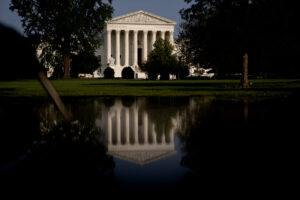
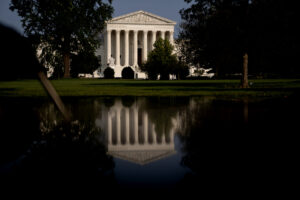
(Photographer:
Stefani
Reynolds/Bloomberg)

Federal
judges
have
had
to
deal
with
more
and
more
threats
from
conservatives
whipped
up
by
the
Trump
administration
rhetoric
blasting
judges
blocking
illegal
executive
orders,
only
to
be
unceremoniously
overruled
by
the
Supreme
Court.
Last
week,

multiple
judges
called
out
the
Republican
justices

for
issuing
unexplained
opinions
refusing
to
challenge

indeed,
passively
encouraging

Trump’s
attacks.
So
much
for
Chief
Justice
Roberts
sanctimoniously
declaring
that
the
threats
are
just
a
product
of
the

public
not
understanding
the
opinions
.
Law
school
tuition
has
skyrocketed
in
real
terms
for
decades,
but
based
on
the
last
10
years,

the
fever
may
finally
have
broken
.
Meanwhile,
Amy
Coney
Barrett
has
some
books
to
sell!
And
she’s
going
to
do
it
by
playing
up
her
image
as

the
tortured,
yet
principled

conservative
who
strips
Americans
of
long
enshrined
freedoms,
but
just
because
she
has
no
other
choice.
And,
as
she
made
clear
in

Dobbs
,
women
and
choice
just
don’t
mix!