The
Trump
Administration
Is
140
Years
Too
Late:
Can’t
use
the
U.S.
Military
to
execute
domestic
law,
buddy.
The
Law
School
Price
Bubble
Is
Deflating:
Would
much
rather
the
damn
thing
burst.
Publicly
Wrong?
Yes.
Defamation?:
Not
so
much.
Dershowitz
had
to
learn
the
hard
way.
You
Aren’t
The
Only
One
Waiting
On
Bar
Results:
Kim
Kardashian
is
Keeping
Up
With
The
Score.
Rudy
Giuliani
Released
From
Hospital:
The
former
mayor
is
recovering
from
a
car
crash.
An
upcoming
movie
premiering
at
the
Toronto
Film
Festival
on
Sept.
7
features
the
work
of
which
American
prosecutor
before
he
was
elevated
to
the
Supreme
Court?
Hint:
Oscar-nominated
actor
Michael
Shannon
plays
the
famous
lawyer.
Burnout
is
at
an
all-time
high,
especially
in
the
legal
profession.
Deloitte
reports
77%
of
employees
are
experiencing
burnout,
and
Gallup
finds
67%
are
feeling
disengaged.
Samorn
Selim,
daughter
of
Lao
refugees
and
a
first-generation
professional,
knows
this
struggle
intimately.
After
experiencing
career
burnout
multiple
times,
she’s
now
dedicated
her
life
to
helping
others
build
joyful,
sustainable,
and
thriving
careers.
As
the
founder
of
Career
Unicorns
and
former
Director
of
Employer
Outreach
at
Berkeley
Law,
she
has
coached
over
1,000
women,
BIPOC,
and
first-generation
professionals.
Her
latest
book
offers
a
practical
solution:
a
90-day
career
gratitude
journal
designed
to
beat
burnout
in
just
five
minutes
a
day.
Olga
Mack:
You
describe
yourself
as
a
“recovering
workaholic”
who
experienced
burnout
multiple
times
in
your
career,
including
when
you
were
a
Biglaw
lawyer.
Can
you
paint
a
picture
of
what
that
looked
like
at
its
worst?
Samorn
Selim:
As
a
Type
A,
workaholic,
perfectionist
lawyer
in
Biglaw,
I
was
working
7
a.m.
to
4
a.m.
during
trial.
I
was
struggling
with
chronic
migraines,
back
pain,
and
what
doctors
called
“undiagnosable
fatigue.”
I
hit
rock
bottom
and
was
so
burnt
out,
anxious,
and
depressed
that
I
could
barely
get
out
of
bed.
It
was
a
wake-up
call
that
my
approach
to
work
was
literally
destroying
my
health
and
well-being.
OM:
When
you
sought
help,
you
were
told
to
make
“lifestyle
changes,”
but
felt
overwhelmed
by
all
the
options.
How
did
you
figure
out
what
actually
worked?
SS:
Yes.
It
was
very
overwhelming.
Everyone
tells
you
to
meditate,
journal,
or
do
yoga.
But
when
you’re
already
overwhelmed,
having
a
laundry
list
of
wellness
practices
feels
impossible.
Do
you
start
with
meditation?
Which
type?
For
how
long?
Through
trial
and
error
over
10
years
of
practice,
I
discovered
that
small,
consistent
practices
made
the
biggest
difference.
Research
actually
backs
this
up,
showing
that
frequent,
shorter
breaks
and
consistent
daily
practices
are
more
effective
than
a
two-week
vacation.
OM:
Your
journal
combines
several
practices:
deep
breathing,
gratitude,
journaling,
inspirational
quotes,
positive
affirmations,
and
self-care
tips.
Why
this
specific
combination?
SS:
After
trying
literally
hundreds
of
strategies
over
a
decade,
I
found
that
this
particular
combination
of
practices
helped
me
feel
better
little
by
little.
Each
element
serves
a
purpose:
deep
breathing
calms
your
nervous
system
in
the
moment,
gratitude
shifts
your
mindset
from
scarcity
to
abundance,
journaling
helps
process
thoughts
and
emotions,
while
inspirational
quotes
and
affirmations
reinforce
positive
thinking
patterns.
The
daily
self-care
tips
ensure
you’re
taking
small,
concrete,
bite-sized
actions
for
your
well-being.
OM:
You’ve
been
featured
by
Forbes,
Harvard
Business
Review,
BBC,
and
Google
for
your
career
coaching
expertise.
What
patterns
do
you
see
among
the
1,000-plus
professionals
you’ve
helped?
SS:
The
struggles
are
remarkably
similar
across
industries
and
backgrounds.
People
are
feeling
disengaged,
drained,
and
burnt
out,
and
those
statistics
from
Deloitte
and
Gallup
prove
this
isn’t
just
anecdotal.
What’s
fascinating
is
that
when
my
clients
start
focusing
on
gratitude
and
shift
their
mindset
from
scarcity
to
abundance,
everything
changes.
They
start
landing
dream
jobs,
successfully
negotiating
raises,
getting
promoted
into
leadership
roles,
and
building
truly
sustainable
careers.
Research
shows
that
focusing
on
gratitude
at
work
reduces
stress
and
improves
mental
health,
so
this
makes
perfect
sense.
OM:
Why
90
days
specifically,
and
why
just
five
minutes
a
day?
SS:
Several
studies
show
that
90
days
is
the
ideal
timeframe
for
building
lasting
habits,
though
it
varies
by
person.
As
a
recovering
perfectionist,
I
know
firsthand
how
overwhelming
self-care
can
feel
when
you’re
already
stretched
thin,
so
the
journal
is
designed
with
people
who
are
already
busy
and
overwhelmed
in
mind.
Five
minutes
(less
than
0.1
billable
hours)
is
achievable
for
even
the
busiest
professional.
It’s
about
consistency
over
intensity.
I’ve
seen
how
just
five
minutes
a
day
can
completely
change
someone’s
perspective
and
spark
genuine
career
joy.
OM:
Your
journal
includes
90
gratitude
questions,
plus
inspirational
quotes,
positive
affirmations,
and
self-care
tips.
How
should
busy
legal
professionals
approach
this
practice?
SS:
The
beauty
is
there’s
no
“right”
way
to
do
this.
Whether
you
prefer
full
sentences,
bullet
points,
or
even
drawings,
the
key
is
simply
showing
up
and
being
present
with
yourself.
I
encourage
people
to
create
a
writing
ritual:
set
intentions,
designate
a
specific
time
and
place.
Maybe
it’s
9
a.m.
with
your
coffee,
or
before
bed
on
your
nightstand.
Make
it
visible,
make
it
easy,
and
have
compassion
with
yourself
if
you
miss
a
day.
OM:
What’s
your
advice
for
legal
professionals
who
think
they
don’t
have
time
for
even
five
minutes
of
self-care?
SS:
I
totally
get
it.
I
was
the
person
who
worked
20-hour
days,
thinking
self-care
was
either
selfish
or
impossible.
But
those
five
minutes
aren’t
time
lost,
they’re
an
investment
that
will
help
you
get
grounded
and
actually
lead
to
more
productivity.
When
you’re
burnt
out,
you’re
not
operating
at
full
capacity
anyway.
These
practices
help
you
show
up
better,
think
clearly,
and
work
more
effectively.
Research
shows
that
gratitude
practices
reduce
stress
and
improve
mental
health,
which
ultimately
makes
you
more
productive,
not
less.
OM:
What
do
you
hope
readers
will
take
away
from
this
journal
after
90
days?
SS:
My
hope
is
that
they’ll
experience
a
fundamental
shift
from
scarcity
to
abundance.
That
they’ll
have
practical
tools
to
manage
stress
and
prevent
burnout
before
it
reaches
crisis
levels.
Most
importantly,
I
want
them
to
rediscover
joy
in
their
careers.
Not
just
survive
their
workday,
but
actually
thrive.
After
14
years
of
career
coaching,
I’ve
seen
this
transformation
happen
again
and
again.
It
starts
with
something
as
simple
as
five
minutes
of
gratitude,
but
it
can
genuinely
change
the
trajectory
of
your
entire
career
and
help
you
build
a
sustainable
and
thriving
career.
Olga
V.
Mack is
the
CEO
of TermScout,
an
AI-powered
contract
certification
platform
that
accelerates
revenue
and
eliminates
friction
by
certifying
contracts
as
fair,
balanced,
and
market-ready.
A
serial
CEO
and
legal
tech
executive,
she
previously
led
a
company
through
a
successful
acquisition
by
LexisNexis.
Olga
is
also
a Fellow
at
CodeX,
The
Stanford
Center
for
Legal
Informatics,
and
the
Generative
AI
Editor
at
law.MIT.
She
is
a
visionary
executive
reshaping
how
we
law—how
legal
systems
are
built,
experienced,
and
trusted.
Olga teaches
at
Berkeley
Law,
lectures
widely,
and
advises
companies
of
all
sizes,
as
well
as
boards
and
institutions.
An
award-winning
general
counsel
turned
builder,
she
also
leads
early-stage
ventures
including Virtual
Gabby
(Better
Parenting
Plan), Product
Law
Hub, ESI
Flow,
and Notes
to
My
(Legal)
Self,
each
rethinking
the
practice
and
business
of
law
through
technology,
data,
and
human-centered
design.
She
has
authored The
Rise
of
Product
Lawyers, Legal
Operations
in
the
Age
of
AI
and
Data, Blockchain
Value,
and Get
on
Board,
with Visual
IQ
for
Lawyers (ABA)
forthcoming.
Olga
is
a
6x
TEDx
speaker
and
has
been
recognized
as
a
Silicon
Valley
Woman
of
Influence
and
an
ABA
Woman
in
Legal
Tech.
Her
work
reimagines
people’s
relationship
with
law—making
it
more
accessible,
inclusive,
data-driven,
and
aligned
with
how
the
world
actually
works.
She
is
also
the
host
of
the
Notes
to
My
(Legal)
Self
podcast
(streaming
on Spotify, Apple
Podcasts,
and YouTube),
and
her
insights
regularly
appear
in
Forbes,
Bloomberg
Law,
Newsweek,
VentureBeat,
ACC
Docket,
and
Above
the
Law.
She
earned
her
B.A.
and
J.D.
from
UC
Berkeley.
Follow
her
on LinkedIn and
X
@olgavmack.
Ed.
note:
This
is
the
latest
in
the
article
series, Cybersecurity:
Tips
From
the
Trenches, by
our
friends
at Sensei
Enterprises,
a
boutique
provider
of
IT,
cybersecurity,
and
digital
forensics
services.
Artificial
intelligence
(AI)
is
everywhere
—
in
legal
research
tools,
in
“smart”
assistants
that
draft
contracts,
and,
if
we’re
honest,
probably
in
that
partner’s
suspiciously
polished
brief.
The
legal
profession
can’t
avoid
it,
and
neither
can
the
insurance
industry.
But
while
cyber
insurers
are,
somewhat
surprisingly,
holding
firm
on
AI
risks,
other
key
coverage
lines
are
quietly
changing
—
and
not
in
your
favor.
Cyber
Insurers
Aren’t
Running
for
the
Hills
Contrary
to
what
you
might
expect,
cyber
insurers
are
not
panicking
over
AI.
In
fact,
some
are
adding
affirmative
endorsements
to
confirm
coverage
for
AI-related
incidents.
From
their
perspective,
AI
is
less
a
new
frontier
than
a
turbocharged
version
of
familiar
risks.
Deepfakes,
social
engineering,
and
AI-powered
phishing
aren’t
brand-new
—
they’re
just
faster
and
harder
to
spot.
That’s
not
to
say
the
consequences
aren’t
serious.
Imagine
a
deepfake
video
of
your
CFO
authorizing
a
fraudulent
transfer.
The
financial
fallout
and
reputational
damage
could
be
immense.
However,
for
now,
cyber
insurers
are
signaling
that
they
anticipated
this,
and
coverage
remains
in
effect.
Where
The
Exclusions
Are
Creeping
The
real
trouble
starts
outside
cyber
policies.
Management
liability,
directors
and
officers
(D&O),
errors
and
omissions
(E&O),
employment
practices,
fiduciary,
and
crime
coverage
are
all
beginning
to
include
sweeping
AI
exclusions.
Some
of
the
language
is
alarmingly
broad.
A
few
carriers
have
introduced
“absolute”
exclusions
that
eliminate
coverage
for
“any
actual
or
alleged
use,
deployment,
or
development
of
Artificial
Intelligence.”
That’s
not
a
scalpel;
it’s
a
sledgehammer.
Consider
the
implications:
–
A
discrimination
case
involving
an
AI
résumé
screening
tool?
Excluded. –
A
negligence
claim
tied
to
an
AI-driven
contract
review
platform?
Excluded. –
A
fiduciary
duty
allegation
that
a
board
failed
to
oversee
AI
risks?
Also
excluded.
Even
routine
disputes
could
devolve
into
arguments
about
whether
AI
played
a
role.
The
net
effect
is
to
shift
risk
back
onto
firms
and
their
clients
—
often
without
their
awareness.
Why
Lawyers
Should
Pay
Attention
Lawyers
need
to
look
at
this
from
two
angles.
First,
as
business
leaders,
your
own
firm’s
policies
may
already
contain
AI
exclusions
you
haven’t
noticed.
Second,
as
advisors,
clients
will
expect
you
to
spot
these
risks
in
their
coverage.
Missing
them
is
an
easy
way
to
damage
both
trust
and
credibility.
We’ve
seen
this
movie
before.
“Silent
cyber”
risk
crept
into
property
and
liability
policies,
sparking
disputes
about
whether
losses
were
covered.
Over
time,
insurers
responded
with
exclusions
and
clarifications.
AI
appears
to
be
on
the
same
path
—
only
the
exclusions
are
emerging
faster
and
with
less
precision.
What
To
Do
About
It
Here’s
how
firms
and
their
clients
can
stay
ahead:
–
Review
policies
carefully.
Don’t
assume
your
existing
D&O
or
E&O
coverage
includes
AI-related
events.
Look
for
exclusionary
language,
especially
vague
or
undefined
terms. –
Push
for
clarity.
If
an
exclusion
exists,
negotiate
definitions.
What
exactly
counts
as
AI?
A
predictive
text
feature?
A
chatbot?
The
less
defined
the
term,
the
more
room
for
denial. –
Explore
affirmative
options.
Some
insurers
are
beginning
to
offer
endorsements
or
new
products
to
cover
AI-related
risks.
If
your
firm
or
clients
rely
heavily
on
AI
tools,
these
are
worth
investigating. –
Collaborate
with
brokers
and
risk
managers.
They’re
often
the
first
to
spot
emerging
exclusions
and
can
help
secure
coverage
that
matches
your
operations.
Remain
Calm
and
Vigilant
The
good
news
is
that
cyber
insurance
remains
a
reliable
option.
The
bad
news
is
that
exclusions
are
creeping
across
other
policies
—
and
they’re
being
drafted
broadly
enough
to
cause
serious
problems
down
the
road.
So
no,
you
don’t
need
to
panic.
But
you
do
need
to
pay
attention.
These
exclusions
aren’t
hypothetical;
they’re
already
appearing.
Unless
you’re
proactive,
you
may
discover
that
the
very
AI
tools
making
your
firm
more
efficient
are
also
the
reason
your
insurance
claim
gets
denied.
Bottom
line:
review
your
coverage
this
quarter
for
your
firm,
and
before
AI
exclusions
creep
any
further.
Michael
C.
Maschke
is
the
President
and
Chief
Executive
Officer
of
Sensei
Enterprises,
Inc.
Mr.
Maschke
is
an
EnCase
Certified
Examiner
(EnCE),
a
Certified
Computer
Examiner
(CCE
#744),
an
AccessData
Certified
Examiner
(ACE),
a
Certified
Ethical
Hacker
(CEH),
and
a
Certified
Information
Systems
Security
Professional
(CISSP).
He
is
a
frequent
speaker
on
IT,
cybersecurity,
and
digital
forensics,
and
he
has
co-authored
14
books
published
by
the
American
Bar
Association.
He
can
be
reached
at [email protected].
Sharon
D.
Nelson
is
the
co-founder
of
and
consultant
to
Sensei
Enterprises,
Inc.
She
is
a
past
president
of
the
Virginia
State
Bar,
the
Fairfax
Bar
Association,
and
the
Fairfax
Law
Foundation.
She
is
a
co-author
of
18
books
published
by
the
ABA.
She
can
be
reached
at [email protected].
John
W.
Simek
is
the
co-founder
of
and
consultant
to
Sensei
Enterprises,
Inc.
He
holds
multiple
technical
certifications
and
is
a
nationally
known
digital
forensics
expert.
He
is
a
co-author
of
18
books
published
by
the
American
Bar
Association.
He
can
be
reached
at [email protected].
Biglaw
firm
Littler
Mendelson
has
a
reputation
for
being
among
the
top
Labor
&
Employment
practices.
Indeed,
they’ve
repeatedly
taken
top
honors
in
the
Vault
ranking
in
the
category.
And
that
tradition
of
representing
employers
was
on
display
during
a
recent
webinar.
The
presentation,
Captive
No
More:
What
Rhode
Island’s
New
Workplace
Speech
Law
Means
for
Employers,
(CLE
credit
pending!)
was
touted
on
the
firm’s
website
and
was
designed
to
provide
insight
on
Rhode
Island’s
ban
on
“mandatory
workplace
meetings
to
discuss
political
or
religious
matters,
including
whether
employees
should
join
or
support
a
labor
union.”
The
American
Prospect
obtained
details
of
what
was
said
during
the
webinar
and
the
attorneys
who
presented
—
Jillian
Folger-Hartwell
ad
Gregory
Tumolo
—
say
the
“mandatory
employee
education
meetings”
are
“one
of
the
most
effective
ways
for
employers
to
communicate
with
employees
freely
to
correct
misperceptions
and
combat
union
propaganda.”
And
made
it
clear
ignoring
the
law
is
on
the
table.
“We
are
not
in
the
habit
of
advising
you
lightly
that
you
should
challenge
laws,”
said
Jillian
Folger-Hartwell,
an
attorney
with
leading
anti-union
law
firm
Littler
Mendelson
on
the
August
19
webinar,
a
transcript
and
PowerPoint
presentation
of
which
the Prospect exclusively
obtained.
But
“if
you
are
a
bit
more
risk
tolerant,
and
you
want
to
continue”
to
hold
the
meetings,
“that
is
a
choice
that
you
can
make.”
While
acknowledging
that
this
would
expose
employers
to
litigation,
Folger-Hartwell
explained
her
firm’s
view
that
there
are
“strong
arguments”
that
the
law
is
unconstitutional,
and
that
ignoring
it
would
be
a
“vehicle”
for
a
legal
challenge.
Sure…
breaking
the
law
is
always
a
“choice,”
but
it’s
not
one
Biglaw
lawyers
are
usually
this
frank
about.
Remember,
this
wasn’t
advice
given
behind
a
closed
door
and
attaching
attorney/client
privilege.
Nope,
this
was
part
of
a
well-publicized
presentation.
It
feels
a
lot
like
they’re
trying
to
drum
up
business
for
their
litigators,
and
take
advantage
of
the
conservative
tilt
of
courts
these
days.
The
federal
precedent
on
captive
audience
meetings
is
murky
at
best.
At
the
federal
level,
the
Biden-era
National
Labor
Relations
Board banned
mandatory
attendance at
captive
audience
meetings
in
a case
involving
Amazon last
November.
Employers
can
still
hold
these
meetings,
the
NLRB
said,
but
they
cannot
take
attendance
and
cannot
discipline
anyone
for
failing
to
attend.
While
President
Trump’s
acting
NLRB
general
counsel
issued
a
memo
in
February
rescinding
a
Biden-era
policy
statement
on
captive
audience
meetings, that
did
not
turn
over
the
Amazon
decision,
which
remains
operative.
And
there’s
not
currently
a
quorum
at
the
NLBR,
further
delaying
clarity
on
the
issue
and
the
Amazon
case
is
on
appeal
to
the
11th
Circuit.
But
the
Littler
attorneys
seems
quite
confident
about
a
challenge
to
the
RI
law.
“Note
that
mandatory
meetings
have
tremendous
value,”
Tumolo
reportedly
said
on
the
webinar.
“Historically
these
meetings
have
been
found
to
be
lawful…
we’ve
talked
about
the
serious
constitutional
problems
that
these
laws
have.”
Both
Tumolo
and
Folger-Hartwell
acknowledged
that
it
would
be
time-consuming
and
expensive
to
challenge
the
law,
especially
with
the
current
uncertain
situation
at
the
NLRB.
But
[Patrick
Crowley,
president
of
the
Rhode
Island
AFL-CIO]
believes
that
getting
companies
interested
in
violating
the
law
was
the
point.
“They’re
trying
to
find
a
client
to
make
a
case
at
the
Supreme
Court,”
he
said.
That’s
certainly
one
reason
for
openly
discussing
such
an
audacious
strategy
for
dealing
with
state
law.
Above
the
Law
reached
out
to
Littler
for
comment,
but
did
not
immediately
hear
back.
Kathryn
Rubino
is
a
Senior
Editor
at
Above
the
Law,
host
of
The
Jabot
podcast,
and
co-host
of
Thinking
Like
A
Lawyer.
AtL
tipsters
are
the
best,
so
please
connect
with
her.
Feel
free
to
email
her
with
any
tips,
questions,
or
comments
and
follow
her
on
Twitter
@Kathryn1 or
Mastodon
@[email protected].
Dobbs
did
not
top
the
list
of
things
I
wanted
to
talk
about
on
vacation.
—
Justice
Amy
Coney
Barrett,
discussing
the
aftermath
of
the
controversial
Dobbs
v.
Jackson
Women’s
Health
Organization
decision
in
her
new
memoir,
“Listening
to
the
Law”
(affiliate
link),
set
to
be
published
on
September
9.
Barrett,
who
in
the
book
defends
the
part
she
played
in
overturning
the
right
to
abortion
established
by
Roe
v.
Wade,
recounts
a
time
when
her
brother-in-law
came
to
a
family
vacation
with
a
copy
of
the
Dobbs
decision,
saying
he
was
following
her
instructions
to
“read
the
opinion.”
Staci
Zaretsky is
the
managing
editor
of
Above
the
Law,
where
she’s
worked
since
2011.
She’d
love
to
hear
from
you,
so
please
feel
free
to
email
her
with
any
tips,
questions,
comments,
or
critiques.
You
can
follow
her
on Bluesky, X/Twitter,
and Threads, or
connect
with
her
on LinkedIn.
As
one
of
my
partners
used
to
say,
if
I
had
more
time,
I’d
have
written
a
shorter
letter.
That
philosophy
certainly
seems
on
display
as
the
first
8am
Kaleidoscope
conference
kicks
off
this
week
in
Austin,
Texas.
If
the
past
is
any
indication,
short
educational
sessions
with
expert
panelists
equals
a
hard
hitting
and
dynamic
conference.
I
have
to
hand
it
to
8am.
Not
many
companies
would
simultaneously
try
to
pull
off
a
first-ever,
state-of-the-art
legal
tech
conference
and
a
rebranding
at
the
same
time.
8am
obviously
loves
a
challenge.
The
Rebrand
Why
the
rebrand
and
a
somewhat
cryptic
name,
at
least
on
the
surface?
AffiniPay
had
clearly
branched
out
into
other
services
beyond
payment,
so
the
name
change
made
some
sense.
A
new
name
that
didn’t
come
with
a
historic
payment
label
gave
clarity
to
what
the
AffiniPay
companies
were
actually
doing:
providing
all
sorts
of
back-office
tools
from
intake
to
billing
to
practice
management
and
more.
So
that
part
makes
sense.
But
the
name
8am?
I
have
to
say
it
had
some
people
scratching
their
heads.
(To
me,
when
I
first
heard
it,
I
thought
of
coffee.)
As
I
understand
it,
the
name
was
designed
to
reflect
the
idea
that
most
lawyers
and
legal
professionals
start
their
day
by
working
on
all
the
non-billable
sorts
of
work
that
has
to
be
done
to
keep
the
lights
on.
Hence
the
name
8am.
Of
course,
the
first
reaction
from
many
is
WTF?
But
name
changes
and
rebranding
are
commonplace
and
this
time
next
year,
8am
will
be
a
standard
name
in
the
industry
to
which
no
one
gives
a
second
thought.
Changing
a
name,
rebranding,
and
selecting
a
name
that
has
people
talking
isn’t
all
bad.
It’s
a
far
cry
from
changing
what
a
company
stands
for
like
Cracker
Barrell
recently
tried
to
do.
Or
changing
the
product
completely
like
Coca-Cola
did
with
new
Coke,
way
back
when.
Come
to
think
of
it,
the
fact
I
thought
of
coffee
when
I
first
heard
the
name
is
also
not
a
bad
thing.
Before
doing
all
the
back
office
non-billable
stuff
in
the
morning,
most
of
us
first
grab
a
cup
of
coffee
.
Having
a
name
that
accurately
reflects
what
you
do
and
your
focus
enables
you
to
better
compete.
It
reinforces
to
your
employees
what
you
are
about.
You
might
not
necessarily
have
picked
the
name
for
your
company
but
then
again,
you
aren’t
8am.
Names
matter.
So,
get
over
it.
But
let’s
talk
about
the
conference.
About
the
Conference
Best
I
can
tell,
8am
is
patterning
the
conference
a
bit
like
its
previous
live
webinars
about
which
I
wrote
last
March.
The
sessions
are
all
composed
of
a
panel
of
experts
with
a
moderator
armed
with
questions.
What’s
different
about
the
format
is
that
the
questions
are
not
soft
balls.
They
are
designed
to
bring
out
the
expertise
of
the
panelists
and,
to
some
extent,
incite
debate
and
discussion.
Questions
like
what
are
the
downsides
of
sticking
with
an
hourly
billing
model?
Or
how
can
outdated
pricing
structures
limit
profitability,
growth,
or
client
satisfactions?
Or
will
AI
really
change
how
I
practice
law?
Is
AI
more
likely
to
expand
access
to
legal
service
—
or
entrench
two-tiered
systems
where
only
the
rich
get
“human”
lawyers?
Not
easy
questions.
Not
easy
answers.
Again,
best
I
can
tell,
the
panelists
were
carefully
chosen
so
that
they
can
talk
about
the
topic
and
respond
to
questions
within
their
area
of
expertise.
As
8am
puts
it,
the
presentation
will
be
“delivered
in
a
unique
expert
and
peer
driven
environment.”
The
Topics
By
way
of
disclosure,
I
am
on
three
panels.
I
have
seen
the
questions
and
discussed
them
with
both
the
moderators
and
the
other
panelists
so
we
will
come
locked
and
loaded.
I
can
safely
say
the
discussions
won’t
just
be
thought-provoking;
they’re
designed
to
cut
through
the
noise
on
pressing
issues
in
legal
right
now.
So,
what
are
the
topics?
I’m
on
one
panel
that
will
discuss
emerging
issues
in
legal
with
my
fellow
participants
on
the
weekly
LegalTech
Week
journalists’
roundtable.
We
don’t
always
see
eye
to
eye,
so
it
should
be
interesting.
I’m
also
on
a
panel
entitled
“Adapting
Your
Billable
Hour
Model”
with
Gabriela
Cubeiro
of
8am,
the
always
interesting
and
insightful
Kim
Bennett,
CEO
and
Co-Founder
of
Fidu,
and
CPA
Kelly
Rohrs.
Anytime
you
get
a
group
like
this
together
to
discuss
how
lawyers
bill
—
or
should
bill
—
for
their
services,
you’re
going
to
get
some
interesting
takes.
The
final
panel
I’m
on
is
30
use
cases
for
AI
in
30
minutes.
That
too
should
be
a
good
discussion,
not
the
least
of
which
to
see
whether
the
moderator
can
keep
us
three
panelists
to
the
time
allotted.
Other
equally
fascinating
discussions
include
management
and
growth
strategies
for
solo
and
small
firms,
how
to
use
social
media,
the
future
of
accounting,
how
to
turn
invoices
into
revenue,
ethical
consideration
for
the
use
of
chatbots,
growing
your
team,
mastering
client
communications,
ethical
texting
with
clients
(with
the
esteemed
Mark
Palmer),
how
to
avoid
the
10
most
costly
mistakes
of
firms,
AI-enabled
marketing
(with
ace
marketer
Gyi
Tsakalakis),
and
much
more.
I
know
or
know
of
most
of
the
panelists
and
am
confident
that
it’s
going
to
be
an
interesting
couple
of
days.
The
Sessions:
Mercifully
Short
Also,
in
keeping
with
the
previous
virtual
conference,
the
sessions
at
Kaleidoscope
2025
are
short
by
legal
tech
conference
standards.
Other
than
the
Keynotes,
one
by
Leslie
Witt,
8am’s
Chief
Product
Officer,
and
the
other
a
conversation
with
Olympian
Gabby
Thomas,
the
sessions
are
mercifully
short.
Most
are
30
to
45
minutes
in
length.
I
say
mercifully
because
a
shorter
session
makes
the
speakers
really
focus
on
what’s
important
and
what’s
not.
What
I
said
about
the
live
webinar
equally
applies
here:
an
approach
where
speakers
have
to
be
concise
and
deliver
hard-hitting
points
in
a
limited
period
is
a
refreshing
change
from
the
typical
hour-long
mundane
and
PowerPoint-heavy
presentations
we
typically
see.
I’ve
attended
way
more
than
my
share
of
presentation
where
the
speaker
introduction
goes
on
for
10
or
more
minutes,
the
speaker
blabbers
on
and
reads
their
wordy
slides,
and
the
audience
reads
their
emails.
When
a
three-person
panel
only
has
30
minutes
to
make
their
points,
you
better
listen,
or
you
will
miss
it.
And
the
panel
better
be
concise.
Thanks
8am
In
a
world
of
often
bloated
legal
tech
conferences,
sometimes
the
best
approach
is
simply
showing
up
at
8
a.m.,
ready
to
work.
(The
conference
kicks
off
at
8
a.m.
with
breakfast
btw).
So,
kudos
to
8am
for
a)
pulling
off
a
rebranding
and
b)
putting
together
what
looks
to
be
a
dynamic
and
thought-provoking
conference.
All
at
the
same
time.
Full
disclosure:
I
am
on
three
panels
at
the
conference.
8am
is
picking
up
my
travel
expense
and
registration
fees
for
attending.
Stephen
Embry
is
a
lawyer,
speaker,
blogger,
and
writer.
He
publishes TechLaw
Crossroads,
a
blog
devoted
to
the
examination
of
the
tension
between
technology,
the
law,
and
the
practice
of
law.
As
last
week
careened
into
Labor
Day
weekend,
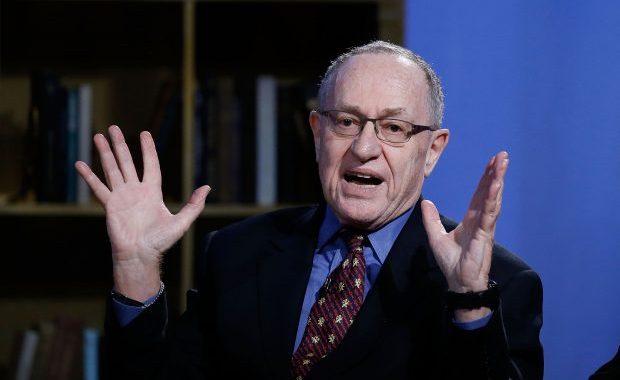
Alan
Dershowitz
received
some
bad
news
from
the
Eleventh
Circuit,
who
affirmed
the
lower
court’s
ruling
and
kicked
Dershowitz’s
defamation
claim
against
CNN
to
the
curb.
This
is
the
saddest
Dershowiz
has
been
since
the
Martha’s
Vineyard
pierogi
stand
refused
to
sell
him
a
potato
dumpling.
Back
to
the
topic
at
hand.
Dershowitz
had
sued
CNN
in
the
wake
of
his
role
advocating
for
Donald
Trump’s
right
to
threaten
cutting
off
President
Zelenskyy
if
the
Ukrainian
leader
didn’t
scratch
Trump’s
increasingly
bloated
back
in
building
a
corruption
case
against
Joe
Biden
over
Hunter
Biden’s
job
or
something
something.
The
conspiracy
theory
was
always
stupid
and
the
geopolitical
risk
in
withholding
Ukrainian
aid
was
always
very
real
—
tragically
proven
right
soon
after
—
that
Congress
impeached
Trump
for
trying
to
use
U.S.
foreign
policy
to
fuel
his
fundraising.
Trump
survived
the
trial,
mostly
because
Democrats
did
not
have
67
seats
in
the
chamber,
but
Dershowitz
helped
too.
In
the
course
of
his
effort
to
get
Trump
off
the
hook,
Dershowitz
made
the
claim
that
presidents
can
engage
in
foreign
policy
quid
pro
quo,
even
if
the
president
is
negotiating
for
his
personal
—
and
not
the
country’s
—
gain,
so
long
as
the
president
sees
his
personal
fortunes
as
key
to
the
national
interest.
Would
that
extend
to
an
excuse
as
flimsy
and
self-serving
as
reelection?
Dershowitz
said…
quite
possibly!
[A]
complex
middle
case
is:
I
want
to
be
elected.
I
think
I
am
a
great
President.
I
think
I
am
the
greatest
President
there
ever
was,
and
if
I
am
not
elected,
the
national
interest
will
suffer
greatly.
That
cannot
be
[an
impeachable
offense].
If
the
president
does
it,
it
isn’t
illegal
as
the
saying
goes.
The
mainstream
media
jumped
on
Dershowitz
indulging
in
the
insane
theory
that
the
law
contemplates
presidents
engaging
in
foreign
policy
for
personal
gain.
Little
did
they
know
at
the
time
that
we
would
soon
have
the
Supreme
Court
endorsing
presidents
deploying
SEAL
Team
6
to
murder
political
opponents
based
on
a
president’s
subjective
faith
in
their
own
election.
Everyone
dragged
Dershowitz
for
his
suggestion
that
presidents
can
have
a
little
corruption
as
a
treat.
But
Dershowitz
complained
that
this
straightforward
interpretation
of
his
fairly
explicit
remarks
was
incorrect.
For
their
part,
CNN
brought
Dershowitz
on
to
explain.
So
he
sued
CNN
for
$300
million.
The
Eleventh
Circuit
responded
with
“LOL,
no.”
We
know
how
Biglaw
fared
in
2024,
but
what
about
the
law
firms
that
fall
just
outside
of
the
Am
Law
200?
How
did
they
do?
Law.com
recently
released
its
third
annual
Pro
Mid-Market
50
law
firm
rankings,
a
list
of
the
midsize
yet
still
elite
law
firms
that
represent
the
very
best
of
what
the
legal
profession
has
to
offer.
The
highlights
from
the
report
reveal
that
these
midsize
firms
saw
incredible
success
across
average
revenue
(up
5.4%)
and
average
revenue
per
lawyer
(up
7.9%),
while
average
size
shrunk
just
a
bit
(down
3.4%)
in
2024.
Thanks
to
these
strong
money
moves,
consolidation
is
still
the
name
of
the
game
among
midsize
firms
that
have
the
urge
to
merge.
While
some
firms
came
out
on
top,
others
completely
exceeded
expectations.
How
did
the
Mid-Market
50
stack
up?
Here’s
an
overview
of
how
midsize
performed
in
2024:
Average
size:
114
lawyers
Average
revenue
per
lawyer:
$710,800
Average
revenue:
$81.13
million
How
did
we
get
here,
when
compared
to
Biglaw’s
2024
financials?
Law.com
has
the
details:
Firms
near
the
top
of
the
Mid-Market
50,
ranked
by
2024
gross
revenue,
are
knocking
at
the
door
of
the
Am
Law
200….
…
Nevertheless,
the
average
5.4%
increase
in
revenue
for
the
Mid-Market
50
trails
a
9.3%
growth
rate
for
the
bottom
quarter
of
the
Am
Law
200,
according
to
ALM
data.
As
for
RPL,
the
7.9%
growth
in
2024
for
the
Mid-Market
50
aligns
closely
with
the
8.3%
growth
for
the
Am
Law
151-200.
Now,
the
moment
you’ve
been
waiting
for:
the
top
10
firms
in
the
Mid-Market
50
rankings
(including
FY
2024
revenue).
Eckert
Seamans
Cherin
&
Mellott:
$134,500,000
Hinckley
Allen
&
Snyder:
$133,607,000
Warner
Norcross
+
Judd:
$133,061,000
Best
Best
&
Krieger:
$131,984,000
Sullivan
&
Worcester:
$129,568,000
Chamberlain
Hrdlicka
White
Williams
&
Aughtry:
$122,486,000
Lane
Powell:
$117,800,000
Porter
Hedges:
$116,500,000
Kanner
&
Pintaluga:
$116,446,000
Wiggin
and
Dana:
$115,301,000
The
full
Pro
Mid-Market
50
ranking
can
be
found here.
Congratulations
to
all
of
the
firms
that
made
the
third
edition
of
the
Pro
Mid-Market
50
ranking.
Staci
Zaretsky is
the
managing
editor
of
Above
the
Law,
where
she’s
worked
since
2011.
She’d
love
to
hear
from
you,
so
please
feel
free
to
email
her
with
any
tips,
questions,
comments,
or
critiques.
You
can
follow
her
on Bluesky, X/Twitter,
and Threads, or
connect
with
her
on LinkedIn.
A
decade
ago,
it
seemed
like
law
school
tuition
would
follow
Bitcoin
straight
to
the
moon.
We
all
warned
that
the
relentless
cycle
of
increases
would
eventually
divert
talented
prospective
lawyers
who
realize
that
they
have
career
options
that
don’t
involve
effectively
buying
a
second
house
worth
of
debt.
And
so,
with
total
cost
of
attendance
over
three
years
at
the
very
top
schools
capping
out
at
a
little
over
$325,000,
the
fever
may
have
finally
broke.
So
we
may
be
saved
from
law
school
debt
creeping
into
the
half-million
range.
For
now.
Harvard
Law
School
tuition
and
fees
Nominal
dollars/July
2025
dollars
BLS
CPI
1955-56:
$837.50.
$10,058
1965-66:
$1,581
$16,163.
60.7%
increase
1975-76:
$3,160.
$18,696.
15.7%
1985-85:
$10,235.
$30,530.
63.3%
1995-96:
$21,134.
$44,565.
46%
2005-06:
$36,470.
$59,263.
33%
2015-16:
$58,242:
$79,073.
33.4%
2025-26:
$82,560.
3.8%
This
collapse
isn’t
happening
because
law
schools
suddenly
found
religion
about
fairness
or
access.
These
places
still
happily
fleece
22-year-olds
who
haven’t
yet
learned
the
difference
between
Erie
and
Eeyore.
The
collapse
is
happening
because
demand
is
collapsing.
As
schools
pushed
the
price
higher
and
higher,
they
naturally
cut
off
access
to
more
and
more
students.
Some
tried
to
justify
high
tuition
as
part
of
an
effort
to
offset
tuition
breaks
for
those
who
couldn’t
afford
it,
but
the
reality
was
a
self-perpetuating
cycle
of
making
school
less
affordable
to
cover
up
the
fact
that
it
was
less
affordable.
The
resulting
series
of
discounts
finally
took
their
toll:
The
result
was
that
15
years
ago
net
tuition
was
79%
of
sticker,
ten
years
ago
it
was
67%,
and
two
years
ago
it
was
57%.
The
result
is
a
24%
decline
in
per
capita
real
tuition
over
thirteen
years,
and
even
that
number
is
inflated
for
practical
purposes
by
the
fact
that
the
top
dozen
or
so
elite
schools
have
still
managed
to
raise
their
prices
by
about
5%
over
that
time
frame,
although
even
they
have
been
hit
by
the
cold
hard
reality
of
a
bubble
that,
if
it
hasn’t
burst
for
them,
is
nevertheless
no
longer
inflating
For
years,
Biglaw
firms
took
a
lot
of
the
blame
for
the
tuition
bubble
as
the
supposed
sugar
daddies
underwriting
the
scam.
Higher
salaries
allowed
law
schools
to
convince
students
that
they
wouldn’t
have
to
worry
about
all
the
debt
once
the
annual
bonuses
started
rolling
in.
Never
mind
that
the
Biglaw
business
model
was
always
a
pyramid
scheme
of
its
own
and
most
of
the
young
associates
would
only
get
a
handful
of
years
in
the
sun
before
being
unceremoniously
sacrificed
like
a
legion
of
original
trilogy
stormtroopers.
And
yet,
while
law
firms
have
been
better
about
adjusting
compensation
to
market
realities
over
the
last
10
years,
the
schools
haven’t
followed
suit.
This
collapse
also
exposes
the
great
threat
of
“prestige
inflation.”
For
years,
law
schools
justified
tuition
hikes
by
waving
U.S.
News
rankings
around
like
a
televangelist
with
a
snake.
U.S.
News
didn’t
care
as
much
about
tuition
as
it
did
about
luring
more
high-scoring
students
and
schools
engaged
in
unnecessary
yet
pricey
buildups
that
would
make
Reagan’s
Defense
Department
flinch.
Once
U.S.
News
started
caring
about
debt
loads,
law
schools
harumphed
in
protest.
Now
comes
AI
to
spice
up
law
school’s
existential
crisis.
Despite
the
hype,
AI
isn’t
going
to
replace
lawyers,
but
it
will
replace
a
lot
of
lawyer
work.
In
other
words,
the
world
still
needs
lawyers,
but
law
firms
may
need
fewer
associates.
If
AI
allows
Biglaw
to
get
the
same
leverage
out
of
half
the
bright-eyed
associates,
that
means
many
more
law
school
grads
come
out
into
a
world
without
those
high-paying
jobs
that
long
justified
the
law
school
bubble.
More
to
the
point,
even
though
AI
isn’t
replacing
lawyers,
the
incessant
publicity
blitz
from
the
Silicon
Valley
bros
makes
a
lot
of
prospective
lawyers
think
it
is.
Which,
for
a
law
school
trying
to
get
asses
in
seats,
is
just
as
bad.
The
result
of
all
this
is
that,
after
seeing
one
ABA
school
close
in
the
previous
60
years
(Oral
Roberts;
grifters
gotta
grift
as
it
says
in
the
Bible,
King
Donald
version),
a
dozen
have
disappeared
over
the
last
decade,
and
several
more
seem
likely
to
follow.
Expect
mergers.
Expect
closures.
Expect
some
scammy
“JD-lite”
programs
where
schools
basically
charge
you
$40K
a
year
to
take
bar
prep
with
a
Latin
motto.
Be
careful
out
there.










 Kathryn