Yes,
if
I
were
king,
I
would
not
allow
people
to
go
about
burning
the
American
flag.
However,
we
have
a
First
Amendment,
which
says
that
the
right
of
free
speech
shall
not
be
abridged—and
it
is
addressed
in
particular
to
speech
critical
of
the
government.
That
was
the
main
kind
of
speech
that
tyrants
would
seek
to
suppress.
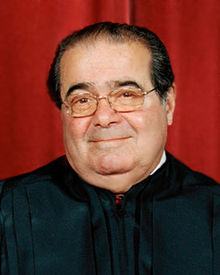
—The
late
Supreme
Court
Justice
Antonin
Scalia
in
a
2012
interview,
making
it
crystal
clear
why
the
First
Amendment
protects
burning
the
American
flag.
His
comments
are
uniquely
relevant
since
President
Donald
Trump
recently
singed
an
Executive
Order
purporting
to
outlaw
burning
the
American
flag
—
just
like
a
tyrant
would
do.
Mollick
notes
in
his
book
that
AI
tools
have
the
capacity
to
create
enhanced
expertise
on
anything
and
everything
by
everyone
and
anyone.
This
dynamic
is
already
playing
out
in
legal
practice.
Want
to
be
an
expert
on
non
disclosure
agreements?
You
can
do
several
AI
prompts
and
get
much
of
what
you
need
to
know
to
get
by,
at
least
for
more
routine
questions.
Mollick
insists,
however,
that
expertise
in
most
fields
will
still
be
necessary
and
critical.
If
nothing
else,
there
needs
to
be
experts
to
determine
the
accuracy
and
completeness
of
AI
outputs,
to
catch
the
hallucinations,
to
see
when
an
output
is
simply
off
mark
or
not
relevant
to
the
situation.
To
apply
the
information
effectively.
Where
will
these
experts
come
from
when
AI
already
has
access
to
all
the
expertise
that
exists?
How
can
we
insure
a
pipeline
for
future
experts?
Mollick
believes
that
in
the
near
future,
experts
will
be
developed
in
new
and
different
ways.
AI
itself
will
play
a
role
in
developing
the
new
experts
of
the
world.
And
this
expert
development
challenge
is
particularly
acute
in
legal
practice,
where
traditional
training
methods
are
already
being
questioned.
The
Role
of
AI
In
Training
Historically,
the
guild
system
was
used
to
train
lawyers
and
help
them
become
experts.
The
system
works
like
this:
the
young
lawyer
graduates
from
law
school
and
goes
to
work
for
an
experienced
lawyer.
The
young
lawyer
potentially
sits
at
the
feet
of
the
experienced
lawyer
and
learns
through
observation
and
undertaking
assigned
tasks
under
the
experienced
lawyer’s
supervision.
By
seeing
and
experiencing
various
scenarios
and
undertaking
tasks
repeatedly,
the
young
lawyer
learns
to
engage
in
critical
thinking,
assess
strategy,
envision
the
outcomes
from
various
actions,
and
read
clients
and
situations.
The
young
lawyer
thus
gradually
obtains
the
wisdom—gut
instinct—of
the
older,
more
experienced
lawyer.
That
system
is
time
honored
but
time
consuming.
And
it
is
often
inconsistent
in
its
results.
Some
young
lawyers
work
for
good
mentors
and
teachers
and
advance.
Other
young
lawyers
who
might
have
the
same
raw
ability
do
not
and
flounder.
AI
disrupts
that
system.
Many
of
the
tasks
that
young
lawyers
historically
undertook
in
their
development
cycle
will,
in
the
future,
be
done
by
AI.
As
I
have
written
before,
they
will
no
longer
have
the
in
person
opportunity
to
learn
through
conversation
and
constructive
criticism.
But
if
Mollick
is
correct,
there
may
be
an
answer.
AI
itself
could
ultimately
become
the
mentor,
the
experienced
voice
in
the
room.
It
could
be
the
aid
and
assistant
to
help
the
young
lawyer
develop
the
very
skills
that
the
traditional
system
promoted.
This
would
involve
using
AI
tools
in
the
right
way:
not
merely
telling
the
young
lawyer
to
use
AI
to
get
the
answer,
but
giving
the
young
lawyer
a
problem
and
asking
the
lawyer
to
create
a
solution.
Only
then
would
AI
be
used
for
suggestions
to
improve
the
solution.
This
is
much
like
what
an
experienced
lawyer
does
now.
Some
Examples
For
example,
if
assigned
to
prepare
a
list
of
questions
for
a
deposition
of
a
corporate
representative,
one
option
would
be
for
the
young
lawyer
to
ask
a
large
language
model
for
the
questions,
which
would
produce
a
list
from
which
the
young
lawyer
could
select.
However,
this
does
not
necessarily
train
the
young
lawyer
to
identify
the
best
questions
for
any
given
situation.
A
more
effective
approach
would
be
for
the
young
lawyer
to
first
develop
the
list
of
questions
and
then
ask
the
AI
tool
for
a
critique,
provided
of
course
that
the
AI
tool
could
do
that.
And
this
way,
young
lawyers
could
differentiate
themselves
in
an
AI-driven
world
by
having
critical
thinking
skills
and
the
ability
to
apply
those
skills
to
human
relationships
and
differences.
As
Mollick
points
out,
the
AI
tools
are
not
yet
at
this
point.
However,
he
believes
they
soon
will
be.
The
urgency
of
addressing
these
training
challenges
becomes
clear
when
we
consider
Mollick’s
final
insight.
AI
Is
the
Worst
It
Will
Ever
Be
Mollick
encourages
us
to
assume
that
the
AI
we
have
today
will
be
the
worst
AI
we
ever
have.
In
other
words,
AI
will
develop
perhaps
exponentially,
but
certainly
over
time.
Mollick
says
we
cannot
envision
AI
and
what
it
will
be
tomorrow.
Indeed
just
think
how
far
we
have
come
since
the
GenAI
went
public
in
November
2022
and
how
far
its
come
in
the
last
year.
This
concept
too
has
implications
for
legal.
We
should
begin
thinking
now
about
the
possibility
of
AI
becoming
a
valued
coach
in
the
development
of
young
lawyers
and
their
skills.
We
should
be
planning
and
thinking
about
how
that
training
looks,
what
it
needs
to
involve,
and
what
the
results
and
measurables
will
be.
Otherwise,
we
will
be
left
with
lawyers
who
know
little
about
the
practice
of
law
other
than
to
prompt
AI
for
a
list
of
deposition
questions,
which
may
or
may
not
be
relevant
given
the
facts
of
any
case.
What
Does
this
Mean?
Lawyers
and
law
firms
need
to
be
aware
of
the
enormous
implications
of
AI
and
its
impact.
These
last
two
insights
along
with
the
idea
that
AI
will
equalize
skills
suggest
that
the
legal
profession
is
at
an
inflection
point.
The
lawyers
who
thrive
will
be
those
who
understand
that
AI
levels
the
playing
field,
that
expertise
still
matters
but
its
development
looks
different,
and
that
the
tools
we
have
today
are
only
just
the
beginning.
The
question
for
every
lawyer
and
law
firm
is:
Are
you
preparing
for
this
future,
or
still
hoping
it
won’t
arrive?
Stephen
Embry
is
a
lawyer,
speaker,
blogger,
and
writer.
He
publishes TechLaw
Crossroads,
a
blog
devoted
to
the
examination
of
the
tension
between
technology,
the
law,
and
the
practice
of
law.
Which
lawyer
is
representing
Centers
for
Disease
Control
and
Prevention
Director
Susan
Monarez
(as
well
as
Federal
Reserve
Governor
Lisa
Cook
in
a
separate
matter)
after
being
“fired”
from
her
role?
Hint:
This
lawyer’s
representation
of
Monarez
(along
with
co-counsel
Mark
Zaid),
comes
only
a
few
months
after
he
launched
a
new
law
firm,
specializing
in
legal
representation
for
those
targeted
by
Donald
Trump.
It’s
official:
Amy
Wax’s
lawsuit
against
the
University
of
Pennsylvania
just
got
laughed
out
of
court.
The
Penn
Law
professor
had
sued
the
school
after
it
imposed
altogether
minor
sanctions
on
her
following
a
finding
of
“flagrant
unprofessional
conduct.”
That
outcome
followed
literally
years
of
unprofessional
behavior:
from
baselessly
insulting
Black
graduates
to
inviting
white
nationalists
to
campus.
Rather
than
accept
the
penalty
—
which
did
not
take
away
her
tenure
or
job
—
Wax
filed
a
lawsuit
claiming
the
school
was
discriminating
against
her
as
a
White
Jewish
woman
and
something
something
First
Amendment.
Judge
Timothy
Savage
of
the
Eastern
District
of
Pennsylvania
did
not
take
long
to
give
Wax’s
masterwork
of
self-pity
the
Icarus
treatment:
As
much
as
Wax
would
like
otherwise,
this
case
is
not
a
First
Amendment
case.
It
is
a
discrimination
case
brought
under
federal
antidiscrimination
laws.
It
calls
for
us
to
determine
whether
offensive
comments
directed
at
racial
minorities
are
protected
by
those
laws.
Having
considered
Penn’s
motion
to
dismiss
the
Amended
Complaint
for
failure
to
state
a
cause
of
action,
we
conclude
Wax
has
failed
to
allege
facts
that
show
that
her
race
was
a
factor
in
the
disciplinary
process
and
there
is
no
cause
of
action
under
federal
antidiscrimination
statutes
based
on
the
content
of
her
speech.
Thus,
we
will
dismiss
the
federal
discrimination
claims
and
decline
to
exercise
supplemental
jurisdiction
over
her
state
law
claims.
For
those
keeping
score
at
home,
Wax
claimed
that,
after
repeated
—
and
increasingly
audacious
—
statements
about
race
including
explaining
that
the
country
really
needed
fewer
Asians,
the
sanctions
Penn
levied
were
actually
racial
discrimination
against
her.
She
had
two
theories.
First,
she
argued
that
she
was
being
discriminated
against
because
the
content
of
her
speech
dealt
with
race.
That’s
the
part
where
she
was
trying
to
shoehorn
the
First
Amendment
into
a
discrimination
case
and
Judge
Savage
was
appropriately
savage
in
pointing
out
that
discrimination
laws
cover
the
race
of
speakers
and
not
the
speech.
Attempting
to
get
around
this
obstacle,
Wax
proffered
a
wacky
theory
was
that
the
school
doesn’t
punish
critics
of
Israel
the
way
she’s
being
punished
for
saying
Black
students
can’t
get
good
grades
at
Penn
and
therefore
the
school
is
discriminating
her
for
being
Jewish.
She
cobbled
together
a
few
instances
of
speakers
at
Penn
who
criticized
Israel’s
conduct
in
Gaza
and
didn’t
get
punished
the
way
she
did.
The
judge
wasn’t
impressed.
As
is
apparent
from
Wax’s
allegations
and
what
she
did
not
allege,
the
purported
comparators
are
not
comparators.
She
did
not
allege
any
of
them
made
more
than
two
harmful
statements.
See
Wilcher,
441
F.
Appx
at
882.
She
did
not
allege
they
made
statements
about
the
law
school
or
even
the
wider
University
community.
All
of
the
comments
in
her
complaint
had
to
do
with
current
events.
None
of
the
alleged
comparators
had
a
pattern
of
making
denigrating
and
derogatory
statements
about
minorities.
Wax
also
does
not
identify
the
race
of
the
alleged
comparators,
except
Almallah,
a
Palestinian
who
participated
in
a
rally
in
support
of
Palestine.
They
do
not
compare
to
Wax,
a
tenured
law
professor
with
a
record
of
derogatory
and
discriminatory
statements
to
and
about
members
of
the
university
community,
who
was
given
warnings
and
on
whom
lesser
disciplinary
measures
were
imposed
before
she
was
subjected
to
disciplinary
proceedings.
This
is
the
Wax
playbook
in
miniature:
mistake
academic
tenure
for
a
Willy
Wonka-style
golden
ticket
to
rant
about
white
grievance
fantasies,
then
shriek
“censorship!”
when
the
school
says
the
First
Amendment
doesn’t
let
her
make
students
feel
like
their
professor
is
discriminating
against
them
on
the
basis
of
race.
She
keeps
trying
to
rerun
this
routine
in
different
courts
and
committees,
as
if
eventually
someone
will
squint
hard
enough
at
the
statutes
and
say,
“You
know
what,
Amy,
you’re
right
—
racial
harassers
are
a
protected
class.”
Without
a
federal
discrimination
claim,
her
state
contract
claims
couldn’t
keep
her
in
federal
court.
In
sum,
her
allegations,
accepted
as
true,
do
not
pass
the
plausibility
test.
Conclusory
statements
are
not
substitutes
for
facts.
Subjective
beliefs
are
not
facts.
He’s
talking
about
the
complaint,
but
this
unintentionally
sums
up
the
whole
Amy
Wax
“academic
freedom”
lament.
Conclusory
statements
and
subjective
beliefs
are
not
facts.
And
to
the
extent
academic
freedom
exists
to
shield
academics
in
the
pursuit
of
truth,
it’s
not
an
excuse
to
lazily
hammer
out
your
Fox
News
talking
head
application
and
pretend
it’s
scholarship.
As
a
final
twist,
Judge
Savage
clarifies
that
no
amendment
could
possibly
salvage
this
turd,
denying
leave
for
Wax
to
file
a
potential
amended
complaint.
Thus
ends
—
for
now
—
this
academic
dumpster
fire.
But
Wax
still
has
her
job,
so
the
next
professional
inquiry
is
surely
around
the
corner.
More
diversity
crackdown
news.
Intel,
known
mostly
for
their
chip
production,
awarded
North
Carolina
Central
University
law
school
a
$5M
grant
in
2021
meant
to
foster
diversity
in
the
legal
landscape.
There
was
probably
hope
that
Intel
would
renew
the
grant
after
it
ran
its
course.
That
hope
all
but
vanished
not
long
after
the
U.S.
happened
to
take
a
a
10%
stake
in
the
company.
NCCU
said
in
a
statement
to
Bloomberg
Law
that
it
has
received
from
Intel
the
“final
round
of
funding”
needed
to
run
the
[Technology
Law
and
Policy
Center]…“While
the
formal
partnership
will
not
be
extended,
the
Center
will
continue
to
foster
innovation,
drive
critical
conversations,
and
prepare
students
to
thrive
in
the
rapidly
evolving
tech
landscape,
as
the
university
actively
pursues
new
funding
opportunities
to
sustain
and
expand
its
impact,”
the
school
said.
The
silver
lining
is
that
the
end
of
the
Intel
funding
isn’t
the
end
of
the
program.
It
is
vital
that
law
schools
adopt
to
the
technological
changes
that
will
direct
their
career,
be
it
by
incorporating
lessons
on
how
to
practice
using
help
from
LLMs
or
knowing
how
to
make
the
most
of
if
and
when
the
AI
bubble
pops.
Best
of
luck
to
the
TLPC!
Chris
Williams
became
a
social
media
manager
and
assistant
editor
for
Above
the
Law
in
June
2021.
Prior
to
joining
the
staff,
he
moonlighted
as
a
minor
Memelord™
in
the
Facebook
group Law
School
Memes
for
Edgy
T14s
.
He
endured
Missouri
long
enough
to
graduate
from
Washington
University
in
St.
Louis
School
of
Law.
He
is
a
former
boatbuilder
who
is
learning
to
swim, is
interested
in
critical
race
theory,
philosophy,
and
humor,
and
has
a
love
for
cycling
that
occasionally
annoys
his
peers.
You
can
reach
him
by
email
at [email protected]
and
by
tweet
at @WritesForRent.
Technology
adoption
in
the
legal
profession
has
always
been
a
mixed
bag.
Historically,
lawyers
have
been
receptive
to
some
innovations,
like
email,
word
processing,
fax
machines,
and
BlackBerrys,
but
have
been
slow
to
accept
others,
such
as
cloud
computing,
online
payments,
and
video
conferencing.
It’s
not
always
easy
to
predict
which
tools
will
be
viewed
favorably,
especially
since
factors
including
practice
areas,
geographic
location,
and
even
a
lawyer’s
age
can
significantly
impact
perceptions
about
technology.
That’s
why
I
find
practice-area-specific
technology
data
so
compelling,
especially
when
it
comes
to
artificial
intelligence
(AI)
adoption.
The
distinct
demands
of
each
practice
area
shape
the
rhythm
of
daily
work
in
a
firm.
A
transactional
lawyer’s
workflow
looks
nothing
like
that
of
a
litigator,
and
the
tools
each
relies
on
reflect
those
differences.
The
result
is
that
technology
adoption
varies
widely
across
practice
areas,
driven
by
the
unique
needs
and
pressures
of
the
work
itself.
The
variance
in
AI
adoption
across
practice
areas
is
a
particularly
interesting
dataset
to
analyze,
with
some
practice
areas
showing
much
higher
rates
of
AI
adoption
than
others.
Case
in
point:
I
recently
had
the
opportunity
to
review
and
write
about
survey
data
on
personal
injury
lawyers’
(PI)
perspectives
on
and
future
plans
for
AI
adoption
in
their
firms
in
the
8am
“2005
Legal
Industry
Report:
Personal
Injury
Insights.”
The
report
was
released
earlier
this
month,
and
in
addition
to
AI
adoption
data,
also
includes
insights
on
adoption
rates
for
workflow
and
financial
management
tools,
evolving
office
arrangements,
remote
work
technology
preferences,
and
the
productivity
and
profitability
gains
firms
achieve
with
online
billing
and
payment
solutions.
When
it
comes
to
AI,
the
survey
revealed
that
personal
injury
lawyers
are
ahead
of
the
curve,
with
37%
saying
they
use
generative
AI
in
their
work
compared
to
31%
of
lawyers
overall.
Despite
notable
individual
use,
firmwide
adoption
is
still
limited,
with
only
19%
of
PI
firms
formally
implementing
AI.
However,
those
firms
are
approaching
AI
thoughtfully,
with
39%
preferring
to
use
AI
built
into
trusted
tools
already
in
place
in
the
firm,
34%
focusing
on
a
vendor’s
understanding
of
their
workflows,
and
23%
saying
they
trust
legal-specific
tools
more
than
consumer
products.
A
quarter
also
pointed
to
ethical
alignment
as
a
top
consideration.
In
other
words,
PI
lawyers
are
open
to
AI,
but
are
more
likely
to
prefer
trusted
legal
software
vendors
that
ensure
built-in
compliance
with
the
profession’s
ethical
standards.
Personal
injury
lawyers
incorporate
AI
into
their
daily
work
in
many
different
ways.
Respondents
reported
using
it
for
everything
from
summarizing
medical
records
and
depositions
to
drafting
interrogatories,
correspondence,
and
even
text
messages.
They’re
also
applying
it
to
marketing,
case
evaluation,
and
research.
Among
those
using
AI
tools,
the
most
common
tasks
reported
were
drafting
correspondence
(52%),
brainstorming
(46%),
and
drafting
documents
(39%).
Only
a
small
subset
of
lawyers
are
heavy
users,
with
14%
relying
on
AI
daily
and
16%
weekly,
but
the
use
cases
they
identified
show
just
how
versatile
the
technology
can
be
in
PI
firms,
particularly
when
it
comes
to
repetitive
drafting
and
information-heavy
tasks.
Not
surprisingly,
the
data
shows
that
when
PI
lawyers
use
AI,
efficiency
follows.
At
the
firm
level,
nearly
a
third
of
respondents
reported
at
least
some
efficiency
gains,
with
4%
noting
significant
improvements
and
only
1%
seeing
any
decrease.
On
the
individual
level,
the
results
are
more
mixed.
About
29%
of
respondents
said
they
saved
one
to
five
hours
per
week
with
AI,
but
the
majority
haven’t
yet
experienced
noticeable
time
savings.
This
suggests
that
while
the
potential
for
AI
to
improve
workflows
is
clear,
most
PI
lawyers
are
still
in
the
early
stages
of
figuring
out
how
to
translate
that
promise
into
consistent,
tangible
results.
Looking
ahead,
the
data
shows
that
most
PI
firms
are
still
figuring
out
their
AI
timeline.
Sixty-two
percent
said
they’re
unsure
when,
or
if,
they’ll
adopt.
But
among
those
with
a
plan,
16%
expect
to
adopt
AI
within
the
next
year,
and
another
8%
within
six
months.
For
firms
already
using
AI,
the
goals
are
clear.
Sixty-one
percent
anticipate
increased
productivity,
44%
expect
cost
savings,
and
36%
believe
AI
will
replace
some
administrative
functions.
What’s
especially
interesting
is
that
PI
firms
are
more
likely
than
lawyers
overall
to
expect
AI
to
replace
outsourced
work
(19%
vs.
12%
overall).
Given
the
volume
of
routine,
repetitive
tasks
in
PI
practices,
this
expectation
makes
sense
and
highlights
why
PI
firms
may
be
uniquely
positioned
to
benefit
from
AI’s
potential
to
reduce
costs
through
outsourcing
and
expedite
case
management.
When
it
comes
to
adoption
challenges,
PI
lawyers
share
many
of
the
same
concerns
as
the
broader
legal
community.
Thirty-seven
percent
cited
lack
of
trust
in
AI
results,
and
another
37%
flagged
ethical
concerns,
nearly
identical
to
the
numbers
for
lawyers
overall.
Waiting
for
the
technology
to
mature
was
also
common
(41%),
along
with
concerns
about
privilege
(31%).
But
PI
lawyers
distinguish
themselves
in
what
they
hope
to
achieve
with
AI
tools.
More
than
half
(56%)
rated
summarizing
and
analyzing
medical
records
as
a
top
priority.
Other
highly
ranked
features
included
summarizing
lengthy
documents
(48%),
analyzing
multiple
documents
at
once
(41%),
extracting
data
from
files
(39%),
translation
(38%),
and
cite-checking
(34%).
These
results
show
that
PI
lawyers
are
focused
on
the
realities
of
their
practice:
high
volumes
of
medical
records,
repetitive
drafting,
and
information-heavy
tasks
that
are
well
suited
to
be
handled
by
AI.
Looking
ahead,
legal
technology
adoption
journeys
will
continue
to
be
closely
aligned
with
the
realities
of
each
practice
area.
Personal
injury
lawyers
already
show
a
greater
willingness
to
experiment
with
generative
AI,
while
other
specialties
may
take
longer
to
get
on
board.
Understanding
these
nuances
matters
because
there’s
no
one-size-fits-all
roadmap
for
legal
technology
innovation.
In
other
words,
there
won’t
be
one
defining
moment
when
“lawyers”
embrace
AI.
Adoption
will
happen
practice
by
practice,
firm
by
firm
—
driven
less
by
hype
and
more
by
the
(sometimes
mundane)
realities
of
the
work.
Stem
cell
transplants
that
are
a
standard
treatment
for
certain
blood
cancers
are
out
of
reach
for
many
patients.
The
procedure
requires
cells
from
a
matched
donor,
but
a
match
isn’t
always
available.
A
new
cell
therapy
derived
from
umbilical
cord
blood
now
has
European
Commission
approval,
a
regulatory
decision
that
provides
eligible
patients
with
another
option
and
gives
the
therapy’s
developer,
startup
ExCellThera,
its
first
commercial
product.
The
Wednesday
regulatory
decision
covers
the
treatment
of
adults
with
hematological
malignancies,
including
leukemias
and
myelodysplastic
syndromes,
that
require
an
allogeneic
hematopoietic
stem
cell
transplant.
To
be
eligible
for
this
therapy,
suitable
donor
cells
must
not
be
available
to
patients.
The
new
product
of
Montreal-based
ExCellThera,
known
in
development
as
UM171
cell
therapy,
will
be
commercialized
under
the
brand
name
Zemcelpro.
Suitable
donors
for
stem
cell
transplants
can
be
unavailable
for
various
reasons.
Besides
the
inability
to
find
a
suitable
match,
the
age
and
health
of
the
donor
are
also
considerations.
In
other
cases,
a
patient
may
already
have
antibodies
that
would
reject
donor
cells.
Cord
blood
has
cells
that
are
less
likely
to
be
rejected,
but
this
source
also
has
few
cells.
ExCellThera’s
technology
works
with
a
small
volume
of
stem
cells,
multiplying
them
in
cell
culture
to
provide
the
allogeneic
stem
cells
required
for
blood
cancer
patients
who
lack
a
suitable
donor.
The
technology
is
based
on
research
from
the
University
of
Montreal;
ExCellThera
spun
out
of
the
university
in
2015.
ExCellThera
advanced
Zemcelpro
to
a
Phase
2
clinical
trial
conducted
in
the
U.S.,
Canada,
and
Europe.
The
study
enrolled
patients
with
high
or
very
high-risk
acute
leukemias
and
myelodysplasias,
patients
who
have
had
a
transplant
procedure
and
require
another
one,
and
those
who
have
refractory
or
active
disease.
Results
showed
an
overall
survival
rate
of
67%
and
a
progression-free
survival
rate
of
63%.
The
relapse
rate
was
low
at
19%;
7%
of
participants
developed
moderate-to-severe
chronic
graft-versus-host
disease.
These
data
were
presented
during
the
2023
annual
meeting
of
the
American
Society
of
Hematology.
The
European
Commission
decision
for
Zemcelpro
is
a
conditional
marketing
authorization
based
on
the
Phase
2
data.
This
pathway
reserved
for
therapies
addressing
unmet
medical
needs
and
serious
diseases
with
no
available
treatments.
Conditional
authorizations
can
be
renewed
annually,
but
a
company
must
continue
to
provide
data
supporting
therapeutic
benefit.
ExCellThera
said
a
Phase
3
clinical
trial
is
planned.
In
ExCellThera’s
approval
announcement,
Dr.
Jurjen
Versluis,
internist-hematologist
at
Erasmus
MC
in
Rotterdam,
The
Netherlands,
and
principal
investigator
in
the
Zemcelpro’s
clinical
trials,
said
the
lack
of
suitable
donor-derived
blood
stem
cells
leaves
many
patients
without
access
to
a
potentially
life-saving
treatment.
“Zemcelpro
is
an
innovative,
one-time
cell
therapy
with
curative
intent,
developed
to
give
blood
cancer
patients
without
access
to
suitable
donor
cells
the
transplant
they
urgently
need,”
Versluis
said.
“By
enabling
more
patients
to
receive
a
life-saving
transplant,
Zemcelpro
has
the
potential
not
only
to
save
lives
but
also
to
reduce
the
healthcare
and
societal
burden
associated
with
these
devastating
conditions.”
The
regulatory
decision
permits
marketing
of
Zemcelpro
in
all
European
Union
member
states
as
well
as
Iceland,
Norway,
and
Liechtenstein.
ExCellThera
said
availability
of
Zemcelpro
will
depend
on
several
factors,
including
completing
reimbursement
procedures
in
each
country
covered
by
the
authorization.
Cordex
Biologics,
an
ExCellThera
subsidiary,
is
seeking
strategic
partnerships
to
accelerate
commercialization
of
Zemcelpro
in
Europe
and
other
markets.
ExCellThera
said
it
has
been
speaking
with
the
FDA
about
a
potential
regulatory
filing
for
Zemcelpro.
The
company
has
also
filed
an
amendment
for
an
investigational
new
drug
application
to
proceed
to
a
Phase
3
test
of
the
cell
therapy
in
patients
with
high-
and
very
high-risk
leukemias
and
myelodysplasias.
U.S.
blood
cancer
patients
already
have
a
cell
therapy
option.
In
2023,
the
FDA
approved
Omisirge,
a
cord
blood-derived
cell
therapy
developed
by
Gamida
Cell.
The
company,
which
had
shaky
finances
prior
to
Omisirge’s
approval,
sought
strategic
partnerships
or
other
transactions
to
support
commercialization
of
its
new
product
but
failed
to
land
any
deals.
Last
year,
Gamida
Cell’s
largest
lender
acquired
the
biotech,
taking
it
private.
Omisirge,
Gamida
Cell’s
only
commercialized
product,
is
not
approved
in
Europe.
Last
week
AmLaw
100
firm
Polsinelli
filed
a
federal
lawsuit
against
a
former
partner
Louis
Mastriani.
At
issue
is
a
client
contingency
fee
of
$1.5
million
that
the
firm
alleges
Mastriani
wrongly
converted.
Mastriani
joined
Polsinelli
in
2022,
from
AMS
Trade.
That
firm,
while
no
longer
operating,
was
not
dissolved
as
contingency
fees
previously
earned
were
still
being
paid.
In
2023
one
of
those
clients
moved
its
business
to
Polsinelli,
with
the
understanding
the
contingency
fees
would
now
be
paid
to
the
new
firm.
As
reported
by Law.com,
the
complaint
alleges
that’s
not
the
way
it
went
down:
This
year,
Mastriani
led
a
favorable
settlement
agreement,
and
the
client
notified
Mastriani
that
the
entirety
of
the
payment
would
be
received
by
June
5
and
that
$1.5
million
would
be
awarded
to
Polsinelli.
However,
Mastriani
allegedly
failed
to
disclose
the
payment
information
to
Polsinelli
management
and
instead
falsely
told
the
client
that
the
money
was
to
go
to
AMS
in
the
fall—rather
than
immediately
to
Polsinelli,
the
complaint
said.
And
why
did
he
allegedly
do
that?
The
complaint
says,
“Mastriani’s
purported
justification
for
this
request
was
that
‘there
is
a
strong
possibility
that
I
may
be
joining
a
new
firm
in
a
couple
of
months.
If
I
do,
the
payment
would
be
made
to
that
firm,
which
I
will
then
pass
to
me
and
my
old
firm
[AMS].’”
But
the
client
refused
this
financial
arrangement
and
the
fee
was
paid
to
Polsinelli.
At
that
point
it’s
alleged
Mastriani
represented
the
fees
as
from
prior
work,
and
directed
non-attorney
staff
members
“to
‘process
and
transfer
the
funds
to
our
AMS
Trade
account
as
you
have
done
in
the
past.’”
A
few
weeks
after
this,
Mastriani
announced
he
was
leaving
Polsinelli
and
joining
Buchanan
Ingersoll
&
Rooney.
Mastriani
has
a
very
different
take,
naturally,
and
says
the
lawsuit
“is
the
culmination
of
a
campaign
of
ongoing
vindictive
retaliation
in
response
to
my
departure
from
the
firm,
a
departure
prompted
in
large
part
by
the
greed
and
deceit
of
management.”
“The
complaint
and
its
supporting
declaration
are
riddled
with
false
statements,
inaccuracies,
and
omissions
of
material
fact,
all
of
which
are
intended
to
gain
funds
from
my
former
firm
and
me,
to
which
Polsinelli
has
no
legal
or
equitable
entitlement,”
Mastriani
continued.
“If
Polsinelli
wishes
to
air
its
baseless
claims
and
dirty
laundry
in
a
public
forum,
then
so
be
it,
in
which
case
I
will
vigorously
defend
and
assert
my
own
legitimate
claims.”
Kathryn
Rubino
is
a
Senior
Editor
at
Above
the
Law,
host
of
The
Jabot
podcast,
and
co-host
of
Thinking
Like
A
Lawyer.
AtL
tipsters
are
the
best,
so
please
connect
with
her.
Feel
free
to
email
her
with
any
tips,
questions,
or
comments
and
follow
her
on
Twitter
@Kathryn1 or
Mastodon
@[email protected].
It’s
often
said
that
1%
of
civil
cases,
if
that,
go
to
trial.
Because
so
few
cases
go
to
trial,
many
litigators
do
not
view
their
cases
through
the
prism
of
trial,
but
rather
the
prism
of
settlement
–
what
do
I
need
to
do
to
settle
this
case?
Resolve
it
at
mediation?
Broker
a
deal?
Conventional
wisdom
would
dictate
you
play
the
percentages,
and
if
most
cases
settle,
why
prepare
them
as
if
they
may
go
to
trial?
There
is
a
misunderstanding
underlying
this
approach,
which
reveals
a
paradox.
The
paradox
is
that
if
you
treat
every
case
as
if
it
were
going
to
trial,
you’re
more
likely
to
settle
them
on
favorable
terms,
less
likely
to
try
these
cases,
and
if
you
do,
are
more
prepared
to
try
them
if
they
go.
Whenever
you
first
get
a
case,
approach
it
as
if
it
will
go
to
trial
(even
though
it
likely
will
settle,
perhaps
well
before
trial).
Do
the
following
at
the
inception
stage:
Review
the
jury
instructions.
They
provide
the
parameters
and
guidelines
for
your
case.
Pull
them
and
read
them
carefully.
Consider
whether
you’ll
need
special
instructions,
and
if
so,
how
they
should
read.
Start
thinking
about
your
trial
theme
and
theory.
Trial
lawyers
talk
about
what
their
trial
theme
and
theory
are,
but
some
wait
too
long
to
develop
them
and
then
try
to
make
all
the
discovery
from
the
case
fit
into
a
trial
theme
or
a
trial
theory
on
the
eve
of
trial.
Evaluate,
consider,
and
test
trial
themes
and
theories
from
day
one
to
determine
which
ones
work
best
for
your
facts
and
the
law
(namely,
the
jury
instructions).
If
you
wait
too
long,
it’ll
feel
like
squeezing
a
square
peg
into
a
round
hole.
Consider
what
exhibits
and
demonstratives
you’ll
use
at
trial.
Almost
every
trial
has
exhibits
and
demonstratives
to
assist
the
jury
in
understanding
your
case
and
seeing
the
case
through
your
prism.
What
documents
will
you
show
the
jury?
What
photos?
Videos?
Audio?
E-mails?
Text
messages?
Who
will
introduce
them?
Discuss
them?
Show
their
relevance?
Their
importance?
And
what
demonstratives
will
you
use
to
help
the
jury
understand
the
case
on
your
terms?
A
chronology?
A
diagram?
A
chart?
A
drawing?
A
map?
An
illustration?
Start
thinking
about
the
visuals
early
in
your
case
and
consider
relying
on
them
in
depositions,
mediation,
and
at
hearings.
Conduct
discovery
with
an
eye
toward
trial.
If
you
serve
interrogatories,
requests
for
production,
or
requests
for
admissions,
serve
discovery
requests
with
an
eye
toward
trial.
What
interrogatories
should
I
propound
that
will
help
me
present
my
case
at
trial?
What
documents
should
I
secure
to
show
the
jury
my
perspective
at
trial?
Same
thing
with
depositions.
Ask
every
question
you
expect
to
ask
at
trial.
Go
through
the
lines
of
questioning,
the
topics
and
points,
and
the
specific
questions
you
would
ask
if
you
were
trying
the
case.
You’ll
be
relying
on
these
transcripts
to
prepare
your
examinations
at
trial,
so
to
avoid
surprises
at
trial,
test
all
your
questions
at
deposition.
And
you
can’t
impeach
a
witness
if
you
didn’t
ask
the
right
questions
in
the
deposition.
Hire
Experts
who
will
perform
well
at
trial.When
you
hire
experts,
do
your
due
diligence
to
ensure
they
make
good
witnesses
at
trial.
An
erudite
witness
who
knows
the
subject
cold
but
chokes
on
the
stand
and
is
boring
and
does
not
connect
with
a
jury
does
you
no
favors.
Make
sure
your
experts
know
how
to
talk
to
a
jury.
By
taking
this
approach
with
all
your
cases,
you
create
certain
advantages:
You
are
ready
for
trial
if
your
case
falls
in
the
1%.
The
other
side
sees
you
are
ready
to
try
the
case,
which
can
result
in
a
better
settlement
for
your
client.
You
handle
your
cases
more
efficiently
because
you
are
focused
on
what’s
essential
for
trial
as
opposed
to
being
distracted
and
consumed
by
every
rabbit
hole.
You
develop
your
confidence
because
everything
you
do
is
directed
toward
a
purpose
rather
than
doing
anything
and
everything.
A
rifle
approach
is
generally
preferable
to
a
shotgun
approach.
You
see
the
weaknesses
of
your
case
and
theirs
by
seeing
the
matter
through
the
prism
of
trial,
which
helps
you
better
evaluate
the
case
and
put
a
number
on
its
value.
Some
may
hesitate
to
take
this
approach,
thinking
this
takes
too
much
time,
and
with
the
volume
of
matters
one
is
handling,
who
has
the
time?
Ironically,
by
first
taking
the
time
to
read
the
jury
instructions
and
thinking
about
how
the
trial
of
your
case
would
look,
you
can
more
efficiently
conduct
discovery,
evaluate
the
case,
and
more
likely
settle
the
case
sooner
and
do
so
on
more
favorable
terms.
So,
look
at
your
cases
and
think
about
how
best
to
try
them,
and
by
doing
so,
you’re
more
likely
to
resolve
them
short
of
trial
favorably.
Frank
Ramos
is
a
partner
at
Goldberg
Segalla
in
Miami,
where
he
practices
commercial
litigation,
products,
and
catastrophic
personal
injury. You
can
follow
him
on LinkedIn.
Move
over
Rocky
Road!
There’s
a
new
flavor
out
there
that
will
have
kids
absolutely
bouncing
off
the
walls
this
summer.
Call
it
Pablo
Escob-erry
Crunch,
because
it’s
regular
ice
cream
with
cocaine
and
MDMA
mixed
in.
Wilmington,
NC
authorities
have
charged
James
Edwin
Yokeley
Jr.
with
lacing
his
own
grandchildren’s
ice
cream
with
narcotics
at
a
Dairy
Queen.
I
know
the
Blizzard
refers
to
snow,
but
this
takes
it
a
bit
too
far.
Yokeley
told
the
cops
on
August
8
that
the
kids
just
found
the
drugs
in
the
ice
cream
—
before
consuming
them
thankfully
—
but
subsequent
review
of
video
footage
allegedly
showed
Yokeley
putting
the
drugs
in
the
Ecsta-S’mores
shakes
himself.
Look,
if
you’re
just
trying
to
sue
a
fast
food
joint
you
can
just
claim
to
find
a
hair
in
the
food,
but
you’ve
got
to
appreciate
the
commitment
required
to
go
all
the
way
to
Schedule
1
narcotics.
Yokeley
was
charged
with
contaminating
food
or
drink
with
a
controlled
substance,
felony
possession
of
schedule
1
narcotics
and
felony
child
abuse,
records
show.
He
was
transported
to
the
New
Hanover
County
Detention
Center
and
posted
a
$100,000
secured
bond.
As
it
happens,
Republican
officials
recently
tabbed
Yokeley
to
serve
as
the
chairman
of
the
Surry
County
Board
of
Elections,
an
area
on
the
Virginia
border.
How
did
he
get
that
gig?
From
last
year:
Yokeley
said
prospective
voters
are
allowed
to
attest
to
being
U.S.
citizens
rather
than
providing
proper
credentials
for
that.
The
GOP
is
suing
the
N.C.
State
Board
of
Elections
over
this
issue.
“The
laws
should
be
stricter
when
it
comes
to
verification
of
citizenship,”
Yokeley
said
Wednesday
night.















 Kathryn