Prosecutor SHOCKED That Being A Lawyer Does Not Stop Cops From Arresting Her In Embarrassing Viral Video – Above the Law

Body
cam
footage
of
arrest
of
Assistant
Attorney
General
Devon
Hogan
Flanagan
provided
by
Newport
Police
Department

Last
week,
Rhode
Island
Special
Assistant
Attorney
General
Devon
Hogan
Flanagan
was
arrested
and
charged
with
trespassing
after
an
alcohol-fueled
incident
in
front
of
a
restaurant.
And
that
would
be
bad
enough,
but
the
arresting
officer’s

body
cam
footage
was
released

and
it
tells
a
tale
that’ll
be
a
lot
harder
to
live
down
than
a
misdemeanor
arrest.

The
incident
demonstrated
the
utmost
in
entitlement.
Hogan
Flanagan
and
a
friend
were
asked
to
vacate
the
premises
of
a
Newport
restaurant,
and
they
refused
both
the
business’s
and
police
requests
to
do
so.

The
footage
shows
the
prosecutor
misstating
the
law
as
she
demands
the
cops
shut
off
their
bodycams
(they
refuse
as
she
was
a
suspect,
not
a
victim).

Nearly
a
dozen
times
Hogan
Flanagan
repeats,
“I’m
an
A.G.,
I’m
an
A.G.,”
as
she’s
being
ushered
into
the
police
cruiser.

As
if
the
legal
version
of
“don’t
you
know
who
I
am?”
wasn’t
enough,
Hogan
Flanagan
tops
it
with
this
kiss
of
death:
“Buddy,
you’re
gonna
regret
this.
You’re
gonna
regret
it.”

Oh,
that
feels
like
foreshadowing.

The
Rhode
Island
attorney
general’s
office
said
in
a
statement,
“The
Office
immediately
began
a
review
of
the
incident,
which
we
anticipate
will
conclude
within
the
next
few
days.”
But
the
actual
RI
Attorney
General,
Peter
Neronha,

had
harsher
words
,
saying
she’d
receive
a
“strong
sanction”
including
a
“suspension
without
pay”
*if*
he
decides
to
retain
her
with
the
office.

“Look,
she’s
put
me
in
a
bad
position.
She’s
embarrassed
herself,
humiliated
herself,
treated
the
Newport
Police
Department
horribly,”
Neronha
said.
“She
is
going
to
take
some
steps
to
try
to
address
that
in
the
next
day
or
so.”

“It
was
inexcusable
behavior,”
he
said.
“She
knows
better.

I’ve
got
110
lawyers.
She
embarrassed
all
of
them,
in
a
sense.”

Somebody
sure
regrets
the
incident,
but
it
isn’t
the
cop.


Kathryn
Rubino
is
a
Senior
Editor
at
Above
the
Law,
host
of

The
Jabot
podcast
,
and
co-host
of

Thinking
Like
A
Lawyer
.
AtL
tipsters
are
the
best,
so
please
connect
with
her.
Feel
free
to
email

her

with
any
tips,
questions,
or
comments
and
follow
her
on
Twitter

@Kathryn1
 or
Mastodon

@[email protected].

Trump Declares Victory As Court Slashes $465M Penalty, Leaves Fraud Label Intact – Above the Law

The
good
news
for
Donald
Trump
is
that

a
New
York
appellate
nixed
the
nearly
half-billion
dollar
disgorgement
judgment

the
Trump
Organization
owed
for
consistently
defrauding
financial
institutions.
The
bad
news
is
that
the
fractured
court
still
agreed
with
the
underlying
judgment
and
his
business
operations
are
rightly
enjoined.
Trump’s
camp
is
declaring
total
vindication
even
though,
as
opinions
go,
it’s
a
lot
like
being
told
you
aren’t
going
to
die,
but
they
are
going
to
have
to
remove
a
testicle.

The
five
justices

as
a
reminder
for
non-lawyer
readers,
New
York’s
lower
courts
are
called
“Supreme
Court”
and
its
judges
are
“justices,”
I
don’t
make
the
rules

didn’t
agree
on
much,
but
the
crux
of
it
is
that
Trump’s
business
empire
is
no
longer
on
the
hook
for
the
roughly
$350
million
(just
a
shade
under
$500
million
including
interest)
the
trial
court
demanded.
The
appellate
opinion
struck
down
that
award,
ruling
that
it
amounted
to
an
unconstitutionally
excessive
fine
as
opposed
to
mere
disgorgement
of
ill-gotten
gains.

The
court
affirmed
that
Trump
lied,
cheated,
and
cooked
the
books
to
inflate
his
wealth,
and
it
left
intact
the
structural
injunctions
effectively
barring
his
family
from
running
a
business
in
New
York.
But,
pop
the
champagne,
Donny!
You
“won.”

Or
sparkling
wine
as
the
case
may
be…
don’t
want
to
have
to
cough
up
for
that
new
tariff
price
for
the
genuine
champagne
region.

Today’s
posture
reads
like
a
procedure
exam
drafted
by
the
cruelest
law
professor
moments
after
learning
their
spouse
has
been
secretly
sleeping
with
the
dean.
All
but
one
of
the
justices
agreed
that
Attorney
General
Letitia
James
was
well
within
her
rights
to
bring
this
case.
Justice
Moulton,
joined
by
Presiding
Justice
Renwick,
upheld
the
finding
of
fraud
and
the
injunctive
relief,
but
struck
the
disgorgement
as
an
Eighth
Amendment
“excessive
fine.”
Justice
Higgitt,
with
Justice
Rosado,
thought
the
trial
court
made
errors
requiring
a
new
trial.
Then
there’s
Justice
Friedman,
who
seems
to
reside
in
a
fantasy
world.

Without
any
path
to
a
three-justice
majority
and
desperately
in
need
of
getting
this
opinion
out
the
door,
Higgitt
and
Rosado
conceded
to
join
Moulton
and
Renwick
in
the
decretal
alone.
Now
the
basketcase
of
an
opinion
can
be
appealed
to
the
New
York
Court
of
Appeals
(which
is
the
actual
NY
“supreme
court”
where
they
are
“judges,”
just
roll
with
it).

So
why
can’t
New
York
collect
on
the
disgorgement?
A
few
reasons
from
Justice
Peter
Moulton’s
opinion,
which
serves
as
the
closest
to
a
clear

majority

opinion
in
this
matter
(we’re
going
to
omit
citations
in
all
these
quotes
for
ease
of
reading):

However,
the
disgorgement
order
here
departs
from
the
traditional
equitable
limitations
identified
in
Liu
in
two
ways:
first,
it
does
not
provide
recompense
to
any
victims,
and
second,
it
imposes
joint
and
several
liability.
Accordingly,
the
instant
disgorgement
order
constituted
a
fine.

One
of
the
longstanding
issues
with
this
case

which
Trump’s
people
have,
inaccurately,
claimed
as
fatal

is
the
lack
of
a
victim
who
lost
any
money.
At
the
risk
of
oversimplification,
the
theory
of
the
case
is
that
the
Trump
Organization
routinely
lied
about
value
to
secure
favorable
terms,
financial
institutions
went
along
with
this
either
because
they
were
genuinely
duped
or
didn’t
care,
and
ultimately
the
bets
paid
off.
The
state’s
argument
is
that
it
doesn’t
matter
if
a
bank
called
on
a
3-7
offsuit
and
managed
to
hit
a
straight,
it’s
still
fraudulent
for
a
New
York
business
to
conduct
business
this
way
because,
eventually,
the
cards
aren’t
going
to
fall
and
the
state
is
going
to
end
up
holding
the
bag.

But
can
you
actually
have
“disgorgement”
when
no
one
lost
anything?
The
appellate
court
said
no.
Likewise,
it’s
hard
to
call
it
disgorgement
when
it’s
joint
and
severable
because
how
can
an
individual
party
be
liable
for
returning
assets
they
personally
didn’t
pocket?
And
if
it’s
a
punitive
fine,
the
Eighth
Amendment
requires
it
not
be
unduly
excessive.

The
opinion
also
questioned
whether
the
award,
even
as
a
fine,
accurately
reflected
the
losses.

Additionally,
a
fine
cannot
be
proportionate
to
the
offense
unless
it
is
reasonably
calculated
to
encompass
only
the
actual
proceeds
that
defendants
realized
from
their
fraud.
To
obtain
disgorgement,
the
Attorney
General
bears
the
initial
burden
of
establishing
“a
reasonable
approximation
of
profits
causally
connected”
to
defendants’
violations.
Where
both
legal
and
illegal
conduct
is
implicated,
the
Attorney
General
“must
distinguish
between
the
legally
and
illegally
derived
profits.”

These
assets
were
worth

something
,
so
the
deals
were
likely
going
to
happen
on

some

terms.
Assuming
this
opinion
ends
up
carrying
the
day
on
appeal,
the
Trump
Organization
will
end
up
coughing
up
some
amount
of
money

as
a
fine

but
nowhere
near
the
current
figure.

End
of
good
news
for
Trump.

On
the
record
before
us,
we
find
that
Supreme
Court
properly
exercised
its
discretion
in
awarding
injunctive
relief.
Defendants
persistently
and
intentionally
inflated
the
asset
values
reported
in
their
SFCs
from
2014
to
2021,
for
numerous
assets
per
each
SFC.
Despite
the
wrongfulness
of
their
conduct,
Supreme
Court
believed
that
defendants
lacked
remorse.
Indeed,
when
asked
at
trial
whether
he
still
approved
of
McConney
and
Weisselberg’s
work
in
preparing
the
SFCs,
President
Trump
stated
“[y]ou
haven’t
shown
me
anything
that
would
change
my
mind.”

….

Additionally,
the
independent
monitor
noted
in
her
most
recent
report
to
Supreme
Court
that,
among
other
things,
the
Trump
Organization
lacked
sufficient
internal
controls
over
financial
reporting.
Without
adequate
internal
controls,
Supreme
Court
reasoned
that
the
Trump
Organization
“does
not
have
the
ability
to
.
.
.
protect
against
fraud
in
the
future.”
Considering
these
factors,
Supreme
Court
had
ample
bases
to
find
that
defendants
would
continue
to
engage
in
fraudulent
and
illegal
activity.

It’s
rarely
a
win
when
the
opinion
repeatedly
cites
your
“fraudulent
and
illegal
activity.”
But
then
again,
this
is
the
guy
who
claims

the
Mueller
Report
was
an
exoneration
,
a
claim
specifically
disproven
by…
the
Mueller
Report.
Trump
has
never
actually
lost
in
his
own
mind,
he
just
wins
at
varying
levels
of
catastrophic.

While
the
two
justices
seeking
a
new
trial
were
willing
to
drop
their
fight
for
the
sake
of
moving
the
case
along
to
a
higher
court,
Justice
Friedman
wanted
to
give
Trump
the
total
victory
he
craved,
by
denying
that
the
law
as
written
even
applies
to
the
Trump
Organization’s
dealing
with
banks.

This
action
essentially
turns
section
63(12)
on
its
head.
The
leniency
with
which
the
courts
have
construed
the
requirements
for
pleading
and
proving
fraud
under
section
63(12)

a
leniency
that
has
been
extended
for
the
purpose
of
facilitating
the
use
of
the
provision
to
prevent
the
exploitation
of
unsophisticated
consumers,
investors
and
small
businesses

is
here
being
used
by
Attorney
General
Letitia
James
to
apply
section
63(12)
to
a
scenario
to
which
that
provision
has
never
before
been
applied,
or
even
thought
to
apply.
Specifically,
the
Attorney
General
in
this
case
has
utilized
the
flexibility
afforded
her
under
section
63(12)
to
unwind
complex
financial
transactions
that
were
negotiated,
face-to-face
and
at
arm’s
length,
between
a
privately
held
real
estate
organization

that
of
defendant
Donald
J.
Trump,
the
former
president
and
current
president

and
ultra-sophisticated
banks,
insurance
companies
and
government
entities,
which
were
advised
by
equally
sophisticated
lawyers,
accountants,
and
other
business
professionals.

What
happened
to
textualism?
There’s
nothing
in

63(12)

that
magically
limits
it
to
“only
if
the
victim
is
unsophisticated.”
There
are
good
policy
reasons
for
the
government
to,
generally
speaking,
not
use
taxpayer
funds
to
vindicate
rich
businesses
that
could
fight
their
own
fraud
battles.
But
the
threat
to
the
state
isn’t
necessarily
that
the
Trump
Organization

took
advantage
of

banks,
it’s
that
an
organization
routinely
pursuing
fraudulent
business
practices
screws
the
whole
business
environment.
Friedman’s
interpretation
is
the
sort
of
deregulatory
fan
fiction
that
weaponizes
complexity
by
removing
any
avenue
to
combat
a
fraud
that
isn’t
obvious
enough
for
Deutsche
Bank
to
understand
or
care
enough
about
to
challenge.
Fraud
that
happens
to
work
out
to
the
benefit
of
both
sides
can
still
be
fraud
and
can
still
have
external
impacts
on
the
market.
Liquidity,
pensions,
insurance
reserves…
there
are
a
lot
of
reasons
why
a
state
would
authorize
an
Attorney
General
to
step
in
there.

Nothing
in
63(12)
precludes
such
a
case.
It’s
all
just
vibes
Friedman
reads
into
the
plain
text
of
the
statute.

You’d
think
Trump
would
at
least
tacitly
understand
the
argument
that
the
government
can
pursue
fraudulent
real
estate
representations
even
if
the
lenders
don’t
care
since
that’s

THE
SAME
LOGIC
AS
THE
PROBE
HE’S
LODGED
AGAINST
LETITIA
JAMES
.
That
case
seems,
at
this
point,
to
be
such
garbage
that
his
prosecutor
is
begging
James
not
to
force
him
to
go
to
a
trial,
but
it’s
comical
hypocrisy
to
act
like
this
is
an
unheard
of
theory.

He
also
challenges
the
facts
of
the
case:

…the
one
objective
error
of
fact
that
the
Attorney
General
has
identified
that
was
used
as
a
basis
for
a
valuation
in
the
SFCs

the
multiplication
of
the
actual
size
of
the
Triplex
by
three

has
not
been
shown
by
the
Attorney
General
to
have
been
anything
other
than
an
unintentional
error…

If
Justice
Friedman
is
out
there,
I’m
currently
selling
the
Brooklyn
Bridge
and
can
get
him
a
good
deal!

Who
amongst
us
hasn’t
accidentally
added
20,000
square
feet
to
our
paperwork?
It’s
just
too
easy
to
overlook
something
as
trivial
as…
the
size
of
a
fucking
car
dealership
when
describing
our
homes.

These
are
just
not
serious
people.


(Opinion
on
the
next
page…)


HeadshotJoe
Patrice
 is
a
senior
editor
at
Above
the
Law
and
co-host
of

Thinking
Like
A
Lawyer
.
Feel
free
to email
any
tips,
questions,
or
comments.
Follow
him
on Twitter or

Bluesky

if
you’re
interested
in
law,
politics,
and
a
healthy
dose
of
college
sports
news.
Joe
also
serves
as
a

Managing
Director
at
RPN
Executive
Search
.

A Secret Weapon For Young Lawyers To Look Like Rainmakers Before They Have An Umbrella – Above the Law

A
few
years
ago,
a
programmer
went
viral

in
was
2020,
so
maybe
not
the
best
phrasing

after
seeing
a
job
listing
requiring
“4+
years
of
experience
in
FastAPI.”
Quite
the
feat,
he
noted,
since
he
was

the
guy
who
invented
FastAPI

only
1.5
years
earlier.
The
modern
law
firm
partnership
track
feels
a
lot
like
the
FastAPI
trap.
Associates
have
to
prove
they
will
bring
a
book
of
business
to
the
firm
when
they’ve
spent
years
on
the
bottom
of
a
pyramid
scheme
with
senior
partners
taking
all
the
credit
and
nurturing
all
the
relationships.
How
do
you
prove
your
business
worth
when
you’ve
never
been
allowed
to
build
business?

There’s
not
a
single
answer
for
getting
over
that
hump,
but
Kellogg
Hansen
partner
Alex
Parkinson
had
an
additional
line
item
on
his
resume
that
some
lawyers
haven’t
considered:
he
wrote
a
treatise.

Specifically,

the
treatise
on
Multidistrict
Litigation

now
available
from

PLI
,
which
he
started
during
his
clerkship
and
then
polished
in
his
limited
free
time
as
an
associate.
The
project
began
as
a
joke,
he
told
me,
an
effort
to
one-up
a
fellow
clerk
who
declared
that
they
planned
to
read
a
whole
treatise.
The
obvious
next
step
is
to
write
the
treatise
yourself.
Really
raising
the
bar
from
“maybe
I’ll
train
for
a
marathon.”

The
result
is
a
comprehensive
review
of
one
of
the
great
procedural
beasts
in
federal
court.
The
legal
system’s
industrial-sized
case
consolidator
makes
up
more
than
half
the
federal
docket

or
it
did
before
the
whole
docket
became
[Person
with
well-established
constitutional
rights]
v.
Trump


and
this
figure
keeps
increasing
as
America’s
problems
grow
more
intertwined.
Talc
cancer
cases,
opioid
litigation,
NFL
concussions…
all
the
stuff
you
see
in
headlines
without
realizing
there’s
a
whole
procedural
universe
making
it
possible.

The
content
of
the
treatise
itself
is
catnip
for
litigators
who
like
their
cases
massive,
messy,
and
in
need
of
a
federal
traffic
conductors.
“It’s
really
a
testament
to
what
is
possible
in
terms
of
efficiency
and
achieving
justice
in
a
large
number
of
cases,”
Parkinson
told
me.
“It
is
pretty
remarkable,
the
amount
of
coordination
that
occurs
to
get
these
matters
resolved
and
to
get
lawsuits
before
courts
and
heard.
I
think
that
the
federal
judiciary
is
proud
of
that
and
should
be
proud
of
that.”
Later
this
year,
the
Federal
Rules
will
add
Rule
16.1
to
codify
the
best
practices
developed
by
MDL
courts.

But
beyond
a
timely
guide
to
an
area
of
law
on
the
rise,
the
treatise
is
a
powerful
marketing
weapon
disguised
as
a
hobby.
It’s
a
branding
tool
with
some
history
at
Kellogg
Hansen.
Michael
Kellogg
and
Peter
Huber

the
firm
was
once
Kellogg,
Huber,
Hansen,
Todd,
Evans
&
Figel,
of
course

navigated
the
high-flying
Baby
Bell
years
as
the
acknowledged
experts
who
wrote
the
book,
literally,
on
federal
telecommunications
law.

Young
associates
almost
never
get
to
build
a
“book
of
business”
while
they’re
staring
bleary
eyed
at
document
review
platforms.
But
that
doesn’t
mean
they
can’t
build
their
business
prospects,
and
chiseling
your
name
on
the
cover
of
a
leading
text
is
quite
the
proof
of
concept.
At
least
if
the
firm
sees
value
in
the
practice
area.
The
author
of
a
treatise
finds
their
name
bound,
indexed,
and
generating
phone
calls.

And
since
the
subject
matter
continues
to
evolve,
Parkinson
is
already
thinking
about
the
future.
An
update
in
light
of
the
incoming
Rule
16.1
is
already
planned
and
he
has
ideas
for
future
chapters
over
the
coming
years.
Apparently
once
you
start
feeding
the
treatise
beast,
it
demands
regular
offerings.

Most
lawyers
out
there
won’t
bite
off
a
challenge
as
hefty
as
a
treatise,
but
those
aren’t
the
only
writing
opportunities
out
there.
By
keeping
one
eye
on
the
business
environment,
lawyers
can
hack
the
business
development
timeline.
Go
give
clients
a
reason
to
think
of
you
first.
If
nothing
else,
it
beats
training
for
a
marathon.


HeadshotJoe
Patrice
 is
a
senior
editor
at
Above
the
Law
and
co-host
of

Thinking
Like
A
Lawyer
.
Feel
free
to email
any
tips,
questions,
or
comments.
Follow
him
on Twitter or

Bluesky

if
you’re
interested
in
law,
politics,
and
a
healthy
dose
of
college
sports
news.
Joe
also
serves
as
a

Managing
Director
at
RPN
Executive
Search
.

Legal Community Mourns Loss Of Frank Caprio, ‘Nicest Judge In The World’ – Above the Law

Judges
have
gone
viral
for
a
litany
of
reasons:
yelling
at
an
elderly
man
for
neglecting
his
weeds,
enslaving
children
over
made-up
laws,
you
get
the
picture.
But
far
fewer
have
gone
viral
for
reminding
us
that
authority
and
care
can
go
hand
in
hand.
Frank
Caprio
was
one
of
those
judges.
Known
largely
for
extending
grace
to
residents
of
Rhode
Island,
Frank
Caprio
has
recently
passed
away.

BBC

has
coverage:

US
celebrity
judge
and
social
media
star
Frank
Caprio
has
died
aged
88,
his
family
has
said…
His
death
following
a
diagnosis
of
pancreatic
cancer
was
announced
on
his
official
Instagram
account,
where
he
was
remembered
for
his
“warmth”
and
“unwavering
belief
in
the
goodness
of
people”.

He
was
no
stranger
to
that
goodness;
there
are
many
videos
of
him
sharing
it
with
the
defendants
that
came
before
him:

If
you’d
like
to
honor
his
memory
and
share
a
laugh
or
two,
there’s
a
bunch
of
Caught
in
Providence
you
can
catch
up
on.

Our
condolences
to
his
family,
friends,
and
those
fortunate
enough
to
know
him.


‘Nicest
judge
in
the
world’
Frank
Caprio
dies
aged
88

[BBC]


Chris
Williams
became
a
social
media
manager
and
assistant
editor
for
Above
the
Law
in
June
2021.
Prior
to
joining
the
staff,
he
moonlighted
as
a
minor
Memelord™
in
the
Facebook
group Law
School
Memes
for
Edgy
T14s
.
 He
endured
Missouri
long
enough
to
graduate
from
Washington
University
in
St.
Louis
School
of
Law.
He
is
a
former
boatbuilder
who
is
learning
to
swim, is
interested
in
critical
race
theory,
philosophy,
and
humor,
and
has
a
love
for
cycling
that
occasionally
annoys
his
peers.
You
can
reach
him
by
email
at [email protected]
and
by
tweet
at @WritesForRent.

In-House Leaders Say Lawyers At These Biglaw Firms Are Client Service ‘All-Stars’ (2025) – Above the Law

Which
Biglaw
attorneys
are
most
beloved
by
general
counsel
for
their
superior
client
service?
Thanks
to
a
brand
new
ranking,
we’re
about
to
find
out.

The
BTI
Consulting
Group
set
out
to
find
which
lawyers
handled
in-house
client
service
with
ease,
adding
them
to
their annual
list
of
“all-stars.”
 To
compile
the
ranking,
between
June
2024
and
July
2025,
BTI
spoke
with
more
than
350
in-house
decision-makers
at
large
organizations
with
over
$700
million
in
annual
revenue.

Almost
250
attorneys
were
named
to
this
year’s
list,
but
which
firms
do
they
hail
from?
According
to
BTI,
these
are
the
firms
where
at
least
five
lawyers
were
named
as
“all-stars”
by
in-house
clients:

  • Littler

    6
  • Greenberg
    Traurig

    5
  • McGuire
    Woods

    5

The
following
firms
had
at
least
four
lawyers
named
as
“all-stars”
by
in-house
clients:

Ballard
Spahr
Dorsey
Duane
Morris
Faegre
Drinker
Gibson
Dunn
Jackson
Lewis
Jones
Day
Morgan
Lewis
Ogletree
Deakins
Polsinelli
Steptoe
Williams
Mullen

With
240
lawyers
named
to
the
all-star
list,
just two were
mentioned
by
more
than
one
client.
Which
lawyers
received
the
highest
honors?
Those
lawyers
are

Jonathan
Z.
King

of
Cowan
Liebowitz
&
Latman
and

Jesse
Snyder

of
King
&
Spalding.

Congratulations
to
Littler,
Greenberg
Traurig,
and
McGuire
Woods
for
leading
the
pack
on
being
client
service
all-stars,
and
an
even
bigger
congratulations
to
the
attorneys
who
were
named
by
more
than
one
client.
You’ve
proven
yourselves
to
be
outstanding
when
it
comes
to
making
corporate
clients
happy,
and
that’s
worth
celebrating.


Clients
Name
240
Attorneys
Delivering
the
Absolute
Best
Client
Service

[Mad
Clientist
/
BTI
Consulting
Group]


Staci Zaretsky


Staci
Zaretsky
 is
the
managing
editor
of
Above
the
Law,
where
she’s
worked
since
2011.
She’d
love
to
hear
from
you,
so
please
feel
free
to

email

her
with
any
tips,
questions,
comments,
or
critiques.
You
can
follow
her
on BlueskyX/Twitter,
and Threads, or
connect
with
her
on LinkedIn.

Paul Weiss & Kirkland Doing Free Trump Commerce Department Work As Part Of ‘Please Don’t Hurt Us, Daddy’ Deals – Above the Law

‘This
is
such
surprising
news,’
said
nobody.

Ever
since
the

Surrendergate
Nine

capitulated
to
the
Trump
administration,
pledging
nearly
a
billion
dollars
worth
of
free
legal
work,
the
firms
have
bent
over
backward
to

shrug
it
off
as
no
big
deal
.
As
the
months
dragged
on,
and
the
firms
lost

more
talent

and

more
clients
,
stories
started
cropping
up
suggesting
that
the
firms
viewed
the
deals
as
unenforceable
all
along
and
that
it’s
business
as
usual
over
there.
The
firms
never

officially

said
this,
of
course.
None
of
them
would
stick
their
head
above
the
trench
to
say
such
a
thing
directly.
But
news
article
fodder
kept
drip,
drip,
dripping
out
that
the
firms
were
really
just
fine

in
fact,
they
still
take
on
a
few
matters
that
challenge
the
administration!
Earlier
this
week,

the
American
Lawyer

ran
a
piece
wondering
“has
leverage
shifted?”
in
the
Trump-Biglaw
relationship,
chronicling
work
the
firms
are
doing
against
the
administration.

At
the
time,
I
mused
that
the
headline
all
but
guaranteed
the
other
shoe
was
about
to
drop.
And
here
we
are.

It
turns
out,
despite
the
firms
providing
the
media
with
flashy
exceptions
to
prove
the
rule,
the
Trump
administration
indeed
still
holds
the
leverage.
The
New
York
Times
reported
last
week
that
Kirkland
and
Skadden
were
doing
trade
work
for
the
Commerce
Department,
but
couldn’t
confirm
if
they
were
getting
paid
for
it.
Now
the
Times
can
confirm
that
Kirkland

and
Paul
Weiss

are

repping
the
Commerce
Department
for
free
,
presumably
as
part
of
their
pro
bono
payola
deals.
Skadden’s
situation
is
still
up
in
the
air.

In
the
past,
some
law
firms
have
done
work
for
the
federal
government
at
a
reduced
rate.
But
coming
just
months
after
they
struck
deals
with
the
president,
the
free
work
is
likely
to
raise
new
questions
about
whether
the
firms
felt
compelled
to
do
so
to
stay
in
Mr.
Trump’s
good
graces.

So
much
for
those
grand
declarations
the
firms

sent
to
Congress
just
a
few
months
back
.
Despite
explicit
claims
from
the
administration
that,
under
the
deal,
the
firms
would
be
conscripted
to

paper
up
nonsense
tariff
deals
,
the
firms
hand-waved
it
all
away
as
preposterous.
Nonetheless,
those
letters
dripped
with
bravado
about
how
the
firm
would

never

be
coerced
into
abandoning
principles.
Paul
Weiss
specifically
promised
that
its
free
work
would
be
limited
“to
assist
our
nation’s
veterans,
to
combat
anti-Semitism,
and
to
promote
the
fairness
of
the
justice
system.”
Kirkland’s
response
offered
fewer
specifics
but
declared
that
its
pro
bono
work
would
be
delivered
on
“a
non-partisan
basis
to
a
wide
range
of
underserved
populations.”
Apparently,
the

Commerce
Department

is
one
of
those
underserved
populations.
It’s
not
established
that
Skadden
is
doing
this
work
for
free,
but
its
response
to
Congress
included
similar
bullshit.

We
didn’t
believe
them
at
the
time.
It’s
refreshing
when
cynicism
ages
like
a
fine
wine.

Could
the
firms
be
doing
more
objectionable
work
for
the
administration?
Sure!
The
Trump
administration
suggested
drafting
the
firms
to

defend
police
brutality
claims
.
They
aren’t
doing
that…
yet.
But
this
misses
the
point.
Pro
bono
work
is,
functionally,
zero-sum.
Law
firms
aren’t
giving
up
billable
time
to
other
pro
bono
tasks
after
sacrificing
$125
million
to
the
feds.
Every
hour
spent
trying
to
convince

Penguin
Island

to
import
more,
I
don’t
know,
more
Trump
2028
hats
or
something,
isn’t
going
to
a
homeless
shelter.
And
all
that
time
has
to
be
made
up
by
real,
paying
work
to
pay
for
those
partner
summer
homes.

Not
that
this
is
really
“pro
bono
publico”
work.
The
fact
that
it
was
even
a
question
whether
or
not
this
was
paid
work,
demonstrates
how
phony
the
“pro
bono”
claim
is.
Not
all
free
legal
services
are
pro
bono
or
everyone
would
claim
summer
associate
write-offs
as
pro
bono.
The
Model
Rules
specifically
frame
pro
bono

even
pro
bono
work
for
the
government

as
services
in
support
of
those
with
“limited
means”
or
where
normal
fees
would
“significantly
deplete”
organizational
resources.
The
U.S.
government,
shockingly,
is
not
indigent

though
the
Trump
tax
cuts
may
drive
it
there
soon
enough.

Nor
can
lawyers
claim
the
community
service
they’re
doing
to
clear
up
that
DUI
toward
their
pro
bono
awards
either.
As
the
American
Lawyer
article
concludes:

Still,
ethics
experts
were
doubtful
that
Kirkland
could
claim
the
work
as
“pro
bono,”
in
the
traditional
meaning
of
the
word.
“I
don’t
view
it
as
pro
bono
work.
The
U.S.
government
is
not
an
individual
or
organization
of
limited
means.
This
work
was
also
coerced,”
Levin
said.

There’s
a
word
for
this
kind
of
relationship,
and
it
isn’t
“charity.”
It’s
“complicity.”


Two
Big
Law
Firms
Said
to
Be
Doing
Free
Work
for
Trump
Administration

[NY
Times]

In
Trump’s
Battle
With
Big
Law,
Has
Leverage
Shifted?

[American
Lawyer]


Earlier
:

Biglaw
Firms
Surrendering
To
Trump
Furiously
Backpedaling:
‘LOL,
What
Pro
Bono
Deals?’


Trump’s
Biglaw
Bootlickers
Say
Quiet
Part
Out
Loud
In
Letters
To
Congress


HeadshotJoe
Patrice
 is
a
senior
editor
at
Above
the
Law
and
co-host
of

Thinking
Like
A
Lawyer
.
Feel
free
to email
any
tips,
questions,
or
comments.
Follow
him
on Twitter or

Bluesky

if
you’re
interested
in
law,
politics,
and
a
healthy
dose
of
college
sports
news.
Joe
also
serves
as
a

Managing
Director
at
RPN
Executive
Search
.

Turn Contract Friction To Flow – Above the Law

In
many
organizations,
a
simple
contract
request
can
spiral
into
scattered
emails,
Slack
and
Teams
messages,
and
confusion
about
ownership. 

Legal
teams
often
find
themselves
chasing
down
updates
or
clarifications
across
multiple
channels.

The
right
technology
can
replace
this
chaos
with
a
single,
structured
workflow
that
keeps
every
contract
request
on
track
from
intake
to
completion.
That
way,
you
spend
less
time
on
administrative
friction
and
more
time
making
legal
decisions.

In
this
eBook,
our
friends
at
LegalOn
Technologies
outline
a
practical,
AI-driven
path
forward:
capturing
every
request
in
one
place,
applying
playbook-guided
reviews
to
ensure
consistency,
and
keeping
drafts,
comments,
and
decisions
together
from
intake
to
signature.

The
result:
fewer
bottlenecks,
faster
deals,
and
legal
work
that
flows. 

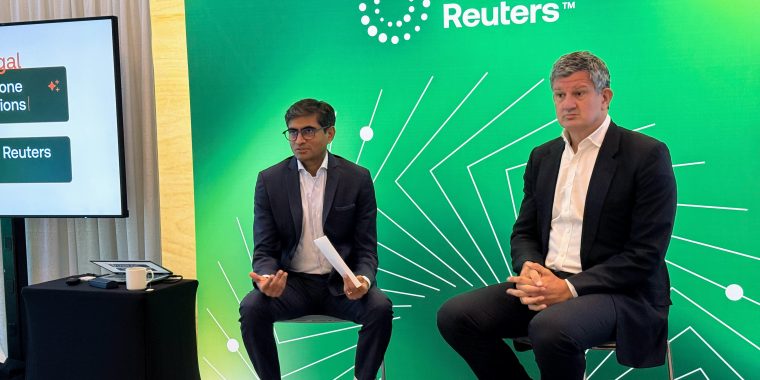
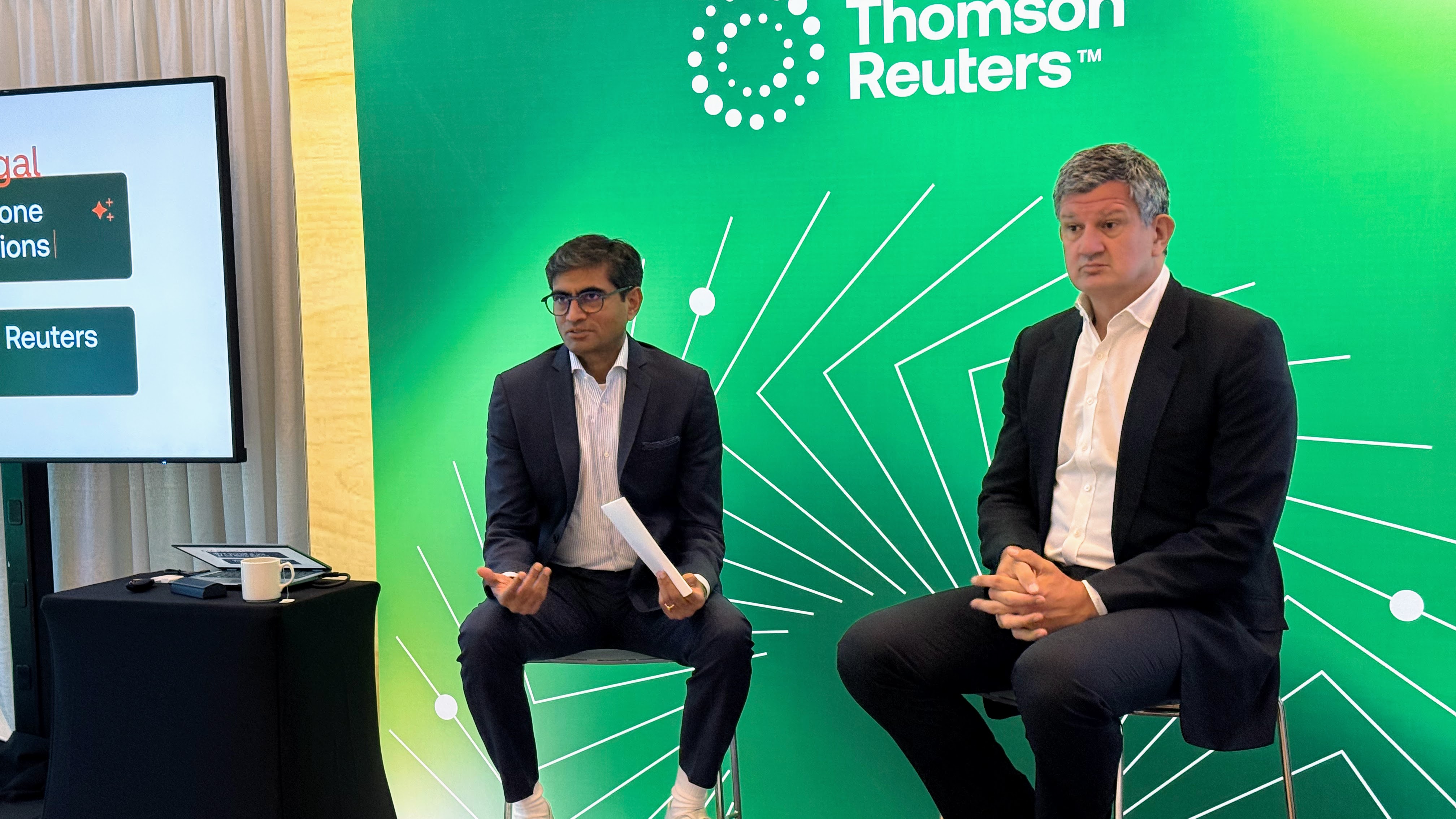
Thomson Reuters CEO: Legal Profession Faces “Biggest Disruption in Its History” from AI  

Thomson
Reuters
President
and
CEO

Steve
Hasker

believes
the
legal
profession
is
experiencing
“the
biggest
disruption

in
its
history”
due
to
generative
and
agentic
artificial
intelligence,
fundamentally
rewriting
how
legal
work
products
are
created
for
the
first
time
in
more
than
300
years.

Speaking
to
legal
technology
reporters
during
ILTACON,
the
International
Legal
Technology
Association’s
annual
conference,
Hasker
outlined
his
company’s
ambitious
goal
to
become
“the
most
innovative
company”
in
the
legal
tech
sector
while
navigating
what
he
described
as
unprecedented
technological
change
affecting
a
profession
that
has
remained
largely
unchanged
since
its
origins
in
London
tea
houses
centuries
ago.


Fundamental
Game-Changer

“There
have
been
lots
and
lots
of
technologies
introduced
to
that
process
over
time,
but
there
hasn’t
been
one
that
is
quite
as
disruptive
as
generative
and
now
agentic
AI
because
in
our
view,
it
really
does
rewrite
and
rewire
the
way
in
which
the
fundamental
work
product,
the
first
draft,
is
produced,”
Hasker
said.

The
media-only
event
was
presented
as
a
conversation
between
Hasker
and

Ragunath
Ramanathan
,
Thomson
Reuters’
president
of
legal
professionals.
After
the
media
event,
I
sat
down
privately
with
Hasker
for
a
brief
supplemental
interview.

The
CEO,
who
joined
TR
as
CEO
in
March
2020,
emphasized
that
while
AI
doesn’t
replace
attorneys’
responsibilities,
it
fundamentally
changes
how
initial
legal
work
is
created.
“It
does
not
absolve
an
attorney,
a
qualified
lawyer,
of
their
rights
and
responsibilities.
It
does
not
enable
anyone,
including
us,
to
sort
of
defer
to
the
machine.”

His
conversation
with
Ramanathan
came
on
the
heels
of

TR’s
launch
of
CoCounsel
Legal
,
with
sophisticated
agentic
AI
and
deep
research
capabilities.


Wide
Adoption,
Limited
Strategic
Planning

Hasker
noted
that
virtually
every
law
firm
is
experimenting
with
AI
tools.
“I
can’t
find
a
law
firm,
large,
medium
or
small,
that
isn’t
experimenting
with
or
adopting
one
or
more
AI
technologies.
There
may
be
a
firm
out
there,
but
I
haven’t
found
it.”

Government
entities
such
as
court
systems,
attorneys
general,
and
the
U.S.
Department
of
Justice,
Hasker
said,
“are
perhaps
a
half
a
step
behind,
but
I’ve
no
doubt
that
they
will
also
come
along.”

However,
he
observed
that
few
firms
have
developed
comprehensive
transformation
strategies.
“I
think
there
are
very
few
firms
that
have
truly
got
their
minds
around
the
broader
transformation
required
to
take
advantage
of
these
technologies.
And
there
are
even
fewer
firms
that
have
a
laser
like
view
of
how
they’re
going
to
win
in
this
environment.”


Revenue
Model
Challenges

Before
joining
TR,
Hasker
was
senior
adviser
to
TPG
Capital,
CEO
of
CAA
Global,
and
spent
nearly
eight
years
as
global
president
and
COO
at
Nielsen.
He
began
his
career
at
PwC
and
later
spent
over
a
decade
as
a
partner
in
McKinsey’s
global
media,
information,
and
technology
practice.

In
his
ILTACON
conversation
with
Ramanathan,
Hasker
acknowledged
that
the
industry
faces
significant
structural
changes,
particularly
around
billing
models.
“Most
of
the
firms
still
have
a
good
chunk
of
their
revenues
based
on
per-hour
billing.
And
if
you
start
to
meddle
with
your
revenue
model,
that
can
be
very
disruptive.”

He
noted
that
firms
must
balance
innovation
with
practical
concerns:
“And
they’ve
got
partners
to
pay
and
colleagues
to
sort
of
provide
apprenticeships
to.
And
the
second
thing,
of
course,
is
that
lawyers
are
the
salespeople.
And
so
if
you
mess
with
that
too
much,
you
lose
your
sales
force.”


Copyright
Protection
Concerns

In
a
separate
private
interview
I
had
with
Hasker,
he
expressed
strong
views
on
copyright
protection
in
the
AI
era,
particularly
regarding
TR’s

ongoing
litigation
with
ROSS
Intelligence
.
While
declining
to
comment
specifically
on
the
case,
he
argued
that
copyright
protection
is
essential
for
maintaining
incentives
for
content
creators.

“For
me,
what
this
is
about
is
incentives
for
creatives
to
create,
journalists
to
write
and
create
content,
videographers,
filmmakers,
recorded
music
artists,
or
legal
editors.
Because
if
the
copyright
is
fundamentally
undermined,
then
so
too
are
the
incentives
for
people
to
create
content,”
Hasker
told
me.

He
rejected
arguments
that
the
U.S.
should
weaken
copyright
protections
to
compete
with
China
in
AI
development.
“And
so
where
does
the
U.S.
have
it
fundamental
advantage?
It’s
in
the
quality
of
the
underlying
content
that
feeds
these
problems,”
he
said
in
the
private
interview.


Three-Phased
Transformation

During
their
conversation,
Ramanathan
outlined
Thomson
Reuters’
view
of
industry
transformation
occurring
in
three
phases.

“The
first
is
exactly
like
you
said,
experimentation.
That’s
the
phase
we
are
in.
The
second
phase
will
be
what
we
call
process
reengineering.
You’re
re-engineering
the
legal
workflows,
the
processes,
the
hiring
processes.

The
third
way,
which
I
do
agree
is
at
least
five
years
away,
is
real
business
model
change.”


‘$10
Billion
in
Dry
Power’

Hasker
detailed
Thomson
Reuters’
approach
to
AI
development,
emphasizing
the
company’s
financial
resources.
“We
talk
about
having
$10
billion
in
dry
powder

by
the
end
of
2027,
it
will
be
$10
billion.
By
the
end
of
2028,
it’ll
be
$12.5
billion.”

The
company
recently

acquired
Safe
Sign
,
a
group
of
scientists
from
Cambridge
and
Harvard
universities
working
on
specialized
legal
language
models.

“We
don’t
know
whether
the
world
will
continue
to
rest
upon
the
large
language,
the
foundation
models,
or
whether
there
will
be
some
really
interesting
ways
in
which
our
products
and
outcomes
can
be
differentiated
on
the
basis
of
the
work
that
Jonathan
[Schwartz]
and
the
Safe
Sign
team
are
doing,”
Hasker
said.


The
Casetext
Acquisition

In
my
side
interview
with
Hasker,
I
asked
him
about
TR’s
“build
vs.
buy”
decision
to
acquire
Casetext
for
$650
million,
given
that
TR
already
had
a
long
history
of
developing
AI
and
its
own
AI
lab
in
Toronto.

At
the
time,
Hasker
said,
TR’s
internal
efforts
were
“moving
pretty
quickly”
around
integrating
ChatGPT
with
Westlaw
and
Practical
Law,
with

Mike
Dahn
,
SVP
and
head
of
Westlaw
product
management,
leading
the
charge
on
Westlaw,
and

Emily
Colbert
,
SVP
of
product
management,
doing
the
same
for
Practical
Law.
“We
were
already
on
high
alert
and
acceleration.”

But
the
reason
he
wanted
to
acquire
Casetext
was
to
provide
a
second
option,
as
he
was
not
sure
how
long
internal
development
would
take
before
bearing
fruit.

“We
literally
said
that,
because
we
figured
out
[the
Casetext
deal]
could
take
a
while
for
us
to
close,
let’s
run
the
internal
teams
as
hard
and
fast
as
we
can.”

At
the
same
time,
he
would
encourage
Casetext
CEO
Jake
Heller
and
his
team
“to
run
as
hard
and
then
the
day
we
integrate,
we’ll
pick
the
best
code
base.
Simple
as
that.

“That
may
sound
dispassionate,
but
I
think
in
this
environment
you
have
to

and
it’s
not
favoring
one
person
or
one
team
over
another.
It
just
says,
‘Look,
we’ll
just
make
a
dispassionate
call
as
to
who’s
made
the
most
progress
and
we’ll
adopt
that.’”

In
the
end,
he
said,
he
felt
that
Casetext
had
made
the
most
progress
in
developing
an
legal
AI
assistant,
while
Dahn
and
his
team
had
made
the
most
progress
in
injecting
Open
AI
into
Westlaw.

“So,
for
better
or
worse,
we
ended
up
taking
both
of
those
and
now
we’ve
bought
them

truly
brought
them

together”


Small
Firm
Adoption

Contrary
to
traditional
technology
adoption
patterns,
Hasker
observed
that
AI
tools
are
seeing
rapid
uptake
among
small
and
solo
practitioners.
He
recounted
meeting
a
solo
practitioner
who
immediately
embraced
the
technology
after
seeing
a
demonstration.

The
solo
told
Hasker
he
was
about
to
hire
another
paralegal
at
a
salary
of
$90,000
a
year
plus
expenses,
but
he
conceded,
“I’m
not
very
good
at
hiring
them.
I’m
not
very
good
at
managing
them.
They
come
and
go.”

TR’s
AI
tools
would
cost
him
a
fraction
of
that,
the
solo
said,
adding,
“And
I
think
this
is
going
to
be
able
to
do
their
work
just
as
well,
and
I’d
much
prefer
to
manage
this
than
I
would
another
human
being
in
my
office.”

The
lawyer
then
asked
to
start
using
the
tool
immediately,
saying:
“I’ve
got
a
big
case
tomorrow
and
I
really
want
to
start
to
use
the
tool
today,
so
can
I
sign
up?”


Professional-Grade
AI
Emphasis

Hasker
stressed
the
importance
of
professional-grade
AI
that
addresses
data
security
and
privacy
concerns
specific
to
legal
practice.
He
criticized
recent
comments
by
OpenAI’s
Sam
Altman
about
privacy
limitations.

“I
was
astonished
to
hear
Sam
Altman
last
week
just
sort
of
throwing
out
and
saying,
well,
you
know,
one
of
the
things
that
ChatGPT
doesn’t
have
is
any
form
of
privacy.
You
know
what
I
mean?
We
really
need.
Okay,
but
Sam,
your
people
are
out
there
telling
lawyers
that
they
can
just
use
that.
So
pick
one.
Right.
Does
it
lack
privacy
or
can
it
be
used
by
lawyers?
Because
it’s
not
both.”


Content-Driven
Tech
Company

Hasker,
who
joined
TR
as
CEO
in
2020,
said
he
realized
almost
immediately
that
TR
needed
to
migrate
from
“being
a
content
company,
predominantly

as
some
people
would
have
traditionally
said,
a
publisher

to
a
content
driven
technology
company.”

He
said
the
company’s
focus
is
now
on
“the
seamless
integration
of
unique
and
proprietary
content,
both
ours
and
that
of
our
customers,
that
of
third
parties,
where
it
makes
sense
to
do
so
with
AI.”

Both
Hasker
and
Ramanathan
noted
the
company’s
inclusion
in
the
NASDAQ
index
as
a
validation
point

both
for
TR
and
for
the
legal
industry
more
broadly.

“I
think
it’s
a
sort
of
a
signpost
along
the
way,”
Hasker
said.
“It
certainly
meant
more
to
our
colleagues
than
I
thought
it
would.”


His
‘Aha
Moment’
for
AI

In
our
separate
interview,
I
asked
Hasker
whether
there
was
an
“aha
moment”
for
him
regarding
the
potential
of
ChatGPT
and
generative
AI.

“When
it
passed
the
bar
exam,”
he
replied,
leading
him
to
think,
“Okay,
this
is
going
to
be
a
real
disruptor.”

Another
aha
moment
came
soon
after
than,
when
he
was
at
a
TR
event
for
managing
partners
of
major
law
firms.
When
the
topic
of
AI
came
up,
he
described
observing
their
varied
reactions,
from
those
planning
aggressive
adoption
to
others
hoping
to
“hold
your
breath
until
retirement.”


Let The Liar Lie: Embracing The Obstinate Witness – Above the Law


The 
Obstinate Witness

Every
trial
lawyer encounters
them

the
witness
who
refuses
to
agree
with
even
the
most
obvious
point.
Show
them
a
photo
of
their
car,
and
they
claim
they
cannot
recognize
it.
Confront
them
with
a
prior
statement,
and
they
insist
it
is
inaccurate. 

This
is
a
strategy
to
frustrate
you,
to
block
you,
and to control
the
narrative.
How
do
jurors
react?
They
see
someone
trying
to
hide
something.
Use
this
behavior
to
your
advantage,
showing
the
witness
lacks credibility.


Understanding 
the Obstinate Witness

​The
obstinate
witness
disputes
reality,
argues
every
question, avoids
“yes”
answers,
uses
speeches,
and
controls
the
exchange.
They
behave
this
way
out
of
fear
of
conceding
even
minor
points,
they’ve
been
coached
this
way,
or
that’s
their
personality.

​What
they
misunderstand,
though,
is
that
jurors
dislike
evasiveness.
They
want
fairness
and
truth. If
a witness denies
the
sun
is
out,
the
jury
sees
they’re
lying.
It
is
our
job
to
couch
these
refusals
as
dishonesty
without
bullying
or
appearing
petty.


Questioning
the
Obstinate
Witness

​An
obstinate
witness
prevails
when
you
are
unprepared.
If
you
cannot
impeach
or
pin
them
down,
they
escape.
Know
the
records,
statements,
deposition
transcripts, and the
facts

anything
to
confront
them
when
they
deny
an
obvious
point
or
fact.

​Start
your
questioning
with
something
they
cannot
disagree
with,
so
that
if
they
do,
they
look
foolish.
“The
accident
happened
on
X.”
“The
accident
occurred
at
Y.”

​Tie your
questions
to
tangible
anchors.
Ask
questions
supported
by
photos,
diagrams,
maps,
videos,
calendars,
medical
records,
receipts,
e-mails,
and
correspondence.
These
force
the
witness
to
act
absurdly
if
they
deny
your
questions.

​Script
your
questions
so
you
start
with
undeniable
truths,
and
ask
as
many
of
those
as
possible,
before
moving
to
disputed
facts.
If
they
fight
you on the
undisputed
questions,
they
come
across
as
liars
when
they
fight
you on items
that
are actually
in dispute.

​There
are
different
techniques
to
question
the
obstinate
witness:

The Step-Ladder approach.
Start
with
trivial,
undeniable
truths.
Move
to
slightly
more
meaningful
points.
Finally,
approach
the
contested
issue.
Refusals
along
the
way
show
dishonesty
before
you
even
reach
the
heart
of
the
case.

The
Boxing-In
approach
.
Ask
questions
so
each
answer
narrows
options.
When
the
witness
denies
the
question,
repeat
the
same
question
verbatim.
Continue
this
process
until
jurors
see
the
dodging.

Repeat
and
Stay
Quiet
approach.
 Repeat
the
same
short
questions
word
for
word.
After
refusal,
pause.
The
silence
highlights
the
evasion. 

One
Fact
approach.
 Reduce
each
question
to
only
one
fact.
 No
adverbs,
adjectives,
or
conclusions. Just
nouns
and
verbs.
Make
them
admit
or
deny
that
single
point.

Questioning
an
obstinate
witness
takes
on
a
rhythm
.
Use
short,
crisp,
repetitive
questions.
No
editorializing.
Let
refusals
accumulate
in
the
jurors’
minds. 

Frame
questions
that
jurors
can
answer
themselves
.
 They
become
participants.
When
the
witness
refuses,
jurors
know
who
is
wrong.

Loop
their
words.
 Use
their
denial
to
create
the
next
question.
“You
deny
this
is
a
stop
sign?”
“Yes.”
“So,
you
are
testifying
that
stop
signs
don’t
exist?”

Use
objective
evidence
.
Use
a
photo,
for
example,
to
ask
questions
that
the
photo
answers.
“This
is
a
photograph?”
“Of
your
car?”
“It
shows
the
rear
bumper?”
“The
bumper
is
not
crushed?”
“The
bumper
is
not
dented?”
“The
taillights
are
intact?”
If
they
deny
any
of
these
questions,
the
jury
sees
the
absurdity. 

Handling
narratives
and
arguments
.
When
the
witness
is
pontificating,
interrupt
gently
but
firmly.
“That
is
not
my
question.”
Repeat
the
question
exactly.
Their
evasiveness
will
not
go
unnoticed.
If
need
be,
seek
judicial
intervention.

Cadence.
Develop
a
cadence
with
short,
declarative
statements
that
invite
“yes”
answers.


Checklist
for
cross-examination
of
the
obstinate
witness
:

• Review
all
prior
testimony.

• Identify
20
obvious
entry
questions
to
start
various
lines
of
questioning.

• Script
ladders
of
questions
for
each
of
these
lines
of
questioning.

• Prepare
exhibits
to
lock
in
the
witness.

• Start
with
the
most
obvious
questions.

• Use
rhythm
and
cadence
to
your
advantage.

• Use
short
questions
that
are
declarative
statements.

• Repeat
verbatim
when
the
witness
denies
an
obvious
question
that
deserves
an
affirmative
response.

• Strategically
use
silence.

• Impeach
only
when
necessary.

The
obstinate
witness
may
be
a
blessing
in
disguise.
A
witness
only
has
their
credibility
and
likability.
The
obstinate
witness
comes
across
neither
as
likable
nor
believable.
If
you
can
exploit
their
obstinacy,
you’ve
left
their
testimony
in
tatters.


Frank
Ramos
is
a
partner
at
Goldberg
Segalla
in
Miami,
where
he
practices
commercial
litigation,
products,
and
catastrophic
personal
injury. You
can
follow
him
on LinkedIn.

More Than 100 Organizations Back Bill to Expand Patient Access to Clinical Trials – MedCity News

A
group
of
131
healthcare
organizations
sent
a

letter

on
Monday
to
U.S.
House
Representatives
supporting
the
recent
introduction
of
the

Clinical
Trial
Modernization
Act
.
The
bill
aims
to
make
it
easier
for
patients
to
participate
in
clinical
trials.

The
signatories
include
the
American
Cancer
Society
Cancer
Action
Network,
the
National
Health
Council,
the
American
Pharmacists
Association,
the
National
Alliance
on
Mental
Illness,
the
Association
of
Black
Cardiologists
and
many
more.
It
was
addressed
to
Reps.
Raul
Ruiz
(D-California)
and
August
Pfluger
(R-Texas).

Specifically,
the
bill
would
allow
sponsors
to
cover
both
medical
(like
copays)
and
non-medical
costs
(such
as
travel,
lodging
and
childcare)
related
to
clinical
trials,
and
provide
patients
with
digital
health
tools
needed
for
remote
participation
at
no
cost. 

It
would
also
support
outreach
to
underrepresented
communities
through
HHS
grants
and
ensure
that
up
to
$2,000
in
trial-related
financial
support
is
not
taxed
or
counted
against
eligibility
for
safety
net
programs
like
Medicaid.

“These
important
provisions
are
key
to
increasing
clinical
trial
participation
and,
thereby,
driving
innovation
and
the
development
of
new
treatments,”
the
letter
stated.

The
organizations
noted
that
getting
patients
enrolled
in
clinical
trials
is
a
frequent
challenge.
And
some
groups
are
often
underrepresented,
such
as
rural
populations,
certain
racial
and
ethnic
groups,
older
adults
and
those
with
lower
incomes.

Costs
are
also
a
significant
barrier
for
many
patients,
as
there
are
often
cost-sharing
requirements
in
order
to
be
covered
for
medical
trials.
In
addition,
patients
sometimes
have
to
travel
so
they
can
participate
in
clinical
trials,
which
means
they
have
to
pay
for
transportation,
lodging
and
meals. 

This
is
especially
true
when
it
comes
to
cancer-related
clinical
trials,
as
there
are
fewer
locally
available
trials.
Due
to
these
costs,
there
is
often
a
disparity
in
participation
rates
between
high
and
low-income
patients
and
patients
from
different
geographies,
the
letter
noted.
For
example,
cancer
patients
from
households
with
an
income
of
less
than
$50,000
a
year
are
about
30%
less
likely
to
enroll
in
clinical
trials.

The
organizations
stated
that
offering
reimbursement
for
non-medical
costs
like
travel
can
increase
participation
from
underrepresented
groups.

“While
some
trial
sponsors
provide
financial
support
for
non-medical
costs,
those
that
do
not
often
cite
concerns
about
violating
federal
restrictions
on
providing
patients
with
what
could
be
viewed
as
a
financial
incentive,”
they
said.
“For
patients,
especially
low-income
patients,
the
receipt
of
financial
support
can
create
challenges
with
potential
tax
burdens
for
any
stipend-style
payments,
or
potential
disqualification
from
safety
net
programs
if
such
trial
support
is
considered
income.”


Photo:
Deidre
Blackman,
Getty
Images