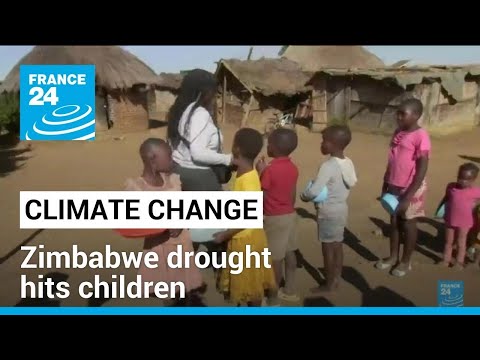
HARARE
—
Prominent
lawyer
Advocate
Thabani
Mpofu
has
accused
a
High
Court
judge
of
manufacturing
a
judgement
in
which
he
is
falsely
recorded
as
having
appeared
in
court.
In
a
letter
dated
July
30,
Advocate
Mpofu
wrote
to
the
Registrar
of
the
High
Court,
alleging
that
Justice
Never
Katiyo
fabricated
both
his
presence
and
arguments
in
a
ruling
handed
down
two
days
earlier
in
the
matter
of
Technoimpex
JSC
v
Rajendrakumar
Jogi
&
Others
(Case
No.
HCH6784/19).
“It
is
obviously
not
true
that
I
appeared
before
his
lordship
and
made
those
submissions.
In
my
view,
the
judgment
is
totally
made
up,”
wrote
Mpofu.
The
judgment,
issued
on
July
28,
states
that
Mpofu
represented
the
applicant,
Technoimpex
JSC,
and
outlines
legal
submissions
purportedly
made
by
him
in
response
to
objections
raised
by
the
respondents.
Yet
according
to
Mpofu,
not
only
did
he
not
appear
before
Justice
Katiyo,
but
the
matter
is
still
pending
—
scheduled
for
argument
on
September
15.
The
letter
has
been
copied
to
the
Chief
Justice,
the
Judge
President,
and
the
Executive
Secretary
of
the
Law
Society
of
Zimbabwe,
signaling
the
gravity
of
the
accusations.
“This
is
not
the
first
time
in
this
dispute
that
his
lordship
has
attributed
submissions
to
me
that
I
never
made
in
the
course
of
determining
matters
that
were
never
argued
before
him,”
Mpofu
added.
The
complaint
followed
a
letter
sent
to
Mpofu
by
Sinyoro
&
Partners,
the
law
firm
representing
the
applicant,
who
also
disavowed
any
knowledge
of
the
alleged
court
appearance.
“We
uplifted
the
judgment…
It
does
not
mention
a
date
of
hearing,
but
bears
the
Registrar’s
stamp
dated
28
July
2025,”
wrote
the
firm.
“We
are
not
aware
of
the
said
appearance
and
therefore
write
to
enquire
when
you
appeared
and
on
whose
instruction.”
The
judgement
itself
makes
no
mention
of
a
hearing
date
and
proceeds
directly
to
legal
analysis,
citing
company
law
principles
before
dismissing
the
matter
for
want
of
authority.
Central
to
Justice
Katiyo’s
ruling
is
the
finding
that
the
deponent
to
the
applicant’s
affidavit
was
not
properly
authorised
by
a
board
resolution,
a
procedural
misstep
that
the
court
found
fatal.
Mpofu’s
letter
has
sent
ripples
through
the
legal
community,
as
it
raises
troubling
implications
about
the
accuracy
and
authorship
of
judicial
decisions.
His
blunt
demand
—
that
the
judge
provide
an
explanation
as
to
why
his
name
was
inserted
into
the
judgment
—
marks
a
rare
public
challenge
to
judicial
conduct
in
Zimbabwe.
Legal
analysts
say
the
situation
could
trigger
a
tribunal
to
investigate
the
judge’s
fitness
to
stay
in
office
if
the
allegations
are
substantiated.
The
High
Court,
the
Judicial
Service
Commission,
and
Justice
Katiyo
have
not
yet
publicly
responded
to
the
allegations.
Justice
Katiyo,
a
former
magistrate
in
Chinhoyi
who
once
worked
as
legal
director
in
the
ministry
of
industry
and
commerce
was
appointed
as
a
judge
by
President
Emmerson
Mnangagwa
in
2021.
Zimbabwe
Vice
President
Constantino
Guveya
Chiwenga
delivers
his
speech
during
the
launch
of
the
Zanu
PF
election
Manifesto
ahead
of
the
2018
harmonised
general
elections
in
Zimbabwe
May
4
218.
In
a
statement
issued
by
his
legal
counsel,
Lewis
Uriri
of
Machingura
Legal
Practitioners,
Chiwenga
said
he
commended
the
collaborative
efforts
between
the
National
Prosecuting
Authority
(NPA)
and
its
South
African
counterpart
in
securing
the
forfeiture
order.
The
Vice
President
said
the
case
reinforced
the
regional
and
international
consensus
that
the
proceeds
of
crime
should
not
be
allowed
to
find
safe
haven
anywhere.
On
28
July
2025,
the
NPA
confirmed
that
the
Gauteng
High
Court,
under
Case
No.
6435/22,
granted
an
order
declaring
Mubaiwa’s
Pretoria
property
and
two
luxury
vehicles,
both
Range
Rovers,
as
proceeds
of
crime.
The
ruling
followed
investigations
linking
the
assets
to
alleged
money
laundering
and
illicit
financial
flows.
The
assets
were
preserved
in
February
2022
and
have
now
been
placed
in
the
custody
of
an
auctioneer,
with
proceeds
set
to
compensate
victims
of
the
alleged
offences.
One
of
the
vehicles
has
already
been
sold.
Chiwenga’s
legal
team
said
the
Vice
President
had
played
a
role
in
initiating
the
matter,
adding
that
he
promptly
reported
the
suspected
unlawful
conduct
upon
becoming
aware
of
it.
He
has
since
fully
cooperated
with
the
relevant
authorities,
with
his
actions
described
as
being
“motivated
solely
by
the
national
interest
and
in
furtherance
of
justice
and
accountability.”
Said
Uriri:
Our
client
also
wishes
to
place
on
record
that,
upon
becoming
aware
of
the
unlawful
activities
in
question,
he
promptly
reported
the
matter
and
has
since
rendered
his
full
cooperation
to
the
National
Prosecuting
Authority.
His
actions
were
motivated
solely
by
the
national
interest
and
in
furtherance
of
justice
and
accountability.
The
Honourable
Vice
President
remains
committed
to
upholding
the
rule
of
law
and
supporting
institutions
tasked
with
safeguarding
the
integrity
of
the
Republic.
The
former
army
general
and
Mubaiwa
have
been
involved
in
a
lengthy
legal
dispute
since
their
high-profile
separation,
with
several
court
proceedings
in
Zimbabwe
involving
allegations
of
attempted
murder,
fraud,
and
money
laundering.
HARARE
–
Zimbabwe
will
review
business
levies,
licences
and
permit
fees
across
12
economic
sectors
to
ease
the
cost
of
doing
business,
cabinet
said
Tuesday.
Information
minister
Jenfan
Muswere
said
President
Emmerson
Mnangagwa
had
earlier
flagged
the
issue,
citing
how
excessive
regulatory
costs
and
fragmented
licensing
frameworks
were
harming
competitiveness.
“A
study
established
among
other
things
that
some
of
the
regulators
require
a
single
business
to
obtain
multiple
fragmented
licences
or
permits,
adding
unnecessary
complexities
and
administrative
burdens,”
Muswere
said.
The
review
will
adopt
a
100-day
accelerator
model
with
full
stakeholder
engagement
and
will
target
sectors
including
health,
agriculture,
transport,
broadcasting,
energy,
and
construction.
Muswere
added:
“This
reform
process
will
significantly
streamline
and
reduce
the
burden
on
the
people,
business,
enhance
national
competitiveness,
attract
investment,
promote
economic
growth,
create
employment
and
catapult
the
country
towards
the
attainment
of
Vision
2030.”
Zimbabwe,
once
an
agricultural
exporter,
now
faces
severe
food
insecurity
due
to
persistent
climate
change
impacts
Rising
temperatures,
frequent
droughts
and
unpredictable
rains
have
devastated
rainfed
farming,
forcing
food
imports
Government
adopts
strategies
like
irrigation,
water
harvesting
and
conservation
farming
to
build
climate
resilience
Climate
change
intensifies
health
risks,
water
shortages,
and
ecological
threats,
affecting
livelihoods,
wildlife
and
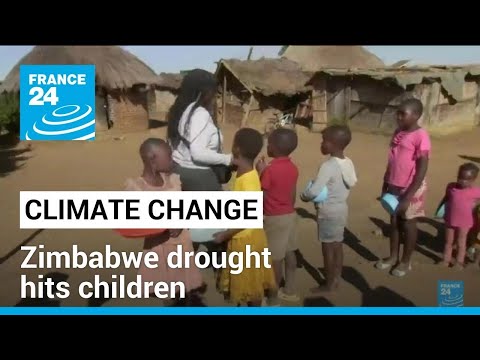
children
Climate
change
has
gradually
wiped
off
the
surplus
from
the
country’s
rainfed
agriculture.
Realising
that
the
good
old
times
are
gone
for
good,
the
African
country
is
now
racing
to
implement
an
array
of
climate
adaptation
strategies.
Significant
vulnerability
Zimbabwe
is
particularly
vulnerable
to
climate
change
because
of
its
geographic
location,
heavy
reliance
on
rainfed
agriculture
and
susceptibility
to
extreme
weather
events,
according
to
the
World
Bank.
As
a
result,
the
country’s
food
security,
water
resources
and
overall
economic
stability
are
threatened.
Ranked
among
the
top
20
countries
most
affected
by
extreme
weather
between
2000
and
2019
by
the Global
Climate
Risk
Index,
Zimbabwe
is
experiencing
an
increasingly
warming
trend,
with
more
frequent
and
intense
heatwaves,
and
longer,
more
severe
droughts. The
country’s
mean
annual
temperature
rose
by
about
0.03°C
per
year
from
1970
to
2016
and
is
expected
to
rise
by
1-
1.5°C
by
2040,
potentially
exceeding
3°C
by
2050,
a United
Nations
Environment
Programme
report showed.
With
80
per
cent
of
the
country’s
agriculture
reliant
on
rain,
increasingly
frequent
and
longer
droughts,
shorter
rainy
seasons
and
hotter
temperatures,
cyclones
and
floods
have
turned
this
landlocked
African
country
that
was
once
considered
the continent’s
bread
basket into
one
that
increasingly
relies
on food
imports and donations.
Experts
also
trace
the
increase
in
pests
and
diseases
affecting
crop
yields
to
the
warmer
conditions
related
to
climate
change.
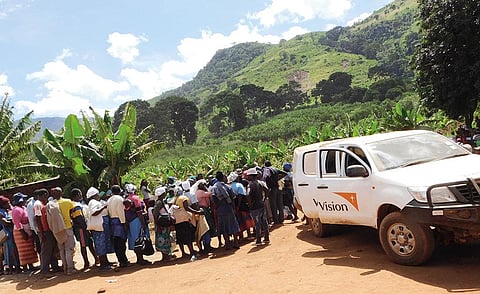
Irrigation
for
350,000
hectares
The
government
has
started
promoting
irrigation,
conservation
farming
and
water-harvesting
to
ensure
the
survival
of
the
agriculture
sector,
on
which
70
per
cent
of
the
population
depends
for
employment
and
sustenance.
“A
comprehensive
irrigation
development
strategy
is
being
implemented,” Professor
Obert
Jiri,
permanent
secretary,
ministry
of
lands
and
agriculture,
told DTE.
The
strategy
targets
irrigation
development
using
idle
waterbodies
(existing
dams)
and
dams
under
construction,
he
shared.
“Zimbabwe
is
currently
the
most
dammed
country
in
sub-Saharan
Africa,
with
more
than
10,700
dams
already
storing
water,
most
of
which
is
underutilised.”
A
total
of
221,000
hectares
is
currently
under
irrigation,
the
minister
shared.
“But
this
includes
about
100,000
hectares
under
plantation
crops,
leaving
about
120,000
hectares
for
cereal
production.”
Jiri
said
for
the
country
to
return
to
its
former
glory
of
being
the
bread
basket
of
the
region,
some
350,000
hectares
of
farmland
has
to
be
put
under
irrigation,
and
this
is
what
the
government
is
working
towards.
Zimbabwe
is
not
the
only
country
that
was
late
to
adopt
irrigation
to
climate-proof
farming
—
the
problem
is
felt
across
the
continent.
Only
six
per
cent
of
Africa’s
cultivated
land
is
under
irrigation,
which
poorly
compares
with
other
regions
such
as
Latin
America
(14
per
cent)
and
Asia
(37
per
cent),
according
to
a
2018
report Water-wise:
Smart
Irrigation
Strategies
for
Africa by
the Malabo
Montpellier
Panel of
agricultural
experts.
Water-harvesting
and
conservation
farming
The
government
is
also
establishing
900
pilot
and
learning
sites
to
promote
integrated
rainwater
harvesting.
This
follows
a
study
by
a
local
university
that
proved
the
technique
to
be
an
effective
climate
change
adaptation
and
mitigation
strategy,
especially
for
smallholder
farmers
who
constitute
the
bulk
of
the
farmers
in
Zimbabwe.
Because
of
colonial
land
distribution
patterns,
most
of
the
country’s
1.5
million
small-holder
farmers
—
those
with
less
than
10
hectares
of
land
—
are
largely
found
in
arid
and
semi-arid
parts
of
the
country.
For
over
a
decade,
George
Nyamadzawo,
professor
of
soil
and
environmental
science
at
Bindura
University
of
Science
Education
in
Zimbabwe,
worked
with
smallholder
farmer
communities
in
the
Marange
area,
an
arid
area
on
the
eastern
part
of
the
country,
to
study
water
harvesting
techniques.
From
their
research,
Nyamadzawo
and
his
team
established
that
contour
ridges
and
infiltration
pits
can
reduce
soil
and
water
loss
from
runoff
by
more
than
50
per
cent
and
75
per
cent
respectively,
while
increasing
crop
yields
by
up
to
seven
times
from
0.4
tonnes
/
hectare
to
3
t
/
ha.
Also
Read
Conference
to
boost
transfrontier
conservation
efforts
in
southern
Africa
begins
in
Zimbabwe
“We
were
promoting
tied
contours,
infiltration
pits
and
other
water
harvesting
technology
as
methods
that
can
be
used
by
farmers
in
dry
regions
such
as
these,”
Nyamadzawo
explained.
“After
integrating
tight
contours
and
infiltration
pits,
we
managed
to
increase
crop
yields
to
at
least
three
tonnes
per
hectare.”
He
added
that
some
of
the
farmers
realised
maize
yields
of
4-6
t
/
ha,
while
vegetable
production
increased
10
times.
This
water-harvesting
strategy
is
being
implemented
together
with
a
conservation
farming
method
that
is
called pfumvudza,
a
concept
that
emphasises
efficient
use
of
resources
on
small
plots,
aiming
for
optimal
management
and
increased
productivity.
Climate
change
expert
Peter
Makwanya
told Down
To
Earth(DTE) that
as
water
becomes
increasingly
scarce
due
to
climate
change,
the
future
of
farming
is
in
irrigation,
conversation
farming
and
improved
disease
and
pest
management.
“This
makes
water
harvesting
and
conservation
fundamental.”
Health
impacts
Climate
change
is
also
having
an
effect
on
the
country’s
health
outcomes,
particularly
for
vulnerable
populations.
Vector-borne
diseases
like
malaria
are
becoming
more
prevalent
due
to
shifting
climate
patterns,
while
others
like
cholera,
typhoid
and
dysentery
easily
flourish
in
conditions
of
limited
water
supplies.
“Harare
(City
Council)
is
producing
around
320
megalitres
of
water
per
day
and
demand
on
a
daily
basis
is
1,200
megalitres,
leaving
most
residents
without
water,
resulting
in
a
situation
where
some
of
them
resort
to
unsafe
water
sources,”
Community
Water
Alliance
(CWA)
coordinator
Hardlife
Mudzingwa
told DTE.
To
improve
the
water
supply
situation,
the
government
is
currently
undertaking
an
ambitious
programme
to
drill 35,000
solar-powered
boreholes in
both
urban
and
rural
areas.
“The
boreholes
are
helping
improve
access
to
water
for
many
people,”
Mudzingwa
said.
Other
climate
vulnerabilities
In
addition
to
agriculture,
water
and
health,
other
sectors
such
as
electricity,
forestry
and
biodiversity,
as
well
as
infrastructure
and
human
settlements
are
also
highly
exposed
to
the
depredations
of
climate
change.
It
is
also
causing
grazing
and
water
shortages
as
well
as
the
heat
stress
that
threaten
the
survival
of
the
country’s
wildlife
species,
especially
those
sensitive
to
heat,
such
as
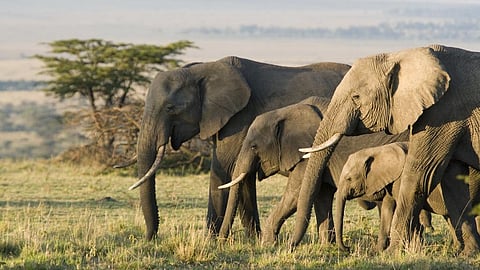
elephants,
of
which
the
country
already
has
an
oversized
population.
A 2020
study
in
Hwange
National
Park projected
a
reduction
of
40
per
cent
of
elephant
habitat
by
2050
and
a
change
in
elephant
population
distribution
because
of
climate
change.
Also
Read
Heat
stress,
water
scarcity
threatening
Zimbabwe
elephants
The
Hwange
National
Park,
home
to
the
bulk
of
Zimbabwe’s
100,000-plus
elephants,
is
now
increasingly
relying
on
boreholes
for
water,
and
some
of
the
boreholes
have
to
be
deepened
regularly
as
the
water
table
drops
further.
Final
summary:
Zimbabwe,
once
a
thriving
agricultural
exporter,
now
struggles
with
food
insecurity
due
to
climate
change.
Rising
temperatures,
droughts
and
erratic
rainfall
have
devastated
rainfed
farming.
The
government
is
promoting
irrigation,
water
harvesting,
and
conservation
methods
to
adapt.
Climate
change
also
threatens
public
health,
wildlife,
and
water
access,
highlighting
the
urgent
need
for
sustainable,
climate-resilient
strategies
across
sectors.
Zimbabwe,
once
an
agricultural
exporter,
now
faces
severe
food
insecurity
due
to
persistent
climate
change
impacts
Rising
temperatures,
frequent
droughts
and
unpredictable
rains
have
devastated
rainfed
farming,
forcing
food
imports
Government
adopts
strategies
like
irrigation,
water
harvesting
and
conservation
farming
to
build
climate
resilience
Climate
change
intensifies
health
risks,
water
shortages,
and
ecological
threats,
affecting
livelihoods,
wildlife
and
children
Climate
change
has
gradually
wiped
off
the
surplus
from
the
country’s
rainfed
agriculture.
Realising
that
the
good
old
times
are
gone
for
good,
the
African
country
is
now
racing
to
implement
an
array
of
climate
adaptation
strategies.
Significant
vulnerability
Zimbabwe
is
particularly
vulnerable
to
climate
change
because
of
its
geographic
location,
heavy
reliance
on
rainfed
agriculture
and
susceptibility
to
extreme
weather
events,
according
to
the
World
Bank.
As
a
result,
the
country’s
food
security,
water
resources
and
overall
economic
stability
are
threatened.
Ranked
among
the
top
20
countries
most
affected
by
extreme
weather
between
2000
and
2019
by
the Global
Climate
Risk
Index,
Zimbabwe
is
experiencing
an
increasingly
warming
trend,
with
more
frequent
and
intense
heatwaves,
and
longer,
more
severe
droughts. The
country’s
mean
annual
temperature
rose
by
about
0.03°C
per
year
from
1970
to
2016
and
is
expected
to
rise
by
1-
1.5°C
by
2040,
potentially
exceeding
3°C
by
2050,
a United
Nations
Environment
Programme
report showed.
With
80
per
cent
of
the
country’s
agriculture
reliant
on
rain,
increasingly
frequent
and
longer
droughts,
shorter
rainy
seasons
and
hotter
temperatures,
cyclones
and
floods
have
turned
this
landlocked
African
country
that
was
once
considered
the continent’s
bread
basket into
one
that
increasingly
relies
on food
imports and donations.
Experts
also
trace
the
increase
in
pests
and
diseases
affecting
crop
yields
to
the
warmer
conditions
related
to
climate
change.
Irrigation
for
350,000
hectares
The
government
has
started
promoting
irrigation,
conservation
farming
and
water-harvesting
to
ensure
the
survival
of
the
agriculture
sector,
on
which
70
per
cent
of
the
population
depends
for
employment
and
sustenance.
“A
comprehensive
irrigation
development
strategy
is
being
implemented,” Professor
Obert
Jiri,
permanent
secretary,
ministry
of
lands
and
agriculture,
told DTE.
The
strategy
targets
irrigation
development
using
idle
waterbodies
(existing
dams)
and
dams
under
construction,
he
shared.
“Zimbabwe
is
currently
the
most
dammed
country
in
sub-Saharan
Africa,
with
more
than
10,700
dams
already
storing
water,
most
of
which
is
underutilised.”
A
total
of
221,000
hectares
is
currently
under
irrigation,
the
minister
shared.
“But
this
includes
about
100,000
hectares
under
plantation
crops,
leaving
about
120,000
hectares
for
cereal
production.”
Jiri
said
for
the
country
to
return
to
its
former
glory
of
being
the
bread
basket
of
the
region,
some
350,000
hectares
of
farmland
has
to
be
put
under
irrigation,
and
this
is
what
the
government
is
working
towards.
Zimbabwe
is
not
the
only
country
that
was
late
to
adopt
irrigation
to
climate-proof
farming
—
the
problem
is
felt
across
the
continent.
Only
six
per
cent
of
Africa’s
cultivated
land
is
under
irrigation,
which
poorly
compares
with
other
regions
such
as
Latin
America
(14
per
cent)
and
Asia
(37
per
cent),
according
to
a
2018
report Water-wise:
Smart
Irrigation
Strategies
for
Africa by
the Malabo
Montpellier
Panel of
agricultural
experts.
Water-harvesting
and
conservation
farming
The
government
is
also
establishing
900
pilot
and
learning
sites
to
promote
integrated
rainwater
harvesting.
This
follows
a
study
by
a
local
university
that
proved
the
technique
to
be
an
effective
climate
change
adaptation
and
mitigation
strategy,
especially
for
smallholder
farmers
who
constitute
the
bulk
of
the
farmers
in
Zimbabwe.
Because
of
colonial
land
distribution
patterns,
most
of
the
country’s
1.5
million
small-holder
farmers
—
those
with
less
than
10
hectares
of
land
—
are
largely
found
in
arid
and
semi-arid
parts
of
the
country.
For
over
a
decade,
George
Nyamadzawo,
professor
of
soil
and
environmental
science
at
Bindura
University
of
Science
Education
in
Zimbabwe,
worked
with
smallholder
farmer
communities
in
the
Marange
area,
an
arid
area
on
the
eastern
part
of
the
country,
to
study
water
harvesting
techniques.
From
their
research,
Nyamadzawo
and
his
team
established
that
contour
ridges
and
infiltration
pits
can
reduce
soil
and
water
loss
from
runoff
by
more
than
50
per
cent
and
75
per
cent
respectively,
while
increasing
crop
yields
by
up
to
seven
times
from
0.4
tonnes
/
hectare
to
3
t
/
ha.
Also
Read
Conference
to
boost
transfrontier
conservation
efforts
in
southern
Africa
begins
in
Zimbabwe
“We
were
promoting
tied
contours,
infiltration
pits
and
other
water
harvesting
technology
as
methods
that
can
be
used
by
farmers
in
dry
regions
such
as
these,”
Nyamadzawo
explained.
“After
integrating
tight
contours
and
infiltration
pits,
we
managed
to
increase
crop
yields
to
at
least
three
tonnes
per
hectare.”
He
added
that
some
of
the
farmers
realised
maize
yields
of
4-6
t
/
ha,
while
vegetable
production
increased
10
times.
This
water-harvesting
strategy
is
being
implemented
together
with
a
conservation
farming
method
that
is
called pfumvudza,
a
concept
that
emphasises
efficient
use
of
resources
on
small
plots,
aiming
for
optimal
management
and
increased
productivity.
Climate
change
expert
Peter
Makwanya
told Down
To
Earth(DTE) that
as
water
becomes
increasingly
scarce
due
to
climate
change,
the
future
of
farming
is
in
irrigation,
conversation
farming
and
improved
disease
and
pest
management.
“This
makes
water
harvesting
and
conservation
fundamental.”
Health
impacts
Climate
change
is
also
having
an
effect
on
the
country’s
health
outcomes,
particularly
for
vulnerable
populations.
Vector-borne
diseases
like
malaria
are
becoming
more
prevalent
due
to
shifting
climate
patterns,
while
others
like
cholera,
typhoid
and
dysentery
easily
flourish
in
conditions
of
limited
water
supplies.
“Harare
(City
Council)
is
producing
around
320
megalitres
of
water
per
day
and
demand
on
a
daily
basis
is
1,200
megalitres,
leaving
most
residents
without
water,
resulting
in
a
situation
where
some
of
them
resort
to
unsafe
water
sources,”
Community
Water
Alliance
(CWA)
coordinator
Hardlife
Mudzingwa
told DTE.
To
improve
the
water
supply
situation,
the
government
is
currently
undertaking
an
ambitious
programme
to
drill 35,000
solar-powered
boreholes in
both
urban
and
rural
areas.
“The
boreholes
are
helping
improve
access
to
water
for
many
people,”
Mudzingwa
said.
Other
climate
vulnerabilities
In
addition
to
agriculture,
water
and
health,
other
sectors
such
as
electricity,
forestry
and
biodiversity,
as
well
as
infrastructure
and
human
settlements
are
also
highly
exposed
to
the
depredations
of
climate
change.
It
is
also
causing
grazing
and
water
shortages
as
well
as
the
heat
stress
that
threaten
the
survival
of
the
country’s
wildlife
species,
especially
those
sensitive
to
heat,
such
as
elephants,
of
which
the
country
already
has
an
oversized
population.
A 2020
study
in
Hwange
National
Park projected
a
reduction
of
40
per
cent
of
elephant
habitat
by
2050
and
a
change
in
elephant
population
distribution
because
of
climate
change.
Also
Read
Heat
stress,
water
scarcity
threatening
Zimbabwe
elephants
The
Hwange
National
Park,
home
to
the
bulk
of
Zimbabwe’s
100,000-plus
elephants,
is
now
increasingly
relying
on
boreholes
for
water,
and
some
of
the
boreholes
have
to
be
deepened
regularly
as
the
water
table
drops
further.
Final
summary:
Zimbabwe,
once
a
thriving
agricultural
exporter,
now
struggles
with
food
insecurity
due
to
climate
change.
Rising
temperatures,
droughts
and
erratic
rainfall
have
devastated
rainfed
farming.
The
government
is
promoting
irrigation,
water
harvesting,
and
conservation
methods
to
adapt.
Climate
change
also
threatens
public
health,
wildlife,
and
water
access,
highlighting
the
urgent
need
for
sustainable,
climate-resilient
strategies
across
sectors.
Zimbabwe,
once
an
agricultural
exporter,
now
faces
severe
food
insecurity
due
to
persistent
climate
change
impacts
Rising
temperatures,
frequent
droughts
and
unpredictable
rains
have
devastated
rainfed
farming,
forcing
food
imports
Government
adopts
strategies
like
irrigation,
water
harvesting
and
conservation
farming
to
build
climate
resilience
Climate
change
intensifies
health
risks,
water
shortages,
and
ecological
threats,
affecting
livelihoods,
wildlife
and
children
Climate
change
has
gradually
wiped
off
the
surplus
from
the
country’s
rainfed
agriculture.
Realising
that
the
good
old
times
are
gone
for
good,
the
African
country
is
now
racing
to
implement
an
array
of
climate
adaptation
strategies.
Significant
vulnerability
Zimbabwe
is
particularly
vulnerable
to
climate
change
because
of
its
geographic
location,
heavy
reliance
on
rainfed
agriculture
and
susceptibility
to
extreme
weather
events,
according
to
the
World
Bank.
As
a
result,
the
country’s
food
security,
water
resources
and
overall
economic
stability
are
threatened.
Ranked
among
the
top
20
countries
most
affected
by
extreme
weather
between
2000
and
2019
by
the Global
Climate
Risk
Index,
Zimbabwe
is
experiencing
an
increasingly
warming
trend,
with
more
frequent
and
intense
heatwaves,
and
longer,
more
severe
droughts. The
country’s
mean
annual
temperature
rose
by
about
0.03°C
per
year
from
1970
to
2016
and
is
expected
to
rise
by
1-
1.5°C
by
2040,
potentially
exceeding
3°C
by
2050,
a United
Nations
Environment
Programme
report showed.
With
80
per
cent
of
the
country’s
agriculture
reliant
on
rain,
increasingly
frequent
and
longer
droughts,
shorter
rainy
seasons
and
hotter
temperatures,
cyclones
and
floods
have
turned
this
landlocked
African
country
that
was
once
considered
the continent’s
bread
basket into
one
that
increasingly
relies
on food
imports and donations.
Experts
also
trace
the
increase
in
pests
and
diseases
affecting
crop
yields
to
the
warmer
conditions
related
to
climate
change.
Irrigation
for
350,000
hectares
The
government
has
started
promoting
irrigation,
conservation
farming
and
water-harvesting
to
ensure
the
survival
of
the
agriculture
sector,
on
which
70
per
cent
of
the
population
depends
for
employment
and
sustenance.
“A
comprehensive
irrigation
development
strategy
is
being
implemented,” Professor
Obert
Jiri,
permanent
secretary,
ministry
of
lands
and
agriculture,
told DTE.
The
strategy
targets
irrigation
development
using
idle
waterbodies
(existing
dams)
and
dams
under
construction,
he
shared.
“Zimbabwe
is
currently
the
most
dammed
country
in
sub-Saharan
Africa,
with
more
than
10,700
dams
already
storing
water,
most
of
which
is
underutilised.”
A
total
of
221,000
hectares
is
currently
under
irrigation,
the
minister
shared.
“But
this
includes
about
100,000
hectares
under
plantation
crops,
leaving
about
120,000
hectares
for
cereal
production.”
Jiri
said
for
the
country
to
return
to
its
former
glory
of
being
the
bread
basket
of
the
region,
some
350,000
hectares
of
farmland
has
to
be
put
under
irrigation,
and
this
is
what
the
government
is
working
towards.
Zimbabwe
is
not
the
only
country
that
was
late
to
adopt
irrigation
to
climate-proof
farming
—
the
problem
is
felt
across
the
continent.
Only
six
per
cent
of
Africa’s
cultivated
land
is
under
irrigation,
which
poorly
compares
with
other
regions
such
as
Latin
America
(14
per
cent)
and
Asia
(37
per
cent),
according
to
a
2018
report Water-wise:
Smart
Irrigation
Strategies
for
Africa by
the Malabo
Montpellier
Panel of
agricultural
experts.
Water-harvesting
and
conservation
farming
The
government
is
also
establishing
900
pilot
and
learning
sites
to
promote
integrated
rainwater
harvesting.
This
follows
a
study
by
a
local
university
that
proved
the
technique
to
be
an
effective
climate
change
adaptation
and
mitigation
strategy,
especially
for
smallholder
farmers
who
constitute
the
bulk
of
the
farmers
in
Zimbabwe.
Because
of
colonial
land
distribution
patterns,
most
of
the
country’s
1.5
million
small-holder
farmers
—
those
with
less
than
10
hectares
of
land
—
are
largely
found
in
arid
and
semi-arid
parts
of
the
country.
For
over
a
decade,
George
Nyamadzawo,
professor
of
soil
and
environmental
science
at
Bindura
University
of
Science
Education
in
Zimbabwe,
worked
with
smallholder
farmer
communities
in
the
Marange
area,
an
arid
area
on
the
eastern
part
of
the
country,
to
study
water
harvesting
techniques.
From
their
research,
Nyamadzawo
and
his
team
established
that
contour
ridges
and
infiltration
pits
can
reduce
soil
and
water
loss
from
runoff
by
more
than
50
per
cent
and
75
per
cent
respectively,
while
increasing
crop
yields
by
up
to
seven
times
from
0.4
tonnes
/
hectare
to
3
t
/
ha.
Also
Read
Conference
to
boost
transfrontier
conservation
efforts
in
southern
Africa
begins
in
Zimbabwe
“We
were
promoting
tied
contours,
infiltration
pits
and
other
water
harvesting
technology
as
methods
that
can
be
used
by
farmers
in
dry
regions
such
as
these,”
Nyamadzawo
explained.
“After
integrating
tight
contours
and
infiltration
pits,
we
managed
to
increase
crop
yields
to
at
least
three
tonnes
per
hectare.”
He
added
that
some
of
the
farmers
realised
maize
yields
of
4-6
t
/
ha,
while
vegetable
production
increased
10
times.
This
water-harvesting
strategy
is
being
implemented
together
with
a
conservation
farming
method
that
is
called pfumvudza,
a
concept
that
emphasises
efficient
use
of
resources
on
small
plots,
aiming
for
optimal
management
and
increased
productivity.
Climate
change
expert
Peter
Makwanya
told Down
To
Earth(DTE) that
as
water
becomes
increasingly
scarce
due
to
climate
change,
the
future
of
farming
is
in
irrigation,
conversation
farming
and
improved
disease
and
pest
management.
“This
makes
water
harvesting
and
conservation
fundamental.”
Health
impacts
Climate
change
is
also
having
an
effect
on
the
country’s
health
outcomes,
particularly
for
vulnerable
populations.
Vector-borne
diseases
like
malaria
are
becoming
more
prevalent
due
to
shifting
climate
patterns,
while
others
like
cholera,
typhoid
and
dysentery
easily
flourish
in
conditions
of
limited
water
supplies.
“Harare
(City
Council)
is
producing
around
320
megalitres
of
water
per
day
and
demand
on
a
daily
basis
is
1,200
megalitres,
leaving
most
residents
without
water,
resulting
in
a
situation
where
some
of
them
resort
to
unsafe
water
sources,”
Community
Water
Alliance
(CWA)
coordinator
Hardlife
Mudzingwa
told DTE.
To
improve
the
water
supply
situation,
the
government
is
currently
undertaking
an
ambitious
programme
to
drill 35,000
solar-powered
boreholes in
both
urban
and
rural
areas.
“The
boreholes
are
helping
improve
access
to
water
for
many
people,”
Mudzingwa
said.
Other
climate
vulnerabilities
In
addition
to
agriculture,
water
and
health,
other
sectors
such
as
electricity,
forestry
and
biodiversity,
as
well
as
infrastructure
and
human
settlements
are
also
highly
exposed
to
the
depredations
of
climate
change.
It
is
also
causing
grazing
and
water
shortages
as
well
as
the
heat
stress
that
threaten
the
survival
of
the
country’s
wildlife
species,
especially
those
sensitive
to
heat,
such
as
elephants,
of
which
the
country
already
has
an
oversized
population.
A 2020
study
in
Hwange
National
Park projected
a
reduction
of
40
per
cent
of
elephant
habitat
by
2050
and
a
change
in
elephant
population
distribution
because
of
climate
change.
Also
Read
Heat
stress,
water
scarcity
threatening
Zimbabwe
elephants
The
Hwange
National
Park,
home
to
the
bulk
of
Zimbabwe’s
100,000-plus
elephants,
is
now
increasingly
relying
on
boreholes
for
water,
and
some
of
the
boreholes
have
to
be
deepened
regularly
as
the
water
table
drops
further.
Final
summary:
Zimbabwe,
once
a
thriving
agricultural
exporter,
now
struggles
with
food
insecurity
due
to
climate
change.
Rising
temperatures,
droughts
and
erratic
rainfall
have
devastated
rainfed
farming.
The
government
is
promoting
irrigation,
water
harvesting,
and
conservation
methods
to
adapt.
Climate
change
also
threatens
public
health,
wildlife,
and
water
access,
highlighting
the
urgent
need
for
sustainable,
climate-resilient
strategies
across
sectors.
Zimbabwe,
once
an
agricultural
exporter,
now
faces
severe
food
insecurity
due
to
persistent
climate
change
impacts
Rising
temperatures,
frequent
droughts
and
unpredictable
rains
have
devastated
rainfed
farming,
forcing
food
imports
Government
adopts
strategies
like
irrigation,
water
harvesting
and
conservation
farming
to
build
climate
resilience
Climate
change
intensifies
health
risks,
water
shortages,
and
ecological
threats,
affecting
livelihoods,
wildlife
and
children
Climate
change
has
gradually
wiped
off
the
surplus
from
the
country’s
rainfed
agriculture.
Realising
that
the
good
old
times
are
gone
for
good,
the
African
country
is
now
racing
to
implement
an
array
of
climate
adaptation
strategies.
Significant
vulnerability
Zimbabwe
is
particularly
vulnerable
to
climate
change
because
of
its
geographic
location,
heavy
reliance
on
rainfed
agriculture
and
susceptibility
to
extreme
weather
events,
according
to
the
World
Bank.
As
a
result,
the
country’s
food
security,
water
resources
and
overall
economic
stability
are
threatened.
Ranked
among
the
top
20
countries
most
affected
by
extreme
weather
between
2000
and
2019
by
the Global
Climate
Risk
Index,
Zimbabwe
is
experiencing
an
increasingly
warming
trend,
with
more
frequent
and
intense
heatwaves,
and
longer,
more
severe
droughts. The
country’s
mean
annual
temperature
rose
by
about
0.03°C
per
year
from
1970
to
2016
and
is
expected
to
rise
by
1-
1.5°C
by
2040,
potentially
exceeding
3°C
by
2050,
a United
Nations
Environment
Programme
report showed.
With
80
per
cent
of
the
country’s
agriculture
reliant
on
rain,
increasingly
frequent
and
longer
droughts,
shorter
rainy
seasons
and
hotter
temperatures,
cyclones
and
floods
have
turned
this
landlocked
African
country
that
was
once
considered
the continent’s
bread
basket into
one
that
increasingly
relies
on food
imports and donations.
Experts
also
trace
the
increase
in
pests
and
diseases
affecting
crop
yields
to
the
warmer
conditions
related
to
climate
change.
Irrigation
for
350,000
hectares
The
government
has
started
promoting
irrigation,
conservation
farming
and
water-harvesting
to
ensure
the
survival
of
the
agriculture
sector,
on
which
70
per
cent
of
the
population
depends
for
employment
and
sustenance.
“A
comprehensive
irrigation
development
strategy
is
being
implemented,” Professor
Obert
Jiri,
permanent
secretary,
ministry
of
lands
and
agriculture,
told DTE.
The
strategy
targets
irrigation
development
using
idle
waterbodies
(existing
dams)
and
dams
under
construction,
he
shared.
“Zimbabwe
is
currently
the
most
dammed
country
in
sub-Saharan
Africa,
with
more
than
10,700
dams
already
storing
water,
most
of
which
is
underutilised.”
A
total
of
221,000
hectares
is
currently
under
irrigation,
the
minister
shared.
“But
this
includes
about
100,000
hectares
under
plantation
crops,
leaving
about
120,000
hectares
for
cereal
production.”
Jiri
said
for
the
country
to
return
to
its
former
glory
of
being
the
bread
basket
of
the
region,
some
350,000
hectares
of
farmland
has
to
be
put
under
irrigation,
and
this
is
what
the
government
is
working
towards.
Zimbabwe
is
not
the
only
country
that
was
late
to
adopt
irrigation
to
climate-proof
farming
—
the
problem
is
felt
across
the
continent.
Only
six
per
cent
of
Africa’s
cultivated
land
is
under
irrigation,
which
poorly
compares
with
other
regions
such
as
Latin
America
(14
per
cent)
and
Asia
(37
per
cent),
according
to
a
2018
report Water-wise:
Smart
Irrigation
Strategies
for
Africa by
the Malabo
Montpellier
Panel of
agricultural
experts.
Water-harvesting
and
conservation
farming
The
government
is
also
establishing
900
pilot
and
learning
sites
to
promote
integrated
rainwater
harvesting.
This
follows
a
study
by
a
local
university
that
proved
the
technique
to
be
an
effective
climate
change
adaptation
and
mitigation
strategy,
especially
for
smallholder
farmers
who
constitute
the
bulk
of
the
farmers
in
Zimbabwe.
Because
of
colonial
land
distribution
patterns,
most
of
the
country’s
1.5
million
small-holder
farmers
—
those
with
less
than
10
hectares
of
land
—
are
largely
found
in
arid
and
semi-arid
parts
of
the
country.
For
over
a
decade,
George
Nyamadzawo,
professor
of
soil
and
environmental
science
at
Bindura
University
of
Science
Education
in
Zimbabwe,
worked
with
smallholder
farmer
communities
in
the
Marange
area,
an
arid
area
on
the
eastern
part
of
the
country,
to
study
water
harvesting
techniques.
From
their
research,
Nyamadzawo
and
his
team
established
that
contour
ridges
and
infiltration
pits
can
reduce
soil
and
water
loss
from
runoff
by
more
than
50
per
cent
and
75
per
cent
respectively,
while
increasing
crop
yields
by
up
to
seven
times
from
0.4
tonnes
/
hectare
to
3
t
/
ha.
Also
Read
Conference
to
boost
transfrontier
conservation
efforts
in
southern
Africa
begins
in
Zimbabwe
“We
were
promoting
tied
contours,
infiltration
pits
and
other
water
harvesting
technology
as
methods
that
can
be
used
by
farmers
in
dry
regions
such
as
these,”
Nyamadzawo
explained.
“After
integrating
tight
contours
and
infiltration
pits,
we
managed
to
increase
crop
yields
to
at
least
three
tonnes
per
hectare.”
He
added
that
some
of
the
farmers
realised
maize
yields
of
4-6
t
/
ha,
while
vegetable
production
increased
10
times.
This
water-harvesting
strategy
is
being
implemented
together
with
a
conservation
farming
method
that
is
called pfumvudza,
a
concept
that
emphasises
efficient
use
of
resources
on
small
plots,
aiming
for
optimal
management
and
increased
productivity.
Climate
change
expert
Peter
Makwanya
told Down
To
Earth(DTE) that
as
water
becomes
increasingly
scarce
due
to
climate
change,
the
future
of
farming
is
in
irrigation,
conversation
farming
and
improved
disease
and
pest
management.
“This
makes
water
harvesting
and
conservation
fundamental.”
Health
impacts
Climate
change
is
also
having
an
effect
on
the
country’s
health
outcomes,
particularly
for
vulnerable
populations.
Vector-borne
diseases
like
malaria
are
becoming
more
prevalent
due
to
shifting
climate
patterns,
while
others
like
cholera,
typhoid
and
dysentery
easily
flourish
in
conditions
of
limited
water
supplies.
“Harare
(City
Council)
is
producing
around
320
megalitres
of
water
per
day
and
demand
on
a
daily
basis
is
1,200
megalitres,
leaving
most
residents
without
water,
resulting
in
a
situation
where
some
of
them
resort
to
unsafe
water
sources,”
Community
Water
Alliance
(CWA)
coordinator
Hardlife
Mudzingwa
told DTE.
To
improve
the
water
supply
situation,
the
government
is
currently
undertaking
an
ambitious
programme
to
drill 35,000
solar-powered
boreholes in
both
urban
and
rural
areas.
“The
boreholes
are
helping
improve
access
to
water
for
many
people,”
Mudzingwa
said.
Other
climate
vulnerabilities
In
addition
to
agriculture,
water
and
health,
other
sectors
such
as
electricity,
forestry
and
biodiversity,
as
well
as
infrastructure
and
human
settlements
are
also
highly
exposed
to
the
depredations
of
climate
change.
It
is
also
causing
grazing
and
water
shortages
as
well
as
the
heat
stress
that
threaten
the
survival
of
the
country’s
wildlife
species,
especially
those
sensitive
to
heat,
such
as
elephants,
of
which
the
country
already
has
an
oversized
population.
A 2020
study
in
Hwange
National
Park projected
a
reduction
of
40
per
cent
of
elephant
habitat
by
2050
and
a
change
in
elephant
population
distribution
because
of
climate
change.
Also
Read
Heat
stress,
water
scarcity
threatening
Zimbabwe
elephants
The
Hwange
National
Park,
home
to
the
bulk
of
Zimbabwe’s
100,000-plus
elephants,
is
now
increasingly
relying
on
boreholes
for
water,
and
some
of
the
boreholes
have
to
be
deepened
regularly
as
the
water
table
drops
further.
Final
summary:
Zimbabwe,
once
a
thriving
agricultural
exporter,
now
struggles
with
food
insecurity
due
to
climate
change.
Rising
temperatures,
droughts
and
erratic
rainfall
have
devastated
rainfed
farming.
The
government
is
promoting
irrigation,
water
harvesting,
and
conservation
methods
to
adapt.
Climate
change
also
threatens
public
health,
wildlife,
and
water
access,
highlighting
the
urgent
need
for
sustainable,
climate-resilient
strategies
across
sectors.
Zimbabwe,
once
an
agricultural
exporter,
now
faces
severe
food
insecurity
due
to
persistent
climate
change
impacts
Rising
temperatures,
frequent
droughts
and
unpredictable
rains
have
devastated
rainfed
farming,
forcing
food
imports
Government
adopts
strategies
like
irrigation,
water
harvesting
and
conservation
farming
to
build
climate
resilience
Climate
change
intensifies
health
risks,
water
shortages,
and
ecological
threats,
affecting
livelihoods,
wildlife
and
children
Climate
change
has
gradually
wiped
off
the
surplus
from
the
country’s
rainfed
agriculture.
Realising
that
the
good
old
times
are
gone
for
good,
the
African
country
is
now
racing
to
implement
an
array
of
climate
adaptation
strategies.
Significant
vulnerability
Zimbabwe
is
particularly
vulnerable
to
climate
change
because
of
its
geographic
location,
heavy
reliance
on
rainfed
agriculture
and
susceptibility
to
extreme
weather
events,
according
to
the
World
Bank.
As
a
result,
the
country’s
food
security,
water
resources
and
overall
economic
stability
are
threatened.
Ranked
among
the
top
20
countries
most
affected
by
extreme
weather
between
2000
and
2019
by
the Global
Climate
Risk
Index,
Zimbabwe
is
experiencing
an
increasingly
warming
trend,
with
more
frequent
and
intense
heatwaves,
and
longer,
more
severe
droughts. The
country’s
mean
annual
temperature
rose
by
about
0.03°C
per
year
from
1970
to
2016
and
is
expected
to
rise
by
1-
1.5°C
by
2040,
potentially
exceeding
3°C
by
2050,
a United
Nations
Environment
Programme
report showed.
With
80
per
cent
of
the
country’s
agriculture
reliant
on
rain,
increasingly
frequent
and
longer
droughts,
shorter
rainy
seasons
and
hotter
temperatures,
cyclones
and
floods
have
turned
this
landlocked
African
country
that
was
once
considered
the continent’s
bread
basket into
one
that
increasingly
relies
on food
imports and donations.
Experts
also
trace
the
increase
in
pests
and
diseases
affecting
crop
yields
to
the
warmer
conditions
related
to
climate
change.
Irrigation
for
350,000
hectares
The
government
has
started
promoting
irrigation,
conservation
farming
and
water-harvesting
to
ensure
the
survival
of
the
agriculture
sector,
on
which
70
per
cent
of
the
population
depends
for
employment
and
sustenance.
“A
comprehensive
irrigation
development
strategy
is
being
implemented,” Professor
Obert
Jiri,
permanent
secretary,
ministry
of
lands
and
agriculture,
told DTE.
The
strategy
targets
irrigation
development
using
idle
waterbodies
(existing
dams)
and
dams
under
construction,
he
shared.
“Zimbabwe
is
currently
the
most
dammed
country
in
sub-Saharan
Africa,
with
more
than
10,700
dams
already
storing
water,
most
of
which
is
underutilised.”
A
total
of
221,000
hectares
is
currently
under
irrigation,
the
minister
shared.
“But
this
includes
about
100,000
hectares
under
plantation
crops,
leaving
about
120,000
hectares
for
cereal
production.”
Jiri
said
for
the
country
to
return
to
its
former
glory
of
being
the
bread
basket
of
the
region,
some
350,000
hectares
of
farmland
has
to
be
put
under
irrigation,
and
this
is
what
the
government
is
working
towards.
Zimbabwe
is
not
the
only
country
that
was
late
to
adopt
irrigation
to
climate-proof
farming
—
the
problem
is
felt
across
the
continent.
Only
six
per
cent
of
Africa’s
cultivated
land
is
under
irrigation,
which
poorly
compares
with
other
regions
such
as
Latin
America
(14
per
cent)
and
Asia
(37
per
cent),
according
to
a
2018
report Water-wise:
Smart
Irrigation
Strategies
for
Africa by
the Malabo
Montpellier
Panel of
agricultural
experts.
Water-harvesting
and
conservation
farming
The
government
is
also
establishing
900
pilot
and
learning
sites
to
promote
integrated
rainwater
harvesting.
This
follows
a
study
by
a
local
university
that
proved
the
technique
to
be
an
effective
climate
change
adaptation
and
mitigation
strategy,
especially
for
smallholder
farmers
who
constitute
the
bulk
of
the
farmers
in
Zimbabwe.
Because
of
colonial
land
distribution
patterns,
most
of
the
country’s
1.5
million
small-holder
farmers
—
those
with
less
than
10
hectares
of
land
—
are
largely
found
in
arid
and
semi-arid
parts
of
the
country.
For
over
a
decade,
George
Nyamadzawo,
professor
of
soil
and
environmental
science
at
Bindura
University
of
Science
Education
in
Zimbabwe,
worked
with
smallholder
farmer
communities
in
the
Marange
area,
an
arid
area
on
the
eastern
part
of
the
country,
to
study
water
harvesting
techniques.
From
their
research,
Nyamadzawo
and
his
team
established
that
contour
ridges
and
infiltration
pits
can
reduce
soil
and
water
loss
from
runoff
by
more
than
50
per
cent
and
75
per
cent
respectively,
while
increasing
crop
yields
by
up
to
seven
times
from
0.4
tonnes
/
hectare
to
3
t
/
ha.
Also
Read
Conference
to
boost
transfrontier
conservation
efforts
in
southern
Africa
begins
in
Zimbabwe
“We
were
promoting
tied
contours,
infiltration
pits
and
other
water
harvesting
technology
as
methods
that
can
be
used
by
farmers
in
dry
regions
such
as
these,”
Nyamadzawo
explained.
“After
integrating
tight
contours
and
infiltration
pits,
we
managed
to
increase
crop
yields
to
at
least
three
tonnes
per
hectare.”
He
added
that
some
of
the
farmers
realised
maize
yields
of
4-6
t
/
ha,
while
vegetable
production
increased
10
times.
This
water-harvesting
strategy
is
being
implemented
together
with
a
conservation
farming
method
that
is
called pfumvudza,
a
concept
that
emphasises
efficient
use
of
resources
on
small
plots,
aiming
for
optimal
management
and
increased
productivity.
Climate
change
expert
Peter
Makwanya
told Down
To
Earth(DTE) that
as
water
becomes
increasingly
scarce
due
to
climate
change,
the
future
of
farming
is
in
irrigation,
conversation
farming
and
improved
disease
and
pest
management.
“This
makes
water
harvesting
and
conservation
fundamental.”
Health
impacts
Climate
change
is
also
having
an
effect
on
the
country’s
health
outcomes,
particularly
for
vulnerable
populations.
Vector-borne
diseases
like
malaria
are
becoming
more
prevalent
due
to
shifting
climate
patterns,
while
others
like
cholera,
typhoid
and
dysentery
easily
flourish
in
conditions
of
limited
water
supplies.
“Harare
(City
Council)
is
producing
around
320
megalitres
of
water
per
day
and
demand
on
a
daily
basis
is
1,200
megalitres,
leaving
most
residents
without
water,
resulting
in
a
situation
where
some
of
them
resort
to
unsafe
water
sources,”
Community
Water
Alliance
(CWA)
coordinator
Hardlife
Mudzingwa
told DTE.
To
improve
the
water
supply
situation,
the
government
is
currently
undertaking
an
ambitious
programme
to
drill 35,000
solar-powered
boreholes in
both
urban
and
rural
areas.
“The
boreholes
are
helping
improve
access
to
water
for
many
people,”
Mudzingwa
said.
Other
climate
vulnerabilities
In
addition
to
agriculture,
water
and
health,
other
sectors
such
as
electricity,
forestry
and
biodiversity,
as
well
as
infrastructure
and
human
settlements
are
also
highly
exposed
to
the
depredations
of
climate
change.
It
is
also
causing
grazing
and
water
shortages
as
well
as
the
heat
stress
that
threaten
the
survival
of
the
country’s
wildlife
species,
especially
those
sensitive
to
heat,
such
as
elephants,
of
which
the
country
already
has
an
oversized
population.
A 2020
study
in
Hwange
National
Park projected
a
reduction
of
40
per
cent
of
elephant
habitat
by
2050
and
a
change
in
elephant
population
distribution
because
of
climate
change.
Also
Read
Heat
stress,
water
scarcity
threatening
Zimbabwe
elephants
The
Hwange
National
Park,
home
to
the
bulk
of
Zimbabwe’s
100,000-plus
elephants,
is
now
increasingly
relying
on
boreholes
for
water,
and
some
of
the
boreholes
have
to
be
deepened
regularly
as
the
water
table
drops
further.
Final
summary:
Zimbabwe,
once
a
thriving
agricultural
exporter,
now
struggles
with
food
insecurity
due
to
climate
change.
Rising
temperatures,
droughts
and
erratic
rainfall
have
devastated
rainfed
farming.
The
government
is
promoting
irrigation,
water
harvesting,
and
conservation
methods
to
adapt.
Climate
change
also
threatens
public
health,
wildlife,
and
water
access,
highlighting
the
urgent
need
for
sustainable,
climate-resilient
strategies
across
sectors.
Zimbabwe,
once
an
agricultural
exporter,
now
faces
severe
food
insecurity
due
to
persistent
climate
change
impacts
Rising
temperatures,
frequent
droughts
and
unpredictable
rains
have
devastated
rainfed
farming,
forcing
food
imports
Government
adopts
strategies
like
irrigation,
water
harvesting
and
conservation
farming
to
build
climate
resilience
Climate
change
intensifies
health
risks,
water
shortages,
and
ecological
threats,
affecting
livelihoods,
wildlife
and
children
Climate
change
has
gradually
wiped
off
the
surplus
from
the
country’s
rainfed
agriculture.
Realising
that
the
good
old
times
are
gone
for
good,
the
African
country
is
now
racing
to
implement
an
array
of
climate
adaptation
strategies.
Significant
vulnerability
Zimbabwe
is
particularly
vulnerable
to
climate
change
because
of
its
geographic
location,
heavy
reliance
on
rainfed
agriculture
and
susceptibility
to
extreme
weather
events,
according
to
the
World
Bank.
As
a
result,
the
country’s
food
security,
water
resources
and
overall
economic
stability
are
threatened.
Ranked
among
the
top
20
countries
most
affected
by
extreme
weather
between
2000
and
2019
by
the Global
Climate
Risk
Index,
Zimbabwe
is
experiencing
an
increasingly
warming
trend,
with
more
frequent
and
intense
heatwaves,
and
longer,
more
severe
droughts. The
country’s
mean
annual
temperature
rose
by
about
0.03°C
per
year
from
1970
to
2016
and
is
expected
to
rise
by
1-
1.5°C
by
2040,
potentially
exceeding
3°C
by
2050,
a United
Nations
Environment
Programme
report showed.
With
80
per
cent
of
the
country’s
agriculture
reliant
on
rain,
increasingly
frequent
and
longer
droughts,
shorter
rainy
seasons
and
hotter
temperatures,
cyclones
and
floods
have
turned
this
landlocked
African
country
that
was
once
considered
the continent’s
bread
basket into
one
that
increasingly
relies
on food
imports and donations.
Experts
also
trace
the
increase
in
pests
and
diseases
affecting
crop
yields
to
the
warmer
conditions
related
to
climate
change.
Irrigation
for
350,000
hectares
The
government
has
started
promoting
irrigation,
conservation
farming
and
water-harvesting
to
ensure
the
survival
of
the
agriculture
sector,
on
which
70
per
cent
of
the
population
depends
for
employment
and
sustenance.
“A
comprehensive
irrigation
development
strategy
is
being
implemented,” Professor
Obert
Jiri,
permanent
secretary,
ministry
of
lands
and
agriculture,
told DTE.
The
strategy
targets
irrigation
development
using
idle
waterbodies
(existing
dams)
and
dams
under
construction,
he
shared.
“Zimbabwe
is
currently
the
most
dammed
country
in
sub-Saharan
Africa,
with
more
than
10,700
dams
already
storing
water,
most
of
which
is
underutilised.”
A
total
of
221,000
hectares
is
currently
under
irrigation,
the
minister
shared.
“But
this
includes
about
100,000
hectares
under
plantation
crops,
leaving
about
120,000
hectares
for
cereal
production.”
Jiri
said
for
the
country
to
return
to
its
former
glory
of
being
the
bread
basket
of
the
region,
some
350,000
hectares
of
farmland
has
to
be
put
under
irrigation,
and
this
is
what
the
government
is
working
towards.
Zimbabwe
is
not
the
only
country
that
was
late
to
adopt
irrigation
to
climate-proof
farming
—
the
problem
is
felt
across
the
continent.
Only
six
per
cent
of
Africa’s
cultivated
land
is
under
irrigation,
which
poorly
compares
with
other
regions
such
as
Latin
America
(14
per
cent)
and
Asia
(37
per
cent),
according
to
a
2018
report Water-wise:
Smart
Irrigation
Strategies
for
Africa by
the Malabo
Montpellier
Panel of
agricultural
experts.
Water-harvesting
and
conservation
farming
The
government
is
also
establishing
900
pilot
and
learning
sites
to
promote
integrated
rainwater
harvesting.
This
follows
a
study
by
a
local
university
that
proved
the
technique
to
be
an
effective
climate
change
adaptation
and
mitigation
strategy,
especially
for
smallholder
farmers
who
constitute
the
bulk
of
the
farmers
in
Zimbabwe.
Because
of
colonial
land
distribution
patterns,
most
of
the
country’s
1.5
million
small-holder
farmers
—
those
with
less
than
10
hectares
of
land
—
are
largely
found
in
arid
and
semi-arid
parts
of
the
country.
For
over
a
decade,
George
Nyamadzawo,
professor
of
soil
and
environmental
science
at
Bindura
University
of
Science
Education
in
Zimbabwe,
worked
with
smallholder
farmer
communities
in
the
Marange
area,
an
arid
area
on
the
eastern
part
of
the
country,
to
study
water
harvesting
techniques.
From
their
research,
Nyamadzawo
and
his
team
established
that
contour
ridges
and
infiltration
pits
can
reduce
soil
and
water
loss
from
runoff
by
more
than
50
per
cent
and
75
per
cent
respectively,
while
increasing
crop
yields
by
up
to
seven
times
from
0.4
tonnes
/
hectare
to
3
t
/
ha.
Also
Read
Conference
to
boost
transfrontier
conservation
efforts
in
southern
Africa
begins
in
Zimbabwe
“We
were
promoting
tied
contours,
infiltration
pits
and
other
water
harvesting
technology
as
methods
that
can
be
used
by
farmers
in
dry
regions
such
as
these,”
Nyamadzawo
explained.
“After
integrating
tight
contours
and
infiltration
pits,
we
managed
to
increase
crop
yields
to
at
least
three
tonnes
per
hectare.”
He
added
that
some
of
the
farmers
realised
maize
yields
of
4-6
t
/
ha,
while
vegetable
production
increased
10
times.
This
water-harvesting
strategy
is
being
implemented
together
with
a
conservation
farming
method
that
is
called pfumvudza,
a
concept
that
emphasises
efficient
use
of
resources
on
small
plots,
aiming
for
optimal
management
and
increased
productivity.
Climate
change
expert
Peter
Makwanya
told Down
To
Earth(DTE) that
as
water
becomes
increasingly
scarce
due
to
climate
change,
the
future
of
farming
is
in
irrigation,
conversation
farming
and
improved
disease
and
pest
management.
“This
makes
water
harvesting
and
conservation
fundamental.”
Health
impacts
Climate
change
is
also
having
an
effect
on
the
country’s
health
outcomes,
particularly
for
vulnerable
populations.
Vector-borne
diseases
like
malaria
are
becoming
more
prevalent
due
to
shifting
climate
patterns,
while
others
like
cholera,
typhoid
and
dysentery
easily
flourish
in
conditions
of
limited
water
supplies.
“Harare
(City
Council)
is
producing
around
320
megalitres
of
water
per
day
and
demand
on
a
daily
basis
is
1,200
megalitres,
leaving
most
residents
without
water,
resulting
in
a
situation
where
some
of
them
resort
to
unsafe
water
sources,”
Community
Water
Alliance
(CWA)
coordinator
Hardlife
Mudzingwa
told DTE.
To
improve
the
water
supply
situation,
the
government
is
currently
undertaking
an
ambitious
programme
to
drill 35,000
solar-powered
boreholes in
both
urban
and
rural
areas.
“The
boreholes
are
helping
improve
access
to
water
for
many
people,”
Mudzingwa
said.
Other
climate
vulnerabilities
In
addition
to
agriculture,
water
and
health,
other
sectors
such
as
electricity,
forestry
and
biodiversity,
as
well
as
infrastructure
and
human
settlements
are
also
highly
exposed
to
the
depredations
of
climate
change.
It
is
also
causing
grazing
and
water
shortages
as
well
as
the
heat
stress
that
threaten
the
survival
of
the
country’s
wildlife
species,
especially
those
sensitive
to
heat,
such
as
elephants,
of
which
the
country
already
has
an
oversized
population.
A 2020
study
in
Hwange
National
Park projected
a
reduction
of
40
per
cent
of
elephant
habitat
by
2050
and
a
change
in
elephant
population
distribution
because
of
climate
change.
Also
Read
Heat
stress,
water
scarcity
threatening
Zimbabwe
elephants
The
Hwange
National
Park,
home
to
the
bulk
of
Zimbabwe’s
100,000-plus
elephants,
is
now
increasingly
relying
on
boreholes
for
water,
and
some
of
the
boreholes
have
to
be
deepened
regularly
as
the
water
table
drops
further.
Final
summary:
Zimbabwe,
once
a
thriving
agricultural
exporter,
now
struggles
with
food
insecurity
due
to
climate
change.
Rising
temperatures,
droughts
and
erratic
rainfall
have
devastated
rainfed
farming.
The
government
is
promoting
irrigation,
water
harvesting,
and
conservation
methods
to
adapt.
Climate
change
also
threatens
public
health,
wildlife,
and
water
access,
highlighting
the
urgent
need
for
sustainable,
climate-resilient
strategies
across
sectors.
Zimbabwe,
once
an
agricultural
exporter,
now
faces
severe
food
insecurity
due
to
persistent
climate
change
impacts
Rising
temperatures,
frequent
droughts
and
unpredictable
rains
have
devastated
rainfed
farming,
forcing
food
imports
Government
adopts
strategies
like
irrigation,
water
harvesting
and
conservation
farming
to
build
climate
resilience
Climate
change
intensifies
health
risks,
water
shortages,
and
ecological
threats,
affecting
livelihoods,
wildlife
and
children
Climate
change
has
gradually
wiped
off
the
surplus
from
the
country’s
rainfed
agriculture.
Realising
that
the
good
old
times
are
gone
for
good,
the
African
country
is
now
racing
to
implement
an
array
of
climate
adaptation
strategies.
Significant
vulnerability
Zimbabwe
is
particularly
vulnerable
to
climate
change
because
of
its
geographic
location,
heavy
reliance
on
rainfed
agriculture
and
susceptibility
to
extreme
weather
events,
according
to
the
World
Bank.
As
a
result,
the
country’s
food
security,
water
resources
and
overall
economic
stability
are
threatened.
Ranked
among
the
top
20
countries
most
affected
by
extreme
weather
between
2000
and
2019
by
the Global
Climate
Risk
Index,
Zimbabwe
is
experiencing
an
increasingly
warming
trend,
with
more
frequent
and
intense
heatwaves,
and
longer,
more
severe
droughts. The
country’s
mean
annual
temperature
rose
by
about
0.03°C
per
year
from
1970
to
2016
and
is
expected
to
rise
by
1-
1.5°C
by
2040,
potentially
exceeding
3°C
by
2050,
a United
Nations
Environment
Programme
report showed.
With
80
per
cent
of
the
country’s
agriculture
reliant
on
rain,
increasingly
frequent
and
longer
droughts,
shorter
rainy
seasons
and
hotter
temperatures,
cyclones
and
floods
have
turned
this
landlocked
African
country
that
was
once
considered
the continent’s
bread
basket into
one
that
increasingly
relies
on food
imports and donations.
Experts
also
trace
the
increase
in
pests
and
diseases
affecting
crop
yields
to
the
warmer
conditions
related
to
climate
change.
Irrigation
for
350,000
hectares
The
government
has
started
promoting
irrigation,
conservation
farming
and
water-harvesting
to
ensure
the
survival
of
the
agriculture
sector,
on
which
70
per
cent
of
the
population
depends
for
employment
and
sustenance.
“A
comprehensive
irrigation
development
strategy
is
being
implemented,” Professor
Obert
Jiri,
permanent
secretary,
ministry
of
lands
and
agriculture,
told DTE.
The
strategy
targets
irrigation
development
using
idle
waterbodies
(existing
dams)
and
dams
under
construction,
he
shared.
“Zimbabwe
is
currently
the
most
dammed
country
in
sub-Saharan
Africa,
with
more
than
10,700
dams
already
storing
water,
most
of
which
is
underutilised.”
A
total
of
221,000
hectares
is
currently
under
irrigation,
the
minister
shared.
“But
this
includes
about
100,000
hectares
under
plantation
crops,
leaving
about
120,000
hectares
for
cereal
production.”
Jiri
said
for
the
country
to
return
to
its
former
glory
of
being
the
bread
basket
of
the
region,
some
350,000
hectares
of
farmland
has
to
be
put
under
irrigation,
and
this
is
what
the
government
is
working
towards.
Zimbabwe
is
not
the
only
country
that
was
late
to
adopt
irrigation
to
climate-proof
farming
—
the
problem
is
felt
across
the
continent.
Only
six
per
cent
of
Africa’s
cultivated
land
is
under
irrigation,
which
poorly
compares
with
other
regions
such
as
Latin
America
(14
per
cent)
and
Asia
(37
per
cent),
according
to
a
2018
report Water-wise:
Smart
Irrigation
Strategies
for
Africa by
the Malabo
Montpellier
Panel of
agricultural
experts.
Water-harvesting
and
conservation
farming
The
government
is
also
establishing
900
pilot
and
learning
sites
to
promote
integrated
rainwater
harvesting.
This
follows
a
study
by
a
local
university
that
proved
the
technique
to
be
an
effective
climate
change
adaptation
and
mitigation
strategy,
especially
for
smallholder
farmers
who
constitute
the
bulk
of
the
farmers
in
Zimbabwe.
Because
of
colonial
land
distribution
patterns,
most
of
the
country’s
1.5
million
small-holder
farmers
—
those
with
less
than
10
hectares
of
land
—
are
largely
found
in
arid
and
semi-arid
parts
of
the
country.
For
over
a
decade,
George
Nyamadzawo,
professor
of
soil
and
environmental
science
at
Bindura
University
of
Science
Education
in
Zimbabwe,
worked
with
smallholder
farmer
communities
in
the
Marange
area,
an
arid
area
on
the
eastern
part
of
the
country,
to
study
water
harvesting
techniques.
From
their
research,
Nyamadzawo
and
his
team
established
that
contour
ridges
and
infiltration
pits
can
reduce
soil
and
water
loss
from
runoff
by
more
than
50
per
cent
and
75
per
cent
respectively,
while
increasing
crop
yields
by
up
to
seven
times
from
0.4
tonnes
/
hectare
to
3
t
/
ha.
Also
Read
Conference
to
boost
transfrontier
conservation
efforts
in
southern
Africa
begins
in
Zimbabwe
“We
were
promoting
tied
contours,
infiltration
pits
and
other
water
harvesting
technology
as
methods
that
can
be
used
by
farmers
in
dry
regions
such
as
these,”
Nyamadzawo
explained.
“After
integrating
tight
contours
and
infiltration
pits,
we
managed
to
increase
crop
yields
to
at
least
three
tonnes
per
hectare.”
He
added
that
some
of
the
farmers
realised
maize
yields
of
4-6
t
/
ha,
while
vegetable
production
increased
10
times.
This
water-harvesting
strategy
is
being
implemented
together
with
a
conservation
farming
method
that
is
called pfumvudza,
a
concept
that
emphasises
efficient
use
of
resources
on
small
plots,
aiming
for
optimal
management
and
increased
productivity.
Climate
change
expert
Peter
Makwanya
told Down
To
Earth(DTE) that
as
water
becomes
increasingly
scarce
due
to
climate
change,
the
future
of
farming
is
in
irrigation,
conversation
farming
and
improved
disease
and
pest
management.
“This
makes
water
harvesting
and
conservation
fundamental.”
Health
impacts
Climate
change
is
also
having
an
effect
on
the
country’s
health
outcomes,
particularly
for
vulnerable
populations.
Vector-borne
diseases
like
malaria
are
becoming
more
prevalent
due
to
shifting
climate
patterns,
while
others
like
cholera,
typhoid
and
dysentery
easily
flourish
in
conditions
of
limited
water
supplies.
“Harare
(City
Council)
is
producing
around
320
megalitres
of
water
per
day
and
demand
on
a
daily
basis
is
1,200
megalitres,
leaving
most
residents
without
water,
resulting
in
a
situation
where
some
of
them
resort
to
unsafe
water
sources,”
Community
Water
Alliance
(CWA)
coordinator
Hardlife
Mudzingwa
told DTE.
To
improve
the
water
supply
situation,
the
government
is
currently
undertaking
an
ambitious
programme
to
drill 35,000
solar-powered
boreholes in
both
urban
and
rural
areas.
“The
boreholes
are
helping
improve
access
to
water
for
many
people,”
Mudzingwa
said.
Other
climate
vulnerabilities
In
addition
to
agriculture,
water
and
health,
other
sectors
such
as
electricity,
forestry
and
biodiversity,
as
well
as
infrastructure
and
human
settlements
are
also
highly
exposed
to
the
depredations
of
climate
change.
It
is
also
causing
grazing
and
water
shortages
as
well
as
the
heat
stress
that
threaten
the
survival
of
the
country’s
wildlife
species,
especially
those
sensitive
to
heat,
such
as
elephants,
of
which
the
country
already
has
an
oversized
population.
A 2020
study
in
Hwange
National
Park projected
a
reduction
of
40
per
cent
of
elephant
habitat
by
2050
and
a
change
in
elephant
population
distribution
because
of
climate
change.
Also
Read
Heat
stress,
water
scarcity
threatening
Zimbabwe
elephants
The
Hwange
National
Park,
home
to
the
bulk
of
Zimbabwe’s
100,000-plus
elephants,
is
now
increasingly
relying
on
boreholes
for
water,
and
some
of
the
boreholes
have
to
be
deepened
regularly
as
the
water
table
drops
further.
Final
summary:
Zimbabwe,
once
a
thriving
agricultural
exporter,
now
struggles
with
food
insecurity
due
to
climate
change.
Rising
temperatures,
droughts
and
erratic
rainfall
have
devastated
rainfed
farming.
The
government
is
promoting
irrigation,
water
harvesting,
and
conservation
methods
to
adapt.
Climate
change
also
threatens
public
health,
wildlife,
and
water
access,
highlighting
the
urgent
need
for
sustainable,
climate-resilient
strategies
across
sectors.