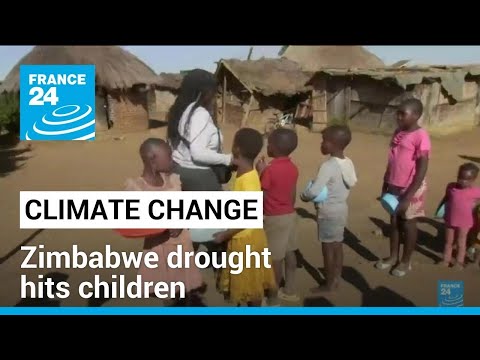
Africa’s climate adaption: How Zimbabwe is reimagining agriculture as it goes from being bread basket to food importer

Summary

  • Zimbabwe,
    once
    an
    agricultural
    exporter,
    now
    faces
    severe
    food
    insecurity
    due
    to
    persistent
    climate
    change
    impacts
  • Rising
    temperatures,
    frequent
    droughts
    and
    unpredictable
    rains
    have
    devastated
    rainfed
    farming,
    forcing
    food
    imports
  • Government
    adopts
    strategies
    like
    irrigation,
    water
    harvesting
    and
    conservation
    farming
    to
    build
    climate
    resilience
  • Climate
    change
    intensifies
    health
    risks,
    water
    shortages,
    and
    ecological
    threats,
    affecting
    livelihoods,
    wildlife
    and
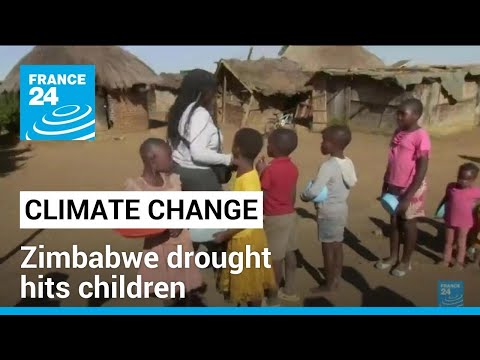
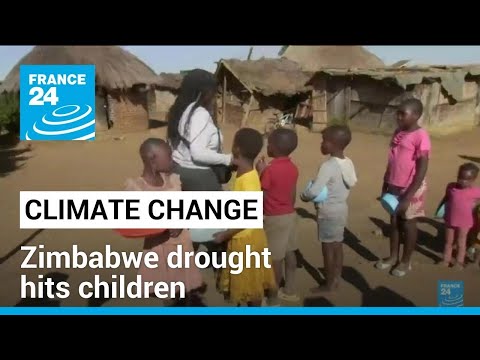
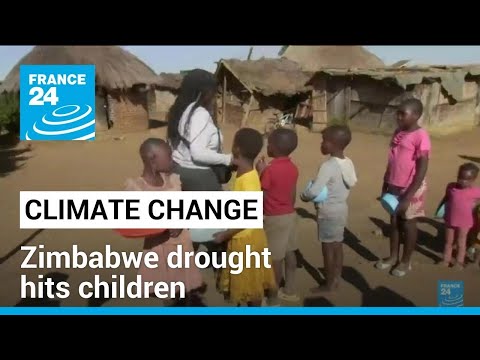
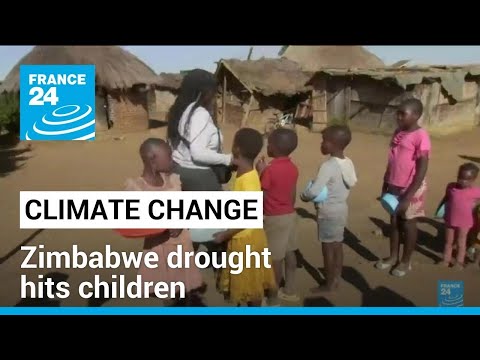
    children

Climate
change
has
gradually
wiped
off
the
surplus
from
the
country’s
rainfed
agriculture.
Realising
that
the
good
old
times
are
gone
for
good,
the
African
country
is
now
racing
to
implement
an
array
of
climate
adaptation
strategies.

Significant
vulnerability

Zimbabwe
is
particularly
vulnerable
to
climate
change
because
of
its
geographic
location,
heavy
reliance
on
rainfed
agriculture
and
susceptibility
to
extreme
weather
events,
according
to
the
World
Bank.
As
a
result,
the
country’s
food
security,
water
resources
and
overall
economic
stability
are
threatened.

Ranked
among
the
top
20
countries
most
affected
by
extreme
weather
between
2000
and
2019
by
the Global
Climate
Risk
Index
,
Zimbabwe
is
experiencing
an
increasingly
warming
trend,
with
more
frequent
and
intense
heatwaves,
and
longer,
more
severe
droughts. The
country’s
mean
annual
temperature
rose
by
about
0.03°C
per
year
from
1970
to
2016
and
is
expected
to
rise
by
1-
1.5°C
by
2040,
potentially
exceeding
3°C
by
2050,
United
Nations
Environment
Programme
report
 showed.

With
80
per
cent
of
the
country’s
agriculture
reliant
on
rain,
increasingly
frequent
and
longer
droughts,
shorter
rainy
seasons
and
hotter
temperatures,
cyclones
and
floods
have
turned
this
landlocked
African
country
that
was
once
considered
the continent’s
bread
basket
 into
one
that
increasingly
relies
on food
imports
 and donations.

Experts
also
trace
the
increase
in
pests
and
diseases
affecting
crop
yields
to
the
warmer
conditions
related
to
climate
change.

Irrigation
for
350,000
hectares

The
government
has
started
promoting
irrigation,
conservation
farming
and
water-harvesting
to
ensure
the
survival
of
the
agriculture
sector,
on
which
70
per
cent
of
the
population
depends
for
employment
and
sustenance.

“A
comprehensive
irrigation
development
strategy
is
being
implemented,” Professor
Obert
Jiri
,
permanent
secretary,
ministry
of
lands
and
agriculture,
told DTE.

The
strategy
targets
irrigation
development
using
idle
waterbodies
(existing
dams)
and
dams
under
construction,
he
shared.
“Zimbabwe
is
currently
the
most
dammed
country
in
sub-Saharan
Africa,
with
more
than
10,700
dams
already
storing
water,
most
of
which
is
underutilised.”
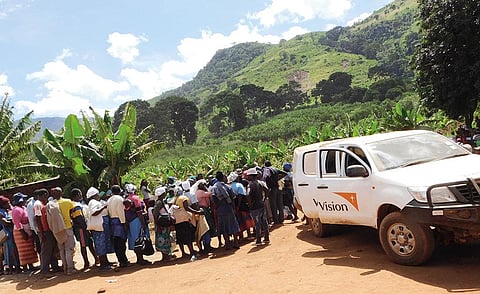
Africa’s climate adaption: From bread basket to food importer, Zimbabwe feels effects of climate change

A
total
of
221,000
hectares
is
currently
under
irrigation,
the
minister
shared.
“But
this
includes
about
100,000
hectares
under
plantation
crops,
leaving
about
120,000
hectares
for
cereal
production.”

Jiri
said
for
the
country
to
return
to
its
former
glory
of
being
the
bread
basket
of
the
region,
some
350,000
hectares
of
farmland
has
to
be
put
under
irrigation,
and
this
is
what
the
government
is
working
towards.

Zimbabwe
is
not
the
only
country
that
was
late
to
adopt
irrigation
to
climate-proof
farming

the
problem
is
felt
across
the
continent.
Only
six
per
cent
of
Africa’s
cultivated
land
is
under
irrigation,
which
poorly
compares
with
other
regions
such
as
Latin
America
(14
per
cent)
and
Asia
(37
per
cent),
according
to
a
2018
report Water-wise:
Smart
Irrigation
Strategies
for
Africa
 by
the Malabo
Montpellier
Panel
 of
agricultural
experts.

Water-harvesting
and
conservation
farming

The
government
is
also
establishing
900
pilot
and
learning
sites
to
promote
integrated
rainwater
harvesting.
This
follows
a
study
by
a
local
university
that
proved
the
technique
to
be
an
effective
climate
change
adaptation
and
mitigation
strategy,
especially
for
smallholder
farmers
who
constitute
the
bulk
of
the
farmers
in
Zimbabwe.

Because
of
colonial
land
distribution
patterns,
most
of
the
country’s
1.5
million
small-holder
farmers

those
with
less
than
10
hectares
of
land

are
largely
found
in
arid
and
semi-arid
parts
of
the
country.

For
over
a
decade,
George
Nyamadzawo,
professor
of
soil
and
environmental
science
at
Bindura
University
of
Science
Education
in
Zimbabwe,
worked
with
smallholder
farmer
communities
in
the
Marange
area,
an
arid
area
on
the
eastern
part
of
the
country,
to
study
water
harvesting
techniques.

From
their
research,
Nyamadzawo
and
his
team
established
that
contour
ridges
and
infiltration
pits
can
reduce
soil
and
water
loss
from
runoff
by
more
than
50
per
cent
and
75
per
cent
respectively,
while
increasing
crop
yields
by
up
to
seven
times
from
0.4
tonnes
/
hectare
to
3
t
/
ha.

Also
Read

Conference
to
boost
transfrontier
conservation
efforts
in
southern
Africa
begins
in
Zimbabwe

Africa’s climate adaption: From bread basket to food importer, Zimbabwe feels effects of climate change

“We
were
promoting
tied
contours,
infiltration
pits
and
other
water
harvesting
technology
as
methods
that
can
be
used
by
farmers
in
dry
regions
such
as
these,”
Nyamadzawo
explained.

“After
integrating
tight
contours
and
infiltration
pits,
we
managed
to
increase
crop
yields
to
at
least
three
tonnes
per
hectare.”

He
added
that
some
of
the
farmers
realised
maize
yields
of
4-6
t
/
ha,
while
vegetable
production
increased
10
times.

This
water-harvesting
strategy
is
being
implemented
together
with
a
conservation
farming
method
that
is
called pfumvudza,
a
concept
that
emphasises
efficient
use
of
resources
on
small
plots,
aiming
for
optimal
management
and
increased
productivity.

Climate
change
expert
Peter
Makwanya
told Down
To
Earth
 (DTE) that
as
water
becomes
increasingly
scarce
due
to
climate
change,
the
future
of
farming
is
in
irrigation,
conversation
farming
and
improved
disease
and
pest
management.
“This
makes
water
harvesting
and
conservation
fundamental.”

Health
impacts

Climate
change
is
also
having
an
effect
on
the
country’s
health
outcomes,
particularly
for
vulnerable
populations.
Vector-borne
diseases
like
malaria
are
becoming
more
prevalent
due
to
shifting
climate
patterns,
while
others
like
cholera,
typhoid
and
dysentery
easily
flourish
in
conditions
of
limited
water
supplies.

“Harare
(City
Council)
is
producing
around
320
megalitres
of
water
per
day
and
demand
on
a
daily
basis
is
1,200
megalitres,
leaving
most
residents
without
water,
resulting
in
a
situation
where
some
of
them
resort
to
unsafe
water
sources,”
Community
Water
Alliance
(CWA)
coordinator
Hardlife
Mudzingwa
told DTE.

To
improve
the
water
supply
situation,
the
government
is
currently
undertaking
an
ambitious
programme
to
drill 35,000
solar-powered
boreholes
 in
both
urban
and
rural
areas.
“The
boreholes
are
helping
improve
access
to
water
for
many
people,”
Mudzingwa
said.

Other
climate
vulnerabilities

In
addition
to
agriculture,
water
and
health,
other
sectors
such
as
electricity,
forestry
and
biodiversity,
as
well
as
infrastructure
and
human
settlements
are
also
highly
exposed
to
the
depredations
of
climate
change.

It
is
also
causing
grazing
and
water
shortages
as
well
as
the
heat
stress
that
threaten
the
survival
of
the
country’s
wildlife
species,
especially
those
sensitive
to
heat,
such
as
elephants,
of
which
the
country
already
has
an
oversized
population.

2020
study
in
Hwange
National
Park
 projected
a
reduction
of
40
per
cent
of
elephant
habitat
by
2050
and
a
change
in
elephant
population
distribution
because
of
climate
change.

Also
Read

Heat
stress,
water
scarcity
threatening
Zimbabwe
elephants
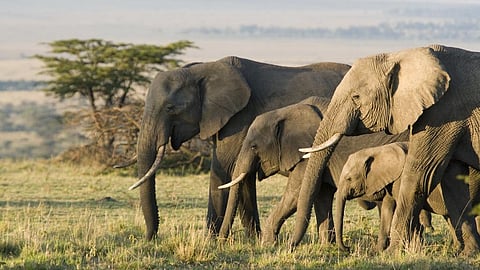
Africa’s climate adaption: From bread basket to food importer, Zimbabwe feels effects of climate change

The
Hwange
National
Park,
home
to
the
bulk
of
Zimbabwe’s
100,000-plus
elephants,
is
now
increasingly
relying
on
boreholes
for
water,
and
some
of
the
boreholes
have
to
be
deepened
regularly
as
the
water
table
drops
further.

Final
summary:
Zimbabwe,
once
a
thriving
agricultural
exporter,
now
struggles
with
food
insecurity
due
to
climate
change.
Rising
temperatures,
droughts
and
erratic
rainfall
have
devastated
rainfed
farming.
The
government
is
promoting
irrigation,
water
harvesting,
and
conservation
methods
to
adapt.
Climate
change
also
threatens
public
health,
wildlife,
and
water
access,
highlighting
the
urgent
need
for
sustainable,
climate-resilient
strategies
across
sectors.
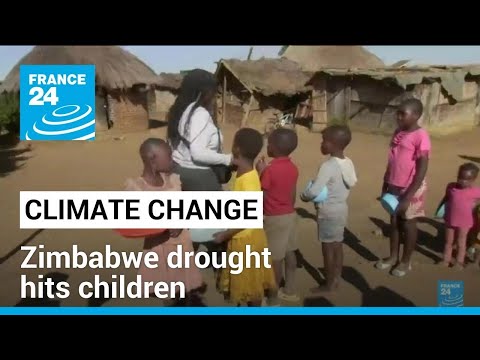
Africa’s climate adaption: How Zimbabwe is reimagining agriculture as it goes from being bread basket to food importer

Summary

  • Zimbabwe,
    once
    an
    agricultural
    exporter,
    now
    faces
    severe
    food
    insecurity
    due
    to
    persistent
    climate
    change
    impacts
  • Rising
    temperatures,
    frequent
    droughts
    and
    unpredictable
    rains
    have
    devastated
    rainfed
    farming,
    forcing
    food
    imports
  • Government
    adopts
    strategies
    like
    irrigation,
    water
    harvesting
    and
    conservation
    farming
    to
    build
    climate
    resilience
  • Climate
    change
    intensifies
    health
    risks,
    water
    shortages,
    and
    ecological
    threats,
    affecting
    livelihoods,
    wildlife
    and
    children

Climate
change
has
gradually
wiped
off
the
surplus
from
the
country’s
rainfed
agriculture.
Realising
that
the
good
old
times
are
gone
for
good,
the
African
country
is
now
racing
to
implement
an
array
of
climate
adaptation
strategies.

Significant
vulnerability

Zimbabwe
is
particularly
vulnerable
to
climate
change
because
of
its
geographic
location,
heavy
reliance
on
rainfed
agriculture
and
susceptibility
to
extreme
weather
events,
according
to
the
World
Bank.
As
a
result,
the
country’s
food
security,
water
resources
and
overall
economic
stability
are
threatened.

Ranked
among
the
top
20
countries
most
affected
by
extreme
weather
between
2000
and
2019
by
the Global
Climate
Risk
Index
,
Zimbabwe
is
experiencing
an
increasingly
warming
trend,
with
more
frequent
and
intense
heatwaves,
and
longer,
more
severe
droughts. The
country’s
mean
annual
temperature
rose
by
about
0.03°C
per
year
from
1970
to
2016
and
is
expected
to
rise
by
1-
1.5°C
by
2040,
potentially
exceeding
3°C
by
2050,
United
Nations
Environment
Programme
report
 showed.

With
80
per
cent
of
the
country’s
agriculture
reliant
on
rain,
increasingly
frequent
and
longer
droughts,
shorter
rainy
seasons
and
hotter
temperatures,
cyclones
and
floods
have
turned
this
landlocked
African
country
that
was
once
considered
the continent’s
bread
basket
 into
one
that
increasingly
relies
on food
imports
 and donations.

Experts
also
trace
the
increase
in
pests
and
diseases
affecting
crop
yields
to
the
warmer
conditions
related
to
climate
change.

Irrigation
for
350,000
hectares

The
government
has
started
promoting
irrigation,
conservation
farming
and
water-harvesting
to
ensure
the
survival
of
the
agriculture
sector,
on
which
70
per
cent
of
the
population
depends
for
employment
and
sustenance.

“A
comprehensive
irrigation
development
strategy
is
being
implemented,” Professor
Obert
Jiri
,
permanent
secretary,
ministry
of
lands
and
agriculture,
told DTE.

The
strategy
targets
irrigation
development
using
idle
waterbodies
(existing
dams)
and
dams
under
construction,
he
shared.
“Zimbabwe
is
currently
the
most
dammed
country
in
sub-Saharan
Africa,
with
more
than
10,700
dams
already
storing
water,
most
of
which
is
underutilised.”

Africa’s climate adaption: From bread basket to food importer, Zimbabwe feels effects of climate change

A
total
of
221,000
hectares
is
currently
under
irrigation,
the
minister
shared.
“But
this
includes
about
100,000
hectares
under
plantation
crops,
leaving
about
120,000
hectares
for
cereal
production.”

Jiri
said
for
the
country
to
return
to
its
former
glory
of
being
the
bread
basket
of
the
region,
some
350,000
hectares
of
farmland
has
to
be
put
under
irrigation,
and
this
is
what
the
government
is
working
towards.

Zimbabwe
is
not
the
only
country
that
was
late
to
adopt
irrigation
to
climate-proof
farming

the
problem
is
felt
across
the
continent.
Only
six
per
cent
of
Africa’s
cultivated
land
is
under
irrigation,
which
poorly
compares
with
other
regions
such
as
Latin
America
(14
per
cent)
and
Asia
(37
per
cent),
according
to
a
2018
report Water-wise:
Smart
Irrigation
Strategies
for
Africa
 by
the Malabo
Montpellier
Panel
 of
agricultural
experts.

Water-harvesting
and
conservation
farming

The
government
is
also
establishing
900
pilot
and
learning
sites
to
promote
integrated
rainwater
harvesting.
This
follows
a
study
by
a
local
university
that
proved
the
technique
to
be
an
effective
climate
change
adaptation
and
mitigation
strategy,
especially
for
smallholder
farmers
who
constitute
the
bulk
of
the
farmers
in
Zimbabwe.

Because
of
colonial
land
distribution
patterns,
most
of
the
country’s
1.5
million
small-holder
farmers

those
with
less
than
10
hectares
of
land

are
largely
found
in
arid
and
semi-arid
parts
of
the
country.

For
over
a
decade,
George
Nyamadzawo,
professor
of
soil
and
environmental
science
at
Bindura
University
of
Science
Education
in
Zimbabwe,
worked
with
smallholder
farmer
communities
in
the
Marange
area,
an
arid
area
on
the
eastern
part
of
the
country,
to
study
water
harvesting
techniques.

From
their
research,
Nyamadzawo
and
his
team
established
that
contour
ridges
and
infiltration
pits
can
reduce
soil
and
water
loss
from
runoff
by
more
than
50
per
cent
and
75
per
cent
respectively,
while
increasing
crop
yields
by
up
to
seven
times
from
0.4
tonnes
/
hectare
to
3
t
/
ha.

Also
Read

Conference
to
boost
transfrontier
conservation
efforts
in
southern
Africa
begins
in
Zimbabwe

Africa’s climate adaption: From bread basket to food importer, Zimbabwe feels effects of climate change

“We
were
promoting
tied
contours,
infiltration
pits
and
other
water
harvesting
technology
as
methods
that
can
be
used
by
farmers
in
dry
regions
such
as
these,”
Nyamadzawo
explained.

“After
integrating
tight
contours
and
infiltration
pits,
we
managed
to
increase
crop
yields
to
at
least
three
tonnes
per
hectare.”

He
added
that
some
of
the
farmers
realised
maize
yields
of
4-6
t
/
ha,
while
vegetable
production
increased
10
times.

This
water-harvesting
strategy
is
being
implemented
together
with
a
conservation
farming
method
that
is
called pfumvudza,
a
concept
that
emphasises
efficient
use
of
resources
on
small
plots,
aiming
for
optimal
management
and
increased
productivity.

Climate
change
expert
Peter
Makwanya
told Down
To
Earth
 (DTE) that
as
water
becomes
increasingly
scarce
due
to
climate
change,
the
future
of
farming
is
in
irrigation,
conversation
farming
and
improved
disease
and
pest
management.
“This
makes
water
harvesting
and
conservation
fundamental.”

Health
impacts

Climate
change
is
also
having
an
effect
on
the
country’s
health
outcomes,
particularly
for
vulnerable
populations.
Vector-borne
diseases
like
malaria
are
becoming
more
prevalent
due
to
shifting
climate
patterns,
while
others
like
cholera,
typhoid
and
dysentery
easily
flourish
in
conditions
of
limited
water
supplies.

“Harare
(City
Council)
is
producing
around
320
megalitres
of
water
per
day
and
demand
on
a
daily
basis
is
1,200
megalitres,
leaving
most
residents
without
water,
resulting
in
a
situation
where
some
of
them
resort
to
unsafe
water
sources,”
Community
Water
Alliance
(CWA)
coordinator
Hardlife
Mudzingwa
told DTE.

To
improve
the
water
supply
situation,
the
government
is
currently
undertaking
an
ambitious
programme
to
drill 35,000
solar-powered
boreholes
 in
both
urban
and
rural
areas.
“The
boreholes
are
helping
improve
access
to
water
for
many
people,”
Mudzingwa
said.

Other
climate
vulnerabilities

In
addition
to
agriculture,
water
and
health,
other
sectors
such
as
electricity,
forestry
and
biodiversity,
as
well
as
infrastructure
and
human
settlements
are
also
highly
exposed
to
the
depredations
of
climate
change.

It
is
also
causing
grazing
and
water
shortages
as
well
as
the
heat
stress
that
threaten
the
survival
of
the
country’s
wildlife
species,
especially
those
sensitive
to
heat,
such
as
elephants,
of
which
the
country
already
has
an
oversized
population.

2020
study
in
Hwange
National
Park
 projected
a
reduction
of
40
per
cent
of
elephant
habitat
by
2050
and
a
change
in
elephant
population
distribution
because
of
climate
change.

Also
Read

Heat
stress,
water
scarcity
threatening
Zimbabwe
elephants

Africa’s climate adaption: From bread basket to food importer, Zimbabwe feels effects of climate change

The
Hwange
National
Park,
home
to
the
bulk
of
Zimbabwe’s
100,000-plus
elephants,
is
now
increasingly
relying
on
boreholes
for
water,
and
some
of
the
boreholes
have
to
be
deepened
regularly
as
the
water
table
drops
further.

Final
summary:
Zimbabwe,
once
a
thriving
agricultural
exporter,
now
struggles
with
food
insecurity
due
to
climate
change.
Rising
temperatures,
droughts
and
erratic
rainfall
have
devastated
rainfed
farming.
The
government
is
promoting
irrigation,
water
harvesting,
and
conservation
methods
to
adapt.
Climate
change
also
threatens
public
health,
wildlife,
and
water
access,
highlighting
the
urgent
need
for
sustainable,
climate-resilient
strategies
across
sectors.
Africa’s climate adaption: How Zimbabwe is reimagining agriculture as it goes from being bread basket to food importer

Summary

  • Zimbabwe,
    once
    an
    agricultural
    exporter,
    now
    faces
    severe
    food
    insecurity
    due
    to
    persistent
    climate
    change
    impacts
  • Rising
    temperatures,
    frequent
    droughts
    and
    unpredictable
    rains
    have
    devastated
    rainfed
    farming,
    forcing
    food
    imports
  • Government
    adopts
    strategies
    like
    irrigation,
    water
    harvesting
    and
    conservation
    farming
    to
    build
    climate
    resilience
  • Climate
    change
    intensifies
    health
    risks,
    water
    shortages,
    and
    ecological
    threats,
    affecting
    livelihoods,
    wildlife
    and
    children

Climate
change
has
gradually
wiped
off
the
surplus
from
the
country’s
rainfed
agriculture.
Realising
that
the
good
old
times
are
gone
for
good,
the
African
country
is
now
racing
to
implement
an
array
of
climate
adaptation
strategies.

Significant
vulnerability

Zimbabwe
is
particularly
vulnerable
to
climate
change
because
of
its
geographic
location,
heavy
reliance
on
rainfed
agriculture
and
susceptibility
to
extreme
weather
events,
according
to
the
World
Bank.
As
a
result,
the
country’s
food
security,
water
resources
and
overall
economic
stability
are
threatened.

Ranked
among
the
top
20
countries
most
affected
by
extreme
weather
between
2000
and
2019
by
the Global
Climate
Risk
Index
,
Zimbabwe
is
experiencing
an
increasingly
warming
trend,
with
more
frequent
and
intense
heatwaves,
and
longer,
more
severe
droughts. The
country’s
mean
annual
temperature
rose
by
about
0.03°C
per
year
from
1970
to
2016
and
is
expected
to
rise
by
1-
1.5°C
by
2040,
potentially
exceeding
3°C
by
2050,
United
Nations
Environment
Programme
report
 showed.

With
80
per
cent
of
the
country’s
agriculture
reliant
on
rain,
increasingly
frequent
and
longer
droughts,
shorter
rainy
seasons
and
hotter
temperatures,
cyclones
and
floods
have
turned
this
landlocked
African
country
that
was
once
considered
the continent’s
bread
basket
 into
one
that
increasingly
relies
on food
imports
 and donations.

Experts
also
trace
the
increase
in
pests
and
diseases
affecting
crop
yields
to
the
warmer
conditions
related
to
climate
change.

Irrigation
for
350,000
hectares

The
government
has
started
promoting
irrigation,
conservation
farming
and
water-harvesting
to
ensure
the
survival
of
the
agriculture
sector,
on
which
70
per
cent
of
the
population
depends
for
employment
and
sustenance.

“A
comprehensive
irrigation
development
strategy
is
being
implemented,” Professor
Obert
Jiri
,
permanent
secretary,
ministry
of
lands
and
agriculture,
told DTE.

The
strategy
targets
irrigation
development
using
idle
waterbodies
(existing
dams)
and
dams
under
construction,
he
shared.
“Zimbabwe
is
currently
the
most
dammed
country
in
sub-Saharan
Africa,
with
more
than
10,700
dams
already
storing
water,
most
of
which
is
underutilised.”

Africa’s climate adaption: From bread basket to food importer, Zimbabwe feels effects of climate change

A
total
of
221,000
hectares
is
currently
under
irrigation,
the
minister
shared.
“But
this
includes
about
100,000
hectares
under
plantation
crops,
leaving
about
120,000
hectares
for
cereal
production.”

Jiri
said
for
the
country
to
return
to
its
former
glory
of
being
the
bread
basket
of
the
region,
some
350,000
hectares
of
farmland
has
to
be
put
under
irrigation,
and
this
is
what
the
government
is
working
towards.

Zimbabwe
is
not
the
only
country
that
was
late
to
adopt
irrigation
to
climate-proof
farming

the
problem
is
felt
across
the
continent.
Only
six
per
cent
of
Africa’s
cultivated
land
is
under
irrigation,
which
poorly
compares
with
other
regions
such
as
Latin
America
(14
per
cent)
and
Asia
(37
per
cent),
according
to
a
2018
report Water-wise:
Smart
Irrigation
Strategies
for
Africa
 by
the Malabo
Montpellier
Panel
 of
agricultural
experts.

Water-harvesting
and
conservation
farming

The
government
is
also
establishing
900
pilot
and
learning
sites
to
promote
integrated
rainwater
harvesting.
This
follows
a
study
by
a
local
university
that
proved
the
technique
to
be
an
effective
climate
change
adaptation
and
mitigation
strategy,
especially
for
smallholder
farmers
who
constitute
the
bulk
of
the
farmers
in
Zimbabwe.

Because
of
colonial
land
distribution
patterns,
most
of
the
country’s
1.5
million
small-holder
farmers

those
with
less
than
10
hectares
of
land

are
largely
found
in
arid
and
semi-arid
parts
of
the
country.

For
over
a
decade,
George
Nyamadzawo,
professor
of
soil
and
environmental
science
at
Bindura
University
of
Science
Education
in
Zimbabwe,
worked
with
smallholder
farmer
communities
in
the
Marange
area,
an
arid
area
on
the
eastern
part
of
the
country,
to
study
water
harvesting
techniques.

From
their
research,
Nyamadzawo
and
his
team
established
that
contour
ridges
and
infiltration
pits
can
reduce
soil
and
water
loss
from
runoff
by
more
than
50
per
cent
and
75
per
cent
respectively,
while
increasing
crop
yields
by
up
to
seven
times
from
0.4
tonnes
/
hectare
to
3
t
/
ha.

Also
Read

Conference
to
boost
transfrontier
conservation
efforts
in
southern
Africa
begins
in
Zimbabwe

Africa’s climate adaption: From bread basket to food importer, Zimbabwe feels effects of climate change

“We
were
promoting
tied
contours,
infiltration
pits
and
other
water
harvesting
technology
as
methods
that
can
be
used
by
farmers
in
dry
regions
such
as
these,”
Nyamadzawo
explained.

“After
integrating
tight
contours
and
infiltration
pits,
we
managed
to
increase
crop
yields
to
at
least
three
tonnes
per
hectare.”

He
added
that
some
of
the
farmers
realised
maize
yields
of
4-6
t
/
ha,
while
vegetable
production
increased
10
times.

This
water-harvesting
strategy
is
being
implemented
together
with
a
conservation
farming
method
that
is
called pfumvudza,
a
concept
that
emphasises
efficient
use
of
resources
on
small
plots,
aiming
for
optimal
management
and
increased
productivity.

Climate
change
expert
Peter
Makwanya
told Down
To
Earth
 (DTE) that
as
water
becomes
increasingly
scarce
due
to
climate
change,
the
future
of
farming
is
in
irrigation,
conversation
farming
and
improved
disease
and
pest
management.
“This
makes
water
harvesting
and
conservation
fundamental.”

Health
impacts

Climate
change
is
also
having
an
effect
on
the
country’s
health
outcomes,
particularly
for
vulnerable
populations.
Vector-borne
diseases
like
malaria
are
becoming
more
prevalent
due
to
shifting
climate
patterns,
while
others
like
cholera,
typhoid
and
dysentery
easily
flourish
in
conditions
of
limited
water
supplies.

“Harare
(City
Council)
is
producing
around
320
megalitres
of
water
per
day
and
demand
on
a
daily
basis
is
1,200
megalitres,
leaving
most
residents
without
water,
resulting
in
a
situation
where
some
of
them
resort
to
unsafe
water
sources,”
Community
Water
Alliance
(CWA)
coordinator
Hardlife
Mudzingwa
told DTE.

To
improve
the
water
supply
situation,
the
government
is
currently
undertaking
an
ambitious
programme
to
drill 35,000
solar-powered
boreholes
 in
both
urban
and
rural
areas.
“The
boreholes
are
helping
improve
access
to
water
for
many
people,”
Mudzingwa
said.

Other
climate
vulnerabilities

In
addition
to
agriculture,
water
and
health,
other
sectors
such
as
electricity,
forestry
and
biodiversity,
as
well
as
infrastructure
and
human
settlements
are
also
highly
exposed
to
the
depredations
of
climate
change.

It
is
also
causing
grazing
and
water
shortages
as
well
as
the
heat
stress
that
threaten
the
survival
of
the
country’s
wildlife
species,
especially
those
sensitive
to
heat,
such
as
elephants,
of
which
the
country
already
has
an
oversized
population.

2020
study
in
Hwange
National
Park
 projected
a
reduction
of
40
per
cent
of
elephant
habitat
by
2050
and
a
change
in
elephant
population
distribution
because
of
climate
change.

Also
Read

Heat
stress,
water
scarcity
threatening
Zimbabwe
elephants

Africa’s climate adaption: From bread basket to food importer, Zimbabwe feels effects of climate change

The
Hwange
National
Park,
home
to
the
bulk
of
Zimbabwe’s
100,000-plus
elephants,
is
now
increasingly
relying
on
boreholes
for
water,
and
some
of
the
boreholes
have
to
be
deepened
regularly
as
the
water
table
drops
further.

Final
summary:
Zimbabwe,
once
a
thriving
agricultural
exporter,
now
struggles
with
food
insecurity
due
to
climate
change.
Rising
temperatures,
droughts
and
erratic
rainfall
have
devastated
rainfed
farming.
The
government
is
promoting
irrigation,
water
harvesting,
and
conservation
methods
to
adapt.
Climate
change
also
threatens
public
health,
wildlife,
and
water
access,
highlighting
the
urgent
need
for
sustainable,
climate-resilient
strategies
across
sectors.
Africa’s climate adaption: How Zimbabwe is reimagining agriculture as it goes from being bread basket to food importer

Summary

  • Zimbabwe,
    once
    an
    agricultural
    exporter,
    now
    faces
    severe
    food
    insecurity
    due
    to
    persistent
    climate
    change
    impacts
  • Rising
    temperatures,
    frequent
    droughts
    and
    unpredictable
    rains
    have
    devastated
    rainfed
    farming,
    forcing
    food
    imports
  • Government
    adopts
    strategies
    like
    irrigation,
    water
    harvesting
    and
    conservation
    farming
    to
    build
    climate
    resilience
  • Climate
    change
    intensifies
    health
    risks,
    water
    shortages,
    and
    ecological
    threats,
    affecting
    livelihoods,
    wildlife
    and
    children

Climate
change
has
gradually
wiped
off
the
surplus
from
the
country’s
rainfed
agriculture.
Realising
that
the
good
old
times
are
gone
for
good,
the
African
country
is
now
racing
to
implement
an
array
of
climate
adaptation
strategies.

Significant
vulnerability

Zimbabwe
is
particularly
vulnerable
to
climate
change
because
of
its
geographic
location,
heavy
reliance
on
rainfed
agriculture
and
susceptibility
to
extreme
weather
events,
according
to
the
World
Bank.
As
a
result,
the
country’s
food
security,
water
resources
and
overall
economic
stability
are
threatened.

Ranked
among
the
top
20
countries
most
affected
by
extreme
weather
between
2000
and
2019
by
the Global
Climate
Risk
Index
,
Zimbabwe
is
experiencing
an
increasingly
warming
trend,
with
more
frequent
and
intense
heatwaves,
and
longer,
more
severe
droughts. The
country’s
mean
annual
temperature
rose
by
about
0.03°C
per
year
from
1970
to
2016
and
is
expected
to
rise
by
1-
1.5°C
by
2040,
potentially
exceeding
3°C
by
2050,
United
Nations
Environment
Programme
report
 showed.

With
80
per
cent
of
the
country’s
agriculture
reliant
on
rain,
increasingly
frequent
and
longer
droughts,
shorter
rainy
seasons
and
hotter
temperatures,
cyclones
and
floods
have
turned
this
landlocked
African
country
that
was
once
considered
the continent’s
bread
basket
 into
one
that
increasingly
relies
on food
imports
 and donations.

Experts
also
trace
the
increase
in
pests
and
diseases
affecting
crop
yields
to
the
warmer
conditions
related
to
climate
change.

Irrigation
for
350,000
hectares

The
government
has
started
promoting
irrigation,
conservation
farming
and
water-harvesting
to
ensure
the
survival
of
the
agriculture
sector,
on
which
70
per
cent
of
the
population
depends
for
employment
and
sustenance.

“A
comprehensive
irrigation
development
strategy
is
being
implemented,” Professor
Obert
Jiri
,
permanent
secretary,
ministry
of
lands
and
agriculture,
told DTE.

The
strategy
targets
irrigation
development
using
idle
waterbodies
(existing
dams)
and
dams
under
construction,
he
shared.
“Zimbabwe
is
currently
the
most
dammed
country
in
sub-Saharan
Africa,
with
more
than
10,700
dams
already
storing
water,
most
of
which
is
underutilised.”

Africa’s climate adaption: From bread basket to food importer, Zimbabwe feels effects of climate change

A
total
of
221,000
hectares
is
currently
under
irrigation,
the
minister
shared.
“But
this
includes
about
100,000
hectares
under
plantation
crops,
leaving
about
120,000
hectares
for
cereal
production.”

Jiri
said
for
the
country
to
return
to
its
former
glory
of
being
the
bread
basket
of
the
region,
some
350,000
hectares
of
farmland
has
to
be
put
under
irrigation,
and
this
is
what
the
government
is
working
towards.

Zimbabwe
is
not
the
only
country
that
was
late
to
adopt
irrigation
to
climate-proof
farming

the
problem
is
felt
across
the
continent.
Only
six
per
cent
of
Africa’s
cultivated
land
is
under
irrigation,
which
poorly
compares
with
other
regions
such
as
Latin
America
(14
per
cent)
and
Asia
(37
per
cent),
according
to
a
2018
report Water-wise:
Smart
Irrigation
Strategies
for
Africa
 by
the Malabo
Montpellier
Panel
 of
agricultural
experts.

Water-harvesting
and
conservation
farming

The
government
is
also
establishing
900
pilot
and
learning
sites
to
promote
integrated
rainwater
harvesting.
This
follows
a
study
by
a
local
university
that
proved
the
technique
to
be
an
effective
climate
change
adaptation
and
mitigation
strategy,
especially
for
smallholder
farmers
who
constitute
the
bulk
of
the
farmers
in
Zimbabwe.

Because
of
colonial
land
distribution
patterns,
most
of
the
country’s
1.5
million
small-holder
farmers

those
with
less
than
10
hectares
of
land

are
largely
found
in
arid
and
semi-arid
parts
of
the
country.

For
over
a
decade,
George
Nyamadzawo,
professor
of
soil
and
environmental
science
at
Bindura
University
of
Science
Education
in
Zimbabwe,
worked
with
smallholder
farmer
communities
in
the
Marange
area,
an
arid
area
on
the
eastern
part
of
the
country,
to
study
water
harvesting
techniques.

From
their
research,
Nyamadzawo
and
his
team
established
that
contour
ridges
and
infiltration
pits
can
reduce
soil
and
water
loss
from
runoff
by
more
than
50
per
cent
and
75
per
cent
respectively,
while
increasing
crop
yields
by
up
to
seven
times
from
0.4
tonnes
/
hectare
to
3
t
/
ha.

Also
Read

Conference
to
boost
transfrontier
conservation
efforts
in
southern
Africa
begins
in
Zimbabwe

Africa’s climate adaption: From bread basket to food importer, Zimbabwe feels effects of climate change

“We
were
promoting
tied
contours,
infiltration
pits
and
other
water
harvesting
technology
as
methods
that
can
be
used
by
farmers
in
dry
regions
such
as
these,”
Nyamadzawo
explained.

“After
integrating
tight
contours
and
infiltration
pits,
we
managed
to
increase
crop
yields
to
at
least
three
tonnes
per
hectare.”

He
added
that
some
of
the
farmers
realised
maize
yields
of
4-6
t
/
ha,
while
vegetable
production
increased
10
times.

This
water-harvesting
strategy
is
being
implemented
together
with
a
conservation
farming
method
that
is
called pfumvudza,
a
concept
that
emphasises
efficient
use
of
resources
on
small
plots,
aiming
for
optimal
management
and
increased
productivity.

Climate
change
expert
Peter
Makwanya
told Down
To
Earth
 (DTE) that
as
water
becomes
increasingly
scarce
due
to
climate
change,
the
future
of
farming
is
in
irrigation,
conversation
farming
and
improved
disease
and
pest
management.
“This
makes
water
harvesting
and
conservation
fundamental.”

Health
impacts

Climate
change
is
also
having
an
effect
on
the
country’s
health
outcomes,
particularly
for
vulnerable
populations.
Vector-borne
diseases
like
malaria
are
becoming
more
prevalent
due
to
shifting
climate
patterns,
while
others
like
cholera,
typhoid
and
dysentery
easily
flourish
in
conditions
of
limited
water
supplies.

“Harare
(City
Council)
is
producing
around
320
megalitres
of
water
per
day
and
demand
on
a
daily
basis
is
1,200
megalitres,
leaving
most
residents
without
water,
resulting
in
a
situation
where
some
of
them
resort
to
unsafe
water
sources,”
Community
Water
Alliance
(CWA)
coordinator
Hardlife
Mudzingwa
told DTE.

To
improve
the
water
supply
situation,
the
government
is
currently
undertaking
an
ambitious
programme
to
drill 35,000
solar-powered
boreholes
 in
both
urban
and
rural
areas.
“The
boreholes
are
helping
improve
access
to
water
for
many
people,”
Mudzingwa
said.

Other
climate
vulnerabilities

In
addition
to
agriculture,
water
and
health,
other
sectors
such
as
electricity,
forestry
and
biodiversity,
as
well
as
infrastructure
and
human
settlements
are
also
highly
exposed
to
the
depredations
of
climate
change.

It
is
also
causing
grazing
and
water
shortages
as
well
as
the
heat
stress
that
threaten
the
survival
of
the
country’s
wildlife
species,
especially
those
sensitive
to
heat,
such
as
elephants,
of
which
the
country
already
has
an
oversized
population.

2020
study
in
Hwange
National
Park
 projected
a
reduction
of
40
per
cent
of
elephant
habitat
by
2050
and
a
change
in
elephant
population
distribution
because
of
climate
change.

Also
Read

Heat
stress,
water
scarcity
threatening
Zimbabwe
elephants

Africa’s climate adaption: From bread basket to food importer, Zimbabwe feels effects of climate change

The
Hwange
National
Park,
home
to
the
bulk
of
Zimbabwe’s
100,000-plus
elephants,
is
now
increasingly
relying
on
boreholes
for
water,
and
some
of
the
boreholes
have
to
be
deepened
regularly
as
the
water
table
drops
further.

Final
summary:
Zimbabwe,
once
a
thriving
agricultural
exporter,
now
struggles
with
food
insecurity
due
to
climate
change.
Rising
temperatures,
droughts
and
erratic
rainfall
have
devastated
rainfed
farming.
The
government
is
promoting
irrigation,
water
harvesting,
and
conservation
methods
to
adapt.
Climate
change
also
threatens
public
health,
wildlife,
and
water
access,
highlighting
the
urgent
need
for
sustainable,
climate-resilient
strategies
across
sectors.
Africa’s climate adaption: How Zimbabwe is reimagining agriculture as it goes from being bread basket to food importer

Summary

  • Zimbabwe,
    once
    an
    agricultural
    exporter,
    now
    faces
    severe
    food
    insecurity
    due
    to
    persistent
    climate
    change
    impacts
  • Rising
    temperatures,
    frequent
    droughts
    and
    unpredictable
    rains
    have
    devastated
    rainfed
    farming,
    forcing
    food
    imports
  • Government
    adopts
    strategies
    like
    irrigation,
    water
    harvesting
    and
    conservation
    farming
    to
    build
    climate
    resilience
  • Climate
    change
    intensifies
    health
    risks,
    water
    shortages,
    and
    ecological
    threats,
    affecting
    livelihoods,
    wildlife
    and
    children

Climate
change
has
gradually
wiped
off
the
surplus
from
the
country’s
rainfed
agriculture.
Realising
that
the
good
old
times
are
gone
for
good,
the
African
country
is
now
racing
to
implement
an
array
of
climate
adaptation
strategies.

Significant
vulnerability

Zimbabwe
is
particularly
vulnerable
to
climate
change
because
of
its
geographic
location,
heavy
reliance
on
rainfed
agriculture
and
susceptibility
to
extreme
weather
events,
according
to
the
World
Bank.
As
a
result,
the
country’s
food
security,
water
resources
and
overall
economic
stability
are
threatened.

Ranked
among
the
top
20
countries
most
affected
by
extreme
weather
between
2000
and
2019
by
the Global
Climate
Risk
Index
,
Zimbabwe
is
experiencing
an
increasingly
warming
trend,
with
more
frequent
and
intense
heatwaves,
and
longer,
more
severe
droughts. The
country’s
mean
annual
temperature
rose
by
about
0.03°C
per
year
from
1970
to
2016
and
is
expected
to
rise
by
1-
1.5°C
by
2040,
potentially
exceeding
3°C
by
2050,
United
Nations
Environment
Programme
report
 showed.

With
80
per
cent
of
the
country’s
agriculture
reliant
on
rain,
increasingly
frequent
and
longer
droughts,
shorter
rainy
seasons
and
hotter
temperatures,
cyclones
and
floods
have
turned
this
landlocked
African
country
that
was
once
considered
the continent’s
bread
basket
 into
one
that
increasingly
relies
on food
imports
 and donations.

Experts
also
trace
the
increase
in
pests
and
diseases
affecting
crop
yields
to
the
warmer
conditions
related
to
climate
change.

Irrigation
for
350,000
hectares

The
government
has
started
promoting
irrigation,
conservation
farming
and
water-harvesting
to
ensure
the
survival
of
the
agriculture
sector,
on
which
70
per
cent
of
the
population
depends
for
employment
and
sustenance.

“A
comprehensive
irrigation
development
strategy
is
being
implemented,” Professor
Obert
Jiri
,
permanent
secretary,
ministry
of
lands
and
agriculture,
told DTE.

The
strategy
targets
irrigation
development
using
idle
waterbodies
(existing
dams)
and
dams
under
construction,
he
shared.
“Zimbabwe
is
currently
the
most
dammed
country
in
sub-Saharan
Africa,
with
more
than
10,700
dams
already
storing
water,
most
of
which
is
underutilised.”

Africa’s climate adaption: From bread basket to food importer, Zimbabwe feels effects of climate change

A
total
of
221,000
hectares
is
currently
under
irrigation,
the
minister
shared.
“But
this
includes
about
100,000
hectares
under
plantation
crops,
leaving
about
120,000
hectares
for
cereal
production.”

Jiri
said
for
the
country
to
return
to
its
former
glory
of
being
the
bread
basket
of
the
region,
some
350,000
hectares
of
farmland
has
to
be
put
under
irrigation,
and
this
is
what
the
government
is
working
towards.

Zimbabwe
is
not
the
only
country
that
was
late
to
adopt
irrigation
to
climate-proof
farming

the
problem
is
felt
across
the
continent.
Only
six
per
cent
of
Africa’s
cultivated
land
is
under
irrigation,
which
poorly
compares
with
other
regions
such
as
Latin
America
(14
per
cent)
and
Asia
(37
per
cent),
according
to
a
2018
report Water-wise:
Smart
Irrigation
Strategies
for
Africa
 by
the Malabo
Montpellier
Panel
 of
agricultural
experts.

Water-harvesting
and
conservation
farming

The
government
is
also
establishing
900
pilot
and
learning
sites
to
promote
integrated
rainwater
harvesting.
This
follows
a
study
by
a
local
university
that
proved
the
technique
to
be
an
effective
climate
change
adaptation
and
mitigation
strategy,
especially
for
smallholder
farmers
who
constitute
the
bulk
of
the
farmers
in
Zimbabwe.

Because
of
colonial
land
distribution
patterns,
most
of
the
country’s
1.5
million
small-holder
farmers

those
with
less
than
10
hectares
of
land

are
largely
found
in
arid
and
semi-arid
parts
of
the
country.

For
over
a
decade,
George
Nyamadzawo,
professor
of
soil
and
environmental
science
at
Bindura
University
of
Science
Education
in
Zimbabwe,
worked
with
smallholder
farmer
communities
in
the
Marange
area,
an
arid
area
on
the
eastern
part
of
the
country,
to
study
water
harvesting
techniques.

From
their
research,
Nyamadzawo
and
his
team
established
that
contour
ridges
and
infiltration
pits
can
reduce
soil
and
water
loss
from
runoff
by
more
than
50
per
cent
and
75
per
cent
respectively,
while
increasing
crop
yields
by
up
to
seven
times
from
0.4
tonnes
/
hectare
to
3
t
/
ha.

Also
Read

Conference
to
boost
transfrontier
conservation
efforts
in
southern
Africa
begins
in
Zimbabwe

Africa’s climate adaption: From bread basket to food importer, Zimbabwe feels effects of climate change

“We
were
promoting
tied
contours,
infiltration
pits
and
other
water
harvesting
technology
as
methods
that
can
be
used
by
farmers
in
dry
regions
such
as
these,”
Nyamadzawo
explained.

“After
integrating
tight
contours
and
infiltration
pits,
we
managed
to
increase
crop
yields
to
at
least
three
tonnes
per
hectare.”

He
added
that
some
of
the
farmers
realised
maize
yields
of
4-6
t
/
ha,
while
vegetable
production
increased
10
times.

This
water-harvesting
strategy
is
being
implemented
together
with
a
conservation
farming
method
that
is
called pfumvudza,
a
concept
that
emphasises
efficient
use
of
resources
on
small
plots,
aiming
for
optimal
management
and
increased
productivity.

Climate
change
expert
Peter
Makwanya
told Down
To
Earth
 (DTE) that
as
water
becomes
increasingly
scarce
due
to
climate
change,
the
future
of
farming
is
in
irrigation,
conversation
farming
and
improved
disease
and
pest
management.
“This
makes
water
harvesting
and
conservation
fundamental.”

Health
impacts

Climate
change
is
also
having
an
effect
on
the
country’s
health
outcomes,
particularly
for
vulnerable
populations.
Vector-borne
diseases
like
malaria
are
becoming
more
prevalent
due
to
shifting
climate
patterns,
while
others
like
cholera,
typhoid
and
dysentery
easily
flourish
in
conditions
of
limited
water
supplies.

“Harare
(City
Council)
is
producing
around
320
megalitres
of
water
per
day
and
demand
on
a
daily
basis
is
1,200
megalitres,
leaving
most
residents
without
water,
resulting
in
a
situation
where
some
of
them
resort
to
unsafe
water
sources,”
Community
Water
Alliance
(CWA)
coordinator
Hardlife
Mudzingwa
told DTE.

To
improve
the
water
supply
situation,
the
government
is
currently
undertaking
an
ambitious
programme
to
drill 35,000
solar-powered
boreholes
 in
both
urban
and
rural
areas.
“The
boreholes
are
helping
improve
access
to
water
for
many
people,”
Mudzingwa
said.

Other
climate
vulnerabilities

In
addition
to
agriculture,
water
and
health,
other
sectors
such
as
electricity,
forestry
and
biodiversity,
as
well
as
infrastructure
and
human
settlements
are
also
highly
exposed
to
the
depredations
of
climate
change.

It
is
also
causing
grazing
and
water
shortages
as
well
as
the
heat
stress
that
threaten
the
survival
of
the
country’s
wildlife
species,
especially
those
sensitive
to
heat,
such
as
elephants,
of
which
the
country
already
has
an
oversized
population.

2020
study
in
Hwange
National
Park
 projected
a
reduction
of
40
per
cent
of
elephant
habitat
by
2050
and
a
change
in
elephant
population
distribution
because
of
climate
change.

Also
Read

Heat
stress,
water
scarcity
threatening
Zimbabwe
elephants

Africa’s climate adaption: From bread basket to food importer, Zimbabwe feels effects of climate change

The
Hwange
National
Park,
home
to
the
bulk
of
Zimbabwe’s
100,000-plus
elephants,
is
now
increasingly
relying
on
boreholes
for
water,
and
some
of
the
boreholes
have
to
be
deepened
regularly
as
the
water
table
drops
further.

Final
summary:
Zimbabwe,
once
a
thriving
agricultural
exporter,
now
struggles
with
food
insecurity
due
to
climate
change.
Rising
temperatures,
droughts
and
erratic
rainfall
have
devastated
rainfed
farming.
The
government
is
promoting
irrigation,
water
harvesting,
and
conservation
methods
to
adapt.
Climate
change
also
threatens
public
health,
wildlife,
and
water
access,
highlighting
the
urgent
need
for
sustainable,
climate-resilient
strategies
across
sectors.

Africa’s climate adaption: How Zimbabwe is reimagining agriculture as it goes from being bread basket to food importer

Summary

  • Zimbabwe,
    once
    an
    agricultural
    exporter,
    now
    faces
    severe
    food
    insecurity
    due
    to
    persistent
    climate
    change
    impacts
  • Rising
    temperatures,
    frequent
    droughts
    and
    unpredictable
    rains
    have
    devastated
    rainfed
    farming,
    forcing
    food
    imports
  • Government
    adopts
    strategies
    like
    irrigation,
    water
    harvesting
    and
    conservation
    farming
    to
    build
    climate
    resilience
  • Climate
    change
    intensifies
    health
    risks,
    water
    shortages,
    and
    ecological
    threats,
    affecting
    livelihoods,
    wildlife
    and
    children

Climate
change
has
gradually
wiped
off
the
surplus
from
the
country’s
rainfed
agriculture.
Realising
that
the
good
old
times
are
gone
for
good,
the
African
country
is
now
racing
to
implement
an
array
of
climate
adaptation
strategies.

Significant
vulnerability

Zimbabwe
is
particularly
vulnerable
to
climate
change
because
of
its
geographic
location,
heavy
reliance
on
rainfed
agriculture
and
susceptibility
to
extreme
weather
events,
according
to
the
World
Bank.
As
a
result,
the
country’s
food
security,
water
resources
and
overall
economic
stability
are
threatened.

Ranked
among
the
top
20
countries
most
affected
by
extreme
weather
between
2000
and
2019
by
the Global
Climate
Risk
Index
,
Zimbabwe
is
experiencing
an
increasingly
warming
trend,
with
more
frequent
and
intense
heatwaves,
and
longer,
more
severe
droughts. The
country’s
mean
annual
temperature
rose
by
about
0.03°C
per
year
from
1970
to
2016
and
is
expected
to
rise
by
1-
1.5°C
by
2040,
potentially
exceeding
3°C
by
2050,
United
Nations
Environment
Programme
report
 showed.

With
80
per
cent
of
the
country’s
agriculture
reliant
on
rain,
increasingly
frequent
and
longer
droughts,
shorter
rainy
seasons
and
hotter
temperatures,
cyclones
and
floods
have
turned
this
landlocked
African
country
that
was
once
considered
the continent’s
bread
basket
 into
one
that
increasingly
relies
on food
imports
 and donations.

Experts
also
trace
the
increase
in
pests
and
diseases
affecting
crop
yields
to
the
warmer
conditions
related
to
climate
change.

Irrigation
for
350,000
hectares

The
government
has
started
promoting
irrigation,
conservation
farming
and
water-harvesting
to
ensure
the
survival
of
the
agriculture
sector,
on
which
70
per
cent
of
the
population
depends
for
employment
and
sustenance.

“A
comprehensive
irrigation
development
strategy
is
being
implemented,” Professor
Obert
Jiri
,
permanent
secretary,
ministry
of
lands
and
agriculture,
told DTE.

The
strategy
targets
irrigation
development
using
idle
waterbodies
(existing
dams)
and
dams
under
construction,
he
shared.
“Zimbabwe
is
currently
the
most
dammed
country
in
sub-Saharan
Africa,
with
more
than
10,700
dams
already
storing
water,
most
of
which
is
underutilised.”

Africa’s climate adaption: From bread basket to food importer, Zimbabwe feels effects of climate change

A
total
of
221,000
hectares
is
currently
under
irrigation,
the
minister
shared.
“But
this
includes
about
100,000
hectares
under
plantation
crops,
leaving
about
120,000
hectares
for
cereal
production.”

Jiri
said
for
the
country
to
return
to
its
former
glory
of
being
the
bread
basket
of
the
region,
some
350,000
hectares
of
farmland
has
to
be
put
under
irrigation,
and
this
is
what
the
government
is
working
towards.

Zimbabwe
is
not
the
only
country
that
was
late
to
adopt
irrigation
to
climate-proof
farming

the
problem
is
felt
across
the
continent.
Only
six
per
cent
of
Africa’s
cultivated
land
is
under
irrigation,
which
poorly
compares
with
other
regions
such
as
Latin
America
(14
per
cent)
and
Asia
(37
per
cent),
according
to
a
2018
report Water-wise:
Smart
Irrigation
Strategies
for
Africa
 by
the Malabo
Montpellier
Panel
 of
agricultural
experts.

Water-harvesting
and
conservation
farming

The
government
is
also
establishing
900
pilot
and
learning
sites
to
promote
integrated
rainwater
harvesting.
This
follows
a
study
by
a
local
university
that
proved
the
technique
to
be
an
effective
climate
change
adaptation
and
mitigation
strategy,
especially
for
smallholder
farmers
who
constitute
the
bulk
of
the
farmers
in
Zimbabwe.

Because
of
colonial
land
distribution
patterns,
most
of
the
country’s
1.5
million
small-holder
farmers

those
with
less
than
10
hectares
of
land

are
largely
found
in
arid
and
semi-arid
parts
of
the
country.

For
over
a
decade,
George
Nyamadzawo,
professor
of
soil
and
environmental
science
at
Bindura
University
of
Science
Education
in
Zimbabwe,
worked
with
smallholder
farmer
communities
in
the
Marange
area,
an
arid
area
on
the
eastern
part
of
the
country,
to
study
water
harvesting
techniques.

From
their
research,
Nyamadzawo
and
his
team
established
that
contour
ridges
and
infiltration
pits
can
reduce
soil
and
water
loss
from
runoff
by
more
than
50
per
cent
and
75
per
cent
respectively,
while
increasing
crop
yields
by
up
to
seven
times
from
0.4
tonnes
/
hectare
to
3
t
/
ha.

Also
Read

Conference
to
boost
transfrontier
conservation
efforts
in
southern
Africa
begins
in
Zimbabwe

Africa’s climate adaption: From bread basket to food importer, Zimbabwe feels effects of climate change

“We
were
promoting
tied
contours,
infiltration
pits
and
other
water
harvesting
technology
as
methods
that
can
be
used
by
farmers
in
dry
regions
such
as
these,”
Nyamadzawo
explained.

“After
integrating
tight
contours
and
infiltration
pits,
we
managed
to
increase
crop
yields
to
at
least
three
tonnes
per
hectare.”

He
added
that
some
of
the
farmers
realised
maize
yields
of
4-6
t
/
ha,
while
vegetable
production
increased
10
times.

This
water-harvesting
strategy
is
being
implemented
together
with
a
conservation
farming
method
that
is
called pfumvudza,
a
concept
that
emphasises
efficient
use
of
resources
on
small
plots,
aiming
for
optimal
management
and
increased
productivity.

Climate
change
expert
Peter
Makwanya
told Down
To
Earth
 (DTE) that
as
water
becomes
increasingly
scarce
due
to
climate
change,
the
future
of
farming
is
in
irrigation,
conversation
farming
and
improved
disease
and
pest
management.
“This
makes
water
harvesting
and
conservation
fundamental.”

Health
impacts

Climate
change
is
also
having
an
effect
on
the
country’s
health
outcomes,
particularly
for
vulnerable
populations.
Vector-borne
diseases
like
malaria
are
becoming
more
prevalent
due
to
shifting
climate
patterns,
while
others
like
cholera,
typhoid
and
dysentery
easily
flourish
in
conditions
of
limited
water
supplies.

“Harare
(City
Council)
is
producing
around
320
megalitres
of
water
per
day
and
demand
on
a
daily
basis
is
1,200
megalitres,
leaving
most
residents
without
water,
resulting
in
a
situation
where
some
of
them
resort
to
unsafe
water
sources,”
Community
Water
Alliance
(CWA)
coordinator
Hardlife
Mudzingwa
told DTE.

To
improve
the
water
supply
situation,
the
government
is
currently
undertaking
an
ambitious
programme
to
drill 35,000
solar-powered
boreholes
 in
both
urban
and
rural
areas.
“The
boreholes
are
helping
improve
access
to
water
for
many
people,”
Mudzingwa
said.

Other
climate
vulnerabilities

In
addition
to
agriculture,
water
and
health,
other
sectors
such
as
electricity,
forestry
and
biodiversity,
as
well
as
infrastructure
and
human
settlements
are
also
highly
exposed
to
the
depredations
of
climate
change.

It
is
also
causing
grazing
and
water
shortages
as
well
as
the
heat
stress
that
threaten
the
survival
of
the
country’s
wildlife
species,
especially
those
sensitive
to
heat,
such
as
elephants,
of
which
the
country
already
has
an
oversized
population.

2020
study
in
Hwange
National
Park
 projected
a
reduction
of
40
per
cent
of
elephant
habitat
by
2050
and
a
change
in
elephant
population
distribution
because
of
climate
change.

Also
Read

Heat
stress,
water
scarcity
threatening
Zimbabwe
elephants

Africa’s climate adaption: From bread basket to food importer, Zimbabwe feels effects of climate change

The
Hwange
National
Park,
home
to
the
bulk
of
Zimbabwe’s
100,000-plus
elephants,
is
now
increasingly
relying
on
boreholes
for
water,
and
some
of
the
boreholes
have
to
be
deepened
regularly
as
the
water
table
drops
further.

Final
summary:
Zimbabwe,
once
a
thriving
agricultural
exporter,
now
struggles
with
food
insecurity
due
to
climate
change.
Rising
temperatures,
droughts
and
erratic
rainfall
have
devastated
rainfed
farming.
The
government
is
promoting
irrigation,
water
harvesting,
and
conservation
methods
to
adapt.
Climate
change
also
threatens
public
health,
wildlife,
and
water
access,
highlighting
the
urgent
need
for
sustainable,
climate-resilient
strategies
across
sectors.

Zimbabwe interested in boosting environmental ties with Iran

The
officials
met
on
the
sidelines
of
the
15th
meeting
of
the
Conference
of
the
Parties
(COP15),
which
is
taking
place
from
July
23
to
31
July
in
Victoria
Falls
City,
Zimbabwe,
the
doe.ir
reported.

Highlighting
Zimbabwe’s
extensive
experiences
in
wildlife
conservation,
Ndlovu,
who
is
also
COP15
President,
proposed
to
develop
collaborative
efforts
on
water
management
and
the
preservation
of
the
Asiatic
cheetah
through
sharing
scientific
and
practical
expertise.

For
his
part,
Lahijanzadeh
welcomed
the
proposal
on
behalf
of
the
DOE,
while
elaborating
on
the
country’s
environmental
measures.

The
two
officials
agreed
to
sign
a
memorandum
of
understanding
(MOU)
and
put
it
on
the
top
agenda
of
the
two
organizations,
subsequently.


COP15

The
meeting
of
COP15
is
being
held
under
the
theme
“Protecting
Wetlands
for
our
Common
Future.”
The
new
Standing
Committee
of
the
Convention
on
Wetlands
has
elected
Iran
as
the
Vice-Chair
for
the
15th
meeting.

This
COP
aims
to
adopt
a
new
strategic
plan
for
2025-2034,
the
Convention’s
fifth
action
plan.

The
Ramsar
Convention
on
Wetlands
was
signed
in
the
city
of
Ramsar,
Iran,
in
1971.
This
intergovernmental
treaty
provides
the
framework
for
international
cooperation
on
wetland
conservation.
The
convention
officially
came
into
force
in
1975.

Since
then,
many
countries
have
become
Contracting
Parties
to
the
convention.
Saudi
Arabia
is
the
173rd
one,
ISNA
reported.

Moreover,
the
three
Iranian
cities,
including
Babol
in
northern
Mazandaran
province,
Kiashahr
in
northern
Gilan
province,
and
Gandoman
in
southwestern
Chaharmahal-Bakhtiari
province,
received
wetland
city
accreditation
certificates
on
the
first
day
of
COP15
of
the
Ramsar
Convention
on
Wetlands.


Environmental
diplomacy

Being
transboundary,
many
complicated
environmental
challenges
can
be
addressed
through
environmental
diplomacy,
which
means
negotiations
among
two
or
more
countries.

Environmental
diplomacy
is
used
globally
to
settle
problems
such
as
conflicts
over
sources
of
energy,
water,
and
climate
change,
IRNA
reported.

The
fact
that
all
the
countries
share
the
same
environment
necessitates
fostering
environmental
diplomacy
to
settle
disputes
over
water
resources,
environmental
pollution,
and
climate
change
impacts.

Environmental
diplomacy
is
an
effective
and
required
tool
to
mitigate
and
eliminate
the
severe
consequences
by
fair
distribution
of
responsibilities
among
involved
countries
as
they
present
their
national
interests
and
solutions.

Sand
and
dust
storms
(DSDs)
are
a
typical
example
of
meteorological
hazards
in
West
Asia,
where
many
countries
are
involved,
as
some
generate
them
and
some
others
are
affected
by
them.

SDSs
hit
countries
such
as
Saudi
Arabia,
Iraq,
Syria,
Turkey,
Iran,
and
sometimes
parts
of
Azerbaijan,
Turkmenistan,
and
even
Afghanistan
and
Pakistan.

Removing
pollution
from
the
Aras
River
and
securing
the
Hirmand
River
water
rights,
as
well
as
some
wetlands,
are
other
examples
where
environmental
policies
have
been
used
to
resolve
the
conflicts.

Therefore,
to
mitigate
climate
change
impacts
and
achieve
sustainable
development
goals,
environmental
policy
is
required
to
be
strengthened
to
help
Iran,
as
well
as
its
neighboring
countries,
benefit
from
available
resources
and
secure
our
rights
at
the
international
level.

These
dust
particles
have
devastating
impacts
on
respiratory
health
and
ecosystems;
they
result
in
the
closure
of
airports,
schools,
and
offices,
affect
electricity
transmission
infrastructures,
and
bring
about
economic
losses.

Solar energy plant for platinum mine


A
public-private
partnership
has
resulted
in
a
solar
energy
project
being
set
up
at
a
major
mining
house
in
Zimbabwe.
Last
week,
President
Emmerson
Mnangagwa
officially
commissioned
the
expanded
smelter
and
first
phase
of
a
large-scale
solar
plant
at
Zimbabwe
Platinum
Mines
(Zimplats).

Speaking
at
the
Selous
Metallurgical
Complex
in
Ngezi,
Mashonaland
West,
Mnangagwa
hailed
the
dual
projects

a
$360
million
expanded
smelter
and
a
35MWac
solar
plant

as
a
testament
to
strategic
collaboration
between
government
and
the
private
sector.

The
developments
form
part
of
Zimplats’
broader
$1.8
billion
expansion
programme,
set
to
run
through
2031,
which
also
includes
a
base
metal
refinery,
additional
mining
developments
and
a
total
185MW
of
installed
solar
capacity.


Senior
Executive
Vice
President,
Afreximbank
Group,
Denys
Denya,
speaks
to
ESI
Africa
about
the
critical
need
of
prioritising
the
interests
and
well-being
of
local
mining
communities
in
the
extraction
and
processing
of
Africa’s
mineral
resources

“These
developments
are
a
remarkable
milestone
in
Zimbabwe’s
quest
for
industrial
advancement,
energy
self-sufficiency
and
environmental
sustainability.

“They
demonstrate
Zimplats’
commitment
to
remaining
a
strategic
partner
in
our
national
Vision
2030,”
Mnangagwa
was
quoted
by
the
Zimbabwe
Broadcasting
Corporation
as
saying.

The
38MW
smelter
expansion,
completed
in
December
2024,
triples
the
mine’s
smelting
capacity
and
is
designed
to
enhance
processing
efficiency
while
reducing
energy
costs
and
environmental
impact.

Meanwhile,
the
35MWac
solar
plant

occupying
106
hectares

represents
Phase
1A
of
Zimplats’
larger
renewable
energy
strategy
to
reduce
emissions
and
ensure
stable
power
supply
to
its
operations.

Zimplats,
a
subsidiary
of
South
Africa’s
Impala
Platinum
Holdings
(Implats),
is
the
country’s
largest
producer
of
platinum
group
metals
(PGMs).

As
a
heavy
energy
consumer,
the
company
said
it
has
committed
to
reducing
its carbon
footprint
 through
a
two-pronged
approach
involving solar power
development
and
direct
importation
of
cleaner
hydropower
from Zambia.

“Locally
supplied
energy,
largely
generated
from
thermal
sources,
contributes
significantly
to
carbon
emissions.
Our
aim
is
to
migrate
to
cleaner, renewable
energy
 sources
and
maintain
an
optimal
energy
mix
comprising
solar,
hydroelectric
and
local
grid
power,”
Zimplats
noted
in
its
2024
Integrated
Annual
Report.

Energy
shortage
woes
in
Zimbabwe

In
recent
years,
Zimbabwe
has
faced
recurrent
power
shortages,
with loadshedding disrupting
industrial
production
and
household
consumption.

According
to
the
World
Bank,
only
around
49.6%
of
Zimbabwe’s
population
had
access
to electricity as
of
2021.

Mnangagwa
also
emphasised
the
critical
role
of
mining
in
Zimbabwe’s
economic
transformation.

“With Zimbabwe among
the
top
countries
in platinum reserves,
it
is
commendable
that
the
sub-sector
is
well-coordinated
with
clear
and
achievable
benchmarks
for
success.

“The
generation
that
comes
after
us
should
be
able
to
thank
us
for
creating
a
legacy
that
benefits
generations
to
come,”
he
said.

Mining
remains
one
of
Zimbabwe’s
top-performing
sectors,
contributing
around
12%
to
GDP,
as
well
as
foreign
currency
earnings
and
employment.

The
President
reiterated
that
projects
such
as
Zimplats’
expansion
should
deliver
not
only
macroeconomic
gains
but
also
tangible
benefits
for
communities,
including
jobs,
skills
development
and
improved infrastructure.

Post
published
in:

Featured

Zimbabwe Vigil Diary 26th July 2025


29.7.2025


17:04

Another
virtual
Vigil
today
continues
our
protest
against
the
human
rights
abuse
and
lack
of
democracy
in
Zimbabwe. 


https://www.flickr.com/photos/zimbabwevigil/54686827199/sizes/m/

Our
virtual
Vigil
activists
today
were
Chantelle
Manyande
and
Philip
Maponga.
They
carried
placards
expressing
their
dissatisfaction
with
ZANU
PF,
Zimbabwe’s
ruling
regime.  Photos:

https://www.flickr.com/photos/zimbabwevigil/albums/72177720327927341/
.

For
Vigil
pictures
check: http://www.flickr.com/photos/zimbabwevigil/.
Please
note:
Vigil
photos
can
only
be
downloaded
from
our
Flickr
website.


Events
and
Notices:  


  • Next
    Vigil
    meeting
    outside
    the
    Zimbabwe
    Embassy. 
    Saturday
    2nd August
    from
    2

    5
    pm.
    We
    meet
    on
    the
    first
    and
    third
    Saturdays
    of
    every
    month.
    On
    other
    Saturdays
    the
    virtual
    Vigil
    will
    run.

  • The
    Restoration
    of
    Human
    Rights
    in
    Zimbabwe
    (ROHR)
     is
    the
    Vigil’s
    partner
    organisation
    based
    in
    Zimbabwe.
    ROHR
    grew
    out
    of
    the
    need
    for
    the
    Vigil
    to
    have
    an
    organisation
    on
    the
    ground
    in
    Zimbabwe
    which
    reflected
    the
    Vigil’s
    mission
    statement
    in
    a
    practical
    way.
    ROHR
    in
    the
    UK
    actively
    fundraises
    through
    membership
    subscriptions,
    events,
    sales
    etc
    to
    support
    the
    activities
    of
    ROHR
    in
    Zimbabwe.

  • The
    Vigil’s
    book
    ‘Zimbabwe
    Emergency’
     is
    based
    on
    our
    weekly
    diaries.
    It
    records
    how
    events
    in
    Zimbabwe
    have
    unfolded
    as
    seen
    by
    the
    diaspora
    in
    the
    UK.
    It
    chronicles
    the
    economic
    disintegration,
    violence,
    growing
    oppression
    and
    political
    manoeuvring

    and
    the
    tragic
    human
    cost
    involved. It
    is
    available
    at
    the
    Vigil.
    All
    proceeds
    go
    to
    the
    Vigil
    and
    our
    sister
    organisation
    the
    Restoration
    of
    Human
    Rights
    in
    Zimbabwe’s
    work
    in
    Zimbabwe.
    The
    book
    is
    also
    available
    from
    Amazon.


  • Facebook
    pages:

  •  Vigil : 
    https ://www.facebook.com/zimbabwevigil 
  • ROHR: https://www.facebook.com/Restoration-of-Human-Rights-ROHR-Zimbabwe-International-370825706588551/
  • ZAF: https://www.facebook.com/pages/Zimbabwe-Action-Forum-ZAF/490257051027515

The
Vigil,
outside
the
Zimbabwe
Embassy,
429
Strand,
London
meets
regularly
on
Saturdays
from
14.00
to
17.00
to
protest
against
gross
violations
of
human
rights
in
Zimbabwe.
The
Vigil
which started
in
October
2002
will
continue
until
internationally-monitored,
free
and
fair
elections
are
held
in
Zimbabwe.

Post
published
in:

Featured

The Art Of Melania – Above the Law

(Photo
by
Alex
Wong/Getty)


Ed.
note
:
Please
welcome
Vivia
Chen
back
to
the
pages
of
Above
the
Law.
Subscribe
to
her
Substack,
“The
Ex-Careerist,” here.


Hooters
at
the
Kennedy
Center?
 If
Republicans
get
their
way,
the
Opera
House
of
the
Kennedy
Center
for
the
Performing
Arts
will
soon
be
renamed
after
Melania
Trump.
Because
who
better
embodies
the
artistic
spirit
of
America
today
than
a
one-time
model
known
for
her
sultry
poses?
(The
2000
British
GQ
issue
in
which
she
romped
in
the
buff
in
Trump’s
private
jet
is
now
a
collector’s
item,
going
for
$1,000
on
eBay.)

But
Melania’s
not
just
resting
on
her
glossy
laurels

she’s
on
a
mission
to
expand
our
definition
of
art,
championing
nude
modeling
as
high
culture.
Comparing
her
nude
photos
to
classical
art,
such
as
Michelangelo’s
David
and
John
Collier’s
Lady
Godiva,
Melania
asked
in
video this
spring:
“Are
we
no
longer
able
to
appreciate
the
beauty
of
the
human
body?
Throughout
history,
master
artists
have
revered
the
human
shape,
evoking
profound
emotions
and
admiration.”

So
profound.


Donald
Trump,
l’artiste
extraordinaire. 
I
hope
I’m
wrong
but
I
don’t
believe
that
the
ongoing
saga
in
the
Jeffrey
Epstein
matter
will
result
in
any
real
damage
to
Trump.

Sure,
there
seems
to
be
a
coverup
in
the
works.
After
whipping
up
the
base
with
promises
of
a
big
exposé,
the
FBI
and
the
Department
of
Justice
are
stonewalling
the
release
of
the
Epstein
files.
And
it’s
fishy
that
Todd
Blanche,
the
number
two
lawyer
at
DOJ
(and
Trump’s
de
facto
personal
lawyer),
is
meeting
privately
with
Epstein
consort
and
co-conspirator
Ghislaine
Maxwell.
Adding
to
the
stink
is
Trump’s
refusal
to
rule
out
a
pardon
for
Maxwell,
who’s
serving
a
20-year
sentence
for
sex
trafficking.
(He
said
he hasn’t
thought
about 
it,
which
means
his
wheels
are
spinning
about
what
he
can
get
out
of
her.)

Will
this
lead
to
anything
significant?
Doubt
it.
Honestly,
even
if
there
were
a
video
of
Trump
and
Epstein
abusing
a
procession
of
underage
girls,
his
base
would
either
shrug
their
shoulders
or
spin
it
as
evidence
that
God
works
in
mysterious
ways.

What did catch
my
eye,
though,
was
the
Wall
Street
Journal’s
recent
revelation
of
Trump’s
artistic
flair,
which
he
reportedly
displayed
in
a
birthday
greeting
to
Epstein.
Trump
allegedly
drew
a
picture
of
a
naked
woman,
deploying
his
signature
as
pubic
hair.
Some
called
that
touch
vulgar
but
I
found
it
oddly
inspired.
Though
he
denies
that
it
was
his
creation
(he’s
now
suing
Rupert
Murdoch,
WSJ’s
owner,
for
that
article), Trump
was
an
avid
doodler
 who
drew
buildings,
the
New
York
skyline
and
the
George
Washington
Bridge.
Another
artiste
manqué
like
you-know-who?


Lauren
Boebert
has
an
amazing
idea.
 I
hope
you
didn’t
miss
this
one:
Representative
Boebert
demanded
that
a
special
counsel
be
appointed
to
investigate
the
DOJ’s
refusal
to
unveil
the
Epstein
files.
And
she
has
the perfect
candidate
 for
the
job:
Matt
Gaetz,
another
alleged
child
abuser.
I
don’t
know
if
Boebert
was
serious
or
just
yanking
our
chain.
In
any
case,
you
can’t
deny
that
Gaetz
would
bring
insight
to
the
job.


The
Vances
will
be
terrorizing
the
Cotswolds
.
Why
on
earth
is
JD
Vance
dragging
his
family
to
the
Cotswolds
for
vacation
when
he’s
shown
nothing
but
contempt
for
the
UK
and
the
rest
of
Europe?
And
as
a
hardcore
nativist,
shouldn’t
he
be
spending
August
in
the
USA
bonding
with
real
Americans?

But
even
if
JD
refrains
from
disparaging
the
UK
on
this
trip,
you
have
to
feel
sorry
for
the
natives.
Considering
the low
opinion
Europeans
have
of
Trump
,
Vance’s
mere
presence
is
bound
to
cast
a
pall.
(And
what
a
bummer
for
Ellen
DeGeneres
and
her
wife
Portia
De
Rossi
who moved
to
the
Cotswold
to
escape
Trump
.)
As
Guardian
columnist
Zoe
Williams
puts
it:
What
did
the
people
of
the
Cotswolds
do 
to
deserve
a
visit
from
JD
Vance?”


Fired
Davis
Polk
associate
claps
back. 
Remember my
post
on
Ryan
Powers
,
the
associate
who
got
canned
by
Davis
Polk
for
publishing
articles
critical
of
MAGA? Well,
he
took
issue
with
some
of
my
points.
(Check
out
his
response
in the
comment
section
.)

You
might
also
recall
I
concluded
my
post
by
asking
whether
Powers
was
“heroic,
naive
or
annoying.”
As
the
sharp
eyes
at
Above
the
Law noted,
he’s
now
embracing
those
labels.
His Instagram tag
now
reads
“heroic,
naive
and
annoying.”
Hey,
go
for
it.


The
Gen
Z
blank
stare
.
Apparently,
it’s
a
thing.
Business
Insider reports:
“As
more
of
Gen
Z
enters
the
workforce,
some
millennials
are
saying
the
younger
workers
are
greeting
customers
and
colleagues
with
wide
eyes,
blank
expressions,
and
pregnant
pauses.”
All
this
has
raised
questions
whether
Gen
Z
lacks
basic
social
fluency
to
navigate
the
corporate
workplace
and
everyday
life.

I
had
no
idea
this
was
part
of
a
larger
social
trend.
I
just
thought
it
was
normal
for
my
kids
to
stare
at
me
with
bored
disdain
like
I’m
an
idiot.


Subscribe
to
read
more
at
The
Ex-Careerist….


Vivia
Chen writes “The
Ex-Careerist”
 column
on
Substack
where
she
unleashes
her
unvarnished
views
about
the
intersection
of
work,
life,
and
politics.
A
former
lawyer,
she
was
an
opinion
columnist
at
Bloomberg
Law
and
The
American
Lawyer.
Subscribe
to
her
Substack
by
clicking
here: